Author: Shohag

  • P Shot Treatment: Procedure Steps, Recovery, Aftercare, and Results Timeline

    P Shot Treatment: Procedure Steps, Recovery, Aftercare, and Results Timeline

    If you are considering p shot treatment (also written as p shot, p-shot, pshot, or priapus shot), the most useful information is not marketing claims. It is the practical detail: how the procedure is done, what a safe clinic pathway looks like, what aftercare involves, and how results should be measured.

    This is especially important because professional guidance remains cautious. The European Association of Urology (EAU) notes PRP has been studied and may show mild improvements in some men with organic ED, but the evidence is insufficient to recommend routine use. The Sexual Medicine Society of North America (SMSNA) position statement advises restorative therapies such as PRP should be reserved for clinical trials until stronger evidence is available.

    This article explains the treatment-focused pathway in a medically careful, UK-safe way.

    What exactly is “P Shot treatment” in clinics?

    In most clinics, “P Shot” is a name used for platelet-rich plasma (PRP) injections in penile tissue. PRP is made from your own blood, processed to concentrate platelets before injection.

    The key issue is that PRP protocols vary between providers, which is one reason research is mixed and outcomes differ.

    Step-by-step: what happens during a P Shot appointment?

    1) Pre-treatment assessment

    A credible clinic should do more than offer an injection. A proper assessment typically includes:

    • Confirmation of the likely ED pattern (organic, psychological, or mixed)
    • Review of cardiovascular and metabolic risk factors
    • Medication review
    • Basic safety screening and suitability discussion

    This matters because ED can be linked to underlying health conditions and may need medical investigation, not just a procedure. NHS guidance advises seeing a clinician if erection problems persist.

    2) Consent and realistic goal setting

    A safe consent process should cover:

    • What PRP is and what it is not
    • What outcomes are realistic for your situation
    • What uncertainties exist in the evidence
    • Risks, including infection risk and post-injection discomfort
    • Alternatives, including evidence-based ED treatments

    Cleveland Clinic explicitly notes that claims such as increasing penis size are not supported by scientific evidence and that research has not shown the P-Shot is beneficial for penile-related symptoms, advising patients to be prepared for the possibility it may not work.

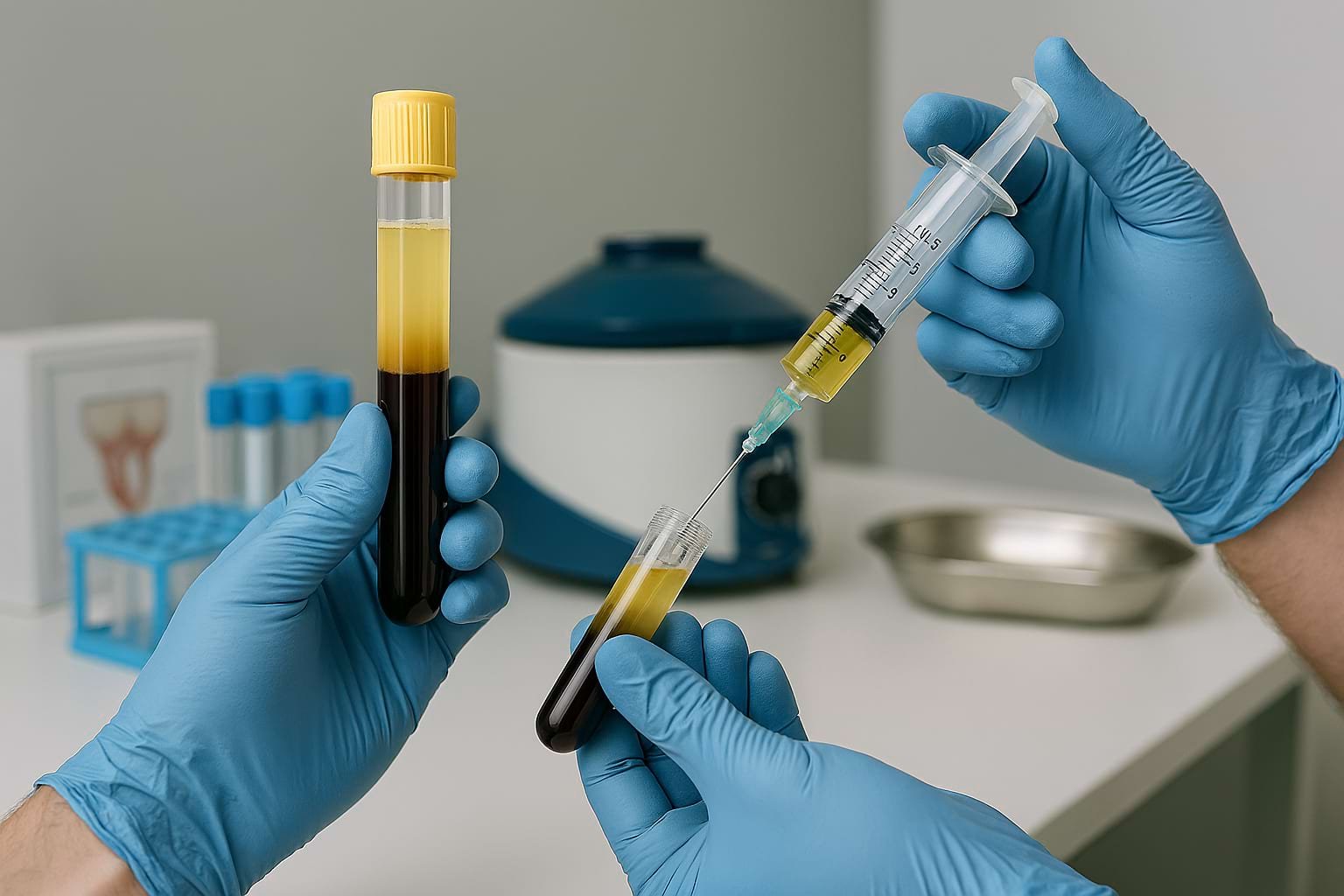
    3) Blood draw and PRP preparation

    • A blood sample is taken
    • A centrifuge separates blood components
    • PRP is prepared for injection

    Important: PRP is not a single standard product. Preparation methods differ, which affects platelet concentration and other components.

    4) Anaesthetic and injection

    Clinics may use topical anaesthetic or local anaesthetic. The injection is performed using sterile technique. Exact injection sites and protocol vary by provider.

    You should feel comfortable asking:

    • Where will the PRP be injected?
    • How many injections are done in one session?
    • What is the total planned course?

    5) Immediate aftercare instructions

    You should leave with:

    • Written aftercare guidance
    • A clear plan for what to do if you develop worsening pain, swelling, discharge, fever, or feel unwell
    • A follow-up plan, not just “see how you go”

    Recovery: what is normal and what is not?

    Common short-term effects (can be normal)

    • Mild tenderness or bruising at injection sites
    • Mild swelling
    • Temporary sensitivity changes

    Red flags that need urgent medical advice

    Seek urgent advice if you develop:

    • Fever or chills
    • Increasing redness, warmth, discharge, or severe pain
    • Rapidly worsening swelling
    • Feeling unwell after the procedure

    Even though PRP uses your own blood, injections can still lead to infection in rare cases, which is why aftercare matters.

    Results timeline: when might you notice changes?

    A medically credible clinic should not promise instant results.

    If improvement occurs, it is more realistic to expect gradual change over weeks, rather than immediate changes the same day. Clinical reviews emphasise that evidence is still developing and heterogeneous.

    How should results be measured?

    To keep this medical and credible, results should be measured in a structured way, not by vague promises.

    A good clinic will track:

    • Symptom baseline and severity before treatment
    • Function and satisfaction after treatment using validated questionnaires
    • Whether changes are meaningful for your goals (for example, reliability of erections, confidence, or reduced reliance on other aids)

    If a clinic cannot explain how they measure outcomes, that is a warning sign.

    What treatments should be considered alongside or before PRP?

    In UK care pathways, first-line ED management typically includes lifestyle measures and established treatment options. NHS information lists treatments such as medicines and vacuum pumps. UK prescribing guidance also describes alternatives when PDE5 inhibitors are not suitable, including vacuum devices and penile injections used in standard ED care (for example, alprostadil in specialist pathways).

    This matters because “P injection” is sometimes used online in a broad way, but in medicine it can refer to several different injection-based approaches, not all of them PRP.

    P Shot London and P Shot UK: what a safe clinic pathway looks like

    If you are searching p shot London or p shot UK, focus on process and governance rather than branding.

    A strong clinic pathway includes:

    • A real medical assessment (not just a quick sales consult)
    • Clear documentation of the PRP preparation method
    • Transparent discussion of evidence limitations (EAU and SMSNA positions)
    • Written aftercare and follow-up
    • No guaranteed claims about size or “penile injection growth” (Cleveland Clinic warns those claims are not supported)

    A safe way to think about p shot treatment is as a private PRP-based procedure that must be approached with careful assessment, transparent consent, and realistic expectations. Current professional guidance remains cautious, with EAU not recommending routine use due to insufficient evidence and SMSNA advising PRP should be limited to clinical trials until more robust data exists.

    Read More:

    P Shot London: A Patient’s Guide to the Priapus Shot

    Erection Problems Not Improving?

    P Shot (Priapus Shot): What It Is, How It Works, Benefits, and Who It’s For

  • P Shot London: A Patient’s Guide to the Priapus Shot

    P Shot London: A Patient’s Guide to the Priapus Shot

    Imagine a man in his late forties, once confident and energetic, now quietly struggling with erectile dysfunction (ED). He has tried lifestyle changes, tablets, even counselling, but the problem persists. His confidence is shaken, intimacy feels strained, and he wonders if surgery is the only option left. Then he hears about a treatment in London called the P Shot (Priapus Shot) – a non-surgical approach using his own blood to potentially restore function. This is not just his story; it reflects the experience of millions of men across the UK.

    Understanding Erectile Dysfunction in the UK

    ED is far more common than many realise. Studies show that 50–55% of men aged 40–70 in the UK experience erectile dysfunction, which equates to around 4.3 million men . Globally, the number of men affected is expected to reach 322 million by 2025, more than double the figure from 1995 . Despite this prevalence, nearly half of men say they would not visit a doctor for ED, often turning instead to unregulated online remedies .

    What Is the P Shot?

    The P Shot London (Priapus Shot) is a regenerative treatment that uses platelet-rich plasma (PRP) derived from a patient’s own blood in London. PRP contains growth factors that may stimulate tissue repair, improve blood flow, and enhance sensitivity. The treatment involves:

    • Drawing a small sample of blood
    • Processing it in a centrifuge to concentrate platelets
    • Injecting the PRP into targeted areas of the penis

    The aim is to support natural healing mechanisms rather than relying on medication alone .

    Clinical Evidence – What Do Studies Show?

    Research into PRP for ED is ongoing. A double-blind, placebo-controlled clinical trial found that PRP injections improved erectile function scores compared with placebo, though results varied and larger studies are needed . Professional bodies remain cautious:

    • The European Association of Urology (EAU) notes mild improvements but does not recommend routine use yet.
    • The Sexual Medicine Society of North America (SMSNA) advises PRP should be limited to clinical trials until stronger evidence emerges.

    This means patients should approach the P Shot with realistic expectations: it may help some men, but it is not guaranteed.

    Why Consider P Shot Treatment in London?

    London has become a hub for advanced regenerative therapies. Clinics offering the P Shot emphasise:

    • Non-surgical approach – no incisions, minimal downtime
    • Use of your own blood – reducing risk of allergic reaction
    • Quick procedure – often completed in 30–45 minutes
    • Return to normal activities immediately

    Costs vary, but P Shot London prices typically start around £1,200–£1,500 per treatment, depending on clinic reputation and technology used .

    Patient Experiences – P Shot Before and After

    Men who undergo the P Shot often report:

    • Gradual improvement in erection quality over weeks
    • Increased sensitivity and confidence
    • Better intimacy with partners

    Real patient stories in London highlight improvements in both physical function and emotional wellbeing, though results differ from person to person .

    Who Might Benefit?

    The P Shot may be discussed for men who:

    • Have mild to moderate ED, often vasculogenic in origin
    • Cannot tolerate or have not responded to PDE5 inhibitors (like sildenafil)
    • Want a non-surgical option with minimal downtime
    • Understand the evidence limitations and accept uncertainty

    FAQs about P Shot Treatment in London

    Does the P Shot hurt?
    Most clinics use numbing cream or local anaesthetic. Patients usually describe mild discomfort rather than pain.

    How long does it take?
    Around 30–45 minutes, including preparation.

    Is there downtime?
    Most men return to normal activities, including sexual activity, the same day.

    How long do results last?
    Some clinics report benefits lasting up to 12–18 months, but repeat treatments may be required.

    Is it safe?
    Because PRP is derived from your own blood, risks are low. The main side effects are minor bruising or swelling at the injection site.

    How much size does the P-Shot add?
    The P Shot is not primarily designed for enlargement. Its main purpose is to improve erectile function, sensitivity, and blood flow. Some men report modest increases in girth or firmness, but results vary and should not be marketed as guaranteed growth.

    How much does PRP treatment cost in London?
    Costs for PRP‑based treatments such as the P Shot in London typically range from £1,200 to £1,500 per session, depending on the clinic, technology used, and aftercare provided. Always confirm pricing during consultation, as packages and follow‑up options may differ.

    Is the P-Shot better than Viagra?
    Viagra (sildenafil) works quickly by improving blood flow temporarily, while the P Shot aims to support longer‑term tissue repair and vascular health. They are different approaches: Viagra is a medication, whereas the P Shot is a regenerative therapy. Some men explore the P Shot when tablets are ineffective or unsuitable.

    How long does a P-Shot last?
    Reported benefits can last 12–18 months, though results vary. Some patients choose repeat treatments to maintain improvements. Unlike tablets, the P Shot is not a one‑time quick fix but a gradual process that may provide longer‑lasting support.

    Erectile dysfunction is a widespread issue affecting millions of men in the UK, often with profound emotional and relational consequences. The P Shot UK offers a promising, non-surgical option by harnessing the body’s own healing power. While evidence is still developing, many men find it a valuable part of their journey toward regaining confidence and intimacy.

    If you are struggling with ED and considering your options, could the Priapus Shot treatment in London be the next step in your journey?

    Read More:

    P shot

    Erection Problems not Improving?

  • Erection Problems Not Improving? When P Shot Treatment May Be Considered and What to Expect

    Erection Problems Not Improving? When P Shot Treatment May Be Considered and What to Expect

    If erection problems keep happening, it can be frustrating and can affect confidence, relationships, and wellbeing. It is also important medically, because erectile dysfunction (ED) can sometimes be linked to underlying health issues such as blood vessel problems. NHS guidance advises seeing a GP or sexual health clinic if erection problems continue, as it may be a sign of a treatable health condition.

    This is often where people begin searching terms like p shot treatment, p shot, p-shot, pshot, and priapus shot, especially if they feel standard options have not helped or they want to explore private alternatives in the UK.

    This article explains the problem first, then the safe, evidence-led way to think about a P Shot (Priapus Shot), including who it may be discussed for, what is realistic, and the questions to ask before booking.

    Why erection problems sometimes do not improve

    ED is rarely caused by one single issue. The British Society for Sexual Medicine (BSSM) describes ED as the persistent inability to attain and or maintain an erection sufficient for satisfactory sexual performance, with causes that can include vascular, neurological, hormonal, metabolic, and psychological factors.

    Common reasons ED may persist include:

    1) Underlying vascular health

    Erections depend on healthy blood flow. NHS Inform notes that narrowed blood vessels are a common cause of ED and are linked with cardiovascular disease.
    That is why ED should not be treated as purely a performance issue.

    2) Hormonal factors

    Low testosterone is not the only cause of ED, but it can contribute, especially with reduced desire, fatigue, or reduced morning erections. BSSM guidance highlights the need to evaluate endocrine risk factors in newly presenting patients.

    3) Medication effects and lifestyle contributors

    Some blood pressure medicines, antidepressants, smoking, alcohol use, sleep problems, obesity, and poorly controlled diabetes can all contribute.

    4) Performance anxiety and stress

    Psychological factors can worsen ED even when there is an underlying physical driver.

    5) Incorrect diagnosis or unrealistic expectations

    Sometimes the real issue is penile curvature, pain, pelvic floor dysfunction, relationship factors, or a mismatch between expectations and normal age-related changes.

    The safe first step before any private treatment

    Before considering a p shot treatment or any injectable therapy, it is best practice to do a proper ED assessment. NICE Clinical Knowledge Summaries include cardiovascular risk stratification as part of ED assessment.
    BSSM guidance emphasises evaluation for cardiovascular and endocrine risk factors.

    If you have not had a clinical assessment recently, start there. It improves safety and helps you avoid paying for a treatment that does not match the cause of your symptoms.

    Evidence-based options that usually come first

    Most clinical pathways consider these before experimental or restorative injections:

    • Lifestyle improvements where relevant (weight, smoking, alcohol, exercise, sleep)
    • Addressing mental health, stress, and relationship factors
    • Oral PDE5 inhibitor medicines when appropriate, prescribed safely
    • Vacuum erection devices or other established options when indicated
    • Testosterone assessment if clinically appropriate

    If these have not worked, or you cannot use them safely, that is when some patients explore private options such as PRP, often marketed as the Priapus Shot.

    What is P Shot treatment?

    A P Shot (also written as P-Shot or Pshot) is a clinic term that typically refers to platelet-rich plasma (PRP) injections into penile tissue.

    PRP is made from a sample of your own blood, processed to concentrate platelets. The rationale is that platelet-derived growth factors might influence tissue signalling and repair pathways, but the clinical evidence in ED is still developing and is not fully standardised.

    The key problem: marketing is ahead of the evidence

    Many people search for phrases like penile injection growth or “p injection” because online claims can imply guaranteed enlargement or major performance transformation. High-quality medical sources advise caution.

    Cleveland Clinic notes that clinical trials do not show that the P Shot improves erections and highlights that evidence is limited.


    The Sexual Medicine Society of North America (SMSNA) position statement concludes that restorative therapies, including PRP, should be reserved for clinical trials until stronger evidence is available.


    The European Association of Urology (EAU) guideline chapter on ED notes PRP has been investigated and reports only mild improvements, stating evidence is insufficient to recommend routine use.

    So the safe way to frame P Shot treatment is:

    • It may help some men with certain types of ED
    • It is not a guaranteed solution
    • It should be offered with transparent consent and realistic expectations

    When might P Shot treatment be discussed?

    In a careful clinical setting, PRP-based approaches may be discussed for adults who:

    • Have mild to moderate ED, often described as organic or vasculogenic
    • Have tried first-line treatments without adequate benefit or cannot tolerate them
    • Understand the evidence limitations and accept uncertainty
    • Want a non-surgical option and are making an informed choice

    This is a discussion, not an automatic recommendation

    What happens during a typical P Shot appointment?

    Protocols vary by clinic, but a credible pathway usually includes:

    1) Clinical assessment

    A proper consultation should check:

    • ED history and severity
    • Cardiovascular and metabolic risk factors
    • Medication review
    • Hormonal considerations if indicated
    • Mental health and relationship factors

    2) Blood draw and PRP preparation

    PRP is prepared from your blood using a centrifuge. One major limitation in the research is that PRP products can vary a lot depending on the preparation method, which makes it harder to compare results across studies.

    3) Anaesthetic and injection

    A local anaesthetic approach may be used. The injection should be done using sterile technique.

    What results are realistic?

    If benefit occurs, it is usually described as gradual rather than immediate.

    Some reviews and studies report improvements in erectile function scores after PRP, but authors also highlight study differences, short follow-up, and the need for better trials.
    EAU guidance remains cautious and does not recommend routine use based on current evidence.
    SMSNA advises restricting to clinical trials.

    Practical expectation-setting

    • A clinic should not promise outcomes
    • Improvement, if it happens, may be modest
    • Not everyone responds
    • Claims of guaranteed “penile injection growth” should be treated with scepticism unless supported by robust evidence for your specific situation

    Safety and side effects

    Even though PRP is derived from your own blood, injections still carry risks:

    • Bruising, swelling, tenderness
    • Temporary discomfort
    • Infection risk (rare, but serious)

    A clinic should provide written aftercare advice and clear instructions for urgent symptoms.

    P Shot UK and P Shot London: what to check before booking

    If you are searching p shot uk, pshot uk, or p shot london, the most important difference between providers is clinical governance, not marketing.

    A strong clinic should be able to answer:

    1. Who will assess me and who will perform the injection?
    2. Is the clinician appropriately registered and experienced in ED assessment?
    3. What is my likely ED cause and what has been ruled out?
    4. What PRP system is used and how is it standardised?
    5. What outcomes are realistic for my case and how will we measure success?
    6. What are the risks and what is the aftercare plan?
    7. What is the plan if there is no improvement?

    In the UK context, professional bodies have discussed the legal and regulatory status of PRP and the importance of following appropriate regulatory frameworks.

    If erection problems are not improving, the safest first step is a proper medical assessment, because ED can be linked to underlying vascular or metabolic health issues.
    P Shot treatment, typically PRP injections, is marketed as a restorative option, but leading guidance remains cautious. EAU guidance does not recommend routine use due to insufficient evidence, and SMSNA advises restricting PRP and similar restorative therapies to clinical trials.

    If you still want to explore p shot treatment in the UK, choose a medically led clinic, ask detailed questions, and make sure consent documents clearly explain the uncertainties, risks, and realistic outcomes.

    FAQs

    Is P Shot treatment the same as PRP?

    In most clinics, yes. “P Shot” and “Priapus Shot” are usually marketing terms for PRP injections. Always confirm what is being injected and how it is prepared.

    If my ED is not improving, should I try a P Shot next?

    Not automatically. NHS guidance recommends seeing a GP or sexual health clinic if erection problems keep happening, as it may be a sign of an underlying health condition.
    Evidence-based options and a proper assessment usually come first.

    Does the Priapus Shot work for erectile dysfunction?

    Evidence is mixed and still developing. EAU guidance notes only mild improvements and says evidence is insufficient to recommend routine use.
    SMSNA recommends restorative therapies like PRP be limited to clinical trials until stronger evidence exists.

    Is P Shot UK treatment available on the NHS?

    It is generally offered privately rather than through standard NHS pathways. If you are considering it, prioritise medical assessment and informed consent.

    Is P Shot London safe?

    Safety depends on correct patient selection, sterile technique, and appropriate follow-up. Infections are rare but possible with any injection.

    Does a p injection cause penile injection growth?

    Be cautious. Claims of guaranteed growth are not supported by strong clinical trial evidence in reputable medical sources, and major guidance focuses on ED outcomes rather than guaranteed enlargement.

    Read More: P Shot (Priapus Shot): What It Is, How It Works, Benefits, and Who It’s For

  • P Shot (Priapus Shot): What It Is, How It Works, Benefits, and Who It’s For
    P Shot (Priapus Shot): What It Is, How It Works, Benefits, and Who It’s For

    The “P Shot” (also called the “Priapus Shot”) is a term commonly used in private clinics to describe platelet-rich plasma (PRP) injections into penile tissue. People typically search for it using keywords like p shot, p-shot, pshot, and priapus shot, often in the context of erectile dysfunction (ED), reduced sensitivity, or performance confidence.

    Because this is a medical and sensitive topic, it is important to be clear about what is known, what is uncertain, and what is still being studied. Major professional guidance notes that PRP injections for ED may show mild improvements, but the evidence is not yet strong enough for routine recommendation, and some professional bodies advise these treatments should be limited to clinical trials.

    This article explains the treatment in a factual, UK-safe way, including realistic expectations, safety considerations, and questions to ask before booking a consultation.

    What is a P Shot?

    A P Shot is essentially a brand or clinic term for a PRP injection procedure. PRP is made from a small sample of your own blood. The blood is processed to concentrate platelets, which contain growth factors and signalling proteins involved in tissue healing processes. This concentrated plasma is then injected into specific penile areas depending on the clinic’s protocol.

    Clinics may use “P Shot”, “P-Shot”, “Pshot”, “Priapus Shot”, or “P injection” to describe similar PRP-based treatments. It is worth confirming what exactly is being injected, how it is prepared, and where it is injected.

    What is PRP and why is it used?

    Platelet-rich plasma (PRP) is an autologous blood product, meaning it comes from your own blood. PRP has been used in multiple medical fields, although evidence quality varies by condition.

    In sexual medicine, the rationale is that PRP might support tissue repair mechanisms and blood vessel function. The Sexual Medicine Society of North America (SMSNA) describes PRP as containing growth factors and a “healing scaffold” conceptually, but stresses that evidence and standardisation are insufficient and urges restricting restorative therapies (including PRP) to clinical trials for now.

    What is the P Shot used for?

    People most commonly seek a p shot treatment for:

    • Erectile dysfunction (ED), especially mild to moderate, typically described as organic or vasculogenic ED
    • Reduced erectile rigidity
    • Reduced penile sensitivity (claims vary by provider)

    Some providers also discuss it for Peyronie’s disease. However, patient-facing medical resources caution that there is not good scientific evidence to support P Shot claims for ED or Peyronie’s disease in routine practice.

    Professional guidance is cautious. For example, the European Association of Urology (EAU) guidelines state that intracavernous PRP has led to mild improvement in erectile function among patients with organic ED, but evidence is insufficient to recommend its use.

    How does a P Shot work?

    This is the most important credibility point: the exact mechanism in humans is not fully established.

    The proposed idea is that PRP might influence local tissue signalling related to blood vessels and healing. Reviews summarise potential mechanisms, but also highlight the limitations and variability in PRP preparation and study design.

    In practical terms, if PRP helps, it is expected to do so gradually, over time, rather than acting like a fast medication.

    What happens during a P Shot appointment?

    Protocols vary by clinic, but a credible pathway should include:

    1) Proper assessment first

    A clinician should confirm whether ED is likely psychogenic, organic, or mixed, and screen for contributing factors like cardiovascular risk, diabetes, testosterone issues, medication effects, sleep, and mental health. ED can be an early marker of vascular disease, so proper assessment matters.

    2) Blood draw and PRP preparation

    • A small blood sample is taken
    • It is centrifuged to separate components
    • PRP is prepared for injection

    A key quality point: PRP is not one single product. Different machines and protocols produce different platelet concentrations, and studies are heterogeneous. This is one reason evidence is still uncertain.

    3) Anaesthetic and injection

    Clinics may use topical anaesthetic or a nerve block. The injection is performed with sterile technique.

    What results can you realistically expect?

    This needs careful wording.

    What studies suggest

    Systematic reviews and meta-analyses in ED have reported improvements in erectile function scores with PRP compared with placebo, but they also highlight heterogeneity and the need for larger, higher-quality trials and longer follow-up.

    The EAU guideline summary is conservative: mild improvement has been observed, but evidence is insufficient to recommend routine use.

    The SMSNA position statement is more restrictive: restorative therapies like PRP should be reserved for clinical trials until stronger evidence exists.

    What this means for patients

    • Some men may notice improvement
    • Some may notice no meaningful change
    • If improvement happens, it is usually described as gradual, over weeks to a few months
    • It should not be presented as guaranteed or permanent

    A clinic should not promise specific outcomes like “penile injection growth” or guaranteed enlargement. Be especially cautious with any marketing language that implies certainty.

    Who may be a good candidate?

    A clinician may consider discussing PRP-based P Shot protocols for adults who:

    • Have mild to moderate erectile dysfunction, especially vasculogenic causes
    • Have tried first-line options (lifestyle, PDE5 inhibitors such as sildenafil where appropriate) with limited benefit or tolerance
    • Want to explore non-surgical options and understand evidence limitations
    • Have realistic expectations and accept that results are not guaranteed

    This should always be individualised. ED is not one condition, and response can vary widely.

    Who should avoid it or take extra caution?

    You should not book a P Shot without proper medical screening if you have:

    • A bleeding disorder
    • Current infection or skin infection in the genital area
    • Significant penile pain, lumps, ulcers, or unexplained changes that need urology assessment
    • Unstable cardiovascular disease or you are advised to avoid sexual activity

    Also discuss anticoagulant or antiplatelet medicines with the clinician, as injection-related bruising and bleeding risk may be higher.

    Safety and side effects

    Even though PRP uses your own blood, injection risk still exists.

    Potential side effects can include:

    • Temporary pain or tenderness at injection sites
    • Bruising or swelling
    • Local inflammation
    • Infection (rare, but serious when it occurs)

    Because evidence is still emerging, it is important that clinics discuss uncertainties clearly and obtain informed consent aligned with UK standards.

    Is P Shot available in the UK?

    People searching p shot uk or pshot uk usually find it offered through private clinics rather than the NHS.

    From a UK regulatory perspective, PRP has been discussed as a medicinal product in professional guidance updates, and the Chartered Society of Physiotherapy (CSP) has published guidance updates and commentary on the regulatory position, including the fact that medical practitioners (doctors) have exemptions in certain circumstances.

    The practical takeaway for patients is simple:

    • Choose a medically led clinic
    • Make sure you receive a proper assessment and written consent process
    • Ask exactly what is being offered and what evidence supports the claims for your situation

    P Shot London: what to check before booking

    If you are searching p shot london, quality varies. Before you pay for a consultation, ask:

    1. Who will assess me and who will inject me?
    2. Is the clinician medically qualified and registered?
    3. What diagnosis are you treating and how do you confirm it?
    4. What PRP preparation method do you use and is it standardised?
    5. What outcomes are realistic for my case, and what is the plan if I do not respond?
    6. What risks are included in the consent form, including infection risk?
    7. What aftercare and follow-up are included?

    A credible clinic will answer these clearly and will not pressure yo

    The P Shot (Priapus Shot) is commonly used to describe PRP injections offered privately for erectile concerns. Some studies and reviews suggest possible mild improvements in erectile function, but leading professional guidance remains cautious due to limited and heterogeneous evidence.

    If you are considering p shot treatment in London or elsewhere in the United Kingdom, prioritise a medically led assessment, transparent consent, realistic expectations, and a clinic that can clearly explain what evidence supports their approach for your specific situation.

    FAQs

    Is the P Shot the same as PRP?

    In most clinics, yes. “P Shot” is typically a clinic term for PRP injections into penile tissue. Always confirm what is being injected and how it is prepared.

    Does the P Shot treat erectile dysfunction?

    Evidence suggests PRP injections may provide mild improvements in erectile function in some men, but major guidance notes the evidence is still insufficient to recommend routine use, and some professional bodies advise restricting it to clinical trials.

    How long does it take to see results?

    If there is benefit, it is typically described as gradual over weeks to a few months, not instant. Outcomes vary and are not guaranteed.

    Is P Shot UK treatment regulated?

    PRP is discussed in UK professional guidance in relation to medicines regulation and who can supply or administer it in clinical settings. Choose a medically led service that provides clear consent and aftercare.

    Is P Shot London safe?

    Safety depends on appropriate patient selection, sterile injection technique, and proper aftercare. Any injection carries infection risk, even if uncommon.

    Does a penile injection cause growth?

    Be cautious with claims around “penile injection growth”. High-quality evidence does not support guaranteed enlargement claims from PRP, and reputable sources advise scepticism about strong marketing claims.

    Who should not have a P Shot?

    People with active infection, significant bleeding risk, or unexplained penile symptoms should avoid elective injection treatment until properly assessed by a qualified clinician.