Tag: P shot aftercare

  • When Can You Have Sex After a P-Shot? A Practical Guide

    When Can You Have Sex After a P-Shot? A Practical Guide

    ✅Medically reviewed | Updated August 2026

    The Priapus Shot, widely known as the P-Shot, has become one of the most searched non-surgical treatments for erectile dysfunction in London. Men researching sex after a P-Shot often want a straightforward answer, not vague reassurance. Clinics vary in their aftercare advice, and online forums add further confusion. This guide sets out a clear, evidence-based timeline for resuming intimacy, explains why a brief waiting period protects results, and separates realistic expectations from marketing claims. Platelet-rich plasma, known as PRP, forms the basis of the P shot treatment, and its biological mechanism directly shapes how soon sexual activity should resume. Understanding this mechanism removes the guesswork many men feel after their appointment.

    The following sections cover the standard recovery window, the clinical reasoning behind it, current research on PRP for erectile function, and practical steps for a safe return to sexual activity. Nothing here promises dramatic transformation. Instead, the aim is balanced, medically grounded information that supports informed decision-making before and after treatment.

    What Is the P-Shot and How Does It Work?

    The PRP Mechanism Behind P Shot Treatment

    The P shot treatment uses platelet-rich plasma extracted from a small blood sample. A centrifuge separates platelets and growth factors from the remaining blood components. Clinicians then inject this concentrated plasma into specific areas of the penis, including the corpus cavernosum and glans. Growth factors within PRP support tissue repair, encourage new blood vessel formation, and may improve local circulation. This process differs completely from surgical penile enlargement or vasoactive injections such as alprostadil. The P-Shot causes no incisions and requires no general anaesthetic. Most appointments last between 30 and 60 minutes, and topical numbing cream reduces discomfort during injection. Because the procedure introduces a concentrated biological substance into sensitive tissue, however brief and minimally invasive, the body still needs time to process it. This biological reality underpins every recommendation about timing sex after a P-Shot.

    Why the Injection Site Needs Recovery Time

    Needle punctures create microscopic trauma at the injection site. Even fine-gauge needles disturb local tissue and trigger a short inflammatory response. This response forms part of normal healing and signals that growth factors are beginning to act. Physical friction, pressure, or vigorous movement during this window can disrupt clot formation and increase bruising. This reality is the central reason clinicians advise a pause before sex after a P-Shot.

    Sex After a P-Shot: The General Recovery Timeline
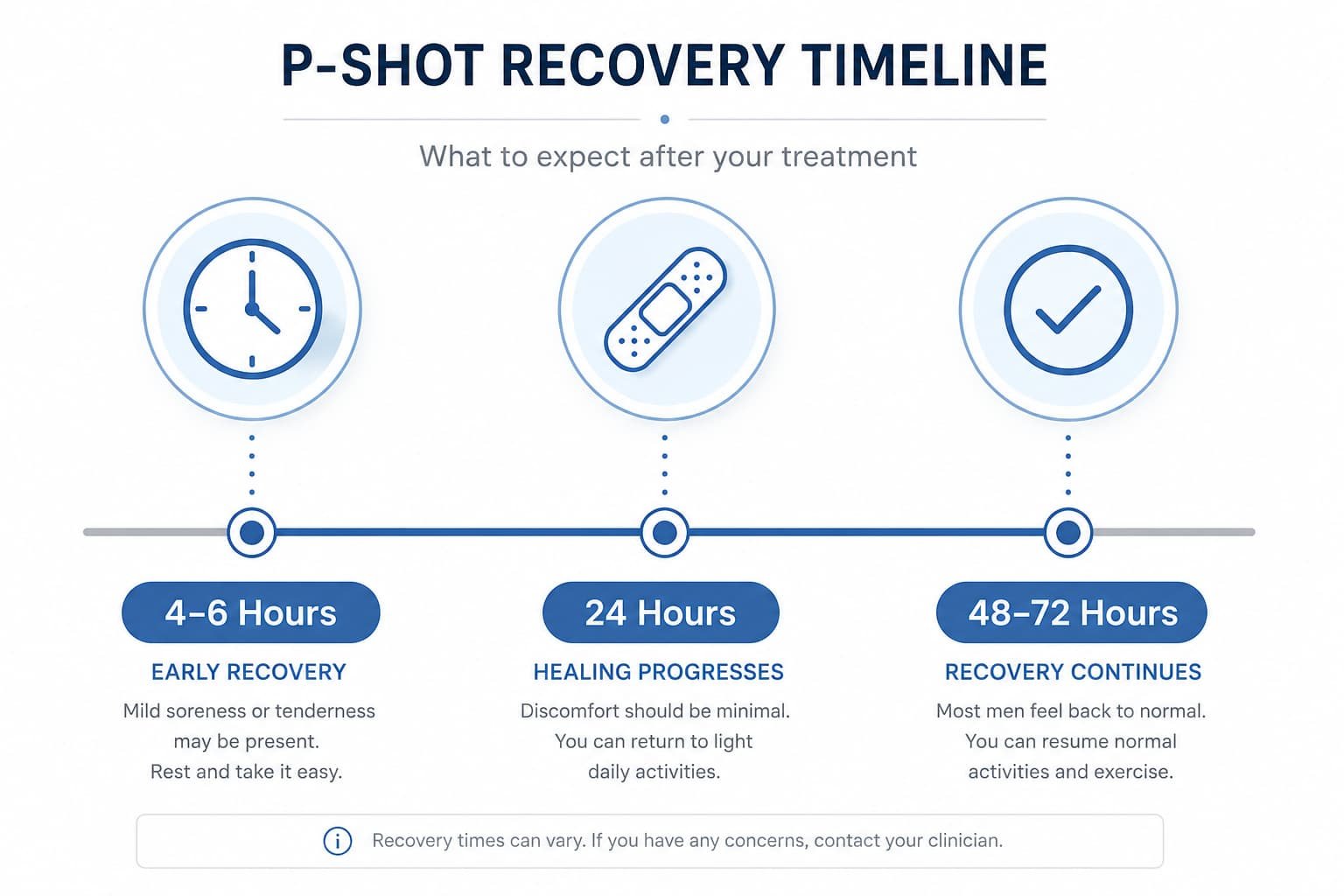
    Recovery timeline graphic showing when sex after a P-Shot is typically safe
    A general guide to the recovery window before resuming sexual activity after P-Shot treatment; individual timelines vary by clinician guidance.

    The First Four to Six Hours

    Most UK clinics, including those offering P shot London appointments, recommend avoiding sexual activity for at least four to six hours after injection. This initial period allows the numbing agent to wear off and lets any pinprick bleeding settle. Sensation returns gradually, and men often notice mild tenderness rather than pain during this stage.

    The First 24 Hours

    Swelling and light bruising commonly appear during the first 24 hours. Clinicians generally advise against sex after a P-Shot within this window, even where four-hour clearance applies elsewhere. An erection during this period stretches newly treated tissue before it has stabilised. Waiting a full day allows visible swelling to settle and gives a clearer picture of how the tissue is responding.

    48 to 72 Hours: The More Cautious Approach

    Some clinicians, particularly those following a conservative aftercare protocol, recommend delaying sex after a P-Shot for 48 to 72 hours. This longer window reduces friction-related trauma while platelets remain biologically active at the injection site. Neither the four-hour nor the 72-hour approach carries strong comparative trial data. Current recommendations rely largely on clinical experience and general PRP wound-healing principles rather than dedicated erectile-function trials measuring this specific question.

    Why the Waiting Period Exists

    Protecting Platelet Activity and Growth Factor Release

    Platelet-rich plasma continues releasing growth factors for approximately 24 to 72 hours after injection, as platelets degranulate and signalling molecules diffuse into surrounding tissue. A 2023 systematic review published in Sexual Medicine Reviews examined preclinical and clinical PRP studies for erectile dysfunction and identified this sustained-release mechanism as central to PRP’s theoretical benefit. Vigorous physical activity, including sex after a P-Shot taken too early, could theoretically disperse plasma away from the target site before this process completes, though direct clinical evidence quantifying this specific effect remains limited.

    Infection Prevention

    Needle-based procedures carry a small infection risk, managed through aseptic technique consistent with NICE guidance on invasive clinical procedures. Systematic reviews of PRP injections across multiple indications report infection rates below 0.1 percent when clinicians follow standard sterile protocols. Sexual activity soon after injection, particularly without adequate hygiene, could introduce bacteria to a fresh puncture site. A short waiting period allows the skin barrier to close more completely before intercourse resumes.

    Reducing Bruising and Discomfort

    Bruising affects a proportion of men following PRP injection, typically resolving within several days. Physical activity, including sexual intercourse, increases local blood flow and pressure, which can prolong bruising or increase swelling. Avoiding strenuous activity, not only intercourse but also exercise and heavy lifting, for the first day or two limits this effect considerably.

    Factors That Influence When Sex After a P-Shot Is Safe

    Individual Healing Response

    Healing speed varies between individuals. Age, circulation, smoking status, and use of blood-thinning medication all affect bruising and recovery time. Men taking anticoagulants may experience more prolonged bruising and should discuss timing directly with the treating clinician rather than relying on generic online guidance.

    Erection Quality During Early Recovery

    Spontaneous or medication-assisted erections can occur throughout the recovery window. A firm erection increases tension on treated tissue. Men using PDE5 inhibitors such as sildenafil or tadalafil alongside PRP therapy should note that combining these medications with early sexual activity may increase discomfort during the first 24 to 48 hours.

    Type of Sexual Activity

    Penetrative intercourse places more mechanical stress on the penis than other forms of intimacy. Clinicians typically apply the same waiting period across all forms of sexual activity, since arousal and erection, not penetration specifically, cause most of the relevant tissue stress.

    What Current Research Says About PRP Safety and Recovery

    Clinical evidence on PRP-based regenerative therapy for ED remains an evolving field. A 2023 systematic review in Sexual Medicine Reviews concluded that PRP shows biological plausibility for supporting erectile tissue repair, though trial quality varies considerably across published studies. A subsequent meta-analysis found statistically significant improvement in International Index of Erectile Function scores at one, three, and six months, alongside a broadly favourable safety profile with no serious adverse events reported. However, professional urology bodies, including the European Association of Urology, continue to classify PRP injections for erectile dysfunction as experimental, reflecting the need for larger, standardised trials. This classification does not equal ineffectiveness; it reflects the current limits of available data. Men considering natural ED treatment using PRP therapy should weigh this evidence honestly rather than expecting guaranteed outcomes.

    Reported side effects across studies remain generally mild, including localised bruising, swelling, and transient tenderness. Serious complications, including infection, appear rare when qualified clinicians follow sterile technique. No published study has specifically measured optimal timing for resuming sex after a P-Shot, so current recommendations rely on general PRP wound-healing principles rather than dedicated trials addressing this exact question. This is a genuine limitation worth acknowledging rather than overlooking.

    Where the P-Shot Fits Within NHS and NICE Care Pathways

    The National Institute for Health and Care Excellence has not issued specific guidance approving PRP injections as a standard erectile dysfunction treatment, and the NHS does not fund the P-Shot. Established NHS pathways for erectile dysfunction typically begin with lifestyle assessment, cardiovascular risk review, and PDE5 inhibitors such as sildenafil, progressing to vacuum devices, alprostadil, or surgical options where first-line treatment fails. Private clinics offering P shot treatment sit outside this NHS pathway entirely, meaning patients access PRP therapy through self-referral rather than GP gatekeeping. This distinction matters for informed decision-making. Men with underlying cardiovascular disease, diabetes, or hormonal imbalance should still seek proper NHS-based diagnosis and management of these root causes, since PRP addresses local tissue repair rather than systemic disease driving erectile dysfunction.

    P Shot London: Aftercare Guidelines for a Safe Recovery
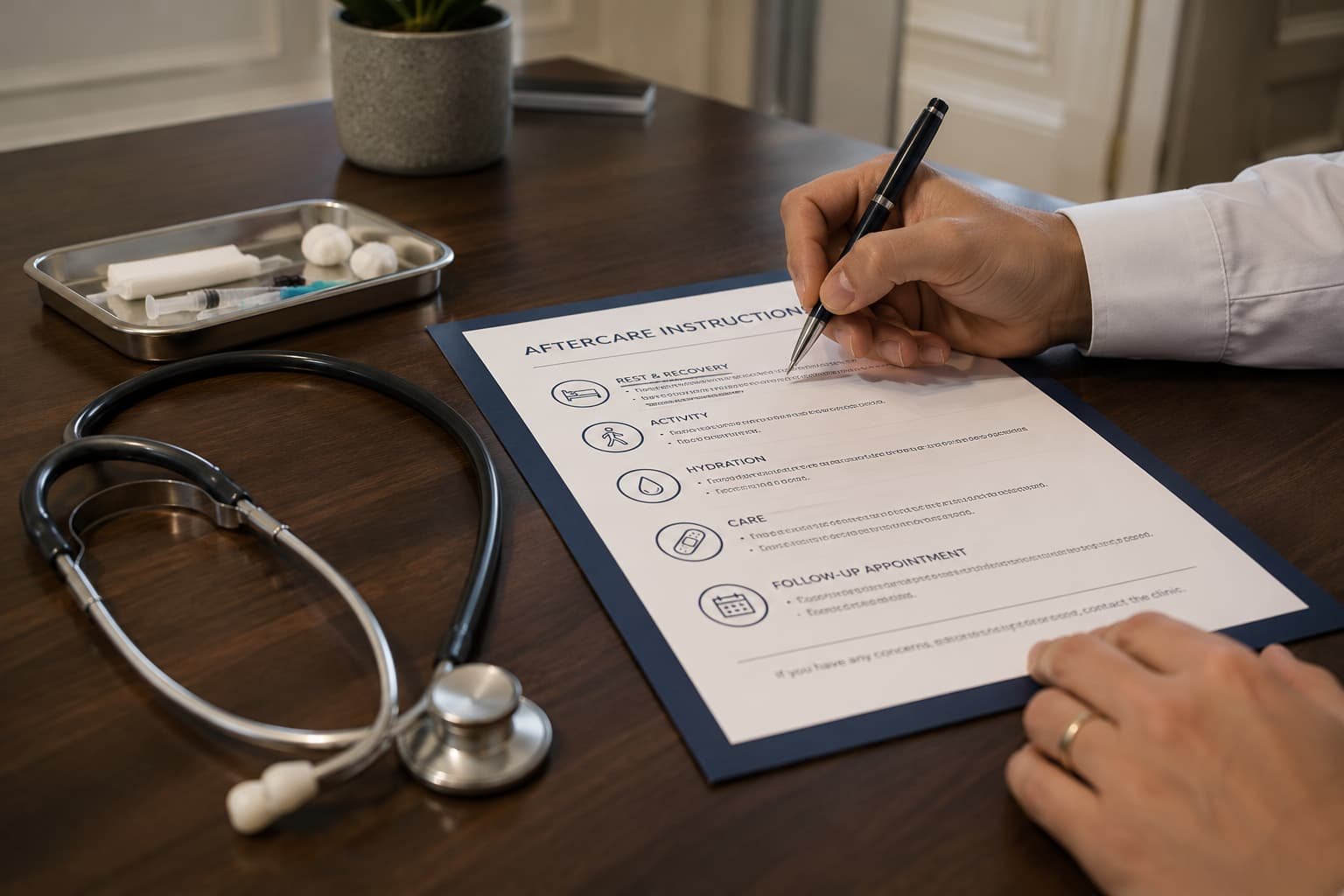
    Clinician reviewing written P-Shot aftercare guidance with a patient in London"
    Following clinician-specific aftercare guidance, rather than generic advice, supports a safer recovery after treatment.

    Clinics offering P shot London appointments typically provide a written aftercare sheet covering hygiene, activity restrictions, and warning signs. As a non-surgical treatment for erectile dysfunction in London, the P-Shot involves considerably less recovery than surgical alternatives, but aftercare still matters for safety and comfort. Standard guidance for Priapus shot London patients generally includes the following points:

    •      Avoid sexual activity for the period specified by the treating clinician, typically between 24 and 72 hours

    •      Keep the injection site clean and dry for the first 24 hours

    •      Avoid alcohol and tobacco for 48 hours, since both restrict blood flow and may slow healing

    •      Avoid strenuous exercise, cycling, and activities placing direct pressure on the groin for at least 24 hours

    •      Monitor for excessive swelling, spreading redness, fever, or discharge, and contact the clinic promptly if these occur

    Regulatory oversight for P shot UK providers falls under Care Quality Commission and General Medical Council frameworks governing medical and aesthetic procedures. Clinics providing erectile dysfunction treatment London should tailor aftercare guidance to individual health history, including any bleeding disorders or current medication use. Following the specific aftercare plan given at consultation matters more than generic online advice.

    P Shot Before and After: Realistic Expectations

    Photographs showing P shot before and after results circulate widely online, and many exaggerate outcomes through lighting, arousal state, or camera angle. Genuine before-and-after changes, where they occur, tend to appear gradually rather than immediately. Some men report increased sensitivity within days, while functional changes in erection firmness typically develop over three to four weeks, with peak effect reported around three to four months in studies recording longer follow-up. Claims describing dramatic penile injection growth are not supported by robust evidence, and clinicians should present p injection outcomes as potentially modest and variable rather than guaranteed. Treating before-and-after photography as illustrative material, not clinical proof, protects patients from unrealistic expectations.

    Priapus Shot Price and Value Considerations

    Priapus shot price in the UK varies by clinic, practitioner experience, and number of sessions included in a treatment plan. Private clinics typically avoid publishing fixed prices online, since individual assessment determines the appropriate approach for each patient. Prospective patients should request a full written quote at consultation, including any recommended follow-up sessions, before committing to treatment. Cost should never outweigh a thorough discussion of realistic outcomes, safety data, and practitioner qualifications.

    Combining the P-Shot With Other ED Treatment Options

    Clinicians sometimes discuss combining PRP with other established therapies rather than relying on PRP alone. Low-intensity shockwave therapy, which targets penile blood vessels through mechanical stimulation, appears alongside PRP in several small combination-therapy studies, with some showing modestly greater improvement than either treatment used independently. PDE5 inhibitors remain the most evidence-backed first-line option for erectile dysfunction and continue working through a different mechanism, meaning combination use is physiologically plausible even though robust comparative trials remain scarce. Lifestyle factors, including smoking cessation, cardiovascular fitness, and sleep quality, influence erectile function independently of any injection-based treatment and deserve equal attention within a comprehensive treatment plan. Clinicians should present the P-Shot as one option within a broader toolkit rather than a standalone solution guaranteed to resolve erectile dysfunction on its own.

    When to Delay Sex Further or Seek Medical Advice

    Certain symptoms warrant delaying resumption of sexual activity beyond the standard window and contacting the treating clinic without delay:

    •      Pain that worsens rather than improves after 48 hours

    •      Spreading redness, warmth, or visible discharge at the injection site

    •      Fever or flu-like symptoms following treatment

    •      Swelling that persists beyond seven to ten days

    •      New curvature or lumps in penile tissue

    These signs are uncommon but should never be ignored. Prompt clinical review protects both immediate safety and long-term treatment outcomes.

    Frequently Asked Questions

    How soon can sexual activity resume following P-Shot treatment?

    Most clinics advise waiting between 24 and 72 hours, depending on individual healing and the specific aftercare protocol given at consultation. Some providers permit resumption after four to six hours, though a longer pause generally reduces bruising risk.

    Does waiting longer improve P-Shot results?

    No strong evidence links waiting time directly to treatment outcome. The recommended pause exists primarily to reduce bruising, swelling, and infection risk rather than to enhance PRP effectiveness itself.

    Is discomfort during intimacy normal in the days following treatment?

    Mild tenderness is common in the first few days. Sharp or worsening pain is not typical and should prompt contact with the treating clinic promptly.

    Can the P-Shot be combined with ED medication?

    Some clinicians combine PRP with PDE5 inhibitors as part of a broader treatment plan. This decision depends on individual health history and should be discussed at consultation rather than self-managed.

    Is the P-Shot a permanent solution for erectile dysfunction?

    No. Reported benefits, where present, generally last months rather than remaining permanent. Repeat sessions are commonly discussed as part of an ongoing treatment plan.

    Key Takeaways

    Deciding when to resume intimacy after a P-Shot involves more than counting hours on a clock. It requires understanding tissue healing, respecting individual variation, and following clinician-specific guidance rather than generic online timelines. Current evidence supports PRP as a biologically plausible, generally well-tolerated option within the wider landscape of non-surgical treatment for erectile dysfunction in London, while acknowledging that trial data remains limited and outcomes vary between individuals. Pshots clinic uk, a Harley Street clinic led by Dr Syed Nadeem Abbas, is among the UK providers offering P-Shot consultations within this evolving field of regenerative sexual health treatment. Patients considering treatment should prioritise thorough consultation, transparent pricing, and realistic expectations over marketing claims or curated before-and-after images. Informed patience during recovery protects both safety and results. What matters more in the end: rushing back to intimacy, or giving regenerative treatment the time it genuinely needs to work as intended?

    Read more: P-Shot Aftercare: The Complete Pre and Post Treatment Guide

    P-Shot for Performance Anxiety: Can It Restore Confidence?

    P shot treatment London

    Dr Syed Nadeem Abbas, MBBS, MRCSEd, MSc Aesthetic Plastic Surgery (Distinction) Medical Director, Pshot Clinic | CQC Regulated | Monday to Saturday 10:00–18:00 +44 7955 836986 

  • P-Shot Aftercare: The Complete Pre and Post Treatment Guide

    P-Shot Aftercare: The Complete Pre and Post Treatment Guide

    The success of P-shot aftercare does not begin the moment a patient leaves the clinic. It begins several days before the needle enters the corpus cavernosum. Most clinical guidance on the Priapus Shot focuses on what the procedure does — far fewer sources explain what patients must do before and after treatment to protect the investment of time, cost, and biological potential that each session represents.

    Platelet-rich plasma (PRP) therapy works through a precise biological cascade. Growth factors released by activated platelets initiate angiogenesis, collagen remodelling, and smooth muscle regeneration in penile tissue. That cascade is fragile. Anti-inflammatory medications, alcohol, smoking, and poor post-treatment habits can suppress platelet activity, blunt growth factor signalling, and materially reduce the gains a patient would otherwise achieve. Conversely, structured pre-treatment preparation and disciplined post-treatment care amplify outcomes in a clinically meaningful way.

    This guide provides a complete, evidence-based account of P-shot aftercare — covering medication protocols, supplement regimens, pump use, activity guidance, results timelines, and maintenance scheduling. The information draws on peer-reviewed literature, established PRP science, and clinical protocols used by qualified practitioners delivering P-shot treatment in the UK.

    Why P-Shot Aftercare Determines Your Results

    PRP therapy delivers a concentrated payload of growth factors — PDGF, VEGF, TGF-β, and EGF among them — directly into penile tissue. These signalling proteins do not act instantaneously. The biological remodelling process unfolds over eight to twelve weeks. During this period, the tissue environment the patient maintains either supports or undermines that process.

    Non-steroidal anti-inflammatory drugs (NSAIDs) such as ibuprofen and naproxen inhibit prostaglandin synthesis via COX-1 and COX-2 pathways. Prostaglandins play a direct role in platelet aggregation and the inflammatory signalling that initiates tissue repair. Taking NSAIDs after a P-shot effectively suppresses the biological response the treatment depends on — a clinically counterproductive outcome that no amount of additional sessions can fully compensate for.

    Similarly, smoking impairs endothelial function through oxidative stress and nicotine-mediated vasoconstriction. Alcohol suppresses growth hormone release and disrupts sleep architecture — both of which affect tissue regeneration. Optimising these factors before and after treatment directly influences P-shot outcomes.

    P-Shot Pre-Treatment Instructions: What to Do Before Your Session

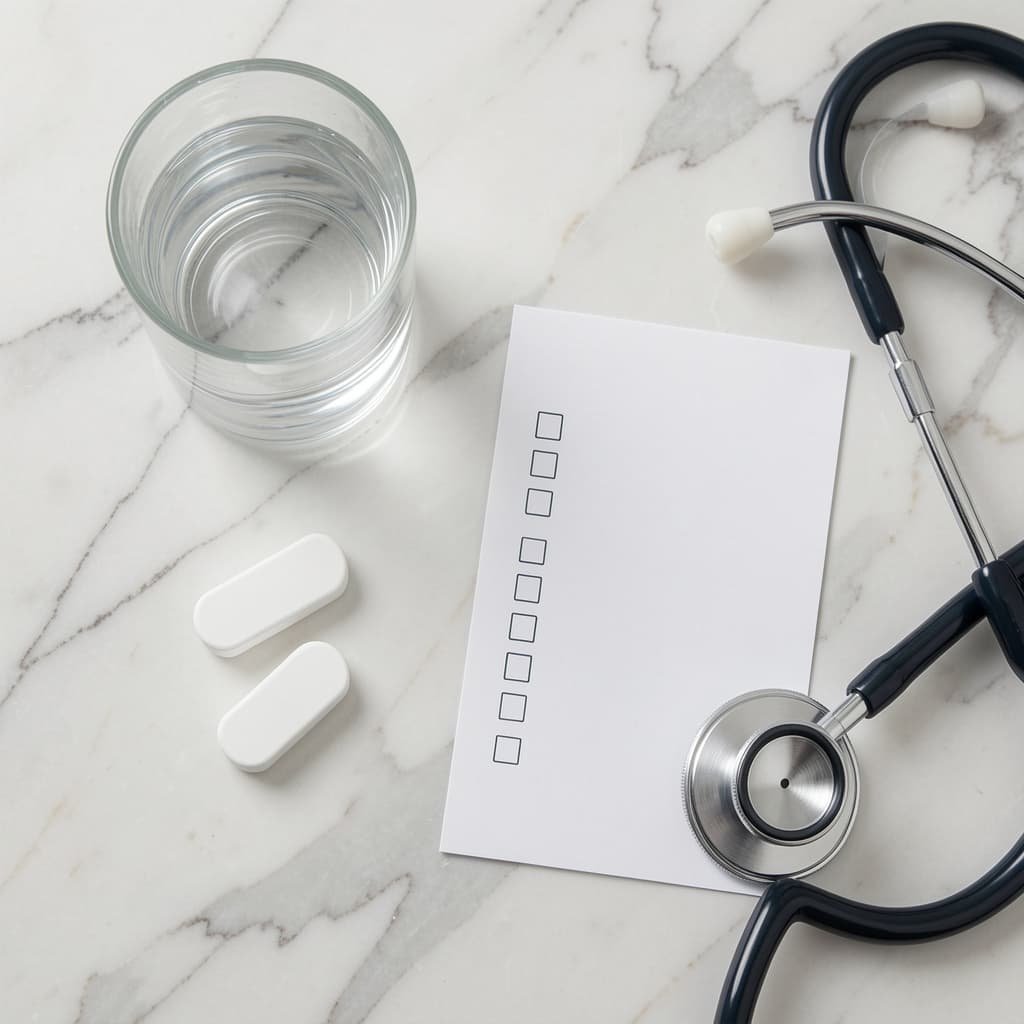
    Pre-treatment medication checklist for P-Shot including paracetamol and avoiding NSAIDs
    Stopping NSAIDs and blood-thinning supplements at least one week before P-Shot treatment preserves platelet activity and optimises PRP quality.

    Preparation for P-shot treatment starts at least one week before the scheduled appointment. The following instructions help ensure the blood draw produces high-quality PRP and that the tissue environment is primed to respond.

    Medications to Stop Before P-Shot Treatment

    Stop all NSAIDs at least one week before the procedure. This includes:

    •        Ibuprofen (Nurofen, Advil)

    •        Aspirin (unless prescribed for cardiovascular protection — consult the treating clinician)

    •        Naproxen (Naprosyn, Aleve)

    •        Diclofenac

    •        Celecoxib

    •        Fish oil supplements at high doses (above 1,000 mg daily)

    These medications inhibit platelet aggregation. Reduced platelet activity means lower growth factor concentrations in the prepared PRP — and therefore weaker clinical results. Paracetamol (acetaminophen) is safe to continue and provides pain relief without disrupting platelet function.

    Patients on prescribed anticoagulants — warfarin, apixaban, rivaroxaban, or clopidogrel — must consult their prescribing clinician before stopping any medication. Blood thinners for cardiovascular indications must not be discontinued without medical supervision.

    Lifestyle Factors to Address Before Treatment

    The week before P-shot treatment, patients should:

    •        Avoid alcohol for at least 48 hours before the appointment

    •        Stop smoking where possible — even short-term cessation improves endothelial function

    •        Maintain adequate hydration in the 24 hours before treatment to support venous blood draw quality

    •        Avoid strenuous exercise on the day of the procedure

    •        Inform the clinician of any active infections, skin conditions at the injection site, or recent illness

    Men with active herpes simplex infections should inform the clinic in advance. PRP injection into tissue affected by active herpes lesions carries infection risk. Prophylactic antiviral treatment may be appropriate before proceeding.

    On the Day of P-Shot Treatment

    Arrive at the appointment well-rested and having eaten a light meal. Fasting is not required for P-Shot procedures. Wear comfortable clothing. The appointment for P-shot typically takes 60 to 90 minutes, including blood draw, centrifugation, anaesthetic application, and the injection itself.

    A topical anaesthetic cream applies to the penile skin 20 to 30 minutes before injection. A local anaesthetic block ensures the injection phase produces minimal discomfort. Most patients describe the procedure as tolerable, with brief pressure rather than acute pain.

    P-Shot Post Care: The First 48 Hours

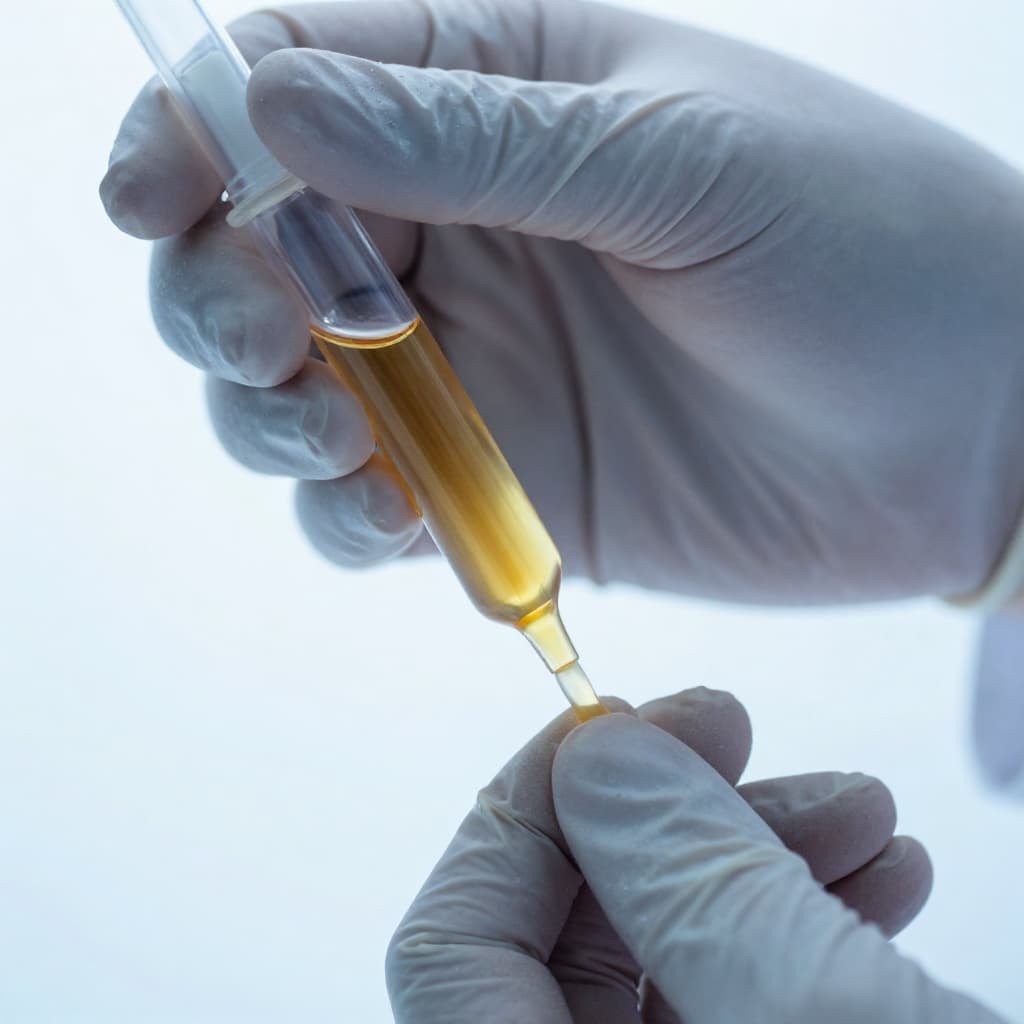
    Platelet-rich plasma prepared in centrifuge tube for P-Shot penile injection treatment
    Platelet-rich plasma is centrifuged from the patient’s own blood before injection — making post-treatment care essential to protect the biological activity of the growth factors delivered.

    The first 48 hours after P-shot treatment represent the acute inflammatory phase. The injected PRP triggers a controlled local inflammatory response — the mechanism through which growth factors begin activating surrounding cells. Managing this phase correctly protects treatment outcomes.

    Sexual Activity After P-Shot Treatment

    Sexual activity and erections after P-shot treatment are generally safe to resume on the same day or the following day. Achieving erections in the post-treatment period is, in fact, clinically encouraged. Penile erections drive arterial blood flow into the corpora cavernosa — the same tissue chambers targeted by the PRP injection.

    Increased blood flow to cavernosal tissue during the growth factor activity period supports the angiogenic process. Clinicians commonly recommend sexual activity or natural erections during the first four weeks post-treatment for this reason. Patients should use their clinical judgement regarding comfort.

    Managing Bruising and Swelling

    Mild bruising at the venepuncture site (arm) and occasional localised swelling or redness at the injection site are the most common post-treatment observations. These resolve without intervention in most cases within seven to fourteen days.

    To manage bruising:

    •        Apply cold packs (wrapped in a cloth, not directly on skin) during the first 48 hours

    •        Switch to gentle warmth after 48 hours to support blood flow and resolution

    •        Avoid tight-fitting clothing that creates friction or pressure at the injection site

    •        Keep the area clean and dry for the first 24 hours

    Signs that warrant contacting the clinic or attending urgent care include: fever above 38°C, spreading skin redness with warmth, purulent discharge, or pain that increases rather than decreases after 48 hours. These presentations are rare but require prompt clinical assessment.

    Medications to Avoid After P-Shot Treatment

    Do not take NSAIDs for at least six weeks after P-shot aftercare begins. This six-week window corresponds to the active PRP-mediated tissue remodelling phase. Suppressing the prostaglandin-mediated signalling cascade during this period blunts the regenerative response.

    Patients taking prescribed medications that may contribute to erectile dysfunction — including antihypertensives, antidepressants, antipsychotics, antiandrogens, and statins — should discuss these with the treating clinician. Do not discontinue prescribed medications without guidance from the prescribing physician.

    The Penis Pump Protocol After P-Shot Treatment

    The penis pump — also known as a vacuum erection device (VED) — plays a specific, evidence-supported role in P-shot aftercare. Its function is not merely mechanical. Used correctly after PRP injection, the pump drives repeated cycles of arterial inflow into the corpora cavernosa, supporting the neovascularisation process that PRP growth factors initiate.

    Why the Pump Enhances P-Shot Outcomes

    VEGF — one of the principal growth factors in PRP — promotes new capillary formation in cavernosal tissue. Repeated penile engorgement via vacuum pressure creates the physiological demand signal that guides new vessel growth. By analogy, just as muscular tissue responds to mechanical loading during resistance training, cavernosal tissue responds to vascular loading via pumping. The pump does not produce gains in isolation — it amplifies the biological environment the priapus shot creates.

    Correct Pump Protocol After P-Shot Treatment

    Follow this protocol for optimal results:

    1.     Begin pump use

    2.     Duration: 5 to 10 minutes per session

    3.     Frequency: twice daily, with at least one hour between sessions

    4.     Pressure: maximum −10 mmHg (do not exceed this — higher pressures risk cavernosal trauma)

    5.     Continue for a minimum of 30 days post-treatment, or as directed by the clinician

    6.     Stop immediately if the session produces pain — temporary mild engorgement pressure is normal; acute pain is not

    Apply a small amount of lubricating oil at the base of the cylinder to maintain the vacuum seal. Some light spotting of blood is normal if pump use begins on the day of treatment — this resolves quickly. Patients with Peyronie’s disease should use the pump with additional caution and seek specific guidance from the treating clinician regarding pressure and duration.

    Common Pump Mistakes That Reduce Results

    •        Using pressure above −10 mmHg — causes trauma rather than therapeutic engorgement

    •        Sessions longer than 10 minutes — associated with petechiae (pinpoint bruising) and tissue stress

    •        Starting pump use too late — ideally begin within the first three to five days post-treatment

    •        Inconsistent daily use — the neovascular stimulus requires repeated, regular application

    Supplements and Nutrition to Support P-Shot Recovery

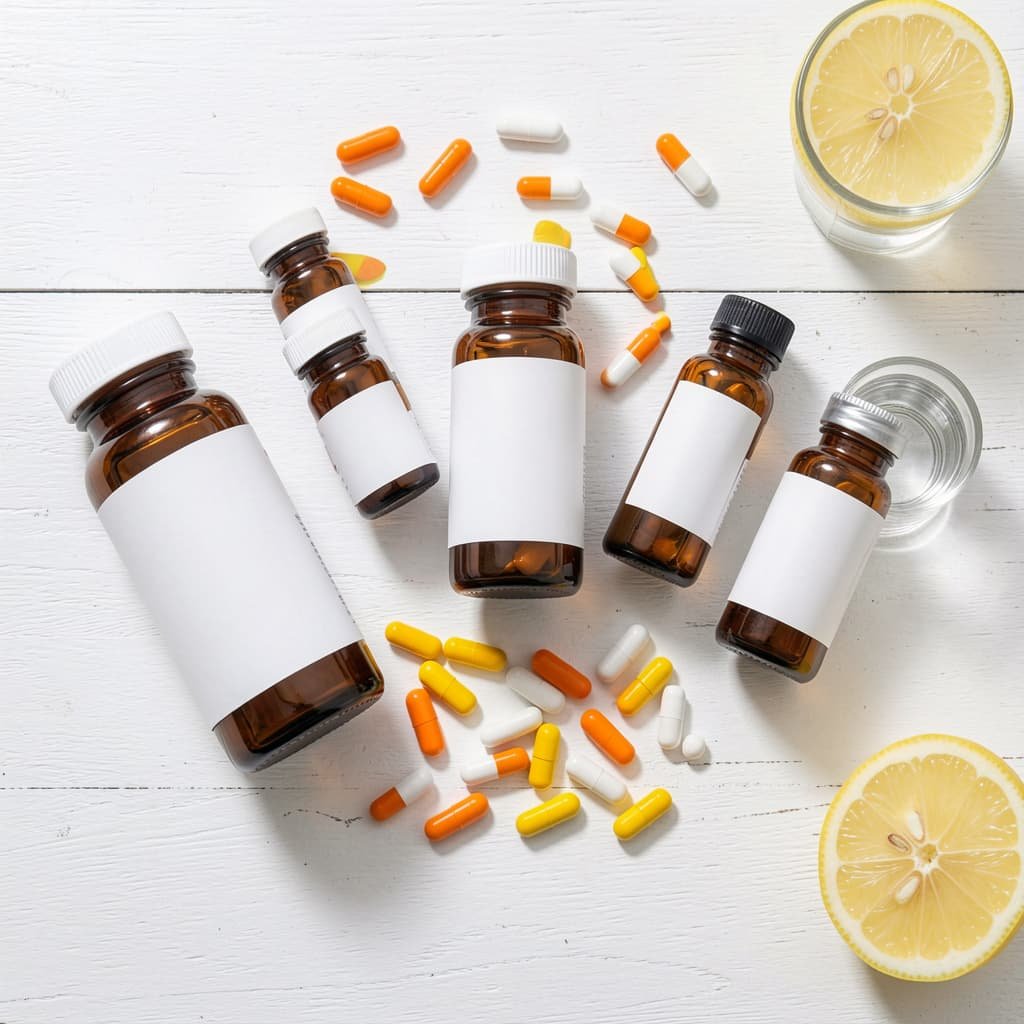
    Supplements including CoQ10 vitamin C and L-citrulline to support P-Shot recovery
    Targeted supplementation — including CoQ10, Vitamin C, B-complex, and nitric oxide precursors — supports cellular repair and angiogenesis during the P-Shot recovery period.

    Targeted nutritional support during the P-shot recovery period amplifies the PRP biological response at cellular level. The following supplements have evidence-based rationale for post-PRP use. Patients should inform the treating clinician of all supplements taken and confirm there are no contraindications with existing medications.

    Nitric Oxide — The Most Critical Post-Treatment Supplement

    Nitric oxide (NO) is the primary vasodilatory mediator in penile erection. It relaxes cavernosal smooth muscle, allowing arterial inflow to fill the erectile chambers. PRP-stimulated angiogenesis depends on healthy endothelial nitric oxide synthase (eNOS) activity in the new vessels being formed.

    Nitric oxide precursor supplements — including L-arginine, L-citrulline, and proprietary blends — support eNOS function and endothelial repair. Clinical protocols recommend nitric oxide supplementation starting immediately after treatment and continuing for at least four weeks. Note: avoid mouthwash during this period if using sublingual nitric oxide products — chlorhexidine mouthwash deactivates oral nitrate-reducing bacteria required for NO conversion.

    CoQ10, Vitamins, and B-Complex — Supporting Cellular Repair

    The following supplements support P-shot recovery through distinct mechanisms:

    SupplementSuggested Daily DoseClinical Rationale
    CoQ10200–300 mgSupports mitochondrial function in endothelial cells; enhances cellular energy for tissue repair
    Vitamin E400–800 IUAntioxidant; protects new endothelial cells from oxidative damage during angiogenesis
    Vitamin C1,000–3,000 mgCofactor for collagen synthesis; supports vascular integrity in new capillaries
    B-ComplexAs directedB vitamins support cellular metabolism and neurological function relevant to sexual health
    L-Citrulline3,000–6,000 mgPrecursor to L-arginine and nitric oxide; supports eNOS activity and vasodilation

    Always confirm supplement use with the treating clinician, particularly when existing medications are in use. Vitamin E at high doses may have anticoagulant properties — timing relative to the procedure matters.

    What to Avoid During P-Shot Recovery

    The following substances interfere with the P-shot recovery process and should be avoided or minimised:

    •        Smoking — destroys endothelial cells and impairs the neovascularisation that PRP drives

    •        Alcohol — suppresses growth hormone secretion and disrupts sleep-stage tissue repair

    •        Recreational drugs — various mechanisms of endothelial impairment and vascular compromise

    •        Nasal decongestants containing pseudoephedrine — vasoconstrictive properties counteract cavernosal blood flow

    •        Excess caffeine — minor vasoconstrictive effect; moderate intake is acceptable

    Low-Dose Cialis After P-Shot Treatment: The Clinical Rationale

    Many experienced practitioners recommend a 30-day course of low-dose tadalafil (Cialis) following P-shot aftercare protocols. This recommendation has a sound physiological basis.

    Tadalafil inhibits phosphodiesterase type 5 (PDE5), the enzyme that degrades cyclic GMP in cavernosal smooth muscle. By maintaining higher cyclic GMP levels, low-dose daily tadalafil promotes cavernosal smooth muscle relaxation and regular arterial inflow — the same physiological environment that supports PRP-driven neovascularisation.

    Low-dose daily tadalafil (2.5–5 mg) also reduces the severity of post-procedure venous leakage and supports penile rehabilitation in men who have experienced significant erectile dysfunction. This is not a standard prescription automatically issued with P-Shot treatment — patients should discuss whether this addition is appropriate during the pre-treatment consultation.

    P-Shot Results Timeline: What to Expect Week by Week

    Understanding the P-shot before and after timeline helps patients interpret their experience accurately and avoid premature conclusions about whether the treatment is working.

    Weeks 1–2: Acute Inflammatory Phase

    Growth factors begin signalling to surrounding cells. Mild localised swelling or sensitivity may persist. No significant functional changes are typically apparent in this window. The tissue is in the early repair initiation phase. Maintain pump use and supplement regimen as directed.

    Weeks 3–6: Early Tissue Remodelling

    New capillary formation begins in the corpora cavernosa. Some patients notice initial improvements in erectile firmness or spontaneous erection frequency during this phase. These early signals indicate the PRP cascade is progressing. Erectile rigidity often improves before dimensional changes become apparent.

    Weeks 8–12: Peak Results Window

    The primary tissue remodelling phase completes between eight and twelve weeks. P-shot before and after assessments conducted at three months provide the most clinically meaningful outcome measurement. Girth, length, and erectile quality changes are most clearly evident at this point. Formal evaluation via IIEF (International Index of Erectile Function) questionnaire at the three-month mark allows objective comparison with baseline.

    Beyond 12 Weeks: Durability and Maintenance

    Tissue remodelling outcomes from P-shot UK treatment are generally durable for 12 to 18 months in eligible patients. Progressive underlying conditions — advancing cardiovascular disease, poorly controlled diabetes, or active Peyronie’s progression — can erode results over time. Maintenance sessions at 12 to 18-month intervals preserve outcomes for the long term.

    How Many P-Shot Sessions Do You Need?

    A single P-shot session produces measurable improvements in many patients — particularly those with mild-to-moderate vasculogenic erectile dysfunction. However, clinical protocols for men with more significant deficits, Peyronie’s disease, or post-prostatectomy changes commonly recommend a course of two to three sessions.

    Sessions are typically spaced three to six weeks apart. This spacing aligns with the biological timeline of PRP-driven tissue remodelling — each session reinforces and extends the angiogenic response initiated by the previous one. Back-to-back sessions with less than three weeks between them do not allow sufficient time for the remodelling cascade to progress and may underperform compared to appropriately spaced treatment courses.

    Men with Peyronie’s disease in the chronic stable phase often require more sessions to achieve measurable plaque reduction and curvature correction. penile injection growth potential in this population is closely tied to the degree of fibrotic burden and the consistency of the treatment schedule.

    Choosing a Qualified P-Shot Provider in the UK

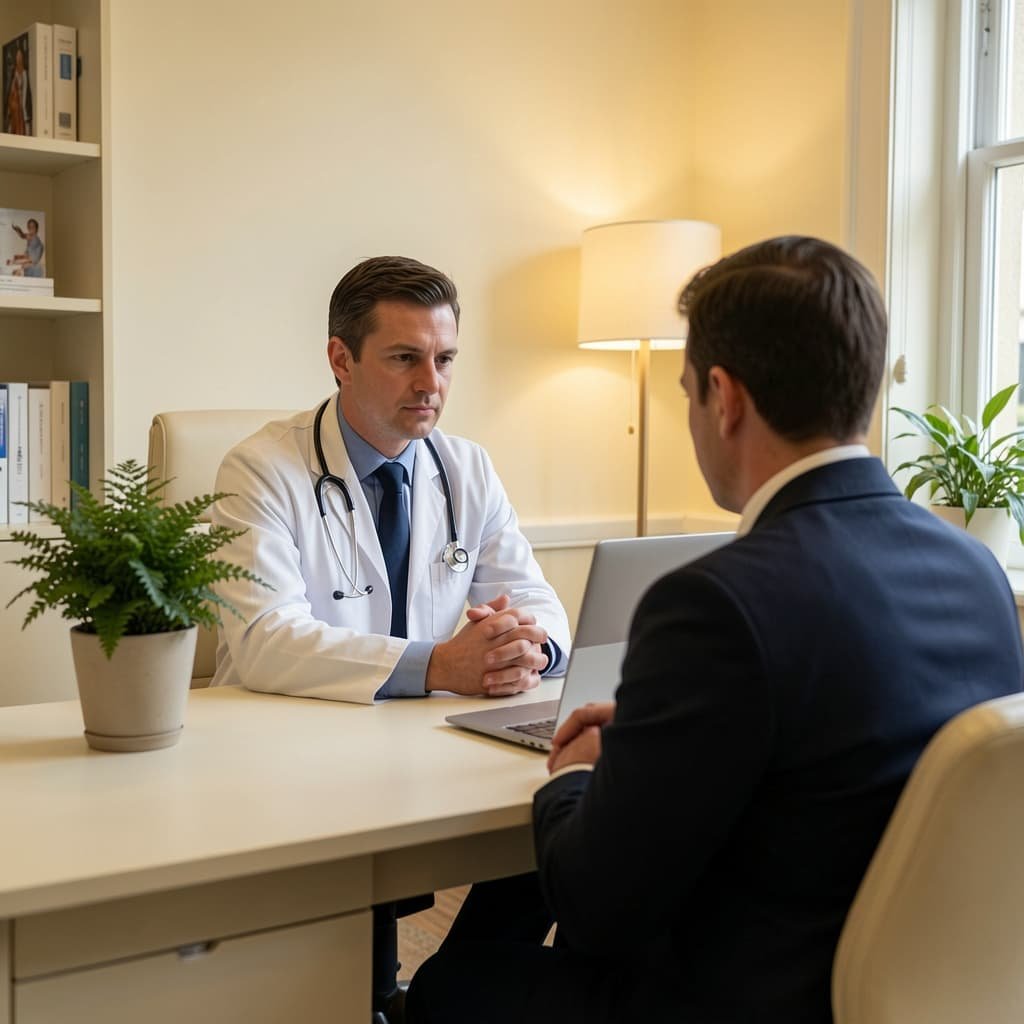
    Doctor consulting male patient about P-Shot aftercare and treatment protocol at Harley Street London clinic
    A thorough pre-treatment consultation and written aftercare plan are key indicators of clinical quality when selecting a P-Shot provider in the UK.

    The quality of P-shot aftercare instructions a patient receives reflects the quality of the clinic providing them. Reputable providers deliver comprehensive pre and post-treatment guidance — not a single-page leaflet — as a standard component of care. Key criteria for evaluating a P-shot London include:

    •        A treating clinician holding a recognised UK medical qualification (MBBS, MD, or equivalent) with documented training in PRP therapy and men’s intimate health

    •        A validated, medical-grade centrifuge system for PRP preparation — clinicians should state the platelet concentration their protocol achieves

    •        A thorough pre-treatment consultation that includes erectile function assessment via IIEF questionnaire and cardiovascular risk screening

    •        Written aftercare instructions covering medications, supplements, activity guidance, and realistic outcome expectations

    •        Access to the treating clinician for post-treatment queries and follow-up assessment at three months

    Dr Syed Nadeem Abbas at pshots clinic uk, a Harley Street clinic in London, provides P-shot treatment within a structured clinical framework that includes comprehensive pre and post-treatment protocols for each patient.

    Frequently Asked Questions

    Can you exercise after a P-Shot?

    Light activity — walking, gentle stretching — is acceptable from the following day. Avoid strenuous cardiovascular exercise and contact sports for at least five to seven days after treatment. High-intensity exercise increases systemic inflammation, which may interfere with the localised PRP-driven tissue response.

    Can you drink alcohol after a P-Shot?

    Alcohol suppresses growth hormone secretion and impairs sleep-stage tissue repair. Avoid alcohol for at least five to seven days after treatment. During the full six-week active recovery period, minimising alcohol intake supports better outcomes.

    What happens if you take ibuprofen after a P-Shot?

    NSAIDs inhibit the COX pathways that drive prostaglandin-mediated platelet signalling. Taking ibuprofen or similar medications during the six-week recovery window directly suppresses the biological cascade the PRP injection initiated. Use paracetamol for pain relief instead.

    How soon after a P-Shot do results appear?

    Initial improvements in erectile firmness often appear between weeks three and six. Full dimensional and functional outcomes are most accurately assessed at the three-month mark. Assessing results at two weeks is premature — the tissue remodelling process is still in its early phase.

    Is there downtime after a P-Shot?

    The P-shot procedure requires no formal downtime. Patients return to desk-based work and normal daily activity on the same day. The six-week medication and supplement protocol constitutes a behavioural commitment rather than a physical recovery period — most patients find day-to-day life unaffected after the appointment.

    Can you use a penis pump on the day of your P-Shot?

    Pump use on the same day as treatment is possible but not essential. Some clinicians recommend beginning pump use the following day rather than the same day to allow the initial injection site to settle. Follow the specific guidance provided by the treating clinician regarding timing for the first pump session.

    What is the priapus shot price in the UK?

    Pricing for priapus shot treatment in the UK varies between clinics based on the number of sessions, the PRP preparation protocol used, and the clinical team’s expertise. Always obtain a written breakdown of what is included in any quoted price — including consultation, preparation kit, and any follow-up assessments. For specific pricing, visit the clinic’s website directly or contact the clinic for a consultation.

    Key Takeaways

    P-shot aftercare is not an optional addition to the treatment process — it is an integral component of it. The biological mechanisms that make PRP therapy effective are the same mechanisms that patient behaviour before and after treatment can either support or undermine. Stopping NSAIDs in advance, following post-treatment medication guidance, maintaining the pump protocol, optimising nutrition, and attending a follow-up assessment at three months are not optional extras. They are the clinical minimum that gives a P-shot the environment it needs to produce its best possible outcomes.

    The evidence base for PRP in men’s sexual health continues to mature. What is already clear is that patient engagement with pre and post-treatment protocols materially influences results. Clinics that provide detailed, mechanism-explained aftercare guidance — rather than a single-page instruction sheet — equip patients to be active participants in their own outcomes.

    For men considering P-shot UK treatment, the quality of aftercare provision is as important a selection criterion as the clinician’s qualifications or the PRP system used.

    If a clinic cannot explain why each aftercare instruction matters, it is worth asking whether their clinical protocols are as robust as their marketing suggests.

    Explore these related articles for further clinical detail:

    Does the P-Shot Increase Size? What the Clinical Evidence Actually Shows

    Breaking the Silence: How the P Shot in London Can Help Men Overcome Erectile Dysfunction

    P shot Treatment London