Tag: p shot side effects

  • Cycling Erectile Dysfunction: Is Bike Riding Risky?

    Cycling Erectile Dysfunction: Is Bike Riding Risky?

    Medically reviewed | Updated July 2026

    Cycling ranks among the most popular forms of exercise in the United Kingdom. It supports cardiovascular fitness, weight management and mental wellbeing. Yet persistent reports link prolonged bike riding with genital numbness. Some riders also report erectile difficulties. This raises genuine concern about cycling erectile dysfunction among regular riders.

    Current medical literature does not confirm that cycling directly causes erectile dysfunction. Certain riding patterns and equipment choices still carry measurable risk. This article examines the neurovascular mechanisms involved. It reviews the strength of existing evidence. It also outlines practical prevention strategies. The article explores an established non-surgical treatment for erectile dysfunction in London, including PRP-based regenerative therapy for ED. Men who continue to experience symptoms may find this useful, regardless of the underlying cause. Men researching treatment options will find both perspectives addressed below.

    Understanding the Cycling Erectile Dysfunction Connection

    The perineum sits between the base of the penis and the anus. It carries a dense network of blood vessels and nerves. During cycling, body weight rests largely on this narrow region. The sit bones are designed for weight-bearing instead. Traditional saddle shapes concentrate pressure directly onto the perineal area. This compresses structures that supply blood and sensation to the penis.

    How Saddle Pressure Affects Blood Flow and Nerves

    Sustained compression reduces oxygen delivery to penile tissue during longer rides. Early clinical studies measured penile blood pressure after saddle sitting. Reductions to around 60 per cent of baseline appeared within five minutes.

    Blood flow typically returns to normal within ten minutes of recovery. This indicates the effect is usually transient rather than permanent.

    The Role of the Pudendal Nerve and Artery

    The pudendal nerve and pudendal artery both pass beneath the pubic bone. They travel through a narrow channel known as Alcock’s canal. Prolonged saddle pressure compresses these structures. This produces numbness, tingling or reduced sensitivity. Repeated compression over months or years has been linked to pudendal nerve injury. These links come from isolated case reports. Direct causation across the general cycling population remains unproven.

    Types of Cycling and Relative Risk

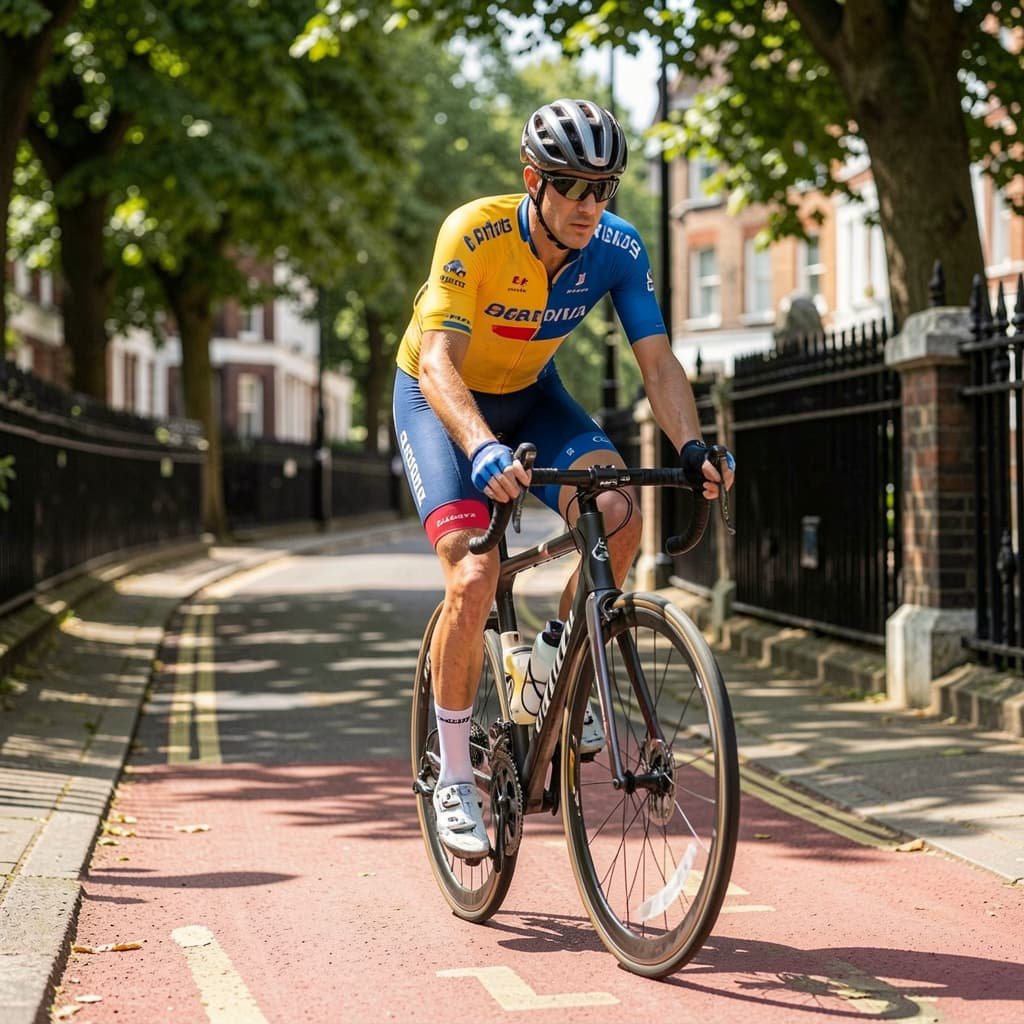
    Not all forms of cycling carry equal risk to penile blood flow and nerve function. Road cycling over long distances generates the highest recorded perineal pressures. Drop handlebars increase forward pelvic tilt and add to this risk. Upright commuter cycling and short recreational rides produce lower pressure. These shorter rides also involve shorter periods of compression.

    Indoor Spin Classes and Static Bikes

    Indoor spin classes often involve a fixed, forward-leaning position. This position is sustained for 45 minutes or longer. Road surface variation normally offers natural pressure relief outdoors. Static bikes indoors do not provide this relief. Static bike setups in gyms are rarely fitted individually. This can increase saddle pressure when bike geometry does not match a rider’s proportions.

    Mountain Biking and Off-Road Cycling

    Off-road cycling introduces frequent shifts in body position. Standing climbs and variable terrain interrupt sustained perineal pressure. This intermittent loading pattern may reduce cumulative compression. Continuous road riding does not offer the same relief. Rougher terrain also increases vibration transmitted through the saddle.

    Electric Bicycles

    Electric bicycles reduce the physical effort required per mile. This can shorten time spent under load for a given journey. Riders using e-bikes for daily commuting accumulate less total saddle time. This lowers overall exposure to perineal compression compared with endurance training.

    What the Evidence Actually Shows

    Cycling Duration and Cumulative Risk

    Elevated cycling erectile dysfunction risk appears concentrated among high-mileage cyclists. Casual or moderate riders show lower risk levels. One frequently cited study reported genital numbness in 61 per cent of male cyclists. The same study found erectile dysfunction in 24 per cent of these men. Their weekly training exceeded 400 kilometres.

    Recreational cyclists covering shorter, less frequent distances show substantially lower rates of reported symptoms.

    Cycling Versus Other Forms of Exercise

    Comparative studies show similar erectile function scores across different exercise groups. Recreational cyclists, swimmers and runners scored closely in these studies. Cyclists did report more genital numbness than other groups. This pattern suggests cycling alone does not universally cause erectile dysfunction. Cumulative saddle pressure, riding position and bicycle fit appear more influential than the activity itself.

    Recognising the Warning Signs

    Genital Numbness

    Numbness lasting only during or shortly after a ride is common. This is generally not a cause for concern.

    Numbness persisting beyond 24 hours after dismounting warrants medical assessment. It may indicate more significant nerve compression.

    Persistent Erectile Difficulties

    Erectile difficulties unrelated to specific rides deserve proper investigation. The same applies to symptoms that worsen despite equipment adjustments. Erectile dysfunction frequently signals underlying cardiovascular disease. Penile and coronary arteries share similar blood vessel pathways. Men presenting with new erectile difficulties should undergo cardiovascular risk assessment. This should sit alongside urological review. NICE guidance recognises erectile dysfunction as a potential early marker of vascular disease.

    Reducing the Risk of Cycling Erectile Dysfunction

    Saddle Design and Bike Fit

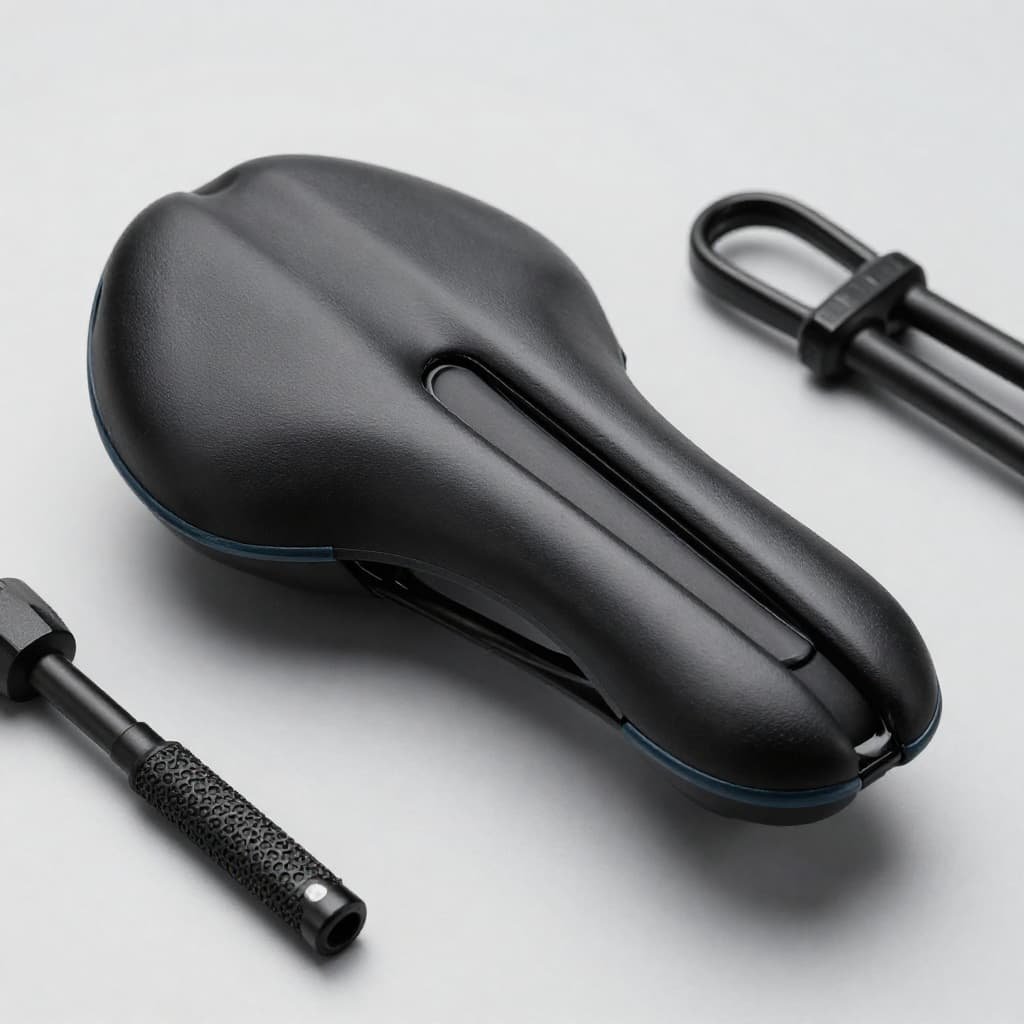
    Cutout cycling saddle designed to reduce pressure linked to cycling erectile dysfunction
    Saddles with a central cutout redistribute pressure away from the perineum and toward the sit bones.

    Saddles featuring a central cutout redistribute pressure away from the perineum. This shifts weight toward the sit bones instead. Professional bike fitting adjusts saddle height, tilt and handlebar reach. These adjustments reduce forward pelvic tilt. Forward pelvic tilt is known to increase perineal loading.

    Standing and Positional Changes

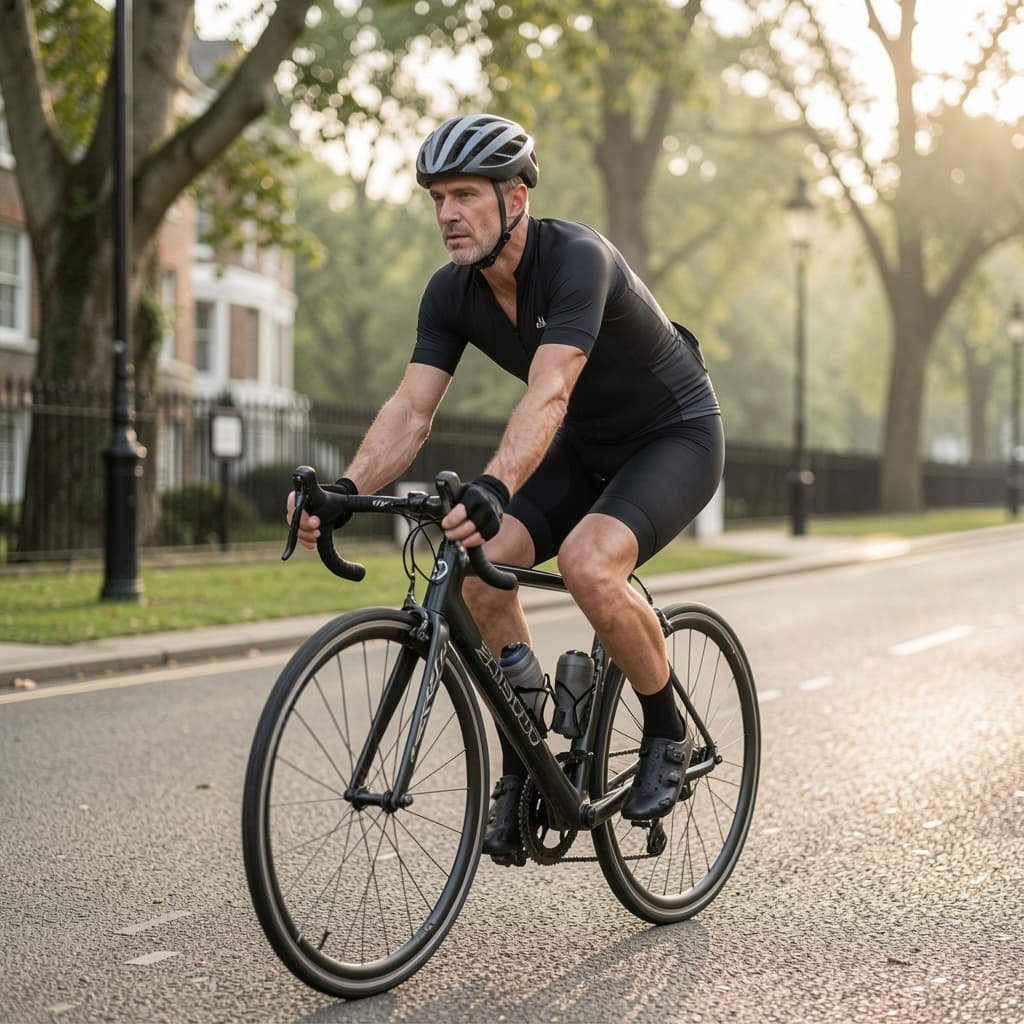
    Cyclist standing on pedals to relieve saddle pressure during a ride
    Taking regular standing breaks during longer cycling sessions is a simple, cost-free strategy to improve blood flow to compressed tissues.

    Standing on the pedals every ten minutes restores blood flow to compressed tissue. This applies especially during longer rides. This simple habit is supported by available evidence. It offers a low-cost, practical prevention strategy for regular cyclists.

    Riding Frequency and Recovery

    Rest days between long rides allow perineal tissue to recover fully. Gradual increases in distance reduce cumulative strain on nerves and blood vessels. Sudden jumps in weekly mileage do not allow the same recovery. Padded cycling shorts distribute pressure across a wider surface area. They also reduce friction during longer rides. Padding alone does not replace correct saddle selection. Bike fit remains the primary preventive measure.

    When Cycling Habits Are Not the Only Factor

    Erectile dysfunction rarely stems from a single cause. Cardiovascular disease, type 2 diabetes, smoking and obesity all raise risk. Psychological stress remains a factor too. These causes are typically stronger than cycling for most men.

    NICE guidance recognises erectile dysfunction as an early marker of cardiovascular disease, particularly in men under 60. Addressing modifiable risk factors forms the foundation of NHS management pathways. These factors include blood pressure, cholesterol and blood glucose control. This groundwork comes before any procedural intervention is considered.

    Standard NHS Assessment Steps

    A GP consultation for erectile dysfunction typically includes blood pressure measurement. Blood tests for glucose and cholesterol usually follow. A review of current medication also forms part of this process. Testosterone levels may be checked where low libido accompanies erectile symptoms. These steps identify or exclude systemic causes. This happens before cycling habits are considered a primary factor.

    First-Line NHS Treatment Options

    First-line management usually involves oral phosphodiesterase type 5 inhibitors. Lifestyle modification supports this approach. This includes reduced alcohol intake, smoking cessation and increased activity. Cycling itself remains part of a cardiovascular-protective exercise routine. It is not typically discouraged outright, even when saddle-related symptoms are present.

    Non-Surgical Treatment for Erectile Dysfunction in London

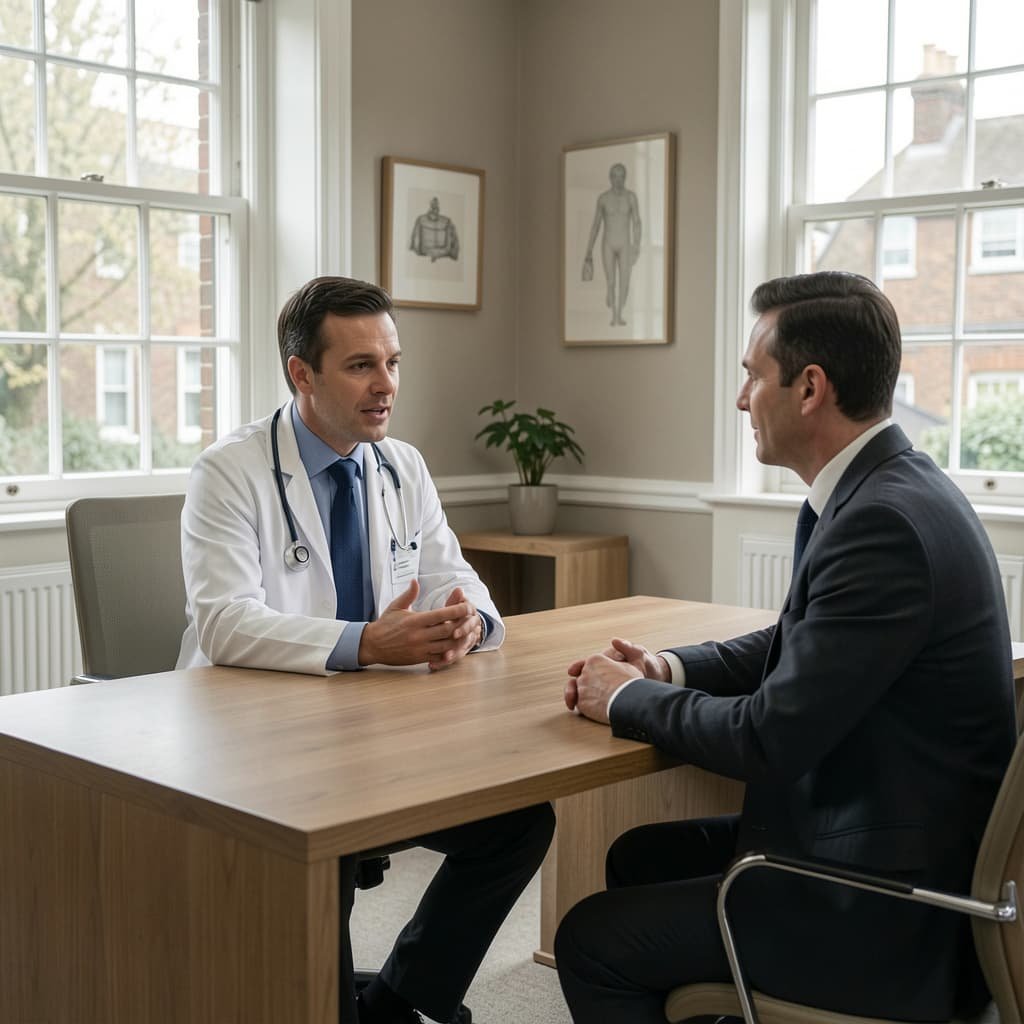
    Doctor and patient consultation for non-surgical treatment for erectile dysfunction in London
    A full clinical assessment, including cardiovascular review, precedes any discussion of treatment options.

    Men experiencing persistent erectile difficulties may explore other options. This applies whether symptoms link to cycling, vascular disease or age-related decline. Regenerative treatment for male health in the UK offers an alternative approach. It differs from oral medication or surgical intervention. PRP therapy for men’s performance issues has attracted growing clinical interest. It works through tissue repair mechanisms rather than temporary symptom masking. This positions it as a non-surgical treatment for erectile dysfunction in London.

    PRP-Based Regenerative Therapy for ED

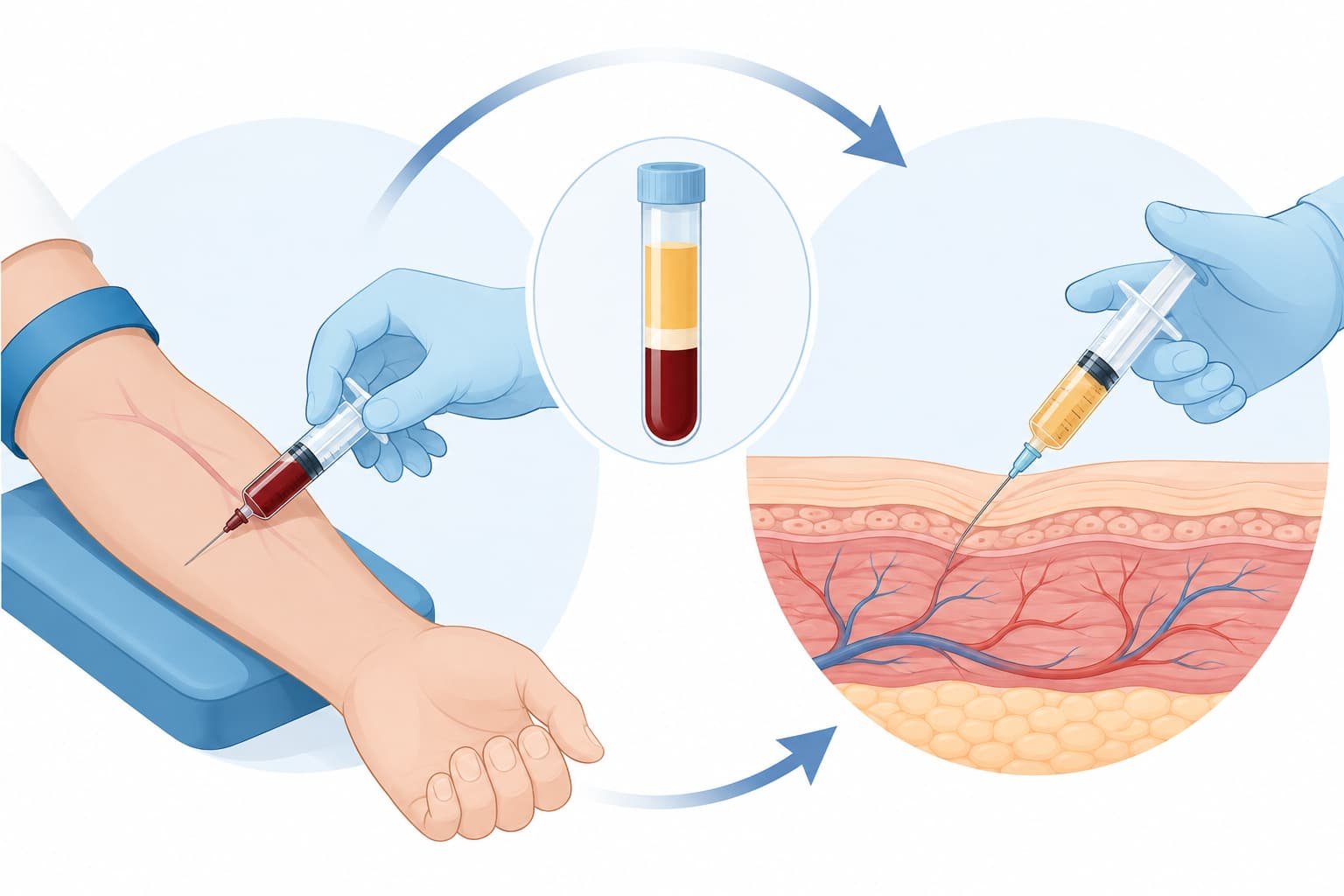
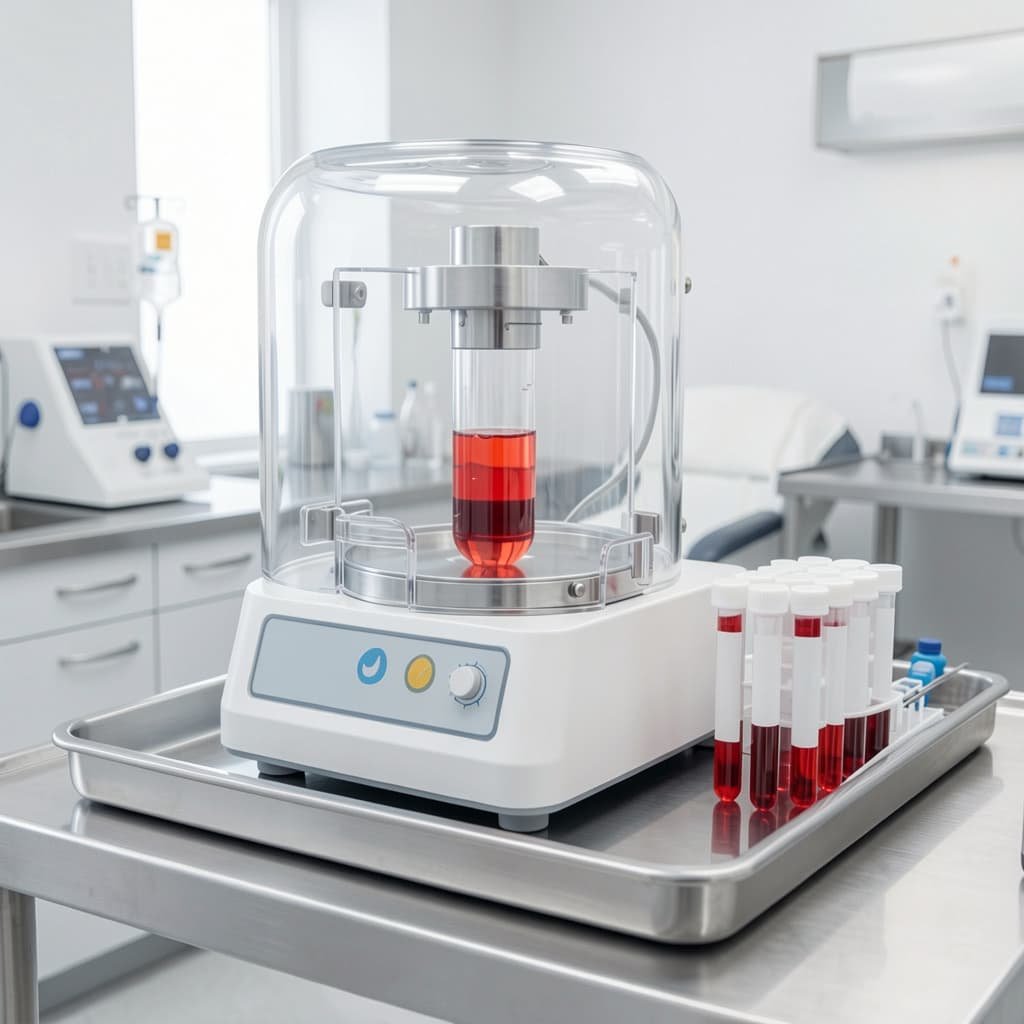
    PRP separation process used in PRP-based regenerative therapy for ED
    PRP therapy uses a concentrated platelet fraction taken from the patient’s own blood.

    PRP-based regenerative therapy for ED uses a concentrated fraction of blood platelets. These platelets come from the patient’s own blood. They are rich in growth factors that support tissue repair. This natural ED treatment using PRP therapy aims to stimulate new blood vessel formation. It also supports nerve tissue within penile tissue.

    Platelets contain growth factors including platelet-derived growth factor and vascular endothelial growth factor. Both factors play a role in tissue healing across regenerative medicine. Applying this platelet fraction into penile tissue theoretically supports repair of affected neurovascular structures. These are the same structures affected by prolonged saddle compression. Robust, large-scale clinical trial data specific to erectile dysfunction remains limited.

    The approach forms the basis of men’s intimate health treatment in London. It sits under the trademarked name Priapus Shot, commonly known as the P shot or Pshot. Men researching this option frequently search for P shot London providers. These providers offer the regenerative technique alongside standard erectile dysfunction treatment London pathways.

    The P Shot Procedure Explained

    The P shot treatment is also referred to as the P injection. It involves injecting processed platelet-rich plasma into specific areas of the penis. A P shot London clinic typically extracts blood first. The clinic then processes it to isolate platelets. The P injection is administered under local anaesthetic. The priapus shot procedure usually takes under an hour. It requires minimal downtime.

    P shot London providers position this penis shot as a regenerative option. This applies to men seeking improved erectile firmness and sensitivity. It is not a guaranteed cure for underlying vascular or nerve damage. Suitability depends on individual clinical assessment.

    P Shot Before and After: Realistic Expectations

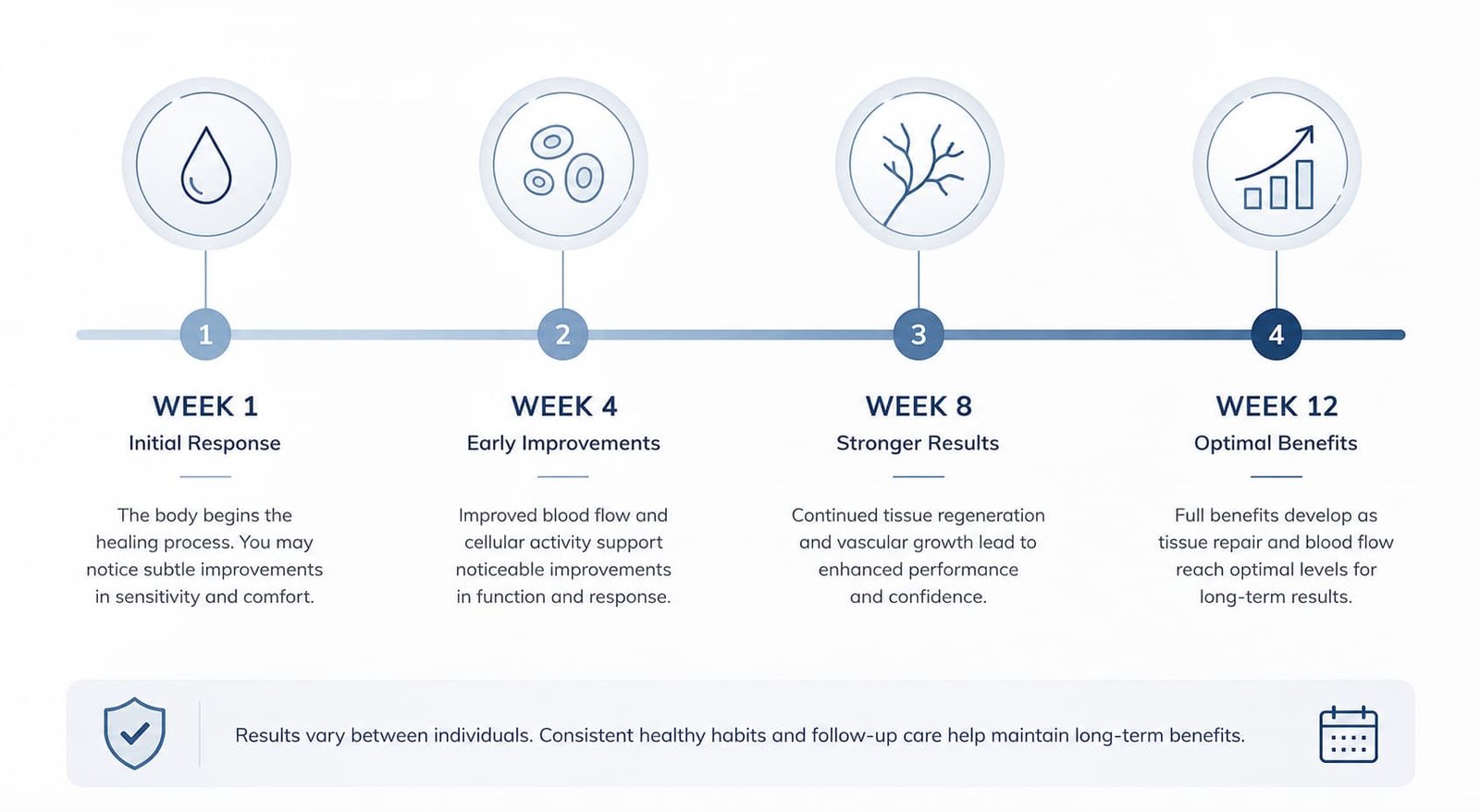
    P shot before and after outcomes vary between patients. Results depend heavily on the underlying cause of erectile difficulty. P-shot before and after results are not immediate. Visible changes typically develop over several weeks as tissue repair progresses.

    Penile injection growth claims associated with the P shot remain limited by available clinical evidence. Results should not be equated with surgical enlargement techniques. Men considering P shot UK treatment should discuss realistic expectations first. This discussion should happen with a qualified practitioner before proceeding. Men should also review documented P shot London before and after cases. This forms part of an informed decision.

    Priapus Shot Price and Considerations in the UK

    Priapus shot price varies across P shot London clinics. Practitioner experience, technique and aftercare provision all affect cost.

    Male enlargement injections cost UK figures should always be weighed against practitioner qualifications. Price alone should not guide this decision. A reputable Priapus shot London clinic provides thorough consultation. The clinic confirms suitability and outlines evidence limitations before treatment begins.

    Pshots clinic in UK , is led by Dr Syed Nadeem Abbas. The clinic offers P shot treatment alongside broader erectile dysfunction assessment. This includes cardiovascular and lifestyle review where clinically appropriate.

    Frequently Asked Questions

    Is cycling erectile dysfunction a confirmed medical diagnosis?

    This is not a formally confirmed, universal diagnosis. Risk appears linked to prolonged duration, high saddle pressure and poor bike fit.

    How long should genital numbness last after cycling?

    Numbness should resolve within minutes to hours after a ride ends. Numbness persisting beyond 24 hours requires medical review.

    Can changing the saddle prevent erectile problems?

    Saddles with a central cutout reduce perineal pressure in several studies. They also lower symptom rates for many riders. Saddle change alone does not guarantee complete symptom resolution for every rider.

    Is a P shot suitable for cycling erectile dysfunction?

    Suitability depends on the underlying cause and severity of symptoms. A P shot London consultation determines whether PRP-based regenerative therapy for ED is appropriate.

    When should a GP be consulted about erectile dysfunction?

    New, persistent or worsening erectile difficulties warrant GP assessment. This matters particularly given the established links to cardiovascular disease.

    Does stopping cycling reverse erectile dysfunction?

    Symptoms caused by temporary compression typically improve once saddle pressure is removed. Adjusting riding habits also supports recovery. Erectile dysfunction with a vascular or systemic cause requires separate medical management. This applies regardless of cycling habits.

    What is the difference between the P shot and standard ED medication?

    Oral medication temporarily improves blood flow for a single sexual event. The P shot uses PRP to target tissue repair over time. It works through a different mechanism with a separate evidence base.

    Key takeaways

    Cycling offers substantial cardiovascular and metabolic benefits for most riders. These benefits generally outweigh the sexual health risks involved.

    Current evidence indicates cycling erectile dysfunction is usually temporary rather than permanent. This applies provided saddle pressure and riding duration remain within reasonable limits. Persistent symptoms deserve proper medical investigation rather than assumption or self-diagnosis.

    Men experiencing ongoing erectile difficulties benefit from informed discussion of all available options. This applies whether difficulties stem from cycling, vascular disease or other causes. Options include P shot London treatment as one non-surgical treatment for erectile dysfunction in London. Several evidence-based pathways exist alongside this option.

    What steps might reduce cumulative saddle pressure without losing cycling’s health benefits?

    Read more: How Lifestyle Affects P Shot UK Results – Diet, Exercise, and Sleep

    Platelet-Derived Growth Factor in PRP: How It Helps Repair Penile Tissue

    P shot London

  • P-Shot Side Effects: What Are the Real Risks?
    P-Shot Side Effects: What Are the Real Risks?
    Men considering the P-Shot — also known as the Priapus Shot or P shot treatment — deserve clear, evidence-based information about potential risks. PRP therapy for men’s performance issues attracts growing interest across the UK. Yet discussions of P shot side effects remain far less prominent than the promotional content that dominates search results. This article corrects that imbalance.

    The P-Shot is not a cosmetic procedure. It is an intracavernosal injection of autologous platelet-rich plasma (PRP) — a concentrated fraction of the patient’s own blood — administered directly into the corpus cavernosum of the penis. As a regenerative treatment for male health in the UK, it sits within the broader category of advanced PRP solutions for erectile dysfunction. Like every clinical intervention, it carries a defined risk profile that every informed patient must understand before proceeding.

    This article examines the known P shot risks, the mechanisms behind each adverse event, the current state of clinical evidence, and the key questions to ask before any consultation. It does not advocate for or against the treatment. It presents what peer-reviewed literature and regulatory guidance currently support.

    Patients searching for non-surgical treatment for erectile dysfunction in London will find a growing number of clinics offering PRP-based regenerative therapy for ED. Understanding the risk-benefit balance is the essential first step.

    What Is the P-Shot and How Does It Work?

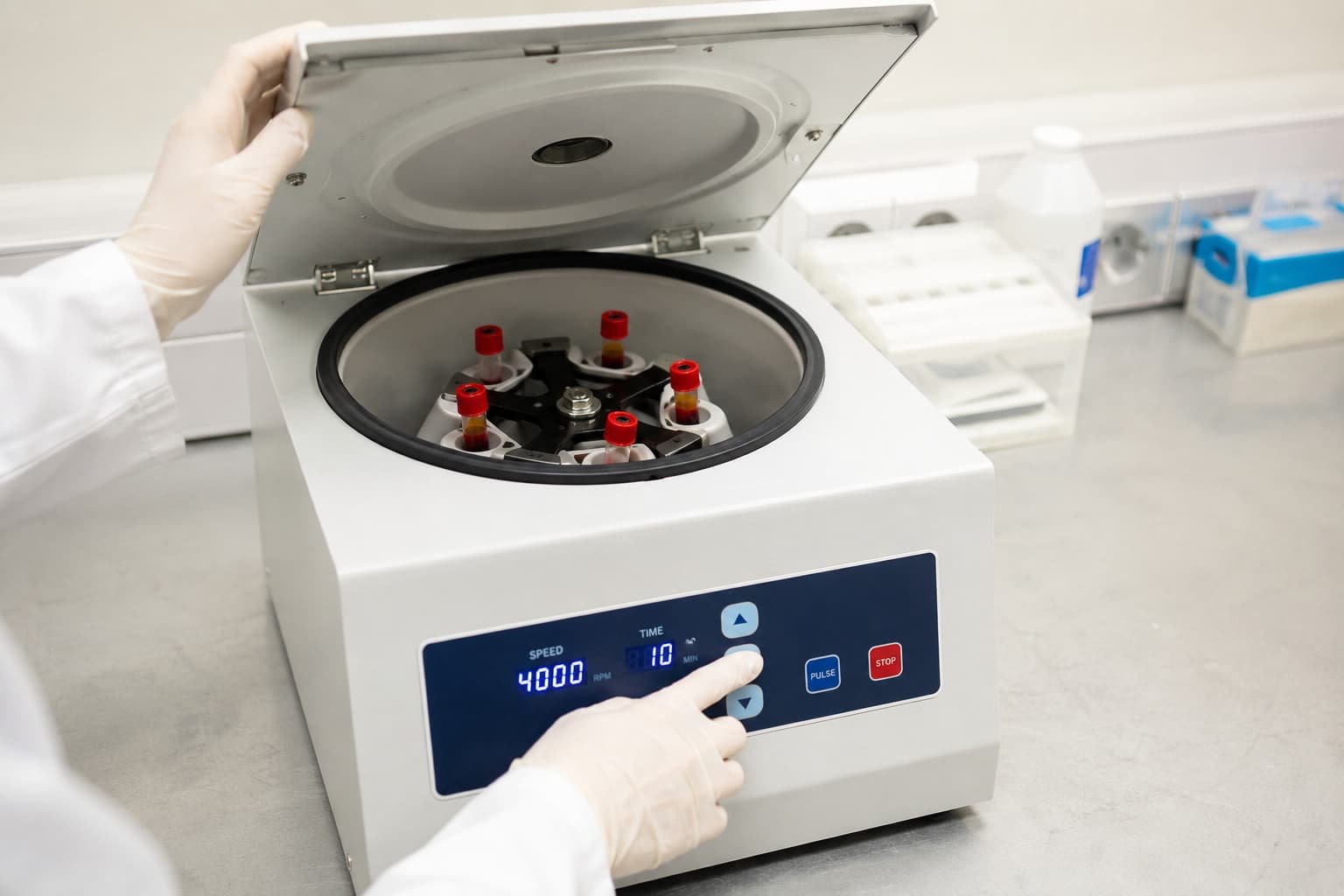
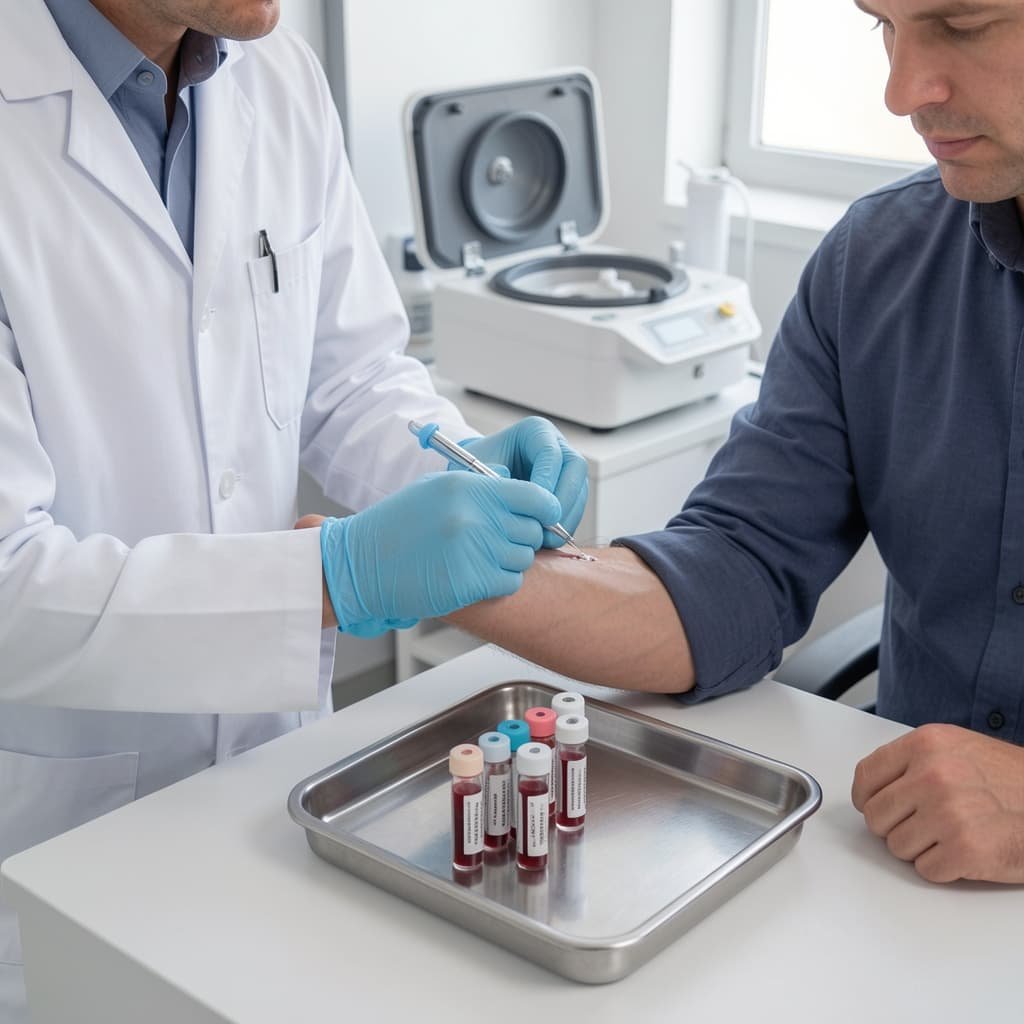
    The P-Shot is a form of penile injection growth therapy. Blood is drawn from the patient’s arm, processed in a centrifuge to isolate platelet-rich plasma, and then injected into targeted penile tissue under local anaesthetic.

    Platelets release growth factors — including platelet-derived growth factor (PDGF), vascular endothelial growth factor (VEGF), and transforming growth factor-beta (TGF-β). These growth factors theoretically stimulate neovascularisation, tissue remodelling, and smooth muscle regeneration within the corpus cavernosum.

    The mechanism is biologically plausible. Endothelial dysfunction drives the majority of organic erectile dysfunction (ED) presentations. Growth-factor delivery to cavernosal tissue may improve local blood flow. However, the clinical translation of this mechanism into reproducible patient outcomes remains under active investigation.

    Patients comparing P shot before and after experiences should note that self-reported outcomes vary considerably across published case series. No single P-shot before and after benchmark represents the expected response for an average patient.

    P Shot Side Effects: A Comprehensive Clinical Review

    The available evidence identifies a range of P shot side effects. These fall into two broad categories: immediate procedural effects and post-procedure complications.

    Immediate Post-Procedural Side Effects

    Bruising (Ecchymosis)

    Bruising is the most frequently reported P shot side effect. The penis receives injection at multiple sites during a standard P shot treatment session. Minor ecchymosis typically resolves within 7–14 days. This reflects superficial capillary disruption rather than deep tissue damage.

    Swelling (Oedema)

    Localised oedema following a penis shot procedure is common and expected. Tissue disruption from the needle and the volume of injected PRP solution both contribute to swelling. This usually resolves within 48–72 hours. Persistent oedema beyond five days warrants clinical review.

    Discomfort and Pain at the Injection Site

    Penile injection procedures carry inherent discomfort risks even with topical anaesthetic cream. Most practitioners apply a lidocaine-based topical numbing agent 20–30 minutes before the injection. Post-procedure soreness typically subsides within 24–48 hours. Severe or worsening pain is not expected and requires urgent assessment.

    Temporary Skin Discolouration

    Superficial skin discolouration at the injection site may accompany bruising. This is generally transient and resolves as the bruising fades. Persistent pigmentation changes are not well documented in the current literature.

    Less Common P Shot Complications

    Haematoma Formation

    A haematoma represents a collection of blood outside the vascular system within penile tissue. This is a clinically significant P shot complication that requires prompt evaluation. Risk increases in patients on anticoagulant or antiplatelet medications. Clinicians conducting P shot treatment should screen for medication use pre-procedure.

    Infection

    Infection risk exists with any invasive injection procedure. The use of autologous PRP — derived from the patient’s own blood — reduces the risk of immune-mediated rejection or foreign-body infection. However, injection-site skin flora, poor sterile technique, or compromised patient immunity can still introduce bacteria into penile tissue.

    Signs of infection include increasing pain, warmth, erythema, and discharge at the injection site beyond 48 hours. Any suspected infection following a P injection requires urgent medical review. NHS guidance on infection prevention applies to all invasive aesthetic and regenerative procedures.

    Nodule Formation

    A small number of case reports describe subcutaneous nodule formation following penile PRP injection. These nodules may reflect localised fibrotic tissue response to the injected material. The incidence is not well characterised in current literature. Palpable nodules that persist beyond four weeks should be assessed by a clinician with experience in PRP complications.

    Priapism

    Priapism — a prolonged, painful erection unrelated to sexual stimulation — is a rare but serious potential complication. Although rare in the P-Shot literature, any intracavernosal injection carries a theoretical risk of priapism. This is a urological emergency. Patients must receive clear verbal and written instructions on this risk before undergoing any penile injection growth therapy.

    Penile Fibrosis

    Repeated intracavernosal injections — particularly in the context of other concurrent treatments — carry a risk of penile fibrosis. Fibrosis refers to scar tissue formation within cavernosal tissue. This is better documented with pharmacological intracavernosal injections (prostaglandin E1) than with PRP specifically. However, practitioners should assess cumulative injection history before proceeding with a P shot UK consultation.

    PRP Side Effects: What the Evidence Actually Shows

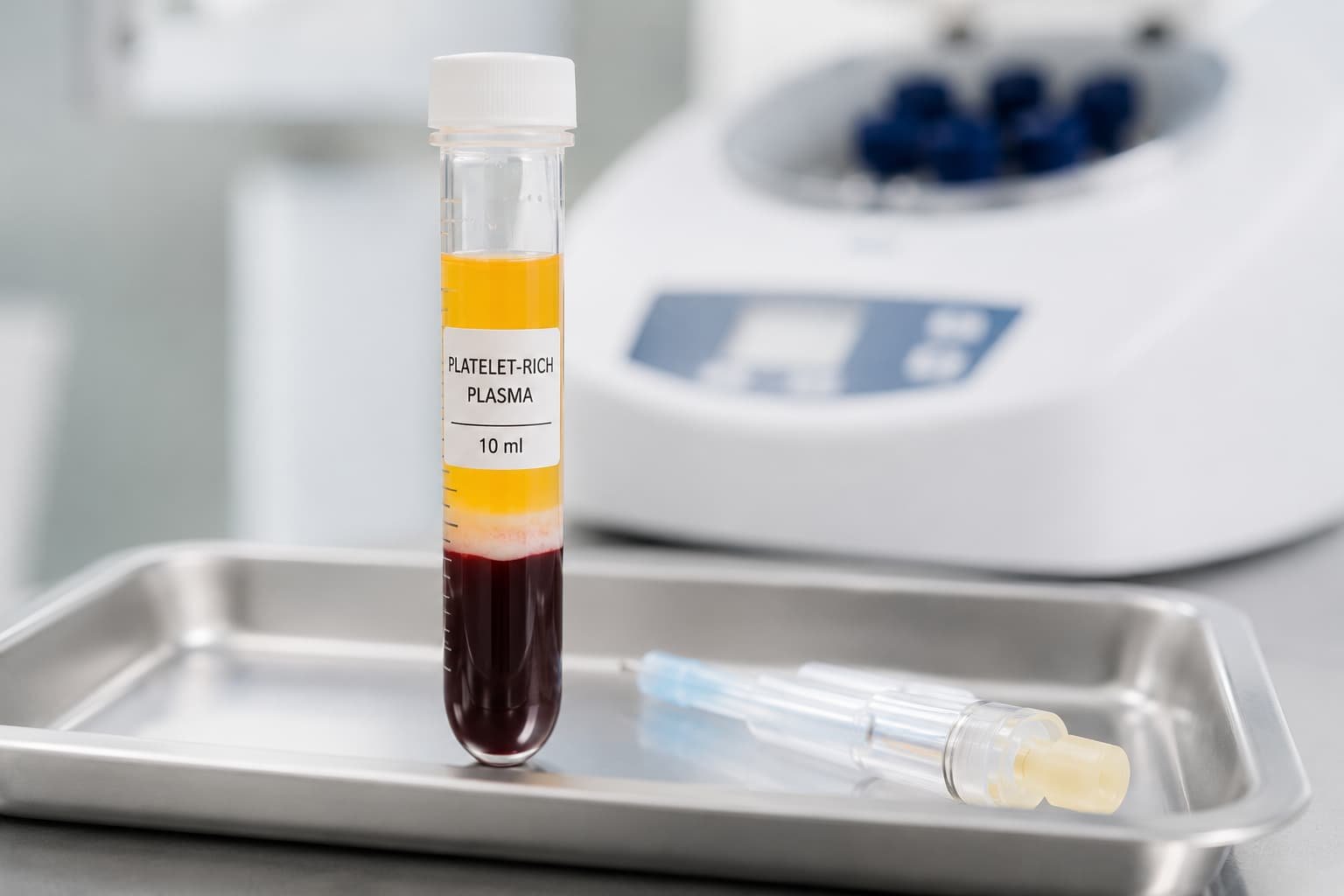
    Medical centrifuge tubes showing separated platelet-rich plasma used in PRP therapy for erectile dysfunction
    Platelet-rich plasma (PRP) separation in a centrifuge: the golden upper layer contains concentrated platelets and growth factors used in the P-Shot.

    PRP side effects across all clinical applications share a common profile. A 2021 systematic review in the Journal of Clinical Medicine evaluated PRP injection outcomes across musculoskeletal, dermatological, and urological uses. The authors consistently identified bruising, swelling, and transient pain as the most common adverse events — typically self-limiting and resolving within two weeks.

    In the specific context of erectile dysfunction treatment London, a 2019 study published in Sexual Medicine (Matz et al.) examined intracavernosal PRP injections in men with ED. The study reported no serious adverse events. Minor side effects — predominantly bruising and temporary discomfort — occurred in a subset of participants and resolved without intervention.

    The overall PRP safety profile appears favourable when administered by a qualified clinician using appropriate sterile technique. This assessment is consistent with the European Association of Urology (EAU) position that regenerative treatments using autologous biologics carry low systemic risk when procedural standards are met.

    Importantly, this positive safety signal does not indicate that P shot risks are absent. It indicates that the risk profile is predominantly local, procedural, and time-limited — not systemic or irreversible — in the majority of reported cases.

    Who Faces the Highest P Shot Risk?

    Male doctor consulting a patient about P-Shot risks and eligibility at a private men's health clinic in London
    A thorough pre-treatment consultation is essential to assess individual risk factors before undergoing any PRP-based treatment.

    Not all patients present equal procedural risk. Clinicians offering men’s intimate health treatment in London should assess each patient’s individual risk profile before proceeding.

    Patients on Anticoagulant Medication

    Patients taking warfarin, rivaroxaban, apixaban, or antiplatelet agents such as aspirin and clopidogrel face elevated bleeding and haematoma risk. Temporary cessation of anticoagulation therapy may be advisable before a penile injection procedure. This decision requires coordination with the prescribing clinician. Patients must not self-discontinue anticoagulation without medical supervision.

    Patients with Active Genital Infection

    Any active skin or urogenital infection represents a contraindication to the P-Shot. Introducing a needle through infected or inflamed tissue dramatically increases the risk of deep-tissue infection. Standard clinical screening should include visual inspection and relevant microbiological history.

    Patients with Blood Disorders

    Platelet dysfunction disorders — including thrombocytopaenia and conditions requiring platelet inhibitors — affect PRP quality and procedural safety. Blood-borne infections such as HIV and hepatitis B or C do not represent absolute contraindications under current guidance, but require careful protocol adherence.

    Patients with Prior Penile Surgery or Peyronie’s Disease

    Altered penile anatomy from prior surgery, implants, or Peyronie’s disease changes the risk profile for intracavernosal injections. P shot complications in these patients may differ from those in men with no prior penile pathology. A detailed anatomical assessment is essential before treatment.

    What the Evidence Does Not Yet Support

    Beyond the known P shot side effects, clinicians and patients must recognise where the evidence base has clear limitations. Several claims associated with the P-Shot — including significant penile enlargement and permanent reversal of organic ED — lack robust RCT-level support.

    Penile Enlargement Claims

    No large-scale randomised controlled trial has validated the P-Shot as a reliable penile enlargement intervention. Anecdotal reports and small uncontrolled case series describe modest increases in penile girth or length in some patients. These outcomes are not reproducible across all patients and should not be presented as predictable results of male enlargement injections.

    Patients researching male enlargement injections cost UK should be cautious of providers who guarantee specific size outcomes. No ethical clinician can guarantee dimensional changes from a biological injection that relies on individual tissue response.

    Long-Term ED Reversal

    Natural ED treatment using PRP therapy has theoretical merit. However, current evidence does not support the claim that the P-Shot permanently reverses organic ED. Results from published studies are variable, and many trial designs lack placebo controls. A 2022 double-blind RCT published in European Urology Focus found no statistically significant difference between PRP injection and saline placebo in IIEF score improvements at 12 weeks.

    Men considering an advanced PRP solution for erectile dysfunction should discuss realistic expectations — including the possibility of non-response — with their clinician before treatment.

    Regulatory and Safety Standards in the UK

    The P-Shot is not licensed or regulated as a medical device or pharmaceutical product by the Medicines and Healthcare products Regulatory Agency (MHRA). It sits within the category of autologous cell therapies, which occupy a distinct regulatory space.

    NICE does not currently issue specific guidance on intracavernosal PRP for erectile dysfunction. This absence of NICE endorsement does not indicate prohibition, but it does indicate that the treatment falls outside the standard NHS pathway. P shot treatment in the UK is delivered exclusively within private medical settings.

    The Care Quality Commission (CQC) regulates private medical facilities in England. Patients seeking a Priapus shot London should verify that their chosen clinic holds current CQC registration and that the administering clinician holds appropriate specialist qualifications.

    Priapus shot price in the UK varies by clinic, location, and practitioner experience. Pricing alone should not guide treatment decisions. Clinician qualifications, procedural standards, and clinical environment are the primary determinants of safety.

    How to Minimise P Shot Risks

    Clinician preparing a sterile PRP syringe for a P-Shot procedure at a private medical clinic
    Strict sterile technique and single-use equipment are the primary safeguards against infection risk during PRP injection.

    Procedural risk is not fixed. Appropriate clinical protocols substantially reduce the frequency and severity of P shot side effects.

    • Select a clinician who has formal training in PRP therapy and intracavernosal injection techniques.
    • Before treatment, attend a comprehensive medical consultation that includes a full review of your medications.
    • The procedure should always be performed in a clinical environment using sterile, single‑use equipment.
    • Afterward, refrain from strenuous physical activity and sexual intercourse for at least 48–72 hours.
    • Make sure you receive written post‑procedure care instructions before leaving the clinic.
    • If you notice signs of infection or priapism, seek immediate medical attention without delay.

    P-Shot vs. Established ED Treatments: A Contextual Comparison

    Patients weighing PRP-based regenerative therapy for ED against established interventions benefit from a direct comparison of safety profiles.

    PDE5 Inhibitors (Sildenafil, Tadalafil)

    First-line oral pharmacotherapy for ED carries a well-characterised safety profile validated across decades of clinical use. Side effects include headache, flushing, dyspepsia, and — in rare cases — visual disturbance. PDE5 inhibitors are contraindicated in patients taking nitrate medications. NICE and the British Society for Sexual Medicine (BSSM) recommend these as first-line therapy for vasculogenic ED.

    Low-Intensity Extracorporeal Shockwave Therapy (Li-ESWT)

    Li-ESWT is a non-invasive regenerative treatment that targets the same neovascularisation mechanism as the P-Shot. The safety data for Li-ESWT is more extensive than for PRP injection, with EAU guidelines noting its applicability in carefully selected patients.

    Testosterone Replacement Therapy (TRT)

    TRT addresses hypogonadism-associated ED. Its risks — polycythaemia, lipid changes, testicular volume reduction, and cardiovascular implications — are systemic rather than local. TRT is appropriate only where biochemical hypogonadism is confirmed.

    The P-Shot’s risk profile differs from all of the above. Its risks are primarily local and procedural. Its clinical evidence base is more limited. It occupies a supplementary or adjunctive position rather than a first-line role in current clinical frameworks.

    Frequently Asked Questions: P Shot Side Effects

    Are P shot side effects permanent?

    The most commonly reported P shot side effects — bruising, swelling, and injection-site discomfort — are temporary. They typically resolve within one to two weeks. Serious complications such as haematoma, infection, or nodule formation are uncommon and, when they occur, generally respond to appropriate medical management. No large-scale study has documented permanent adverse events attributable solely to PRP injection into the corpus cavernosum.

    Is the P-Shot painful?

    Topical local anaesthetic cream is applied before the procedure to minimise discomfort. Most patients report that the injection itself causes minimal pain. Post-procedure soreness is common for 24–48 hours. Severe pain during or after the procedure is not expected and should be reported to the treating clinician immediately.

    Can the P-Shot cause erectile dysfunction?

    There are no well-documented cases in the published literature of the P-Shot directly causing or worsening erectile dysfunction in previously potent men. However, as with any intracavernosal injection, fibrosis risk exists with repeated procedures. Patients should discuss this with their clinician.

    How many P-Shot sessions are needed?

    Protocols vary by clinician and patient response. Some protocols recommend a single initial session with reassessment at 4–6 weeks. Others recommend two or three injections at monthly intervals. The evidence base does not currently support a universally agreed optimal protocol.

    Who should not have the P-Shot?

    Patients with active penile infection, platelet dysfunction disorders, certain blood-borne conditions, or significant bleeding disorders should not undergo this procedure without specialist assessment. Patients on anticoagulant medication require individual clinical evaluation before treatment.

    Does the Priapus shot price reflect clinical quality?

    Priapus shot London pricing varies widely and does not reliably reflect clinical quality or safety standards. Patients should evaluate clinician qualifications, clinical environment, and consultation quality rather than price alone.

    What is the difference between the P-Shot and penile filler?

    This distinction is clinically critical. The P-Shot involves autologous PRP injection to stimulate tissue regeneration and improve erectile function. Cosmetic penile filler involves the injection of synthetic hyaluronic acid to increase penile girth. These are distinct procedures with different risk profiles, mechanisms, and clinical applications. They must not be conflated.

    Conclusion: Informed Consent Is the Foundation of Safe Treatment

    Georgian-fronted private medical clinic in Harley Street London, offering P-Shot and PRP treatment for men
    P-Shot treatment in London should be sought from a CQC-registered private clinic with verified specialist credentials.

    The P-Shot occupies an evolving space within regenerative medicine. Its safety profile — based on available evidence — is broadly favourable for procedural adverse events. Serious P shot complications are uncommon when treatment is performed by a qualified clinician using appropriate technique.

    However, the absence of serious adverse events in small case series is not the same as confirmed long-term safety in large populations. The current evidence base for P shot side effects is largely derived from small, uncontrolled studies. Patients deserve transparent communication about what is known, what is uncertain, and what cannot yet be predicted.

    Men considering PRP therapy for men’s performance issues — particularly non-surgical treatment for erectile dysfunction in London — should undergo a thorough medical consultation, receive full written information on risks and expected outcomes, and ensure their treating clinician holds verifiable specialist qualifications.

    At pshots clinic uk, P shot treatment is led by Dr Syed Nadeem Abbas (MBBS, MRCS RCS Edinburgh, MRCGP, MSc Aesthetic Plastic Surgery with Distinction), whose clinical background spans Cambridge, Oxford, and the Royal London Hospital.

    Every credible regenerative treatment begins with an honest conversation about risk. The P-Shot is no exception. The question worth considering is not simply whether this treatment might work — but whether you have received the full clinical picture needed to decide if it is right for you.

    read more: When Will I See Results from P Shot in London? A Realistic Timeline

    P Shot London: How to Choose a Safe Clinic and What to Expect at Your Consultation

    P shot treatment London