Tag: P shot

  • P Shot vs Trimix: Which Treatment Is Better for Erectile Dysfunction?

    P Shot vs Trimix: Which Treatment Is Better for Erectile Dysfunction?

    ✅Medically reviewed | Updated August 2026

    Erectile dysfunction affects a significant proportion of men across the UK, and treatment options continue to expand each year. Two injectable approaches often appear in the same conversation: Trimix and the P Shot. Both involve injections directly into the penis, yet the similarities largely end there. The P Shot vs Trimix comparison sits at the centre of many consultations at private clinics across London, where men weigh immediate pharmacological results against a regenerative, blood-derived approach. This article examines the mechanism, evidence base, safety profile, and realistic outcomes of both treatments, drawing on NHS, NICE, and peer-reviewed sources rather than promotional claims.

    Men researching erectile dysfunction treatment London options frequently encounter marketing language that overstates results. This guide takes a different approach. It explains what Trimix contains, how the P shot treatment works, what current research shows, and which factors matter most before choosing between the two. Nothing here replaces individual medical assessment, but a clear, evidence-based comparison remains essential before committing to either option.

    Understanding Erectile Dysfunction and Treatment Pathways

    Erectile dysfunction describes a persistent difficulty achieving or maintaining an erection sufficient for satisfactory sexual activity. Causes range from vascular disease and diabetes to psychological factors, prostate surgery, and neurological conditions. NICE guidance places oral phosphodiesterase type 5 (PDE5) inhibitors, such as sildenafil or tadalafil, as first-line treatment for most men.

    When oral medication fails, causes intolerable side effects, or remains unsuitable due to interacting medication, second-line options come into play. NHS guidance confirms alprostadil, most often supplied as an intracavernosal injection, sits at this second-line stage. Trimix, a compounded variant containing alprostadil alongside two additional agents, extends this pharmacological pathway further. The P Shot represents a separate category entirely: a regenerative, PRP-based approach rather than a vasodilator medication.

    This distinction matters. The P Shot vs Trimix decision is not simply a choice between two similar injections. It is a choice between two fundamentally different treatment philosophies.

    What Is Trimix?

    Trimix combines three vasoactive medications — alprostadil, papaverine, and phentolamine — in a single compounded solution. Each ingredient relaxes smooth muscle tissue within the penis through a slightly different pathway, producing combined vasodilation that increases blood flow rapidly.

    How Trimix Produces an Erection

    Following injection into the corpus cavernosum, the three agents relax cavernosal smooth muscle and widen local blood vessels. Blood flow into the penis rises substantially within minutes. The mechanism does not depend on nerve stimulation, which explains why Trimix can work even after nerve damage from prostate surgery or spinal cord injury.

    Typical Onset and Duration

    An erection generally appears within five to twenty minutes and lasts roughly thirty minutes to an hour, sometimes longer depending on dose. NHS sources note that an erection lasting beyond four hours signals priapism, a medical emergency requiring immediate hospital treatment.

    Trimix’s Regulatory Status in the UK

    A critical distinction separates Trimix from the licensed alternative alprostadil. Trimix holds no UK marketing authorisation and is not routinely available on the NHS. A specials manufacturer must prepare it under MHRA regulations, and only a private prescription can authorise its use. NHS trusts typically dispense licensed alprostadil products, such as Caverject, instead. This unlicensed status does not necessarily indicate danger, but it does mean batch consistency and long-term safety data differ from those of a licensed medicine.

    Benefits and Limitations of Trimix

    Trimix produces a fast, reliable, on-demand erection for many men, including those who have not responded to oral PDE5 inhibitors. NHS advice from Newcastle Hospitals states injections should not exceed three times weekly, and never more than once daily, since frequent dosing raises the risk of tissue damage. Reported side effects include penile pain, bruising, and scarring at the injection site. Priapism remains a rare but serious risk requiring urgent attention.

    What Is the P Shot?

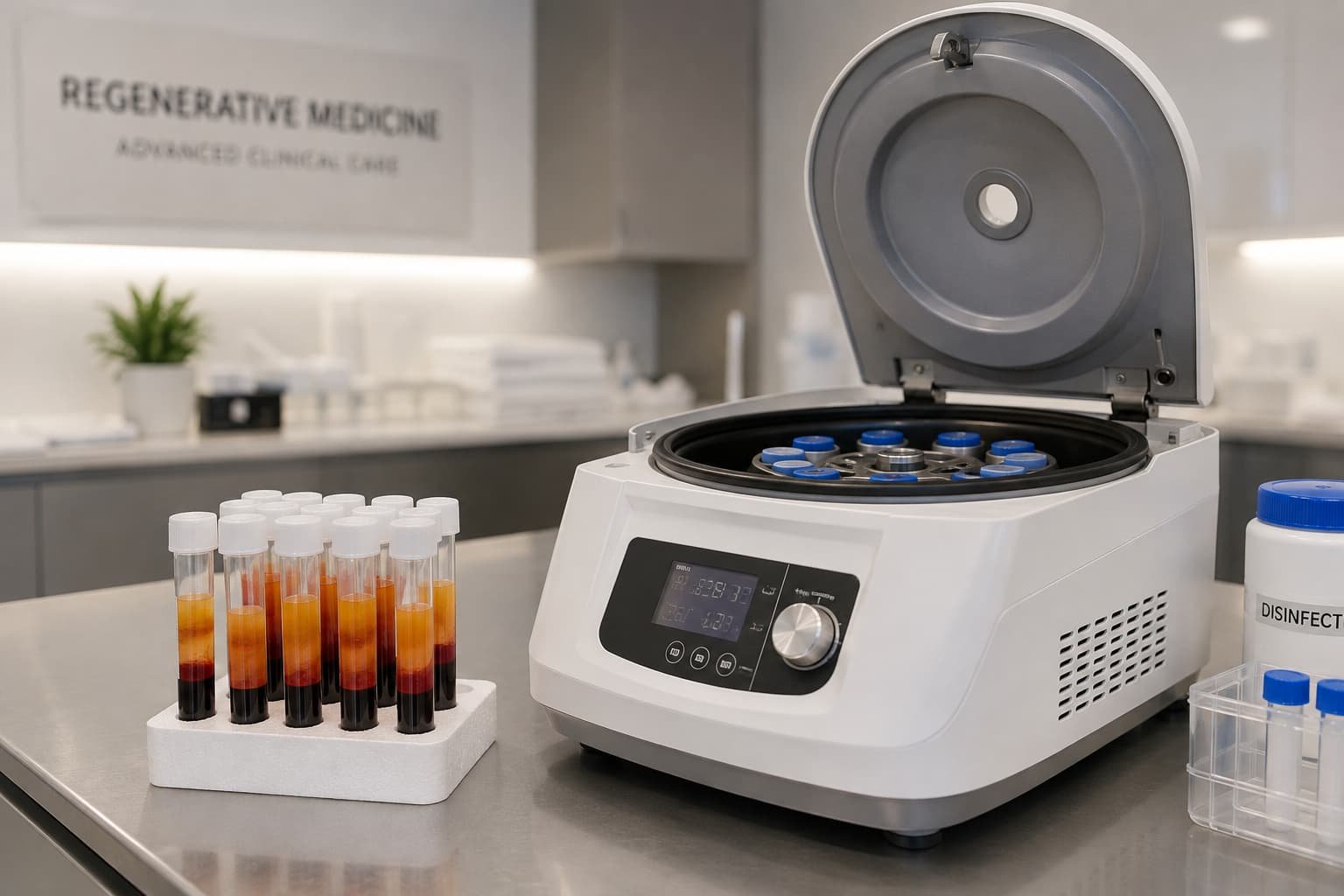
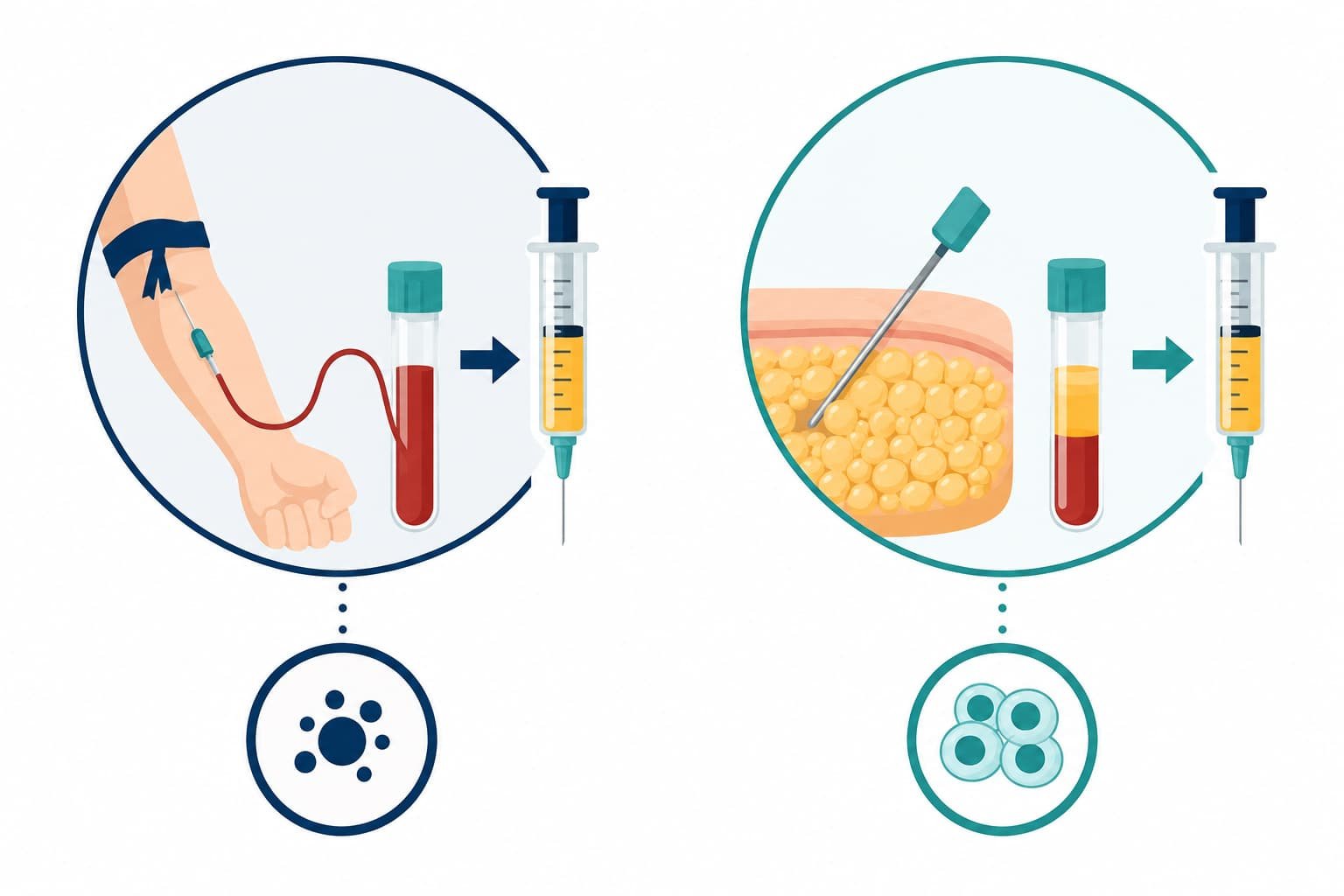
    The Priapus Shot, commonly abbreviated as the P Shot, uses platelet-rich plasma (PRP) extracted from a patient’s own blood. A blood sample undergoes centrifugation to concentrate platelets and growth factors, which are then injected into specific areas of penile tissue.

    How the P Shot Works

    Unlike Trimix, the P Shot treatment does not act as a vasodilator. Instead, platelet-rich plasma releases growth factors intended to stimulate tissue repair and improved microcirculation over time. This is why clinicians describe the P Shot as PRP-based regenerative therapy for ED, rather than a pharmacological therapy. This mechanism difference explains why timelines, risks, and expectations diverge sharply in any P Shot vs Trimix comparison.

    Growth Factors and Tissue Repair

    Concentrated platelets release growth factors associated with angiogenesis, collagen formation, and cellular repair in laboratory and animal studies. Translating these mechanisms into consistent human outcomes remains an active area of research, and results vary between individuals.

    Evidence Base for the P Shot

    Clinical evidence for a natural ED treatment using PRP therapy remains mixed. Some smaller randomised trials report modest improvements in erectile function scores, while a 2025 meta-analysis found no significant efficacy advantage over placebo across pooled data. The European Association of Urology and the American Urological Association both classify PRP-based ED treatment as investigational. This classification means the treatment is not yet established as a proven, first-line therapy, though it does not rule out benefit for carefully selected patients.

    Benefits and Limitations of the P Shot

    Because the injection uses autologous blood, allergic reactions risk stays minimal. Reported side effects generally involve only bruising, mild soreness, or transient swelling at the injection site. Unlike Trimix, the P Shot produces no immediate erection and requires no ongoing self-injection before intercourse. Results, where they occur, typically emerge gradually over several weeks. Maintenance sessions every six to twelve months commonly sustain any benefit gained.

    P Shot vs Trimix: Comparing Mechanism of Action
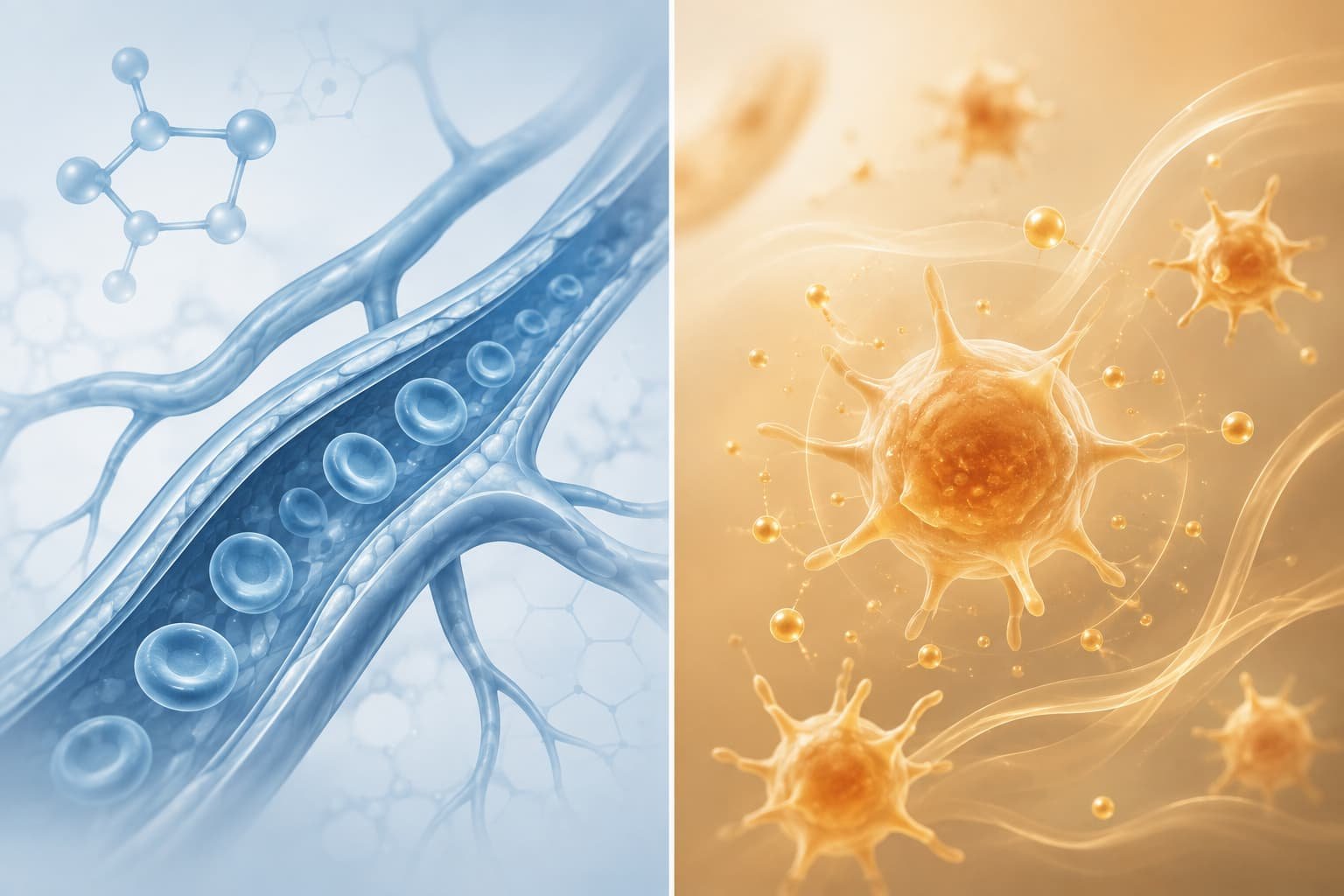
    Abstract illustration comparing vasodilation mechanism with regenerative PRP mechanism.
    Trimix works by widening blood vessels; the P Shot aims to support tissue repair over time.

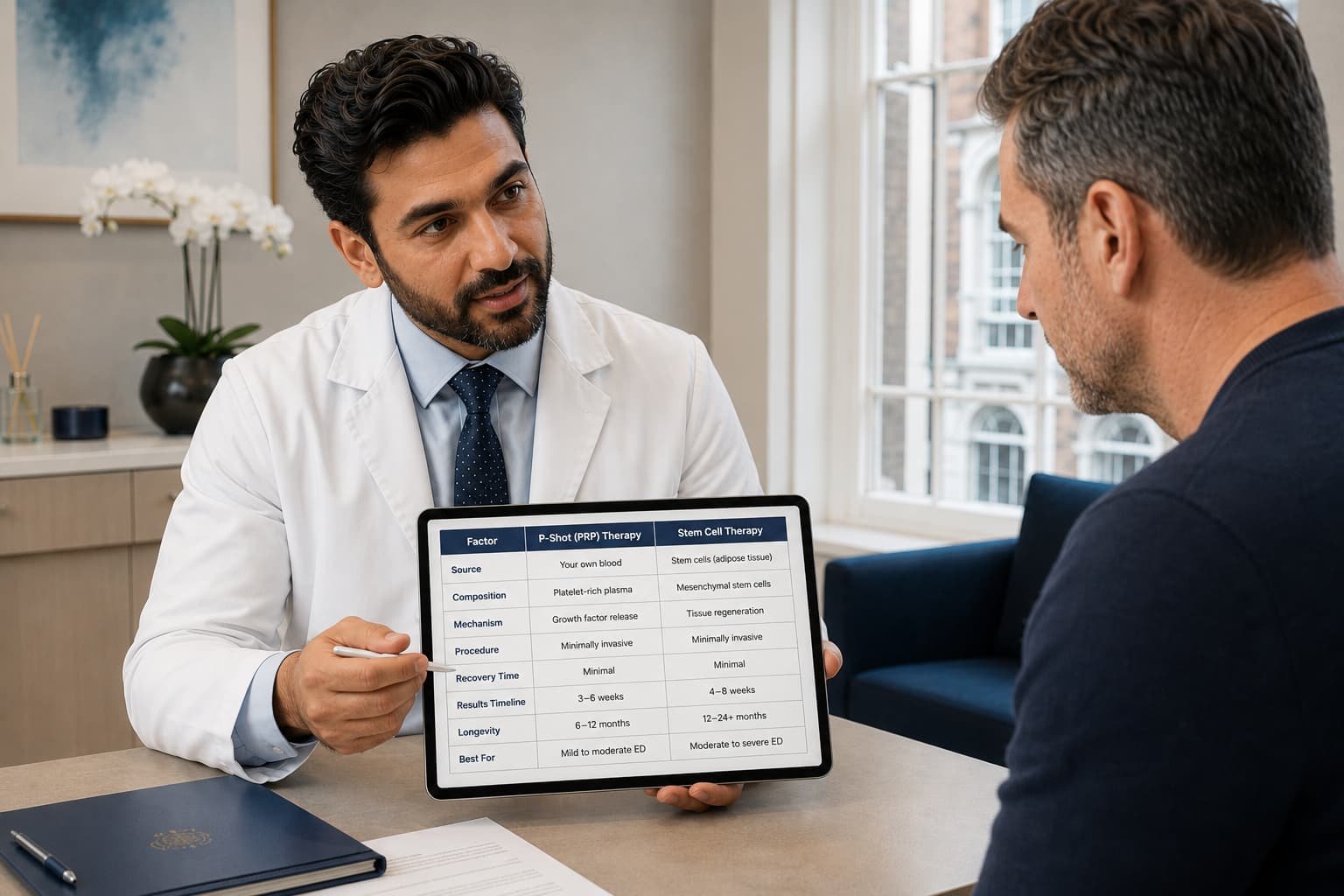
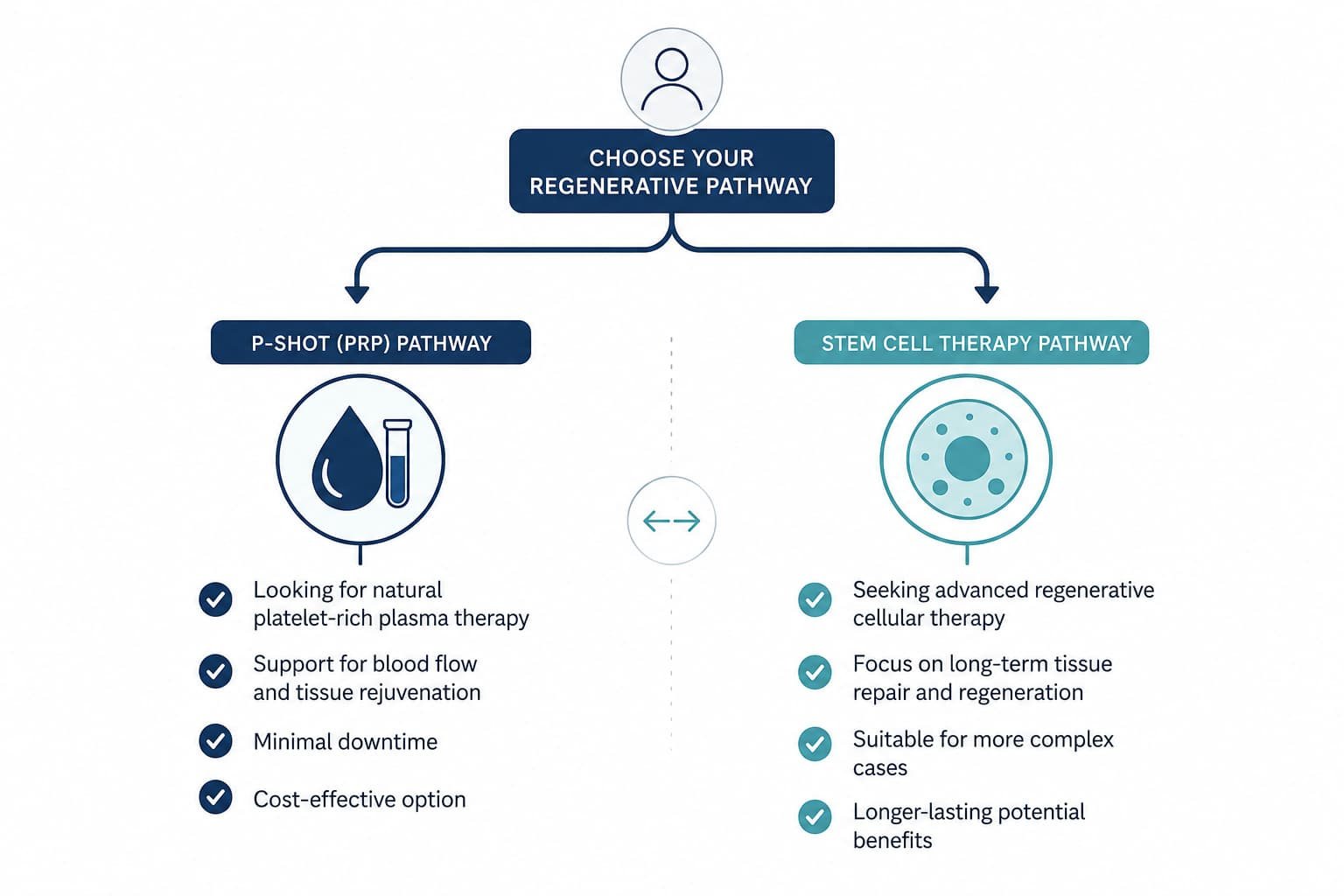
    The central difference in any P Shot vs Trimix comparison is pharmacological action versus regenerative intent. Trimix forces an erection through direct vasodilation, working reliably within minutes regardless of underlying tissue health. The P Shot aims to improve tissue quality over time, targeting circulation and cellular repair rather than producing an immediate response.

    This distinction affects candidate selection. Men seeking dependable, on-demand performance for a specific occasion generally lean toward Trimix. Men interested in a non-surgical treatment for erectile dysfunction in London, without introducing external medication into penile tissue, often explore the P Shot instead.

    P Shot vs Trimix: Safety Profile and Risk Comparison

    Trimix carries a defined risk of priapism due to its potent vasodilatory action. NHS sources confirm this requires emergency treatment if an erection persists beyond four hours. Bruising, scarring, and localised pain are also documented with repeated use over time.

    The P Shot carries a comparatively lower acute risk profile, since it introduces no exogenous vasoactive drug. Bruising and soreness remain the most commonly reported effects. However, the regenerative claims attached to PRP therapy exceed what current peer-reviewed evidence confirms. Any responsible P Shot vs Trimix discussion must state clearly that PRP-based treatment for erectile dysfunction remains investigational.

    Onset, Duration and Frequency of Use

    Trimix works within five to twenty minutes and produces an erection lasting roughly thirty minutes to an hour. Repeat injections are required before each instance of planned sexual activity, up to the NHS-recommended maximum of three times weekly.

    The P Shot does not produce an immediate erection. A typical protocol involves periodic sessions spaced several weeks or months apart, with cumulative effects assessed over time rather than judged after a single treatment. Men considering penile injection growth claims associated with the P Shot should understand that anecdotal size-related reports lack robust clinical trial support.

    Cost Considerations Across London Clinics

    Cost varies between private clinics, and figures should always be confirmed directly with a provider before booking. Trimix pricing is typically charged per prescription and per follow-up review, with ongoing costs accumulating as vials require replacement. Priapus shot price at private clinics generally reflects a single session or a short course, often positioned as a higher upfront cost with fewer repeat prescriptions required afterwards. Neither Trimix nor the P Shot receives routine NHS funding, so private P shot price and Trimix costs both fall to the patient directly.

    Candidate Suitability for Each Treatment

    Suitability depends on medical history, severity of erectile dysfunction, and personal treatment goals. Trimix suits men who need a fast, reliable erection and who show no contraindications, such as severe cardiovascular instability or bleeding disorders. The P Shot may suit men seeking a gentler, non-pharmacological option, particularly those with mild to moderate symptoms and realistic expectations.

    Men with active infection, untreated bleeding disorders, or unrealistic expectations of guaranteed results generally remain unsuitable candidates for either treatment. Priapus shot London providers should discuss realistic timelines openly, rather than promising outcomes unsupported by current evidence. A thorough medical history, examination, and discussion of realistic outcomes should precede any p injection procedure, regardless of which option is under consideration.

    P Shot Before and After: Setting Realistic Expectations

    Photographs marketed as P shot before and after results deserve cautious interpretation. Lighting, positioning, and state of arousal can all exaggerate apparent change between images. Peer-reviewed evidence supports modest, variable improvements in erectile function scores for some patients, not universal or dramatic transformation. Clinics operating within the P Shot UK market should communicate this honestly rather than relying on selectively chosen imagery.

    Injection Technique and Aftercare Considerations

    Correct technique matters for both treatments. Trimix injections go into the corpora cavernosa at the side of the shaft, alternating sites to reduce scarring risk over repeated use. Firm pressure applied to the injection site for several minutes afterwards helps limit bruising, particularly for men taking blood-thinning medication. Poor technique with any intracavernosal injection can lead to nodules, curvature, or infection, so proper training from a qualified clinician remains essential before any self-administration begins.

    P Shot aftercare differs, since the treatment does not require repeat self-injection between sessions. Mild swelling or bruising typically settles within a few days. Clinicians commonly advise avoiding strenuous sexual activity for a short period following treatment, allowing injected tissue time to settle before resuming normal function.

    How Trimix and the P Shot Fit Within the Wider NHS Pathway

    NICE guidance places oral PDE5 inhibitors as first-line therapy, moving to intracavernosal alprostadil, vacuum devices, or penile prosthesis surgery when oral treatment fails. Trimix sits adjacent to this NHS pathway as a private, unlicensed alternative for men who need a stronger formulation than standard alprostadil provides. The P Shot sits outside conventional NICE-recognised pathways entirely, since regulatory bodies still classify PRP-based erectile dysfunction treatment as investigational rather than an established second-line option. Men exploring either route benefit from discussing NHS-recognised alternatives first, ensuring private treatment complements rather than replaces standard clinical assessment.

    The Consultation and Diagnostic Process
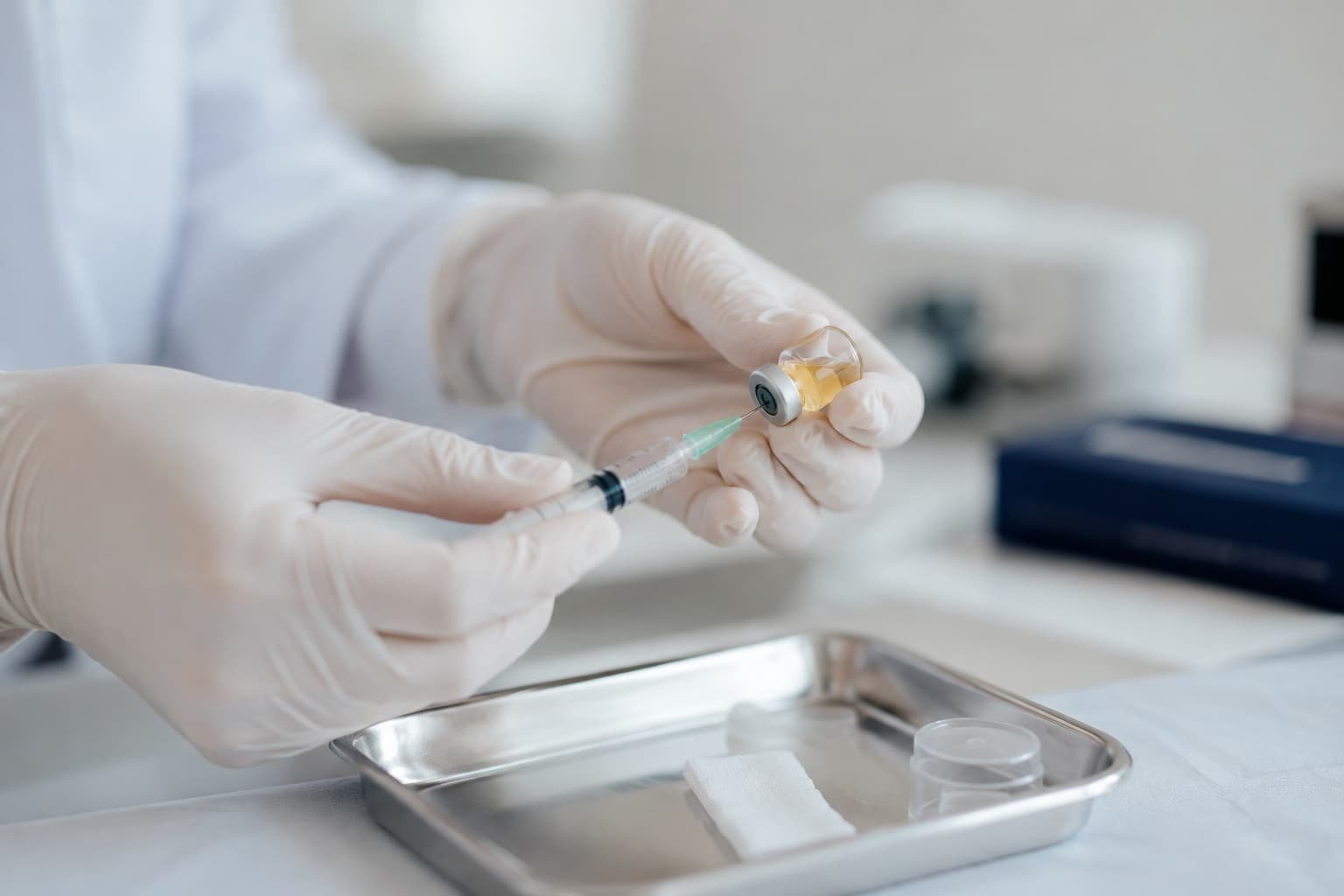
    Clinician preparing an injectable treatment in a sterile private clinic setting.
    Both treatments require careful preparation and administration by a trained clinician.

    A responsible pathway toward either treatment begins with a full medical history, relevant blood tests, and, where appropriate, psychosexual assessment. Underlying conditions such as diabetes, cardiovascular disease, or hormonal imbalance require investigation before injectable therapy proceeds. Men attending a P shot London consultation should expect discussion of alternative options, including oral medication, vacuum erection devices, and lifestyle modification, rather than an immediate recommendation for injection therapy.

    Pshots clinic uk, a Harley Street clinic led by Dr Syed Nadeem Abbas, offers consultations covering both regenerative and pharmacological pathways for erectile dysfunction, with recommendations based on individual assessment rather than a fixed protocol.

    Frequently Asked Questions

    Is the P Shot better than Trimix for erectile dysfunction?

    Neither treatment proves universally superior. Trimix delivers immediate, reliable erections through vasodilation, while the P Shot offers a regenerative approach with a slower, less predictable response. The right P Shot vs Trimix choice depends on individual goals and medical suitability.

    How much does a Priapus shot cost in the UK?

    Priapus shot price varies by clinic, treatment plan, and number of sessions required. A consultation provides an accurate, personalised quote based on individual needs.

    Is Trimix available on the NHS?

    Trimix is not routinely available on the NHS. Licensed alprostadil products, such as Caverject, remain the standard NHS injectable option for erectile dysfunction.

    Does the P Shot increase penile size?

    Current peer-reviewed evidence does not support reliable, permanent size increase. Reports of penile injection growth remain anecdotal rather than clinically established.

    How many P Shot sessions are usually needed?

    Protocols vary between clinics, but maintenance sessions every six to twelve months are commonly recommended to sustain any benefit observed after initial treatment.

    Can Trimix and the P Shot be combined?

    Some clinicians combine pharmacological and regenerative approaches, though evidence for combined protocols stays limited. Any combination should only proceed under specialist medical supervision.

    Key Takeaway

    Choosing between Trimix and the P Shot involves weighing immediate pharmacological reliability against a slower, regenerative approach with a more limited evidence base. Trimix offers a well-established, though UK-unlicensed, mechanism for producing an erection on demand. The P Shot offers a natural ED treatment using PRP therapy that avoids introducing vasoactive medication, though current research classifies it as investigational rather than proven.

    Neither option guarantees results, and the most responsible P Shot vs Trimix decision follows a thorough, individualised medical assessment rather than marketing claims. Speed of results, long-term tissue health, or comfort with an evidence base still under development: which factor matters most when weighing this decision?

    Read more: P Shot (Priapus Shot): What It Is, How It Works, Benefits, and Who It’s For

    P Shot Treatment: Procedure Steps, Recovery, Aftercare, and Results Timeline

    P shot Treatment London

  • P Shot for ED: Is It Suitable for Mild or Moderate Erectile Dysfunction?

    P Shot for ED: Is It Suitable for Mild or Moderate Erectile Dysfunction?

    ✅Medically reviewed | Updated August 2026

    Erectile dysfunction affects a large proportion of men at some point in adult life. Mild or moderate cases often raise the widest range of treatment questions. Standard pathways include tablets, vacuum devices and lifestyle change. Meanwhile, interest in regenerative alternatives keeps growing across London clinics. The P Shot for ED has become one of the most searched treatments among men exploring options beyond medication. This article examines what the procedure involves. It also reviews what published research shows for mild and moderate erectile dysfunction. Finally, it sets out where realistic expectations should sit. Overall, evidence, not marketing language, forms the basis of every statement below.

    What Is the P Shot for ED?

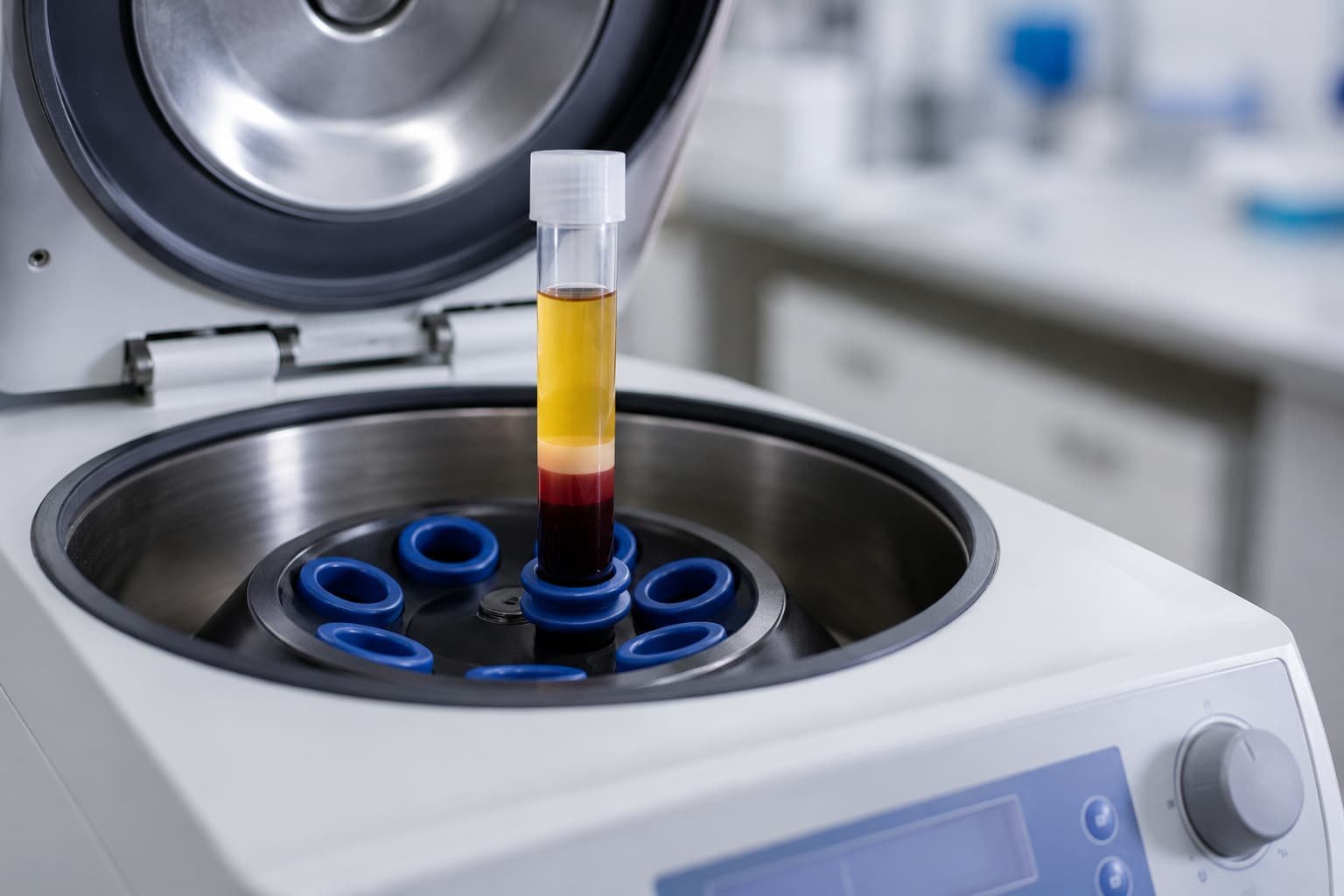
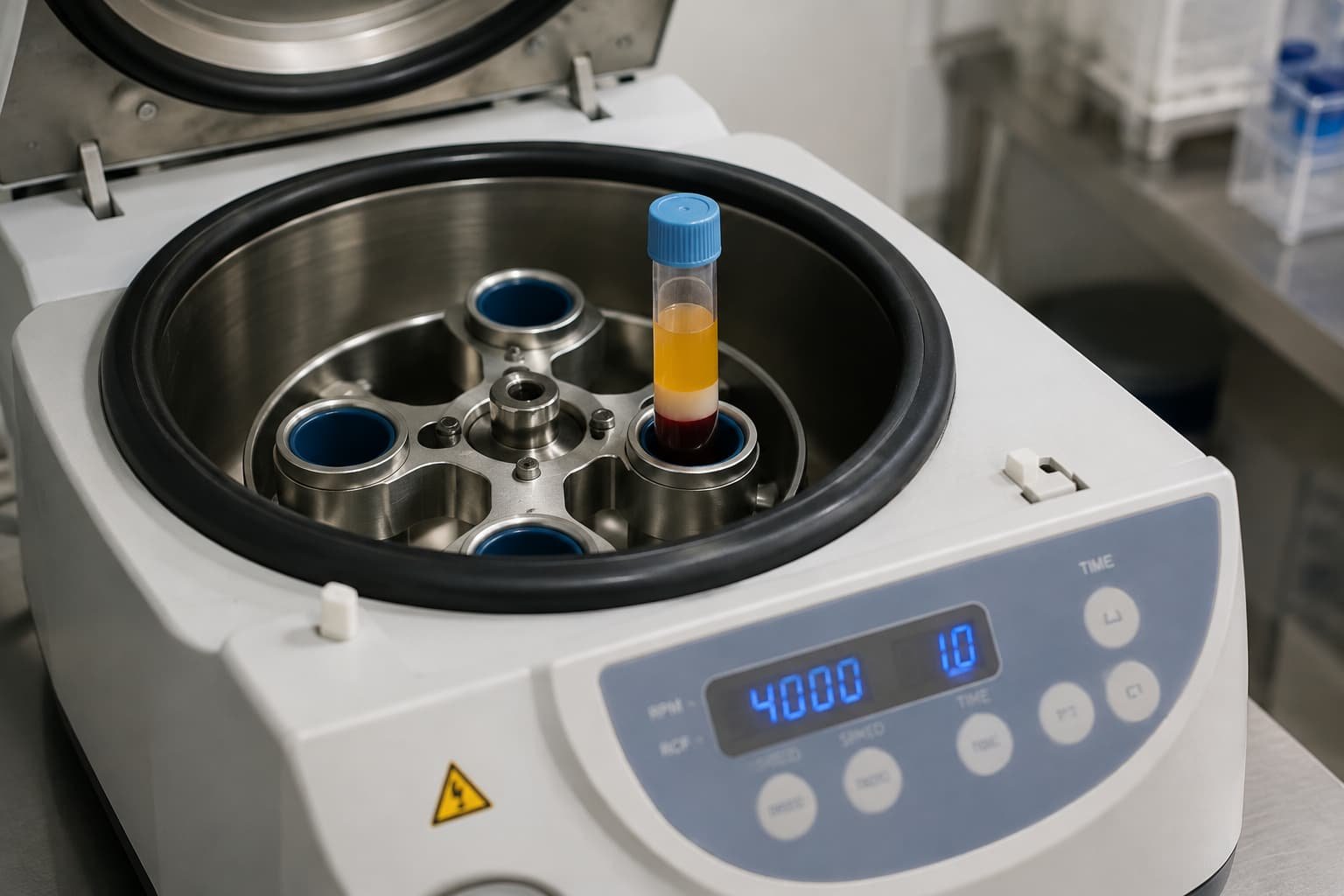
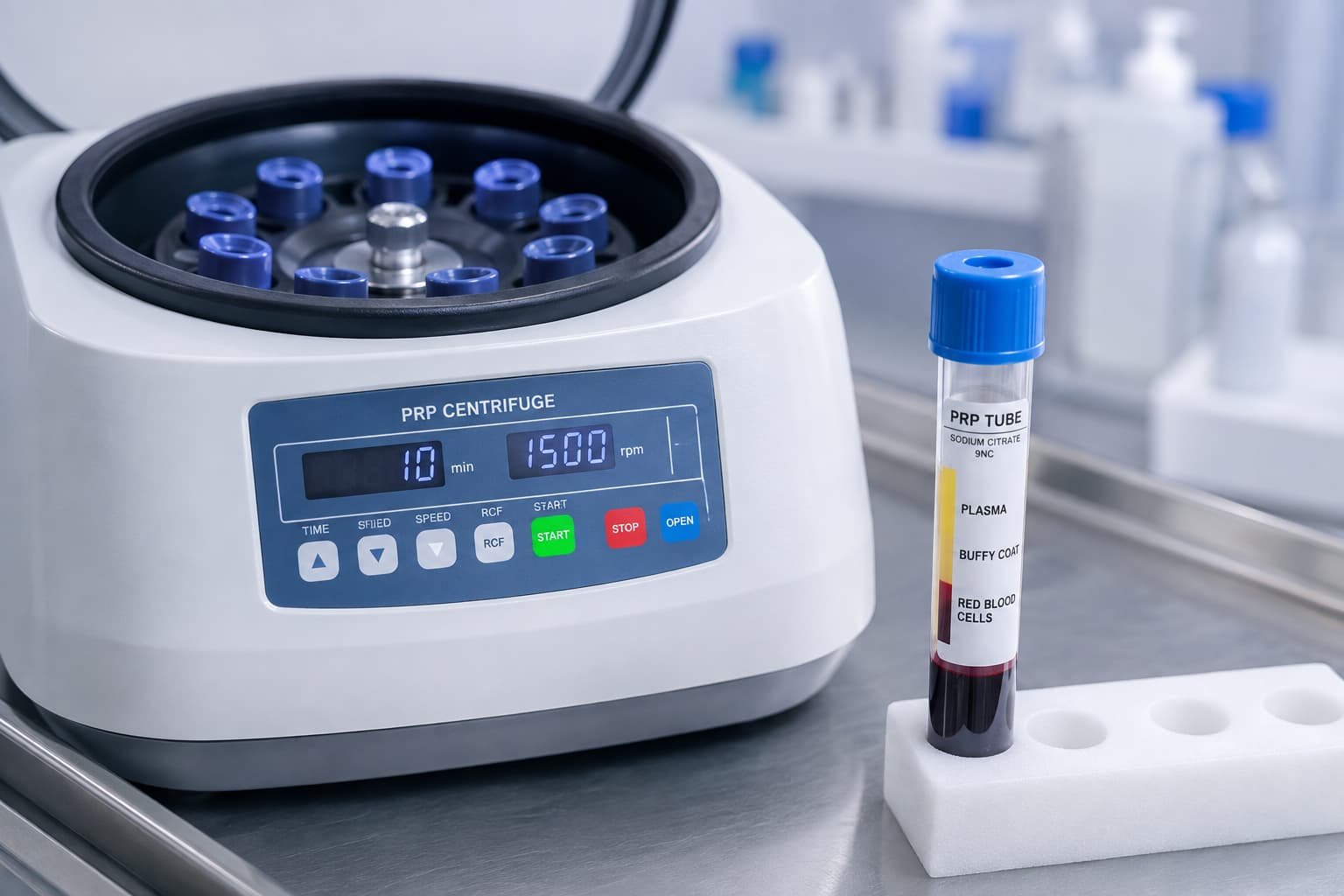
    Centrifuge separating platelet-rich plasma for P Shot for ED treatment
    A centrifuge separates platelets from blood to prepare PRP for injection.

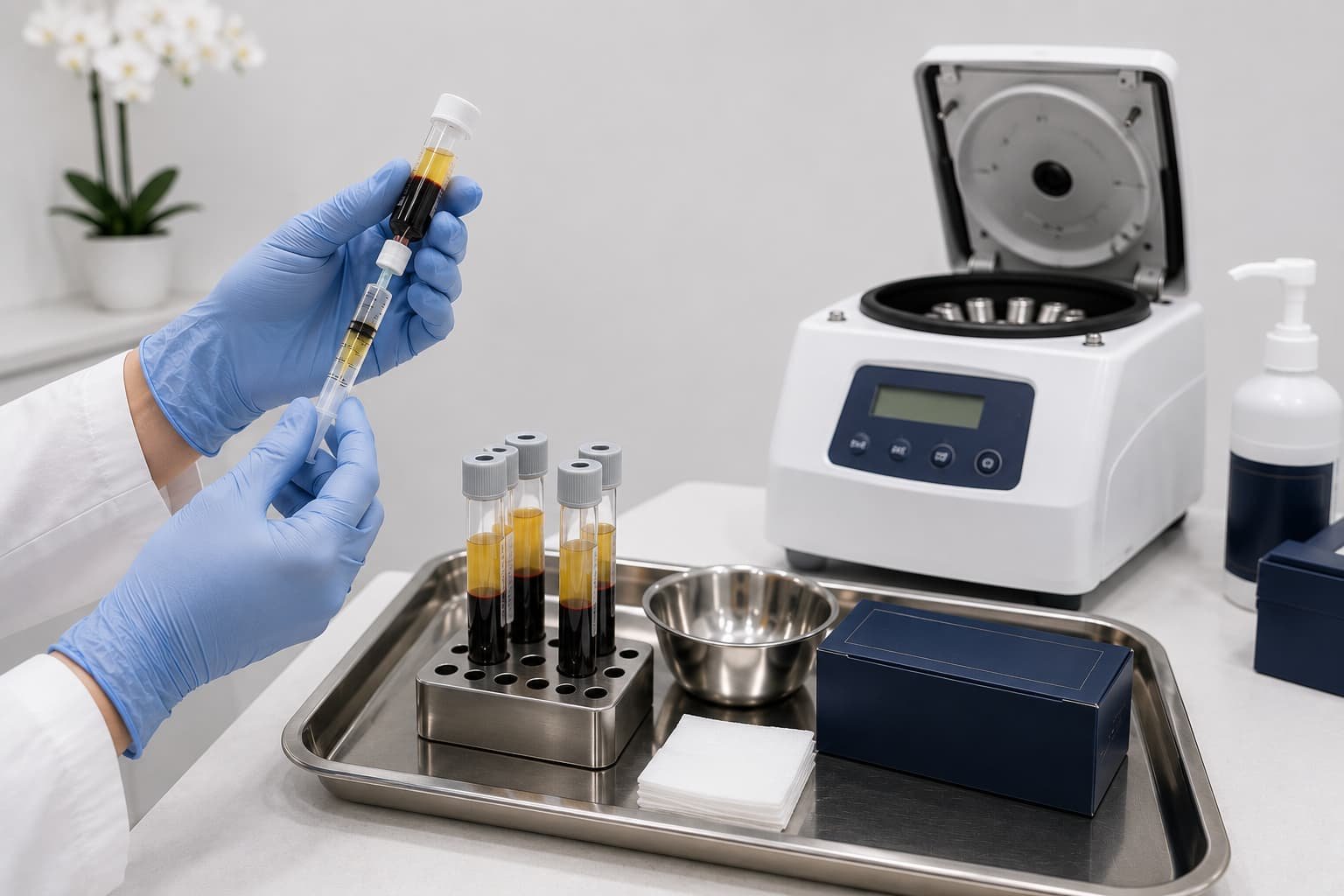
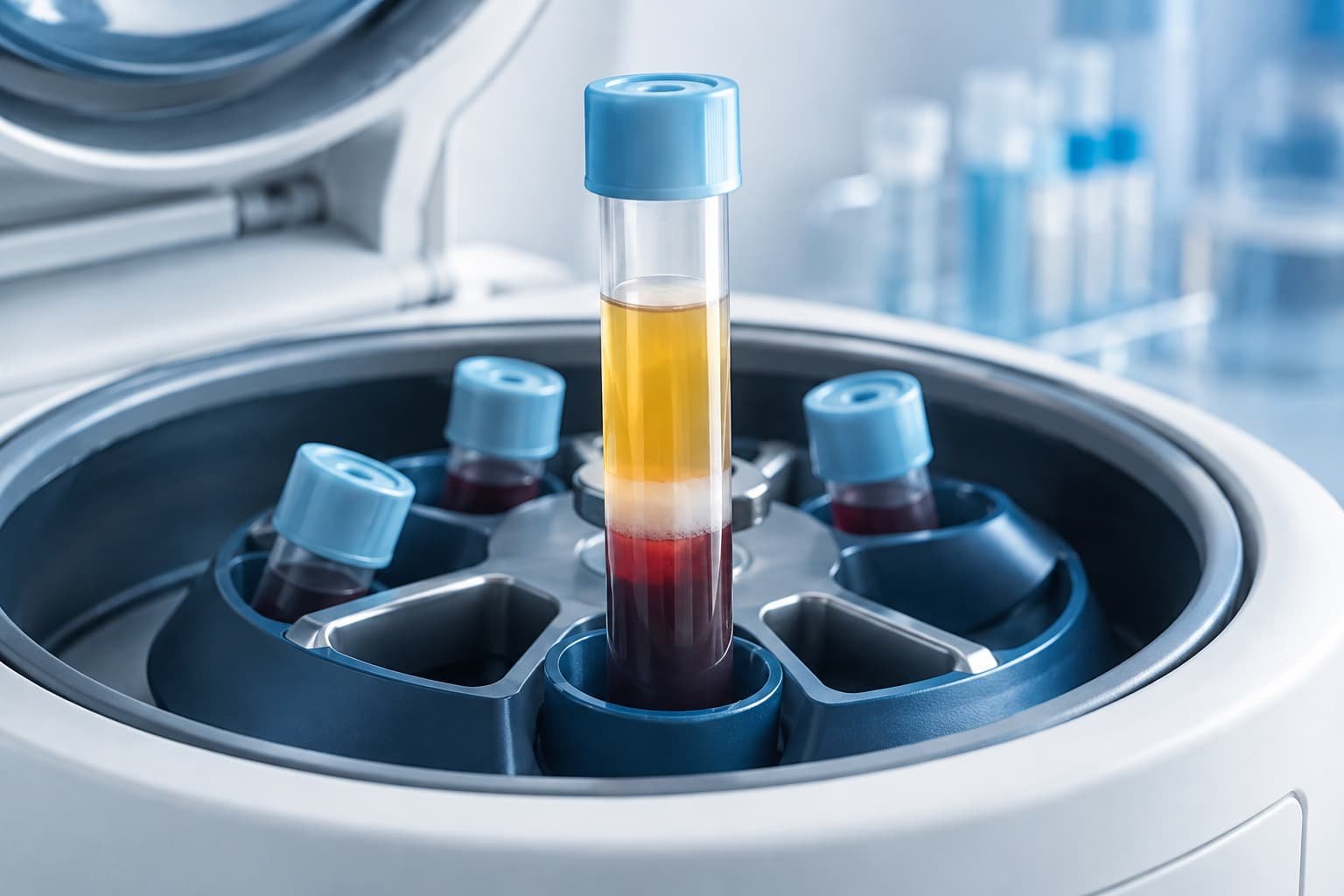
    The P Shot, formally known as the Priapus Shot, uses platelet-rich plasma. Clinicians administer the injection directly into penile tissue. Platelet-rich plasma, or PRP, comes from a small sample of a patient’s own blood. First, a centrifuge separates platelets and growth factors from red blood cells and plasma. Next, the practitioner injects the concentrated platelet solution into specific areas of the penis using fine needles.

    Clinics describe the P Shot for ED as a non-surgical treatment for erectile dysfunction in London and across the UK. Providers frame it as a natural ED treatment using PRP therapy. Notably, the injected material comes entirely from a patient’s own blood rather than a synthetic drug. Regenerative medicine specialists therefore classify it as PRP-based regenerative therapy for ED. This approach borrows principles from orthopaedic and dermatological PRP applications.

    How the Injection Works

    Growth factors within platelets appear to stimulate tissue repair, according to current theory. These factors may also encourage new blood vessel formation and support nerve regeneration. As a result, this process may improve blood flow to erectile tissue. In turn, it could strengthen the physical mechanisms behind an erection. Preclinical animal studies support parts of this theory. However, translation into consistent human results remains under active research.

    Understanding Mild and Moderate Erectile Dysfunction

    Clinicians measure erectile dysfunction severity using the International Index of Erectile Function, or IIEF-EF. This validated tool scores function from 6 to 30 points. Scores between 17 and 25 typically indicate mild to moderate dysfunction, while scores below 11 indicate severe dysfunction. Men in the mild-to-moderate category usually retain some spontaneous erectile function. Difficulty tends to appear as inconsistent firmness or trouble maintaining an erection during intercourse.

    This distinction matters because most published research on this treatment has recruited men with mild or moderate scores. By contrast, researchers have not studied severe erectile dysfunction as thoroughly using penile PRP injection. This gap includes cases linked to nerve damage, advanced diabetes or post-surgical vascular injury. Severity level therefore directly shapes whether PRP therapy has any realistic role in an individual treatment plan.

    Clinical Evidence: Does the P Shot for ED Work in Mild-to-Moderate Cases?

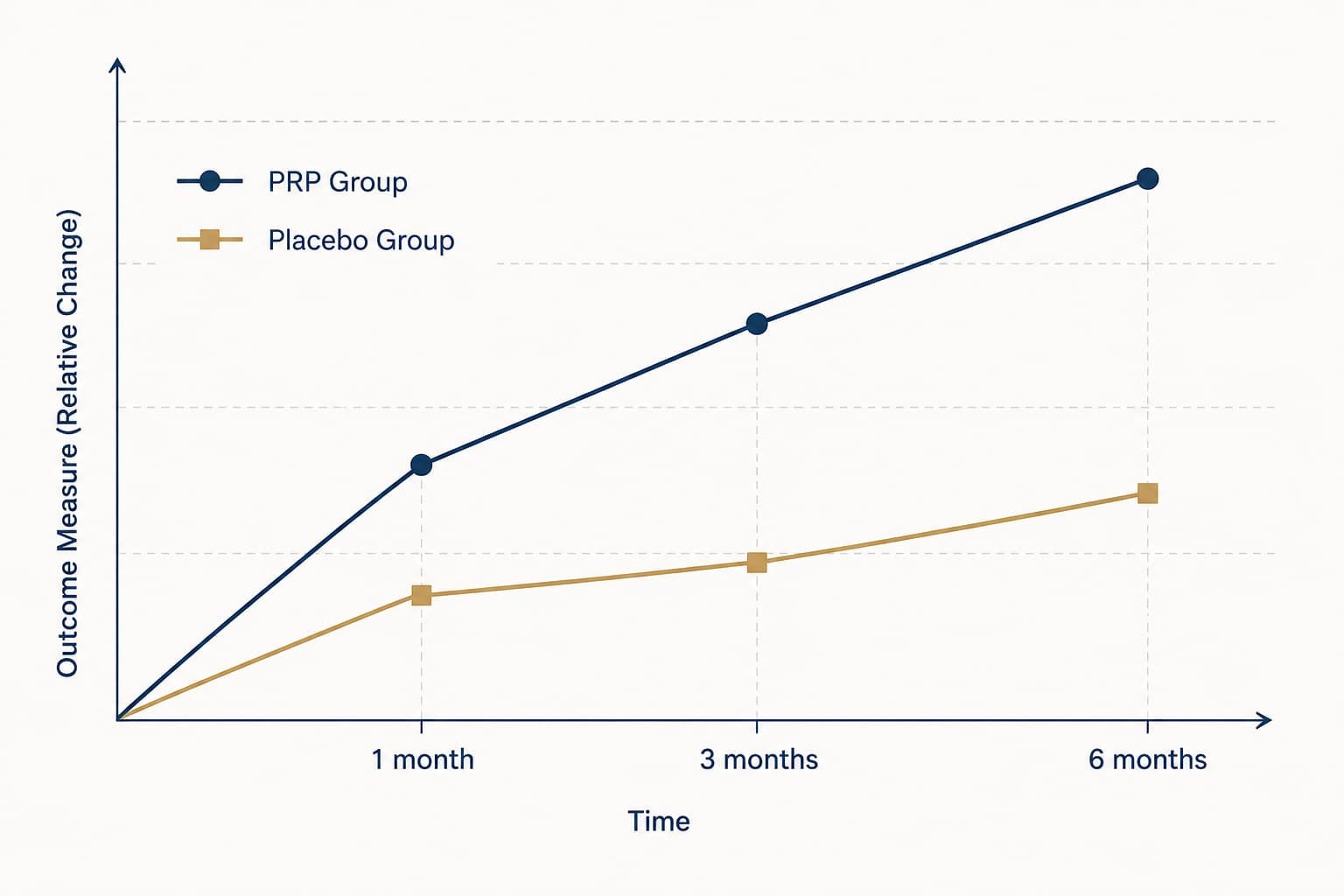
    Chart illustrating mixed clinical trial evidence for P Shot for ED
    Published trials on the P Shot for ED show mixed, inconsistent results.

    Published evidence on the P Shot for ED remains limited and mixed. For example, a frequently cited randomised, double-blind, placebo-controlled trial recruited sixty sexually active men with mild and moderate erectile dysfunction. Researchers ran the study at Aristotle University of Thessaloniki. Participants received two PRP injections, one month apart. At six months, 69% of the PRP group achieved a minimal clinically important difference in IIEF-EF score. Only 27% of the placebo group reached that same threshold.

    Similarly, a separate randomised controlled trial in Urology reported comparable direction in 2023. Seventy-six per cent of the PRP group showed improvement at one month, against only 18% of the saline group. However, benefit only partially persisted at six months. These figures show a measurable early advantage over placebo, not a guaranteed or permanent cure.

    Conflicting and Null Results

    Not every trial agrees with these findings, however. A later randomised controlled study found no statistically significant difference in IIEF-EF scores. This null result applied to the PRP group and placebo group at both three and six months. Consequently, study authors concluded the data did not support PRP injections for mild-to-moderate erectile dysfunction. This contradiction between trials likely reflects small sample sizes. It also reflects differing PRP preparation methods and inconsistent injection protocols across research centres.

    In addition, a 2023 systematic review in Sexual Medicine Reviews reached a cautious conclusion. Clinical data remain limited, and researchers still cannot fully explain the biological mechanism restoring erectile function. As a result, the review called for larger, standardised trials before researchers draw firm conclusions.

    The 2025 Meta-Analysis

    More recently, a 2025 meta-analysis pooled seven randomised controlled trials, covering 660 patients. Researchers found a statistically significant improvement in IIEF scores at twelve and twenty-four weeks compared with control groups. This represents the largest pooled evidence available for penile PRP therapy to date. It also offers a more favourable signal than several individual trials. That said, meta-analyses combining varied protocols still carry limitations, and longer-term durability beyond six months requires further confirmation.

    Taken together, current literature suggests PRP injection may offer modest, time-limited benefit. This applies to some men with mild or moderate erectile dysfunction. Overall, no published trial demonstrates the P Shot reverses erectile dysfunction permanently or restores function to a healthy baseline level.

    Regulatory and Professional Body Position

    The American Urological Association and the Sexual Medicine Society of North America have both weighed in on this question. Both bodies classify PRP injection for erectile dysfunction as an investigational treatment. Joint guidance states that clinicians should offer patients proven treatment options first. Furthermore, providers should not routinely charge patients for investigational treatments outside a formal research setting. The European Association of Urology, meanwhile, has included low-intensity shockwave therapy in its sexual health guidelines. It has not, however, extended the same formal endorsement to PRP injection.

    In the UK, the National Institute for Health and Care Excellence has issued no specific guidance on this treatment. NHS pathways for erectile dysfunction instead prioritise PDE5 inhibitor tablets and vacuum erection devices first. Intracavernosal alprostadil injections and, in selected cases, penile prosthesis surgery, follow next. A P shot treatment therefore sits outside these established NHS pathways. Currently, only private, self-funded clinics offer this treatment.

    P Shot for ED Compared with Established Options

    PDE5 inhibitor tablets, such as sildenafil and tadalafil, remain the first-line treatment for most men. Decades of large-scale trial data support this position. Vacuum erection devices and intracavernosal alprostadil injections, meanwhile, offer alternatives when tablets prove unsuitable. In addition, low-intensity shockwave therapy has gained formal guideline recognition for vasculogenic erectile dysfunction.

    The Priapus Shot differs from these options because its evidence base remains smaller and less consistent. Men should therefore view PRP injection as a supplementary or exploratory option, not a replacement for first-line, guideline-backed treatments. A qualified clinician can explain where penile injection growth in confidence, rather than in physical function, might realistically occur. This distinction applies to any provider offering erectile dysfunction treatment London patients might consider. In every case, realistic sequencing of options matters more than the choice of any single procedure.

    Who May Be Suitable for P Shot Treatment?

    Suitable candidates for this treatment typically have mild or moderate erectile dysfunction. Clinical assessment should confirm this severity level first. Candidates should also have no untreated cardiovascular disease. Realistic expectations about modest, non-permanent improvement matter equally. Suitability assessment should therefore include a full medical history and relevant blood tests. Clinicians should also discuss previous ED treatments already tried. Beyond this, a clinician should rule out any reversible cause that remains unaddressed. Low testosterone and medication side effects offer two common examples worth ruling out before booking a P shot UK appointment.

    Who Should Consider Other Options First

    Some men are generally poor candidates for this treatment. For instance, this group includes those with severe erectile dysfunction, active bleeding disorders, or platelet dysfunction. Active penile infection and untreated vascular disease represent further exclusions. Similarly, erectile dysfunction caused mainly by psychological factors or hormonal imbalance usually needs a different pathway. In every case, a private consultation should rule out reversible causes first.

    What Happens During P Shot Treatment

    Clinician preparing an injection for P Shot treatment in London
    A short in-clinic procedure, typically completed within thirty to sixty minutes.

    A P shot treatment session begins with a small blood draw, similar to a routine blood test. Next, a centrifuge concentrates the platelets into PRP. A topical or local anaesthetic then numbs the treatment area first. The practitioner then injects the PRP into set points along the shaft and base of the penis. The full appointment typically takes thirty to sixty minutes, and most men resume normal activity the same day.

    Clinics offering P shot London appointments generally recommend an initial course of two to three sessions. Providers usually space sessions several weeks apart. Maintenance treatment may follow afterwards if the initial course shows benefit. Protocols vary between providers, reflecting the lack of one standardised injection technique in current research.

    P Shot Before and After: Realistic Expectations

    Interest in P shot before and after results runs high among prospective patients. However, photographic or subjective before-and-after comparisons cannot substitute for validated outcome measures such as IIEF-EF scores. Where genuine improvement occurs, trial data usually describe change in erection firmness and consistency rather than dramatic visual transformation. Men should therefore treat online before-and-after imagery with caution. Lighting, positioning and selective reporting can all distort perceived results.

    Realistic outcomes, where present, tend to appear within four to six weeks of the final injection. Men may notice firmer spontaneous erections or an improved response to sexual stimulation. Some also report reduced reliance on medication dosage. Even so, response varies significantly between individuals. A proportion of men in every published trial show no measurable benefit at all.

    Priapus Shot Price and Availability in London

    Priapus shot price varies between London providers. Relevant factors include the number of sessions included, the PRP preparation system used, and the practitioner’s qualifications. Clinics typically quote costs per session or as a package covering an initial course. Since the NHS does not fund this treatment, patients meet all costs privately. Anyone researching a Priapus Shot London provider should therefore confirm the practitioner’s medical registration. In addition, ask which PRP system the clinic uses. Confirm whether follow-up review forms part of the package before booking.

    Safety, Risks and Limitations

    Reported side effects across published trials are generally mild. These include temporary bruising, swelling, and localised discomfort at injection sites. No trial has reported serious adverse events directly linked to the PRP injection itself. However, safety data remain limited by small trial sizes and short follow-up periods. As a result, rare risks may not yet appear fully characterised in current literature.

    Even so, penile PRP injection carries some risk simply because it is an injection procedure, regardless of blood origin. Infection risk exists with any injection procedure. Outcomes therefore depend heavily on practitioner technique and sterile protocol. Choosing a registered medical practitioner with documented PRP training materially reduces procedural risk.

    Lifestyle Factors and Adjunct Considerations

    Erectile dysfunction rarely has a single cause. Consequently, PRP injection cannot correct underlying contributors such as smoking, uncontrolled diabetes or high blood pressure. NHS guidance consistently identifies cardiovascular risk factors as central to erectile dysfunction management. Blood vessel health directly affects erectile capacity. Weight management, smoking cessation, regular exercise and reduced alcohol intake remain evidence-based interventions. Indeed, these carry a far larger supporting trial base than PRP injection alone.

    Some clinicians instead position a P Shot for ED as one part of a broader plan. It rarely works well as a standalone fix. Pelvic floor exercise and cardiovascular risk reduction may contribute to long-term erectile health. Psychological support for performance-related anxiety can help too, where relevant. Overall, any clinic presenting PRP injection as a complete substitute for these underlying factors is overstating current evidence.

    Choosing a Provider for P Shot Treatment in London

    Harley Street clinic entrance offering P Shot treatment in London
    Choosing a registered, GMC-verified provider matters when considering treatment in London.

    London hosts a wide range of providers offering the Priapus Shot. Training, experience and clinical oversight vary considerably between clinics. Therefore, a registered medical practitioner should lead or directly supervise the procedure. The injection targets sensitive vascular and nerve-rich tissue. Verifying General Medical Council registration offers a reasonable minimum standard. Patients should also confirm documented PRP training before booking a P shot London consultation.

    A thorough initial consultation should include a physical examination and a review of cardiovascular risk factors. Clinicians should also apply validated symptom scoring using the IIEF-EF questionnaire before and after treatment. Otherwise, clinics that skip structured baseline assessment make outcomes hard to judge. Reported improvement may reflect a genuine treatment effect, or simply natural symptom variation over time.

    Frequently Asked Questions

    Is the P Shot for ED clinically proven to work?

    Evidence remains mixed. Several randomised trials show measurable short-term improvement over placebo, while at least one well-designed trial found no significant difference. However, a 2025 meta-analysis of 660 patients found significant improvement at twelve and twenty-four weeks, though long-term data remain limited.

    How many sessions does P shot treatment typically need?

    Most published protocols use two to three injections, spaced two to four weeks apart. Maintenance sessions every six months sometimes follow.

    Is a P injection painful?

    Clinicians apply local anaesthetic before injection. Most men describe the procedure as mildly uncomfortable rather than painful.

    Can clinicians combine P Shot treatment with ED medication?

    Some clinicians combine PRP injection with existing PDE5 inhibitor use. However, this decision should follow individual clinical assessment, not self-directed combination.

    Is the P Shot suitable for severe erectile dysfunction?

    Current trial evidence focuses almost entirely on mild-to-moderate cases. Researchers have not adequately studied severe erectile dysfunction using this treatment. Other pathways are usually more appropriate for that group.

    Key Takeaways

    The P Shot for ED occupies a genuinely uncertain position within erectile dysfunction treatment. Trial evidence shows a measurable, though inconsistent, short-term benefit for mild or moderate cases. Published studies also describe a broadly favourable safety profile. Even so, no trial has shown it can outperform or replace first-line, guideline-endorsed treatments such as PDE5 inhibitors. Regulatory bodies continue to classify it as investigational. The National Institute for Health and Care Excellence has issued no specific recommendation supporting its use.

    Overall, men considering treatment for erectile dysfunction in London benefit most from a full clinical assessment first. This assessment should review underlying causes before anyone chooses a procedure, whether the case is mild, moderate or otherwise. Content on pshots clinic UK, led by Dr Syed Nadeem Abbas, a Harley Street practitioner, aims to support informed decision-making. Promoting any single treatment is not the goal. A gap still separates marketing claims from confirmed clinical evidence. So, what would a genuinely evidence-led approach to choosing an erectile dysfunction treatment look like for any individual man?

    Read more: Understanding the Causes of Erectile Dysfunction: Psychological vs Physical Factors

    P Shot Treatment: Procedure Steps, Recovery, Aftercare, and Results Timeline
    P shot treatment London

  • PRP Centrifuge Process: How Platelets Are Separated for P-Shot Treatment

    PRP Centrifuge Process: How Platelets Are Separated for P-Shot Treatment

    ✅Medically reviewed | Updated August 2026

    A single tube of blood holds more regenerative potential than most patients realise. The PRP centrifuge process transforms ordinary blood into a concentrated platelet solution within minutes. This separation step forms the clinical foundation of P shot treatment, a procedure that has attracted growing interest among men researching non-surgical options for sexual health concerns. Understanding how a centrifuge actually separates platelets from whole blood helps patients evaluate the science behind the P Shot UK clinics offer, rather than relying on marketing claims alone. This article explains the mechanics, equipment, evidence, and limitations behind platelet separation, presenting the topic in clear, factual terms without exaggerating outcomes or promising results that current research cannot support.

    What Is Platelet-Rich Plasma?

    Platelet-rich plasma, commonly known as PRP, is a concentration of platelets suspended in a small volume of a patient’s own plasma. Platelets are small blood cells best known for their role in clotting. They also store growth factors within structures called alpha granules. These growth factors include platelet-derived growth factor, vascular endothelial growth factor, and transforming growth factor-beta. Researchers believe these proteins support tissue repair, blood vessel formation, and cell signalling. Standard whole blood does not contain enough platelets concentrated in one location to produce a meaningful regenerative effect when injected, which is why separation and concentration matter before any clinical use.

    Understanding the PRP Centrifuge Process

    Diagram showing blood layer separation during the PRP centrifuge process
    Centrifugal force separates whole blood into red blood cells, buffy coat, and plasma layers.

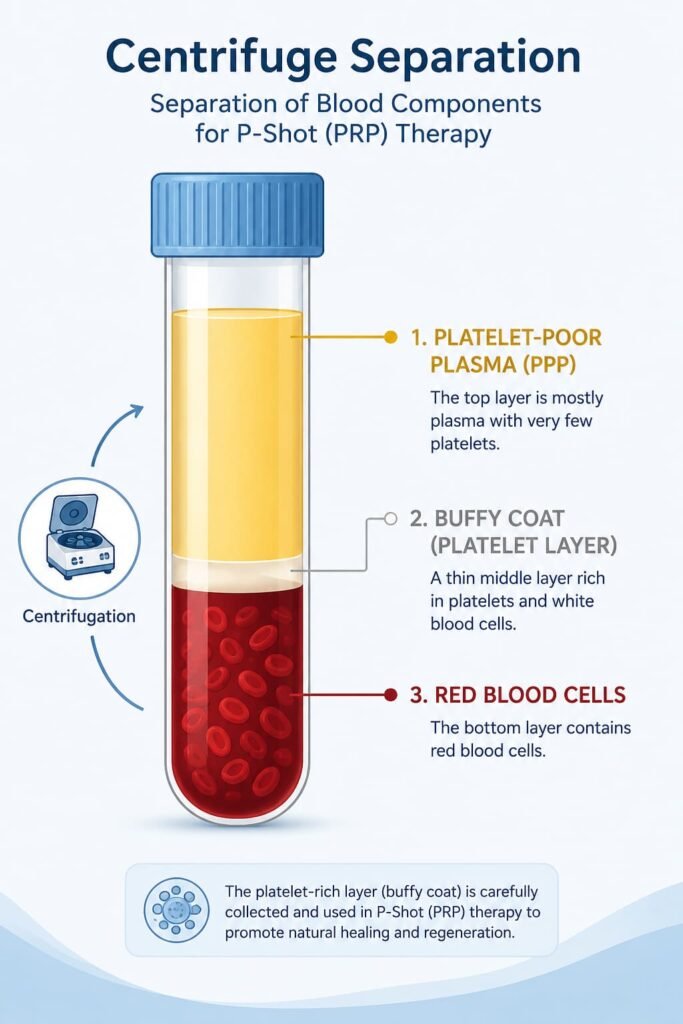
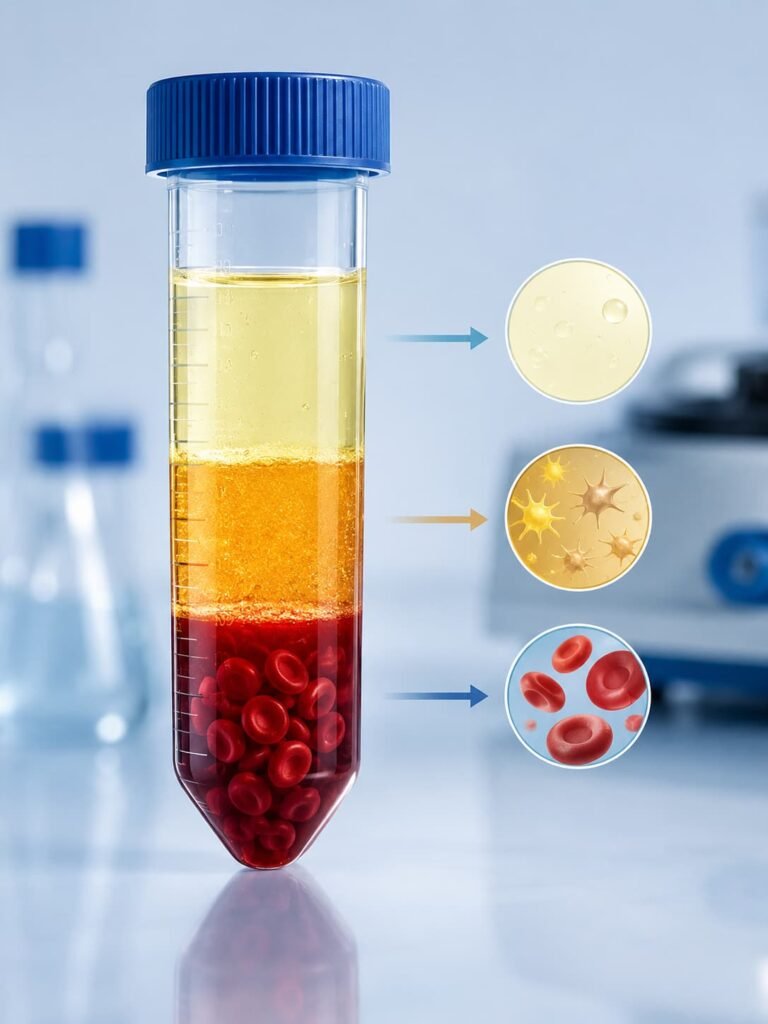
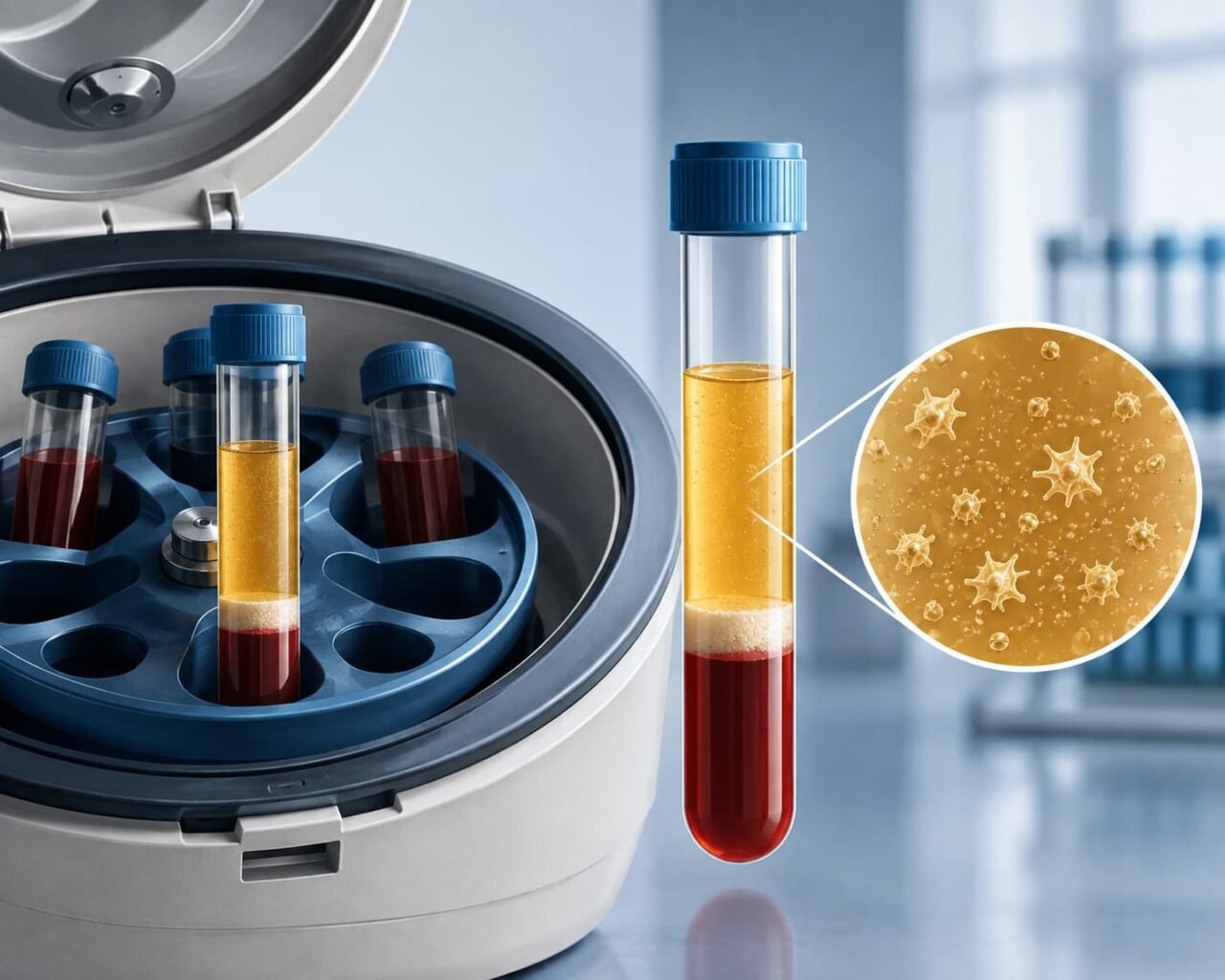
    The PRP centrifuge process refers to the mechanical separation of blood components using centrifugal force. A centrifuge spins blood samples at controlled speeds, measured in revolutions per minute or relative centrifugal force. This spinning action separates blood into distinct layers based on density. Red blood cells, being heaviest, settle at the bottom of the tube. Platelet-poor plasma, the lightest component, rises to the top. A concentrated platelet layer, along with white blood cells, forms a thin band in between, known as the buffy coat. Clinicians extract fluid from this middle zone to create the final platelet-rich plasma product.

    The entire process typically takes between fifteen and thirty minutes from blood draw to injection. This short processing window makes treatment practical within a single clinic visit. No laboratory culturing takes place, and no synthetic additives enter the solution. The clinic uses the patient’s own blood throughout, which classifies PRP as an autologous, or self-derived, biological product. This autologous nature is one reason clinicians consider the approach a comparatively low-risk option among regenerative techniques.

    Why Blood Separation Matters for the P Shot

    Concentration is the entire point of centrifugation. Injecting unprocessed whole blood would deliver very few platelets relative to the volume injected, alongside red blood cells that serve no regenerative purpose in this context and may increase inflammation. Careful separation isolates the platelet fraction and reduces unwanted cellular material. This distinction separates a clinically prepared PRP product from a simple blood draw, and it explains why equipment and technique quality matter throughout every stage of preparation.

    Step-by-Step Breakdown of Platelet Separation

    Clinics follow a structured sequence when preparing platelet-rich plasma for P shot treatment. Each step affects the quality and platelet yield of the final product.

    Step 1: Blood Collection

    A trained clinician draws a small venous blood sample, usually between eight and twenty millilitres. The sample goes into a sterile tube containing an anticoagulant such as sodium citrate. The anticoagulant prevents clotting during processing and preserves platelet structure. Clinics label each tube clearly to maintain traceability for the individual patient throughout preparation.

    Step 2: Loading the Centrifuge

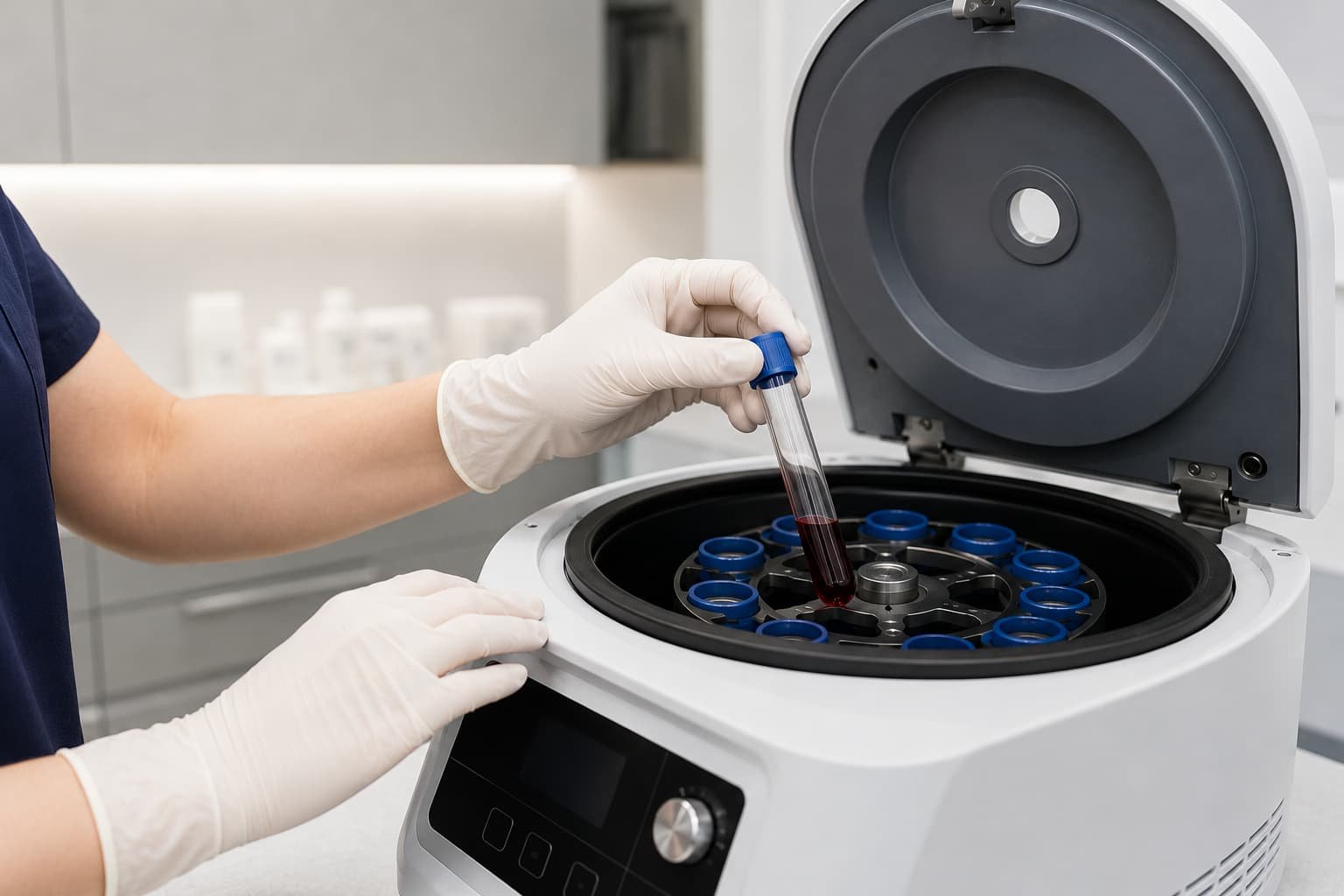
    The tube goes into a calibrated centrifuge. Technicians balance the machine with an equal-weight tube on the opposite side. This balancing step prevents vibration and mechanical damage to the sample. The centrifuge lid closes and locks before spinning begins, and the machine runs for a pre-set duration at a controlled speed.

    Clinician loading blood sample into centrifuge during PRP preparation
    Balanced loading and controlled spin speed are essential for consistent platelet yield.

    Step 3: Single-Spin Versus Double-Spin Protocols

    Clinics use either a single-spin or double-spin method to separate blood components. A single spin separates blood into two layers in one cycle. It works faster but generally yields a lower platelet concentration. A double-spin protocol runs two separate centrifugation cycles at different speeds. The first spin separates red blood cells from plasma. The second spin concentrates platelets further within the plasma layer. Published laboratory research comparing these methods found that double centrifugation produced higher platelet quantity and yield with less contamination by red and white blood cells than single centrifugation. Many UK clinics select the double-spin method specifically to reduce leukocyte content, since research on hair and dermatology applications has noted that double-spin protocols concentrate platelets while reducing leukocyte content, which clinicians prefer for aesthetic and dermatologic applications to limit pro-inflammatory effects.

    Step 4: Separating Plasma Layers

    After centrifugation, the tube shows visible layers. Red blood cells form a dense layer at the bottom. A thin buffy coat containing white blood cells and platelets sits in the middle. Platelet-poor plasma occupies the top layer. This visible separation allows technicians to identify the correct extraction zone accurately, reducing the chance of drawing up unwanted cellular material.

    Step 5: Extracting the Platelet-Rich Layer

    A clinician withdraws the plasma layer closest to the buffy coat using a sterile syringe. This extraction avoids disturbing the red blood cell layer beneath it. The extracted fluid contains a platelet concentration several times higher than baseline whole blood. Some protocols activate the platelets at this stage using calcium chloride or mechanical agitation, which triggers growth factor release before injection into the tissue.

    The Science Behind Platelet Concentration

    Platelet concentration ratios vary depending on the exact spin protocol used. A published double-spin study using a closed-tube method reported a mean platelet concentration ratio of 3.47 compared with baseline blood. Other centrifugation research comparing multiple protocols found platelet concentrations ranging from just over one-fold to more than three-fold above baseline, depending on spin speed and duration. These figures confirm that centrifuge technique, rather than the injection step itself, determines how concentrated the final platelet solution becomes. Clinics that document their spin speed, duration, and yield consistently tend to produce a more reproducible product from one appointment to the next.

    Growth Factors Released During Activation

    Activated platelets release growth factors linked to tissue repair and vascular signalling.

    Once platelets activate, they release growth factors into the surrounding fluid. Laboratory research notes that these growth factors stimulate cell proliferation, blood vessel formation, and cell migration, processes linked to tissue repair. This mechanism underpins the rationale for PRP-based regenerative therapy for ED, though mechanism alone does not confirm clinical benefit in every patient. Growth factor release is a biological event that can be measured in a laboratory setting, but it does not automatically predict a specific clinical outcome for an individual patient.

    How the PRP Centrifuge Process Supports P Shot Treatment

    P shot treatment involves injecting the concentrated platelet solution directly into specific areas of penile tissue. Clinicians select injection sites based on individual anatomy and clinical assessment. The quality of the PRP centrifuge process directly influences the platelet concentration delivered during this injection. A poorly executed centrifuge cycle produces a weaker solution with fewer growth factors. A well-controlled centrifuge protocol produces a more consistent, concentrated product for clinical use, which is why practitioners treat this preparation stage as clinically significant rather than a routine administrative step.

    From Centrifuge to Penile Injection Growth

    Marketing materials sometimes describe penile injection growth in dramatic terms. Current clinical evidence does not support guaranteed size increases from PRP injections. The stated rationale for a p injection procedure centres on tissue support and vascular signalling rather than confirmed enlargement. Patients researching this treatment should distinguish between mechanistic theory, which describes plausible biological activity, and proven clinical outcomes, which require controlled trial data.

    Evidence on PRP-Based Regenerative Therapy for ED

    Clinical research into natural ED treatment using PRP therapy has expanded considerably over recent years, though findings remain mixed across the published literature.

    What Clinical Trials Show

    A 2024 meta-analysis of controlled and single-arm trials reported that PRP demonstrated better outcomes than control groups on erectile function scores and minimal clinically important difference measures. A separate double-blind, randomised, placebo-controlled trial using an FDA-approved separation system assessed sixty sexually active patients with mild and moderate erectile dysfunction, comparing PRP injections against placebo across two sessions. A systematic review covering PRP therapy in erectile dysfunction and Peyronie’s disease concluded that the reviewed studies generally showed small to moderate benefits with mild and transient side effects, and no major adverse events were reported.

    Limitations of Current Evidence

    Not every study reaches the same conclusion. A more recent meta-analysis of randomised controlled trials found that current evidence does not support a consistent, clinically meaningful improvement in erectile function with PRP monotherapy compared with placebo, citing heterogeneity, small sample sizes, and methodological limitations across existing trials. The same systematic review on PRP for ED and Peyronie’s disease also noted that professional urology bodies, including the European Association of Urology and the American Urological Association, currently classify PRP as experimental for these conditions. The NHS does not commission PRP injections for erectile dysfunction, and NICE has not issued interventional procedures guidance approving penile PRP as a standard treatment. Men considering a non-surgical treatment for erectile dysfunction in London should weigh this mixed evidence base against realistic expectations, rather than assuming guaranteed results.

    Priapus Shot Price and What Influences Cost in London

    Priapus shot price varies between London clinics depending on practitioner qualifications, centrifuge equipment, and the number of sessions included in a treatment plan. Clinics using validated, closed-system centrifuge protocols typically factor equipment calibration and quality control into their pricing structure. Patients researching priapus shot price should ask providers directly about their specific separation protocol, including spin speed, platelet yield testing, and session frequency, rather than comparing headline prices alone. Cost transparency at the consultation stage allows patients to make an informed comparison between clinics offering similar procedures under different names.

    P Shot Before and After: Realistic Expectations

    Patients frequently search for P shot before and after information to gauge realistic outcomes. Photographic comparisons carry limitations, since lighting, positioning, and individual anatomy affect visual results. Clinical improvement, where reported in trials, tends to relate to erectile function scores rather than dramatic visible size change. A responsible clinic explains that P shot before and after material should support informed discussion rather than serve as a guarantee of specific results. Patients benefit from asking how any published images were captured and whether they represent typical or best-case outcomes.

    Safety Considerations of the Preparation Process

    Because PRP uses the patient’s own blood, it carries a lower risk of allergic reaction or disease transmission compared with donor-derived products. Clinics must still follow strict sterile technique throughout the PRP centrifuge process to prevent contamination. Equipment calibration, tube sealing, and aseptic extraction all reduce infection risk. Reported side effects across published trials remain mild and transient, including temporary swelling, bruising, or discomfort at the injection site. Patients with bleeding disorders, active infection, or certain blood conditions may not qualify for treatment, and a thorough medical history review remains an essential step before any p injection procedure takes place.

    Choosing a Provider for P Shot Treatment in London

    Private clinic consultation room for P shot treatment in London
    Practitioner qualifications and documented centrifuge protocols are worth confirming before treatment.

    Practitioner training affects how consistently a clinic performs the PRP centrifuge process. Patients researching P shot London options should confirm that the treating clinician holds relevant medical qualifications and follows a documented, validated centrifuge protocol. Pshots clinic uk, a Harley Street clinic in Marylebone, London, is led by Dr Syed Nadeem Abbas, who holds an MSc in Aesthetic Plastic Surgery with Distinction from Queen Mary University London. This detail illustrates the type of qualification background patients can factor into their research when comparing providers offering Priapus shot London treatment or erectile dysfunction treatment London more broadly. A clear consultation process, transparent equipment standards, and honest discussion of evidence limitations together indicate a clinic that prioritises accuracy over promotion.

    Frequently Asked Questions

    How long does the PRP centrifuge process take?

    The full cycle, from blood draw to platelet extraction, generally takes between fifteen and thirty minutes, depending on whether the clinic uses a single-spin or double-spin protocol.

    Does a double-spin protocol always produce better results?

    Double-spin protocols generally concentrate platelets further and reduce contaminating cells, but higher concentration does not automatically translate into stronger clinical outcomes for every patient. Individual response varies considerably.

    Is the centrifuge preparation process painful?

    The preparation stage involves a standard blood draw, similar to a routine blood test. Discomfort during the subsequent injection varies by individual and injection site.

    Can PRP therapy cure erectile dysfunction permanently?

    No published evidence supports a permanent cure. Current trials report variable, sometimes modest, improvement in erectile function scores, and some meta-analyses find no significant benefit over placebo.

    Is natural ED treatment using PRP therapy regulated in the UK?

    PRP preparation and injection fall under general medical practice regulation. NICE has not issued specific interventional procedures guidance approving PRP for erectile dysfunction, and the treatment remains outside routine NHS commissioning.

    What determines Priapus shot price in London clinics?

    Cost depends on practitioner qualifications, centrifuge technology, session number, and aftercare provision. Prices vary considerably between providers, so direct comparison at consultation stage remains important.

    Key Takeaway

    The PRP centrifuge process sits at the centre of every P shot procedure, determining platelet concentration, growth factor content, and ultimately the quality of the injected solution. Evidence supporting PRP-based regenerative therapy for ED remains mixed, with some trials reporting measurable improvement and others finding no significant advantage over placebo. Patients researching this option should review the underlying science, ask providers detailed questions about their specific centrifuge protocol, and set realistic expectations grounded in published research rather than promotional claims. Given the current gaps in long-term data, what further evidence would need to exist before this treatment could move from experimental interest to established medical practice?

    Read more: P Shot Treatment: Procedure Steps, Recovery, Aftercare, and Results Timeline
    What Is a Dual-Spin Centrifuge and Why Does It Matter for P Shot UK?

    P shot treatment London

  • P Shot Local Anaesthetic: What Patients in London Should Know Before Treatment

    P Shot Local Anaesthetic: What Patients in London Should Know Before Treatment

    ✅Medically reviewed | Updated August 2026

    Many men researching P Shot treatment focus on results and pricing first. Few ask a more practical question: what actually happens with the needle. Local anaesthetic sits at the centre of every P Shot procedure, yet clinics rarely explain it in detail. This gap leaves patients guessing about pain levels, numbing methods, and whether anaesthetic choice affects the platelet-rich plasma itself. P Shot local anaesthetic deserves as much scrutiny as the injection technique itself. This article examines the anaesthetic methods used during Priapus Shot London treatments. It reviews published evidence on how local anaesthesia interacts with PRP potency. It also sets out realistic expectations for comfort, safety, and recovery. The goal is clinical clarity, not marketing reassurance.

    What Is a P Shot Procedure?

    The P Shot procedure involves drawing a small blood sample from the patient. A centrifuge separates platelet-rich plasma, known as PRP, from the remaining blood components. Clinicians inject this concentrated plasma into specific areas of penile tissue. The underlying theory rests on growth factors within platelets, which may support tissue repair and blood vessel formation. Doctors commonly offer P shot treatment to men with mild to moderate erectile dysfunction. Some men also explore penile injection growth options for reduced sensitivity following earlier medical treatment. No UK regulator classifies the P Shot as a guaranteed cosmetic or functional outcome. Setting this expectation early prevents confusion later in the consultation process. Clinics offering the treatment should present it as a regenerative option, not a certainty.

    Who Typically Considers This Treatment?

    Men explore P shot treatment for several documented reasons. Common motivations include mild erectile difficulty, reduced sensation, and interest in a non-surgical alternative. Some patients seek this option after limited response to oral ED medication. Others prefer to avoid the invasiveness associated with penile implant surgery. Interest in penile injection growth and firmer erections also drives many initial enquiries. A proper consultation separates realistic candidates from those seeking outcomes the treatment cannot reliably deliver.

    Regulatory Position in the UK

    PRP injection sits within the category of autologous, regenerative treatment rather than a licensed medicine. Clinics offering P shot UK treatment must still meet standard medical safety and hygiene requirements. Practitioners should hold appropriate medical registration and operate from a properly regulated clinical setting. This regulatory context applies equally to the anaesthetic component of treatment, not only the PRP injection itself.

    Why P Shot Local Anaesthetic Matters

    Every injection into penile tissue carries a genuine risk of discomfort. Nerve density in this region ranks among the highest in the human body. Effective local anaesthesia for P Shot treatment directly shapes the patient experience. Poor anaesthetic technique increases pain, anxiety, and reluctance to return for follow-up sessions. Skilled anaesthetic administration allows clinicians to work with precision and reduces involuntary movement during injection. Precision matters because uneven PRP placement can affect distribution and increase bruising risk. For this reason, P Shot local anaesthetic protocols form a core part of procedure planning, not an afterthought added at the last minute.

    Nerve Supply and Sensitivity

    The penis receives dense innervation from the dorsal nerve and surrounding branches. This density explains why unanaesthetised injection causes significant discomfort for most men. Clinicians account for this anatomy when selecting an anaesthetic approach for each patient. Individual pain thresholds also vary, which is why consultation-based planning matters.

    Types of Local Anaesthesia Used in P Shot Treatment

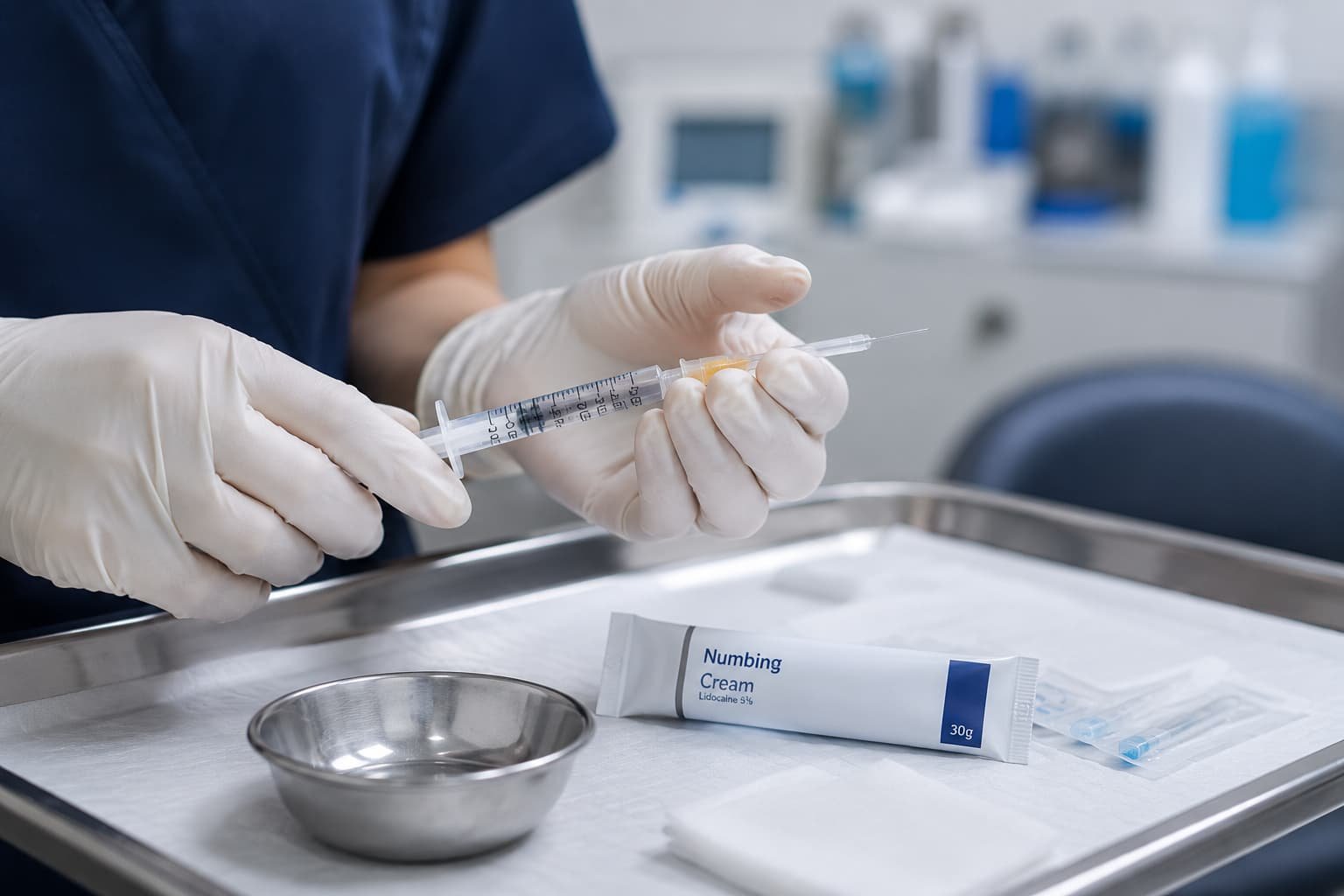
    Topical anaesthetic cream and injection supplies used before a P Shot procedure
    Topical and injected local anaesthetic options used to prepare patients for treatment.

    Clinics use several accepted methods to manage pain during penile PRP injection. Method choice depends on practitioner preference, patient anxiety levels, and established clinic protocol.

    Topical Anaesthetic Cream

    Many providers apply a topical cream before starting the P Shot procedure. A common formulation combines lidocaine and prilocaine in an equal ratio, marketed as EMLA cream. Clinicians apply this cream to the treatment area and allow twenty to thirty minutes for absorption. Published clinical research on penile PRP injection has used this exact formulation in trial settings. This method reduces surface sensitivity without requiring an additional needle beforehand.

    Injected Local Anaesthetic

    Some clinicians supplement topical cream with a small injected dose of local anaesthetic. Lidocaine remains the most widely used agent for this purpose across UK clinics. Injection provides deeper numbing than cream alone and suits patients with lower pain tolerance. Clinicians typically administer this injection several minutes before starting the PRP procedure.

    Dorsal Penile Nerve Block

    A dorsal penile nerve block targets the main sensory nerves directly at their source. This technique numbs a larger treatment area and suits longer or more extensive procedures. Not every P shot treatment requires this approach. Clinicians reserve it for specific cases based on individual assessment and reported pain sensitivity.

    Tourniquet Support

    Some protocols include a temporary tourniquet placed at the base of the penis. This step slows local blood flow and can prolong anaesthetic effect during the procedure. Clinicians remove the tourniquet promptly once the injection process finishes, restoring normal circulation quickly.

    Does P Shot Local Anaesthetic Affect PRP Potency?

    Diagram of a centrifuged blood sample showing separated platelet-rich plasma layer
    Centrifugation separates platelet-rich plasma from whole blood before injection.

    This question receives little attention on most competitor websites. Laboratory research offers a more detailed and useful picture. A published study examined how local anaesthetics interact with platelet-rich plasma function. Researchers found that combining certain anaesthetics with PRP reduced platelet aggregation capacity. Importantly, the same research found no measurable reduction in growth factor release from platelets. Separate laboratory work compared lidocaine, ropivacaine, and bupivacaine directly against one another. That research found lidocaine and ropivacaine caused minimal harm to platelet viability and function. Bupivacaine, by contrast, showed clearer negative effects on platelet health in the same testing. This evidence explains why anaesthetic selection forms part of a properly designed P Shot local anaesthetic protocol.

    Many experienced clinicians address this concern through sequencing rather than avoidance. Injecting local anaesthetic into surrounding tissue, kept separate from the PRP itself, limits direct contact between the two substances. This approach preserves numbing benefit while protecting platelet function throughout the P Shot procedure. Patients considering treatment should ask providers directly how anaesthetic and PRP remain separated during administration. A clinic unable to answer this question clearly may lack detailed protocol knowledge.

    Why the Distinction Matters Clinically

    Reduced platelet aggregation does not necessarily equal reduced treatment benefit. Growth factor release, the mechanism most linked to tissue repair, appears largely unaffected by anaesthetic exposure in current research. This distinction offers reassurance without overstating the certainty of long-term outcomes.

    Clinical Evidence Supporting Local Anaesthetic Protocols

    Peer-reviewed literature on penile PRP injection consistently documents structured anaesthetic protocols. One randomised controlled study of PRP for erectile dysfunction applied a topical anaesthetic cream containing lidocaine and prilocaine before injection. Researchers also used a temporary penile tourniquet during the procedure itself. Patients remained under observation for twenty to thirty minutes following treatment to monitor for complications. This structured approach reflects standard practice across reputable clinics offering P shot treatment. It also demonstrates that this anaesthetic protocol is not an improvised addition but a documented, repeatable clinical step.

    Findings from this trial showed measurable improvement in erectile function scores among PRP recipients. However, differences between the PRP group and the placebo group did not reach statistical significance at one and three months. This result does not dismiss PRP as ineffective. It does highlight the need for realistic expectations rather than confident promises. Reviewing published outcomes matters more than reviewing testimonials or unverified photographs. Clinicians offering P shot treatment should discuss this evidence base openly during consultation, including its current limitations.

    What to Expect During the Numbing and Injection Process

    Clinician preparing topical anaesthetic cream during a P Shot appointment
    Topical anaesthetic is applied and given time to take effect before injection begins.

    A structured process helps set realistic expectations before appointment day arrives.

    Before the Injection

    Clinicians review medical history and confirm suitability during an initial consultation. Blood tests may screen for conditions affecting clotting or platelet function beforehand. Staff explain the anaesthetic plan and answer questions about expected sensation during treatment.

    During Numbing

    Topical cream application typically takes twenty to thirty minutes to reach full effect. Clinicians may add injected anaesthetic afterward for additional patient comfort. Most patients describe this stage as manageable, involving mild stinging rather than significant pain.

    During the P Shot Procedure

    Once numbing takes effect, clinicians draw and process the blood sample. The PRP injection follows, targeting specific areas within penile tissue carefully. Most appointments, including preparation and anaesthetic time, take between sixty and ninety minutes total.

    After Treatment

    Mild soreness commonly persists for twenty-four to forty-eight hours after treatment concludes. Bruising and swelling represent normal, temporary responses to any injection procedure. Clinicians provide aftercare guidance covering activity restrictions and warning signs to monitor closely.

    Managing Anxiety Before Treatment

    Anticipatory anxiety often exceeds the actual discomfort men experience during treatment. Clear explanation of each anaesthetic step tends to reduce this anxiety significantly. Clinicians who describe sensations honestly, rather than minimising them, generally build greater patient trust. Breathing techniques and a calm treatment environment also support a more comfortable experience overall.

    Pain Levels and Patient Experience

    Reported pain levels vary between individuals and depend heavily on anaesthetic quality. Most published accounts describe P Shot local anaesthetic as effective for reducing procedural discomfort significantly. Complete numbness rarely occurs, and some pressure sensation typically remains during injection itself. Patients with higher anxiety levels sometimes benefit from combining topical cream with injected anaesthetic. Open communication with clinical staff during the procedure allows real-time adjustment where genuinely needed.

    Risks and Precautions of Local Anaesthesia

    No anaesthetic technique carries zero risk, and honest disclosure matters more than blanket reassurance.

    Allergic Reactions

    True allergy to lidocaine-based anaesthetics remains rare but appears in clinical literature. Clinics should ask about previous anaesthetic reactions during the initial consultation process without exception.

    Excessive Numbing or Delayed Sensation

    Overuse of topical anaesthetic can occasionally cause prolonged numbness beyond the expected treatment window. Clinicians follow measured dosing protocols specifically to reduce this documented risk.

    Interaction With Existing Medical Conditions

    Men with certain cardiac conditions or clotting disorders require careful anaesthetic selection beforehand. A thorough medical history review remains essential before any P Shot local anaesthetic is administered. NHS guidance on local anaesthetic agents recommends caution in patients with hepatic impairment, since these agents undergo liver metabolism.

    Priapus Shot Price and Anaesthetic Considerations in London

    Priapus shot price varies across London clinics based on practitioner experience and included aftercare. Anaesthetic quality forms one part of that overall cost, alongside PRP processing technique and follow-up support. Clinics using properly sourced anaesthetic agents and trained staff typically reflect this investment in pricing. Choosing a provider based on price alone risks compromising both comfort and safety standards. A transparent consultation should outline exactly which anaesthetic method applies before treatment begins, with no hidden steps.

    Choosing a Provider for P Shot London Treatment

    Exterior of a private Harley Street clinic offering P Shot treatment in London
    Choosing a registered, London-based clinic supports safer, better-informed treatment.

    Selecting a qualified clinic for P shot UK treatment involves several practical checks beforehand. Confirm the practitioner holds recognised medical registration and relevant aesthetic medicine training. Ask which anaesthetic method the clinic uses routinely and why that method was chosen. Request information on how the clinic separates anaesthetic administration from PRP preparation steps. Review genuine P shot before and after documentation rather than relying on marketing images alone. A clinic offering full consultation before payment demonstrates a genuinely patient-focused approach to care.

    Pshots clinic UK, a Harley Street clinic based in Marylebone and led by Dr Syed Nadeem Abbas, provides consultation-based assessment before any P injection procedure, in line with these standards.

    P Shot as Part of Broader ED Treatment Options

    The P Shot represents one option among several types of non-surgical treatment for erectile dysfunction in London. Some men pursue this option as a natural ED treatment using PRP therapy rather than relying solely on daily medication. Clinicians increasingly discuss PRP-based regenerative therapy for ED alongside established options such as PDE5 inhibitors. Any erectile dysfunction treatment London provider should present these options honestly, without overstating comparative evidence between them. Current research supports PRP as a reasonable adjunct for carefully selected patients, not a universal replacement for existing, proven therapies. NICE has not issued specific guidance approving PRP for erectile dysfunction, and clinicians should communicate this clearly during consultation.

    Frequently Asked Questions

    Is P Shot local anaesthetic painful?

    Most patients describe manageable discomfort rather than significant pain when clinicians apply anaesthetic correctly and allow sufficient time for it to take effect.

    Does local anaesthetic reduce PRP effectiveness?

    Laboratory research shows some anaesthetics affect platelet aggregation but not growth factor release. Careful technique limits direct contact between anaesthetic and PRP during preparation.

    How long does numbing last during a P Shot procedure?

    Topical anaesthetic typically provides effective numbing for thirty to sixty minutes, covering the full injection period comfortably.

    Can every patient receive local anaesthetic before a P Shot?

    Most patients qualify for standard local anaesthetic, though clinicians review allergy history and existing medical conditions beforehand without exception.

    Does the anaesthetic affect P shot before and after results?

    Current evidence does not link properly administered local anaesthetic to reduced treatment outcomes over time.

    Key Takeaways

    Local anaesthetic plays a central, often underexplained, role in P Shot treatment. Patients deserve a clear explanation of numbing methods, not vague reassurance. Evidence shows that anaesthetic choice can influence platelet function, making technique and sequencing genuinely important to outcomes. A well-run P Shot local anaesthetic protocol balances patient comfort with PRP integrity through careful, deliberate clinical practice. Choosing a qualified provider who explains this process honestly supports better decision-making overall. Before booking treatment, what questions remain unanswered about the numbing process used at a chosen clinic?

    Read more: P Shot Treatment: Procedure Steps, Recovery, Aftercare, and Results Timeline
    P-Shot Side Effects: What Are the Real Risks?

    P shot treatment London

  • Understanding the Causes of Erectile Dysfunction: Psychological vs Physical Factors

    Understanding the Causes of Erectile Dysfunction: Psychological vs Physical Factors

    ✅Medically reviewed | Updated August 2026

    Erectile dysfunction affects a significant proportion of men in the United Kingdom, yet confusion still surrounds why it develops. Some cases stem from narrowed blood vessels or hormonal imbalance. Others begin in the mind, triggered by stress, anxiety, or relationship strain. Many cases involve both strands at once, woven together in ways that make diagnosis genuinely complex. Understanding the causes of erectile dysfunction is the first step toward effective, targeted treatment. This article sets out the physical and psychological causes of ED in clear clinical terms. It explains how doctors tell the two apart. It also outlines the treatment pathways currently available in the UK, including regenerative options such as PRP therapy.

    What Is Erectile Dysfunction?

    Erectile dysfunction (ED) is the persistent inability to achieve or maintain an erection firm enough for satisfactory sexual activity. The NHS defines it as a recurring problem lasting several weeks or months, rather than an isolated occurrence. Occasional difficulty is common and rarely signals an underlying condition. Persistent difficulty, however, warrants medical assessment. It can indicate cardiovascular, metabolic, neurological, or psychological issues that need proper review.

    ED becomes more common with age, but it is not an inevitable part of ageing. NICE guidance notes that erectile difficulties often coexist with other health conditions, including type 2 diabetes and cardiovascular disease. Recognising the causes of erectile dysfunction early allows clinicians to address both the symptom and any underlying disease driving it.

    Psychological vs Physical Causes of Erectile Dysfunction: An Overview

    Clinicians traditionally separate the causes of erectile dysfunction into two broad categories: organic (physical) and psychogenic (psychological). Physical causes involve structural or physiological problems that limit blood flow, nerve signalling, or hormone production. Psychological causes involve the brain’s role in triggering and sustaining an erection. This role can be disrupted by anxiety, stress, or emotional conflict.

    Most cases of erectile dysfunction involve a mixture of physical and psychological elements rather than a single isolated cause. A man with mild vascular disease, for example, may develop anxiety about performance once erections become less reliable. That anxiety then compounds the original physical problem, creating a cycle that is hard to break without support. This overlap explains why a thorough psychological vs physical causes of erectile dysfunction assessment matters. It forms the backbone of good clinical practice, in general and specialist clinics alike.

    Physical Causes of ED

    Diagram showing physical causes of ED linked to reduced blood flow
    Reduced blood flow is one of the most common physical causes of ED.

    Physical causes of ED account for the majority of cases in men over 40. These causes typically interfere with blood flow, nerve function, or hormone levels needed for a firm erection. Identifying the specific mechanism guides which treatment is likely to help most.

    Cardiovascular Disease

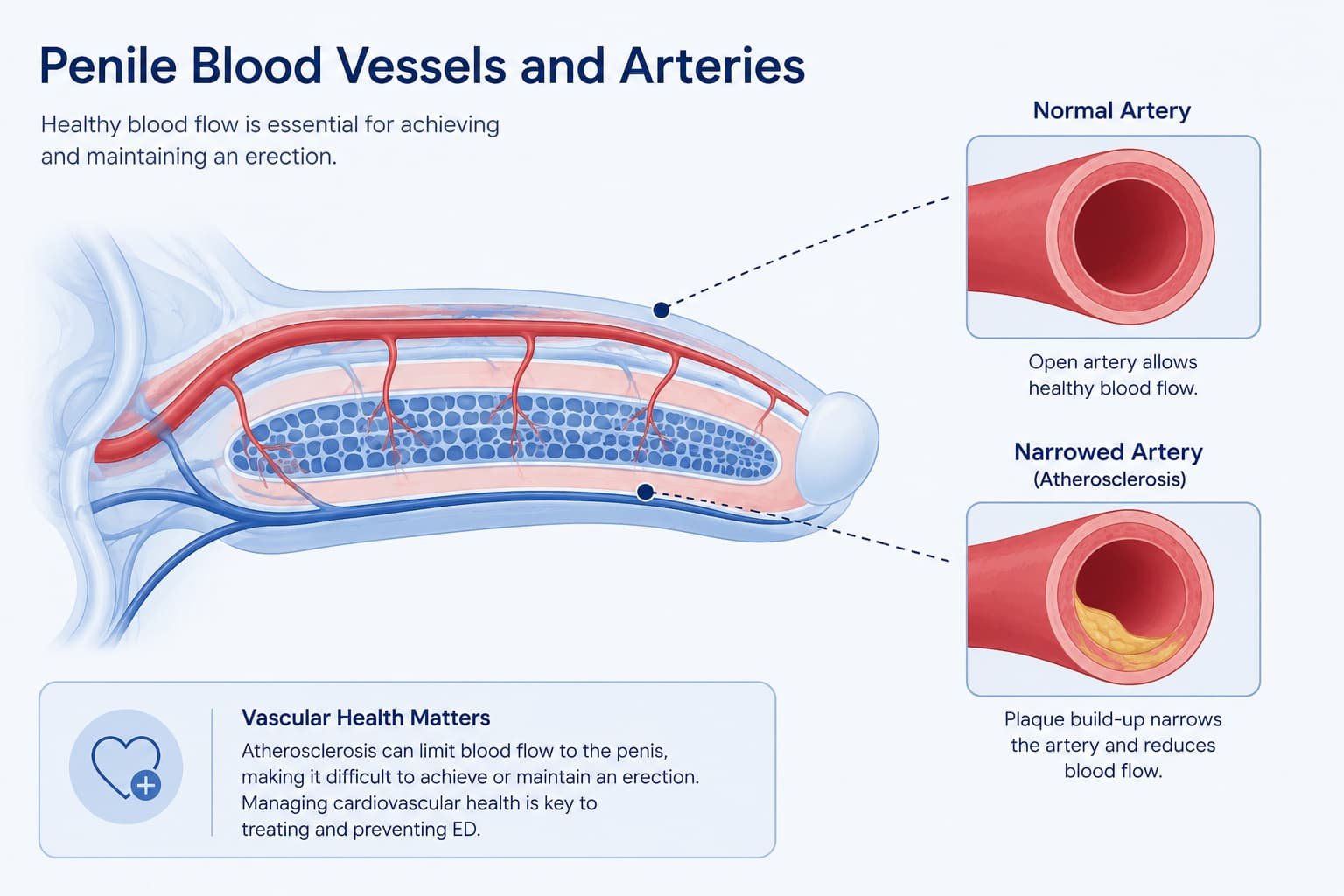
    Erections depend on healthy blood flow into the penile arteries. Atherosclerosis narrows these vessels and reduces blood supply during arousal. Erectile dysfunction often appears years before a heart attack or stroke, acting as an early warning sign of cardiovascular disease. The British Heart Foundation and NHS both recommend cardiovascular assessment for men presenting with new-onset ED. This is particularly important for men under 60, where vascular disease may otherwise go unnoticed.

    Diabetes

    Diabetes damages both blood vessels and nerves over time. Men with poorly controlled diabetes face a substantially higher risk of ED than the general population. Nerve damage, known as diabetic neuropathy, disrupts the signals needed to trigger an erection. Vascular damage restricts blood flow further, compounding the problem over months and years.

    Hormonal Imbalances

    Testosterone plays a central role in libido and erectile function. Low testosterone, or hypogonadism, can reduce sexual desire and weaken erectile response. Thyroid disorders and elevated prolactin levels can also disrupt hormonal balance. Blood tests typically identify these imbalances during initial assessment, guiding whether hormone therapy is appropriate.

    Neurological Conditions

    Conditions affecting the nervous system interrupt the nerve pathways between the brain and the penis. Multiple sclerosis, Parkinson’s disease, and spinal cord injury are common examples. Pelvic surgery, particularly prostatectomy for prostate cancer, can also damage the nerves responsible for erectile function. Recovery in these cases often depends on the extent of nerve preservation during surgery.

    Medication Side Effects

    Several common medications list ED as a recognised side effect. These include certain antidepressants, antihypertensives, and antihistamines. Reviewing current medication forms a routine part of any ED assessment. A simple adjustment sometimes resolves the problem entirely, without further intervention needed.

    Lifestyle Factors

    Smoking, excessive alcohol consumption, obesity, and physical inactivity all raise the risk of ED. Smoking damages blood vessel lining directly. Obesity contributes to both diabetes and low testosterone, compounding vascular risk further. NICE lifestyle guidance recommends smoking cessation, weight management, and regular exercise. These measures form first-line treatment for men with mild to moderate ED.

    Psychological Causes of ED

    Psychological causes of ED are particularly common in younger men, though older men are also affected. Unlike physical causes, psychogenic erectile dysfunction often develops suddenly. It may fluctuate depending on circumstances or partner, rather than remaining constant.

    Erectile Dysfunction and Anxiety

    Man showing signs of stress linked to erectile dysfunction and anxiety
    Erectile dysfunction and anxiety often reinforce one another in a difficult cycle.

    The link between erectile dysfunction and anxiety is well documented in clinical literature. Anxiety activates the sympathetic nervous system, which works against the physiological processes needed for an erection. Performance anxiety, in particular, creates a self-reinforcing cycle. One episode of difficulty triggers worry about the next encounter. That worry then increases the likelihood of further difficulty, deepening the pattern over time.

    Depression

    Depression reduces libido and interferes with brain chemistry involved in arousal. Many antidepressant medications, particularly SSRIs, independently contribute to ED. This makes it difficult to separate the underlying condition from its treatment. Clinicians assess both factors carefully before adjusting any medication regimen.

    Relationship Difficulties

    Unresolved conflict, poor communication, or a loss of emotional intimacy can all suppress sexual desire and erectile function. Stress originating outside the relationship, including financial or occupational pressure, often spills over into intimate situations as well. Addressing these wider stressors sometimes resolves ED without any medical intervention required.

    Performance Pressure and Psychogenic Erectile Dysfunction

    Psychogenic erectile dysfunction frequently presents with a specific pattern. Erections occur normally during masturbation or on waking, yet fail during partnered sexual activity. This pattern strongly suggests a psychological rather than physical origin. The physiological mechanism clearly remains intact in these cases. Recognising this pattern helps clinicians distinguish psychological causes of ED from physical causes of ED without unnecessary investigation.

    How Doctors Distinguish Between Physical and Psychological Causes

    Clinician reviewing test results to assess causes of erectile dysfunction
    Blood tests and clinical history help distinguish physical from psychological causes.

    Assessment begins with a detailed medical history, covering onset, duration, and pattern of erectile difficulty. Sudden onset, situational variation, and preserved nocturnal erections point toward a psychological cause. Gradual onset, consistent difficulty across all situations, and absent nocturnal erections point toward a physical cause instead.

    Clinicians also review cardiovascular risk factors, current medications, and relevant blood tests. Testosterone, glucose, and lipid profile results all inform the wider clinical picture. Physical examination checks for signs of vascular disease, hormonal abnormality, or anatomical issues such as Peyronie’s disease. NICE recommends this structured approach to avoid overlooking treatable underlying conditions that might otherwise be missed.

    Overlap Between Physical and Psychological Causes

    Few cases fall neatly into a single category. A man recovering from prostate surgery may experience genuine nerve damage alongside understandable anxiety about future sexual performance. A man with diabetes may develop low mood related to the broader impact of chronic illness. Treating the causes of erectile dysfunction effectively often requires addressing physical and psychological factors together, rather than in isolation.

    This overlap is one reason single-mechanism treatments, such as medication alone, sometimes fail to deliver a complete or lasting result. A combined approach, medical management alongside psychological support, tends to produce more consistent outcomes over the longer term.

    Diagnostic Approach in the UK

    Within the NHS, assessment for ED typically begins with a general practitioner. Initial consultation covers medical history, lifestyle factors, and a physical examination. Blood tests screen for diabetes, low testosterone, and cardiovascular risk markers. Where psychological causes appear likely, referral to psychosexual counselling or cognitive behavioural therapy may follow.

    Private clinics, including Harley Street practices, often provide more detailed vascular and hormonal assessment. This can include a broader range of treatment options than typical NHS pathways allow. Such assessment can be particularly useful for men whose symptoms do not fit a straightforward physical or psychological pattern.

    Treatment Options for Erectile Dysfunction

    Treatment depends heavily on the underlying cause, or combination of causes, identified during assessment. No single treatment suits every man, which is why accurate diagnosis matters so much.

    Lifestyle and Medical Management

    For physical causes, initial management focuses on the underlying condition. This means improving diabetes control, adjusting medication, correcting hormonal imbalance, or addressing cardiovascular risk factors directly. PDE5 inhibitors, including sildenafil and tadalafil, remain the standard first-line pharmacological treatment. These medications increase blood flow to the penis during arousal.

    Psychological Support

    For psychological causes of ED, structured talking therapies show good evidence of benefit. Cognitive behavioural therapy addresses the anxious thought patterns that sustain performance anxiety. Couples counselling can help resolve relationship factors contributing to sexual difficulty. Combining psychological therapy with PDE5 inhibitors often produces better outcomes than either approach alone. This is particularly true where anxiety has become entrenched following earlier physical difficulty.

    Non-Surgical Treatment for Erectile Dysfunction in London

    Men seeking non-surgical treatment for erectile dysfunction in London increasingly explore regenerative options alongside conventional medication. These approaches aim to support the underlying tissue, rather than simply increasing blood flow at the point of use. Interest in erectile dysfunction treatment London has grown steadily. Clinics continue to expand their diagnostic and therapeutic offering beyond standard NHS pathways.

    PRP-Based Regenerative Therapy for ED

    Clinical setup for PRP-based regenerative therapy for ED in London
    PRP-based regenerative therapy is prepared under sterile clinical conditions.

    Platelet-rich plasma (PRP) therapy is commercially known in some clinics as the P shot treatment, or Priapus shot. It involves processing a small blood sample. This process concentrates growth factors found naturally within platelets. These growth factors are then injected into specific areas of penile tissue. The stated aim of this p injection is to encourage tissue repair. It is also intended to support natural blood vessel growth, sometimes described as penile injection growth, within the treated area.

    Evidence for PRP-based regenerative therapy for ED remains at an early stage. Some small studies and case series report improvements in erectile function scores. Other trials, including recent placebo-controlled work, have found no statistically significant advantage over sham injection. Men considering natural ED treatment using PRP therapy should note this limitation. Current evidence does not yet support it as a guaranteed or first-line solution. It is generally considered alongside, rather than instead of, established medical management with proven efficacy.

    Dr Syed Nadeem Abbas leads a Harley Street clinic linked to pshots.co.uk. His practice is among those offering PRP-based treatment for ED, alongside conventional medical assessment.

    What to Expect from P Shot Treatment

    A typical P shot treatment begins with blood collection. This is followed by processing in a centrifuge to separate platelet-rich plasma from other blood components. Local anaesthetic is applied before injection to minimise discomfort during the procedure. The full session generally takes under an hour from start to finish.

    Priapus shot price varies between clinics, depending on protocol and the number of sessions recommended. Men researching P shot UK options should request a clear, itemised cost breakdown before proceeding. A realistic explanation of expected outcomes, based on current evidence, should accompany any pricing discussion.

    Discussion of P shot before and after results should be approached cautiously. Individual response varies considerably between patients. Published evidence does not support uniform or guaranteed improvement following treatment. Reputable providers of the Priapus shot London and P shot London market present this variability honestly. Consistent results across all patients should never be implied.

    FAQ

    What are the main causes of erectile dysfunction?

    The causes of erectile dysfunction fall broadly into physical categories, such as cardiovascular disease, diabetes, and hormonal imbalance. Psychological categories, including anxiety, depression, and relationship difficulty, also feature heavily. Many cases involve a combination of both, rather than a single factor.

    How can psychological causes of ED be distinguished from physical causes of ED?

    Sudden onset, situational variation, and normal erections during sleep or masturbation suggest a psychological cause. Gradual onset and consistent difficulty across all situations suggest a physical cause instead. A clinical assessment is needed to confirm the distinction accurately.

    Is erectile dysfunction and anxiety a common combination?

    Yes. Anxiety frequently accompanies erectile dysfunction, either as an original trigger or as a secondary reaction to physical difficulty. Addressing anxiety often improves overall treatment response, even where a physical cause is also present.

    Does PRP therapy cure erectile dysfunction?

    Current evidence does not confirm PRP therapy as a cure. Some studies report improvement, while others show no significant benefit over placebo. It is considered an adjunct option, rather than a guaranteed solution, within current UK practice.

    When should a man seek medical advice for erectile dysfunction?

    Persistent difficulty lasting several weeks, particularly with new onset, warrants a GP consultation. Early assessment can identify treatable physical causes and reduce cardiovascular risk. Delaying assessment can allow an underlying condition to progress unnoticed.

    Key Takeaways

    The causes of erectile dysfunction rarely fit into a single, simple explanation. Physical and psychological factors frequently intersect, each reinforcing the other in ways that demand careful, individualised assessment. Effective management starts with accurate diagnosis. It follows established medical evidence and considers both the body and the mind together. Emerging options, including PRP-based regenerative therapy, add to the range of treatments available. Current evidence, however, supports measured expectations rather than guaranteed outcomes for any single approach. Physical health and psychological wellbeing clearly intertwine in this condition. What might change if more men felt able to discuss erectile difficulty openly with a doctor?

    Read more: Psychosexual Counselling for Erectile Dysfunction: Supporting P-Shot Treatment Outcomes

    The Psychological Impact of ED on Relationships

    P shot Treatment London

  • P Shot vs Stem Cell Therapy for Erectile Dysfunction: A Clinical Comparison

    P Shot vs Stem Cell Therapy for Erectile Dysfunction: A Clinical Comparison

    ✅Medically reviewed | Updated August 2026

    Regenerative medicine has moved from niche interest to mainstream conversation across private clinics offering non-surgical treatment for erectile dysfunction in London. Men researching options increasingly encounter two therapies that sound similar but differ sharply in method, evidence, and cost: the P Shot and stem cell therapy. Both draw on a patient’s own biological material. Both aim to repair tissue rather than mask symptoms with medication. Yet the comparison of P Shot vs Stem Cell Therapy hides genuine clinical differences that deserve a clear, factual explanation rather than marketing language.

    This article sets out how each treatment works, what current medical evidence shows, and which factors separate an established PRP-based regenerative therapy for ED from a still-experimental cellular approach. It also outlines pricing patterns, recovery expectations, and the limitations clinicians must communicate honestly. Assessing P Shot vs Stem Cell Therapy accurately requires an honest look at mechanism, regulation, and outcome data, not promotional claims.

    Understanding Erectile Dysfunction Before Comparing Treatments

    Erectile dysfunction affects a significant proportion of men, and prevalence rises with age. NHS clinical guidance identifies vascular disease, diabetes, prostate treatment, low testosterone, and psychological factors as common causes. NICE guidance recommends addressing cardiovascular risk factors alongside any erectile dysfunction treatment plan, since erectile difficulty can signal wider vascular disease. Regenerative options such as the P Shot and stem cell therapy target tissue-level repair, but neither replaces standard medical assessment for underlying causes.

    A proper diagnosis of the underlying cause always precedes consideration of regenerative treatment. Blood pressure checks, blood glucose testing, and hormone assessment typically form part of a thorough consultation before either therapy proceeds.

    What Is the P Shot?

    Centrifuge separating platelet-rich plasma from blood for P shot treatment
    PRP preparation for the P shot involves spinning a blood sample to concentrate growth factors.

    The P Shot, also known as the Priapus shot or informally as a penis shot, uses platelet-rich plasma drawn from a patient’s own blood. Some clinics shorten the name to Pshot in marketing material, though the clinical process remains identical. A clinician draws a small blood sample, spins the sample in a centrifuge, and separates the platelet-rich layer from red blood cells and plasma. This concentrated PRP contains growth factors, including platelet-derived growth factor, vascular endothelial growth factor, and transforming growth factor-beta. Clinicians then inject this PRP into specific areas of the penis, including the corpus cavernosum and glans.

    The P-shot uses platelet-rich plasma only; it does not contain stem cells at any stage. Confusion between the two treatments persists because clinics often group PRP and stem cell therapy under the broad heading of regenerative medicine. Distinguishing between the two matters for anyone comparing P Shot vs Stem Cell Therapy options, since the source material, mechanism, and evidence base differ substantially.

    How the P-Shot Treatment Works

    A standard P shot treatment session lasts around 30 to 45 minutes. Clinicians apply topical anaesthetic before injection to reduce discomfort. Because the plasma originates from the patient’s own blood, allergic reaction risk stays low. Most men resume normal activity the same day, though mild swelling or bruising can occur for a few days afterward. Clinicians typically advise a course of PRP-based regenerative therapy for ED rather than a single session, since growth factor stimulation builds gradually with repeat treatment.

    P Shot Price and Availability in the UK

    Priapus shot price varies between UK clinics, generally ranging from several hundred to just over a thousand pounds per session, depending on protocol and clinic location. Male enlargement injections cost UK-wide reflects factors including PRP preparation method, clinician experience, and the number of sessions included in a package. Clinics across Harley Street and other London medical districts offer Priapus shot London appointments, though pricing structures differ between providers. Patients should request a written quote before committing to treatment, since the exact P shot UK price depends on individual assessment and treatment protocol.

    What Is Stem Cell Therapy for Erectile Dysfunction?

    Diagram showing stem cell differentiation into vascular and muscle tissue
    Stem cells may differentiate into several tissue types, a mechanism distinct from PRP-based treatment.

    Stem cell therapy for ED takes a fundamentally different approach from the P shot. Rather than concentrating platelets from blood, clinicians harvest stem cells from a patient’s own fat tissue or bone marrow. Clinicians typically perform adipose-derived stem cell extraction through mini-liposuction under local anaesthetic. For bone marrow-derived cells, clinicians aspirate marrow from the pelvis or another marrow-rich site. After extraction, clinicians process the tissue to isolate stem cells before injecting the cells into penile tissue.

    Stem cells can differentiate into multiple cell types, including endothelial cells that form blood vessel linings and smooth muscle cells within erectile tissue. In theory, this broader differentiation potential could produce more comprehensive tissue regeneration than PRP delivers alone. Current evidence, however, remains far more limited than the research supporting the P shot.

    Stem cell therapy for ED remains an experimental treatment with limited regulatory oversight in the UK.

    How Stem Cell Harvesting and Injection Work

    Stem cell harvesting adds a surgical step absent from standard P-shot treatment. Mini-liposuction or bone marrow aspiration extends appointment time to 60 to 90 minutes or longer. Recovery involves soreness at both the harvesting site and the injection site, extending downtime beyond that typically associated with the P shot treatment.

    P Shot vs Stem Cell Therapy: Mechanism of Action Compared

    The central distinction in any P Shot vs Stem Cell Therapy comparison lies in mechanism. PRP delivers a concentrated dose of growth factors that stimulate existing repair processes within penile tissue without introducing new cells. Stem cell therapy introduces living, undifferentiated cells intended to develop into new tissue components directly.

    Growth Factors and Natural Tissue Repair

    PRP works with the body’s own healing pathways. Growth factors released from concentrated platelets attract repair cells to the injection site, encourage new blood vessel formation, and support collagen production within penile tissue. This mechanism underlies most natural ED treatment using PRP therapy currently offered across UK clinics.

    Cell Differentiation and Structural Regeneration

    Stem cells operate through a different biological pathway. Once injected, these cells may differentiate into endothelial or smooth muscle cells, potentially rebuilding structural components of erectile tissue rather than only stimulating existing cells. Researchers have not yet confirmed how consistently this differentiation occurs within human penile tissue, which limits current conclusions about comparative effectiveness.

    Icon comparison of P shot blood-draw process and stem cell tissue-extraction process
    Two different source materials, two different treatment pathways: PRP from blood versus stem cells from fat or bone marrow.

    The table below summarises how the two treatments compare across the factors that matter most when weighing P Shot vs Stem Cell Therapy as a personal treatment decision.

    FactorP Shot (PRP)Stem Cell Therapy
    Source materialPatient’s own bloodPatient’s own fat tissue or bone marrow
    MechanismGrowth factors stimulate existing tissue repairCells differentiate into new vascular and structural tissue
    Extraction methodSimple blood drawMini-liposuction or bone marrow aspiration
    Appointment lengthAround 30 to 45 minutesAround 60 to 90 minutes or longer
    UK regulatory statusEstablished private medical practiceLimited regulation; largely experimental
    Evidence baseGrowing peer-reviewed evidenceLimited, mostly small-scale studies
    Typical recoveryMinimal downtimeAdditional downtime at the harvest site
    Typical costGenerally lowerGenerally higher

    P Shot vs Stem Cell Therapy: What the Evidence Shows

    Evidence for PRP-Based Regenerative Therapy

    Published research on natural ED treatment using PRP therapy has expanded considerably over the past decade. Case series and small randomised trials report improvements in erectile function scores following P injection treatment, though study sizes generally remain modest. NICE has not issued specific guidance approving the P shot for erectile dysfunction, and NHS services do not currently commission PRP injections for this indication, meaning private clinics deliver P shot treatment outside standard NHS pathways. Peer-reviewed literature continues to describe PRP as a low-risk intervention, though researchers consistently call for larger, controlled trials with longer follow-up periods.

    Peer-reviewed evidence for PRP-based regenerative therapy for ED continues to grow, though large randomised trials remain limited.

    Evidence for Stem Cell Therapy

    Evidence supporting stem cell therapy for ED lags behind PRP research. Most published studies involve small patient numbers, short follow-up periods, and considerable variation in cell type, dosage, and injection protocol. No standardised UK protocol currently exists, and neither NICE nor NHS guidance endorses stem cell injection for erectile dysfunction. Clinics offering this treatment operate largely outside established regulatory frameworks, which increases the importance of provider due diligence before booking any appointment.

    P Shot vs Stem Cell Therapy: Safety and Risk Profile

    Both treatments use autologous material, meaning tissue sourced from the patient’s own body, which keeps rejection and allergic reaction risk low compared with donor-derived treatments. Common side effects for both therapies include temporary swelling, bruising, and mild discomfort at injection sites.

    Stem cell therapy carries additional risk because the harvesting step constitutes a minor surgical procedure. Mini-liposuction can cause bruising, contour irregularity, or infection at the donor site. Because stem cell sourcing and processing vary between providers, quality control differs significantly from clinic to clinic. Men considering either treatment should confirm a provider’s regulatory registration, clinical training, and published outcome data before proceeding.

    No regenerative treatment for erectile dysfunction is entirely risk-free, and safety depends heavily on provider standards.

    P Shot vs Stem Cell Therapy: Cost, Recovery and Practical Considerations

    Cost differences reflect procedural complexity. A single P shot session typically costs less than stem cell therapy, since PRP preparation requires only a blood draw and centrifugation. Stem cell extraction, processing, and a longer appointment increase overall price considerably. Recovery timelines follow a similar pattern: P-shot patients generally return to normal activity the same day, while stem cell patients may need several additional days before resuming exercise or sexual activity.

    Availability also differs. P shot UK providers are relatively widespread across private clinics, including several offering P shot London appointments in established medical districts such as Harley Street and Marylebone. Stem cell therapy for ED remains available at far fewer UK clinics, partly because of the additional surgical and regulatory requirements involved in tissue harvesting.

    P Shot Before and After: Realistic Outcome Expectations

    Reviewing P shot before and after cases requires caution, since individual results vary by age, underlying cause of erectile dysfunction, and overall vascular health. Clinical reports generally describe gradual improvement in erection firmness and sensitivity over two to three months following P-shot treatment, rather than immediate change. P-shot before and after photography should never substitute for a documented case history, and reputable clinics present outcome data alongside honest discussion of individual variability.

    Penile injection growth expectations linked to the P shot deserve particular caution. The treatment supports tissue repair and blood flow; it does not deliver guaranteed permanent enlargement, and any clinic promising fixed size increases from a single p injection overstates current evidence. Setting realistic expectations before treatment reduces the risk of disappointment regardless of which regenerative option a patient chooses.

    Realistic outcome expectations matter more than photographs when evaluating any P injection or stem cell treatment.

    Who May Be Suitable for Each Treatment

    Candidates for the P Shot

    Men with mild to moderate erectile dysfunction, particularly where vascular or tissue-level factors contribute, often represent reasonable candidates for the P shot. Suitable candidates typically include those who:

    • A shorter, less invasive procedure with minimal downtime may be preferred.
    • For some patients, a lower-cost entry point into PRP-based regenerative therapy for ED may be appealing.
    • Improved sensitivity may also be an important treatment goal alongside better erectile function.
    • When lifestyle changes or oral medication have not produced adequate results, PRP-based options may be considered.

    Candidates for Stem Cell Therapy

    Men with more severe or long-standing erectile dysfunction, particularly where nerve or vascular damage appears extensive, sometimes explore stem cell therapy after PRP or conventional treatment produces insufficient results. Suitability depends on individual assessment, tolerance for a longer recovery period, and acceptance of a higher price point alongside a less established evidence base. Candidates should discuss the following points directly with a clinician:

    • The extent of any underlying nerve or vascular damage
    • A patient’s willingness to undergo a minor surgical harvesting step
    • The ability to accommodate a longer recovery period
    • Long-term outcomes should also be considered, as available data remain limited
    Decision pathway diagram comparing candidacy for P shot versus stem cell therapy
    Choosing the right regenerative pathway depends on the severity of erectile dysfunction and individual treatment goals.

    Limitations Every Man Should Understand

    Neither treatment functions as a guaranteed cure for erectile dysfunction. Underlying conditions such as diabetes, cardiovascular disease, or hormonal imbalance require separate medical management regardless of regenerative treatment choice. NHS and NICE guidance continue to recommend lifestyle modification, cardiovascular risk assessment, and, where appropriate, established pharmacological options such as PDE5 inhibitors as first-line ED treatment in London clinics and NHS services alike typically follow. Regenerative injections may complement, rather than replace, this broader treatment pathway.

    Long-term outcome data for both the P shot and stem cell therapy remain limited. Researchers have not established a definitive treatment protocol, ideal cell dosage, or confirmed duration of benefit for either option. Clinics should communicate this uncertainty clearly rather than presenting either treatment as a proven solution, and patients should treat bold guarantees as a warning sign rather than reassurance.

    Frequently Asked Questions

    Does the P shot contain stem cells?

    No. The P shot uses platelet-rich plasma only. It does not include stem cells at any stage of preparation or injection.

    Which treatment produces longer-lasting results, P Shot vs Stem Cell Therapy?

    Some clinicians report longer-lasting effects from stem cell therapy due to its broader regenerative mechanism, but robust long-term comparative data remain unavailable. Both treatments typically require repeat sessions over time.

    Is erectile dysfunction treatment London-wide covered by the NHS for these therapies?

    NHS pathways generally do not commission P shot or stem cell therapy for erectile dysfunction. Standard NHS erectile dysfunction treatment across London focuses on lifestyle advice, PDE5 inhibitors, and referral for underlying condition management. PRP and stem cell injections remain private treatments, paid for out of pocket.

    What does a typical Priapus shot price include?

    Priapus shot price usually covers the blood draw, PRP preparation, and the injection appointment itself. Some clinics bundle follow-up consultations or repeat sessions into a package price, so patients should request a full cost breakdown before booking.

    Can the P shot and stem cell therapy be combined?

    Some clinics offer combination protocols using both PRP and stem cells within a single treatment plan. Evidence for added benefit from combination therapy remains limited, and patients should discuss realistic expectations with a qualified clinician before proceeding.

    Are there age restrictions for either treatment?

    Both treatments generally suit adult men following thorough medical assessment. Underlying conditions such as cardiovascular disease or diabetes require evaluation and, where necessary, separate management alongside any regenerative treatment plan.

    Key Takeaways

    Comparing P Shot vs Stem Cell Therapy comes down to weighing an established, lower-cost, PRP-based regenerative therapy for ED against a more invasive, costlier, and still largely experimental cellular approach. The P shot offers a shorter procedure, quicker recovery, and a growing, though still developing, evidence base. Stem cell therapy offers a theoretically broader regenerative mechanism, but the science, regulation, and standardisation supporting it remain considerably less mature.

    Dr Syed Nadeem Abbas at pshots clinic uk, a Harley Street-based practitioner, is among the clinicians offering P shot treatment within London’s private medical sector, reflecting the wider availability of PRP-based options across the capital. Any decision between these two regenerative pathways should follow a detailed medical consultation covering personal health history, realistic outcome expectations, and current clinical evidence rather than marketing claims alone.

    Given the current gap in long-term data for both treatments, what level of evidence should a man reasonably expect before choosing a regenerative therapy for erectile dysfunction?

    Read more: P Shot Treatment: Procedure Steps, Recovery, Aftercare, and Results Timeline

    P-Shot Before and After: What Results Can You Realistically Expect?

    P shot treatment London

  • P Shot vs Surgical Penile Enlargement: Understanding the Differences in Risk

    P Shot vs Surgical Penile Enlargement: Understanding the Differences in Risk

    ✅Medically reviewed | Updated August 2026

    Men researching penile enhancement options in London typically encounter two fundamentally different treatment categories. The P Shot, also called the priapus shot, uses platelet-rich plasma drawn from a patient’s own blood and injected into penile tissue. Surgical penile enlargement instead involves cutting the suspensory ligament, grafting tissue, or fitting an implant under general anaesthetic. These two pathways differ enormously in risk, recovery time, and the strength of supporting evidence, and price comparisons alone cannot capture that gap. This article sets out the clinical evidence for both approaches, reviews documented complication rates from published literature, and explains realistic outcomes for men weighing a non-surgical injection against surgical intervention. Numbers replace assumptions throughout, since informed consent depends on accurate risk data rather than promotional claims. The comparison covers procedure mechanics, documented complications, recovery timelines, cost, and the current evidence base behind penile injection growth claims versus surgical lengthening results.

    What Is the P Shot?

    The P Shot is a non-surgical injection treatment built around platelet-rich plasma, commonly abbreviated to PRP. A clinician draws a small blood sample from the arm, in the same way as a routine blood test. The sample is processed in a centrifuge to separate platelet-rich plasma from red blood cells and other components. The concentrated plasma is then injected into specific areas of the penile shaft and glans. Growth factors contained within platelets are believed to support tissue repair and encourage new blood vessel formation, a process known as angiogenesis. The entire appointment typically takes under an hour and involves no general anaesthetic.

    Some providers refer to this treatment as the Priapus Shot, P-shot, or simply Pshot. Others describe it more plainly as a p injection using autologous plasma, or list it among general penis shot options on a treatment menu. All these terms describe broadly the same PRP-based procedure, though preparation methods and injection protocols vary between clinics.

    How the Procedure Works

    Centrifuge separating platelet-rich plasma used in P Shot treatment preparation
    PRP is separated from whole blood by centrifuge before P Shot injection.

    A topical numbing cream is applied to the treatment area before injection begins. Blood is drawn from the arm and placed into a centrifuge. Spinning separates plasma, platelets, and red blood cells into distinct layers within several minutes. The platelet-rich layer is drawn off and prepared for injection. A fine needle then delivers the concentrated plasma into targeted areas of penile tissue. Most men leave the clinic and resume normal daily activity the same day.

    What Does Surgical Penile Enlargement Involve?

    Surgical penile enlargement is not a single procedure but a category covering several distinct techniques. Some target length, others target girth, and some combine both aims within a single operation. General anaesthesia is standard for most surgical approaches performed in the UK and abroad. Recovery periods extend across several weeks rather than hours, and post-operative care requirements are considerably more demanding than any injection-based approach. Patient selection also matters greatly, since surgical candidacy depends on anatomy, general health, and realistic goal-setting during consultation.

    Surgical operating theatre used for penile lengthening and girth augmentation procedures
    Surgical penile enlargement is performed under general anaesthetic in an operating theatre setting.

    Ligament Release Surgery for Penile Lengthening

    This procedure, called ligamentolysis, divides the suspensory ligament anchoring the penis to the pubic bone. Cutting this ligament allows the internal portion of the shaft to project further outward. A cadaveric study measuring outcomes after ligamentolysis reported an average length gain of around 26 millimetres, with individual results ranging between 4 and 60 millimetres. Gains occur predominantly in flaccid length rather than erect length. Surgeons cannot reliably predict, before surgery, how much length any individual patient will gain. Post-operative traction using stretching devices or weighted extenders is usually required for weeks afterwards to help maintain results, and skipping this step often reduces the final outcome.

    Girth Augmentation Techniques

    Girth enhancement typically involves fat grafting, dermal filler injection, or synthetic graft material placed beneath the penile skin. Fat grafting transfers tissue harvested through liposuction from another part of the body into the penile shaft. Case series data report circumference increases averaging around 32 percent following autologous fat injection, alongside measurable improvements in reported satisfaction scores. Absorption of grafted fat is common, however, and can produce uneven or lumpy results over months following treatment. Hyaluronic acid gel injections have also been studied as a girth-enhancement option, with one published series reporting an average girth increase of around 1.1 centimetres alongside high patient satisfaction.

    Penile Implant Surgery

    Implant surgery is generally reserved for severe erectile dysfunction that has not responded to medication, injection therapy, or vacuum devices. A mechanical or inflatable device is placed inside the erectile chambers during an operation performed under general or regional anaesthesia. This option carries the highest complication burden among surgical approaches and is rarely pursued for cosmetic enlargement in isolation, since it addresses erectile rigidity rather than size directly.

    Risk Comparison: P Shot vs Surgical Penile Enlargement

    Comparison chart showing risk differences between P Shot treatment and surgical penile enlargement
    Recovery time, anaesthesia risk, and complication rates differ substantially between the two approaches.

    Risk profile is the central distinction separating these two treatment categories. Published data consistently show a substantially lower complication rate for PRP-based injection compared with any surgical enlargement procedure.

    Documented Risks of PRP Injection Treatment

    Because PRP originates from a patient’s own blood, allergic reaction risks stay low. Reported side effects include temporary swelling, bruising, and mild discomfort at injection sites. These effects typically resolve within 24 to 72 hours without further intervention. Infection risk exists with any injection procedure but remains low when strict sterile technique is followed. No general anaesthetic is required, removing an entire category of surgical risk from the equation. Standardisation across clinics remains inconsistent, however, since PRP preparation methods, platelet concentrations, and injection protocols vary between providers, which affects how comparable published results actually are.

    Documented Risks of Surgical Enlargement

    Surgical procedures introduce risk categories entirely absent from injection-based treatment. A published review of complications following penile lengthening and girth surgery found wound problems in half of the reviewed cases, alongside irregular fat nodules and visible scarring linked to earlier fat-grafting techniques. Repeat surgery was required in half of these cases, and sexual dysfunction was reported by a third of the men studied. Only one patient in that series reported a subjective increase in length following the original procedure.

    Implant-specific complications include haematoma formation in up to a quarter of cases, blood transfusion requirements in around 3.5 percent of cases, and infection requiring device removal in up to 7 percent of cases, according to published systematic review data. Glans necrosis, a rare but serious complication, has been reported in fewer than 1 percent of implant cases. These figures come from surgical case series and vary between institutions, surgical experience, and patient selection criteria.

    Ligament Instability After Lengthening Surgery

    Ligament release surgery carries a specific structural risk. If too much ligament tissue is released, or healing does not proceed correctly, the erection can lack adequate support. This can produce a downward-pointing or unstable erection during intercourse. Correcting this complication is difficult and often requires further surgical intervention. General anaesthesia itself carries additional independent risks, including cardiovascular and respiratory complications, regardless of surgical skill or clinic reputation.

    Recovery and Downtime Differences

    Recovery timelines differ sharply between the two treatment categories. Men undergoing PRP-based injection treatment typically resume normal activity within a day, while surgical recovery extends across six to eight weeks.

    Following the injection, mild swelling generally settles within a few days. Sexual activity can usually resume within a short period, subject to individual clinical advice from the treating practitioner. Surgical patients face a considerably longer path. Wound healing after ligament release or grafting surgery takes several weeks to complete. Abstinence from sexual activity and strenuous exercise is typically advised for six to eight weeks following surgery. Post-operative traction therapy may be required daily throughout much of this recovery window, and follow-up appointments continue for months afterwards to monitor healing and final outcome.

    Realistic Outcomes: What the Evidence Shows

    Overpromising results damages trust in both regenerative and surgical medicine. Current published evidence supports modest, carefully qualified expectations for both treatment categories, and clinics have a duty to communicate this clearly during consultation.

    P Shot Before and After Expectations

    Clinical evidence for this treatment centres primarily on erectile function rather than permanent size increase. A randomised controlled trial published in 2021 reported measurable improvements in erectile function scores following PRP injection. However, a 2025 meta-analysis found no clear efficacy advantage over placebo across several outcome measures studied. Current evidence does not reliably demonstrate permanent increases in penile length or girth from PRP injection growth claims circulating online. Reviewing P shot before and after photographs published by clinics can help set realistic expectations, though individual results vary considerably between patients. Anyone reviewing P-shot before and after material should treat such images as illustrative rather than guaranteed outcomes, since photographic angle and lighting can distort apparent change.

    Surgical Outcome Expectations

    Surgical procedures can produce measurable structural change, though variability across patients remains high. Flaccid length gains from ligament release average around 2.5 centimetres, though this figure is not guaranteed for any individual patient. Erect length typically shows minimal change following ligament release performed alone, without additional procedures. Girth augmentation results depend heavily on technique and graft material used, with fat grafting showing higher rates of volume loss over time compared with synthetic or dermal graft alternatives. Psychological readiness matters as much as physical healing, since surgery will not dramatically change clothed appearance and disappointment often follows unrealistic expectations set before treatment.

    Cost Considerations in the UK

    Male enlargement injections cost UK figures vary considerably by clinic, practitioner experience, and PRP preparation method used. Priapus shot price typically reflects the processing equipment, staff time, and clinical setting involved, rather than the physical volume of product injected. Surgical procedures carry substantially higher costs, frequently reaching several thousand pounds per session once anaesthesia, facility fees, and follow-up care are included in the total. Cost alone should never determine treatment choice, since unusually low prices often reflect reduced safety standards or less experienced practitioners. Patients comparing a P shot UK provider against a surgical clinic should request itemised pricing, including any charges for repeat sessions or revision procedures.

    Non-Surgical Treatment for Erectile Dysfunction in London

    Beyond enlargement claims, clinical interest in this treatment centres largely on its role as a non-surgical treatment for erectile dysfunction in London and further afield. PRP-based regenerative therapy for ED targets blood vessel formation and tissue repair rather than structural enlargement of the shaft. This distinguishes the approach functionally from surgical procedures, which target anatomical change rather than vascular or tissue quality. Natural ED treatment using PRP therapy appeals to men seeking an alternative to daily oral medication or invasive surgery, particularly those who have not responded fully to first-line PDE5 inhibitor treatment. Clinicians typically position this injection as a functional or adjunct therapy rather than a definitive enlargement solution.

    NICE guidance on erectile dysfunction continues to recommend a structured, stepwise assessment before any injection or surgical pathway is pursued. NHS pathways generally begin with lifestyle review and oral medication before considering injection-based or surgical options. Erectile dysfunction treatment London clinics, whether NHS or private, should follow comparable assessment principles regardless of which specific therapy is eventually offered.

    Who Might Consider Each Option?

    Suitability depends on individual goals, medical history, and personal risk tolerance. A thorough consultation, including medical history review and physical examination, remains essential before either pathway is chosen. Certain medical conditions, including uncontrolled diabetes, active infection, or bleeding disorders, may rule out one or both options entirely.

    Men seeking modest support for erectile function, minimal downtime, and lower procedural risk often explore this injection-based treatment as a first step. Men seeking measurable structural change, and who accept extended recovery alongside higher complication risk, may consider surgical consultation instead. Some men book a P shot treatment session purely to support erectile quality, without any expectation of size change at all. Neither option suits every patient, and treatment decisions should follow professional clinical assessment rather than online comparison alone. A written treatment plan, agreed during consultation, helps set expectations before either pathway begins.

    Where to Access This Treatment in London

    Reception area of a private London clinic offering P Shot treatment consultations
    A professional, discreet setting is standard practice for private P Shot and surgical consultations in London.

    Priapus shot London providers vary considerably in training background and PRP preparation standards. pshots clinic UK, a Harley Street clinic based in Marylebone and led by Dr Syed Nadeem Abbas, is among the providers offering this treatment within central London. Verifying practitioner training, clinic registration, and PRP preparation standards remains an important step before booking any appointment, whether for a P shot London consultation or a surgical opinion elsewhere.

    Evidence Standards and Why Study Quality Matters

    Not all published studies on either treatment carry equal weight. Small case series, often cited on clinic websites, cannot establish reliable complication rates or outcome averages. Randomised controlled trials remain the strongest form of evidence, though few exist for penile PRP therapy at present. Systematic reviews of surgical technique carry more weight than single-surgeon case reports, since they pool outcomes across multiple centres and patient populations. Patients are entitled to ask any clinic which specific studies support the claims made during consultation. A reputable provider will discuss evidence limitations openly rather than citing testimonials or before-and-after galleries as proof of efficacy. This distinction matters particularly online, where marketing content frequently blurs the line between anecdotal report and peer-reviewed evidence.

    Frequently Asked Questions

    Is the P Shot safer than surgical penile enlargement?

    Published evidence indicates a lower complication rate for the P Shot compared with surgical procedures. Surgery introduces anaesthesia risk, wound complications, and structural risks that injection-based treatment does not carry.

    Does this treatment provide permanent enlargement?

    No claim of permanent enlargement currently holds strong scientific support. Evidence supports functional improvement in erectile quality more consistently than any permanent increase in size.

    How much does the treatment cost in the UK?

    Priapus shot price varies by clinic, practitioner experience, and PRP preparation method used. Costs typically remain lower than surgical alternatives, though exact figures require direct consultation with a provider.

    What is the recovery time after surgical penile enlargement?

    Recovery typically spans six to eight weeks following most surgical procedures. Post-operative traction therapy and activity restriction usually apply throughout much of this period.

    Can this injection be combined with other ED treatments?

    Clinicians sometimes combine PRP injection with shockwave therapy or oral PDE5 medication. Combination approaches should follow individual clinical assessment rather than self-directed treatment planning.

    Who should avoid surgical penile enlargement?

    Men with unrealistic expectations, active infection, uncontrolled diabetes, or bleeding disorders are generally poor surgical candidates. A qualified surgeon will assess suitability during consultation before booking any procedure.

    Key Takeaways

    Choosing between the P Shot and surgical penile enlargement requires weighing published evidence rather than promotional claims. Surgical procedures offer greater potential structural change alongside meaningfully higher complication rates, longer recovery, and anaesthesia-related risk. PRP-based injection instead offers a lower-risk, non-surgical pathway, supported by modest, function-focused evidence rather than proven permanent enlargement. Both pathways carry real limitations that deserve careful, unhurried consideration alongside a qualified clinician. Which factor matters more to an individual patient: measurable structural change with higher risk, or a lower-risk path toward functional improvement with more modest results?

    Read more: P Shot UK vs Penile Implants: Non-Surgical vs Surgical Options for Erectile and Sexual Dysfunction

    Is the P-Shot Safe? A Medical Perspective for UK Patients

    P shot Treatment London

  • Best Age for P Shot: Is There an Ideal Time to Start Treatment?

    Best Age for P Shot: Is There an Ideal Time to Start Treatment?

    ✅Medically reviewed | Updated August 2026

    Erectile dysfunction rarely arrives on a fixed calendar date. It can surface quietly in the early thirties. During the forties, symptoms may gradually intensify. After fifty, the changes often become more noticeable as vascular and hormonal factors accumulate. Amid this uncertainty, one question reaches private clinics across London often. Is there a best age for P Shot treatment? The Priapus Shot, commonly shortened to P Shot or Pshot, is sometimes called a penis shot informally. It uses platelet-rich plasma drawn from a patient’s own blood. The aim is to stimulate tissue repair within the penis. Interest in the treatment has grown alongside wider curiosity about regenerative medicine. Yet questions about the ideal age to begin remain widespread, and often poorly answered online.

    This article examines the clinical evidence behind age and P shot treatment. It explains how NHS and NICE guidance frames erectile dysfunction across different decades of life. It sets out a balanced, medically grounded view of where treatment timing might realistically sit. Understanding what the evidence supports, and what remains uncertain, matters more than chasing an arbitrary number.

    Understanding the P Shot and Its Purpose

    Centrifuge separating platelet-rich plasma for P shot treatment
    A centrifuge separates platelet-rich plasma before injection.

    What the P Shot Involves

    The P shot treatment begins with a small blood sample. A centrifuge separates platelet-rich plasma from other blood components. Clinicians then inject the concentrated PRP into specific areas of the penis, most often the shaft and glans. Platelets contain growth factors that support tissue repair, new blood vessel formation, and nerve regeneration. These mechanisms may improve blood flow, sensitivity, and erectile firmness, according to proponents. The procedure typically takes under an hour. Topical or local anaesthetic reduces discomfort during injection. The injection uses a patient’s own plasma, so rejection risk stays low. Bruising and swelling remain common short-term effects. This biological mechanism, rather than marketing language, forms the basis of every credible discussion about the Priapus Shot.

    Clinics differ in PRP preparation and administration methods. Preparation method can affect platelet concentration delivered to the tissue. Centrifuge speed, spin duration, and activation technique all influence the final product used in a p injection. This variability partly explains why published outcomes differ between studies. Patients researching a P shot treatment should ask a prospective provider about preparation protocol. Consistency in method links directly to consistency in outcome. Regulatory oversight for PRP preparation in private UK clinics sits within existing medical device and tissue-handling frameworks. No bespoke aesthetic-PRP licence currently exists in the UK.

    Why Age Enters the Conversation

    Age influences several biological processes relevant to erectile function. These include vascular elasticity, nerve sensitivity, testosterone levels, and tissue regenerative capacity. These factors shift gradually, rather than at a single threshold. This gradual shift complicates any simple answer about the best age for P Shot treatment. Clinics treating men across a wide age range often observe a pattern. Younger patients tend to present with milder vascular changes. Older patients may carry additional risk factors, such as diabetes or cardiovascular disease. This variation drives ongoing clinical debate about optimal timing, and explains why no single number applies universally.

    Best Age for P Shot: What the Evidence Suggests

    Men in Their 30s

    Erectile difficulties in the thirties often stem from psychological factors or lifestyle habits. Early vascular changes can also play a role, rather than advanced disease. Peer-reviewed research into erectile dysfunction under 40 frequently identifies a vasculogenic component, once clinicians rule out other causes. Clinics may consider PRP therapy relevant at this stage for mild or early-onset erectile difficulty. This applies particularly when first-line options, such as PDE5 inhibitors, produce inconsistent results. Younger tissue generally retains stronger regenerative potential. Some clinicians view this favourably when weighing the best age for P Shot intervention. However, robust long-term trial data specific to this age group remains limited, so expectations should stay measured.

    Men in Their 40s

    Man in his forties considering erectile dysfunction treatment options
    Men in their forties often represent the largest group seeking treatment.

    Erectile dysfunction becomes more common through the forties. Cardiovascular risk factors, stress, and hormonal shifts accumulate during this decade. NHS guidance indicates that roughly half of men aged 40 to 70 experience some degree of erectile difficulty. This decade frequently marks the point at which men actively seek treatment. It forms a common entry point for PRP-based regenerative therapy for ED. Many clinics report this age bracket as strongly represented among P shot London patients. Symptoms often become noticeable enough to prompt consultation at this stage. Tissue and vascular health typically remain responsive to intervention.

    Men in Their 50s and Beyond

    Erectile dysfunction prevalence continues rising after fifty. It often appears alongside diagnosed conditions, such as hypertension, diabetes, or a history of prostate treatment. NICE clinical guidance recognises erectile dysfunction as a marker worth investigating for underlying cardiovascular disease. This applies particularly within this older age group. PRP therapy may still offer supportive benefit. Pre-existing vascular damage, however, can limit the extent of improvement achievable. Clinicians typically emphasise thorough medical assessment before treatment. Underlying conditions often require separate management alongside any penile injection growth therapy under consideration.

    Erectile Dysfunction and Age: The Clinical Picture

    Population data consistently link advancing age with rising erectile dysfunction prevalence. NHS sources state that half of men between 40 and 70 experience erectile dysfunction to some degree. Causes vary by decade. Psychological and situational factors dominate earlier presentations. Vascular, neurogenic, and hormonal causes become more prominent later in life. This shifting pattern explains why clinicians resist naming a single best age for P Shot treatment. A full medical history review always comes first. Cardiovascular disease, diabetes, and neurological conditions such as multiple sclerosis can all contribute to erectile dysfunction. This holds true regardless of chronological age. Two men of identical age may present with entirely different underlying pictures.

    Lifestyle Factors That Influence Timing

    Smoking status, alcohol intake, body weight, and activity level all affect vascular health independently of age. A fit 45-year-old man may retain better penile blood flow than a sedentary 35-year-old. NICE guidance on cardiovascular risk reduction highlights smoking cessation and weight management as effective measures. These same measures plausibly support any regenerative treatment applied afterwards. Lifestyle modification alongside, rather than instead of, PRP therapy tends to produce a more complete clinical picture. Men weighing treatment timing might reasonably consider these modifiable factors alongside age itself.

    Is There a Single Best Age for P Shot?

    Individual Health Factors Matter More Than Age Alone

    Clinical assessment typically weighs vascular health, hormone levels, and psychological wellbeing above age alone. A fit, non-smoking man in his fifties may respond differently to treatment than a sedentary man in his thirties. This variability supports a central clinical view. The best age for P Shot treatment depends less on a specific number, and more on overall physiological readiness. Baseline erectile function and symptom severity typically guide suitability more precisely than age bracket alone.

    Realistic Expectations at Every Age

    PRP therapy for erectile dysfunction remains an area of ongoing research, regardless of age. It is not yet an established first-line treatment. A 2025 meta-analysis found no significant efficacy advantage for PRP over placebo across several outcome measures. This finding underscores the need for cautious, evidence-based expectations at every stage of life. Men considering P shot UK treatment should understand this uncertainty before proceeding. Overpromised outcomes at any age risk disappointment and unnecessary expense. Realistic goal-setting, rather than a targeted age, plays the larger role in eventual patient satisfaction.

    P Shot Treatment Process in London

    Consultation and Assessment

    A thorough consultation typically precedes any P shot treatment in London. It covers medical history, current medication, and any conditions that might affect suitability. Screening commonly checks for bleeding disorders, active infection, and uncontrolled diabetes. These factors can complicate recovery and reduce expected benefit. Assessment also considers whether erectile difficulty might reflect an undiagnosed cardiovascular or hormonal issue. Reputable Priapus shot London providers apply this screening consistently. Pre-treatment evaluation, not age alone, determines candidacy for treatment. Blood pressure checks and a review of current medication typically form part of this process too. Some clinics also request recent blood test results, particularly for men with diabetes or known cardiovascular risk factors. This step helps identify contraindications before any injection appointment proceeds.

    Priapus Shot Price and What Influences Cost

    Factors influencing Priapus shot price at London clinics
    Practitioner experience and session number both influence Priapus shot price.

    Priapus shot price varies between London clinics. Practitioner experience, PRP preparation method, and session number all influence the final figure. Male enlargement injections cost UK-wide can range from several hundred to over a thousand pounds per session. Some clinics offer package pricing across multiple treatments. Cost alone should not guide selection. Verified practitioner training, clinic hygiene standards, and transparent aftercare support matter more when comparing P shot London services.

    P Shot Before and After: What Results May Look Like

    Patients researching P shot before and after outcomes often encounter marketing photography that overstates typical results. Genuine before and after documentation should reflect modest, individual variation, rather than dramatic transformation. Reported outcomes in patient accounts include mild improvements in firmness or sensitivity. Peer-reviewed evidence supporting consistent penile injection growth remains limited. Clinics maintaining ethical standards typically present P-shot before and after images with clear disclaimers about individual variability.

    Penile Injection Growth Claims and Their Limits

    Claims describing significant penile injection growth from a single p injection lack strong supporting evidence. This applies within the peer-reviewed literature specifically. PRP research in other tissue types, such as tendon and joint repair, shows mixed results. Outcomes depend on preparation method and injection protocol. Applying these findings directly to penile tissue requires caution. Anatomical and vascular differences limit direct comparison between tissue types. Honest clinical communication distinguishes established regenerative mechanisms from unproven cosmetic enlargement claims.

    Non-Surgical Treatment for Erectile Dysfunction in London: Where the P Shot Fits

    Non-surgical treatment for erectile dysfunction in London spans several options. These include PDE5 inhibitors, vacuum erection devices, shockwave therapy, and PRP injections. NHS-funded pathways typically begin with lifestyle modification and oral medication. Specialist referral follows if first-line options prove insufficient. Private clinics offering natural ED treatment using PRP therapy generally position the P shot as a complementary option. It typically supplements, rather than replaces, first-line medical treatment. Erectile dysfunction treatment London providers increasingly discuss combination approaches. These pair PRP with lifestyle changes or other therapies, rather than relying on one intervention alone.

    PRP-Based Regenerative Therapy for ED: Current Evidence

    Current evidence supporting PRP-based regenerative therapy for ED remains preliminary. Small studies suggest possible improvement in erectile function scores. Sample sizes, however, are frequently limited. Placebo-controlled trials remain scarce within this field. Established UK professional bodies have not yet endorsed PRP as a standard erectile dysfunction treatment. This reflects a genuine evidence gap. Patients should weigh this uncertainty carefully, regardless of the best age for P Shot consideration. Evidence quality affects outcomes more than age alone.

    Risks, Limitations and Who Should Avoid Treatment

    Bruising, swelling, and temporary discomfort represent the most commonly reported side effects. Rare risks include infection or uneven PRP distribution within the injected tissue. Men with bleeding disorders, active penile infection, or certain cancers typically require exclusion from treatment. This applies regardless of age. Clinicians generally recommend addressing underlying cardiovascular or endocrine conditions first. Untreated systemic disease can limit treatment benefit and mask serious health concerns. No age group is exempt from thorough pre-treatment screening. Aftercare guidance typically includes avoiding strenuous activity and sexual intercourse for a short recovery window. Following this guidance reduces the likelihood of bruising or delayed healing after treatment.

    Frequently Asked Questions

    Is there an official best age for P Shot treatment?

    No fixed age exists. Suitability depends on vascular health, hormone levels, and the underlying cause of erectile difficulty.

    Can men in their 30s consider a P shot?

    Yes, subject to consultation. Younger patients with mild erectile difficulty sometimes explore PRP therapy after standard treatments show limited effect.

    Does age affect P shot before and after results?

    Age may influence baseline vascular health, which can affect outcomes. Pre-existing conditions often matter more than age alone.

    How much does Priapus shot price typically range across the UK?

    Pricing varies by clinic, practitioner expertise, and session number. A personalised quote after consultation gives the clearest cost picture.

    Is the P shot a proven cure for erectile dysfunction?

    No. Current evidence remains limited. Clinicians position PRP therapy as a supportive option, rather than a guaranteed cure.

    Should older men avoid PRP therapy altogether?

    Not necessarily. Age alone rarely excludes treatment. Underlying medical conditions and screening results carry greater weight.

    How many sessions of P shot treatment do most men need?

    Session number varies by individual case and clinic protocol. Some clinics recommend one session initially, followed by review.

    Does the P shot replace standard ED medication?

    Not typically. Most clinics position PRP therapy as complementary to established options, such as PDE5 inhibitors.

    Key Takeaway

    Harley Street clinic exterior offering P shot treatment in London
    Individual assessment, not age, ultimately guides treatment suitability.

    Chronological age offers a useful starting reference. It rarely determines suitability for P shot treatment on its own. Vascular health, hormone balance, symptom severity, and realistic expectations typically carry more clinical weight. Men in their thirties, forties, fifties, and beyond may all present valid reasons for exploring PRP therapy. This applies provided screening confirms suitability, and expectations remain grounded in current evidence. Pshots clinic sits within this wider landscape of London providers. The Harley Street practice, led by Dr Syed Nadeem Abbas, assesses patients individually, rather than by age alone. Erectile health can develop very differently between two men of identical age. Does chronological age still deserve the prominence it currently receives in treatment decisions?

    Read more: How to Prepare for a P-Shot: Full Pre-Treatment Checklist

    When Should You Book a P-Shot Booster? Signs It’s Time

    P shot Treatment London

  • Allergic Reactions to PRP: How Rare Are They with P Shot Treatment?

    Allergic Reactions to PRP: How Rare Are They with P Shot Treatment?

    ✅Medically reviewed | Updated August 2026

    Fear of an allergic reaction stops many men from booking their first consultation, yet the biology behind P shot treatment makes that fear largely unfounded. Platelet-rich plasma comes from a patient’s own blood, not from a donor or a synthetic compound. This single fact reshapes the entire risk conversation. Search engines return plenty of vague reassurance on this subject but very few structured, evidence-based answers. This article sets out to close that gap. It examines what published clinical literature actually says about allergic reactions to PRP, explains the biological reason true rejection is so uncommon, reviews the side effects that do occur, and outlines what a properly regulated clinic does to keep the procedure safe. Men researching P shot London options deserve clear, structured information rather than marketing language, and that standard shapes every section below.

    Understanding P Shot Treatment and Its Biological Basis

    Centrifuge processing blood for PRP
    A centrifuge concentrates platelets and growth factors during PRP preparation.

    The Priapus shot, more formally known as PRP injection therapy for men’s sexual health, uses platelet-rich plasma drawn from a patient’s own arm. A trained clinician spins the blood sample in a medical-grade centrifuge to separate and concentrate platelets, growth factors, and healing proteins. The concentrated solution is then injected into specific areas of the penis using fine needles. This approach targets men experiencing erectile difficulty, reduced sensitivity, or seeking additional support alongside other options for erectile dysfunction treatment London clinics commonly provide.

    What the Procedure Involves

    A standard appointment lasts roughly 45 minutes from consultation to aftercare instructions. Numbing cream, or a local nerve block where appropriate, reduces discomfort during the penis shot injection itself. The procedure does not require general anaesthesia, sedation, or hospital admission. Most patients resume normal daily activity the same day, with only minor restrictions around exercise and sexual activity in the days that follow.

    Why PRP Differs from Other Injectables

    Dermal fillers, donor blood products, and many pharmaceutical injections introduce external material into the body. External material can trigger an immune response because the body has never encountered it before. Autologous PRP works differently. It reintroduces material the immune system already recognises as belonging to the patient. This distinction sits at the centre of the entire safety discussion around PRP-based procedures.

    Can Allergic Reactions Occur After PRP Injection?

    Diagram showing autologous PRP process used in P shot treatment
    PRP used in P shot treatment is drawn from and returned to the same patient.

    An allergic reaction happens when the immune system mistakenly identifies a substance as foreign and mounts a defensive response against it. Donor blood transfusions can trigger this response. Vaccines, certain medications, and synthetic dermal fillers can trigger it too. PRP rarely fits this pattern, because the plasma originates entirely from the same person receiving the injection.

    The Autologous Nature of PRP

    Doctors describe PRP as autologous, meaning it comes from the same individual who receives it. Autologous treatments carry a fundamentally lower allergy risk than donor-derived or synthetic alternatives. No foreign platelets, no donor plasma, and no external protein enter the bloodstream during a standard P shot treatment appointment. The immune system has no clinical reason to attack tissue it has recognised as its own for a lifetime.

    Documented Reaction Rates in the Medical Literature

    Systematic reviews examining PRP use in male sexual health consistently report low overall rates of adverse events. Allergic-type reactions attributed specifically to the platelet concentrate itself appear rarely, if at all, within published case series. Where reactions do occur, clinicians more often trace them to additives, local anaesthetic agents, or equipment-related factors rather than to the PRP solution itself. This pattern holds across the wider PRP literature, not only within studies focused on P shot treatment.

    What the Evidence Actually Shows

    Evaluating any regenerative procedure fairly means looking beyond marketing claims and toward recognised clinical sources rather than anecdotal reassurance.

    NHS and NICE Positions on PRP Therapy

    NHS guidance on blood-based procedures generally distinguishes between autologous and donor-derived products, noting that autologous techniques avoid the transmission and immune-related risks associated with donor material. NICE has reviewed platelet-rich plasma injections across several musculoskeletal applications through its interventional procedures programme, reporting a generally favourable safety profile with side effects that are typically mild and localised. Neither body currently issues condition-specific guidance for PRP use in erectile dysfunction. This means the treatment remains available through private clinics rather than routine NHS provision. The absence of NHS commissioning reflects the current evidence base and funding priorities, not a documented safety concern.

    Peer-Reviewed Findings on Adverse Events

    Peer-reviewed studies assessing PRP-based regenerative therapy for ED consistently report mild, localised side effects as the most common outcome. Researchers rarely list allergic reaction as a significant finding within these papers. Most published safety data instead focus on transient bruising, swelling, and mild discomfort at the injection site, findings that mirror the safety profile reported for PRP use in orthopaedic and dermatological applications.

    Genuine Risks Associated with Priapus Shot Treatment

    Every injectable procedure carries some risk, and PRP injection is no exception. Understanding the realistic risk profile matters more than chasing an unattainable zero-risk expectation that no medical procedure can genuinely offer.

    Common, Mild Reactions

    Bruising and Swelling

    Needle insertion disrupts small blood vessels close to the skin surface. Mild bruising often follows and typically resolves within a few days without treatment. Swelling behaves similarly and usually settles on its own.

    Injection Site Tenderness

    Tenderness at the treated area is common within the first 24 to 48 hours following any penile injection procedure. Simple, medically appropriate pain relief generally manages this discomfort until it resolves.

    Rare but Serious Considerations

    Infection remains possible whenever a needle breaks the skin, though sterile single-use equipment and a clean clinical environment substantially reduce this risk. Reactions to local anaesthetic occur more frequently than reactions to PRP itself, since anaesthetic is the one component in the procedure not derived from the patient’s own blood. Persistent pain lasting beyond a few days, spreading redness, fever, or unusual discharge should prompt immediate contact with the treating clinic.

    Vasovagal responses, such as light-headedness during the blood draw, occur occasionally and relate to the needle procedure rather than to any reaction against PRP itself. Clinics generally seat patients during the blood draw specifically to reduce this risk. Nerve irritation at the injection site is also possible, though published reports describe this as uncommon and typically temporary.

    Factors That Influence Reaction Risk

    Doctor reviewing medical history before P shot treatment
    A thorough medical history review helps determine suitability for P shot treatment.

    Not every appointment carries an identical risk profile. Several variables shift the picture meaningfully.

    Processing Method and Additives

    Clinics that avoid unnecessary additives during PRP preparation reduce the number of variables capable of triggering sensitivity. Dual-spin centrifuge protocols separate platelets from red and white blood cells with greater precision, producing a cleaner plasma solution with fewer potential irritants.

    Patient Medical History

    Bleeding disorders, active infection, and certain autoimmune conditions increase procedural risk regardless of PRP’s autologous status. A thorough medical history review before treatment identifies these factors in advance and guides safe decision-making.

    Clinic Standards and Practitioner Skill

    Needle technique, injection depth, and sterile practice all influence outcomes independently of PRP biology. A regulated, doctor-led environment reduces the likelihood of complications that stem from technique rather than from the treatment itself.

    Comparing P Shot Treatment with Other Penile Injection Options

    Men researching male enlargement injections cost UK clinics offer often compare several approaches before deciding on a treatment path. Hyaluronic acid fillers, sometimes marketed under terms such as penile injection growth or simply p injection, introduce synthetic gel directly into penile tissue. These fillers carry a materially different risk profile from PRP because they involve foreign material rather than autologous plasma.

    Priapus shot price and standard P shot UK pricing typically sit within a defined private-clinic range, reflecting the medical time, laboratory processing, and follow-up care involved rather than a purely cosmetic fee structure. Costs vary between providers depending on the number of sessions included, scheduled follow-up appointments, and whether shockwave therapy is combined with the injection. Prospective patients benefit from requesting itemised pricing before booking rather than relying on headline figures alone.

    Compared with synthetic filler options, PRP avoids introducing any manufactured material into penile tissue. This does not make the procedure entirely risk-free, but it does place it in a distinctly different risk category from treatments using dermal filler compounds.

    Demand for Priapus shot London appointments has grown steadily as awareness of regenerative medicine spreads beyond specialist clinics. This growth increases the importance of comparing clinics carefully rather than choosing based on price alone. A lower headline figure sometimes reflects fewer included follow-up appointments, a single-spin processing method, or delegation of the injection to staff other than the treating doctor. None of these factors relate to PRP biology, yet each one materially affects both safety and outcome.

    Who Should Avoid This Treatment

    Screening patients before treatment protects safety more than any single feature of the procedure itself. Clinicians generally advise against P shot treatment for men presenting with any of the following:

    • An active genital infection or untreated sexually transmitted infection
    • A diagnosed bleeding disorder or platelet dysfunction
    • Current anticoagulant medication not yet cleared by a prescribing doctor
    • Active cancer treatment involving the pelvic area
    • A known allergy to local anaesthetic agents used during numbing

    A careful, face-to-face consultation identifies these factors before a needle is ever picked up. This screening step protects patients far more than general reassurance about PRP’s biological origin alone.

    What Results and Timelines Look Like Realistically

    Realistic results timeline for P shot treatment

    Published data suggest gradual change following P shot treatment, typically over several weeks.

    Expectations matter as much as safety when evaluating any regenerative procedure. Reviewing genuine P shot before and after cases, rather than heavily edited promotional images, gives a more accurate picture of likely outcomes. Published clinical reports describe gradual, cumulative change rather than immediate transformation. Some patients report early changes from around four weeks, with more noticeable improvement described between eight and twelve weeks following treatment.

    Individual results vary, and P-shot before and after comparisons found online should be read as illustrative examples rather than guaranteed outcomes. PRP functions as a natural ED treatment using PRP therapy, supporting tissue repair and blood flow rather than replacing established medical treatments such as oral medication or vacuum erection devices where those remain clinically indicated. Framing PRP injection as one option within a broader non-surgical treatment for erectile dysfunction in London pathway, rather than a guaranteed cure, reflects the current evidence base accurately and avoids overpromising results.

    Photographic comparisons circulating online also deserve scrutiny. Lighting, camera angle, and timing between images can exaggerate perceived change without any procedure taking place. A credible clinic presents timelines, consent details, and realistic caveats alongside any comparison image, rather than the image alone. Patients evaluating P shot before and after material should treat consistent lighting and a stated timeframe as minimum markers of credibility.

    Choosing a Regulated Provider

    Provider selection influences both safety and outcome more than any single biological property of PRP. A properly regulated clinic maintains sterile processing standards, screens patients thoroughly, and provides transparent, written aftercare instructions before a patient leaves the building. pshots clinic UK, a Harley Street clinic in Marylebone, London, led by Dr Syed Nadeem Abbas, is one example of a private provider offering this type of treatment within a doctor-led clinical setting, illustrating the standard of care recommended when researching P shot treatment more broadly. Verifying a practitioner’s medical registration, reviewing published pricing, and confirming who performs the injection personally are practical steps any prospective patient can take before booking a consultation.

    Frequently Asked Questions

    Can P shot treatment cause an allergic reaction? 

    Genuine allergic reactions to the PRP component are extremely rare, since the plasma originates from a patient’s own blood. Reactions to local anaesthetic are reported more commonly, though still uncommon overall.

    Is this treatment safe for men with unrelated allergies? 

    Having unrelated allergies, such as food or seasonal allergies, does not automatically raise risk from PRP injection, because the procedure does not introduce donor or synthetic biological material. A full medical history review remains essential regardless of unrelated allergy status.

    How does Priapus shot price compare across UK clinics?

     Pricing varies by clinic, processing method, and included follow-up appointments. Requesting an itemised quote before booking allows a fair comparison between providers offering P shot UK treatment.

    What is the difference between P shot treatment and other penile injections? 

    This treatment uses autologous PRP, while some alternative penile injections rely on synthetic filler material instead. This difference changes the underlying risk profile, since synthetic substances carry a higher theoretical allergy risk than a patient’s own plasma.

    How soon do P shot before and after results typically appear?

     Some patients report early changes from around four weeks, with fuller results described between eight and twelve weeks. Individual outcomes vary considerably, and no clinic can guarantee a specific timeline.

    Is PRP injection a substitute for standard treatment pathways? 

    This treatment is generally positioned as a complementary or alternative option rather than a direct replacement for established erectile dysfunction treatment London clinics already provide. Suitability depends on individual medical history, best assessed through a proper consultation.

    Key Takeaways

    The biology behind P shot treatment offers a genuinely low allergy risk, since the procedure relies on a patient’s own blood rather than any donor or synthetic material. This does not eliminate risk altogether. Bruising, swelling, and mild discomfort remain the most likely side effects, while reactions to local anaesthetic occur more often than reactions to PRP itself. Sound decision-making depends on realistic expectations, transparent pricing, thorough medical screening, and a regulated, doctor-led clinical setting rather than on marketing claims alone. Men weighing this option against other treatments for erectile dysfunction should base that decision on published evidence rather than reassurance found on a website. Given how much the safety profile depends on clinic standards rather than on PRP biology alone, what specific questions would actually confirm whether a chosen provider meets that standard?

    Read more: P-Shot Side Effects: What Are the Real Risks?

    How to Prepare for a P-Shot: Full Pre-Treatment Checklist

    P shot Treatment London

  • P Shot and Weight Loss: Does BMI Affect Outcomes?

    P Shot and Weight Loss: Does BMI Affect Outcomes?

    ✅Medically reviewed | Updated August 2026

    Body weight influences nearly every aspect of male sexual health, from hormone production to blood vessel function. Clinics offering regenerative treatments increasingly field questions about P Shot and Weight Loss, particularly whether body mass index changes the results a patient can expect. Patients researching the Priapus Shot often want a direct answer: does carrying extra weight reduce the benefit of platelet-rich plasma therapy for erectile function? This article examines the clinical relationship between BMI, erectile dysfunction, and PRP-based treatment, drawing on peer-reviewed research rather than promotional claims. Understanding this relationship matters before booking any P shot treatment, since realistic expectations depend on accurate evidence rather than marketing language.

    Understanding the P Shot and Its Mechanism

    Centrifuge separating platelet-rich plasma used in P shot treatment
    PRP preparation involves isolating the platelet-rich fraction from a patient’s own blood.

    The P-shot, also known as the Priapus Shot, involves injecting platelet-rich plasma (PRP) derived from a patient’s own blood into specific areas of the penis. Practitioners extract a small blood sample, process it in a centrifuge, and isolate the platelet-rich fraction before injection. Platelets contain growth factors that support tissue repair and encourage new blood vessel formation.

    This mechanism explains why some clinics describe the treatment as a natural ED treatment using PRP therapy rather than a pharmaceutical intervention. Patients sometimes refer to the treatment informally as a penis shot, though clinical documentation uses the terms P-shot or Priapus Shot. The procedure differs fundamentally from oral medications such as sildenafil, since PRP aims to address underlying tissue quality rather than temporarily increasing blood flow. Oral medications work by relaxing smooth muscle for a limited window, while PRP aims to support longer-term tissue repair through growth factor release. Because the P shot uses autologous plasma, allergic reaction risk stays low, and recovery time remains short for most patients.

    BMI as a Clinical Marker in Sexual Health Assessment

    Body mass index measures weight relative to height, producing a figure used across medicine to estimate weight-related health risk. The NHS defines a BMI between 18.5 and 24.9 as a healthy range for most adults. A BMI of 25 to 29.9 falls into the overweight category, and 30 or above falls into the obese category. Clinicians treat BMI as a starting point rather than a complete diagnostic tool, since it cannot distinguish muscle mass from fat tissue. For men considering P shot treatment, BMI offers useful context about cardiovascular and metabolic risk factors that commonly accompany erectile dysfunction. NICE guidance recommends assessing weight alongside waist circumference, since central obesity carries particular relevance to vascular health outcomes.

    BMI assessment concept relevant to P Shot and Weight Loss outcomes
    Clinicians use BMI as one of several markers when assessing suitability for treatment

    The NHS further divides obesity into three classes to guide clinical management. Class I covers a BMI of 30 to 34.9, Class II covers 35 to 39.9, and Class III covers 40 and above. Each class carries progressively higher risk of type 2 diabetes, hypertension, and cardiovascular disease. Ethnic background also affects healthy BMI thresholds. The NHS applies lower cut-off points for South Asian, Chinese, and African-Caribbean adults, since health risks emerge at comparatively lower BMI values within these populations. A thorough consultation before P shot treatment should account for these thresholds rather than applying a single standard across all patients.

    The Established Link Between Obesity and Erectile Dysfunction

    Peer-reviewed literature confirms obesity as an independent risk factor for erectile dysfunction, separate from age or existing cardiovascular disease. The Health Professionals Follow-up Study found obese men carry twice the erectile dysfunction risk compared with men in a normal weight range. Excess adipose tissue disrupts several biological systems that support healthy erectile function.

    How Excess Weight Damages Erectile Function

    Obesity contributes to endothelial dysfunction, a condition where blood vessels lose the ability to dilate properly. Reduced nitric oxide availability limits blood flow to erectile tissue, a mechanism central to most vascular causes of erectile dysfunction. Excess fat tissue also lowers testosterone levels through increased aromatase activity, which converts testosterone into oestrogen. Chronic low-grade inflammation, common in obesity, further impairs blood vessel and nerve function throughout the body. Insulin resistance compounds these effects, since elevated blood glucose damages small blood vessels supplying the penis over time.

    P Shot and Weight Loss: What the Evidence Shows About BMI and Outcomes

    Illustration of tissue repair mechanisms relevant to PRP-based regenerative therapy for ED
    Growth factors within PRP are thought to support tissue repair and blood vessel formation.

    Direct clinical data examining P Shot and Weight Loss together with treatment outcomes remains limited, reflecting a broader gap in PRP research generally. Existing studies offer indirect insight by evaluating PRP outcomes in patients with metabolic syndrome and obesity-related conditions. A prospective study followed 31 men with erectile dysfunction and metabolic syndrome. Obesity formed part of the inclusion criteria for this research. After three PRP injections spaced fifteen days apart, International Index of Erectile Function scores showed modest improvement. Scores rose from a mean of 18 before treatment to approximately 20 at one, three, and six months afterward. This improvement kept patients within the mild-to-moderate erectile dysfunction category rather than achieving full resolution. Such findings illustrate why BMI and weight-related comorbidities may limit maximum treatment benefit.

    Lessons From PRP Research in Other Tissues

    Research on PRP for knee osteoarthritis offers a useful comparison for understanding how BMI might influence outcomes elsewhere. A comparative study of 91 patients found significantly better long-term outcomes among patients with BMI under 30. Non-obese patients showed greater improvement on standard pain and function scoring at final follow-up compared with obese patients. Knee joints and penile tissue differ substantially in structure and function. Both studies still point toward a consistent pattern: higher BMI correlates with a less favourable regenerative treatment response. This pattern supports cautious interpretation when discussing P Shot and Weight Loss with patients carrying a higher BMI, since expectations should account for reduced, though not absent, benefit.

    Why Weight Management Remains Central to ED Treatment

    Multiple randomised controlled trials demonstrate that weight loss alone improves erectile function in overweight and obese men. The SHED-IT trial followed 145 overweight or obese men over six months. A structured weight loss programme produced a statistically significant improvement in erectile function scores within this trial. A separate randomised trial in JAMA reported similar findings among obese men following intensive lifestyle intervention. Research indicates that weight loss between five and ten per cent of body weight can meaningfully improve erectile function in diabetic and non-diabetic men alike. These findings suggest that P Shot and Weight Loss management work best as complementary strategies rather than competing options. A patient pursuing PRP therapy while also addressing excess weight through diet and exercise may achieve more favourable results than PRP treatment alone.

    Non-Surgical Treatment for Erectile Dysfunction in London: Where the P Shot Fits

    London offers numerous options for men seeking a non-surgical treatment for erectile dysfunction in London, ranging from oral medication to injectable therapies. Men comparing erectile dysfunction treatment London providers often encounter the informal term penis shot alongside the clinical name P-shot or Priapus Shot. The P shot UK market has grown alongside rising interest in regenerative and PRP-based approaches, and demand for Priapus shot London clinics has increased correspondingly. Compared with penile implants or vascular surgery, PRP injection requires no general anaesthetic and involves minimal downtime. This makes PRP-based regenerative therapy for ED an attractive option for men seeking to avoid invasive procedures, provided expectations remain realistic. PRP treatment does not, however, replace management of underlying causes such as diabetes, cardiovascular disease, or obesity. A comprehensive assessment before P shot London treatment should include cardiovascular risk screening, testosterone testing where indicated, and an honest discussion of BMI-related factors.

    P Shot Before and After: Realistic Expectations Across BMI Categories

    Patients researching P shot before and after results often compare photographs and testimonials found online. BMI represents just one variable relevant to P Shot and Weight Loss outcomes, alongside age, baseline erectile function severity, and vascular health. Men within a healthy BMI range may experience more consistent penile injection growth and firmness improvements, since underlying blood vessel function typically remains less compromised. Men with higher BMI can still benefit from p injection treatment, though results may develop more gradually and modestly. Clinics should avoid presenting P-shot before and after images as guaranteed outcomes, since photographic comparisons cannot control for lighting, angle, or arousal state. Setting expectations around BMI honestly protects patients from disappointment and supports informed consent.

    Priapus Shot Price and Practical Considerations in London

    Priapus shot price varies across London clinics depending on practitioner qualifications, PRP preparation technique, and included aftercare. Men researching male enlargement injections cost uk should treat price as one factor among several, alongside practitioner experience and clinical governance standards. Choosing a provider based solely on cost overlooks safety considerations that matter more for long-term outcomes. A single Pshot session rarely constitutes complete treatment. Most protocols involve a course of injections spaced several weeks apart, similar to the metabolic syndrome study described earlier. Total cost calculations should account for the full treatment course rather than a single session price alone.

    Safety Considerations for Patients With Higher BMI

    Higher BMI can complicate certain aspects of P shot treatment, including needle placement and local anaesthetic dosing in patients with increased suprapubic fat. Obesity also raises baseline risk for cardiovascular events, a relevant consideration when planning any injection-based procedure. Clinicians should screen for uncontrolled diabetes, since poor glycaemic control impairs wound healing and platelet function. Patients with a BMI in the obese range benefit from discussing weight management alongside priapus shot treatment planning, rather than viewing PRP as a standalone solution. Mentioning these factors during consultation reflects standard clinical practice rather than discouraging treatment altogether.
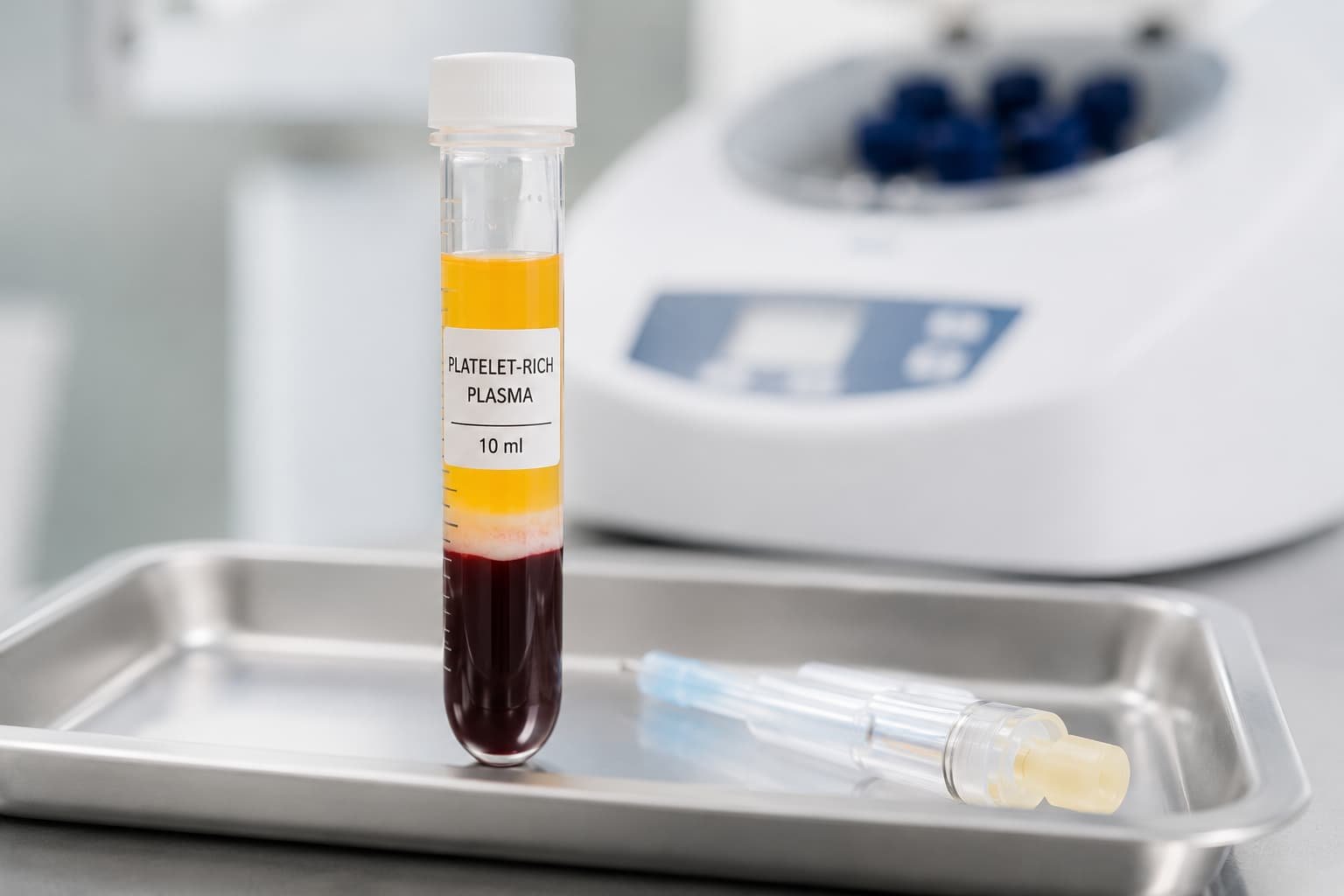
    Weight Management Pathways Alongside PRP Treatment

    Lifestyle and weight management support alongside P shot treatment
    Structured weight management alongside PRP therapy may support more consistent outcomes.

    Men with a raised BMI can access several structured weight management pathways before or alongside PRP-based treatment. NHS Tier 2 programmes offer group-based lifestyle support for adults with a BMI of 30 or above, focusing on diet, physical activity, and behaviour change. Tier 3 services provide more intensive, specialist-led support for men with a BMI of 35 or above alongside additional health conditions. Bariatric surgery remains an option for carefully selected patients with a BMI of 40 or above, or 35 or above with significant comorbidities, following completion of a structured weight management programme. Private clinics offering P shot treatment can complement these pathways by monitoring cardiovascular and metabolic markers relevant to erectile function throughout a patient’s weight loss journey. Combining structured weight management with PRP therapy allows clinicians to track improvement across two connected but distinct treatment goals.

    Consultation Standards Before P Shot Treatment

    A thorough consultation before any P shot procedure should include a detailed medical history, current medication review, and assessment of cardiovascular risk factors. Baseline erectile function scoring using a validated questionnaire, such as the International Index of Erectile Function, allows clinicians to measure treatment response objectively. Recording BMI, blood pressure, and relevant blood tests supports informed discussion about likely outcomes. Patients benefit from understanding that PRP therapy addresses tissue-level factors, while weight, blood glucose, and blood pressure control address the broader vascular environment surrounding erectile function. Clear, balanced communication during consultation reduces the risk of unrealistic expectations following treatment.
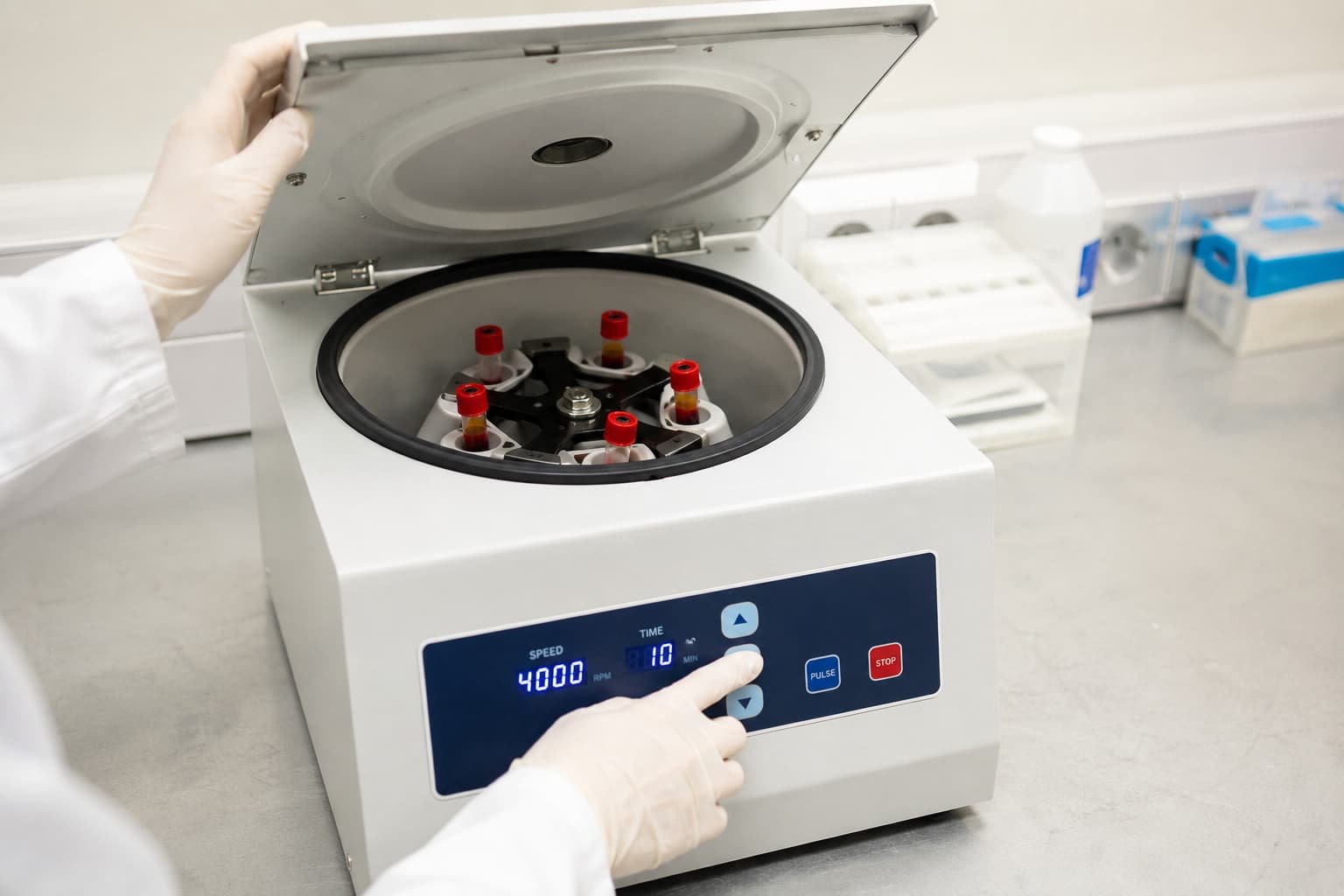
    The Broader Clinical Picture: Combining Approaches for Better Outcomes

    Evidence consistently favours a combined approach over any single intervention when addressing erectile dysfunction linked to excess weight. Men benefit from addressing modifiable risk factors, including diet, physical activity, smoking cessation, and alcohol intake, alongside any injectable therapy under consideration. Clinics offering PRP-based treatment for erectile dysfunction, including pshots clinic uk under the clinical direction of Dr Syed Nadeem Abbas, typically incorporate weight and cardiovascular risk assessment into consultation before treatment begins. Regenerative treatments and weight management address different, complementary aspects of erectile dysfunction rather than substituting for one another.
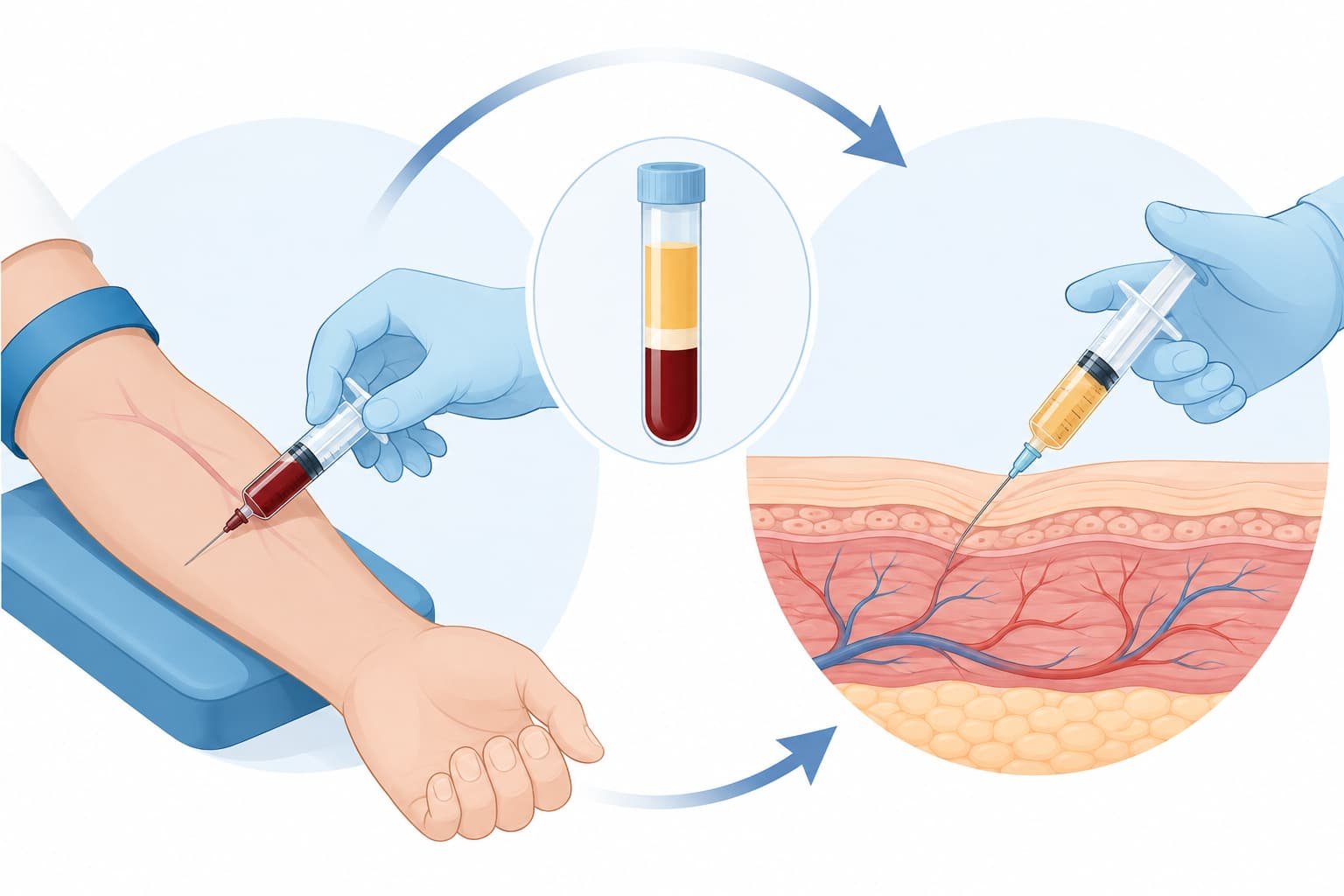
    Frequently Asked Questions

    Does a higher BMI reduce P shot effectiveness?

    Evidence suggests higher BMI correlates with a more modest response to PRP-based regenerative treatments generally, though direct P Shot and Weight Loss trial data remains limited. Weight management alongside treatment may improve overall outcomes.

    Can obese men still receive P shot treatment?

    Obesity itself rarely excludes a patient from p injection therapy. Clinicians assess cardiovascular and metabolic health beforehand to plan treatment safely.

    Does weight loss alone improve erectile dysfunction?

    Randomised controlled trials confirm that weight loss of five to ten per cent of body weight improves erectile function scores in overweight and obese men.

    How many sessions does P shot treatment typically require?

    Most protocols involve a short course of two to three injections spaced weeks apart, though individual clinic protocols vary.

    Is the P shot suitable as a first-line ED treatment?

    Many men try oral medication first. Clinicians often consider PRP therapy when other options prove ineffective or unsuitable.

    Should weight loss happen before or after P shot treatment?

    Clinicians often recommend addressing weight and cardiovascular risk factors alongside PRP treatment rather than delaying care entirely, since both approaches work through different mechanisms and can proceed together under appropriate supervision.

    Does BMI affect the safety of P shot injections?

    Higher BMI can affect needle placement and local anaesthetic dosing, though it rarely prevents treatment outright. A thorough pre-treatment assessment identifies any additional precautions needed for individual patients.

    Key Takeaway

    Evidence connecting BMI with erectile dysfunction remains strong and consistent across multiple large studies. Direct research specifically measuring P Shot and Weight Loss outcomes together remains comparatively sparse, but related PRP evidence across other tissue types suggests higher BMI may reduce, without eliminating, regenerative treatment benefit. Patients researching PRP-based regenerative therapy for ED benefit from combining realistic expectations with attention to modifiable weight-related risk factors. Choosing a qualified practitioner, understanding priapus shot price transparently, and addressing weight through evidence-based methods together support better long-term sexual health outcomes. Given the strength of evidence linking excess weight to erectile function, might addressing weight before or alongside PRP treatment offer better value than pursuing injection therapy in isolation?

    Read more: How Lifestyle Affects P Shot UK Results – Diet, Exercise, and Sleep

    Does Alcohol Affect P Shot Results? What Men Should Know

    P shot treatment London