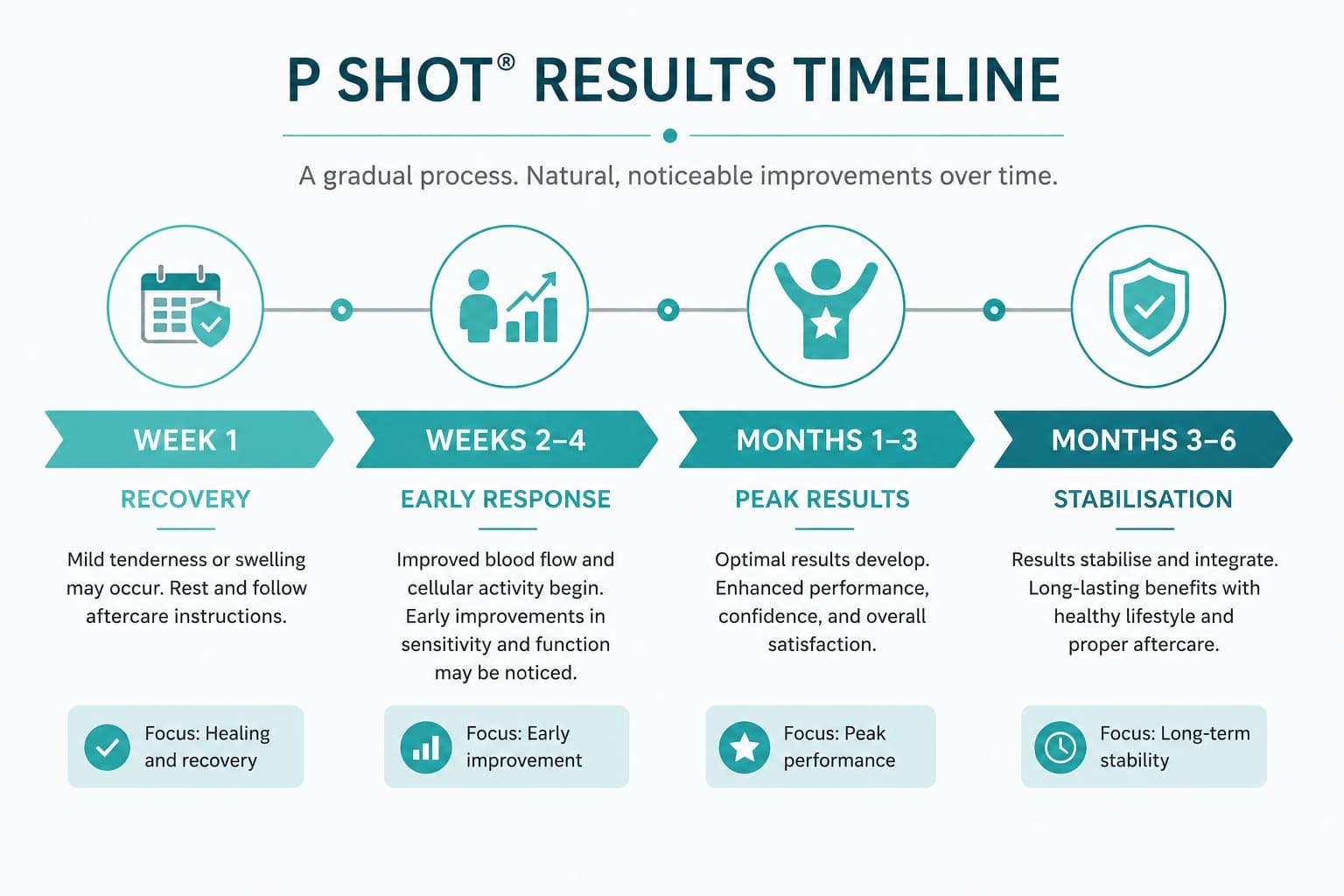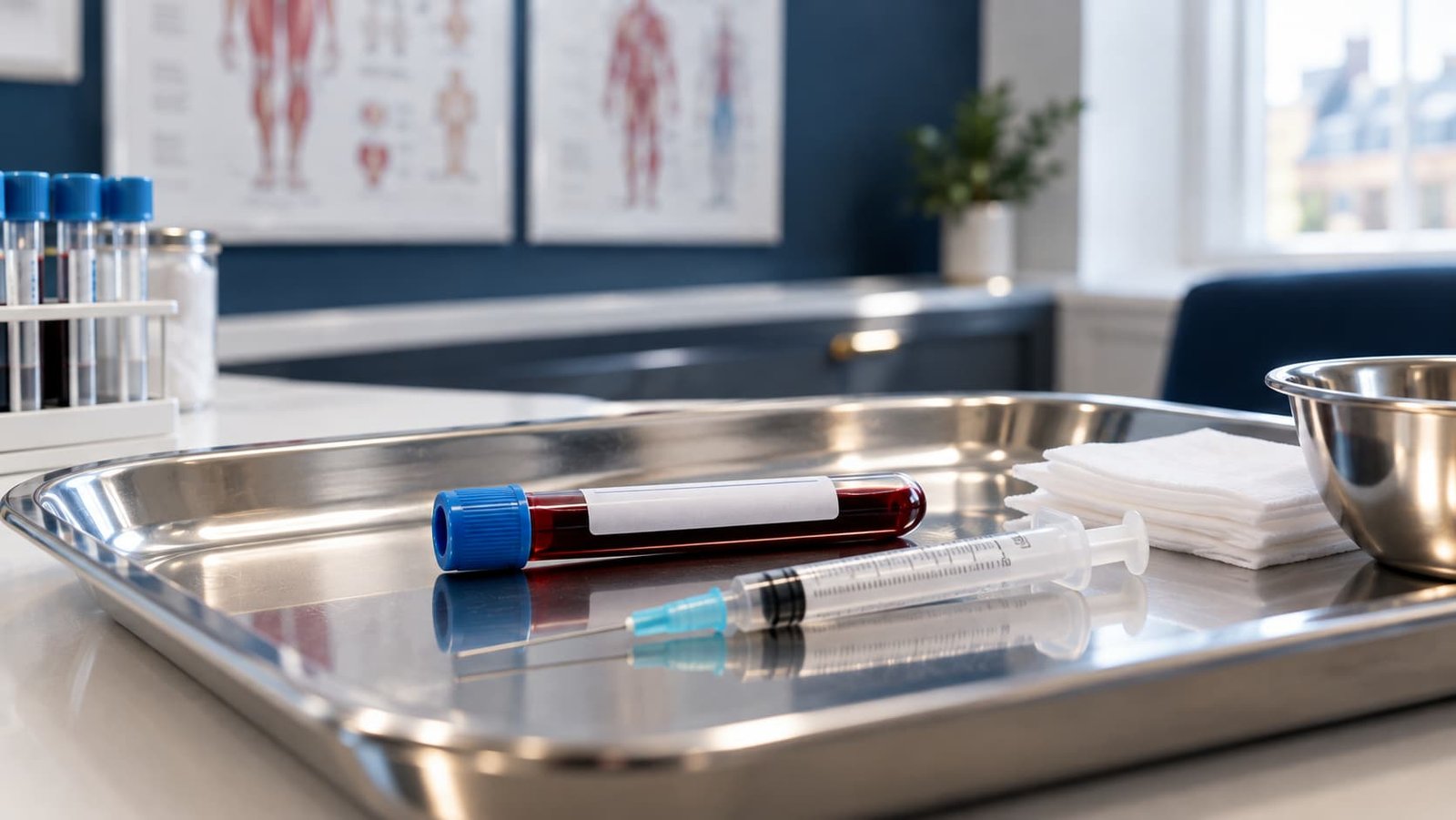
Tag: Priapus shot London

  • P-Shot for Sensitivity vs ED: Does It Work Differently?

    P-Shot for Sensitivity vs ED: Does It Work Differently?

    ✅Medically reviewed | Updated September 2026

    Erectile dysfunction and reduced penile sensitivity often get grouped together in online marketing. Yet the two conditions involve different tissue, different nerves, and different repair processes. Clinics frequently promote the P-Shot as a single solution for both problems. Few explain how platelet-rich plasma actually behaves once injected. This blurring of two distinct clinical pictures leaves many men confused about realistic outcomes. The Priapus Shot, commonly shortened to P-Shot, uses concentrated growth factors drawn from a patient’s own blood. These growth factors encourage tissue repair once injected into targeted areas. Whether that repair mainly targets blood vessels or nerve tissue changes what result a patient should expect.

    This article separates P-Shot for sensitivity from P-Shot for erectile dysfunction. It examines the underlying physiology, the current evidence base, and the practical differences men should understand before booking treatment. Rather than treating both goals as interchangeable marketing terms, the sections below explain where science supports each application. The sections also flag where genuine uncertainty remains. Men researching P shot treatment deserve a clear, evidence-based comparison rather than a single blanket claim.

    Erectile Dysfunction and Reduced Sensitivity Are Separate Conditions

    Erectile dysfunction involves difficulty achieving or maintaining an erection firm enough for intercourse. NHS guidance describes ED as a common condition linked to vascular, hormonal, neurological, and psychological causes. Reduced penile sensitivity describes diminished tactile perception during arousal or intercourse. This can occur independent of erectile rigidity. A man can achieve a full erection while experiencing noticeably reduced sensation. This proves the two represent separate physiological events. Ageing, diabetes, pelvic surgery, prolonged cycling, and certain medications can all reduce sensitivity. None of these need cause ED at the same time. NICE Clinical Knowledge Summaries classify ED largely around vascular and hormonal risk factors. Sensitivity loss more often relates to peripheral nerve function instead. Distinguishing between the two conditions matters. P-Shot for sensitivity targets nerve-rich tissue, while P-Shot treatment for erectile dysfunction targets vascular structures within the corpus cavernosum. Confusing the two goals during consultation risks setting the wrong expectations from the outset.

    Why the Distinction Gets Lost in Marketing

    Many clinic websites list sensitivity and erectile improvement together as generic P-Shot benefits. Few separate the underlying mechanism from the expected outcome. This approach simplifies marketing copy. It leaves patients unable to judge which specific problem the treatment addresses in each individual case.

    What the P-Shot Involves and How It Differs From Filler
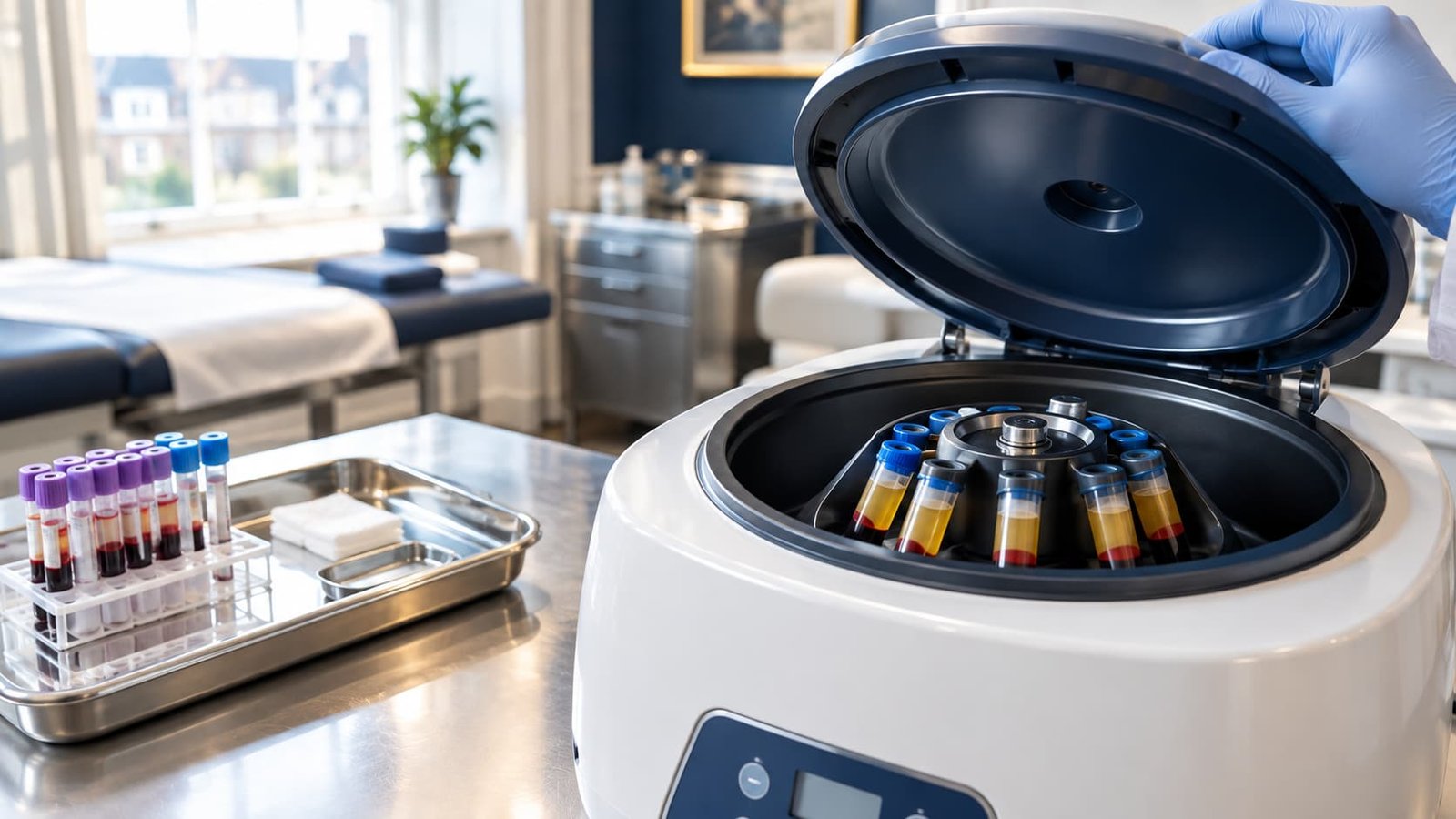
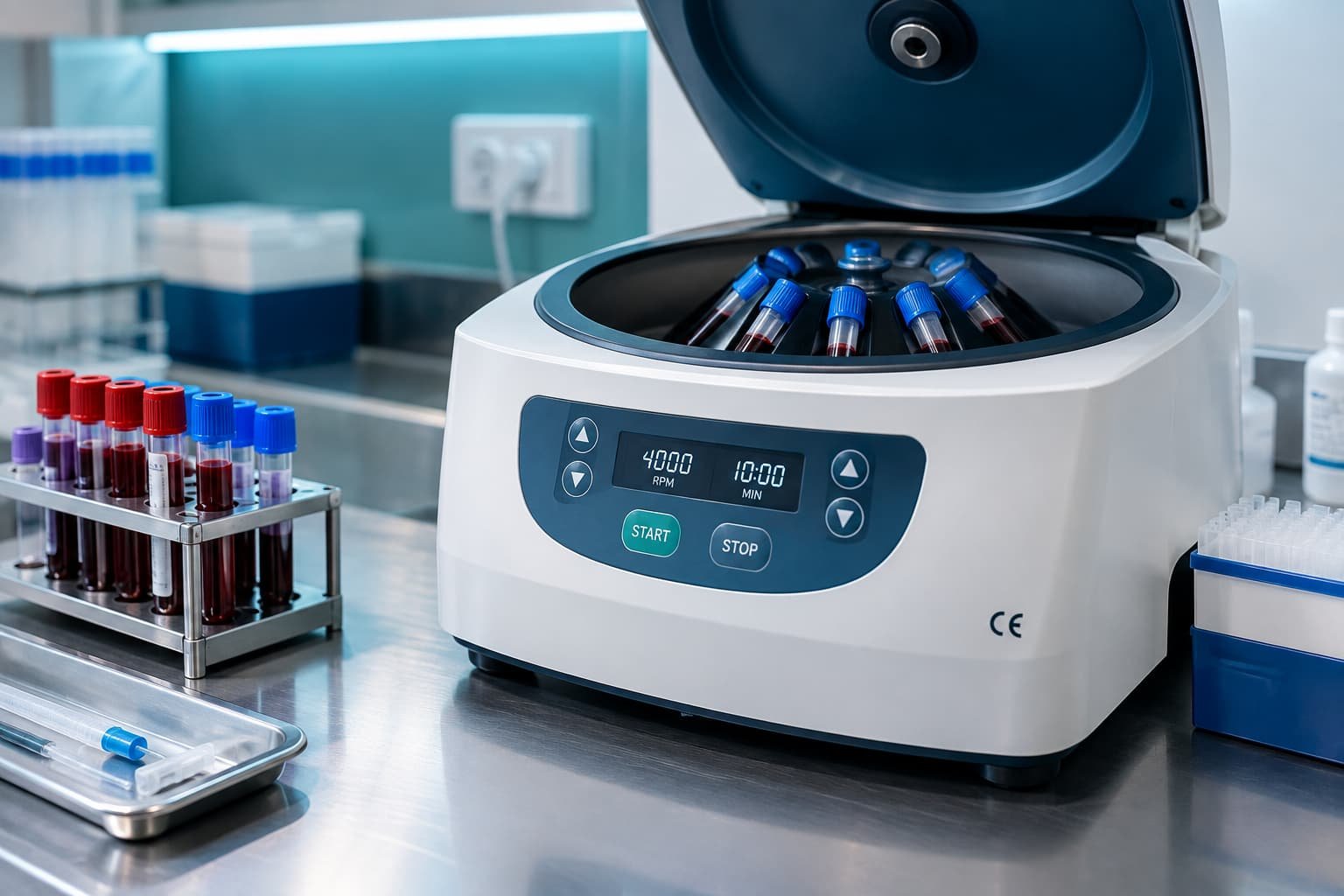
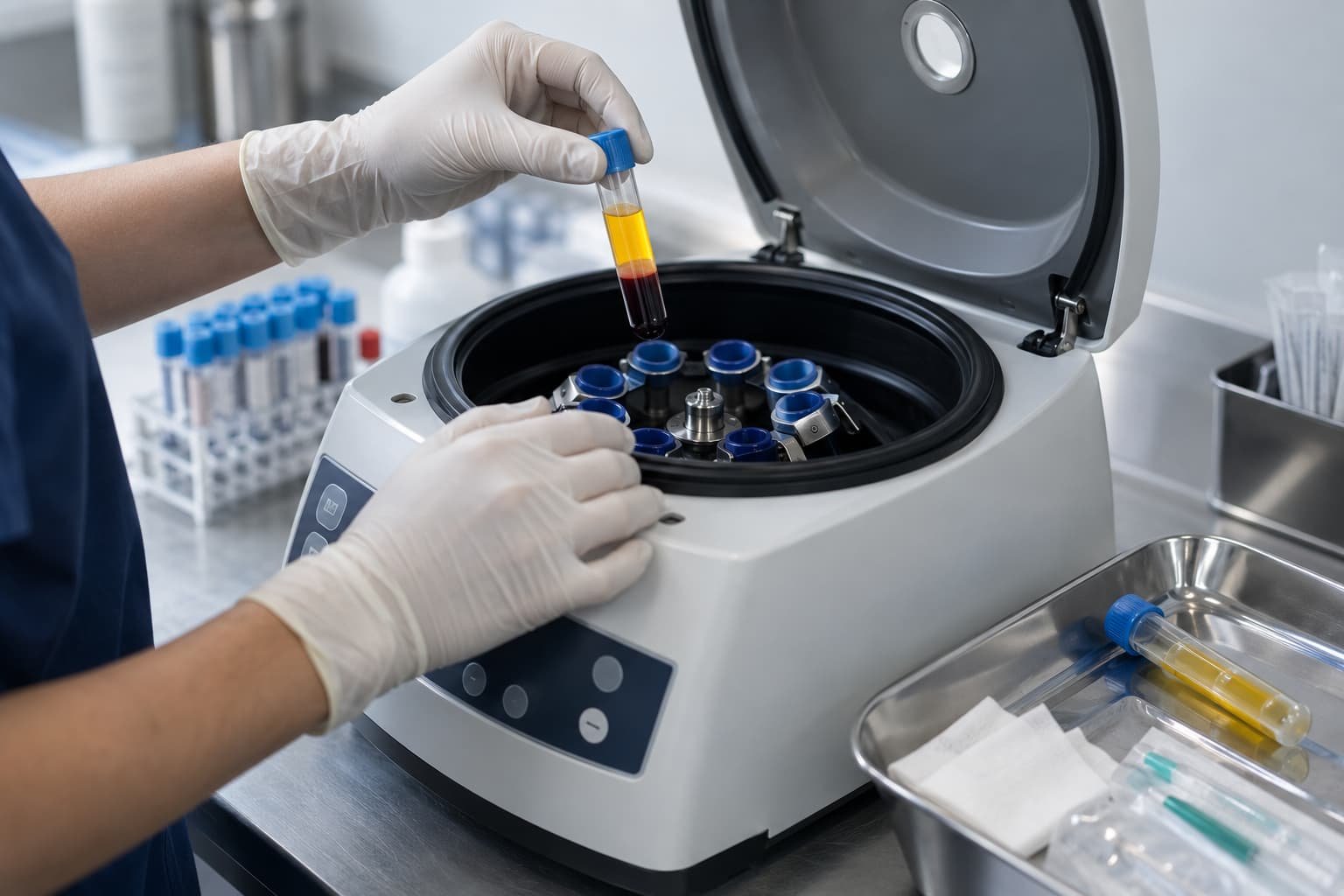
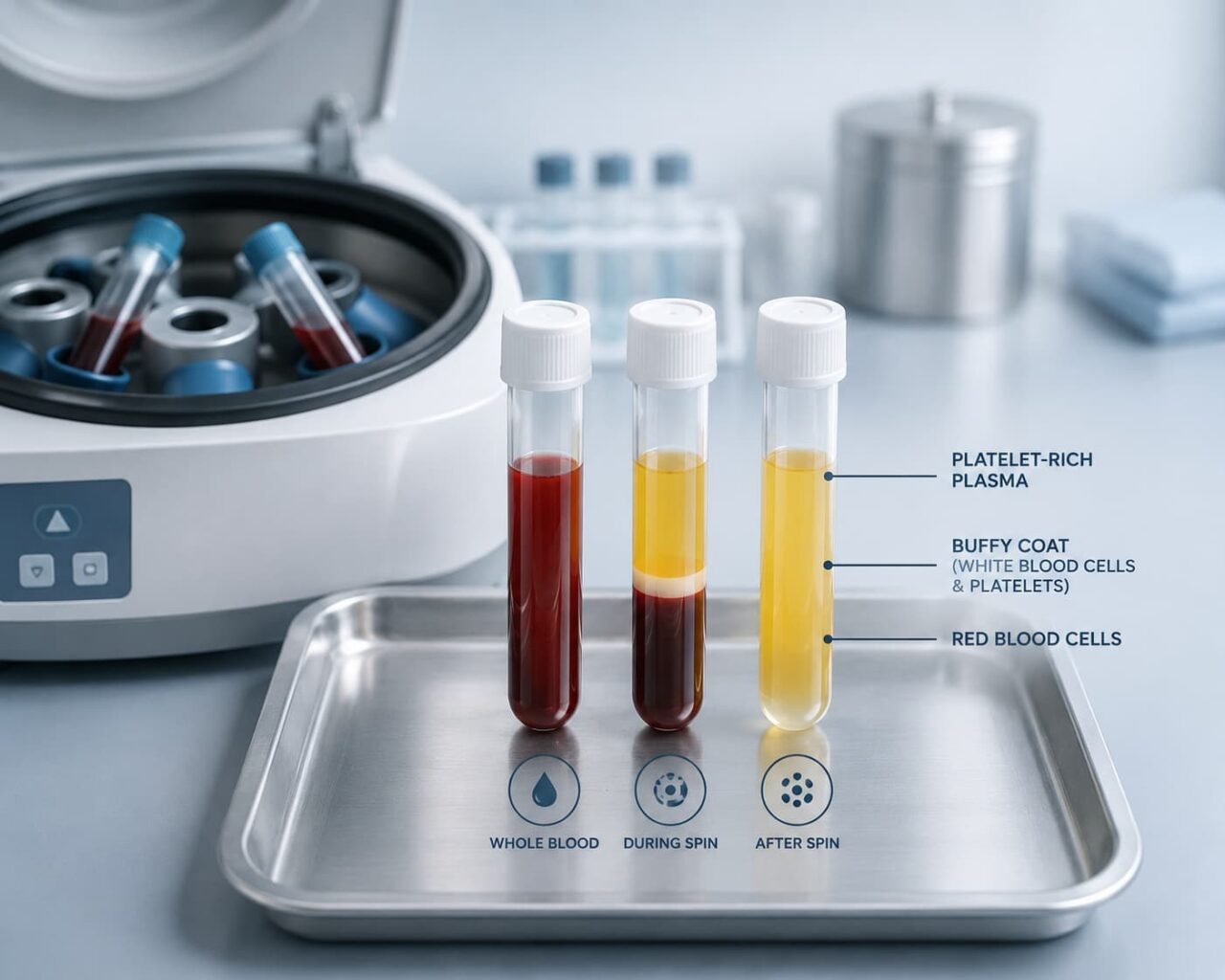
    Centrifuge separating platelet-rich plasma during P-Shot preparation
    A centrifuge concentrates growth factors before injection.

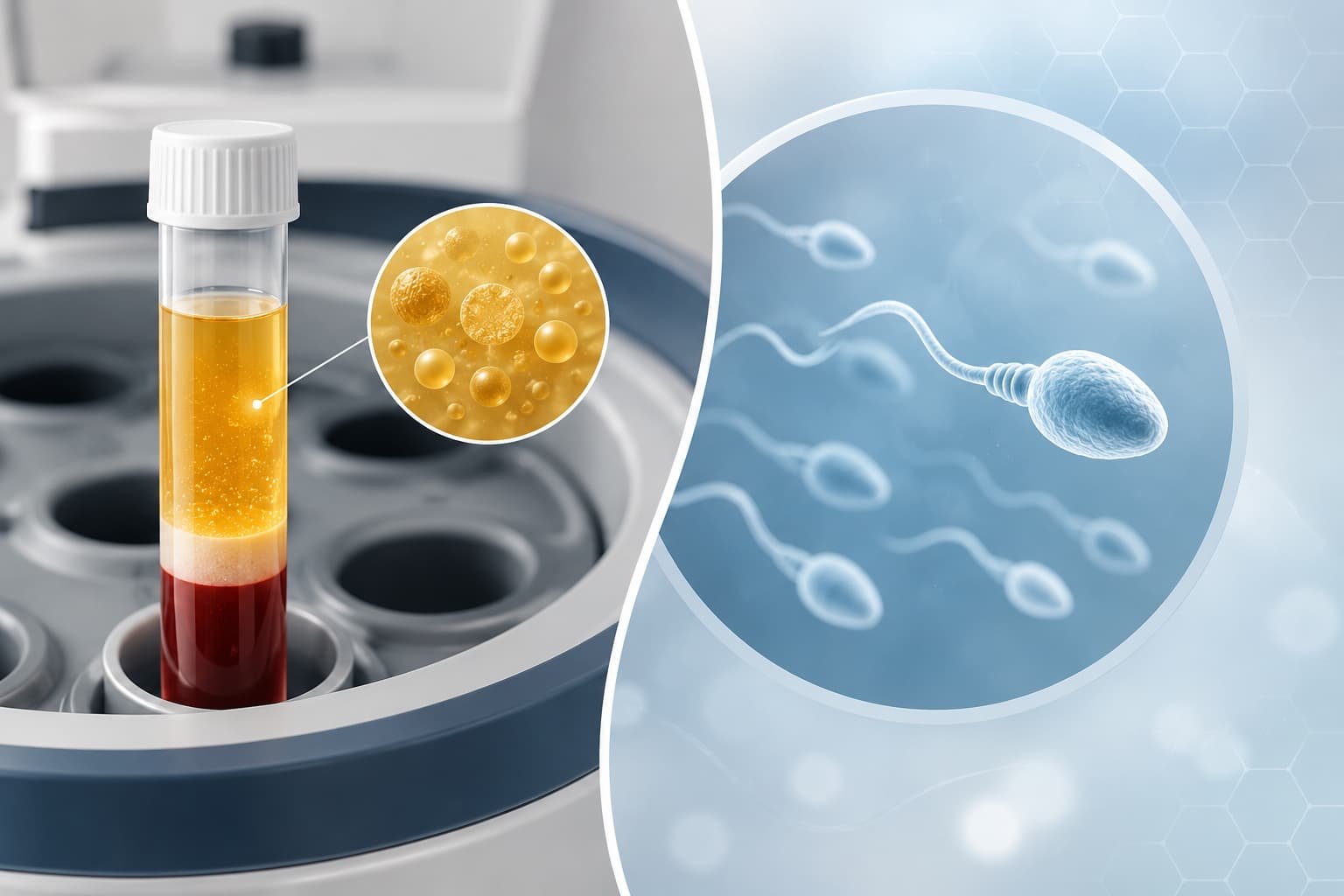
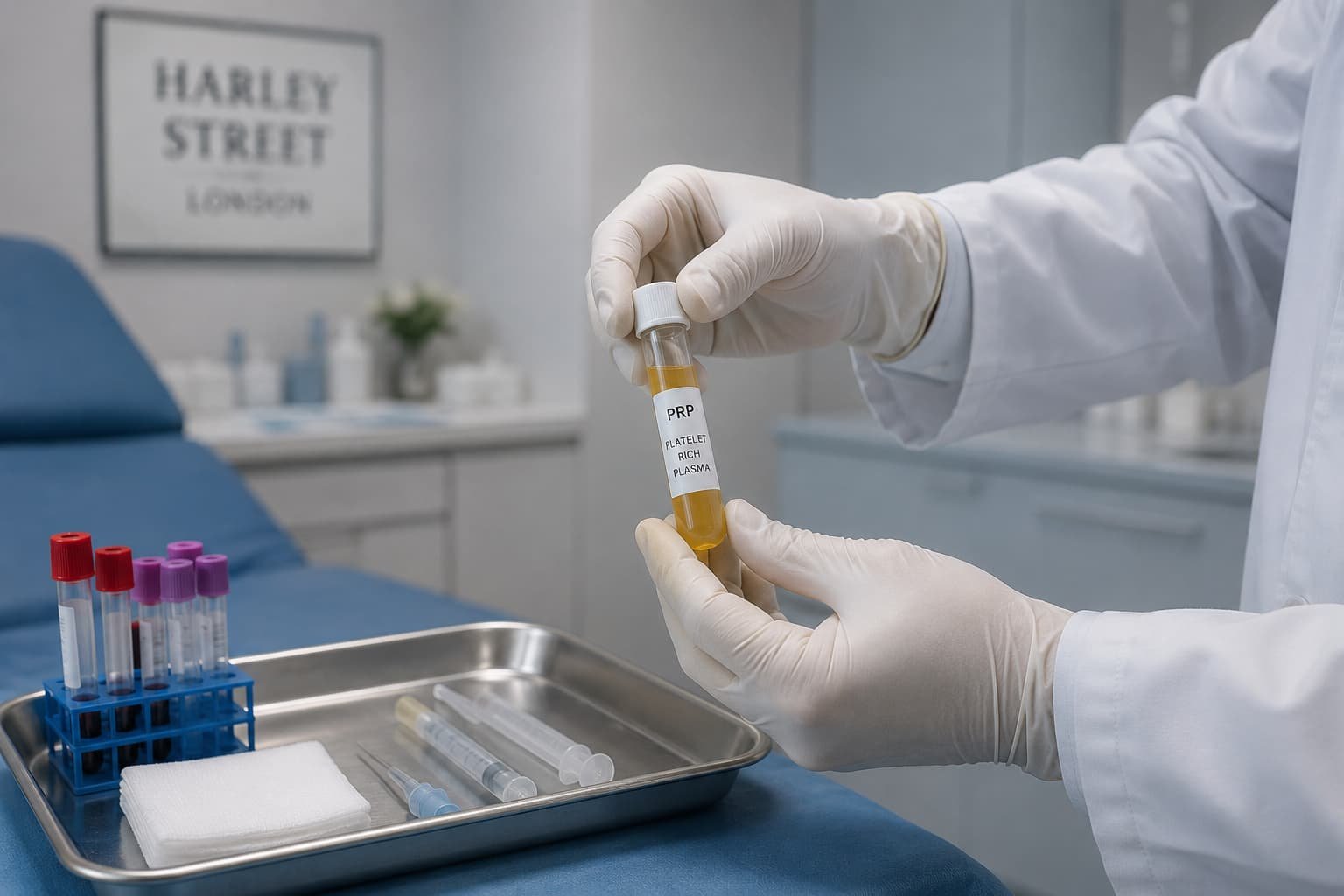
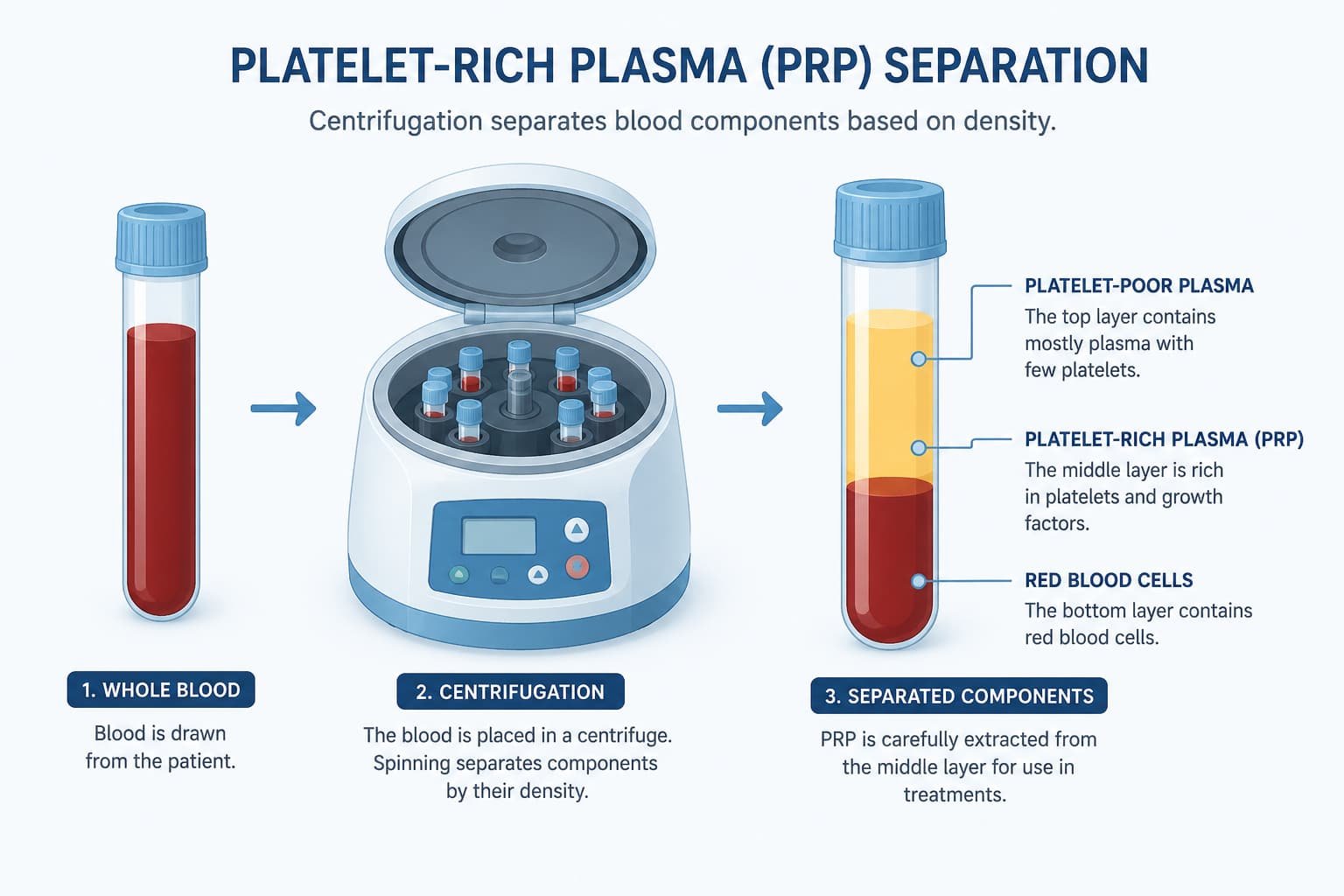
    Clinicians prepare the P-Shot by drawing a small blood sample and spinning it in a centrifuge. This process separates platelet-rich plasma from red blood cells. It concentrates growth factors several times above baseline levels. A trained practitioner then delivers the concentrated PRP as a targeted p injection. The injection targets specific zones of the penile shaft and glans. Clinicians and patients should never confuse the P-Shot with cosmetic penile filler. Filler adds volume using hyaluronic acid rather than stimulating biological repair. PRP contains proteins such as platelet-derived growth factor and vascular endothelial growth factor. Both proteins play a role in tissue regeneration and blood vessel formation. Injection placement, and which tissue layer receives it, influences the likely outcome. Treatment can lean toward improving sensitivity, erectile function, or both together.

    P-Shot for Sensitivity: How the Mechanism Differs

    Sensitivity-focused treatment targets nerve-rich tissue.

    P-Shot for sensitivity relies on a different biological pathway compared with P-Shot treatment for erectile dysfunction. Both use identical PRP preparation, yet the target tissue differs. Practitioners aiming to improve sensitivity typically inject PRP into the glans and surrounding dorsal nerve territory. This area carries a dense network of sensory nerve endings. Growth factors released from platelets appear to support peripheral nerve tissue. Evidence supporting this specific application remains limited compared with vascular research. Some patients report heightened tactile sensation and improved arousal response weeks after treatment. Practitioners attribute this to nerve-tissue support rather than improved blood flow alone. This sensitivity-focused approach lacks dedicated, large-scale UK clinical trials. Most supporting evidence comes from small case series or extrapolation from PRP’s effects elsewhere. Peripheral nerve injury research published in orthopaedic and plastic surgery literature offers some of that supporting context. This evidence gap sets the sensitivity-focused approach apart from the larger trial base surrounding PRP and erectile function. Patients should understand this distinction clearly before setting expectations.

    Nerve Tissue and Growth Factor Activity

    Platelet-derived growth factor and nerve growth factor both appear in PRP. Both play documented roles in peripheral nerve repair within general regenerative medicine literature. Applying this mechanism specifically to penile sensory nerves remains an area of clinical interest. It has not yet reached settled scientific consensus.

    Nerve tissue depends heavily on a steady blood supply and intact signalling pathways. Platelet-derived proteins may influence both factors over time. Practitioners monitor tactile response during follow-up review rather than relying on visual inspection alone. Sensation changes are subjective and vary from one patient to the next. Some clinics extend the treatment course to two sessions spaced several months apart. This happens when initial sensitivity changes prove modest. No formal protocol currently governs this practice across UK providers.

    How the P-Shot Works for Erectile Dysfunction
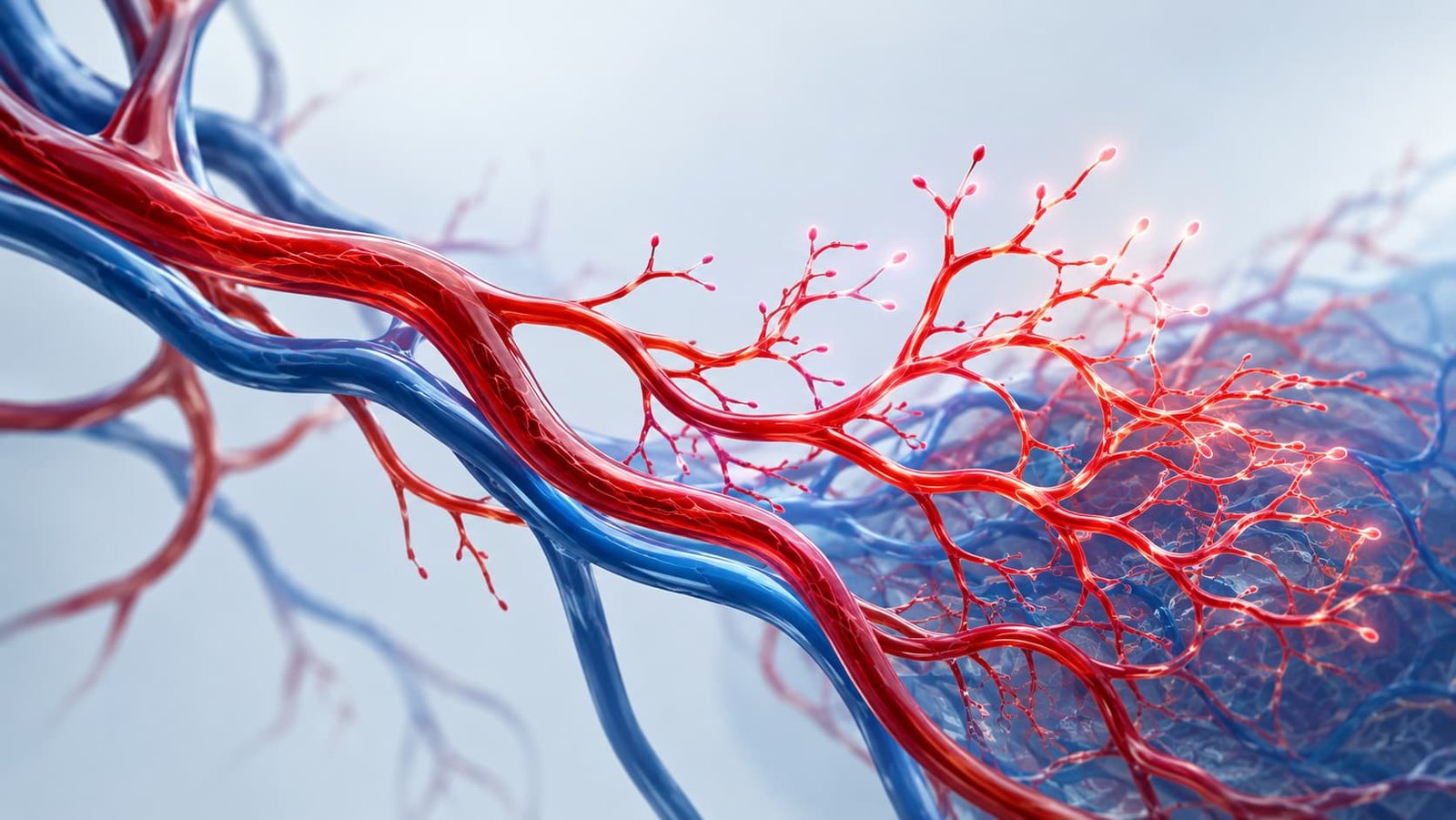
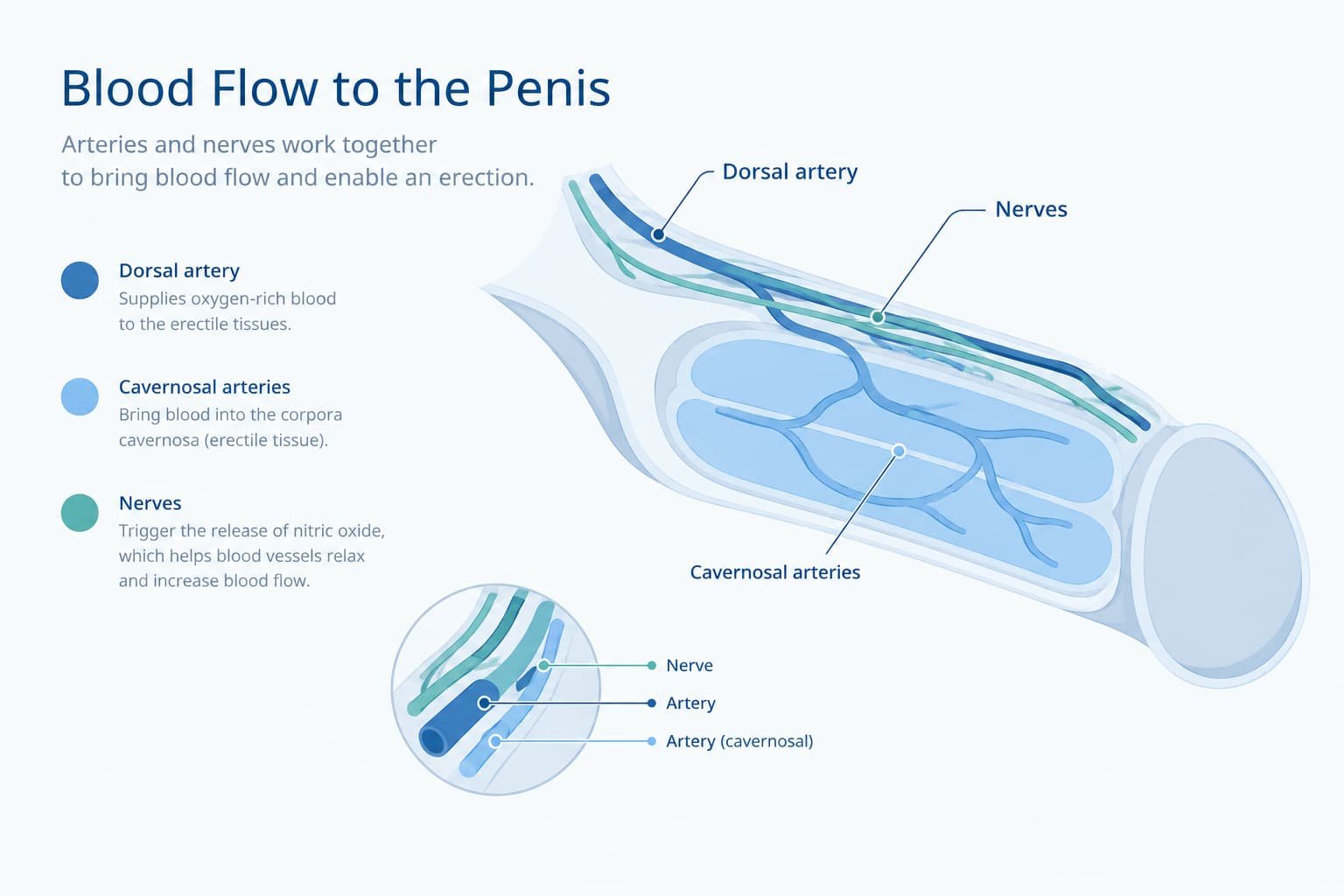
    Vascular illustration representing P-Shot treatment for erectile dysfunction
    Vascular repair, not enlargement, drives improved erectile function.

    P-Shot treatment for erectile dysfunction targets the corpus cavernosum, the paired erectile chambers responsible for penile rigidity. Growth factors from PRP appear to encourage angiogenesis, the formation of new blood vessels. This process also supports repair of existing vascular tissue. Improved blood vessel density inside the erectile chambers may support firmer, longer-lasting erections. Results vary between individuals, and no clinic can guarantee outcomes. Ageing, cardiovascular disease, diabetes, and smoking all damage the microvascular network supplying erectile tissue. PRP aims to address that underlying vascular damage. Oral PDE5 inhibitors instead work by temporarily increasing blood flow.

    The evidence base for PRP and erectile dysfunction remains larger than the evidence base for the sensitivity-focused approach. A randomised controlled trial published in the Journal of Sexual Medicine in 2021 reported improved erectile function scores among men receiving PRP compared with placebo. A separate 2023 trial published in European Urology reported more modest, statistically inconclusive results. This inconsistency means clinicians should present PRP for ED as promising but not definitively proven. Professional bodies classify PRP-based regenerative therapies as emerging rather than established treatments.

    Comparing P-Shot for Sensitivity and P-Shot Treatment for ED

    Injection Site and Technique

    Sensitivity-focused treatment concentrates PRP around the glans and dorsal nerve pathways. ED-focused treatment concentrates PRP within the corpus cavernosum and surrounding vascular tissue. The injection map, not the PRP formulation itself, determines which outcome a patient is more likely to notice.

    Expected Timeline

    Sensitivity changes, when present, tend to emerge gradually over four to eight weeks. Nerve tissue needs this time to respond to growth factor exposure. Erectile function changes may appear within two to three weeks. Fuller results tend to develop over two to three months, as new blood vessels mature and stabilise.

    Strength of Supporting Evidence

    Trial evidence for PRP and erectile function, while mixed, exceeds the evidence available for the sensitivity-focused approach specifically. Sensitivity-related claims rely more heavily on clinical observation and patient-reported outcomes. Controlled trial data for this specific application remains scarce at present.

    Who Might Consider Each Approach

    Candidates for P-Shot for Sensitivity

    Men experiencing reduced tactile sensation after pelvic surgery, prolonged cycling, or ageing-related nerve changes may raise this treatment goal during consultation. Mild peripheral neuropathy is another common trigger for enquiry. Suitability depends on ruling out reversible causes first. Certain medications, alcohol-related nerve effects, and undiagnosed diabetes all need checking beforehand.

    Candidates for P-Shot Treatment for ED

    Men with erectile dysfunction linked to vascular changes sometimes explore this route. Many have tried, or wish to avoid, daily oral medication. Some look for a non-surgical treatment for erectile dysfunction in London instead. Clinicians typically review cardiovascular health, hormone levels, and psychological factors before recommending this option.

    Priapus Shot Price and Typical Treatment Costs

    Priapus shot price in the UK generally ranges between £900 and £1,500 per session. Cost depends on clinic location, practitioner experience, and whether consultation or blood testing sits within the quoted fee. P shot treatment is rarely covered by NHS funding. Both sensitivity-focused and ED-focused PRP applications sit outside routine NHS commissioning. Men researching P shot UK providers should confirm exactly what the quoted priapus shot price includes. Follow-up review appointments, numbing cream, and repeat sessions can all affect the final figure.

    P Shot Before and After: Setting Realistic Expectations

    P shot before and after comparisons circulate widely online. Photographs alone cannot demonstrate changes in sensitivity or erectile rigidity. Photographic evidence captures visible tissue appearance, but says nothing about nerve response or blood flow improvement, the two functional outcomes that matter most. Clinicians recommend judging results through functional assessment and honest patient-reported outcomes. Comparison images sourced online may not represent verified UK cases or match individual anatomy.

    Penile Injection Growth: Addressing a Common Misconception

    Some searches for penile injection growth assume the P-Shot functions primarily as an enlargement procedure. Current evidence does not support this assumption. PRP encourages tissue repair and improved function rather than guaranteed size increase. Responsible clinics present the treatment as a functional therapy, not a growth procedure. Any modest changes in girth some patients report likely relate to improved tissue health rather than genuine enlargement. Clinicians should make this distinction clear during consultation, well before agreeing any p injection.

    Safety Considerations and Treatment Limitations

    PRP-based treatment carries a generally favourable safety profile. Practitioners use the patient’s own blood, which lowers allergic reaction risk considerably. Reported side effects include temporary swelling, bruising, and mild discomfort at the injection site. Men with bleeding disorders, active infection, or certain cancers may not suit this treatment. A thorough medical history remains essential before any session proceeds. Clinicians should never present P-Shot for sensitivity or P-Shot treatment for erectile dysfunction as a guaranteed cure. Individual response varies considerably between patients. NICE guidance on erectile dysfunction management continues to prioritise established first-line treatments. Lifestyle modification and PDE5 inhibitors still come first. Regenerative injectable therapies remain reserved for cases where conventional options prove insufficient or unsuitable.

    What NHS and NICE Guidance Say About Regenerative Injections

    NHS advice on erectile dysfunction directs men toward changes, medication review, and PDE5 inhibitors as first-line management. NICE Clinical Knowledge Summaries do not currently list platelet-rich plasma injections among recommended first-line ED treatments. This reflects the still-developing evidence base. Professional bodies representing sexual medicine specialists publish restorative therapy position statements on this topic. These bodies classify PRP-based approaches as an emerging category rather than a proven standard of care. This classification applies equally to sensitivity-focused applications. Published guidance for that specific goal remains even sparser than for erectile dysfunction. Patients should treat any clinic claim that positions PRP as a guaranteed remedy with appropriate caution. A responsible provider should reference these guideline limitations openly during consultation, rather than glossing over such gaps.

    The Consultation Process Before Treatment

    A thorough consultation should precede any P-Shot session. This applies whether the treatment goal involves sensitivity, erectile function, or both. Clinicians typically review general medical history, current medication, and relevant blood tests first. Screening for diabetes, cardiovascular risk factors, and hormone imbalances helps identify reversible causes. Some of these causes respond better to targeted medical management than to injectable therapy. Men presenting primarily with reduced sensitivity may benefit from nerve conduction assessment. Referral may follow where symptoms suggest a broader neurological cause. This assessment stage protects patients from pursuing PRP treatment unnecessarily. An underlying condition, once properly diagnosed, might resolve symptoms without any injection at all.

    Choosing a Provider for P Shot London Treatment

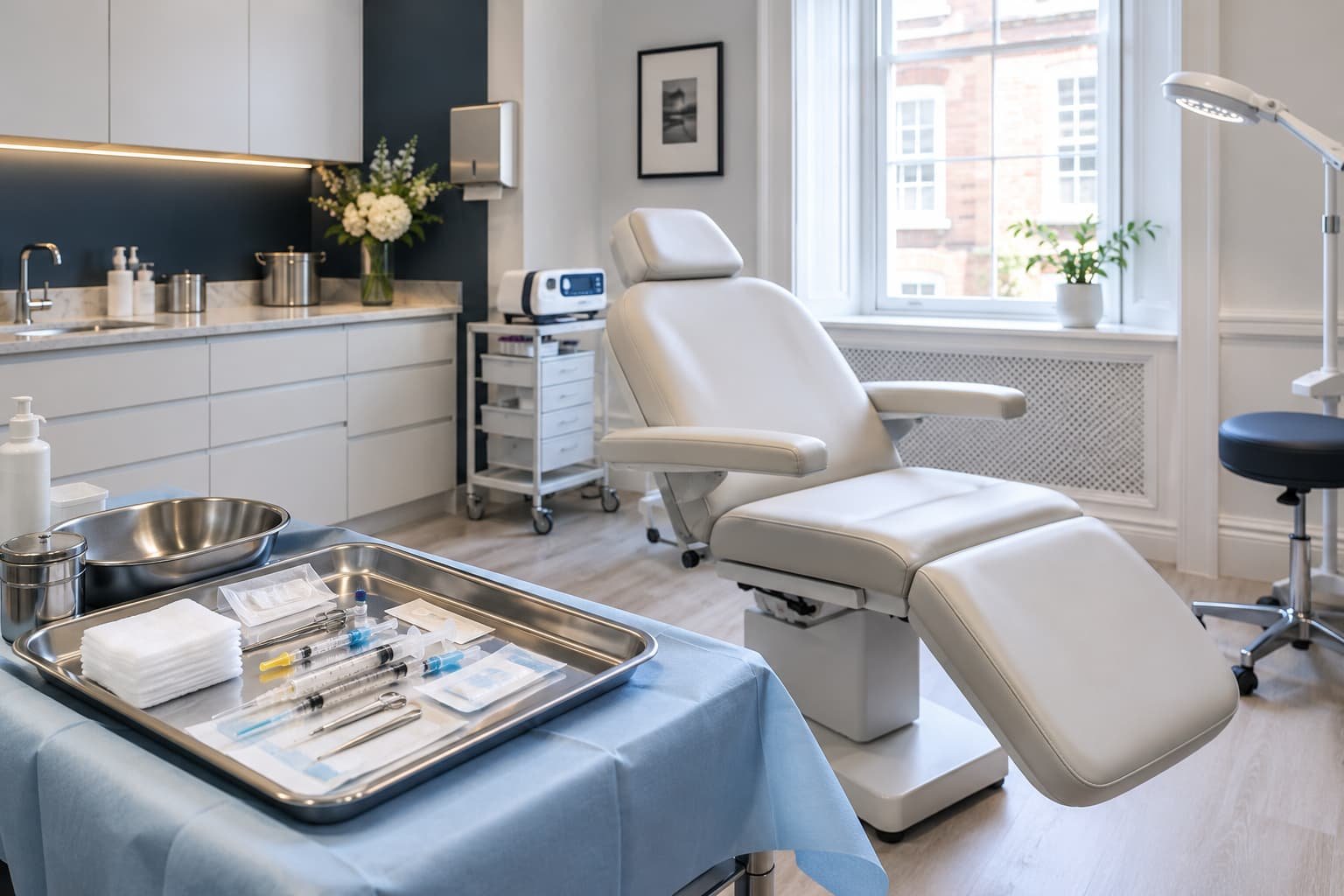
    Private London consultation room for P shot London treatment
    Provider experience matters more than marketing claims.

    Selecting an experienced provider matters more than marketing claims when considering p shot London options. Reputable clinics conduct thorough medical assessment and explain PRP preparation transparently. Setting realistic expectations for both sensitivity and erectile outcomes matters before treatment begins. Pshots clinic uk, a Harley Street clinic, is one example of a UK provider offering P-Shot treatment within a regulated private medical setting. The clinic operates under Dr Syed Nadeem Abbas. Men comparing priapus shot London clinics should verify practitioner qualifications first. Asking directly about PRP preparation methods helps clarify what a session actually involves. Clarity on which specific outcome, sensitivity or erectile function, the proposed treatment plan targets matters most of all.

    Frequently Asked Questions

    Does P-Shot for sensitivity work the same way as P-Shot for erectile dysfunction?

    No. Both use identical PRP preparation, but injection sites and targeted tissue differ. This produces different physiological effects and different expected timelines.

    How long does the sensitivity-focused approach take to show results?

    Reported changes typically emerge within four to eight weeks. Evidence supporting this specific timeline remains limited and largely observational.

    Is P-Shot treatment available on the NHS?

    No. P-Shot treatment, including sensitivity-focused applications, remains available only through private clinics across the UK.

    What is the average priapus shot price in London?

    Prices generally range between £900 and £1,500 per session. Practitioner experience and included aftercare both affect the final cost.

    Can P-Shot treatment cause penile enlargement?

    No robust evidence supports penile injection growth as a primary outcome. Any size changes reported are typically modest and secondary to tissue repair.

    Can both sensitivity and erectile function be treated in the same session?

    Some practitioners combine injection sites within a single session. This approach still requires individual discussion based on assessment findings.

    Key Takeaways

    P-Shot for sensitivity and P-Shot treatment for erectile dysfunction share a common origin in platelet-rich plasma. The two approaches diverge sharply in technique, evidence strength, and expected outcome. Understanding this distinction allows men to approach consultation with realistic, informed questions. No single injection addresses every concern equally. Sensitivity-focused and ED-focused treatment plans require different injection sites and different timelines. Each also carries a different level of supporting evidence. Clinicians should never promise a single outcome in advance. Given current evidence gaps, particularly around sensitivity-specific outcomes, thorough clinical assessment remains essential before any patient proceeds. As PRP research continues to develop, will larger UK-based trials eventually clarify how much of the P-Shot’s reported benefit comes from nerve repair versus vascular repair?

    Read more:P Shot London for Reduced Sensitivity – Restoring What Age Takes Away

    Breaking the Silence: How the P Shot in London Can Help Men Overcome Erectile Dysfunction

    P Shot Treatment London

    Dr Syed Nadeem Abbas, MBBS, MRCSEd, MSc Aesthetic Plastic Surgery (Distinction) Medical Director, Pshot Clinic | CQC Regulated | Monday to Saturday 10:00–18:00 +44 7955 836986
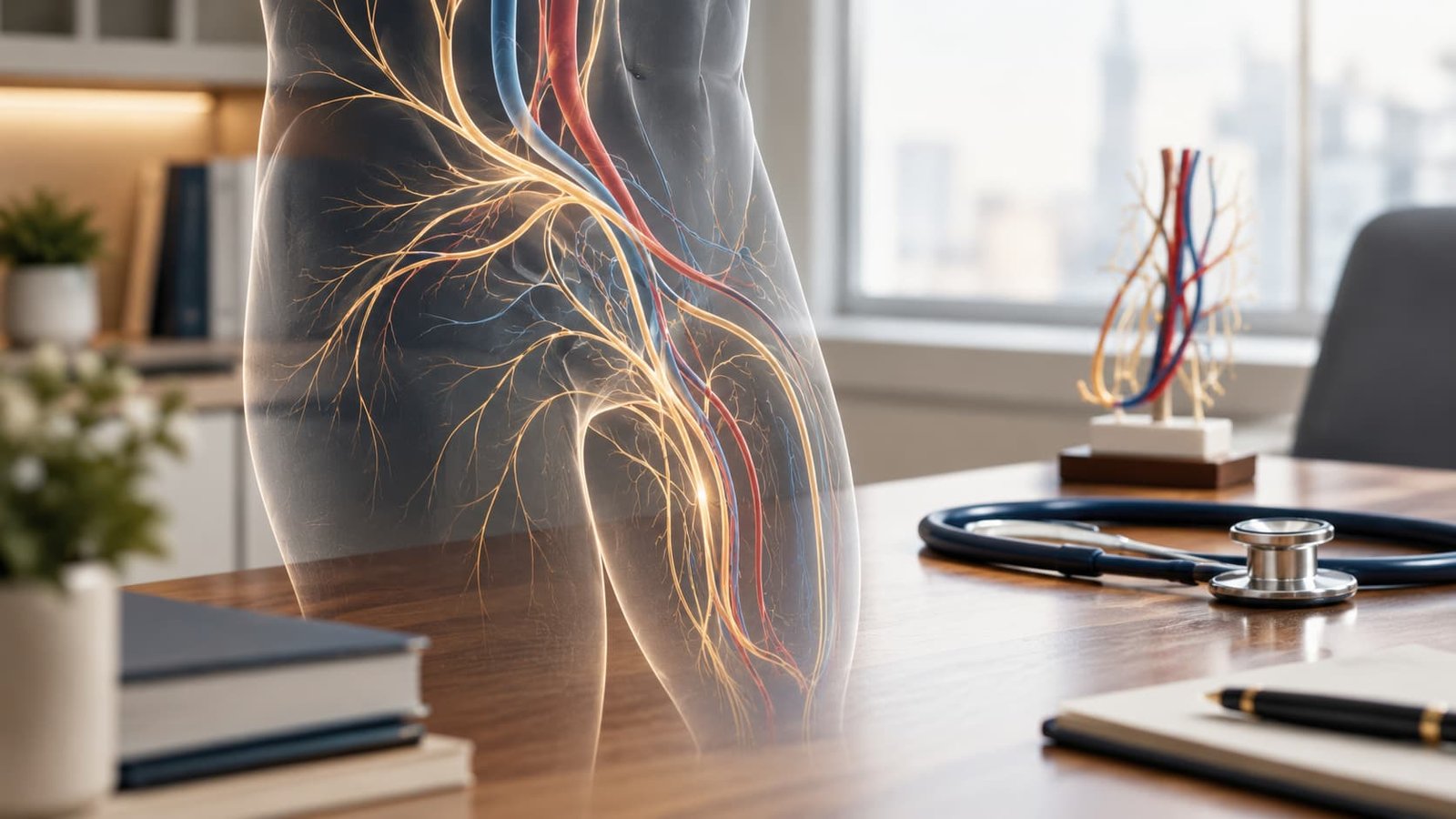

  • Penile Numbness vs Erectile Dysfunction: What’s the Difference?

    Penile Numbness vs Erectile Dysfunction: What’s the Difference?

    ✅Medically reviewed | Updated September 2026

    Penile numbness and erectile dysfunction often arrive together in conversation, yet the two conditions are not the same thing. One concerns feeling. The other concerns function. A man can lose sensation while erections remain firm, or he can maintain full sensation while erections fail entirely. Confusing the two delays proper diagnosis and can push men towards the wrong treatment entirely.

    Sensation and erectile function rely on separate biological systems within the same organ. One depends on nerve signalling. The other depends largely on blood flow. Overlap between the two systems exists, which explains why many men experience both symptoms at once, but overlap does not make the two conditions identical. Treating a nerve-related symptom as though it were a circulatory one, or the reverse, wastes time and delays proper care.

    This article separates reduced sensation from erectile dysfunction, explains the shared and distinct causes behind each, and outlines the evidence-based options available to men in the United Kingdom today. Sources include the NHS, NICE guidance, and peer-reviewed medical literature, so the information reflects current clinical understanding rather than marketing claims. Diagnosis, not assumption, should always guide the next step.

    What Is Penile Numbness?

    The term describes a reduced or absent sense of touch in the penis. Sensation depends on the dorsal nerve, a branch of the pudendal nerve that runs along the shaft. Nerve signals, not blood flow, control this sensation. When those signals weaken or stop reaching the brain, the penis can feel muted, tingly, or completely numb during touch or intercourse.

    Reduced sensation varies in severity. Some men notice muted feeling only during sex. Others report a loss of sensitivity that persists throughout the day, including during ordinary activities such as sitting or walking. Onset can be sudden, following an injury or a long cycling session, or gradual, developing slowly over months or years alongside ageing or an underlying health condition.

    Severity also varies in pattern. Some men describe a patchy loss of feeling across part of the shaft. Others describe a uniform dulling that affects the entire organ equally. A clinician uses this pattern, alongside the speed of onset, to narrow down the likely underlying cause before ordering further tests.

    What Is Erectile Dysfunction?

    The NHS defines erectile dysfunction as a persistent inability to get or keep an erection firm enough for satisfactory sex. Occasional difficulty rarely counts as a medical problem. NICE guidance notes that erectile dysfunction becomes clinically significant when it happens consistently over a period of several weeks or longer.

    Erection quality depends primarily on blood flow into the corpus cavernosum, two cylindrical chambers that run along the length of the penis. Nerve signals still play a role by triggering the vascular response, but the erection itself remains a circulatory event. Erectile dysfunction is fundamentally a blood flow problem, even when nerves are involved.

    Severity ranges widely between patients. Some men experience occasional difficulty maintaining firmness. Others report a complete inability to achieve any erection at all, regardless of stimulation. NICE guidance recommends grading severity during assessment, since mild and severe presentations often respond differently to the same treatment.

    Penile Numbness vs Erectile Dysfunction: The Key Differences

    Sensation vs Function

    Reduced feeling affects what a man notices. Erectile dysfunction affects what the penis physically does. A numb penis can still achieve a full erection through adequate blood flow, and an erection can fail even when sensation remains completely normal. Separating sensation from function is the single most useful distinction a man can make before seeking treatment.

    Different Underlying Mechanisms

    Loss of feeling usually points towards a neurological cause. Nerve compression, nerve damage, or reduced nerve density typically sit behind the symptom. Erectile dysfunction more often points towards a vascular, hormonal, or psychological cause, though neurological damage can contribute to both conditions simultaneously.

    Speed of Onset as a Clue

    Sudden loss of sensation, particularly after an injury, surgery, or cycling session, points strongly towards a mechanical nerve cause. Gradual erectile difficulty developing over months, without any obvious trigger, points more strongly towards vascular narrowing or a hormonal shift. Reviewing timeline alongside symptom type helps a clinician form an early working diagnosis before any tests take place.

    Overlap Between the Two Conditions

    The two symptoms frequently coexist, particularly in older men and men with diabetes. Nerve damage from diabetes can reduce sensation and interfere with the nerve signals that trigger an erection. Ageing reduces nerve density and blood vessel elasticity at the same time, which explains why many men experience both symptoms together rather than in isolation. Recognising this overlap matters, because a single underlying condition, such as diabetes, may require just one course of treatment rather than two separate ones.

    Common Causes of Penile Numbness

    Nerve Compression and Pudendal Neuropathy

    Prolonged pressure on the pudendal nerve reduces sensation over time. Cycling for extended periods on a narrow saddle represents a well-documented cause. Symptoms typically ease once the pressure stops, though persistent cases may require specialist nerve assessment.

    Diabetes and Peripheral Neuropathy

    Diabetes damages small nerve fibres throughout the body, including those supplying the penis. The NHS lists peripheral neuropathy as a recognised diabetes complication. Poor long-term blood sugar control increases the risk of this nerve-related symptom.

    Medication Side Effects

    Certain antidepressants, blood pressure medications, and other prescription drugs list reduced penile sensation as a documented side effect. A GP review of current medication forms a standard first step when numbness develops after starting a new drug. Switching or adjusting a dose sometimes resolves the symptom without any further intervention.

    Ageing and Reduced Nerve Density

    Peripheral nerves lose density and responsiveness with age. This natural decline reduces sensitivity gradually rather than suddenly, and it frequently accompanies other age-related changes in erectile function.

    Psychological Factors

    Chronic stress and anxiety can dampen perceived sensation without any physical nerve damage present. A clinician typically rules out physical causes before considering a psychological explanation for reduced feeling.

    Peyronie’s Disease and Structural Changes

    Peyronie’s disease causes scar tissue to form within the penile shaft, leading to curvature and, in some men, patchy numbness over the affected area. Structural change of this kind requires a specific diagnostic pathway separate from generalised nerve decline, since treatment targets the plaque itself rather than the nerve alone.

    Common Causes of Erectile Dysfunction

    Vascular Causes

    Atherosclerosis narrows the arteries supplying the penis and restricts blood flow during arousal. High blood pressure, high cholesterol, smoking, and obesity all raise the risk of vascular erectile dysfunction. The NHS notes that erectile dysfunction can act as an early warning sign of wider cardiovascular disease.

    Hormonal Causes

    Low testosterone reduces libido and can weaken erectile response. Thyroid dysfunction and other hormonal imbalances contribute less commonly but still warrant blood testing during assessment.

    Psychological Causes

    Performance anxiety, depression, and relationship stress commonly trigger erectile dysfunction in younger men without vascular disease. Psychological erectile dysfunction often develops suddenly and varies depending on the situation or partner.

    Neurological Causes

    Nerve damage from surgery, spinal injury, multiple sclerosis, or diabetes interferes with the signals that trigger the vascular response behind an erection. This category creates the clearest overlap with numbness, since damaged nerves affect both sensation and erectile signalling.

    Lifestyle Risk Factors

    Smoking, excessive alcohol intake, poor sleep, and low physical activity all raise the risk of erectile dysfunction over time. These factors act mainly through vascular damage, though poor sleep quality also disrupts testosterone production. Addressing lifestyle factors early often reduces the severity of later symptoms.

    When Numbness and Erectile Dysfunction Occur Together

    Men reporting both reduced feeling and diminished erectile function require a broader clinical assessment than either symptom alone. A clinician typically checks blood glucose, testosterone levels, blood pressure, and cardiovascular risk factors. Nerve conduction studies may follow if initial results appear normal. Treating one symptom without investigating the other risks missing a shared underlying cause, such as undiagnosed diabetes.

    Diabetic men illustrate this overlap clearly. Elevated blood sugar over several years damages small nerve fibres throughout the body, including those supplying the penis, while simultaneously damaging the blood vessels responsible for erectile blood flow. A man presenting with both symptoms therefore benefits from diabetes screening as a routine part of assessment, even without a prior diagnosis.

    Diagnosing Penile Numbness and Erectile Dysfunction

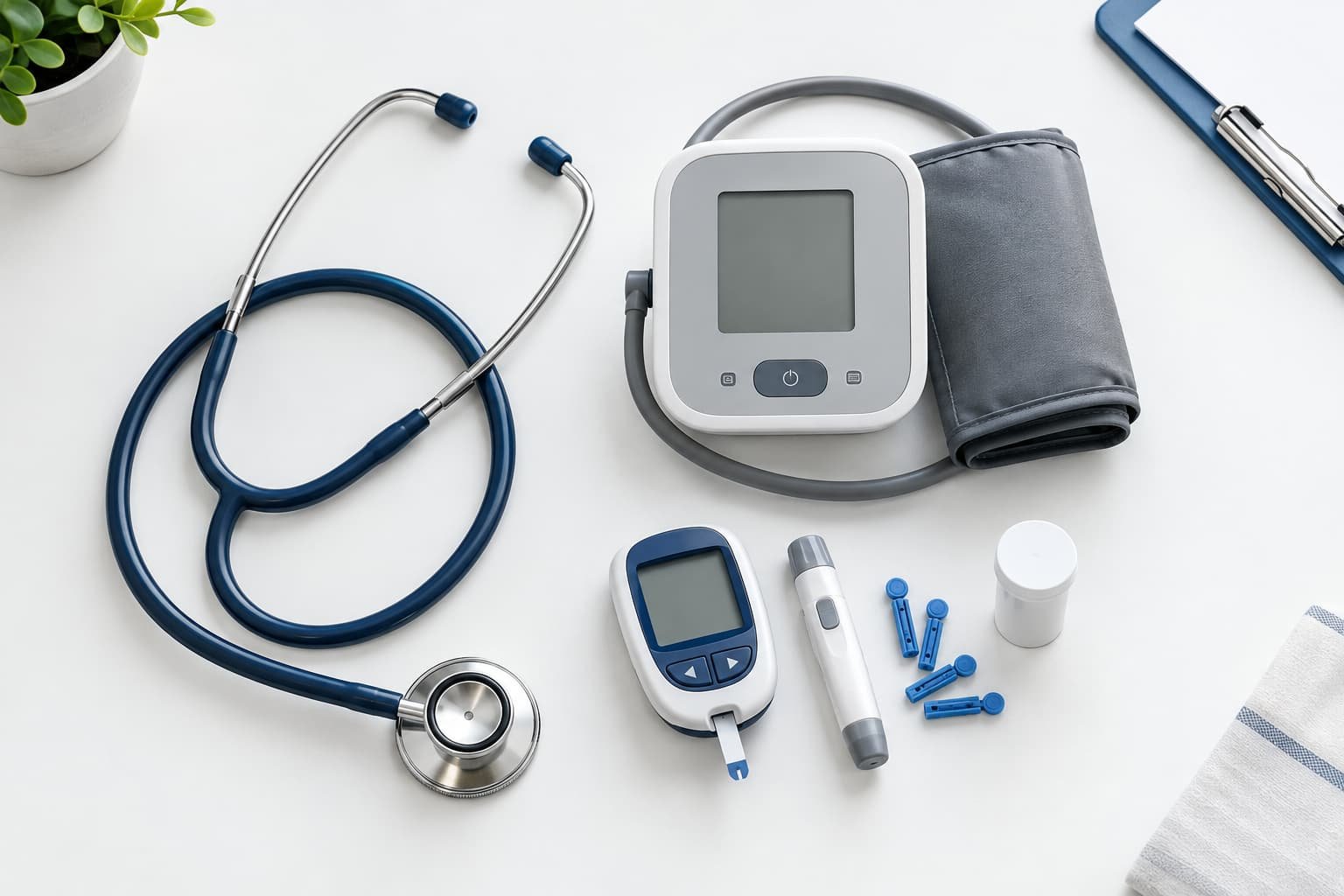
    Clinical consultation setting for diagnosing penile numbness and erectile dysfunction
    A structured diagnostic pathway distinguishes neurological causes from vascular ones.

    Clinical History and Physical Examination

    A thorough history covers onset, duration, medication use, lifestyle factors, and any recent injury or surgery. Physical examination checks for structural abnormalities, including Peyronie’s disease, which can cause both curvature and reduced sensation.

    Blood Tests and Hormonal Assessment

    Standard blood tests measure testosterone, blood glucose, and cholesterol. These results help distinguish hormonal or vascular causes from purely neurological ones.

    Vascular and Nerve Function Tests

    Doppler ultrasound assesses blood flow into the penis during arousal. Nerve conduction studies measure how efficiently signals travel along the pudendal nerve. NICE guidance recommends a structured diagnostic pathway before starting any treatment for either condition.

    Referral to a Specialist

    A GP typically manages initial assessment and straightforward cases. Complex presentations, including persistent numbness after surgery or erectile dysfunction unresponsive to first-line medication, usually warrant referral to a urologist or a specialist men’s health clinic. Specialist review often includes more detailed vascular imaging and, where appropriate, nerve conduction testing unavailable in general practice.

    Treatment Options for Penile Numbness and Erectile Dysfunction

    Treatment depends entirely on the underlying cause identified during assessment. No single option suits every man, and a proper diagnosis always precedes any procedure.

    Non-Surgical Treatment for Erectile Dysfunction in London

    Private clinics across London offer a range of non-surgical treatment for erectile dysfunction in London, including oral medication, vacuum devices, shockwave therapy, and platelet-rich plasma injections. Each option carries different evidence levels, costs, and suitability criteria, and a qualified clinician should guide the choice.

    The P Shot Treatment Explained

    Private clinic treatment room used for PRP-based P shot procedures in London
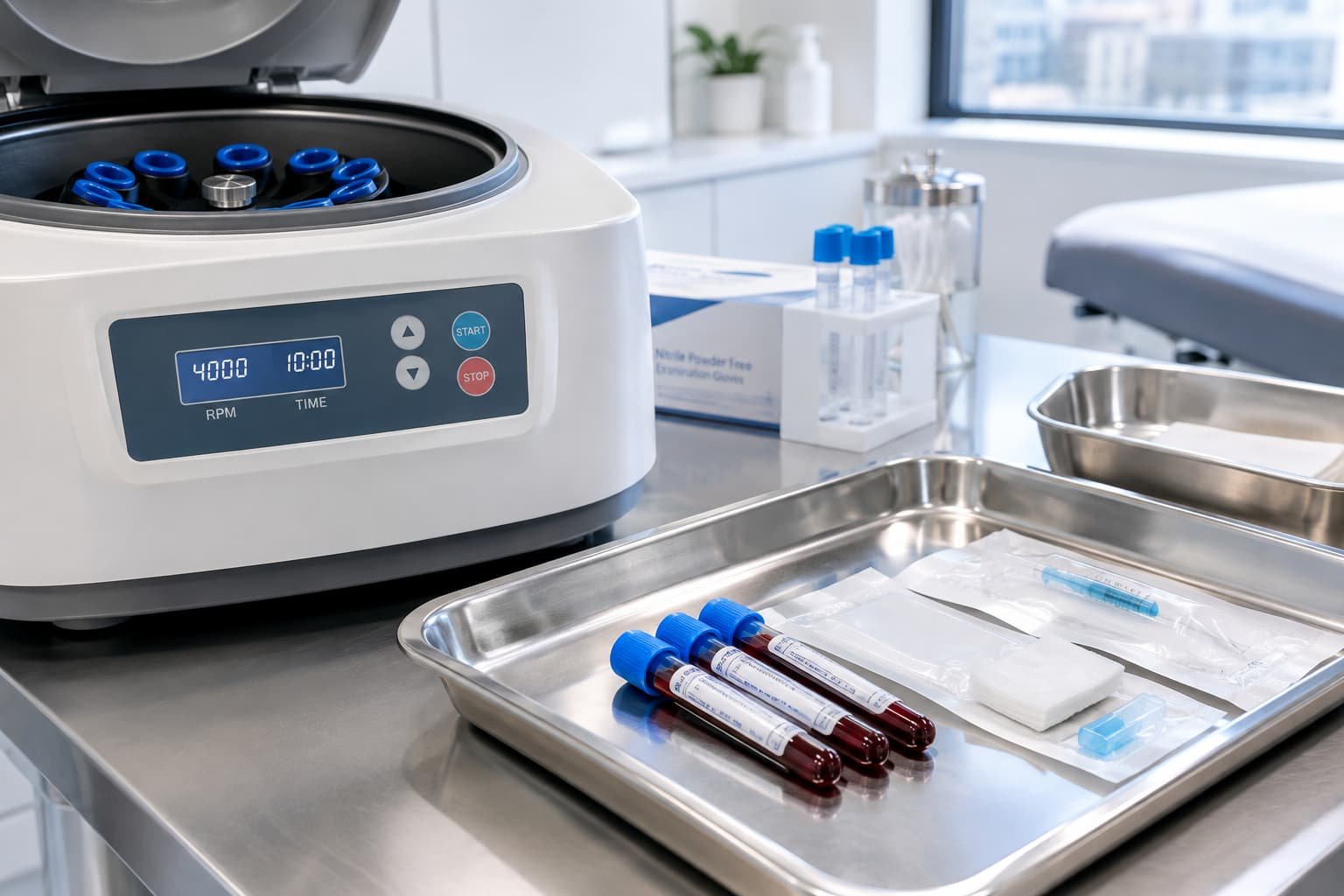
    PRP processing takes place in a medical-grade centrifuge before injection.

    The P shot, also known as the Priapus shot, is a PRP-based p injection that some clinicians use for reduced penile sensitivity and mild-to-moderate erectile dysfunction. The procedure draws a small blood sample, concentrates the platelets through centrifugation, and delivers the plasma back into penile tissue through several small injections.

    Growth factors within the plasma may support tissue repair, new blood vessel formation, and, in some cases, nerve regeneration. Penile injection growth from PRP tends to be modest rather than dramatic, and current evidence remains limited to small studies and case series rather than large randomised trials.

    Private clinics such as pshots clinic uk, a Marylebone-based clinic led by Dr Syed Nadeem Abbas, offer P shot treatment alongside other men’s health procedures. Priapus shot price in the UK typically starts from around £1,250 per session, depending on the clinic and whether shockwave therapy accompanies the injection. P shot before and after comparisons circulating online vary considerably in quality, and verified, consented clinical images offer far more reliable evidence than casual social media posts.

    Men researching P shot London or Priapus shot London providers should confirm that any clinic holds appropriate CQC regulation and that a GMC-registered doctor performs the assessment and procedure. P shot UK availability has expanded in recent years, though regulation and quality still vary between providers.

    The Evidence Base for PRP in Sexual Medicine

    A 2019 study published in the Journal of Sexual Medicine found that intracavernosal PRP injections showed promise for men with mild-to-moderate erectile dysfunction. A 2021 systematic review in Sexual Medicine Reviews reached a similarly cautious conclusion, noting encouraging early results alongside a clear need for larger randomised controlled trials. NICE has not yet issued a specific technology appraisal covering PRP for sexual dysfunction, and current guidance treats the approach as an emerging option rather than an established first-line treatment. Patients considering p injection procedures should weigh this evolving evidence base against more established options before deciding.

    Lifestyle and Medical Management

    Improving cardiovascular health through exercise, smoking cessation, and better blood sugar control benefits both erectile function and long-term nerve health. Reviewing medication with a GP can resolve numbness or dysfunction linked to specific drugs without further intervention.

    Realistic Expectations and Limitations

    No treatment for reduced sensation or erectile dysfunction guarantees a specific outcome. PRP-based p injection procedures, including the P shot, show encouraging results in early research, particularly for men with mild-to-moderate symptoms. Severe vascular disease, advanced nerve damage, or untreated diabetes reduce the likelihood of significant improvement from any single intervention. A candid discussion of limitations should precede every treatment decision, and no reputable clinician should promise a cure without a full clinical assessment first.

    When to See a Doctor

    Sudden loss of sensation following an injury, persistent numbness lasting several weeks, or numbness combined with urinary symptoms all warrant prompt medical review. Erectile dysfunction lasting more than a few weeks also justifies a GP appointment, particularly given its established link to cardiovascular disease. Early assessment identifies treatable causes before symptoms become harder to reverse.

    Frequently Asked Questions

    Can penile numbness happen without erectile dysfunction?

    Yes. Sensation and erectile function rely on different mechanisms, so numbness can occur while erections remain completely normal.

    Does erectile dysfunction always involve numbness?

    No. Most cases of erectile dysfunction involve no change in sensation at all, particularly when the cause is vascular or psychological rather than neurological.

    What is the most common cause of reduced penile sensation?

    Nerve compression from prolonged pressure, ageing-related nerve decline, and diabetes rank among the most frequently reported causes.

    Is the P shot suitable for reduced sensation alone?

    Some clinicians offer P shot treatment for reduced sensitivity without accompanying erectile dysfunction, though evidence remains limited and a consultation should confirm suitability first.

    How much does a P shot cost in the UK?

    Priapus shot price varies by clinic and protocol, typically starting from approximately £1,250 per session in private London clinics.

    Should loss of sensation ever be ignored?

    No. Persistent or worsening numbness should always prompt a GP or specialist review, since it can signal an underlying condition requiring separate treatment.

    Key Takeaways

    Penile numbness and erectile dysfunction describe two distinct clinical problems that frequently intersect but never automatically imply one another. Recognising the difference between lost sensation and lost function supports faster, more accurate diagnosis and steers men towards appropriate care rather than guesswork. Evidence-based assessment, not assumption, should guide every treatment decision involving either symptom. Given how closely nerve health and vascular health interact within the same organ, how confident can any man truly be that his numbness or his dysfunction has only one cause?

    Read more:

    P Shot London for Reduced Sensitivity – Restoring What Age Takes Away

    P Shot London – What You Need to Know Before Treatment

    P Shot Treatment London

    Dr Syed Nadeem Abbas, MBBS, MRCSEd, MSc Aesthetic Plastic Surgery (Distinction) Medical Director, Pshot Clinic | CQC Regulated | Monday to Saturday 10:00–18:00 +44 7955 836986 

  • Common Questions About Erectile Dysfunction: What Doctors Hear Most Often

    Common Questions About Erectile Dysfunction: What Doctors Hear Most Often

    ✅Medically reviewed | Updated September 2026

    Erectile dysfunction remains one of the most common reasons men book a private consultation. Many men still hesitate to raise the topic openly. Silence around the condition often causes more distress than the condition itself. Doctors across general practice and specialist clinics hear the same recurring questions about erectile dysfunction. These patterns repeat from London teaching hospitals to Harley Street practices. This article addresses the questions about erectile dysfunction that clinicians hear most often. Coverage includes causes, diagnosis, established medical treatments, and newer non-surgical approaches. Information here draws on NHS guidance, NICE clinical knowledge summaries, and peer-reviewed research. Private clinics increasingly supplement NHS pathways for time-pressed patients. Both routes of care share the same underlying clinical evidence base. No single treatment suits every patient, and outcomes vary between individuals. This overview stays evidence-based rather than promotional. Readers can use it to prepare informed questions before a doctor’s appointment.

    Understanding Erectile Dysfunction: The Basics

    What Is Erectile Dysfunction?

    Erectile dysfunction means persistent difficulty achieving or maintaining an erection. The erection must be firm enough for satisfactory sexual activity. Occasional difficulty happens to most men and rarely signals a problem. A pattern lasting three months or more usually needs assessment. NICE clinical knowledge summaries use this three-month threshold as a working definition. A single difficult episode does not amount to a diagnosis.

    Does Erectile Dysfunction Ever Resolve on Its Own?

    Mild, stress-related episodes sometimes resolve without formal treatment. Removing a triggering factor, such as acute stress, can restore normal function. Chronic or worsening symptoms rarely resolve without addressing the underlying cause. Self-resolution should not replace proper medical assessment. Assuming symptoms will disappear alone risks delaying diagnosis of a treatable condition.

    How Common Is Erectile Dysfunction in the UK?

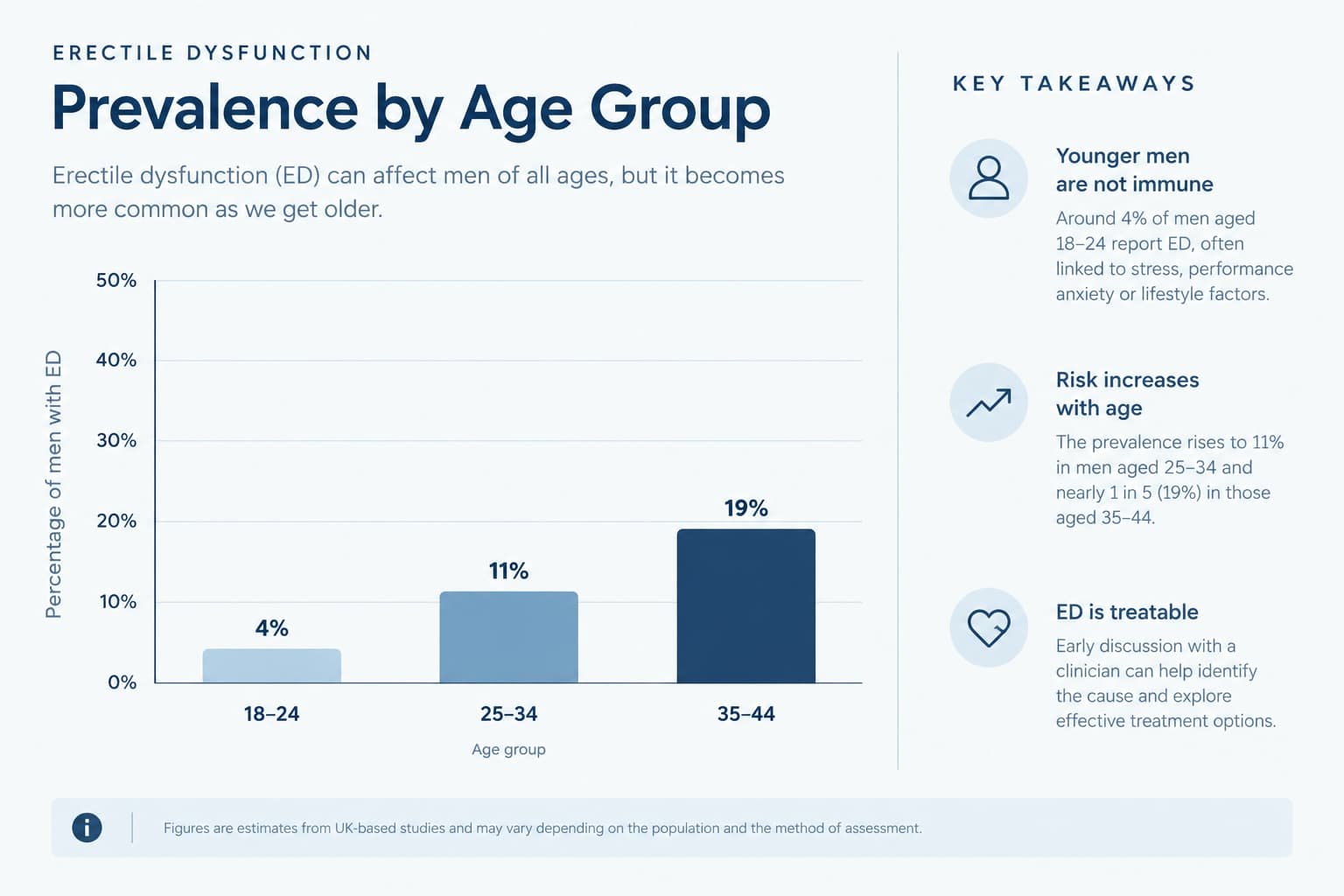
    Erectile dysfunction affects a large share of UK men. NHS estimates suggest around half of men aged 40 to 70 experience some erectile difficulty. Prevalence rises steadily with age. Younger men increasingly report symptoms too, often linked to stress or lifestyle factors. Age alone does not determine risk, since cardiovascular health plays an equally significant role. Rising rates among younger men reflect broader lifestyle and mental health trends.

    What Effect Does Erectile Dysfunction Have on Wellbeing?

    Erectile dysfunction often affects confidence and general wellbeing. Research links the condition to lower self-esteem and relationship strain. Anxiety about performance can worsen symptoms over time, creating a difficult cycle. Addressing the psychological impact matters as much as treating the physical cause. Support from a partner or counsellor often improves overall treatment outcomes.

    Questions About Erectile Dysfunction: Causes and Diagnosis

    What Causes Erectile Dysfunction?

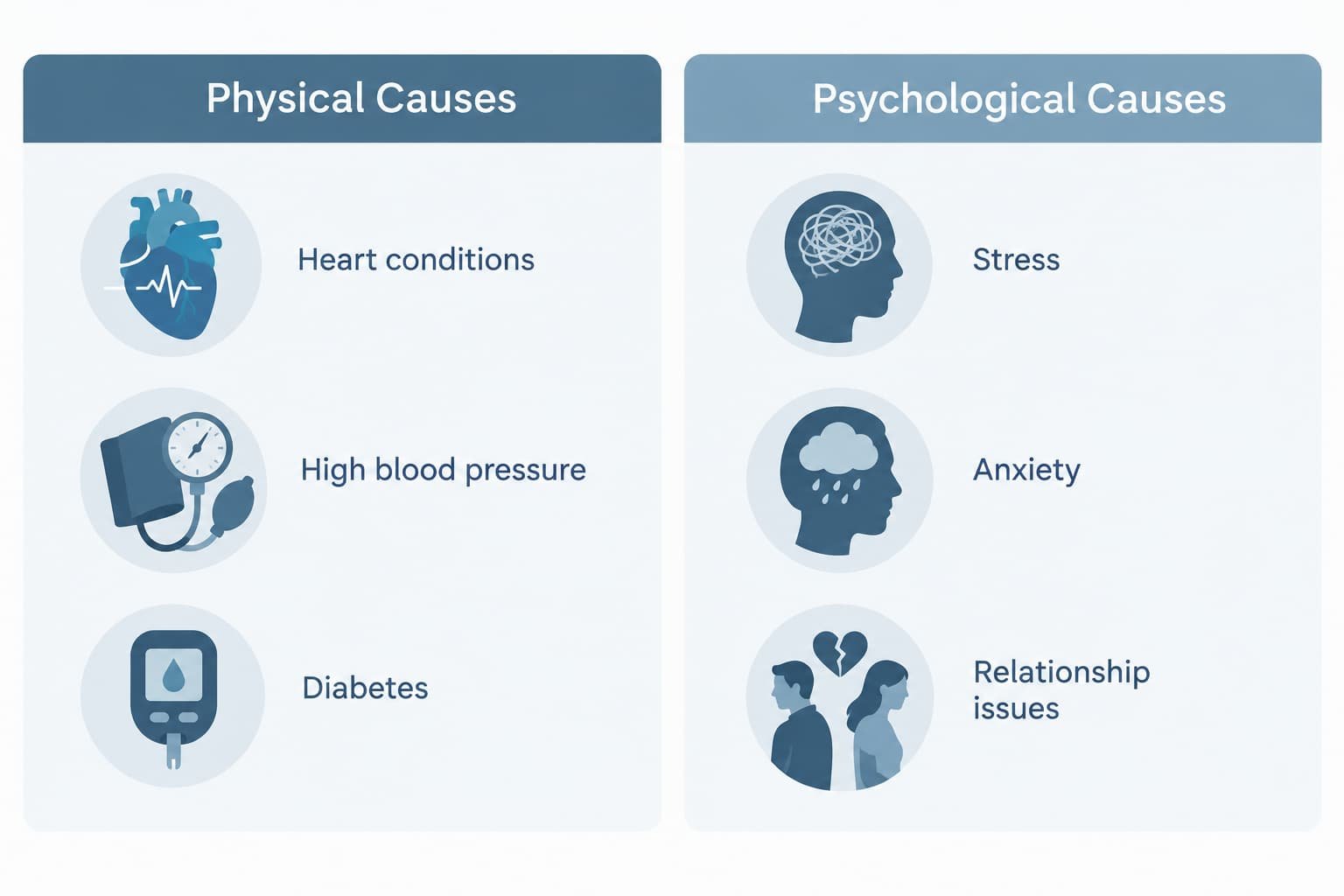
    Diagram of physical and psychological causes of erectile dysfunction
    Erectile dysfunction usually stems from physical, psychological, or combined causes.

    Doctors frequently answer questions about erectile dysfunction causes during consultations. Causes generally fall into physical, psychological, or mixed categories. Most cases involve more than one contributing factor. Identifying the dominant cause guides the treatment plan.

    Physical Causes

    Physical causes include cardiovascular disease, diabetes, and high blood pressure. High cholesterol and neurological conditions also contribute significantly. Low testosterone and previous pelvic surgery increase risk further. Certain medications list erectile dysfunction as a known side effect. Healthy blood flow underpins erectile function, so vascular disease often causes the condition directly. Smoking and obesity compound vascular risk considerably over time.

    Psychological Causes

    Psychological causes include stress, anxiety, and depression. Relationship difficulties often play a contributing role. Performance anxiety alone can trigger a lasting cycle of difficulty. Mixed cases, combining physical and psychological factors, appear often in clinical practice. A thorough history helps separate these overlapping contributing factors.

    Is Erectile Dysfunction a Warning Sign of Other Health Problems?

    Erectile dysfunction sometimes signals an underlying cardiovascular condition. Symptoms can appear before other warning signs develop. Peer-reviewed urology research links erectile dysfunction to raised cardiovascular risk. Doctors often use the symptom as a prompt to check blood pressure and cholesterol. Ignoring persistent symptoms can delay diagnosis of a more serious underlying condition. Early investigation sometimes uncovers previously undetected diabetes or hypertension.

    What Tests Confirm a Diagnosis?

    Diagnosis usually starts with a medical history and physical examination. Blood tests check testosterone, glucose, and cholesterol levels. Doctors may also check blood pressure and perform a genital examination. Specialist vascular assessment follows in select cases only. A GP typically coordinates initial investigation before any specialist referral. Psychological screening sometimes forms part of a full assessment too.

    What Happens During a Specialist Consultation?

    A specialist consultation begins with a detailed medical and sexual history. Clinicians review current medications and existing health conditions carefully. Physical examination checks for signs relevant to erectile function. Blood tests often follow to rule out hormonal or metabolic causes. Clinicians then discuss suitable treatment options based on findings. Follow-up appointments monitor response and adjust the plan as needed.

    Why Do Many Men Delay Seeking Help?

    Stigma remains a major barrier to early treatment. Surveys on male health consistently report reluctance to discuss sexual symptoms. Embarrassment often outweighs concern about underlying health risks. Delay rarely improves outcomes and sometimes allows an underlying condition to progress unchecked. Private clinics offer an alternative route for men uncomfortable with NHS waiting times. Confidential consultation can reduce the barrier that stigma creates.

    Common Questions About Erectile Dysfunction Treatment Options

    Can Erectile Dysfunction Be Treated?

    Erectile dysfunction responds well to treatment in most cases. NICE guidance recommends addressing underlying causes first. Lifestyle changes should accompany any medical treatment plan. Treatment choice depends on cause, severity, and patient preference.

    Oral Medication

    Phosphodiesterase type 5 inhibitors remain first-line treatment for most men. Sildenafil, tadalafil, and vardenafil fall into this drug class. These medications increase blood flow to the penis during arousal. Sildenafil acts within about an hour and lasts several hours. Tadalafil lasts considerably longer, allowing more spontaneous use. Effectiveness varies between individuals, and medication does not suit everyone. Men taking nitrate medication should avoid this drug class entirely. A doctor should review medical history before prescribing any option.

    Lifestyle Modification

    Lifestyle changes support treatment and sometimes resolve mild cases alone. Regular exercise improves circulation and cardiovascular health markedly. Smoking cessation and reduced alcohol intake both help erectile function. Weight management addresses a major modifiable risk factor. NHS guidance treats lifestyle change as a foundation, not a replacement for medical care. Sleep quality also influences hormone levels relevant to erectile function. Dietary patterns rich in vegetables and healthy fats support vascular health.

    Vacuum Devices and Other Mechanical Options

    Vacuum erection devices draw blood into the penis using negative pressure. A constriction ring then maintains the erection during activity. These devices suit men who cannot take oral medication safely. Correct technique matters, so initial guidance from a clinician helps.

    Psychological Support and Counselling

    Sex therapy and cognitive behavioural therapy help men with psychological causes. Couples counselling sometimes addresses relationship factors contributing to symptoms. NHS talking therapies offer a recognised route to psychological support. Combining counselling with medical treatment often improves overall outcomes.

    How Do Doctors Choose Between Treatment Options?

    Doctors weigh cause, severity, and patient preference when recommending treatment. Cardiovascular risk factors influence which medications remain safe to prescribe. Psychological causes often prompt a referral toward counselling alongside medication. Patients unable to tolerate oral medication may explore mechanical or injectable options. A personalised plan generally produces better results than a standardised approach.

    Surgical Options for Persistent Cases

    Penile implants remain an option when other treatments fail repeatedly. Surgery carries recognised risks and requires careful patient selection. NICE guidance reserves this option for refractory cases only. Specialist urological assessment precedes any surgical referral.

    Risks and Side Effects of Common Treatments

    Side Effects of Oral Medication

    Common side effects include headache, flushing, and mild indigestion. Vision changes and nasal congestion occur less frequently. Serious side effects remain rare but require immediate medical attention. Priapism, a prolonged erection lasting several hours, needs emergency care.

    Safety Considerations for Injectable Treatments

    Platelet-rich plasma injections carry a lower allergic reaction risk than external agents. Bruising, swelling, and temporary discomfort commonly occur after injection. Infection risk remains low when a qualified clinician uses sterile technique. Patients should disclose bleeding disorders or blood-thinning medication beforehand. Mild numbness or tenderness can persist for a few days afterward. Clinicians should provide clear aftercare instructions following any injectable procedure.

    Non-Surgical Treatment for Erectile Dysfunction in London

    Clinician preparing P shot treatment for erectile dysfunction in London clinic
    Non-surgical treatments such as the P shot are performed under sterile clinical conditions.

    Private clinics across London increasingly discuss regenerative and injectable options with patients. These approaches sit alongside, rather than replace, established medical treatment. Interest has grown despite a still-developing evidence base. Regulatory oversight for injectable treatments differs from that governing licensed medication.

    What Is the P Shot Treatment?

    The P shot treatment, also called the Priapus shot, uses platelet-rich plasma from a patient’s own blood. Clinicians draw blood, process it, then inject the resulting plasma into penile tissue. Platelet-rich plasma contains growth factors that may support tissue repair. Clinicians classify the P injection procedure as a non-surgical treatment for erectile dysfunction in London and other UK cities. Clinics offering P shot London and Priapus shot London procedures position the treatment as an adjunct, not a cure. Sessions typically take place under local anaesthetic in an outpatient setting.

    Does Penile Injection Growth Have Supporting Evidence?

    Evidence for penile injection growth from platelet-rich plasma remains limited. Small studies report improved erectile function scores in some patients. Sample sizes stay small, and long-term data remain scarce. NICE has not issued specific guidance on this treatment. Claims of guaranteed size or performance gains lack robust scientific backing. Further randomised trials would strengthen confidence in reported outcomes.

    P Shot Before and After: What Realistic Outcomes Look Like

    Patients researching P shot before and after results should treat photographs with caution. Individual response varies considerably between patients. Results depend on baseline health, injection technique, and underlying cause. Marketing images rarely reflect the full range of outcomes. A qualified clinician should discuss realistic expectations before any procedure.

    How Does the P Shot Compare with Other Non-Surgical Options?

    Shockwave therapy represents another non-surgical option under clinical discussion. Shockwave therapy uses acoustic waves to stimulate blood vessel growth. Evidence for shockwave therapy remains similarly preliminary but is growing steadily. Clinicians sometimes combine approaches depending on individual assessment findings. Neither option currently replaces established first-line medical treatment.

    Priapus Shot Price and Access in the UK

    Priapus shot price varies between clinics and depends on sessions required. The P shot UK market includes specialist men’s health clinics and general aesthetic providers. Verifying practitioner qualifications matters before booking any procedure. Dr Syed Nadeem Abbas leads Pshots clinic in London, which offers this procedure alongside conventional erectile dysfunction assessment. Reputable providers should take a full medical history before treatment begins. Consultation beforehand should cover expected outcomes and possible limitations honestly.

    Emerging Research Directions

    Research into regenerative medicine for erectile dysfunction continues to expand. Ongoing trials examine platelet-rich plasma, stem cell therapy, and shockwave protocols. Larger, controlled studies would help clarify long-term safety and effectiveness. Peer-reviewed urology journals regularly publish updates on these developing treatments. Patients should view emerging treatments as promising rather than proven. Established, well-evidenced options remain the appropriate starting point for most men.

    When to See a Doctor

    Persistent difficulty lasting more than a few weeks warrants medical review. Sudden onset, especially in younger men, sometimes indicates a psychological trigger. Erectile dysfunction alongside chest pain or breathlessness needs urgent assessment. Delaying assessment rarely improves outcomes and may hide a serious cause. A GP remains the appropriate first point of contact for most men.

    Common Myths About Erectile Dysfunction

    Several persistent myths surround this condition and its treatment. Erectile dysfunction is not an inevitable consequence of ageing alone. Many older men maintain normal erectile function with good general health. Low testosterone causes only a minority of documented cases. Medication remains effective for many men despite common assumptions otherwise. Non-surgical injectable treatments do not offer guaranteed or permanent results. Erectile dysfunction never indicates a lack of attraction or interest. Effective treatment usually requires addressing the actual underlying cause directly. Accurate information helps counter misleading claims found online.

    Frequently Asked Questions About Erectile Dysfunction

    Can erectile dysfunction improve without treatment?

    Mild cases sometimes improve with lifestyle change alone. Most cases benefit from a structured medical approach.

    Does erectile dysfunction affect fertility?

    Erectile dysfunction does not directly affect sperm production. It can, however, complicate attempts at conception.

    Are P shot results permanent?

    Current evidence does not support claims of permanent results. Effects, where present, typically need maintenance sessions.

    Does diabetes increase the risk of erectile dysfunction?

    Diabetes damages blood vessels and nerves over time. This damage makes erectile dysfunction significantly more common among diabetic men.

    Should men discuss erectile dysfunction with a partner?

    Open communication often reduces anxiety around the condition. Research on sexual health supports this approach for treatment adherence.

    Does the NHS treat erectile dysfunction?

    NHS GPs assess and treat erectile dysfunction as standard practice. Referral to specialist services follows when needed.

    Can young men develop erectile dysfunction?

    Younger men can and do develop erectile dysfunction. Psychological factors and lifestyle habits often play a larger role at younger ages.

    Does NHS treatment cover every erectile dysfunction option?

    NHS coverage depends on the underlying cause and local policy. GPs can advise on eligibility during an initial assessment.

    How soon should erectile dysfunction be assessed after symptoms start?

    Assessment within a few weeks of persistent symptoms is reasonable. Earlier review matters more when cardiovascular symptoms also appear.

    Key Takeaways

    Doctors hear the same core questions about erectile dysfunction repeatedly. The condition remains widespread, treatable, and often misunderstood. Evidence-based care, not internet speculation, offers the clearest path toward improvement. Established treatments carry a strong evidence base already. Newer approaches, including the P shot treatment, need further research before firm conclusions. Private and NHS pathways both offer routes toward effective treatment. Choosing between options depends on individual circumstances and preference. Informed decision-making depends on accurate information and realistic expectations. Open dialogue with a qualified clinician remains essential throughout. Given the range of options now available, which questions about erectile dysfunction deserve closer research attention next?

    Read more: What Are the First Signs of Erectile Dysfunction?

    ED in Younger Men: Causes, Risk Factors and Treatment Options

    P Shot Treatment London

    Dr Syed Nadeem Abbas, MBBS, MRCSEd, MSc Aesthetic Plastic Surgery (Distinction) Medical Director, Pshot Clinic | CQC Regulated | Monday to Saturday 10:00–18:00 +44 7955 836986

  • Drugs Causing Erectile Dysfunction: Which Medications Are Most Likely?

    Drugs Causing Erectile Dysfunction: Which Medications Are Most Likely?

    ✅Medically reviewed | Updated September 2026

    Erectile dysfunction affects a substantial proportion of adult men, and lifestyle, vascular disease, and psychological stress usually dominate the conversation. A medicine cabinet, however, deserves equal scrutiny. Many prescribed and over-the-counter treatments interfere with the hormonal, neurological, or vascular pathways that control an erection. Understanding drugs causing erectile dysfunction helps men and clinicians distinguish a treatable side effect from an unrelated medical problem. Some men change or stop a prescription without medical advice once they suspect a link, which can create new health risks. This article sets out the evidence, explains the mechanisms, and outlines realistic next steps for men who suspect their medication plays a role.

    Understanding Erectile Dysfunction and Its Causes

    Erectile dysfunction means a persistent inability to achieve or maintain an erection sufficient for satisfactory sexual activity. NICE Clinical Knowledge Summaries describe multiple overlapping causes, including vascular disease, diabetes, hormonal imbalance, psychological factors, and certain medications. Erectile function depends on a precise sequence of nerve signals, hormone levels, and blood flow. Any drug that disrupts one of these systems can reduce erectile capacity, even when the underlying reason for prescribing the drug has nothing to do with sexual health.

    Clinicians increasingly recognise that drugs causing erectile dysfunction represent an underreported category of side effect. Men often attribute the problem to stress or ageing, and many hesitate to raise the issue with a prescriber. This under-reporting delays diagnosis and can lead to unnecessary anxiety about unrelated health conditions. NHS guidance encourages men to raise sexual side effects openly during routine medication reviews, since accurate reporting improves prescribing decisions for the whole population, not only for the individual patient.

    Erectile dysfunction also shares risk factors with cardiovascular disease, including smoking, obesity, and high cholesterol. A medication effect rarely acts in isolation. Instead, it typically adds to an existing vascular or hormonal vulnerability, which makes careful assessment essential rather than optional.

    How Medications Interfere With Erectile Function

    pathways by which drugs cause erectile dysfunction diagram
    Medications can disrupt erectile function through vascular, neurological, hormonal, or sedative mechanisms.

    Medications influence erectile function through several distinct mechanisms. Some drugs reduce blood flow to the penis by affecting blood vessel tone or nitric oxide release. Others interfere with the central nervous system pathways that trigger arousal and desire. A further group alters hormone levels, particularly testosterone, which supports both libido and tissue health within the penis. A smaller number of drugs act through sedation or fatigue, which indirectly reduces sexual activity without a direct physical cause.

    These mechanisms often overlap, which makes attributing erectile dysfunction to a single drug difficult. A man taking several medications for blood pressure, mood, and pain may experience a cumulative effect rather than one caused by a single agent. Clinicians therefore review the full medication list, including over-the-counter products and supplements, before assuming any one drug is responsible. Age, existing vascular disease, and psychological state also influence how strongly a given medication affects erectile function in an individual man.

    Which Drug Classes Are Most Linked to Erectile Dysfunction

    Antihypertensive Drugs

    Blood pressure medications remain among the most frequently discussed drugs causing erectile dysfunction. Older non-selective beta-blockers reduce nitric oxide release and constrict blood vessels, which lowers blood flow to erectile tissue. Thiazide diuretics show a similar association in several studies, though the evidence remains mixed for some agents. Centrally acting antihypertensives, such as clonidine and methyldopa, carry a well-documented negative effect on erectile function through their action on the central nervous system.

    Not every blood pressure medication carries the same risk. Angiotensin-converting enzyme inhibitors and angiotensin receptor blockers show a neutral or even positive effect on erectile function in comparative reviews. Calcium channel blockers also appear largely neutral. Newer beta-blockers such as nebivolol may support erectile function through nitric oxide release, unlike older agents in the same class. This variation means a change of brand or generation within the same drug category can sometimes resolve symptoms without compromising blood pressure control.

    Antidepressants

    Selective serotonin reuptake inhibitors, commonly prescribed for depression and anxiety, frequently cause sexual side effects. These include reduced libido, delayed ejaculation, and erectile dysfunction. Raised serotonin levels appear to suppress the hormonal signals that support arousal and erection. Some men experience persistent symptoms after stopping the medication, a condition described in medical literature as post-SSRI sexual dysfunction. Reported rates of sexual side effects with SSRIs vary widely between studies, partly because many trials rely on spontaneous reporting rather than direct questioning.

    Tricyclic antidepressants and certain other antidepressant classes also feature among drugs causing erectile dysfunction, though the strength of association varies between individual agents. Some newer antidepressants carry a comparatively lower reported risk, which clinicians may consider when depression and erectile dysfunction coexist.

    Antipsychotics

    Antipsychotic medications, prescribed for schizophrenia and other psychiatric conditions, commonly affect sexual function. These drugs block dopamine receptors and raise prolactin levels, both of which reduce libido and impair erectile capacity. This mechanism distinguishes antipsychotics from the vascular effects seen with blood pressure medication, and it explains why the sexual side effects can appear early in treatment, sometimes within days of starting the drug.

    Diuretics

    Thiazide diuretics, used widely to manage hypertension, appear in several studies among drugs causing erectile dysfunction. Spironolactone, an aldosterone receptor antagonist, carries an additional antiandrogenic effect that can reduce testosterone activity and worsen erectile function. Men prescribed spironolactone for hypertension or hormonal conditions should discuss this risk with a prescriber, particularly where the drug is used long term.

    Opioid Painkillers

    Opioid analgesics exert a pronounced effect on the hypothalamic-pituitary-gonadal axis. Long-term opioid use suppresses testosterone production, a condition sometimes termed opioid-induced hypogonadism. This hormonal suppression contributes to reduced libido and erectile dysfunction, and the effect appears particularly strong in younger men prescribed opioids for chronic pain. The risk increases with dose and duration of use, which supports regular review of long-term opioid prescriptions.

    5-Alpha Reductase Inhibitors

    Finasteride and dutasteride, prescribed for male pattern hair loss and benign prostatic hyperplasia, reduce the conversion of testosterone into dihydrotestosterone. Clinical trial data show a modest increase in erectile dysfunction risk, with reported rates around one to eight per cent depending on dose and indication. A small number of men report persistent sexual symptoms after stopping the drug, though large population studies have not consistently confirmed a lasting causal link. This category remains one of the more debated entries among drugs causing erectile dysfunction, and further long-term research continues into the mechanism behind persistent symptoms.

    Antiepileptic Drugs and Other Agents

    Certain antiepileptic drugs, lithium, and some non-steroidal anti-inflammatory drugs also appear in the medical literature as contributors to sexual dysfunction. Histamine-2 receptor antagonists, used for acid reflux, have been linked to antiandrogenic effects in some case reports. Chemotherapy agents and hormone therapies used in prostate cancer treatment carry a well-established and expected effect on erectile function, given their deliberate suppression of testosterone as part of cancer treatment.

    Recreational and Non-Prescription Substances

    Alcohol, tobacco, and recreational drugs including cannabis, cocaine, and anabolic steroids also feature among substances linked to erectile dysfunction. Anabolic steroid use suppresses natural testosterone production and can produce long-lasting effects on erectile function even after use stops. Excessive alcohol intake affects both the nervous system and hormone levels, and the effect is often dose-dependent rather than fixed.

    Medications With Neutral or Favourable Effects

    Not all cardiovascular drugs carry a negative reputation. Angiotensin-converting enzyme inhibitors, angiotensin receptor blockers, and calcium channel blockers show neutral or favourable profiles in comparative research. This distinction matters because switching within a drug class, rather than stopping treatment altogether, often resolves the problem without compromising blood pressure control. Clinicians weigh this evidence carefully when a man presents with both hypertension and new erectile difficulty.

    Why Individual Response Varies

    Two men taking the same medication at the same dose can experience entirely different outcomes. Genetic differences in drug metabolism, baseline vascular health, and psychological resilience all shape how strongly a drug affects erectile function. Age plays a further role, since older men typically have less physiological reserve to compensate for a hormonal or vascular disruption. Body weight, kidney function, and liver function also influence how a drug is processed, which affects the dose reaching target tissues.

    This variation explains why population statistics offer only a general guide rather than a personal prediction. A reported side-effect rate of five per cent in a clinical trial does not mean every fifth man will experience the problem; it means some men are considerably more susceptible than others. Clinicians therefore treat published figures as a starting point for discussion rather than a definitive forecast for an individual patient.

    Recognising Medication-Induced Erectile Dysfunction

    Several clues suggest a medication link rather than an unrelated cause. Symptoms that begin shortly after starting a new prescription point toward the drug itself. A close relationship between dosage changes and symptom severity strengthens the likelihood of a drug-related cause. Men who retain normal morning erections but struggle during sexual activity may also be experiencing a medication effect rather than a purely vascular problem, since morning erections rely on a different physiological trigger than those linked to arousal.

    NICE guidance recommends a full medication review as part of the standard assessment for erectile dysfunction. This review sits alongside blood tests for testosterone, glucose, and lipid profile, since drug effects frequently coexist with underlying vascular or hormonal conditions. A timeline of symptom onset, current medication list, and any recent dosage changes gives a GP the clearest picture for assessment.

    What To Do If a Medication May Be Causing Erectile Dysfunction

    GP medication review consultation for erectile dysfunction
    A structured medication review with a GP is the recommended first step before considering further treatment.

    Men should never stop a prescribed medication without medical advice. Abruptly discontinuing blood pressure treatment, antidepressants, or opioid medication carries significant health risks, including rebound hypertension, withdrawal symptoms, or uncontrolled pain. A GP can review the full medication list, consider alternative agents within the same drug class, and adjust dosage where appropriate.

    A structured medication review often resolves the problem without requiring additional treatment. Where switching drugs is not possible or does not fully resolve symptoms, further options exist to address the erectile dysfunction directly. A GP may also arrange blood tests to rule out diabetes, low testosterone, or thyroid dysfunction, since these conditions can present alongside or independently of any drug effect.

    Treatment Options Beyond Medication Review

    When changing or stopping a medication does not resolve erectile dysfunction, several established treatment options may help. The choice depends on the underlying cause, overall health and response to previous treatment.

    Established ED Treatments

    Oral PDE5 inhibitors are commonly used as a first-line treatment for erectile dysfunction. Vacuum erection devices provide a non-drug alternative, while penile injections such as alprostadil may be considered when oral medicines are unsuitable or ineffective.

    Emerging PRP Treatments

    Platelet-rich plasma (PRP) injections, sometimes marketed as the Priapus Shot or P shot treatment, are another non-surgical option offered by some private clinics in the UK. The procedure uses a preparation derived from the patient’s own blood and injects it into penile tissue.

    However, evidence for PRP treatment remains limited. Clinical studies have reported mixed results, and professional organisations consider PRP for ED an emerging treatment rather than an established first-line option. Men considering a P shot London provider should discuss the available evidence, potential benefits and limitations with a qualified clinician.

    Review the Underlying Cause First

    Men whose erectile dysfunction appears to result from medication should prioritise a medical review before considering procedural treatments. A doctor may assess whether the medicine can be changed, reduced or replaced safely. Patients should never stop prescribed medication without medical advice.

    If medication changes do not improve symptoms, a clinician can discuss appropriate alternatives based on the individual’s diagnosis, health and treatment preferences.

    Frequently Asked Questions

    Which medications are most commonly linked to erectile dysfunction?

    Beta-blockers, thiazide diuretics, SSRIs, antipsychotics, opioid painkillers, and 5-alpha reductase inhibitors appear most frequently among drugs causing erectile dysfunction in clinical literature.

    Should a man stop taking a medication that may cause erectile dysfunction?

    No. Stopping a prescribed medication without medical supervision carries risk. A GP can review alternatives safely and adjust treatment where needed.

    Does erectile dysfunction from medication reverse after stopping the drug?

    In many cases, symptoms improve after switching medication or adjusting dosage. Some drug classes, including SSRIs and 5-alpha reductase inhibitors, have been linked to persistent symptoms in a smaller subset of men.

    Can blood pressure medication be changed to avoid erectile dysfunction?

    Yes, in many cases. ACE inhibitors, ARBs, and calcium channel blockers generally carry a lower risk than older beta-blockers and thiazide diuretics.

    Is the P shot treatment a direct fix for medication-induced erectile dysfunction?

    The P shot treatment targets tissue quality and blood vessel growth rather than reversing a specific drug mechanism. It may suit men whose erectile dysfunction persists despite medication review, though evidence remains limited and results vary.

    How is medication-related erectile dysfunction diagnosed?

    A GP reviews the full medication history alongside blood tests and a physical assessment, following NICE Clinical Knowledge Summaries guidance for erectile dysfunction.

    Key Takeaways

    Drugs causing erectile dysfunction span a wide range of drug classes, from blood pressure treatment to antidepressants, opioids, and hormone-altering medication. Recognising this link allows men and clinicians to pursue a structured, safe review rather than assuming an unchangeable or purely psychological cause. Switching within a drug class, adjusting dosage, and addressing underlying vascular or hormonal health often resolve the problem without further intervention. Where erectile dysfunction persists, established pharmacological treatment and emerging non-surgical treatment for erectile dysfunction in London provide further options, each with its own evidence base and limitations.

    Given how many commonly prescribed medications carry this risk, should erectile dysfunction always prompt a medication review before any other investigation begins?

    Read more: What Are the First Signs of Erectile Dysfunction?

    ED in Younger Men: Causes, Risk Factors and Treatment Options

    P Shot Treatment London

    Dr Syed Nadeem Abbas, MBBS, MRCSEd, MSc Aesthetic Plastic Surgery (Distinction) Medical Director, Pshot Clinic | CQC Regulated | Monday to Saturday 10:00–18:00 +44 7955 836986 
  • P-Shot Near Me: How to Find a Qualified Clinic in the UK

    P-Shot Near Me: How to Find a Qualified Clinic in the UK

    ✅Medically reviewed | Updated September 2026

    A search for “P-shot near me” typically returns dozens of results within seconds. Clinics, aggregator directories, and independent practitioners all compete for the same search term. Very few pages explain how to judge a provider’s qualifications. The gap between search convenience and clinical safety is where most poor outcomes begin.

    This article sets out a structured, evidence-based method for evaluating any UK clinic offering the Priapus Shot, commonly known as the P-Shot. It covers medical regulation, cost transparency, and realistic outcome expectations. It also covers the warning signs that separate a properly governed clinic from an unregulated one. The aim is not persuasion. The aim is clarity, so that an informed choice replaces a rushed one.

    What Is the P-Shot and Why Interest Keeps Growing

    CE-marked centrifuge used to process PRP for P-Shot treatments
    PRP quality depends heavily on the processing equipment a clinic uses.

    The P-Shot is a trademarked name for a platelet-rich plasma (PRP) injection technique applied to penile tissue. The clinician draws autologous blood from the patient and processes it to concentrate platelets. The clinician then injects the concentrate into specific areas of the penis. Developers built the procedure as a regenerative approach. It draws on PRP science that orthopaedic and dermatological medicine already applies.

    Search interest in “P-shot near me” has grown steadily. Awareness of non-surgical options for erectile difficulties has increased alongside it. Many men prefer a p injection approach over pharmaceutical or surgical routes. Recovery time is minimal, and the procedure uses the patient’s own biological material rather than a synthetic implant. Popularity does not equal regulation, however. The treatment sits in a grey area of UK aesthetic medicine, where standards vary considerably between providers.

    Why Regulatory Awareness Matters More Than Location

    Proximity is rarely the most important factor when researching treatment options. A clinic located five minutes away holds no advantage if the practitioner lacks appropriate training. A location-based search filters by distance, not by competence. Recognising this distinction early prevents a rushed booking based purely on convenience rather than credentials.

    The P Shot Treatment Explained in Clinical Terms

    The P shot treatment generally follows a consistent clinical sequence, though exact protocols differ between providers.

    1. A consultation reviews medical history, current medication, and suitability for the procedure.
    2. The clinician draws blood, usually 20 to 60 millilitres, and processes it in a centrifuge to isolate platelet-rich plasma.
    3. The clinician applies topical or local anaesthetic to reduce discomfort during injection.
    4. The clinician injects the concentrated plasma into targeted areas of the penile shaft, using a technique that aims to stimulate tissue repair and blood flow.

    The entire appointment typically lasts between 45 and 90 minutes. It needs no general anaesthetic, and most men resume normal activity within a day. This is a medical procedure that requires a needle, blood processing equipment, and clinical judgement, not a wellness spa treatment. That distinction underpins every safety consideration in this article.

    Equipment and Processing Standards

    The system a clinic uses to separate platelets from whole blood affects both safety and consistency of results. Centrifuge systems for clinical PRP preparation should carry appropriate CE marking for medical use within the UK. Clinics using improvised or non-medical-grade equipment introduce unnecessary contamination risk. A clinic offering a P shot near me appointment should name its processing system readily. It should also confirm its regulatory status without hesitation.

    The Risk of Relying Only on Proximity When Booking

    Search engines rank clinics by SEO performance, advertising spend, and geographic proximity, not by clinical credentials. A page appearing first in a search for “P-shot near me” may simply run stronger digital marketing rather than stronger medical governance. NHS guidance on choosing a private healthcare provider consistently stresses checking professional registration before booking any procedure. This holds true regardless of how a clinic ranks in search results.

    Some providers operate outside formal healthcare regulation altogether. They offer the treatment in beauty salons or other non-medical settings. Others outsource injections to practitioners without relevant surgical or urological training. Locating a provider is only the first step. Verifying that provider’s standing is the step that actually protects patient safety.

    Checking Medical Qualifications and Registration

    Verifying a clinician's GMC registration before booking a P-Shot
    A five-minute registration check can reveal what marketing pages leave out.

    Verification should happen before booking an appointment, not after arriving at the clinic.

    GMC Registration

    Every doctor practising medicine in the United Kingdom must hold registration with the General Medical Council (GMC). Each must also hold a licence to practise. The GMC maintains searchable registers of doctors, physician associates, and anaesthesia associates. Anyone can confirm a professional’s current registration status within minutes, free of charge. The medical register is public and updates daily. Searching it by name or seven-digit reference number remains the most reliable way to confirm registration. If a practitioner’s name does not appear on the register, that individual holds no licence to practise medicine. This applies anywhere in the UK.

    CQC Registration

    Clinics delivering regulated medical activities in England must also register with the Care Quality Commission (CQC). Any provider delivering regulated health or social care activities in England must hold CQC registration by law. Inspection reports for any registered clinic remain publicly available. A clinic offering injectable PRP treatment for erectile dysfunction frames this as a medical intervention. It should reasonably fall within this regulated category. Reviewing a clinic’s CQC report before booking reveals findings on safety, leadership, and overall clinical governance.

    Why Verification Matters Specifically Here

    This treatment area attracts a wide mix of medical and non-medical providers. Verification therefore carries more weight here than for many other cosmetic or wellness procedures. A five-minute registration check separates a genuinely qualified clinic from one relying entirely on marketing visibility to appear credible.

    Questions to Ask Before Booking a P Shot London Appointment

    A short, structured set of questions during initial enquiry filters out unsuitable providers quickly.

    • Which qualified clinician performs the injection, and what is that clinician’s GMC number?
    • What specific training has that clinician completed in PRP or regenerative injectable techniques?
    • Does the clinic hold CQC registration, and can a patient view an inspection report on request?
    • Which blood processing system does the clinic use, and does it carry CE marking for medical use?
    • What realistic, evidence-based outcomes can someone in a comparable clinical situation expect?
    • What complications has the clinic seen previously, and how did staff manage them at the time?

    Any P shot London clinic confident in its standards should answer these questions without hesitation. Reluctance to disclose qualifications or inspection history is itself a meaningful signal, regardless of how polished the marketing appears.

    Priapus Shot Price: What Influences the Cost

    Priapus shot price in the UK varies considerably. It generally ranges from several hundred to over a thousand pounds per session. Location, clinician seniority, and the PRP processing system in use all affect the figure. Harley Street and central London clinics typically sit at the higher end of this range. This reflects overhead costs, consultant-led care, and clinical governance infrastructure.

    Cost alone should never be the deciding factor. A lower price frequently reflects reduced clinical oversight rather than genuine value. Clinics using cheaper, unregulated PRP kits, or delegating injections to less experienced staff, can offer lower prices. This lowers the price but raises the clinical risk. Comparing Priapus shot price across providers is reasonable, but only once each provider has passed the qualification checks above.

    Repeat Treatment Costs

    Many protocols recommend a course of two to three sessions spaced several weeks apart. Patients should calculate total expenditure across the full course, not just a single appointment. A clinic quoting only the first-session price, without clarifying the likely total course cost, fails to provide full financial transparency. Patients should request a written breakdown of session numbers, spacing, and cumulative cost. This remains good practice before any treatment begins.

    Evaluating Non-Surgical Treatment for Erectile Dysfunction in London

    London hosts one of the highest concentrations of private men’s health clinics in the UK. These clinics offer various forms of non-surgical treatment for erectile dysfunction in London, ranging from oral medication and shockwave therapy to PRP-based injectables. Men’s health media and similar publications have reported on the Priapus Shot, with recipients reporting positive gains in erection quality, sensation, and sexual performance. Independent, large-scale clinical trial data, however, remains more limited than for established pharmaceutical options such as phosphodiesterase-5 inhibitors.

    A responsible clinic situates the P-Shot within a broader treatment pathway rather than presenting it as a standalone solution. NICE guidance on erectile dysfunction management recommends addressing modifiable risk factors, including smoking, cardiovascular health, and diabetes control, alongside any procedural intervention. A clinic offering P shot treatment without first assessing underlying vascular or hormonal contributors is not practising comprehensive medicine, however effective its marketing may appear.

    Understanding P Shot Before and After Expectations

    P shot before and after claims circulating on social media and clinic marketing pages frequently overstate outcomes. Photographic comparisons are hard to standardise, since lighting, angle, and arousal state all affect apparent size and firmness. This makes genuine before-and-after evidence far harder to interpret than it first appears.

    Reported benefits generally include improved erection firmness and modest increases in sensation. Some men report a temporary increase in girth related to localised tissue swelling rather than permanent growth. Improvements, where present, tend to develop gradually over three to four weeks following treatment rather than immediately. Patients should treat any P shot before and after comparison with appropriate caution when it discloses no timeframes, lighting conditions, or number of prior treatments.

    Penile Injection Growth Claims: Separating Evidence From Marketing

    Claims of substantial penile injection growth are among the most commonly exaggerated aspects of P-Shot marketing. Platelet-rich plasma does stimulate localised tissue response, yet robust peer-reviewed evidence supporting significant, sustained length increase remains limited. Reputable clinics distinguish clearly between two things: improvements in blood flow, sensation, and erection quality, which carry some supporting evidence, and permanent size increases, which do not carry the same evidential weight.

    A clinic that overpromises penile injection growth as a guaranteed outcome, rather than a possible but unproven secondary effect, prioritises conversion over clinical honesty. This distinction matters considerably when comparing marketing pages that surface under a “P-shot near me” search.

    Red Flags That Indicate an Unqualified Provider

    Certain warning signs recur across unregulated or under-qualified providers operating within the general P shot UK market.

    • The injecting clinician publishes no GMC number.
    • The clinic holds no CQC registration despite offering an injectable medical procedure.
    • Marketing states guaranteed size increases as fact rather than a possible outcome.
    • Staff pressure prospective patients to book immediately without a proper consultation.
    • The clinic will not explain the PRP processing system or equipment it uses.
    • Pricing sits significantly below the typical market range without clear justification.

    Anyone who encounters two or more of these signals while researching “P-shot near me” options should apply further scrutiny before confirming any appointment.

    The Role of Clinical Governance in Priapus Shot London Clinics

    Clinical governance refers to the systems a clinic has in place to maintain patient safety, including incident reporting, staff training records, equipment maintenance, and consent procedures. A properly governed Priapus shot London clinic maintains documented protocols for managing complications, however rare. It can also demonstrate a clear chain of accountability from consultation through to aftercare.

    Harley Street and the wider Marylebone area host a concentration of clinics operating under formal medical leadership, often combining aesthetic and surgical training. Pshots clinic uk, a Harley Street clinic led by Dr Syed Nadeem Abbas, operates within this regulated private healthcare environment. It illustrates the kind of medically led structure that separates a governed clinic from an informal provider. This single named clinic serves only as a factual example, not a promotional one; the broader principle applies to any provider claiming similar standards.

    Reading Reviews and Testimonials With Caution

    Online reviews offer some insight into patient experience but carry limited weight regarding clinical competence or safety standards. A clinic with numerous positive reviews for cosmetic procedures unrelated to men’s health does not automatically show expertise in penile PRP injection. Testimonials should supplement, not replace, verified registration checks and a direct conversation with the treating clinician about qualifications and experience.

    FAQ

    Is the P-Shot regulated by the NHS?

     The P-Shot is not an NHS-funded treatment and remains available only through private clinics. NHS guidance instead focuses on established treatments for erectile dysfunction, including lifestyle modification and licensed medication.

    How can someone check a GMC number before booking a P-shot near me? 

    The GMC runs a free, publicly searchable online register. Entering the clinician’s name or reference number confirms current registration status within a few minutes.

    Does a higher Priapus shot price guarantee a better outcome? 

    Not necessarily. Price reflects clinician seniority, equipment quality, and clinic overheads, but a higher fee alone does not confirm competence. Verification of qualifications remains the more reliable indicator of quality.

    Are results from P shot before and after photos reliable?

     Lighting, angle, and arousal state frequently affect photographic comparisons, which makes them an unreliable standalone measure of treatment success.

    How many sessions of P shot treatment do clinics typically recommend? 

    Protocols vary, though clinics commonly recommend a course of two to three sessions spaced several weeks apart for measurable improvement.

    Can the P-Shot replace erectile dysfunction medication entirely? 

    Current evidence does not support the P-Shot as a full replacement for licensed pharmaceutical treatment. It sits more accurately as a complementary or alternative option within a wider treatment plan, developed alongside a qualified clinician’s assessment.

    Key Takeaways

    Locating a provider through a “P-shot near me” search is a reasonable starting point, but it is only that: a starting point. Genuine due diligence requires several checks. Confirm GMC registration and CQC status. Question marketing claims around penile injection growth and P shot before and after results. Understand Priapus shot price in relation to the qualifications behind it. Evidence-based decision-making protects both physical safety and financial interest, particularly in a treatment area where regulation has not fully caught up with demand.

    Standards vary across the UK’s private aesthetic sector. What specific evidence would satisfy a prospective patient that a clinic’s claims about the P-Shot rest on genuine clinical data rather than marketing alone?

    Read more: P Shot Results in Men Over 60: Evidence-Based Timelines and Realistic Outcomes

    How Long Do P-Shot Effects Take to Develop?

    P Shot Treatment London

    Dr Syed Nadeem Abbas, MBBS, MRCSEd, MSc Aesthetic Plastic Surgery (Distinction) Medical Director, Pshot Clinic | CQC Regulated | Monday to Saturday 10:00–18:00 +44 7955 836986
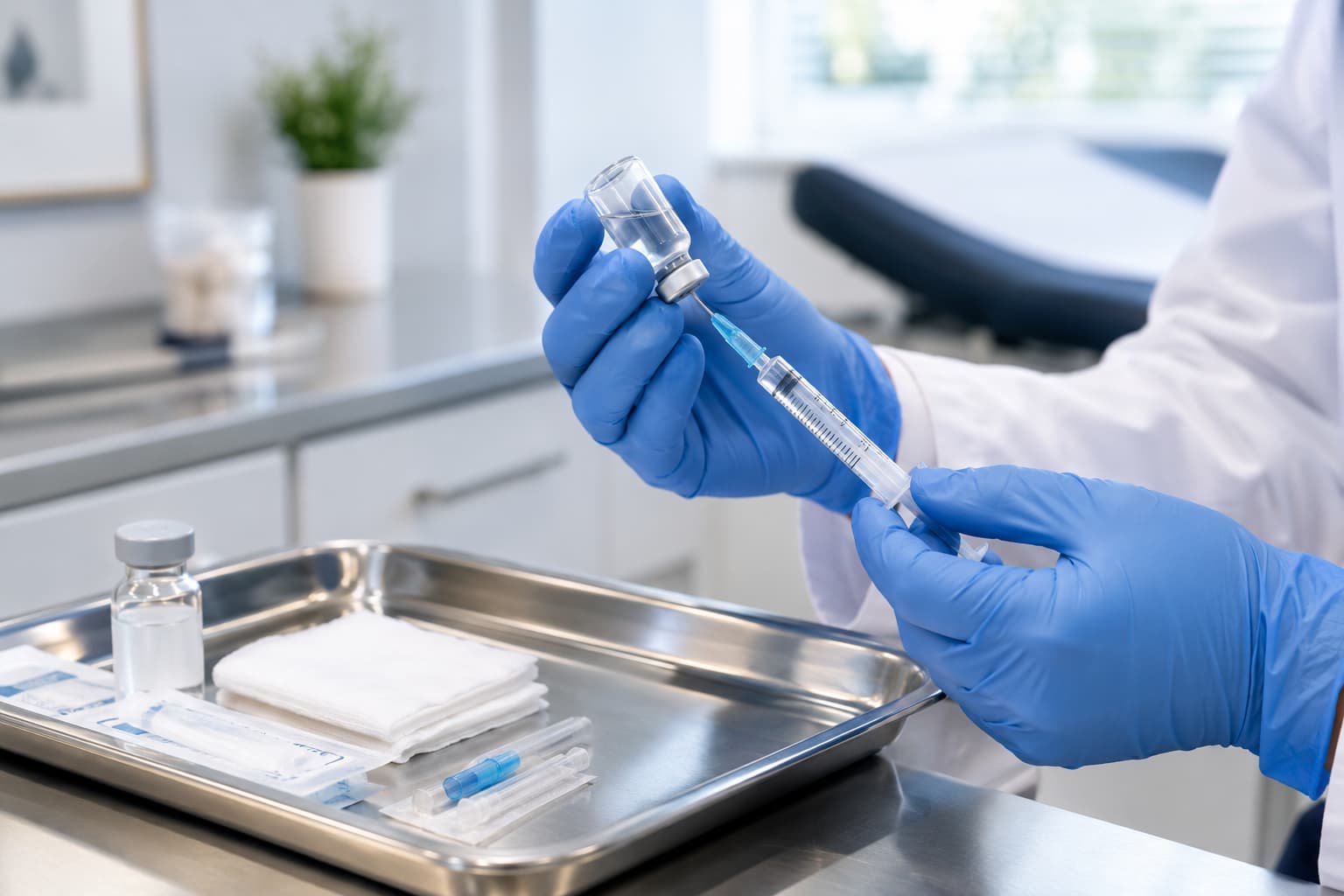
  • What Are the First Signs of Erectile Dysfunction?

    What Are the First Signs of Erectile Dysfunction?

    ✅Medically reviewed | Updated August 2026

    Erectile dysfunction rarely develops overnight. Early changes often appear gradually, long before intercourse becomes noticeably difficult. A weaker morning erection, a slower response to stimulation, or reduced firmness during intercourse can each represent the first signs of erectile dysfunction. Recognising these changes early allows men to seek clinical assessment before an occasional difficulty becomes a persistent condition.

    This article examines the recognised signs of erectile dysfunction, explains the physiological and psychological mechanisms behind them, and outlines evidence-based treatment pathways available across the UK. It also reviews non-surgical treatment for erectile dysfunction in London, including established injectable options used within private clinical practice.

    What Is Erectile Dysfunction?

    Erectile dysfunction describes a persistent inability to achieve or maintain an erection firm enough for satisfactory intercourse. Occasional difficulty is common and does not, alone, indicate a medical condition. NHS guidance treats erectile dysfunction as a diagnosis only when difficulty recurs regularly over several months. Distinguishing a single incident from a genuine pattern marks the first step in identifying real signs of erectile dysfunction.

    How Common Is Erectile Dysfunction in the UK?

    Erectile dysfunction affects men across all adult age groups. Prevalence rises steadily with age and becomes markedly more frequent after forty. Younger men remain affected too, with research indicating a meaningful proportion of men under forty experience some degree of difficulty. Underreporting remains widespread, driven by embarrassment and limited awareness of early symptoms. This underreporting likely means true prevalence figures exceed recorded estimates.

    Facts and Figures Worth Noting

    ●       Prevalence increases with age, rising sharply after forty and again after sixty.

    ●       A meaningful proportion of men under forty also report some degree of erectile difficulty.

    ●       Cardiovascular risk factors appear in a large share of men diagnosed with the condition.

    ●       Embarrassment remains a leading reason men delay seeking medical assessment.

    ●       Lifestyle factors, including smoking and inactivity, consistently correlate with earlier onset.

    Early Signs of Erectile Dysfunction

    Diagram showing blood flow linked to signs of erectile dysfunction
    Erectile function depends on healthy blood flow, nerve signalling, and hormone balance.

    Several physical changes typically precede a full diagnosis of erectile dysfunction. Awareness of these patterns supports earlier medical review and better long-term outcomes. Each sign below can appear alone or alongside others, and severity often varies from week to week.

    Reduced Frequency of Morning Erections

    Spontaneous erections during sleep and on waking result from normal nocturnal physiology. A gradual decline in their frequency can signal reduced blood flow or weakened nerve signalling. A noticeable drop in morning erections often ranks among the earliest indicators men report. Tracking this pattern over several weeks provides useful information for a GP consultation.

    Difficulty Achieving a Full Erection

    Some men notice that arousal no longer produces a fully rigid erection. This difficulty can occur consistently or only in specific situations, such as with a new partner or during periods of stress. Situational difficulty often points toward a psychological contribution, while consistent difficulty points more strongly toward a physical cause.

    Difficulty Maintaining an Erection During Intercourse

    Losing firmness partway through intercourse, despite continued stimulation, represents a recognised early symptom. This particular pattern often points toward vascular rather than purely psychological causes. Men experiencing this symptom regularly should consider requesting a cardiovascular health check alongside standard erectile dysfunction assessment.

    Reduced Firmness Compared With Previous Erections

    A subtle decline in rigidity, rather than complete inability, frequently marks the earliest stage of the condition. Men often describe erections as softer or less reliable than in previous years. This change can develop slowly across months, making it easy to overlook until intercourse becomes noticeably affected.

    Delayed or Reduced Response to Sexual Stimulation

    A longer time to reach arousal, or reduced sensitivity to stimulation, can signal early nerve or hormonal changes. This symptom often develops alongside other physical changes rather than appearing first. Medication side effects and reduced testosterone levels both feature among recognised contributing factors.

    Lower Sexual Desire Alongside Physical Symptoms

    Reduced libido combined with physical erectile changes suggests a hormonal or psychological contribution. Testosterone levels, mood, and relationship stress can each affect desire independently of vascular health. A combination of low desire and physical difficulty warrants a broader hormonal assessment rather than treatment for erectile function alone.

    Underlying Causes Behind Erectile Dysfunction

    Medical equipment used to assess causes of erectile dysfunction
    Cardiovascular health and blood sugar levels are closely linked to erectile function.

    Erectile function depends on healthy blood vessels, intact nerve pathways, and balanced hormone levels. Damage to any of these systems can trigger the physical changes described above. Most cases involve more than one contributing factor rather than a single isolated cause.

    Vascular and Cardiovascular Causes

    Erections depend on adequate blood flow into penile tissue. Conditions that narrow or stiffen blood vessels, including high blood pressure and atherosclerosis, restrict this flow. Because arteries supplying the heart and the penis share a similar calibre, erectile difficulty frequently precedes a formal diagnosis of cardiovascular disease. NICE guidance recognises erectile dysfunction as a potential early marker of cardiovascular risk, making early assessment clinically important beyond sexual health alone.

    Diabetes and Metabolic Causes

    Diabetes damages blood vessels and peripheral nerves over time. Men with diabetes face a substantially higher likelihood of developing erectile dysfunction than men without the condition. Poor blood sugar control accelerates this nerve and vascular damage. Metabolic syndrome, characterised by raised blood pressure, elevated blood sugar, and excess abdominal fat, compounds this risk further.

    Hormonal Causes

    Testosterone supports libido and contributes to erectile physiology, though its role is not absolute. Low testosterone can reduce sexual desire and, in some men, contribute to weaker erections. Thyroid disorders and other hormonal imbalances can also play a contributing role. Hormonal causes become more relevant when reduced desire accompanies physical erectile changes.

    Psychological Causes

    Stress, anxiety, depression, and relationship difficulties can each interfere with the nervous system’s role in achieving an erection. Performance anxiety, in particular, can create a cycle where fear of difficulty causes further difficulty. Psychological and physical causes frequently coexist rather than acting alone, which is why clinical assessment considers both dimensions together.

    Medication and Lifestyle-Related Causes

    Certain medications, including some antidepressants and blood pressure treatments, list erectile dysfunction as a recognised side effect. Smoking, excessive alcohol consumption, and recreational drug use each restrict blood flow or interfere with nerve function. Reviewing current medication with a GP forms a standard part of assessing new-onset difficulty.

    Occasional Difficulty Versus a Persistent Pattern

    A single episode of erectile difficulty rarely indicates a medical problem. Fatigue, alcohol, stress, and unfamiliar circumstances can each cause temporary difficulty. Persistent signs of erectile dysfunction, however, are defined by repetition rather than a single incident. Clinical guidance generally considers a pattern lasting several months as warranting assessment, particularly alongside reduced morning erections or lower libido. Keeping a simple record of frequency and circumstances helps clinicians distinguish a temporary episode from an established pattern.

    Why Early Recognition Matters

    Early recognition of erectile changes offers more than reassurance about sexual function. Because erectile tissue relies on some of the smallest blood vessels in the body, difficulty here can surface years before symptoms appear in larger arteries supplying the heart or brain. Clinicians increasingly treat erectile dysfunction as a useful screening opportunity rather than an isolated complaint. Addressing contributing factors, such as blood pressure or blood sugar control, at this earlier stage can reduce long-term cardiovascular risk. Quality of life also benefits, since untreated difficulty often affects confidence, mood, and relationship satisfaction over time. Early conversation with a GP therefore carries value that extends well beyond restoring erectile function alone.

    When to Seek Medical Assessment

    Reviewing test results after noticing signs of erectile dysfunction
    Timely medical assessment allows underlying causes to be identified sooner.

    Medical assessment becomes advisable when erectile difficulty grows frequent, worsens over time, or occurs alongside other symptoms. Sudden-onset erectile dysfunction with no clear psychological trigger warrants prompt review, since it can indicate an underlying vascular or neurological condition. Chest pain, breathlessness, or fatigue accompanying erectile difficulty require urgent medical attention, as these symptoms may point toward cardiovascular disease. Delaying assessment does not resolve an underlying medical cause and can allow a treatable condition to progress further.

    Diagnostic Assessment in Clinical Practice

    Clinical assessment typically begins with a detailed medical history, covering cardiovascular risk factors, medication use, and psychological wellbeing. Blood tests can measure testosterone, blood glucose, and cholesterol levels. Blood pressure measurement forms a standard part of assessment, given the vascular link with erectile dysfunction. A physical examination may also check for structural conditions affecting the penis, such as Peyronie’s disease. Clinicians may recommend further investigation where an underlying condition, such as diabetes or hypertension, appears likely.

    Referral to Specialist Care

    A GP may refer a patient to urology or a specialist men’s health service where initial assessment suggests a complex or unresponsive case. Specialist review allows access to further diagnostic tools, including vascular imaging in selected cases. Referral pathways vary slightly between NHS trusts and private providers. Private clinics can sometimes offer faster access to specialist review, though NHS pathways remain appropriate and effective for most patients.

    Risk Factors Worth Monitoring

    Certain risk factors raise the likelihood of developing erectile dysfunction earlier than average. Recognising these factors allows for targeted prevention rather than reactive treatment alone.

    ●       Smoking, which damages blood vessel linings and reduces circulation.

    ●       Obesity, which contributes to both vascular and hormonal risk factors.

    ●       Sedentary lifestyle, which reduces cardiovascular fitness over time.

    ●       Excessive alcohol consumption, which affects nerve function and hormone levels.

    ●       Chronic stress, which raises cortisol and constricts blood vessels.

    ●       Untreated high blood pressure or high cholesterol, both linked closely to vascular health.

    Treatment Pathways for Erectile Dysfunction

    Treatment depends on the underlying cause and typically starts with the least invasive options. A structured approach allows clinicians to monitor response and adjust the plan accordingly.

    Lifestyle Modification

    Regular exercise, weight management, reduced alcohol intake, and smoking cessation all support vascular health. NHS guidance identifies these lifestyle factors as directly relevant to erectile function. Improvement tends to be gradual and depends on consistent, long-term change rather than short-term adjustment. Sleep quality and stress management also contribute meaningfully to overall outcomes.

    Oral Medication

    PDE-5 inhibitors, including sildenafil and tadalafil, remain the first-line prescription treatment across the UK. These medications increase blood flow to the penis but require sexual stimulation to work. Nitrate medication use rules out this option for some patients. Side effects can include headache, flushing, and nasal congestion, and a GP should confirm suitability before prescribing.

    Vacuum Erection Devices and Other Mechanical Options

    Vacuum devices draw blood into the penis using controlled negative pressure, producing an erection maintained with a constriction ring. This option suits men who cannot take PDE-5 inhibitors due to other medication. Mechanical devices carry a lower cost than many alternative treatments but require correct technique for consistent results.

    Psychological Support and Therapy

    Counselling or structured therapy can address anxiety, depression, or relationship factors contributing to erectile dysfunction. Cognitive behavioural approaches show benefit for performance anxiety specifically. Combining psychological support with medical treatment often produces better outcomes than either approach used alone.

    Non-Surgical Treatment for Erectile Dysfunction in London

    Clinical treatment room offering non-surgical treatment for erectile dysfunction in London
    Non-surgical options are typically considered after lifestyle change and medication have been explored.

    Private clinics across London offer non-surgical treatment for erectile dysfunction in London for men who have not responded adequately to first-line options. Clinicians generally consider these treatments where lifestyle change and oral medication provide limited benefit. Availability and protocol vary between providers, and patients should verify practitioner qualifications before booking any procedure.

    Priapus Shot (P-Shot) Treatment

    The Priapus Shot, commonly known as the P Shot treatment, uses platelet-rich plasma prepared from a patient’s own blood. Clinicians administer the p injection directly into penile tissue, aiming to support tissue regeneration and blood flow. Clinics offering P Shot London and Priapus Shot London protocols position the treatment as a non-surgical alternative to oral medication or surgical implants. Priapus shot price varies between providers, depending on protocol and aftercare provision. Patients should confirm pricing directly with a registered clinic before booking treatment.

    Evidence and Realistic Expectations

    Evidence supporting platelet-rich plasma for erectile dysfunction remains an evolving area of research, with most available studies limited in size. Robust, large-scale clinical trials do not yet support penile injection growth claims associated with the treatment, and results vary between individuals. Any P Shot before and after comparison warrants cautious interpretation, since photographic results do not represent standardised clinical measures. Men considering a P shot UK provider should seek treatment only from a registered medical practitioner, following a full clinical assessment. Realistic expectations, supported by transparent clinical discussion, remain essential before proceeding with any injectable treatment.

    Pshots clinic uk, a Harley Street clinic led by Dr Syed Nadeem Abbas, represents one example of a UK provider offering this category of treatment under medical supervision.

    Frequently Asked Questions

    What are the earliest physical changes linked to erectile dysfunction?

    Reduced morning erections, softer erections, and difficulty maintaining firmness during intercourse often appear first.

    At what age do signs of erectile dysfunction usually appear?

    Signs of erectile dysfunction can appear at any adult age, though prevalence increases significantly after forty.

    Can stress alone cause erectile difficulty?

    Stress and anxiety can independently cause erectile difficulty, though clinicians should still assess and exclude physical causes.

    Is erectile dysfunction always linked to a serious health condition?

    Not always, though persistent erectile dysfunction can indicate cardiovascular disease, diabetes, or hormonal imbalance, and warrants assessment.

    What is the first step after noticing possible symptoms?

    A GP consultation forms the recommended first step, allowing for medical history review and basic testing.

    Are lifestyle changes alone enough to reverse early symptoms?

    Lifestyle changes can improve mild cases, particularly where smoking, inactivity, or excess weight contribute to the difficulty.

    Can the P Shot treatment cure erectile dysfunction?

    The P Shot treatment does not carry a classification as a cure. Evidence remains limited, and outcomes vary between patients.

    Key Takeaways

    The signs of erectile dysfunction rarely appear dramatic at first. A quieter erection, a slower response, or a subtle loss of firmness often arrive first, well before the condition becomes disruptive. Recognising these changes early supports timely diagnosis and allows underlying conditions, including cardiovascular disease and diabetes, to surface sooner. Treatment options range from lifestyle change and oral medication through to non-surgical treatment for erectile dysfunction in London, and each option carries its own evidence base and limitations. Given how closely erectile health reflects overall physical health, what might early changes be revealing about broader wellbeing?

    Read more: Understanding the Causes of Erectile Dysfunction: Psychological vs Physical Factors

    P Shot for ED: Is It Suitable for Mild or Moderate Erectile Dysfunction?

    P Shot Treatment London

    Dr Syed Nadeem Abbas, MBBS, MRCSEd, MSc Aesthetic Plastic Surgery (Distinction) Medical Director, Pshot Clinic | CQC Regulated | Monday to Saturday 10:00–18:00 +44 7955 836986

  • ED in Younger Men: Causes, Risk Factors and Treatment Options

    ED in Younger Men: Causes, Risk Factors and Treatment Options

    ✅Medically reviewed | Updated September 2026

    Erectile dysfunction carries an outdated reputation as a problem confined to later life. Clinical data challenges that assumption directly. ED in younger men is far more common than most people realise, affecting a substantial proportion of men under 40. Stress, anxiety, lifestyle habits and undiagnosed physical conditions all contribute to erectile difficulty at a younger age. This pattern differs from erectile dysfunction in older men, where vascular disease and age-related hormonal decline dominate the clinical picture. Recognising these distinctions matters, because a treatment plan suited to a 65-year-old rarely addresses the specific drivers seen in a 25-year-old.

    This article sets out the causes, risk factors and treatment options relevant to erectile difficulty in young adulthood. It draws on published research, NHS and NICE guidance and clinical practice standards used across UK sexual health services. It also examines non-surgical treatment for erectile dysfunction in London, including regenerative injection-based approaches, and states the current evidence and its limitations without exaggeration or unsupported promises.

    How Common Is ED in Younger Men?

    Bar chart showing erectile dysfunction prevalence by age group in younger men.
    Erectile dysfunction affects a measurable proportion of men well before middle age.

    Erectile dysfunction is often assumed to develop gradually after middle age. Research does not support that assumption. A 2024 analysis of the National Survey of Sexual Wellbeing recorded erectile dysfunction in 17.9 percent of men aged 18 to 24, and 13.3 percent of men aged 25 to 34. These figures sit close to rates recorded in men aged 35 to 44, at 12.7 percent. Research from King’s College London estimates that up to 4.3 million men in the UK live with some degree of erectile dysfunction, with symptoms reported in up to half of men under the age of 50.

    These figures confirm that erectile difficulty in young adulthood represents a genuine clinical pattern rather than an isolated exception. A separate published study found that one in every four men diagnosed with erectile dysfunction was under the age of 40. Reported prevalence may still understate the true figure, since a considerable number of men remain reluctant to raise erectile symptoms during a routine GP appointment.

    Defining Erectile Dysfunction in Young Adults

    The NHS defines erectile dysfunction as persistent difficulty getting or keeping an erection firm enough for satisfactory sexual activity. Occasional difficulty is common and does not, on its own, indicate a clinical problem. A diagnosis becomes clinically relevant when difficulty occurs regularly, persists for several months, or causes distress. Symptoms present in broadly the same way regardless of patient age: reduced firmness, inconsistent erections, or a complete inability to achieve an erection. ED in younger men frequently presents alongside intact night-time or morning erections, together with difficulty specifically during partnered sexual activity. This pattern often points toward a psychological rather than a purely physical cause, and it forms an important part of initial clinical assessment.

    Physical Causes of Erectile Dysfunction in Young Men

    Physical causes affect a meaningful share of younger patients, even though psychological factors dominate the overall picture at this stage of life.

    Vascular and Cardiovascular Factors

    Erections depend on adequate blood flow into penile tissue. Smoking, high cholesterol, elevated blood pressure and early-stage diabetes each narrow blood vessels and reduce that flow. Coronary heart disease affects around 2.3 million people across the UK, and a family history of the condition raises individual risk considerably. Vascular causes identified at a younger age often signal wider cardiovascular risk that benefits from prompt clinical assessment rather than delay.

    Hormonal Imbalances

    Abnormal thyroid hormone levels, elevated prolactin, or low testosterone can each interfere with normal erectile function. Anabolic steroid use, increasingly common among younger men pursuing rapid muscle growth, disrupts natural testosterone production and carries a recognised association with erectile difficulty that persists after the drug is discontinued.

    Anatomical Conditions

    Structural conditions such as Peyronie’s disease, phimosis, and a tight frenulum can each restrict normal erectile function. These conditions occur across all age groups and generally respond well to targeted clinical assessment and appropriate treatment.

    Medication Side Effects

    Certain antidepressants, blood pressure medications, and several other prescribed drugs list erectile difficulty as a recognised side effect. A GP consultation should take place before any dose change or medication substitution, since abrupt changes carry separate clinical risks.

    Psychological Causes of Erectile Dysfunction

    Psychological factors account for a considerable share of erectile difficulty in younger patients, more so than in older age groups, where physical disease more often predominates.

    Performance Anxiety

    Anxiety about sexual performance ranks among the most frequently cited psychological causes affecting young men. Worry about maintaining an erection, satisfying a partner, or unintended pregnancy can create a self-reinforcing cycle. Anxiety interferes with erectile response, and the resulting difficulty increases anxiety further on subsequent occasions. This anxiety-driven cycle explains why symptoms often improve once the underlying psychological trigger receives proper clinical attention.

    Stress and Depression

    General life stress, relationship strain, and depressive symptoms can each reduce libido and interfere with erectile response. Depression presents differently across individuals, and the resulting effect on sexual function varies considerably from one patient to the next.

    Pornography Use and Sexual Conditioning

    Some evidence suggests that frequent pornography use may alter expectations around sexual arousal, contributing to difficulty during partnered activity. Research in this specific area remains limited in scope, and firm conclusions should be treated with appropriate caution until larger studies emerge.

    Risk Factors Linked to Early-Onset Erectile Difficulty

    Lifestyle factors linked to erectile dysfunction risk including smoking and alcohol
    Modifiable lifestyle factors play a significant role in early-onset erectile difficulty.

    Several modifiable lifestyle factors raise the likelihood of erectile difficulty developing at a younger age:

    Smoking and vaping can damage blood vessels and restrict healthy blood flow.

    Excessive alcohol consumption, particularly above the recommended 14 units per week, may contribute to erectile difficulties.

    Recreational drug use can affect sexual function and interfere with normal erectile responses.

    Obesity and low physical activity levels may increase the risk of erectile dysfunction.

    Poor sleep quality, including undiagnosed sleep apnoea, can also affect erectile function.

    Anabolic steroids and testosterone boosters may disrupt natural hormone balance and contribute to sexual problems.

    Addressing these modifiable risk factors represents the first and most evidence-supported step in managing ED in younger men. Unlike age or genetic predisposition, each factor listed above responds meaningfully to behavioural change over a relatively short period.

    Diagnosis and Clinical Assessment

    NICE has not published a single dedicated clinical guideline for erectile dysfunction, though several existing guidelines address identification and management within specific patient groups. NICE Clinical Knowledge Summaries recommend a structured assessment covering medical history, current medication, lifestyle factors, and a validated questionnaire such as the International Index of Erectile Function. Because erectile dysfunction can act as an early marker of cardiovascular disease, assessment typically includes blood pressure, cholesterol, and blood glucose screening, even in patients presenting at a comparatively young age. Most cases involve a mixed physical and psychological cause rather than a single isolated factor, which is why a structured assessment matters more than guesswork.

    Treatment Options for ED in Younger Men

    Treatment selection depends on the underlying cause identified during assessment, and several evidence-based options exist across NHS and private care pathways.

    Lifestyle Modification

    Quitting smoking, reducing alcohol intake, achieving a moderate weight, and increasing regular physical activity each improve erectile function in a meaningful proportion of cases. These measures also reduce broader cardiovascular risk, independent of any specific effect on sexual function, and represent the lowest-risk starting point for most patients.

    Psychological Support and Counselling

    Where anxiety, stress, depression, or relationship difficulty contributes to symptoms, structured counselling or psychosexual therapy addresses the underlying cause rather than the symptom alone. Counselling is frequently combined with short-term medication while the underlying issue resolves over subsequent weeks.

    Pharmacological Treatment

    PDE5 inhibitors, including sildenafil, tadalafil, and vardenafil, remain the first-line pharmacological option for most patients. These medications increase blood flow to the penis and prove effective in a majority of men without contraindications. NHS prescribing for these medications is restricted under specific criteria, meaning many men seeking treatment obtain a private prescription instead of an NHS one.

    Mechanical Devices

    Vacuum erection devices draw blood into the penis using negative pressure, while constriction rings maintain firmness by trapping blood at the base of the penis. Both options offer a non-pharmacological route with minimal systemic side effects, though neither addresses an underlying physical or psychological cause directly.

    Non-Surgical Treatment for Erectile Dysfunction in London: The P-Shot Approach

    Interest in non-surgical treatment for erectile dysfunction in London has grown alongside demand for options beyond daily or on-demand medication. One such option is the P-Shot treatment, also referred to as a Priapus shot or penile injection growth procedure. Clinics offering a P shot London service typically position it as a complementary rather than a replacement option within a wider treatment plan.

    What Is the P-Shot Treatment?

    Practitioner preparing platelet-rich plasma for a P-Shot treatment procedure
    The P-Shot treatment uses PRP prepared from a patient’s own blood sample.

    The P-Shot treatment uses platelet-rich plasma, or PRP, extracted from a patient’s own blood sample. The sample undergoes centrifugation to concentrate platelets and growth factors, which are then prepared as a P injection administered into specific areas of penile tissue under local anaesthetic. The stated aim is to stimulate tissue repair and encourage new blood vessel formation, addressing one of the vascular mechanisms underlying erectile difficulty. Patients considering a P shot treatment typically attend an initial consultation to confirm medical suitability before any procedure takes place.

    Evidence Base and Current Limitations

    The evidence supporting PRP-based penile injection remains mixed and still developing. A 2021 randomised controlled trial published in the Journal of Sexual Medicine reported measurable improvement in erectile function scores among treated participants. A subsequent 2023 randomised controlled trial published in European Urology produced more modest findings, highlighting the need for further large-scale research before firm conclusions can be drawn. The Sexual Medicine Society of North America has classified PRP-based restorative therapies as an emerging rather than an established treatment. NICE Clinical Knowledge Summaries and European Association of Urology guidance do not currently list PRP injection among recommended first-line treatments for erectile dysfunction. This evidence gap means that a P shot treatment for ED in younger men should be considered alongside, rather than instead of, guideline-recommended options.

    Priapus Shot Price and Realistic Expectations

    Priapus shot price in the UK typically ranges from £900 to £1,500 per session, depending on clinic protocol and the number of sessions recommended following consultation. P shot before and after comparisons circulating online should be interpreted with caution, since lighting, positioning, and individual variation each affect apparent outcomes considerably. No clinic can guarantee a specific result, and realistic expectations should form a standard part of any pre-treatment consultation. Individuals researching a P shot UK provider should confirm that a qualified medical practitioner performs the procedure under appropriate clinical governance and with documented aftercare guidance.

    Provider Selection for a P-Shot Treatment

    Clinical consultation materials used when discussing non-surgical ED treatment options
    Informed decision-making starts with a clear discussion of options, evidence and realistic outcomes.

    Selecting a provider offering a Priapus shot London service requires attention to practitioner qualifications, hygiene standards, and a transparent discussion of expected outcomes ahead of any procedure. pshots clinic uk, a Harley Street clinic led by Dr Syed Nadeem Abbas, is one example of a UK provider offering the P-Shot treatment alongside standard clinical assessment. This mention serves as a factual reference rather than an endorsement, and independent verification of practitioner credentials remains advisable before any procedure proceeds.

    When to Seek Medical Advice

    Persistent erectile difficulty lasting more than a few months warrants a GP consultation, particularly where cardiovascular risk factors, diabetes, or depressive symptoms are also present. Sudden-onset erectile dysfunction with no clear psychological trigger should prompt urgent medical review, since it can occasionally indicate an underlying cardiovascular or neurological condition requiring prompt attention rather than a wait-and-see approach.

    Frequently Asked Questions

    At what age can ED in younger men begin?

    Erectile difficulty has been recorded in men during the late teenage years and twenties. Age alone does not determine risk; lifestyle, psychological wellbeing, and underlying health conditions play a larger role at these younger ages than age itself.

    Is early-onset erectile dysfunction usually reversible?

    Many cases resolve with lifestyle modification, counselling, or short-term medication, particularly where a psychological or lifestyle-related cause receives early identification. Reversibility ultimately depends on the underlying cause and how promptly it receives clinical attention.

    Can lifestyle changes alone resolve erectile difficulty?

    Lifestyle changes improve erectile function in a meaningful proportion of cases, especially where smoking, alcohol, obesity, or inactivity contribute to the underlying problem. Some cases still require additional medical or psychological treatment alongside lifestyle change to achieve full resolution.

    How does a P-Shot treatment differ from standard medication?

    Standard medication, such as PDE5 inhibitors, produces a temporary effect limited to the period during which the drug remains active in the body. A P-Shot treatment aims to encourage longer-term tissue and vascular change through PRP injection, though evidence for this longer-term effect remains limited compared with established pharmacological options.

    What does a Priapus shot price typically include?

    Priapus shot price generally covers the initial consultation, blood draw and processing, local anaesthetic, and the injection procedure itself. Some providers charge separately for follow-up review appointments booked after the initial session.

    Is a P shot treatment suitable for every younger man with erectile difficulty?

    Suitability depends on individual medical history, current medication, and the underlying cause of erectile difficulty identified during assessment. A qualified practitioner should confirm suitability during an initial consultation before recommending any P shot treatment or penile injection growth procedure.

    Key Takeaways

    ED in younger men reflects a genuine and measurable clinical pattern. It is not limited to a small minority. Physical causes, psychological factors, and lifestyle risks can all contribute. Their influence varies between individuals. Accurate diagnosis requires structured clinical assessment. It should not rely on assumptions or guesswork. Established treatments include lifestyle changes, counselling, and PDE5 inhibitors. These remain evidence-backed options for many patients. Emerging options, such as P-Shot treatment, provide another non-surgical approach in London. However, current evidence supports a cautious and informed approach. No treatment can guarantee results for every patient. Individual causes and treatment pathways must be considered. Early clinical assessment may help identify underlying causes and suitable treatment options. Erectile difficulties deserve the same attention as other health concerns.

    Read more: Erectile Dysfunction Under 40: Causes and Modern Solutions

    Best Age for P Shot: Is There an Ideal Time to Start Treatment?

    P Shot Treatment London

    Dr Syed Nadeem Abbas, MBBS, MRCSEd, MSc Aesthetic Plastic Surgery (Distinction) Medical Director, Pshot Clinic | CQC Regulated | Monday to Saturday 10:00–18:00 +44 7955 836986 
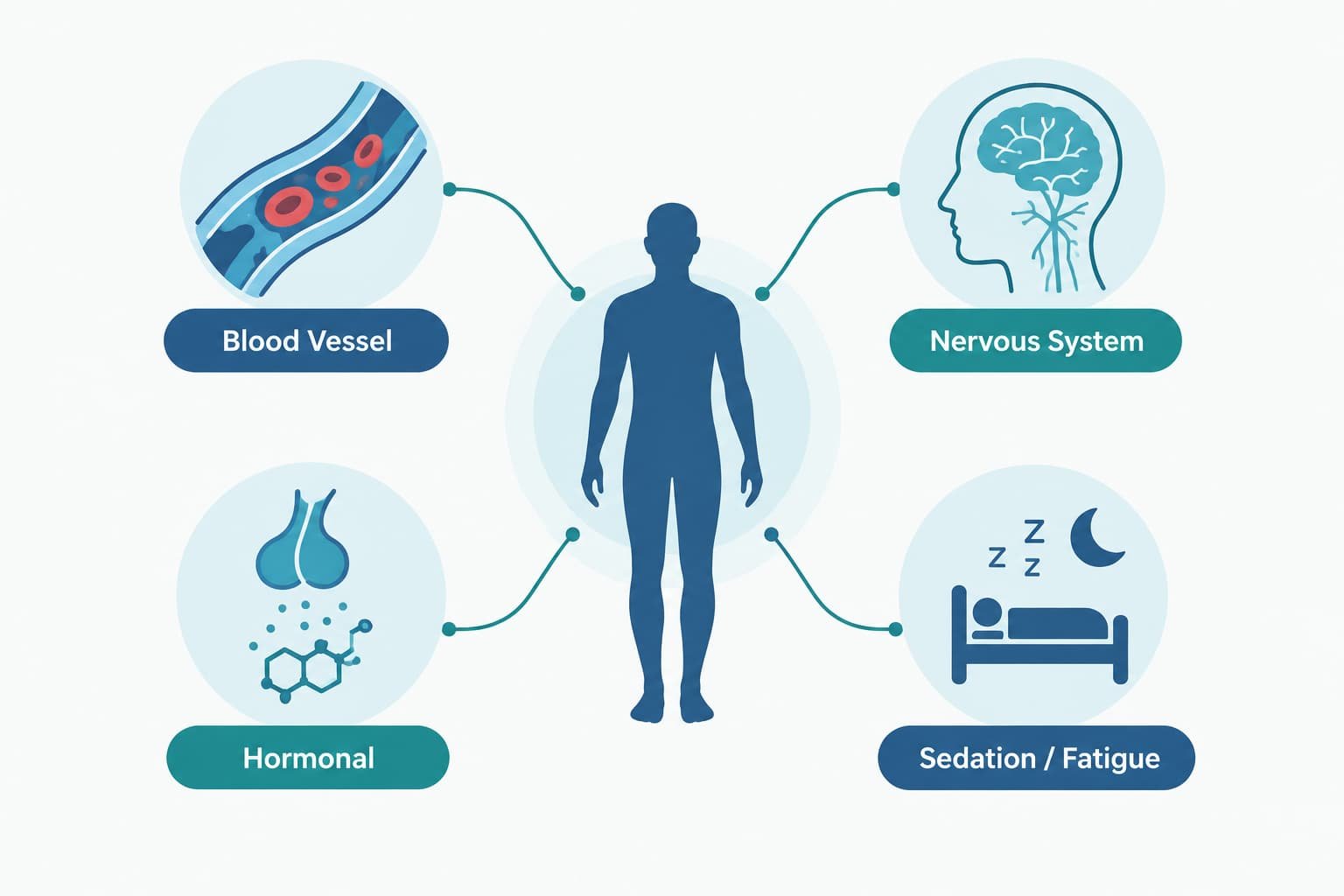
  • P Shot Follow-Up Appointments: What to Expect After Treatment

    P Shot Follow-Up Appointments: What to Expect After Treatment

    ✅Medically reviewed | Updated September 2026

    A single injection rarely tells the full story of any regenerative treatment. The real measure of success often emerges weeks after the needle leaves the skin. For men considering platelet-rich plasma therapy for sexual health, understanding the structured review process matters as much as understanding the procedure itself. Scheduled reviews form the backbone of safe, monitored, and medically accountable care after a P shot treatment. These reviews track healing, measure progress, and flag complications early. This article sets out, in clear and factual terms, what patients can expect from P Shot follow-up appointments, why these visits matter clinically, and how the schedule fits into a realistic treatment timeline.

    What Is the P Shot Treatment?

    The P Shot, also called the Priapus Shot, uses platelet-rich plasma (PRP) drawn from a patient’s own blood. Clinicians process the blood in a centrifuge to concentrate growth factors. Practitioners then inject this concentrate into specific areas of the penis using a fine needle. The stated aim is to support tissue repair, stimulate blood vessel growth, and improve sensitivity.

    PRP centrifuge equipment used in P shot treatment preparation
    Platelet-rich plasma is processed before each P shot treatment session.

    P shot treatment sits within a wider category of non-surgical treatment for erectile dysfunction in London. It differs from oral medication because it targets tissue directly rather than working through the vascular system alone. It differs from surgery because it involves no incisions and requires no general anaesthetic. Recovery time is generally short, though individual experience varies.

    None of this removes the need for structured monitoring afterwards. Every PRP-based intervention carries individual variation in response. This variation is precisely why P Shot follow-up appointments exist as a defined part of the treatment pathway, not an optional extra.

    Why P Shot Follow-Up Appointments Matter

    Follow-up care serves several clinical functions. Clinicians check for swelling, bruising, or unusual sensation. Clinicians assess whether early tissue response matches expected healing patterns. Clinicians also use these appointments to document changes for accurate before-and-after comparison.

    The National Institute for Health and Care Excellence (NICE) has reviewed platelet-rich plasma injections for erectile dysfunction and noted that current evidence on long-term efficacy remains limited. NICE guidance recommends that clinicians offering this treatment maintain careful patient selection, clear consent processes, and structured outcome recording. Regular follow-up visits directly support this recommendation. These reviews create a documented record rather than relying on memory or assumption.

    The NHS also advises that men experiencing persistent erectile difficulties should discuss symptoms with a GP before pursuing private treatment, since some underlying causes require separate medical investigation. Follow-up appointments give clinicians a chance to revisit this history if new symptoms appear during recovery.

    Preparing for a Follow-Up Appointment

    Preparation improves the value of each review. Patients benefit from keeping brief notes on symptoms, sensation changes, and timing of any improvement. Photographs taken under consistent lighting and angle, where appropriate, support objective comparison during a P shot before and after assessment.

    A short list of questions helps structure the conversation:

    • Has healing progressed within the expected timeframe?
    • Are current symptoms normal for this stage of recovery?
    • Does the current pattern suggest a need for a further growth p injection?
    • Are there lifestyle changes that might support better results?

    Bringing these points to a P Shot follow-up appointment allows clinicians to give focused, relevant guidance rather than generic advice.

    The First Follow-Up Appointment: Timing and Purpose

    Most clinics schedule the first review within one to two weeks of the initial injection. This early appointment focuses on immediate recovery rather than long-term results, since tissue regeneration takes considerably longer to become measurable.

    What Happens During the First Review

    Clinicians examine the injection site for signs of infection, excessive bruising, or lumps. Patients answer questions about pain levels, sensation changes, and any effect on urination. Patients also describe the first days after treatment, including when normal daily activity resumed.

    This early check exists to catch problems before escalation, not to judge final results. Drawing conclusions about outcomes at this stage would be premature and clinically inaccurate. The first review instead confirms that healing is progressing as expected.

    Monitoring Recovery After Penile Injection Therapy

    Clinic calendar tracking scheduled P Shot follow-up appointments
    A defined follow-up schedule helps track recovery after penile injection therapy.

    Recovery after any penile injection follows a broadly predictable pattern, though individual timelines vary. Mild swelling and tenderness commonly appear within the first 48 hours. Bruising can last up to two weeks in some patients.

    Common Physical Changes to Expect

    • Localised swelling that reduces gradually over several days
    • Mild bruising around the injection site
    • Temporary tenderness during erections
    • Gradual changes in sensitivity over subsequent weeks

    Clinicians use scheduled reviews to distinguish expected healing from complications requiring intervention. Distinguishing normal recovery from a genuine problem requires clinical judgement, not guesswork.

    When to Contact the Clinic

    Patients should contact the clinic promptly if increasing pain, spreading redness, fever, or discharge develops. These signs fall outside expected recovery and require assessment sooner than the next scheduled visit. Clinics typically provide direct contact details for this purpose at the time of treatment.

    Follow-Up Schedule for P Shot London Patients

    Clinics offering P shot London treatment generally structure reviews around known tissue-repair timelines. While exact protocols vary between providers, a typical schedule includes several defined checkpoints.

    Short-Term Reviews (Week One to Four)

    The initial phase focuses on wound healing and comfort. Clinicians confirm that swelling has resolved and that sensation is returning to baseline. This period also allows discussion of any anxiety or unexpected symptoms arising after treatment.

    Medium-Term Reviews (Six to Twelve Weeks)

    By this stage, growth factor activity has had time to influence tissue. Clinicians assess early functional changes, including erection quality and sensitivity. This window often provides the clearest early indication of whether treatment is progressing as intended. Results remain, however, still early relative to the fuller regenerative timeline some patients experience.

    Ongoing P Shot follow-up appointments beyond twelve weeks are common for patients pursuing multiple sessions or monitoring longer-term change. Some clinics schedule a final review around the six-month mark to close out the initial treatment cycle.

    Assessing Results: P Shot Before and After Evaluation

    Clinician reviewing patient records for P shot before and after assessment
    Objective records support accurate evaluation during P Shot follow-up appointments.

    Clinics often use standardised photography and patient-reported outcome questionnaires, such as validated erectile function scoring tools, to build a P- shot before and after record. This method reduces reliance on subjective memory, which can be unreliable when comparing gradual change over several months.

    Peer-reviewed literature on PRP for sexual dysfunction remains an evolving field. Several small studies report improvements in erectile function scores, while researchers consistently call for larger, controlled trials with longer follow-up periods. Clinics committed to evidence-based practice communicate this uncertainty rather than overstating outcomes. Structured reviews provide the data that allows honest, individualised conversations about progress.

    Photographic and questionnaire-based assessment during these appointments also protects against a common source of bias: patients naturally focus on desired change and may overlook plateau periods or minor setbacks. A clinician reviewing objective records offers a more balanced picture than memory alone can provide.

    Repeat Sessions and Additional Growth P Injection Considerations

    Not every patient requires a single session. Some men, particularly those with more significant baseline dysfunction, benefit from a second growth p injection several months after the first. Decisions about repeat treatment rely heavily on findings from P Shot follow-up appointments rather than a fixed protocol applied to every patient.

    Clinicians weigh several factors before recommending a further session:

    1. Degree of improvement recorded so far
    2. Time elapsed since the previous injection
    3. Patient goals and realistic expectations
    4. Any recurring or unresolved symptoms

    Repeat treatment decisions should always follow clinical assessment, never a preset sales target. This approach keeps care proportionate to genuine need rather than driven by routine upselling.

    Lifestyle Factors That Influence Follow-Up Outcomes

    Several modifiable factors affect how tissue responds between appointments. Smoking reduces blood flow and can slow regeneration. Poorly controlled diabetes and cardiovascular disease also influence healing capacity, since both conditions affect small blood vessels relevant to erectile function.

    Clinicians typically raise these factors during a P Shot follow-up appointment if recovery appears slower than expected. Practical adjustments discussed may include:

    • Reducing or stopping smoking
    • Improving control of blood glucose levels
    • Increasing regular physical activity
    • Reviewing medications that affect circulation with a GP

    Addressing these factors does not replace clinical treatment, but it can support the biological processes that PRP therapy aims to stimulate.

    Realistic Outcomes and Limitations

    Regenerative treatments for sexual health do not guarantee specific results. Response varies according to age, underlying vascular health, smoking status, and other medical conditions. Some patients notice modest improvement. Others notice more pronounced change. A minority report limited benefit despite completing the full follow-up schedule.

    Setting realistic expectations from the outset reduces disappointment and supports informed consent. NICE guidance specifically flags the need for clear patient information given the current evidence base. Clinics should explain, before treatment begins, that PRP therapy is not currently supported by the same volume of large-scale trial data as established ED treatments such as PDE5 inhibitors.

    Follow-up appointments give patients a structured opportunity to voice concerns if results fall short of expectations. Clinicians can then discuss alternative or complementary options, including standard NHS-recognised treatments where appropriate.

    Cost Considerations: Priapus Shot Price and Follow-Up Care

    Priapus shot price varies between P shot UK clinics and often depends on the number of sessions included, the technology used to process plasma, and whether follow-up appointments form part of the package. Patients should clarify, before committing to treatment, how many review appointments the price covers and what additional reviews might cost.

    Transparent pricing that includes defined follow-up care reflects better clinical governance. A price that covers only the injection, with no built-in review structure, may leave gaps in monitoring at the precise stage when close review matters most.

    Non-Surgical Treatment for Erectile Dysfunction in London: Where Follow-Up Fits In

    Private London clinic offering non-surgical treatment for erectile dysfunction
    Structured aftercare distinguishes reputable non-surgical treatment for erectile dysfunction in London.

    London hosts a growing number of clinics offering non-surgical treatment for erectile dysfunction, ranging from shockwave therapy to PRP-based injections such as the Priapus shot London. Across these options, structured aftercare consistently distinguishes higher-standard providers from less rigorous ones.

    Harley Street clinic pshots clinic uk, led by Dr Syed Nadeem Abbas, operates as one private provider within London’s regenerative men’s health sector. Regardless of which clinic a patient selects, the presence of clearly defined P Shot follow-up appointments should factor into that choice. Follow-up structure indicates whether a provider prioritises monitored, accountable care over a single transactional visit.

    Who Conducts P Shot Follow-Up Appointments

    Clinical governance depends on continuity of care. Ideally, the same practitioner who performed the initial injection also conducts subsequent reviews, since this practitioner already holds a baseline understanding of anatomy and initial response. Where a different clinician conducts a review, thorough case notes and photographic records become even more important.

    Regulatory bodies in the UK expect private clinics offering injectable procedures to maintain clear clinical records, informed consent documentation, and a defined complications pathway. A clinic without a transparent follow-up structure raises a legitimate question about its wider clinical governance. Patients researching P shot London providers can reasonably ask how many reviews a package includes and which clinician performs each one.

    Documentation and Ongoing Clinical Records

    Every P Shot follow-up appointment should generate a written record. This record typically includes examination findings, patient-reported symptoms, any photographs taken with consent, and a plan for the next review. Good documentation protects patients by creating an accurate account of recovery, and it protects clinics by demonstrating that care followed a considered, evidence-led process.

    Consistent record-keeping also supports continuity if a patient later switches clinics or seeks a second opinion. A complete history of appointments, symptoms, and outcomes gives any new clinician a clearer starting point than a single verbal summary could provide.

    Data protection principles apply equally to intimate medical photography and written notes. Clinics should explain, before any image is taken, how records are stored, who can access the records, and how long retention lasts. Patients considering a P Shot follow-up appointment involving photographic comparison should feel able to ask these questions directly and receive a clear, specific answer rather than a vague reassurance.

    Frequently Asked Questions

    How many P Shot follow-up appointments should patients expect?

    Most clinics schedule at least two reviews: one within the first two weeks and another between six and twelve weeks. Additional appointments depend on individual healing and whether repeat treatment is being considered.

    Are follow-up appointments included in the treatment price?

    This varies by clinic. Some providers include a set number of reviews within the initial Priapus shot price, while others charge separately. Confirming this detail before booking avoids confusion later.

    What if no improvement appears by the first follow-up?

    Early appointments assess healing, not final results. Tissue regeneration typically takes several weeks longer to become apparent, so limited change at the first review does not necessarily indicate treatment failure.

    Can follow-up appointments be conducted remotely?

    Some clinics offer a remote check-in for straightforward recoveries, particularly for patients travelling from outside London. In-person assessment remains preferable when physical examination is needed.

    Can the P Shot be combined with other ED treatments during follow-up?

    Some clinicians discuss combining PRP therapy with shockwave therapy or continuing existing PDE5 inhibitor use, depending on individual response noted during follow-up. Any combination should follow clinical advice rather than patient self-direction.

    Is the P Shot suitable for everyone considering non-surgical ED treatment?

    No single treatment suits every patient. Suitability depends on medical history, current medication, and the underlying cause of erectile dysfunction. A qualified clinician should assess this during initial consultation, before treatment or follow-up scheduling begins.

    Key Takeaways

    Structured aftercare separates responsible regenerative medicine from treatment offered without clinical oversight. P Shot follow-up appointments give patients and clinicians a shared, evidence-based way to track healing, measure realistic progress, and adjust plans where necessary. Anyone considering P shot treatment should ask, before booking, exactly what follow-up schedule accompanies the procedure, and what happens if that schedule reveals limited progress. Given the evidence gaps that NICE has acknowledged around PRP for erectile dysfunction, how much weight should follow-up data carry in deciding whether to pursue further sessions?

    read more: P-Shot Aftercare: The Complete Pre and Post Treatment Guide

    When Should You Book a P-Shot Booster? Signs It’s Time

    P Shot Treatment London

    Dr Syed Nadeem Abbas, MBBS, MRCSEd, MSc Aesthetic Plastic Surgery (Distinction) Medical Director, Pshot Clinic | CQC Regulated | Monday to Saturday 10:00–18:00 +44 7955 836986

  • P Shot and Male Fertility: Does It Affect Sperm?

    P Shot and Male Fertility: Does It Affect Sperm?

    ✅Medically reviewed | Updated September 2026

    Men researching the P Shot often ask an unexpected question. Does the treatment affect fertility or sperm quality? The P Shot and Male Fertility question sits at an unusual crossroads in modern regenerative medicine. One field studies a non-surgical treatment for erectile dysfunction in London. It uses a man’s own blood to support penile tissue. A separate, fast-growing field studies intratesticular platelet injections aimed directly at treating infertility. Marketing language and online forums often blur these two applications together. This creates an assumption that a treatment for erectile function must also influence sperm production. Recent peer-reviewed reviews in Stem Cell Research & Therapy reveal current findings. These findings show what platelet-rich plasma research can demonstrate about male reproductive health.

    This article separates evidence-based fact from marketing assumption. It clarifies exactly where sperm health fits into the P Shot and Male Fertility picture. The distinction matters. Private clinics increasingly promote regenerative injections as broad wellness solutions, sometimes without clarifying which specific outcomes the research actually supports.

    What Is the P Shot? A Brief Clinical Overview

    Centrifuge separating platelet-rich plasma for a P Shot treatment
    PRP preparation involves centrifuging a small blood sample to concentrate platelets and growth factors.

    The P Shot, also called the Priapus Shot, is a p injection technique. It was developed for erectile dysfunction. The p shot treatment uses platelet-rich plasma (PRP) extracted from a patient’s own blood. A clinician draws a small blood sample and processes it through a centrifuge. This process concentrates platelets rich in growth factors. Key factors include platelet-derived growth factor (PDGF), vascular endothelial growth factor (VEGF), and transforming growth factor beta (TGF-beta). The concentrated plasma is injected into specific areas of the penis. Injection sites typically include the shaft and glans, under local anaesthetic. The stated goal is improved blood flow, tissue repair, and enhanced erectile function, not a change in reproductive capacity.

    Marketing claims about penile injection growth sometimes describe size-related outcomes. These claims differ from the evidence-based purpose, which centres on tissue repair rather than fertility. The procedure targets penile erectile tissue directly. It does not involve the testes, epididymis, or seminal vesicles, the structures responsible for sperm production and storage. This anatomical distinction matters for anyone raising P Shot and Male Fertility concerns before treatment. A pre-treatment consultation typically reviews erectile dysfunction history, current medications, and reproductive health concerns. This allows the clinician to flag anatomical or procedural questions before injection.

    Understanding Male Fertility and Sperm Health

    Diagram of sperm cell structure relevant to male fertility assessment
    Sperm concentration, motility, and morphology are the key markers used to assess male fertility.

    Male fertility depends on several measurable sperm parameters. These include concentration, motility, morphology, and DNA integrity. According to NHS guidance, common causes of male infertility include hypogonadism, certain medications, illegal drug use, and chemotherapy. The National Institute for Health and Care Excellence (NICE) recommends genetic testing for men with persistently low sperm concentration. NICE also outlines clear investigation pathways for couples experiencing fertility problems. Sperm production, known as spermatogenesis, occurs within the testes over an approximately 64 to 72-day cycle. Hormonal signals from the pituitary gland regulate this process through follicle-stimulating hormone (FSH) and luteinising hormone (LH).

    World Health Organization reference values classify a sperm concentration below 16 million per millilitre as below the typical fertile range. Natural variation still exists between individuals. Any factor that disrupts testicular function, hormonal balance, or the testicular blood supply can influence fertility outcomes. Recognising which treatments interact with these specific structures matters. This distinction, rather than unrelated anatomy, is essential when evaluating claims about the P Shot and Male Fertility relationship.

    PRP and Male Fertility: What the Research Actually Shows

    Platelet-rich plasma has attracted growing research interest across reproductive medicine. A 2025 systematic review in Stem Cell Research & Therapy examined 43 studies. These studies covered PRP applications in male reproductive health. The review covered five distinct research categories. These included in vitro spermatogenesis, sperm cryopreservation, intratesticular PRP injection for infertility, testicular toxicity protection, and testicular torsion injury. None of these categories involved the type of penile injection used in the P Shot procedure.

    Intratesticular PRP Injections for Infertility

    Several studies reviewed by the Springer authors examined PRP injected directly into the testes. Participants had non-obstructive azoospermia or oligoasthenoteratozoospermia. One trial involved 135 men with non-obstructive azoospermia. A small percentage produced retrievable sperm after intratesticular PRP injection. Another randomised trial of 88 men with oligoasthenoteratozoospermia reported modest improvements in sperm concentration and motility after three months. These interventions target testicular tissue directly, aiming to support spermatogenesis at its source. Sperm was retrieved in 27.5% of first-attempt patients and 16.4% of repeat-attempt patients. This illustrates modest, condition-specific benefit rather than a general fertility boost. This procedure differs fundamentally from the P Shot, which targets penile erectile tissue rather than the testes.

    PRP Added to Sperm Samples in the Laboratory

    A separate 2025 study, published via ScienceDirect, examined an entirely different application. Researchers added PRP directly to collected semen samples during laboratory incubation and swim-up processing. This is a fertility clinic technique, applied outside the body to sperm already collected. Results showed improved total and progressive motility in both normal and abnormal semen samples. This laboratory application has no anatomical or procedural connection to a penile PRP injection performed in a clinic setting.

    How PRP’s Growth Factors Interact With Reproductive Tissue

    PRP contains a concentrated mixture of growth factors. Key examples include PDGF, VEGF, TGF-beta, and fibroblast growth factor. Within testicular tissue, laboratory and animal studies suggest these molecules may support spermatogonial stem cell viability. These molecules may also reduce oxidative damage to developing sperm cells. Within penile tissue, the same growth factors are theorised to support vascular repair. These factors may also support smooth muscle function relevant to erectile response. The biological mechanism differs according to the tissue receiving the injection. Growth factors do not automatically produce the same effect in every organ. Local receptor density, blood supply, and cell type all influence outcomes. This principle matters. Findings from testicular PRP research cannot be assumed to apply to a penile P Shot injection without direct testing.

    Comparing the P Shot to Other Regenerative Approaches for Fertility

    Men exploring regenerative options for reproductive or sexual health may encounter several distinct treatments. Intratesticular PRP injection targets infertility directly and remains under active clinical investigation. Laboratory PRP supplementation supports sperm samples during fertility treatment cycles. The P Shot, by contrast, targets erectile function through localised penile injection. Each approach uses the same underlying biological material, autologous platelet-rich plasma. The injection site, clinical indication, and evidence base differ substantially. Men should avoid assuming interchangeable outcomes across these three distinct applications.

    Does the P Shot Itself Affect Sperm or Fertility?

    No published clinical trial has examined whether a penile P Shot injection changes sperm parameters or fertility outcomes. The existing PRP-fertility evidence base, discussed above, investigates entirely separate delivery routes: direct testicular injection or laboratory-based sperm treatment. A penile injection targets vascular and erectile tissue, not the seminiferous tubules where sperm production occurs. PRP used in the P Shot remains within the corpus cavernosum and surrounding penile tissue. It does not circulate systemically in concentrations likely to alter testicular hormone production or spermatogenesis.

    This localised delivery is a core principle behind PRP-based regenerative therapy for ED generally. Current marketing sometimes implies a P Shot and Male Fertility connection that lacks direct supporting evidence. Clinicians typically describe the treatment’s intended effect as local tissue support rather than a systemic hormonal or reproductive intervention. Absence of evidence for harm is not the same as proof of neutrality. Men with active fertility concerns deserve a cautious, individualised conversation before proceeding.

    What the Current Evidence Cannot Yet Tell Us

    PRP research in male reproductive medicine remains at an early stage. The Stem Cell Research & Therapy review noted considerable inconsistency. Preparation protocols, dosing, and outcome measures varied widely across studies. Many findings originate from animal models rather than large human trials. Sample sizes in the available human studies remain small, often fewer than 100 participants. Few trials include long-term follow-up beyond several months. Long-term safety data on intratesticular PRP remains limited. No dedicated trial has directly measured semen parameters before and after a standard penile P Shot procedure. Until such trials exist, any confident claim about the P Shot and Male Fertility relationship remains speculative. Men actively trying to conceive, or planning to do so soon, should raise this evidence gap directly. A qualified clinician should confirm suitability before any PRP-based treatment. Extrapolating fertility benefit, or fertility risk, from unrelated PRP applications is not supported by current data.

    Who Typically Considers the P Shot

    Men considering the P Shot commonly present with erectile dysfunction. First-line options, such as oral PDE5 inhibitors, have often not fully resolved symptoms. Some men seek the treatment alongside lifestyle changes or shockwave therapy as part of a broader management plan. Age, cardiovascular health, and psychological factors all influence erectile function and should be assessed before treatment. Men with an active fertility concern form a distinct group within this population. This group’s specific questions about sperm health warrant separate, dedicated discussion during consultation.

    Priapus Shot Price and Availability in the UK

    Priapus shot price in private UK clinics typically ranges from £900 to £1,500 per session. Cost depends on clinic location, practitioner experience, and recommended session number. Cost varies between a p shot London clinic and providers outside major cities. This reflects differences in overheads and consultation standards. Men researching Priapus shot London providers should compare consultation standards as carefully as price. A thorough medical consultation should precede any p shot UK booking. This includes a review of relevant medical history and fertility-related concerns. Clinics offering this treatment should provide transparent pricing and avoid bundling unrelated add-on services into a single quoted fee.

    Non-Surgical Treatment for Erectile Dysfunction in London: Where the P Shot Fits

    London hosts a growing number of clinics offering non-surgical treatment for erectile dysfunction. Options range from oral medication to shockwave therapy and PRP-based treatment. The P Shot represents one branch of natural ED treatment using PRP therapy, alongside other regenerative approaches. Men seeking erectile dysfunction treatment London providers should consider evidence quality and practitioner qualifications. Realistic outcome expectations matter before selecting a specific option. Clinics such as pshots clinic uk, led by Dr Syed Nadeem Abbas, provide consultations assessing suitability for PRP-based treatment. Other established options are also considered. Selecting a registered clinic with clear clinical governance matters more than choosing a treatment based on marketing claims alone.

    P Shot Before and After: Realistic Expectations

    P shot before and after photographs are widely shared online. These images focus on subjective appearance and reported erectile function, not fertility markers. No published before-and-after data includes semen analysis results. Prospective patients should treat visual before-and-after material as illustrative rather than diagnostic evidence of any fertility-related outcome. Realistic expectations centre on erectile function, sensation, and tissue response, not reproductive capacity.

    Safety Considerations for Men Concerned About Fertility

    Men actively planning conception should disclose this intention during consultation. A qualified clinician can then discuss the current limits of PRP research. This includes the P Shot and Male Fertility evidence gap outlined above. Standard exclusion criteria for PRP-based treatments include active infection, bleeding disorders, and certain blood-thinning medications. No current guideline recommends postponing conception attempts because of a prior penile P Shot procedure. Individualised medical advice always takes precedence over general information. M-en with pre-existing fertility diagnoses, including azoospermia or severe oligospermia, may benefit more from the intratesticular PRP research pathway. A penile-focused treatment is less directly relevant. A referral to a fertility specialist remains the appropriate first step for men with a confirmed fertility diagnosis. A cosmetic or sexual health clinic is not the right starting point.

    Frequently Asked Questions

    Does the P Shot affect sperm count or sperm production?

    No published clinical study has measured sperm count changes following a penile P Shot injection. Existing PRP-fertility research examines different delivery methods entirely.

    Is the P Shot and Male Fertility link supported by clinical trials?

    No dedicated trial currently exists. Available evidence covers intratesticular PRP injection and laboratory sperm processing, not penile PRP injection.

    Can the P Shot be combined with fertility treatment?

    Men undergoing fertility investigation or treatment should discuss any additional procedure with the treating clinician first. This includes the P Shot.

    How much does the Priapus Shot cost in the UK?

    Priapus shot price typically ranges from £900 to £1,500 per session in private UK clinics. Costs vary by provider.

    Does PRP used in fertility treatment come from the same process as the P Shot?

    Both use autologous platelet-rich plasma prepared through centrifugation. The injection site and clinical purpose differ substantially.

    Should men trying to conceive avoid the P Shot altogether?

    Current evidence does not confirm harm. Men trying to conceive should still raise this specific question during consultation before proceeding.

    Are the studies on PRP and fertility relevant to a standard P Shot consultation?

    These studies provide useful background on PRP biology. Background research does not substitute for direct evidence on penile PRP injection and fertility outcomes.

    Does age affect how PRP research applies to fertility discussions?

    Sperm quality naturally declines with age, regardless of any PRP treatment. Age-related fertility factors should be discussed separately from any P Shot consultation.

    Key Takeaways

    The P Shot and Male Fertility question deserves a precise, evidence-based answer. An assumption borrowed from unrelated research is not sufficient. Current studies on PRP and fertility focus on intratesticular injection and laboratory sperm processing. Neither examines the penile procedure used in a standard P Shot. No direct clinical evidence currently links a penile P Shot injection to changes in sperm count, motility, or fertility outcomes. None currently proves complete neutrality either. Men considering treatment, particularly those actively planning conception, benefit most from a detailed consultation. This consultation should address the evidence gap directly. Informed decision-making depends on separating documented clinical outcomes from marketing narrative. Platelet-rich plasma research continues to expand across reproductive medicine. Will future trials finally test the P Shot itself for any measurable effect on male fertility?

    read more: Men’s Sexual Health in 2026: Trends, Treatments and Taboos

    How to Prepare for a P-Shot: Full Pre-Treatment Checklist

    P shot Treatment London

    Dr Syed Nadeem Abbas, MBBS, MRCSEd, MSc Aesthetic Plastic Surgery (Distinction) Medical Director, Pshot Clinic | CQC Regulated | Monday to Saturday 10:00–18:00 +44 7955 836986

  • How Long Do P-Shot Effects Take to Develop?

    How Long Do P-Shot Effects Take to Develop?

    ✅Medically reviewed | Updated September 2026

    Erectile dysfunction affects a large proportion of adult men in the UK, and interest in regenerative alternatives to daily tablets continues to grow. The Priapus Shot, widely known as the P-Shot, uses platelet-rich plasma drawn from a man’s own blood to stimulate tissue repair inside the penis. Understanding the P-Shot effects timeline matters as much as the procedure itself, because unrealistic expectations often lead to disappointment. Oral medication works within an hour. Regenerative injections operate differently. Results develop gradually over weeks and months as cellular repair processes unfold beneath the surface. This article sets out the biological mechanism behind the treatment, breaks the results timeline into clear stages, and reviews the clinical evidence supporting — and questioning — its use. Balanced, fact-based information supports informed decisions about non-surgical treatment for erectile dysfunction in London and beyond.

    What Is the P-Shot and How Does It Work

    The P-Shot involves drawing a small blood sample and spinning it in a centrifuge. This process concentrates platelets into a solution called platelet-rich plasma (PRP). A clinician then injects this PRP into specific areas of the penis, including the corpus cavernosum. The corpus cavernosum consists of spongy tissue that fills with blood during an erection.

    Growth factors within the concentrated platelets theoretically trigger new blood vessel formation and nerve tissue repair. Practitioners describe this as a regenerative approach to erectile dysfunction, distinct from medications that simply increase blood flow on a temporary basis. The procedure typically takes between 30 and 45 minutes and uses topical anaesthetic to reduce discomfort during the injections.

    The Biological Mechanism Behind Regenerative Results

    Platelets release several growth factors after injection, including platelet-derived growth factor and vascular endothelial growth factor. These proteins may stimulate angiogenesis, the formation of new blood vessels, and support nerve tissue repair. Researchers at Guy’s and St Thomas’ NHS Foundation Trust noted that PRP may modify inflammatory and neuroprotective processes linked to erectile dysfunction.

    Diagram showing how PRP is separated for P-Shot treatment
    Concentrated platelets release growth factors that drive P-Shot effects.

    This mechanism explains why P-Shot effects take time to develop. Tissue regeneration is a biological process, not an instant chemical reaction. New vessels do not form overnight. Nerve tissue repair follows its own gradual pace, shaped by individual biology rather than the calendar. Patience becomes essential when considering this treatment route.

    Why the Timeline Differs From Standard ED Medication

    PDE-5 inhibitor tablets, such as sildenafil, work by relaxing blood vessels for a matter of hours. Regenerative injections aim instead to change the underlying tissue over an extended period. This distinction explains why the results timeline cannot be compared directly against a tablet that works within sixty minutes. One approach manages a symptom temporarily. The other attempts a slower, structural change.

    The P-Shot Results Timeline: Week by Week

    Men researching P shot before and after outcomes often expect a fixed, universal schedule. In practice, the timeline varies between individuals, though a general pattern applies across most cases.

    Days 1 to 7: Initial Recovery Phase

    Mild swelling, bruising, and tenderness commonly appear at the injection site during the first week. These symptoms usually resolve within seven to ten days. No meaningful improvement appears during this early period. The body focuses on healing the injection sites rather than generating new tissue.

    Clinicians typically advise abstaining from sexual activity and strenuous exercise for several days after a p injection. This precaution allows the concentrated platelets to remain in the target tissue rather than dispersing prematurely.

    Weeks Two to Four: Early Tissue Response

    Growth factor activity increases during this phase. Some men report subtle changes in sensitivity or firmness, though formal studies rarely detect measurable improvement this early. Early changes tend to be inconsistent and should not be treated as a reliable predictor of the final outcome.

    Individual variation becomes apparent at this stage. Some men notice nothing during the first month. Others report gradual, minor changes. Neither pattern reliably predicts eventual success or failure.

    Months One to Three: Peak P-Shot Effects

    P-Shot effects timeline from week one to month six
    P-Shot effects typically peak between one and three months post-treatment.

    Most clinical evidence points to this window as the period when P-Shot effects become most noticeable, if noticeable change develops at all. Angiogenesis and tissue remodelling reportedly continue throughout these months. Patient-reported outcome measures, such as the International Index of Erectile Function (IIEF), typically show the greatest change between one and three months after treatment.

    A meta-analysis published in PLOS One reviewed twelve controlled trials involving 991 patients and found that the PRP group demonstrated better IIEF outcomes than control groups, with a standardised mean difference of 0.59. This figure indicates a moderate effect, not a guaranteed transformation. Individual results still vary considerably between patients.

    Months Three to Six: Stabilisation and Realistic Outcomes

    By month three, most men who respond to treatment reach peak improvement. Results generally stabilise between three and six months, with limited further change beyond this point. Some clinics report that benefits persist for twelve to eighteen months, though robust long-term data remains limited.

    Not every patient experiences noticeable improvement within this timeframe. Evidence quality varies across studies, and several trials found no statistically significant difference between PRP and placebo groups. This inconsistency deserves clear acknowledgement rather than dismissal.

    Factors That Influence How Quickly Results Develop

    Several variables affect the speed and extent of tissue response following treatment.

    Age and Baseline Vascular Health

    Younger men with healthier blood vessels typically show tissue repair more efficiently than older men with established vascular disease. Diabetes, hypertension, and a history of smoking all reduce the tissue’s regenerative capacity. Clinicians assess vascular health before recommending treatment, since underlying disease often limits the potential benefit.

    Severity of Erectile Dysfunction

    Men with mild to moderate erectile dysfunction generally show a more favourable response than men with severe, long-standing dysfunction. A 2021 double-blind, randomised, placebo-controlled trial specifically enrolled patients with mild and moderate erectile dysfunction, reflecting this pattern in trial design. Severe cases involving significant fibrous tissue changes may not respond meaningfully to regenerative injection at all.

    Lifestyle Factors and General Health

    Smoking, poor cardiovascular fitness, and unmanaged diabetes can all slow tissue repair. Addressing modifiable risk factors alongside treatment may support better outcomes, though no robust clinical evidence confirms this specific combination improves the overall timeline.

    Number of Treatment Sessions

    Some clinics recommend a single injection, while others build a protocol around two sessions spaced roughly a month apart. Certain trial designs used this two-session model when assessing outcomes. The number of sessions received may influence both the speed and durability of any improvement, though evidence comparing single versus repeat protocols remains limited.

    Clinical Evidence on P-Shot Effects for Erectile Dysfunction

    Evidence quality remains a central limitation across this field. A 2024 systematic review concluded that PRP therapy showed small to moderate benefits with mild and transient side effects across the studies analysed. However, the same review noted that neither the European Association of Urology nor the American Urological Association currently endorses PRP injections, classifying the treatment as experimental for erectile dysfunction.

    A more recent meta-analysis of randomised controlled trials reached a more cautious conclusion. It found that current evidence does not support a consistent, clinically meaningful improvement with PRP monotherapy compared with placebo. High heterogeneity between studies, small sample sizes, and methodological limitations reduce confidence in these findings.

    Clinical research reviewing evidence on P-Shot effects for ED"
    Current evidence on P-Shot effects remains mixed across clinical trials.

    This mixed evidence base means meaningful benefit cannot be guaranteed for any individual patient. Some studies report meaningful improvement measured against the IIEF questionnaire. Others find no statistically significant difference from placebo. Both findings appear in peer-reviewed literature, and both deserve consideration before booking a P shot treatment.

    NICE has not issued specific guidance endorsing PRP injections for erectile dysfunction. The NHS continues to recommend PDE-5 inhibitor tablets, such as sildenafil, as first-line treatment for most men. Regenerative injections remain a private, out-of-pocket option rather than a standard NHS pathway, which shapes decisions about pricing and access across the UK.

    P-Shot Before and After: What Realistic Results Look Like

    Marketing materials sometimes present dramatic before-and-after comparisons. Photographic evidence carries significant limitations. Lighting, positioning, and arousal state all affect penile appearance independently of any treatment. A single photograph rarely provides reliable evidence of genuine physiological change.

    Genuine improvement, where it occurs, typically presents as firmer erections, improved sensitivity, or reduced reliance on oral medication, rather than dramatic visible transformation. Some men report changes consistent with modest penile injection growth in girth or sensation, though this outcome is not consistent or guaranteed across the wider patient population. Clinicians should set expectations around functional improvement rather than cosmetic change, and should discuss the limitations of photographic comparison openly during consultation.

    P Shot Treatment Options in London

    Several private clinics across the capital now offer P shot London and Priapus shot London services alongside other non-surgical treatment for erectile dysfunction in London. Pshots clinic UK, a Harley Street clinic led by Dr Syed Nadeem Abbas, is one example of a private provider offering this treatment within a structured clinical consultation framework.

    Priapus shot price varies between clinics, typically depending on the number of sessions included and the specific PRP preparation system used. Patients should request a detailed breakdown of Priapus shot price before committing to a treatment plan, including any follow-up sessions required to reach peak effect. Costs for erectile dysfunction treatment London generally sit well above the price of a course of standard oral medication, reflecting the additional equipment and clinical time involved.

    P shot UK availability continues to expand, though the treatment remains unregulated as a specific licensed indication. Patients considering this route should verify that the treating clinician holds appropriate medical qualifications and follows sterile injection protocols throughout the procedure, alongside a clear informed consent process.

    Comparing the P-Shot Effects Timeline With Other ED Treatments

    TreatmentTime to EffectEvidence QualityDuration of Benefit
    PDE-5 inhibitor tablets30–60 minutesExtensive RCT evidenceSingle use, per dose
    Penile injections (alprostadil)5–20 minutesWell establishedSingle use, per dose
    P-Shot (PRP therapy)4–12 weeksLimited, mixed RCT evidenceReported 12–18 months

    This comparison highlights a fundamental difference in approach. Oral medications and injectable alprostadil produce immediate, predictable effects for a single sexual encounter. Regenerative treatment, when it works, aims to improve underlying tissue function over a longer period rather than producing an immediate erection on demand.

    Who Should Consider This Treatment

    Men who have not responded well to oral medication, or who experience side effects from PDE-5 inhibitors, sometimes explore PRP-based regenerative therapy for ED as an alternative route. Men seeking a natural ED treatment using PRP therapy, derived from their own blood rather than synthetic compounds, may also find this approach appealing in principle, even where the supporting evidence remains limited.

    Limitations and Who Should Avoid It

    Men with bleeding disorders, active infection at the injection site, or certain blood-related conditions should avoid this treatment. Men with severe, fibrotic erectile dysfunction may see little benefit, since PRP cannot reverse extensive structural tissue damage. Anyone currently taking blood-thinning medication should discuss this with a treating clinician beforehand, well ahead of any scheduled p injection.

    Realistic expectations remain essential throughout. Current evidence does not support this treatment as a guaranteed cure. It represents one option among several, with a developing but still limited evidence base, and outcomes vary between individuals for reasons not yet fully understood.

    What to Expect During Consultation and Follow-Up

    A thorough consultation should include a review of medical history, current medication, and the severity of erectile dysfunction using a validated questionnaire such as the IIEF. Baseline scoring allows a clinician to measure any subsequent change objectively, rather than relying on impression alone.

    Follow-up appointments at one, three, and six months allow tracking of the treatment timeline against baseline measurements. This structured approach helps separate genuine improvement from normal day-to-day variation in erectile function, and gives both patient and clinician a clearer picture of whether the chosen protocol is delivering the intended result.

    Frequently Asked Questions

    How soon do P-Shot effects become noticeable after treatment? 

    Most men report the earliest subtle changes between two and four weeks. Peak improvement generally appears between one and three months after injection.

    Do the results last permanently after a single session? 

    No. Reported benefits typically last twelve to eighteen months. Long-term data remains limited, and some men opt for repeat sessions to sustain results over time.

    Does everyone experience the same results timeline?

     No. Age, baseline vascular health, and the severity of erectile dysfunction all influence how quickly, and whether, tissue responds to treatment.

    Is P shot treatment painful? 

    Topical anaesthetic reduces discomfort during injection. Mild bruising, swelling, and tenderness commonly follow for several days afterward.

    What does Priapus shot price typically include? 

    Priapus shot price usually covers the blood draw, PRP preparation, and injection procedure. Some clinics bundle multiple sessions into a package, which affects the overall figure quoted.

    Is this treatment available on the NHS?

     No. The NHS offers PDE-5 inhibitor tablets as first-line treatment. This procedure remains a private option across UK clinics, including those offering P shot London and Priapus shot London services.

    Conclusion

    P-Shot effects develop gradually, following a biological timeline rather than an immediate chemical response. Early weeks bring recovery rather than improvement. Peak effects, where present, typically emerge between one and three months, with stabilisation following by month six. Clinical evidence remains genuinely mixed, with some trials reporting moderate benefit and others finding no significant difference from placebo. Men considering this treatment deserve balanced information about realistic outcomes, evidence limitations, and appropriate alternatives, rather than promises of guaranteed transformation. Informed decision-making depends on weighing current research honestly against personal circumstances and treatment goals. Given the variability in individual response, what specific evidence would make this treatment’s true role in erectile dysfunction care genuinely clear?

    read more: Factors That Influence P Shot Success Rates

    When Will I See Results from P Shot in London? A Realistic Timeline

    P shot treatment London

    Dr Syed Nadeem Abbas, MBBS, MRCSEd, MSc Aesthetic Plastic Surgery (Distinction) Medical Director, Pshot Clinic | CQC Regulated | Monday to Saturday 10:00–18:00 +44 7955 836986