Tag: priapus shot price

  • Where Are P Shot Injections Placed, and Why Does Technique Matter?

    Where Are P Shot Injections Placed, and Why Does Technique Matter?

    ✅Medically reviewed

    Needle position shapes both the safety and the purpose of a P shot. The P shot, also called the Priapus Shot, places platelet-rich plasma (PRP) into penile tissue. Clinics often describe the treatment as quick and simple. The P shot injection technique behind it involves precise anatomy, sterile preparation and controlled needle depth.

    Men who type “how is the P shot done” into a search engine often find brief answers. Many pages mention a few shaft injections and stop there. That summary leaves out the detail that matters. The penis contains erectile chambers, a tough outer sheath, the urethra, a large dorsal vein and fine sensory nerves. Each structure influences where the needle enters.

    Trials of PRP for erectile dysfunction (ED) show mixed results. A 2026 meta-analysis of seven randomised trials found no significant difference from placebo at one, three or six months. An earlier 2024 analysis of three trials reported short-term gains in mild to moderate ED. Neither the NHS nor NICE currently lists PRP among standard ED treatments.

    This article explains P shot injection placement, numbing methods, injection numbers and safety checks. A comparison with standard penile injection therapy follows. The aim is to give balanced, accurate information to UK readers who weigh P shot treatment. Technique also affects comfort, bruising and recovery. The sections below follow a typical appointment, from screening to aftercare.

    What the P Shot Aims to Do

    The P shot uses PRP from the patient’s own blood. A centrifuge concentrates the platelets, which release growth factors. Researchers propose that these factors encourage new blood vessel growth and tissue repair. Human evidence for that effect remains limited.

    Established ED care in the UK does not currently include PRP. The NHS lists lifestyle changes, oral phosphodiesterase type 5 inhibitors, vacuum devices and prescribed penile injections. NICE Clinical Knowledge Summaries follow a similar approach. Private clinics across the UK offer the P shot as an additional option. Costs therefore fall on the patient.

    Penile Anatomy Behind P Shot Injection Placement

    Safe P shot injection technique starts with anatomy. Three structural groups guide most decisions.

    The Corpora Cavernosa

    Two cylindrical chambers run along the shaft. Spongy erectile tissue fills each chamber. That tissue fills with blood during an erection. The 2024 meta-analysis assessed intracavernosal PRP injection, which places PRP directly into these chambers.

    The Tunica Albuginea and Buck’s Fascia

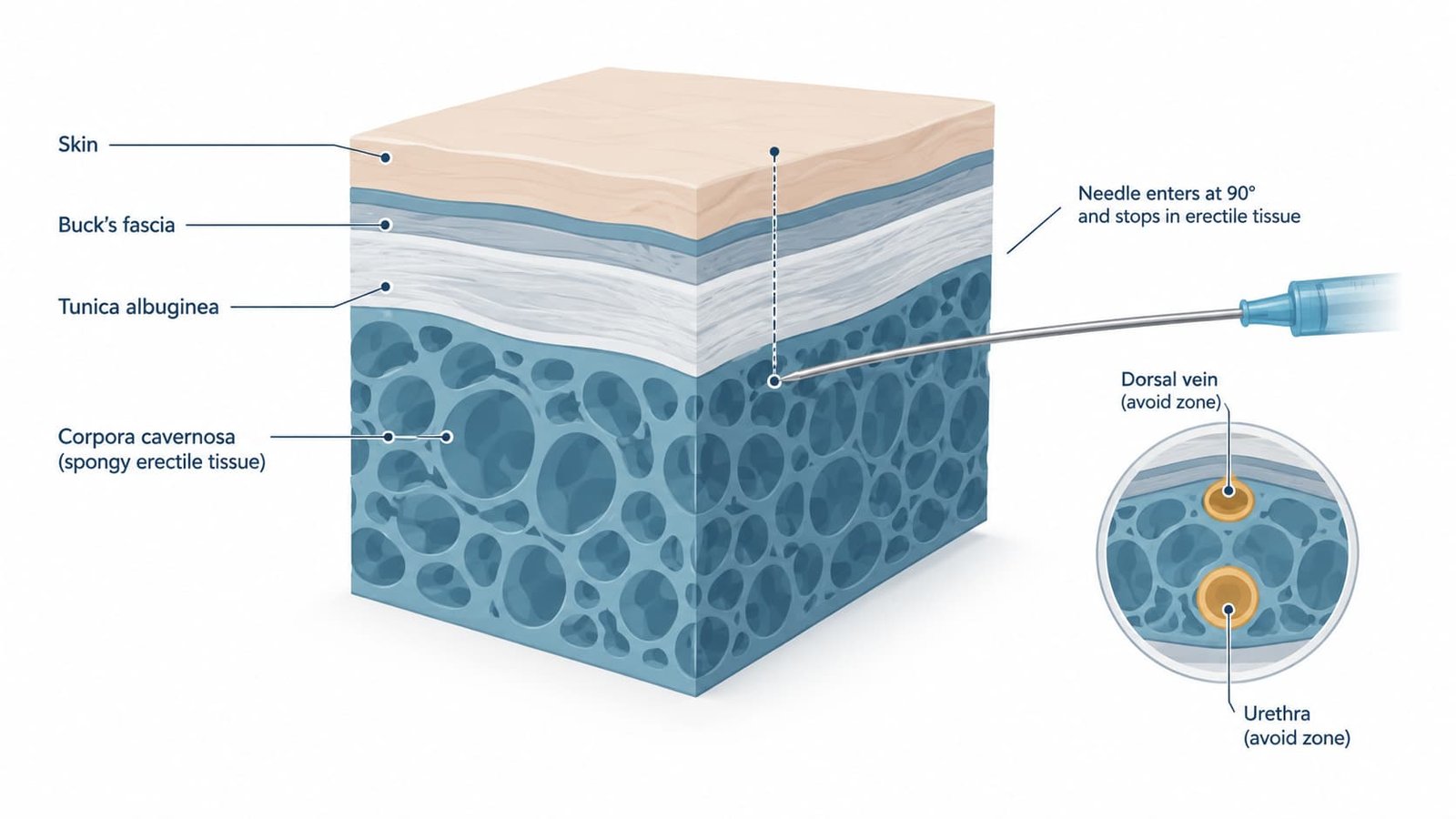
    A firm fibrous sheath, the tunica albuginea, wraps each chamber. Buck’s fascia surrounds the chambers and shelters the deep dorsal vein, arteries and nerves. Depth control matters because the needle must cross these layers with care. UCSF Health notes slight resistance at the skin and again at the tunica albuginea. The same source warns that improper injection and scarring can cause penile curvature after drug injection therapy.

    The Urethra, Dorsal Vein and Nerves

    The urethra runs through the corpus spongiosum on the underside of the shaft. Along the upper midline run the dorsal vein and dorsal nerves. Clinicians therefore avoid both midlines. Lateral entry points sit away from those structures. Dense nerve endings also supply the glans, so that area feels more sensitive.

    Where Are P Shot Injections Placed?

    No single guideline defines P shot injection placement. Protocols differ between clinics and trials. Three principles stay consistent: reach the target tissue, avoid vital structures and keep the field sterile. Any P shot injection technique must respect those principles.

    Common Penile Injection Sites

    Penile injection sites vary by protocol. Two regions dominate clinic descriptions.

    The Shaft

    Most protocols target the shaft. The needle enters through the lateral skin. Its tip aims for the corpora cavernosa. Some clinicians inject at several points along the shaft. Others use fewer entry points.

    The Glans

    Some protocols add glans injections to address reduced sensation. The glans carries dense nerve endings, so discomfort rises. Evidence for glans injection remains very limited.

    Sites Clinicians Avoid

    Clinicians avoid visible veins, the dorsal midline and the ventral midline. Broken skin, active infection and scarred areas also rule out injection. UCSF Health advises against injecting where blood vessels show.

    Lessons from Standard Penile Injection Therapy

    UCSF Health describes drug injection technique in detail. Patients alternate between the 3 o’clock and 9 o’clock positions at the mid-shaft. The needle enters at roughly 90 degrees to the shaft. Gentle traction on the glans thins the skin and exposes the target tissue. Needles of 28 to 30 gauge are typical. Alternating sides limits repeated trauma to one area, and UCSF Health calls that good practice. These principles inform P shot technique. However, drug injections and PRP injections differ in purpose, volume and risk profile. PRP does not aim to produce an erection.

    How Is the P Shot Done? A Step-by-Step Account

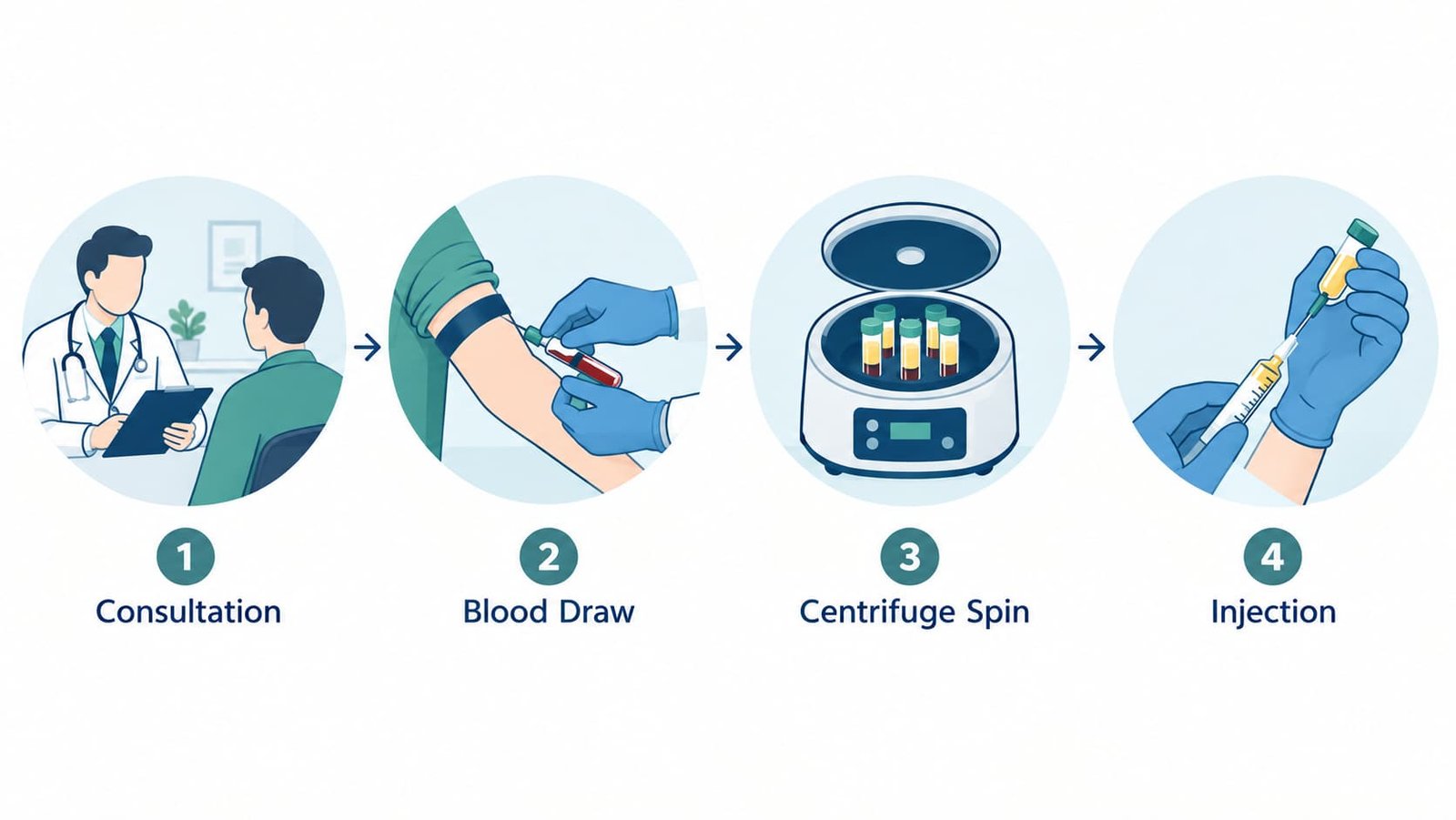
    The P shot procedure follows a consistent sequence at most clinics. Each step serves a clinical purpose.

    Step 1: Consultation and Screening

    A full medical history comes first. The assessment covers ED symptoms, medicines, bleeding disorders, diabetes and previous penile surgery. Screening decides whether any injection suits the patient. Active infection, low platelet counts and blood-thinning medicines need special attention. The doctor examines the penis for plaques, curvature and skin lesions. Written consent follows a discussion of benefits, risks and alternatives. ED can signal heart disease or diabetes, so NHS advice encourages a GP assessment.

    Step 2: Blood Draw and PRP Preparation
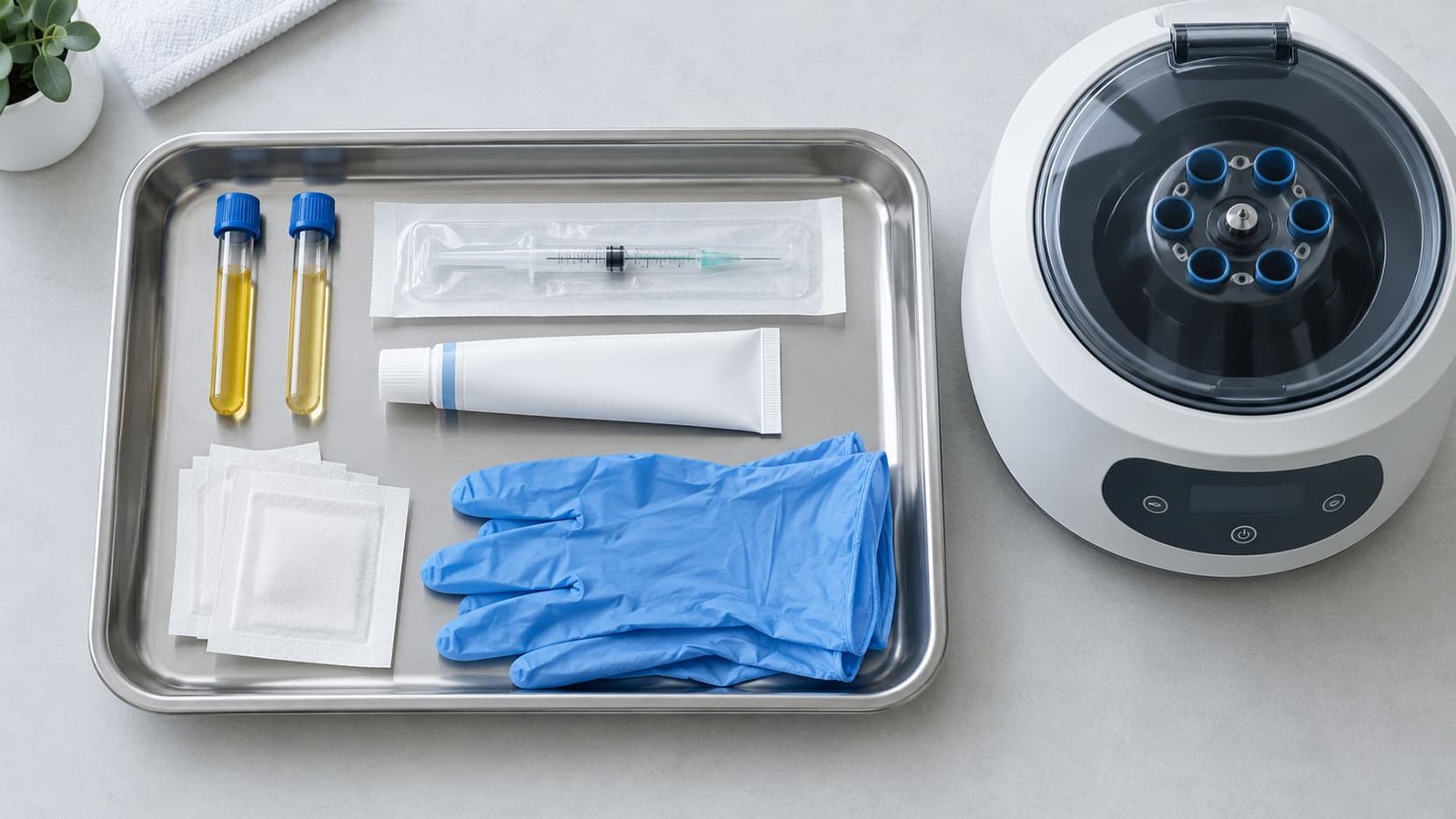
    Sterile tray with PRP tubes, centrifuge, fine needle and numbing cream prepared for a P shot procedure
    PRP preparation and topical anaesthesia come before any injection.

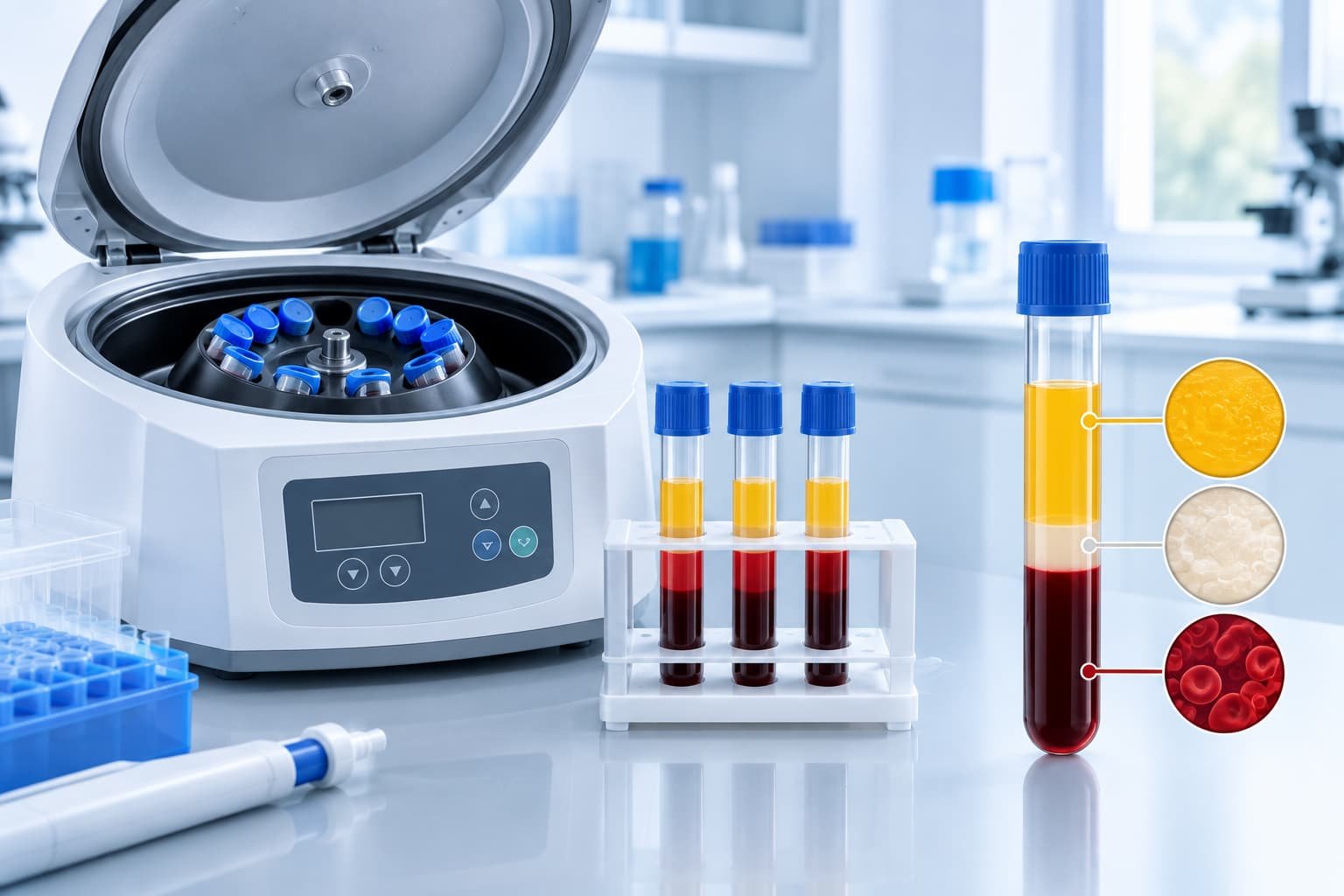
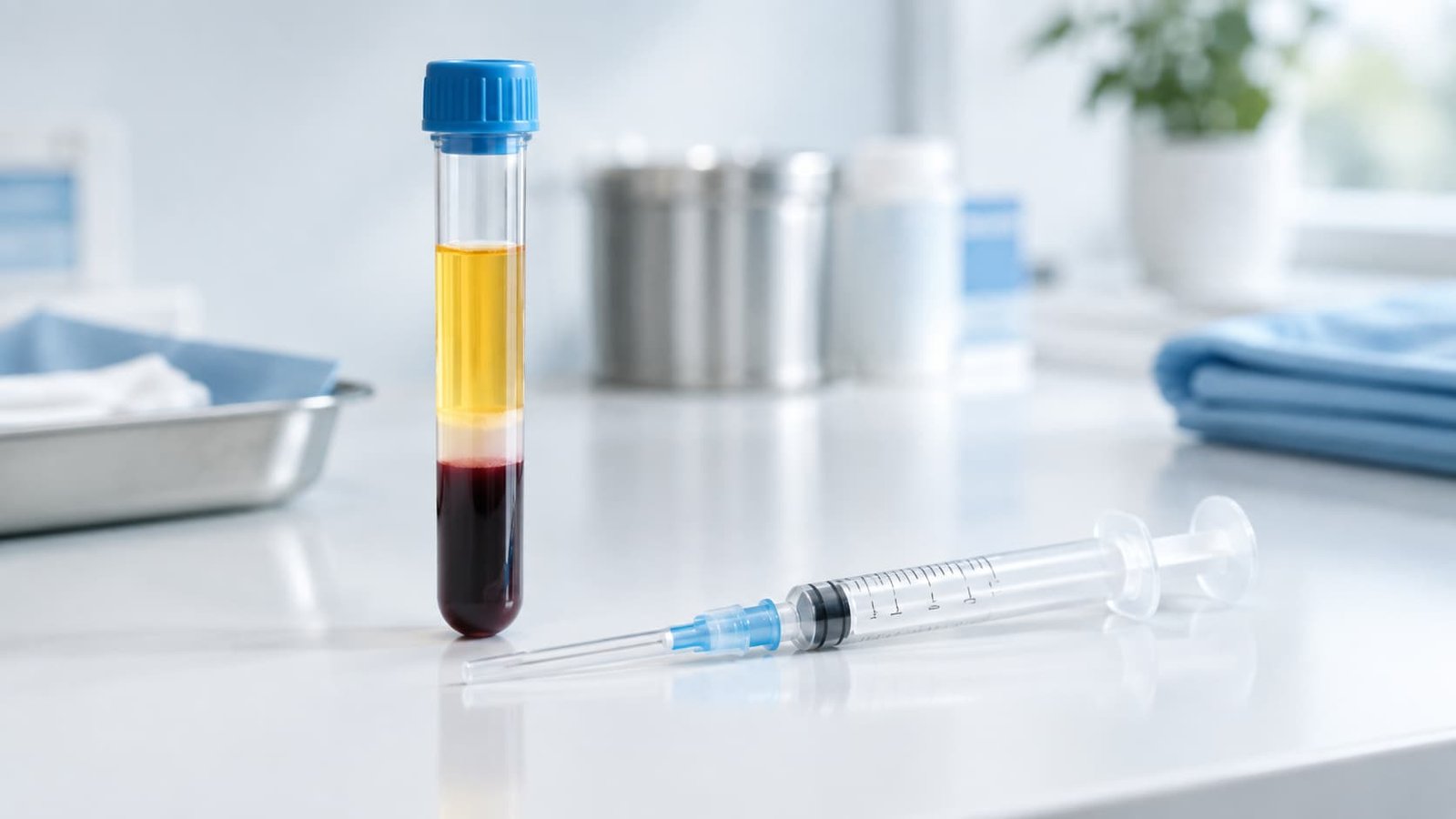
    A clinician draws a small volume of venous blood. Clinic protocols often cite 10 to 20 millilitres. A centrifuge spins the sample and separates plasma from red cells. The clinician then collects the platelet-rich layer. PRP injection technique starts at this stage, because preparation method changes platelet concentration. Evidence on the best preparation method remains unsettled.

    Step 3: P Shot Numbing Cream

    Topical anaesthetic reduces skin sensitivity before the needle. A common option combines lidocaine and prilocaine. UCSF Health lists EMLA, which contains 2.5% of each agent. Clinics commonly allow 20 to 30 minutes for P shot numbing cream to work. The cream numbs the skin surface but not deeper tissue. Pressure sensations can therefore persist. Skin reactions to topical anaesthetic remain uncommon but can occur. Patients with known allergies to local anaesthetics must tell the doctor first.

    Step 4: P Shot Nerve Block

    Some clinicians add a P shot nerve block. A dorsal penile nerve block places local anaesthetic near the dorsal nerves at the base of the penis. This approach numbs the shaft and glans more deeply than cream alone. Lidocaine is the usual agent. Nerve blocks carry small risks of bruising and blood vessel puncture. Practice varies, and some clinics rely on cream alone.

    Step 5: The Injection Phase

    The clinician cleans the skin with antiseptic and wears sterile gloves. Gentle traction extends the penis. A fine needle then enters through the lateral skin at a roughly perpendicular angle. Slow, steady pressure delivers PRP in small amounts. Unusual plunger resistance signals incorrect depth, so the clinician repositions. UCSF Health describes this cue for drug injections. The clinician repeats the process at each planned site. Angle, depth and speed define P shot injection technique at this stage.

    Step 6: Compression and Aftercare

    Firm pressure follows each needle withdrawal. UCSF Health advises at least five minutes of compression after drug injections. Men on blood thinners need up to ten minutes. Written aftercare covers hygiene, activity limits and warning signs. Fever, spreading redness, heavy bleeding or severe pain need prompt medical contact. A follow-up review lets the doctor check bruising, sensation and any change in penile shape.

    How Many Injections in a P Shot?

    No guideline sets a fixed number of injections for a P shot. The count depends on protocol, anatomy and clinician judgement. Many protocols describe a limited number of entry points along the shaft. Some add glans injections. Total PRP volume also varies between clinics and trials.

    More needle passes raise the chance of bruising and discomfort. Fewer passes may limit tissue coverage. Clinicians therefore weigh coverage against comfort and safety. Sound P shot injection technique adapts to each patient’s anatomy rather than copying a fixed template.

    The consent discussion should state the planned number of sites and the expected volume. Men can ask for that detail in writing.

    Why Technique Matters for Safety and Comfort

    Safety Risks

    P shot injection technique influences complication rates. Recognised risks include:

    • Bruising and haematoma at puncture sites
    • Infection, which remains rare with sterile practice
    • Urethral puncture, which causes bleeding at the penile tip
    • Temporary nerve irritation and altered sensation
    • Scar tissue and curvature after repeated trauma

    UCSF Health describes scarring as a small but real risk of repeated penile injections. Priapism links to vasoactive drugs rather than PRP. Any protocol that adds such drugs adds that risk.

    Effectiveness Evidence

    P shot injection technique may influence how PRP reaches target tissue. Evidence for that idea remains thin. No head-to-head comparison of injection sites appears in the reviews cited here. The 2026 meta-analysis pooled seven trials and 479 patients. It found no difference from placebo in International Index of Erectile Function scores at one, three or six months.

    The 2024 analysis pooled three trials and 221 patients with mild to moderate ED. That review reported short-term improvement up to six months and no major adverse events. Trial protocols differed in PRP preparation, volume and session numbers. Those differences complicate any comparison.

    Technique protects safety more clearly than it proves benefit.

    PRP Injection Technique Compared with Standard Penile Injection Therapy

    FeatureP shot (PRP)Prescription drug injection
    PurposeAims to support tissue repairProduces an erection on demand
    TimingClinic procedure, repeated at intervalsUsed before sex after training
    Typical sitesShaft, sometimes glans3 and 9 o’clock, mid-shaft
    NumbingCream, sometimes a nerve blockOptional topical anaesthetic
    Main risksBruising, infection, scarringPriapism, pain, scarring, bruising
    NHS statusNot a standard ED treatmentEstablished NHS option

    The comparison shows that PRP borrows anatomy from drug injection therapy but serves a different goal. Drug injections act within minutes. PRP aims for gradual tissue change, and evidence for that aim remains limited.

    Choosing a Clinician for a P Shot in the UK
    Doctor discussing treatment options and consent with a male patient during a private clinic consultation
    A clear consultation covers suitability, injection sites, risks and alternatives before treatment.

    Safe technique depends on training and setting. Men who search for P shot London services find many providers. P shot UK standards also vary widely. The General Medical Council registers doctors, and the public register shows licence status. Independent healthcare providers in England fall under Care Quality Commission regulation. Training shapes P shot injection technique, so qualifications deserve scrutiny.

    Reasonable checks include:

    • GMC registration and a licence to practise
    • CQC registration of the clinic
    • Appropriate indemnity insurance
    • Sterile, single-use needles and equipment
    • A written consent form that lists sites, risks and alternatives
    • Clear complaints route and follow-up arrangements

    For transparency, Dr Syed Nadeem Abbas leads the pshots clinic UK in Marylebone, London. Qualifications include MBBS, MRCS (RCS Edinburgh) and MRCGP. An MSc in Aesthetic Plastic Surgery with Distinction came from Queen Mary University of London. Training took place at Cambridge, Oxford and the Royal London Hospital. Readers should verify any clinician’s credentials independently through the GMC register.

    Realistic Outcomes and Limitations

    Evidence supports caution. Current reviews show mixed results, and no trial guarantees improvement. One review reported short-term gains up to six months in mild to moderate ED. Another found no difference from placebo. Underlying vascular disease or diabetes can limit response to any injection therapy. Patient selection also matters. Active infection, bleeding disorders and low platelet counts may rule out treatment. Clinicians assess suitability case by case. Open discussion of these limits belongs in every consultation.

    Men with ED symptoms should see a GP before any private treatment. Heart disease, diabetes and medicine side effects can cause ED, and each needs separate management. Oral medicines remain the usual first NHS option. Costs for P shot treatment fall on the patient, because the NHS does not fund PRP for ED.

    Frequently Asked Questions

    Where do P shot injections go?

    Most protocols target the shaft and aim for the corpora cavernosa through lateral skin. Some add glans injections. No guideline sets one standard site pattern.

    Does the P shot hurt?

    Numbing cream reduces skin sensation. Pressure and mild discomfort can still occur. A nerve block lowers sensation further. Pain tolerance varies between men.

    How many injections are in a P shot?

    The number varies by clinic and protocol. Clinicians decide based on anatomy, planned volume and comfort. The consent discussion should confirm the planned sites.

    Does P shot treatment guarantee better erections?

    No. A 2026 meta-analysis found no difference from placebo at six months. An earlier analysis reported short-term gains in mild to moderate ED. Individual results vary.

    Is the P shot available on the NHS?

    No. The NHS does not list PRP among standard ED treatments. A GP can discuss established options and check for underlying causes.

    Which warning signs need urgent review?

    Fever, spreading redness, pus, heavy bleeding, severe pain or difficulty passing urine need prompt assessment. Men should contact the treating clinic or NHS 111.

    Key Takeaways

    Needle placement defines the safety profile of a P shot. Clear anatomical rules apply: lateral entry, controlled depth, sterile practice and avoidance of midline structures. Numbing cream, a nerve block and compression all support comfort and safety. Evidence for benefit, however, remains mixed.

    Safe technique reduces avoidable harm. It cannot create a benefit that trials have not yet shown. Informed decision-making therefore rests on three steps. First, a GP review checks the causes of ED and established treatments. Second, written details of sites, numbers, risks and costs clarify what a clinic offers. Third, a realistic view of limited evidence guides expectations and spending.

    Careful P shot injection technique protects patients, yet evidence quality should still shape every decision. Which questions will help each man judge technique, evidence and safety before choosing an elective injection treatment?

    Read more:

    Priapus Shot London: What Happens During Your First Consultation?

    Dual-Spin vs Single-Spin PRP: Does Platelet Concentration Matter for the P Shot?

    Dr Syed Nadeem Abbas, MBBS, MRCSEd, MSc Aesthetic Plastic Surgery (Distinction) Medical Director, Pshot Clinic | CQC Regulated | Monday to Saturday 10:00–18:00 +44 7955 836986

  • Exercise After a P Shot: When Are Gym, Running and Cycling Safe Again?

    Exercise After a P Shot: When Are Gym, Running and Cycling Safe Again?

    ✅Medically reviewed

    A P shot takes under an hour, yet the choices that follow can shape recovery for weeks. Most men walk out of the clinic feeling normal. Few notice pain by the evening. That early comfort misleads many patients. Platelet-rich plasma (PRP) starts a repair sequence inside penile tissue, and physical stress can disturb that sequence.

    Exercise after P shot treatment raises a practical question for every active man. Gym sessions raise blood pressure. Running adds friction and repeated impact. Cycling presses a saddle against the perineum for long periods. Each activity loads the injection area differently, so no single date suits all training.

    Generic online advice often gives one blanket rule, such as 48 hours of rest. A blanket rule ignores the gap between a gentle walk, a heavy deadlift and a long ride. This guide separates each activity. It explains what research supports and where evidence ends. The guide also shows how UK clinicians usually stage a return to training.

    Honest guidance needs honest limits. No randomised trial has tested training schedules after a P shot. Published PRP studies measure erectile function scores, not gym habits. Clinical reasoning therefore fills the gap, and the article labels it as such. Written advice from the treating clinician always overrides general guidance.

    What Happens Inside the Tissue After a P Shot Treatment

    The PRP Healing Sequence

    A P shot treatment uses the patient’s own blood. Clinicians draw a small sample and spin it in a centrifuge. This process concentrates platelets in plasma. The clinician then injects the PRP into penile tissue, usually after topical anaesthetic.

    Platelets release growth factors after injection. Marx described this process in a widely cited review of PRP biology (Marx, 2004). Inflammation begins within hours. Repair signals then continue over several days. Tissue remodelling carries on for weeks. Researchers still debate the exact mechanism in penile tissue.

    Why Mechanical Stress Matters

    Early inflammation forms part of the intended healing process, not a fault. Excess pressure, heat or friction can amplify it. Raised blood pressure during hard exercise can increase bleeding at fine needle sites. Bruising or a small haematoma may follow. Repeated rubbing can also irritate puncture sites and raise infection risk.

    Clinicians therefore stage exercise in phases. The phases follow wound-healing logic rather than trial data. Light movement comes first. Compression, friction and heavy straining come last.

    Exercise After P Shot: What the Evidence Shows

    PRP for erectile dysfunction remains an emerging option. The NHS does not offer it as a standard treatment. NICE clinical guidance on erectile dysfunction centres on lifestyle change, PDE5 inhibitors and specialist referral instead (NICE CKS). Small trials show some benefit. Poulios and colleagues ran a double-blind, placebo-controlled trial. It reported improved erectile function scores after PRP injections (Poulios et al., 2021). Sample sizes remain small, and follow-up remains short.

    No published trial compares exercise schedules after PRP injection. Evidence on exercise after P shot treatment therefore comes from three indirect sources. These sources are PRP biology, general wound-healing principles and cycling research on perineal pressure. Each source supports caution, but none gives exact day counts.

    Exercise itself carries clear benefits for erectile health. The NHS lists regular exercise among lifestyle measures that help erectile dysfunction. UK Chief Medical Officers advise adults to complete 150 minutes of moderate activity weekly. A short pause for healing does not cancel those benefits. The aim is a temporary, planned pause, not long-term inactivity.

    A Phase-by-Phase Return to Training

    UK clinics set individual protocols, and ranges vary. The framework below covers exercise after P shot treatment in broad terms. It reflects commonly used staged guidance.

    Phase 1: The First 24 to 48 Hours

    Rest dominates this phase. Clinicians advise patients to skip gym sessions, running, cycling and sport. Short, gentle walks stay acceptable. Loose underwear reduces friction. Hot baths, saunas and alcohol add risk because heat dilates blood vessels and can increase swelling.

    Phase 2: Days 3 to 7         

    Light activity usually resumes in this phase. Brisk walking, gentle stretching and easy upper-body work often suit. Lower-body machines, heavy loads and high impact stay off the list. Bruising or tenderness signals a need to slow down. Comfort guides progress, and the calendar only sets the earliest limit.

    Phase 3: Weeks 2 to 4

    Most patients return to normal training in this window. Running and moderate lifting usually restart first. Cycling often restarts last because saddle pressure targets the treated region. Intensity then builds gradually over several sessions. Full performance training waits until swelling and tenderness settle completely.

    Factors That Change the Timeline

    Several factors shift the schedule. Extent of bruising matters most, because visible bruises signal tissue irritation. Anticoagulant and antiplatelet medicines raise bleeding risk. Physically demanding jobs, such as heavy manual work, load the groin like gym lifting. Diabetes and smoking slow general wound healing. Injection technique and the number of injection sites also vary between protocols.

    Typical Earliest Return by Activity

    ActivityTypical earliest returnMain concern
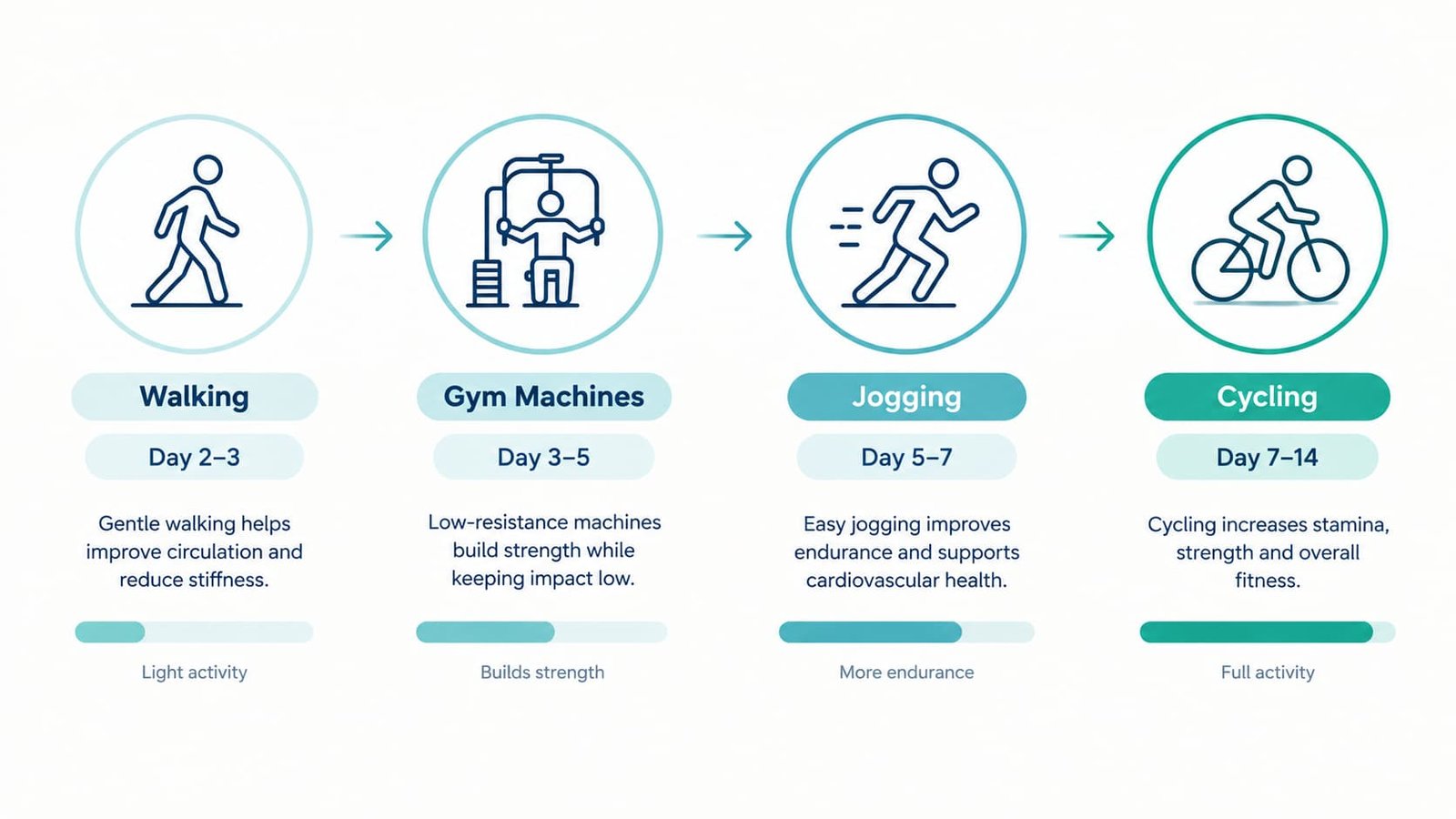
    Walking and gentle stretchingDay 2 to 3Straining
    Upper-body machine weightsDay 3 to 5Blood pressure rise
    Jogging and easy runningDay 5 to 7Friction and impact
    Squats, deadlifts and heavy liftingDay 7 to 10Straining and groin pressure
    Cycling, outdoors or indoorsDay 7 to 14Saddle pressure on the perineum
    Sauna, steam room and swimmingDay 7, after sites closeHeat and infection risk

    These ranges reflect clinical reasoning, not trial data. Written advice from the treating clinician overrides this table.

    Infographic timeline showing the typical return to walking, gym, running and cycling after a P shot
    Typical earliest return ranges for common activities. The treating clinician’s written advice takes priority.

    Gym After P Shot: Weights, Cardio and Core Work

    Many different movements fall under gym after P shot guidance. Each movement affects blood pressure and groin pressure differently. Separating the movements gives safer guidance than one blanket rule.

    Machine Work and Light Cardio

    Upper-body machines place little pressure on the groin. Seated chest presses, lat pulldowns and cable work usually return first. Moderate loads and slow, controlled repetitions reduce spikes in blood pressure. Treadmill walking and a gentle cross-trainer session also suit the first week, provided friction stays minimal. Core work needs careful selection. Planks and light crunches rarely load the groin. Hanging leg raises and weighted sit-ups strain the lower abdomen and hip flexors, so these wait.

    Heavy Lifting and Straining

    Squats, deadlifts and leg presses raise intra-abdominal pressure. The Valsalva manoeuvre, which means breath-holding during effort, lifts blood pressure sharply for a few seconds. Those spikes can stress fresh injection sites. Heavy compound lifts therefore sit near the end of the return schedule. Many clinicians advise waiting at least one week. Some extend the wait to two weeks after bruising. Squat and hip-hinge movements also load the groin and inner thigh directly.

    Heat, Sweat and Pool Hygiene

    Gym facilities add environmental risks. Saunas and steam rooms raise skin temperature and swelling risk. Shared changing rooms and pools increase infection exposure while puncture sites remain open. Clinicians usually advise waiting about a week, or until sites close fully. Clean, dry training clothes also lower irritation. Patients shower promptly after sweating and pat the area dry.

    Running After P Shot: Impact, Friction and Clothing

    Repeated impact and constant friction define running after P shot treatment. Each stride moves tissue against clothing. Sweat then increases rubbing. Both factors can irritate puncture sites and prolong swelling.

    Walking comes first, followed by gentle jogging, then normal running. A typical progression starts with 20 minutes of brisk walking around day three. Easy jogging on flat ground often follows between days five and seven. Longer or faster runs wait until the area feels completely comfortable.

    Clothing choice affects comfort and recovery. Supportive, breathable underwear holds tissue still and limits rubbing. Loose shorts without rough seams reduce friction. Soft anti-chafe products help once puncture sites close, but clinicians advise against using such products on open sites. Marathon training and race events need a separate discussion with the clinician. Long distances multiply friction for hours.

    Cycling After P Shot: The Highest-Risk Activity

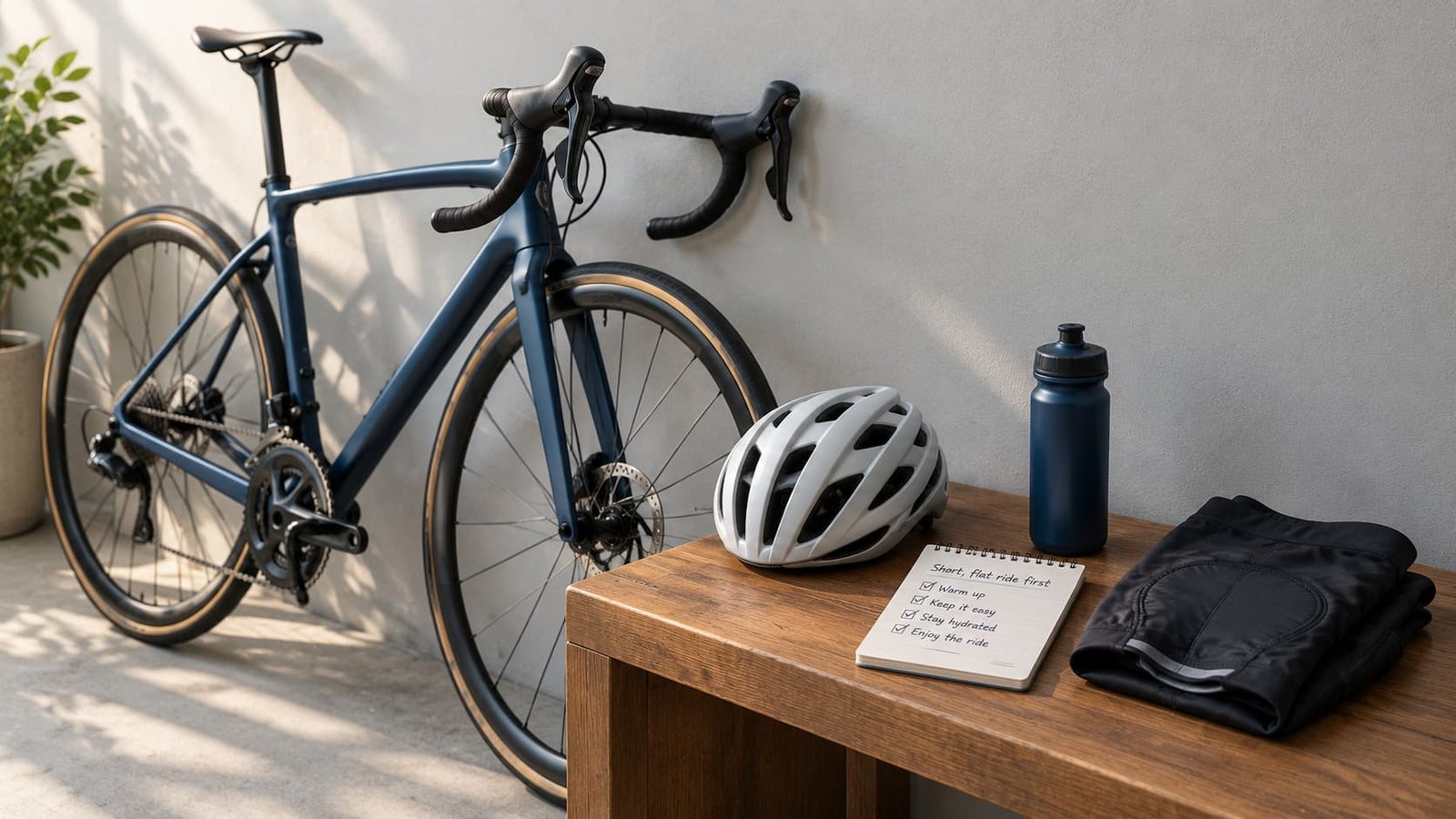
    Road bike, helmet, padded cycling shorts and notepad prepared for a gradual return to cycling after P shot
    A gradual return to cycling starts with short, flat rides on a well-fitted saddle.

    Of all common activities, cycling after P shot treatment needs the most caution. A standard saddle carries body weight through the perineum, the area between the scrotum and anus. That region contains nerves and vessels that supply the penis. Pressure there can reduce sensation and blood flow during long rides.

    What Research Says About Saddle Pressure

    Peer-reviewed research links saddle pressure with genital numbness. Studies of police bicycle patrol officers associated noseless saddles with less numbness (Schrader et al., 2008). Those studies involved healthy riders, not post-injection patients. The findings still show that saddle design changes perineal loading. Clinical reasoning suggests that healing tissue tolerates this loading less well.

    Outdoor Rides, Spin Classes and Commuting

    Short commuter rides, spin classes and long weekend rides all load the perineum. Spin classes add standing efforts and fast cadence, which raise friction. Mountain biking adds vibration. E-bikes reduce effort but not saddle contact. Clinicians commonly advise seven to fourteen days without cycling.

    A gradual return starts with short, flat rides on a well-fitted saddle. Riders increase duration only if numbness and tenderness stay absent. Saddle width, tilt and height all change perineal pressure. Padded shorts without rough seams help. Standing briefly on the pedals relieves pressure during longer rides.

    P Shot Aftercare Alongside Training

    Rules for exercise form only part of P shot aftercare. Sleep, nutrition, hygiene and medicines all influence P shot recovery. Small habits add up across the first fortnight.

    Hygiene and Clothing

    Clean hands and clean clothing protect puncture sites. Patients wash the area gently with mild soap and water. Rubbing and scented products irritate skin. Clinicians usually advise against swimming, hot tubs and baths until sites close fully.

    Medicines, Alcohol and Supplements

    Some medicines alter bleeding risk. Aspirin, ibuprofen and fish oil can increase bruising in some patients. Clinicians often discuss these before treatment, because anti-inflammatory medicines may affect platelet function. Patients must not stop prescribed medicines without medical advice. Alcohol dilates blood vessels, so clinicians usually advise avoiding it for the first 48 hours. The treating clinician decides which painkiller suits each patient.

    Hydration, Sleep and Nutrition

    Adequate hydration supports normal circulation. No evidence shows that extra water speeds PRP healing. Balanced meals, protein intake and sleep support general tissue repair. Evidence for recovery supplements after PRP treatment remains limited.

    Warning Signs During P Shot Recovery

    Mild swelling, tenderness and small bruises are common in the first days. Exercise after P shot treatment can aggravate these effects. Certain symptoms need medical review.

    Contact the Treating Clinic Promptly

    The treating clinic needs to hear about any of the following:

    • Swelling that grows after exercise instead of settling
    • Bruising that spreads or darkens
    • Pain that worsens after day three
    • Numbness or altered sensation that persists
    • Lumps or hard areas that develop

    Seek Urgent NHS Care

    Some signs need urgent help. Call NHS 111 or attend A&E for spreading redness, fever, pus or foul-smelling discharge. These signs suggest infection, and the NHS lists similar features for cellulitis. An erection lasting more than four hours needs emergency care. Severe swelling that blocks urination also needs emergency review. Dial 999 for severe or rapidly worsening symptoms.

    Realistic Expectations and Limitations

    Careful timing of exercise after P shot treatment supports comfort, but it does not guarantee a better result. No evidence shows that early or late training changes long-term outcomes. Responses to PRP vary widely between individuals. Trials report modest average improvements, not guaranteed ones. Underlying causes of erectile dysfunction, such as diabetes or vascular disease, influence response.

    PRP does not replace evidence-based first-line care. The NHS and NICE place lifestyle measures and PDE5 inhibitors ahead of PRP. Regular exercise, sleep, weight control and stopping smoking improve vascular health. These measures therefore support erectile function over the long term.

    Choosing Aftercare Advice in P Shot London and P Shot UK Practices

    Aftercare rules differ between practices, so written instructions matter. Patients benefit from asking about activity limits before treatment, not afterwards. Useful questions cover gym sessions, running, cycling, heat exposure and emergency contact numbers. The Care Quality Commission website shows clinic registration, and the GMC register confirms doctor registration.

    This article comes from pshots clinic uk, a Harley Street practice in Marylebone. Dr Syed Nadeem Abbas leads the practice and holds MBBS, MRCS RCS Edinburgh and MRCGP qualifications. The same clinician completed an MSc in Aesthetic Plastic Surgery with Distinction at Queen Mary University of London. Training took place at Cambridge, Oxford and the Royal London Hospital. Treating clinicians remain the authority on individual aftercare.

    Frequently Asked Questions

    How soon can exercise after P shot treatment begin?

    Gentle walking usually restarts within 24 to 48 hours. Structured exercise typically waits until day three to five, depending on the activity and clinical advice.

    Is gym training safe in the first week?

    Light machine work often suits from day three to five. Heavy lifting, squats and heat exposure usually wait at least one week.

    When does running restart?

    Easy jogging commonly returns between days five and seven if swelling stays minimal. Longer runs follow in weeks two to four.

    How long should cycling wait?

    Typical advice ranges from seven to fourteen days. Saddle pressure targets the perineum, so cycling restarts last.

    Can early exercise after P shot treatment reduce results?

    No trial answers this directly. Early strain can raise bruising and discomfort. Evidence for any effect on long-term outcomes remains absent.

    Does bruising change the timeline?

    Yes. Visible bruising signals tissue irritation. Clinicians usually extend the rest period until tenderness settles.

    Which painkillers suit recovery?

    The treating clinician advises on painkillers. Some anti-inflammatory medicines affect platelet function, so confirmation before use matters.

    Key Takeaways

    Exercise after P shot treatment follows a staged logic. Rest comes first, then gentle movement, controlled strength work, and finally impact and saddle activities. Walking returns first, cycling returns last, and symptoms outrank calendars. Evidence remains indirect, so clinician-specific advice carries the most weight.

    Informed decisions need three things. These are realistic expectations about PRP, clear written aftercare and honest symptom monitoring. Rushing back to training offers little benefit and adds avoidable risk. A planned pause costs only days.

    If one extra week of patience protects the treated tissue, which workout truly justifies the risk?

    read more:

    Priapus Shot London: A Complete Guide for Patients Considering Treatment

    Natural Male Enhancement in London: Real Benefits and Timeline of the Priapus Shot

    Dr Syed Nadeem Abbas, MBBS, MRCSEd, MSc Aesthetic Plastic Surgery (Distinction) Medical Director, Pshot Clinic | CQC Regulated | Monday to Saturday 10:00–18:00 +44 7955 836986
  • Tests to Take Before a P Shot: HbA1c, Testosterone, Lipids and Blood Pressure

    Tests to Take Before a P Shot: HbA1c, Testosterone, Lipids and Blood Pressure

    ✅Medically reviewed

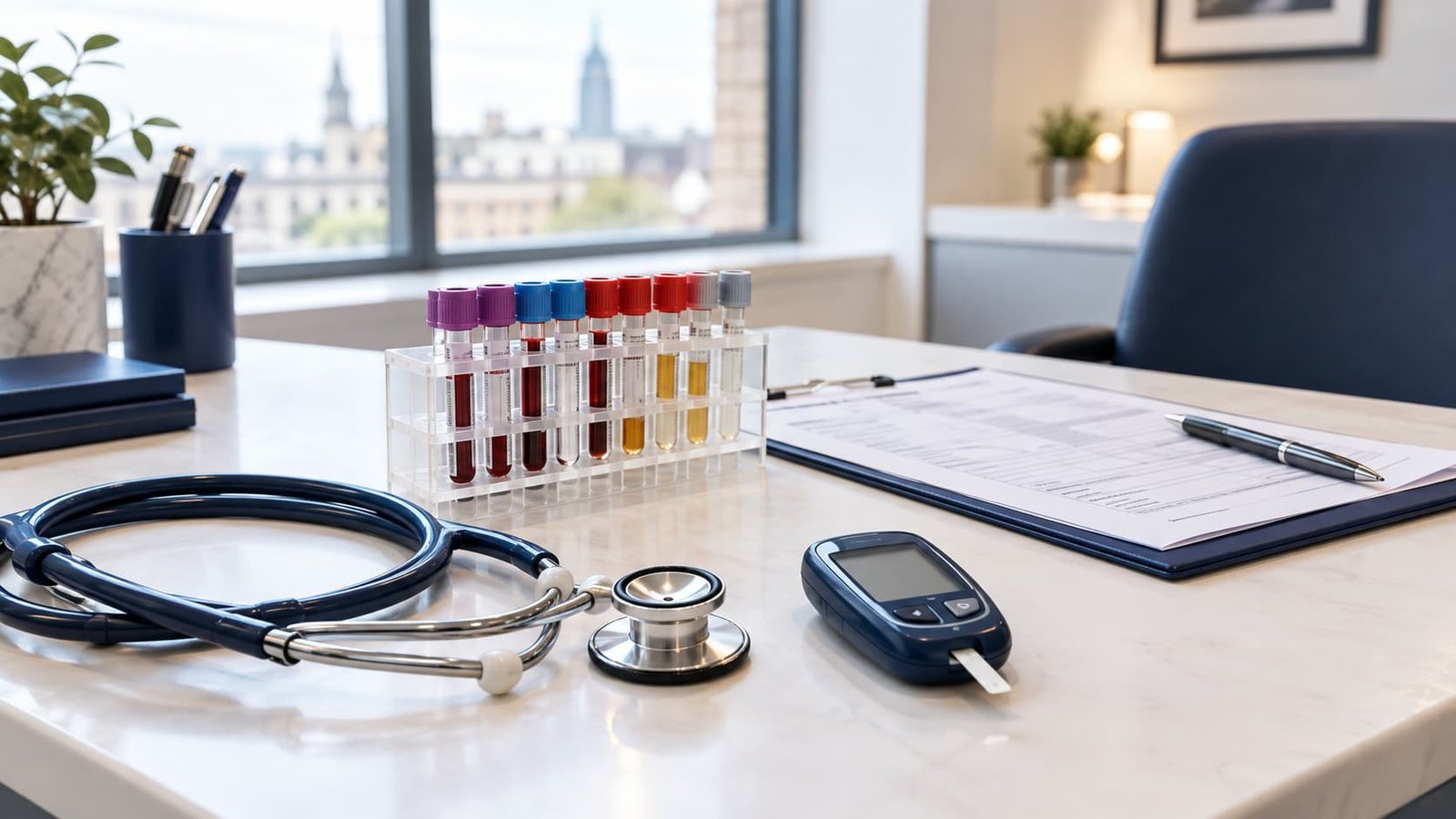
    The most important part of a P shot happens before the needle appears. Blood tests and a blood pressure reading shape the decision long before treatment begins. Clinicians use these results to find the cause of sexual symptoms. The same data show whether platelet-rich plasma suits the patient at all.

    Sexual symptoms rarely appear in isolation. Erectile difficulty, reduced sensation and weaker orgasms in men often share the same roots. Diabetes, low testosterone, raised cholesterol and high blood pressure sit behind many cases. Each condition alters blood flow, nerve function or hormone signalling. An injection of platelets cannot correct any of these conditions.

    This guide explains the tests before P shot treatment in plain clinical terms. The sections cover HbA1c, testosterone, lipids and blood pressure. Each one describes what the test measures, what the numbers mean and why the result matters. The guide also sets out the limits of current evidence. PRP therapy for sexual function remains an area of active research, not a settled NHS treatment.

    Clear numbers lead to safer decisions. The sections below explain what each number means.

    Why Clinicians Order Tests Before a P Shot

    Sexual function depends on healthy blood vessels, intact nerves and balanced hormones. Damage to any one of these can cause symptoms. A P shot injects platelet-rich plasma from the patient’s own blood into penile tissue. That procedure does not treat a hormone deficit. Neither does it repair diabetic nerve damage.

    Screening therefore serves three purposes. Tests before P shot treatment find reversible causes, set a baseline and protect safety.

    Finding Reversible Causes

    Many men with erectile or orgasm symptoms have an undiagnosed medical condition. Type 2 diabetes is a common example. Treating the condition often improves sexual function more than any local procedure. A clinician who skips testing risks treating the symptom while the cause progresses.

    Setting a Baseline

    Results give the clinic a starting point. Follow-up questionnaires and repeat blood tests then show real change. Without a baseline, any improvement stays difficult to interpret.

    Protecting Patient Safety

    Uncontrolled diabetes slows wound healing and raises infection risk. Very high blood pressure adds risk during any procedure. Testing flags these problems early.

    The Cardiovascular Warning Sign

    Penile arteries are narrow, often only one to two millimetres wide. Narrow vessels show damage earlier than the larger coronary arteries. Erectile dysfunction can therefore appear several years before heart disease. A sexual symptom can act as an early cardiovascular warning. Blood pressure and lipid results help clinicians act on that warning.

    HbA1c: Checking Long-Term Blood Sugar Control

    What HbA1c Measures

    HbA1c shows the share of haemoglobin that carries attached glucose. Red blood cells live for about three months. The result therefore reflects average blood sugar over the previous two to three months. Patients need no fasting. One blood sample is enough.

    NHS Thresholds

    The NHS and NICE classify results using fixed bands.

    HbA1c (mmol/mol)ClassificationUsual next step
    Below 42Normal rangeRoutine health advice
    42 to 47PrediabetesLifestyle support and yearly review
    48 or aboveDiabetes rangeConfirmation and clinical management

    Why Diabetes Matters for Sexual Function

    High glucose damages the lining of blood vessels and the peripheral nerves. Both effects impair erections and sensation. A 2017 meta-analysis in Diabetic Medicine found erectile dysfunction in roughly half of men with diabetes. Nerve damage can also contribute to reduced orgasm intensity. Poor glucose control can blunt sensation and contribute to weaker orgasms in men.

    Understanding Prediabetes

    A result between 42 and 47 mmol/mol does not mean diabetes. It does signal higher risk. NICE recommends structured lifestyle support at this stage. Men in this band often have early vascular changes before any diagnosis. Repeat testing each year tracks the trend.

    Limits of the HbA1c Test

    Anaemia, recent blood loss and some inherited haemoglobin variants distort results. Clinicians then choose other tests or interpret the figure with caution.

    How HbA1c Shapes Treatment Planning

    No UK guideline sets a single HbA1c cut-off for PRP. Clinicians judge each case individually. A high result usually prompts a GP referral before any procedure. Better glucose control often helps more than injections. Clinicians weigh HbA1c alongside the other tests before P shot planning begins.

    Testosterone: Hormone Levels and Sexual Function

    When to Take the Sample

    Testosterone follows a daily rhythm. Levels peak in the morning. NICE Clinical Knowledge Summaries advise sampling between 9 am and 11 am. Clinicians usually repeat a low result, because single readings vary. Acute illness, poor sleep and some medicines, including opioids, lower levels temporarily.

    Which Tests Clinicians Request

    Total testosterone forms the first-line test. Sex hormone-binding globulin (SHBG) shows how much testosterone stays bound and inactive. Clinicians calculate free testosterone from both values. Luteinising hormone (LH), follicle-stimulating hormone (FSH) and prolactin help locate the cause of a low result.

    Reading the Results

    UK specialist guidance uses broad bands. The British Society for Sexual Medicine and the Society for Endocrinology both publish such documents. Laboratory ranges differ, so clinicians interpret each report individually.

    Total testosteroneUsual interpretationTypical response
    Above 12 nmol/LDeficiency unlikelyLook for other causes
    8 to 12 nmol/LBorderlineRepeat; check SHBG and free testosterone
    Below 8 nmol/LLikely deficiencyFurther tests and specialist review

    Why Testosterone Matters Here

    Low testosterone reduces desire and arousal. It can also dull orgasm, although evidence for orgasm-specific effects remains modest. Hormone therapy does not suit every man, and it needs monitoring of haematocrit and PSA. No good evidence shows that PRP raises systemic testosterone. A P shot cannot replace a hormone assessment. The tests before P shot treatment therefore include testosterone whenever symptoms suggest deficiency.

    Lipid Profile: Cholesterol and Vascular Risk

    What the Lipid Profile Includes

    A lipid profile reports total cholesterol, HDL cholesterol, non-HDL cholesterol and triglycerides. NICE guideline NG238 allows a non-fasting sample. Fasting therefore rarely matters.

    Why Cholesterol Affects Erections

    Raised LDL cholesterol promotes plaque in arterial walls. Plaque narrows vessels and reduces blood flow. The small penile arteries react early to this process. Reduced inflow can weaken erections.

    From Results to Risk

    Clinicians combine lipid values with age, blood pressure, smoking status and diabetes in the QRISK3 calculator. The calculator estimates ten-year cardiovascular risk. NICE advises offering atorvastatin 20 mg when that risk reaches 10 percent. Very high readings or a strong family history prompt assessment for familial hypercholesterolaemia.

    Relevance Before PRP

    Lipid results do not stop a P shot. Abnormal values do reveal vascular disease that may limit any benefit. Blood vessels that carry plaque may respond less well to local treatment.

    Blood Pressure: The Simplest Check

    What Counts as Normal

    The NHS describes an ideal reading as between 90/60 mmHg and 120/80 mmHg. NICE guideline NG136 sets out the thresholds for high readings.

    SettingThreshold suggesting hypertension
    Clinic reading140/90 mmHg or higher
    Home or ambulatory average135/85 mmHg or higher
    Severe clinic reading180/120 mmHg or higher (urgent assessment)

    A raised clinic reading needs confirmation with home or ambulatory monitoring. Blood pressure remains the simplest of the tests before P shot, and it takes minutes.

    Why Blood Pressure Affects Sexual Function

    High pressure stiffens and damages arteries, which reduces flow into the penis. Some blood pressure medicines can also affect erections, notably beta-blockers and thiazide diuretics. Patients should never stop prescribed medicines without medical advice.

    Blood Pressure on the Day

    Clinicians record pressure before the procedure. Anxiety, pain and needle fear can raise readings or trigger fainting. A stable reading supports safe local anaesthesia.

    How the Four Tests Work Together

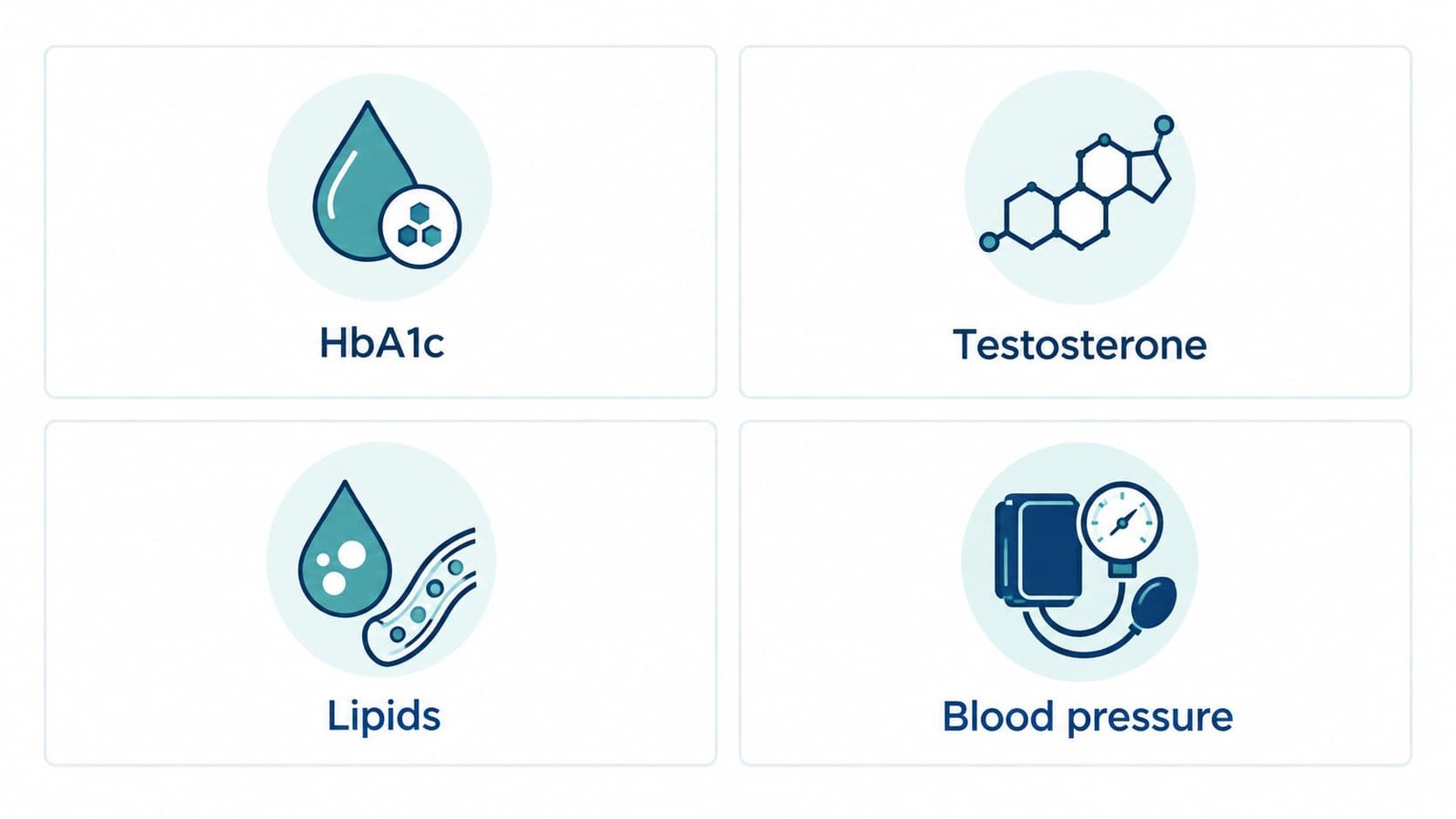
    Infographic of four pre-treatment tests: HbA1c, testosterone, lipids and blood pressure
    Each result adds one piece to the wider clinical picture.

    Each result adds one piece to a larger picture. Clinicians rarely read a single number alone.

    Common Result Patterns

    A high HbA1c with raised blood pressure points to metabolic and vascular disease. Low testosterone with obesity often reflects insulin resistance. Raised cholesterol with normal glucose may signal a lipid disorder. Normal results across all four tests shift attention to nerve injury, medicines or psychological factors.

    Causes of Reduced Orgasm Intensity

    Reduced orgasm intensity has several recognised causes. Low testosterone, diabetic neuropathy and vascular disease top the list. Antidepressants, especially SSRIs, commonly blunt orgasm. Prostate surgery and pelvic nerve injury can do the same. Stress, poor sleep and relationship strain add further layers. Blood tests identify only some of these causes. A clinical history identifies the rest.

    Red Flags That Need Prompt Review

    Some findings need medical attention before any elective procedure. These include readings of 180/120 mmHg or higher, chest pain on exertion and symptoms of high blood sugar. Excessive thirst, frequent urination and unexplained weight loss form that last group. Patients with these signs should contact an NHS GP or call NHS 111.

    Retesting and Reference Ranges

    Reference ranges vary slightly between laboratories. Clinicians therefore compare results against the range printed on each report. Repeat testing makes sense after medicine changes, weight loss or a new diagnosis. A result from several years ago no longer reflects current health. Recent figures give the safest starting point.

    Additional Tests Before P Shot Treatment

    Clinics may add further checks according to the patient’s history.

    • Full blood count: this measures platelets and haemoglobin. PRP depends on healthy platelets.
    • Kidney and liver function: these results guide medicine choices, especially in diabetes.
    • Thyroid function: thyroid disorders can alter libido and ejaculation.
    • PSA: men aged 50 and over can request an NHS PSA test after discussing benefits and risks.
    • Infection screening: clinicians order this only when the history justifies it.

    A medicine review matters just as much. Aspirin, anticoagulants and anti-inflammatory drugs can affect bleeding and platelet function. Patients should list every medicine and supplement at consultation.

    How to Prepare for Testing

    Doctor reviewing blood test and blood pressure results with a patient during a private consultation
    Clinicians review results with the patient before any treatment decision.

    Preparation differs by test.

    • HbA1c: no fasting is required.
    • Testosterone: book a morning appointment, ideally before 11 am.
    • Lipids: a non-fasting sample usually suffices.
    • Blood pressure: sit quietly for five minutes first. Avoid caffeine, smoking and exercise for 30 minutes beforehand.

    NHS GPs can arrange HbA1c, lipid and blood pressure checks when symptoms justify testing. The NHS Health Check offers cholesterol, blood pressure and diabetes risk assessment to adults aged 40 to 74. Private laboratories offer the same tests with faster turnaround. Some clinics review results during consultation. One example is pshots clinic UK on Harley Street. Dr Syed Nadeem Abbas leads that clinic (MBBS, MRCS RCS Edinburgh, MRCGP, MSc Aesthetic Plastic Surgery). Patients who arrange tests before P shot consultations save time and avoid repeat visits.

    What Results Mean for Realistic Outcomes

    Test results guide safety and suitability. Response remains unpredictable. A normal result does not guarantee benefit, and an abnormal result does not always rule out treatment.

    Lifestyle correction deserves attention first. Weight loss, exercise, smoking cessation and moderate alcohol intake improve all four measurements. Several trials also show direct gains in erectile function. Lifestyle change often delivers the largest, safest improvement in sexual health.

    Evidence for P shot treatment remains limited. Small randomised trials and systematic reviews report mixed, short-term improvements in erectile function scores. Larger trials with long follow-up remain scarce. NICE Clinical Knowledge Summaries list PDE5 inhibitors as first-line therapy for erectile dysfunction. NHS pathways do not currently list PRP as a standard option.

    Evidence for reduced orgasm intensity is weaker still. Few studies measure orgasm directly. Patients should treat any claim of improved orgasm with caution.

    Priapus shot London services use the same PRP technique, so the same testing logic applies. Standards differ between providers across P shot UK clinics. Patients should confirm Care Quality Commission registration and ask which tests the clinic requires. P shot London providers should also explain the evidence limits plainly.

    Frequently Asked Questions

    Which tests before P-shot treatment are standard?

    No UK law fixes a mandatory list. Each clinic sets its own protocol. Most request HbA1c, testosterone, a lipid profile and blood pressure, often with a full blood count.

    Does low testosterone prevent a P shot?

    Not necessarily. Clinicians usually investigate the cause first. Hormone treatment or specialist review may come before any PRP decision.

    Can diabetes affect the result of a P shot?

    Diabetes damages vessels and nerves, which may limit benefit. Poor control also slows healing. Clinicians therefore prefer stable glucose levels before treatment.

    How long do test results stay valid?

    Validity varies by clinic. Clinicians prefer recent results, particularly after medicine changes or new symptoms.

    Does the NHS offer the P shot?

    The NHS does not routinely offer PRP for erectile dysfunction. NHS clinicians do offer the underlying tests and proven first-line treatments.

    Are the tests the same for a priapus shot?

    Yes. Both names describe the same PRP procedure. The same safety checks apply.

    Can the tests explain weaker orgasms?

    Sometimes. Low testosterone, diabetes and vascular disease all contribute to weaker orgasms in men. Normal results do not exclude other causes, such as medicines, nerve injury or psychological factors. A full clinical history remains essential.

    Do clinicians check PSA before treatment?

    Not routinely for a P shot. PSA matters more before testosterone therapy and for men with urinary symptoms or a family history. The NHS provides written guidance on the benefits and risks.

    Key Takeaways

    Testing comes first because sexual health reflects general health. HbA1c exposes hidden diabetes. Testosterone reveals hormone deficits. Lipids and blood pressure show the state of the vessels that supply the penis. Together, these four checks often explain symptoms that no injection can fix.

    The evidence for PRP therapy for sexual function remains modest. Results vary, and no test predicts who will respond. Informed decisions rest on accurate data, realistic expectations and clear limits. Patients who complete the tests before P shot treatment gain a safer start and a clearer picture. Some discover a treatable condition that changes the plan entirely.

    If four simple checks can reveal the real cause of a symptom, where else should treatment decisions begin?

    read more:

    Can Type 2 Diabetes-Related Erectile Dysfunction Be Reversed? What Research Shows

    P Shot for Orgasm Intensity: What Does the Clinical Evidence Show?

    Dr Syed Nadeem Abbas, MBBS, MRCSEd, MSc Aesthetic Plastic Surgery (Distinction) Medical Director, Pshot Clinic | CQC Regulated | Monday to Saturday 10:00–18:00 +44 7955 836986
  • P Shot for Orgasm Intensity: What Does the Clinical Evidence Show?

    P Shot for Orgasm Intensity: What Does the Clinical Evidence Show?

    ✅Medically reviewed

    Orgasm sits at the centre of male sexual satisfaction. Yet most clinical research studies erections rather than climax. A man can keep a firm erection and still report a flat, delayed or distant orgasm. Climax involves the brain, hormones, spinal reflexes and pelvic muscles at the same moment. A fault in one part can quietly flatten the whole response. Clinicians recognise weaker orgasms in men as a real but under-studied complaint.

    Online clinics now promote the P shot for orgasm intensity as a possible solution. Marketing claims often run ahead of published data. This article tests each claim about P shot for orgasm intensity against randomised trials and recognised clinical guidance. The article first explains how male orgasm works. It then examines delayed and muted orgasms, hormonal causes, nerve-related causes and medication effects. Accurate answers sometimes disappoint, yet they protect patients from wasted cost and missed diagnoses.

    Key Points

    • Orgasm depends on brain signalling, hormones, spinal reflexes and pelvic nerves.
    • Low testosterone, diabetes, pelvic surgery and certain medicines can blunt orgasm.
    • No randomised trial has tested the P shot with orgasm intensity as the main outcome.
    • Existing PRP trials in erectile dysfunction show mixed results.
    • Medical assessment should come before any procedure.

    How Male Orgasm Works

    Orgasm combines sensation, muscle activity and brain processing. Ejaculation usually accompanies orgasm, but the two events differ. A man can ejaculate without climax, or reach climax without ejaculating.

    Brain and Hormonal Control

    The brain acts as the main sexual organ. Sensory input travels to the sensory cortex, while limbic regions process arousal and reward. Dopamine promotes drive and climax. Serotonin generally inhibits ejaculation. Oxytocin and prolactin rise around climax and contribute to the refractory period. Testosterone supports desire and sets the sensitivity of these pathways.

    Spinal Reflex and Pelvic Nerves

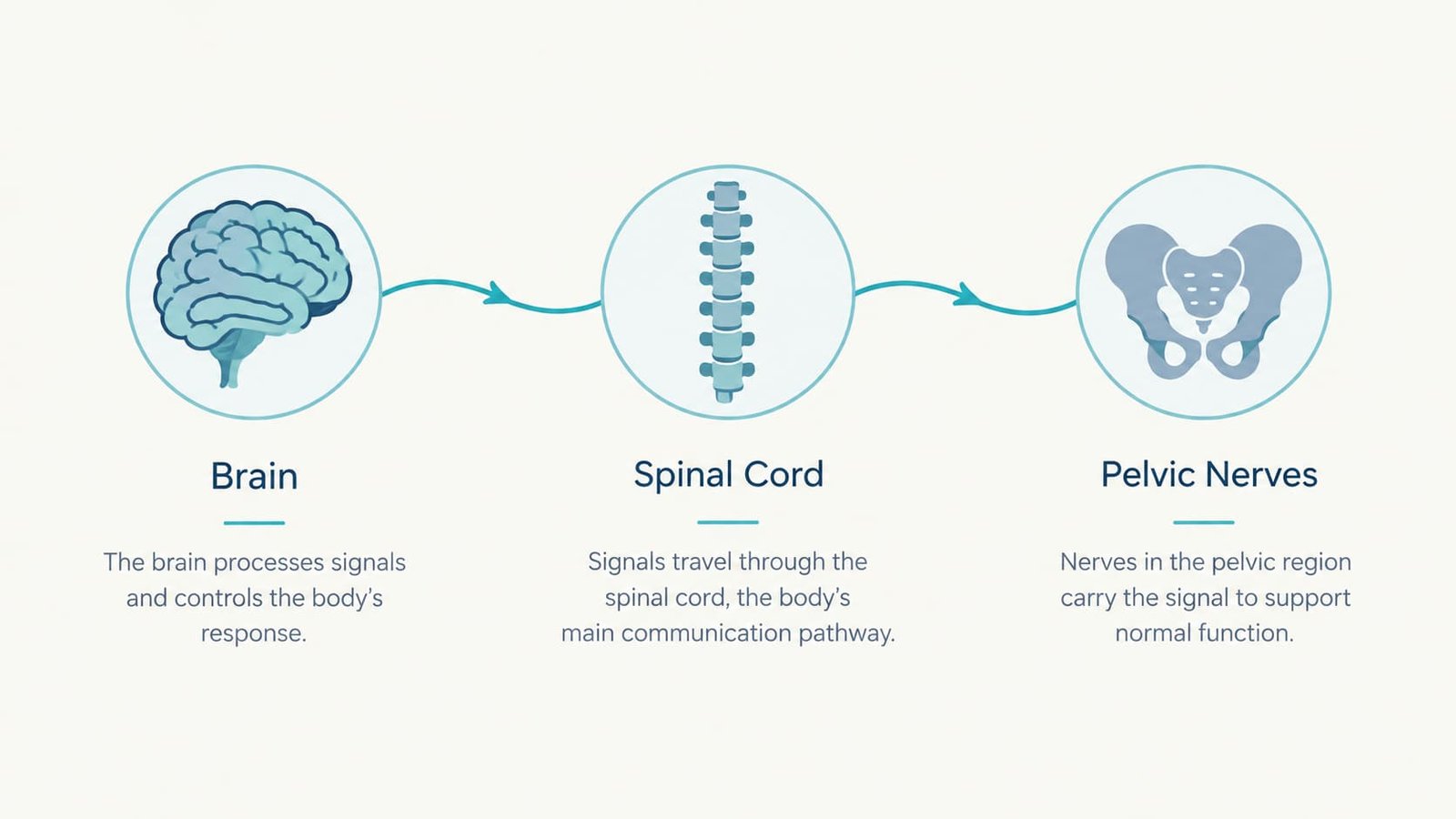
    Simple diagram showing the signal route from the brain through the spinal cord to the pelvic nerves during orgasm
    Orgasm depends on signals travelling from the brain through the spinal cord to the pelvic nerves.

    The dorsal nerve of the penis carries touch signals into the pudendal nerve. Those signals reach the sacral spinal cord. Sympathetic fibres from the lower thoracic and upper lumbar cord then trigger emission, when semen enters the urethra. Somatic fibres in the pudendal nerve trigger rhythmic contractions of the pelvic floor muscles. Those contractions drive expulsion and much of the physical pleasure.

    Why Intensity Varies

    Intensity reflects pelvic muscle contraction strength, nerve signalling speed and brain-level reward. Weakness at any point in this chain can blunt the whole experience. Age, stress, alcohol, fatigue and arousal level also change intensity from one occasion to the next. Repeated climaxes within a short time often feel weaker because of the refractory period.

    Delayed, Muted and Absent Orgasms

    Clinicians use several terms. Each describes a different problem and needs a different workup.

    Muted or Weaker Orgasms

    Reduced orgasm intensity describes a climax that feels shorter, flatter or less pleasurable than before. Some men also report fewer pelvic contractions or lower semen volume. No single diagnostic label covers weaker orgasms in men. Clinicians therefore rely on history-taking and validated questionnaires. The International Index of Erectile Function (IIEF) includes an orgasmic function domain for this purpose.

    Timing of onset matters. Lifelong problems suggest different causes from sudden changes. Acquired changes after a new medicine, injury or illness usually point to a specific trigger.

    Delayed Orgasm and Anorgasmia

    Delayed ejaculation means a marked delay or inability to reach climax despite adequate stimulation. Anorgasmia means no climax at all. Most estimates place delayed ejaculation at a low single-digit percentage of men. Rates rise with age and with certain medicines.

    Orgasm Versus Sensitivity

    Sensitivity describes how strongly touch registers. Orgasm describes the climax itself. The two overlap, yet each has separate causes. Reduced penile sensitivity during sex covers dulled touch. Penile sensitivity loss during sex covers gradual loss of feeling. Both articles address sensation. This article addresses climax.

    Hormonal Causes of Reduced Orgasm Intensity

    Hormones regulate desire, arousal and ejaculatory force. Several endocrine problems can weaken orgasm.

    Testosterone Deficiency

    Testosterone supports desire, erectile quality and semen volume. Low levels can reduce libido and flatten climax. Fatigue, low mood and reduced muscle mass often accompany the problem. Symptoms alone cannot confirm a diagnosis, but blood tests can. NICE Clinical Knowledge Summaries advise clinicians to confirm symptoms and repeat morning blood tests before diagnosing hypogonadism. The Testosterone Trials found modest gains in sexual function after treatment in older men with confirmed low levels (Snyder et al., 2016). Treating a confirmed deficiency addresses the cause, whereas injecting PRP does not.

    Thyroid and Prolactin Disorders

    Underactive thyroid function can delay ejaculation. Raised prolactin suppresses testosterone and libido. Simple blood tests identify both problems. Pituitary causes need specialist input.

    Ageing

    Testosterone falls gradually with age. Penile nerve conduction also slows. Ejaculatory force and volume decline in many older men. Clinicians therefore interpret changes against age-matched expectations.

    Nerve-Related Causes

    Pelvic nerves control both sensation and muscle contraction. Damage can blunt orgasm even when erections stay normal.

    Diabetes and Neuropathy

    Diabetic neuropathy damages small nerve fibres, including autonomic fibres that control ejaculation. Good glucose control slows that damage. Regular diabetes review therefore protects sexual function as well as general health.

    Surgery and Injury

    Radical prostatectomy, rectal surgery and other pelvic operations can injure cavernous or pudendal nerves. Many men report altered orgasm afterwards. Prostate removal also causes dry orgasm, because the gland and seminal vesicles no longer produce semen. Pelvic fractures and long-distance cycling can compress the pudendal nerve.

    Neurological Disease

    Spinal cord injury, multiple sclerosis and Parkinson’s disease alter reflex pathways. Orgasm may weaken, delay or disappear. Numbness elsewhere, bladder changes or bowel changes often accompany these causes. A neurologist or urologist should assess such cases.

    Medication Effects on Orgasm

    Medicines cause a large share of orgasm complaints. A prescription review often explains symptoms faster than any procedure.

    Antidepressants

    Selective serotonin reuptake inhibitors (SSRIs) frequently delay or block orgasm. Serotonin inhibits ejaculatory reflexes, so higher levels delay climax. Other antidepressant classes also cause sexual side effects, though rates differ. The NHS advises patients not to stop antidepressants suddenly. A GP or prescriber can adjust the dose or switch the drug.

    Alpha-Blockers and 5-Alpha Reductase Inhibitors

    Alpha-blockers such as tamsulosin treat urinary symptoms of prostate enlargement. These drugs can reduce semen volume or cause dry orgasm. Finasteride and dutasteride lower dihydrotestosterone. Libido and ejaculation can change during treatment.

    Other Medicines

    Opioids suppress testosterone and delay climax. Antipsychotics raise prolactin. Some blood pressure medicines and heavy alcohol use also dull orgasm. Symptoms often begin within weeks of starting a drug or raising a dose.

    Seeking Advice About Medicines

    Patients should discuss any suspected drug effect with a GP before changing a dose. Doctors can review timing, dose and alternatives.

    Psychological and Lifestyle Contributors

    Anxiety, depression and relationship stress can delay or mute climax. Some clinicians link a very firm masturbation grip with reduced response during partnered sex. Smoking, obesity and poor cardiovascular health also reduce sexual function. NICE guidance on erectile dysfunction advises assessing cardiovascular risk alongside sexual symptoms.

    Common Causes at a Glance

    CauseTypical clueSensible first step
    Low testosteroneLow libido, fatigueMorning blood tests
    AntidepressantsOnset after starting a drugPrescriber review
    Alpha-blockers, 5-alpha reductase inhibitorsLower semen volumeMedication review
    Diabetic neuropathyNumbness, other nerve symptomsGlucose control, GP review
    Pelvic surgeryChange after an operationUrology follow-up
    Anxiety or depressionStress, low moodPsychosexual support

    How PRP Therapy for Sexual Function Is Meant to Work

    PRP therapy for sexual function uses the patient’s own blood. A clinician draws blood, spins it in a centrifuge and concentrates the platelets. The clinician then injects the concentrate into penile tissue. Laboratory studies show that platelets release growth factors, which support tissue repair and new blood vessels. Animal models of cavernous nerve injury suggest possible nerve benefits. Clinics apply this logic to P shot treatment. Platelet concentration, spin method and injection technique vary between clinics. That variation complicates comparison across studies. Priapus Shot is a registered brand name. Animal data do not prove human benefit.

    P Shot for Orgasm Intensity: What Evidence Exists?

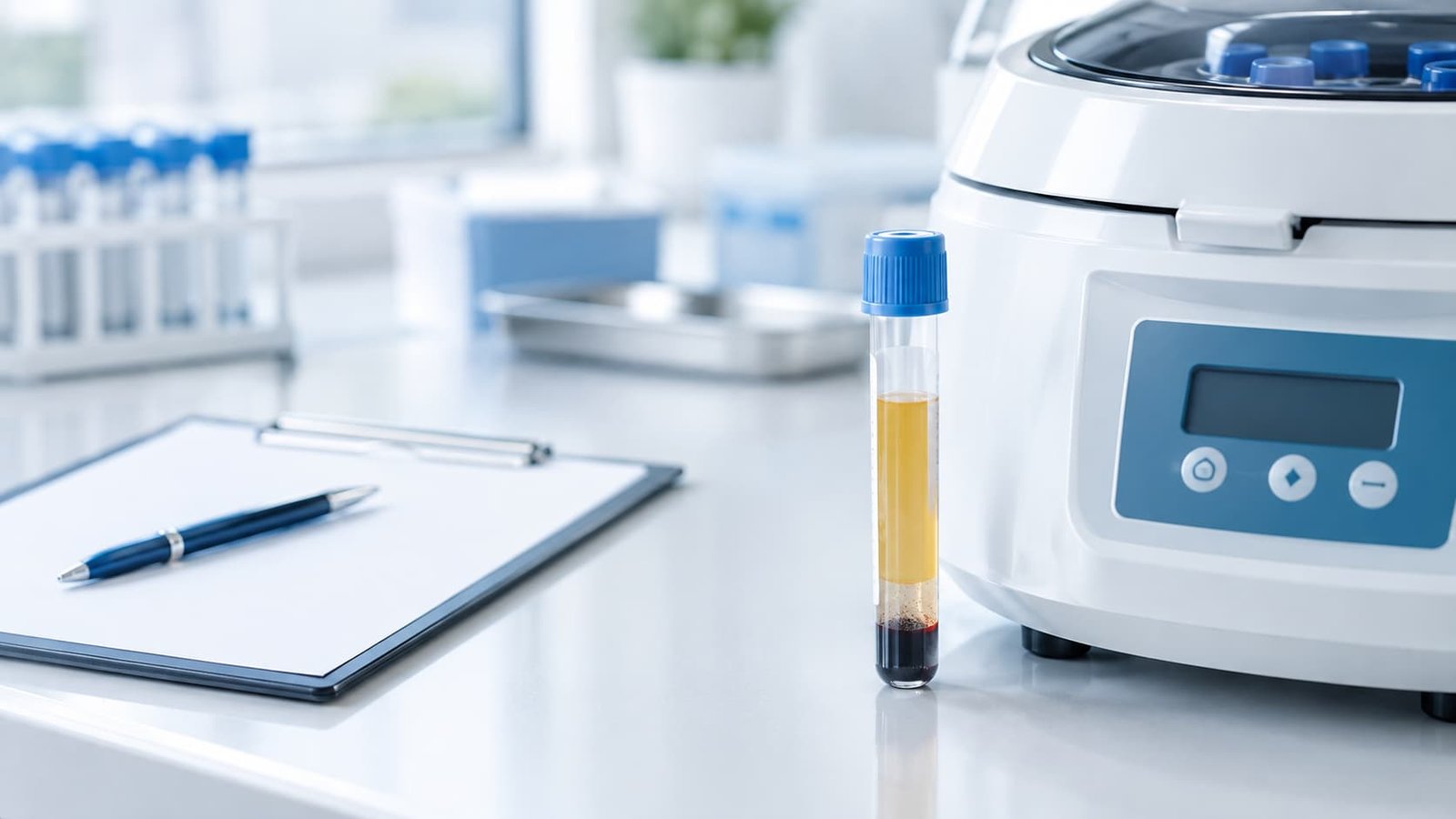
    PRP tube and centrifuge on a clinical bench representing research into PRP therapy for sexual function
    Clinical trials of PRP have focused on erectile function, not orgasm intensity.

    Direct Evidence

    Published randomised trials of PRP have not made orgasm intensity the primary outcome. That gap is the most important fact about the P shot for orgasm intensity. Claims about P shot for orgasm intensity therefore rest on indirect data.

    Indirect Evidence from Erectile Dysfunction Trials

    Several trials tested PRP for erectile dysfunction. Poulios and colleagues reported in the Journal of Sexual Medicine (2021) that more PRP recipients than placebo recipients reached a clinically meaningful gain in erectile function. Masterson and colleagues later ran a double-blind, placebo-controlled trial of 61 men. The Journal of Urology reported no significant difference between PRP and placebo (2023). Both groups improved. One man in the PRP group developed a new penile plaque. Placebo response runs high in sexual medicine, so blinded trials remain essential. Systematic reviews describe small studies, short follow-up and varied PRP preparation methods.

    What the Orgasm Data Show

    The IIEF includes an orgasmic function domain. Few trials report that domain separately. None designed the study to detect a change in orgasm intensity. Small uncontrolled case series describe subjective improvement. Expectation bias and placebo effects limit those reports.

    Reading the Evidence Critically

    Sexual outcomes depend heavily on expectation, mood and partner factors. Trials of 50 to 60 men can miss modest effects. Chance can also overstate benefit. Larger, longer trials with orgasm-specific outcomes would settle the question.

    Guidance and Safety

    Cleveland Clinic states that research has not verified P shot benefits. The clinic also notes that claims about sensation and ejaculation control lack scientific support. The European Association of Urology currently treats PRP for erectile dysfunction as investigational. NHS and NICE guidance on sexual dysfunction centres on assessing causes, reviewing medicines and using licensed treatments. Neither body recommends PRP for orgasm complaints. Reported minor risks include bruising, swelling, discolouration and infection.

    Realistic Outcomes and Limitations

    Realistic expectations for P shot for orgasm intensity include the following:

    • Benefit remains unproven, and some men notice no change.
    • Placebo response can account for early improvement.
    • Costs fall on the patient, because the NHS does not routinely fund the procedure. P shot UK pricing varies between clinics.
    • No evidence-based schedule exists for repeat sessions.
    • P shot treatment cannot reverse hormonal disease, medication effects or major nerve injury.
    • Men considering a P shot London appointment or a priapus shot London clinic should verify the practitioner’s qualifications. Written, balanced information should accompany any offer.

    Assessment Before Any Procedure

    A structured assessment should precede any PRP discussion. It usually includes:

    • A sexual, medical and medication history
    • Morning testosterone, HbA1c, thyroid and prolactin blood tests when indicated
    • Neurological and genital examination
    • Review of mood, stress and relationship factors
    • Cardiovascular risk assessment, in line with NICE guidance

    Pshots clinic UK, a Harley Street clinic in Marylebone, operates under Dr Syed Nadeem Abbas. Credentials include MBBS, MRCS (RCS Edinburgh), MRCGP and an MSc in Aesthetic Plastic Surgery with Distinction from Queen Mary University of London. Training took place at Cambridge, Oxford and the Royal London Hospital. Any clinician offering PRP should document the diagnosis, explain the evidence gap and obtain informed consent.

    Frequently Asked Questions

    Does the P shot for orgasm intensity work?

    Current evidence cannot confirm that it does. No trial has tested orgasm intensity as the main outcome. Trials in erectile dysfunction show mixed results.

    What causes weaker orgasms in men?

    Common causes include low testosterone, medicine side effects, diabetes-related nerve damage, pelvic surgery, anxiety and ageing. More than one factor often contributes.

    Can medication cause reduced orgasm intensity?

    Yes. SSRIs, alpha-blockers, 5-alpha reductase inhibitors and opioids commonly alter orgasm. Patients should speak to a prescriber before stopping any medicine.

    How do clinicians measure orgasm intensity?

    No objective test exists. Clinicians use history-taking and questionnaires such as the IIEF orgasmic function domain. Reports remain subjective.

    Does the NHS offer the P shot?

    The NHS does not routinely offer PRP injections for male sexual dysfunction. NHS services assess causes and offer licensed treatments.

    When should a man see a GP about orgasm changes?

    Any change lasting several weeks merits review. Sudden onset, new medicines, erection problems, pain, numbness or urinary symptoms need prompt assessment.

    Is PRP therapy for sexual function safe?

    Small trials report minor and uncommon adverse events. Long-term safety data remain limited.

    Key Takeaways

    Orgasm depends on coordinated brain, hormonal and nerve function. Reduced orgasm intensity usually has an identifiable cause. Testosterone deficiency, diabetes, pelvic surgery and medicines explain many cases. PRP therapy for sexual function remains experimental, and no trial directly supports P shot for orgasm intensity. Informed decisions start with a diagnosis, not a procedure. Patients weighing any private treatment should ask for evidence, costs and limits in writing. Which question deserves an answer first: whether a treatment exists, or why the change began?

    Read more:

    Weaker Orgasms in Men: Causes and Treatment Options

    Dual-Spin vs Single-Spin PRP: Does Platelet Concentration Matter for the P Shot?

    Dr Syed Nadeem Abbas, MBBS, MRCSEd, MSc Aesthetic Plastic Surgery (Distinction) Medical Director, Pshot Clinic | CQC Regulated | Monday to Saturday 10:00–18:00 +44 7955 836986 
  • Can Type 2 Diabetes-Related Erectile Dysfunction Be Reversed? What Research Shows

    Can Type 2 Diabetes-Related Erectile Dysfunction Be Reversed? What Research Shows

    ✅Medically reviewed 

    More than half of men with diabetes develop erectile problems at some point. A meta-analysis of 145 studies placed the pooled prevalence at 52.5 per cent. That figure explains why type 2 diabetes and erectile dysfunction appear together so often in UK clinics. The pairing also raises a pressing question. Does the damage last for life, or can erectile function recover?

    The honest answer sits between hope and caution. Research shows that some men regain normal erections after sustained weight loss, better glucose control and regular exercise. Others improve only partly. A third group needs ongoing treatment because long-standing nerve and blood vessel damage does not fully heal. Outcomes depend on the stage of damage, the duration of diabetes and the presence of other conditions.

    Early action offers the best chance of recovery. Erectile changes often appear before a diabetes diagnosis. They can also warn of heart disease years before cardiac symptoms start. Reversal therefore matters for sexual health and for long-term cardiovascular safety.

    This guide examines the biology, the trial evidence and the available treatments. Sources include NHS guidance, NICE recommendations and peer-reviewed studies. Each section states what research proves and what remains uncertain.

    What Does Erectile Dysfunction Reversal Really Mean?

    Clinicians define erectile dysfunction (ED) as persistent difficulty achieving or keeping an erection firm enough for sexual activity. Researchers often measure severity with the International Index of Erectile Function (IIEF-5). Scores of 22 to 25 indicate no ED. Lower scores indicate mild, moderate or severe ED.

    Reversal therefore carries three possible meanings.

    Full Recovery

    The patient returns to a normal IIEF-5 score without medication. Trials report this outcome in a minority of men, mostly after major lifestyle change.

    Partial Improvement

    Scores rise, but erections stay less reliable than before diabetes. Many men reach this outcome.

    Controlled Function with Treatment

    Medication or devices restore satisfactory erections while the underlying damage persists. This outcome is common and clinically valuable.

    Reversal is a spectrum, not a single result.

    How Diabetes Damages Erections

    An erection needs healthy arteries, working nerves, supple erectile tissue and balanced hormones. Type 2 diabetes and erectile dysfunction connect through all four.

    Blood Vessel Damage

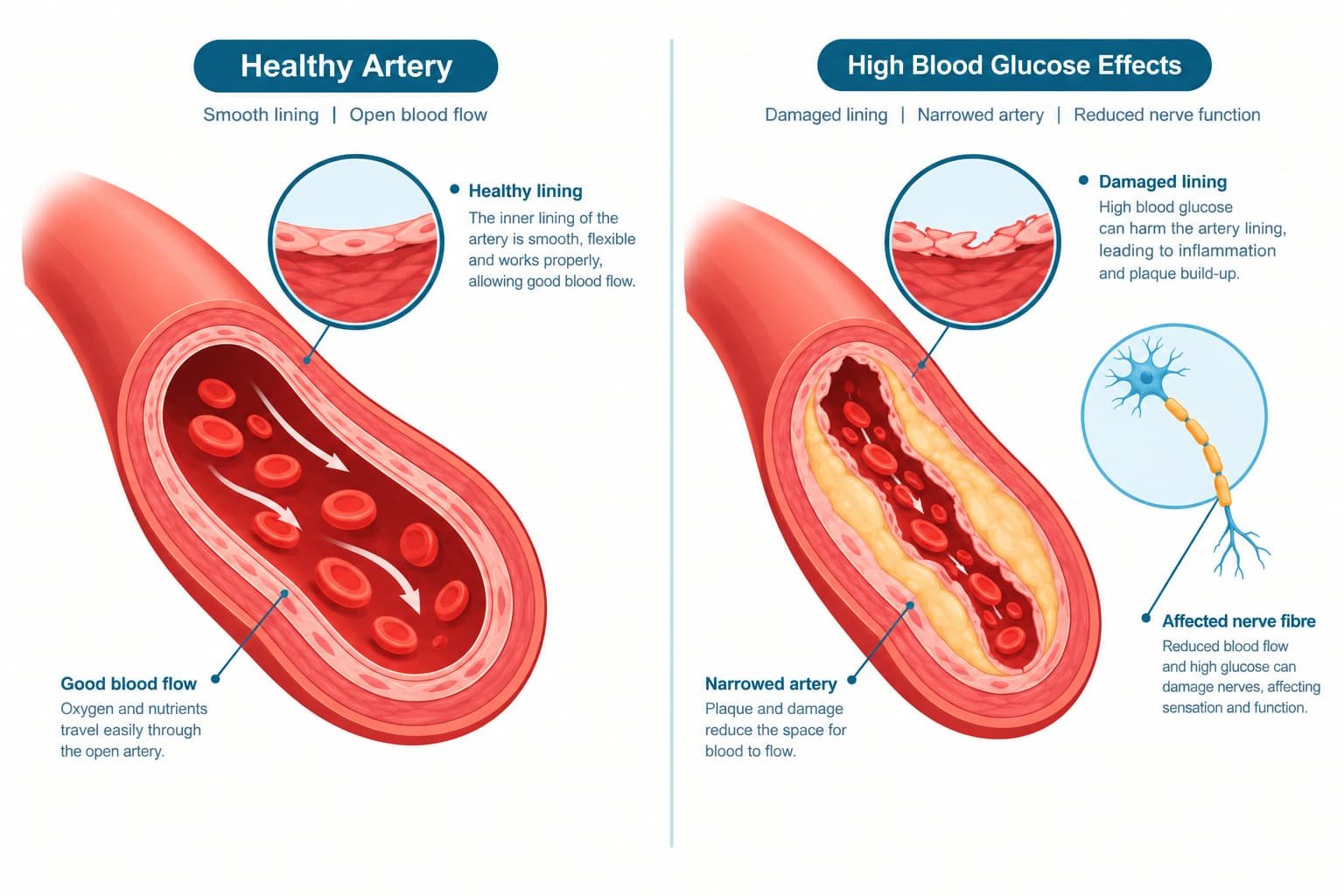
    Persistently high glucose injures the endothelium, the inner lining of blood vessels. Damaged endothelium produces less nitric oxide. Nitric oxide relaxes penile arteries and allows blood to fill the erectile tissue. Diabetes also accelerates atherosclerosis, which narrows the small arteries of the penis.

    Nerve Damage

    Autonomic neuropathy disrupts the signals that start and sustain an erection. Neuropathy tends to appear after many years of raised glucose. Men with numb feet or bladder changes may also have nerve-related ED.

    Illustration comparing a healthy artery with a narrowed artery damaged by high blood glucose
    High glucose damages the blood vessel lining and nerves that an erection depends on.

    Hormones, Medicines and Mood

    Low testosterone affects a substantial share of men with type 2 diabetes. Obesity and insulin resistance both lower testosterone. Some antidepressants, beta-blockers and thiazide diuretics can worsen erections. Depression and performance anxiety add further strain.

    Why Timing Matters

    Early damage is functional. Blood vessels narrow, but the tissue stays healthy. Late damage is structural. Laboratory studies show smooth muscle loss and fibrosis in long-standing diabetic erectile tissue. Structural change responds poorly to lifestyle measures. The longer glucose stays high, the lower the prospect of full recovery.

    What Research Shows About Type 2 Diabetes and Erectile Dysfunction Reversal

    Evidence comes from randomised trials, observational cohorts and systematic reviews. Quality varies. Few trials enrol only men with diabetes.

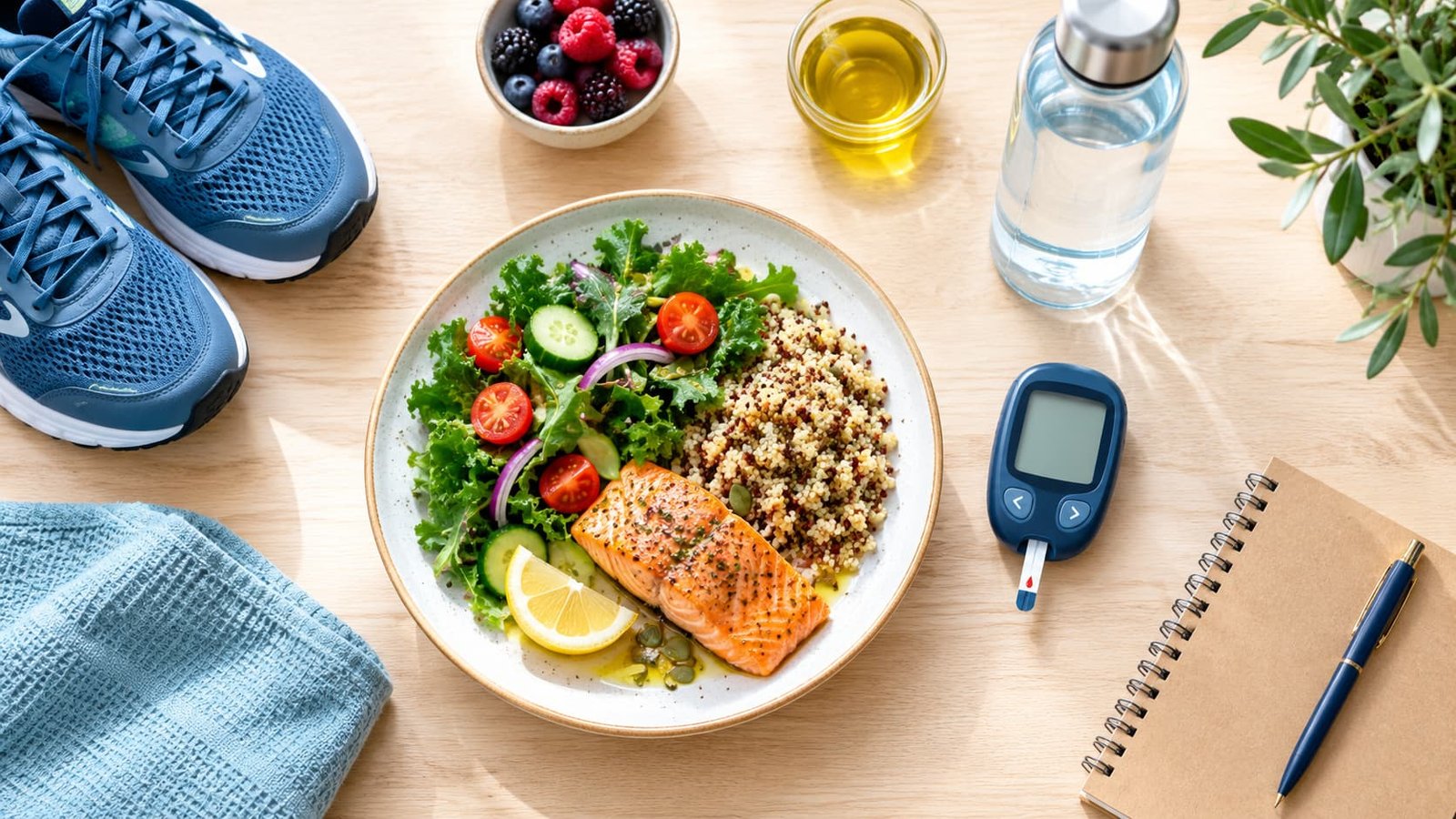
    Weight Loss and Lifestyle Change

    The strongest trial evidence comes from Esposito and colleagues. Their 2004 JAMA study enrolled 110 obese men with ED. Most participants did not have diabetes. The intervention group received structured diet and exercise advice for two years. Some 31 per cent of the intervention group regained normal erectile function, compared with 5 per cent of controls. Men with diabetes may respond differently, so clinicians apply these findings with caution.

    A 2015 review by Maiorino and colleagues reached a similar conclusion. Weight loss, physical activity and Mediterranean-style eating improved erectile scores in many trials.

    Glucose Control

    NICE guideline NG28 sets individual HbA1c targets for adults with type 2 diabetes. Typical targets are 48 mmol/mol or 53 mmol/mol, depending on treatment and hypoglycaemia risk. Observational studies link higher HbA1c with more severe ED. However, trials testing glucose lowering alone for erectile outcomes remain limited. Good control clearly protects nerves and vessels. Evidence that it reverses established ED is weaker.

    Diabetes Remission and Bariatric Surgery

    The DiRECT trial showed that structured low-energy diets can induce remission. Remission occurred in 46 per cent of participants at 12 months and 36 per cent at 24 months. The NHS now runs a Type 2 Diabetes Path to Remission Programme in England. Direct evidence on erectile outcomes after remission is scarce. Reviews of bariatric surgery report higher IIEF scores afterwards. Most of those studies are small and observational.

    Exercise

    Aerobic and resistance training improve endothelial function and insulin sensitivity. The UK Chief Medical Officers recommend at least 150 minutes of moderate activity weekly. Trials in men with ED report modest but consistent gains in IIEF-5 scores. Exercise also lowers cardiovascular risk.

    Smoking, Alcohol and Medicines

    Smoking damages the endothelium and reduces nitric oxide. Stopping smoking can improve erections in some men. Heavy alcohol use worsens erectile function and glucose control. A medication review may also help. ACE inhibitors and angiotensin receptor blockers appear neutral for erections. Older thiazides and non-selective beta-blockers can contribute to ED. Patients should never stop prescribed medicines without medical advice.

    Newer Diabetes Medicines

    GLP-1 receptor agonists and SGLT2 inhibitors support weight loss and cardiovascular health. Observational data hint at possible erectile benefit. No trial currently proves that these drugs reverse ED. Prescribers choose these drugs for diabetes, not for erections.

    How Doctors Assess Type 2 Diabetes and Erectile Dysfunction

    Assessment starts with a detailed medical and sexual history. The clinician asks about onset, morning erections, libido, medicines and mood. Sudden onset suggests a psychological or medicine-related cause. Gradual onset suggests vascular or nerve disease.

    Examination and Blood Tests

    A physical check covers blood pressure, body mass index, the genitals and the peripheral pulses. Blood tests usually include HbA1c, a lipid profile and morning total testosterone. Doctors repeat a low testosterone result before diagnosing hypogonadism. Thyroid function and kidney tests follow when clinical findings justify further testing.

    Questionnaires and Risk Scores

    The IIEF-5 questionnaire records severity and tracks response to treatment. QRISK3 estimates ten-year cardiovascular risk. Both tools give structure to follow-up and help patients and clinicians judge real progress.

    The Role of Psychological Support

    Anxiety and depression occur more often in men with diabetes. Performance worry can then sustain ED after the physical trigger fades. Cognitive behavioural therapy and psychosexual counselling address this cycle. Partners often join sessions. Psychological support works alongside physical treatment, not instead of it.

    Medical Treatments When Lifestyle Change Is Not Enough

    Many men need medical treatment alongside lifestyle change. NICE Clinical Knowledge Summaries guide UK practice. Type 2 diabetes and erectile dysfunction often require a combined approach.

    Tablets: PDE5 Inhibitors

    Sildenafil, tadalafil, vardenafil and avanafil form first-line therapy. Men with diabetes can receive generic sildenafil on NHS prescription. Response rates run lower in diabetes than in the general population. Nitrate medicines make PDE5 inhibitors unsafe. Doctors must check cardiovascular status before prescribing.

    Testosterone Assessment

    Doctors diagnose low testosterone after two separate morning blood tests. Replacement therapy mainly improves libido. Benefit for erections themselves is less certain. Specialist supervision and monitoring of haematocrit and PSA remain essential.

    Second-Line Options

    Vacuum erection devices draw blood into the penis through negative pressure. Alprostadil, given by injection or urethral pellet, relaxes penile arteries directly. Penile implants suit men who fail other options. Urologists manage these pathways.

    Non-Surgical Treatment for Erectile Dysfunction Beyond Tablets

    Several options sit outside standard NHS pathways. Evidence for each remains under development. Any non-surgical treatment for erectile dysfunction needs an honest discussion of benefit and uncertainty.

    Low-Intensity Shockwave Therapy

    Low-intensity shockwave therapy aims to stimulate new blood vessel growth. Some trials report improved erectile scores in mild vascular ED. Reviews note inconsistent protocols and small samples. UK bodies have not endorsed routine NHS use.

    PRP and the P-Shot

    Platelet-rich plasma (PRP) comes from a sample of the patient’s own blood. Clinicians inject the concentrate into penile tissue. Laboratory work suggests that growth factors may support tissue repair. Small clinical studies report improved erectile scores. However, trials are few, short and often lack placebo control. Studies in men with diabetes are particularly limited. PRP therefore remains an experimental option, not a proven reversal treatment. Patients considering P Shot London services should ask clinics to explain this evidence gap openly.

    The Priapus Shot price varies between clinics, protocols and numbers of sessions. A written, itemised quote should state the cost per session and the proposed course length. Patients should weigh that figure against the evidence on expected benefit.

    Choosing Erectile Dysfunction Treatment London Services

    Men exploring erectile dysfunction treatment London clinics should verify General Medical Council registration and specialist training. The Care Quality Commission regulates private clinics in England. A responsible clinic checks cardiovascular and glucose status before treatment. Credible clinicians also document limitations and refer patients to a GP or diabetes team when needed.

    Dr Syed Nadeem Abbas leads pshots clinic uk, a private clinic on Harley Street, London. Qualifications include MBBS, MRCS, MRCGP and an MSc in Aesthetic Plastic Surgery.

    Why Erectile Dysfunction Matters for Heart Health

    Erectile dysfunction in men with diabetes often signals cardiovascular disease. Penile arteries are narrower than coronary arteries, so disease can appear there first. Gazzaruso and colleagues found that ED predicted silent coronary artery disease in men with diabetes. The Prostate Cancer Prevention Trial also linked ED to later cardiovascular events.

    NICE guidance therefore supports a cardiovascular risk assessment, often with the QRISK3 tool. A new erectile problem in diabetes deserves a heart check as well as a sexual health review. Type 2 diabetes and erectile dysfunction together justify a thorough cardiovascular review.

    Limits of the Current Evidence

    Honest reporting requires attention to what research cannot yet show. Four limits stand out.

    First, most trials of lifestyle change excluded men with established diabetes complications. Those findings may not transfer to every patient. Second, follow-up rarely exceeds two years. Long-term durability remains uncertain.

    Third, researchers measure erectile function with different questionnaires and thresholds. Direct comparison between studies therefore becomes difficult. Fourth, many studies of newer therapies lack placebo groups and independent replication.

    Strong claims of guaranteed reversal exceed the available evidence. Type 2 diabetes and erectile dysfunction vary widely between individuals, and published averages hide that variation. Responsible clinicians describe likely ranges of benefit and avoid promises.

    Realistic Expectations: What Predicts Recovery

    Several factors shape the likelihood of improvement.

    FactorMore favourableLess favourable
    Diabetes durationShortLong
    Glucose controlStable and near targetPersistently high
    Body weightSubstantial loss achievedPersistent severe obesity
    Nerve and vessel statusNo neuropathyEstablished neuropathy or vascular disease
    SmokingStoppedContinuing

    These patterns reflect clinical experience and observational data. They do not guarantee outcomes. Even favourable profiles may need medication.

    Practical Steps With the Strongest Support

    Healthy meal, running shoes and glucose monitor representing lifestyle steps for diabetes-related erectile dysfunction
    Weight loss, exercise and glucose control are the best-supported steps for recovery.

    The following measures carry the most consistent evidence and the lowest risk:

    • Book a review with a GP or diabetes nurse to discuss erectile symptoms
    • Agree an individual HbA1c target and a plan to reach it
    • Aim for gradual weight loss of 5 to 10 per cent of body weight
    • Build up to 150 minutes of moderate activity each week
    • Stop smoking with NHS support
    • Ask a pharmacist or GP to review current medicines
    • Seek psychosexual counselling when anxiety or relationship strain persists

    Type 2 diabetes and erectile dysfunction improve most often when several of these steps combine.

    When to Seek Medical Advice

    Men with diabetes should raise ED with a GP or diabetes nurse. Early assessment improves outcomes. Urgent care becomes necessary in these situations:

    • Chest pain or breathlessness during sexual activity
    • A painful erection lasting more than four hours
    • Sudden loss of erections alongside new leg weakness or numbness

    The NHS describes prolonged painful erection (priapism) as a medical emergency.

    Frequently Asked Questions

    Can erectile function return to normal in type 2 diabetes?

    Some men recover fully, especially after substantial weight loss and better glucose control. Others improve partly. Men with long-standing neuropathy or vascular disease recover less often. Medication can still restore satisfactory erections in many of these cases.

    How long does improvement take?

    Lifestyle trials followed men for one to two years. Gains often build gradually. Individual timelines vary widely, so clinicians review progress at regular intervals.

    Does tight blood sugar control cure erectile dysfunction?

    No evidence shows that glucose control alone cures established ED. Good control protects nerves and vessels and may slow further decline. Weight loss, exercise and smoking cessation add independent benefit.

    Is the P-shot a proven treatment for diabetic erectile dysfunction?

    No. Evidence remains limited, particularly in men with diabetes. NICE does not list PRP as a standard ED therapy. Patients should discuss risks, costs and uncertainty before any decision.

    Can the NHS prescribe tablets for erectile dysfunction in diabetes?

    Yes. Men with diabetes can receive generic sildenafil on NHS prescription. Local integrated care board policies may apply. A GP checks medicines and heart health first.

    Does erectile dysfunction always signal heart disease?

    No. Psychological, hormonal and medicine-related causes also exist. Even so, ED in diabetes justifies a cardiovascular risk review.

    Key Taakeaways

    Type 2 diabetes and erectile dysfunction rarely resolve through one measure alone. Reversal is possible for some men and unrealistic for others. Evidence supports weight loss, exercise, glucose control, smoking cessation and medication review as first steps. Tablets, devices and injections manage function when recovery stalls. Experimental options such as shockwave therapy and PRP need cautious, evidence-led discussion.

    Informed decision-making begins with a GP, an honest risk assessment and clear expectations. The earlier assessment starts, the more options remain open. Which single change could support both glucose control and erectile health over the coming month?

    Read more:

    P Shot London: What Men with Diabetes Need to Know About Erectile Dysfunction Treatment

    Erectile Dysfunction and High Blood Pressure: Can the P-Shot Offer a Vascular Solution?

    P shot Treatment London

    Dr Syed Nadeem Abbas, MBBS, MRCSEd, MSc Aesthetic Plastic Surgery (Distinction) Medical Director, Pshot Clinic | CQC Regulated | Monday to Saturday 10:00–18:00 +44 7955 836986

  • Priapus Shot Price: What Affects the Cost in 2026?

    Priapus Shot Price: What Affects the Cost in 2026?

    ✅Medically reviewed

    Priapus Shot Price varies more between London clinics than most patients expect. The reason rarely comes down to simple profit margin. Two clinics on the same street can quote figures hundreds of pounds apart. The treatments look identical on paper. The difference usually sits in what happens before, during, and after the injection itself. Clinician training, PRP preparation method, consultation depth, and aftercare provision all shape the final figure charged for a P Shot treatment. This article breaks down the individual cost components behind private clinic pricing in the UK. It explains why similar-sounding treatments carry different price tags. It also sets out practical questions worth asking before comparing quotes.

    The Priapus Shot, widely known as the P Shot treatment, uses platelet-rich plasma (PRP). The plasma is drawn from a patient’s own blood and injected into the penile shaft. NHS guidance on erectile dysfunction (ED) describes the condition as common. It affects a significant proportion of men at some point in life. Conventional NHS pathways include lifestyle changes, oral medication, and specialist referral where needed. PRP-based penile injection growth treatments sit outside these first-line pathways. Such treatments are offered privately, including through P Shot London providers such as pshots Clinic uk, a Harley Street clinic led by Dr Syed Nadeem Abbas. Understanding the components behind a quoted fee helps patients judge whether a price reflects appropriate clinical care, rather than an arbitrary figure.

    What Is Included in a Priapus Shot Price Quote?

    A quoted fee rarely reflects a single procedure charge. It usually bundles several distinct clinical steps, and knowing what sits inside the number makes the whole process far less confusing.

    The Core Clinical Steps Behind Every Quote

    Most quotes cover blood draw, PRP separation in a centrifuge, local anaesthetic, the injection itself, and a short observation period afterwards. Each step takes clinician time and clinical equipment, and each one carries a real cost that eventually lands somewhere in the final bill.

    Itemised vs Combined Pricing

    Some clinics itemise each stage separately on the published price list. Others present one combined figure covering the entire visit from arrival to discharge. Neither approach is wrong, but a combined figure can quietly exclude consultation or follow-up costs that only appear later. Patients researching P shot UK options should request a written, itemised breakdown before booking, simply to avoid any surprises further down the line.

    1. The Clinician Performing the Treatment

    Qualified clinician assessing a patient before P Shot treatment
    Clinician qualification and experience directly influence the overall price.

    Clinician qualification directly affects the overall cost, and this is one of the biggest variables between clinics.

    Training and Registration

    A P Shot treatment involves injecting PRP into sensitive penile tissue, so anatomical knowledge and precise injection technique carry real clinical weight. Practitioners with surgical or aesthetic medicine training, GMC registration, and documented experience in genital PRP procedures typically charge more. Providers with limited or unverified relevant training tend to charge less.

    Why Experience Costs More

    Higher fees in this category generally reflect accountability and reduced procedural risk, not simply added luxury or brand positioning. A more experienced clinician has usually seen a wider range of anatomy and complications. That translates into steadier hands and calmer decision-making on the day. Checking a practitioner’s registration and specific training forms a reasonable first step before comparing any quote.

    2. The Initial Consultation and Medical Assessment

    A thorough consultation forms part of responsible clinical practice, and it is easy to underestimate how much time this genuinely takes.

    What the Assessment Covers

    Medical history review takes clinical time to complete properly. So does screening for contraindications, such as bleeding disorders, anticoagulant medication, or active infection. A frank discussion of realistic outcomes adds further time on top of that. NICE Clinical Knowledge Summaries on erectile dysfunction recommend assessing cardiovascular risk factors before treatment. ED sometimes signals underlying vascular disease requiring separate medical attention.

    Why a Thorough Consultation Affects Price

    Clinics building this assessment into the treatment pathway, rather than treating it as optional, generally reflect that time within the quoted price. A rushed or superficial assessment should raise questions about the value behind a lower quoted fee. This holds true even when the headline number looks attractive at first glance.

    3. How the PRP Is Prepared

    Centrifuge separating platelet-rich plasma during PRP preparation
    PRP preparation method and equipment standard both affect the final cost.

    PRP preparation method influences cost meaningfully, and it is often the part patients overlook completely when comparing quotes.

    Centrifuge Technology and Spin Method

    Centrifuge technology, processing time, and platelet concentration protocols differ between clinics. Double-spin centrifugation produces a more concentrated platelet yield than single-spin methods, but it also requires additional laboratory time and calibrated equipment to do properly.

    Why Preparation Quality Matters

    Clinics using validated, higher-specification preparation systems typically position the p injection service above clinics relying on basic single-spin kits. This difference in laboratory standard rarely appears anywhere on a simple price list. It still meaningfully affects the biological quality of the plasma being injected, which is arguably the part that matters most clinically.

    4. The Amount of PRP Used

    The overall fee often scales with PRP volume used during treatment, and volume is rarely a fixed, one-size-fits-all number.

    Standard vs Tailored Volume

    A larger blood draw yields more plasma, which permits broader coverage across the shaft and glans. Some protocols use a fixed standard volume for every patient walking through the door. Others adjust the amount based on individual anatomy and the treatment goals discussed at consultation.

    How Volume Affects the Final Figure

    Clinics offering a tailored volume assessment, rather than a one-size-fits-all draw, factor that extra planning into the quoted Priapus Shot Price. It is a small detail on paper, but it often explains why two seemingly similar treatments end up costing noticeably different amounts.

    5. Single P-Shot vs Multiple Treatment Sessions

    Package structure changes the effective cost per session considerably, and this is where quotes can start to look very different from one another.

    Per-Session Cost vs Total Spend

    A single treatment carries one upfront cost. Multi-session packages often reduce the per-visit rate but raise the total amount spent over a full course of treatment. On paper, a package can look like better value, though that depends entirely on whether repeat sessions are clinically justified.

    When Multiple Sessions Are Recommended

    Evidence on optimal PRP session frequency for erectile dysfunction remains limited. No single protocol currently holds strong support from randomised trial data across all patient groups. Clinics recommending a multi-session package should explain the clinical rationale for repeat treatment clearly. It should never simply read as a discounted pricing tier designed to increase spend.

    6. Follow-Up Appointments and Aftercare

    Aftercare provision affects the total cost of care, even when it is excluded from the figure quoted at the first visit.

    What Aftercare Typically Involves

    Post-treatment review appointments allow clinicians to check healing progress and address bruising or swelling if it appears. Such reviews also help answer questions about realistic P shot before and after expectations. These questions tend to matter a great deal in the days afterwards.

    Included vs Separately Charged Follow-Up

    Clinics including a scheduled follow-up within the package price differ meaningfully from those charging separately for each visit. Confirming whether aftercare sits inside or outside the Priapus Shot Price, before treatment begins, avoids unexpected charges appearing weeks later.

    7. Clinic Location and Facilities

    Private clinic exterior in central London's Harley Street area
    Central London location and premises standards contribute to the quoted fee.

    Location contributes measurably to price, and this is often the most visible difference between a central London clinic and one further out.

    Central London Overheads

    This applies particularly to Priapus Shot London providers based in central areas such as Harley Street and Marylebone. Premises costs run considerably higher in these locations than in many regional settings across the UK. So do regulatory compliance standards and the clinical governance infrastructure needed to keep a private clinic running properly.

    Facility Standards and Safety

    Facilities meeting private hospital-standard hygiene, sterilisation, and equipment protocols typically carry higher overheads. These overheads feed directly into the quoted fee for non-surgical treatment for erectile dysfunction in London. Patients weighing convenience against cost should factor travel time alongside the headline number. A cheaper clinic further away is not automatically the better option.

    8. Additional Treatments Included in the Package

    Some providers combine P shot treatment with adjunctive therapies, and this can genuinely change what a quote is actually paying for.

    Common Combination Therapies

    Shockwave therapy and structured lifestyle advice are common examples of add-ons bundled into treatment. These elements get folded into a single package price rather than billed as separate line items.

    Checking What’s Actually Bundled

    Combination protocols raise the headline figure but may reduce the need for separate future appointments down the line. Confirming exactly which elements sit inside a package, rather than assuming automatic inclusion, avoids unexpected charges appearing at a later stage of treatment.

    What Should a Priapus Shot Quote Include?

    A transparent quote separates every stage of the procedure, rather than presenting a single opaque figure.

    A Sample Breakdown

    A complete quote should set out the consultation fee in writing. It should also list the PRP preparation method, the number of included sessions, and the follow-up appointment allowance. Any additional treatment costs discussed during consultation belong on that list too.

    Questions Worth Asking Before Booking

    Requesting this breakdown before booking allows direct, accurate comparison across providers offering treatment across the UK. Worthwhile questions include what exactly sits inside the headline figure and whether follow-up is covered. It is also worth asking what happens if an extra session turns out to be needed.

    How to Compare Priapus Shot Prices in London

    Comparing costs across London clinics requires matching like-for-like inclusions rather than simply lining up two numbers side by side.

    Matching Like-for-Like

    Headline numbers in isolation do not tell the full story. A lower quote excluding consultation and follow-up may ultimately cost more once every stage is added up. A higher quote covering the full pathway, from assessment through to aftercare, can represent better overall value.

    Red Flags When Comparing Quotes

    Checking clinician qualifications, PRP preparation standards, and aftercare provision alongside the number quoted gives a far more accurate basis for comparison. A quote that avoids answering direct questions about training or preparation method is worth treating with some caution.

    Does a Higher Priapus Shot Price Mean Better Results?

    A higher price does not automatically guarantee a better clinical outcome.

    What the Evidence Shows

    Evidence supporting PRP for erectile dysfunction remains mixed across available trials. A 2021 randomised trial in the Journal of Sexual Medicine reported functional improvement among some participants receiving PRP injections. A 2023 trial in European Urology, by contrast, found no statistically significant difference between PRP and placebo. NICE and the NHS do not currently list PRP penile injection among first-line ED treatments, which reflects this limited and inconsistent trial evidence.

    What Actually Predicts Outcome

    Treatment success depends on accurate patient selection and correct injection technique. Realistic expectations set during consultation matter just as much as the amount charged for the procedure itself. Patients considering a non-surgical treatment for erectile dysfunction in London should weigh this evidence gap carefully alongside price. Cost and quality do not automatically move together.

    Frequently Asked Questions

    How much does a Priapus Shot cost in 2026?

    UK pricing typically ranges between roughly £900 and £1,500 per session. The exact figure depends on clinic location, PRP preparation method, and package inclusions. Two genuine quotes for the same patient can still land at noticeably different points within that range.

    Why does the Priapus Shot price vary between clinics?

    Variation stems from clinician qualification, PRP preparation technology, consultation depth, aftercare provision, and clinic location. The core injection procedure alone explains very little of the difference, which is exactly why comparing headline prices without context can be misleading.

    Does the P-Shot price include consultation?

    Some clinics include the initial consultation within the headline figure, treating it as part of the overall package. Others charge for it separately as a standalone appointment. Confirming this detail before booking avoids an unwelcome extra cost appearing on the day.

    Is follow-up included in the P-Shot cost?

    Follow-up inclusion depends entirely on the individual provider and how the package has been structured. Requesting written confirmation of exactly which appointments are included forms part of obtaining a genuinely transparent quote from the outset.

    Does PRP preparation affect P-Shot price?

    Preparation method affects price directly, and the difference is not always obvious from the price list alone. Higher-specification centrifugation systems produce a more concentrated platelet yield. Such systems also cost more to run than a basic single-spin kit, and that cost tends to be passed on.

    Why is the P-Shot more expensive in London?

    Central London locations such as Harley Street carry higher premises, staffing, and regulatory compliance costs than many regional settings. These overheads typically raise the quoted figure compared with clinics based outside the capital, independent of clinical quality.

    Does a more expensive P-Shot work better?

    Price alone does not reliably predict outcome. Clinical evidence for PRP in erectile dysfunction remains mixed across the trials published so far. Results depend far more on patient selection and injection technique than on the amount charged for the treatment.

    What should be included in a P-Shot price?

    A complete quote should list the consultation, the PRP preparation method used, the procedure itself, any follow-up appointments, and any combination treatments recommended. Anything missing from that list is worth asking about directly before agreeing to book.

    Are P-Shot packages cheaper than a single treatment?

    Multi-session packages often lower the per-session rate but raise total spend across a full course of treatment. The clinical rationale for multiple sessions should be explained clearly before booking any package. It should never simply be taken on trust because it looks like a discount.

    Key Takeaways

    Price differences for the Priapus Shot across UK clinics rarely reflect arbitrary decisions. Clinician experience, PRP preparation standards, consultation depth, aftercare provision, and clinic location each shape the final figure in a distinct way. Comparing quotes on inclusions, rather than headline price alone, leads to a more informed treatment decision. The evidence base around PRP for erectile dysfunction remains limited, and that context matters just as much as any number on a price list. Does a lower or higher Priapus Shot Price reflect the quality of care behind it? Or does it simply reflect the overheads of the clinic charging it?

    Read more:

    P Shot UK: What Impacts Price, What Should Be Included in a Quote, and Questions to Ask

    Priapus Shot Price UK – What You Actually Pay and Why

    Dr Syed Nadeem Abbas, MBBS, MRCSEd, MSc Aesthetic Plastic Surgery (Distinction) Medical Director, Pshot Clinic | CQC Regulated | Monday to Saturday 10:00–18:00 +44 7955 836986
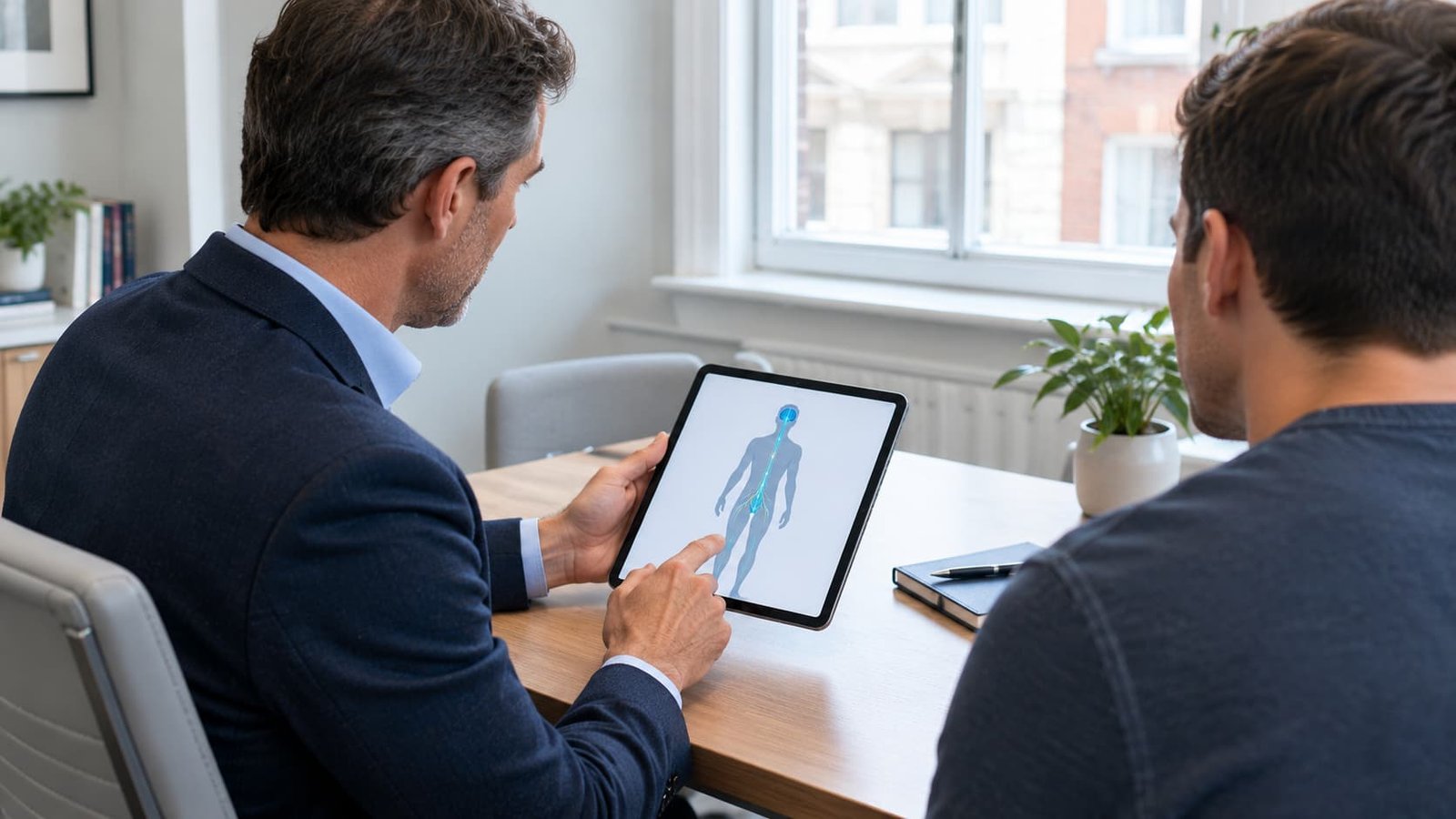
  • P Shot in London: Complete Guide to Treatment, Suitability, Results, Risks and Costs

    P Shot in London: Complete Guide to Treatment, Suitability, Results, Risks and Costs

    ✅Medically reviewed | Updated October 2026

    Few men’s health treatments attract as much curiosity, and as much confusion, as the P shot. Online pages mix clinical language with bold claims. Many promise outcomes that current research cannot confirm. Demand for P Shot London appointments keeps rising, yet reliable guidance remains scarce.

    Erectile dysfunction affects a large share of men. The NHS describes the condition as common and links it to both physical and psychological causes. Tablets help many men, but not all. Some men experience side effects, while others see little benefit. That gap explains the growing interest in regenerative options such as platelet-rich plasma.

    This guide separates evidence from assumption. The sections below explain how the treatment works and who may qualify. Risks, costs, and the limits of current knowledge follow. Every claim rests on published research or recognised UK health sources.

    Clinicians also call the P shot the Priapus shot. Some websites use the labels penis shot or p injection. All three terms describe one procedure: an injection of platelet-rich plasma into penile tissue. The NHS does not offer it for erectile dysfunction. Private clinics provide it instead, and professional standards apply to those clinics.

    An informed decision starts with realistic expectations. Plain language below covers the science, the process, the evidence, and the price.

    What Is the P Shot?

    The P shot is a regenerative injection treatment. A clinician draws a small blood sample and spins it in a centrifuge. The process concentrates platelets into platelet-rich plasma, or PRP. Next, the clinician injects the PRP into penile tissue.

    A US physician popularised the P-Shot name. UK clinics now use the term widely, including variants such as Pshot and P shot treatment. The technique itself has older roots. Orthopaedic and sports medicine services have used PRP for joint and tendon problems for years.

    Why Interest Keeps Growing

    Several factors drive attention. Men now discuss sexual health more openly. Tablets do not suit everyone, and some men prefer treatments based on natural biological processes. Social media and clinic websites also amplify interest, sometimes without scientific support. Popularity does not equal proof of effectiveness.

    How PRP May Work

    Platelets store growth factors, including vascular endothelial growth factor and platelet-derived growth factor. Laboratory studies show these proteins support new blood vessel formation and nerve repair. Researchers therefore propose that PRP may improve blood flow in penile tissue. This mechanism remains a hypothesis, not a proven fact in human erectile tissue.

    What the P Shot Does Not Do

    The P shot does not replace surgery for structural problems. It carries no UK licence as a medicine for erectile dysfunction. Clinicians cannot promise permanent change. Underlying heart disease, diabetes, and hormonal conditions also remain untreated by the injection.

    Who May Be Suitable for P Shot London Treatment?

    Conditions Clinicians Discuss

    Erectile dysfunction means persistent difficulty achieving or keeping an erection. Clinicians most often consider PRP for mild to moderate cases. Men who respond poorly to tablets, or who suffer side effects, often seek alternatives. Some clinics also discuss PRP for Peyronie’s disease, although evidence there remains thin.

    Who Should Avoid the Treatment

    Clinicians usually advise against PRP in several situations:

    • Active infection of the skin or genital area
    • Low platelet counts or other blood disorders
    • Current or recent cancer treatment, without specialist agreement
    • Anticoagulant therapy without a medication review
    • Uncontrolled diabetes or high blood pressure
    • Unrealistic expectations about outcomes

    Why Assessment Comes First

    Erectile dysfunction often signals other conditions. The NHS advises a GP visit, because the problem can reflect heart disease, diabetes, or high blood pressure. NICE Clinical Knowledge Summaries describe a similar stepwise assessment. A P shot should never delay assessment of these conditions.

    A responsible clinician checks blood pressure, blood glucose, cholesterol, and testosterone before offering any injection. Lifestyle factors matter too. Smoking, heavy alcohol use, inactivity, and excess weight all impair erectile function. The NHS lists these among the first areas to address.

    How the P Shot London Procedure Works

    A standard P shot treatment takes under an hour in most clinics. The process follows four stages.

    Preparing for the Appointment

    Preparation is simple. Clinics often advise good hydration and a normal meal beforehand. The clinician asks for a list of current medicines. Anti-inflammatory tablets such as ibuprofen may affect platelet function, so clinics often advise a pause. Patients should follow the written instructions and raise medication questions early.

    Four-step diagram of a P shot appointment from consultation to injection
    A standard P shot appointment follows four stages and takes under an hour in most clinics.

    The Four Stages of the Appointment

    Consultation and Consent

    The clinician reviews medical history, medication, and symptoms. An examination follows. The clinician then explains benefits, limits, and risks, and records written consent.

    Blood Collection and PRP Preparation

    A nurse or doctor draws a small blood sample, often 10 to 20 millilitres. The sample spins in a centrifuge for several minutes. Afterwards, the clinician extracts the concentrated plasma.

    Numbing and Injection

    Topical anaesthetic cream numbs the skin. Some clinics add a local anaesthetic. The clinician then injects PRP into erectile tissue with a fine needle. Discomfort varies between men.

    Aftercare

    Clinics usually advise a short rest from sexual activity, often 24 to 48 hours. Mild swelling and bruising may appear. Normal daily activity typically resumes the same day.

    What Does the Evidence Say About P Shot Results?

    Findings From Clinical Studies

    Research on PRP for erectile dysfunction has grown in recent years. A 2021 double-blind trial by Poulios and colleagues, published in the Journal of Sexual Medicine, enrolled 60 men. Men who received PRP reported higher erectile function scores than men who received saline. The trial used the International Index of Erectile Function (IIEF), a validated questionnaire. Early trials like this one show promise, but the studies remain small and short.

    Systematic reviews reach a consistent conclusion. Most trials involve small groups and follow men for only weeks or months. Protocols differ in PRP preparation, dose, and injection schedule. Reviewers generally describe the certainty of evidence as low. At the time of writing, NICE has not published guidance recommending PRP for erectile dysfunction.

    The Placebo Effect in Erectile Function

    Erectile function responds strongly to expectation and anxiety. Placebo groups in erectile dysfunction trials often improve. Randomised, placebo-controlled designs therefore matter. Uncontrolled clinic reports tend to overstate benefit.

    Typical Timeline Reported

    Clinics describe gradual change over four to twelve weeks. Trials usually assess outcomes between one and six months after injection. Some clinics quote benefits lasting 12 to 18 months. No robust trial currently confirms benefits at that length. Maintenance sessions remain a matter of clinic protocol, not proven necessity.

    P Shot Before and After: How to Read the Images

    P shot before and after galleries attract many readers. Photographs carry clear limits, though. Lighting, room temperature, arousal level, and camera angle all alter appearance. Images also show nothing about firmness, stamina, or satisfaction.

    Validated questionnaires such as the IIEF give stronger evidence than photographs. Patients reviewing P-shot before and after material should check for consent, consistent conditions, and dated records. The Advertising Standards Authority also requires marketing claims to carry evidence.

    Does the P Shot Cause Penile Growth?

    Some clinics describe improved girth after PRP. No high-quality trial shows lasting enlargement. Claims about penile injection growth therefore need caution.

    Searches for male enlargement injections cost UK often mix PRP with filler procedures. The two differ. PRP aims to support tissue function. Filler adds volume and carries separate risks, including lumps, infection, and uneven shape.

    Risks and Side Effects of the P Shot

    Common Short-Term Effects

    Minor effects follow many injections. These include:

    • Bruising or small bleeding at the injection site
    • Swelling and tenderness
    • Temporary numbness or altered sensation

    These effects usually settle within days.

    Less Common and Theoretical Risks

    Infection remains the main procedural risk. Poor hygiene or equipment errors raise that risk. Injury to nerves or blood vessels may cause altered sensation or lasting bruising. Scarring and penile curvature remain theoretical concerns, because large safety studies do not exist.

    PRP comes from the patient’s own blood, so allergic reactions appear rare. Any new lump, curvature, fever, or severe pain needs urgent medical review.

    UK Regulation and Oversight

    No UK regulator licenses PRP specifically for erectile dysfunction. Clinics therefore offer it outside licensed indications. Private clinics in England must register with the Care Quality Commission when providing regulated activities. Patients can verify a doctor’s registration on the General Medical Council online register. A registration check takes minutes and forms the first safety step.

    P Shot Compared With Standard Treatments

    Doctor reviewing clinical evidence comparing P shot with standard erectile dysfunction treatments
    Established NHS treatments carry stronger evidence than PRP at present.

    NHS guidance places lifestyle change first, then tablets called PDE5 inhibitors, such as sildenafil. NICE Clinical Knowledge Summaries follow a similar pathway. The table below sets the P shot beside established options.

    TreatmentEvidence baseNHS availability
    Lifestyle change and risk-factor controlStrongYes
    PDE5 inhibitor tabletsStrongYes
    Vacuum erection devicesEstablishedVaries by area
    Psychosexual therapyEstablished for psychological causesVaries by area
    P shot (PRP)Early and limitedNo

    Established options carry far stronger evidence than PRP. Clinicians therefore tend to discuss the P shot after standard options.

    P Shot UK Cost and Pricing

    Typical Price Range

    Priapus shot price varies widely across London. P Shot London fees currently range from about £900 to £2,400 per session. Many clinics list starting prices between £995 and £1,350. Quotes rise further when filler, shockwave therapy, or extra sessions enter the package. Clinics that bundle consultation, PRP preparation, and follow-up usually quote higher fees. Published prices change often, so patients should request a written quote.

    The NHS does not fund the treatment for erectile dysfunction. Insurers seldom cover it either. Patients therefore pay privately.

    What Affects the Price

    • Practitioner qualifications and experience
    • PRP preparation system and consumables
    • Number of sessions in the protocol
    • Follow-up care and complication management
    • Add-on treatments, such as shockwave therapy

    Questions Worth Asking Before Payment

    • Which doctor performs the injection?
    • Does the quote cover one session or a course?
    • Which PRP system does the clinic use, and does it carry a UKCA or CE mark?
    • What happens if a complication develops?
    • Does the clinic provide written consent and aftercare instructions?

    A low price signals little on its own, and a high price guarantees nothing. Value depends on qualifications, safety systems, and honest counselling.

    How to Choose a Clinic

    Several features mark a safe provider. A GMC-registered doctor leads the assessment. The clinic holds CQC registration where required. Written protocols describe PRP preparation and infection control. The consultation covers limits and alternatives, not only benefits. Patients comparing P Shot London providers should check each point.

    Several warning signs deserve attention:

    • Guaranteed or permanent results
    • Pressure to pay on the day
    • No named, registered doctor
    • No written consent or aftercare plan

    One example of a doctor-led structure is Pshots Clinic UK, a private clinic on Harley Street in Marylebone. Dr Syed Nadeem Abbas leads the clinic. The lead doctor holds MBBS, MRCS (RCS Edinburgh), and MRCGP qualifications. An MSc in Aesthetic Plastic Surgery from Queen Mary University of London, awarded with Distinction, adds further training. Clinical training took place at Cambridge, Oxford, and the Royal London Hospital.

    Realistic Outcomes and Limitations

    Realistic expectations protect patients from disappointment and overspending. Current evidence supports several cautious statements.

    • Response varies, and some men notice no change.
    • Benefits may fade, and no trial defines a standard repeat schedule.
    • Severe vascular or nerve damage may limit response.
    • Standard treatments still outperform PRP on proven evidence.
    • Cosmetic size changes lack reliable support.

    Honest clinicians describe the P shot as promising but unproven. P Shot London results therefore differ between men. Any clinic that promises certainty deserves scepticism.

    Lifestyle Measures That Support Any Treatment

    Lifestyle change improves erectile function in many men and carries no procedural risk. The NHS recommends regular exercise, a healthy weight, less alcohol, and stopping smoking. Better sleep and stress management also help. These measures work alongside any medical treatment, including PRP. Clinics that skip lifestyle advice miss a core part of care.

    Frequently Asked Questions About P Shot London

    Does the NHS offer the P shot?

    No. The NHS does not routinely offer PRP for erectile dysfunction. NHS services provide lifestyle advice, tablets, devices, and psychosexual therapy instead.

    How long does the P shot take to work?

    Clinics report gradual change over four to twelve weeks. Trials mostly measure outcomes within six months. Individual response varies.

    Does the treatment hurt?

    Numbing cream reduces pain. Discomfort during injection varies between men. Mild soreness may follow for a few days.

    How many sessions does a patient need?

    Protocols differ. Some trials use two injections spaced weeks apart. Others use one. No standard schedule exists.

    Is the P shot safe?

    Short-term effects are usually minor. Serious complications appear uncommon but remain poorly measured. Qualified clinicians and sterile technique reduce risk.

    Can PRP treat Peyronie’s disease?

    Evidence remains limited. Some clinics offer PRP for Peyronie’s disease, but trials are small. Specialist urological assessment should come first.

    Can patients combine the P shot with tablets?

    Clinicians often advise continuing prescribed tablets during assessment. Stopping medication without advice may worsen symptoms. Any combined plan needs medical agreement.

    Key Takeaways

    The P shot sits between promise and proof. Early trials suggest benefit for some men with erectile dysfunction. Larger, longer studies still need to confirm those findings. Meanwhile, standard NHS treatments carry stronger evidence and lower cost.

    Informed decisions follow a clear sequence. First, a GP or specialist assesses the causes of erectile dysfunction. Next, established options receive fair consideration. Finally, any P Shot London appointment should follow a thorough consultation, written consent, and a transparent price. Evidence, safety, and cost deserve equal weight.

    Reliable clinics explain limits as clearly as benefits. Patients who ask hard questions protect both health and money. If the research remains early, what level of uncertainty feels acceptable before committing to treatment?

     Read more:

    P-Shot Pain: Does the P-Shot Hurt? Numbing and Comfort Options

    What Is the P-Shot Success Rate? What the Research Really Shows

    P Shot Treatment London

    Dr Syed Nadeem Abbas, MBBS, MRCSEd, MSc Aesthetic Plastic Surgery (Distinction) Medical Director, Pshot Clinic | CQC Regulated | Monday to Saturday 10:00–18:00 +44 7955 836986