Tag: Priapus Shot

  • How Many P-Shot Sessions Do You Need? One vs a Series of Treatments

    How Many P-Shot Sessions Do You Need? One vs a Series of Treatments

    Medically reviewed | Updated July 2026

    The Priapus Shot, widely known as the P-Shot, ranks among the most searched non-surgical treatments for male sexual health in London. Men across the UK increasingly search for regenerative alternatives to surgery or long-term medication. This raises one central question in most consultations: how many sessions actually deliver a meaningful result? This article sets out the clinical evidence, session planning, cost structure, and realistic expectations behind P shot treatment. It avoids exaggeration and marketing language throughout. The answer rarely comes down to a single fixed number. It depends on baseline health, treatment goals, and how the body responds to platelet-rich plasma.

    Demand for Pshot procedures across private clinics now outpaces the volume of robust clinical research supporting them. Clinics in London frequently offer men a range of packages for P-Shot treatment, from a single trial injection to a structured course spanning several months. Understanding the clinical reasoning behind session planning matters more than simply following a clinic’s default package. This approach supports a more informed treatment decision. The sections below outline what current evidence supports, what remains uncertain, and how clinicians typically determine session numbers in UK practice.

    What Is the P-Shot?
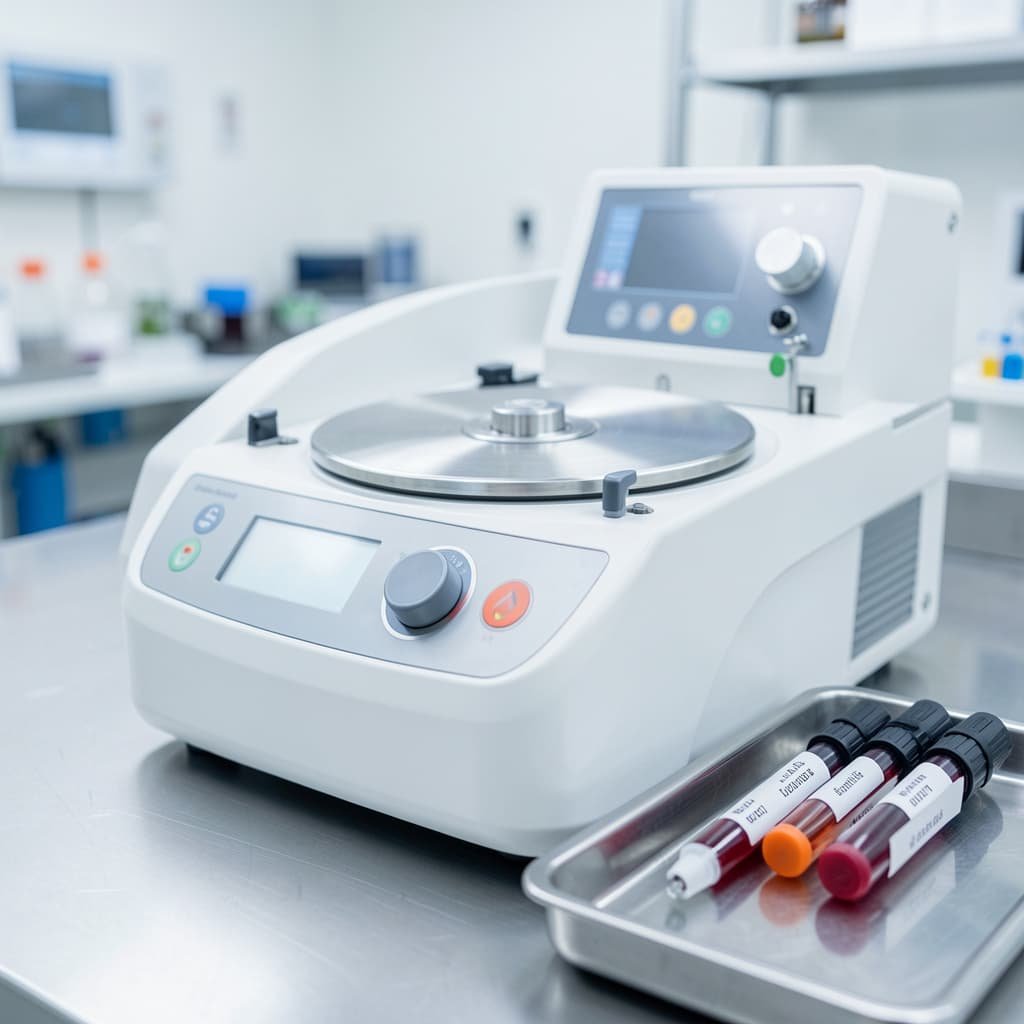
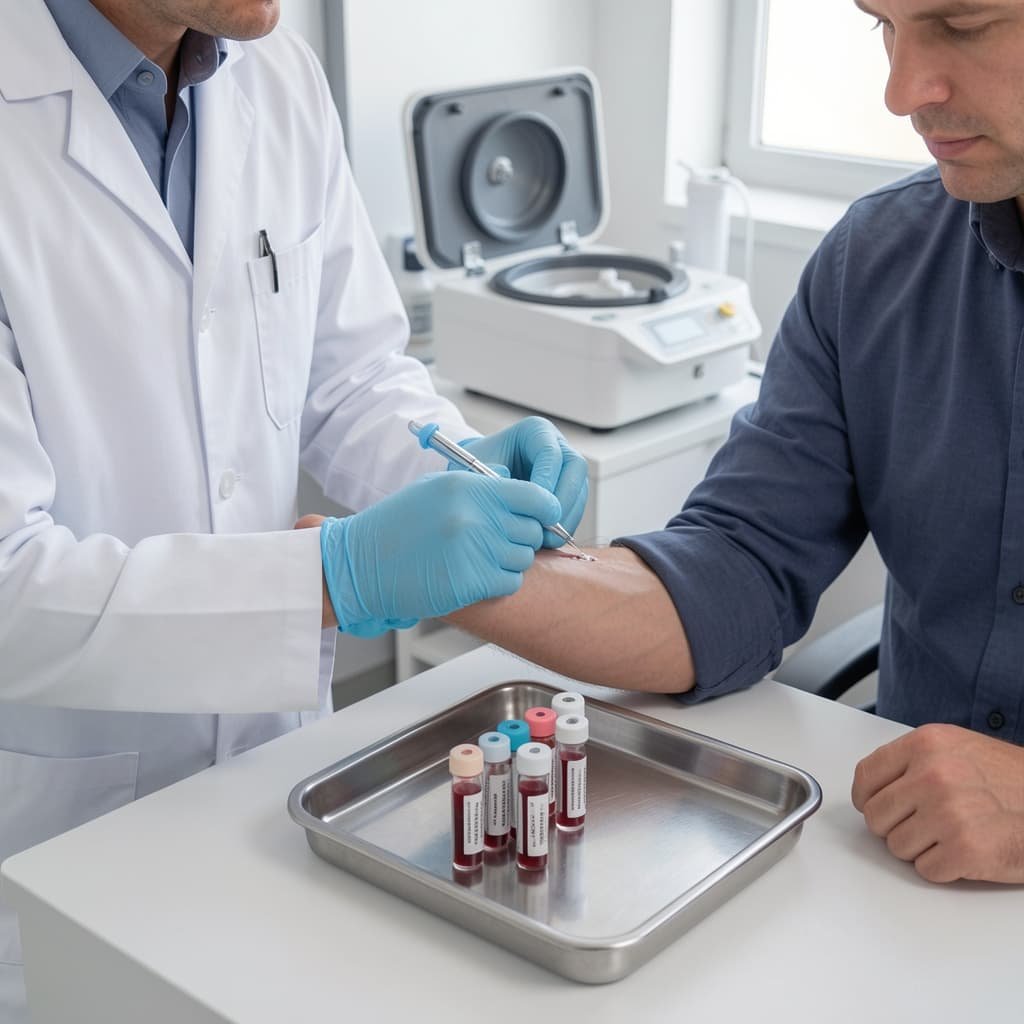
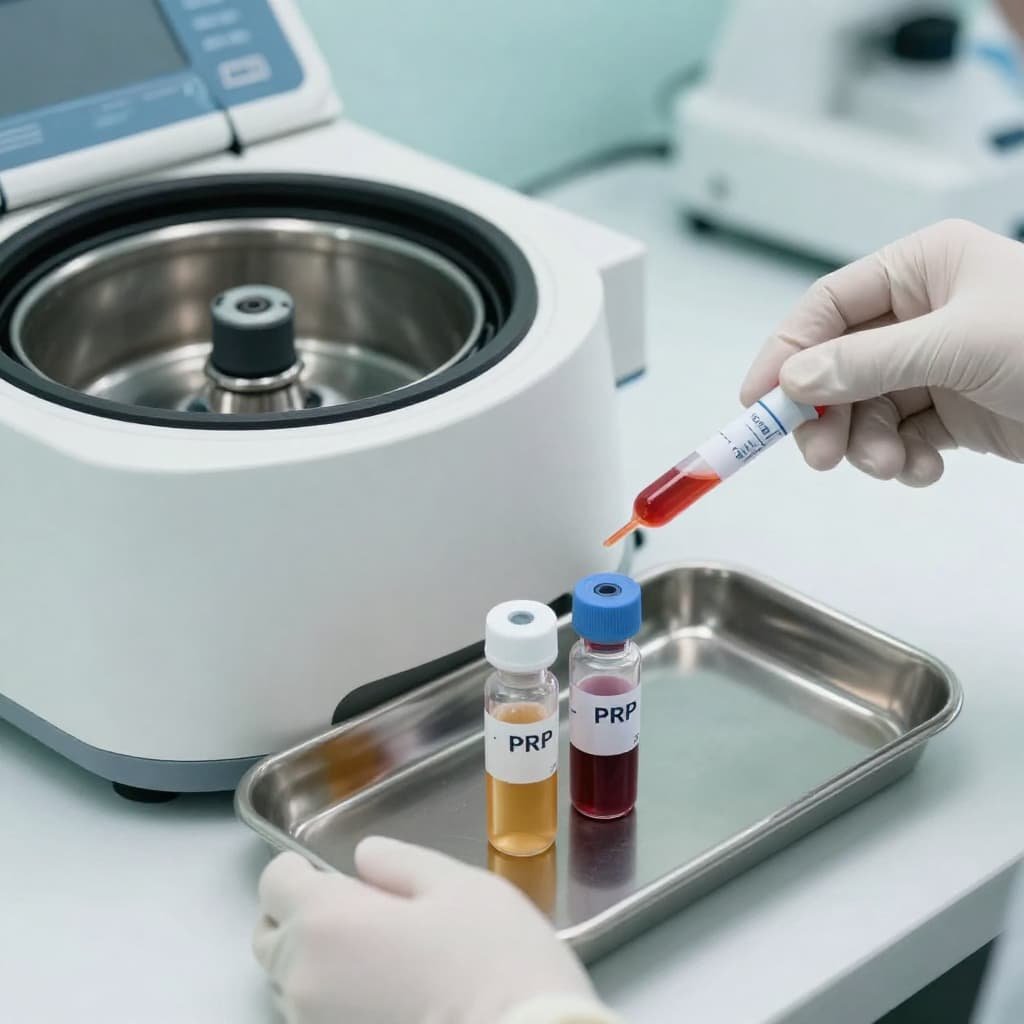
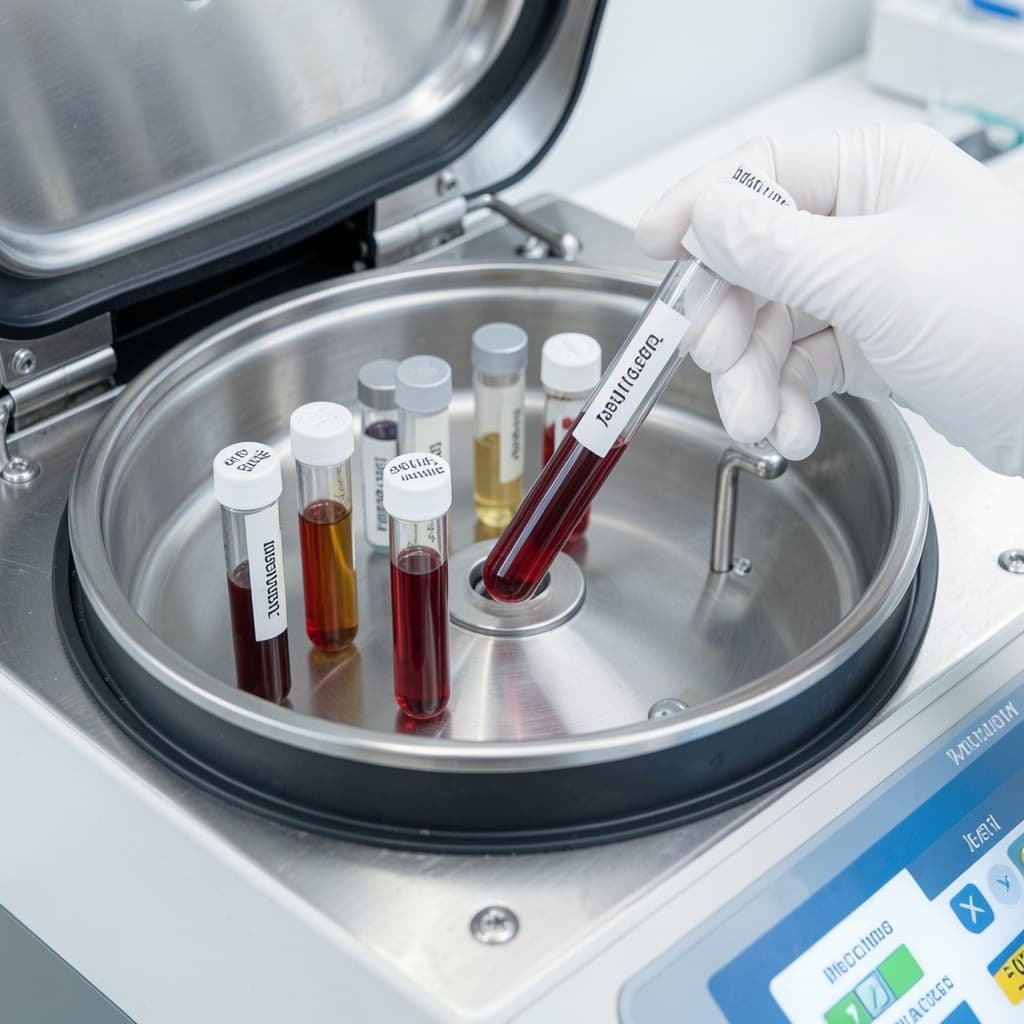
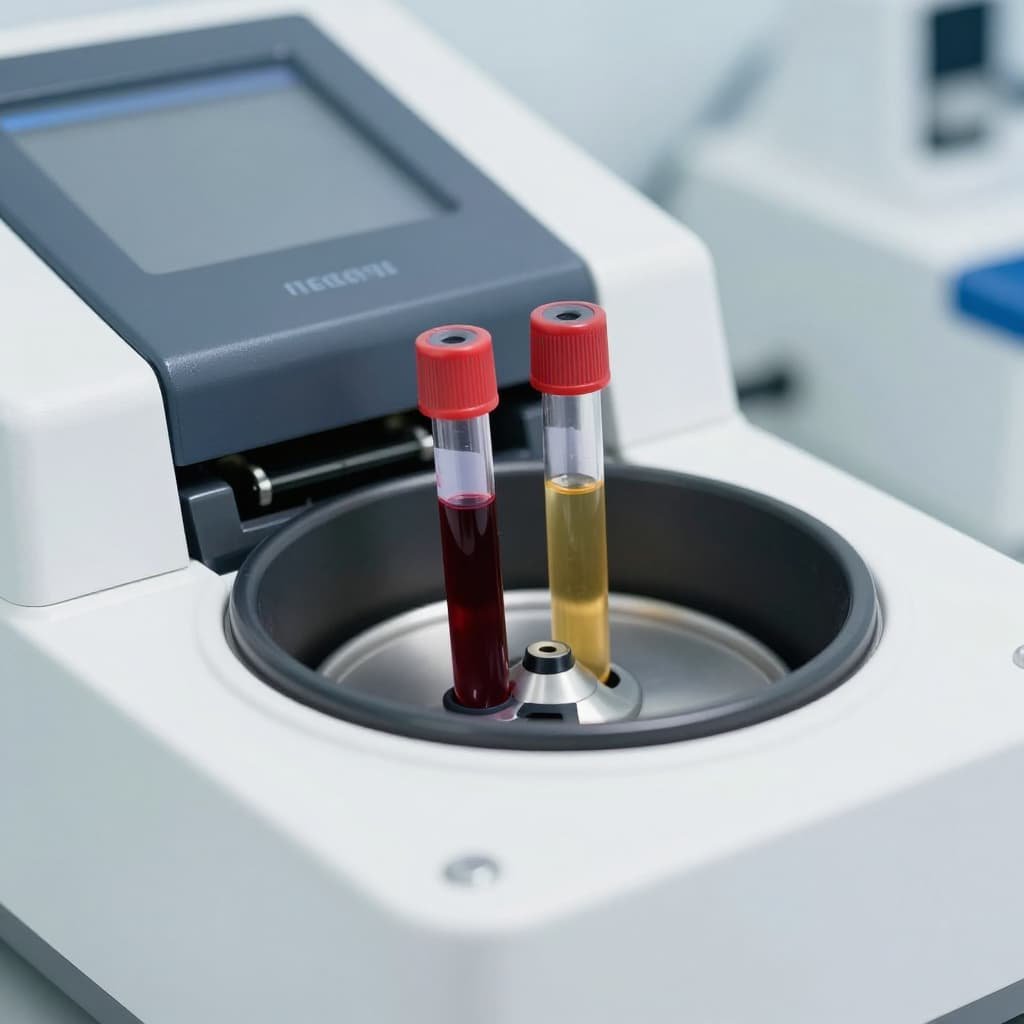
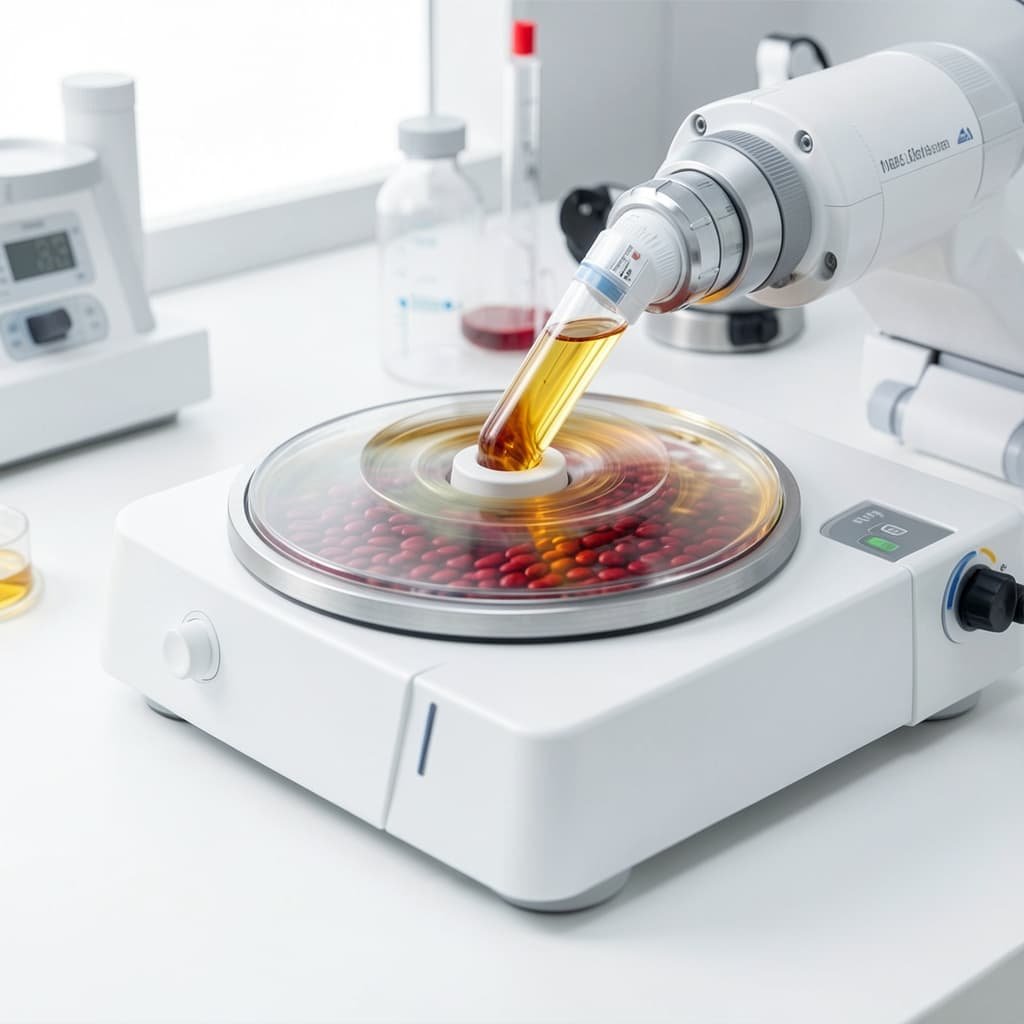
    Centrifuge used to prepare platelet-rich plasma for P-Shot treatment
    Blood is processed in a centrifuge to isolate the platelet-rich plasma used in P-Shot treatment.

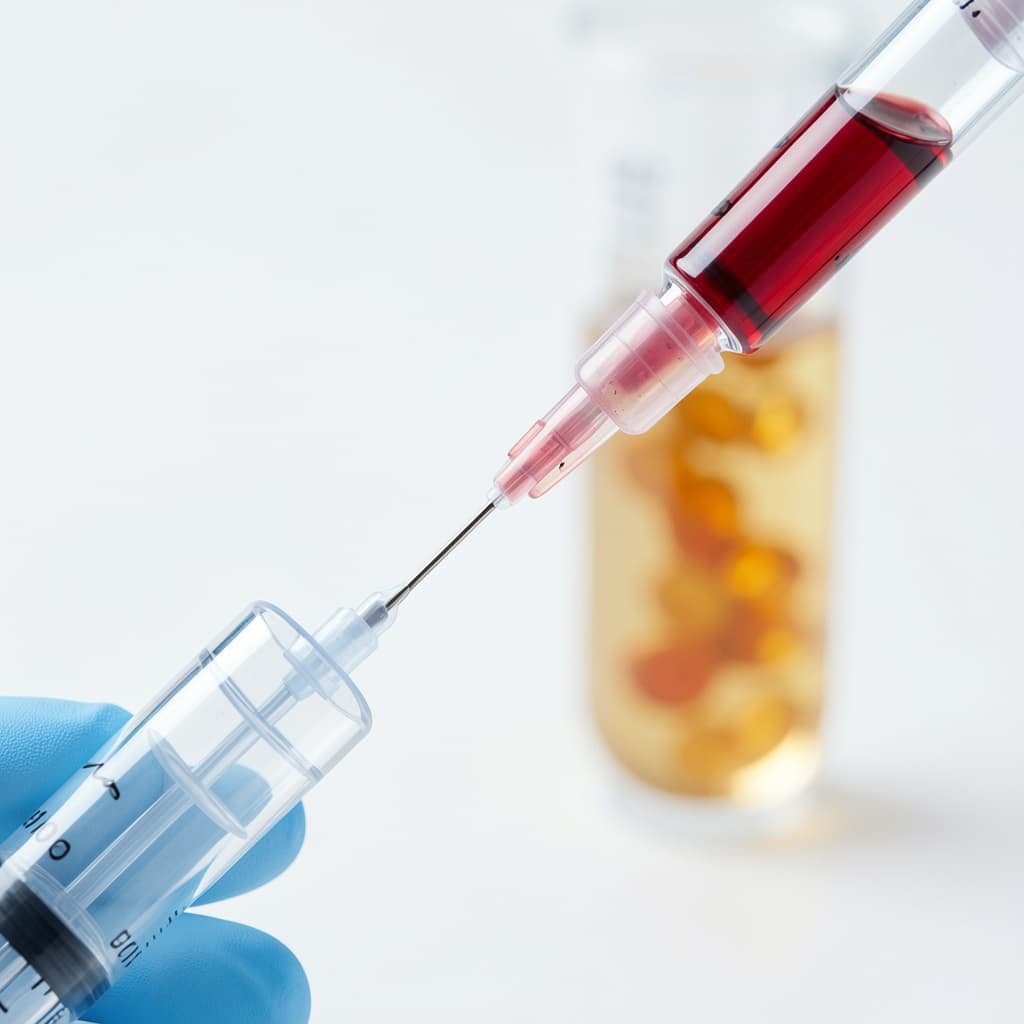
    The P-Shot, or Priapus Shot, delivers a platelet-rich plasma (PRP) injection into specific areas of the penis. Clinicians draw blood from the patient and process it in a centrifuge. This separates the sample into a concentrated platelet fraction. The clinician then injects this fraction into penile tissue using a fine needle, after applying topical or local anaesthetic. Providers market the procedure for erectile function support, sensitivity, and tissue health. It does not involve surgery, implants, or permanent alteration of anatomy. Pshot treatments run as outpatient procedures and usually last under an hour.

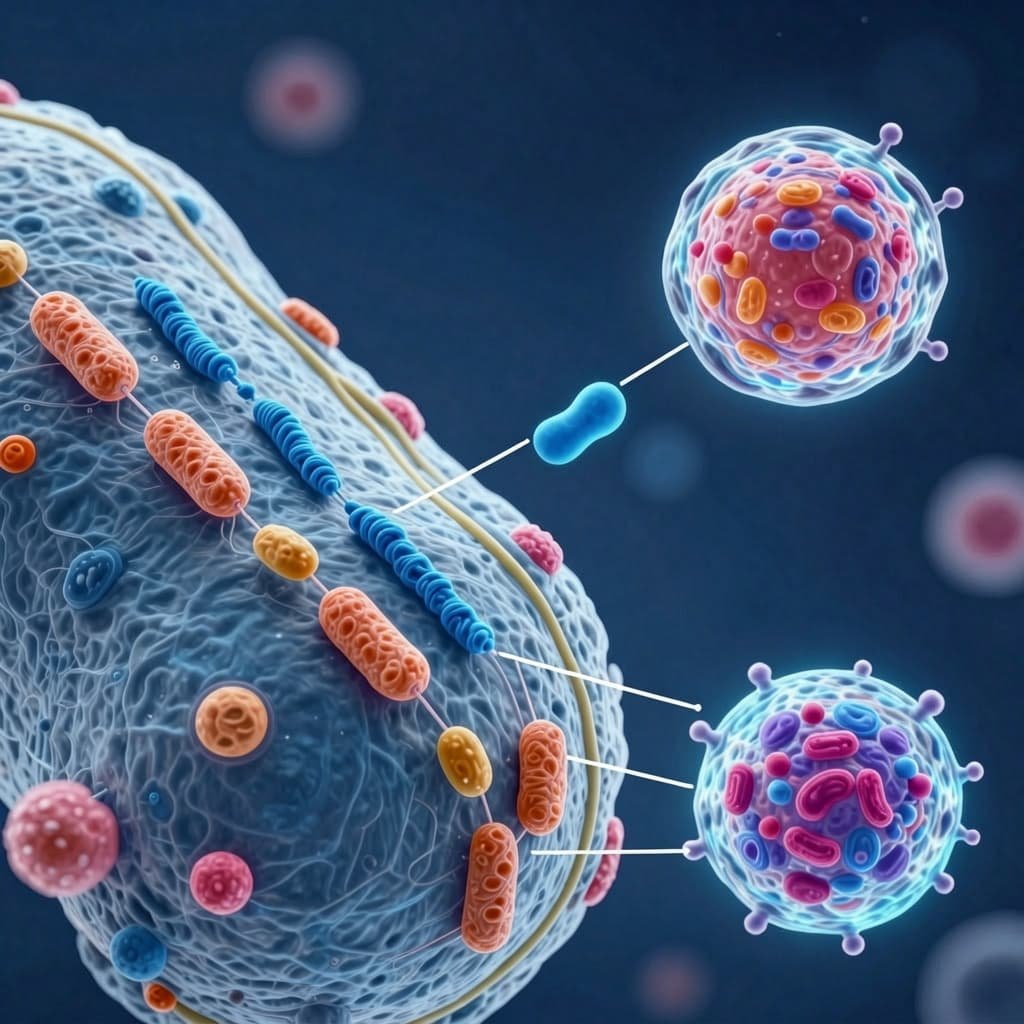
    Platelets contain growth factors that drive tissue repair, angiogenesis, and wound healing. Regenerative medicine has used PRP in orthopaedics, dermatology, and hair restoration for several decades. Its application to penile tissue arrived more recently, and clinical evidence remains under active review.

    How Many P-Shot Sessions Are Typically Needed?

    The clinical objective, baseline erectile function, and individual response to PRP all determine the number of sessions required.

    Single P-Shot Session

    Clinicians may offer a single treatment to men seeking a preliminary trial of PRP therapy, particularly those with mild symptoms or no diagnosed erectile dysfunction. Some clinics present a single P-Shot as sufficient for short-term subjective improvements in sensitivity or confidence. However, a single session does not allow for a structured evaluation of response over time. Any effect observed can be difficult to separate from the placebo response, which PRP research for erectile dysfunction documents well.

    Series of P-Shot Sessions

    Clinicians more commonly recommend a course of multiple PRP sessions for men with diagnosed mild to moderate erectile dysfunction. Peer-reviewed trials have generally tested two to three injections, spaced roughly one month apart, rather than a single administration. This staged approach allows platelet-derived growth factors to act cumulatively on penile tissue. It also gives clinicians a clearer picture of individual response before recommending further p shot repeat treatment.

    Clinics offering a structured course typically build in a reassessment appointment between injections. This appointment lets the clinician record any change in erectile function score and discuss tolerability. It also confirms whether the course should continue. A course-based approach reduces the likelihood of unnecessary repeat injections in men who show no measurable response after the first two treatments.

    Factors That Influence P-Shot Frequency

    Several clinical factors affect how many sessions a person may need.

    Severity of Erectile Dysfunction

    Clinicians tend to recommend fewer sessions for men with mild ED, as defined by validated scoring tools such as the International Index of Erectile Function (IIEF). Severe organic ED, often linked to vascular disease or diabetes, responds less readily to PRP alone.

    Underlying Health Conditions

    Diabetes, cardiovascular disease, smoking status, and hormonal imbalance can all influence P shot frequency decisions. Some studies suggest smoking status and baseline IIEF score may predict which patients respond better to PRP.

    Treatment Goals

    Some men pursue the P-Shot for erectile function. Others raise general male enlargement injections cost uk enquiries related to girth or sensitivity. Aesthetic and functional goals may follow different session patterns, though robust comparative data remains limited.

    Response to Initial Treatment

    Clinics typically reassess patients after each session. If measurable improvement fails to appear after the first two treatments, continuing with further injections without reassessing the underlying cause is not advisable.

    What Happens During Each Session
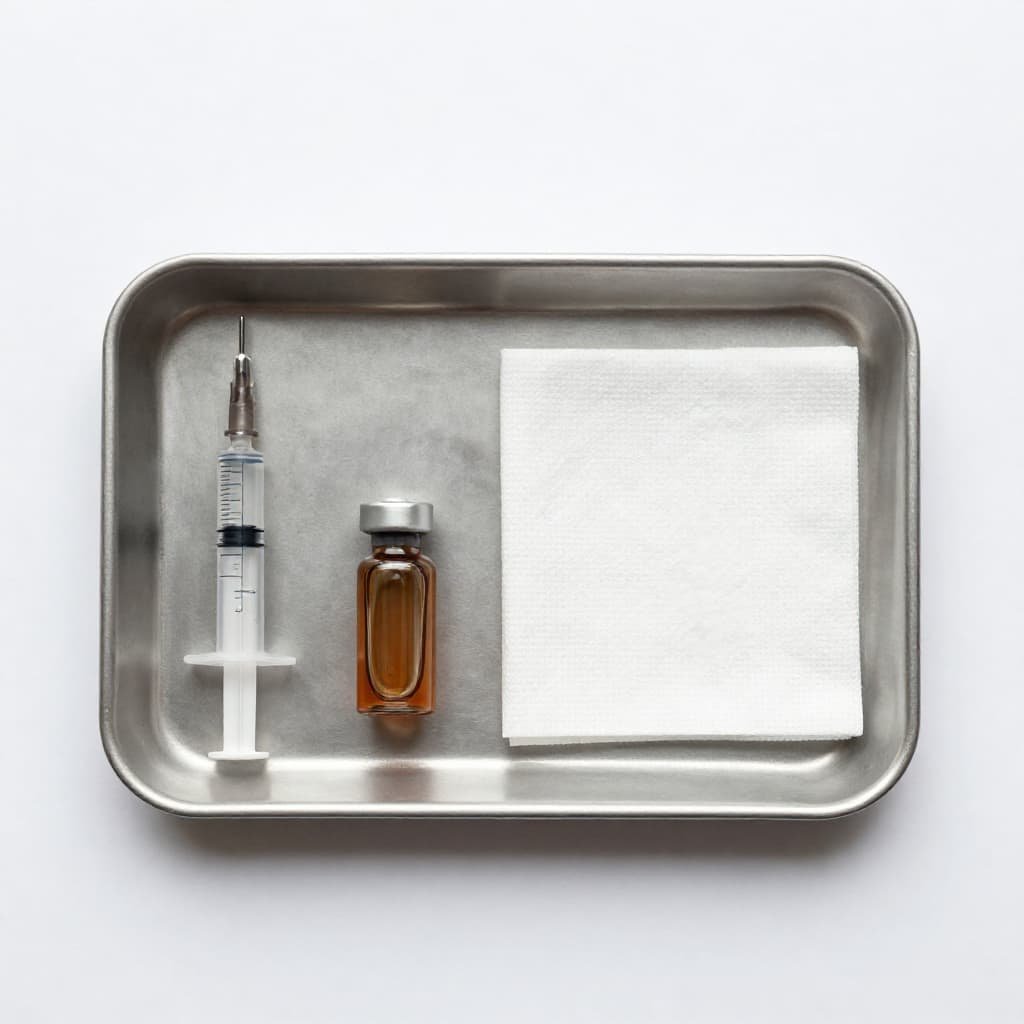
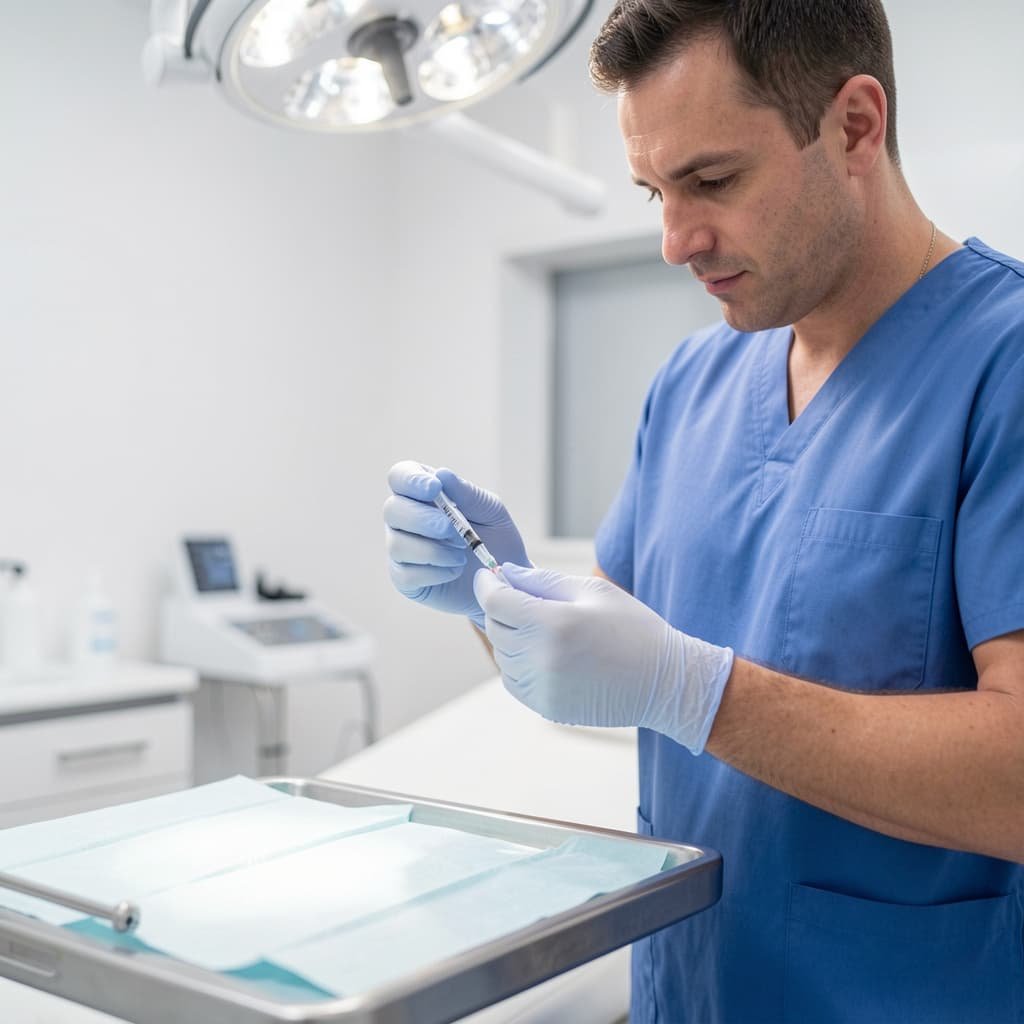
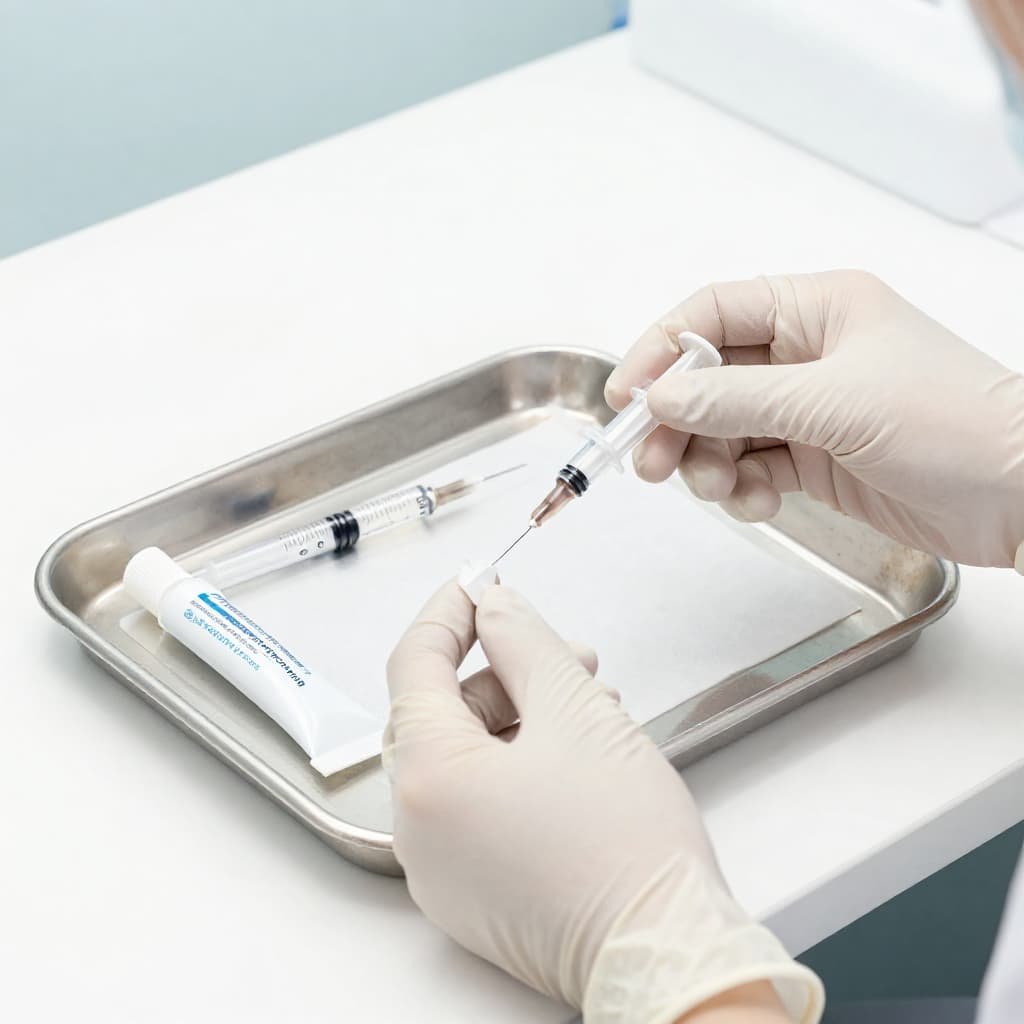
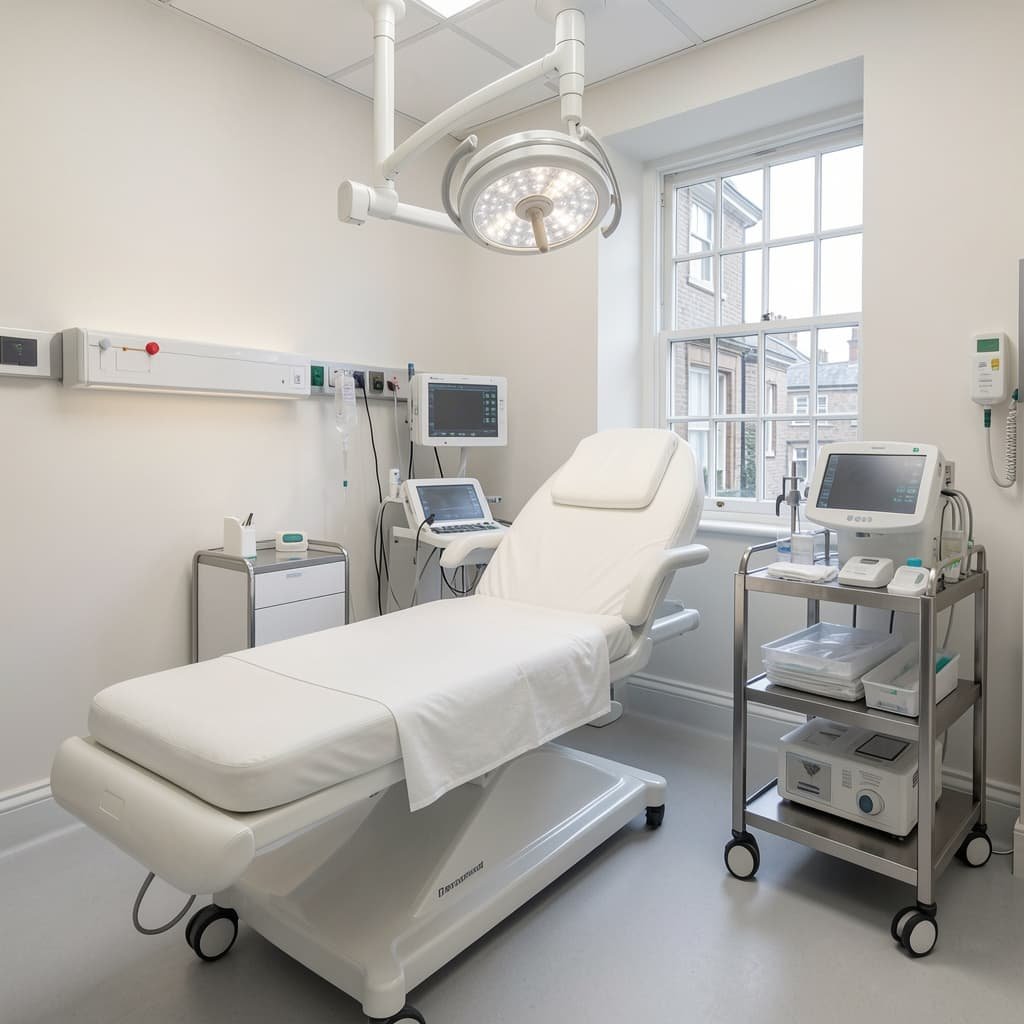
    Sterile injection tray prepared for a P-Shot session
    Each of the P-Shot sessions follows a standardised, sterile clinical procedure.

    Each appointment follows a standardised clinical sequence, whether it forms part of a single visit or a longer course. The clinician draws blood and processes it in a centrifuge to isolate the platelet-rich fraction, a step that typically takes fifteen to twenty minutes. Topical or local anaesthetic reduces discomfort before the clinician injects the PRP into predetermined areas of penile tissue using a fine needle. The full appointment, including preparation and recovery time, usually lasts under one hour. Clinicians generally advise patients to avoid strenuous activity and sexual intercourse for a short period after each session. This guidance follows standard post-injection aftercare for minor procedures.

    Clinics that document baseline erectile function before the first session, using a validated tool such as the IIEF questionnaire, follow good clinical practice. This baseline allows direct comparison at each subsequent session, rather than relying on subjective impression alone. Clinics that skip this step lose the ability to determine whether a course of treatment has produced any measurable change.

    What the Clinical Evidence Shows

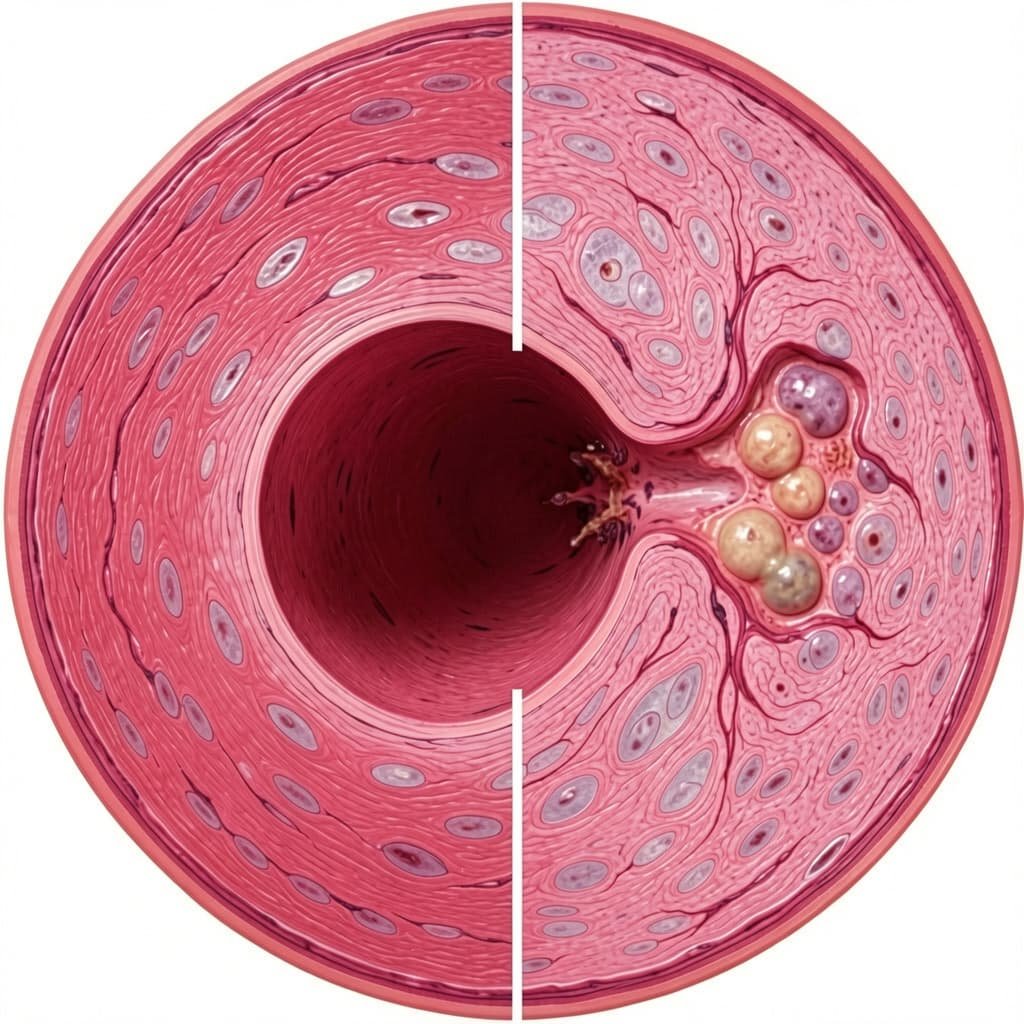
    Peer-reviewed research supporting evidence on P-Shot sessions
    Clinical trial data on P-Shot sessions remains mixed, with outcomes varying across studies.

    Evidence for PRP in erectile dysfunction remains mixed and continues to develop. A 2021 double-blind, randomised, placebo-controlled trial tested two intracavernosal PRP injections one month apart. Researchers found the injections safe, but recorded no statistically significant difference compared with placebo at one month. A separate randomised controlled study compared three PRP injections against saline. It found no significant difference in IIEF scores between groups at one, three, or six months. By contrast, a 2024 systematic review and meta-analysis pooled multiple trials and reported a significant increase in erectile function domain scores at one month after PRP intracavernous injection.

    This inconsistency means no clinic can guarantee outcomes from any number of P-Shot Sessions. The Cleveland Clinic has stated publicly that clinical trials do not consistently demonstrate that the P-Shot improves erections, and it notes that further research is still needed. The NHS and NICE have not issued formal clinical guidance recommending PRP penile injections for erectile dysfunction. Established first-line NHS treatments for ED still include oral PDE5 inhibitors, vacuum erection devices, and, where appropriate, psychosexual therapy or vascular investigation.

    Patients considering this treatment should regard it as an adjunct or elective option. It does not replace medically established ED treatment pathways.

    P Shot Repeat Treatment: When Is It Recommended?

    Clinicians generally consider p shot repeat treatment when an initial course produces partial improvement but symptoms have not fully resolved. Clinics may space repeat courses six to twelve months apart, allowing time to assess whether initial gains hold. Repeat treatment should not follow automatically just because effects from a previous course have faded. Any recommendation for further P-Shot Sessions should follow a documented clinical reassessment, including a review of erectile function scoring where relevant.

    Unregulated or excessive repetition of PRP injections without clinical reassessment offers no proven added benefit. It can also increase exposure to injection-related risks, including bruising, swelling, infection, and localised pain.

    Priapus Shot Price and Cost Considerations in the UK

    Priapus shot price varies across UK clinics depending on location, practitioner qualifications, and whether treatment runs as a single session or a structured course. London clinics, including those based on Harley Street, typically charge more per session than clinics outside major cities, reflecting overheads and clinician experience. A course of P-Shot Sessions often carries a discount compared with booking sessions individually. Patients researching male enlargement injections cost uk should treat significantly lower prices with caution, since this may signal reduced clinical oversight or non-medical administration.

    Cost should not drive the decision on how many sessions to undergo. Clinical suitability and realistic outcome expectations should guide that decision instead. Patients should only weigh cost once a qualified clinician has confirmed appropriateness.

    What to Expect: P-Shot Before and After

    Peer-reviewed literature offers limited reliable P-Shot before and after documentation, since most published trials rely on standardised questionnaire scores rather than photographic outcome measures. Patients should treat any P shot before and after material from clinics with caution. Individual results vary, and photographic comparisons cannot control for lighting, angle, or arousal state. Patients should request outcome data based on validated clinical scoring rather than visual comparisons alone.

    Trials that discuss penile injection growth generally report modest effects, including improved erectile rigidity scores rather than confirmed anatomical enlargement. No high-quality peer-reviewed evidence currently supports a significant permanent size increase from p injection treatment.

    Safety and Realistic Outcomes

    PRP comes from the patient’s own blood, which lowers the risk of allergic reaction or disease transmission compared with injectable fillers from external sources. Trials generally report mild side effects, including temporary bruising, swelling, and localised discomfort at the injection site. Serious complications appear rare in published data, though most trials use small sample sizes.

    Clinicians should set realistic expectations before any course of treatment begins. Evidence does not currently support the penis shot as a guaranteed treatment for erectile dysfunction. Clinicians should discuss outcomes transparently, including the possibility of no measurable benefit. Clinicians should also screen men for underlying vascular, endocrine, or psychological contributors to erectile dysfunction before proceeding.

    Choosing a Provider for P-Shot Treatment in the UK

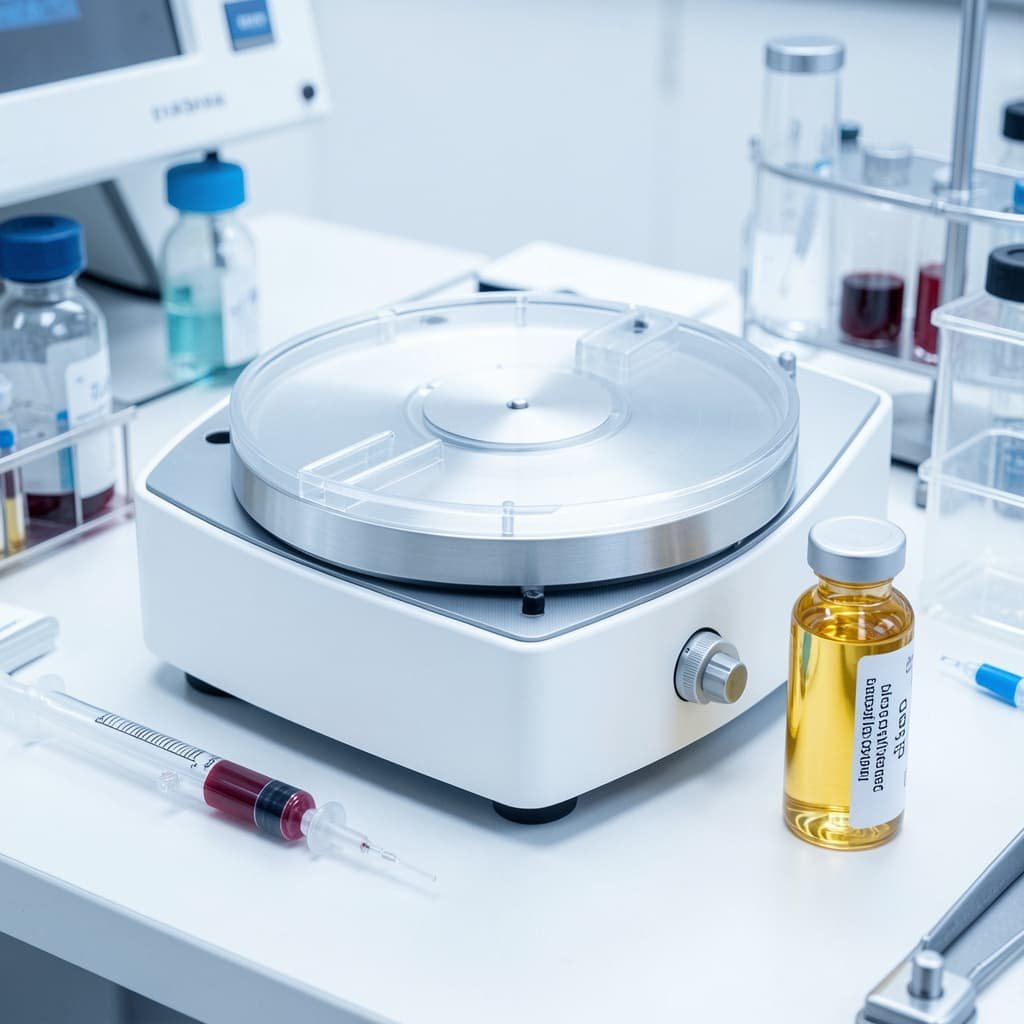
    London clinic offering P-Shot sessions under medical supervision
    Choosing a registered medical provider is essential when considering a course of P-Shot sessions.

    Selecting a provider for P shot London treatment involves verifying medical qualifications, injection technique training, and access to sterile clinical facilities. Regulatory oversight in the UK medical aesthetics sector remains limited. Prospective patients should confirm that the administering clinician holds relevant medical registration. Injections administered outside a clinical setting, or by non-medically trained practitioners, carry increased risk without additional benefit.

    Pshots Clinic UK, based on Harley Street in Marylebone, London, offers P-Shot treatment under the clinical oversight of Dr Syed Nadeem Abbas, a practitioner who holds an MSc in Aesthetic Plastic Surgery with Distinction from Queen Mary University London.

    Frequently Asked Questions

    How many P-Shot Sessions are usually recommended?

    Most clinical trials use two to three sessions, spaced roughly one month apart, though recommendations vary by clinician assessment.

    Can a single P-Shot session produce results?

    Clinics may offer a single session, but published trials have not consistently confirmed benefit from one injection compared with placebo.

    Is P-shot repeat treatment necessary for everyone?

    No. Repeat treatment should follow reassessment of response rather than an automatic schedule after an initial course.

    Does the Priapus shot price change with a course of sessions?

    Many clinics reduce per-session pricing when patients book multiple sessions as a course rather than individually.

    Is the P-Shot approved by the NHS or NICE?

    Neither the NHS nor NICE currently issues formal guidance recommending PRP penile injections for erectile dysfunction. Established NHS treatments remain the recommended first-line option.

    Are the effects of P-Shot treatment permanent?

    Evidence does not currently support permanent structural change from PRP injection. Trials have generally assessed functional improvement over months, not years.

    What are the risks of multiple PRP sessions?

    Reported risks include bruising, swelling, and localised discomfort. Excessive repetition without clinical reassessment offers no proven added benefit.

    keytakeaways

    Documented clinical assessment, not fixed marketing packages, should determine how many P-Shot Sessions a patient undergoes. Published trials remain divided: some report measurable improvement in erectile function scores, while others show no significant difference from placebo. A single injection rarely provides the same evaluative value as a properly spaced, monitored course of treatment. Patients should seek consultation with a suitably qualified medical practitioner and request outcome data based on validated scoring rather than photographic comparisons. Patients should also treat PRP as an adjunct to, not a replacement for, established NHS-recognised ED treatments. Given the current state of evidence, what level of proof should patients expect before committing to a repeated course of P-Shot Sessions?

    Read more:

    P-Shot Aftercare: The Complete Pre and Post Treatment Guide

    When Will I See Results from P Shot in London? A Realistic Timeline

    P shot treatment London

  • Low Libido vs Erectile Dysfunction: What Is the Difference?

    Low Libido vs Erectile Dysfunction: What Is the Difference?

    Sexual health problems in men are common, clinically significant, and frequently misunderstood. Many men use the terms low libido and erectile dysfunction interchangeably, yet these are distinct clinical conditions with different physiological mechanisms, causes, and treatment pathways. Misidentifying one for the other leads to delays in appropriate diagnosis and, in some cases, missed opportunities to detect serious underlying conditions such as cardiovascular disease, hypogonadism, or diabetes mellitus.

    According to the NHS, erectile dysfunction affects approximately one in five men over the age of 40 in the United Kingdom. Estimates from NICE indicate that reduced sexual desire is similarly prevalent, particularly among men aged 40 to 70. Despite this, a large proportion of men do not seek medical advice, often due to embarrassment or the assumption that such changes are an inevitable part of ageing.

    The clinical distinction between low libido vs erectile dysfunction is not merely academic. It determines which investigations are appropriate, which hormonal or vascular pathways require assessment, and which treatment strategies are likely to be effective. This article examines both conditions in detail — covering definitions, causes, diagnostic criteria, and treatment options including regenerative approaches such as the P-Shot — and explains how a structured clinical assessment can distinguish between them.

    Defining the Two Conditions

    What Is Erectile Dysfunction?

    Erectile dysfunction (ED) is the consistent inability to achieve or maintain an erection of sufficient rigidity for satisfactory sexual intercourse. The word ‘consistent’ is important here. Occasional difficulty is common and does not constitute ED. Clinically, a diagnosis requires the problem to persist over several weeks to months.

    The International Society of Sexual Medicine (ISSM) and NICE both define ED in functional rather than psychological terms. Consequently, the underlying mechanism involves impaired blood flow to the corpora cavernosa, disrupted nitric oxide signalling, nerve damage, or hormonal insufficiency — or a combination of these factors.

    Key clinical signs of erectile dysfunction include:

    • Some men notice erections that feel softer or fade more quickly than they once did.
    • A lack of morning or nocturnal erections can also be a sign of change.
    • Achieving an erection during partnered sexual activity may become difficult.
    • In certain cases, erections occur during masturbation but not with a partner, which can point toward a psychological factor.
    • Despite these challenges, sexual desire and arousal are usually preserved.

    What Is Low Libido?

    Low libido — clinically described as hypoactive sexual desire disorder (HSDD) in male patients — refers to a persistent reduction in sexual interest, drive, or motivation. The problem lies in the desire phase of the sexual response cycle, not in the physical capacity to achieve erection.

    A man with low libido may have entirely normal erectile function when sexual desire is present. However, that desire surfaces rarely or not at all. This distinction is central to the low libido vs erectile dysfunction assessment.

    Key clinical signs of low libido include:

    • Sexual thoughts and fantasies may be absent or greatly diminished.
    • Many individuals report little interest in initiating or participating in sexual activity.
    • Spontaneous arousal tends to be reduced, even in situations that would normally be stimulating.
    • When arousal does occur, erections are typically normal.
    • Additional symptoms can include fatigue, low mood, decreased muscle mass, and cognitive difficulties.

    Low Libido vs Erectile Dysfunction: A Clinical Comparison

    The table below summarises the core clinical differences. Both conditions can coexist, which is why a structured diagnostic assessment — rather than self-diagnosis — is essential.

    FeatureErectile DysfunctionLow Libido
    Core problemImpaired erection quality or durationReduced sexual desire or motivation
    Sexual desireUsually present and normalAbsent or significantly reduced
    Erectile functionImpaired — soft, brief, or absentNormal when arousal is present
    Primary driversVascular, neurological, hormonal, psychologicalHormonal (low testosterone), psychological, lifestyle
    Key red flagMay signal cardiovascular disease or diabetesMay signal hypogonadism or depression
    Recommended first testBlood pressure, fasting glucose, lipids, testosteroneMorning total testosterone, LH, prolactin, thyroid
    First-line treatmentPDE5 inhibitors, lifestyle, regenerative therapiesTestosterone optimisation, lifestyle, psychological support

    Causes of Erectile Dysfunction

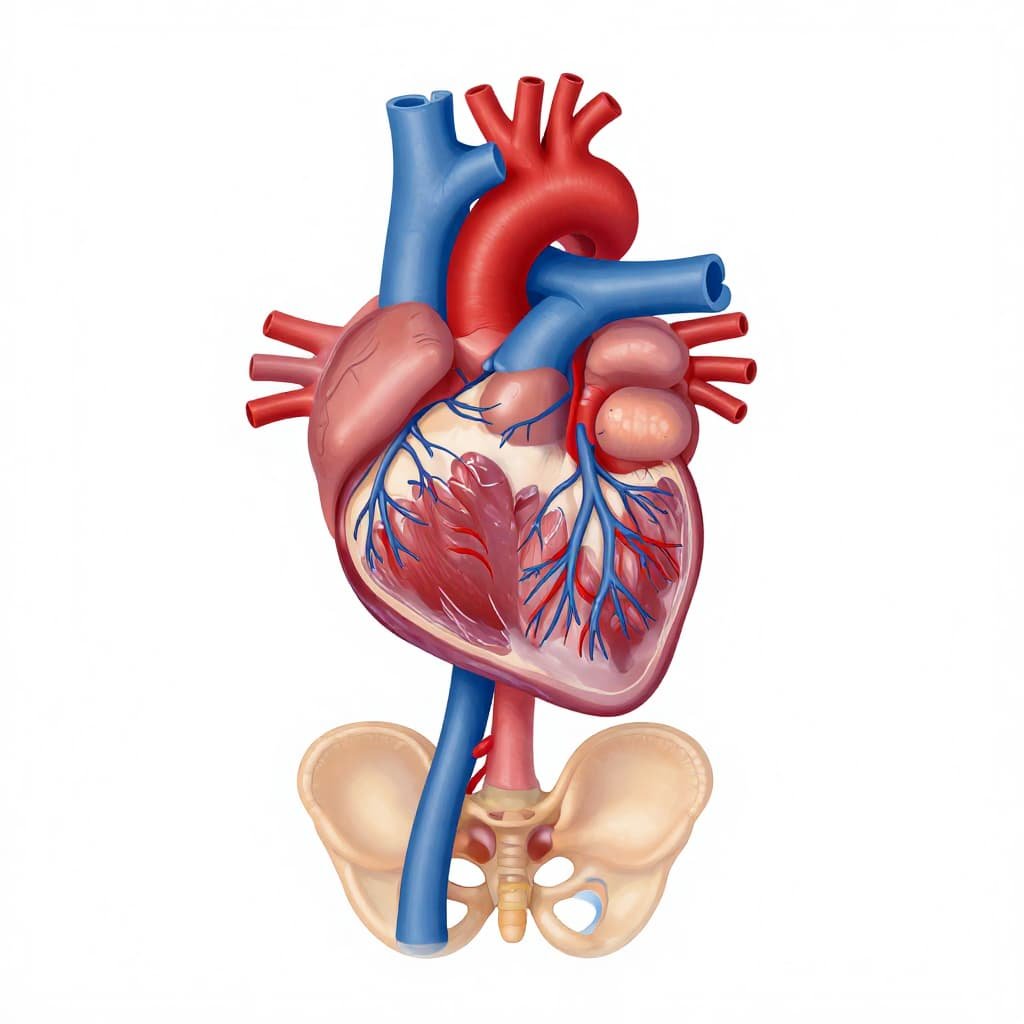
    Anatomical diagram showing penile vasculature and cardiovascular connections relevant to erectile dysfunction
    Penile arteries are among the smallest in the body — endothelial dysfunction here often precedes coronary disease.

    ED is predominantly a vascular and neurological condition. The physiological sequence for erection depends on adequate arterial inflow, venous occlusion, intact nerve signalling, and sufficient nitric oxide release from endothelial cells. Disruption of any single component can cause or worsen ED.

    Cardiovascular and Metabolic Causes

    Erectile dysfunction is now recognised as an early marker of cardiovascular disease. The penile arteries are narrow — approximately 1 to 2 millimetres in diameter — and endothelial dysfunction manifests in these vessels years before it becomes apparent in larger coronary arteries. Research published in the European Heart Journal demonstrated that men with new-onset ED carry an approximately 1.6-fold increased risk of coronary heart disease, independent of other risk factors.

    Established vascular risk factors associated with ED include:

    • Hypertension can impair endothelial function and reduce arterial flexibility.
    • Elevated lipid levels contribute to atherosclerotic plaque buildup within penile blood vessels.
    • Type 2 diabetes mellitus often leads to both microvascular and macrovascular injury, with peripheral neuropathy as a common complication.
    • Excess body weight is linked to lower testosterone levels and heightened systemic inflammation.
    • Smoking further accelerates endothelial damage while diminishing nitric oxide availability.

    Hormonal Causes

    Low testosterone contributes to both reduced libido and impaired erectile function. Nevertheless, testosterone alone does not drive the erectile mechanism. The majority of the vasodilatory response depends on nitric oxide, which is why testosterone-only treatment does not reliably resolve ED in men with normal levels.

    Neurological Causes

    Nerve damage from radical prostatectomy, spinal cord injury, or multiple sclerosis can disrupt the autonomic signals required for erection. Furthermore, this form of ED is typically unresponsive to PDE5 inhibitors alone, and regenerative treatments carry particular relevance in these cases.

    Psychological and Situational Causes

    Performance anxiety, depression, and relationship discord can trigger or perpetuate ED. Psychogenic ED is more common in younger men and typically presents with intact nocturnal erections but absent or inconsistent erections during partnered activity.

    Medication-Induced ED

    Several commonly prescribed drugs reduce erectile function, including beta-blockers, thiazide diuretics, selective serotonin reuptake inhibitors (SSRIs), antipsychotics, and finasteride. Accordingly, a medication review forms part of any complete ED assessment.

    Causes of Low Libido in Men

    Low libido rarely exists in isolation. Most cases reflect an underlying physiological or psychological imbalance. Identifying the root cause is therefore essential before selecting treatment.

    Low Testosterone (Hypogonadism)

    Testosterone is the primary androgen driving male sexual desire. NICE guideline NG234 recommends testing morning serum testosterone in men presenting with reduced libido, fatigue, and loss of spontaneous erections. Total testosterone below 8 nmol/L, or between 8 and 12 nmol/L with persistent symptoms, indicates probable hypogonadism requiring further assessment.

    Notably, testosterone levels fluctuate diurnally and between laboratories. A single result is consequently insufficient. NICE recommends repeating the test on a second occasion before reaching a diagnosis.

    Depression and Psychological Factors

    Depression reduces dopaminergic activity in the reward pathways that mediate sexual motivation. Paradoxically, SSRIs prescribed for depression also suppress libido, creating a clinical dilemma. For this reason, any assessment of low libido should include validated mood screening tools such as the PHQ-9.

    Chronic Stress and Sleep Disruption

    Elevated cortisol from chronic stress suppresses the hypothalamic-pituitary-gonadal axis, thereby reducing testosterone secretion. Poor sleep independently lowers testosterone — research from the University of Chicago demonstrated that one week of restricted sleep reduced daytime testosterone levels in young men by 10 to 15 per cent.

    Other Hormonal Imbalances

    Hyperprolactinaemia (elevated prolactin) suppresses gonadotropin-releasing hormone, reducing testosterone and libido. Similarly, hypothyroidism reduces sexual drive. Both conditions require specific blood tests for detection.

    Can Low Libido and Erectile Dysfunction Coexist?

    Venn diagram comparing the overlapping causes of low libido and erectile dysfunction in men
    Low testosterone and cardiovascular disease frequently drive both conditions simultaneously.

    Yes — and coexistence is common, particularly in men over 50. The most frequent underlying cause of combined presentation is low testosterone, which impairs both sexual motivation and the androgenic support for nitric oxide synthesis.

    Depression, obesity, and chronic cardiovascular disease also drive both conditions simultaneously. In clinical practice, therefore, the low libido vs erectile dysfunction distinction does not always yield a clean binary. Many men present on a spectrum requiring assessment of desire, function, hormonal status, and vascular health together.

    A structured blood panel — including morning total testosterone, LH, FSH, prolactin, fasting glucose, HbA1c, and lipids — is the most efficient single investigation for separating the contributory factors.

    Diagnosis: What a Clinical Assessment Involves

    A rigorous assessment of low libido vs erectile dysfunction follows a consistent framework regardless of the presenting symptom.

    Step 1: Structured History

    A clinician takes a detailed history covering: onset and duration of symptoms; presence or absence of morning erections; relationship context; medication history; alcohol and tobacco use; cardiovascular risk factors; and psychological symptoms including mood, anxiety, and sleep quality.

    Step 2: Validated Questionnaires

    The International Index of Erectile Function (IIEF-5) quantifies erectile function severity on a validated scale. In addition, the PHQ-9 screens for depression. Together, these tools guide the diagnostic pathway objectively.

    Step 3: Physical Examination and Blood Pressure

    Testicular volume, secondary sexual characteristics, and blood pressure are assessed. Elevated blood pressure is both a cause and consequence of ED, and its detection has direct management implications.

    Step 4: Blood Panel

    Core investigations include morning total testosterone (repeat if low), LH, FSH, prolactin, fasting glucose, HbA1c, full lipid profile, and thyroid function. Collectively, these tests screen for hypogonadism, diabetes, cardiovascular risk, and secondary hormonal dysfunction.

    Step 5: Penile Doppler Ultrasound

    In selected cases of ED where vascular pathology is suspected, a colour duplex Doppler ultrasound of the penile arteries quantifies arterial peak systolic velocity and end-diastolic velocity. This investigation guides decisions on regenerative treatments such as shockwave therapy and the P-Shot.

    Treatment Options for Erectile Dysfunction

    Lifestyle Modification

    Lifestyle intervention is first-line in all international guidelines. Weight loss, aerobic exercise, smoking cessation, and alcohol reduction demonstrably improve erectile function by improving endothelial health, testosterone levels, and cardiovascular fitness. A 2019 systematic review in the Journal of Sexual Medicine found that exercise-based intervention significantly improved IIEF-5 scores in men with mild to moderate ED.

    PDE5 Inhibitor Medications

    Phosphodiesterase type 5 inhibitors — including sildenafil, tadalafil, vardenafil, and avanafil — are the established pharmacological first-line for ED. These agents inhibit the enzyme responsible for degrading cyclic GMP, sustaining the smooth muscle relaxation and arterial inflow required for erection. Crucially, they require sexual stimulation to work and do not address the underlying cause of ED. In the UK, all PDE5 inhibitors require a valid prescription.

    Regenerative Treatments: The P-Shot

    Clinical preparation of platelet-rich plasma (PRP) for P-Shot erectile dysfunction treatment in a UK private clinic
    The P-Shot uses the patient’s own blood, centrifuged to concentrate growth factors before injection.

    The Priapus Shot — commonly referred to as the P-Shot or P Shot — represents a regenerative approach to erectile dysfunction that addresses underlying tissue damage rather than masking symptoms.

    The procedure uses platelet-rich plasma (PRP) derived from the patient’s own blood. Autologous blood is drawn, centrifuged to concentrate growth factors, and injected into the corpora cavernosa and glans penis under local anaesthetic. The growth factors contained in PRP — including platelet-derived growth factor (PDGF), vascular endothelial growth factor (VEGF), and transforming growth factor-beta (TGF-β) — stimulate angiogenesis, collagen remodelling, and smooth muscle regeneration.

    Published evidence for PRP therapy for men’s performance issues is growing. A 2021 study in the Sexual Medicine journal reported significant improvement in IIEF scores following P-Shot treatment in men with mild to moderate ED. Moreover, a 2020 placebo-controlled trial published in the Journal of Sexual Medicine found that PRP injection improved erectile rigidity and patient-reported satisfaction versus placebo at 6-month follow-up.

    What to Expect from P-Shot Treatment

    The Priapus Shot (P-Shot) is a platelet-rich plasma (PRP)–based regenerative therapy designed to improve erectile function. It is not a universal cure for erectile dysfunction (ED), and outcomes depend on factors such as age, vascular health, and coexisting medical conditions. Patients typically notice gradual improvements over 8 to 12 weeks as tissue repair and regeneration occur. The procedure is non-surgical, carries a low risk of adverse events when performed by a trained clinician, and is distinct from synthetic fillers or mechanical devices.

    Clinical data suggests that appropriately selected patients may experience measurable gains in erectile rigidity and penile sensitivity. However, results vary, and before-and-after assessments should be interpreted within structured medical reviews rather than anecdotal accounts. In practice, the P-Shot is often combined with vacuum erection device protocols to enhance tissue response. Importantly, it is not a cosmetic enlargement injection but a therapy aimed at restoring erectile function through vascular and tissue regeneration.

    Men considering treatment in London may undergo a comprehensive diagnostic workup to determine suitability. Clinics such as those led by Dr. Syed Nadeem Abbas at pshots clinic uk offer consultations that include eligibility assessment and discussion of treatment costs. The therapy uses autologous biological material, reducing the risk of immune reaction compared to other injectable agents. For patients comparing ED treatments, it is important to note that the P-Shot works differently from PDE5 inhibitors, vacuum devices, or pharmacological injections like alprostadil. Those exploring natural, regenerative approaches should seek guidance from a qualified clinician to understand the evidence and determine the most appropriate option for their individual case.

    This rewritten version is under 300 words and maintains clarity, balance, and clinical accuracy. Would you like me to also condense it into a patient-friendly summary, perhaps in a brochure-style format?

    Other Treatment Modalities

    Additional evidence-based options for ED include:

    • Low-intensity extracorporeal shockwave therapy (Li-ESWT) encourages new blood vessel growth in penile tissue, and NICE has issued guidance highlighting its potential role.
    • For men who do not respond to PDE5 inhibitors, intracavernosal alprostadil can be used to directly relax smooth muscle.
    • Non-pharmacological options such as vacuum erection devices are particularly valuable for penile rehabilitation following surgery.
    • In cases of refractory erectile dysfunction, surgical implantation of a penile prosthesis may be considered, though it is not a first-line treatment.

    Treatment Options for Low Libido

    Testosterone Replacement Therapy (TRT)

    Where confirmed hypogonadism is the cause of low libido, testosterone replacement therapy is the evidence-based treatment. NICE guideline NG234 (2022) supports TRT for men with total testosterone consistently below 8 nmol/L, or below 12 nmol/L with symptomatic hypogonadism. Available forms include intramuscular injections, transdermal gels, and buccal tablets. TRT requires ongoing monitoring of haematocrit, PSA, and cardiovascular parameters.

    TRT is not without risk. It can suppress spermatogenesis, raise haematocrit, and affect lipid profiles. As a result, shared decision-making and informed consent are essential components of initiation.

    Psychological Therapies

    Where low libido is driven by depression, anxiety, or relationship conflict, cognitive behavioural therapy (CBT) and psychosexual counselling are appropriate first-line options. The British Association for Sexual and Relationship Therapy (BASRT) provides accreditation for UK practitioners.

    Lifestyle Interventions

    Sleep quality improvement, stress management, alcohol reduction, and regular exercise produce measurable improvements in testosterone levels and sexual motivation. These interventions are low-risk and applicable to virtually all men with low libido, regardless of the primary cause.

    Peptide Therapies

    PT-141 (bremelanotide), a melanocortin receptor agonist, acts centrally on arousal pathways rather than peripherally on vascular mechanisms. Although it is licensed in the United States for female HSDD and is under investigation for male sexual desire disorders, evidence remains limited and it is not currently approved for routine use in the UK.

    NHS Pathway Versus Private Men’s Health Clinics in the UK

    Comparison of NHS GP waiting room versus private men's health clinic environment in the UK
    Private clinics offer same-day assessment and a wider treatment range — including regenerative options not routinely available on the NHS.

    The NHS offers GP assessment, basic blood testing, and referral to urology or endocrinology for ED and hormonal disorders. PDE5 inhibitors are available on NHS prescription under defined criteria. However, waiting times for specialist referral can extend to several months, and not all diagnostic investigations — such as penile Doppler ultrasound — are routinely available in primary care.

    By contrast, private men’s health clinics offer same-day consultation, comprehensive blood panels, and access to men’s intimate health treatment in London including regenerative procedures such as the P Shot UK — within a single clinical visit. This accelerated pathway is clinically relevant where ED may signal early cardiovascular disease requiring prompt investigation.

    Men exploring P Shot London or male enlargement injections cost UK should confirm that any private clinic offers a full diagnostic assessment before proceeding to treatment. Regenerative procedures performed without adequate screening are inappropriate and potentially unsafe.

    Age-Related Considerations

    Men Under 40

    ED in younger men is more frequently psychogenic or drug-induced. Nevertheless, metabolic factors — obesity, insulin resistance, and subclinical hypertension — are increasingly prevalent in this age group. Testosterone deficiency is less common but should not be excluded without testing. Low libido in men under 40 should prompt screening for depression and thyroid dysfunction.

    Men Aged 40 to 60

    This age group sees the highest convergence of vascular risk and hormonal decline. The low libido vs erectile dysfunction distinction becomes most clinically complex here, as both conditions often coexist. Full metabolic and hormonal screening is therefore essential. Cardiovascular risk stratification — using validated tools such as QRISK3 — is appropriate before initiating any treatment.

    Men Over 60

    Age-related decline in testosterone (late-onset hypogonadism) and accelerated vascular disease are primary drivers in this group. Treatment decisions must account for cardiovascular status, medication polypharmacy, and comorbidities. Furthermore, TRT in this age group requires careful monitoring.

    Frequently Asked Questions

    1. How does a clinician distinguish low libido from erectile dysfunction?

    A structured history identifies whether the problem is primarily one of desire (low libido) or physical function (ED). Validated questionnaires, hormonal blood panels, and in selected cases a penile Doppler ultrasound confirm the diagnosis.

    2. Can low testosterone cause both low libido and erectile dysfunction?

    Yes. Testosterone supports both sexual motivation and the androgenic contribution to nitric oxide synthesis. Confirmed hypogonadism may consequently present with reduced libido, softer erections, loss of morning erections, fatigue, and low mood simultaneously.

    3. Is the P-Shot suitable for all men with erectile dysfunction?

    No. The P-Shot treatment is most appropriate for men with mild to moderate ED, particularly where vascular damage is the contributing factor. It is not recommended as first-line for severe ED or for ED caused by complete nerve damage. A full clinical assessment is required before the procedure is offered.

    4. What does the P-Shot procedure involve?

    A small volume of blood is drawn from the patient and centrifuged to produce PRP. Under local anaesthetic, the PRP is subsequently injected into specific areas of the penis using a fine needle. The procedure takes approximately 45 to 60 minutes in a clinical setting. Most men return to normal activities the same day.

    5. Is testosterone replacement therapy available on the NHS for low libido?

    NICE guideline NG234 supports NHS provision of TRT for men with confirmed hypogonadism (testosterone consistently below 8 nmol/L or symptomatic with levels below 12 nmol/L). Access to NHS-funded TRT depends on local commissioning and the prescribing clinician’s assessment.

    6. How long does it take to see results from regenerative ED treatments?

    Results from PRP-based regenerative therapy for ED typically emerge over 8 to 12 weeks as tissue remodelling progresses. Some patients report improvement in erectile quality within 4 to 6 weeks. Outcomes depend on baseline erectile function, age, and comorbidity burden.

    7. When should a man seek urgent medical advice for sexual health problems?

    New-onset ED, particularly in men under 60 without an obvious lifestyle explanation, warrants prompt medical review to exclude cardiovascular disease and diabetes. Sudden loss of libido accompanied by fatigue, weight change, or visual disturbance should additionally prompt urgent endocrine assessment.

    Conclusion

    The low libido vs erectile dysfunction distinction represents one of the most clinically important assessments in men’s sexual health. These conditions share overlapping presentations but differ fundamentally in mechanism, cause, and treatment. Approaching either condition without a structured diagnostic workup risks misdiagnosis, inappropriate treatment, and — in cases where ED signals early vascular disease — a missed opportunity for cardiovascular risk reduction.

    Evidence-based management integrates lifestyle intervention, hormonal assessment, pharmacological treatment, and — where appropriate — regenerative approaches such as PRP therapy for men’s performance issues. The P-Shot, alongside shockwave therapy and PDE5 inhibitors, forms part of a tiered treatment strategy for men with ED who require more than symptomatic management.

    Men experiencing either condition in the UK can access NHS assessment through a GP or seek a comprehensive private evaluation at a specialist men’s health clinic, where same-day diagnostics and a broader range of treatment options are available.

    The key question every clinician and patient should ask is not simply whether an erection is achievable — but what the inability or unwillingness to achieve one is telling the body about its broader health.

    read more:

    The Psychological Impact of ED on Relationships

    P-Shot for Performance Anxiety: Can It Restore Confidence?

    P shot London

  • The Psychological Impact of ED on Relationships

    The Psychological Impact of ED on Relationships

    Erectile dysfunction (ED) extends far beyond the individual. It reaches into the intimate fabric of a partnership. Research consistently shows that ED and relationships are inseparable — when one suffers, so does the other.

    Approximately 4.3 million men in the United Kingdom experience erectile dysfunction. The British Society for Sexual Medicine (BSSM) recognises ED as a major contributor to male psychological distress. Yet the relational consequences remain under-discussed in clinical settings.

    This article examines the bidirectional psychological burden that ED places on partnerships. It addresses how emotional withdrawal, communication breakdown, misattribution of blame, and loss of intimacy manifest in affected couples. It also contextualises the emerging role of regenerative treatments — including the P-Shot — within a broader, evidence-informed therapeutic framework.

    Clinicians and patients both benefit from understanding one central truth: ED is not a personal failing. It is a medical condition with documented psychological sequelae that extend well beyond the bedroom.

    Understanding the Psychological Burden of Erectile Dysfunction

    Erectile dysfunction triggers a cascade of emotional responses. These responses affect both the man experiencing the condition and the partner involved. The NHS acknowledges that psychological factors — including depression, anxiety, and relationship stress — both cause and worsen ED.

    A widely cited biopsychosocial model frames ED as a condition where physical, psychological, and relational variables interact continuously. This model, endorsed by the European Association of Urology (EAU), underpins modern clinical assessment.

    The Psychological Profile of Men with ED

    Men with ED commonly report: shame, reduced self-worth, diminished masculine identity, and anticipatory anxiety about sexual encounters.

    A 2021 review published in Sexual Medicine Reviews found that men with ED scored significantly higher on measures of generalised anxiety and depression compared to sexually functional peers. Notably, the psychological burden persisted even after successful physiological treatment — suggesting that emotional recovery requires its own therapeutic pathway.

    Performance anxiety creates a self-perpetuating cycle. The fear of failure inhibits the parasympathetic nervous system response required for erection. This cycle is not resolved simply by addressing vascular or hormonal pathology. It requires simultaneous attention to the man’s psychological state.

    Neurological Pathways: How Anxiety Suppresses Erectile Function

    The hypothalamic-pituitary-adrenal (HPA) axis governs the stress response. When activated chronically — as occurs during sustained performance anxiety — it elevates cortisol and suppresses testosterone. Both outcomes directly impair erectile function.

    Simultaneously, the sympathetic nervous system dominates. Penile smooth muscle remains contracted. Blood cannot engorge the corpora cavernosa. The result is physiological ED driven by a psychological trigger.

    This neurological mechanism explains why ED and relationships deteriorate even in couples where both partners are emotionally committed. The condition is not a reflection of desire or attraction.

    How Erectile Dysfunction Affects Intimate Partnerships

    Couple sitting apart on a sofa illustrating emotional distance caused by erectile dysfunction in relationships
    Partners of men with ED frequently experience emotional withdrawal, self-blame, and reduced physical closeness — even without full awareness of the clinical cause.

    Partner Emotional Responses

    The Female Experience of Men’s Attitudes to Life Events and Sexuality (FEMALES) study — published in The Aging Male — found that partners of men with ED report significant emotional distress independent of the affected individual’s own experience. Partners frequently internalise the condition.

    Common partner responses include:

    • Feelings of self-blame often arise, with erectile difficulties interpreted as a sign of diminished attraction or emotional distance.
    • The prospect of initiating intimacy can trigger anxiety, rooted in fear of rejection.
    • To shield themselves from further distress, some individuals begin to avoid physical closeness.
    • Over time, silent frustration builds, gradually leading to emotional withdrawal.

    These responses compound the man’s existing shame. A destructive loop emerges: avoidance leads to reduced intimacy, which worsens emotional distance, which heightens performance anxiety.

    Communication Breakdown as a Primary Consequence

    NICE guidelines on sexual dysfunction highlight that open communication between partners is a core therapeutic target — not merely a desirable outcome. Yet ED systematically erodes this communication.

    Men often delay disclosure for months or years. Help-seeking behaviour remains low. A 2022 survey by the British Journal of General Practice found that fewer than 40% of men with ED had discussed the condition with a GP. This silence is rarely due to indifference. It reflects the depth of stigma associated with sexual dysfunction in male populations.

    When communication does break down, partners misinterpret symptoms. The unspoken nature of ED and relationships damage becomes self-reinforcing.

    Misattribution of Blame and Infidelity Suspicion

    A particularly damaging consequence involves misattribution. Partners — uninformed about the medical basis of ED — sometimes suspect infidelity as an explanation for reduced sexual interest. This misattribution introduces significant relational distrust.

    Research from the Journal of Sexual Medicine indicates that a notable proportion of partners initially interpret ED as a sign of emotional disengagement or external romantic interest. Without clinical education about the neurobiological and vascular basis of the condition, this misinterpretation persists.

    The Bidirectional Nature of ED and Relationship Distress

    ED does not simply affect an existing relationship. Relationship distress itself can precipitate and sustain ED. This bidirectional dynamic is well established in the psychosexual literature.

    A landmark study published in the Journal of Urology found that relationship dissatisfaction predicted ED onset in men with no prior history of physiological dysfunction. The psychological stressor of a conflicted or emotionally distant relationship activated the same HPA-axis pathways that suppress erectile function in performance anxiety.

    Clinical diagram showing the bidirectional relationship between psychogenic and vasculogenic erectile dysfunction
    Psychogenic and vasculogenic ED are not mutually exclusive. In most clinical cases, both pathways interact and reinforce one another.

    Psychogenic vs. Vasculogenic ED in Relationship Contexts

    It is clinically important to distinguish psychogenic ED — arising primarily from psychological causes — from vasculogenic ED, which results from compromised blood flow. The clinical reality is that many cases involve both components simultaneously.

    Nocturnal penile tumescence testing helps distinguish these. Men with preserved nocturnal erections but situational ED in partnered contexts likely have a predominantly psychogenic component. Treatment planning must account for both pathways.

    Relationship Quality as a Predictor of Treatment Response

    Clinical data suggest that relationship quality moderates treatment outcomes in ED. Men in supportive, communicative partnerships show better responses to both pharmacological and regenerative interventions. Conversely, unresolved relational conflict limits treatment efficacy — regardless of the physiological mechanism addressed.

    This finding carries a direct clinical implication: treatment for ED and relationships must be considered in parallel, not in sequence.

    Long-Term Relational Consequences of Untreated ED

    Declining Frequency of Sexual Activity

    The FEMALES study reported that partners of men with ED engage in significantly less sexual activity — not only penetrative intercourse but all forms of physical intimacy. Avoidance generalises beyond the specific act that triggers anxiety. Couples progressively reduce all physical contact to manage anticipated distress.

    Emotional Detachment and Reduced Relationship Satisfaction

    A 2020 meta-analysis in the Archives of Sexual Behaviour confirmed that ED is independently associated with reduced relationship satisfaction in both affected men and their partners. The magnitude of this association was comparable to that seen in couples with diagnosed depression.

    Critically, emotional detachment preceded relationship dissolution in many cases. ED did not cause separation directly. The untreated psychological burden — shame, silence, withdrawal — corroded relational bonds over time.

    Impact on New Relationship Formation

    Men without established partnerships face distinct challenges. Performance anxiety compounds the social anxiety of dating. Research cited by the BSSM indicates that 63% of men with ED report significant apprehension about forming new sexual relationships. Disclosure timing — when and whether to inform a new partner — generates sustained psychological distress.

    Clinical Approaches: Integrating Psychological and Physical Treatment

    Psychosexual Therapy

    NICE recommends psychosexual therapy as a first-line or adjunctive intervention for ED with a confirmed psychological component. Cognitive behavioural therapy (CBT) targeting performance anxiety, and couples-focused therapy addressing communication deficits, demonstrate measurable efficacy in the peer-reviewed literature.

    Sex therapists registered with the College of Sexual and Relationship Therapists (COSRT) offer structured programmes specifically designed for psychogenic and mixed-aetiology ED.

    PDE5 Inhibitors: Efficacy and Relational Limitations

    Phosphodiesterase-5 (PDE5) inhibitors such as sildenafil and tadalafil remain first-line pharmacological treatment for vasculogenic ED. They address the physiological deficit in cGMP signalling that prevents smooth muscle relaxation.

    However, PDE5 inhibitors do not restore spontaneity. The Journal of Clinical Urology reported in 2022 that timed intercourse — necessitated by oral ED medications — independently increased the risk of sexual dysfunction in both partners. A planned sexual encounter imposes a performance expectation that perpetuates the anxiety cycle these medications are intended to interrupt.

    Furthermore, survey data indicate that 34–38% of men using PDE5 inhibitors remain dissatisfied with their sexual lives. The pharmacological address of vascular mechanics does not resolve the psychological sequelae of ED and relationships damage.

    Regenerative Treatment: The Role of PRP Therapy

    Platelet-rich plasma (PRP) therapy represents an emerging category of non-surgical treatment for erectile dysfunction in London. PRP is derived from the patient’s own blood. It undergoes centrifugation to concentrate growth factors including platelet-derived growth factor (PDGF), vascular endothelial growth factor (VEGF), and transforming growth factor-beta (TGF-β).

    When injected into the corpus cavernosum, these growth factors stimulate neovascularisation — the formation of new blood vessels — and facilitate repair of endothelial tissue. The biological rationale is sound. PRP-based regenerative therapy for ED targets the vascular substrate of the condition rather than simply compensating for it pharmacologically.

    A 2020 systematic review published in Sexual Medicine Reviews examined PRP application in erectile dysfunction across multiple studies. Researchers identified improvements in International Index of Erectile Function (IIEF) scores alongside favourable safety profiles. Authors acknowledged that larger randomised controlled trials remain necessary before definitive clinical conclusions can be drawn.

    The P-Shot: Clinical Overview

    The P-Shot, also known as the Priapus Shot, is a growth-focused penile injection procedure that delivers concentrated platelet-rich plasma (PRP) directly into erectile tissue. By using the patient’s own platelets, the treatment aims to stimulate natural healing and regeneration within the targeted area. This approach is designed to enhance function by harnessing the body’s own biological resources. This approach distinguishes it fundamentally from cosmetic penile filler, which uses synthetic material and carries distinct risk profiles.

    Men considering P-shot before and after outcomes should approach the evidence carefully. P-shot before and after data from published studies shows modest but clinically relevant improvements in erectile function scores in appropriately selected patients. No procedure offers guaranteed outcomes. Individual results depend on baseline vascular health, PRP preparation quality, injection technique, and concurrent lifestyle factors.

    P shot treatment is available at specialist private clinics across the UK. Pshots.co.uk, led by Dr Syed Nadeem Abbas (MBBS, MRCS RCS Edinburgh, MRCGP, MSc Aesthetic Plastic Surgery with Distinction — Queen Mary University London), offers this procedure in Harley Street and Marylebone as part of an individualised men’s intimate health treatment pathway.

    Men seeking Priapus shot London or P shot UK options should ensure that the treating clinician holds appropriate GMC registration and demonstrates specific training in regenerative medicine. The procedure involves penile injection growth mechanisms that require precise anatomical knowledge.

    Cost and Access Considerations

    Priapus shot price and male enlargement injections cost UK vary across providers. Pricing reflects clinician experience, clinic setting, PRP preparation technology, and treatment protocols. Prospective patients should request itemised pricing and confirm what is included in any quoted fee.

    P injection procedures are not available through the NHS. Patients fund these privately. As a non-surgical treatment for erectile dysfunction in London, the P-shot may suit men who have not responded adequately to oral medication or who prefer an autologous, non-pharmacological option.

    The Psychological Benefits of Effective ED Treatment

    Addressing the physical substrate of ED produces measurable psychological benefits. A 2019 study in the European Urology journal confirmed that successful ED treatment — regardless of modality — improved self-reported quality of life, reduced depression scores, and enhanced relationship satisfaction in both affected men and their partners.

    Men who received effective treatment reported: improved sexual confidence, reduced anticipatory anxiety, re-engagement with physical intimacy, and restored sense of masculine identity. Partners reported increased emotional closeness and greater relationship stability.

    These findings confirm that addressing ED and relationships simultaneously — not sequentially — produces the most durable psychological outcomes.

    Male patient in private consultation with a clinician discussing erectile dysfunction treatment options in London
    A structured clinical consultation is the essential first step — helping men understand the full range of evidence-based options for managing ED and its relational impact.

    Frequently Asked Questions

    Can erectile dysfunction cause relationship breakdown?

    ED does not directly cause relationship breakdown. However, untreated ED — combined with communication avoidance, shame, and mutual withdrawal — creates conditions in which relationship satisfaction declines significantly. Early clinical intervention, including psychosexual therapy and appropriate medical treatment, reduces this risk.

    Should a partner attend a consultation for ED treatment?

    Many psychosexual clinicians recommend partner involvement in the assessment and treatment process where possible. Partner engagement improves communication, reduces misattribution of blame, and supports adherence to treatment protocols. This is a clinical recommendation, not a requirement.

    Is the P-Shot a suitable treatment for psychogenic ED?

    The P-Shot addresses vascular and tissue-level factors in erectile function. It does not directly target neuropsychological pathways. In men with mixed-aetiology ED — involving both vascular compromise and psychological components — the P shot may form part of a multimodal treatment plan alongside psychosexual therapy.

    How does PRP therapy differ from ED medications?

    PRP therapy for men’s performance issues aims to restore endogenous erectile capacity through tissue repair. PDE5 inhibitors compensate for existing dysfunction pharmacologically without addressing the underlying vascular deficit. These approaches are not mutually exclusive. Some clinicians use them in combination.

    What are realistic expectations for P-shot before and after outcomes?

    Published evidence indicates that some men experience improvements in IIEF scores, enhanced penile sensitivity, and improved erectile rigidity following P-shot treatment. Results are not universal. Outcomes depend on patient selection, baseline vascular health, and procedure quality. Patients should review evidence with a qualified clinician and set realistic expectations before proceeding.

    Is regenerative treatment for male health available across the UK?

    Regenerative treatment for male health in the UK is available through a limited number of specialist private clinics. Availability varies by region. London currently offers the highest concentration of trained practitioners offering P shot UK options. Patients outside London may need to travel for access to appropriately qualified providers.

    Conclusion

    Erectile dysfunction is a medical condition with profound psychological consequences — for the affected individual and the partner alike. The evidence is consistent: ED and relationships are mutually reinforcing systems. Psychological distress worsens physiological dysfunction. Physiological dysfunction intensifies psychological distress. Neither can be addressed in isolation.

    Effective clinical management requires a biopsychosocial approach. Psychosexual therapy addresses communication deficits and performance anxiety. Pharmacological treatment provides symptomatic relief for vascular ED. Emerging regenerative options — including natural ED treatment using PRP therapy — offer a tissue-level intervention for men who have not achieved satisfactory outcomes through conventional routes.

    Men should not delay seeking assessment. Partners deserve accurate clinical information. Both deserve access to an evidence-informed pathway that treats the whole relationship — not merely the symptom.

    Treatments such as the Priapus Shot and erectile dysfunction treatment London options continue to evolve within a rapidly advancing field. The obligation on patients and clinicians alike is to evaluate evidence critically, set realistic expectations, and build treatment plans that account for both the physical and the deeply human dimensions of male sexual health.

    If successful treatment restored erectile function tomorrow — would the psychological and relational scars that accumulated during the period of dysfunction heal on their own, or does recovery require an equally deliberate and structured approach to the relationship itself?

    Read more:

    P-Shot for Performance Anxiety: Can It Restore Confidence? 

    Talking to Your Partner About the P Shot – A Practical Guide

    P shot London

  • P-Shot Side Effects: What Are the Real Risks?

    P-Shot Side Effects: What Are the Real Risks?

    Men considering the P-Shot — also known as the Priapus Shot or P shot treatment — deserve clear, evidence-based information about potential risks. PRP therapy for men’s performance issues attracts growing interest across the UK. Yet discussions of P shot side effects remain far less prominent than the promotional content that dominates search results. This article corrects that imbalance.

    The P-Shot is not a cosmetic procedure. It is an intracavernosal injection of autologous platelet-rich plasma (PRP) — a concentrated fraction of the patient’s own blood — administered directly into the corpus cavernosum of the penis. As a regenerative treatment for male health in the UK, it sits within the broader category of advanced PRP solutions for erectile dysfunction. Like every clinical intervention, it carries a defined risk profile that every informed patient must understand before proceeding.

    This article examines the known P shot risks, the mechanisms behind each adverse event, the current state of clinical evidence, and the key questions to ask before any consultation. It does not advocate for or against the treatment. It presents what peer-reviewed literature and regulatory guidance currently support.

    Patients searching for non-surgical treatment for erectile dysfunction in London will find a growing number of clinics offering PRP-based regenerative therapy for ED. Understanding the risk-benefit balance is the essential first step.

    What Is the P-Shot and How Does It Work?

    The P-Shot is a form of penile injection growth therapy. Blood is drawn from the patient’s arm, processed in a centrifuge to isolate platelet-rich plasma, and then injected into targeted penile tissue under local anaesthetic.

    Platelets release growth factors — including platelet-derived growth factor (PDGF), vascular endothelial growth factor (VEGF), and transforming growth factor-beta (TGF-β). These growth factors theoretically stimulate neovascularisation, tissue remodelling, and smooth muscle regeneration within the corpus cavernosum.

    The mechanism is biologically plausible. Endothelial dysfunction drives the majority of organic erectile dysfunction (ED) presentations. Growth-factor delivery to cavernosal tissue may improve local blood flow. However, the clinical translation of this mechanism into reproducible patient outcomes remains under active investigation.

    Patients comparing P shot before and after experiences should note that self-reported outcomes vary considerably across published case series. No single P-shot before and after benchmark represents the expected response for an average patient.

    P Shot Side Effects: A Comprehensive Clinical Review

    The available evidence identifies a range of P shot side effects. These fall into two broad categories: immediate procedural effects and post-procedure complications.

    Immediate Post-Procedural Side Effects

    Bruising (Ecchymosis)

    Bruising is the most frequently reported P shot side effect. The penis receives injection at multiple sites during a standard P shot treatment session. Minor ecchymosis typically resolves within 7–14 days. This reflects superficial capillary disruption rather than deep tissue damage.

    Swelling (Oedema)

    Localised oedema following a penis shot procedure is common and expected. Tissue disruption from the needle and the volume of injected PRP solution both contribute to swelling. This usually resolves within 48–72 hours. Persistent oedema beyond five days warrants clinical review.

    Discomfort and Pain at the Injection Site

    Penile injection procedures carry inherent discomfort risks even with topical anaesthetic cream. Most practitioners apply a lidocaine-based topical numbing agent 20–30 minutes before the injection. Post-procedure soreness typically subsides within 24–48 hours. Severe or worsening pain is not expected and requires urgent assessment.

    Temporary Skin Discolouration

    Superficial skin discolouration at the injection site may accompany bruising. This is generally transient and resolves as the bruising fades. Persistent pigmentation changes are not well documented in the current literature.

    Less Common P Shot Complications

    Haematoma Formation

    A haematoma represents a collection of blood outside the vascular system within penile tissue. This is a clinically significant P shot complication that requires prompt evaluation. Risk increases in patients on anticoagulant or antiplatelet medications. Clinicians conducting P shot treatment should screen for medication use pre-procedure.

    Infection

    Infection risk exists with any invasive injection procedure. The use of autologous PRP — derived from the patient’s own blood — reduces the risk of immune-mediated rejection or foreign-body infection. However, injection-site skin flora, poor sterile technique, or compromised patient immunity can still introduce bacteria into penile tissue.

    Signs of infection include increasing pain, warmth, erythema, and discharge at the injection site beyond 48 hours. Any suspected infection following a P injection requires urgent medical review. NHS guidance on infection prevention applies to all invasive aesthetic and regenerative procedures.

    Nodule Formation

    A small number of case reports describe subcutaneous nodule formation following penile PRP injection. These nodules may reflect localised fibrotic tissue response to the injected material. The incidence is not well characterised in current literature. Palpable nodules that persist beyond four weeks should be assessed by a clinician with experience in PRP complications.

    Priapism

    Priapism — a prolonged, painful erection unrelated to sexual stimulation — is a rare but serious potential complication. Although rare in the P-Shot literature, any intracavernosal injection carries a theoretical risk of priapism. This is a urological emergency. Patients must receive clear verbal and written instructions on this risk before undergoing any penile injection growth therapy.

    Penile Fibrosis

    Repeated intracavernosal injections — particularly in the context of other concurrent treatments — carry a risk of penile fibrosis. Fibrosis refers to scar tissue formation within cavernosal tissue. This is better documented with pharmacological intracavernosal injections (prostaglandin E1) than with PRP specifically. However, practitioners should assess cumulative injection history before proceeding with a P shot UK consultation.

    PRP Side Effects: What the Evidence Actually Shows

    Medical centrifuge tubes showing separated platelet-rich plasma used in PRP therapy for erectile dysfunction
    Platelet-rich plasma (PRP) separation in a centrifuge: the golden upper layer contains concentrated platelets and growth factors used in the P-Shot.

    PRP side effects across all clinical applications share a common profile. A 2021 systematic review in the Journal of Clinical Medicine evaluated PRP injection outcomes across musculoskeletal, dermatological, and urological uses. The authors consistently identified bruising, swelling, and transient pain as the most common adverse events — typically self-limiting and resolving within two weeks.

    In the specific context of erectile dysfunction treatment London, a 2019 study published in Sexual Medicine (Matz et al.) examined intracavernosal PRP injections in men with ED. The study reported no serious adverse events. Minor side effects — predominantly bruising and temporary discomfort — occurred in a subset of participants and resolved without intervention.

    The overall PRP safety profile appears favourable when administered by a qualified clinician using appropriate sterile technique. This assessment is consistent with the European Association of Urology (EAU) position that regenerative treatments using autologous biologics carry low systemic risk when procedural standards are met.

    Importantly, this positive safety signal does not indicate that P shot risks are absent. It indicates that the risk profile is predominantly local, procedural, and time-limited — not systemic or irreversible — in the majority of reported cases.

    Who Faces the Highest P Shot Risk?

    Male doctor consulting a patient about P-Shot risks and eligibility at a private men's health clinic in London
    A thorough pre-treatment consultation is essential to assess individual risk factors before undergoing any PRP-based treatment.

    Not all patients present equal procedural risk. Clinicians offering men’s intimate health treatment in London should assess each patient’s individual risk profile before proceeding.

    Patients on Anticoagulant Medication

    Patients taking warfarin, rivaroxaban, apixaban, or antiplatelet agents such as aspirin and clopidogrel face elevated bleeding and haematoma risk. Temporary cessation of anticoagulation therapy may be advisable before a penile injection procedure. This decision requires coordination with the prescribing clinician. Patients must not self-discontinue anticoagulation without medical supervision.

    Patients with Active Genital Infection

    Any active skin or urogenital infection represents a contraindication to the P-Shot. Introducing a needle through infected or inflamed tissue dramatically increases the risk of deep-tissue infection. Standard clinical screening should include visual inspection and relevant microbiological history.

    Patients with Blood Disorders

    Platelet dysfunction disorders — including thrombocytopaenia and conditions requiring platelet inhibitors — affect PRP quality and procedural safety. Blood-borne infections such as HIV and hepatitis B or C do not represent absolute contraindications under current guidance, but require careful protocol adherence.

    Patients with Prior Penile Surgery or Peyronie’s Disease

    Altered penile anatomy from prior surgery, implants, or Peyronie’s disease changes the risk profile for intracavernosal injections. P shot complications in these patients may differ from those in men with no prior penile pathology. A detailed anatomical assessment is essential before treatment.

    What the Evidence Does Not Yet Support

    Beyond the known P shot side effects, clinicians and patients must recognise where the evidence base has clear limitations. Several claims associated with the P-Shot — including significant penile enlargement and permanent reversal of organic ED — lack robust RCT-level support.

    Penile Enlargement Claims

    No large-scale randomised controlled trial has validated the P-Shot as a reliable penile enlargement intervention. Anecdotal reports and small uncontrolled case series describe modest increases in penile girth or length in some patients. These outcomes are not reproducible across all patients and should not be presented as predictable results of male enlargement injections.

    Patients researching male enlargement injections cost UK should be cautious of providers who guarantee specific size outcomes. No ethical clinician can guarantee dimensional changes from a biological injection that relies on individual tissue response.

    Long-Term ED Reversal

    Natural ED treatment using PRP therapy has theoretical merit. However, current evidence does not support the claim that the P-Shot permanently reverses organic ED. Results from published studies are variable, and many trial designs lack placebo controls. A 2022 double-blind RCT published in European Urology Focus found no statistically significant difference between PRP injection and saline placebo in IIEF score improvements at 12 weeks.

    Men considering an advanced PRP solution for erectile dysfunction should discuss realistic expectations — including the possibility of non-response — with their clinician before treatment.

    Regulatory and Safety Standards in the UK

    The P-Shot is not licensed or regulated as a medical device or pharmaceutical product by the Medicines and Healthcare products Regulatory Agency (MHRA). It sits within the category of autologous cell therapies, which occupy a distinct regulatory space.

    NICE does not currently issue specific guidance on intracavernosal PRP for erectile dysfunction. This absence of NICE endorsement does not indicate prohibition, but it does indicate that the treatment falls outside the standard NHS pathway. P shot treatment in the UK is delivered exclusively within private medical settings.

    The Care Quality Commission (CQC) regulates private medical facilities in England. Patients seeking a Priapus shot London should verify that their chosen clinic holds current CQC registration and that the administering clinician holds appropriate specialist qualifications.

    Priapus shot price in the UK varies by clinic, location, and practitioner experience. Pricing alone should not guide treatment decisions. Clinician qualifications, procedural standards, and clinical environment are the primary determinants of safety.

    How to Minimise P Shot Risks

    Clinician preparing a sterile PRP syringe for a P-Shot procedure at a private medical clinic
    Strict sterile technique and single-use equipment are the primary safeguards against infection risk during PRP injection.

    Procedural risk is not fixed. Appropriate clinical protocols substantially reduce the frequency and severity of P shot side effects.

    • Select a clinician who has formal training in PRP therapy and intracavernosal injection techniques.
    • Before treatment, attend a comprehensive medical consultation that includes a full review of your medications.
    • The procedure should always be performed in a clinical environment using sterile, single‑use equipment.
    • Afterward, refrain from strenuous physical activity and sexual intercourse for at least 48–72 hours.
    • Make sure you receive written post‑procedure care instructions before leaving the clinic.
    • If you notice signs of infection or priapism, seek immediate medical attention without delay.

    P-Shot vs. Established ED Treatments: A Contextual Comparison

    Patients weighing PRP-based regenerative therapy for ED against established interventions benefit from a direct comparison of safety profiles.

    PDE5 Inhibitors (Sildenafil, Tadalafil)

    First-line oral pharmacotherapy for ED carries a well-characterised safety profile validated across decades of clinical use. Side effects include headache, flushing, dyspepsia, and — in rare cases — visual disturbance. PDE5 inhibitors are contraindicated in patients taking nitrate medications. NICE and the British Society for Sexual Medicine (BSSM) recommend these as first-line therapy for vasculogenic ED.

    Low-Intensity Extracorporeal Shockwave Therapy (Li-ESWT)

    Li-ESWT is a non-invasive regenerative treatment that targets the same neovascularisation mechanism as the P-Shot. The safety data for Li-ESWT is more extensive than for PRP injection, with EAU guidelines noting its applicability in carefully selected patients.

    Testosterone Replacement Therapy (TRT)

    TRT addresses hypogonadism-associated ED. Its risks — polycythaemia, lipid changes, testicular volume reduction, and cardiovascular implications — are systemic rather than local. TRT is appropriate only where biochemical hypogonadism is confirmed.

    The P-Shot’s risk profile differs from all of the above. Its risks are primarily local and procedural. Its clinical evidence base is more limited. It occupies a supplementary or adjunctive position rather than a first-line role in current clinical frameworks.

    Frequently Asked Questions: P Shot Side Effects

    Are P shot side effects permanent?

    The most commonly reported P shot side effects — bruising, swelling, and injection-site discomfort — are temporary. They typically resolve within one to two weeks. Serious complications such as haematoma, infection, or nodule formation are uncommon and, when they occur, generally respond to appropriate medical management. No large-scale study has documented permanent adverse events attributable solely to PRP injection into the corpus cavernosum.

    Is the P-Shot painful?

    Topical local anaesthetic cream is applied before the procedure to minimise discomfort. Most patients report that the injection itself causes minimal pain. Post-procedure soreness is common for 24–48 hours. Severe pain during or after the procedure is not expected and should be reported to the treating clinician immediately.

    Can the P-Shot cause erectile dysfunction?

    There are no well-documented cases in the published literature of the P-Shot directly causing or worsening erectile dysfunction in previously potent men. However, as with any intracavernosal injection, fibrosis risk exists with repeated procedures. Patients should discuss this with their clinician.

    How many P-Shot sessions are needed?

    Protocols vary by clinician and patient response. Some protocols recommend a single initial session with reassessment at 4–6 weeks. Others recommend two or three injections at monthly intervals. The evidence base does not currently support a universally agreed optimal protocol.

    Who should not have the P-Shot?

    Patients with active penile infection, platelet dysfunction disorders, certain blood-borne conditions, or significant bleeding disorders should not undergo this procedure without specialist assessment. Patients on anticoagulant medication require individual clinical evaluation before treatment.

    Does the Priapus shot price reflect clinical quality?

    Priapus shot London pricing varies widely and does not reliably reflect clinical quality or safety standards. Patients should evaluate clinician qualifications, clinical environment, and consultation quality rather than price alone.

    What is the difference between the P-Shot and penile filler?

    This distinction is clinically critical. The P-Shot involves autologous PRP injection to stimulate tissue regeneration and improve erectile function. Cosmetic penile filler involves the injection of synthetic hyaluronic acid to increase penile girth. These are distinct procedures with different risk profiles, mechanisms, and clinical applications. They must not be conflated.

    Conclusion: Informed Consent Is the Foundation of Safe Treatment

    Georgian-fronted private medical clinic in Harley Street London, offering P-Shot and PRP treatment for men
    P-Shot treatment in London should be sought from a CQC-registered private clinic with verified specialist credentials.

    The P-Shot occupies an evolving space within regenerative medicine. Its safety profile — based on available evidence — is broadly favourable for procedural adverse events. Serious P shot complications are uncommon when treatment is performed by a qualified clinician using appropriate technique.

    However, the absence of serious adverse events in small case series is not the same as confirmed long-term safety in large populations. The current evidence base for P shot side effects is largely derived from small, uncontrolled studies. Patients deserve transparent communication about what is known, what is uncertain, and what cannot yet be predicted.

    Men considering PRP therapy for men’s performance issues — particularly non-surgical treatment for erectile dysfunction in London — should undergo a thorough medical consultation, receive full written information on risks and expected outcomes, and ensure their treating clinician holds verifiable specialist qualifications.

    At pshots clinic uk, P shot treatment is led by Dr Syed Nadeem Abbas (MBBS, MRCS RCS Edinburgh, MRCGP, MSc Aesthetic Plastic Surgery with Distinction), whose clinical background spans Cambridge, Oxford, and the Royal London Hospital.

    Every credible regenerative treatment begins with an honest conversation about risk. The P-Shot is no exception. The question worth considering is not simply whether this treatment might work — but whether you have received the full clinical picture needed to decide if it is right for you.

    read more: When Will I See Results from P Shot in London? A Realistic Timeline
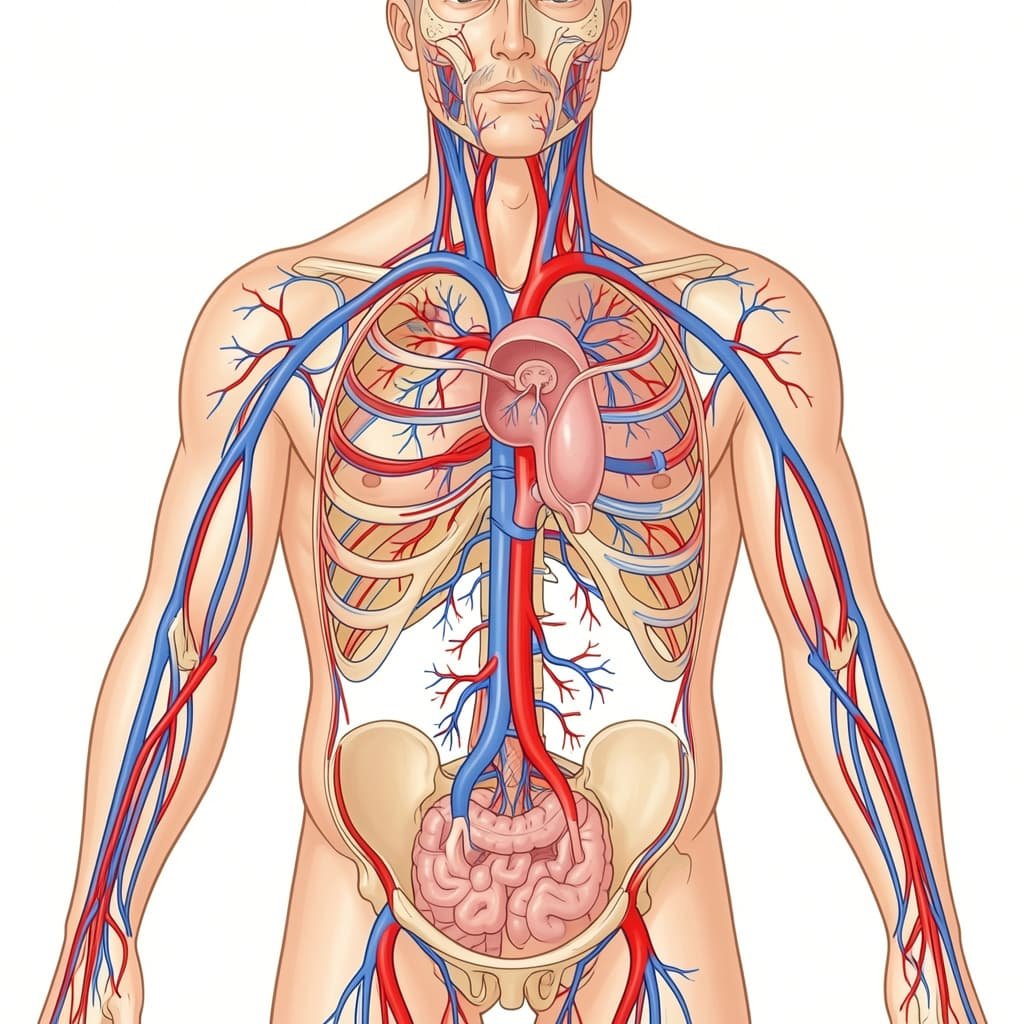
    P Shot London: How to Choose a Safe Clinic and What to Expect at Your Consultation

    P shot treatment London

  • Does the P-Shot Increase Size? What the Clinical Evidence Actually Shows

    Does the P-Shot Increase Size? What the Clinical Evidence Actually Shows

    Questions about whether P-shot increase size outcomes are real or marketing copy dominate online searches — and rightly so.

    Platelet-rich plasma (PRP) therapy applied to penile tissue sits at the intersection of regenerative medicine and men’s intimate health. Clinical promise and commercial hyperbole frequently collide in this space. An evidence-led examination of the biological mechanism, peer-reviewed data, and realistic patient outcomes cuts through that noise.

    The Priapus Shot — widely known as the P-Shot — was developed by Dr Charles Runels. Orthopaedic surgeons apply the same PRP science to accelerate joint recovery. Dermatologists deploy it in hair restoration. A qualified clinician extracts a small volume of the patient’s own blood, centrifuges it to concentrate growth factors within the platelets, then injects that platelet-rich plasma directly into specific zones of penile tissue. The procedure targets angiogenesis, collagen remodelling, and smooth muscle regeneration — processes that underpin erectile function and tissue volume.

    This article interrogates the peer-reviewed evidence base and provides a frank account of what patients seeking a P-shot size increase can realistically expect — including length, girth, erectile firmness, and the conditions under which results prove most pronounced.

    Understanding the Biological Basis of P-Shot Size Outcomes

    Platelet-rich plasma PRP preparation process for penile injection therapy
    Platelet-rich plasma is separated from whole blood via centrifugation, concentrating the growth factors that drive tissue regeneration in P-Shot treatment.

    Scepticism about penile PRP treatment often stems from a misunderstanding of what PRP does at tissue level. Growth factors concentrated in platelet-rich plasma — platelet-derived growth factor (PDGF), vascular endothelial growth factor (VEGF), and transforming growth factor-beta (TGF-β) — do not simply cause temporary swelling. Correct delivery triggers a sustained cascade of tissue remodelling that continues for weeks to months post-injection.

    VEGF promotes new capillary formation within the corpora cavernosa — the erectile chambers whose blood-filling capacity determines erection quality and, to a measurable degree, flaccid and erect dimensions. Research in Sexual Medicine Reviews confirms that neovascularisation correlates with improved cavernosal filling. Penile length and girth gains persist beyond the acute inflammatory phase. This mechanism distinguishes PRP injection penis therapy from cosmetic filler procedures, whose volume effects depend on the filler remaining in situ.

    Why Penile Shrinkage Creates a Baseline for Size Gains

    Competitor analyses frequently overlook P shot penile shrinkage reversal as a mechanism for apparent size increase. Peyronie’s disease, penile lichen sclerosus, vascular erectile dysfunction, post-surgical scarring, and chronic use of certain antidepressants or blood pressure medications all produce measurable penile shortening or narrowing. PRP therapy that addresses the underlying fibrosis or vascular compromise restores lost dimension — a genuine, clinically meaningful outcome rather than cosmetic enlargement.

    For men in this category, the P shot girth increase and length restoration documented in case series reflect genuine tissue recovery from a pathological baseline. The distinction matters for patient counselling and for accurate interpretation of clinical outcome data.

    What the Clinical Evidence Says About P-Shot Size Results

    Dismissing PRP for erectile dysfunction and size outcomes as placebo requires ignoring a growing body of peer-reviewed literature. A 2020 double-blind, placebo-controlled trial in The Journal of Sexual Medicine demonstrated statistically significant improvements in erectile function scores at the 12-week follow-up. Participants in the PRP arm reported subjective improvements in penile rigidity and size perception — findings absent in the saline control group.

    A systematic review of PRP applications in sexual medicine, published on PubMed Central, identified consistent signals across multiple studies. Patients with vasculogenic erectile dysfunction and Peyronie’s disease showed the most reliable gains in erectile function and penile dimensions following platelet rich plasma penis injection protocols. Patient selection, PRP preparation methodology, and injection technique varied significantly across studies — a key reason why outcomes data appears inconsistent and why practitioner expertise functions as a critical variable.

    How Much Does the P-Shot Increase Size — Realistic Figures

    Patients researching how much does p shot increase size deserve precise, honest answers rather than vague claims. Published case series and clinical audits place reported gains for eligible candidates within a defined range.

    Some clinical providers cite increases of approximately 10 to 20 per cent in penile girth and modest but measurable gains in erect length — typically between 0.5 cm and 2 cm — over a course of treatment. These figures apply to men with an identifiable vascular, fibrotic, or connective tissue deficit. Presenting them as universal outcomes for anatomically healthy men misrepresents the evidence.

    Equally important: p shot results are not immediate. The PRP-induced tissue remodelling process follows a biological timeline. Most patients notice initial improvements in erectile firmness within four to six weeks. Dimensional changes become more apparent between eight and twelve weeks. Clinicians conducting priapus shot results assessments should therefore schedule them at the three-month mark.

    P-Shot for Erectile Dysfunction: Addressing the Placebo Argument

    A recurring counter-argument against P shot for erectile dysfunction efficacy holds that reported improvements reflect placebo response rather than genuine physiological change. This argument carries limited explanatory power for several reasons.

    Erectile dysfunction from vascular insufficiency involves measurable haemodynamic parameters. Penile duplex Doppler ultrasound quantifies peak systolic velocity and resistive index before and after treatment. Studies incorporating objective vascular assessment — rather than relying solely on patient-reported outcome measures — document genuine improvements in arterial inflow to the corpora cavernosa post-PRP. These changes contradict a placebo mechanism. Beyond that, histological studies in animal models confirm new vessel formation and smooth muscle preservation under microscopy following PRP penile injection.

    Honesty matters here. PRP is not a first-line treatment for severe arteriogenic ED caused by extensive atherosclerosis. It does not replace phosphodiesterase-5 inhibitors, penile rehabilitation protocols, or surgical implants for end-stage vascular disease. Emerging evidence positions PRP as a meaningful adjunctive or early-intervention therapy — particularly for men with mild-to-moderate vasculogenic or psychogenic ED, post-prostatectomy penile rehabilitation, and p shot erectile dysfunction does it work candidates who present with Peyronie’s disease.

    The P-Shot and Peyronie’s Disease: A Specific Clinical Application

    Among the most evidence-supported applications of p shot for Peyronie’s disease is fibrous plaque reduction in the tunica albuginea. Collagen plaques cause penile curvature, pain, and shortening. Pilot studies show that intralesional PRP injection produces measurable reductions in plaque size and associated curvature correction.

    The mechanism matters for P shot Peyronie’s disease UK patients specifically. As the plaque remodels and curvature diminishes, functional length that the deformity had concealed becomes accessible again. This represents one of the clearest documented pathways through which PRP treatment delivers genuine penile length restoration — not enlargement beyond baseline anatomy, but recovery of anatomy that disease had compromised.

    The P-Shot Procedure: What Happens During Treatment

    Clinician preparing P-Shot PRP injection in a private men's health clinic
    P-Shot treatment takes approximately 60 to 90 minutes and follows a structured clinical protocol administered by a trained medical practitioner.

    Understanding P shot how does it work at a procedural level removes anxiety and supports informed consent. The treatment follows a consistent protocol:

    •        A clinician draws approximately 20–30 ml of venous blood from the patient’s arm.

    •        A centrifuge separates the platelet-rich plasma layer from red blood cells and platelet-poor plasma at a calibrated speed and duration.

    •        Topical anaesthetic cream applied to the penile skin acts for 20–30 minutes. A local anaesthetic block then ensures comfortable injection.

    •        The clinician injects prepared PRP into specific anatomical zones — typically the corpora cavernosa and the glans — using a fine-gauge needle.

    •        The entire appointment takes approximately 60 to 90 minutes. Patients resume normal activity the same day.

    Autologous blood use eliminates risks of allergic reaction and immune rejection. The most common P shot side effects are transient: mild bruising at the venepuncture site, temporary redness or swelling at the injection site, and occasional mild discomfort during the first 24 hours. Trained medical practitioners rarely encounter serious complications.

    P-Shot vs Non-Surgical Alternatives: Comparative Considerations

    Men exploring non surgical penis enlargement UK options frequently compare PRP therapy against hyaluronic acid dermal fillers, shockwave therapy, and vacuum erection devices. Each modality addresses a different physiological target, so a meaningful comparison requires understanding these distinctions.

    Dermal fillers deliver immediate volumisation through physical bulk injection. The effect becomes apparent within hours but depends entirely on the filler material remaining intact. Hyaluronic acid penile fillers resorb within 12 to 18 months, requiring repeat procedures. PRP works through biological regeneration rather than mechanical volume addition. The p shot increase size mechanism is gradual — but genuine tissue remodelling produces durable outcomes beyond the treatment period.

    Low-intensity shockwave therapy (Li-ESWT) targets vascular endothelial growth through acoustic energy rather than growth factor delivery. Evidence for Li-ESWT in mild-to-moderate vasculogenic ED is reasonably robust. Some clinicians combine PRP penis enlargement UK protocols with shockwave sessions. The two mechanisms are complementary: shockwave stimulates neovascularisation via mechanical signalling while PRP supplies the growth factor substrate to sustain that process. Standardised trial data on combination protocols remain limited.

    Is the P-Shot Worth It? Understanding Value and Candidacy

    Clinical candidacy determines whether the Priapus shot UK represents sound value. Men most likely to derive meaningful benefit include those with mild-to-moderate vasculogenic erectile dysfunction, documented Peyronie’s disease in the stable phase, post-prostatectomy penile changes, or penile shrinkage attributable to medical or physiological causes. For this group, is p shot worth it carries an increasingly evidence-supported affirmative answer.

    Men with healthy erectile function seeking enlargement beyond their natural anatomy represent a different clinical picture. Weighing p shot pros and cons for this group looks different: the procedure is unlikely to produce significant dimensional gains beyond restoration of optimal vascular function. Careful expectation calibration during consultation is essential.

    A thorough pre-treatment consultation forms the foundation of appropriate patient selection. This consultation includes a detailed medical history, erectile function assessment via validated tools such as the IIEF questionnaire, and an honest discussion of realistic outcomes. Reputable priapus shot therapy providers decline to treat patients whose expectations exceed what the evidence supports.

    P-Shot Results: Libido, Sensitivity, and Erection Quality

    Confident man experiencing improved wellbeing and sexual health after P-Shot treatment
    Patient-reported outcomes following P-Shot treatment consistently include improvements in erectile quality, sensitivity, and overall sexual confidence.

    Dimensional outcomes capture only part of the clinical picture for p shot results size data. Patient-reported outcome measures consistently highlight improvements in:

    •        Erectile rigidity and the ability to sustain erections — linked to improved cavernosal haemodynamics.

    •        Penile sensitivity and glans responsiveness — attributed to growth factor effects on nerve-adjacent tissue.

    •        Sexual confidence and reduced performance anxiety — partly secondary to the physiological improvements above.

    •        Improved libido in men whose reduced sex drive was secondary to erectile dysfunction rather than a primary hormonal deficit.

    The relationship between p shot improve libido and the underlying mechanism warrants clarity. PRP does not directly influence testosterone production or hypothalamic-pituitary-gonadal axis signalling. Libido improvements, where reported, most plausibly reflect relief of performance anxiety following restored erectile confidence. Resolution of Peyronie’s-related pain — which suppresses desire through psychological pathways — offers another explanatory route.

    Primary low libido attributable to testosterone deficiency requires hormonal assessment and, where clinically indicated, testosterone replacement therapy — a distinct intervention from penile PRP treatment.

    P-Shot Before and After: Setting Realistic Expectations

    Three lenses frame realistic P shot before and after expectations: the patient’s underlying condition, the clinician’s PRP preparation protocol, and the post-treatment period over which results are assessed. A patient with Peyronie’s-related shortening undergoing three PRP sessions with a validated preparation kit, under an experienced practitioner, will likely have a substantially different outcome profile from a healthy man with no identifiable pathology seeking enhancement.

    Durability also warrants clarity. Dermal fillers diminish predictably as the material resorbs. By contrast, genuine tissue remodelling underpins priapus shot size increase outcomes that prove durable beyond the treatment period — newly formed vasculature and remodelled smooth muscle do not disappear when the PRP metabolises. Progressive underlying conditions — cardiovascular disease, diabetes, or advancing Peyronie’s — can erode treatment gains over time. Maintenance sessions at 12 to 18-month intervals address this.

    Factors That Influence P-Shot Size and Efficacy Results

    Several variables modulate the degree to which does p shot increase size in a given patient:

    •        Platelet concentration: Higher platelet counts in the prepared PRP correlate with greater growth factor delivery. The centrifugation system the clinician uses therefore functions as a meaningful quality variable.

    •        Injection technique and anatomical precision: Accurate PRP deposition within the corpora cavernosa — rather than subcutaneous or peripenile tissue — determines whether growth factors reach the target tissue.

    •        Metabolic health: Diabetes, obesity, and smoking impair endothelial function and angiogenesis — the same pathways PRP seeks to stimulate. Optimising metabolic parameters before treatment improves outcomes.

    •        Number of treatment sessions: A single session of priapus shot therapy may produce detectable improvements. Clinical protocols, however, commonly recommend two to three sessions spaced six to eight weeks apart for optimal tissue saturation and remodelling depth.

    Choosing a P-Shot Provider in the UK: What to Look For

    Doctor and male patient in private consultation discussing P-Shot treatment options in UK clinic
    Selecting a qualified P-Shot provider in the UK requires verifying medical credentials, PRP preparation standards, and the rigour of the pre-treatment clinical assessment.

    Variation in p shot treatment UK outcomes across providers is not random. Practitioner training, PRP preparation quality, and the rigour of patient assessment closely determine results. Men seeking treatment should apply consistent evaluation criteria:

    •        The treating clinician should hold a recognised medical qualification (MBBS, MD, or equivalent) and carry specific training in PRP therapy and men’s intimate health.

    •        The clinic should conduct a thorough pr

    e-treatment medical history — not simply a questionnaire, but a genuine clinical assessment of erectile function, cardiovascular risk, and relevant co-morbidities.

    •        The PRP preparation protocol should deploy a validated, medical-grade centrifuge system. Clinicians should state the platelet concentration achieved and the activation method employed.

    •        Honest outcome conversations — including acknowledgement of where p shot increase size evidence does and does not apply — mark clinical credibility, not weakness.

    Frequently Asked Questions

    Can the P-Shot increase penis length as well as girth?

    In men with an identifiable deficit — such as Peyronie’s-related shortening or vascular compromise — the answer is yes. Whether can p shot increase penis length in anatomically normal men without pathology? The evidence is less consistent, and honest practitioners will reflect that uncertainty in the consultation.

    How long do P shot results last?

    Tissue remodelling outcomes from PRP therapy are generally durable — results sustain for 12 to 18 months or longer in suitable candidates. Maintenance sessions extend and reinforce outcomes, particularly in men with progressive underlying conditions.

    Is the P-Shot painful?

    Local anaesthesia makes the procedure comfortable for most patients. A topical numbing cream acts on the penile skin well in advance of the injection phase. Post-procedure sensitivity typically resolves within 24 to 48 hours.

    Does the P-Shot work for psychogenic erectile dysfunction?

    Psychogenic ED — where the primary cause is psychological rather than vascular — may respond partially. Improved penile health and tissue quality can reduce performance anxiety. Psychosexual therapy and cognitive-behavioural approaches address psychogenic ED most directly. PRP delivers the strongest impact where a physiological component is also present.

    How many P-Shot sessions are needed to see size results?

    Most clinical protocols for does P shot increase length and girth outcomes recommend a course of two to three sessions, spaced six to eight weeks apart. Single-session responses occur but are typically less pronounced than those from a full treatment course.

    Are there men for whom the P-Shot is not suitable?

    Men with active platelet disorders, those on anticoagulant therapy, patients with active penile infection or skin conditions at the injection site, and those whose unrealistic expectations remain uncorrected after counselling are generally not suitable candidates. A thorough clinical assessment identifies contraindications before treatment proceeds.

    Conclusion

    The clinical picture surrounding p shot increase size outcomes is neither the unconditional success story that some clinics promote nor the wholesale sham that critics describe when conflating high-quality PRP therapy with poorly administered injections in unregulated settings. A maturing evidence base consistently identifies specific patient populations in whom PRP-mediated penile tissue regeneration produces genuine, measurable, and durable improvements in erectile function and penile dimensions.

    Clinical candidacy, practitioner expertise, PRP preparation quality, and honest expectation-setting at the outset of care are the key discriminators. Men with vascular insufficiency, Peyronie’s disease, or medically attributable penile tissue compromise stand to benefit most. Men without identifiable pathology seeking enhancement beyond their anatomical baseline should approach the procedure with tempered expectations.

    The more instructive question, perhaps, is not simply whether the P-Shot increases size — but whether the specific biological deficit driving a patient’s concerns is one that regenerative growth factor therapy can address. A rigorous clinical consultation with a qualified practitioner answers that question — and the answer will determine everything.

    Read more: Your First P Shot London Consultation – What Happens Step by Step

    When Will I See Results from P Shot in London? A Realistic Timeline
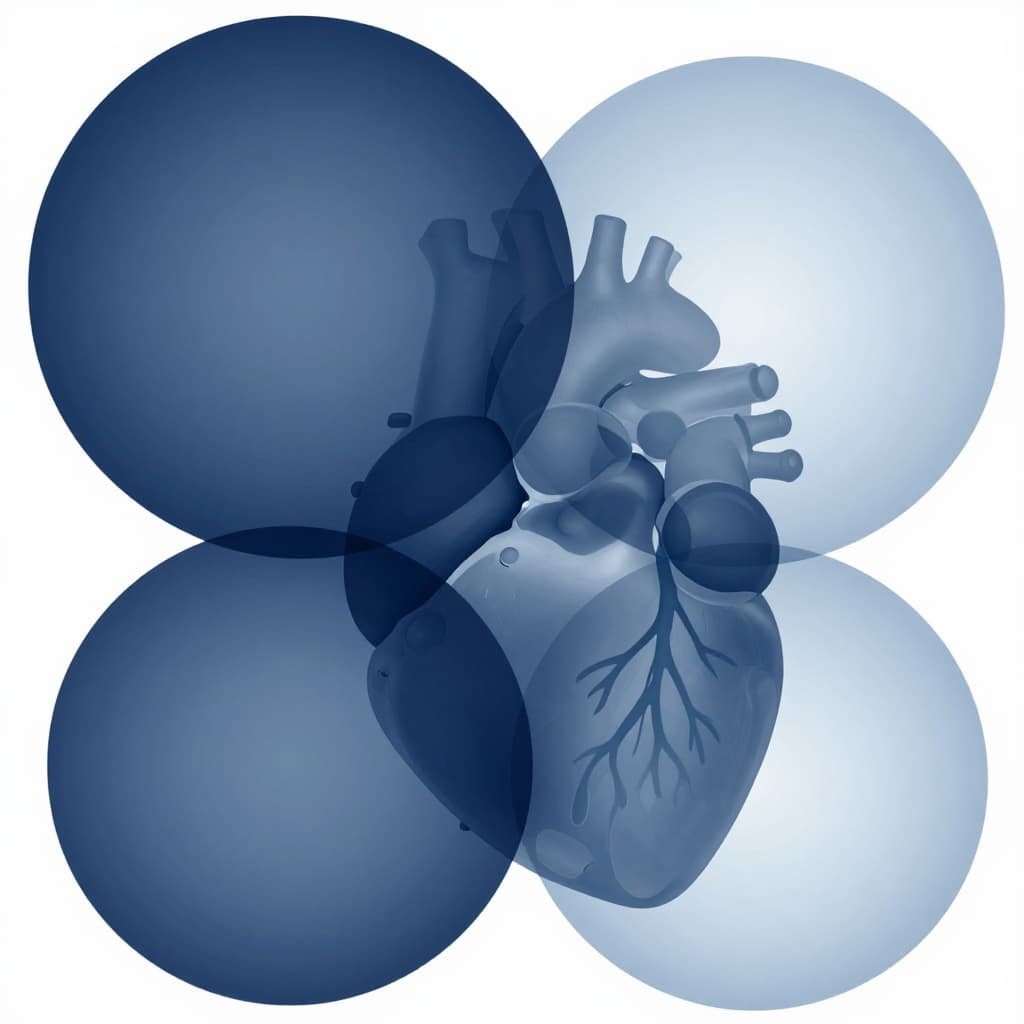
    P shot London Treatment

  • Erectile Dysfunction and High Blood Pressure: Can the P-Shot Offer a Vascular Solution?

    Erectile Dysfunction and High Blood Pressure: Can the P-Shot Offer a Vascular Solution?

    Erectile dysfunction is rarely an isolated condition. In most cases, it signals an underlying vascular problem.

    High blood pressure ranks among the most significant drivers of that vascular compromise. Sustained hypertension damages blood vessel walls and restricts blood flow to penile tissue. This article examines erectile dysfunction and high blood pressure as a clinical pairing. It explains the mechanisms linking the two conditions. It also presents current evidence for the P-Shot — a PRP-based regenerative intervention — as a non-surgical option for men who have reached the limits of standard pharmacotherapy.

    The Vascular Link Between Hypertension and Erectile Dysfunction

    How High Blood Pressure Damages Erectile Function

    Erection depends on a precise sequence of vascular events. Sexual stimulation triggers the release of nitric oxide (NO) from endothelial cells lining the cavernous arteries. NO relaxes smooth muscle, increases arterial inflow, and fills the corpora cavernosa. Any process that impairs this chain undermines erectile capacity.

    Chronic hypertension disrupts this process at multiple levels. Sustained elevated pressure damages the endothelial lining of blood vessels, impairs NO synthesis, accelerates atherosclerosis, and causes arterial stiffening. The result is reduced arterial inflow to the penile tissue — the defining feature of vasculogenic ED.

    The penile arteries measure approximately 1–2 mm in diameter. They are among the smallest arteries in the body and among the first to reflect systemic endothelial damage. This is why erectile dysfunction and high blood pressure frequently co-presents, and why ED may serve as an early clinical marker of broader cardiovascular disease — often appearing two to five years before coronary symptoms manifest.

    NICE Clinical Knowledge Summary (CKS) guidance acknowledges this connection and recommends cardiovascular risk assessment for all men presenting with ED.

    The Role of Antihypertensive Medication

    Doctor reviewing antihypertensive medication with male patient experiencing erectile dysfunction and high blood pressure
    Antihypertensive drug class significantly affects erectile function — medication review is a key clinical step.

    The relationship between hypertension ED and pharmacological management is complex. The condition itself impairs erectile function, yet some treatments prescribed to control it may worsen the problem.

    • The highest documented risk of medication-related erectile dysfunction is linked to thiazide diuretics and older, non-selective beta-blockers.
    • In contrast, ACE inhibitors (such as ramipril or lisinopril) and angiotensin receptor blockers (ARBs) like losartan are generally viewed as neutral or even mildly beneficial for erectile function.
    • Calcium channel blockers, including amlodipine, tend to have little effect on sexual performance.
    • Interestingly, alpha-blockers such as doxazosin may offer a modest improvement in erectile function for some men.

    For men with controlled hypertension who continue to experience ED despite optimised antihypertensive regimens, the question becomes: what treatment options exist beyond PDE5 inhibitors?

    Standard Treatments for Erectile Dysfunction in Men with Hypertension

    PDE5 Inhibitors: First-Line but Not Universal

    Phosphodiesterase type-5 (PDE5) inhibitors — sildenafil, tadalafil, vardenafil — remain the first-line pharmacological treatment for ED according to British Society for Sexual Medicine (BSSM) guidelines. They act by augmenting the NO pathway, facilitating smooth muscle relaxation.

    However, PDE5 inhibitors carry an important contraindication in hypertensive men: they must never be combined with nitrate medications or nicorandil, due to the risk of a dangerous and potentially fatal drop in blood pressure. For men on such regimens, PDE5 inhibitors are contraindicated.

    Additionally, some men with severe endothelial damage respond inadequately to PDE5 inhibitors. The drugs enhance signalling through a pathway that is already compromised at source. Where the vascular infrastructure is sufficiently damaged, enhanced signalling produces limited effect.

    The Treatment Gap for Vasculogenic ED

    Men with erectile dysfunction high blood pressure who cannot tolerate PDE5 inhibitors, or who do not respond adequately to them, face a narrower set of options. Vacuum erection devices, intracavernosal injections of alprostadil, and penile prostheses represent the main alternatives — all of which carry practical or psychological barriers.

    This treatment gap has driven interest in regenerative approaches, of which platelet-rich plasma (PRP) therapy — delivered as the P-Shot — is the most widely studied non-surgical option.

    The P-Shot: Mechanism, Procedure, and Evidence Base

    What the P-Shot Is

    The P-Shot (Priapus Shot) is a non-surgical treatment for erectile dysfunction in which platelet-rich plasma is injected directly into the corpus cavernosum and, in some protocols, the glans penis. The procedure uses autologous PRP — that is, plasma derived from the patient’s own blood — making immunological rejection a non-issue.

    PRP contains a high concentration of platelets, which release growth factors including platelet-derived growth factor (PDGF), vascular endothelial growth factor (VEGF), transforming growth factor-beta (TGF-β), and insulin-like growth factor-1 (IGF-1). These growth factors promote angiogenesis, cellular repair, and tissue regeneration in the treated area.

    PRP preparation process showing centrifuged platelet-rich plasma vials used in P-Shot treatment for erectile dysfunction
    The P-Shot uses the patient’s own platelet-rich plasma, extracted by centrifugation and re-injected into penile tissue.

    Why PRP May Be Particularly Relevant in Hypertension-Related ED

    Standard treatments for ED address the functional end of the problem — they temporarily improve erectile haemodynamics but do not reverse the underlying vascular damage caused by hypertension.

    PRP-based regenerative therapy for ED targets the pathological substrate more directly. By delivering VEGF and PDGF to damaged cavernous tissue, the P-Shot aims to stimulate new blood vessel formation, improve endothelial function, and promote smooth muscle regeneration. In theory, this addresses the vascular damage that chronic hypertension produces — not merely its functional consequence.

    This is the mechanistic rationale that makes the P-Shot a clinically logical option for men with vasculogenic ED secondary to hypertension, particularly where PDE5 inhibitors are contraindicated or insufficient.

    Current Clinical Evidence

    The evidence base for PRP therapy in ED has grown substantially. A 2024 systematic review and meta-analysis published in Translational Andrology and Urology (Huang et al., 2024) searched databases including PubMed, EMBASE, Web of Science, and the Cochrane Register through November 2023. The review concluded that PRP shows clinical effectiveness and a low incidence of side effects in ED management.

    A 2024 meta-analysis published in PLOS ONE (NCT registered, PROSPERO: CRD42024547695) analysed 12 controlled trials involving 991 patients and 11 single-arm trials covering 377 patients. The PRP group demonstrated significantly better outcomes on the International Index of Erectile Function (IIEF) score compared to controls (SMD = 0.59; 95% CI: 0.34–0.84). Single-arm trials also showed significant pre- to post-treatment improvement (SMD = -0.99; 95% CI: -1.53 to -0.46).

    A systematic review published in Sexual Medicine Reviews (Oxford Academic, 2023) identified 16 clinical studies. Randomised placebo-controlled trials showed promising efficacy with no reported adverse events across the included studies.

    What to Expect from P-Shot Treatment

    The Procedure

    The P-shot procedure follows a standardised protocol. A clinician draws a blood sample — typically 20–30 ml — from the patient. The sample undergoes centrifugation to isolate the platelet-rich fraction. A topical anaesthetic is applied to the treatment site. The prepared PRP is then injected into the corpus cavernosum using a fine needle.

    The procedure takes approximately 30–45 minutes in total. No general anaesthetic is required. Most men return to normal activity the same day. Sexual activity may resume within 24–48 hours, subject to clinician guidance.

    P-Shot Before and After: Realistic Expectations

    Medical illustration showing P-Shot before and after effect on penile tissue vascular regeneration at cellular level
    PRP growth factors promote angiogenesis and endothelial repair — targeting the vascular cause of ED, not only its symptoms.

    Men considering a P-shot before and after evaluation should approach the process with realistic expectations. Published studies report improvements in IIEF scores, increased penile sensitivity, and improved erection quality in respondent patients. Some studies document modest gains in measurable penile dimensions, though evidence for this outcome specifically is more limited and variable.

    Important clinical realities to acknowledge:

    •        Not all men respond equally. Response varies based on the severity of underlying vascular damage, age, comorbidities, and adherence to cardiovascular health management.

    • Gradual effects usually appear over four to twelve weeks as tissue remodeling takes place.
    • To optimize results, some treatment protocols suggest two or three sessions.
    • Clinical studies comparing P-Shot outcomes before and after treatment report statistically significant improvements at the group level, though individual responses vary.
    • Importantly, the P-Shot is not a substitute for antihypertensive medication or lifestyle changes. It is a complementary intervention, not a substitute for cardiovascular risk management.

    Safety Profile

    PRP is autologous — it uses the patient’s own biological material. This eliminates the risk of allergic reaction or immunological rejection. Published clinical studies have reported no serious adverse events associated with intracavernosal PRP injection. Minor bruising or transient discomfort at the injection site is the most commonly documented side effect.

    Men with severe uncontrolled hypertension, bleeding disorders, or active haematological malignancy are not candidates for this procedure. A thorough medical consultation with blood pressure assessment is a prerequisite before any P-shot treatment.

    Limitations and Clinical Considerations

    Where the Evidence Falls Short

    Honesty about the limitations of the evidence base is essential. Several factors complicate interpretation of existing PRP studies:

    •        No universally standardised protocol exists for PRP preparation. Platelet concentration, activation method, and injection volume vary across studies and providers.

    •        Most trials have small sample sizes and short follow-up periods.

    •        Hypertensive men are often included in study populations but are rarely analysed as a discrete subgroup. Direct evidence on the P-Shot specifically in men with hypertension ED remains limited.

    •        Placebo effects are difficult to control for in injection-based studies.

    •        Large-scale randomised controlled trials with standardised protocols and longer follow-up are needed before PRP can be recommended as a first-line treatment.

    Clinical Candidacy

    The P-Shot is most appropriate for men who:

    • Men with vasculogenic or mixed‑aetiology erectile dysfunction, particularly when a cardiovascular component is suspected or confirmed, may be considered suitable candidates.
    • Those who have not responded adequately to PDE5 inhibitors—or for whom such medications are contraindicated—are another group often included.
    • Eligibility also requires that hypertension is controlled or medically managed at the time of treatment.
    • A full medical evaluation and cardiovascular risk stratification should be completed beforehand.
    • Finally, candidates need to hold realistic expectations and commit to lifestyle and cardiovascular health management alongside therapy.

    The P-Shot is not a treatment for uncontrolled hypertension. Blood pressure management remains the primary clinical priority. A P-shot treatment should only proceed following thorough medical assessment and with blood pressure under adequate control. 

    Seeking P-Shot Treatment in the UK

    Private men's health clinic in London offering P-Shot treatment for erectile dysfunction and high blood pressure

    P-Shot treatment for erectile dysfunction high blood pressure is available at regulated private medical clinics in London.

    Men seeking a non-surgical treatment for erectile dysfunction in London or elsewhere in the UK should ensure treatment is provided by a qualified medical practitioner with specific training in men’s intimate health and regenerative medicine. The procedure requires precise anatomical knowledge and must be performed in a clinical setting with full medical oversight.

    pshots clinic uk, based on Harley Street, Marylebone, London, offers P-shot treatment under the clinical direction of Dr Syed Nadeem Abbas (MBBS, MRCS RCS Edinburgh, MRCGP, MSc Aesthetic Plastic Surgery with Distinction — Queen Mary University London), who has completed advanced training at Cambridge, Oxford, and the Royal London Hospital.

    Men considering the Priapus Shot should arrive at any consultation with a full list of current medications — particularly antihypertensive agents — and recent blood pressure readings, to allow appropriate clinical assessment before treatment proceeds.

    Frequently Asked Questions

    Q: Can men with high blood pressure safely have the P-Shot?

    A: Men with well-controlled hypertension are generally suitable candidates. Those with poorly controlled or uncontrolled blood pressure require stabilisation of their condition before treatment. A full medical assessment is mandatory. The P-Shot itself does not affect systemic blood pressure.

    Q: What is the Priapus Shot price in the UK?

    A: Priapus shot price varies by clinic, geographic location, and whether a single session or a course of treatment is undertaken. In London, P-shot UK pricing typically ranges from £800 to £2,000 per session. Clinics offering structured consultations and medically supervised protocols tend to reflect higher baseline costs.

    Q: Can the P-Shot be used alongside antihypertensive medications?

    A: Yes. PRP therapy is not known to interact with antihypertensive medications. However, men taking nitrates or nicorandil — and who therefore cannot use PDE5 inhibitors — should disclose this at consultation. The P-Shot mechanism is independent of the NO/cGMP pathway targeted by PDE5 inhibitors.

    Q: How many P-Shot treatments are typically required?

    A: Most clinical protocols involve one to three sessions, with repeat treatments spaced four to six weeks apart if indicated. Some men report improvement after a single session; others require a course. The treating clinician determines the appropriate protocol based on individual clinical presentation.

    Q: Is the P-Shot approved by the NHS?

    A: The P-Shot is not currently part of NHS-provided ED treatment. It is available through regulated private medical clinics in the UK. Men seeking P-shot London treatment should confirm that their provider is a registered medical practitioner.

    Q: How long do P-shot before and after improvements last?

    A: Published studies report improvements lasting six to eighteen months in responding patients. Ongoing cardiovascular health management — including blood pressure control, exercise, and dietary modification — appears to support duration of effect.

    Q: Are penile injection growth claims associated with the P-Shot accurate?

    A: Some studies document modest measurable changes in penile dimensions as a secondary outcome. However, these findings are inconsistent across studies and should not be considered a primary indication for treatment. The primary clinical rationale for P-shot use is improvement in erectile function, not male enlargement injections.

    Conclusion

    Erectile dysfunction and high blood pressure are among the most prevalent comorbid conditions in adult men in the UK. Their co-occurrence is not coincidental — it is mechanistically explicable through shared pathways of endothelial dysfunction, impaired nitric oxide signalling, and progressive vascular damage. For many men, standard treatments address the symptom without reversing the pathology.

    The P-Shot — delivering PRP-based regenerative therapy for ED directly to damaged cavernous tissue — represents a scientifically coherent and clinically promising option for men in this category. Its safety profile is favourable, the evidence base is growing, and its mechanism addresses the vascular substrate rather than simply augmenting a compromised signalling pathway.

    That said, the evidence is still developing. PRP is not a first-line treatment. It is most appropriately considered for men who have exhausted or cannot access standard options, and only after full medical evaluation and cardiovascular risk assessment.

    Informed decision-making requires understanding both what PRP can achieve and what it cannot. Men with erectile dysfunction and high blood pressure face a complex clinical picture — one that warrants a structured, evidence-informed approach rather than a reactive search for quick solutions.

    If high blood pressure has already altered the function of the body’s smallest arteries, is it not time for treatment strategies to address the vessel wall itself — rather than simply compensating for the damage it has caused?

    Read more: P Shot London – What You Need to Know Before Treatment

    P Shot Treatment: Procedure Steps, Recovery, Aftercare, and Results Timeline

    P shot London treatment

  • Erectile Dysfunction After Heart Surgery: Can PRP Help?

    Erectile Dysfunction After Heart Surgery: Can PRP Help?

    UK cardiac rehabilitation programmes focus heavily on exercise capacity, blood pressure control, and medication adherence. Sexual health rarely appears on the recovery checklist. Erectile dysfunction after heart surgery affects the majority of male patients, yet most never raise it with their care team. This silence leaves many men without clear, evidence-based guidance during recovery.

    This article examines erectile dysfunction after heart surgery in detail. It covers prevalence, underlying causes, and the wider relationship between sexual health and heart disease. It also reviews current evidence for platelet-rich plasma (PRP) therapy, known as the Priapus Shot or P-Shot, as a possible regenerative treatment option.

    How Common Is Erectile Dysfunction After Heart Surgery?

    Erectile dysfunction after heart surgery is a well-documented clinical issue. Research consistently shows high rates of ED among men with cardiovascular disease, both before and after surgical treatment.

    One study found erectile dysfunction affects between 46% and 84% of men with coronary artery disease, depending on disease severity and the presence of heart failure.

    A separate study followed 279 men who underwent coronary artery bypass graft surgery, valve replacement, or other cardiac procedures. Before surgery, 20.1% reported sexual dysfunction. Twelve weeks after surgery, this figure rose to 76.4%. Reported problems included erectile difficulties, premature ejaculation, and reduced libido.

    These figures confirm that ED post cardiac surgery is common, not exceptional. It is a recognised clinical pattern, supported by multiple independent studies.

    NHS Pathways: Why Sexual Health Is Often Overlooked

    NHS cardiac rehabilitation focuses on measurable outcomes, such as blood pressure, cholesterol, and exercise tolerance. Sexual health questions are not always included in standard follow-up assessments. As a result, many men experiencing erectile dysfunction after heart surgery do not receive any specific advice on this topic.

    This does not mean the issue is unimportant. NHS guidance recognises erectile dysfunction as a relevant factor in overall cardiovascular risk assessment. Men are encouraged to raise sexual health concerns with their GP, particularly when ED appears alongside other cardiovascular symptoms. Early discussion allows clinicians to review medication, assess vascular risk, and rule out other contributing conditions, such as low testosterone or diabetes.

    Patients should not feel that raising this issue is a minor or separate concern. It often provides useful information about how well the cardiovascular system is recovering.

    Why Does Erectile Dysfunction Develop After Heart Surgery?

    Several factors contribute to ED following cardiac surgery. These factors often overlap and reinforce one another, making the condition multifactorial rather than a single, isolated problem.

    Diagram showing the link between cardiovascular blood flow and erectile dysfunction after heart surgery
    Reduced blood flow linked to cardiovascular disease affects both heart function and erectile function.

    Reduced Blood Flow to the Penis

    Erections depend on healthy blood flow into small penile arteries. Atherosclerosis, the process that narrows coronary arteries and often leads to heart surgery, also affects blood vessels elsewhere in the body. Reduced blood flow to the penis is therefore common in men with significant cardiovascular disease.

    Physical Recovery After Major Surgery

    Cardiac surgery places considerable strain on the body. Recovery involves fatigue, reduced stamina, and restricted physical activity for several weeks. These factors can temporarily reduce sexual function and confidence, independent of any vascular damage.

    Medication Effects

    Many medications prescribed after cardiac surgery affect erectile function. Beta-blockers and certain lipid-lowering medications have been linked to increased rates of sexual dysfunction. Patients should discuss medication side effects with their GP or cardiologist rather than adjusting treatment independently.

    Psychological Factors

    Anxiety about resuming physical activity, including sexual activity, is common after major surgery. Depression following a significant cardiac event can also reduce libido and sexual confidence. These psychological factors often interact closely with physical causes.

    Sexual Health and Heart Disease: A Shared Vascular System

    The relationship between sexual health and heart disease runs in both directions. Small blood vessels in the penis are often affected by atherosclerosis before larger coronary arteries show measurable narrowing. For this reason, erectile dysfunction can appear years before a diagnosed cardiac event.

    This connection means erectile dysfunction after heart surgery should not be viewed in isolation. It reflects the same underlying vascular condition affecting the heart. Men experiencing new or worsening erectile dysfunction, particularly alongside cardiovascular risk factors such as high blood pressure, diabetes, or high cholesterol, should seek a full cardiovascular health assessment from their GP.

    Current Treatment Options for ED Post Cardiac Surgery

    PDE5 Inhibitors

    Medications such as sildenafil and tadalafil are commonly prescribed for erectile dysfunction. These medications work by improving blood flow to the penis. However, they are contraindicated for men taking nitrate-based medications, which are often prescribed after cardiac events. A cardiologist must review suitability before these medications are prescribed.

    Cardiac Rehabilitation Programmes

    Structured cardiac rehabilitation improves overall fitness, blood pressure, and cholesterol levels. However, research shows that sexual dysfunction often persists despite participation in rehabilitation programmes. Age, diabetes, hypertension, and prior bypass surgery have been identified as independent predictors of continued sexual dysfunction after rehabilitation.

    Counselling and Lifestyle Support

    Psychological support addresses anxiety and confidence issues linked to ED post cardiac surgery. Lifestyle changes, including smoking cessation, weight management, and reduced alcohol intake, support both cardiovascular health and erectile function over time.

    Comparing Approaches to ED Post Cardiac Recovery

    The table below summarises common approaches. It is intended as a general overview, not a personalised recommendation.

    ApproachCardiac Safety ConsiderationsEvidence Base
    PDE5 inhibitorsUnsuitable with nitrate medication; requires cardiologist reviewStrong, widely established
    Cardiac rehabilitationGenerally safe and recommended for all patientsStrong for overall recovery; limited effect on ED alone
    Counselling and lifestyle changesSafe for all patientsSupportive evidence, gradual benefit
    PRP / P-ShotRequires medication review and cardiologist clearanceEmerging, classified as experimental for ED

    PRP Therapy for Erectile Dysfunction: What Does the Research Show?

    PRP preparation process using a centrifuge for platelet-rich plasma therapy
    PRP therapy uses the patient’s own blood, processed to concentrate platelets and growth factors before injection.

    Platelet-rich plasma therapy has attracted growing interest as a regenerative treatment for male health in the UK. PRP is prepared from a small sample of the patient’s own blood. The sample is processed in a centrifuge to concentrate platelets and growth factors, which are then injected into penile tissue.

    A systematic review of 17 studies involving 1,099 patients examined PRP for erectile dysfunction and Peyronie’s disease. The review found small to moderate benefits, with mild and transient side effects. No major adverse events were reported.

    Animal studies suggest PRP has neurotrophic effects on damaged nerves. PRP may support axon myelination, reduce cell death, and encourage nerve fibre regeneration. These findings provide a theoretical basis for PRP cardiovascular ED applications, where vascular damage and nerve damage often coexist following cardiac disease.

    A meta-analysis of four randomised controlled trials, including 413 patients, found PRP produced a statistically significant improvement over placebo at one month and at six months. No significant difference was found at the three-month mark.

    Despite these findings, major urological bodies remain cautious. The European Association of Urology and the American Urological Association classify PRP for erectile dysfunction as experimental. Further large-scale, controlled trials are needed before PRP therapy for men’s performance issues becomes a routine recommendation.

    It is important to note that no published studies have specifically examined an advanced PRP solution for erectile dysfunction in men recovering from cardiac surgery. Existing evidence comes from general populations with vasculogenic erectile dysfunction. This represents a clear gap in current research, and one that patients should understand before considering treatment.

    The Priapus Shot (P-Shot): How the Treatment Works

    The Priapus Shot, often shortened to P-Shot or Pshot, is a specific PRP protocol developed for men’s intimate health. The P shot treatment uses platelet-rich plasma injected into targeted areas of the penis, aiming to support tissue repair and improved sensitivity.

    Clinical setup for a P-Shot treatment using PRP injections in London
    The P-Shot procedure is performed as a short outpatient treatment using a fine-needle injection technique.

    The procedure begins with a blood draw, similar to a routine blood test. The sample is processed in a centrifuge to separate platelet-rich plasma from other blood components. A topical anaesthetic is applied to the treatment area. The PRP is then injected using a fine needle, a technique sometimes referred to as a P injection or penis shot.

    The P-shot is performed as an outpatient procedure. It does not require general anaesthesia. The full appointment typically takes around 30 to 45 minutes. Recovery time is minimal, and most men resume normal daily activities within a day.

    P-Shot Before and After: Realistic Expectations

    Patients researching P shot before and after results, or P-shot before and after comparisons online, should approach marketing claims with caution. Clinical evidence describes outcomes as small to moderate, not dramatic or guaranteed.

    Any changes typically develop gradually over several weeks, as growth factors stimulate tissue repair. Some men may require repeat treatments to maintain results. Claims relating to penile injection growth and girth enhancement use different techniques and should not be confused with the P-Shot’s primary focus on erectile function.

    Priapus Shot Price and Cost Considerations in the UK

    Priapus shot price varies between clinics across the UK, depending on the protocol used and the experience of the practitioner. Patients researching P shot UK options, including Priapus shot London providers, should request a detailed consultation before committing to treatment.

    It is worth noting that male enlargement injections cost uk searches often combine different procedures. Dermal filler injections aimed at girth enhancement differ significantly from PRP injections aimed at improving erectile function. Patients should clarify which procedure they are researching before comparing prices.

    Is PRP Suitable for Men Recovering From Erectile Dysfunction After Heart Surgery?

    Men considering PRP for erectile dysfunction following cardiac surgery should discuss several safety factors with their medical team before proceeding.

    Man recovering from heart surgery during light exercise as part of cardiac rehabilitation
    Confirming cardiac stability through rehabilitation and medical review is essential before considering PRP treatment.

    Many cardiac patients take antiplatelet or anticoagulant medications, such as aspirin or clopidogrel. These medications increase bleeding risk during any injection procedure. A full medication review is essential before treatment is considered.

    Full cardiac recovery should be confirmed before any elective procedure, including PRP, is considered. This typically requires clearance from a cardiologist or GP, alongside a review of overall fitness for minor procedures.

    Clinics offering non-surgical treatment for erectile dysfunction in London, such as pshots clinic uk on Harley Street, led by Dr Syed Nadeem Abbas, conduct medical assessments before any PRP-based regenerative therapy for ED is considered. This assessment identifies whether a patient’s cardiac history affects their suitability for treatment.

    Men seeking erectile dysfunction treatment London should ensure any clinic offers thorough pre-treatment screening, particularly when a cardiac history is involved. Men’s intimate health treatment in London should always begin with a medical assessment, not a cosmetic consultation.

    Frequently Asked Questions

    Is erectile dysfunction common after heart surgery?

    Yes. Studies report erectile dysfunction in 46% to 84% of men with cardiovascular disease, and rates increase further in the months following cardiac surgery. It is one of the most common, and most under-reported, effects of cardiac recovery.

    Do heart problems cause erectile dysfunction?

    In many cases, yes. Heart disease and erectile dysfunction share the same underlying vascular damage. Reduced blood flow affects the penis and the heart, often with erectile dysfunction appearing first.

    What can a heart patient take for erectile dysfunction?

    Options include PDE5 inhibitors, where suitable, cardiac rehabilitation, counselling, and lifestyle changes. PDE5 inhibitors are unsuitable for men taking nitrate medication. All options should be reviewed by a cardiologist or GP before starting.

    Is PRP safe for heart patients?

    PRP can be appropriate for some cardiac patients once cardiologist clearance is confirmed and medication risks are reviewed. It is not automatically safe for every man recovering from heart surgery, particularly during early recovery or while taking blood-thinning medication.

    Are there any side effects of PRP injections?

    Reported side effects are generally mild and temporary, including bruising, swelling, and discomfort at the injection site. Serious adverse events are rare in published studies. Cardiac patients on blood-thinning medication face a higher bleeding and bruising risk.

    Who should avoid PRP?

    Men in early cardiac recovery, those on antiplatelet or anticoagulant medication without medical clearance, and those with active infections or untreated bleeding disorders should avoid PRP. Anyone expecting guaranteed results should also reconsider, given the current evidence base.

    Key takeaways

    Erectile dysfunction after heart surgery is common, well-documented, and closely linked to underlying cardiovascular health. PRP therapy, including the P-Shot, shows some promising early evidence but remains classified as experimental for this specific use.

    Men experiencing this condition should prioritise cardiovascular health, discuss medication effects with their care team, and seek a thorough medical assessment before considering any regenerative treatment.

    Given the current state of evidence, how should patients and clinicians weigh early promise against the need for more robust, cardiac-specific research?

    Read more: The P Shot UK: An Effective Treatment for Erectile Dysfunction and Cardiovascular Health

    How Lifestyle Affects P Shot UK Results – Diet, Exercise, and Sleep

    P shot treatment London

  • P-Shot for Performance Anxiety: Can It Restore Confidence?

    P-Shot for Performance Anxiety: Can It Restore Confidence?

    Performance anxiety erectile dysfunction does not always originate in damaged tissue or restricted blood flow. In a significant proportion of men, the underlying disruption is neuropsychological. The brain suppresses the erectile response before any physical stimulus reaches the genitals. Standard phosphodiesterase-5 (PDE5) inhibitors address vascular mechanics. They do not recalibrate the hypothalamic-pituitary-adrenal (HPA) axis that drives anxiety-induced vasoconstriction.

    This distinction matters clinically. A man whose performance anxiety erectile dysfunction stems from conditioned fear responses may show no vascular abnormality on penile Doppler imaging yet still fail to achieve or sustain an erection under real-world conditions. Treating the vascular system alone will not resolve the problem.

    PRP-based regenerative therapy — delivered via the P-Shot — approaches this problem differently. By stimulating neovascularisation, neural regeneration, and local tissue repair, the treatment introduces a structural change that may interrupt the anxiety-erection feedback loop at a physiological level. This article examines the evidence, the mechanism, and the realistic outcomes.

    Understanding Performance Anxiety and Erectile Dysfunction

    The Psychogenic and Physiological Overlap

    The NHS classifies erectile dysfunction (ED) as either organic (physical) or psychogenic (psychological), though the two categories frequently coexist. Performance anxiety erectile dysfunction describes a specific psychogenic subtype in which anticipatory anxiety triggers sympathetic nervous system activation. This releases noradrenaline, which causes smooth muscle contraction in the corpus cavernosum and reduces penile blood inflow.

    A 2021 systematic review published in the Journal of Sexual Medicine found that psychogenic factors contribute to ED in up to 40% of men under 40. Anxiety-driven suppression of erectile function can subsequently cause real vascular changes over time — converting what begins as a psychological ED pattern into a mixed-aetiology condition.

    Why Conventional Treatments Fall Short

    PDE5 inhibitors such as sildenafil remain a first-line recommendation per NICE Clinical Guideline CG97. They are effective in organic ED. However, in men with anxiety erection dysfunction driven by conditioned fear, the cortical suppression occurs upstream of where these drugs act.

    Cognitive behavioural therapy (CBT) addresses the psychological component effectively. The British Association for Sexual Health and HIV (BASHH) supports psychosexual counselling as a first-line option in psychogenic ED. Yet many men prefer a physiological intervention, particularly when psychological distress is compounded by tissue changes from ageing or prior injury.

    What Is the P-Shot?

    Centrifuge machine producing platelet-rich plasma PRP for P-Shot erectile dysfunction treatment
    PRP is isolated through centrifugation, concentrating platelets to three to five times their baseline level before injection.

    Definition and Mechanism

    The P-Shot — formally termed the Priapus shot — is a non-surgical treatment that uses platelet-rich plasma (PRP) derived from the patient’s own blood. The clinician centrifuges a blood sample to isolate plasma with a concentrated platelet count, typically three to five times that of baseline blood.

    The priapus shot delivers growth factors — including platelet-derived growth factor (PDGF), vascular endothelial growth factor (VEGF), and transforming growth factor-beta (TGF-β) — directly into penile tissue. These factors stimulate angiogenesis (new blood vessel formation), nerve regeneration, and smooth muscle repair.

    This classifies the P shot treatment as a regenerative treatment for male health in the UK, aimed at restoring the underlying tissue environment rather than providing a temporary pharmacological effect.

    How PRP Interacts with the Anxiety-ED Cycle

    Tissue fibrosis and endothelial dysfunction are known sequelae of chronic sympathetic overactivation. When performance anxiety erectile dysfunction persists over months or years, it can produce measurable structural changes in penile vasculature. PRP therapy targets these secondary changes.

    Improved vascular perfusion and cavernosal smooth muscle health allow for a stronger, more reliable erectile response. This structural improvement may reduce the physiological threshold needed to achieve erection, which in turn reduces the anticipatory anxiety associated with potential failure. The cycle — fear of failure leading to failure reinforcing fear — can be interrupted when the physiological foundation becomes more robust.

    This is not a psychological intervention. The P shot confidence that men report following treatment is, in clinical terms, a secondary outcome of measurably improved erectile function — not a direct effect of the injection on mood or cognition.

    The Evidence Base for PRP-Based Regenerative Therapy in ED

    Clinical assessment form used to evaluate erectile function outcomes after P-Shot PRP therapy
    Standardised tools such as the International Index of Erectile Function (IIEF) measure treatment outcomes in published PRP studies.

    Clinical Studies on PRP and Erectile Function

    A 2020 randomised controlled trial published in Sexual Medicine (Matz et al.) evaluated intracavernosal PRP injections in men with mild-to-moderate ED. The authors reported statistically significant improvements in International Index of Erectile Function (IIEF) scores at three and six months post-treatment.

    A 2017 pilot study by Epifanova et al., published in European Urology Supplements, assessed PRP therapy for men’s performance issues following radical prostatectomy — a population with known nerve damage. Results showed improved erectile response in a proportion of participants, supporting the nerve regeneration hypothesis.

    Research into advanced PRP solution for erectile dysfunction continues. The current evidence classifies PRP as a promising but not yet definitively proven treatment. Larger randomised controlled trials with standardised protocols are required before NICE or the MHRA can issue formal guidance on its use.

    What P-Shot Before and After Data Suggests

    Published P-shot before and after outcomes — both in the peer-reviewed literature and in clinic-reported data — indicate improvements across multiple domains. These include erectile rigidity, duration of erection, sensitivity, and patient-reported sexual confidence.

    A retrospective cohort analysis published in The Aging Male (2019) documented improved IIEF-5 scores in men with mixed-aetiology ED after two PRP sessions. Notably, improvements in psychometric measures of sexual confidence correlated with the physiological improvements — reinforcing the view that p shot before and after outcomes operate through structural, not psychological, mechanisms.

    It is important to note that individual results vary. Not every man who undergoes a penis shot will achieve the same degree of improvement. Outcomes depend on the severity and duration of ED, the patient’s vascular health, age, and the presence of comorbidities such as diabetes or hypertension.

    Who Is a Suitable Candidate?

    Doctor and male patient in private medical consultation discussing non-surgical erectile dysfunction treatment London
    A thorough clinical consultation is essential before any P-shot treatment to assess suitability and manage expectations.

    Clinical Indications

    The Pshot is most likely to benefit men whose performance anxiety erectile dysfunction has a confirmed psychogenic component with secondary vascular changes, or a mixed organic-psychogenic aetiology. Suitable candidates typically include:

    • Candidates include those with mild-to-moderate erectile dysfunction who have not responded to PDE5 inhibitors.
    • Post-prostatectomy patients experiencing erectile difficulties may also benefit.
    • Individuals in London seeking a non-surgical option without systemic pharmacological exposure are considered suitable.
    • Anxiety-related avoidance linked to Peyronie’s disease is another indication.
    • Psychogenic erectile dysfunction accompanied by confirmed cavernosal tissue changes rounds out the group.

    Contraindications and Limitations

    The P-shot is not appropriate for all patients. Clinicians should conduct a thorough medical assessment prior to any penile injection growth treatment. Contraindications include active platelet disorders, anticoagulant therapy that cannot be temporarily discontinued, active penile infection, or platelet dysfunction syndromes.

    Men with purely psychological ED, where no physiological changes are present, may derive limited structural benefit from PRP alone. In these cases, psychosexual therapy should be the primary intervention, with P-shot treatment considered as an adjunct if physiological dysfunction subsequently develops.

    All men should understand that this is a natural ED treatment using PRP therapy — not a cure. It does not address the underlying cognitive patterns that sustain performance anxiety. For optimal outcomes, clinicians in the UK recommend combining PRP therapy with psychological support where psychogenic factors dominate.

    The P-Shot Procedure: What to Expect

    The Clinical Process

    The P injection procedure takes approximately 60 to 90 minutes in a clinical setting. The process involves the following steps:

    • Venepuncture is performed to collect 20–60ml of the patient’s blood.
    • The sample is then centrifuged to yield platelet-rich plasma (PRP) with a concentration 3–5× above baseline.
    • Before injection, a topical anaesthetic cream is applied to the penis.
    • Using ultrasound guidance, the PRP is injected into the corpus cavernosum and glans.
    • Finally, the patient undergoes post-procedure observation and receives detailed instructions for aftercare.

    Clinics offering Priapus shot London services should use ultrasound guidance to ensure accurate placement. Freehand injection increases the risk of haematoma and reduces the precision of growth factor delivery.

    Recovery and Results Timeline

    Most men resume normal activity within 24 hours. Erectile response may initially be variable as the tissue undergoes remodelling. Clinically meaningful improvements typically appear at four to eight weeks, with optimal results at three to six months.

    A minority of men require a second session. Clinics offering erectile dysfunction treatment London should provide a follow-up consultation at six weeks to assess early response and determine whether additional treatment is appropriate.

    P-Shot UK: Cost, Access, and Regulation

    Priapus Shot Price and Male Enlargement Injections Cost UK

    In the United Kingdom, the Priapus shot price varies between clinics and practitioners. Based on current market rates, men can expect to pay between £800 and £2,000 per session depending on the practitioner’s qualifications, the technology used, and the geographic location of the clinic.

    When researching male enlargement injections cost UK, patients should note that cheaper providers may not use ultrasound guidance, may use non-standardised PRP preparation protocols, or may lack sufficient clinical oversight. Cost should not be the primary determinant of provider selection.

    Regulation in the UK

    The P-shot is not currently regulated as a licensed medical device by the MHRA. PRP procedures in the UK operate within a non-surgical aesthetic and regenerative medicine framework. Practitioners should hold relevant medical qualifications and carry appropriate indemnity insurance.

    The Care Quality Commission (CQC) registers medical clinics in England. Men seeking P shot UK services should verify that the clinic is CQC-registered and that the administering practitioner is on the GMC register.

    Harley Street private clinic London offering P-Shot Priapus shot treatment for erectile dysfunction
    Men seeking P-shot treatment in London should verify that their chosen clinic is CQC-registered and led by a GMC-registered practitioner.

    Dr Syed Nadeem Abbas at pshots clinic uk offers this procedure at his Harley Street clinic, with assessments conducted in accordance with established clinical protocols.

    Addressing Performance Anxiety Alongside PRP Therapy

    The Role of Combined Approaches

    No regenerative treatment corrects conditioned psychological responses in isolation. Men seeking men’s intimate health treatment in London for performance-anxiety-driven ED achieve the best outcomes when PRP therapy is delivered as part of a broader management plan.

    Evidence-based psychological approaches used alongside PRP-based regenerative therapy for ED include:

    • Cognitive behavioural therapy (CBT) is used to challenge catastrophising thoughts and reduce avoidance behaviours.
    • Within psychosexual therapy, sensate focus exercises help couples rebuild intimacy and comfort.
    • To lower baseline sympathetic activation, mindfulness-based stress reduction techniques are introduced.
    • When relationship dynamics contribute to anxiety, couples therapy provides a structured space to address those patterns.

    The British Society for Sexual Medicine (BSSM) recommends addressing both biological and psychological factors in men with mixed-aetiology ED. This integrated model is consistent with NICE Guideline CG97, which emphasises a holistic assessment before any treatment pathway is initiated.

    Managing Expectations

    Men undergoing P shot treatment should receive clear pre-treatment counselling. PRP therapy for men’s performance issues does not produce immediate results. The tissue remodelling process takes weeks. Men who expect instant improvement are likely to experience renewed anxiety in the interval before benefits become apparent.

    Clinicians should explain that the goal of treatment is to reduce the physiological vulnerability that sustains performance anxiety erectile dysfunction — not to eliminate anxiety itself. Managing this distinction clearly reduces unrealistic expectations and supports better psychological engagement with the recovery process.

    Frequently Asked Questions

    Is the P-Shot painful?

    Topical anaesthetic cream is applied to the treatment area before the procedure. Most men report minimal discomfort. Some experience mild bruising or swelling for 24–48 hours post-injection, which resolves without intervention.

    How many sessions are required?

    Many men see meaningful improvement after a single session. A second session may be recommended at three to six months if the response is partial. The treating clinician should reassess at follow-up before recommending further treatment.

    Is PRP therapy safe?

    PRP uses the patient’s own blood, which eliminates the risk of immune rejection or blood-borne pathogen transmission from exogenous material. Adverse events are uncommon but include haematoma at the injection site, temporary penile discomfort, and, rarely, infection. These risks are minimised by adherence to sterile technique and ultrasound guidance.

    Does the P-Shot work for purely psychological ED?

    The psychological ED subtype with no physiological component is best addressed through psychosexual therapy. The P-shot targets tissue-level changes. Men with no vascular or structural pathology are unlikely to derive significant benefit from PRP alone and should be directed to appropriate psychological support.

    How does the P-Shot differ from other erectile dysfunction treatments?

    PDE5 inhibitors provide a temporary pharmacological effect lasting four to 36 hours depending on the compound. Penile prostheses are surgical and irreversible. The P-shot aims for durable structural improvement through tissue regeneration. It does not interact with most medications, carries no systemic pharmacological burden, and requires no surgery.

    What results are realistic?

    Published clinical data shows improvements in IIEF scores, erectile rigidity, and sexual satisfaction in a significant proportion of men. However, not all men respond. Results depend on baseline tissue health, age, comorbidities, and adherence to any concurrent psychological or lifestyle interventions.

    Can I combine the P-Shot with PDE5 inhibitors?

    Yes. Many clinicians recommend continuing PDE5 inhibitors during the initial post-treatment period while the tissue remodelling process develops. This combination is considered safe. The long-term goal may be to reduce dependence on pharmacological support as tissue health improves.

    Conclusion

    Performance anxiety erectile dysfunction sits at the intersection of neurobiology, vascular physiology, and conditioned behaviour. No single treatment addresses all three layers simultaneously.

    The P-Shot — as a form of PRP-based regenerative therapy for ED — addresses the physiological layer. It supports neovascularisation, smooth muscle repair, and neural recovery in penile tissue. This structural improvement can reduce the physical threshold for erectile response and, consequently, lower the anxiety associated with anticipated failure.

    The evidence base is growing but not yet sufficient for NICE-level endorsement. Men considering this treatment should approach it with informed expectations: it is a promising, evidence-supported option within a wider clinical framework — not a standalone solution.

    For men whose anxiety erection cycle has persisted for years, the physiological damage may be real and measurable. Addressing it with regenerative medicine whilst concurrently engaging in psychological support represents the most defensible clinical strategy available in the UK today.

    The deeper question facing clinicians and researchers alike remains: how much of what men call ‘lost confidence’ is a psychological state, and how much is a biological signal waiting to be treated?

    Read more: When Will I See Results from P Shot in London? A Realistic Timeline
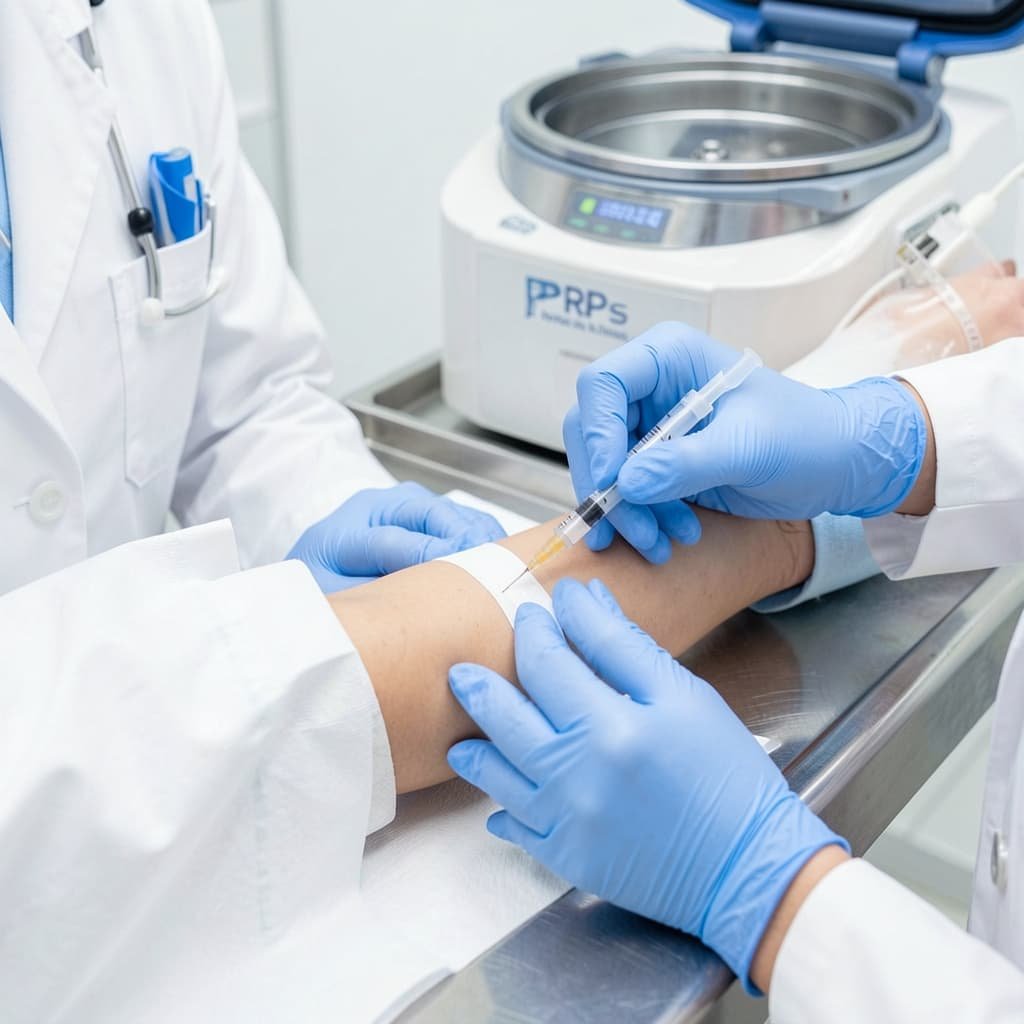
    How Lifestyle Affects P Shot UK Results – Diet, Exercise, and Sleep

    P shot Treatment London

  • Exosomes vs PRP: What Is the Difference for Male Sexual Health?

    Exosomes vs PRP: What Is the Difference for Male Sexual Health?

    Regenerative medicine is changing how clinicians approach male sexual dysfunction. Two treatments have attracted significant clinical attention: platelet-rich plasma (PRP) therapy and exosome therapy. Both target tissue repair at a cellular level. Both deliver active biological signals into penile tissue. Yet they differ considerably in their origin, mechanism, and evidence base.

    This article provides a structured, evidence-based comparison of exosomes vs PRP for male sexual health. It covers how each therapy works, what the current research shows, and what men in the UK should understand before considering either option.

    The Biological Basis of Both Treatments

    Sexual dysfunction in men often involves compromised vascular supply, reduced smooth muscle function, and impaired nerve signalling within penile tissue. Standard pharmacological interventions, such as phosphodiesterase-5 inhibitors, address symptoms rather than underlying tissue pathology.

    Regenerative approaches aim to restore cellular function. They do this by delivering growth factors or intercellular signals directly to damaged tissue. Both PRP and exosome therapy operate on this principle, though through distinct biological pathways.

    What Is PRP and How Does It Work?

    Platelet-rich plasma is an autologous preparation derived from the patient’s own blood. A clinician draws a blood sample, processes it through centrifugation, and extracts the plasma fraction. This fraction is rich in platelets.

     Medical centrifuge separating platelet-rich plasma from whole blood for PRP therapy preparation
    PRP is prepared by centrifuging the patient’s own blood to isolate the platelet-rich plasma fraction, which contains the concentrated growth factors used in the Priapus shot protocol.

    Platelets contain alpha granules. These granules store several growth factors, including platelet-derived growth factor (PDGF), vascular endothelial growth factor (VEGF), transforming growth factor-beta (TGF-β), and insulin-like growth factor (IGF). When activated, platelets release these factors into surrounding tissue.

    In the context of male sexual health, PRP therapy for men’s performance issues is delivered via penile injection. This method is widely referred to as the Priapus Shot, the P-shot, or the P shot treatment. The term Priapus shot originates from the work of American physician Dr Charles Runels, who developed the protocol. In the UK, the P shot London and wider P shot UK offerings have grown substantially over the past decade.

    The growth factors released from PRP stimulate local tissue repair, encourage neovascularisation, and may support nerve regeneration. Clinical interest in natural ED treatment using PRP therapy has grown as a result.

    What Are Exosomes and How Do They Differ?

    Exosomes are small extracellular vesicles. They measure approximately 30 to 150 nanometres in diameter. Cells across the body produce and release exosomes as part of normal intercellular communication.

    Exosomes carry a complex cargo. This includes proteins, lipids, messenger RNA (mRNA), and microRNA. When exosomes reach target cells, they transfer this cargo across cell membranes. This process modulates gene expression and influences cellular behaviour.

     Scientific illustration of an exosome vesicle transferring mRNA and microRNA cargo to a target cell in regenerative therapy
    Exosomes transfer biological cargo — including mRNA and microRNA — across cell membranes, modulating gene expression and promoting tissue repair at a molecular level.

    In regenerative medicine, exosomes derived from mesenchymal stem cells (MSCs) carry particularly potent signalling capacity. Research suggests MSC-derived exosomes can suppress inflammation, support angiogenesis, and promote tissue repair. Unlike PRP, exosome therapy uses cell-derived vesicles rather than blood components. Some formulations use autologous exosomes, derived from the patient’s own cells. Others use allogeneic preparations from donor cell lines.

    The exosome vs PRP distinction is therefore not only biological but also logistical. PRP is always autologous and produced at the point of care. Exosome preparations may be standardised, manufactured in advance, and applied with more consistent dosing.

    Exosomes vs PRP: A Structured Comparison

    The table below summarises the key differences between the two therapies in the context of male sexual health.

    FeaturePRP (Priapus Shot / P-Shot)Exosome Therapy
    SourcePatient’s own blood (autologous)Cell-derived extracellular vesicles
    Key mechanismGrowth factors from plateletsSignalling molecules, mRNA, microRNA
    Preparation time30–45 minutesReady-to-use (processed in lab)
    Concentration variabilityVaries by individual platelet countStandardised dosing possible
    Evidence baseModerate — growing peer-reviewed dataEmerging — promising early-phase trials
    Regulatory status (UK)Established autologous therapyRegulated under advanced therapy rules
    Typical applicationPenile injection for ED and functionPenile injection; sometimes combined with PRP
    Suitable forMost adult menSelected cases; often combined therapy

    This comparison highlights that exosomes vs PRP is not a straightforward better or worse argument.

    Each has distinct advantages and limitations. The appropriate choice depends on individual clinical circumstances.

    The Evidence Base

    Both therapies remain active areas of clinical research.

    Neither has yet received a specific indication from the NHS or NICE for the treatment of erectile dysfunction. This does not render them ineffective, but it does mean that current use occurs largely within private clinical practice.

    Evidence for PRP in Male Sexual Health

    PRP has the longer clinical record of the two.

    Several peer-reviewed studies have evaluated PRP-based regenerative therapy for ED in recent years.

    A systematic review published in Sexual Medicine Reviews (2019) found early but promising evidence for the use of intracavernosal PRP injections in men with erectile dysfunction. The authors noted improvements in erectile function scores and patient-reported outcomes, though they called for larger randomised controlled trials.

    A more recent study in the Journal of Sexual Medicine (2021) reported statistically significant improvements in the International Index of Erectile Function (IIEF) scores following PRP injection in men with mild to moderate ED. Improvements were observed at 3-month and 6-month follow-up points.

    The advanced PRP solution for erectile dysfunction has also been studied alongside low-intensity shockwave therapy (LI-ESWT), with combined protocols showing enhanced outcomes compared to either treatment alone.

    NICE does not currently recommend PRP therapy as a standard treatment for erectile dysfunction in the UK. However, it does not explicitly prohibit its use in the private sector. Practitioners must ensure patients receive appropriate counselling on the evidence base before proceeding.

    Evidence for Exosome Therapy in Male Sexual Health

    Exosome therapy has a shorter clinical history in male sexual health. Most evidence comes from preclinical studies or early-phase human trials. However, findings are scientifically compelling.

    Animal model studies have demonstrated that MSC-derived exosomes can improve erectile function in diabetic and cavernous nerve injury models. A study published in Stem Cells Translational Medicine (2018) showed restoration of erectile function in a rat model following exosome injection, associated with increased smooth muscle content and reduced oxidative stress.

    In human studies, early results are encouraging but limited by small sample sizes. A 2022 pilot study assessed exosome therapy in men with post-prostatectomy ED. Participants showed modest improvements in erectile function. The authors concluded that further research is necessary before recommending exosome therapy as a routine intervention.

    The regulatory framework for exosome products in the UK is also more complex. Exosome preparations may be classified as Advanced Therapy Medicinal Products (ATMPs) under UK Medicines and Healthcare products Regulatory Agency (MHRA) guidance. This classification imposes additional scrutiny on manufacturing, quality control, and clinical application.

    The P-Shot in Detail

    The P-shot (Priapus shot) is the most established PRP-based protocol for male sexual health.

    It is a non-surgical treatment for erectile dysfunction that has been administered at private clinics in the UK and internationally since the early 2010s.

    What Does the P-Shot Involve?

    Private medical consultation room at a Harley Street clinic in London offering P-shot and regenerative sexual health treatments
    The P-shot procedure is carried out in a sterile private clinic environment. The process takes approximately 45 to 60 minutes and requires no general anaesthetic.

    The procedure begins with a blood draw from the patient. The blood is centrifuged to produce a concentrated PRP fraction. A topical anaesthetic cream is applied to the treatment area. The PRP is then injected into specific areas of the penis, including the corpus cavernosum and the glans.

    The entire process takes approximately 45 to 60 minutes. Most men tolerate the procedure well.

    Downtime is minimal. Side effects are generally mild and transient, including minor bruising or swelling at the injection site.

    What Can the P-Shot Treat?

    Anatomical diagram of penile vascular tissue showing corpus cavernosum, smooth muscle, and nerve structures relevant to erectile dysfunction treatment
    Erectile function depends on healthy vascular supply, smooth muscle integrity, and nerve signalling within penile tissue. Regenerative therapies such as the P-shot target these structures directly.

    Clinicians offering this PRP-based regenerative therapy for ED typically assess patients for the following indications:

    • Cases of mild to moderate erectile dysfunction
    • Situations involving reduced penile sensitivity
    • When addressing Peyronie’s disease alongside other therapies
    • Sexual difficulties that may arise after prostate surgery
    • Broader concerns related to overall sexual performance

    Men interested in a penis shot or penile injection growth procedure should undergo a thorough medical assessment. This includes reviewing cardiovascular risk factors, hormonal status, and psychological factors that contribute to ED. An isolated biological intervention is unlikely to address all contributing factors.

    P-Shot Before and After: Realistic Expectations

    P-shot before and after outcomes vary between individuals.

    Published data generally show improvements in erectile function, sensitivity, and patient satisfaction. However, effects are not uniform. Some men report significant benefit after one treatment. Others require multiple sessions before noticing a change. A proportion of patients may not respond at all.

    Clinicians should discuss P-shot before and after expectations candidly. Overstating results does a disservice to patients and undermines the credibility of the therapy. The current evidence supports cautious optimism, not guaranteed outcomes.

    Male Enlargement Injections Cost UK and Priapus Shot Price

    Cost is a practical consideration for many patients.

    Male enlargement injections cost UK varies between clinics and depends on the protocol used. Priapus shot price in the UK typically ranges from £600 to £1,500 per session at private clinics, depending on location, clinic credentials, and the experience of the practitioner. Some clinics offer combination packages that include multiple sessions or complementary treatments.

    Men seeking non-surgical treatment for erectile dysfunction in London should request a detailed breakdown of costs, including consultation fees, before committing to a treatment plan.

    Exosome Therapy in Male Sexual Health

    Exosome therapy in male sexual health is an emerging field. It is not yet as widely available as PRP. However, interest is growing among clinicians and patients who are seeking more advanced regenerative options.

    How Is Exosome Therapy Administered?

    In most clinical protocols for male sexual health, exosomes are delivered via direct injection into penile tissue, analogous to the P-shot. Some clinics combine exosomes with PRP in a single session, aiming to exploit the complementary mechanisms of both therapies. The addition of exosomes to PRP may enhance the signalling environment, though this combination requires further validation.

    Autologous Exosomes vs Allogeneic Preparations

    A key distinction within exosome therapy is between autologous exosomes (derived from the patient’s own cells) and allogeneic preparations (derived from donor cell lines, typically MSCs).

    Autologous exosomes carry no risk of immune reaction. However, harvesting them requires cell culture infrastructure and is logistically complex. Allogeneic preparations are more practical but carry a small theoretical risk of immune response. MHRA guidance applies to both, and practitioners must ensure they use only compliant products.

    Who Might Benefit from Exosome Therapy?

    Current evidence suggests exosome therapy may be most beneficial in cases where conventional PRP has produced insufficient results, where the underlying tissue damage is more severe, or where neurogenic ED is a factor. Men with diabetic ED may also represent a target population, based on preclinical data. However, clinical protocols for these groups require further development.

    Exosomes vs PRP: How Clinicians Make the Decision

    In clinical practice, the choice between exosomes vs PRP is rarely absolute.

    Experienced practitioners assess each patient individually.

    Several factors inform the clinical decision:

    • The severity and underlying cause of erectile dysfunction
    • Overall health status and platelet count, which are relevant for PRP effectiveness
    • A record of prior treatments and interventions
    • Preferences regarding autologous versus manufactured therapeutic products
    • Strength of the available evidence in specific clinical scenarios
    • Compliance of the chosen exosome product with regulatory standards

    Men seeking men’s intimate health treatment in London or elsewhere in the UK should expect a detailed consultation before any treatment is recommended. A reputable clinic will not offer a fixed protocol without a thorough assessment.

    Dr Syed Nadeem Abbas at pshots clinic uk offers consultations for men considering regenerative treatments for sexual health, using evidence-based protocols aligned with current UK guidance.

    Safety Considerations

    Safety of PRP

    Because PRP uses the patient’s own blood, the risk of infection or immune reaction is very low.

    The main risks are those associated with any injection procedure: haematoma, bruising, and localised discomfort. Serious adverse events are rare in published literature.

    The NHS does not provide PRP for erectile dysfunction. However, the autologous nature of the therapy means it is generally accepted as safe within private clinical practice, provided sterile technique and proper preparation protocols are followed.

    Safety of Exosome Therapy

    Exosome therapy carries a favourable safety profile in early studies. However, the longer-term safety data are limited. Products classified as ATMPs are subject to more rigorous regulatory oversight. Patients should confirm that any exosome product used in their treatment complies with MHRA requirements.

    Purchasing exosome products outside regulated supply chains poses a significant risk.

    Clinicians and patients alike should exercise caution regarding unverified or unlicensed preparations.

    The Role of PRP Combination Therapy

    Advanced regenerative protocols increasingly combine PRP with other interventions. Low-intensity shockwave therapy is the most studied adjunct. The combination of shockwave therapy with PRP-based regenerative therapy for ED has shown synergistic effects in several small trials. Shockwave therapy promotes neovascularisation and may enhance the uptake of growth factors delivered via PRP.

    Some clinics are now trialling exosome and PRP combination protocols. Early reports suggest this approach may amplify tissue repair signals. However, robust randomised controlled trial data for this combined approach are not yet available.

    Frequently Asked Questions

    Male doctor and patient in a private clinic consultation discussing regenerative treatment options for erectile dysfunction in London
    A thorough clinical consultation is essential before any regenerative treatment. The choice between exosomes vs PRP should be guided by individual patient assessment, not a fixed protocol.

    1. What is the main difference between exosomes vs PRP for erectile dysfunction?

    PRP uses growth factors extracted from the patient’s own blood to stimulate tissue repair. Exosomes use nano-sized vesicles carrying signalling molecules to modulate cellular behaviour. PRP has a longer evidence base. Exosome therapy is newer and may offer more targeted signalling capacity.

    2. Is the P-shot (Priapus shot) available in London?

    Yes. The P shot London is available at several private clinics, including those on Harley Street and in Marylebone. Patients should verify the credentials of the practitioner and confirm the protocol used.

    3. How much does the Priapus shot cost in the UK?

    Priapus shot price in the UK typically ranges from £600 to £1,500 per session. Male enlargement injections cost UK varies by clinic, location, and protocol. A detailed cost breakdown should be provided at consultation.

    4. Is the P-shot safe?

    The P-shot uses autologous PRP, which carries a low risk of adverse reaction. Side effects are generally mild and include temporary bruising or swelling. Serious complications are uncommon in clinical literature. Patients should have the procedure performed only by trained medical professionals.

    5. Does exosome therapy require regulatory approval in the UK?

    Certain exosome preparations may fall under the MHRA’s classification of Advanced Therapy Medicinal Products (ATMPs). This imposes specific manufacturing and quality standards. Patients should confirm that any exosome product used in their treatment meets MHRA requirements.

    6. Can PRP and exosomes be used together?

    Some clinics offer combination protocols. Early evidence suggests combining the two may enhance regenerative outcomes. However, this remains an emerging area, and definitive clinical trial data are not yet available.

    7. Are these treatments available on the NHS?

    Neither PRP therapy for men’s performance issues nor exosome therapy is currently recommended by NICE or available on the NHS for erectile dysfunction. Both are offered within the private sector, subject to appropriate clinical assessment.

    8. What results should I expect from a P-shot before and after treatment?

    P-shot before and after outcomes vary. Results are not guaranteed. Some men report meaningful improvements in erectile function and sensitivity within 4 to 8 weeks. Others may require multiple sessions. Results depend on the underlying cause of dysfunction, overall health, and individual biological response.

    Key Takeaways 

    The exosomes vs PRP debate in male sexual health does not produce a definitive winner.

    PRP, delivered as the Priapus shot or P-shot treatment, carries the stronger evidence base and a well-established safety record. It remains the most accessible non-surgical treatment for erectile dysfunction in London and across the UK.

    Exosome therapy offers a scientifically compelling but less clinically mature alternative. It may ultimately prove superior in specific populations, particularly where neurogenic or vascular damage is more severe. The development of standardised exosome preparations and the completion of larger randomised controlled trials will be decisive.

    For men considering regenerative treatment for male health in the UK, the priority should be an honest consultation with a qualified clinician. Both therapies demand careful patient selection, informed consent, and realistic expectation-setting. No regenerative treatment should be presented as a guaranteed solution.

    The science of cellular repair in sexual medicine is advancing rapidly.

    As it does, the distinction between exosomes and PRP may become less important than understanding precisely which biological signals a given patient’s tissue needs to recover. The real question may not be which therapy is better — but which one is right for you, and why.

    read more: Platelet-Derived Growth Factor in PRP: How It Helps Repair Penile Tissue

    Priapus Shot London – The Science Behind Platelet-Rich Plasma Therapy

    P shot treatment London

  • Does Alcohol Affect P Shot Results? What Men Should Know

    Does Alcohol Affect P Shot Results? What Men Should Know

    Autologous platelet-rich plasma treatments depend entirely on the cellular quality of the patient’s blood. Ultimately, cellular health directly determines tissue regeneration outcomes. For instance, cellular health determines long-term vascular repair. Furthermore, systemic physiological factors influence the baseline concentration of essential growth factors. These factors include standard metabolic profiles, systemic inflammation levels, and cellular hydration states. Consequently, lifestyle choices modify these metabolic and inflammatory variables significantly.

    Chronic consumption of toxins creates persistent cellular stress. As a result, this stress decreases the therapeutic potential of autologous plasma fractions. Therefore, patients must maintain a healthy vascular baseline. This baseline successfully supports the physiological cascade required for tissue biostimulation. Moreover, medical evidence shows that specific systemic inhibitors impair cellular migration. These inhibitors also stop cellular proliferation and tissue remodeling. By understanding these biological factors, patients can easily achieve optimal clinical outcomes from regenerative medical interventions.

    Introduction to Platelet-Rich Plasma Therapy

    Platelet-rich plasma therapy uses the patient’s own blood components to stimulate healing. Specifically, the process isolates concentrated platelets from a whole blood sample. These platelets contain heavy stores of vital growth factors. In turn, these proteins initiate natural tissue repair mechanisms inside human bodies. The clinical treatment effectively helps regenerate damaged blood vessels. In addition, it encourages the growth of new healthy tissues. Therefore, this therapy provides an advanced PRP solution for erectile dysfunction.

    Currently, doctors use this treatment widely across the United Kingdom. For example, it offers an innovative, non-surgical treatment for erectile dysfunction in London. The medical procedure focuses entirely on natural tissue healing. Thus, it completely bypasses the need for daily synthetic drug options. Because the treatment process relies heavily on healthy biological reactions, patient health habits directly impact the final success rates.

    Understanding the Mechanism of the P Shot London

    3D medical graphic illustrating platelets releasing growth factors to stimulate angiogenesis and cellular repair.
    Platelets releasing vital growth factors to initiate natural vascular tissue repair mechanisms.

    The P shot in London treatment process begins with a standard blood draw. First, the practitioner places this blood sample inside a specialised centrifuge machine. Next, the machine spins the blood sample at very high speeds. This mechanical process isolates the platelet-rich plasma layer effectively. Because the concentrated plasma contains high numbers of growth factors, the medical clinician carefully prepares this autologous fluid for target area delivery.

    Subsequently, the practitioner extracts the concentrated fluid into specific syringes. The clinician then administers the P shot directly into the penile tissues. Specifically, the injection targets the corpus cavernosum chambers. Additionally, the clinician treats the corpus spongiosum tissues. This precise delivery ensures optimal coverage of the vascular network. However, the process requires precise clinical skills to achieve targeted placement.

    Cellular Signaling and Tissue Regeneration

    In terms of operation, the P-shot functions via localized cellular signaling. The injected platelets release key growth factors almost immediately. These include vascular endothelial growth factor and fibroblast growth factor. Consequently, these compounds trigger the formation of new blood vessels. The biological term for this vascular process is angiogenesis. Therefore, the procedure serves as an advanced P shot treatment option.

    Ultimately, the medical procedure relies entirely on the natural healing response. The priapus shot successfully stimulates the migration of local stem cells. Over time, these stem cells transform into healthy functional tissues. This tissue change improves local blood flow dynamics significantly. As a result, the penis shot approach addresses the root structural causes of erectile issues. It stands to reason that it avoids the short-term symptom mask of oral drugs.

    Broad Therapeutic Applications in the UK

    Furthermore, clinicians utilize the P shot UK wide protocol for multiple sexual conditions. While the primary therapeutic indication remains organic erectile dysfunction, the treatment also addresses specific symptoms of Peyronie’s disease. For instance, it helps break down internal fibrous plaques effectively. Thus, the procedure is an established regenerative treatment for male health in the UK market.

    In conclusion, the clinical results depend on healthy tissue growth over several months. Patients gradually experience improvements in structural firmness and sensitivity. For this reason, the treatment offers a dependable natural ED treatment using PRP therapy methods. However, patients should view the intervention as a multi-stage biological building process. Each treatment session relies heavily on the patient’s internal healing capacity.

    The Short-Term Physiological Effects of Alcohol

    Alcohol consumption changes human cardiovascular function within minutes. Specifically, ethanol acts as a direct vasodilator on peripheral blood vessels. This action causes immediate widening of the superficial vascular network. Consequently, this widening drops central blood pressure levels rapidly. The body then responds by increasing the resting heart rate. Unfortunately, this reaction puts unnecessary stress on the circulatory system.

    Split-screen medical diagram comparing smooth, hydrated blood flow with sluggish, dehydrated micro-circulation.
    Alcohol-induced diuresis reduces total blood volume and impairs optimal micro-circulation.

    Meanwhile, ethanol inhibits the release of anti-diuretic hormone inside the brain. This hormonal suppression causes rapid fluid loss through the kidneys. The resulting dehydration reduces total blood volume levels quickly. Simultaneously, it increases the viscosity of the remaining blood components. Dehydrated blood moves much less efficiently through small capillaries. Therefore, this state severely alters the micro-circulation required for proper tissue recovery.

    In addition, acute alcohol intake alters normal blood clotting mechanisms. For example, ethanol reduces the production of thromboxane A2 inside platelets. This change decreases the natural aggregation capacity of blood cells. As a result, it increases individual bleeding times after needle punctures. This effect directly raises the risk of localized bruising around injection areas. Furthermore, dehydration lowers the total fluid volume available during plasma extraction.

    The Long-Term Impact of Chronic Alcohol Consumption

    Chronic alcohol use damages the delicate vascular endothelial lining permanently. Normally, the endothelium controls the relaxation and contraction of arteries. However, ethanol abuse reduces the synthesis of endothelial nitric oxide synthase. This enzyme produces the nitric oxide needed for healthy erections. Without nitric oxide, blood vessels cannot dilate properly. Eventually, this structural failure leads to persistent erectile dysfunction over time.

    In addition to vascular damage, long-term alcohol abuse alters regular hormone production pathways. It significantly increases the conversion of testosterone into oestrogen. This conversion takes place inside fat tissues via aromatase enzymes. The resulting hormone imbalance reduces male libido levels significantly. Moreover, it slows down the tissue regeneration processes. Lower testosterone levels directly weaken the penile tissue repair cycle.

    Finally, persistent alcohol intake induces systemic oxidative stress throughout the body. It rapidly depletes natural antioxidant reserves like glutathione. This depletion leads to high levels of free radical damage. Consequently, free radicals damage cell membranes within the male reproductive organs. This ongoing damage severely impairs the long-term effectiveness of PRP therapy for men’s performance issues.

    How Alcohol Directly Undermines P Shot Results

    This section addresses the direct ways alcohol disrupts treatment outcomes, broken down into key physiological barriers.

    Platelet Deactivation and Receptor Blockage

    First and foremost, alcohol consumption blocks the biological benefits of the P shot London treatment. Platelet activation requires an undamaged cellular environment. However, alcohol alters the structural integrity of platelet membranes. This alteration effectively stops the proper release of growth factors. The treatment fails when platelets cannot secrete these healing signals. Clearly, this undermines the men’s intimate health treatment in London.

    Secondly, the presence of ethanol decreases local cell signaling efficiency. Growth factors must bind to specific cell receptors to work properly. But alcohol interferes with these receptor sites on target tissues. This interference stops the activation of localized stem cells. Because the body cannot build new blood vessels without stem cell activation, the PRP-based regenerative therapy for ED loses its primary mechanism.

    Collagen Inhibition and Hypoxia

    Furthermore, alcohol slows down the synthesis of new structural collagen fibers. Collagen provides the physical framework for new blood vessels. Ethanol inhibits the function of fibroblasts in the penile tissues. This inhibition leads to weak tissue repair and poor structural outcomes. As a result, the expected penile injection growth benefits fail to develop properly. Thus, patients experience reduced improvements in structural firmness.

    Similarly, dehydration from alcohol restricts nutrient delivery to the healing zones. Tissues always require a steady supply of oxygen to regenerate. Thick, dehydrated blood cannot access the microscopic capillaries easily. This restriction causes localized tissue hypoxia in treated areas. Consequently, hypoxia forces the newly injected cells into premature cell death. This destructive process heavily limits the results of the p injection therapy.

    Lastly, alcohol elevates systemic inflammatory markers like C-reactive protein. Chronic inflammation destroys healthy growth factors prematurely. This destruction cuts short the therapeutic window of the plasma injection. Therefore, the body clears the helpful proteins before tissue repair completes. This negative dynamic completely compromises the final efficacy of the Priapus shot London procedure.

    Summary of Pathological Alcohol Interference

    • Platelet Suppression: Suppresses thromboxane A2 synthesis, leading to inadequate growth factor release.
    • Nitric Oxide Reduction: Inhibits endothelial relaxation, compounding erectile dysfunction treatment London clinic baseline resistance.
    • Systemic Diuresis: Drives severe acute dehydration, reducing extractable autologous plasma volume.
    • Hormonal Overdrive: Elevates oestrogen conversion pathways, depressing standard tissue repair speed.
    • Fibroblast Inhibition: Shuts down structural collagen construction inside the corpus cavernosum.

    Clinical Preparation: Guidelines Before Treatment

    Healthy lifestyle flat-lay with a large glass of water and nutrient-dense foods rich in vitamin C and zinc.
    Maintaining strict hydration and a nutrient-dense baseline diet 72 hours prior to treatment optimizes plasma quality.

    Patients must follow strict rules before undergoing the P shot London procedure. For this reason, medical clinicians advise stopping all alcohol intake before the appointment. Specifically, patients should avoid alcohol for at least seventy-two hours prior. This abstinence ensures proper hydration levels in the blood. Additionally, it allows platelet aggregation characteristics to return to a normal baseline level.

    Meanwhile, proper hydration is vital during the pre-treatment phase. Patients should drink at least two litres of water daily. This fluid intake increases the total volume of extractable plasma. Consequently, it makes the blood separation process much more efficient. For the same reason, patients must also avoid anti-inflammatory medicines like ibuprofen. These drugs block platelet function in a similar way to alcohol.

    Furthermore, maintaining a balanced diet supports the quality of the blood plasma. Patients should eat nutrient-dense foods rich in vitamin C and zinc. These nutrients assist with subsequent collagen production. Moreover, patients should get adequate sleep before the medical session. Rested bodies maintain stable hormone levels. In turn, stable hormones support better cellular responses to the erectile dysfunction treatment London clinic provides.

    Post-Treatment Care and Recovery Protocols

    The post-treatment window requires careful attention to lifestyle habits. First, patients must not consume alcohol for forty-eight hours after the injection. This restriction prevents excess bleeding at the puncture sites. Alternatively, it reduces the likelihood of developing significant penile bruising. Most importantly, avoiding alcohol preserves the initial wave of growth factor release.

    Secondly, patients must maintain high hydration levels after the therapy. Clean water helps flush metabolic waste products from tissues. It also supports the active transport of nutrients to the healing areas. Therefore, patients should continue drinking clear fluids throughout the first week. This habit successfully ensures a stable environment for new blood vessel growth.

    Physical and Sexual Restrictions

    A man resting in a calm, modern room, emphasizing a relaxed recovery routine and hydration.
    Prioritizing physical rest and zero alcohol intake during the critical 48-hour post-treatment window preserves cellular signaling.

    In addition, patients must avoid strenuous exercise for twenty-four hours post-treatment. However, light walking is acceptable as it promotes healthy systemic circulation. Conversely, patients should avoid hot baths, saunas, and steam rooms. High heat can increase local swelling in the treated areas. Meanwhile, keeping the area clean prevents secondary bacterial infections from developing.

    Finally, patients should avoid sexual activity for three days after the procedure. This pause allows the internal injection tracks to close completely. Furthermore, it prevents mechanical stress from disrupting the freshly placed plasma. Patients must report any unusual pain or rapid swelling immediately. By following these guidelines, patients ensure an uninterrupted tissue recovery phase.

    Comparing P Shot Outcomes: Alcohol Users vs. Abstainers

    Clinical observations show clear differences in P shot before and after assessments. For example, patients who abstain from alcohol show rapid symptom improvement. They report better tissue sensitivity within the first few weeks. Moreover, their tracking scans demonstrate increased vascular density in the treated chambers. Ultimately, these men achieve the maximum potential of the regenerative treatment.

    On the other hand, patients with high alcohol intake show slower response rates. Their P-shot before and after metrics remain suboptimal for months. Consequently, they often require extra injection sessions to achieve standard outcomes. Because the chronic vascular damage from alcohol slows down tissue repair, these individuals often experience disappointing results from their medical investment.

    Financial Considerations and Pricing Dynamics

    The total cost of treatment represents a significant financial commitment. However, the average priapus shot price varies across different UK medical providers. Premium clinics reflect the use of regulated medical equipment. They also reflect the advanced training levels of the clinical team. Therefore, patients should avoid cheap offers from unregulated provider locations.

    To understand the full male enlargement injections cost uk, one requires looking at long-term value. A single injection session may not satisfy complex medical needs. Instead, most patients require a structured protocol of multiple treatments. Protecting this financial investment means following all clinical advice. In contrast, alcohol use significantly reduces the value of the money spent on treatments.

    Clinic Spotlight: Premium Care in Marylebone

    Exterior or interior view of a premium, high-end medical clinic office located in Marylebone, London.
    Advanced regenerative male health treatments delivered in a world-class, premium clinical environment.

    The medical team at pshot clinic uk provides expert regenerative treatments. Specifically, the London clinic operates from the prestigious Marylebone medical district. The clinical lead is Dr Syed Nadeem Abbas. Regarding his qualifications, they include an MBBS and MRCS from the Royal College of Surgeons of Edinburgh. He also holds an MRCGP and an MSc in Aesthetic Plastic Surgery with Distinction from Queen Mary University, London.

    Furthermore, he completed his medical training at Cambridge, Oxford, and the Royal London Hospital. This extensive background successfully ensures high standards of clinical care. Consequently, patients receive premium attention during every non-surgical treatment for erectile dysfunction in London.

    Realistic Expectations and Scientific Limitations

    The treatment does not provide immediate structural changes. Generally, tissue regeneration takes between eight and twelve weeks to manifest. Furthermore, the therapy cannot fix severe mechanical nerve damage. It is also less effective for advanced arterial disease caused by long-term smoking. Therefore, patients must have realistic expectations about biological timelines.

    Ultimately, individual medical outcomes depend heavily on baseline health status. For instance, younger men with mild vascular issues respond fastest. On the contrary, older patients with complex metabolic diseases require more time. The treatment does not guarantee permanent results for every person. Because of this, maintenance sessions are often required every twelve to eighteen months. Lifestyle optimization remains mandatory for long-term clinical success.

    Frequently Asked Questions

    Can I drink a single glass of wine after my treatment?

    Medical clinicians strongly advise against drinking any alcohol for forty-eight hours post-treatment. Even small amounts of ethanol cause peripheral vasodilation. Consequently, this effect increases the risk of bleeding and bruising. Alcohol also alters immediate cellular signaling between platelets and stem cells.

    How many days before the procedure must I stop drinking?

    You must stop drinking alcohol at least seventy-two hours before your appointment. This timeline allows your liver to clear metabolic toxins completely. Additionally, it ensures proper hydration levels in your bloodstream. It also allows platelet aggregation behaviors to return to normal.

    Does alcohol completely destroy the results of the injection?

    Alcohol does not completely destroy the injection, but it reduces the overall effectiveness. Ethanol impairs growth factor release and restricts localized collagen synthesis. This leads to substandard tissue repair and fewer new blood vessels. Therefore, it compromises your final clinical outcome.

    What are the signs that alcohol has affected my recovery?

    Increased bruising around the injection sites is a common sign. Alternatively, persistent swelling or a lack of sensitivity changes can also indicate poor recovery. Slow tissue healing over the first month suggests cellular inhibition. This is often caused by dehydration or systemic inflammation.

    Will stopping alcohol permanently improve my treatment outcomes?

    Yes, stopping alcohol significantly improves the internal biological environment for tissue repair. It allows your body to maximize the growth factors from the plasma. It also restores natural nitric oxide production in blood vessels. This positive change leads to better and longer-lasting structural results.

    Conclusion and Final Medical Summary

    Autologous platelet therapy offers an advanced route for male vascular recovery. However, the clinical success of the treatment depends on personal lifestyle choices. Alcohol acts as a direct physiological barrier to tissue regeneration. It impairs platelet activation, reduces hydration, and stops collagen synthesis. Therefore, men must commit to the required pre-treatment and post-treatment protocols. This commitment protects both their health and their financial investment. Making informed decisions regarding lifestyle habits directly decides the final efficacy of the medical procedure.

    The biological evidence clearly shows that lifestyle choices shape regenerative outcomes. Consequently, patients must choose between temporary social habits and long-term vascular health. Maximizing cellular repair requires full cooperation with medical guidelines. Are you ready to optimize your vascular health by committing to an alcohol-free recovery period?

    Read more: What Qualifications Should a P Shot London Clinician Have?

    When Will I See Results from P Shot in London? A Realistic Timeline
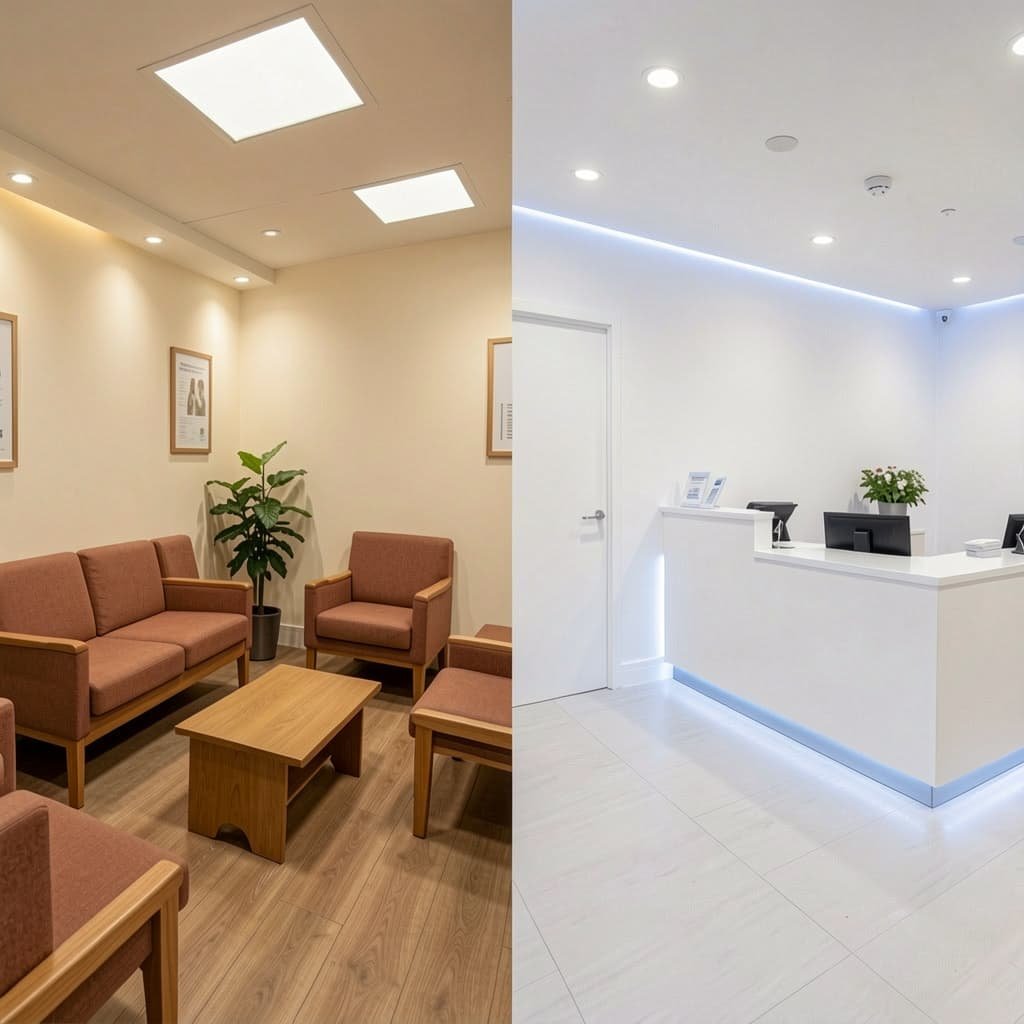
    P shot Treatment London