Category: P shot

  • What Is Angiogenesis and Why Does It Matter for P Shot London Results?

    What Is Angiogenesis and Why Does It Matter for P Shot London Results?

    Platelet-rich plasma (PRP) activates several distinct biological cascades when injected into penile tissue. Most clinical commentary focuses on cellular regeneration or collagen remodelling. However, the vascular component — specifically angiogenesis — is the mechanism most directly linked to sustained erectile improvement after a P shot London procedure. Understanding this process helps patients set realistic expectations and make genuinely informed decisions.

    What Is Angiogenesis?

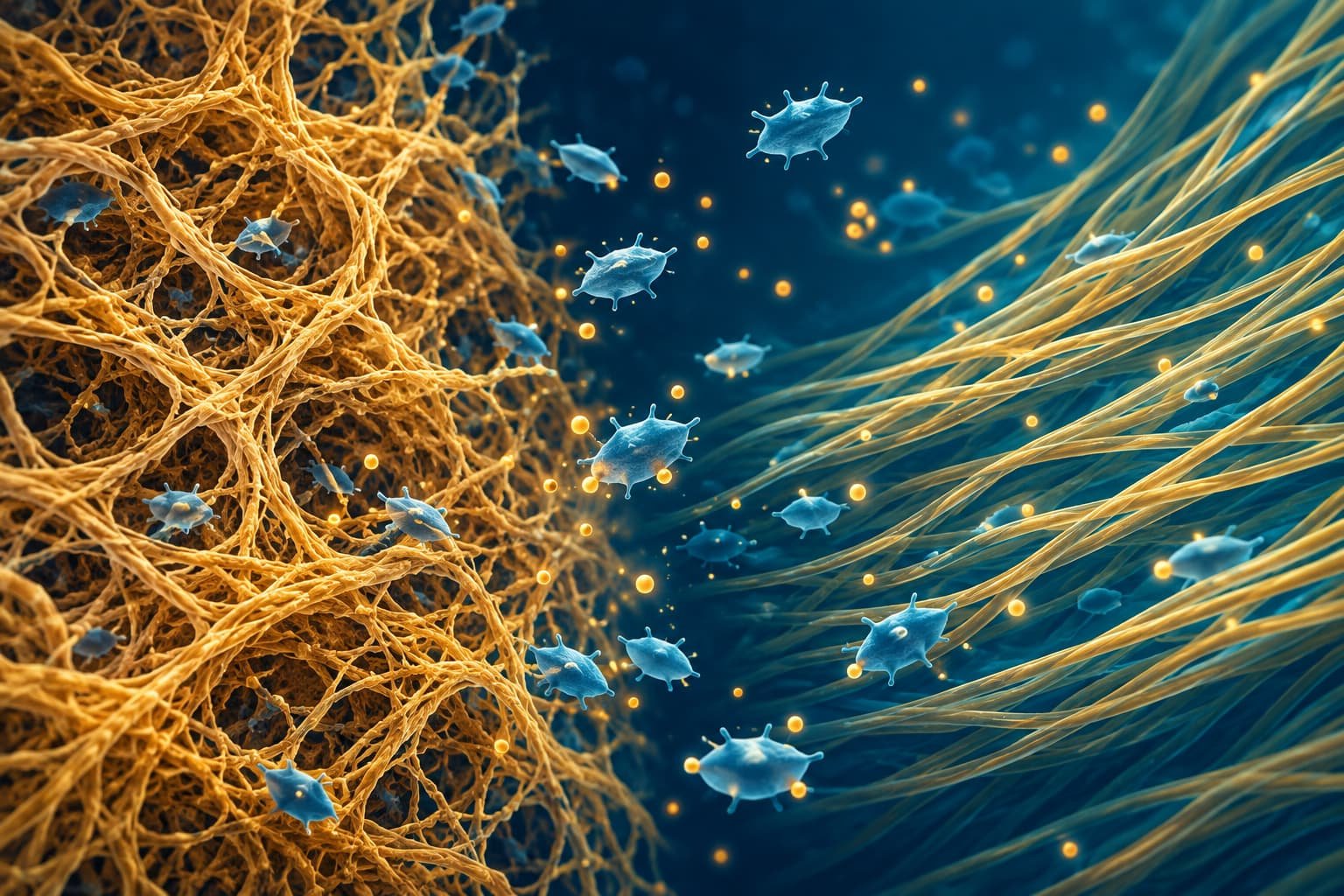
    Angiogenesis is the formation of new blood vessels from pre-existing vasculature. It is a normal physiological process. The body uses it during wound healing, tissue repair, and adaptation to physical demands. Under pathological conditions — such as chronic ischaemia or tissue injury — angiogenic signals become upregulated to restore oxygen and nutrient supply.

    The process involves several steps:

    1. Destabilisation of vessel walls : Chemical signals trigger changes that weaken the stability of existing blood vessel walls, preparing them for remodelling.
    2. Migration of endothelial cells: Endothelial cells respond to the angiogenic stimulus by moving toward the source, guided by molecular cues.
    3. Formation of new sprouts : As the cells advance, tiny capillary sprouts begin to emerge and extend outward, laying the foundation for new pathways.
    4. Maturation of vessel loops: These sprouts connect into loops that gradually mature, allowing blood to start flowing through the newly formed channels.
    5. Stabilisation by pericytes: Finally, pericytes surround the fresh microvasculature, reinforcing and stabilising the network so it can function reliably.

    The Difference Between Vasodilation and Angiogenesis

    These two terms are frequently confused. Vasodilation is a temporary widening of existing vessels. Phosphodiesterase-5 (PDE5) inhibitors such as sildenafil (Viagra) work primarily through vasodilation. The effect ends when the drug is cleared.

    Angiogenesis is structural. It produces new vessels that persist beyond the treatment period. This distinction matters clinically. A PRP-based approach targets the underlying vascular architecture of erectile tissue, not simply the immediate haemodynamic response.

    How Does the P Shot Trigger Angiogenesis?

    Platelet-rich plasma PRP drawn into a syringe for P Shot treatment
    Autologous PRP contains a concentrated mix of growth factors — including VEGF, PDGF, and FGF — that trigger angiogenesis at the injection site.

    The Priapus shot uses autologous PRP — plasma derived from the patient’s own blood, concentrated to contain a high density of platelets and associated growth factors.

    Growth Factors Released by PRP

    When activated platelets degranulate at the injection site, they release a complex mixture of signalling proteins. The following are most relevant to angiogenesis:

    Vascular Endothelial Growth Factor (VEGF)

    VEGF is the primary driver of angiogenesis. It binds to receptors on endothelial cells and initiates the sprouting cascade. Multiple peer-reviewed studies have identified elevated VEGF as a key mediator of PRP’s regenerative effect in soft tissue. A 2021 review published in Frontiers in Physiology confirmed that VEGF release from platelets is integral to PRP-driven neovascularisation.

    Platelet-Derived Growth Factor (PDGF)

    PDGF stabilises new vessel walls by recruiting pericytes. Without adequate pericyte coverage, newly formed capillaries remain fragile and functionally impaired. PDGF ensures the vessels formed through angiogenesis are structurally durable.

    Fibroblast Growth Factor (FGF)

    FGF supports both endothelial proliferation and smooth muscle cell activity within vessel walls. In erectile tissue, smooth muscle tone directly governs the capacity for engorgement. FGF therefore acts as a secondary angiogenic signal and a direct contributor to tissue compliance.

    Transforming Growth Factor-Beta (TGF-β)

    TGF-β modulates the maturation phase of angiogenesis. It limits excessive vessel formation while supporting tissue remodelling. In Peyronie’s disease — a condition involving fibrotic plaque in penile tissue — TGF-β dysregulation contributes to pathology. Correcting this imbalance via PRP injection is one proposed mechanism for the treatment’s effect on curvature.

    Erectile Dysfunction and Vascular Insufficiency

    Anatomical cross-section illustration of the corpus cavernosum showing vascular sinusoidal spaces
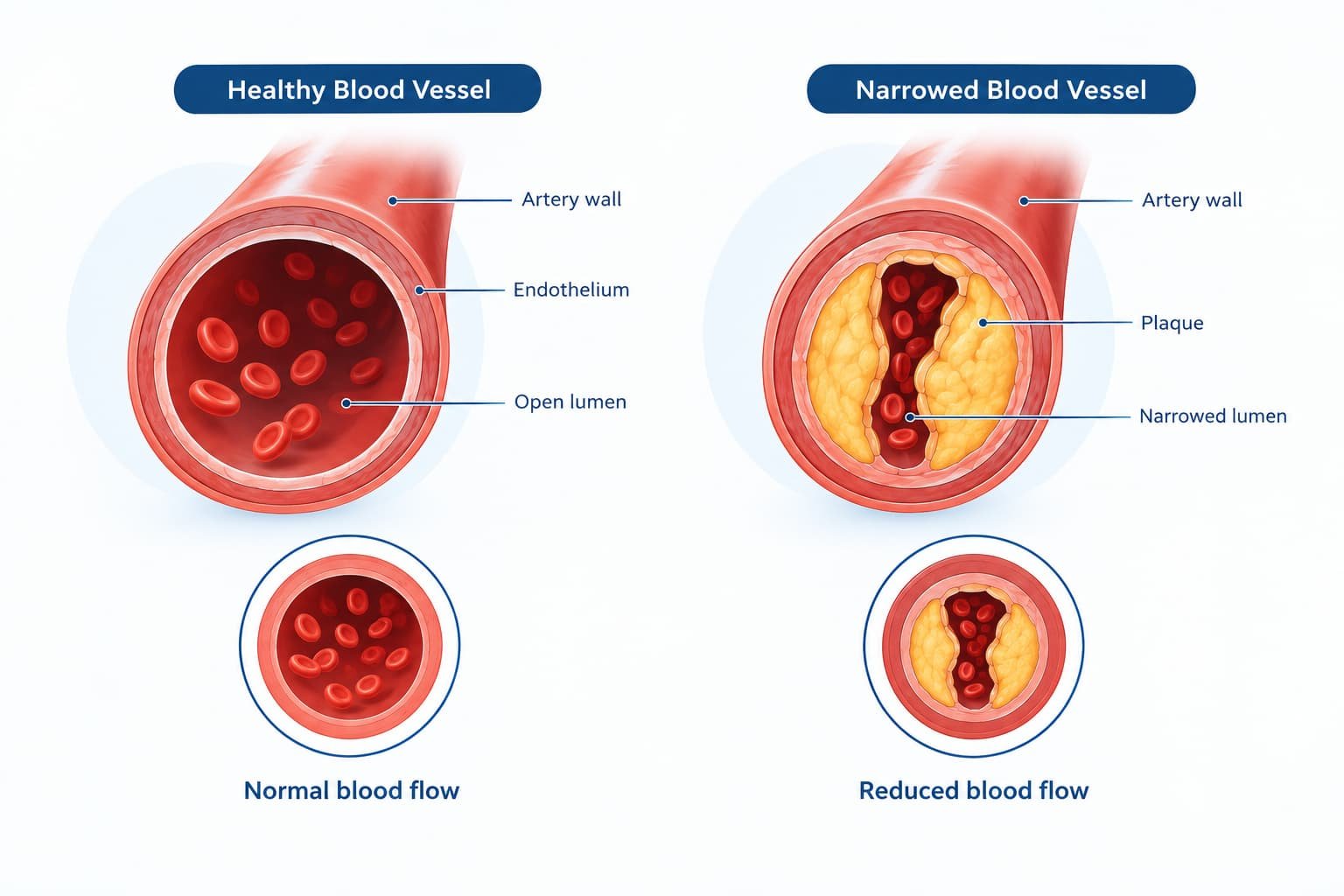
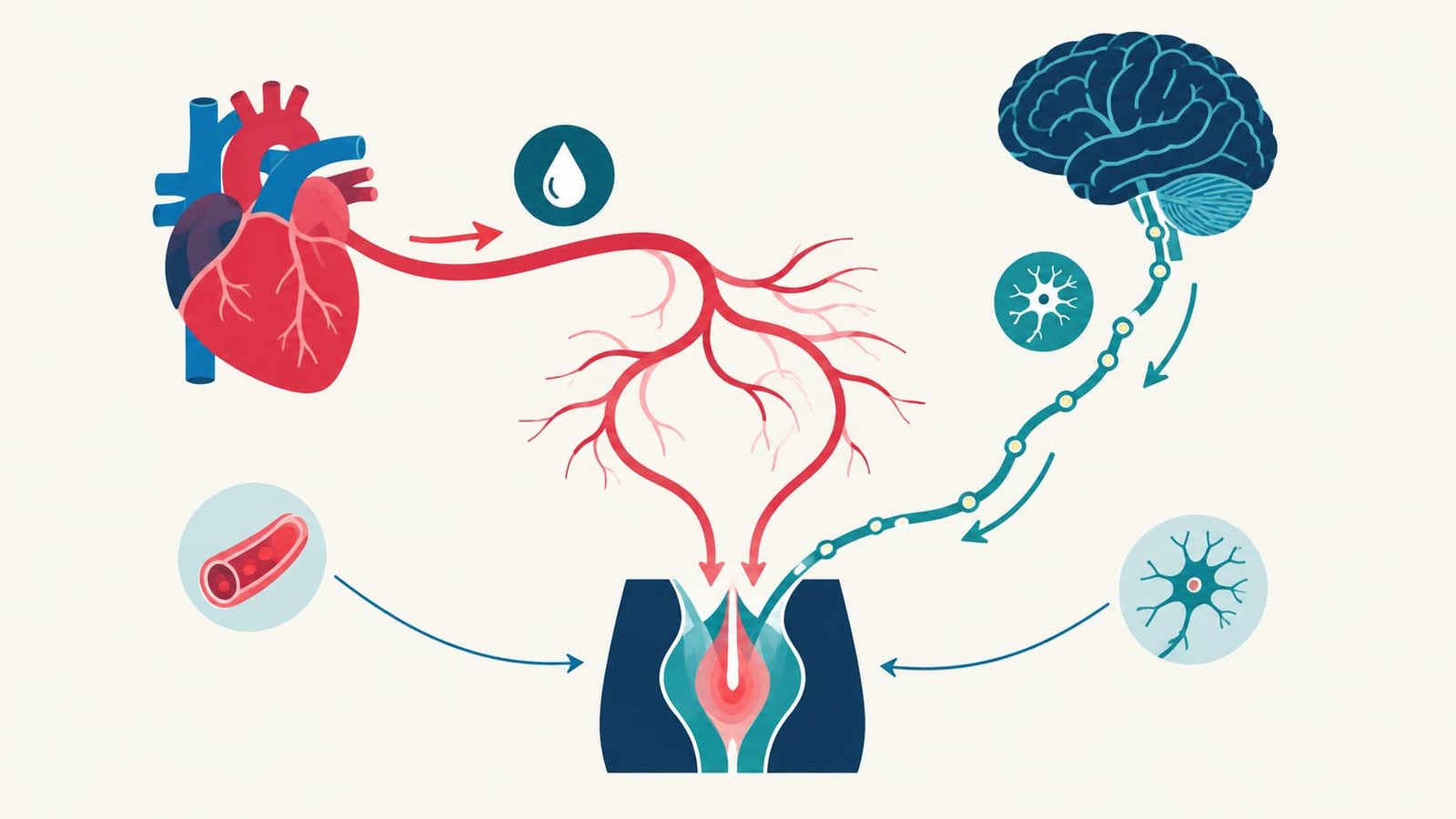
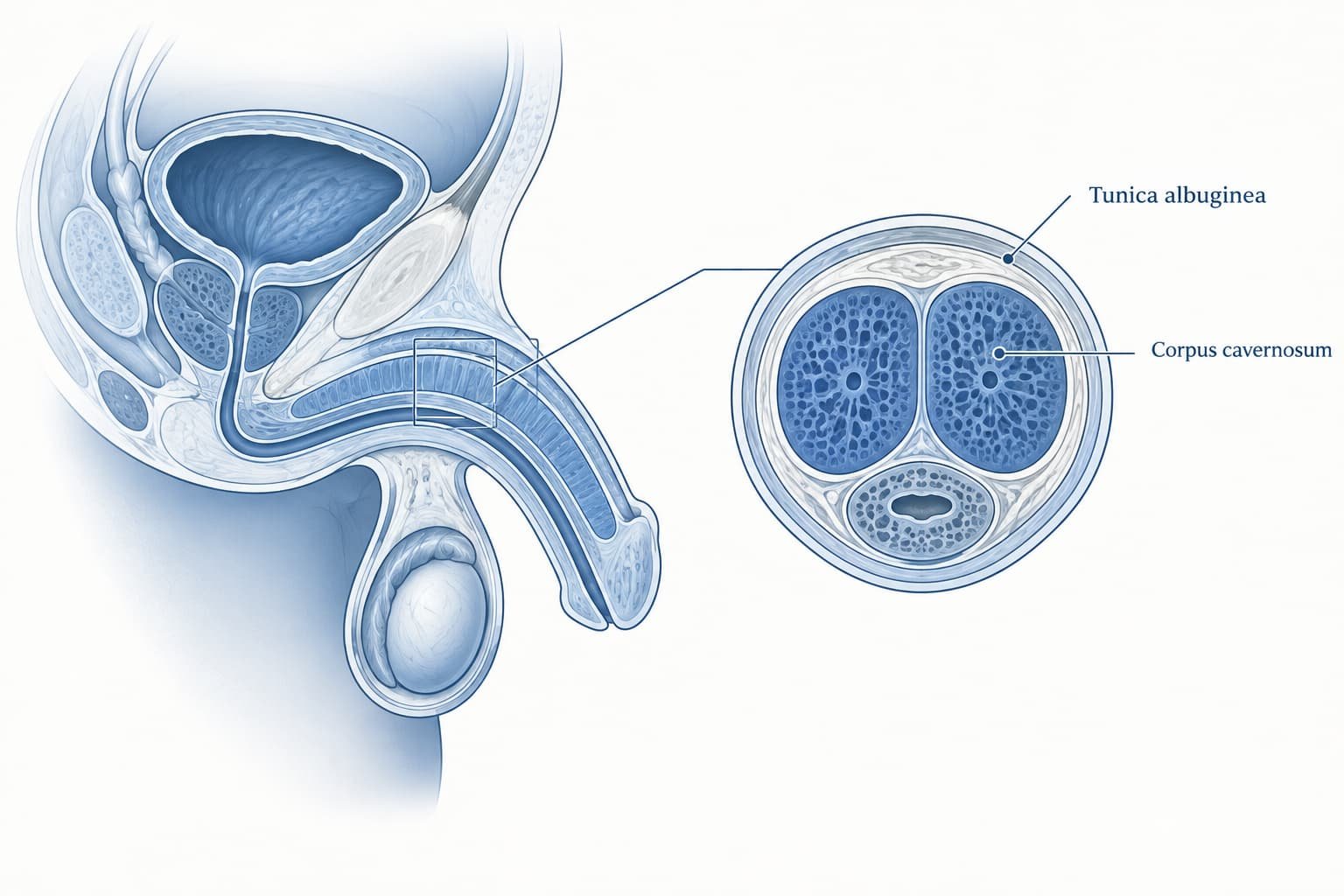
    The corpus cavernosum relies on a dense microvasculature — microangiopathy in these capillaries is a key driver of vasculogenic erectile dysfunction.

    The NHS recognises vascular disease as the most common organic cause of erectile dysfunction (ED) in men over 40. Atherosclerosis, hypertension, diabetes mellitus, and hyperlipidaemia all compromise penile blood flow. NICE guidance on ED (CG190, updated 2021) identifies cardiovascular risk factor management as a first-line intervention.

    However, even when systemic risk factors receive treatment, localised microvascular damage in the corpus cavernosum can persist. This is where angiogenic therapies become relevant. They target the capillary bed within erectile tissue directly, rather than acting through systemic pathways.

    The Corpus Cavernosum and Its Vascular Requirements

    The corpus cavernosum contains a network of sinusoidal spaces lined with endothelial cells. Erectile function depends on:

    1.     Adequate arterial inflow through cavernosal arteries

    2.     Relaxation of smooth muscle to allow sinusoidal filling

    3.     Venous occlusion to maintain intracavernous pressure

    Microangiopathy — small vessel disease — impairs all three stages. New capillary formation through angiogenesis can partially restore functional inflow capacity, particularly in men with early to moderate vasculogenic ED.

    Clinical Evidence for PRP and Angiogenesis in Erectile Tissue

    The evidence base for P shot treatment remains at an early stage. The majority of published studies involve small cohorts, short follow-up periods, and variable PRP preparation protocols. Patients should approach claimed outcomes with appropriate caution.

    What the Evidence Suggests

    A 2020 systematic review in Sexual Medicine Reviews examined PRP injections for ED. The authors noted improvements in International Index of Erectile Function (IIEF) scores across multiple small trials. They attributed these improvements partly to angiogenic mechanisms, citing histological evidence of new vessel formation in animal models treated with penile PRP.

    A 2022 randomised pilot study published in the Journal of Sexual Medicine found statistically significant improvements in IIEF scores at 12 weeks following PRP injection compared to placebo. The authors noted that larger randomised controlled trials are still required before definitive conclusions can be drawn.

    Research published in Translational Andrology and Urology demonstrated that PRP increased nitric oxide bioavailability in cavernosal tissue. Nitric oxide is the primary endothelial mediator of smooth muscle relaxation in the penis. Its restoration represents a convergence between angiogenic repair and functional erectile response.

    What the Evidence Does Not Yet Confirm

    No large-scale, double-blind, placebo-controlled trial has established PRP injection as a proven first-line treatment for ED. The mechanism of angiogenesis in human penile tissue following PRP has been inferred from animal models and indirect clinical markers rather than direct histological confirmation in human subjects. Clinicians operating within evidence-based frameworks must acknowledge this limitation.

    P Shot Before and After: What Angiogenesis Means for Timelines

    Timeline infographic showing the four stages of angiogenesis after P Shot treatment from week one to twelve weeks and beyond
    Angiogenesis unfolds over weeks, not days — understanding this biological timeline helps patients set realistic expectations after their P Shot procedure.

    Patients seeking P shot before and after comparisons frequently expect immediate results. Angiogenesis does not produce instant change. New vessel formation takes time. The clinical timeline reflects the underlying biology:

    Week 1–2: Acute Growth Factor Activity

    Initial PRP activation triggers the release of VEGF, PDGF, and FGF. The angiogenic signal is present. There may be mild local swelling as a normal tissue response. No functional improvement is expected at this stage.

    Week 3–6: Endothelial Proliferation

    Endothelial cells begin to migrate and form capillary sprouts. Tissue oxygen delivery starts to improve. Some patients report early changes in sensitivity or nocturnal erections during this period.

    Week 6–12: Vessel Maturation

    New capillaries stabilise with pericyte coverage. Smooth muscle function begins to benefit from improved nitric oxide availability. The majority of clinical studies record their outcome measures at 12 weeks. This corresponds to the period of functional vessel maturation.

    Week 12 and Beyond

    Sustained angiogenic effects may continue beyond 12 weeks. PRP-induced growth factor activity has a biological half-life, but structural vessel changes persist. Many practitioners offering penile injection growth procedures recommend repeat sessions at 3–6 month intervals based on early clinical data.

    Factors That Influence Angiogenic Response After P Shot Treatment

    Not all patients respond equally. Several variables modulate the angiogenic outcome of a P shot UK procedure:

    •        Baseline Vascular Health: Men with advanced atherosclerosis or poorly controlled diabetes may have reduced endothelial cell responsiveness. The target tissue must retain sufficient viable endothelium for VEGF to act upon.

    •        PRP Preparation Quality: The platelet concentration in the final PRP product significantly affects growth factor yield. Preparation protocols vary between clinics. Standardisation across UK providers is currently lacking.

    •        Injection Technique and Distribution: Angiogenesis is a localised phenomenon. Growth factors act at the site of deposition. Precise injection requires detailed anatomical knowledge and technical precision.

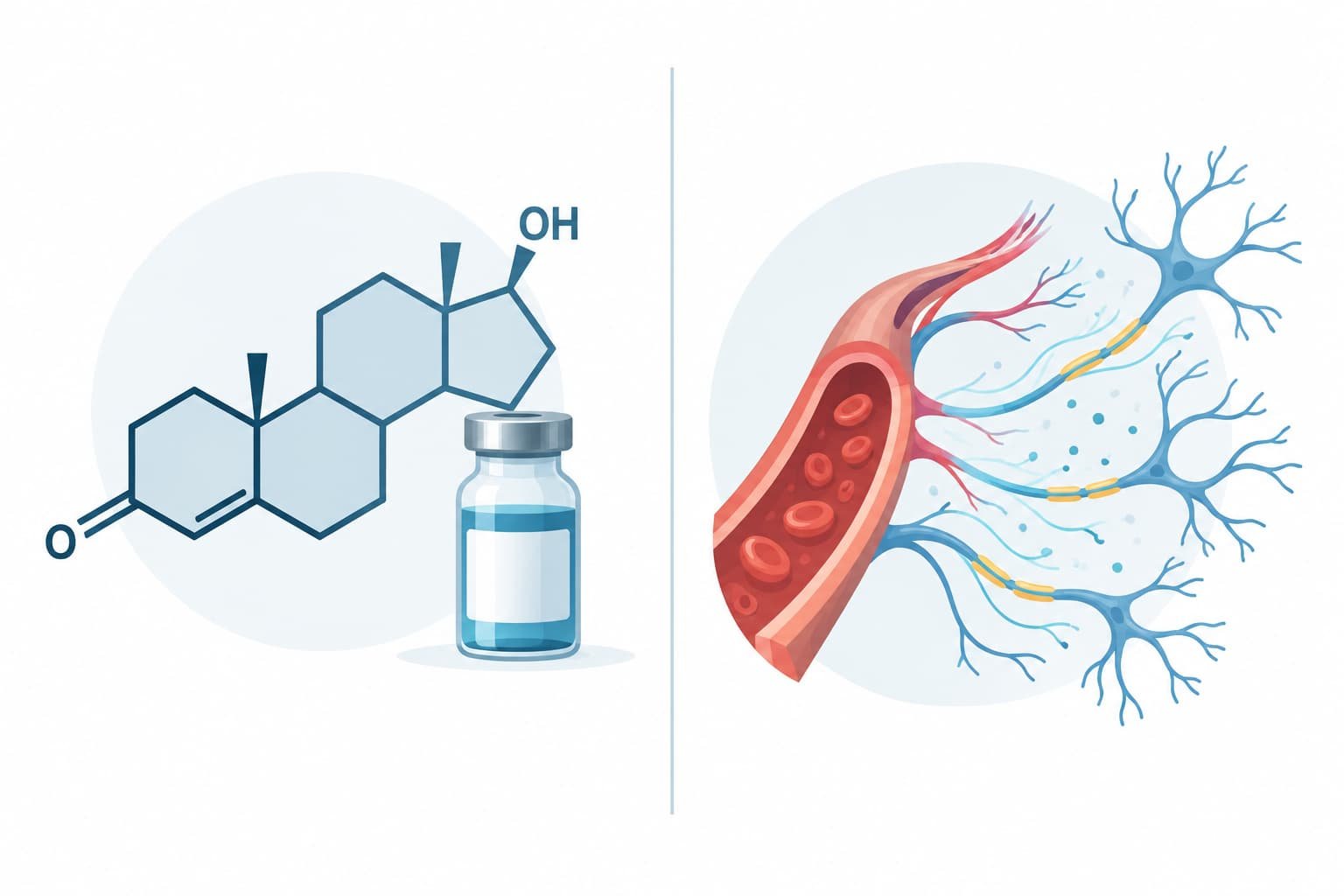
    •        Age and Hormonal Status: Testosterone facilitates nitric oxide synthesis and endothelial function. Hypogonadism reduces cellular responsiveness to angiogenic signals. Men with low testosterone may achieve a suboptimal response to PRP.

    •        Lifestyle Factors: Smoking causes direct endothelial damage and suppresses VEGF receptor expression. Physical inactivity, obesity, and poor glycaemic control exert similar effects.

    P Shot UK: Regulatory and Safety Considerations

    Private clinic doctor consulting a patient about P Shot treatment for erectile dysfunction in London
    P Shot London procedures should always be performed by a qualified medical practitioner following a full clinical assessment and cardiovascular risk review.

    PRP therapy in the UK operates within a framework governed by the Medicines and Healthcare products Regulatory Agency (MHRA) and the Care Quality Commission (CQC). PRP used autologously does not fall within the definition of a medicinal product under current MHRA guidance. However, the procedure itself is classified as a medical treatment and requires appropriate clinical oversight.

    Potential adverse effects include:

    • Localised bruising or haematoma may occur at the injection site.
    • Temporary swelling or discomfort can follow the procedure, usually resolving quickly.
    • The risk of infection is present, though careful sterile technique helps minimise it.
    • In rare cases, repeated injections may lead to fibrotic changes in the tissue.

    No systemic adverse effects have been attributed to autologous PRP in published literature, consistent with its endogenous origin.

    PRP Therapy for Men’s Performance Issues: Setting Realistic Expectations

    PRP-based regenerative therapy for ED is best understood as a biological intervention with a plausible mechanism and an emerging evidence base. It is not a guaranteed cure. The following clinical realities apply:

    • Individual responses can differ greatly, with outcomes varying from person to person.
    • When psychogenic erectile dysfunction occurs without underlying organic pathology, treatment results may be less predictable.
    • Cases of severe vasculogenic ED complicated by extensive cavernosal fibrosis often show limited regenerative capacity.
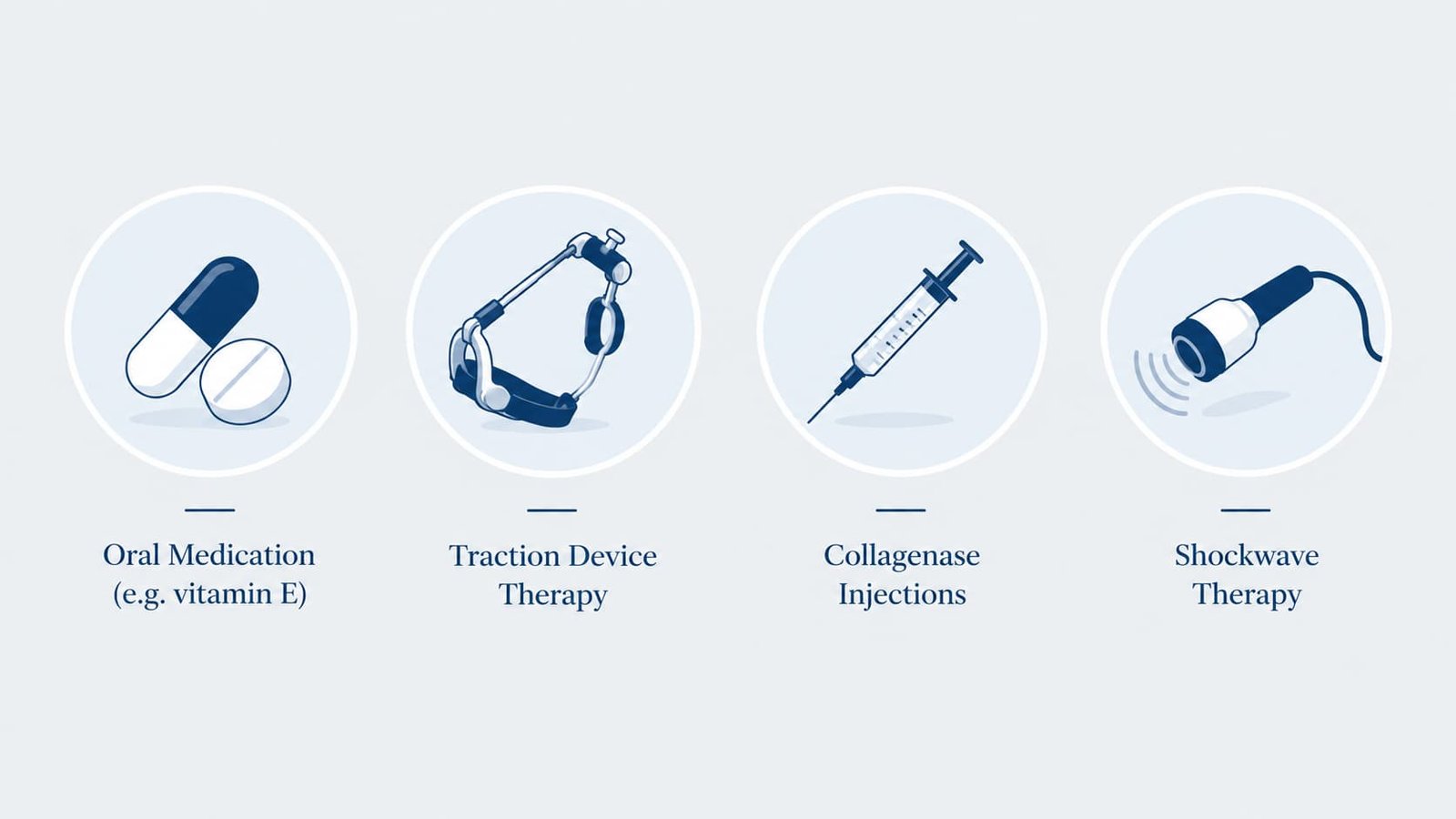
    • Therapy tends to be additive, working most effectively when combined with lifestyle changes, PDE5 inhibitors, or low‑intensity shockwave therapy.
    • Evidence beyond 12 months remains scarce, highlighting the need for longer‑term data.

    Men seeking a non-surgical treatment for erectile dysfunction in London benefit most when they receive a thorough clinical assessment before any procedure. This should include a sexual health history, cardiovascular risk stratification, and an honest discussion of realistic outcomes.

    Dr Syed Nadeem Abbas and the Clinical Approach at pshots.co.uk

    At pshots clinic uk, a Harley Street-based private medical clinic in London, P shot London procedures are performed by Dr Syed Nadeem Abbas (MBBS, MRCS RCS Edinburgh, MRCGP, MSc Aesthetic Plastic Surgery with Distinction — Queen Mary University London), whose training background encompasses Cambridge, Oxford, and the Royal London Hospital. The clinic’s approach emphasises patient selection, standardised PRP preparation, and evidence-aligned practice.

    Frequently Asked Questions (FAQ)

    How many P shot sessions are typically required?

    Most practitioners recommend an initial series of 1–3 sessions, spaced 4–6 weeks apart. The angiogenic cascade takes time to produce structural change. Repeat sessions may reinforce the growth factor stimulus before full vascular maturation has occurred. Maintenance sessions every 6–12 months are sometimes advised based on individual response.

    Is the P shot painful?

    A topical anaesthetic cream is applied before the procedure. Most patients report mild discomfort rather than pain during injection. Post-procedure soreness typically resolves within 24–48 hours. The angiogenic and cellular responses that follow are asymptomatic.

    How does the P shot differ from penile injection therapy for ED?

    Pharmacological penile injections (such as alprostadil) act acutely on smooth muscle to produce erection. They do not alter vascular architecture. The P shot is a regenerative treatment. It aims to improve baseline erectile function through angiogenesis and tissue repair, not to produce an immediate erection on injection.

    Can the P shot be combined with other ED treatments?

    Yes. PRP is biologically compatible with low-intensity shockwave therapy (Li-ESWT), which also targets angiogenesis through mechanotransduction. The two modalities may act synergistically. Concurrent use of PDE`5 inhibitors does not contraindicate PRP injection. A treating clinician should advise on the optimal combination.

    Is the Priapus shot available on the NHS?

    No. The priapus shot is a private medical treatment. It is not currently recommended by NICE for erectile dysfunction, as the evidence base does not yet meet the threshold for NHS commissioning.

    What is the typical priapus shot price in the UK?

    The priapus shot price varies between clinics depending on practitioner qualifications, PRP preparation methods, and the number of sessions included. Patients should request a detailed breakdown of what each quoted cost includes and verify the clinical credentials of the provider.

    Are P shot before and after results consistent across patients?

    No. P-shot before and after outcomes reflect individual variability in baseline vascular health, tissue responsiveness, lifestyle factors, and PRP preparation quality. Published studies report a proportion of non-responders in every cohort. Clinics that present universal success claims are not aligned with the published evidence.

    Key Takeaways

    Angiogenesis sits at the biological core of why PRP-based treatment can produce lasting improvements in erectile function beyond the effect of conventional pharmacotherapy. The growth factors released by activated platelets — VEGF, PDGF, FGF, and TGF-β — initiate a cascade of endothelial proliferation, capillary formation, and vessel maturation within the corpus cavernosum. This structural vascular change, rather than any immediate chemical effect, is what distinguishes the P shot as a regenerative treatment.

    The evidence base is promising but incomplete. Larger randomised controlled trials are needed before the treatment can be positioned alongside established therapies in clinical guidelines. Patients considering a P shot treatment procedure deserve a clear account of what the biology does and does not guarantee. Angiogenesis is a real mechanism. It operates on a biological timescale. It is modifiable by the patient’s vascular health, lifestyle, and the technical quality of the procedure itself.

    Informed decision-making in men’s intimate health requires the same standard of critical evaluation applied to any other medical intervention. The question worth considering is not simply whether a treatment works, but whether the evidence available is sufficient to determine for whom, under what conditions, and for how long.

    read more:P Shot Treatment: Procedure Steps, Recovery, Aftercare, and Results Timeline

    Your First P Shot London Consultation – What Happens Step by Step

    P shot treatment in London

  • Does Private Insurance Cover the P Shot UK? What Patients Need to Know

    Does Private Insurance Cover the P Shot UK? What Patients Need to Know

    Private health insurance in the United Kingdom operates on a clearly defined set of coverage principles. Insurers reimburse treatment that meets two core criteria: clinical necessity and established evidence of efficacy. The P shot London — a platelet-rich plasma (PRP) injection delivered into penile tissue — currently meets neither criterion in the eyes of UK private insurers. Understanding why requires an examination of how insurers classify experimental treatment, how PRP is regulated in the UK, and what this means in practical financial terms for men considering this procedure.

    This article explains the insurance position clearly, outlines the regulatory context, breaks down realistic costs, and identifies what patients should verify before attending a consultation.

    What Is the P Shot and How Does It Work?

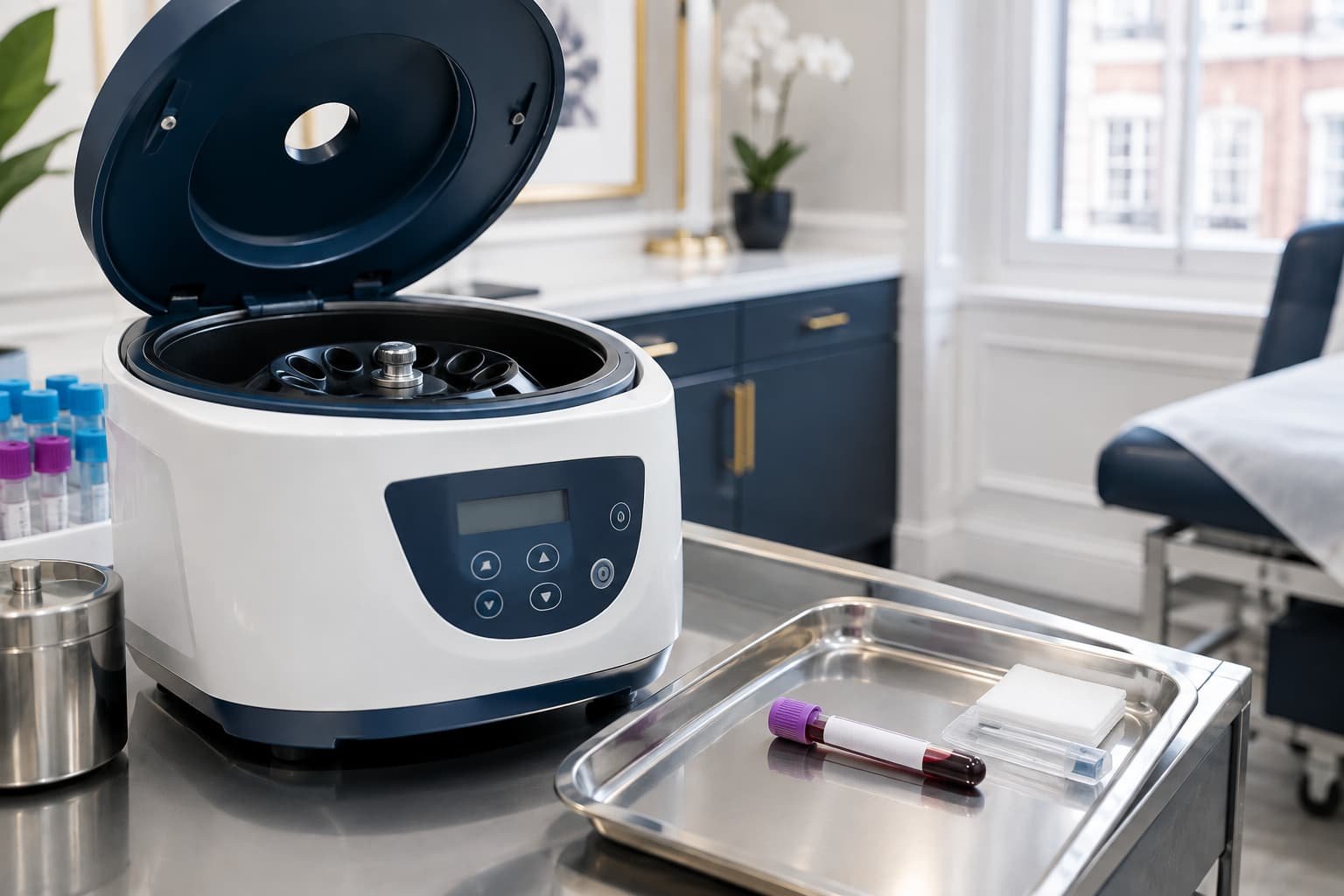
    A medical centrifuge processing a blood sample in a clinical laboratory setting for P shot
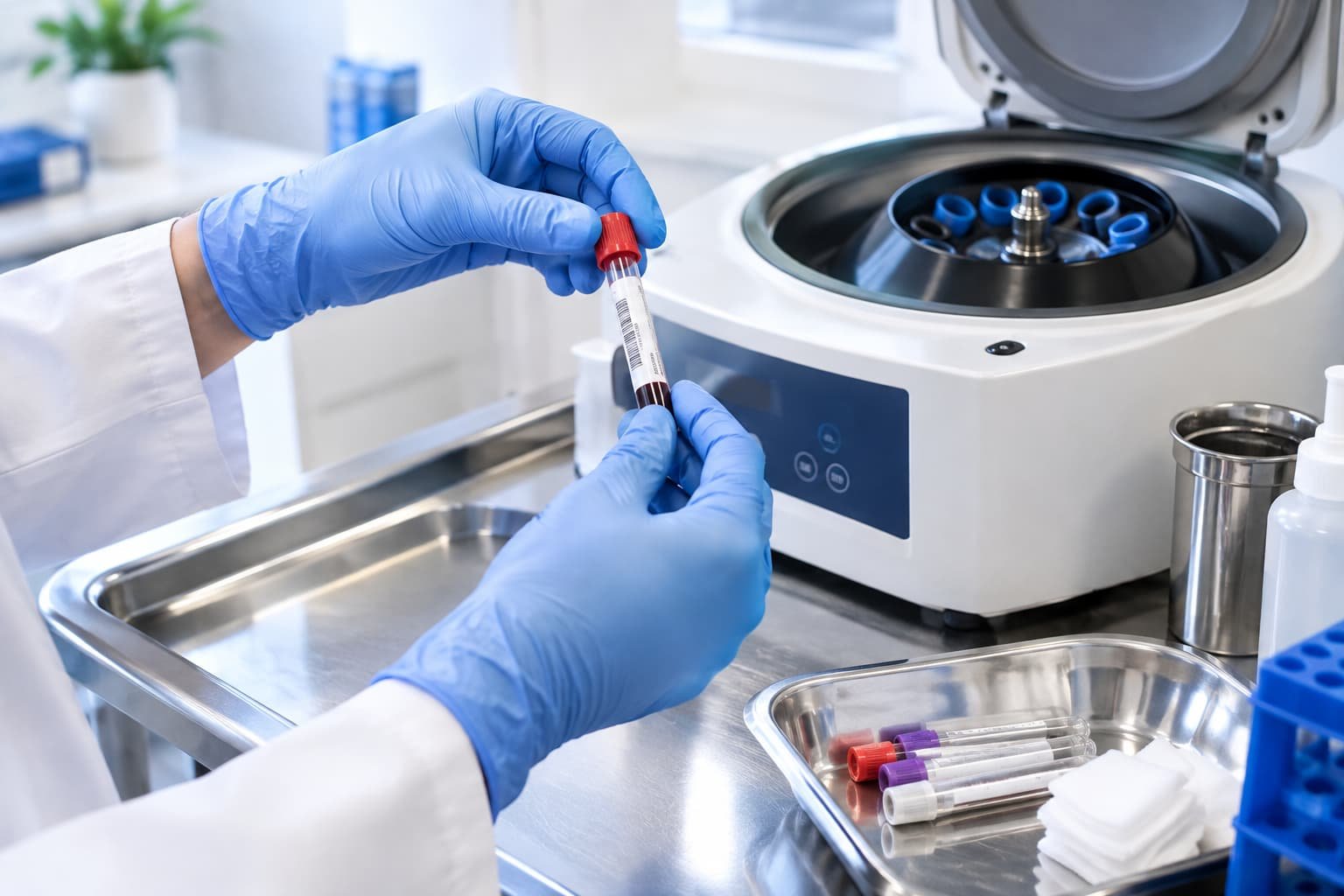
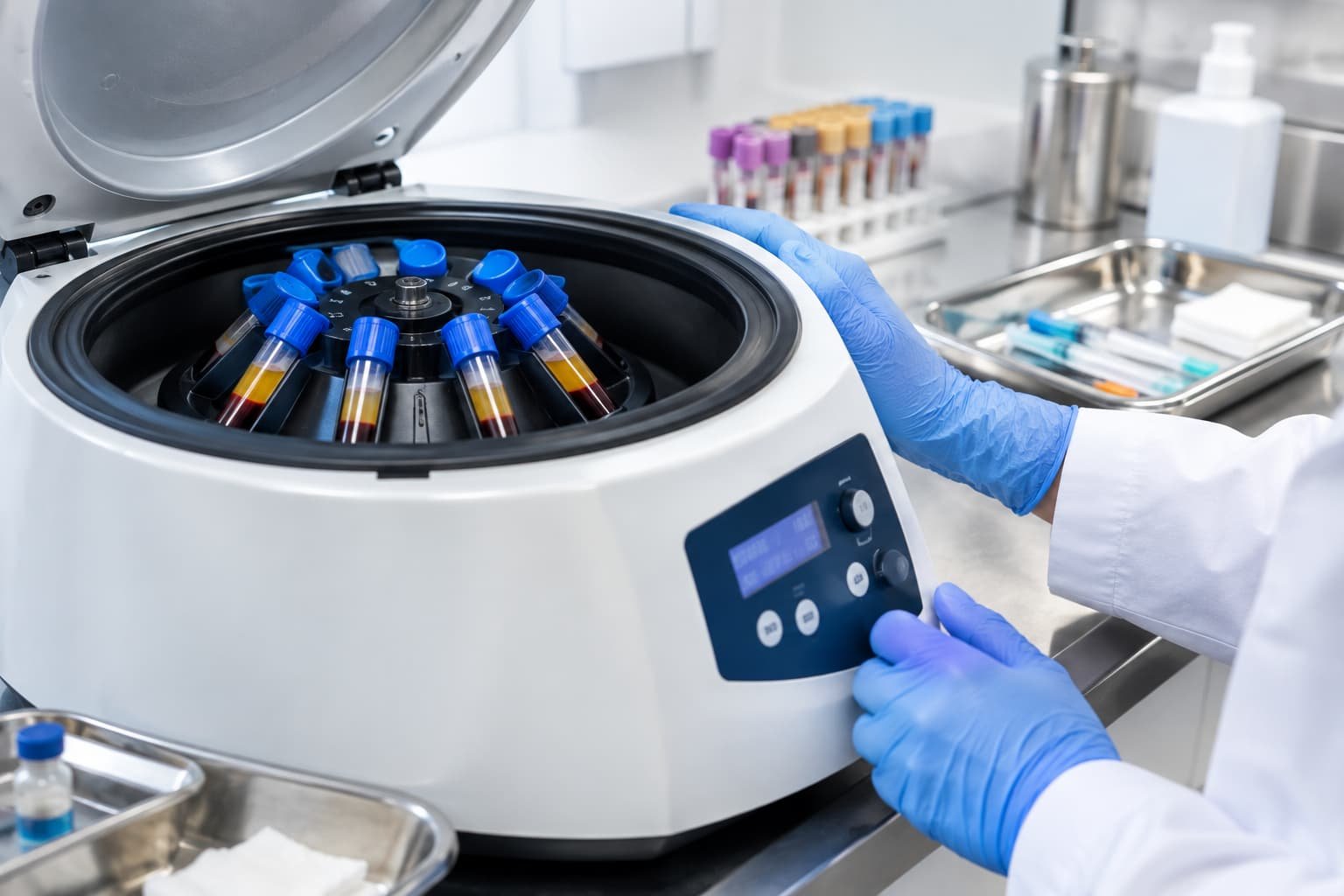
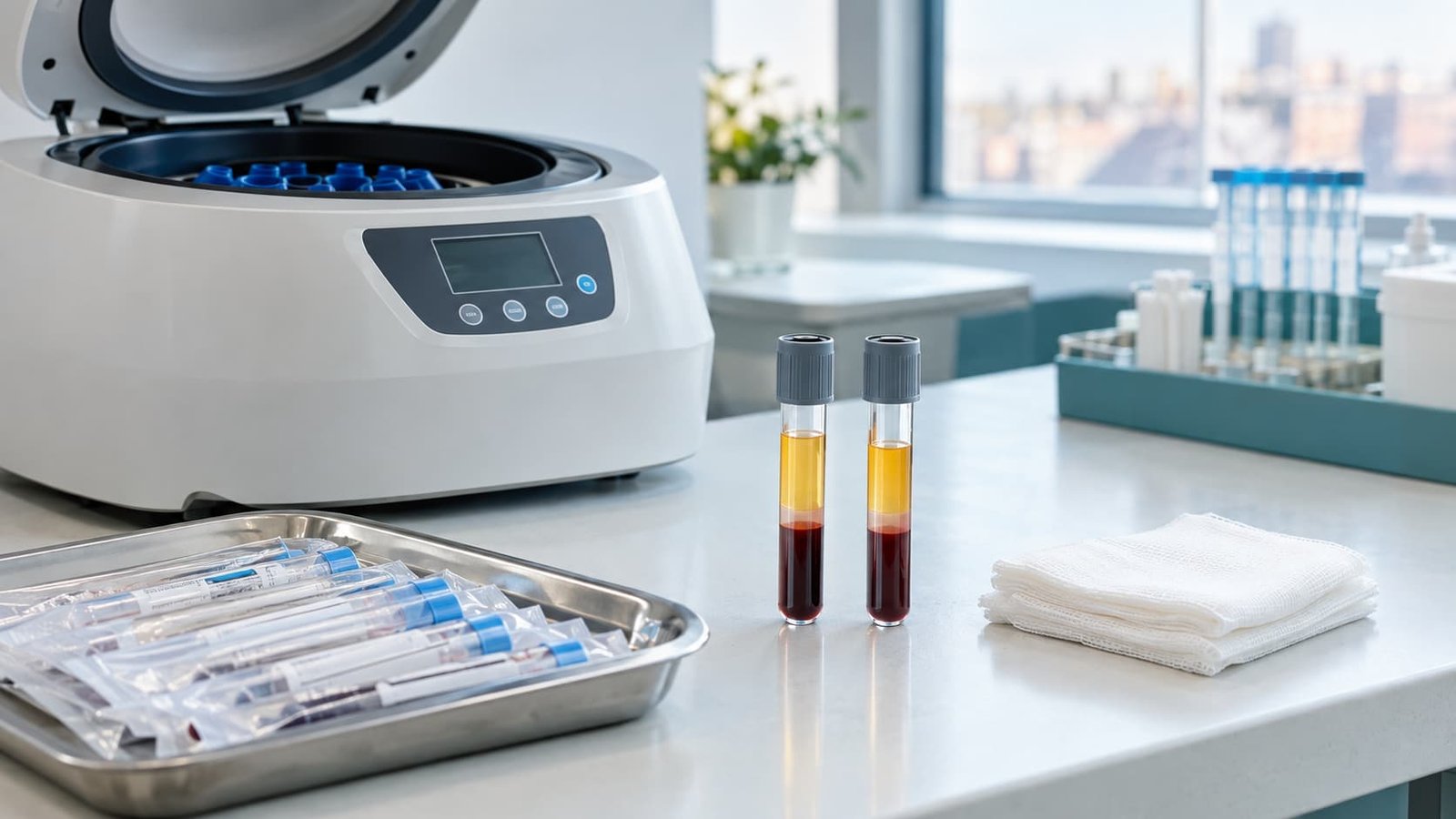
    Platelet-rich plasma is produced by processing a patient’s own blood in a centrifuge. The resulting PRP concentrate contains growth factors that support tissue repair and vascular regeneration.

    The P shot — also written as P-shot, pshot, or Priapus shot — is a non-surgical treatment for erectile dysfunction in London and across the UK. It uses platelet-rich plasma derived from a patient’s own blood. A clinician draws a blood sample, processes it in a centrifuge to concentrate the platelets, and injects the resulting PRP directly into specific areas of penile tissue.

    Platelets contain growth factors — including platelet-derived growth factor (PDGF), vascular endothelial growth factor (VEGF), and transforming growth factor beta (TGF-β). These proteins stimulate tissue repair, promote angiogenesis (new blood vessel formation), and support cellular regeneration. In orthopaedics, PRP has been used for over two decades in tendons, joints, and muscles. The priapus shot applies the same biological principle to male intimate health tissue.

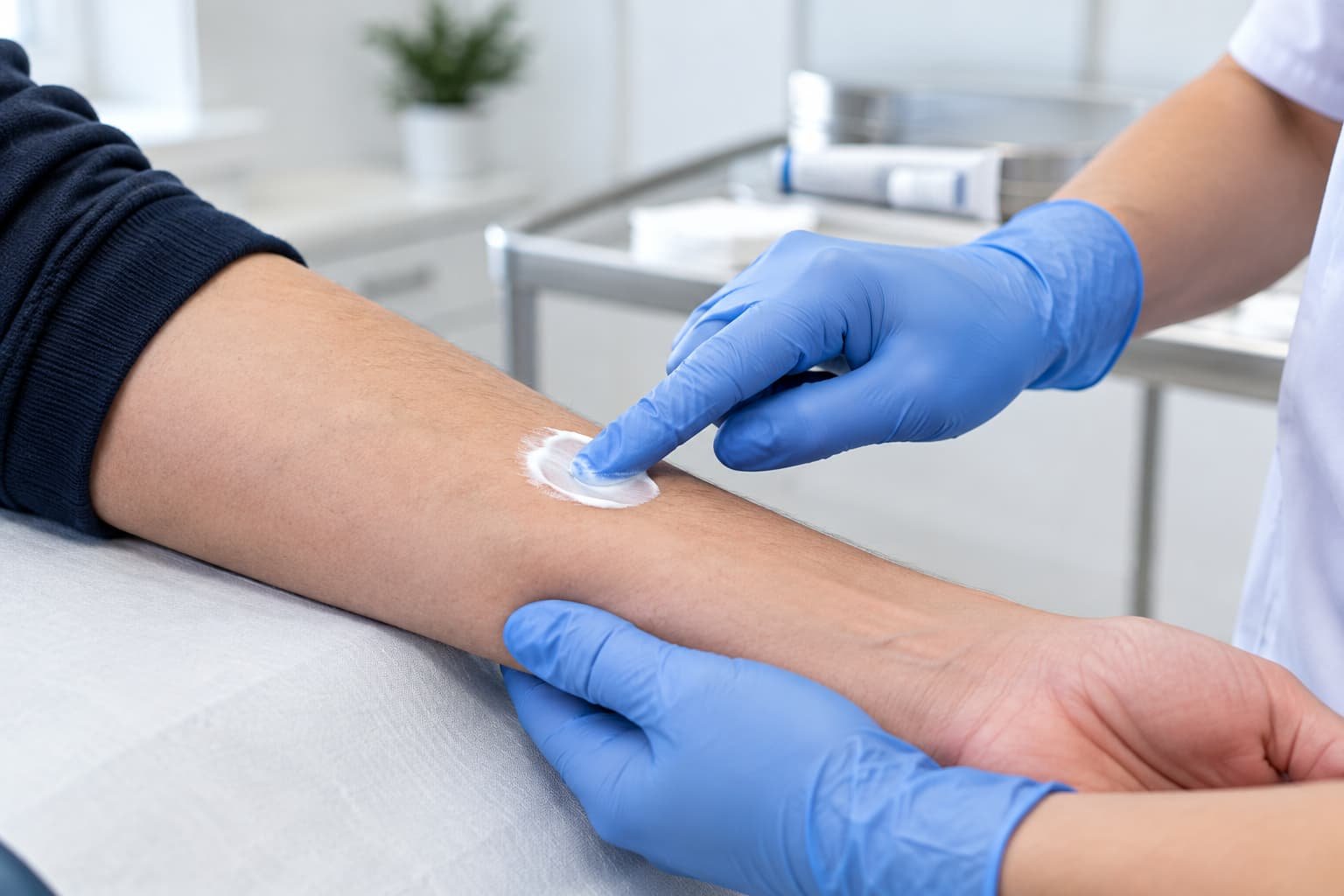
    The procedure takes approximately 30 minutes. It is performed under topical anaesthesia. There is no incision, no general anaesthetic, and no hospital admission. Men undergoing P shot treatment return to normal daily activity on the same day.

    Reported applications include erectile dysfunction, reduced penile sensitivity, Peyronie’s disease, lichen sclerosus, post-prostatectomy recovery, and — in some cases — penile injection growth through targeted volumetric PRP placement. Clinical evidence for these indications varies in quality and scope.

    Why Private Insurers Do Not Cover the P Shot UK

    A private health insurance policy document with a stamp reading 'Not Covered P shot' on a clinical desk
    UK private health insurers apply explicit policy exclusions to treatments lacking NICE approval or NHS adoption. The P shot meets several exclusion criteria simultaneously.

    The Experimental Classification Problem

    UK private health insurers — including Bupa, AXA Health, Aviva, Vitality, and WPA — base coverage decisions on clinical guidance from bodies such as the National Institute for Health and Care Excellence (NICE) and the NHS. NICE evaluates treatments using a structured evidence-review process before issuing guidance on clinical and cost effectiveness.

    As of 2025, NICE has not issued a technology appraisal or interventional procedures guidance specifically endorsing PRP injection for erectile dysfunction. The NHS does not currently offer P shot treatment on the NHS. Without NICE guidance or NHS adoption, insurers classify the procedure as investigational or experimental. Experimental treatments fall outside standard policy terms in almost all UK private health insurance products.

    This is not unique to the P shot. Other regenerative therapies — including some applications of shockwave therapy and stem cell treatment — face identical classification barriers in the UK insurance system.

    Clinical Evidence Thresholds

    Insurers require a body of peer-reviewed evidence demonstrating that a treatment produces consistent, measurable clinical outcomes. The research base for PRP-based regenerative therapy for ED is growing but remains limited by the standards applied in UK health technology assessment.

    Published systematic reviews and randomised controlled trials show promising outcomes for PRP in erectile function. A 2021 systematic review published in the Journal of Sexual Medicine identified improvements in erectile function scores following PRP injection in men with vasculogenic ED. However, the review also noted methodological heterogeneity, small sample sizes, and variable PRP preparation protocols as significant limitations.

    Insurers and health technology assessment bodies such as NICE require large-scale, well-designed randomised controlled trials before moving a treatment from investigational to standard care. That evidence threshold has not yet been reached for PRP therapy for men’s performance issues specifically.

    Policy Exclusions: What the Small Print Says

    Standard UK private health insurance policies contain explicit exclusions for:

    • Experimental or unproven treatments
    • Treatments not supported by peer-reviewed evidence accepted by the insurer’s medical committee
    • Cosmetic or elective procedures not directly addressing a covered medical condition
    • Treatments not available through or endorsed by the NHS

    The P shot falls under several of these exclusions simultaneously. Even where a patient has a covered diagnosis — such as erectile dysfunction — the insurer will cover only those treatment modalities it recognises as standard. That currently includes phosphodiesterase-5 inhibitors (such as sildenafil or tadalafil), vacuum erection devices, and — in specific clinical circumstances — penile prosthesis implantation.

    Advanced PRP solution for erectile dysfunction and PRP-based regenerative therapy for ED remain outside this list in all major UK insurer formularies reviewed at the time of writing.

    Does the NHS Offer the P Shot?

    The NHS does not fund priapus shot London treatment or equivalent PRP injections for erectile dysfunction. NHS management of ED follows NICE clinical guideline CG97 (updated 2013, with subsequent amendments), which recommends phosphodiesterase-5 inhibitors as first-line pharmacological treatment and refers to specialist urology services for refractory cases.

    PRP injection for ED does not appear in NICE CG97 or in subsequent NICE evidence reviews. Patients wishing to pursue natural ED treatment using PRP therapy must do so privately, at their own cost.

    What Does the P Shot Cost in the UK?

    A private clinic reception desk in London with a consultation booking screen and a fee schedule for P shot
    P shot treatment in London is funded entirely by the patient. Costs range from £800 to £3,000 per session. A transparent, itemised fee breakdown is a marker of a regulated clinic.

    Priapus Shot Price Range

    Priapus shot price in the UK by clinic, clinician qualification, geographic location, and what the quoted fee includes. In London, costs typically range from £800 to £3,000 per treatment session. Some clinics quote lower figures but exclude consultation fees, PRP processing, follow-up appointments, or use of a vacuum erection device (which is sometimes incorporated into post-injection protocols).

    Male enlargement injections cost UK is a term patients use when researching penile enhancement specifically. This category of P shot treatment — where PRP is injected into the penile shaft or glans to support tissue volume — is typically priced at the higher end of the range, reflecting the additional preparation and injection technique involved.

    What a Fee Should Include

    A properly quoted P shot London fee at a regulated private clinic should include:

    • An initial consultation with a GMC-registered clinician
    • Full medical history review and physical assessment
    • Blood draw and dual-spin centrifuge PRP processing
    • Topical anaesthesia and, where indicated, penile nerve block
    • The injection procedure itself
    • A post-procedure protocol, including aftercare guidance
    • At least one follow-up appointment to assess clinical response

    Patients should request a full fee breakdown in writing before committing to treatment. A fee that does not include consultation and follow-up may appear lower but carries hidden additional costs.

    Finance Options

    Because insurers do not cover the priapus shot, many private clinics offer regulated finance arrangements. Some offer 0% interest payment plans over 12 months. Patients considering finance should check that the provider is authorised and regulated by the Financial Conduct Authority (FCA). Interest-bearing credit agreements must comply with the Consumer Credit Act 1974.

    Can Any Part of the Treatment Be Claimed?

    Pre-Treatment Diagnostics

    In some cases, the investigations performed before P shot treatment — such as hormone blood panels, cardiovascular risk assessment, or specialist urology consultation — may be claimable under private health insurance if the insurer covers the diagnostic workup for erectile dysfunction specifically.

    Patients should contact their insurer before attending any appointment and ask specifically whether diagnostic investigations for ED are covered. This requires a referral from a GP and pre-authorisation from the insurer in most cases. The treatment itself will not be covered, but a portion of the workup cost may be.

    Health Cash Plans

    Health cash plans — offered by providers such as Westfield Health and Simplyhealth — are not private medical insurance. They reimburse a fixed amount toward a range of health costs each year. Some cash plans include a general “specialist consultation” benefit. If a consultation fee is charged separately, a cash plan may partially offset this specific cost. Patients should check their individual cash plan schedule of benefits.

    Critical Illness and Income Protection Policies

    These policy types pay lump sums or income replacement on diagnosis of specified conditions. They do not reimburse the cost of treatment procedures and are not relevant to P shot cost recovery.

    What to Verify Before Attending a Clinic

    Men considering non-surgical treatment for erectile dysfunction in London should verify the following before booking:

    1. Clinician Registration

    The treating clinician should be registered with the General Medical Council (GMC). GMC registration can be verified at no cost via the GMC’s online register at gmc-uk.org. Specialist credentials — such as MRCS or MRCGP — indicate postgraduate surgical or general practice training. A clinician with academic training in aesthetic plastic surgery or regenerative medicine is preferable for this procedure.

    2. CQC Registration

    Any clinic delivering an invasive procedure in England must be registered with the Care Quality Commission (CQC). CQC registration means the clinic has passed inspections covering patient safety, infection control, record-keeping, and clinical governance. Patients can check a clinic’s CQC status at cqc.org.uk.

    3. PRP Preparation Standards

    Not all PRP is equivalent. The platelet concentration, preparation method, and centrifuge protocol directly affect the growth factor yield of the final injection. A dual-spin centrifuge protocol produces a higher platelet concentration than a single-spin process. Clinics should be able to describe their PRP preparation methodology clearly.

    4. Informed Consent Process

    A regulated clinic provides written information on the procedure, evidence base, potential risks, alternatives, and realistic outcomes before a patient signs a consent form. Informed consent is a legal and ethical requirement under GMC guidance. Patients should not be asked to consent and proceed on the same day as their initial consultation.

    5. Transparent Pricing

    A reputable clinic states its priapus shot price clearly, including all components of the fee. Hidden charges identified only at point of booking are a governance concern.

    P Shot Before and After: Setting Realistic Expectations

    A male patient in consultation with a male doctor about P shot at a private clinic in London
    An informed consultation allows patients to assess the evidence base, understand realistic outcomes, and confirm that the treatment is clinically appropriate for their specific condition.

    P shot before and after outcomes vary between patients. Clinical studies report improvements in erectile function scores, penile sensitivity, and — in some cases — Peyronie’s disease symptom severity. However, the treatment does not produce uniform results across all patients.

    P-shot before and after results depend on:

    • The underlying cause of erectile dysfunction (vasculogenic, neurogenic, hormonal, or psychogenic)
    • The patient’s age and cardiovascular health
    • The quality of PRP preparation
    • Whether the patient follows post-procedure protocols, including the use of a vacuum erection device where indicated
    • Lifestyle factors including smoking status, exercise, alcohol consumption, and sleep quality

    Men with severe vascular disease, uncontrolled diabetes, or significant hormonal deficiencies may see limited response. The P shot does not replace appropriate management of underlying medical conditions. PRP therapy for men’s performance issues works best as part of a broader men’s intimate health treatment in London strategy that addresses root causes.

    Frequently Asked Questions

    Will my private health insurer ever cover the P shot?

    Coverage depends on evidence. If large-scale randomised controlled trials establish consistent clinical efficacy and NICE issues positive guidance, insurers may review their position. This has not yet occurred. Patients should not assume future coverage and plan accordingly.

    Can I get a referral from my GP for the P shot on the NHS?

    No. The NHS does not fund P shot treatment. A GP can refer patients to NHS urology services for erectile dysfunction management under NICE CG97, but this referral pathway does not include PRP injection.

    Is the P shot the same as a penis shot?

    Yes. Penis shot and P injection are informal terms used to describe the same procedure — platelet-rich plasma injection into penile tissue. The clinical term is priapus shot or Priapus Shot London when referring to treatment delivered in a London clinic context.

    Are there any circumstances where insurance might contribute?

    Pre-treatment diagnostics for erectile dysfunction — blood tests, specialist consultations — may be partially covered if a patient has appropriate insurance and obtains pre-authorisation. The injection procedure itself is not covered by any major UK private health insurer at this time.

    How many sessions are typically required?

    There is no standardised treatment protocol. Some clinicians recommend a single session followed by reassessment at 12 weeks. Others recommend two sessions spaced 4 to 6 weeks apart. Repeat treatment is sometimes advised after 12 to 18 months. Patients should receive a clearly documented treatment rationale rather than a standard package.

    Is PRP regulated by the MHRA?

    PRP prepared from a patient’s own blood for autologous use falls under the MHRA’s biological medicines regulatory framework. It is not a licensed medicinal product, but clinics must comply with MHRA guidance on autologous cell therapy. This regulatory distinction is important: the procedure carries clinical risk, and clinician and clinic qualifications matter significantly.

    Key Takeaways

    The P shot London is a clinically rational, regeneratively grounded treatment for erectile dysfunction and related male intimate health conditions. However, it remains outside the scope of UK private health insurance coverage because it has not yet met the evidence standards required by NICE or the major UK insurers. Patients must fund the procedure privately. This makes cost transparency, clinician qualification, and clinic governance more important, not less.

    Patients considering erectile dysfunction treatment in London should approach the financial decision in the same way they approach the clinical one: with accurate information, realistic expectations, and independent verification of the credentials involved. At pshot clinic UK, all treatment is delivered by Dr Syed Nadeem Abbas (MBBS, MRCS RCS Edinburgh, MRCGP, MSc Aesthetic Plastic Surgery with Distinction — Queen Mary University London) at a CQC-registered facility in Marylebone, London.

    The question that remains — and one every informed patient should consider before proceeding — is not simply whether insurance covers the treatment, but whether the clinician, the clinic, and the evidence base together justify the investment in their specific case.

    Read more: P Shot London – What You Need to Know Before Treatment

    Priapus Shot Price UK – What You Actually Pay and Why

    P shot London

  • What Qualifications Should a P Shot London Clinician Have?

    What Qualifications Should a P Shot London Clinician Have?

    In the UK, the private aesthetics and regenerative medicine sector remains largely unregulated at the point of entry. Unlike NHS employment, NHS roles require formal credentialling at every level. By contrast, private clinics can legally employ a wide range of practitioners to perform injectable procedures. This regulatory gap creates a direct patient safety concern. It matters most for intimate procedures such as the P shot, where anatomical precision, sterile technique, and medical risk assessment are all essential.

    This article sets out the specific qualifications, regulatory registrations, and clinical competencies that a clinician offering P shot London treatments should hold. It draws on guidance from the General Medical Council (GMC), the Care Quality Commission (CQC), and peer-reviewed literature on platelet-rich plasma (PRP) therapy in male sexual health.

    Understanding the P Shot and Why Clinician Competence Matters

    What Is the P Shot?

    The P shot — also referred to as the Priapus shot, P-shot, or p injection — is a PRP-based regenerative treatment for men. A clinician draws a small blood sample from the patient. The clinician then spins the sample in a centrifuge to isolate platelet-rich plasma. Finally, they inject that concentrated plasma into specific anatomical regions of the penis using fine-gauge needles.

    The biological rationale is well established in the regenerative medicine literature. Platelets carry growth factors including platelet-derived growth factor (PDGF) and vascular endothelial growth factor (VEGF). These proteins stimulate angiogenesis, nerve repair, and tissue remodelling. Specifically, research published in Sexual Medicine Reviews (2021) examined PRP-based regenerative therapy for ED. Researchers reported measurable improvements in haemodynamic parameters across several patient groups.

    Clinicians most commonly offer the P-shot treatment as a non-surgical treatment for erectile dysfunction in London. Additionally, they use it in the management of Peyronie’s disease, reduced penile sensitivity, and as part of broader men’s intimate health treatment protocols.

    PRP blood preparation centrifuge process for P shot treatment in London
    PRP preparation involves centrifuging a patient’s blood sample to isolate platelet-rich plasma — a step that demands strict sterile technique and clinical training.

    Why the Procedure Demands Medical-Level Competence

    The penis contains a dense network of arterial, venous, and neural structures within a confined anatomical space. These include the dorsal artery and nerve, the corpus cavernosum, and the corpus spongiosum. Incorrect injection depth, faulty technique, or inadequate patient assessment can cause haematoma, fibrosis, infection, vascular injury, or an inadequate therapeutic response.

    Furthermore, these are not theoretical risks. A 2019 systematic review in the Journal of Sexual Medicine found that PRP injection outcomes vary significantly across providers. Researchers attributed part of this variance to differences in technique consistency and patient selection methodology. In short, the clinician’s qualifications directly affect both clinical safety and treatment efficacy.

    The Regulatory Framework for P Shot London Providers

    GMC registration and medical qualifications required for P shot treatment in the UK
    GMC registration and recognised postgraduate qualifications form the regulatory baseline for any clinician offering the P shot in the UK.

    GMC Registration — A Non-Negotiable Baseline

    Any clinician performing the P shot in London must hold full registration with the General Medical Council. GMC registration confirms that the clinician holds a recognised medical degree, has completed required foundation training, and faces ongoing fitness-to-practise oversight.

    Patients can verify any doctor’s status through the publicly searchable GMC register at gmc-uk.org. This check takes under two minutes. It confirms registration status, licence to practise, and any conditions, warnings, or undertakings on the clinician’s record.

    Moreover, the GMC’s Good Medical Practice framework (2024) requires registered doctors to work within their competence, obtain valid consent, and maintain up-to-date clinical knowledge. All of these obligations apply directly to PRP therapy for men’s performance issues. Therefore, GMC registration is not optional — it is the baseline standard.

    CQC Registration for Clinical Premises

    In England, clinics performing certain medical procedures must register with the Care Quality Commission under the Health and Social Care Act 2008. The regulated activity of “treatment of disease, disorder or injury” covers the administration of injectable treatments in a clinical setting.

    Consequently, patients seeking P shot London treatment should confirm that the clinic holds current CQC registration. The CQC register is publicly searchable at cqc.org.uk. A CQC-registered clinic operates under regulated standards covering infection prevention, clinical governance, record-keeping, staff competence, and patient safety. In contrast, a clinic that lacks CQC registration and yet offers injectable medical procedures presents a significant governance concern.

    The Cellular Medicine Association — Procedural Certification

    The Priapus Shot® is a trademarked procedure. Dr Charles Runels developed it, and the Cellular Medicine Association (CMA) administers its training programmes. CMA certification confirms familiarity with the specific injection protocol, blood preparation technique, and consent framework the Priapus shot requires.

    However, CMA certification is a procedural overlay — not a substitute for medical qualification. A clinician who holds only CMA certification, without an underlying medical licence, is not an appropriate P shot provider in the UK. In every case, the GMC and CQC frameworks take precedence over procedural certification in terms of patient protection.

    Core Medical Qualifications a P Shot London Clinician Should Hold

    Primary Medical Degree (MBBS or Equivalent)

    A recognised primary medical degree forms the foundational requirement. In the UK context, this typically means MBBS, MBChB, or an equivalent degree the GMC recognises. This training gives the clinician the anatomical knowledge, pharmacological understanding, and clinical reasoning skills that safe procedural practice demands.

    Postgraduate Medical Training

    A primary degree alone does not confirm clinical competence for advanced injectable procedures. Instead, relevant postgraduate qualifications strengthen a clinician’s suitability to offer PRP-based regenerative therapy for ED and related conditions. The following qualifications are directly relevant.

    Surgical or Procedural Fellowships

    Membership of the Royal College of Surgeons (MRCS) indicates training in surgical anatomy, sterile technique, wound management, and procedural risk assessment. Clinicians who hold MRCS or an equivalent surgical qualification have formal exposure to the anatomical structures relevant to penile injection therapy. As a result, they approach the procedure with greater technical precision.

    General Practice Registration (MRCGP)

    Membership of the Royal College of General Practitioners confirms competence in holistic patient assessment and chronic disease management. It also confirms the ability to recognise systemic conditions that may underlie erectile dysfunction. This qualification is clinically important because erectile dysfunction treatment in London requires proper exclusion of cardiovascular disease, diabetes, hypogonadism, and medication-induced causes before any PRP-based approach begins.

    According to NICE guidelines on erectile dysfunction (NG226, 2023), ED is a recognised marker for cardiovascular disease and metabolic syndrome. Therefore, a clinician without the training to identify these associations should not serve as a patient’s first point of contact for erectile dysfunction management.

    Postgraduate Training in Aesthetic or Regenerative Medicine

    An MSc or comparable postgraduate qualification in aesthetic medicine or plastic surgery from a recognised UK university confirms academic-level understanding of tissue science, wound healing, injectable biomaterials, and regenerative mechanisms. This is the scientific foundation from which PRP therapy derives its rationale. Specifically, a qualification achieved with distinction demonstrates that the clinician met the highest academic standards in this field.

    Demonstrated Experience in Male Sexual Health

    Formal qualifications establish a clinician’s foundation. Nevertheless, direct clinical experience in treating men’s intimate health concerns also matters considerably. A clinician who has assessed large numbers of men with erectile dysfunction, Peyronie’s disease, or other male sexual health conditions develops strong pattern recognition, risk assessment skill, and procedural fluency over time.

    Patients asking about P shot before and after outcomes should also ask about the range of cases the clinician has managed. This is a legitimate clinical question. It helps patients assess whether the clinician’s experience matches the complexity of their individual case.

    What a Proper Pre-Treatment Assessment Should Include

    Qualifications alone do not ensure safe treatment. A qualified clinician must also conduct a structured pre-treatment assessment. Patients considering P shot treatment should expect the following steps before any procedure takes place.

    Full Medical History and Symptom Review

    The clinician should take a detailed account of the presenting symptoms. This includes onset, duration, severity, and any associated conditions. Relevant comorbidities include hypertension, type 2 diabetes, hyperlipidaemia, cardiovascular disease, hypogonadism, depression, and neurological conditions. Equally, the clinician should ask about lifestyle factors such as smoking, alcohol use, and physical activity levels.

    Medication Review

    Several common medications impair erectile function. These include antihypertensives, SSRIs, antipsychotics, and androgen deprivation agents. A qualified clinician reviews current medications before offering advanced PRP solution for erectile dysfunction. Failure to do so risks treating a drug-induced problem as if it were a tissue-level deficiency — and that leads to avoidable treatment failure.

    Discussion of Evidence-Based Alternatives

    NICE guidelines recommend that first-line management of erectile dysfunction includes lifestyle modification, phosphodiesterase-5 inhibitors (PDE5i), and treatment of any underlying conditions. Therefore, a clinician who does not discuss these options — or who positions the P shot as the first and only logical step — is not following recognised UK clinical guidance. Patients deserve a full picture of their options before they decide.

    Informed Consent

    Informed consent for the P shot must cover the evidence base and its current limitations. It must also cover the procedural steps, associated discomfort, and realistic outcomes. Furthermore, it must cover the risk of adverse events, the variability of P-shot before and after results, and the absence of NHS reimbursement. The clinician must document and sign this consent before any blood draw or injection takes place.

    Red Flags When Evaluating a P Shot London Provider

    Patient safety checklist for evaluating a P shot London provider
    Patients should use a structured checklist to evaluate any P shot London provider before booking a procedure.

    Non-Medically Qualified Practitioners

    Some providers offering penile injection growth therapy or consultations on male enlargement injections cost UK are not medically qualified. Aesthetic nurses, beauty therapists, and non-clinical health coaches do not hold the medical training that a proper P shot consultation requires. Specifically, they cannot conduct adequate systemic assessments or manage procedural complications safely.

    Absence of a Clinical Consultation

    Any clinic that offers the Priapus shot London without a pre-procedure consultation is not operating within safe clinical practice. The consultation is not a formality. Instead, it is the step at which the clinician establishes candidate suitability, excludes contraindications, and obtains consent. Without it, the risk of harm rises significantly.

    Guaranteed or Exaggerated Outcome Claims

    No PRP-based therapy produces guaranteed or uniform results. A clinician who promises specific P-shot before and after outcomes — such as a defined increase in length, girth, or erection frequency — makes claims that the current evidence does not support. Additionally, NICE’s framework for interventional procedures requires that patients receive balanced information about known limitations. Guarantees directly contradict this requirement.

    Opaque Pricing Without Clinical Justification

    The priapus shot price and male enlargement injections cost UK figures vary between providers. Cost variation alone is not a warning sign. However, clinics that advertise unusually low prices without explaining what the fee covers — number of sessions, PRP preparation protocol, aftercare — may reduce clinical quality to lower their costs. Transparent fee structures, by contrast, reflect sound clinical governance.

    The Current Evidence Base for the P Shot in Erectile Dysfunction

    Peer-reviewed medical research supporting PRP therapy for erectile dysfunction treatment in London
    The evidence base for PRP-based regenerative therapy for ED continues to grow, though large-scale randomised controlled trials remain limited at present.

    The evidence base for P shot UK treatment continues to develop. It has not yet reached the stage of large-scale, double-blinded randomised controlled trials. Currently, the available literature consists primarily of smaller prospective studies and case series.

    For example, a 2020 study in Translational Andrology and Urology examined PRP therapy for men’s performance issues in patients with post-prostatectomy ED. Researchers found improvements in erectile function scores (IIEF) in a subset of patients. Similarly, a 2021 review in Sexual Medicine Reviews reported favourable vascular and sensory outcomes across several PRP protocols for male sexual health.

    At present, the NHS does not fund the P shot as part of standard erectile dysfunction treatment in London pathways. Moreover, NICE has not issued procedural guidance specific to penile PRP injection at the time of writing. This reflects the current state of trial data. It does not mean the treatment is ineffective or unsafe when a qualified clinician properly administers it.

    Men considering this treatment should receive this context directly from their clinician. A provider who dismisses the evidence gap does not give balanced information. Equally, a provider who refuses all discussion of the treatment because of the gap may be applying excessive caution given the emerging literature.

    About This Clinic

    pshots.co.uk is a Harley Street, Marylebone clinic led by Dr Syed Nadeem Abbas (MBBS, MRCS RCS Edinburgh, MRCGP, MSc Aesthetic Plastic Surgery with Distinction — Queen Mary University London), who trained at Cambridge, Oxford, and the Royal London Hospital.

    Frequently Asked Questions

    Male patient reviewing information about P shot treatment at a private London clinic
    Informed patients ask about clinician qualifications, procedural evidence, and realistic P shot before and after outcomes before committing to treatment.

    What is the minimum qualification a P shot London clinician should hold?

    The clinician must hold a primary medical degree the GMC recognises, hold full GMC registration with a licence to practise, and have relevant postgraduate experience in surgical, general practice, or aesthetic medicine. Furthermore, the clinical premises must hold CQC registration for regulated clinical activity in England.

    Can a nurse or aesthetician perform the P shot in the UK?

    UK law does not expressly prohibit non-medically qualified practitioners from performing PRP injections in non-regulated settings. However, the clinical complexity of penile injection, the need for systemic medical assessment, and the management of potential complications all require a medically qualified clinician to lead the procedure. Patients should ask directly whether the person performing their treatment holds GMC registration.

    How do I verify a clinician’s qualifications before my P shot treatment?

    First, use the GMC public register at gmc-uk.org to confirm registration and licence status. Next, confirm CQC registration of the clinic at cqc.org.uk. Additionally, ask the clinician directly about their postgraduate training, their specific experience with PRP therapy for men’s performance issues, and the number of P shot treatments they have personally administered.

    Does the NHS offer the P shot?

    No. The Priapus shot is a private procedure. The NHS offers evidence-based first-line treatments for erectile dysfunction, including PDE5 inhibitors, lifestyle counselling, and vacuum devices. Men with ED should seek NHS assessment before pursuing private options. This step ensures that any underlying medical cause receives identification and appropriate management.

    What is a realistic P shot before and after outcome?

    Clinical outcomes vary between patients. Some men report improved erection quality, increased sensitivity, and greater confidence within four to six weeks. Others notice less pronounced change. P-shot before and after results depend on age, baseline erectile function, the presence of comorbidities, the PRP preparation technique, and injection accuracy. Clinicians should not promise specific outcomes to any patient.

    Is priapus shot price an indicator of quality?

    Not directly. Priapus shot price reflects the clinic’s location, the clinician’s experience, the PRP preparation method, and the number of sessions included. A higher price does not guarantee superior clinical care. Equally, a lower price may reflect reduced clinical standards. Patients should therefore evaluate qualifications and governance standards rather than price alone.

    What is the difference between the P shot and other male enlargement injections?

    The P shot uses PRP from the patient’s own blood. It does not involve synthetic fillers or chemical compounds. By contrast, other male enlargement injections cost UK comparisons often include hyaluronic acid penile filler injections, which use synthetic gel. These are distinct procedures with different risk profiles, mechanisms, and evidence bases. Patients should not treat them as equivalent options.

    Key Takeaways

    The regulatory framework governing P shot London providers contains genuine gaps. GMC registration and CQC registration provide important safeguards. However, neither framework automatically enforces standards at the point of clinical contact. Consequently, the patient carries responsibility for verifying credentials — and that places a real burden on men seeking private treatment for sensitive conditions.

    The qualifications a clinician should hold are not arbitrary criteria. Instead, they reflect the medical complexity of male sexual health assessment, the anatomical demands of penile injection therapy, and the clinical governance requirements of a responsible UK practice. Together, a primary medical degree, GMC registration, relevant postgraduate training, CMA procedural certification, and CQC-regulated premises form a credible qualification framework for any clinician offering natural ED treatment using PRP therapy in London.

    The evidence base for the P-shot continues to develop. It has not yet reached the level NICE requires for NHS commissioning. That is a meaningful distinction. It means that men pursuing this treatment do so in an evidence-informed but evidence-incomplete landscape. As a result, the quality of the clinician making shared decisions with them matters considerably more than it would in a well-trialled, protocol-driven pathway.

    Men considering PRP-based regenerative therapy for ED deserve factual information, balanced expectations, and a qualified clinician with genuine medical training. The question worth considering before booking is not only whether a clinic offers this treatment — but whether the clinician behind it is truly qualified to decide if you need it at all.

    Read more: P Shot London: How to Choose a Safe Clinic and What to Expect at Your Consultation

    P Shot UK: What Impacts Price, What Should Be Included in a Quote, and Questions to Ask

    P shot London

  • When Will I See Results from P Shot in London? A Realistic Timeline

    When Will I See Results from P Shot in London? A Realistic Timeline

    The P shot London—clinically referred to as the Priapus Shot—uses platelet-rich plasma (PRP) derived from a patient’s own blood. It delivers concentrated growth factors directly into penile tissue. The mechanism is regenerative, not pharmacological. This distinction shapes every aspect of the treatment’s timeline.

    Unlike phosphodiesterase-5 inhibitors such as sildenafil, which act within 30 to 60 minutes, PRP-based regenerative therapy for ED initiates a biological repair process. That process unfolds over weeks and months—not hours. Patients who approach the P shot treatment with pharmacological expectations will consistently experience disappointment. Those who understand the biology of tissue regeneration will hold more accurate expectations.

    This article sets out what the published evidence says about the P shot timeline, what variables influence outcomes, and what constitutes a realistic result. It does not advocate for the treatment. It presents available data with clinical transparency.

    What Is the P Shot and How Does PRP Work?

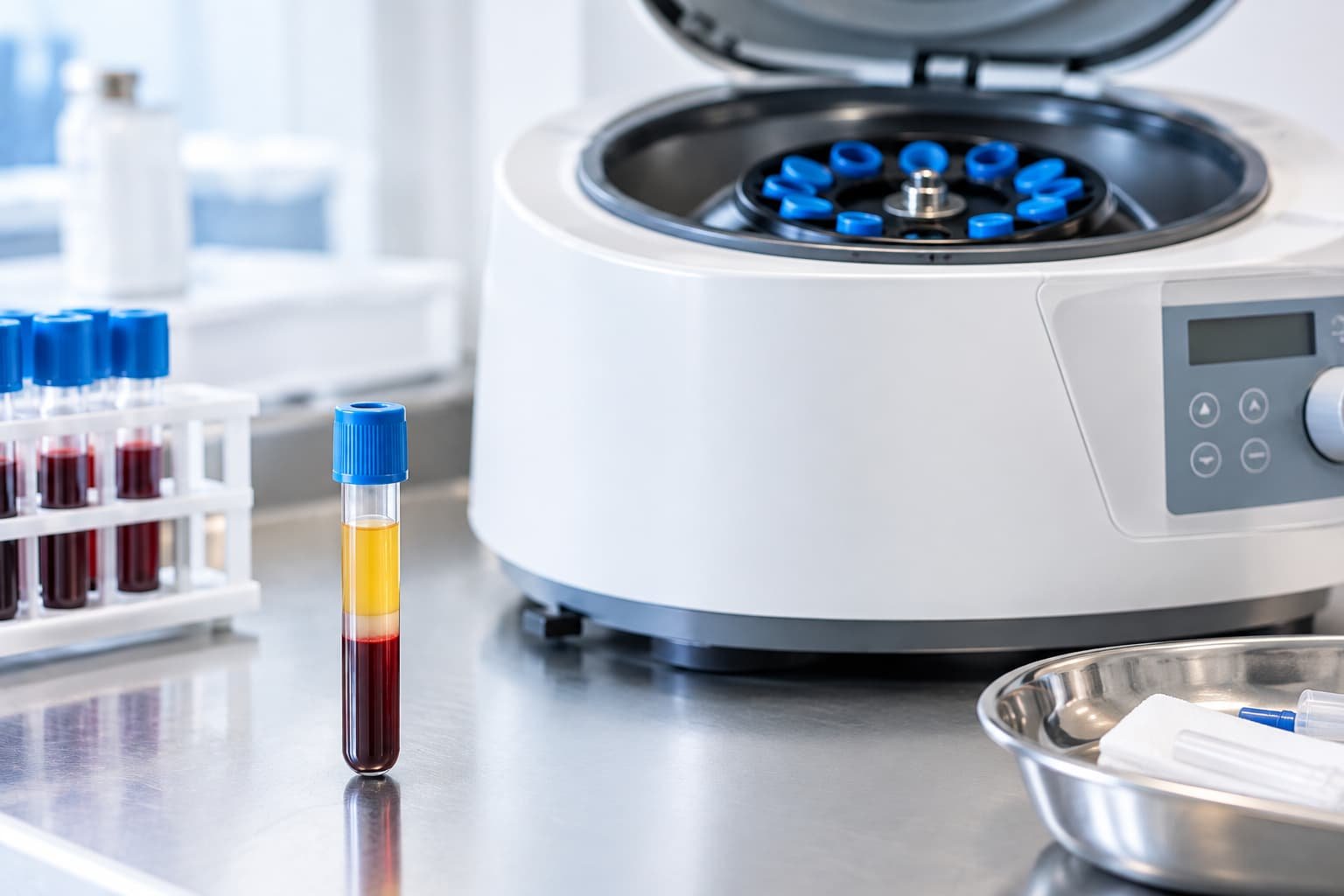
    Medical centrifuge with blood sample tube showing separated platelet-rich plasma layer used in P shot London PRP therapy
    Blood is processed in a centrifuge to isolate the platelet-rich plasma. This solution contains the growth factors central to PRP-based regenerative therapy for ED.

    The term P shot—also written as P-shot, Pshot, or priapus shot—refers to an intracavernosal injection of autologous platelet-rich plasma. The procedure was developed by Dr Charles Runels in the United States and trademarked as the Priapus Shot.

    Blood is drawn from the patient’s arm and placed in a centrifuge. The centrifuge separates the blood into its components. The platelet-rich layer is extracted and drawn into a syringe. This solution is then injected into specified regions of the penis following application of a local anaesthetic cream.

    How Does PRP Stimulate Tissue Change?

    Platelets contain alpha granules. These granules release growth factors upon activation. The relevant growth factors in penile regeneration include:

    Platelet-derived growth factor (PDGF): Encourages the growth and multiplication of smooth muscle cells.

    Vascular endothelial growth factor (VEGF): Plays a central role in forming new blood vessels, improving circulation.

    Transforming growth factor-beta (TGF-β): Contributes to tissue remodeling and repair processes.

    Insulin-like growth factor (IGF): Helps maintain cell survival while promoting overall cellular growth.

    Erectile function depends substantially on vascular integrity and smooth muscle health within the corpora cavernosa. PRP therapy for men’s performance issues targets precisely these tissue types. The hypothesis is that releasing growth factors into penile tissue activates neovascularisation and smooth muscle repair—both of which are implicated in vasculogenic erectile dysfunction.

    The P Shot London Timeline: Phase by Phase

    Five-phase clinical timeline illustration showing the progressive stages of P shot London results from days one through six months
    P shot results develop in phases. Meaningful functional improvement, where it occurs, is typically reported between one and three months post-injection.

    No single universal timeline exists for the P shot treatment. The available evidence—including randomised controlled trials—suggests a phased response that unfolds over one to six months following injection. The following phases reflect what current published data indicate.

    Phase 1: Days 1–7 (Acute Inflammatory Response)

    Immediately after the P shot injection, the tissue enters an acute inflammatory phase. This is a normal biological response to injection, not an adverse event.

    During this phase, patients may observe:

    –       Localised swelling and temporary firmness

    –       Minor bruising at the injection sites

    –       Mild sensitivity or discomfort

    There are no functional benefits during this week. Any perceived changes in sensation at this stage relate to local tissue response rather than regenerative activity. Patients should not interpret the absence of improvement as treatment failure.

    Phase 2: Weeks 2–4 (Early Cellular Activation)

    Growth factor release from activated platelets occurs within the first 24 to 72 hours. However, the downstream cellular effects take time to emerge. Between weeks two and four, early neovascularisation may begin.

    Some patients report mild improvements in:

    –       Sensitivity to stimulation

    –       Quality of morning erections

    –       Overall engorgement

    These early changes are not universally reported. The 2021 double-blind randomised controlled trial published in the Journal of Sexual Medicine (Poulios et al.) evaluated patients at one, three, and six months post-treatment. One-month outcomes showed modest improvements in International Index of Erectile Function (IIEF) scores in the PRP group compared to placebo.

    Phase 3: Weeks 4–12 (Progressive Functional Improvement)

    The period between one and three months represents the most clinically significant window for observable change. Tissue remodelling and new vessel formation accumulate during this phase.

    Published evidence points to this period as the likely peak of initial response. The 2024 meta-analysis published in PLOS ONE (Cochrane methodology, 12 controlled trials, 991 patients) found that the PRP group demonstrated statistically significantly better outcomes in IIEF scores compared to controls during this window.

    Summary Timeline Table

    TimeframeWhat May OccurEvidence Status
    Days 1–7Acute inflammation; swelling and minor bruising normalWell-established (injection physiology)
    Weeks 2–4Growth factor activation; early sensitivity changes possibleEmerging evidence (small trials)
    Weeks 4–12Progressive IIEF score improvements; peak early responseModerate evidence (RCTs and meta-analyses)
    Months 3–6Sustained or plateauing functional gains; optimal assessment pointConsistent across multiple studies
    Month 6+Maintenance phase; re-treatment may be consideredLimited long-term data available

    Phase 4: Months 3–6 (Sustained Response and Assessment)

    Clinical assessment of the P shot outcome is most meaningful at the three-to-six-month mark. The regenerative process does not produce immediate or linear improvement. Results accumulate as tissue remodelling continues.

    A 2024 systematic review and meta-analysis published in Translational Andrology and Urology (Huang et al.) found that PRP showed clinical effectiveness in ED with a low incidence of adverse effects. The review searched PubMed, EMBASE, Web of Science, and Cochrane databases through November 2023. The authors noted that while results were promising, further large-sample, long-term trials remain necessary.

    Factors That Alter the P Shot Timeline

    Male doctor consulting a male patient in a private clinic room discussing non-surgical treatment for erectile dysfunction in London

    Two patients with the same diagnosis may experience meaningfully different timelines. The following variables influence both the pace and extent of response to the priapus shot.

    Severity and Aetiology of Erectile Dysfunction

    Men with mild to moderate vasculogenic ED appear more likely to respond than those with severe organic ED or neurogenic dysfunction. A 2023 randomised controlled study published in Urology (Shaher et al.) confirmed that vasculogenic aetiology was associated with better outcomes from PRP intracavernosal injection. Men with psychogenic ED may not derive specific benefit from the penile injection growth approach, as the pathology is not vascular.

    Age and Baseline Vascular Health

    Platelet activity and growth factor release decline with age. Men with good cardiovascular health, controlled blood pressure, and non-smoking status tend to show earlier and more consistent responses. Comorbidities such as diabetes mellitus and dyslipidaemia reduce peripheral vascular responsiveness and may attenuate results.

    PRP Preparation and Concentration

    Not all PRP preparations are equivalent. The concentration of platelets, the presence or absence of leucocytes, and the activation method used all affect growth factor yield. Clinics using validated, FDA-cleared or CE-marked centrifuge systems produce more consistent PRP compositions. Variations in preparation between providers affect both the timeline and magnitude of outcomes.

    Number of Treatment Sessions

    A single P shot injection may not be sufficient for all patients. Some clinical protocols deliver two sessions spaced four to eight weeks apart. The 2021 Poulios et al. RCT used two PRP injections one month apart and found measurable IIEF score improvement at the three-month assessment point. Men who receive only one session may see partial results before a plateau.

    Adjunct Therapies

    Low-intensity extracorporeal shockwave therapy (Li-ESWT) is sometimes combined with PRP injection for erectile dysfunction. Some studies have examined this combination as a non-surgical treatment for erectile dysfunction in London and internationally. Combined protocols may accelerate the tissue response compared to PRP alone, though evidence specific to the combination remains limited.

    P Shot Before and After: What the Evidence Shows

    The phrase P shot before and after commonly appears in patient-facing content. It is important to contextualise what published studies report, rather than rely on anecdotal accounts.

    Erectile Function Scores

    The IIEF-5 (a validated five-item questionnaire) is the standard clinical tool for measuring erectile function. Published RCTs using this measure report the following patterns in P-shot before and after comparisons:

    following The text contains 2 instances where 3 or more consecutive sentences start with the same word. Try to mix things up!

    Penile Size and Morphology

    Claims regarding penile enlargement from the male enlargement injections cost UK searches are widespread in patient-facing content. The clinical evidence does not support significant or predictable changes in penile length or girth from PRP alone. The priapus shot is not a validated penile enlargement procedure. Modest improvements in erectile engorgement may create a subjective sense of increased size, but this is not equivalent to structural enlargement.

    The Cleveland Clinic states explicitly that claims about P shot increasing penis size are not supported by scientific evidence.

    Peyronie’s Disease

    Several small trials have examined PRP in Peyronie’s disease. Results are inconsistent. PRP does not reliably reduce plaque size or penile curvature when used as a monotherapy. It may have a supportive role in multimodal management, but clinicians should not present it as a definitive treatment for this condition.

    How Long Do P Shot Results Last?

    Duration of effect is one of the least well-evidenced aspects of PRP therapy for men’s performance issues. Most clinical trials have a follow-up period of six months or less. Long-term data beyond twelve months are sparse.

    The available evidence suggests:

    Three to six months after treatment is typically when the most noticeable improvements occur.

    By the six-month mark, many patients continue to experience functional benefits, though what happens beyond this point hasn’t been clearly defined.

    Because underlying conditions such as vascular disease, diabetes, or age-related changes continue to progress, the regenerative effects of therapy don’t stop the original pathology from advancing.

    Many providers of the P shot UK recommend re-treatment at twelve-month intervals. This interval is based on clinical convention rather than controlled trial data. Patients should understand that duration of effect varies by individual and lacks rigorous evidence.

    The advanced PRP solution for erectile dysfunction does not cure erectile dysfunction. It may temporarily improve the vascular and tissue environment within which erectile function occurs. This distinction is clinically important for setting realistic patient expectations.

    Evidence Limitations: What We Do Not Yet Know

    Open peer-reviewed medical journal and pen on a desk representing clinical evidence base for P shot and PRP therapy for erectile dysfunction
    The current evidence base includes multiple randomised controlled trials and two recent meta-analyses. Limitations in follow-up duration and sample size remain.

    Clinicians and patients considering the P shot London treatment must be aware of the following limitations in the current evidence base.

    Small Sample Sizes

    Most RCTs to date have enrolled fewer than 100 participants. The 2024 PLOS ONE meta-analysis included 991 patients across 12 controlled trials, which is a meaningful pooled sample. However, individual study power remains limited.

    Short Follow-Up Periods

    Twelve-month outcomes are rarely reported. Six-month data represent the current evidence ceiling in most published trials.

    Heterogeneous PRP Protocols

    Differences in centrifuge speed, blood volume, activation method, and injection technique between studies make direct comparison difficult. Standardisation of the P-shot protocol has not been established internationally.

    Placebo Effects

    Sexual function outcomes include significant placebo response rates. Some trials have not adequately accounted for this. The double-blind design in trials such as Poulios et al. (2021) and Masterson et al. (2023) provides stronger evidence than open-label studies.

    No NICE Guidance

    NICE has not issued guidance on PRP for erectile dysfunction. The NHS does not fund this treatment. Patients pay privately. This places greater responsibility on clinicians and patients to appraise evidence carefully before proceeding.

    Frequently Asked Questions

    Hand holding a card with a question mark symbol representing frequently asked questions about P shot London treatment and timeline
    Common questions about the P shot — including cost, candidacy, and expected timeline — are addressed below using currently available clinical evidence.

    Q1. How soon after a P shot will I notice a change?

    Most patients do not notice functional changes within the first week. Early improvements in sensitivity or erection quality may emerge between weeks two and four. Measurable improvement in erectile function, as assessed by validated scores, is most commonly reported between one and three months post-injection.

    Q2. Is the P shot painful?

    A topical anaesthetic cream is applied to the penis before injection. Most patients report mild pressure or discomfort rather than significant pain during the procedure. Discomfort typically resolves within 24 to 48 hours.

    Q3. How much does the P shot cost in the UK?

    The priapus shot price varies by clinic and protocol. Private clinics in London typically charge between £800 and £2,000 per session, with some multi-session protocols priced higher. Male enlargement injections cost UK searches will return a wide range of figures. Patients should obtain a detailed itemised quote before proceeding. The NHS does not fund this treatment.

    Q4. Is the P shot available on the NHS?

    No. The P shot UK is not available on the NHS. NICE has not approved PRP injection for erectile dysfunction as a standard treatment. It is available only through private clinics.

    Q5. How many sessions are needed?

    Clinical protocols vary. Some practitioners deliver a single session. Others recommend two sessions spaced four to eight weeks apart. Published RCTs using two sessions have shown measurable outcomes at three-month assessment. The optimal number of injections has not been established through large-scale controlled trials.

    Q6. Can the P shot be combined with other erectile dysfunction treatments?

    Some men use the P shot alongside phosphodiesterase-5 inhibitors, shockwave therapy, or vacuum devices. Combination approaches have been studied in small trials. There is no consensus protocol. Clinicians should assess each patient individually and consider potential interactions or overlapping mechanisms.

    Q7. Who is not a good candidate for the P shot?

    Men with blood clotting disorders, active infections, or certain haematological conditions are generally not suitable candidates. Men with psychogenic rather than vasculogenic ED are less likely to benefit, as PRP targets vascular and tissue pathology. A thorough clinical assessment is necessary before proceeding.

    Q8. What is the difference between the P shot and penile fillers?

    The P shot uses autologous PRP—the patient’s own processed blood. Penile fillers use synthetic hyaluronic acid or other substances to physically add volume. They are mechanistically different procedures. The P shot targets regenerative function; fillers target morphology. They carry different risk profiles and have different evidence bases.

    Q9. Where can I receive a P shot London?

    Several private clinics in London offer the priapus shot London, concentrated in areas such as Harley Street and Marylebone. Dr Syed Nadeem Abbas at pshots.co.uk provides the P shot London in a medically supervised private clinic setting in Marylebone, led by a clinician with postgraduate training in aesthetic plastic surgery and general practice.

    Q10. Is PRP-based regenerative therapy for ED safe?

    The available evidence indicates a low incidence of serious adverse events. Minor risks include bruising, temporary swelling, discomfort, and rarely infection. As an autologous treatment using the patient’s own blood, systemic allergic reactions do not typically occur. Serious complications are rare in published literature but remain possible, particularly if the procedure is performed in an unregulated or non-clinical environment.

    Final Thought

    The P shot London treatment follows a biological timeline, not a pharmacological one. Results do not appear overnight. The current evidence base—drawn from multiple randomised controlled trials and two recent meta-analyses—suggests that meaningful functional improvement, where it occurs, becomes detectable between one and three months and may continue to develop up to six months post-injection.

    Several variables affect this timeline: the severity and cause of erectile dysfunction, the patient’s cardiovascular health, the quality of PRP preparation, and the number of sessions delivered. No single protocol guarantees results. The evidence, while increasingly robust in scope, remains limited by short follow-up periods and heterogeneous study designs.

    Men considering the P shot treatment should approach it as one option within a broader landscape of erectile dysfunction treatment London. First-line NHS-recommended treatments—oral medication, lifestyle modification, psychosexual therapy—carry a stronger evidence base. For men who have not responded to these or who seek a non-surgical, regenerative approach, PRP-based therapy for ED represents an option worthy of informed consideration.

    Clinicians expert practitioners across the UK have an ethical obligation to present this evidence faithfully—neither overstating the promise of PRP nor dismissing an evolving therapeutic approach that has demonstrated statistically significant results in controlled trials.

    As the evidence base for PRP therapy in men’s health continues to develop, the question that remains most clinically relevant is not whether patients see results—but which patients, at what stage of disease, and with what protocol, are most likely to derive genuine clinical benefit. That question is still being answered.

    Read more: Your First P Shot London Consultation – What Happens Step by Step

    P Shot London for Reduced Sensitivity – Restoring What Age Takes Away

    P shot London

  • Your First P Shot London Consultation – What Happens Step by Step

    Your First P Shot London Consultation – What Happens Step by Step

    Platelet-rich plasma (PRP) therapy has served orthopaedics, wound healing, and dermatology for over two decades. Its application to male sexual health — specifically as the P shot — represents one of the newer frontiers of regenerative medicine. Unlike oral medications for erectile dysfunction, which manage symptoms, PRP-based treatment targets the underlying vascular and tissue architecture of the penis. Understanding exactly what happens during a first consultation helps men approach the process with accurate expectations. This article outlines each stage of a P shot London consultation in precise clinical terms. Specifically, it covers the procedural steps, the biological rationale, the evidence base, key limitations, and what realistic outcomes look like.

    What Is the P Shot?

    The P shot — also referred to as the priapus shot, Pshot, or P-shot — is a procedure in which a practitioner extracts platelet-rich plasma from the patient’s own blood and injects it into specific regions of the penis. The term “priapus shot” derives from the trademarked Priapus Shot® protocol that Dr Charles Runels developed in the United States.

    The procedure falls within the broader category of regenerative treatment for male health in the UK. It is not a surgical intervention. Practitioners use no implants, foreign substances, or synthetic fillers. Because the plasma comes entirely from the patient’s own blood draw, the treatment qualifies as autologous.

    Furthermore, the priapus shot London and wider P shot UK market has grown substantially in the past five years. This growth reflects increasing patient interest in non-surgical treatment for erectile dysfunction in London and other major UK cities, as well as growing awareness of PRP-based regenerative therapy for ED.

    Who Seeks a P Shot Consultation?

    Men seek a P shot consultation for a range of clinical reasons. The most common include:

    • Erectile dysfunction (ED) that has not responded adequately to oral PDE5 inhibitors such as sildenafil or tadalafil
    • Post-prostatectomy erectile dysfunction
    • Peyronie’s disease (penile curvature caused by fibrous scar tissue)
    • Lichen sclerosus affecting the penis
    • Interest in penile injection growth or tissue remodelling as a non-surgical option
    • Reduced penile sensitivity following nerve injury or pelvic surgery

    Erectile dysfunction affects up to one in five men in the UK — approximately 4.3 million people. A 2022 cross-sectional study published in BMC Urology found that, of 12,490 men surveyed in the UK, 41.5% reported ED, and 7.5% met criteria for severe ED. Despite this prevalence, many men delay or avoid seeking treatment. As a result, a private consultation provides a confidential, structured environment in which to assess suitability and explore all available options.

    The Evidence Base for PRP and Erectile Dysfunction

    Medical journal and stethoscope representing PRP research evidence for erectile dysfunction
    Clinical evidence supports PRP-based regenerative therapy for ED.

    Before describing what happens during a consultation, it is worth establishing what the evidence currently shows.

    A 2024 meta-analysis, evaluated using the Cochrane method, analysed 12 controlled trials involving 991 patients and 11 single-arm trials with 377 patients. Notably, the PRP group achieved better outcomes in terms of International Index of Erectile Function (IIEF) scores and minimal clinically important difference (MCID) compared to control groups.

    Additionally, a 2025 narrative review published in UroPrecision identified five randomised clinical trials, two meta-analyses, and a systematic review on intracavernosal PRP for ED. The review highlighted significant variability in PRP preparation, dosage, and follow-up protocols, which hindered direct comparison across studies.

    Furthermore, a 2024 systematic review and meta-analysis published in Translational Andrology and Urology concluded that PRP demonstrates significant efficacy and safety in treating ED. However, the authors noted that most included literature consisted of single-arm studies, and that researchers need to produce higher-quality evidence for validation.

    In plain terms, current evidence is encouraging but not yet definitive. Consequently, larger, standardised randomised controlled trials remain necessary. Any reputable clinic offering P shot treatment should communicate this clearly during consultation.

    Step 1 – Pre-Consultation Screening and Medical History

    The first phase of a P shot London consultation is a thorough clinical assessment. This is not a brief intake form. Instead, a qualified practitioner takes a detailed medical history covering the following areas.

    Cardiovascular health. Erectile dysfunction frequently signals underlying vascular disease. The NHS and the British Heart Foundation note that ED shares risk factors with coronary artery disease, including hypertension, dyslipidaemia, and type 2 diabetes. Therefore, the practitioner will ask about these conditions directly.

    Current medications. Anticoagulants (e.g., warfarin, apixaban, rivaroxaban) affect platelet function and may influence PRP preparation. Similarly, testosterone replacement therapy, antidepressants, and antihypertensives can all contribute to erectile dysfunction and the practitioner must record them.

    Surgical history. Prior pelvic surgery, prostatectomy, or urological procedures alter the neural and vascular landscape of the penis. This history directly informs whether P shot treatment is likely to benefit the patient.

    Duration and severity of symptoms. Practitioners typically use validated scoring tools such as the International Index of Erectile Function (IIEF-5) questionnaire to quantify ED severity objectively.

    Lifestyle factors. Smoking, alcohol consumption, body mass index, physical activity levels, and sleep quality all influence erectile function and treatment response.

    In addition to the above, this stage may include a brief physical examination and a review of relevant blood tests, including testosterone, HbA1c, and lipid profile.

    Step 2 – Candidacy Assessment and Shared Decision-Making

    Following the history-taking stage, the practitioner assesses whether the patient suits P shot treatment.

    General inclusion criteria in clinical practice include:

    • Mild to moderate vasculogenic ED
    • Peyronie’s disease (plaque formation)
    • Post-treatment ED following prostate cancer therapy
    • Interest in penile injection growth in the context of penile rehabilitation

    Conversely, the following contraindications may exclude a candidate:

    • Active infection at the injection site
    • Blood disorders affecting platelet function
    • Platelet count below the threshold the practitioner needs for effective PRP preparation
    • Active malignancy
    • Use of anticoagulant medication that the patient cannot temporarily pause

    This is also the stage at which the practitioner presents all available treatment options. P shot treatment is one option within a broader toolkit. For many men, oral PDE5 inhibitors remain the first-line treatment that NICE guidelines recommend. Moreover, vacuum erection devices, penile rehabilitation protocols, and psychosexual therapy may also be relevant. The consultation process should enable informed decision-making, not steer the patient toward any single treatment.

    At pshots clinic uk, consultations are led by Dr Syed Nadeem Abbas (MBBS, MRCS RCS Edinburgh, MRCGP, MSc Aesthetic Plastic Surgery with Distinction — Queen Mary University London), who trained at Cambridge, Oxford, and the Royal London Hospital and brings both surgical and regenerative medicine expertise to this assessment.

    Step 3 – Explanation of the Procedure and Consent

    Once the patient confirms suitability and chooses to proceed, the practitioner provides a detailed explanation of the procedure itself.

    How PRP Is Prepared

    Blood collection tube and centrifuge used in priapus shot PRP preparation
    PRP is extracted and processed before each P shot treatment session.

    The practitioner derives platelet-rich plasma from the patient’s own peripheral blood. First, a nurse takes a standard venous blood draw of approximately 30–60 ml, usually from the antecubital fossa (the inner elbow). Next, the team processes the blood in a centrifuge — a device that spins rapidly to separate blood components by density. This yields three distinct layers:

    1. Red blood cells (at the base)
    2. A buffy coat containing white blood cells and platelets
    3. Platelet-poor plasma (at the top)

    The practitioner then carefully extracts the platelet-rich fraction. Depending on the centrifuge system in use, the resulting PRP typically contains a platelet concentration three to five times higher than baseline whole blood. Platelets release growth factors including platelet-derived growth factor (PDGF), transforming growth factor-beta (TGF-β), vascular endothelial growth factor (VEGF), and insulin-like growth factor (IGF-1). These growth factors support tissue repair, angiogenesis, and cellular regeneration.

    Injection Protocol

    Before the injection, the practitioner applies a topical anaesthetic cream (typically lidocaine-based) to the penis. In addition, the team may administer a penile block — a local anaesthetic injection — to ensure the patient remains comfortable throughout.

    The practitioner then injects the PRP into specific anatomical regions. These typically include:

    • The corpora cavernosa (the paired erectile tissue cylinders)
    • The glans penis (the head of the penis), if clinically indicated
    • The corpus spongiosum, depending on the clinical presentation

    The total injection time is short. Overall, the entire procedure — from blood draw to completion of injections — typically takes between 30 and 45 minutes.

    After the injection, the practitioner may recommend a vacuum erection device (VED). Some protocols use the VED immediately post-injection to distribute the PRP throughout the erectile tissue and encourage blood flow.

    Step 4 – The Procedure Itself

    On the day of the procedure — which may occur during the same session as the consultation or on a separate appointment — the team follows this sequence:

    Blood draw. A nurse or practitioner draws venous blood from the arm. This takes two to three minutes.

    Centrifugation. The team processes the blood in a medical centrifuge. This step takes approximately 10 to 15 minutes.

    PRP preparation. The practitioner extracts the platelet-rich fraction using sterile technique and draws it into a syringe.

    Topical anaesthesia. The practitioner applies lidocaine cream to the penis and allows it to take effect for 20 to 30 minutes.

    Penile block (if used). The practitioner may administer a local anaesthetic injection to the base of the penis.

    PRP injection. Using a fine-gauge needle, the practitioner injects the PRP into the pre-determined sites, using multiple injection points as needed.

    Post-procedure care. The practitioner may briefly apply ice packs or cold compresses. Before leaving, the patient receives written aftercare instructions.

    The P shot does not require general anaesthesia, inpatient admission, or a surgical environment. As a result, most patients travel home independently after the procedure.

    Step 5 – Aftercare, Recovery, and Follow-Up

    Immediate Recovery

    Minor side effects are common and expected. These include:

    • Mild bruising at the blood draw site
    • Temporary swelling of the penis (usually resolving within 24–72 hours)
    • Mild discomfort or pressure at injection sites
    • Transient discolouration

    These effects align with the normal tissue response to any intradermal or intracavernosal injection.

    Activity Restrictions

    The practitioner typically advises patients to avoid sexual activity for 24–48 hours after the procedure. Similarly, patients should restrict strenuous physical exercise for a short period. However, normal daily activities — including light exercise and desk-based work — can usually resume on the same day.

    Timeline of Results

    This is an area where practitioners must carefully manage patient expectations. PRP does not produce instantaneous results. Instead, the proposed mechanism of action — growth factor release, angiogenesis, and tissue remodelling — unfolds as a biological process over weeks to months.

    Clinical studies suggest that some patients notice improvement in erectile function within four to twelve weeks. Others require multiple sessions or do not experience a measurable response. Some people notice changes within a few days; however, others may need several months or multiple P shots before they see any difference at all.

    Currently, no consensus exists on the optimal number of treatment sessions or the ideal interval between them. Some protocols suggest a single treatment with review at three months. Others recommend two or three sessions spaced four to six weeks apart.

    What P Shot Before and After Results Typically Show

    Published P shot before and after outcomes — whether from clinical trials or observational case series — generally report improvements in IIEF scores, self-reported erectile rigidity, and in some cases, subjective improvements in penile sensitivity. In clinical practice, P-shot before and after assessments use the IIEF-5 questionnaire as the primary validated outcome measure.

    Importantly, no peer-reviewed evidence supports claims that the P shot produces reliable or permanent increases in penile length or girth. Male enlargement injections cost UK providers vary significantly, and patients should assess claims about size increase critically and discuss them openly with the practitioner.

    Priapus Shot Price: What to Expect in the UK

    Male patient and doctor discussing non-surgical erectile dysfunction treatment London
    Candidacy assessment forms a key part of the P shot consultation process.

    The priapus shot price in the UK reflects the clinical complexity of the procedure, the PRP preparation system the clinic uses, practitioner expertise, and location. In London, a single P shot treatment session typically costs between £800 and £2,500.

    Some clinics offer package pricing for multiple sessions. Men who research male enlargement injections cost UK options should clarify exactly what each quoted price covers: consultation fee, blood processing, anaesthesia, the injection itself, and follow-up review.

    The NHS does not offer this procedure, and standard health insurance in the UK does not cover it.

    Limitations and Honest Expectations

    The following limitations are critical for every patient to understand.

    The evidence base, whilst growing, remains preliminary. Most randomised controlled trials to date are small, use different PRP preparation systems, and follow patients for short periods. The P shot does not feature in NICE clinical guidelines for erectile dysfunction.

    Response is not universal. A significant proportion of patients do not experience clinically meaningful improvement. Specifically, men with severe vasculogenic ED, extensive nerve damage, or uncontrolled metabolic disease are less likely to respond than those with mild to moderate ED.

    It is not a cure. PRP therapy for men’s performance issues works best as a regenerative adjunct, not a definitive cure. Patients must also pursue ongoing management of underlying conditions — including cardiovascular disease, diabetes, and hypertension.

    Results are not permanent. Where improvement does occur, the duration of effect is not well established. Some patients report benefit lasting 12 to 18 months; others report earlier decline. Consequently, repeat treatments may become necessary.

    Combination approaches may be needed. Advanced PRP solution for erectile dysfunction tends to produce the best results when clinicians combine it with lifestyle modification, optimised medical therapy, and — where appropriate — psychosexual support.

    Frequently Asked Questions

    Sterile syringe and serum vial on clinic desk for P shot UK procedure
    Each P shot session uses sterile, single-use equipment throughout.

    Is the P shot painful?

    The topical anaesthetic cream and, where the practitioner uses it, the penile nerve block significantly reduce discomfort. Most patients report feeling pressure rather than sharp pain during the injection phase. Mild soreness for 24–48 hours after the procedure is common.

    How many sessions will I need?

    No universally agreed protocol currently exists. Many clinics begin with a single session and reassess at eight to twelve weeks. If the patient shows partial benefit, the practitioner may recommend a second session. Your practitioner will discuss the most appropriate plan for your clinical presentation.

    Is the P shot safe?

    Because the patient’s own blood provides the PRP, the risk of allergic reaction or immune rejection is negligible. The primary risks relate to the injection procedure itself: bruising, swelling, infection, and temporary discomfort. Serious complications are rare.

    Does the P shot treat Peyronie’s disease?

    Some clinical protocols incorporate PRP as part of a multi-modal approach to Peyronie’s disease. However, the evidence for PRP in Peyronie’s remains limited and inconclusive. Men with this condition should discuss all available options — including traction therapy, collagenase injections (Xiaflex), and surgery — with a specialist.

    Can the P shot combine with other treatments?

    Yes. Clinicians frequently use PRP-based regenerative therapy for ED alongside lifestyle modification, PDE5 inhibitors, low-intensity shockwave therapy (Li-ESWT), and testosterone optimisation where clinically indicated. Combination approaches are often more effective than any single intervention on its own.

    How does the P shot differ from penile filler?

    Penile fillers use hyaluronic acid — a temporary dermal filler — to add volume to the shaft or glans. In contrast, the P shot uses the patient’s own platelet-rich plasma to stimulate biological tissue repair. They are categorically different procedures with different mechanisms, indications, and risk profiles.

    What is the difference between the P shot and a penis shot from a GP?

    A general practitioner may offer intracavernosal injections of vasoactive agents such as alprostadil (Caverject) as an erectile dysfunction treatment. These agents directly dilate blood vessels to produce an erection. In contrast, the P shot uses PRP to pursue long-term tissue regeneration, not immediate erection induction. They are separate treatment modalities.

    Key Takeaway

    A first P shot London consultation is a structured, evidence-informed clinical encounter. It is not a cosmetic appointment or a quick procedure. Rather, it involves a thorough medical history, candidacy assessment, shared decision-making, procedural explanation, and formal consent — all before any injection takes place.

    Men’s intimate health treatment in London continues to evolve as regenerative medicine expands its evidence base. Natural ED treatment using PRP therapy remains an area of active research, with promising early data that is not yet sufficient to place PRP in mainstream clinical guidelines. Nevertheless, for men who have not responded to conventional treatments, or who wish to explore non-surgical options, a structured consultation with a qualified practitioner is the appropriate first step.

    Ultimately, realistic expectations, honest communication, and thorough clinical assessment are the hallmarks of a responsible consultation. Any clinic that cannot explain what evidence supports the procedure, what its limitations are, and what realistic outcomes look like should be approached with caution.

    The question worth considering before booking any consultation is this: does the clinic you are approaching offer a full clinical assessment, or simply a treatment?

    Read more: Platelet-Derived Growth Factor in PRP: How It Helps Repair Penile Tissue

    Priapus Shot London – The Science Behind Platelet-Rich Plasma Therapy

    P shot London

  • What Is a Dual-Spin Centrifuge and Why Does It Matter for P Shot UK?

    What Is a Dual-Spin Centrifuge and Why Does It Matter for P Shot UK?

    Platelet-rich plasma (PRP) quality is not uniform. Two clinics can both claim to offer a P shot UK treatment, yet produce PRP of fundamentally different platelet concentrations. The difference often comes down to a single procedural variable: the centrifuge protocol used.

    Most discussions around the priapus shot focus on what the treatment does — stimulating tissue repair, promoting vascular growth, and supporting erectile function.

    Far fewer researchers address the upstream question of how clinicians prepare PRP and why the preparation method directly influences clinical outcomes.

    This article examines dual-spin centrifugation: what it is, how it compares to single-spin methods, what the peer-reviewed evidence shows, and why it matters specifically in the context of regenerative treatment for male health in the UK.

    What Is Platelet-Rich Plasma and How Is It Relevant to the P Shot?

    PRP is an autologous blood product. It is derived from the patient’s own blood and processed to concentrate platelets above normal physiological levels.

    Whole blood contains approximately 150,000 to 400,000 platelets per microlitre (μL). Therapeutic PRP targets concentrations that substantially exceed this baseline.Peer‑reviewed studies show that platelet concentrations above one million per μL deliver meaningful growth factors and drive soft tissue regeneration.

    Platelets are not simply clotting agents. They carry dense granules packed with bioactive molecules, including platelet-derived growth factor (PDGF), vascular endothelial growth factor (VEGF), transforming growth factor-beta (TGF-β), and insulin-like growth factor (IGF). These molecules act on local tissue to promote angiogenesis, collagen synthesis, and cellular proliferation.

    In P‑shot treatment — formally called the Priapus shot — clinicians inject PRP into the corpus cavernosum and surrounding penile tissue. The rationale is that concentrated growth factors may support endothelial repair, smooth muscle regeneration, and neurovascular recovery within the erectile chambers.

    Centrifugation: The Core Step in PRP Preparation

    Diagram comparing single-spin vs dual-spin PRP centrifugation results
    Single-spin yields moderate platelet concentration; dual-spin delivers a far more concentrated therapeutic product.

    Centrifugation mechanically separates blood components according to their density.A centrifuge spins a tube at defined speeds (measured in revolutions per minute, or RPM) for a defined duration. Gravity-like forces separate red blood cells, white blood cells, platelets, and plasma into distinct layers.

    The goal in PRP preparation is to discard the red cell fraction and concentrate platelets within the smallest possible plasma volume.

    Centrifuge protocols vary considerably across clinics. The two principal approaches are single-spin and dual-spin (also called double-spin) centrifugation.

    Single-Spin Centrifugation

    Single-spin protocols apply one centrifugation cycle. The blood is spun once, separating into three broad layers: a red cell pellet at the bottom, a buffy coat (platelet-enriched layer) in the middle, and platelet-poor plasma at the top.

    The clinician then draws off a volume of plasma above the buffy coat, hoping to capture a platelet-enriched fraction. This method is faster and simpler. However, the separation is incomplete. Platelet yield is lower, and the resulting PRP often contains a higher proportion of red and white blood cells, which can introduce pro-inflammatory mediators into the final product.

    Dual-Spin (Double-Spin) Centrifugation

    Dual-spin centrifugation adds a second centrifugation cycle. The first spin, typically at a lower RPM (soft spin), separates the red cells and produces a platelet-rich plasma fraction. This supernatant is then transferred to a second tube and centrifuged again at a higher RPM (hard spin). The hard spin further concentrates the platelets by pelleting them at the base of the second tube. The clinician then removes most of the overlying platelet-poor plasma, leaving a small, highly concentrated platelet suspension.

    This two-stage process delivers a significantly higher platelet concentration per unit volume compared to single-spin methods. It also improves purity by reducing red and white blood cell contamination.

    What the Evidence Shows: Single-Spin Versus Dual-Spin

    PRP tubes and centrifuge equipment used in priapus shot preparation
    Platelet-rich plasma is drawn from the patient’s own blood and processed before injection.

    The clinical evidence base for dual-spin superiority comes primarily from the hair restoration literature, where PRP has been more extensively studied. However, the centrifuge science is directly applicable to penile injection growth treatments.

    Platelet Yield

    A 2025 systematic review and meta-analysis published in Frontiers in Medicine (PMC12318733) compared single-spin and double-spin PRP centrifugation methods in the context of androgenic alopecia treatment. The analysis drew on randomised controlled trials and found that double-spin centrifugation produced statistically significantly higher platelet counts in the final PRP product compared to single-spin methods.

    A preliminary randomised double-blind clinical trial published in the Journal of Clinical and Aesthetic Dermatology (JCAD) — examining thrombocyte count and clinical outcomes — similarly demonstrated that double-spin PRP yielded higher platelet concentrations. The clinical relevance of this difference was reflected in measurable hair regrowth outcomes, supporting the mechanistic link between platelet concentration and tissue response.

    Growth Factor Delivery

    Higher platelet concentration correlates with greater growth factor release at the injection site. PDGF, VEGF, and TGF-β concentrations are proportional to platelet density in the final PRP preparation. In PRP-based regenerative therapy for ED, this is mechanistically important because endothelial dysfunction — a core driver of vasculogenic erectile dysfunction — responds to VEGF-mediated angiogenic signalling.

    White Blood Cell Content and Inflammatory Risk

    Dual-spin protocols generally reduce residual white blood cell (WBC) content in the final product. Leukocyte-rich PRP has been associated with greater post-injection inflammation in some tissue contexts. While the clinical significance in penile injection applications requires further study, minimising unnecessary inflammatory mediators remains a sound principle in any regenerative injection therapy.

    Evidence in Erectile Dysfunction Specifically

    A 2024 meta-analysis published in PLOS ONE examined 12 controlled trials involving 991 patients who received intracavernosal PRP for erectile dysfunction. The PRP group showed significantly better outcomes on the International Index of Erectile Function (IIEF) score compared to controls (standardised mean difference = 0.59; 95% CI: 0.34–0.84). The relative risk of achieving minimal clinically important difference was 1.94.

    The authors noted, however, that heterogeneity in PRP preparation protocols — including centrifuge method — limited the ability to draw firm conclusions about optimal technique. This finding underscores the importance of standardising PRP preparation in future trials and in clinical practice.

    Clinical Implications for P Shot UK Patients

    The practical significance of centrifuge protocol selection is not merely technical. It directly affects what a patient receives.

    Concentration Targets

    Research from the UroPrecision 2025 narrative review specifies that achieving platelet concentrations exceeding one million platelets per μL is considered optimal for promoting soft tissue healing. Single-spin protocols often fall short of this threshold. Dual-spin methods are more reliably capable of producing concentrations in this therapeutic range.

    A patient attending for a non-surgical treatment for erectile dysfunction in London should have confidence that the PRP they receive meets clinically meaningful concentration standards — not merely that blood has been processed.

    Consistency Across Treatment Cycles

    Men seeking P shot treatment commonly attend for multiple treatment sessions over several months. Consistent PRP quality across sessions is necessary for cumulative benefit. Dual-spin centrifugation, when conducted with a validated protocol, offers greater batch-to-batch consistency than informal single-spin approaches.

    Equipment Matters

    Not all centrifuges are equal. Dedicated medical-grade PRP centrifuges, such as the Arthrex Angel system, incorporate optical sensors to automate buffy coat identification and improve precision. These systems are considerably more accurate than standard laboratory centrifuges adapted for clinical use. The use of validated equipment is a meaningful quality indicator when evaluating advanced PRP solution for erectile dysfunction providers in the UK.

    Understanding the P Shot Procedure in Context

     Private clinical treatment room for P shot London at Harley Street clinic
    P shot UK treatments are performed in a sterile, private clinical setting by qualified medical practitioners.

    The P shot — also referred to in clinical contexts as a priapus shot, penile injection growth treatment, or p injection — follows a standardised sequence regardless of the specific clinic or practitioner.

    Procedure Overview

    Blood is drawn from the patient’s arm (typically 10–60 ml depending on protocol). The blood undergoes centrifugation — either single or dual spin. The processed PRP is drawn into a syringe. A topical anaesthetic cream is applied to the treatment site. The PRP is then injected into the corpus cavernosum and, in some protocols, the glans.

    The entire procedure takes approximately 45 to 60 minutes at most clinics offering P shot London treatments.

    P Shot Before and After: What the Evidence Supports

    P shot before and after comparisons in published literature typically assess IIEF domain scores, penile blood flow via Doppler ultrasound, and patient-reported quality of life.

    A 2025 systematic review on PRP for vasculogenic erectile dysfunction (published in the World Journal of Men’s Health) noted improvements in IIEF scores and peak systolic velocity in Doppler studies following intracavernosal PRP. These findings suggest vascular and functional improvement at tissue level, though the authors emphasised that large-scale, long-duration randomised controlled trials remain necessary.

    P-shot before and after results vary between patients. Factors influencing response include baseline severity of erectile dysfunction, vascular health, age, and — critically — the quality of PRP administered.

    What the P Shot Does Not Do

    The P‑shot does not qualify as a surgical intervention. Patients cannot rely on it for permanent results in every case. Nor does it consistently replace phosphodiesterase type 5 inhibitors (PDE5i) such as sildenafil or tadalafil. In addition, the UK Medicines and Healthcare products Regulatory Agency (MHRA) has not licensed it as a specific treatment for erectile dysfunction in the way pharmaceutical agents are.

    Men pursuing natural ED treatment using PRP therapy should approach the treatment with realistic expectations, informed by evidence rather than marketing claims.

    Why Dual-Spin Matters Specifically in the UK Context

    In the United Kingdom, PRP treatments for male sexual health operate outside standard NHS provision. The NHS does not routinely commission PRP-based penile injections for erectile dysfunction. Private providers, therefore, bear a higher responsibility for clinical transparency and quality standards.

    The British Society for Sexual Medicine (BSSM) recommends evidence-based approaches to erectile dysfunction treatment London providers should follow. NICE guideline NG181 (Erectile dysfunction: assessment and management, 2021) covers pharmacological and surgical options but does not address PRP therapy, reflecting the current absence of sufficient trial data at national guideline level.

    This regulatory gap makes it all the more important for private UK clinics to self-impose high preparation standards. A clinic that employs dual-spin centrifugation with validated medical-grade equipment, appropriate PRP concentration verification, and trained practitioners is substantively different from one that adopts minimal protocols.

    Clinics offering male enlargement injections cost UK pricing should disclose their centrifuge protocol alongside their treatment costs, as preparation quality is directly linked to clinical value.

    Limitations of Current Evidence and Areas for Future Research

    It is important to acknowledge the limitations of the existing evidence base. Most studies comparing centrifuge protocols have been conducted in hair restoration, not urology. Direct comparative trials of single-spin versus dual-spin PRP for erectile dysfunction specifically are not yet available.

    The mechanistic inference — that higher platelet concentrations produce better clinical outcomes in penile tissue — is biologically reasonable and supported by growth factor pharmacology. However, it has not been proven in large-scale randomised controlled trials restricted to ED applications.

    PRP research also faces the challenge of non-standardisation. Protocols differ in spin speed, spin duration, tube volume, anticoagulant type, and activation method. This heterogeneity makes meta-analysis conclusions inherently limited. Future high-quality trials should pre-specify centrifuge protocols to allow meaningful comparison.

    Men who are considering PRP therapy for men’s performance issues should be informed of these evidentiary limitations by their treating clinician before consenting to treatment.

    What to Ask a Provider Before Booking a P Shot UK Treatment

    Given the variation in preparation standards across providers, patients have a right to ask direct questions about clinical protocols. The following questions are clinically relevant:

    What centrifuge protocol do you use — single-spin or dual-spin?

    The answer should specify the number of centrifugation cycles and, ideally, the target platelet concentration.

    What medical-grade centrifuge system do you use?

    Validated systems with optical sensors or standardised kits are preferable to adapted laboratory equipment.

    How do you verify the platelet concentration of the final product?

    Point-of-care platelet counting, where available, provides the most direct quality confirmation.

    What volume of blood do you collect, and what is your final PRP yield?

    Higher input volumes generally allow for a more concentrated final product.

    Is your practitioner trained and what are their qualifications?

    Penile injections carry procedural risks. Practitioner training and medical qualifications are non-negotiable considerations.

    At pshots clinic UK, P shot UK treatments are led by Dr Syed Nadeem Abbas (MBBS, MRCS RCS Edinburgh, MRCGP, MSc Aesthetic Plastic Surgery with Distinction — Queen Mary University London), with training from Cambridge, Oxford, and the Royal London Hospital, and the clinic operates from Harley Street, Marylebone.

    Infographic showing the four steps of PRP preparation for P shot treatment
    From blood draw to injection — each step in PRP preparation directly affects clinical outcome.

    Frequently Asked Questions (FAQ)

    What is the difference between a single-spin and dual-spin centrifuge in PRP preparation?

    A single-spin centrifuge applies one centrifugation cycle, producing a moderate platelet concentrate. A dual-spin centrifuge applies two cycles — a soft spin followed by a hard spin — to achieve a significantly higher platelet concentration in a smaller final volume. The dual-spin method delivers more growth factors per injection.

    Does the centrifuge type affect P shot results?

    Yes. The biological activity of PRP depends on platelet concentration. Higher platelet concentrations contain more growth factors, which are the active agents driving tissue repair and vascular regeneration. Using dual-spin centrifugation is a key step in producing clinically effective PRP for P shot UK treatments.

    What platelet concentration is needed for effective PRP in erectile dysfunction?

    Research indicates that platelet concentrations exceeding one million platelets per μL are associated with meaningful soft tissue healing. Single-spin methods may not reliably achieve this threshold. Dual-spin protocols are more consistently capable of reaching clinically relevant concentration levels.

    How many treatment sessions does the P shot require?

    Most clinical protocols involve an initial series of two to three treatment sessions spaced four to six weeks apart. Some patients require maintenance sessions thereafter. Individual responses vary, and no fixed number of sessions guarantees a specific outcome.

    Is the P shot available on the NHS?

    No. PRP-based penile injections are not currently offered on the NHS for erectile dysfunction. NICE guideline NG181 does not include PRP as a recommended treatment. The P shot is available only through private providers in the UK.

    What are the risks of a P shot treatment?

    As with any injectable procedure, risks include localised bruising, temporary swelling, and discomfort at the injection site. Serious complications are rare when the procedure is performed by a trained medical practitioner using sterile technique. There is also a small risk of priapism (prolonged erection), which requires urgent medical attention. Patients should receive a full risk consultation before treatment.

    What does the priapus shot cost in the UK?

    Priapus shot price in the UK varies between private providers. Pricing depends on the clinic’s location, the practitioner’s qualifications, the centrifuge equipment used, and the volume of PRP prepared. Patients should request full cost transparency, including details of what is included in the quoted price, before proceeding.

    How long do P shot results last?

    Clinical evidence suggests that improvements in erectile function can be observed for six to twelve months following treatment, though individual variation is significant. Long-term outcome data from large-scale randomised controlled trials are not yet available.

    Key Takeaway

    The quality of PRP used in a P shot UK procedure is not a minor technical detail. It is the central determinant of biological activity at the treatment site. Dual-spin centrifugation produces meaningfully higher platelet concentrations than single-spin methods, delivers more growth factors per injection, and is supported by published comparative evidence.

    Men considering PRP-based regenerative therapy for ED in the UK deserve full transparency about the preparation methods used at the clinics they attend. Centrifuge protocol, equipment type, and platelet concentration are not proprietary secrets — they are legitimate clinical disclosures that inform informed consent.

    The priapus shot — like any regenerative treatment for male health in the UK — is only as effective as the PRP it delivers. A clinically meaningful penile injection growth intervention begins not at the point of injection, but in the centrifuge.

    As PRP science advances and clinicians standardise practices, patients and clinicians continue to ask a key question: should private UK practices disclose the quality of PRP preparation under mandatory standards, just as regulators enforce pharmaceutical manufacturing rules — and if not, what justifies the absence of such disclosure?

    Read more: How the Priapus Shot in London Can Improve Your Relationship and Quality of Life

    Platelet-Derived Growth Factor in PRP: How It Helps Repair Penile Tissue

    P shot London

  • Is the P Shot UK Regulated? What Patients Need to Know About Safety

    Is the P Shot UK Regulated? What Patients Need to Know About Safety

    Most articles on the P shot UK begin with what the treatment does. This one starts where patients should start: with regulation, oversight, and safety standards.

    The P shot — also known as the Priapus shot — uses platelet-rich plasma (PRP) derived from the patient’s own blood. The clinician injects it into penile tissue. Proponents cite benefits including improved erectile function and enhanced sensitivity. However, the regulatory environment surrounding this procedure in the United Kingdom is complex and often misunderstood by patients.

    Before booking any appointment, patients must understand who regulates this treatment, what standards apply, and what the absence of formal product licensing means in practice. This article addresses all of these questions directly, drawing on NHS guidance, NICE evidence reviews, and peer-reviewed medical literature.

    What Is the P Shot and How Is It Administered?

    The P shot treatment is a regenerative procedure. A clinician draws a sample of the patient’s venous blood. The blood undergoes centrifugation to concentrate platelets and growth factors. The resulting PRP solution is then injected into targeted areas of the penis using a fine needle.

    Growth factors within PRP — including platelet-derived growth factor (PDGF) and vascular endothelial growth factor (VEGF) — stimulate tissue regeneration, improve blood flow, and support neovascularisation. These mechanisms underpin its proposed role as a non-surgical treatment for erectile dysfunction in London and across the UK.

    The procedure typically takes 45 to 60 minutes. Topical anaesthetic cream reduces discomfort. Patients generally return to normal activity the same day.

    Is the P Shot UK Regulated?

    UK medical regulatory framework documents for P shot treatment — CQC and MHRA oversight
    The P shot UK operates within multiple regulatory frameworks, including CQC registration requirements and MHRA oversight of PRP preparation devices.

    The P shot UK does not hold a product licence from the Medicines and Healthcare products Regulatory Agency (MHRA). PRP is not classified as a medicinal product in the UK. It is categorised as a human tissue-derived product when used autologously — meaning it comes from and returns to the same patient.

    This is a critical distinction. It means the P shot is not regulated in the same way as a licensed pharmaceutical drug. However, this does not mean the procedure operates outside all regulatory frameworks.

    Who Oversees PRP Procedures in the UK?

    Several overlapping regulatory bodies govern practitioners and clinics offering P shot treatment in the UK:

    The Care Quality Commission (CQC) regulates providers of healthcare services in England. Clinics offering surgical or invasive procedures — including injections — must be registered with the CQC and adhere to its fundamental standards of care. Patients should verify CQC registration before attending any clinic.

    The Human Tissue Authority (HTA) regulates activities involving human tissue in the UK. Autologous PRP — blood taken from and returned to the same patient — falls outside the HTA’s licensing requirements. However, any clinic using allogeneic blood products (from another person) would require HTA oversight.

    Professional Medical Regulators such as the General Medical Council (GMC), the Nursing and Midwifery Council (NMC), and the General Pharmaceutical Council (GPhC) regulate individual practitioners. A clinician offering P shot treatment should hold active registration with the relevant body.

    The MHRA retains oversight of the centrifugation devices and kits used to prepare PRP. These devices must hold CE marking or UKCA marking to be legally marketed in Great Britain. The quality of the PRP produced depends significantly on the centrifuge system used.

    What NICE Says About PRP for Erectile Dysfunction

    The National Institute for Health and Care Excellence (NICE) has not issued a formal guideline specifically endorsing PRP injections for erectile dysfunction. NICE guidance on erectile dysfunction (NG226) focuses on pharmacological treatments, lifestyle modification, and vacuum erection devices as first-line interventions.

    This does not mean PRP is contraindicated. NICE’s evidence base evolves continuously. The current absence of a NICE recommendation reflects a gap in large-scale randomised controlled trial data — not evidence of harm. Patients should understand this distinction clearly.

    The Evidence Base for the Priapus Shot

    PRP centrifuge and platelet-rich plasma vials used in Priapus shot preparation — P shot London clinic
    A validated, UKCA-marked centrifuge system is essential for producing clinical-grade PRP. The quality of the PRP solution directly affects P shot treatment outcomes.

    What Peer-Reviewed Research Shows

    Research into PRP-based regenerative therapy for ED is growing but remains in early stages. A 2020 systematic review published in Sexual Medicine Reviews examined available studies on PRP for erectile dysfunction. The review found preliminary evidence suggesting improved erectile function scores following PRP injections. However, the authors noted that most studies were small, lacked control groups, and used varying PRP preparation protocols.

    A further study published in the Journal of Sexual Medicine (Epifanova et al., 2020) examined intracavernous PRP injections in men with vasculogenic erectile dysfunction. Participants reported statistically significant improvements in International Index of Erectile Function (IIEF-5) scores at 12-week follow-up.

    The evidence supports cautious optimism. It does not support absolute claims of efficacy. Patients considering PRP-based regenerative therapy for ED should approach published outcomes with informed scepticism and request a full evidence discussion with their clinician.

    P Shot Before and After — What the Data Actually Shows

    Patients frequently search for P shot before and after outcomes online. Clinical photographs and patient testimonials circulate widely on social media. Patients must approach these with caution.

    Published P shot before and after data from peer-reviewed sources is limited. Most reported outcomes come from patient satisfaction surveys or uncontrolled observational studies. Improvements in erectile rigidity, sensitivity, and — in some cases — penile dimensions have been reported. However, outcomes vary significantly between individuals.

    Factors influencing P shot before and after results include baseline erectile function, vascular health, the quality of PRP preparation, injection technique, and the number of treatment sessions. A single treatment may not produce optimal results. Some protocols recommend two to three sessions spaced several weeks apart.

    Patient Safety — What to Check Before Proceeding

    Male patient consultation for non-surgical erectile dysfunction treatment in London private clinic
    A thorough medical consultation is a mandatory first step before any P shot UK procedure. Clinicians should review full medical history, confirm suitability, and obtain written informed consent.

    Practitioner Qualifications

    The P shot UK market is not uniformly regulated. Non-medically qualified individuals have offered injectable treatments in the UK with minimal oversight. The government commissioned the Keogh Review (2013) and subsequent Independent Review of Cosmetic Interventions (2023) specifically to address risks from unregulated aesthetic and injectable treatments.

    Patients must confirm that the clinician performing a P shot holds:

    • Full GMC registration (verifiable at the GMC website)
    • Relevant postgraduate qualifications in aesthetic medicine, urology, or a related surgical discipline
    • Evidence of formal training in PRP preparation and penile injection techniques
    • Indemnity insurance for the specific procedure

    Practitioners with backgrounds in general practice, surgery, or urology are better placed to manage complications and assess patient suitability than those without medical degrees.

    Clinic Standards

    Patients should confirm the clinic holds CQC registration. They should ask whether the PRP is prepared using a validated, UKCA-marked centrifuge system. They should also confirm the clinic follows infection control standards consistent with NHS guidelines.

    The consultation process matters significantly. A reputable clinic will conduct a thorough medical history review, exclude contraindications, and obtain written informed consent. Patients with blood disorders, active infections, or certain medications (including anticoagulants) may not be suitable candidates.

    Contraindications and Risk Profile

    The P shot carries a low but real risk profile. Documented adverse events in the literature include:

    • Temporary bruising or swelling at the injection site
    • Mild discomfort during or after injection
    • Haematoma formation (rare)
    • Infection (rare, typically associated with poor sterile technique)
    • No clinically significant improvement (common in cases with severe vascular disease)

    Serious complications are rare when the procedure is performed by a qualified clinician in a clinical setting. The risk profile compares favourably with surgical alternatives for erectile dysfunction. Nonetheless, patients should receive a full risk disclosure before proceeding.

    How Does the P Shot Compare to Other ED Treatments?

    Pharmacological Options

    Phosphodiesterase-5 (PDE5) inhibitors — including sildenafil (Viagra) and tadalafil (Cialis) — remain the first-line medical treatment for erectile dysfunction according to NICE guidance. These are MHRA-licensed, evidence-backed, and available via NHS prescription where clinically indicated.

    The P shot does not replace pharmacological options. It is typically considered when pharmacological treatments have failed, are contraindicated, or when patients prefer a non-pharmaceutical approach. Some patients use P shot treatment alongside PDE5 inhibitors under medical supervision.

    Surgical Interventions

    Penile prosthesis implantation remains the most effective surgical intervention for refractory erectile dysfunction. It carries significant surgical risks and requires general anaesthesia. The P shot occupies a distinct clinical space — it is a minimally invasive, regenerative option for patients who are not surgical candidates or who wish to exhaust non-surgical options first.

    Other Regenerative Approaches

    Low-intensity shockwave therapy (Li-SWT) is another non-surgical treatment for erectile dysfunction in London and across the UK. Like PRP, it stimulates tissue regeneration. Both modalities are under active clinical investigation. Some protocols combine Li-SWT with PRP injections for synergistic effect, though evidence for combination approaches remains preliminary.

    The Cost of P Shot Treatment in the UK

    What Patients Should Expect to Pay

    The priapus shot price in the UK varies considerably depending on the clinic, practitioner qualifications, geographic location, and the number of sessions included in the treatment protocol.

    Private clinic appointment and cost information for P shot London — priapus shot price consultation
    Priapus shot price in the UK varies by clinic, practitioner qualifications, and treatment protocol. Patients should request a fully itemised cost breakdown at their initial consultation.

    In London, the P shot London price typically ranges from £800 to £2,500 per session. Male enlargement injections cost UK-wide tend to be lower outside London. Multi-session packages may reduce the per-session cost.

    Patients should be wary of significantly discounted pricing. Low cost may reflect reduced practitioner qualifications, cheaper PRP preparation kits, or lower clinical standards. The priapus shot price should reflect the quality of the entire clinical pathway — not simply the injection itself.

    The NHS does not fund P shot treatment. It is available exclusively through private providers. Patients should request a fully itemised cost breakdown at consultation.

    What Patients Should Ask at Consultation

    Before proceeding with any P shot UK appointment, patients should ask the following:

    Clinician Qualifications :

    • What medical qualifications do you hold?
    • Are you registered with the GMC or equivalent regulatory body?
    • How many P shot procedures have you performed?
    • What training have you undertaken in PRP preparation and penile injection?

    Procedure Standards:

    • Which centrifuge system do you use, and is it UKCA-marked?
    • What is the platelet concentration typically achieved?
    • How many sessions do you recommend for my specific presentation?
    • What outcomes can I realistically expect?

    Safety Assurance:

    • What are the contraindications and have you reviewed my full medical history?
    • What is your protocol if I experience a complication?
    • Do you have access to emergency medical support if required?

    The Regulatory Reform Landscape

    The UK government has committed to strengthening the regulation of non-surgical cosmetic procedures. The Health and Care Act 2022 created powers to introduce a licensing regime for certain aesthetic procedures. The government subsequently confirmed in 2023 that a mandatory licensing scheme would apply to procedures including injectable treatments.

    Under these reforms, practitioners offering injectable treatments — which would include penile injections — will require a licence to practice. This represents a significant step towards greater patient protection.

    Patients seeking treatment currently should not assume that existing regulatory gaps imply safety. They should apply the same scrutiny to practitioner qualifications and clinic standards that any regulated procedure would demand.

    pshots.co.uk and Clinical Governance

    Dr Syed Nadeem Abbas at P shots clinic UK — a Harley Street-based clinic in Marylebone, London — offers P shot treatment under a medically supervised protocol. Dr Abbas holds qualifications including MBBS, MRCS (RCS Edinburgh), MRCGP, and an MSc in Aesthetic Plastic Surgery with Distinction from Queen Mary University London, with training at Cambridge, Oxford, and the Royal London Hospital. His clinical background exemplifies the standard of medical governance patients should seek when considering this procedure.

    Frequently Asked Questions (FAQ)

    Is the P shot legal in the UK?

    Yes. The P shot is legal in the UK. It uses the patient’s own blood and is not classified as a medicinal product requiring MHRA licensing. However, the procedure should only be performed by registered medical professionals in CQC-registered premises.

    Does the NHS offer the P shot?

    No. The P shot is not available on the NHS. It is offered exclusively through private clinics. NHS treatment for erectile dysfunction focuses on PDE5 inhibitors, psychosexual therapy, and — in refractory cases — surgical implants.

    How many sessions does the P shot require?

    This varies. Some patients report improvement after a single session. Many protocols recommend two to three sessions for optimal outcomes. The treating clinician should tailor the protocol to individual clinical presentation.

    Is penile injection growth permanent?

    Reported changes in penile dimensions following penile injection growth protocols are typically modest and may not be permanent. The primary clinical application of PRP injections is improvement in erectile function and sensitivity — not structural enlargement. Patients should have realistic expectations clearly established at consultation.

    What is the difference between a P shot and a P-shot?

    There is no clinical difference. “P shot” and “P-shot” refer to the same procedure. Both terms describe the Priapus shot — a PRP-based injection used as a regenerative treatment for male health in the UK.

    Can I combine the P shot with other ED treatments?

    In some cases, yes. Combination approaches using P shot treatment alongside Li-SWT or PDE5 inhibitors are used in clinical practice. Patients should discuss combination protocols with their clinician. Not all combinations are appropriate for all patients.

    Are P shot results visible immediately?

    No. PRP stimulates a biological regenerative process. Results typically develop over four to twelve weeks as growth factors promote tissue repair and angiogenesis. Patients should not expect immediate post-procedure results comparable to pharmaceutical interventions.

    Conclusion: Informed Decision-Making in an Uneven Regulatory Environment

    The P shot UK occupies a specific position within the regulatory landscape. It is legal, minimally invasive, and supported by preliminary — if not yet conclusive — clinical evidence. It is not, however, a uniformly regulated procedure in the way that licensed pharmaceutical treatments are. This places significant responsibility on patients to scrutinise practitioners, clinics, and clinical protocols before proceeding.

    The evidence base for advanced PRP solution for erectile dysfunction continues to develop. Larger, better-controlled studies are needed. Regulatory reforms already underway in the UK will likely improve patient protection in the coming years. In the interim, patients must apply rigorous due diligence.

    The core questions remain consistent: Does the practitioner hold GMC registration and appropriate qualifications? Does the clinic maintain CQC registration? Does the PRP preparation system demonstrate clinical validation? Are realistic, evidence-based outcomes communicated at consultation?

    Patients who approach this treatment with those questions answered are far better positioned to make genuinely informed decisions.

    The broader question worth considering is this: in an era of rapidly evolving regenerative medicine, how should patients balance access to emerging treatments with the caution that an incomplete evidence base demands?

    Read more: Understanding the Priapus Shot in London: A Game-Changer for Men’s Sexual Health

    P Shot London: How to Choose a Safe Clinic and What to Expect at Your Consultation

    P shot London

  • How Lifestyle Affects P Shot UK Results – Diet, Exercise, and Sleep

    How Lifestyle Affects P Shot UK Results – Diet, Exercise, and Sleep

    Most published guidance on the P shot focuses on the procedure itself. It covers the blood draw, centrifugation, platelet concentration, and injection. Far less attention goes to what happens in the weeks and months after treatment. Specifically, very little guidance addresses how a patient’s physiology either supports or undermines the regenerative process.

    Platelet-rich plasma (PRP) therapy delivers a concentrated suspension of autologous growth factors directly into penile tissue. These growth factors include platelet-derived growth factor (PDGF), vascular endothelial growth factor (VEGF), and transforming growth factor-beta (TGF-β). They initiate angiogenesis, promote collagen remodelling, and stimulate smooth muscle cell proliferation within the corpus cavernosum. However, this process does not occur in isolation. It depends entirely on the body’s internal environment.

    Diet, physical activity, sleep quality, hormonal status, and vascular health all shape that internal environment. Together, they determine how effectively injected growth factors produce results. A patient with poor nutritional status, sedentary habits, and disrupted sleep presents a biochemically hostile environment for tissue regeneration. Conversely, a patient who actively supports vascular and endocrine function post-treatment creates conditions in which PRP therapy performs optimally.

    This article examines each lifestyle domain in clinical detail. It draws on peer-reviewed evidence and recognised UK sources. The aim is to give men considering or recovering from P shot treatment accurate, evidence-based information — not generic wellness advice.

    What the Evidence Says About Lifestyle and Erectile Function

    Before examining post-treatment behaviour, it is important to establish why lifestyle factors matter for erectile function at baseline.

    NICE acknowledges that erectile dysfunction (ED) shares several risk factors with cardiovascular disease. These include physical inactivity, obesity, smoking, elevated cholesterol, and metabolic syndrome. NICE guidance states that all men with ED should receive counselling on risk reduction and lifestyle modification — particularly exercise and weight loss. This is not peripheral guidance. It reflects the established physiological link between vascular health and erectile function.

    NHS Inform states that narrowed blood vessels represent a common cause of erectile dysfunction. Assessment of diet, exercise, and cardiovascular health forms part of the standard clinical evaluation. The British Society for Sexual Medicine (BSSM) similarly positions lifestyle intervention as an integral component of ED management across all treatment modalities.

    For men pursuing PRP-based regenerative therapy for ED — whether as a standalone intervention or alongside other treatments — these lifestyle factors carry direct mechanistic relevance to treatment outcome.

    Part One: Diet and Nutritional Status

    Nutrient-dense foods including salmon, beetroot, leafy greens, and berries that support endothelial function and P shot recovery
    Foods rich in nitrates, omega-3s, and antioxidants actively support the vascular environment that PRP therapy depends on.

    How Diet Influences Endothelial Function and PRP Efficacy

    Nitric oxide (NO) is the primary mediator of penile smooth muscle relaxation. Without adequate NO availability, the haemodynamic response required for erection cannot occur effectively. That response includes arterial dilation, cavernosal smooth muscle relaxation, and increased penile blood flow. Peer-reviewed research confirms that poor diet reduces NO bioavailability by impairing endothelial function.

    The P shot introduces growth factors that stimulate angiogenesis and new blood vessel formation. This process depends on functional endothelium. A diet chronically high in refined carbohydrates, saturated fats, and ultra-processed foods promotes systemic inflammation and endothelial dysfunction. That creates conditions which reduce the effectiveness of growth factor signalling. Conversely, diets that support endothelial health enhance the vascular substrate on which PRP therapy acts.

    Key Dietary Priorities Following P Shot Treatment

    Nitrate-rich vegetables: Leafy greens, beetroot, and rocket contain dietary nitrates. The body converts these into nitric oxide via the enterosalivary pathway. These foods directly support endothelial NO production. This facilitates the vascular remodelling that the priapus shot aims to stimulate.

    Omega-3 fatty acids: Oily fish — including mackerel, sardines, and salmon — provide omega-3s that reduce systemic inflammation. They lower triglyceride levels and support platelet function. PRP therapy relies on the biological activity of the patient’s own platelets. A diet that maintains healthy platelet function therefore carries direct treatment relevance.

    Zinc and magnesium: Both minerals support testosterone synthesis and immune function. Zinc appears in lean red meat, pumpkin seeds, and legumes. Magnesium appears in whole grains, nuts, and dark chocolate. Suboptimal levels of either mineral associate with reduced androgenic function. This in turn may blunt the hormonal environment needed for optimal recovery from penile injection growth procedures.

    Antioxidant-dense foods: Berries, tomatoes, green tea, and cruciferous vegetables reduce oxidative stress. Oxidative damage to endothelial cells counteracts the pro-angiogenic effects of VEGF that PRP delivers. Reducing oxidative burden supports the tissue environment in which the priapus shot operates.

    Protein adequacy: Tissue repair requires amino acids. Men recovering from P shot treatment should consume adequate dietary protein — approximately 1.2–1.6 g per kilogram of body weight per day. Suitable sources include poultry, fish, eggs, legumes, and low-fat dairy.

    What to Avoid

    Ultra-processed foods, high-sugar diets, and excessive alcohol all elevate inflammatory markers, impair endothelial function, and reduce testosterone levels. The NHS advises men to limit alcohol to no more than 14 units per week, spread across at least three days. Even moderate excess alcohol consumption reduces vascular responsiveness. This mechanism directly undermines the intended outcomes of non-surgical treatment for erectile dysfunction in London and elsewhere.

    Men with type 2 diabetes or metabolic syndrome should note that poor glycaemic control independently predicts impaired erectile function. Tight dietary management of blood glucose therefore carries particular relevance for this group when they pursue an advanced PRP solution for erectile dysfunction.

    Part Two: Exercise and Physical Activity

    Middle-aged man jogging outdoors as part of a cardiovascular exercise routine to support erectile function and P shot results
    Regular aerobic exercise maintains the improvements in penile blood flow that the P shot initiates — four sessions per week is a clinically supported target.

    The Mechanistic Role of Exercise in Male Vascular Health

    Exercise represents the most evidence-supported lifestyle intervention for erectile dysfunction. A landmark randomised controlled trial demonstrated that obese men assigned to a structured exercise and weight-loss programme achieved clinically meaningful improvement in erectile function scores compared to controls. The mechanism involves improved endothelial function, increased NO bioavailability, reduced inflammatory cytokines, and improved insulin sensitivity. These changes create a more favourable vascular environment.

    For men who have undergone P shot treatment, exercise serves an additional function. It maintains and extends the improvements in penile blood flow that the treatment initiates. The P shot promotes angiogenesis — the formation of new blood vessels. Those vessels require adequate perfusion pressure and cardiovascular demand to develop and sustain their function. Regular physical activity provides that stimulus.

    Exercise Modalities and Their Relevance

    Aerobic cardiovascular exercise: Moderate-intensity aerobic activity has the strongest evidence base for improving erectile function. Brisk walking, cycling, swimming, or rowing — performed for 30–40 minutes at least four times per week — produces meaningful improvements in International Index of Erectile Function (IIEF) scores in men with vasculogenic ED. This finding comes from a systematic review published in Sexual Medicine Reviews.

    Published research indicates that exercising at or above 18 metabolic equivalent hours per week associates with improved sexual function. This level of activity corresponds to approximately four to five hours of brisk walking or three hours of moderate jogging per week. Most men can achieve this.

    Pelvic floor rehabilitation: A randomised controlled trial published in the British Journal of General Practice found that pelvic floor muscle training significantly outperformed lifestyle advice alone for men with erectile dysfunction. Pelvic floor exercises strengthen the ischiocavernosus and bulbocavernosus muscles. These muscles compress the deep dorsal vein of the penis during erection and contribute to rigidity. Men who track their P shot before and after outcomes and incorporate pelvic floor training consistently report better functional results than those relying on the injection alone.

    Resistance training: Progressive resistance exercise increases serum testosterone and growth hormone concentrations acutely and chronically. Testosterone supports penile smooth muscle health and libido. Resistance training two to three times per week, combined with aerobic exercise, provides a comprehensive physiological foundation for PRP therapy for men’s performance issues.

    Exercise Timing After Treatment

    During the first 48–72 hours following a P shot procedure, men should avoid intense physical activity — particularly anything that increases penile blood pressure or creates friction. The treating clinician will provide specific post-procedure instructions. After this initial period, a graduated return to exercise is appropriate and clinically encouraged.

    Part Three: Sleep Quality and Hormonal Regulation

    Man sleeping peacefully in a dark bedroom representing the importance of quality sleep for testosterone levels and P shot recovery
    Seven to nine hours of quality sleep per night protects the testosterone synthesis and endothelial function that P shot treatment relies on.

    Why Sleep Is a Clinical Variable, Not a Lifestyle Preference

    Post-procedure guidance consistently underweights sleep. This is clinically indefensible. Sleep is the primary context in which the body synthesises testosterone. Luteinising hormone (LH) pulses — which stimulate Leydig cell testosterone production — occur predominantly at night. They tie directly to slow-wave sleep architecture. Disrupted sleep impairs this hormonal cascade.

    A randomised study published in JAMA found that one week of sleep restriction to five hours per night reduced testosterone levels in young healthy men by up to 15%. A testosterone decline of this magnitude would, over time, meaningfully compromise the tissue-supportive androgenic environment that P shot treatment depends upon.

    A large-scale database analysis published in the International Journal of Impotence Research found that men with insomnia had 1.74 times the odds of testosterone deficiency compared to matched controls. Men with circadian rhythm sleep disorders had 2.63 times the odds. These findings confirm that sleep disorders are not merely comorbidities. They actively contribute to the hormonal and vascular dysfunction that ED reflects.

    For men investing in P-shot before and after outcomes, protecting sleep quality carries as much clinical weight as the procedure itself.

    Sleep, Endothelial Function, and Nitric Oxide

    Beyond hormonal effects, sleep quality directly influences endothelial function. A study cited in the International Journal of Impotence Research demonstrated that chronic sleep restriction significantly impairs endothelial function and nitric oxide production. These are the same biological pathways that erectile function relies upon. Nocturnal hypoxemia — commonly associated with obstructive sleep apnoea (OSA) — carries an odds ratio of 1.39 for moderate-to-complete ED in community-dwelling men.

    Men who present for men’s intimate health treatment in London and report poor sleep or snoring should undergo OSA assessment. Untreated OSA creates a state of chronic nocturnal hypoxia. It progressively damages the vascular endothelium and renders regenerative penile injection growth procedures less effective.

    Evidence-Based Sleep Optimisation

    The following measures carry clinical support for improving sleep quality in men:

    Maintain a consistent sleep-wake schedule: Irregular sleep timing disrupts circadian rhythm and blunts the nocturnal testosterone surge. Research confirms that circadian rhythm disruption affects both testosterone levels and androgen receptor sensitivity.

    Target seven to nine hours per night: Clinical andrology literature consistently identifies this range as optimal for hormonal function. Public Health England frameworks include adequate sleep as part of general health maintenance.

    Manage obstructive sleep apnoea: CPAP therapy in men with moderate-to-severe OSA improves erectile function. It does so in part by restoring nocturnal oxygenation and testosterone dynamics.

    Reduce pre-sleep screen exposure and alcohol: Both suppress melatonin secretion and fragment slow-wave sleep architecture. This reduces the duration of the most hormonally productive sleep stages.

    Part Four: Body Weight, Smoking, and Systemic Inflammation

    Obesity and Its Impact on PRP Outcomes

    Abdominal obesity independently associates with reduced testosterone, elevated oestrogen, systemic inflammation, and endothelial dysfunction. These factors collectively impair the tissue environment in which PRP-based regenerative therapy for ED operates. Research confirms that only weight loss of 10–15% or more produces clinically meaningful improvements in erectile function in obese men. This makes weight management a priority for this population before and after P shot treatment.

    Smoking and Vascular Damage

    Smoking causes direct endothelial injury through oxidative stress and impaired NO synthase activity. The NHS advises that smoking is a significant risk factor for ED due to vascular constriction and reduced oxygen delivery to penile tissue. Men who smoke and undergo the P shot create a physiological conflict. The treatment promotes vascular regeneration whilst smoking actively degrades vascular integrity. Smoking cessation represents the single most impactful vascular health intervention available to this group.

    Stress, Cortisol, and Hormonal Suppression

    Chronic psychological stress elevates cortisol. Elevated cortisol suppresses both testosterone synthesis and hypothalamic-pituitary-gonadal axis activity. Research published in the Asian Journal of Andrology confirms that lifestyle habits which reduce low-grade inflammation improve erectile function. They do so through their effects on NO availability and endocrine status. Men pursuing erectile dysfunction treatment London — whether pharmacological or regenerative — benefit from structured stress management. Evidence-based approaches include cognitive behavioural therapy (CBT) and mindfulness-based stress reduction (MBSR).

    What Realistic Outcomes Look Like

    Men considering P shot UK treatmentshould approach it with calibrated expectations. A 2024 PLOS ONE meta-analysis of 12 controlled trials involving 991 patients demonstrated that PRP produces statistically significant improvements in IIEF scores compared to placebo. A 2024 systematic review in Translational Andrology and Urology similarly confirmed PRP’s potential in vasculogenic ED. However, researchers consistently note that large-sample, long-follow-up trials are still required to fully characterise the magnitude and duration of benefit.

    Results are not uniform. Men with well-controlled vascular risk factors, healthy lifestyle behaviours, and no significant penile fibrosis or severe arterial insufficiency tend to achieve more pronounced P-shot before and after improvements. Men with multiple comorbidities and poor health behaviours achieve less. The priapus shot is a regenerative adjunct, not a curative standalone procedure. Its outcomes reflect the biological environment in which it operates.

    At pshots uk clinic , Dr Syed Nadeem Abbas (MBBS, MRCS, MRCGP, MSc Aesthetic Plastic Surgery with Distinction, Queen Mary University London) includes assessment of lifestyle factors as part of every clinical evaluation. This recognises that men asking about male enlargement injections cost UK deserve a broader conversation — one that includes health status and realistic treatment expectations, not just pricing.

    Male doctor consulting a patient in a private clinic during a P shot treatment evaluation in London
    Every P shot consultation at pshots.co.uk includes a full lifestyle assessment — because your biology shapes your results.

    Frequently Asked Questions

    How soon after P shot treatment should I start exercising?

    Men should avoid vigorous physical activity and direct penile contact for 48–72 hours post-procedure. After this period, graduated aerobic exercise is appropriate and encouraged. Full exercise resumption typically follows from 72 hours onwards, subject to clinician guidance.

    Does diet affect how long P shot results last?

    Yes. The duration of P shot UK results depends on the ongoing health of the vascular and hormonal environment. Men who maintain a diet supporting endothelial function and NO availability — rich in leafy greens, omega-3s, lean protein, and antioxidants — sustain more favourable conditions for growth factors to continue their regenerative effects.

    Can poor sleep reduce the effectiveness of the priapus shot London treatment?

    Clinically, yes. Sleep deprivation reduces testosterone levels and impairs endothelial function. Both are directly relevant to erectile health. Men with untreated sleep disorders should discuss this with their clinician before or alongside P-shot treatment.

    What is the priapus shot price in the UK and does lifestyle affect value for money?

    The priapus shot price in the UK varies by clinic and by the number of sessions required. However, any assessment of male enlargement injections cost UK should factor in that lifestyle adherence significantly influences outcome quality. A patient who actively supports vascular health achieves better results. They may also require less frequent repeat sessions. This makes lifestyle modification directly relevant to long-term cost-effectiveness.

    Can the P shot replace lifestyle changes for erectile dysfunction?

    No. The P shot is a regenerative treatment that works within the body’s existing physiological systems. It does not override them. NICE and NHS guidance consistently position lifestyle modification as a first-line component of ED management. Regenerative and pharmacological treatments perform best when lifestyle factors receive concurrent attention — not as afterthoughts.

    Is there an age limit for P shot treatment?

    There is no fixed age limit. Clinical assessment of vascular health, comorbidities, medication history, and treatment objectives determines suitability. Men across a wide age range seek non-surgical treatment for erectile dysfunction in London. Clinical evaluation ensures that expectations align with individual physiology.

    How many P shot sessions are typically needed?

    This varies by patient. Some men report improvement after a single session. Others require two to three sessions spaced several months apart. The treating clinician assesses progress against baseline IIEF scores and adjusts the treatment plan accordingly. Lifestyle factors influence both the degree of improvement per session and the frequency of repeat treatments.

    The Bottom Line

    The P shot initiates a biological process. It does not complete one. Platelet-rich plasma therapy for men’s performance issues delivers growth factors capable of stimulating angiogenesis, tissue remodelling, and smooth muscle regeneration within the corpus cavernosum. But the effectiveness of that stimulus depends entirely on the physiological environment the patient maintains before, during, and after treatment.

    Diet influences endothelial function and nitric oxide availability — the vascular substrate on which the treatment acts. Exercise maintains and extends the improvements in penile blood flow that the priapus shot promotes. Sleep preserves testosterone synthesis and endothelial integrity — both of which are mechanistically central to erectile function and recovery. Smoking, obesity, and chronic stress actively counteract each of these mechanisms.

    The evidence from NICE, NHS guidance, and peer-reviewed literature converges on a consistent conclusion. Lifestyle is not ancillary to erectile function treatment — it is integral to it. Men who approach the P shot as part of a broader commitment to vascular and hormonal health achieve better outcomes than those who treat it as an isolated intervention.

    The relevant clinical question, therefore, is not simply whether PRP therapy for men’s performance issues suits a given patient. The more informative question is this: what biological environment is that patient currently providing for regenerative treatment — and what are they willing to change?

    Read more: How the Priapus Shot in London Can Improve Your Relationship and Quality of Life

    P Shot London: What Men with Diabetes Need to Know About Erectile Dysfunction Treatment

    P shot London

  • Platelet-Derived Growth Factor in PRP: How It Helps Repair Penile Tissue

    Platelet-Derived Growth Factor in PRP: How It Helps Repair Penile Tissue

    Platelet-rich plasma (PRP) contains a concentrated mixture of bioactive proteins. Among these, platelet-derived growth factor (PDGF) plays a particularly significant role in tissue repair, cellular signalling, and vascular remodelling. In the context of male sexual health, understanding how these molecular mechanisms operate helps clinicians and patients make better-informed decisions about regenerative treatment options such as the P shot (Priapus shot).

    This article presents the current scientific evidence regarding how platelet-derived growth factor and related proteins within PRP interact with penile tissue at a cellular level. It also outlines what the existing clinical literature supports — and where the evidence remains limited.

    What Is Platelet-Derived Growth Factor and Why Does It Matter in Penile Tissue?

    The Molecular Origin of PDGF

    3D scientific illustration of platelet degranulation releasing PDGF, VEGF and TGF-β growth factor proteins in blue and gold tones
    During degranulation, platelets release a cascade of bioactive proteins — including platelet-derived growth factor — that drive tissue repair at the cellular level.

    Platelet-derived growth factor is a dimeric glycoprotein that platelets store within their alpha-granules. It exists in four isoforms: PDGF-AA, PDGF-AB, PDGF-BB, and PDGF-CC. Each isoform binds to specific receptor tyrosine kinases — primarily PDGFRα and PDGFRβ — thereby triggering downstream cellular signalling cascades.

    When platelets activate following tissue injury or therapeutic injection, they degranulate. This process releases PDGF alongside vascular endothelial growth factor (VEGF), transforming growth factor-beta (TGF-β), epidermal growth factor (EGF), insulin-like growth factor (IGF-1), and fibroblast growth factor (FGF). Together, these proteins coordinate the biological response to injury and regeneration.

    Why Penile Tissue Requires Specific Repair Mechanisms

    The penis contains a complex microarchitecture. The corpora cavernosa consist of smooth muscle cells, endothelial cells, connective tissue, and a dense vascular network. Erectile function depends on the integrity of these structures.

    Conditions such as erectile dysfunction (ED), Peyronie’s disease, and age-related tissue fibrosis disrupt this architecture in specific ways. Researchers have well-documented smooth muscle cell loss, endothelial dysfunction, and collagen dysregulation as key contributors to impaired erectile function, as noted in peer-reviewed urological literature published in the International Journal of Impotence Research (Israeli et al., 2022, PMC9072597).

    The Science of PRP: Preparation, Composition, and Concentration

    How PRP Is Prepared

    Centrifuge tube showing three separated blood layers — red blood cells at the base, buffy coat in the middle, and golden platelet-poor plasma at the top
    Centrifugation separates whole blood into distinct layers. Clinicians collect the buffy coat and surrounding plasma to produce a concentrated PRP solution.

    Clinicians produce PRP by centrifuging a patient’s venous blood sample. The centrifuge separates blood into three layers: red blood cells settle at the base, a buffy coat layer containing concentrated platelets and white blood cells forms in the middle, and platelet-poor plasma rises to the top.

    The clinician then collects the buffy coat and surrounding plasma. This produces a solution with a platelet concentration typically 2 to 8 times greater than whole blood. Consequently, the concentration of platelet-derived growth factor in the final preparation increases correspondingly.

    Variability in PRP Preparations

    PRP is not a standardised pharmaceutical product. Platelet concentration, activation method, and white blood cell content differ significantly across preparation protocols and commercial systems. Furthermore, this variability directly affects the concentration of platelet-derived growth factor and other bioactive proteins in the final injection.

    Currently, NICE (National Institute for Health and Care Excellence) does not endorse a single PRP preparation standard for urological applications. As a result, this lack of standardisation remains a recognised limitation in the existing evidence base.

    How Platelet-Derived Growth Factor Acts on Penile Tissue

    Smooth Muscle Cell Proliferation and Preservation

    Smooth muscle cells within the corpora cavernosa regulate penile haemodynamics during erection. Their loss or replacement by fibrotic tissue reduces erectile capacity. Notably, PDGF-BB in particular has demonstrated the ability to promote smooth muscle cell proliferation in laboratory models.

    Receptor binding of platelet-derived growth factor initiates a phosphorylation cascade involving phospholipase C, PI3K, and MAP kinase pathways. These pathways then regulate cell division, survival, and migration. In penile tissue models, this consequently translates to potential preservation and replenishment of functional smooth muscle cells.

    Endothelial Cell Activation and Angiogenesis

    VEGF, which platelets co-release alongside platelet-derived growth factor during degranulation, directly stimulates endothelial cell proliferation and new blood vessel formation. In addition, PDGF contributes to vessel stabilisation by recruiting pericytes to newly formed capillaries.

    This dual-action mechanism — VEGF initiating angiogenesis and PDGF stabilising the vascular network — is well-established in wound healing literature. Furthermore, it forms the theoretical basis for PRP’s potential role in improving penile vascular integrity.

    Fibrosis Reduction and Collagen Remodelling

    TGF-β, another co-released growth factor, participates in collagen synthesis and extracellular matrix remodelling. In conditions such as Peyronie’s disease, aberrant collagen deposition creates fibrotic plaques within the tunica albuginea. The interaction between platelet-derived growth factor and TGF-β signalling pathways may therefore modulate the balance between fibrosis and normal tissue repair.

    Pre-clinical studies have shown that PRP injection in animal models reduces fibrotic tissue area and preserves structural integrity of penile tissue. However, these findings require validation through robust human clinical trials before researchers can draw definitive conclusions.

    Neuroprotection and Nerve Regeneration

    IGF-1, released alongside platelet-derived growth factor, supports Schwann cell function and peripheral nerve regeneration. Nerve damage — particularly following prostatectomy — commonly contributes to post-surgical erectile dysfunction. The potential neuroprotective effects of PRP in this context represent an active area of pre-clinical research, though clinical evidence currently remains preliminary.

    Clinical Evidence for the P Shot in Men’s Health

    Male doctor in white coat reviewing patient clinical data on a tablet in a modern private clinic consultation room
    Thorough clinical assessment is essential before any PRP-based procedure. Evidence-based patient selection improves treatment outcomes and safety.

    What the Published Literature Supports

    The P shot (also referred to as the Priapus shot or pshot) involves injecting autologous PRP directly into the penile shaft and glans. The procedure aims to deliver concentrated platelet-derived growth factor and associated proteins to the target tissue.

    A systematic review published in the International Journal of Impotence Research (Israeli et al., 2021) examined available studies on PRP for penile conditions. Researchers identified early positive signals in small-scale trials for mild to moderate erectile dysfunction. However, they also noted that most studies involved small sample sizes, lacked control groups, and used inconsistent PRP preparation methods.

    For Peyronie’s disease, early studies suggest that penile injection with PRP — sometimes in combination with other treatments — may reduce plaque size and curvature. Again, the evidence base remains early-stage and heterogeneous.

    What the Evidence Does Not Yet Support

    Current published evidence does not support the use of P shot treatment as a first-line, evidence-based intervention for erectile dysfunction. Moreover, NHS guidance and NICE recommendations do not currently include PRP-based therapies for ED or Peyronie’s disease within their standard treatment pathways.

    Claims regarding permanent penile enlargement, guaranteed restoration of erectile function, or quantified improvements in sexual performance lack support in the available peer-reviewed literature. Clinicians and patients should therefore treat such claims with appropriate caution.

    P Shot Before and After: Managing Expectations

    Reports of P shot before and after outcomes in the clinical literature describe variable results. Some participants in small trials report improved erectile rigidity and sensation. Others, by contrast, report no subjective change. Currently, no validated clinical tool exists that is specifically designed to assess P shot before and after outcomes consistently across trials.

    Realistic expectations include the possibility of modest improvement in erectile quality in selected patients with mild dysfunction, alongside the genuine possibility of no measurable benefit. Adverse effects in the literature include transient bruising, localised swelling, and mild discomfort at the injection site. Serious adverse events are uncommon.

    Who May Be Considered for PRP-Based Penile Therapy

    Patient Selection Criteria in Current Research

    Published studies have focused primarily on men with mild to moderate organic erectile dysfunction who have not responded adequately to phosphodiesterase-5 inhibitors (PDE5i) such as sildenafil, or who prefer non-pharmacological approaches. In addition, men with post-prostatectomy ED represent another subgroup that preliminary trials have studied.

    Men with Peyronie’s disease — particularly in the active, inflammatory phase — have also featured in early clinical trials, with some reporting reduction in plaque-associated pain.

    Contraindications and Caution

    PRP therapy uses the patient’s own blood, which minimises immunogenic risk. However, clinicians must avoid it in patients with platelet dysfunction disorders, active infection at the injection site, haematological malignancies, or those taking anticoagulant therapy without medical clearance.

    Furthermore, clinicians offering non-surgical treatment for erectile dysfunction in London or elsewhere in the UK must conduct thorough medical assessment prior to any PRP-based procedure.

    PRP as Part of a Broader Therapeutic Framework

    Integration with Established Treatments

    PRP-based regenerative therapy for ED does not replace established medical treatments. PDE5 inhibitors remain the first-line pharmacological option that NHS guidelines endorse. Vacuum erection devices, penile prostheses, and psychological interventions also form part of the evidence-based management pathway.

    Consequently, advanced PRP solution for erectile dysfunction more appropriately serves as a potential adjunct — or an option for patients who have exhausted other avenues — rather than a primary standalone treatment. Men’s intimate health treatment in London increasingly incorporates multimodal approaches that combine lifestyle modification, pharmacotherapy, and emerging regenerative options within a supervised clinical framework.

    The Role of Platelet-Derived Growth Factor in Regenerative Medicine Broadly

    Platelet-derived growth factor holds established roles in orthopaedic, dermatological, and wound healing applications. Its use in tendon repair, bone regeneration, and chronic wound management draws on a more extensive evidence base than currently exists for urological applications. Nevertheless, this broader body of evidence provides the biological rationale for investigating its application in penile tissue repair, even as urological-specific clinical evidence continues to develop.

    Cost, Access, and the UK Regulatory Context

    Male Enlargement Injections Cost UK: What Patients Should Know

    PRP-based penile injections — marketed variously as the P shot UK, priapus shot London, Priapus shot, or penis shot — are not available on the NHS. Instead, private clinics exclusively offer these treatments.

    The priapus shot price varies across providers. In London, costs typically range from £500 to £1,500 per session depending on clinic, practitioner experience, and preparation protocol. Some clinics offer package pricing for multiple sessions. Patients should therefore request transparency regarding the PRP preparation method, platelet concentration targets, and the practitioner’s qualifications before proceeding.

    Male enlargement injections cost UK varies significantly. Price alone does not reliably indicate quality. Patients should consequently prioritise clinical credentials and evidence-based consultation over promotional pricing.

    Regulatory Status in the UK

    PRP is a minimally invasive medical procedure in the UK. It is not a licensed medicinal product. Clinics offering PRP therapy for men’s performance issues operate under general clinical governance frameworks, including Care Quality Commission (CQC) registration requirements for certain types of medical facilities.

    Patients seeking PRP-based regenerative therapy for ED in the UK should therefore verify that their treating clinician holds appropriate medical registration with the General Medical Council (GMC) and relevant specialist training.

    Dr Syed Nadeem Abbas at P shots UK clinic, based in Wimpole Street, Marylebone, London, holds MBBS, MRCS RCS Edinburgh, MRCGP, and an MSc in Aesthetic Plastic Surgery with Distinction from Queen Mary University London, with training at Cambridge, Oxford, and the Royal London Hospital.

    Male patient in consultation with a clinician in a private medical office discussing treatment options in a calm and professional setting
    A transparent, evidence-based consultation helps patients set realistic expectations before proceeding with P shot therapy.

    Frequently Asked Questions (FAQ)

    What is the difference between PRP and platelet-derived growth factor?

    PRP (platelet-rich plasma) is the biological preparation — a concentrated plasma fraction containing elevated levels of platelets. Platelet-derived growth factor (PDGF) is one of several specific proteins that those platelets release when they activate. PDGF is therefore a component within PRP, not synonymous with it.

    How many P shot sessions are typically needed?

    The published literature does not establish a standard treatment protocol. Studies have used single injections as well as series of three or more sessions over several months. Consequently, the appropriate number of sessions depends on individual clinical assessment.

    Is the P shot painful?

    Clinicians apply a topical anaesthetic cream and/or local anaesthetic injection prior to the procedure. Most patients report mild to moderate discomfort. The procedure typically takes under 30 minutes.

    Does the P shot permanently increase penile size?

    No peer-reviewed clinical evidence supports permanent penile enlargement as a reliable or consistent outcome of PRP injection. Clinicians making such claims without supporting evidence are not adhering to evidence-based practice standards.

    How long does it take to see results from a P shot?

    In trials reporting positive outcomes, participants noted changes over a period of weeks to months. Individual variability is significant. Furthermore, some participants in published studies reported no change at all. Outcomes are not guaranteed.

    Are there any natural ED treatment options using PRP therapy that the NHS recommends?

    The NHS does not currently recommend natural ED treatment using PRP therapy as part of its standard clinical pathway. Instead, lifestyle modifications — including weight management, smoking cessation, cardiovascular exercise, and alcohol reduction — form the evidence-based foundation of natural ED management.

    Is the P shot safe?

    Adverse events in clinical studies are generally mild and transient, including localised bruising, swelling, and temporary discomfort. Because PRP uses the patient’s own blood, the risk of allergic reaction or infection is low, though not zero. Serious adverse events are rare but possible in any invasive procedure.

    Key Takeaways

    The biological mechanisms through which platelet-derived growth factor may influence penile tissue repair are scientifically coherent. PDGF’s roles in smooth muscle cell proliferation, vascular stabilisation, and modulation of collagen remodelling provide a rational basis for investigating PRP therapy in male sexual health.

    However, the current clinical evidence for the P shot — whether referred to as P-shot, penile injection growth, p injection, or priapus shot — remains preliminary. Small sample sizes, inconsistent PRP preparation methods, absence of standardised outcome measures, and limited long-term follow-up data mean that researchers cannot yet draw definitive efficacy conclusions.

    Patients considering this treatment should therefore engage with fully qualified medical practitioners, review the available evidence critically, and maintain realistic expectations. The science of platelet-derived growth factor in regenerative medicine continues to advance, and the urological application of PRP warrants rigorous, large-scale clinical investigation.

    Ultimately, the most important question for any patient considering this treatment is not whether the biological mechanism is plausible — it is — but whether the available clinical evidence sufficiently justifies the procedure for their specific situation. That question deserves an honest, evidence-based answer from a qualified clinician.

    Read more: Understanding the Priapus Shot in London: A Game-Changer for Men’s Sexual Health

    P Shot London: How to Choose a Safe Clinic and What to Expect at Your Consultation

    P shot London

  • Priapus Shot Price UK – What You Actually Pay and Why

    Priapus Shot Price UK – What You Actually Pay and Why

    Platelet-rich plasma (PRP) therapy applied to penile tissue — commercially termed the Priapus shot or P-shot — is now available at multiple private clinics across the United Kingdom. Yet clinics publish pricing inconsistently, and many prospective patients arrive at consultations without a clear understanding of what drives cost variation, what a quoted fee includes, or what the evidence base actually supports.

    This article sets out the factual pricing landscape for P-shot treatment in the UK. It explains the clinical and logistical variables that determine cost, outlines what a well-structured treatment pathway should include, and identifies the limitations and realistic outcomes that any evidence-informed patient should understand before committing financially.

    What Is the Priapus Shot?

    Medical centrifuge machine beside two vials of golden platelet-rich plasma on a sterile clinical surface, used in PRP preparation for the Priapus shot
    Not all PRP is equal. The quality of the centrifuge system directly affects platelet concentration — and platelet concentration directly affects therapeutic outcome.

    The Priapus shot — also written as P-shot or Pshot — is an autologous PRP procedure. A clinician draws a sample of the patient’s own blood, processes it in a medical-grade centrifuge to concentrate the platelet-rich plasma, and then injects it into specific anatomical sites within the penis: typically the glans and corpus cavernosum.

    The theoretical mechanism centres on growth factors contained within activated platelets — including platelet-derived growth factor (PDGF), vascular endothelial growth factor (VEGF), and transforming growth factor-beta (TGF-β). These growth factors promote angiogenesis, smooth muscle regeneration, and neural tissue repair — all directly relevant to erectile physiology.

    The term “Priapus Shot” and its abbreviation “P-Shot” are registered trademarks. UK providers deliver this procedure under various names — penile PRP injection, penile injection growth therapy, or P injection — though the core biological mechanism remains consistent across providers who use standardised PRP preparation protocols.

    The Evidence Base: What UK Clinical Sources State

    It is important to be direct about the state of the evidence. NICE does not currently approve the P-shot as a standard treatment for erectile dysfunction (ED). The NHS does not fund this procedure. It falls under the category of regenerative medicine delivered within the private sector.

    Peer-reviewed studies have examined PRP for ED. A randomised controlled trial by Matz et al. (2018), published in the Journal of Sexual Medicine, found statistically significant improvements in erectile function scores in treated patients compared to placebo. A systematic review by Dołżan et al. (2022) concluded that PRP therapy showed promise for mild-to-moderate vasculogenic ED, though the authors noted that larger, longer-term trials are needed before clinicians can establish definitive guidelines.

    For Peyronie’s disease — a condition involving penile curvature secondary to fibrotic plaque formation — a 2021 study in Translational Andrology and Urology reported measurable reductions in plaque size and curvature following intralesional PRP injection. Again, sample sizes remain modest.

    Patients should interpret these findings carefully. The procedure shows early clinical promise, but it does not carry the same evidentiary weight as established ED treatments such as phosphodiesterase-5 inhibitors (e.g., sildenafil, tadalafil). NICE guideline NG225 endorses those treatments, backed by extensive randomised controlled trial data.

    P-Shot UK Price: What the Market Currently Reflects

    British pound notes and coins beside a medical consultation form on a white surface, representing the cost of private P-shot treatment in the UK
    P-shot UK pricing ranges from £900 to £1,500 per session. What that figure actually includes — consultation, equipment quality, and follow-up — varies significantly between providers.

    Typical Price Ranges in the UK

    P shot UK price varies considerably across clinics. Current market data reflects the following ranges:

    • Standard single P-shot session: £900 – £1,500
    • P-shot combined with additional modalities (e.g., botulinum toxin, shockwave therapy): £1250 – £2,500
    • Multi-session treatment packages: £2,000 – £4,000+
    • London Harley Street and central London clinics: typically at the upper end of these ranges

    These figures represent starting prices. Clinics confirm the final cost only after a medical consultation that establishes diagnosis, treatment suitability, and the specific protocol required.

    Clinics in Kent, the Midlands, or the North of England may offer pricing closer to £900–£1,100 for a standard session. London-based providers — particularly those operating on Harley Street or in the W1 postcode — typically charge £800–£1,500 or above for a comparable procedure. This reflects overhead, clinic grade, and practitioner seniority.

    What Drives P-Shot Price Variation in the UK?

    1. PRP Preparation Quality

    Not all PRP is equivalent. The concentration of platelets in the final injectate varies significantly depending on the centrifuge system. Medical-grade systems cleared for clinical use — such as those compliant with EU In Vitro Diagnostic Directive standards — produce more consistent and concentrated preparations than entry-level alternatives.

    Higher platelet concentration directly influences therapeutic potential. A clinic using a validated, high-yield centrifuge system will typically charge more than one using a lower-specification device. When you compare priapus shot prices between providers, the equipment used is one of the most clinically meaningful differentiators — not simply the volume of plasma injected.

    2. Practitioner Qualifications and Clinical Setting

    In the UK, a registered medical professional — typically a doctor registered with the General Medical Council (GMC) — should perform PRP penile injections. The procedure involves injecting into sensitive anatomical structures, requires topical or local anaesthetic, and demands a thorough pre-procedure assessment covering relevant medical history, current medications, and contraindications.

    Practitioners with postgraduate surgical or aesthetic qualifications, or those working in CQC-registered facilities, carry a higher compliance overhead. Pricing appropriately reflects this.

    Clinics offering P shot London pricing significantly below £900 for an apparently equivalent procedure warrant careful scrutiny — specifically regarding equipment standards, practitioner credentials, and whether a proper pre-procedure consultation is included.

    3. Whether the Consultation Fee Is Included

    Some clinics quote a headline price that excludes the consultation, which they may charge separately at £100–£250. Others include this within a treatment package. When comparing P-shot UK prices across providers, confirm exactly what the quoted figure covers.

    A proper medical consultation for this procedure should cover: medical history review, discussion of the underlying causes of ED or the specific condition being treated, physical examination where clinically relevant, a discussion of realistic outcomes, and written consent.

    4. Additional Treatments or Adjuncts

    Many clinics now offer the P-shot as part of a combined protocol. These may include:

    • Bocox (botulinum toxin penile injection): Botulinum toxin injected into the corpus cavernosum to relax smooth muscle and improve arterial inflow
    • Extracorporeal shockwave therapy (ESWT): Low-intensity shockwave applied to penile tissue to stimulate neovascularisation
    • Penile vacuum pump protocols: Used post-procedure to encourage tissue expansion alongside PRP-stimulated growth

    Each adjunct adds to overall cost. Combined protocols sometimes offer better value per modality when bundled, but they also represent a higher total financial commitment.

    5. Number of Sessions Required

    A single P-shot session is sufficient for some patients. Others — particularly those with more established vasculogenic ED, Peyronie’s disease with significant plaque, or Lichen Sclerosus — may require a course of two to three sessions spaced eight to twelve weeks apart.

    The total cost of a full treatment course can therefore reach two to three times the single-session price. Clinics should provide clear guidance on the likely number of sessions before treatment commences.

    P-Shot Before and After: Realistic Expectations

    One of the most common information gaps on clinic websites is an honest, evidence-grounded account of what patients should and should not expect from P-shot treatment. Clarity here matters.

    What the Evidence Suggests May Improve

    Based on published peer-reviewed literature:

    • Erectile function scores: Studies using validated tools (IIEF-5) show statistically significant improvement in mild-to-moderate vasculogenic ED
    • Penile sensitivity: Some patients report improved sensory response, though the current literature offers limited objective measurement of this outcome
    • Peyronie’s plaque: Pilot studies report reductions in plaque volume and degree of curvature
    • Lichen Sclerosus: Early studies show PRP has immunomodulatory effects for this autoimmune condition

    What Current Evidence Does Not Support

    • Guaranteed or predictable size increase without vaccum device use
    • Resolution of severe vasculogenic ED where arterial disease is advanced
    • Permanent reversal of neurogenic ED caused by radical prostatectomy or significant spinal pathology
    • A cure for underlying hormonal causes of ED without addressing those causes directly

    P shot before and after outcomes depend substantially on baseline health status, the underlying aetiology of ED, age, cardiovascular fitness, and adherence to adjunct protocols such as vacuum device use. Clinics presenting dramatic before-and-after claims without these contextual caveats are not providing balanced information.

    Male Enlargement Injections Cost UK: A Specific Note

    Some patients seek penile PRP injections primarily for size-related concerns rather than erectile dysfunction. This is a distinct use case from therapeutic ED management and warrants separate discussion.

    The evidence for PRP as a standalone male enlargement injection is limited. Studies that attribute size increases to P-shot treatment consistently involve concurrent use of a penile vacuum pump. The vacuum device applies mechanical traction to promote tissue expansion during the period of PRP-stimulated cellular proliferation. Without consistent use of the vacuum device, size outcomes become considerably less predictable.

    The cost of penile injection growth procedures marketed specifically for enlargement follows similar pricing to standard P-shot treatment — £800 to £1,500 per session — though some providers charge a premium for enhancement-focused protocols.

    Patients considering this primarily for size reasons should receive clear counselling on the evidence limitations, realistic outcomes, and the central role of adjunct device use.

    What a Properly Structured P-Shot Consultation Should Include

    Male doctor in a white coat consulting with a male patient in a private clinic room, discussing treatment options in a professional and reassuring setting
    A proper pre-treatment consultation is not optional — it is the most clinically important part of the entire process. It should cover medical history, realistic outcomes, and written informed consent.

    A thorough medical consultation prior to P-shot treatment in London or elsewhere in the UK should address the following:

    • Medical history: Cardiovascular status, diabetes, haematological disorders, current anticoagulant use, history of prostate cancer treatment, neurological conditions
    • Examination: Assessment of penile anatomy, presence of plaques, baseline erectile function using a validated questionnaire such as the IIEF-5
    • Contraindications: Active infection, bleeding disorders, active malignancy, use of anticoagulants that cannot be temporarily paused
    • Informed consent: Written documentation covering the procedure, risks (including pain, bruising, haematoma, and rare infection), realistic outcome range, and likely number of treatment sessions
    • Follow-up: A defined follow-up appointment, typically at six to twelve weeks post-procedure, to assess response and discuss further management

    Any clinic that does not provide this structure — whether for a Priapus shot London appointment or elsewhere in the UK — falls below the standard that responsible private medical practice requires.

    Priapus Shot London: What a Harley Street Standard Should Reflect

    Exterior of a white Georgian townhouse on a London street with a brass medical plaque beside the door, representing a Harley Street private clinic
    Harley Street pricing reflects more than central London overheads. CQC-registered premises, GMC-registered practitioners, and a structured clinical governance framework all carry a genuine cost — and a genuine clinical value.

    London-based P-shot clinics at the Harley Street level operate within a well-established private medical infrastructure. Patients attending at this level should expect CQC-registered premises, GMC-registered practitioners, medical-grade equipment, and a full clinical governance framework.

    P shots UK clinic is one such provider, led by Dr Syed Nadeem Abbas (MBBS, MRCS RCS Edinburgh, MRCGP, MSc Aesthetic Plastic Surgery with Distinction — Queen Mary University London). Dr Abbas holds surgical and aesthetic postgraduate training across Cambridge, Oxford, and the Royal London Hospital — a background directly relevant to a procedure that requires anatomical precision and robust clinical assessment.

    The pricing at Harley Street clinics reflects central London overheads, but also the quality of the clinical pathway: the consultation depth, equipment specification, practitioner seniority, and post-treatment follow-up structure. These are meaningful clinical differentiators, not merely cosmetic ones.

    Finance and Payment Options for P-Shot Treatment UK

    A single P-shot session typically costs £1250–£1,500, and a full course may total £2,000–£4,000 or more. Many UK clinics now offer finance options — typically 0% interest instalment plans arranged through regulated consumer credit providers.

    Any finance agreement for medical treatment in the UK falls under Financial Conduct Authority (FCA) regulation via the Consumer Credit Act. Clinics offering 0% finance must hold authorisation or act as credit brokers through an authorised lender. Patients have the right to receive a full credit agreement in writing before signing.

    Finance does not change the clinical calculus — it simply addresses affordability. Base your treatment decision on clinical suitability and realistic outcome expectations, then consider finance as a secondary practicality.

    Frequently Asked Questions

    Is the P-shot available on the NHS?

    No. The P-shot is a private medical procedure. The NHS does not fund it, and NICE has not approved it as a standard treatment for erectile dysfunction or Peyronie’s disease.

    How much does the P-shot cost in London?

    P-shot London pricing typically starts from £800 and can reach £1,500 or above for a single session at an established Harley Street clinic. Combined protocols that include additional modalities cost more.

    How many P-shot sessions will I need?

    This depends on the underlying condition. Mild ED in otherwise healthy men may respond to a single session. Peyronie’s disease, Lichen Sclerosus, or more advanced ED typically requires two or three sessions. Your clinician should give you an honest estimate of likely session numbers at consultation.

    Does the P-shot hurt? 

    Clinicians perform the procedure under topical anaesthetic cream applied to the penis. Most patients report minimal discomfort during the injection itself. Some experience temporary soreness or bruising at the injection sites for one to three days post-procedure.

    What is the recovery time after a P-shot?

     There is no significant clinical downtime. Patients can typically return to work the same day. Clinics generally advise avoiding sexual activity for 24–48 hours post-procedure, though specific guidance varies by provider.

    Are there any risks or side effects?

     As with any injection procedure, risks include localised bruising, swelling, temporary discomfort, and a small risk of infection. Serious adverse events are rare when a qualified medical practitioner performs the procedure using sterile technique. Allergic reactions to PRP do not apply, as the preparation derives from the patient’s own blood.

    Can the P-shot help with Peyronie’s disease? 

    Early clinical evidence supports the use of intralesional PRP for Peyronie’s disease, specifically showing reductions in curvature and plaque size. However, this is not a licensed treatment in the UK, and results vary. A full clinical assessment is required before a clinician can recommend this use case.

    Will the P-shot increase penis size? 

    Robust clinical evidence does not support predictable size increase using PRP alone. Studies reporting size gains consistently involve concurrent use of a penile vacuum pump. Patients should receive clear counselling on this point before committing to treatment.

    Is the P-shot safe for men on blood thinners? 

    Anticoagulant use is a relative contraindication. Clinicians can temporarily pause some anticoagulants before the procedure under medical supervision — discuss this with both the treating clinician and the prescribing physician. Patients on anticoagulants for high-risk cardiovascular or thromboembolic conditions should approach this decision with particular care.

    How long do P-shot results last? 

    Published studies and clinical observation suggest results last between six and eighteen months. Individual variation is significant. Patients with well-controlled cardiovascular risk factors and good baseline health tend to maintain results longer. Repeat sessions are often necessary to sustain benefit.

    key takeaways

    The priapus shot price in the UK reflects a genuine set of clinical and operational variables: the quality of PRP preparation, the qualifications of the practitioner, the depth of the consultation, the clinical setting, and whether adjunct treatments are included. Price alone is not a reliable proxy for quality. Low pricing in this category may indicate compromised clinical standards.

    The P-shot is a legitimate private medical procedure with an emerging — but not yet conclusive — evidence base. It suits men with mild-to-moderate vasculogenic ED, Peyronie’s disease, or Lichen Sclerosus who have undergone thorough medical assessment and hold realistic expectations of outcome. It does not substitute for addressing underlying cardiovascular or hormonal causes of erectile dysfunction, and it carries neither NICE endorsement nor NHS funding.

    For any man considering P-shot UK treatment, the most important investment is not in the procedure itself, but in the quality of the clinical assessment that precedes it. A practitioner who explains both what the treatment can and cannot achieve — and who structures a pricing model around genuine clinical value — is the one most likely to deliver a safe and worthwhile outcome.

    The question worth sitting with before booking is this: have you received enough clinical information to make a truly informed decision, or are you still filling in the gaps with marketing language?

    Read more:

    P Shot London: How to Choose a Safe Clinic and What to Expect at Your Consultation

    Understanding the Priapus Shot in London: A Game-Changer for Men’s Sexual Health

    P shot London