Tag: Priapus Shot

  • Drugs Causing Erectile Dysfunction: Which Medications Are Most Likely?

    Drugs Causing Erectile Dysfunction: Which Medications Are Most Likely?

    ✅Medically reviewed | Updated September 2026

    Erectile dysfunction affects a substantial proportion of adult men, and lifestyle, vascular disease, and psychological stress usually dominate the conversation. A medicine cabinet, however, deserves equal scrutiny. Many prescribed and over-the-counter treatments interfere with the hormonal, neurological, or vascular pathways that control an erection. Understanding drugs causing erectile dysfunction helps men and clinicians distinguish a treatable side effect from an unrelated medical problem. Some men change or stop a prescription without medical advice once they suspect a link, which can create new health risks. This article sets out the evidence, explains the mechanisms, and outlines realistic next steps for men who suspect their medication plays a role.

    Understanding Erectile Dysfunction and Its Causes

    Erectile dysfunction means a persistent inability to achieve or maintain an erection sufficient for satisfactory sexual activity. NICE Clinical Knowledge Summaries describe multiple overlapping causes, including vascular disease, diabetes, hormonal imbalance, psychological factors, and certain medications. Erectile function depends on a precise sequence of nerve signals, hormone levels, and blood flow. Any drug that disrupts one of these systems can reduce erectile capacity, even when the underlying reason for prescribing the drug has nothing to do with sexual health.

    Clinicians increasingly recognise that drugs causing erectile dysfunction represent an underreported category of side effect. Men often attribute the problem to stress or ageing, and many hesitate to raise the issue with a prescriber. This under-reporting delays diagnosis and can lead to unnecessary anxiety about unrelated health conditions. NHS guidance encourages men to raise sexual side effects openly during routine medication reviews, since accurate reporting improves prescribing decisions for the whole population, not only for the individual patient.

    Erectile dysfunction also shares risk factors with cardiovascular disease, including smoking, obesity, and high cholesterol. A medication effect rarely acts in isolation. Instead, it typically adds to an existing vascular or hormonal vulnerability, which makes careful assessment essential rather than optional.

    How Medications Interfere With Erectile Function
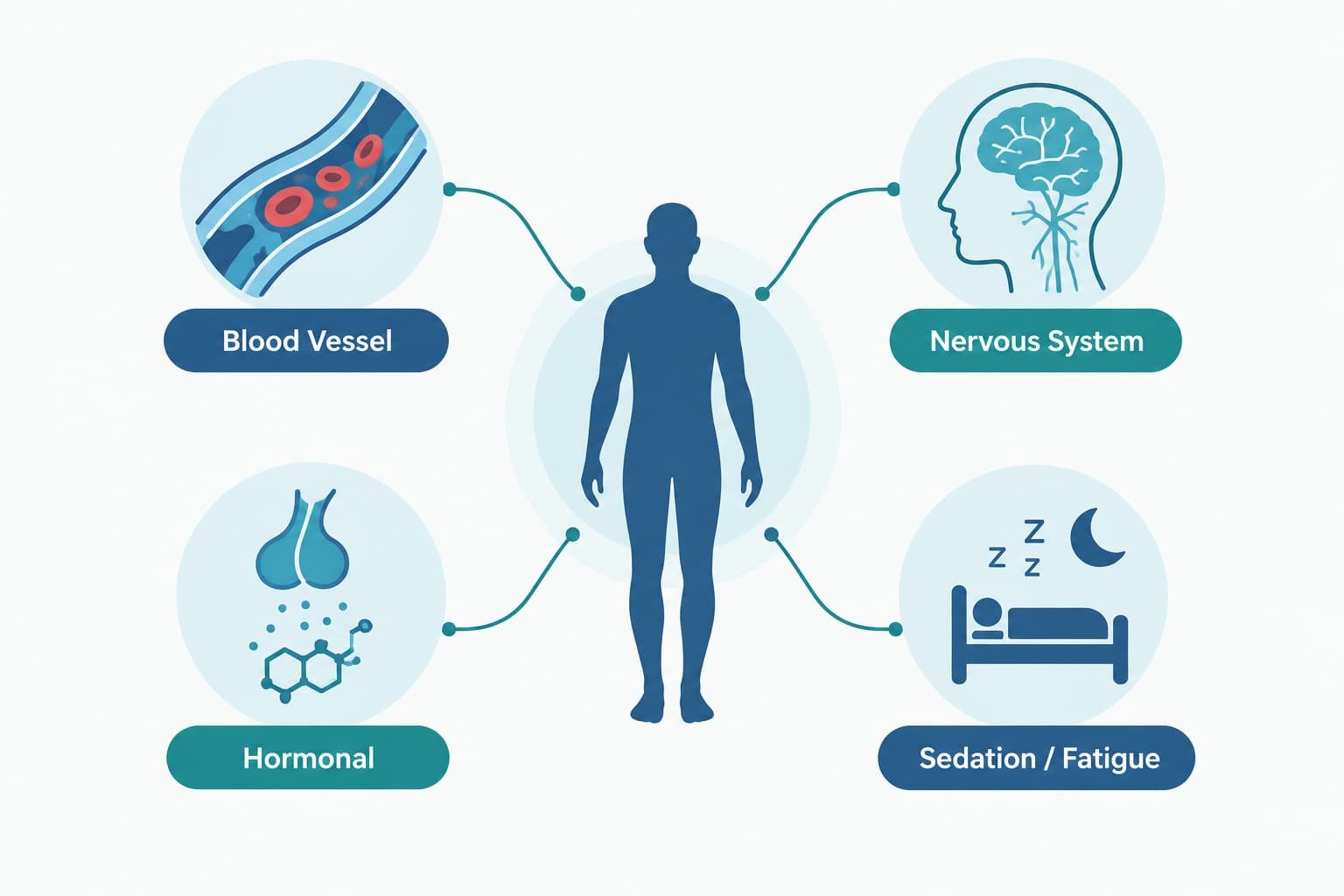
    pathways by which drugs cause erectile dysfunction diagram
    Medications can disrupt erectile function through vascular, neurological, hormonal, or sedative mechanisms.

    Medications influence erectile function through several distinct mechanisms. Some drugs reduce blood flow to the penis by affecting blood vessel tone or nitric oxide release. Others interfere with the central nervous system pathways that trigger arousal and desire. A further group alters hormone levels, particularly testosterone, which supports both libido and tissue health within the penis. A smaller number of drugs act through sedation or fatigue, which indirectly reduces sexual activity without a direct physical cause.

    These mechanisms often overlap, which makes attributing erectile dysfunction to a single drug difficult. A man taking several medications for blood pressure, mood, and pain may experience a cumulative effect rather than one caused by a single agent. Clinicians therefore review the full medication list, including over-the-counter products and supplements, before assuming any one drug is responsible. Age, existing vascular disease, and psychological state also influence how strongly a given medication affects erectile function in an individual man.

    Which Drug Classes Are Most Linked to Erectile Dysfunction

    Antihypertensive Drugs

    Blood pressure medications remain among the most frequently discussed drugs causing erectile dysfunction. Older non-selective beta-blockers reduce nitric oxide release and constrict blood vessels, which lowers blood flow to erectile tissue. Thiazide diuretics show a similar association in several studies, though the evidence remains mixed for some agents. Centrally acting antihypertensives, such as clonidine and methyldopa, carry a well-documented negative effect on erectile function through their action on the central nervous system.

    Not every blood pressure medication carries the same risk. Angiotensin-converting enzyme inhibitors and angiotensin receptor blockers show a neutral or even positive effect on erectile function in comparative reviews. Calcium channel blockers also appear largely neutral. Newer beta-blockers such as nebivolol may support erectile function through nitric oxide release, unlike older agents in the same class. This variation means a change of brand or generation within the same drug category can sometimes resolve symptoms without compromising blood pressure control.

    Antidepressants

    Selective serotonin reuptake inhibitors, commonly prescribed for depression and anxiety, frequently cause sexual side effects. These include reduced libido, delayed ejaculation, and erectile dysfunction. Raised serotonin levels appear to suppress the hormonal signals that support arousal and erection. Some men experience persistent symptoms after stopping the medication, a condition described in medical literature as post-SSRI sexual dysfunction. Reported rates of sexual side effects with SSRIs vary widely between studies, partly because many trials rely on spontaneous reporting rather than direct questioning.

    Tricyclic antidepressants and certain other antidepressant classes also feature among drugs causing erectile dysfunction, though the strength of association varies between individual agents. Some newer antidepressants carry a comparatively lower reported risk, which clinicians may consider when depression and erectile dysfunction coexist.

    Antipsychotics

    Antipsychotic medications, prescribed for schizophrenia and other psychiatric conditions, commonly affect sexual function. These drugs block dopamine receptors and raise prolactin levels, both of which reduce libido and impair erectile capacity. This mechanism distinguishes antipsychotics from the vascular effects seen with blood pressure medication, and it explains why the sexual side effects can appear early in treatment, sometimes within days of starting the drug.

    Diuretics

    Thiazide diuretics, used widely to manage hypertension, appear in several studies among drugs causing erectile dysfunction. Spironolactone, an aldosterone receptor antagonist, carries an additional antiandrogenic effect that can reduce testosterone activity and worsen erectile function. Men prescribed spironolactone for hypertension or hormonal conditions should discuss this risk with a prescriber, particularly where the drug is used long term.

    Opioid Painkillers

    Opioid analgesics exert a pronounced effect on the hypothalamic-pituitary-gonadal axis. Long-term opioid use suppresses testosterone production, a condition sometimes termed opioid-induced hypogonadism. This hormonal suppression contributes to reduced libido and erectile dysfunction, and the effect appears particularly strong in younger men prescribed opioids for chronic pain. The risk increases with dose and duration of use, which supports regular review of long-term opioid prescriptions.

    5-Alpha Reductase Inhibitors

    Finasteride and dutasteride, prescribed for male pattern hair loss and benign prostatic hyperplasia, reduce the conversion of testosterone into dihydrotestosterone. Clinical trial data show a modest increase in erectile dysfunction risk, with reported rates around one to eight per cent depending on dose and indication. A small number of men report persistent sexual symptoms after stopping the drug, though large population studies have not consistently confirmed a lasting causal link. This category remains one of the more debated entries among drugs causing erectile dysfunction, and further long-term research continues into the mechanism behind persistent symptoms.

    Antiepileptic Drugs and Other Agents

    Certain antiepileptic drugs, lithium, and some non-steroidal anti-inflammatory drugs also appear in the medical literature as contributors to sexual dysfunction. Histamine-2 receptor antagonists, used for acid reflux, have been linked to antiandrogenic effects in some case reports. Chemotherapy agents and hormone therapies used in prostate cancer treatment carry a well-established and expected effect on erectile function, given their deliberate suppression of testosterone as part of cancer treatment.

    Recreational and Non-Prescription Substances

    Alcohol, tobacco, and recreational drugs including cannabis, cocaine, and anabolic steroids also feature among substances linked to erectile dysfunction. Anabolic steroid use suppresses natural testosterone production and can produce long-lasting effects on erectile function even after use stops. Excessive alcohol intake affects both the nervous system and hormone levels, and the effect is often dose-dependent rather than fixed.

    Medications With Neutral or Favourable Effects

    Not all cardiovascular drugs carry a negative reputation. Angiotensin-converting enzyme inhibitors, angiotensin receptor blockers, and calcium channel blockers show neutral or favourable profiles in comparative research. This distinction matters because switching within a drug class, rather than stopping treatment altogether, often resolves the problem without compromising blood pressure control. Clinicians weigh this evidence carefully when a man presents with both hypertension and new erectile difficulty.

    Why Individual Response Varies

    Two men taking the same medication at the same dose can experience entirely different outcomes. Genetic differences in drug metabolism, baseline vascular health, and psychological resilience all shape how strongly a drug affects erectile function. Age plays a further role, since older men typically have less physiological reserve to compensate for a hormonal or vascular disruption. Body weight, kidney function, and liver function also influence how a drug is processed, which affects the dose reaching target tissues.

    This variation explains why population statistics offer only a general guide rather than a personal prediction. A reported side-effect rate of five per cent in a clinical trial does not mean every fifth man will experience the problem; it means some men are considerably more susceptible than others. Clinicians therefore treat published figures as a starting point for discussion rather than a definitive forecast for an individual patient.

    Recognising Medication-Induced Erectile Dysfunction

    Several clues suggest a medication link rather than an unrelated cause. Symptoms that begin shortly after starting a new prescription point toward the drug itself. A close relationship between dosage changes and symptom severity strengthens the likelihood of a drug-related cause. Men who retain normal morning erections but struggle during sexual activity may also be experiencing a medication effect rather than a purely vascular problem, since morning erections rely on a different physiological trigger than those linked to arousal.

    NICE guidance recommends a full medication review as part of the standard assessment for erectile dysfunction. This review sits alongside blood tests for testosterone, glucose, and lipid profile, since drug effects frequently coexist with underlying vascular or hormonal conditions. A timeline of symptom onset, current medication list, and any recent dosage changes gives a GP the clearest picture for assessment.

    What To Do If a Medication May Be Causing Erectile Dysfunction

    GP medication review consultation for erectile dysfunction
    A structured medication review with a GP is the recommended first step before considering further treatment.

    Men should never stop a prescribed medication without medical advice. Abruptly discontinuing blood pressure treatment, antidepressants, or opioid medication carries significant health risks, including rebound hypertension, withdrawal symptoms, or uncontrolled pain. A GP can review the full medication list, consider alternative agents within the same drug class, and adjust dosage where appropriate.

    A structured medication review often resolves the problem without requiring additional treatment. Where switching drugs is not possible or does not fully resolve symptoms, further options exist to address the erectile dysfunction directly. A GP may also arrange blood tests to rule out diabetes, low testosterone, or thyroid dysfunction, since these conditions can present alongside or independently of any drug effect.

    Treatment Options Beyond Medication Review

    When changing or stopping a medication does not resolve erectile dysfunction, several established treatment options may help. The choice depends on the underlying cause, overall health and response to previous treatment.

    Established ED Treatments

    Oral PDE5 inhibitors are commonly used as a first-line treatment for erectile dysfunction. Vacuum erection devices provide a non-drug alternative, while penile injections such as alprostadil may be considered when oral medicines are unsuitable or ineffective.

    Emerging PRP Treatments

    Platelet-rich plasma (PRP) injections, sometimes marketed as the Priapus Shot or P shot treatment, are another non-surgical option offered by some private clinics in the UK. The procedure uses a preparation derived from the patient’s own blood and injects it into penile tissue.

    However, evidence for PRP treatment remains limited. Clinical studies have reported mixed results, and professional organisations consider PRP for ED an emerging treatment rather than an established first-line option. Men considering a P shot London provider should discuss the available evidence, potential benefits and limitations with a qualified clinician.

    Review the Underlying Cause First

    Men whose erectile dysfunction appears to result from medication should prioritise a medical review before considering procedural treatments. A doctor may assess whether the medicine can be changed, reduced or replaced safely. Patients should never stop prescribed medication without medical advice.

    If medication changes do not improve symptoms, a clinician can discuss appropriate alternatives based on the individual’s diagnosis, health and treatment preferences.

    Frequently Asked Questions

    Which medications are most commonly linked to erectile dysfunction?

    Beta-blockers, thiazide diuretics, SSRIs, antipsychotics, opioid painkillers, and 5-alpha reductase inhibitors appear most frequently among drugs causing erectile dysfunction in clinical literature.

    Should a man stop taking a medication that may cause erectile dysfunction?

    No. Stopping a prescribed medication without medical supervision carries risk. A GP can review alternatives safely and adjust treatment where needed.

    Does erectile dysfunction from medication reverse after stopping the drug?

    In many cases, symptoms improve after switching medication or adjusting dosage. Some drug classes, including SSRIs and 5-alpha reductase inhibitors, have been linked to persistent symptoms in a smaller subset of men.

    Can blood pressure medication be changed to avoid erectile dysfunction?

    Yes, in many cases. ACE inhibitors, ARBs, and calcium channel blockers generally carry a lower risk than older beta-blockers and thiazide diuretics.

    Is the P shot treatment a direct fix for medication-induced erectile dysfunction?

    The P shot treatment targets tissue quality and blood vessel growth rather than reversing a specific drug mechanism. It may suit men whose erectile dysfunction persists despite medication review, though evidence remains limited and results vary.

    How is medication-related erectile dysfunction diagnosed?

    A GP reviews the full medication history alongside blood tests and a physical assessment, following NICE Clinical Knowledge Summaries guidance for erectile dysfunction.

    Key Takeaways

    Drugs causing erectile dysfunction span a wide range of drug classes, from blood pressure treatment to antidepressants, opioids, and hormone-altering medication. Recognising this link allows men and clinicians to pursue a structured, safe review rather than assuming an unchangeable or purely psychological cause. Switching within a drug class, adjusting dosage, and addressing underlying vascular or hormonal health often resolve the problem without further intervention. Where erectile dysfunction persists, established pharmacological treatment and emerging non-surgical treatment for erectile dysfunction in London provide further options, each with its own evidence base and limitations.

    Given how many commonly prescribed medications carry this risk, should erectile dysfunction always prompt a medication review before any other investigation begins?

    Read more: What Are the First Signs of Erectile Dysfunction?

    ED in Younger Men: Causes, Risk Factors and Treatment Options

    P Shot Treatment London

    Dr Syed Nadeem Abbas, MBBS, MRCSEd, MSc Aesthetic Plastic Surgery (Distinction) Medical Director, Pshot Clinic | CQC Regulated | Monday to Saturday 10:00–18:00 +44 7955 836986 

  • P-Shot Near Me: How to Find a Qualified Clinic in the UK

    P-Shot Near Me: How to Find a Qualified Clinic in the UK

    ✅Medically reviewed | Updated September 2026

    A search for “P-shot near me” typically returns dozens of results within seconds. Clinics, aggregator directories, and independent practitioners all compete for the same search term. Very few pages explain how to judge a provider’s qualifications. The gap between search convenience and clinical safety is where most poor outcomes begin.

    This article sets out a structured, evidence-based method for evaluating any UK clinic offering the Priapus Shot, commonly known as the P-Shot. It covers medical regulation, cost transparency, and realistic outcome expectations. It also covers the warning signs that separate a properly governed clinic from an unregulated one. The aim is not persuasion. The aim is clarity, so that an informed choice replaces a rushed one.

    What Is the P-Shot and Why Interest Keeps Growing

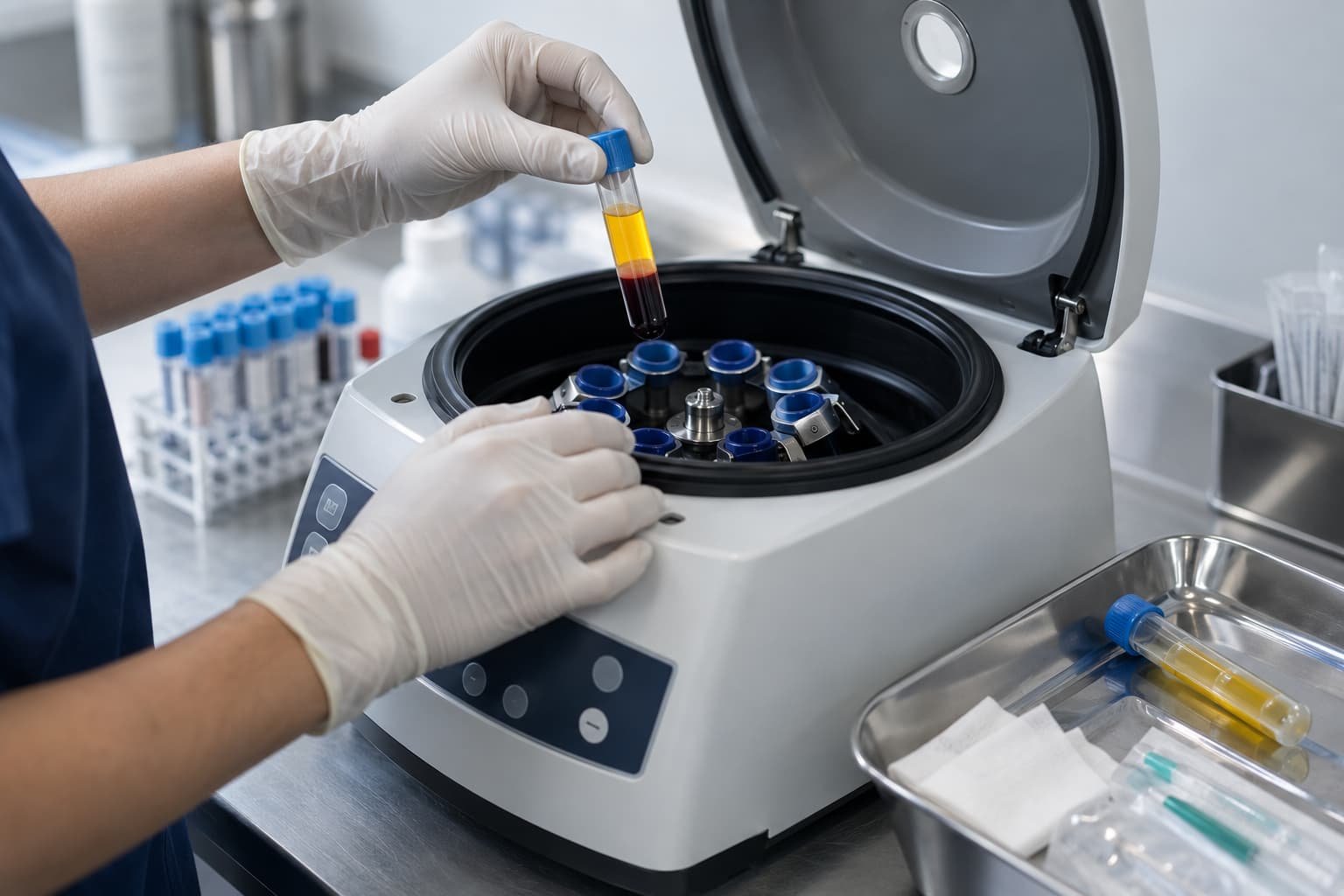
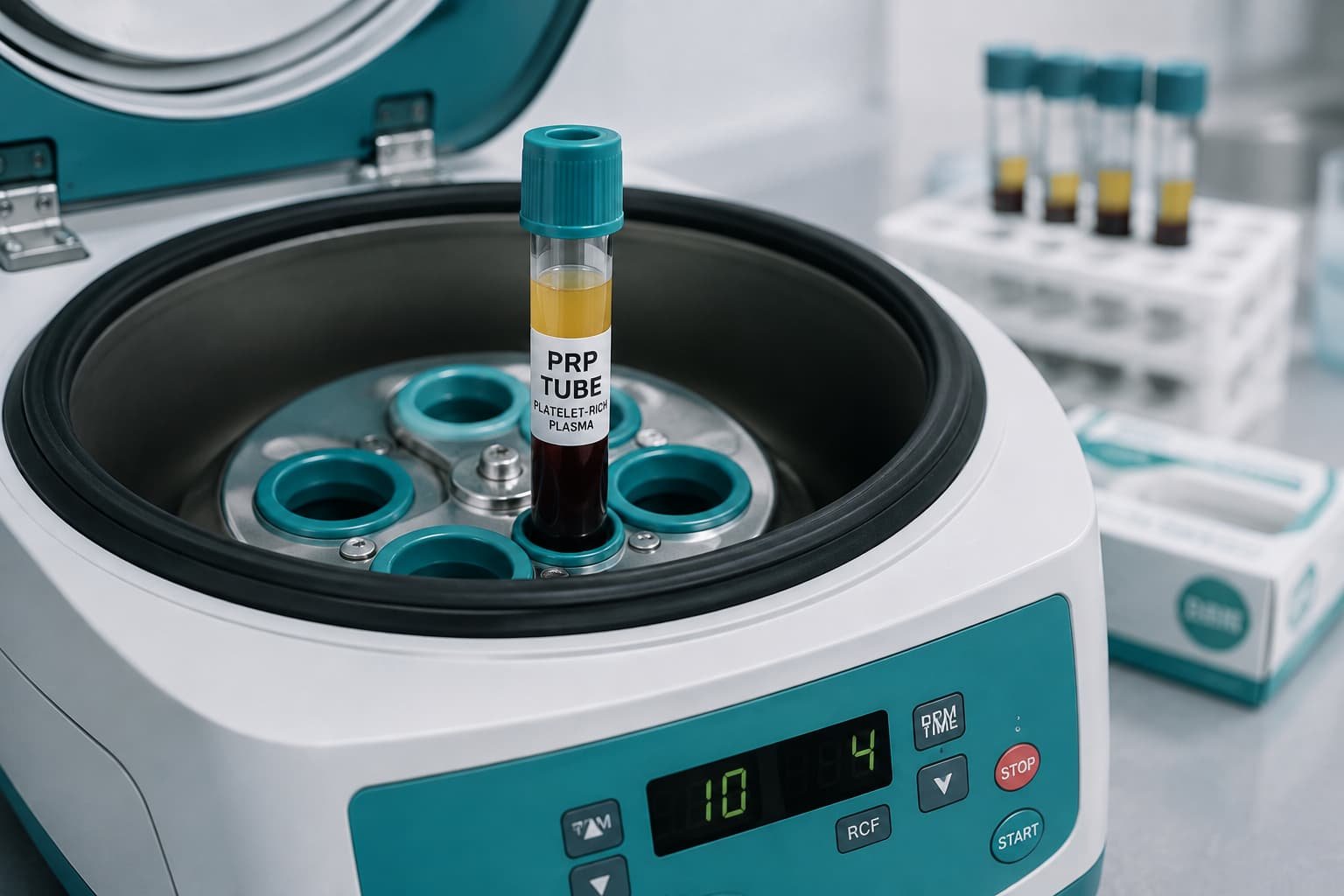
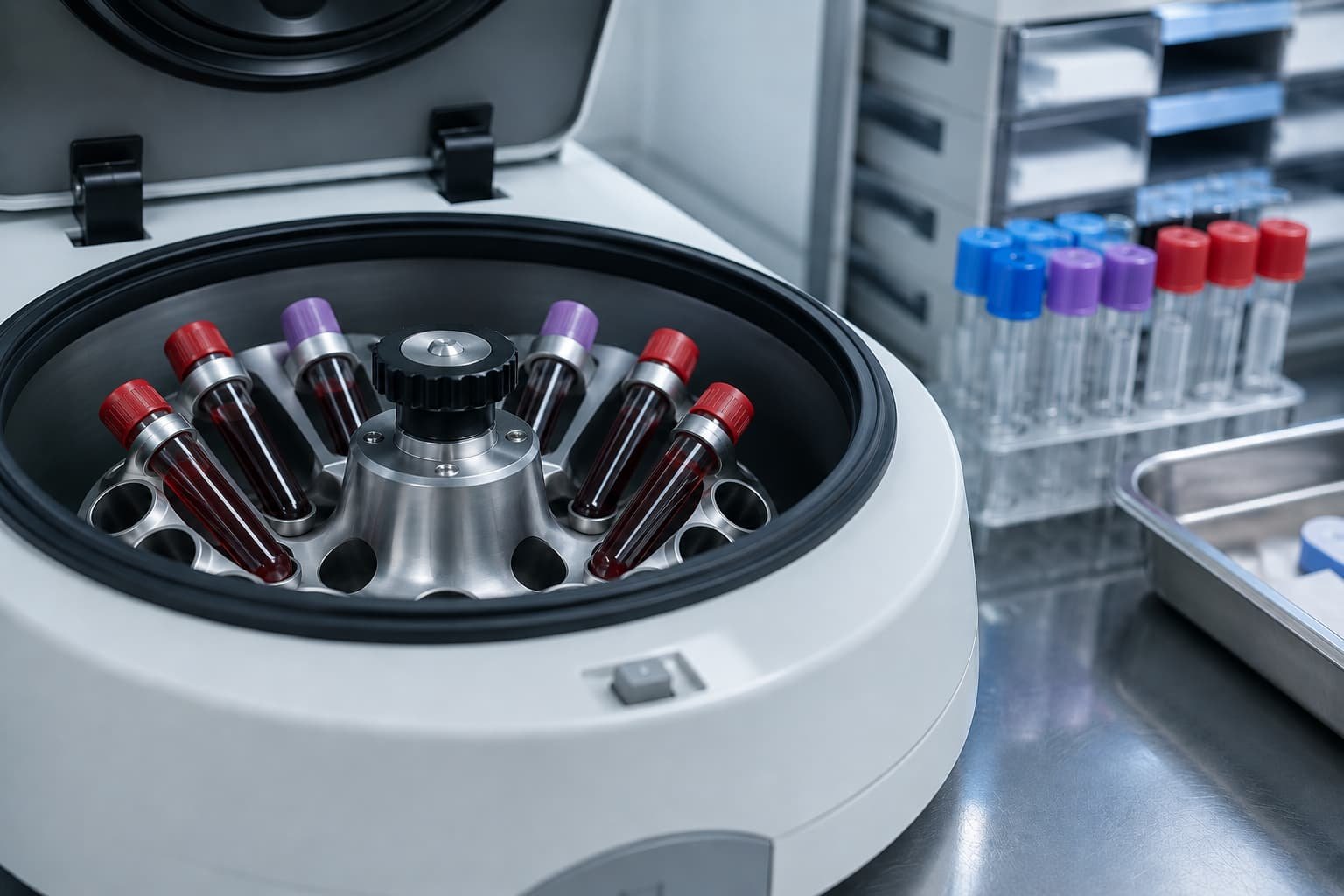
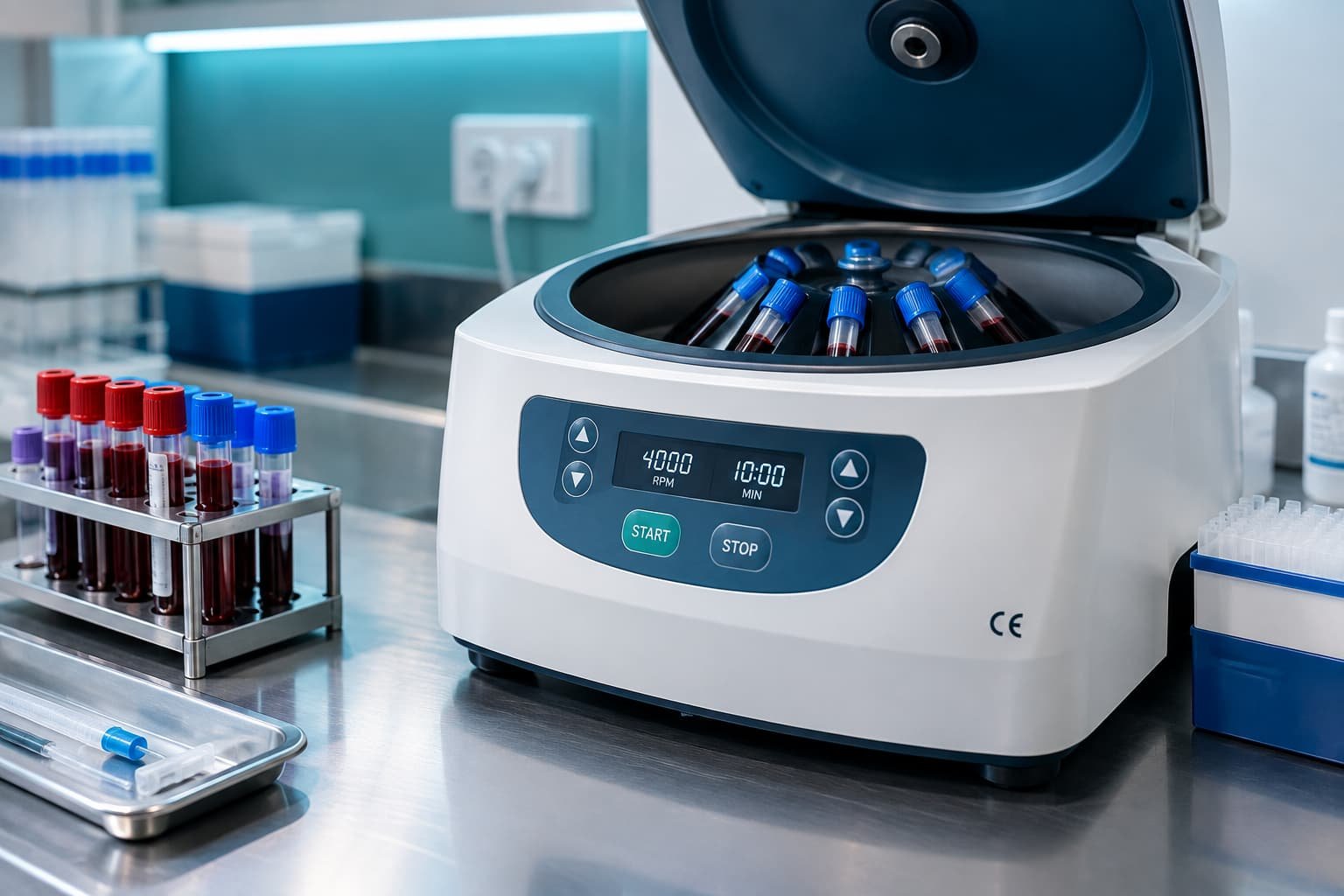
    CE-marked centrifuge used to process PRP for P-Shot treatments
    PRP quality depends heavily on the processing equipment a clinic uses.

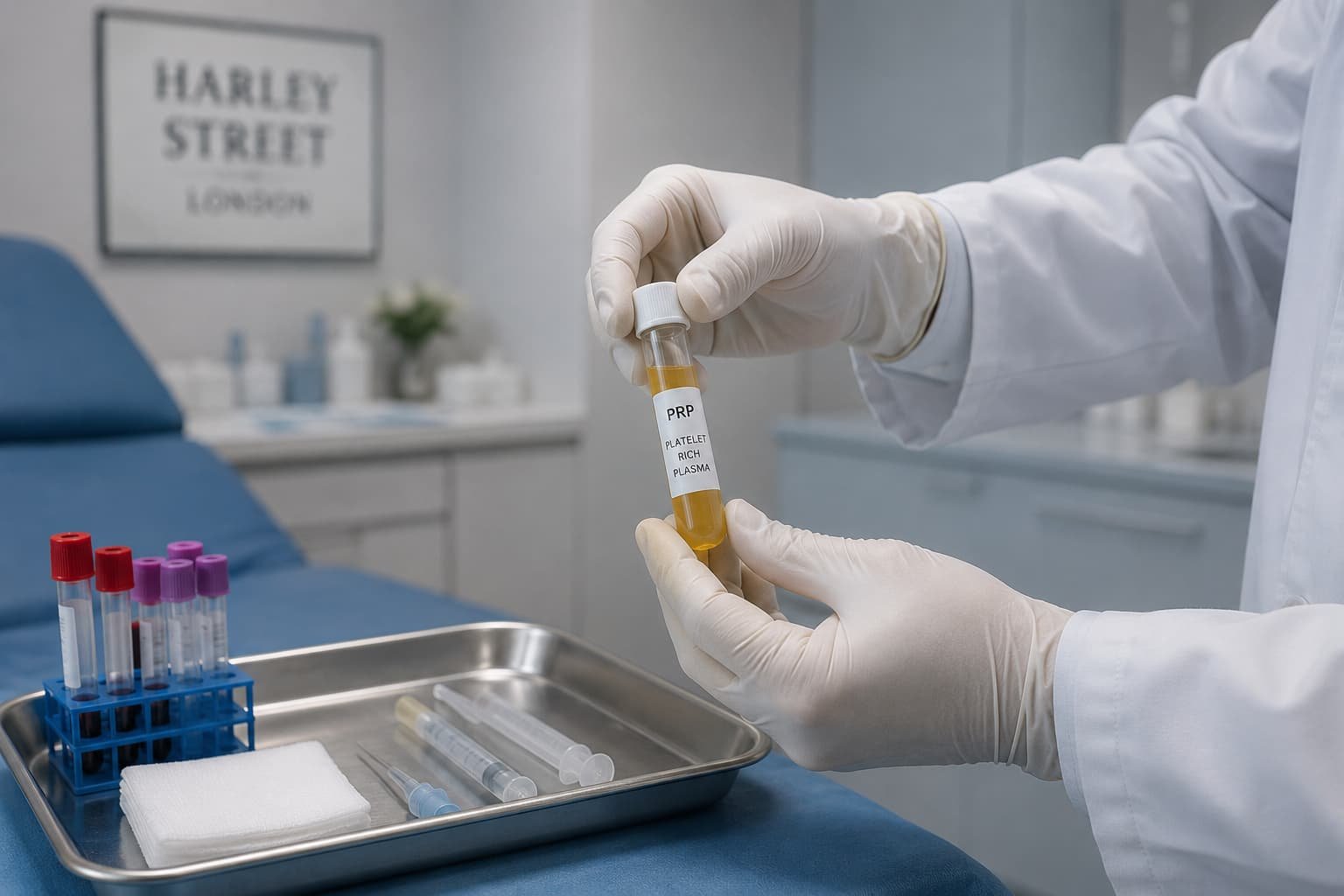
    The P-Shot is a trademarked name for a platelet-rich plasma (PRP) injection technique applied to penile tissue. The clinician draws autologous blood from the patient and processes it to concentrate platelets. The clinician then injects the concentrate into specific areas of the penis. Developers built the procedure as a regenerative approach. It draws on PRP science that orthopaedic and dermatological medicine already applies.

    Search interest in “P-shot near me” has grown steadily. Awareness of non-surgical options for erectile difficulties has increased alongside it. Many men prefer a p injection approach over pharmaceutical or surgical routes. Recovery time is minimal, and the procedure uses the patient’s own biological material rather than a synthetic implant. Popularity does not equal regulation, however. The treatment sits in a grey area of UK aesthetic medicine, where standards vary considerably between providers.

    Why Regulatory Awareness Matters More Than Location

    Proximity is rarely the most important factor when researching treatment options. A clinic located five minutes away holds no advantage if the practitioner lacks appropriate training. A location-based search filters by distance, not by competence. Recognising this distinction early prevents a rushed booking based purely on convenience rather than credentials.

    The P Shot Treatment Explained in Clinical Terms

    The P shot treatment generally follows a consistent clinical sequence, though exact protocols differ between providers.

    1. A consultation reviews medical history, current medication, and suitability for the procedure.
    2. The clinician draws blood, usually 20 to 60 millilitres, and processes it in a centrifuge to isolate platelet-rich plasma.
    3. The clinician applies topical or local anaesthetic to reduce discomfort during injection.
    4. The clinician injects the concentrated plasma into targeted areas of the penile shaft, using a technique that aims to stimulate tissue repair and blood flow.

    The entire appointment typically lasts between 45 and 90 minutes. It needs no general anaesthetic, and most men resume normal activity within a day. This is a medical procedure that requires a needle, blood processing equipment, and clinical judgement, not a wellness spa treatment. That distinction underpins every safety consideration in this article.

    Equipment and Processing Standards

    The system a clinic uses to separate platelets from whole blood affects both safety and consistency of results. Centrifuge systems for clinical PRP preparation should carry appropriate CE marking for medical use within the UK. Clinics using improvised or non-medical-grade equipment introduce unnecessary contamination risk. A clinic offering a P shot near me appointment should name its processing system readily. It should also confirm its regulatory status without hesitation.

    The Risk of Relying Only on Proximity When Booking

    Search engines rank clinics by SEO performance, advertising spend, and geographic proximity, not by clinical credentials. A page appearing first in a search for “P-shot near me” may simply run stronger digital marketing rather than stronger medical governance. NHS guidance on choosing a private healthcare provider consistently stresses checking professional registration before booking any procedure. This holds true regardless of how a clinic ranks in search results.

    Some providers operate outside formal healthcare regulation altogether. They offer the treatment in beauty salons or other non-medical settings. Others outsource injections to practitioners without relevant surgical or urological training. Locating a provider is only the first step. Verifying that provider’s standing is the step that actually protects patient safety.

    Checking Medical Qualifications and Registration

    Verifying a clinician's GMC registration before booking a P-Shot
    A five-minute registration check can reveal what marketing pages leave out.

    Verification should happen before booking an appointment, not after arriving at the clinic.

    GMC Registration

    Every doctor practising medicine in the United Kingdom must hold registration with the General Medical Council (GMC). Each must also hold a licence to practise. The GMC maintains searchable registers of doctors, physician associates, and anaesthesia associates. Anyone can confirm a professional’s current registration status within minutes, free of charge. The medical register is public and updates daily. Searching it by name or seven-digit reference number remains the most reliable way to confirm registration. If a practitioner’s name does not appear on the register, that individual holds no licence to practise medicine. This applies anywhere in the UK.

    CQC Registration

    Clinics delivering regulated medical activities in England must also register with the Care Quality Commission (CQC). Any provider delivering regulated health or social care activities in England must hold CQC registration by law. Inspection reports for any registered clinic remain publicly available. A clinic offering injectable PRP treatment for erectile dysfunction frames this as a medical intervention. It should reasonably fall within this regulated category. Reviewing a clinic’s CQC report before booking reveals findings on safety, leadership, and overall clinical governance.

    Why Verification Matters Specifically Here

    This treatment area attracts a wide mix of medical and non-medical providers. Verification therefore carries more weight here than for many other cosmetic or wellness procedures. A five-minute registration check separates a genuinely qualified clinic from one relying entirely on marketing visibility to appear credible.

    Questions to Ask Before Booking a P Shot London Appointment

    A short, structured set of questions during initial enquiry filters out unsuitable providers quickly.

    • Which qualified clinician performs the injection, and what is that clinician’s GMC number?
    • What specific training has that clinician completed in PRP or regenerative injectable techniques?
    • Does the clinic hold CQC registration, and can a patient view an inspection report on request?
    • Which blood processing system does the clinic use, and does it carry CE marking for medical use?
    • What realistic, evidence-based outcomes can someone in a comparable clinical situation expect?
    • What complications has the clinic seen previously, and how did staff manage them at the time?

    Any P shot London clinic confident in its standards should answer these questions without hesitation. Reluctance to disclose qualifications or inspection history is itself a meaningful signal, regardless of how polished the marketing appears.

    Priapus Shot Price: What Influences the Cost

    Priapus shot price in the UK varies considerably. It generally ranges from several hundred to over a thousand pounds per session. Location, clinician seniority, and the PRP processing system in use all affect the figure. Harley Street and central London clinics typically sit at the higher end of this range. This reflects overhead costs, consultant-led care, and clinical governance infrastructure.

    Cost alone should never be the deciding factor. A lower price frequently reflects reduced clinical oversight rather than genuine value. Clinics using cheaper, unregulated PRP kits, or delegating injections to less experienced staff, can offer lower prices. This lowers the price but raises the clinical risk. Comparing Priapus shot price across providers is reasonable, but only once each provider has passed the qualification checks above.

    Repeat Treatment Costs

    Many protocols recommend a course of two to three sessions spaced several weeks apart. Patients should calculate total expenditure across the full course, not just a single appointment. A clinic quoting only the first-session price, without clarifying the likely total course cost, fails to provide full financial transparency. Patients should request a written breakdown of session numbers, spacing, and cumulative cost. This remains good practice before any treatment begins.

    Evaluating Non-Surgical Treatment for Erectile Dysfunction in London

    London hosts one of the highest concentrations of private men’s health clinics in the UK. These clinics offer various forms of non-surgical treatment for erectile dysfunction in London, ranging from oral medication and shockwave therapy to PRP-based injectables. Men’s health media and similar publications have reported on the Priapus Shot, with recipients reporting positive gains in erection quality, sensation, and sexual performance. Independent, large-scale clinical trial data, however, remains more limited than for established pharmaceutical options such as phosphodiesterase-5 inhibitors.

    A responsible clinic situates the P-Shot within a broader treatment pathway rather than presenting it as a standalone solution. NICE guidance on erectile dysfunction management recommends addressing modifiable risk factors, including smoking, cardiovascular health, and diabetes control, alongside any procedural intervention. A clinic offering P shot treatment without first assessing underlying vascular or hormonal contributors is not practising comprehensive medicine, however effective its marketing may appear.

    Understanding P Shot Before and After Expectations

    P shot before and after claims circulating on social media and clinic marketing pages frequently overstate outcomes. Photographic comparisons are hard to standardise, since lighting, angle, and arousal state all affect apparent size and firmness. This makes genuine before-and-after evidence far harder to interpret than it first appears.

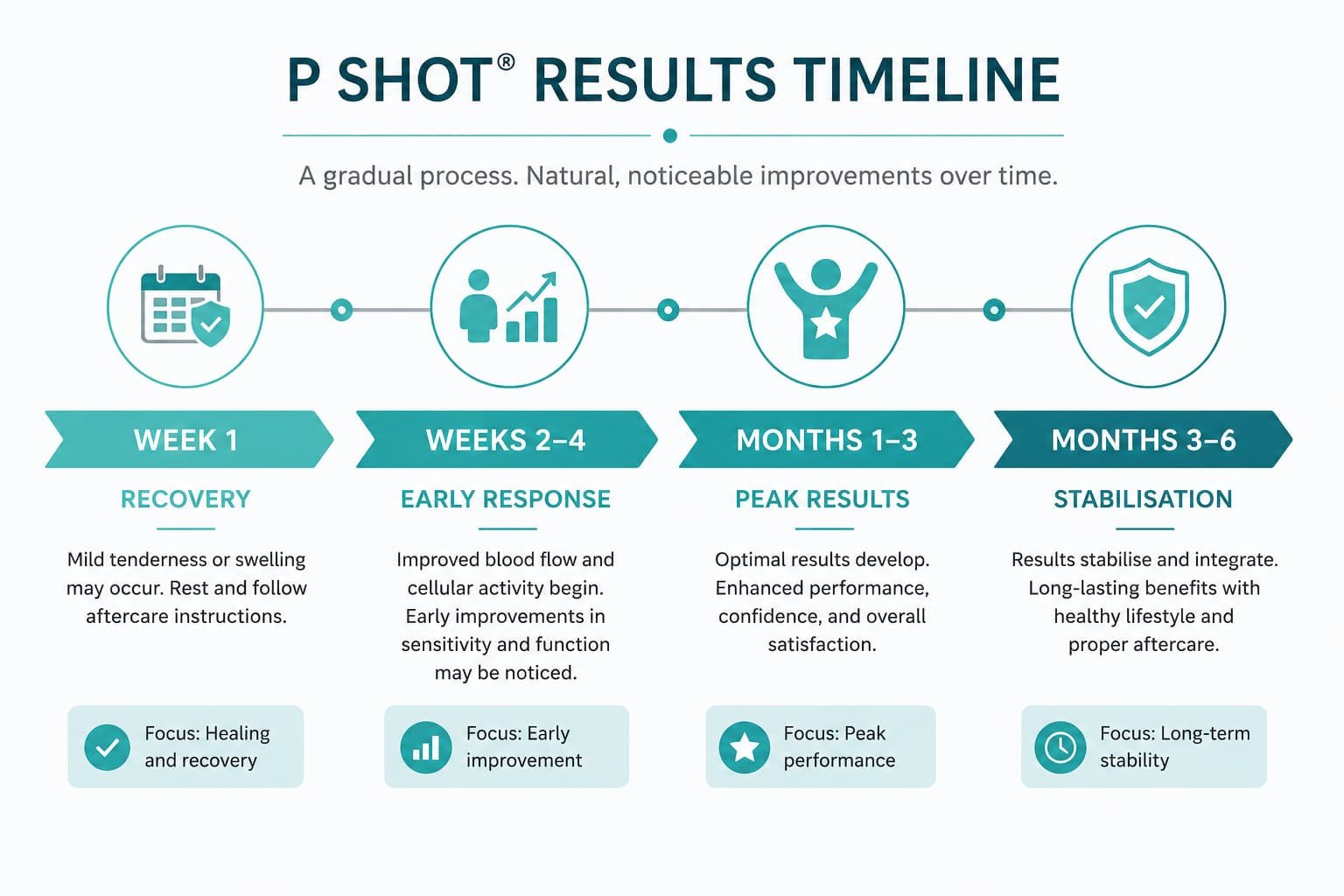
    Reported benefits generally include improved erection firmness and modest increases in sensation. Some men report a temporary increase in girth related to localised tissue swelling rather than permanent growth. Improvements, where present, tend to develop gradually over three to four weeks following treatment rather than immediately. Patients should treat any P shot before and after comparison with appropriate caution when it discloses no timeframes, lighting conditions, or number of prior treatments.

    Penile Injection Growth Claims: Separating Evidence From Marketing

    Claims of substantial penile injection growth are among the most commonly exaggerated aspects of P-Shot marketing. Platelet-rich plasma does stimulate localised tissue response, yet robust peer-reviewed evidence supporting significant, sustained length increase remains limited. Reputable clinics distinguish clearly between two things: improvements in blood flow, sensation, and erection quality, which carry some supporting evidence, and permanent size increases, which do not carry the same evidential weight.

    A clinic that overpromises penile injection growth as a guaranteed outcome, rather than a possible but unproven secondary effect, prioritises conversion over clinical honesty. This distinction matters considerably when comparing marketing pages that surface under a “P-shot near me” search.

    Red Flags That Indicate an Unqualified Provider

    Certain warning signs recur across unregulated or under-qualified providers operating within the general P shot UK market.

    • The injecting clinician publishes no GMC number.
    • The clinic holds no CQC registration despite offering an injectable medical procedure.
    • Marketing states guaranteed size increases as fact rather than a possible outcome.
    • Staff pressure prospective patients to book immediately without a proper consultation.
    • The clinic will not explain the PRP processing system or equipment it uses.
    • Pricing sits significantly below the typical market range without clear justification.

    Anyone who encounters two or more of these signals while researching “P-shot near me” options should apply further scrutiny before confirming any appointment.

    The Role of Clinical Governance in Priapus Shot London Clinics

    Clinical governance refers to the systems a clinic has in place to maintain patient safety, including incident reporting, staff training records, equipment maintenance, and consent procedures. A properly governed Priapus shot London clinic maintains documented protocols for managing complications, however rare. It can also demonstrate a clear chain of accountability from consultation through to aftercare.

    Harley Street and the wider Marylebone area host a concentration of clinics operating under formal medical leadership, often combining aesthetic and surgical training. Pshots clinic uk, a Harley Street clinic led by Dr Syed Nadeem Abbas, operates within this regulated private healthcare environment. It illustrates the kind of medically led structure that separates a governed clinic from an informal provider. This single named clinic serves only as a factual example, not a promotional one; the broader principle applies to any provider claiming similar standards.

    Reading Reviews and Testimonials With Caution

    Online reviews offer some insight into patient experience but carry limited weight regarding clinical competence or safety standards. A clinic with numerous positive reviews for cosmetic procedures unrelated to men’s health does not automatically show expertise in penile PRP injection. Testimonials should supplement, not replace, verified registration checks and a direct conversation with the treating clinician about qualifications and experience.

    FAQ

    Is the P-Shot regulated by the NHS?

     The P-Shot is not an NHS-funded treatment and remains available only through private clinics. NHS guidance instead focuses on established treatments for erectile dysfunction, including lifestyle modification and licensed medication.

    How can someone check a GMC number before booking a P-shot near me? 

    The GMC runs a free, publicly searchable online register. Entering the clinician’s name or reference number confirms current registration status within a few minutes.

    Does a higher Priapus shot price guarantee a better outcome? 

    Not necessarily. Price reflects clinician seniority, equipment quality, and clinic overheads, but a higher fee alone does not confirm competence. Verification of qualifications remains the more reliable indicator of quality.

    Are results from P shot before and after photos reliable?

     Lighting, angle, and arousal state frequently affect photographic comparisons, which makes them an unreliable standalone measure of treatment success.

    How many sessions of P shot treatment do clinics typically recommend? 

    Protocols vary, though clinics commonly recommend a course of two to three sessions spaced several weeks apart for measurable improvement.

    Can the P-Shot replace erectile dysfunction medication entirely? 

    Current evidence does not support the P-Shot as a full replacement for licensed pharmaceutical treatment. It sits more accurately as a complementary or alternative option within a wider treatment plan, developed alongside a qualified clinician’s assessment.

    Key Takeaways

    Locating a provider through a “P-shot near me” search is a reasonable starting point, but it is only that: a starting point. Genuine due diligence requires several checks. Confirm GMC registration and CQC status. Question marketing claims around penile injection growth and P shot before and after results. Understand Priapus shot price in relation to the qualifications behind it. Evidence-based decision-making protects both physical safety and financial interest, particularly in a treatment area where regulation has not fully caught up with demand.

    Standards vary across the UK’s private aesthetic sector. What specific evidence would satisfy a prospective patient that a clinic’s claims about the P-Shot rest on genuine clinical data rather than marketing alone?

    Read more: P Shot Results in Men Over 60: Evidence-Based Timelines and Realistic Outcomes

    How Long Do P-Shot Effects Take to Develop?

    P Shot Treatment London

    Dr Syed Nadeem Abbas, MBBS, MRCSEd, MSc Aesthetic Plastic Surgery (Distinction) Medical Director, Pshot Clinic | CQC Regulated | Monday to Saturday 10:00–18:00 +44 7955 836986

  • What Are the First Signs of Erectile Dysfunction?

    What Are the First Signs of Erectile Dysfunction?

    ✅Medically reviewed | Updated August 2026

    Erectile dysfunction rarely develops overnight. Early changes often appear gradually, long before intercourse becomes noticeably difficult. A weaker morning erection, a slower response to stimulation, or reduced firmness during intercourse can each represent the first signs of erectile dysfunction. Recognising these changes early allows men to seek clinical assessment before an occasional difficulty becomes a persistent condition.

    This article examines the recognised signs of erectile dysfunction, explains the physiological and psychological mechanisms behind them, and outlines evidence-based treatment pathways available across the UK. It also reviews non-surgical treatment for erectile dysfunction in London, including established injectable options used within private clinical practice.

    What Is Erectile Dysfunction?

    Erectile dysfunction describes a persistent inability to achieve or maintain an erection firm enough for satisfactory intercourse. Occasional difficulty is common and does not, alone, indicate a medical condition. NHS guidance treats erectile dysfunction as a diagnosis only when difficulty recurs regularly over several months. Distinguishing a single incident from a genuine pattern marks the first step in identifying real signs of erectile dysfunction.

    How Common Is Erectile Dysfunction in the UK?

    Erectile dysfunction affects men across all adult age groups. Prevalence rises steadily with age and becomes markedly more frequent after forty. Younger men remain affected too, with research indicating a meaningful proportion of men under forty experience some degree of difficulty. Underreporting remains widespread, driven by embarrassment and limited awareness of early symptoms. This underreporting likely means true prevalence figures exceed recorded estimates.

    Facts and Figures Worth Noting

    ●       Prevalence increases with age, rising sharply after forty and again after sixty.

    ●       A meaningful proportion of men under forty also report some degree of erectile difficulty.

    ●       Cardiovascular risk factors appear in a large share of men diagnosed with the condition.

    ●       Embarrassment remains a leading reason men delay seeking medical assessment.

    ●       Lifestyle factors, including smoking and inactivity, consistently correlate with earlier onset.

    Early Signs of Erectile Dysfunction

    Diagram showing blood flow linked to signs of erectile dysfunction
    Erectile function depends on healthy blood flow, nerve signalling, and hormone balance.

    Several physical changes typically precede a full diagnosis of erectile dysfunction. Awareness of these patterns supports earlier medical review and better long-term outcomes. Each sign below can appear alone or alongside others, and severity often varies from week to week.

    Reduced Frequency of Morning Erections

    Spontaneous erections during sleep and on waking result from normal nocturnal physiology. A gradual decline in their frequency can signal reduced blood flow or weakened nerve signalling. A noticeable drop in morning erections often ranks among the earliest indicators men report. Tracking this pattern over several weeks provides useful information for a GP consultation.

    Difficulty Achieving a Full Erection

    Some men notice that arousal no longer produces a fully rigid erection. This difficulty can occur consistently or only in specific situations, such as with a new partner or during periods of stress. Situational difficulty often points toward a psychological contribution, while consistent difficulty points more strongly toward a physical cause.

    Difficulty Maintaining an Erection During Intercourse

    Losing firmness partway through intercourse, despite continued stimulation, represents a recognised early symptom. This particular pattern often points toward vascular rather than purely psychological causes. Men experiencing this symptom regularly should consider requesting a cardiovascular health check alongside standard erectile dysfunction assessment.

    Reduced Firmness Compared With Previous Erections

    A subtle decline in rigidity, rather than complete inability, frequently marks the earliest stage of the condition. Men often describe erections as softer or less reliable than in previous years. This change can develop slowly across months, making it easy to overlook until intercourse becomes noticeably affected.

    Delayed or Reduced Response to Sexual Stimulation

    A longer time to reach arousal, or reduced sensitivity to stimulation, can signal early nerve or hormonal changes. This symptom often develops alongside other physical changes rather than appearing first. Medication side effects and reduced testosterone levels both feature among recognised contributing factors.

    Lower Sexual Desire Alongside Physical Symptoms

    Reduced libido combined with physical erectile changes suggests a hormonal or psychological contribution. Testosterone levels, mood, and relationship stress can each affect desire independently of vascular health. A combination of low desire and physical difficulty warrants a broader hormonal assessment rather than treatment for erectile function alone.

    Underlying Causes Behind Erectile Dysfunction

    Medical equipment used to assess causes of erectile dysfunction
    Cardiovascular health and blood sugar levels are closely linked to erectile function.

    Erectile function depends on healthy blood vessels, intact nerve pathways, and balanced hormone levels. Damage to any of these systems can trigger the physical changes described above. Most cases involve more than one contributing factor rather than a single isolated cause.

    Vascular and Cardiovascular Causes

    Erections depend on adequate blood flow into penile tissue. Conditions that narrow or stiffen blood vessels, including high blood pressure and atherosclerosis, restrict this flow. Because arteries supplying the heart and the penis share a similar calibre, erectile difficulty frequently precedes a formal diagnosis of cardiovascular disease. NICE guidance recognises erectile dysfunction as a potential early marker of cardiovascular risk, making early assessment clinically important beyond sexual health alone.

    Diabetes and Metabolic Causes

    Diabetes damages blood vessels and peripheral nerves over time. Men with diabetes face a substantially higher likelihood of developing erectile dysfunction than men without the condition. Poor blood sugar control accelerates this nerve and vascular damage. Metabolic syndrome, characterised by raised blood pressure, elevated blood sugar, and excess abdominal fat, compounds this risk further.

    Hormonal Causes

    Testosterone supports libido and contributes to erectile physiology, though its role is not absolute. Low testosterone can reduce sexual desire and, in some men, contribute to weaker erections. Thyroid disorders and other hormonal imbalances can also play a contributing role. Hormonal causes become more relevant when reduced desire accompanies physical erectile changes.

    Psychological Causes

    Stress, anxiety, depression, and relationship difficulties can each interfere with the nervous system’s role in achieving an erection. Performance anxiety, in particular, can create a cycle where fear of difficulty causes further difficulty. Psychological and physical causes frequently coexist rather than acting alone, which is why clinical assessment considers both dimensions together.

    Medication and Lifestyle-Related Causes

    Certain medications, including some antidepressants and blood pressure treatments, list erectile dysfunction as a recognised side effect. Smoking, excessive alcohol consumption, and recreational drug use each restrict blood flow or interfere with nerve function. Reviewing current medication with a GP forms a standard part of assessing new-onset difficulty.

    Occasional Difficulty Versus a Persistent Pattern

    A single episode of erectile difficulty rarely indicates a medical problem. Fatigue, alcohol, stress, and unfamiliar circumstances can each cause temporary difficulty. Persistent signs of erectile dysfunction, however, are defined by repetition rather than a single incident. Clinical guidance generally considers a pattern lasting several months as warranting assessment, particularly alongside reduced morning erections or lower libido. Keeping a simple record of frequency and circumstances helps clinicians distinguish a temporary episode from an established pattern.

    Why Early Recognition Matters

    Early recognition of erectile changes offers more than reassurance about sexual function. Because erectile tissue relies on some of the smallest blood vessels in the body, difficulty here can surface years before symptoms appear in larger arteries supplying the heart or brain. Clinicians increasingly treat erectile dysfunction as a useful screening opportunity rather than an isolated complaint. Addressing contributing factors, such as blood pressure or blood sugar control, at this earlier stage can reduce long-term cardiovascular risk. Quality of life also benefits, since untreated difficulty often affects confidence, mood, and relationship satisfaction over time. Early conversation with a GP therefore carries value that extends well beyond restoring erectile function alone.

    When to Seek Medical Assessment

    Reviewing test results after noticing signs of erectile dysfunction
    Timely medical assessment allows underlying causes to be identified sooner.

    Medical assessment becomes advisable when erectile difficulty grows frequent, worsens over time, or occurs alongside other symptoms. Sudden-onset erectile dysfunction with no clear psychological trigger warrants prompt review, since it can indicate an underlying vascular or neurological condition. Chest pain, breathlessness, or fatigue accompanying erectile difficulty require urgent medical attention, as these symptoms may point toward cardiovascular disease. Delaying assessment does not resolve an underlying medical cause and can allow a treatable condition to progress further.

    Diagnostic Assessment in Clinical Practice

    Clinical assessment typically begins with a detailed medical history, covering cardiovascular risk factors, medication use, and psychological wellbeing. Blood tests can measure testosterone, blood glucose, and cholesterol levels. Blood pressure measurement forms a standard part of assessment, given the vascular link with erectile dysfunction. A physical examination may also check for structural conditions affecting the penis, such as Peyronie’s disease. Clinicians may recommend further investigation where an underlying condition, such as diabetes or hypertension, appears likely.

    Referral to Specialist Care

    A GP may refer a patient to urology or a specialist men’s health service where initial assessment suggests a complex or unresponsive case. Specialist review allows access to further diagnostic tools, including vascular imaging in selected cases. Referral pathways vary slightly between NHS trusts and private providers. Private clinics can sometimes offer faster access to specialist review, though NHS pathways remain appropriate and effective for most patients.

    Risk Factors Worth Monitoring

    Certain risk factors raise the likelihood of developing erectile dysfunction earlier than average. Recognising these factors allows for targeted prevention rather than reactive treatment alone.

    ●       Smoking, which damages blood vessel linings and reduces circulation.

    ●       Obesity, which contributes to both vascular and hormonal risk factors.

    ●       Sedentary lifestyle, which reduces cardiovascular fitness over time.

    ●       Excessive alcohol consumption, which affects nerve function and hormone levels.

    ●       Chronic stress, which raises cortisol and constricts blood vessels.

    ●       Untreated high blood pressure or high cholesterol, both linked closely to vascular health.

    Treatment Pathways for Erectile Dysfunction

    Treatment depends on the underlying cause and typically starts with the least invasive options. A structured approach allows clinicians to monitor response and adjust the plan accordingly.

    Lifestyle Modification

    Regular exercise, weight management, reduced alcohol intake, and smoking cessation all support vascular health. NHS guidance identifies these lifestyle factors as directly relevant to erectile function. Improvement tends to be gradual and depends on consistent, long-term change rather than short-term adjustment. Sleep quality and stress management also contribute meaningfully to overall outcomes.

    Oral Medication

    PDE-5 inhibitors, including sildenafil and tadalafil, remain the first-line prescription treatment across the UK. These medications increase blood flow to the penis but require sexual stimulation to work. Nitrate medication use rules out this option for some patients. Side effects can include headache, flushing, and nasal congestion, and a GP should confirm suitability before prescribing.

    Vacuum Erection Devices and Other Mechanical Options

    Vacuum devices draw blood into the penis using controlled negative pressure, producing an erection maintained with a constriction ring. This option suits men who cannot take PDE-5 inhibitors due to other medication. Mechanical devices carry a lower cost than many alternative treatments but require correct technique for consistent results.

    Psychological Support and Therapy

    Counselling or structured therapy can address anxiety, depression, or relationship factors contributing to erectile dysfunction. Cognitive behavioural approaches show benefit for performance anxiety specifically. Combining psychological support with medical treatment often produces better outcomes than either approach used alone.

    Non-Surgical Treatment for Erectile Dysfunction in London

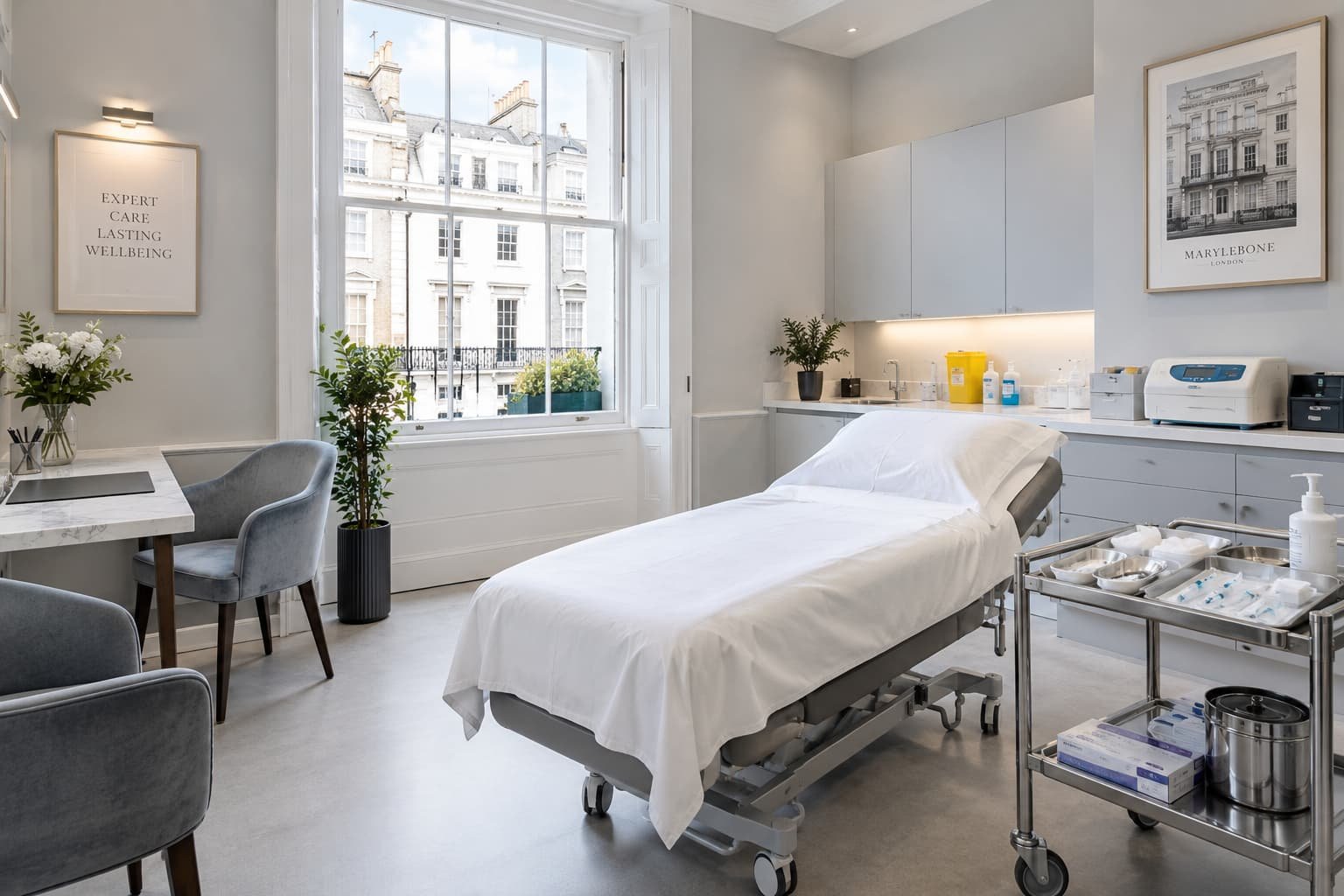
    Clinical treatment room offering non-surgical treatment for erectile dysfunction in London
    Non-surgical options are typically considered after lifestyle change and medication have been explored.

    Private clinics across London offer non-surgical treatment for erectile dysfunction in London for men who have not responded adequately to first-line options. Clinicians generally consider these treatments where lifestyle change and oral medication provide limited benefit. Availability and protocol vary between providers, and patients should verify practitioner qualifications before booking any procedure.

    Priapus Shot (P-Shot) Treatment

    The Priapus Shot, commonly known as the P Shot treatment, uses platelet-rich plasma prepared from a patient’s own blood. Clinicians administer the p injection directly into penile tissue, aiming to support tissue regeneration and blood flow. Clinics offering P Shot London and Priapus Shot London protocols position the treatment as a non-surgical alternative to oral medication or surgical implants. Priapus shot price varies between providers, depending on protocol and aftercare provision. Patients should confirm pricing directly with a registered clinic before booking treatment.

    Evidence and Realistic Expectations

    Evidence supporting platelet-rich plasma for erectile dysfunction remains an evolving area of research, with most available studies limited in size. Robust, large-scale clinical trials do not yet support penile injection growth claims associated with the treatment, and results vary between individuals. Any P Shot before and after comparison warrants cautious interpretation, since photographic results do not represent standardised clinical measures. Men considering a P shot UK provider should seek treatment only from a registered medical practitioner, following a full clinical assessment. Realistic expectations, supported by transparent clinical discussion, remain essential before proceeding with any injectable treatment.

    Pshots clinic uk, a Harley Street clinic led by Dr Syed Nadeem Abbas, represents one example of a UK provider offering this category of treatment under medical supervision.

    Frequently Asked Questions

    What are the earliest physical changes linked to erectile dysfunction?

    Reduced morning erections, softer erections, and difficulty maintaining firmness during intercourse often appear first.

    At what age do signs of erectile dysfunction usually appear?

    Signs of erectile dysfunction can appear at any adult age, though prevalence increases significantly after forty.

    Can stress alone cause erectile difficulty?

    Stress and anxiety can independently cause erectile difficulty, though clinicians should still assess and exclude physical causes.

    Is erectile dysfunction always linked to a serious health condition?

    Not always, though persistent erectile dysfunction can indicate cardiovascular disease, diabetes, or hormonal imbalance, and warrants assessment.

    What is the first step after noticing possible symptoms?

    A GP consultation forms the recommended first step, allowing for medical history review and basic testing.

    Are lifestyle changes alone enough to reverse early symptoms?

    Lifestyle changes can improve mild cases, particularly where smoking, inactivity, or excess weight contribute to the difficulty.

    Can the P Shot treatment cure erectile dysfunction?

    The P Shot treatment does not carry a classification as a cure. Evidence remains limited, and outcomes vary between patients.

    Key Takeaways

    The signs of erectile dysfunction rarely appear dramatic at first. A quieter erection, a slower response, or a subtle loss of firmness often arrive first, well before the condition becomes disruptive. Recognising these changes early supports timely diagnosis and allows underlying conditions, including cardiovascular disease and diabetes, to surface sooner. Treatment options range from lifestyle change and oral medication through to non-surgical treatment for erectile dysfunction in London, and each option carries its own evidence base and limitations. Given how closely erectile health reflects overall physical health, what might early changes be revealing about broader wellbeing?

    Read more: Understanding the Causes of Erectile Dysfunction: Psychological vs Physical Factors

    P Shot for ED: Is It Suitable for Mild or Moderate Erectile Dysfunction?

    P Shot Treatment London

    Dr Syed Nadeem Abbas, MBBS, MRCSEd, MSc Aesthetic Plastic Surgery (Distinction) Medical Director, Pshot Clinic | CQC Regulated | Monday to Saturday 10:00–18:00 +44 7955 836986

  • ED in Younger Men: Causes, Risk Factors and Treatment Options

    ED in Younger Men: Causes, Risk Factors and Treatment Options

    ✅Medically reviewed | Updated September 2026

    Erectile dysfunction carries an outdated reputation as a problem confined to later life. Clinical data challenges that assumption directly. ED in younger men is far more common than most people realise, affecting a substantial proportion of men under 40. Stress, anxiety, lifestyle habits and undiagnosed physical conditions all contribute to erectile difficulty at a younger age. This pattern differs from erectile dysfunction in older men, where vascular disease and age-related hormonal decline dominate the clinical picture. Recognising these distinctions matters, because a treatment plan suited to a 65-year-old rarely addresses the specific drivers seen in a 25-year-old.

    This article sets out the causes, risk factors and treatment options relevant to erectile difficulty in young adulthood. It draws on published research, NHS and NICE guidance and clinical practice standards used across UK sexual health services. It also examines non-surgical treatment for erectile dysfunction in London, including regenerative injection-based approaches, and states the current evidence and its limitations without exaggeration or unsupported promises.

    How Common Is ED in Younger Men?

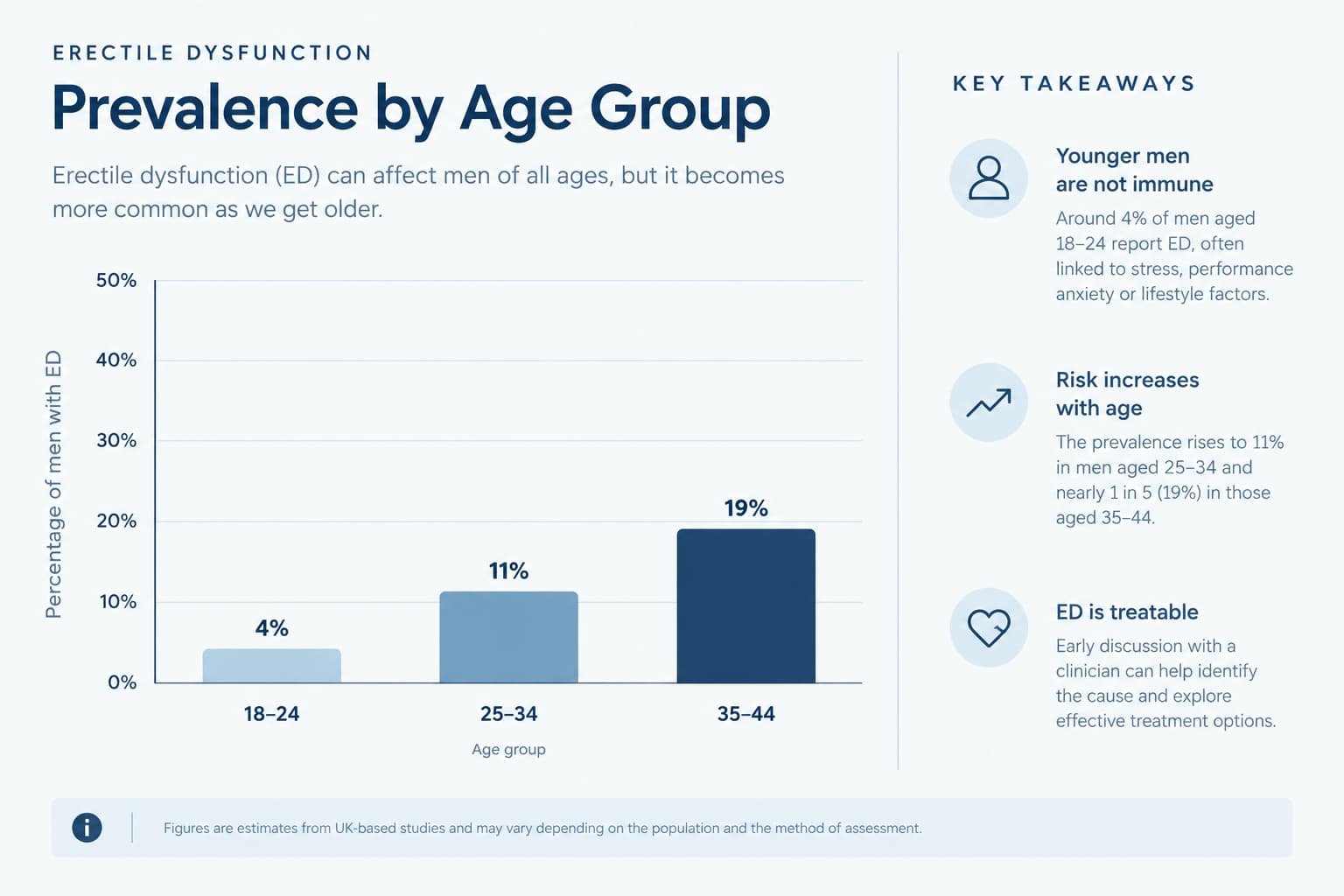
    Bar chart showing erectile dysfunction prevalence by age group in younger men.
    Erectile dysfunction affects a measurable proportion of men well before middle age.

    Erectile dysfunction is often assumed to develop gradually after middle age. Research does not support that assumption. A 2024 analysis of the National Survey of Sexual Wellbeing recorded erectile dysfunction in 17.9 percent of men aged 18 to 24, and 13.3 percent of men aged 25 to 34. These figures sit close to rates recorded in men aged 35 to 44, at 12.7 percent. Research from King’s College London estimates that up to 4.3 million men in the UK live with some degree of erectile dysfunction, with symptoms reported in up to half of men under the age of 50.

    These figures confirm that erectile difficulty in young adulthood represents a genuine clinical pattern rather than an isolated exception. A separate published study found that one in every four men diagnosed with erectile dysfunction was under the age of 40. Reported prevalence may still understate the true figure, since a considerable number of men remain reluctant to raise erectile symptoms during a routine GP appointment.

    Defining Erectile Dysfunction in Young Adults

    The NHS defines erectile dysfunction as persistent difficulty getting or keeping an erection firm enough for satisfactory sexual activity. Occasional difficulty is common and does not, on its own, indicate a clinical problem. A diagnosis becomes clinically relevant when difficulty occurs regularly, persists for several months, or causes distress. Symptoms present in broadly the same way regardless of patient age: reduced firmness, inconsistent erections, or a complete inability to achieve an erection. ED in younger men frequently presents alongside intact night-time or morning erections, together with difficulty specifically during partnered sexual activity. This pattern often points toward a psychological rather than a purely physical cause, and it forms an important part of initial clinical assessment.

    Physical Causes of Erectile Dysfunction in Young Men

    Physical causes affect a meaningful share of younger patients, even though psychological factors dominate the overall picture at this stage of life.

    Vascular and Cardiovascular Factors

    Erections depend on adequate blood flow into penile tissue. Smoking, high cholesterol, elevated blood pressure and early-stage diabetes each narrow blood vessels and reduce that flow. Coronary heart disease affects around 2.3 million people across the UK, and a family history of the condition raises individual risk considerably. Vascular causes identified at a younger age often signal wider cardiovascular risk that benefits from prompt clinical assessment rather than delay.

    Hormonal Imbalances

    Abnormal thyroid hormone levels, elevated prolactin, or low testosterone can each interfere with normal erectile function. Anabolic steroid use, increasingly common among younger men pursuing rapid muscle growth, disrupts natural testosterone production and carries a recognised association with erectile difficulty that persists after the drug is discontinued.

    Anatomical Conditions

    Structural conditions such as Peyronie’s disease, phimosis, and a tight frenulum can each restrict normal erectile function. These conditions occur across all age groups and generally respond well to targeted clinical assessment and appropriate treatment.

    Medication Side Effects

    Certain antidepressants, blood pressure medications, and several other prescribed drugs list erectile difficulty as a recognised side effect. A GP consultation should take place before any dose change or medication substitution, since abrupt changes carry separate clinical risks.

    Psychological Causes of Erectile Dysfunction

    Psychological factors account for a considerable share of erectile difficulty in younger patients, more so than in older age groups, where physical disease more often predominates.

    Performance Anxiety

    Anxiety about sexual performance ranks among the most frequently cited psychological causes affecting young men. Worry about maintaining an erection, satisfying a partner, or unintended pregnancy can create a self-reinforcing cycle. Anxiety interferes with erectile response, and the resulting difficulty increases anxiety further on subsequent occasions. This anxiety-driven cycle explains why symptoms often improve once the underlying psychological trigger receives proper clinical attention.

    Stress and Depression

    General life stress, relationship strain, and depressive symptoms can each reduce libido and interfere with erectile response. Depression presents differently across individuals, and the resulting effect on sexual function varies considerably from one patient to the next.

    Pornography Use and Sexual Conditioning

    Some evidence suggests that frequent pornography use may alter expectations around sexual arousal, contributing to difficulty during partnered activity. Research in this specific area remains limited in scope, and firm conclusions should be treated with appropriate caution until larger studies emerge.

    Risk Factors Linked to Early-Onset Erectile Difficulty

    Lifestyle factors linked to erectile dysfunction risk including smoking and alcohol
    Modifiable lifestyle factors play a significant role in early-onset erectile difficulty.

    Several modifiable lifestyle factors raise the likelihood of erectile difficulty developing at a younger age:

    Smoking and vaping can damage blood vessels and restrict healthy blood flow.

    Excessive alcohol consumption, particularly above the recommended 14 units per week, may contribute to erectile difficulties.

    Recreational drug use can affect sexual function and interfere with normal erectile responses.

    Obesity and low physical activity levels may increase the risk of erectile dysfunction.

    Poor sleep quality, including undiagnosed sleep apnoea, can also affect erectile function.

    Anabolic steroids and testosterone boosters may disrupt natural hormone balance and contribute to sexual problems.

    Addressing these modifiable risk factors represents the first and most evidence-supported step in managing ED in younger men. Unlike age or genetic predisposition, each factor listed above responds meaningfully to behavioural change over a relatively short period.

    Diagnosis and Clinical Assessment

    NICE has not published a single dedicated clinical guideline for erectile dysfunction, though several existing guidelines address identification and management within specific patient groups. NICE Clinical Knowledge Summaries recommend a structured assessment covering medical history, current medication, lifestyle factors, and a validated questionnaire such as the International Index of Erectile Function. Because erectile dysfunction can act as an early marker of cardiovascular disease, assessment typically includes blood pressure, cholesterol, and blood glucose screening, even in patients presenting at a comparatively young age. Most cases involve a mixed physical and psychological cause rather than a single isolated factor, which is why a structured assessment matters more than guesswork.

    Treatment Options for ED in Younger Men

    Treatment selection depends on the underlying cause identified during assessment, and several evidence-based options exist across NHS and private care pathways.

    Lifestyle Modification

    Quitting smoking, reducing alcohol intake, achieving a moderate weight, and increasing regular physical activity each improve erectile function in a meaningful proportion of cases. These measures also reduce broader cardiovascular risk, independent of any specific effect on sexual function, and represent the lowest-risk starting point for most patients.

    Psychological Support and Counselling

    Where anxiety, stress, depression, or relationship difficulty contributes to symptoms, structured counselling or psychosexual therapy addresses the underlying cause rather than the symptom alone. Counselling is frequently combined with short-term medication while the underlying issue resolves over subsequent weeks.

    Pharmacological Treatment

    PDE5 inhibitors, including sildenafil, tadalafil, and vardenafil, remain the first-line pharmacological option for most patients. These medications increase blood flow to the penis and prove effective in a majority of men without contraindications. NHS prescribing for these medications is restricted under specific criteria, meaning many men seeking treatment obtain a private prescription instead of an NHS one.

    Mechanical Devices

    Vacuum erection devices draw blood into the penis using negative pressure, while constriction rings maintain firmness by trapping blood at the base of the penis. Both options offer a non-pharmacological route with minimal systemic side effects, though neither addresses an underlying physical or psychological cause directly.

    Non-Surgical Treatment for Erectile Dysfunction in London: The P-Shot Approach

    Interest in non-surgical treatment for erectile dysfunction in London has grown alongside demand for options beyond daily or on-demand medication. One such option is the P-Shot treatment, also referred to as a Priapus shot or penile injection growth procedure. Clinics offering a P shot London service typically position it as a complementary rather than a replacement option within a wider treatment plan.

    What Is the P-Shot Treatment?

    Practitioner preparing platelet-rich plasma for a P-Shot treatment procedure
    The P-Shot treatment uses PRP prepared from a patient’s own blood sample.

    The P-Shot treatment uses platelet-rich plasma, or PRP, extracted from a patient’s own blood sample. The sample undergoes centrifugation to concentrate platelets and growth factors, which are then prepared as a P injection administered into specific areas of penile tissue under local anaesthetic. The stated aim is to stimulate tissue repair and encourage new blood vessel formation, addressing one of the vascular mechanisms underlying erectile difficulty. Patients considering a P shot treatment typically attend an initial consultation to confirm medical suitability before any procedure takes place.

    Evidence Base and Current Limitations

    The evidence supporting PRP-based penile injection remains mixed and still developing. A 2021 randomised controlled trial published in the Journal of Sexual Medicine reported measurable improvement in erectile function scores among treated participants. A subsequent 2023 randomised controlled trial published in European Urology produced more modest findings, highlighting the need for further large-scale research before firm conclusions can be drawn. The Sexual Medicine Society of North America has classified PRP-based restorative therapies as an emerging rather than an established treatment. NICE Clinical Knowledge Summaries and European Association of Urology guidance do not currently list PRP injection among recommended first-line treatments for erectile dysfunction. This evidence gap means that a P shot treatment for ED in younger men should be considered alongside, rather than instead of, guideline-recommended options.

    Priapus Shot Price and Realistic Expectations

    Priapus shot price in the UK typically ranges from £900 to £1,500 per session, depending on clinic protocol and the number of sessions recommended following consultation. P shot before and after comparisons circulating online should be interpreted with caution, since lighting, positioning, and individual variation each affect apparent outcomes considerably. No clinic can guarantee a specific result, and realistic expectations should form a standard part of any pre-treatment consultation. Individuals researching a P shot UK provider should confirm that a qualified medical practitioner performs the procedure under appropriate clinical governance and with documented aftercare guidance.

    Provider Selection for a P-Shot Treatment

    Clinical consultation materials used when discussing non-surgical ED treatment options
    Informed decision-making starts with a clear discussion of options, evidence and realistic outcomes.

    Selecting a provider offering a Priapus shot London service requires attention to practitioner qualifications, hygiene standards, and a transparent discussion of expected outcomes ahead of any procedure. pshots clinic uk, a Harley Street clinic led by Dr Syed Nadeem Abbas, is one example of a UK provider offering the P-Shot treatment alongside standard clinical assessment. This mention serves as a factual reference rather than an endorsement, and independent verification of practitioner credentials remains advisable before any procedure proceeds.

    When to Seek Medical Advice

    Persistent erectile difficulty lasting more than a few months warrants a GP consultation, particularly where cardiovascular risk factors, diabetes, or depressive symptoms are also present. Sudden-onset erectile dysfunction with no clear psychological trigger should prompt urgent medical review, since it can occasionally indicate an underlying cardiovascular or neurological condition requiring prompt attention rather than a wait-and-see approach.

    Frequently Asked Questions

    At what age can ED in younger men begin?

    Erectile difficulty has been recorded in men during the late teenage years and twenties. Age alone does not determine risk; lifestyle, psychological wellbeing, and underlying health conditions play a larger role at these younger ages than age itself.

    Is early-onset erectile dysfunction usually reversible?

    Many cases resolve with lifestyle modification, counselling, or short-term medication, particularly where a psychological or lifestyle-related cause receives early identification. Reversibility ultimately depends on the underlying cause and how promptly it receives clinical attention.

    Can lifestyle changes alone resolve erectile difficulty?

    Lifestyle changes improve erectile function in a meaningful proportion of cases, especially where smoking, alcohol, obesity, or inactivity contribute to the underlying problem. Some cases still require additional medical or psychological treatment alongside lifestyle change to achieve full resolution.

    How does a P-Shot treatment differ from standard medication?

    Standard medication, such as PDE5 inhibitors, produces a temporary effect limited to the period during which the drug remains active in the body. A P-Shot treatment aims to encourage longer-term tissue and vascular change through PRP injection, though evidence for this longer-term effect remains limited compared with established pharmacological options.

    What does a Priapus shot price typically include?

    Priapus shot price generally covers the initial consultation, blood draw and processing, local anaesthetic, and the injection procedure itself. Some providers charge separately for follow-up review appointments booked after the initial session.

    Is a P shot treatment suitable for every younger man with erectile difficulty?

    Suitability depends on individual medical history, current medication, and the underlying cause of erectile difficulty identified during assessment. A qualified practitioner should confirm suitability during an initial consultation before recommending any P shot treatment or penile injection growth procedure.

    Key Takeaways

    ED in younger men reflects a genuine and measurable clinical pattern. It is not limited to a small minority. Physical causes, psychological factors, and lifestyle risks can all contribute. Their influence varies between individuals. Accurate diagnosis requires structured clinical assessment. It should not rely on assumptions or guesswork. Established treatments include lifestyle changes, counselling, and PDE5 inhibitors. These remain evidence-backed options for many patients. Emerging options, such as P-Shot treatment, provide another non-surgical approach in London. However, current evidence supports a cautious and informed approach. No treatment can guarantee results for every patient. Individual causes and treatment pathways must be considered. Early clinical assessment may help identify underlying causes and suitable treatment options. Erectile difficulties deserve the same attention as other health concerns.

    Read more: Erectile Dysfunction Under 40: Causes and Modern Solutions

    Best Age for P Shot: Is There an Ideal Time to Start Treatment?

    P Shot Treatment London

    Dr Syed Nadeem Abbas, MBBS, MRCSEd, MSc Aesthetic Plastic Surgery (Distinction) Medical Director, Pshot Clinic | CQC Regulated | Monday to Saturday 10:00–18:00 +44 7955 836986 

  • P Shot and Male Fertility: Does It Affect Sperm?

    P Shot and Male Fertility: Does It Affect Sperm?

    ✅Medically reviewed | Updated September 2026

    Men researching the P Shot often ask an unexpected question. Does the treatment affect fertility or sperm quality? The P Shot and Male Fertility question sits at an unusual crossroads in modern regenerative medicine. One field studies a non-surgical treatment for erectile dysfunction in London. It uses a man’s own blood to support penile tissue. A separate, fast-growing field studies intratesticular platelet injections aimed directly at treating infertility. Marketing language and online forums often blur these two applications together. This creates an assumption that a treatment for erectile function must also influence sperm production. Recent peer-reviewed reviews in Stem Cell Research & Therapy reveal current findings. These findings show what platelet-rich plasma research can demonstrate about male reproductive health.

    This article separates evidence-based fact from marketing assumption. It clarifies exactly where sperm health fits into the P Shot and Male Fertility picture. The distinction matters. Private clinics increasingly promote regenerative injections as broad wellness solutions, sometimes without clarifying which specific outcomes the research actually supports.

    What Is the P Shot? A Brief Clinical Overview

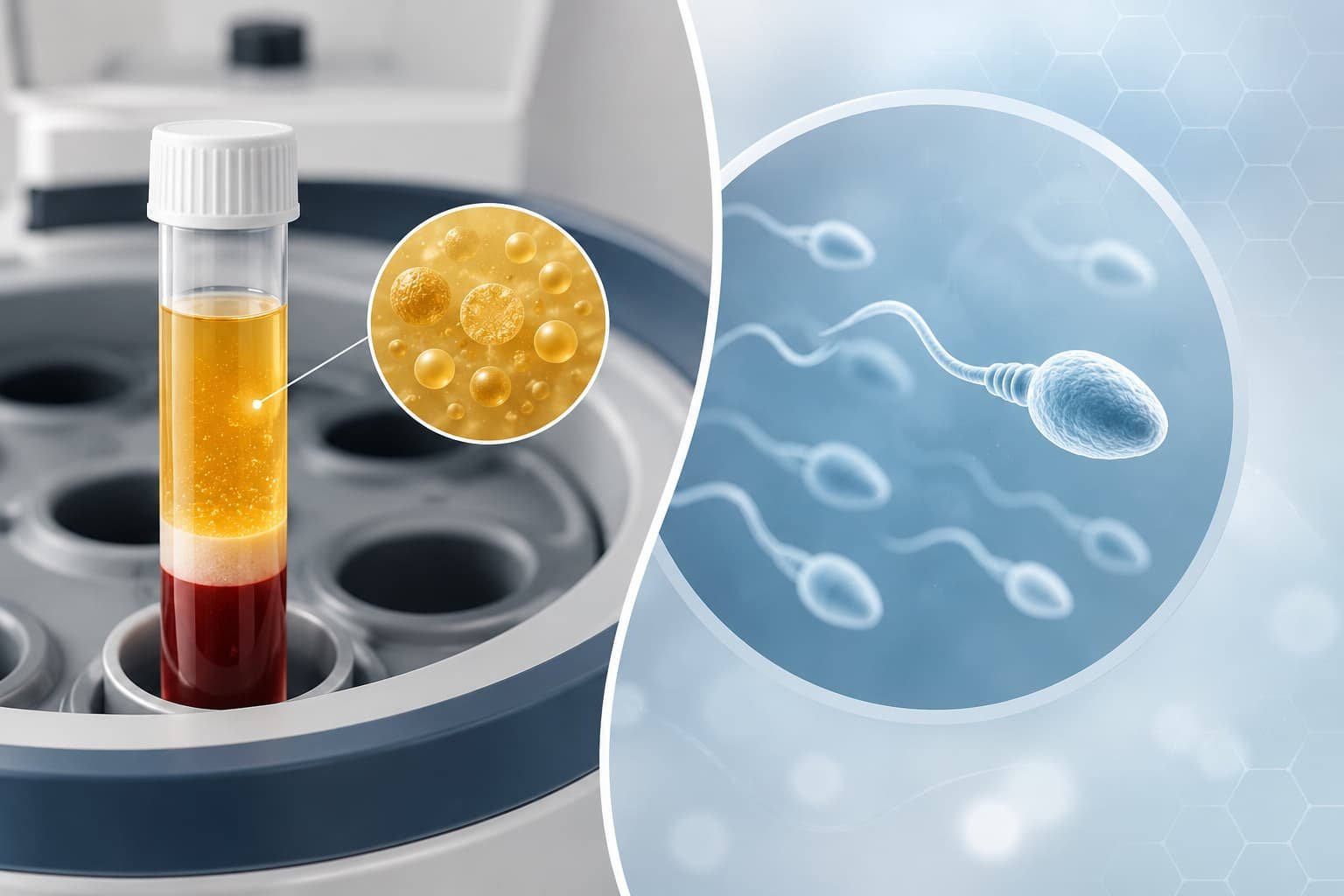
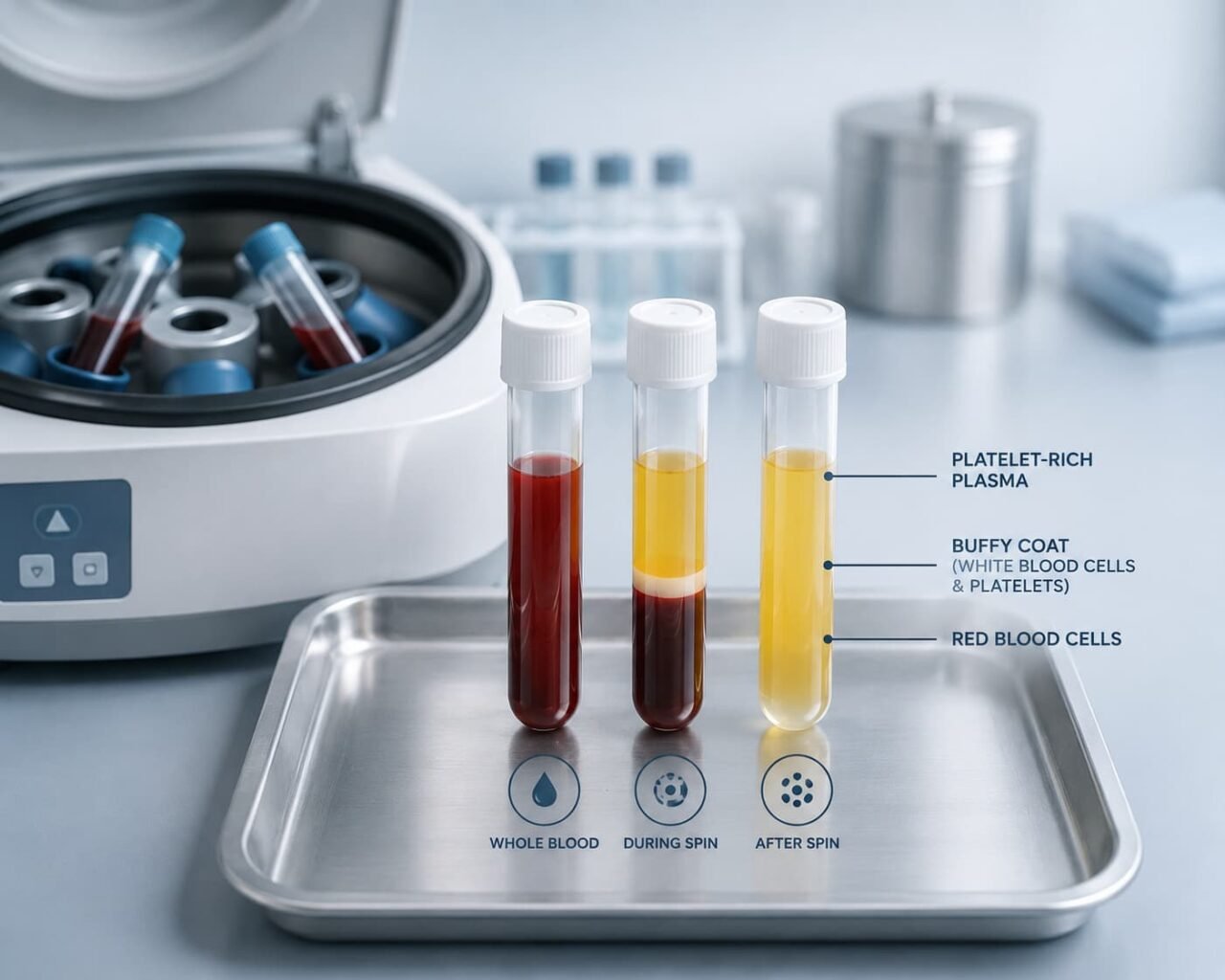
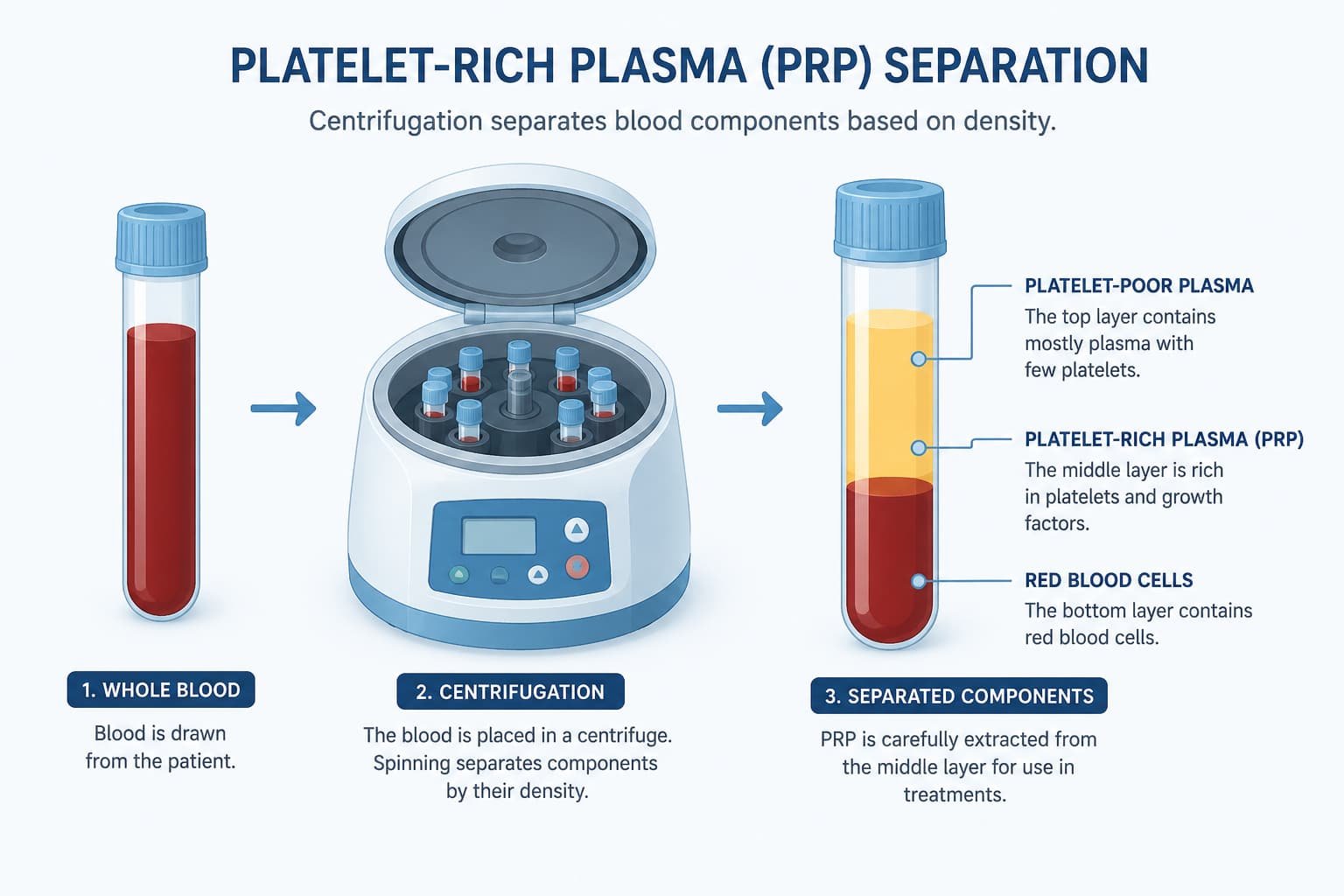
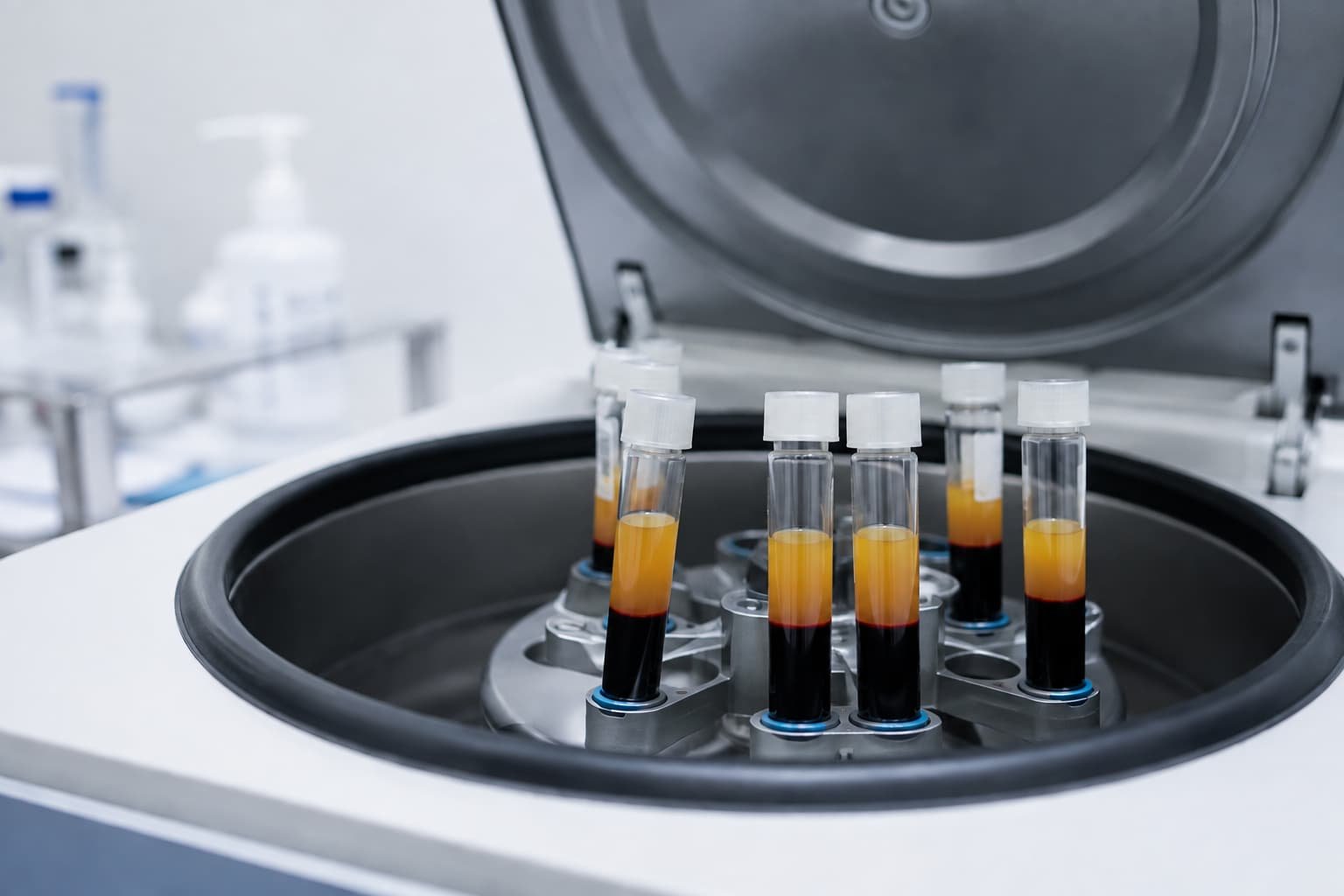
    Centrifuge separating platelet-rich plasma for a P Shot treatment
    PRP preparation involves centrifuging a small blood sample to concentrate platelets and growth factors.

    The P Shot, also called the Priapus Shot, is a p injection technique. It was developed for erectile dysfunction. The p shot treatment uses platelet-rich plasma (PRP) extracted from a patient’s own blood. A clinician draws a small blood sample and processes it through a centrifuge. This process concentrates platelets rich in growth factors. Key factors include platelet-derived growth factor (PDGF), vascular endothelial growth factor (VEGF), and transforming growth factor beta (TGF-beta). The concentrated plasma is injected into specific areas of the penis. Injection sites typically include the shaft and glans, under local anaesthetic. The stated goal is improved blood flow, tissue repair, and enhanced erectile function, not a change in reproductive capacity.

    Marketing claims about penile injection growth sometimes describe size-related outcomes. These claims differ from the evidence-based purpose, which centres on tissue repair rather than fertility. The procedure targets penile erectile tissue directly. It does not involve the testes, epididymis, or seminal vesicles, the structures responsible for sperm production and storage. This anatomical distinction matters for anyone raising P Shot and Male Fertility concerns before treatment. A pre-treatment consultation typically reviews erectile dysfunction history, current medications, and reproductive health concerns. This allows the clinician to flag anatomical or procedural questions before injection.

    Understanding Male Fertility and Sperm Health

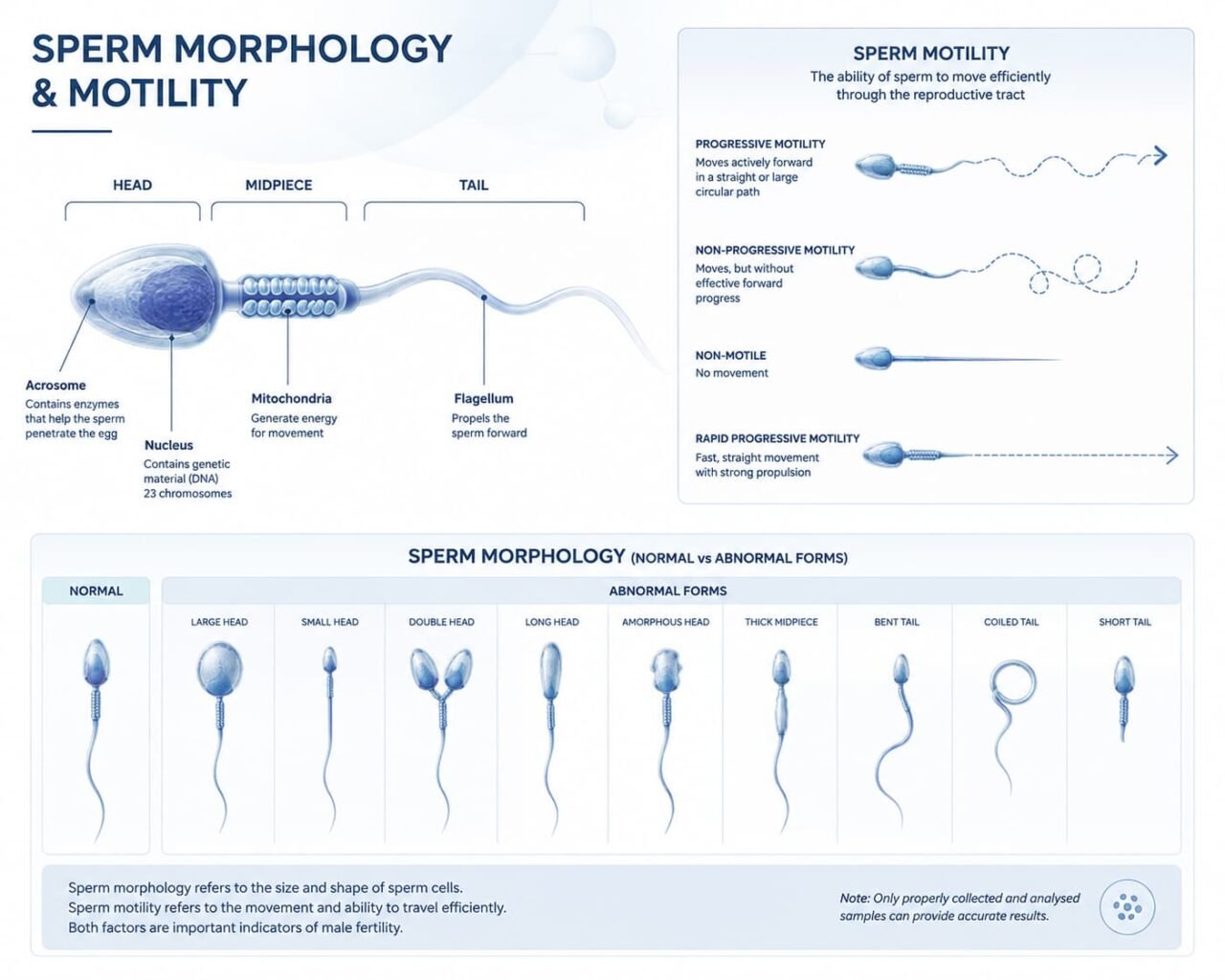
    Diagram of sperm cell structure relevant to male fertility assessment
    Sperm concentration, motility, and morphology are the key markers used to assess male fertility.

    Male fertility depends on several measurable sperm parameters. These include concentration, motility, morphology, and DNA integrity. According to NHS guidance, common causes of male infertility include hypogonadism, certain medications, illegal drug use, and chemotherapy. The National Institute for Health and Care Excellence (NICE) recommends genetic testing for men with persistently low sperm concentration. NICE also outlines clear investigation pathways for couples experiencing fertility problems. Sperm production, known as spermatogenesis, occurs within the testes over an approximately 64 to 72-day cycle. Hormonal signals from the pituitary gland regulate this process through follicle-stimulating hormone (FSH) and luteinising hormone (LH).

    World Health Organization reference values classify a sperm concentration below 16 million per millilitre as below the typical fertile range. Natural variation still exists between individuals. Any factor that disrupts testicular function, hormonal balance, or the testicular blood supply can influence fertility outcomes. Recognising which treatments interact with these specific structures matters. This distinction, rather than unrelated anatomy, is essential when evaluating claims about the P Shot and Male Fertility relationship.

    PRP and Male Fertility: What the Research Actually Shows

    Platelet-rich plasma has attracted growing research interest across reproductive medicine. A 2025 systematic review in Stem Cell Research & Therapy examined 43 studies. These studies covered PRP applications in male reproductive health. The review covered five distinct research categories. These included in vitro spermatogenesis, sperm cryopreservation, intratesticular PRP injection for infertility, testicular toxicity protection, and testicular torsion injury. None of these categories involved the type of penile injection used in the P Shot procedure.

    Intratesticular PRP Injections for Infertility

    Several studies reviewed by the Springer authors examined PRP injected directly into the testes. Participants had non-obstructive azoospermia or oligoasthenoteratozoospermia. One trial involved 135 men with non-obstructive azoospermia. A small percentage produced retrievable sperm after intratesticular PRP injection. Another randomised trial of 88 men with oligoasthenoteratozoospermia reported modest improvements in sperm concentration and motility after three months. These interventions target testicular tissue directly, aiming to support spermatogenesis at its source. Sperm was retrieved in 27.5% of first-attempt patients and 16.4% of repeat-attempt patients. This illustrates modest, condition-specific benefit rather than a general fertility boost. This procedure differs fundamentally from the P Shot, which targets penile erectile tissue rather than the testes.

    PRP Added to Sperm Samples in the Laboratory

    A separate 2025 study, published via ScienceDirect, examined an entirely different application. Researchers added PRP directly to collected semen samples during laboratory incubation and swim-up processing. This is a fertility clinic technique, applied outside the body to sperm already collected. Results showed improved total and progressive motility in both normal and abnormal semen samples. This laboratory application has no anatomical or procedural connection to a penile PRP injection performed in a clinic setting.

    How PRP’s Growth Factors Interact With Reproductive Tissue

    PRP contains a concentrated mixture of growth factors. Key examples include PDGF, VEGF, TGF-beta, and fibroblast growth factor. Within testicular tissue, laboratory and animal studies suggest these molecules may support spermatogonial stem cell viability. These molecules may also reduce oxidative damage to developing sperm cells. Within penile tissue, the same growth factors are theorised to support vascular repair. These factors may also support smooth muscle function relevant to erectile response. The biological mechanism differs according to the tissue receiving the injection. Growth factors do not automatically produce the same effect in every organ. Local receptor density, blood supply, and cell type all influence outcomes. This principle matters. Findings from testicular PRP research cannot be assumed to apply to a penile P Shot injection without direct testing.

    Comparing the P Shot to Other Regenerative Approaches for Fertility

    Men exploring regenerative options for reproductive or sexual health may encounter several distinct treatments. Intratesticular PRP injection targets infertility directly and remains under active clinical investigation. Laboratory PRP supplementation supports sperm samples during fertility treatment cycles. The P Shot, by contrast, targets erectile function through localised penile injection. Each approach uses the same underlying biological material, autologous platelet-rich plasma. The injection site, clinical indication, and evidence base differ substantially. Men should avoid assuming interchangeable outcomes across these three distinct applications.

    Does the P Shot Itself Affect Sperm or Fertility?

    No published clinical trial has examined whether a penile P Shot injection changes sperm parameters or fertility outcomes. The existing PRP-fertility evidence base, discussed above, investigates entirely separate delivery routes: direct testicular injection or laboratory-based sperm treatment. A penile injection targets vascular and erectile tissue, not the seminiferous tubules where sperm production occurs. PRP used in the P Shot remains within the corpus cavernosum and surrounding penile tissue. It does not circulate systemically in concentrations likely to alter testicular hormone production or spermatogenesis.

    This localised delivery is a core principle behind PRP-based regenerative therapy for ED generally. Current marketing sometimes implies a P Shot and Male Fertility connection that lacks direct supporting evidence. Clinicians typically describe the treatment’s intended effect as local tissue support rather than a systemic hormonal or reproductive intervention. Absence of evidence for harm is not the same as proof of neutrality. Men with active fertility concerns deserve a cautious, individualised conversation before proceeding.

    What the Current Evidence Cannot Yet Tell Us

    PRP research in male reproductive medicine remains at an early stage. The Stem Cell Research & Therapy review noted considerable inconsistency. Preparation protocols, dosing, and outcome measures varied widely across studies. Many findings originate from animal models rather than large human trials. Sample sizes in the available human studies remain small, often fewer than 100 participants. Few trials include long-term follow-up beyond several months. Long-term safety data on intratesticular PRP remains limited. No dedicated trial has directly measured semen parameters before and after a standard penile P Shot procedure. Until such trials exist, any confident claim about the P Shot and Male Fertility relationship remains speculative. Men actively trying to conceive, or planning to do so soon, should raise this evidence gap directly. A qualified clinician should confirm suitability before any PRP-based treatment. Extrapolating fertility benefit, or fertility risk, from unrelated PRP applications is not supported by current data.

    Who Typically Considers the P Shot

    Men considering the P Shot commonly present with erectile dysfunction. First-line options, such as oral PDE5 inhibitors, have often not fully resolved symptoms. Some men seek the treatment alongside lifestyle changes or shockwave therapy as part of a broader management plan. Age, cardiovascular health, and psychological factors all influence erectile function and should be assessed before treatment. Men with an active fertility concern form a distinct group within this population. This group’s specific questions about sperm health warrant separate, dedicated discussion during consultation.

    Priapus Shot Price and Availability in the UK

    Priapus shot price in private UK clinics typically ranges from £900 to £1,500 per session. Cost depends on clinic location, practitioner experience, and recommended session number. Cost varies between a p shot London clinic and providers outside major cities. This reflects differences in overheads and consultation standards. Men researching Priapus shot London providers should compare consultation standards as carefully as price. A thorough medical consultation should precede any p shot UK booking. This includes a review of relevant medical history and fertility-related concerns. Clinics offering this treatment should provide transparent pricing and avoid bundling unrelated add-on services into a single quoted fee.

    Non-Surgical Treatment for Erectile Dysfunction in London: Where the P Shot Fits

    London hosts a growing number of clinics offering non-surgical treatment for erectile dysfunction. Options range from oral medication to shockwave therapy and PRP-based treatment. The P Shot represents one branch of natural ED treatment using PRP therapy, alongside other regenerative approaches. Men seeking erectile dysfunction treatment London providers should consider evidence quality and practitioner qualifications. Realistic outcome expectations matter before selecting a specific option. Clinics such as pshots clinic uk, led by Dr Syed Nadeem Abbas, provide consultations assessing suitability for PRP-based treatment. Other established options are also considered. Selecting a registered clinic with clear clinical governance matters more than choosing a treatment based on marketing claims alone.

    P Shot Before and After: Realistic Expectations

    P shot before and after photographs are widely shared online. These images focus on subjective appearance and reported erectile function, not fertility markers. No published before-and-after data includes semen analysis results. Prospective patients should treat visual before-and-after material as illustrative rather than diagnostic evidence of any fertility-related outcome. Realistic expectations centre on erectile function, sensation, and tissue response, not reproductive capacity.

    Safety Considerations for Men Concerned About Fertility

    Men actively planning conception should disclose this intention during consultation. A qualified clinician can then discuss the current limits of PRP research. This includes the P Shot and Male Fertility evidence gap outlined above. Standard exclusion criteria for PRP-based treatments include active infection, bleeding disorders, and certain blood-thinning medications. No current guideline recommends postponing conception attempts because of a prior penile P Shot procedure. Individualised medical advice always takes precedence over general information. M-en with pre-existing fertility diagnoses, including azoospermia or severe oligospermia, may benefit more from the intratesticular PRP research pathway. A penile-focused treatment is less directly relevant. A referral to a fertility specialist remains the appropriate first step for men with a confirmed fertility diagnosis. A cosmetic or sexual health clinic is not the right starting point.

    Frequently Asked Questions

    Does the P Shot affect sperm count or sperm production?

    No published clinical study has measured sperm count changes following a penile P Shot injection. Existing PRP-fertility research examines different delivery methods entirely.

    Is the P Shot and Male Fertility link supported by clinical trials?

    No dedicated trial currently exists. Available evidence covers intratesticular PRP injection and laboratory sperm processing, not penile PRP injection.

    Can the P Shot be combined with fertility treatment?

    Men undergoing fertility investigation or treatment should discuss any additional procedure with the treating clinician first. This includes the P Shot.

    How much does the Priapus Shot cost in the UK?

    Priapus shot price typically ranges from £900 to £1,500 per session in private UK clinics. Costs vary by provider.

    Does PRP used in fertility treatment come from the same process as the P Shot?

    Both use autologous platelet-rich plasma prepared through centrifugation. The injection site and clinical purpose differ substantially.

    Should men trying to conceive avoid the P Shot altogether?

    Current evidence does not confirm harm. Men trying to conceive should still raise this specific question during consultation before proceeding.

    Are the studies on PRP and fertility relevant to a standard P Shot consultation?

    These studies provide useful background on PRP biology. Background research does not substitute for direct evidence on penile PRP injection and fertility outcomes.

    Does age affect how PRP research applies to fertility discussions?

    Sperm quality naturally declines with age, regardless of any PRP treatment. Age-related fertility factors should be discussed separately from any P Shot consultation.

    Key Takeaways

    The P Shot and Male Fertility question deserves a precise, evidence-based answer. An assumption borrowed from unrelated research is not sufficient. Current studies on PRP and fertility focus on intratesticular injection and laboratory sperm processing. Neither examines the penile procedure used in a standard P Shot. No direct clinical evidence currently links a penile P Shot injection to changes in sperm count, motility, or fertility outcomes. None currently proves complete neutrality either. Men considering treatment, particularly those actively planning conception, benefit most from a detailed consultation. This consultation should address the evidence gap directly. Informed decision-making depends on separating documented clinical outcomes from marketing narrative. Platelet-rich plasma research continues to expand across reproductive medicine. Will future trials finally test the P Shot itself for any measurable effect on male fertility?

    read more: Men’s Sexual Health in 2026: Trends, Treatments and Taboos

    How to Prepare for a P-Shot: Full Pre-Treatment Checklist

    P shot Treatment London

    Dr Syed Nadeem Abbas, MBBS, MRCSEd, MSc Aesthetic Plastic Surgery (Distinction) Medical Director, Pshot Clinic | CQC Regulated | Monday to Saturday 10:00–18:00 +44 7955 836986
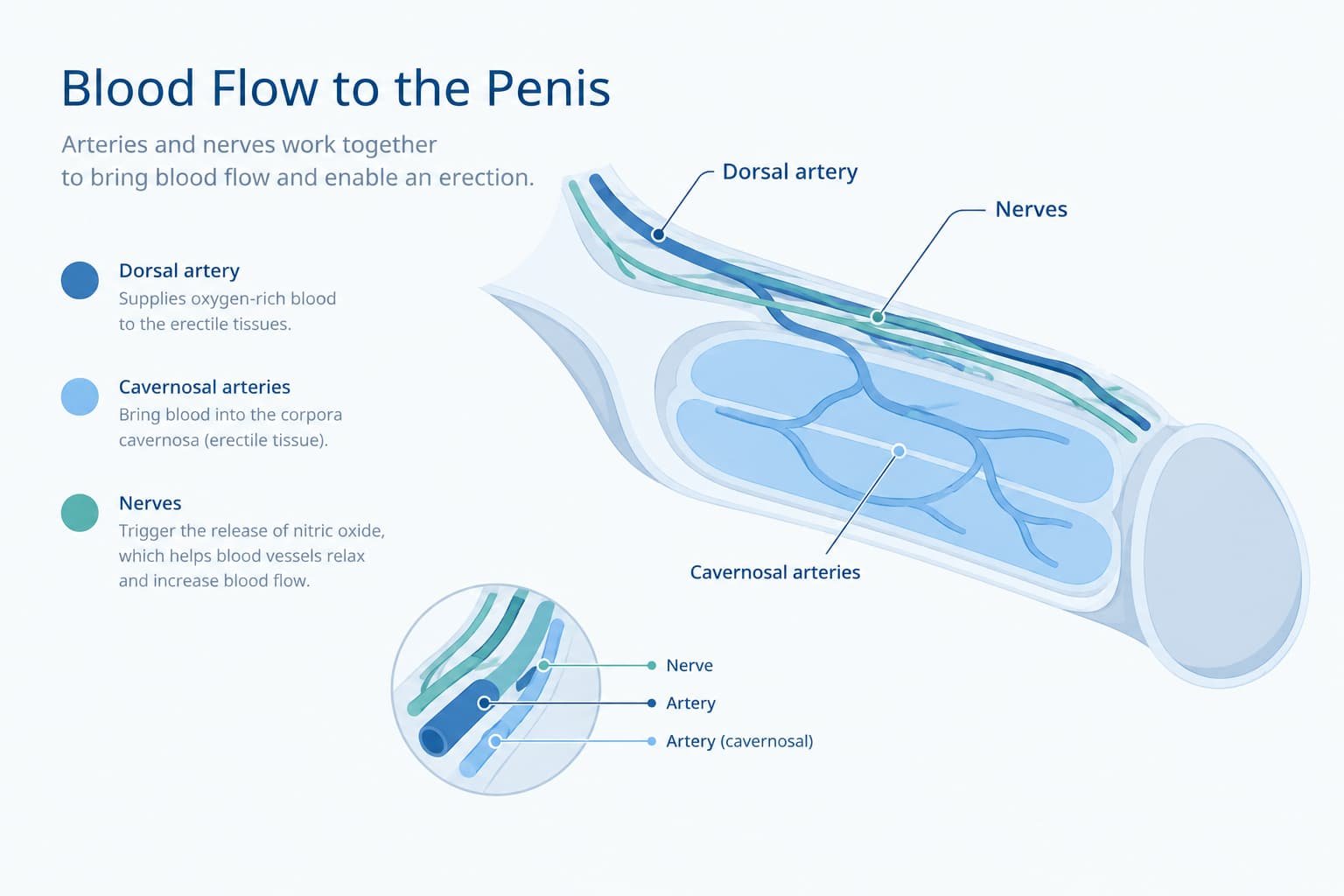
  • How Long Do P-Shot Effects Take to Develop?

    How Long Do P-Shot Effects Take to Develop?

    ✅Medically reviewed | Updated September 2026

    Erectile dysfunction affects a large proportion of adult men in the UK, and interest in regenerative alternatives to daily tablets continues to grow. The Priapus Shot, widely known as the P-Shot, uses platelet-rich plasma drawn from a man’s own blood to stimulate tissue repair inside the penis. Understanding the P-Shot effects timeline matters as much as the procedure itself, because unrealistic expectations often lead to disappointment. Oral medication works within an hour. Regenerative injections operate differently. Results develop gradually over weeks and months as cellular repair processes unfold beneath the surface. This article sets out the biological mechanism behind the treatment, breaks the results timeline into clear stages, and reviews the clinical evidence supporting — and questioning — its use. Balanced, fact-based information supports informed decisions about non-surgical treatment for erectile dysfunction in London and beyond.

    What Is the P-Shot and How Does It Work

    The P-Shot involves drawing a small blood sample and spinning it in a centrifuge. This process concentrates platelets into a solution called platelet-rich plasma (PRP). A clinician then injects this PRP into specific areas of the penis, including the corpus cavernosum. The corpus cavernosum consists of spongy tissue that fills with blood during an erection.

    Growth factors within the concentrated platelets theoretically trigger new blood vessel formation and nerve tissue repair. Practitioners describe this as a regenerative approach to erectile dysfunction, distinct from medications that simply increase blood flow on a temporary basis. The procedure typically takes between 30 and 45 minutes and uses topical anaesthetic to reduce discomfort during the injections.

    The Biological Mechanism Behind Regenerative Results

    Platelets release several growth factors after injection, including platelet-derived growth factor and vascular endothelial growth factor. These proteins may stimulate angiogenesis, the formation of new blood vessels, and support nerve tissue repair. Researchers at Guy’s and St Thomas’ NHS Foundation Trust noted that PRP may modify inflammatory and neuroprotective processes linked to erectile dysfunction.

    Diagram showing how PRP is separated for P-Shot treatment
    Concentrated platelets release growth factors that drive P-Shot effects.

    This mechanism explains why P-Shot effects take time to develop. Tissue regeneration is a biological process, not an instant chemical reaction. New vessels do not form overnight. Nerve tissue repair follows its own gradual pace, shaped by individual biology rather than the calendar. Patience becomes essential when considering this treatment route.

    Why the Timeline Differs From Standard ED Medication

    PDE-5 inhibitor tablets, such as sildenafil, work by relaxing blood vessels for a matter of hours. Regenerative injections aim instead to change the underlying tissue over an extended period. This distinction explains why the results timeline cannot be compared directly against a tablet that works within sixty minutes. One approach manages a symptom temporarily. The other attempts a slower, structural change.

    The P-Shot Results Timeline: Week by Week

    Men researching P shot before and after outcomes often expect a fixed, universal schedule. In practice, the timeline varies between individuals, though a general pattern applies across most cases.

    Days 1 to 7: Initial Recovery Phase

    Mild swelling, bruising, and tenderness commonly appear at the injection site during the first week. These symptoms usually resolve within seven to ten days. No meaningful improvement appears during this early period. The body focuses on healing the injection sites rather than generating new tissue.

    Clinicians typically advise abstaining from sexual activity and strenuous exercise for several days after a p injection. This precaution allows the concentrated platelets to remain in the target tissue rather than dispersing prematurely.

    Weeks Two to Four: Early Tissue Response

    Growth factor activity increases during this phase. Some men report subtle changes in sensitivity or firmness, though formal studies rarely detect measurable improvement this early. Early changes tend to be inconsistent and should not be treated as a reliable predictor of the final outcome.

    Individual variation becomes apparent at this stage. Some men notice nothing during the first month. Others report gradual, minor changes. Neither pattern reliably predicts eventual success or failure.

    Months One to Three: Peak P-Shot Effects

    P-Shot effects timeline from week one to month six
    P-Shot effects typically peak between one and three months post-treatment.

    Most clinical evidence points to this window as the period when P-Shot effects become most noticeable, if noticeable change develops at all. Angiogenesis and tissue remodelling reportedly continue throughout these months. Patient-reported outcome measures, such as the International Index of Erectile Function (IIEF), typically show the greatest change between one and three months after treatment.

    A meta-analysis published in PLOS One reviewed twelve controlled trials involving 991 patients and found that the PRP group demonstrated better IIEF outcomes than control groups, with a standardised mean difference of 0.59. This figure indicates a moderate effect, not a guaranteed transformation. Individual results still vary considerably between patients.

    Months Three to Six: Stabilisation and Realistic Outcomes

    By month three, most men who respond to treatment reach peak improvement. Results generally stabilise between three and six months, with limited further change beyond this point. Some clinics report that benefits persist for twelve to eighteen months, though robust long-term data remains limited.

    Not every patient experiences noticeable improvement within this timeframe. Evidence quality varies across studies, and several trials found no statistically significant difference between PRP and placebo groups. This inconsistency deserves clear acknowledgement rather than dismissal.

    Factors That Influence How Quickly Results Develop

    Several variables affect the speed and extent of tissue response following treatment.

    Age and Baseline Vascular Health

    Younger men with healthier blood vessels typically show tissue repair more efficiently than older men with established vascular disease. Diabetes, hypertension, and a history of smoking all reduce the tissue’s regenerative capacity. Clinicians assess vascular health before recommending treatment, since underlying disease often limits the potential benefit.

    Severity of Erectile Dysfunction

    Men with mild to moderate erectile dysfunction generally show a more favourable response than men with severe, long-standing dysfunction. A 2021 double-blind, randomised, placebo-controlled trial specifically enrolled patients with mild and moderate erectile dysfunction, reflecting this pattern in trial design. Severe cases involving significant fibrous tissue changes may not respond meaningfully to regenerative injection at all.

    Lifestyle Factors and General Health

    Smoking, poor cardiovascular fitness, and unmanaged diabetes can all slow tissue repair. Addressing modifiable risk factors alongside treatment may support better outcomes, though no robust clinical evidence confirms this specific combination improves the overall timeline.

    Number of Treatment Sessions

    Some clinics recommend a single injection, while others build a protocol around two sessions spaced roughly a month apart. Certain trial designs used this two-session model when assessing outcomes. The number of sessions received may influence both the speed and durability of any improvement, though evidence comparing single versus repeat protocols remains limited.

    Clinical Evidence on P-Shot Effects for Erectile Dysfunction

    Evidence quality remains a central limitation across this field. A 2024 systematic review concluded that PRP therapy showed small to moderate benefits with mild and transient side effects across the studies analysed. However, the same review noted that neither the European Association of Urology nor the American Urological Association currently endorses PRP injections, classifying the treatment as experimental for erectile dysfunction.

    A more recent meta-analysis of randomised controlled trials reached a more cautious conclusion. It found that current evidence does not support a consistent, clinically meaningful improvement with PRP monotherapy compared with placebo. High heterogeneity between studies, small sample sizes, and methodological limitations reduce confidence in these findings.

    Clinical research reviewing evidence on P-Shot effects for ED"
    Current evidence on P-Shot effects remains mixed across clinical trials.

    This mixed evidence base means meaningful benefit cannot be guaranteed for any individual patient. Some studies report meaningful improvement measured against the IIEF questionnaire. Others find no statistically significant difference from placebo. Both findings appear in peer-reviewed literature, and both deserve consideration before booking a P shot treatment.

    NICE has not issued specific guidance endorsing PRP injections for erectile dysfunction. The NHS continues to recommend PDE-5 inhibitor tablets, such as sildenafil, as first-line treatment for most men. Regenerative injections remain a private, out-of-pocket option rather than a standard NHS pathway, which shapes decisions about pricing and access across the UK.

    P-Shot Before and After: What Realistic Results Look Like

    Marketing materials sometimes present dramatic before-and-after comparisons. Photographic evidence carries significant limitations. Lighting, positioning, and arousal state all affect penile appearance independently of any treatment. A single photograph rarely provides reliable evidence of genuine physiological change.

    Genuine improvement, where it occurs, typically presents as firmer erections, improved sensitivity, or reduced reliance on oral medication, rather than dramatic visible transformation. Some men report changes consistent with modest penile injection growth in girth or sensation, though this outcome is not consistent or guaranteed across the wider patient population. Clinicians should set expectations around functional improvement rather than cosmetic change, and should discuss the limitations of photographic comparison openly during consultation.

    P Shot Treatment Options in London

    Several private clinics across the capital now offer P shot London and Priapus shot London services alongside other non-surgical treatment for erectile dysfunction in London. Pshots clinic UK, a Harley Street clinic led by Dr Syed Nadeem Abbas, is one example of a private provider offering this treatment within a structured clinical consultation framework.

    Priapus shot price varies between clinics, typically depending on the number of sessions included and the specific PRP preparation system used. Patients should request a detailed breakdown of Priapus shot price before committing to a treatment plan, including any follow-up sessions required to reach peak effect. Costs for erectile dysfunction treatment London generally sit well above the price of a course of standard oral medication, reflecting the additional equipment and clinical time involved.

    P shot UK availability continues to expand, though the treatment remains unregulated as a specific licensed indication. Patients considering this route should verify that the treating clinician holds appropriate medical qualifications and follows sterile injection protocols throughout the procedure, alongside a clear informed consent process.

    Comparing the P-Shot Effects Timeline With Other ED Treatments

    TreatmentTime to EffectEvidence QualityDuration of Benefit
    PDE-5 inhibitor tablets30–60 minutesExtensive RCT evidenceSingle use, per dose
    Penile injections (alprostadil)5–20 minutesWell establishedSingle use, per dose
    P-Shot (PRP therapy)4–12 weeksLimited, mixed RCT evidenceReported 12–18 months

    This comparison highlights a fundamental difference in approach. Oral medications and injectable alprostadil produce immediate, predictable effects for a single sexual encounter. Regenerative treatment, when it works, aims to improve underlying tissue function over a longer period rather than producing an immediate erection on demand.

    Who Should Consider This Treatment

    Men who have not responded well to oral medication, or who experience side effects from PDE-5 inhibitors, sometimes explore PRP-based regenerative therapy for ED as an alternative route. Men seeking a natural ED treatment using PRP therapy, derived from their own blood rather than synthetic compounds, may also find this approach appealing in principle, even where the supporting evidence remains limited.

    Limitations and Who Should Avoid It

    Men with bleeding disorders, active infection at the injection site, or certain blood-related conditions should avoid this treatment. Men with severe, fibrotic erectile dysfunction may see little benefit, since PRP cannot reverse extensive structural tissue damage. Anyone currently taking blood-thinning medication should discuss this with a treating clinician beforehand, well ahead of any scheduled p injection.

    Realistic expectations remain essential throughout. Current evidence does not support this treatment as a guaranteed cure. It represents one option among several, with a developing but still limited evidence base, and outcomes vary between individuals for reasons not yet fully understood.

    What to Expect During Consultation and Follow-Up

    A thorough consultation should include a review of medical history, current medication, and the severity of erectile dysfunction using a validated questionnaire such as the IIEF. Baseline scoring allows a clinician to measure any subsequent change objectively, rather than relying on impression alone.

    Follow-up appointments at one, three, and six months allow tracking of the treatment timeline against baseline measurements. This structured approach helps separate genuine improvement from normal day-to-day variation in erectile function, and gives both patient and clinician a clearer picture of whether the chosen protocol is delivering the intended result.

    Frequently Asked Questions

    How soon do P-Shot effects become noticeable after treatment? 

    Most men report the earliest subtle changes between two and four weeks. Peak improvement generally appears between one and three months after injection.

    Do the results last permanently after a single session? 

    No. Reported benefits typically last twelve to eighteen months. Long-term data remains limited, and some men opt for repeat sessions to sustain results over time.

    Does everyone experience the same results timeline?

     No. Age, baseline vascular health, and the severity of erectile dysfunction all influence how quickly, and whether, tissue responds to treatment.

    Is P shot treatment painful? 

    Topical anaesthetic reduces discomfort during injection. Mild bruising, swelling, and tenderness commonly follow for several days afterward.

    What does Priapus shot price typically include? 

    Priapus shot price usually covers the blood draw, PRP preparation, and injection procedure. Some clinics bundle multiple sessions into a package, which affects the overall figure quoted.

    Is this treatment available on the NHS?

     No. The NHS offers PDE-5 inhibitor tablets as first-line treatment. This procedure remains a private option across UK clinics, including those offering P shot London and Priapus shot London services.

    Conclusion

    P-Shot effects develop gradually, following a biological timeline rather than an immediate chemical response. Early weeks bring recovery rather than improvement. Peak effects, where present, typically emerge between one and three months, with stabilisation following by month six. Clinical evidence remains genuinely mixed, with some trials reporting moderate benefit and others finding no significant difference from placebo. Men considering this treatment deserve balanced information about realistic outcomes, evidence limitations, and appropriate alternatives, rather than promises of guaranteed transformation. Informed decision-making depends on weighing current research honestly against personal circumstances and treatment goals. Given the variability in individual response, what specific evidence would make this treatment’s true role in erectile dysfunction care genuinely clear?

    read more: Factors That Influence P Shot Success Rates

    When Will I See Results from P Shot in London? A Realistic Timeline

    P shot treatment London

    Dr Syed Nadeem Abbas, MBBS, MRCSEd, MSc Aesthetic Plastic Surgery (Distinction) Medical Director, Pshot Clinic | CQC Regulated | Monday to Saturday 10:00–18:00 +44 7955 836986
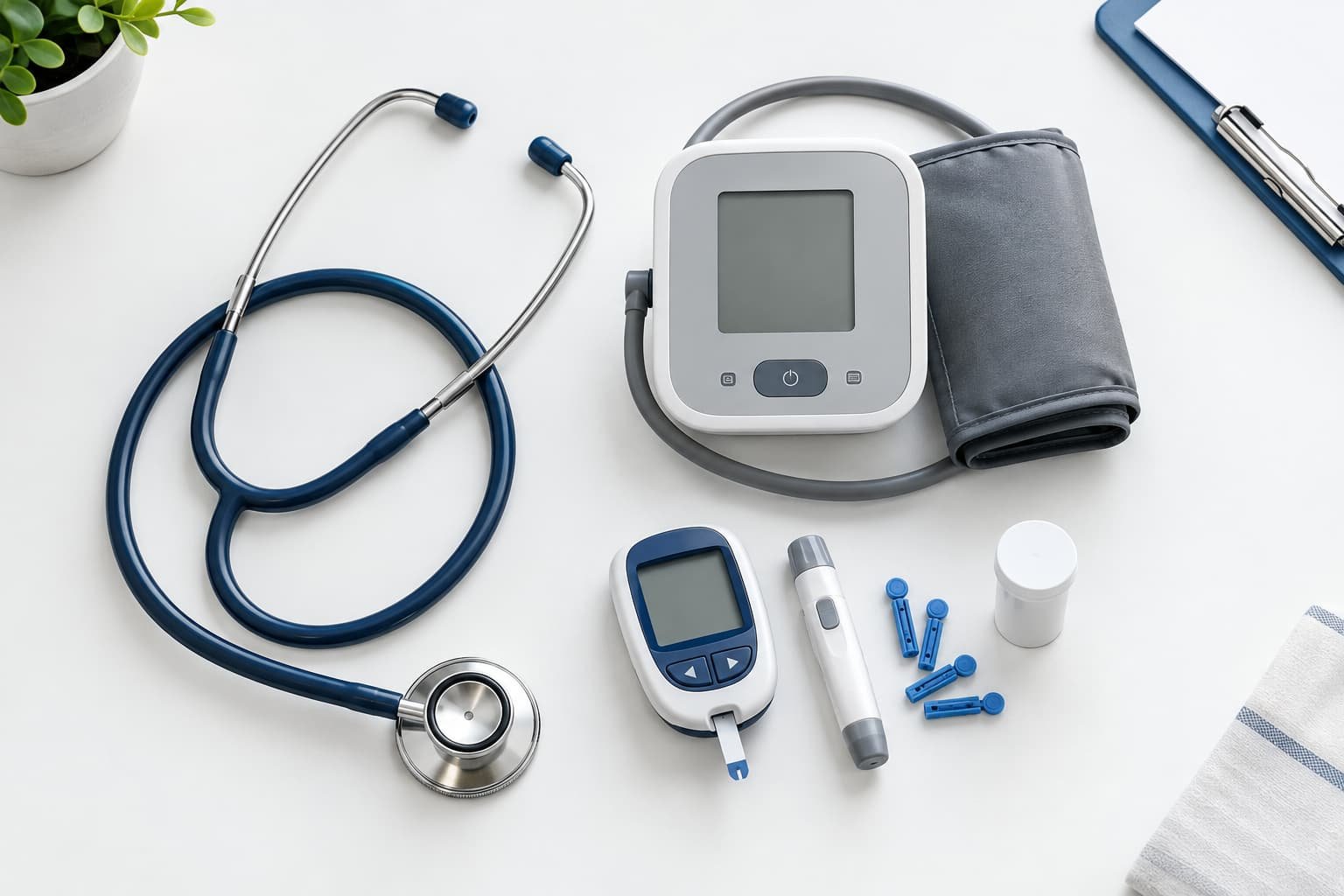
  • P Shot Bruising: What’s Normal and What Isn’t

    P Shot Bruising: What’s Normal and What Isn’t

    ✅Medically reviewed | Updated September 2026

    Bruising after any injectable treatment often raises concern. Even when the response is entirely expected, worry is common. P Shot bruising is one of the most frequently asked questions at clinics offering P shot London services. The question comes up before appointments and after treatment alike. The Priapus Shot, commonly known as the P Shot, uses platelet-rich plasma drawn from a patient’s own blood. The procedure involves multiple fine-needle injections into a highly vascular area. Some degree of bruising is therefore a predictable part of recovery, not a complication. Confusion between ordinary healing and a genuine warning sign leads to problems either way. Some patients worry unnecessarily. Others overlook symptoms that need review. Distinguishing normal bruising after treatment from bruising that needs clinical attention protects patient safety. It also supports realistic expectations from the outset.

    This article sets out, in clear clinical terms, what typical bruising looks like. It covers how long bruising lasts, which factors increase the risk, and which signs justify prompt review. It also places bruising within the wider picture of P shot treatment, covering realistic outcomes and evidence limitations.

    What Is the P Shot and Why Bruising Occurs

    How the P Shot Procedure Works

    PRP centrifuge process used before a P shot treatment
    Blood is processed by centrifuge to concentrate platelets into PRP before injection.

    P shot treatment begins with a standard blood draw, similar to a routine blood test. The sample then undergoes centrifugation, a spinning process. This process separates and concentrates platelets into platelet-rich plasma, or PRP. Platelets contain growth factors that support tissue repair. These growth factors also encourage new blood vessel formation in the treated area. The concentrated PRP is then injected into specific areas of the penis using a fine needle. Several injection points are usually required to distribute the PRP evenly. This penile injection growth technique aims to stimulate localised cellular regeneration. It does not deliver an external substance into the body. Because the PRP originates from a patient’s own blood, immune rejection is not a significant concern.

    Why Bruising Follows a P Shot

    Bruising, medically termed ecchymosis, develops when a needle disrupts small blood vessels. These vessels sit beneath the surface of the skin. Blood escapes into the surrounding tissue and becomes visible as discolouration. The penis contains a dense network of blood vessels close to the skin’s surface. This rich vascular supply makes minor P Shot bruising more visible than bruising elsewhere on the body. Bruising, in itself, is not evidence of a poorly performed procedure. It reflects a normal tissue response to a fine-needle p injection in sensitive, well-vascularised tissue. Clinics offering Priapus Shot London treatment routinely explain this expected response during consultation.

    Normal Bruising: What to Expect

    How Common Is Bruising After a P Shot

    Some degree of visible bruising is a widely reported response to P shot treatment. The procedure relies on multiple fine-needle passes into vascular tissue. Complete avoidance of any bruising is therefore unrealistic to promise. Clinics offering P shot London appointments generally describe bruising as expected and manageable. It is not a rare or unusual event. The extent varies between patients, ranging from barely noticeable marks to more visible patches. Visible patches can last up to two weeks in some cases. This variation depends on individual vascular anatomy and medication use. The precision of the injection technique also plays a meaningful role.

    Typical Timeline for Bruising to Resolve

    P Shot bruising healing timeline and colour stages
    Bruising typically progresses through a recognised colour sequence before fading within one to two weeks.

    Most cases of P Shot bruising follow a broadly predictable pattern. Discolouration typically appears within the first one to two days. Colour then progresses through a recognised sequence. Red or purple marks appear early, shifting to blue, then green, then yellow. Fading is usually complete soon after this final stage. This colour change reflects the natural breakdown of blood pigments in tissue, a process described in general NHS bruise guidance. This bruising generally resolves within seven to fourteen days without requiring specific medical treatment. Swelling from the procedure usually peaks within the first 48 hours. It then steadily reduces over the following days.

    Accompanying Symptoms During Healing

    Mild tenderness at injection sites commonly accompanies visible bruising. This tenderness is best described as a dull ache, not sharp pain. It usually settles within two to three days. Simple paracetamol can help manage discomfort where required, following standard dosing guidance. Localised warmth and slight firmness beneath the skin may also occur. These symptoms are typically temporary during early healing. Accompanying symptoms generally improve alongside the bruising itself, rather than persisting once discolouration has faded.

    What Counts as a Mild Reaction

    A mild reaction after this p injection includes small, scattered areas of discolouration. Swelling stays minimal, and tenderness eases day by day. Reactions of this kind do not usually interfere with daily activities. Most patients return to normal routines within one to two days. Any adjustment made is for comfort, rather than medical necessity.

    Abnormal Bruising: Signs That Need Attention

    When Bruising Falls Outside the Expected Pattern

    Some presentations after treatment sit outside the range of expected P Shot bruising. These warrant closer clinical review. A bruise that expands rapidly, rather than stabilising and fading, requires assessment. Pain that intensifies rather than easing over several days is not typical. Bruising accompanied by fever, spreading redness, or increasing warmth needs prompt attention. Discharge from an injection site may also indicate infection rather than simple vascular trauma.

    Haematoma Versus Standard Bruising

    A haematoma differs from standard bruising in both scale and structure. It forms when a larger blood vessel is disturbed during injection. This creates a firm, well-defined collection of blood beneath the skin. A haematoma tends to feel more solid and localised than typical P Shot bruising. It also often takes longer to fully resolve. Most haematomas settle gradually without intervention. Clinical monitoring remains advisable throughout recovery, however. Persistent firmness lasting beyond several weeks should prompt a follow-up consultation.

    Altered Sensation and Numbness

    Temporary changes in sensation occasionally accompany bruising after a P shot treatment. This includes mild numbness or heightened sensitivity in the treated area. Dense nerve distribution in this area makes brief sensory changes unsurprising. In most cases, sensation returns to normal as healing progresses. Sensory changes persisting beyond several weeks should be discussed with the treating clinician. These should not be assumed to be routine.

    Risk Factors That Increase Bruising

    Certain factors increase the likelihood or extent of bruising after any injection. Anticoagulant and antiplatelet medications reduce clotting efficiency and raise bruising risk. This includes aspirin, warfarin, and similar drugs. Some herbal supplements, such as fish oil and ginkgo biloba, carry comparable effects. Ageing skin has thinner tissue and reduced blood vessel support. It tends to bruise more readily than younger skin. Smoking can impair circulation and slow the clearance of bruising. A full medical history review before treatment identifies patients at higher risk. This allows adjustments to the treatment plan where appropriate. None of these factors rule out treatment outright. Each is simply weighed during pre-treatment assessment.

    Managing Bruising After Treatment

    Immediate Aftercare Steps

    Cold compress aftercare for P Shot bruising
    A cold compress in the first 24 hours can help limit the size of P Shot bruising.

    Simple aftercare measures support faster, more comfortable resolution of bruising. A cold compress applied within the first 24 hours reduces blood flow to the area. This can help limit bruise size. Ice should never touch skin directly; a cloth barrier is required. After the first day, gentle warmth may help disperse accumulated blood. Loose, comfortable clothing reduces friction on treated tissue during early recovery.

    Activity Restrictions During Recovery

    Strenuous exercise and sexual activity are generally avoided for 24 to 48 hours. This precaution limits additional pressure or friction on the treated area. Most patients resume ordinary daily activity within a day or two of P shot treatment. A short period of reduced activity supports predictable, uncomplicated recovery. It also reduces the likelihood of prolonged bruising.

    Monitoring Progress at Home

    Photographing the treated area on the day of the procedure is useful. A further photograph after a few days allows practical comparison as healing progresses. Tracking a P Shot before and after sequence helps distinguish fading bruising from a bruise that is worsening. Any deviation from steady, gradual improvement is a reasonable prompt for contact. Reaching out to the treating clinic early is always the sensible option.

    Reducing the Risk of Bruising Before Treatment

    The Role of Practitioner Skill

    Injection technique has a direct bearing on bruising risk. Precise knowledge of penile vascular anatomy reduces the chance of disturbing a larger vessel. Slower, controlled injection speed also lowers the risk of pronounced bruising. Careful needle placement plays an equally important role. Practitioners with formal surgical training bring added anatomical precision to this stage of P shot treatment.

    Pre-Treatment Preparation

    Temporary adjustment of certain medications can reduce bruising risk ahead of treatment. This should only ever be carried out under medical guidance. Prescribed anticoagulants should never be stopped without discussing this with the prescribing doctor. Avoiding alcohol in the 24 hours before treatment may also help. Alcohol can affect normal clotting function. A thorough pre-treatment consultation identifies individual risk factors before any P injection is administered.

    What Consultation Should Cover

    A proper consultation ahead of any P shot treatment covers current medication and relevant medical history. Previous reactions to injections of any kind are also discussed. Realistic outcome discussion forms part of this process. This includes a clear explanation of expected recovery and typical bruising patterns. Written aftercare guidance, provided before treatment, allows preparation in advance. Patients travelling for a P shot UK appointment from outside London benefit particularly from receiving this guidance early.

    Bruising in the Wider Context of Safety and Evidence

    Evidence Base for PRP-Based Treatment

    The P Shot belongs to a broader category of PRP-based regenerative therapy for ED. Current evidence describes PRP-based interventions as an emerging option. This includes guidance summarised by NICE Clinical Knowledge Summaries on erectile dysfunction. PRP is not considered an established first-line treatment at present. The NHS notes that recognised treatments for erectile dysfunction include lifestyle changes and oral medication. Specialist referral for further investigation is recommended where appropriate. Some men explore natural ED treatment using PRP therapy alongside these established approaches. Robust long-term trial data remains limited at present, however. Positioning the P Shot within a broader non-surgical treatment for erectile dysfunction in London helps set realistic expectations. This framing matters from the outset of any consultation.

    Doctor reviewing PRP-based ED treatment evidence at a London clinic
    Current NICE and NHS guidance frames PRP-based treatment as an emerging, not first-line, option for erectile dysfunction.

    Realistic Outcomes and Comparisons with Other Injectables

    Claims of permanent penile enlargement following this procedure are not supported by current evidence. Any visible change observed shortly after treatment reflects temporary swelling and fluid retention. This is not lasting tissue growth. A responsible provider states this plainly, rather than allowing ambiguity around expected results. Pshots clinic uk, a Harley Street clinic led by Dr Syed Nadeem Abbas, offers erectile dysfunction treatment London. The service operates within a CQC-regulated clinical setting. Patients reviewing a P shot before and after comparison should understand that individual response varies considerably. Outcomes are never guaranteed. The Priapus shot price varies between providers according to practitioner experience, clinic location, and the number of sessions recommended.

    PRP-based treatments are sometimes compared with dermal filler procedures used elsewhere in aesthetic medicine. Both involve injectable techniques, but the comparison has clear limits. PRP uses autologous material rather than a synthetic or cross-linked product. This distinction affects the immune response profile. It does not remove the mechanical risk of bruising, which relates to needle placement rather than the substance injected. Recognising this distinction helps set accurate expectations when comparing treatment options.

    Frequently Asked Questions

    How long does P Shot bruising usually last?

    Most bruising following this procedure fades within seven to fourteen days. Colour progresses through the typical stages of bruise healing. It resolves completely, without leaving any lasting mark.

    Is bruising a sign that the P Shot has gone wrong?

    No. Mild to moderate bruising is a normal healing response. It follows a fine-needle injection into vascular tissue. Genuine concern is warranted only when bruising is severe, rapidly expanding, or accompanied by infection signs.

    What increases the risk of bruising after a P injection?

    Blood-thinning medication, certain supplements, and ageing skin all raise the risk. Injection technique also plays a meaningful role. A thorough pre-treatment medical history review helps identify and manage these factors in advance.

    Does the Priapus shot price include follow-up care?

    Pricing structures vary between clinics offering P shot treatment across the UK. A detailed consultation clarifies what any quoted Priapus shot price includes. It should also outline realistic timelines for results.

    Can P shot before and after images show permanent size increase?

    Visual differences shortly after treatment usually reflect temporary swelling. This is not permanent enlargement. No robust scientific evidence currently supports permanent penile enlargement resulting from PRP injection.

    Who is a suitable candidate for a Priapus Shot London treatment?

    Suitability depends on medical history, current medication, and the underlying reason for seeking treatment. A full clinical assessment before any P shot UK appointment determines candidacy on an individual basis.

    When should bruising after treatment prompt contact with a clinic?

    Contact is advisable when bruising expands rather than fades. It is also advisable when pain worsens rather than easing. Redness, warmth, or discharge suggesting infection should prompt the same response.

    Key Takeaways

    Understanding P Shot bruising helps set realistic, well-informed expectations before treatment begins. Most bruising is mild and follows a predictable timeline. It resolves within one to two weeks without complication in the majority of cases. Recognising the less common warning signs supports timely clinical review whenever needed. This avoids both unnecessary alarm and missed concern. Choosing a qualified practitioner reduces the likelihood of a difficult recovery. Disclosing a complete medical history and following aftercare guidance both help too. Informed decision-making remains the strongest safeguard against unnecessary worry and genuine, overlooked complications alike. Given the balance between ordinary healing and rare warning signs, what specific questions should shape a pre-treatment consultation?

    Read more: P-Shot Side Effects: What Are the Real Risks?

    P Shot Infection Risk: Prevention Measures and Safety Guidelines

    P shot Treatment London

    Dr Syed Nadeem Abbas, MBBS, MRCSEd, MSc Aesthetic Plastic Surgery (Distinction) Medical Director, Pshot Clinic | CQC Regulated | Monday to Saturday 10:00–18:00 +44 7955 836986

  • Natural Remedies vs P-Shot: Why Some Men Try Both for Erectile Dysfunction

    Natural Remedies vs P-Shot: Why Some Men Try Both for Erectile Dysfunction

    ✅Medically reviewed | Updated September 2026

    Erectile dysfunction affects a significant proportion of men across the United Kingdom, and treatment choices range from simple lifestyle changes to advanced regenerative injections. The comparison of Natural Remedies vs P-Shot has become one of the most searched topics among men researching erectile dysfunction treatment. Many men try herbal supplements and lifestyle changes first, then explore clinical procedures such as the P-Shot once natural methods fail to deliver consistent results. This article explains why Natural Remedies vs P-Shot forms such a common comparison in men’s sexual health, and sets out what current evidence actually supports for each approach. Structured, evidence-based information helps men make informed decisions rather than relying on marketing claims or anecdotal reports. The following sections examine the causes of erectile dysfunction, the evidence behind natural remedies, the P-Shot procedure itself, and the reasons some men choose to combine both strategies under medical supervision.

    Understanding Erectile Dysfunction in the UK

    Erectile dysfunction describes persistent difficulty achieving or maintaining an erection sufficient for satisfactory sexual activity. NHS Clinical Knowledge Summaries recognise erectile dysfunction as a common condition closely linked to cardiovascular health. Research indicates erectile dysfunction affects around half of men aged 40 to 70 to some degree. Prevalence rises steadily with age and increases further in men with diabetes, obesity or hypertension. Physical causes include reduced blood flow, nerve damage, hormonal imbalance and blood vessel disease. Psychological factors such as stress, anxiety and relationship difficulties also contribute significantly. Many cases involve a combination of physical and psychological triggers rather than one single cause. Accurate diagnosis requires a full medical history, physical examination and relevant blood tests. NHS guidance recommends cardiovascular risk assessment, since erectile dysfunction often precedes heart disease by several years. Men experiencing sudden onset erectile dysfunction should seek prompt medical review, since this pattern sometimes signals an underlying cardiovascular event. Gradual onset more often reflects age-related vascular change, hormonal decline or lifestyle factors accumulating over time. A GP consultation typically forms the first step, since primary care can rule out serious underlying conditions before recommending treatment. Referral to a specialist clinic may follow when initial management does not resolve symptoms adequately. Blood tests commonly assess glucose, cholesterol and testosterone levels, since abnormalities in any of these can contribute to erectile dysfunction. Blood pressure measurement forms a routine part of assessment, given the shared risk factors between erectile and cardiovascular health.

    Natural Remedies for Erectile Dysfunction

    Lifestyle Modification

    Man exercising outdoors to support cardiovascular and erectile health
    Regular exercise and lifestyle change form the first step in NICE guidance for erectile dysfunction.

    Lifestyle change forms the first recommended step in NICE guidance for erectile dysfunction management. Regular exercise improves blood flow and supports healthy testosterone levels over time. Weight loss reduces strain on blood vessels and lowers cardiovascular risk factors linked to erectile dysfunction. Reducing alcohol intake and stopping smoking both measurably improve erectile function. Sleep quality affects hormone regulation, including testosterone production during deep sleep cycles. Stress management techniques, including counselling, help address psychological contributors to erectile dysfunction. These changes carry no direct financial cost and support general cardiovascular health regardless of erectile outcomes.

    Herbal and Nutraceutical Options

    Several herbal supplements are marketed as natural treatments for erectile dysfunction, including ginseng, Tribulus terrestris and L-arginine. A 2021 systematic review examined evidence for these compounds across multiple small trials. Findings showed modest improvements in some erectile function scores, though study quality varied considerably. Sample sizes remained small, and many trials lacked rigorous placebo control. Ginseng showed the most consistent signal for improved erectile function among the reviewed supplements. Tribulus terrestris evidence stayed mixed, with several trials showing no significant benefit over placebo. L-arginine, an amino acid involved in nitric oxide production, produced modest results in select studies. NICE Clinical Knowledge Summaries do not currently recommend herbal supplements as first-line erectile dysfunction treatment. Supplement regulation in the UK differs from pharmaceutical regulation, meaning quality control varies between manufacturers. Men considering supplements should discuss use with a GP, particularly alongside existing medication.

    Evidence and Limitations of Natural Approaches

    Natural remedies rarely undergo the same rigorous trial standards as licensed medication. Placebo response rates in erectile dysfunction studies often reach 30 percent or higher. This makes distinguishing genuine treatment effect from placebo response difficult in smaller trials. A natural ED treatment using PRP therapy differs fundamentally from herbal supplementation, since PRP relies on biological tissue repair rather than systemic circulation changes. Men should treat supplement marketing claims with appropriate scepticism until stronger trial data becomes available. Unregulated online retailers sometimes sell supplements with unverified ingredient concentrations, which adds further uncertainty to reported outcomes. Independent testing organisations occasionally flag inconsistencies between labelled and actual active ingredient content in over-the-counter products. This inconsistency makes standardised dosing difficult to achieve outside a clinical trial setting, further limiting how confidently natural remedies can be recommended.

    What Is the P-Shot?

    The P-Shot, also known as the Priapus Shot, is a PRP-based regenerative therapy for ED that uses a man’s own blood. Priapus Shot London providers extract platelet-rich plasma from a small blood sample taken during consultation. PRP contains concentrated growth factors involved in tissue repair and blood vessel formation. Clinicians inject processed PRP directly into specific areas of penile tissue. The stated aim of P shot treatment is to stimulate tissue regeneration and support improved blood flow. This positions the P-Shot as a non-surgical treatment for erectile dysfunction in London clinics offering regenerative medicine services. Some men refer to the procedure informally as a p injection, though clinicians use the term P-Shot or Priapus Shot.

    PRP Mechanism and Preparation

    Centrifuge used to prepare PRP for P-Shot treatment
    A centrifuge separates platelet-rich plasma before P shot treatment.

    Blood is drawn from the patient in a small sample, similar to a routine blood test. A centrifuge separates platelet-rich plasma from red blood cells and other components. This process concentrates platelets to several times normal whole-blood levels. Local anaesthetic numbs the treatment area before injection to reduce discomfort. The entire P shot treatment session typically takes under an hour from consultation to completion.

    P Shot Treatment Process

    Initial consultation includes medical history review and discussion of realistic expectations. Blood is drawn, processed in a centrifuge, then prepared for injection into targeted tissue. A trained clinician administers the penile injection growth solution across identified treatment areas. Most men resume normal activity within a day, though sexual activity is typically paused briefly. Follow-up appointments monitor progress and determine whether repeat sessions may help. P shot London clinics generally recommend an initial consultation before confirming suitability.

    Session Frequency and Success Factors

    Clinics typically recommend an initial course of treatment before assessing whether further sessions add benefit. Some providers space sessions several weeks apart to allow tissue response between treatments. Reported success appears linked to factors including baseline vascular health, age and adherence to any recommended lifestyle changes. Smoking status and underlying diabetes control also influence how tissue responds to PRP injection. Clinics should set expectations during consultation rather than promising a fixed number of sessions for every patient.

    Clinician reviewing a personalised P shot treatment plan
    Session frequency and pricing are agreed during an initial consultation.

    Priapus Shot Price

    Priapus shot price across UK clinics commonly ranges between £900 and £1,500 per session. Cost varies depending on clinic location, practitioner experience and the number of sessions recommended. Multiple sessions may be suggested, which increases total cost accordingly. P shot UK pricing generally reflects practitioner training, clinic overheads and aftercare provision. Private clinics do not currently receive NHS funding for this treatment category, so cost sits entirely with the patient. Prospective patients should request an itemised quote before committing to a treatment course.

    Natural Remedies vs P-Shot: Comparing the Evidence

    Clinical Trial Data

    Evidence quality differs substantially when comparing Natural Remedies vs P-Shot treatment options directly. A 2021 Journal of Sexual Medicine randomised controlled trial examined PRP injections for erectile dysfunction. Results suggested measurable improvement in erectile function scores among treated participants. A 2023 European Urology trial produced more mixed findings, with less consistent benefit across the treated group. This evidence gap means Natural Remedies vs P-Shot comparisons cannot rely on a single definitive trial. Both treatment categories require further large-scale, long-term research before firm conclusions can be drawn. Existing studies remain limited by small sample sizes and short follow-up periods. Longer-term data tracking durability of PRP results beyond twelve months remains particularly sparse across published literature. Researchers have called for standardised PRP preparation protocols, since concentration and injection technique vary between studies and clinics. Men should understand that current evidence supports cautious optimism, not guaranteed outcomes, on either side of the Natural Remedies vs P-Shot decision.

    Realistic Expectations and Before and After Results

    P shot before and after comparisons circulating online rarely reflect controlled clinical conditions. Photographic comparisons vary due to lighting, positioning and individual healing timelines. Genuine outcomes depend heavily on baseline erectile function, age and underlying vascular health. Clinics presenting P shot before and after images should note that individual results vary considerably. Overpromising specific measurements or outcomes contradicts current evidence standards and professional guidance.

    Why Some Men Try Both Natural Remedies and the P-Shot

    Some men adopt lifestyle changes and supplements before considering any clinical procedure. Others try natural remedies without significant improvement, then explore the P-Shot as an additional option. The Natural Remedies vs P-Shot question often becomes less about choosing one approach, and more about sequencing both appropriately. Lifestyle modification supports overall vascular health, which may complement PRP-based tissue repair mechanisms. Combining approaches allows men to address modifiable risk factors alongside a targeted clinical intervention. No published evidence currently confirms that combining natural remedies with the P-Shot produces superior outcomes compared with either approach alone. Clinicians should discuss this evidence gap openly during consultation rather than implying guaranteed synergy between approaches.

    PRP Research Beyond Erectile Dysfunction

    PRP-based treatment is not unique to men’s sexual health and has an established research history elsewhere in medicine. Orthopaedic specialists use PRP injections to support healing in certain tendon and joint conditions. Dermatology applications include PRP for hair restoration and skin rejuvenation, with variable evidence quality across indications. This wider research base helps explain the biological rationale behind PRP, though evidence for each specific application must be assessed separately. Erectile dysfunction PRP research remains at an earlier stage compared with some of these established orthopaedic applications, and conclusions should reflect that difference in maturity.

    Who Might Consider Each Option

    Men with mild erectile dysfunction linked primarily to lifestyle factors may benefit from natural remedy approaches first. Men with persistent symptoms despite lifestyle changes may discuss P shot treatment during a GP or specialist consultation. Those with anatomical abnormalities, active infection or certain blood disorders may not suit PRP injection. A thorough medical assessment determines suitability for either pathway before any treatment begins.

    Safety, Exclusion Criteria and Provider Selection

    PRP-based regenerative therapy for ED carries a generally favourable safety profile, since PRP originates from a patient’s own blood. Reported side effects include temporary swelling, bruising and mild discomfort at the injection site. Serious complications remain rare when procedures follow appropriate clinical protocols. Exclusion criteria include active infection, bleeding disorders and certain blood-related medical conditions. Men taking blood-thinning medication should disclose this during consultation before any penile injection growth procedure. Selecting a provider with appropriate medical qualifications reduces risk and supports appropriate patient selection. Verifying practitioner registration with the General Medical Council offers an additional safeguard for prospective patients. Clinics should also confirm consent procedures, allergy screening and a clear aftercare plan before any injection takes place. Written information covering expected recovery time and warning signs of complications supports informed consent. Patients should feel able to ask about a practitioner’s specific training in PRP-based procedures, not only general aesthetic experience.

    Non-Surgical Treatment for Erectile Dysfunction in London

    Harley Street area, home to private non-surgical ED clinics in London
    London’s Harley Street area hosts several regenerative medicine clinics offering non-surgical ED treatment.

    London hosts numerous providers offering erectile dysfunction treatment London services, ranging from GP-prescribed medication to private regenerative clinics. Non-surgical treatment for erectile dysfunction in London includes PDE5 inhibitor medication, vacuum devices, and PRP-based injections such as the P-Shot. pshots clinic uk, a Harley Street clinic led by Dr Syed Nadeem Abbas, offers P shot treatment among its regenerative medicine services. Choosing a registered clinic with transparent pricing and clear safety information supports informed decision-making. Men comparing providers should check whether consultations are led by qualified medical practitioners rather than non-clinical staff. Clear communication about realistic outcomes distinguishes evidence-based clinics from those relying on promotional imagery alone.

    Frequently Asked Questions

    What is the core difference in the Natural Remedies vs P-Shot comparison?

    Natural remedies rely on lifestyle change and supplementation to support blood flow. The P-Shot uses PRP injected directly into penile tissue to stimulate tissue repair.

    Is the P-Shot more effective than natural remedies?

    Direct comparative trials remain limited. Current evidence shows modest benefit from selected natural remedies and mixed but promising evidence for PRP-based treatment.

    How much does the P-Shot cost in the UK?

    Priapus shot price typically ranges between £900 and £1,500 per session, depending on clinic and practitioner experience.

    Can natural remedies and the P-Shot be used together safely?

    Many lifestyle-based natural remedies pose no known interaction risk with PRP treatment. A GP or specialist should confirm suitability beforehand.

    Are P shot before and after results guaranteed?

    No treatment guarantees specific results. Individual outcomes depend on baseline health, age and underlying causes of erectile dysfunction.

    Who should avoid the P-Shot?

    Men with active infection, certain blood disorders or unrealistic expectations of outcomes may not suit this treatment. Medical assessment determines individual suitability.

    Key Takeaways

    Men researching Natural Remedies vs P-Shot options benefit most from evidence-based information rather than promotional claims. Natural remedies offer a low-risk starting point supported by modest evidence, particularly lifestyle modification. The P-Shot represents a regenerative, non-surgical treatment for erectile dysfunction in London and across the UK, supported by early but still developing clinical evidence. Neither approach guarantees specific outcomes, and realistic expectations remain essential throughout treatment planning. Informed decision-making depends on understanding the evidence, discussing individual health history with a qualified clinician, and avoiding reliance on marketing claims or unverified before and after images. Given the current evidence base, which factor matters more when choosing between these approaches: the strength of clinical trial data, or the practical experience of trying a lower-risk option first?

    Read more: Nutritional Support Alongside P Shot: What to Know Before Treatment

    How Lifestyle Affects P Shot UK Results – Diet, Exercise, and Sleep

    P Shot Treatment London

    Dr Syed Nadeem Abbas, MBBS, MRCSEd, MSc Aesthetic Plastic Surgery (Distinction) Medical Director, Pshot Clinic | CQC Regulated | Monday to Saturday 10:00–18:00 +44 7955 836986 
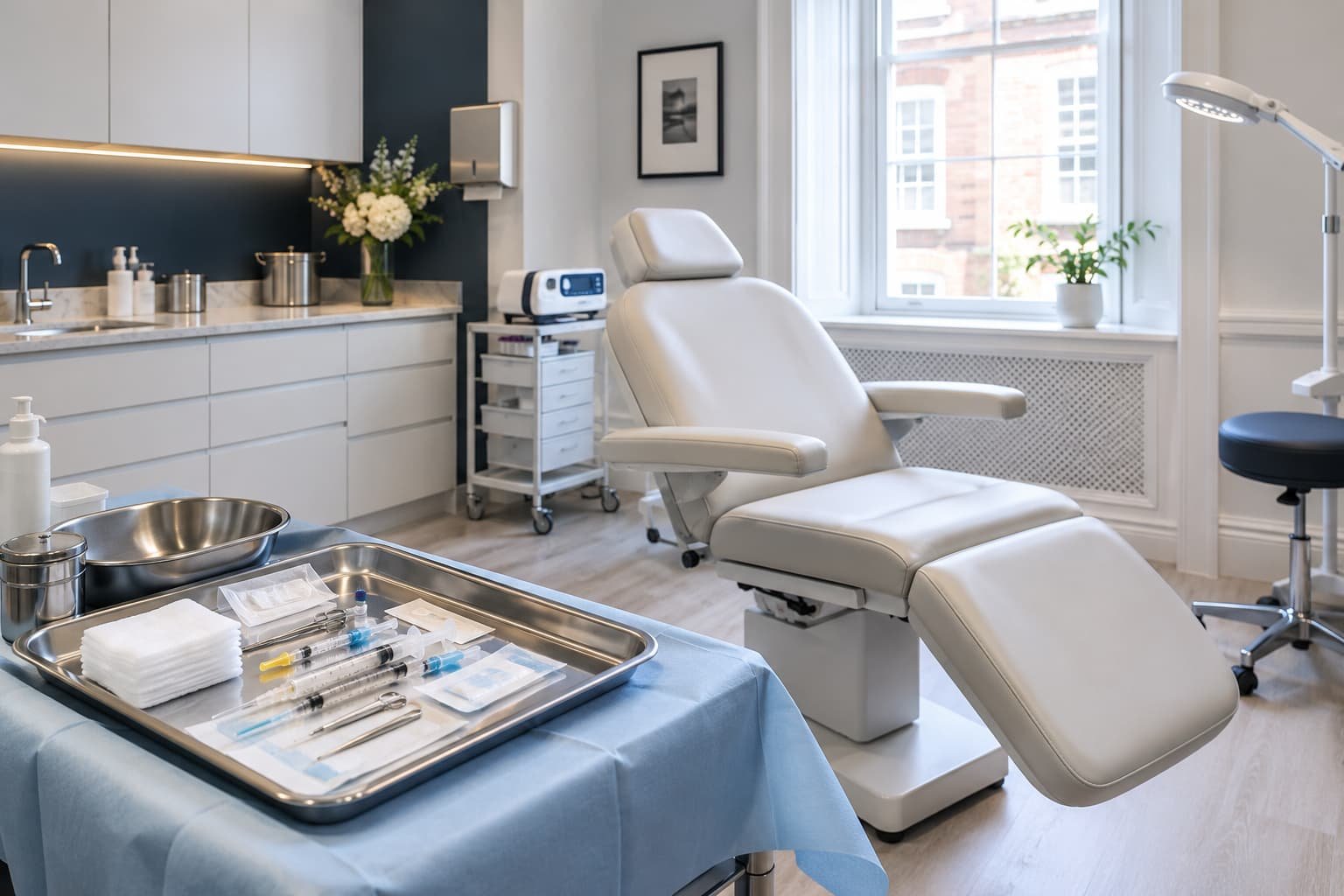
  • P Shot Results in Men Over 60: Evidence-Based Timelines and Realistic Outcomes

    P Shot Results in Men Over 60: Evidence-Based Timelines and Realistic Outcomes

    ✅Medically reviewed | Updated August 2026

    Men over sixty considering the Priapus Shot often search for one thing: proof. Marketing pages promise dramatic transformations, while online forums swing between glowing praise and outright dismissal. Neither extreme offers an accurate picture. P Shot results in men over sixty depend on measurable biological factors, not age alone. This article sets aside promotional language and examines current evidence, UK clinical guidance, and procedural mechanics relevant to this age group.

    Erectile function naturally declines with age, driven by reduced blood vessel elasticity, lower testosterone, and increased vascular risk factors such as hypertension and diabetes. Regenerative approaches using platelet-rich plasma have entered mainstream urology and orthopaedic practice over the past two decades. The P Shot represents an extension of that same science into men’s sexual health. Understanding what the procedure can realistically achieve after sixty requires separating established evidence from anecdote, alongside a clear review of safety considerations specific to an older patient population.

    What Happens to Erectile Function After Sixty

    Erectile dysfunction affects a substantial proportion of men over sixty, with prevalence rising sharply across each decade of life. NHS guidance identifies vascular disease, diabetes, and reduced testosterone as leading contributors to ED in older men. NICE Clinical Knowledge Summaries note that erectile dysfunction becomes markedly more common after age fifty, frequently coexisting with cardiovascular disease.

    Age-related decline stems primarily from reduced blood flow, not solely from testosterone changes. Blood vessels lose elasticity over time, smooth muscle within the corpora cavernosa weakens, and nerve sensitivity gradually diminishes. These physiological shifts explain why standard oral medications, which primarily enhance existing blood flow, sometimes lose effectiveness in older patients with more advanced vascular impairment. Understanding this underlying biology matters before evaluating any regenerative treatment option.

    Prevalence and Cardiovascular Overlap

    Cardiovascular disease and erectile dysfunction frequently share the same underlying vascular pathology, and NICE guidance recommends cardiovascular risk assessment for men presenting with new-onset ED. This overlap carries particular relevance for men over sixty, a group already at higher baseline cardiovascular risk. A thorough medical history therefore forms an essential first step before considering any regenerative or pharmaceutical treatment, including the P Shot.

    What Is the P Shot and How Does It Work

    The P Shot, known clinically as the Priapus Shot, offers a non-surgical treatment for erectile dysfunction in London and across the UK. The procedure uses platelet-rich plasma, a concentrate derived from a patient’s own blood, injected directly into penile tissue. A trained clinician draws a small blood sample, processes the sample through a centrifuge, and isolates the platelet-rich fraction before injecting the concentrate using fine syringes at targeted sites. The entire process typically forms part of a single outpatient appointment, with no general anaesthetic required.

    Centrifuge separating platelet-rich plasma used in P Shot treatment
    PRP is processed from a small blood sample before penile injection growth begins.

    The Biology of Platelet-Rich Plasma

    PRP contains growth factors that stimulate angiogenesis, the formation of new blood vessels, alongside collagen production and localised tissue repair. This regenerative mechanism underpins natural ED treatment using PRP therapy across multiple specialities, from orthopaedic tendon repair to dermatology. The same growth factors responsible for wound healing elsewhere in the body drive the intended effect of penile injection growth in P Shot treatment. Peer-reviewed literature on PRP in musculoskeletal medicine supports its regenerative role, though sexual health applications remain a comparatively newer research area.

    Nerve fibre repair and reduced localised inflammation also feature among the proposed mechanisms, particularly relevant for men reporting reduced sensitivity alongside erectile difficulty. Processing quality varies between providers, and the concentration achieved during centrifugation directly affects how much growth factor activity reaches the treated tissue.

    P Shot Results in Men Over 60: What the Evidence Shows

    Clinical data specific to men over sixty remains limited compared with broader ED research, though existing studies offer meaningful signals. A randomised, double-blind, placebo-controlled trial in the Journal of Sexual Medicine (Poulios et al., 2021) recorded significant improvement in erectile function scores among treated participants at six months, compared with placebo. P Shot results in this trial correlated more closely with baseline vascular health than with age category alone. Men with mild to moderate vascular-related ED demonstrated the most consistent improvement, a pattern echoed across most published PRP-for-ED research to date.

    Other trials, including work in European Urology, produced more mixed findings, underscoring that PRP-based regenerative therapy for ED remains an evolving field rather than a settled one. Study design, PRP processing method, and injection technique all vary between trials, which complicates direct comparison and reinforces the need for individualised clinical judgement rather than blanket claims.

    The Evidence Gap for This Age Group

    No large-scale UK trial has isolated men over sixty as a distinct study population. P Shot UK clinics therefore extrapolate from mixed-age cohorts and general vascular medicine principles when advising older patients. This evidence gap matters. Men reviewing p injection treatment options should understand that individual response varies considerably, and that published success rates describe averages across broader age ranges rather than guarantees for any single patient.

    Realistic Timeline for P Shot Results

    Understanding a realistic timeline helps set appropriate expectations. P Shot results typically develop gradually over several weeks rather than appearing immediately. In the first one to two weeks, treated tissue settles and mild swelling or bruising resolves. By week four, many patients report early changes in sensitivity or morning erection quality, correlating with early-stage angiogenesis.

    The most noticeable improvements generally emerge between weeks eight and twelve, as new blood vessel networks mature. Reported benefits commonly last between six and twelve months, with some patients experiencing effects beyond eighteen months depending on vascular health, lifestyle, and underlying risk factors. Age does not eliminate this trajectory, though slower baseline tissue repair in older patients may extend timelines modestly compared with younger cohorts.

    Who Responds Best After Sixty

    Response to PRP injection varies according to specific clinical factors rather than chronological age in isolation.

    Favourable Candidates

    Men with mild to moderate vascular-related erectile dysfunction, adequate baseline testosterone, and controlled blood pressure tend to respond most consistently. Non-smokers and men without poorly controlled diabetes generally show more predictable improvement, reflecting the treatment’s dependence on functioning vascular tissue for angiogenesis to occur. Men who have found PDE5 inhibitors partially effective, or who prefer to avoid ongoing medication, often explore P Shot treatment as a complementary or alternative option.

    Medical Exclusions and Cautions

    Certain conditions rule out treatment regardless of age. These include active genital infection, bleeding disorders, platelet dysfunction, and use of anticoagulant medication without medical clearance. Men undergoing active cancer treatment, particularly pelvic radiotherapy, require careful case-by-case assessment. A responsible clinic screens thoroughly before treatment rather than proceeding on request alone. Pre-existing severe vascular disease, uncontrolled diabetes, or advanced Peyronie’s disease may reduce the likelihood of meaningful improvement. An honest consultation should communicate this clearly rather than promising uniform outcomes.

    Lifestyle Factors That Influence Outcomes

    Lifestyle factors carry particular weight for men over sixty considering this treatment. Regular physical activity supports healthy vascular function and may improve overall treatment response. Smoking cessation ranks among the most impactful changes a patient can make, since tobacco use directly damages the small blood vessels that PRP aims to regenerate.

    Well-managed blood pressure and blood glucose levels also support better outcomes, reinforcing the close relationship between general cardiovascular health and sexual function. A pre-treatment consultation typically reviews these factors alongside standard medical history, allowing the treating clinician to set realistic, patient-specific expectations rather than relying on generic timelines.

    Comparing the P Shot With Other ED Options

    Placing P Shot treatment alongside established alternatives clarifies where it fits within erectile dysfunction treatment London options. PDE5 inhibitors such as sildenafil and tadalafil remain first-line options per NICE guidance, offering effects lasting four to thirty-six hours depending on the formulation. Injectable alprostadil, sold under the brand Caverject, works directly at the injection site but requires repeat dosing before each sexual encounter.

    Penile implants provide a permanent surgical solution but involve significant cost, invasive surgery, and extended recovery time. Vacuum erection devices offer a non-invasive mechanical option that requires no injection. The P Shot occupies a distinct category: a single autologous procedure using the patient’s own biological material, with minimal downtime and no synthetic substances introduced.

    Autologous Profile and Medication Considerations

    For men over sixty managing multiple medications, this autologous profile may reduce interaction concerns compared with additional pharmaceutical options. A prescribing GP should always confirm suitability alongside any existing treatment plan, particularly where anticoagulants, blood pressure medication, or nitrates form part of a current regimen.

    Combining the P Shot With Shockwave Therapy

    Some clinics offer low-intensity shockwave therapy alongside PRP injections, particularly where reduced blood flow forms the primary underlying issue. Shockwave therapy works through a separate mechanism, stimulating new vessel growth via mechanical pressure waves rather than injected growth factors. Combining both approaches targets vascular repair from two distinct biological angles. Evidence for combination protocols remains preliminary, and men should discuss whether this dual approach suits their individual clinical picture before proceeding.

    P Shot Treatment in London: What to Expect

    Private treatment room used for Priapus Shot London appointments
    A typical P Shot London appointment takes place in a private, CQC-appropriate treatment room.

    A typical P Shot London appointment runs between thirty and forty-five minutes. Topical anaesthetic cream numbs the treatment area beforehand, and some clinics offer a nerve block for men with lower pain tolerance. The clinician draws blood from the arm in a manner similar to a routine test, then processes it in a centrifuge for approximately fifteen minutes.

    The clinician then administers PRP injections across several precise sites. Most patients resume normal daily activity within hours. Priapus Shot London clinics typically schedule follow-up reviews at six and twelve weeks to monitor progress. Private clinics offering this treatment include pshots clinic uk, a Harley Street practice led by Dr Syed Nadeem Abbas.

    A thorough initial consultation should precede any booking, covering full medical history, current medication, and relevant blood tests where indicated. Men over sixty benefit particularly from a cardiovascular health review at this stage, given the established overlap between vascular disease and erectile dysfunction. Clinics that skip this step in favour of same-day treatment warrant additional scrutiny.

    Priapus Shot Price in London

    Priapus shot price in London typically ranges from approximately £900 to £1,500 per session, varying by clinic, PRP processing protocol, and whether shockwave therapy or other adjuncts accompany treatment. Transparent, itemised pricing including consultation and follow-up reviews reflects good clinical practice. Men should approach clinics offering treatment without a prior medical assessment with caution.

    P Shot Before and After: Interpreting Results Responsibly

    P Shot before and after imagery circulates widely online, but photographs alone cannot convey functional change, sensation, or patient-reported satisfaction. Visual comparison photographs offer limited clinical value without accompanying functional assessment data. Reputable clinics rely on validated erectile function questionnaires and follow-up consultations, rather than photography alone, to track genuine progress.

    Men reviewing before-and-after material from any provider should treat it as illustrative rather than predictive of individual outcome. Lighting, positioning, and timing all influence how photographs appear, further limiting their value as standalone evidence of treatment success.

    Safety, Limitations and Managing Expectations

    PRP-based procedures carry a generally favourable safety profile, since the injected material originates from the patient’s own blood, reducing rejection or allergic reaction risk. Minor swelling, bruising, or localised tenderness for twenty-four to forty-eight hours represents the most commonly noted side effect. Serious complications remain rare when appropriately trained practitioners work within regulated clinical settings.

    No treatment guarantees results, and no reputable clinic should promise a fixed percentage improvement for every patient. Men with significant underlying vascular disease, advanced diabetes, or extensive prior pelvic surgery may see limited benefit. This possibility should form part of every pre-treatment discussion.

    Peyronie’s disease, involving fibrous scar tissue and penile curvature, sometimes affects older men alongside erectile dysfunction. Some clinical reports describe reduced curvature or discomfort following PRP treatment, though this application requires separate, cautious evaluation rather than routine assumption of benefit. Realistic expectations, grounded in individual health status rather than marketing claims, remain central to informed decision-making.

    Frequently Asked Questions

    Does the P Shot work for men over sixty?

    Evidence suggests P Shot results depend more on vascular health than on age. Men with mild to moderate ED-related blood flow issues tend to see the most consistent benefit, regardless of being over sixty.

    How soon do P Shot results appear?

    Early changes often emerge around week four, with the fullest improvement typically appearing between weeks eight and twelve.

    Is the P Shot painful?

    Topical numbing cream reduces most discomfort to a mild pressure sensation. A nerve block remains available for men with lower pain tolerance.

    How much does treatment cost in London?

    Priapus shot price commonly ranges from £900 to £1,500 per session, depending on clinic protocol and any combined therapies.

    Can older men with health conditions have the P Shot?

    Suitability depends on individual medical history. Bleeding disorders, uncontrolled diabetes, and certain cancer treatments may exclude candidacy. A full medical assessment should always precede any decision.

    Does PRP processing quality affect P Shot results?

    Processing protocol influences platelet concentration, and higher concentration generally supports stronger growth factor activity. Clinics using validated dual-spin centrifuge methods typically achieve more consistent P Shot results than those using basic single-spin processing.

    Key Takeaways

    P Shot results in men over sixty reflect a genuinely individual process rather than a fixed outcome tied to age. Evidence supports meaningful improvement for men with mild to moderate vascular-related erectile dysfunction, while men with more advanced vascular or metabolic conditions face a more uncertain prognosis.

    Understanding realistic timelines, safety profiles, and correct candidacy criteria supports informed decision-making, rather than reliance on marketing promises. Every man considering this treatment deserves an honest, evidence-based conversation about what his own body is likely to achieve. Given the wide variation in individual response, which specific health factors might most influence a favourable outcome for a particular patient at this stage of life?

    Read more: PRP Centrifuge Process: How Platelets Are Separated for P-Shot Treatment

    Best Age for P Shot: Is There an Ideal Time to Start Treatment?

    P shot treatment London

    Dr Syed Nadeem Abbas, MBBS, MRCSEd, MSc Aesthetic Plastic Surgery (Distinction) Medical Director, Pshot Clinic | CQC Regulated | Monday to Saturday 10:00–18:00 +44 7955 836986

  • P Shot for Premature Ejaculation: Is There a Link?

    P Shot for Premature Ejaculation: Is There a Link?

    ✅Medically reviewed | Updated August 2026

    Premature ejaculation affects a substantial share of men across the United Kingdom. Yet open discussion of the condition remains rare. Private clinics along Harley Street and in Marylebone now field growing enquiries about regenerative options. This includes the P Shot for Premature Ejaculation. Men search for alternatives beyond medication and behavioural exercises. Growing curiosity, however, does not equal proven benefit. This raises a central clinical question. Does robust evidence support platelet-rich plasma injections for ejaculatory control? Or does interest currently outpace the science?

    This article examines the biological rationale behind PRP injections. It reviews the current evidence base. It compares that evidence against NHS and NICE-endorsed treatments already established for premature ejaculation. The article also sets out realistic timelines, safety considerations, and pricing. Readers can then weigh the treatment against medical fact rather than promotional claims.

    What Is Premature Ejaculation?

    Definition and Prevalence

    NHS clinical knowledge summaries describe premature ejaculation as ejaculation sooner than a man or his partner would like. Clinicians typically define it as ejaculation within roughly one minute of penetration. An inability to delay it, alongside distress, forms part of the definition. Population studies suggest around one in three men experience premature ejaculation at some point. This makes it the most commonly reported male sexual dysfunction in general practice. Despite this prevalence, many affected men delay seeking help for months or years. Embarrassment, rather than lack of concern, usually explains the delay.

    Clinicians separate lifelong premature ejaculation from acquired premature ejaculation. Lifelong cases have been present since early sexual experience. Acquired cases develop later in life. Acquired cases more often link to an identifiable trigger. Lifelong cases tend to relate to neurobiological factors present from adolescence onward.

    Physical and Psychological Causes

    Premature ejaculation rarely stems from a single cause. Psychological contributors include performance anxiety, relationship stress, and early sexual conditioning. Physical contributors include heightened penile sensitivity and thyroid dysfunction. Chronic prostatitis and coexisting erectile dysfunction also contribute. Fear of losing an erection often drives men to rush toward ejaculation. NICE guidance advises clinicians to rule out thyroid disorders and prostate conditions first. Erectile dysfunction also warrants assessment before assuming a purely psychological cause. Identifying the correct underlying cause remains essential. Treatment for a physical trigger differs substantially from treatment for anxiety-driven premature ejaculation.

    What Is the P Shot?

    The PRP Process

    Medical-grade centrifuge preparing platelet-rich plasma for P shot treatment
    A centrifuge separates platelets from blood to prepare the PRP concentrate used in P shot treatment.

    The P Shot, formally known as the Priapus Shot, uses a patient’s own blood. A clinician prepares platelet-rich plasma from this sample. A small blood sample comes from the arm first. A medical-grade centrifuge then separates platelets from red blood cells. The resulting concentrate contains growth factors that support tissue repair. A clinician injects this concentrate into targeted penile tissue using fine needles. Topical anaesthetic application precedes the injections.

    Men researching penile injection growth therapy often ask a related question. Does the same P injection technique used for enlargement apply to ejaculatory concerns? Both procedures share equipment and general technique. Injection placement and clinical goal, however, differ considerably between the two applications.

    Mechanism of Action

    Platelet-rich plasma contains several key growth factors. These include platelet-derived growth factor and vascular endothelial growth factor. Transforming growth factor-beta also plays a role. These proteins support angiogenesis, the formation of new blood vessels. Collagen remodelling and nerve tissue maintenance follow a similar pathway. Proponents suggest this regenerative activity improves penile blood flow and tissue quality. This forms the theoretical basis for exploring PRP injections beyond erectile dysfunction alone.

    P Shot for Premature Ejaculation: Examining the Evidence

    The Proposed Link to Nerve Sensitivity

    Some clinicians propose that PRP injections influence premature ejaculation through nerve sensitivity. The theory involves moderating nerve response across the glans and shaft. Growth factors such as epidermal growth factor support nerve fibre maintenance. Improved tissue quality could, in theory, recalibrate the ejaculatory reflex gradually. This differs from simply numbing sensation, the approach used by topical anaesthetic sprays. This mechanism currently remains a plausible hypothesis rather than a confirmed clinical outcome.

    The Evidence Gap

    No dedicated, peer-reviewed randomised controlled trial currently evaluates the P Shot for Premature Ejaculation as its primary outcome. This gap matters considerably for anyone weighing the treatment seriously. Most published research concerns PRP injections for erectile dysfunction. Ejaculatory timing specifically remains under-studied.

    A 2021 randomised, double-blind, placebo-controlled trial appeared in the Journal of Sexual Medicine. It reported improved erectile function scores among men receiving PRP injections. Improvement held compared with placebo at six months. A 2023 randomised trial published in European Urology told a different story. It found smaller and less consistent benefits. This highlights inconsistency within the erectile dysfunction literature itself. Ejaculatory control and erectile function involve overlapping but distinct physiological pathways. Evidence for one condition cannot simply substitute for evidence regarding the other.

    Professional Body Positions

    Neither NICE nor the British Association of Urological Surgeons currently lists PRP among recommended treatments for premature ejaculation. European Association of Urology guidance on male sexual dysfunction likewise omits PRP. Both bodies cite insufficient trial data. This absence does not disprove a benefit. It does confirm, however, that the treatment remains an emerging, evidence-light option. Established clinical guidelines do not yet back it.

    Who Might Consider This Treatment

    Clinicians typically consider candidacy on a case-by-case basis rather than offering it universally. Certain men may represent a more suitable profile than others. Men who notice premature ejaculation worsening gradually fall into this group. Reduced penile sensitivity or mild erectile difficulty alongside this pattern strengthens candidacy. Men with lifelong premature ejaculation unrelated to tissue changes fit the profile less well. Age, general vascular health, and prior treatment history all factor into assessment. A candid pre-treatment discussion should always precede any decision to proceed.

    Men who prefer a drug-free approach sometimes express interest in PRP for this reason. Preference for a non-pharmacological option, however, does not indicate that PRP will work. Clinicians should assess underlying causes thoroughly before recommending any regenerative injection. Expectations should align with the current evidence base rather than anecdotal reports.

    Comparing Available Options

    Behavioural techniques carry minimal cost and no physical risk. They require sustained practice and partner cooperation to succeed, however. Dapoxetine offers a licensed, evidence-backed pharmacological option. Some men experience mild nausea or dizziness as side effects. Topical anaesthetic creams reduce sensitivity quickly. They can also reduce sensation for a partner unless timed carefully. PRP injections offer a regenerative approach targeting tissue biology directly. Current trial evidence, however, remains limited to erectile dysfunction rather than premature ejaculation.

    Cost also varies considerably across these options. Behavioural therapy and topical creams generally cost less per session than PRP. Dapoxetine requires an ongoing prescription cost over time. A single PRP session, by contrast, may last several months before repeat treatment becomes necessary. Weighing cost, evidence strength, and personal preference together produces a more informed decision.

    Established Treatments for Premature Ejaculation

    NHS and NICE Guidance

    NHS clinical knowledge summaries recommend behavioural techniques as first-line management. These include the stop-start method and the squeeze technique. Both techniques train men to recognise and manage arousal before ejaculation occurs. NICE guidance also supports topical anaesthetic creams containing lidocaine or prilocaine. These creams reduce penile sensitivity and delay ejaculation for many men.

    Dapoxetine and SSRIs

    Dapoxetine remains the only medication licensed in the UK specifically for premature ejaculation. This short-acting selective serotonin reuptake inhibitor delays ejaculation through serotonin signalling. It works within the central nervous system. NICE and the electronic Medicines Compendium list dapoxetine as appropriate where premature ejaculation causes significant distress. Other SSRIs, prescribed off-label on a daily basis, produce a similar delaying effect for some men.

    Behavioural and Psychosexual Therapy

    Psychosexual counselling addresses anxiety, relationship dynamics, and learned patterns. All three factors can contribute to premature ejaculation. NHS primary care offers referral pathways to psychosexual therapists across the UK. Combining behavioural therapy with medication often produces stronger outcomes than either approach alone. Established sexual health guidance supports this combined approach.

    Non-Surgical Treatment for Erectile Dysfunction in London

    Men researching the P Shot for Premature Ejaculation frequently present with overlapping erectile dysfunction. Addressing erectile function often forms a sensible starting point. Anxiety about maintaining an erection commonly accelerates ejaculation. PRP-based regenerative therapy for ED has attracted growing clinical attention. It offers a natural ED treatment using PRP therapy that avoids daily medication.

    Non-surgical treatment for erectile dysfunction in London now spans several approaches. PDE5 inhibitors such as sildenafil and tadalafil remain common first steps. Vacuum erection devices and low-intensity shockwave therapy offer additional options. PRP injections sit alongside these established choices. Erectile dysfunction treatment London providers increasingly combine these approaches. Each plan gets tailored to a man’s underlying cause. Where erectile dysfunction and premature ejaculation coexist, treating the erectile component may indirectly support ejaculatory confidence. Direct evidence that PRP independently changes ejaculatory timing, however, remains absent.

    P Shot Treatment: What to Expect

    The Procedure

    Sterile treatment tray prepared for a P shot procedure in a London clinic
    Preparation for a P shot session typically takes place in a sterile, regulated treatment room.

    A P shot treatment session typically lasts between thirty and forty-five minutes. Clinicians apply topical anaesthetic cream first. Blood drawing and PRP processing follow next. Injections then use fine needles across several sites on the penile shaft and glans. Most men report mild pressure rather than significant pain. The treatment involves no general anaesthetic and no surgical incision.

    Recovery and P Shot Before and After Expectations

    Recovery from a P shot involves minimal downtime. Most men resume normal daily activities, including work and driving, on the same day. Clinics typically advise abstaining from sexual activity for four to five days. This allows injected tissue to settle properly. Regarding p shot before and after results, changes develop gradually over several weeks. Regenerative processes need this time to take effect. Results do not appear immediately after treatment. Photographs or testimonials claiming dramatic overnight transformation deserve scepticism. Biological tissue repair simply does not work that quickly.

    Priapus Shot Price

    Priapus shot price in the UK typically ranges from approximately £900 to £1,500 per session. The final figure depends on the clinic, practitioner experience, and any adjunct therapies. Shockwave treatment combined with PRP often sits at the higher end. Men comparing P shot UK options should request a detailed, itemised quote at consultation. Any follow-up appointments included in the price should be clarified upfront.

    Safety Considerations and Limitations

    Platelet-rich plasma therapy generally carries a favourable safety profile. It uses a patient’s own blood. This minimises the risk of allergic reaction or disease transmission associated with donor-derived products. Reported side effects include temporary bruising, swelling, and mild discomfort at injection sites. Serious complications remain rare when a trained, regulated clinician performs the procedure. Sterile technique remains essential throughout.

    Limitations, however, deserve equal attention. Evidence supporting the P Shot for Premature Ejaculation remains preliminary, and individual results vary considerably. Men with primarily psychological premature ejaculation should not expect PRP alone to resolve the condition. The treatment targets physical tissue rather than anxiety or learned behavioural patterns. Reputable clinics exclude men with bleeding disorders and active infection before proceeding. Contraindications also include current anticoagulant use without medical clearance. Unrealistic expectations that one session resolves a complex condition should also prompt caution. Regulatory bodies including the Care Quality Commission inspect clinics offering these treatments. Prospective patients should verify registration status before booking any appointment.

    Choosing a Provider for P Shot Treatment

    Provider selection significantly affects both safety and outcome quality. Prospective patients should confirm CQC registration first. Full GMC registration for the treating clinician matters equally. Medical-grade centrifuge equipment should replace uncontrolled processing methods. Selecting a regulated Priapus shot London provider matters as much as the treatment itself.

    A thorough consultation should include a candid discussion of the evidence gap. PRP should never appear as a guaranteed solution. Pshots clinic uk, a Harley Street clinic led by Dr Syed Nadeem Abbas, represents one example of a regulated London provider. It offers P shot London treatment alongside broader men’s sexual health assessment. Consultation-first approaches generally reflect sound clinical practice. A clinician should screen for underlying causes before recommending PRP.

    Frequently Asked Questions

    Does the P Shot for Premature Ejaculation guarantee results?

    No treatment guarantees a specific outcome. Individual response depends on the underlying cause, tissue response, and overall health.

    How does the P Shot for Premature Ejaculation differ from dapoxetine?

    Dapoxetine works through the central nervous system and takes effect on demand. PRP aims to alter tissue biology gradually over several weeks. NICE-approved medication currently carries a stronger evidence base for premature ejaculation specifically.

    Is the P Shot painful?

    Most men describe mild pressure rather than significant pain. Topical anaesthetic application reduces discomfort considerably.

    How much does the treatment cost?

    Priapus shot price in the UK generally ranges from £900 to £1,500 per session. Cost varies by clinic and any additional therapies included.

    How soon do results appear after a P shot?

    Meaningful changes typically develop over four to twelve weeks. This follows normal tissue repair timelines, according to reported p shot before and after case observations.

    Can premature ejaculation and erectile dysfunction be treated together?

    Yes. Many clinics assess both conditions simultaneously. Erectile difficulties frequently contribute to premature ejaculation.

    Key Takeaways

    Current evidence positions the P Shot for Premature Ejaculation as a biologically plausible but clinically unproven option. Growth factors within platelet-rich plasma support tissue repair and blood vessel formation. This offers a reasonable theoretical basis for exploring PRP in men with ejaculatory concerns. No dedicated randomised controlled trial has yet confirmed this specific benefit, however. Established NHS and NICE-endorsed treatments retain a considerably stronger evidence base. Dapoxetine and behavioural therapy remain the better-supported starting points for most men.

    Men considering this treatment deserve a transparent consultation that separates established science from emerging theory. A qualified clinician should discuss realistic outcomes, cost, and alternative options first. This discussion should happen before any injection takes place. Given the current evidence gap, a genuine question remains. Should men prioritise treatments already backed by trial data? Or does emerging regenerative science offer reason enough to consider this option now?

    Read more: PRP Centrifuge Process: How Platelets Are Separated for P-Shot Treatment

    Best Age for P Shot: Is There an Ideal Time to Start Treatment?

    P shot treatment London

    Dr Syed Nadeem Abbas, MBBS, MRCSEd, MSc Aesthetic Plastic Surgery (Distinction) Medical Director, Pshot Clinic | CQC Regulated | Monday to Saturday 10:00–18:00 +44 7955 836986