Tag: Priapus Shot

  • P Shot London vs Viagra – Which Works Better and Lasts Longer?

    P Shot London vs Viagra – Which Works Better and Lasts Longer?

    Mark is 52. He runs his own business, stays active, and by most measures is in good health. But for the past two years, he has quietly struggled with erectile dysfunction. His GP prescribed sildenafil — the generic form of Viagra — and it worked, up to a point. He hated planning around it. He disliked the headaches. And he wanted a solution that did not come in a foil blister pack he kept hidden in his desk drawer.

    After researching his options, Mark came across the P Shot. He had never heard of it before. Within six months, he no longer needed the tablets.

    His story is not unusual. Across the UK, more men are weighing up oral medication against injectable treatments for erectile dysfunction. This article examines both options objectively — what they are, how they work, what the evidence suggests, and which might be more suitable for different individuals.

    What Is Viagra and How Does It Work?

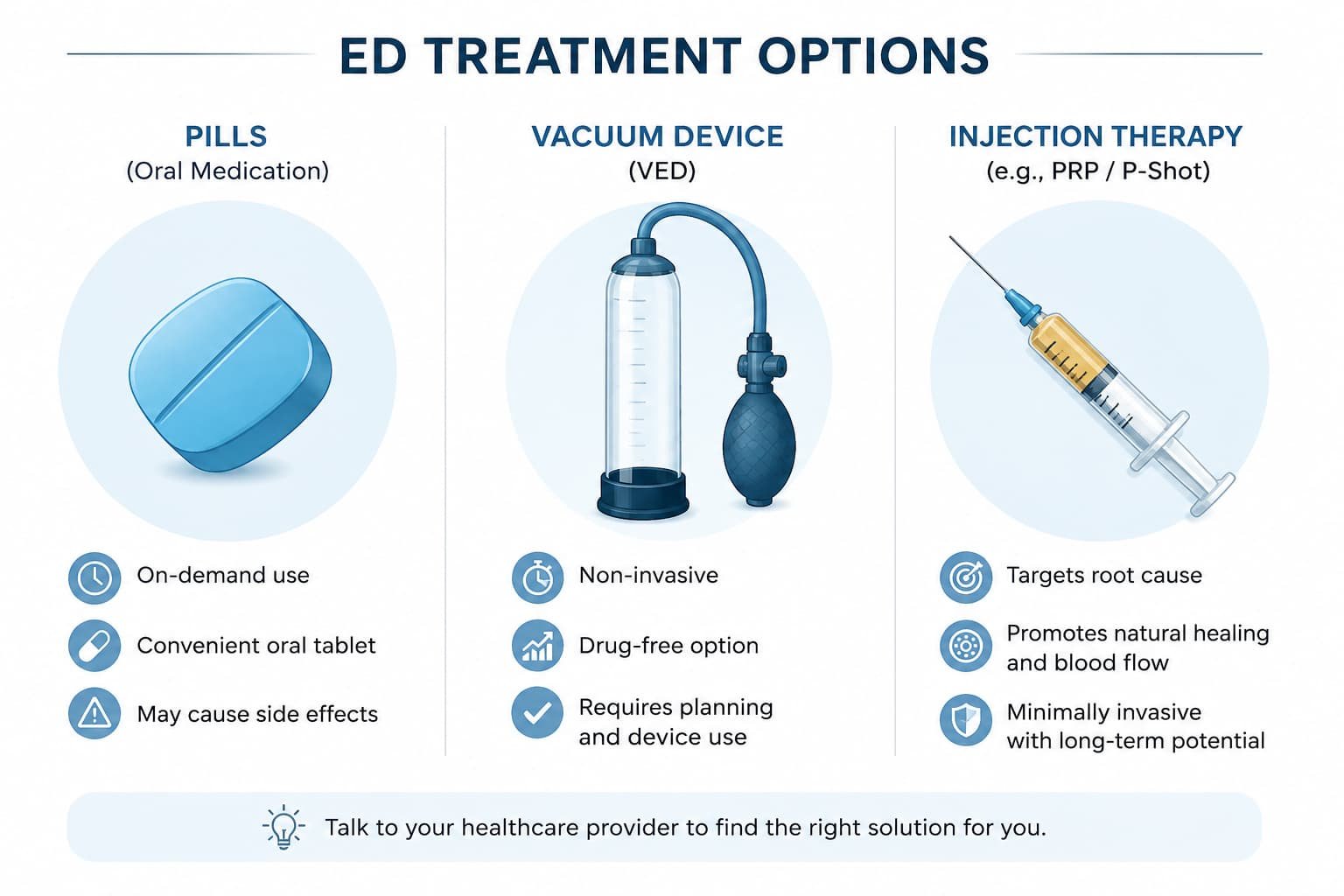
    Viagra — or sildenafil, its generic name — belongs to a class of drugs called PDE5 inhibitors. It works by relaxing the smooth muscle in the walls of blood vessels inside the penis. This increases blood flow during sexual arousal and helps produce an erection.

    The NHS lists sildenafil as a first-line treatment for erectile dysfunction. NICE (the National Institute for Health and Care Excellence) includes it in its clinical guidelines for managing ED, and it is available on NHS prescription in most circumstances.

    Sildenafil is effective. Large-scale clinical trials show it works in around 70% of men with erectile dysfunction. It is well-researched, affordable, and widely prescribed. For many men, it does exactly what it is supposed to do.

    But it has clear limitations.

    The Limitations of Oral ED Medication

    Viagra is not a treatment. It is a temporary aid. Take the tablet, wait 30 to 60 minutes, use it within a four-hour window. Miss the timing and the opportunity passes. Take it after a heavy meal and absorption slows. Drink too much alcohol and it becomes unreliable.

    Common side effects include headaches, facial flushing, indigestion, and nasal congestion. Less common but more serious effects include a sudden drop in blood pressure, particularly when combined with nitrate medications used for heart conditions. Men on certain cardiac drugs cannot take PDE5 inhibitors at all.

    There is also the psychological dimension. Erectile dysfunction is often tied to anxiety. Relying on a tablet — and the precise timing it demands — can reinforce rather than reduce performance pressure.

    And critically, sildenafil does nothing to address the underlying causes of erectile dysfunction. It manages the symptom. It does not improve penile tissue health, stimulate new blood vessel growth, or restore natural function. When the tablet wears off, nothing has changed.

    What Is the P Shot?

    P shot London
    P shot London

    The P Shot — short for Priapus Shot — is a non-surgical treatment that uses platelet-rich plasma (PRP) derived from the patient’s own blood. It is injected directly into specific areas of the penis using a fine needle.

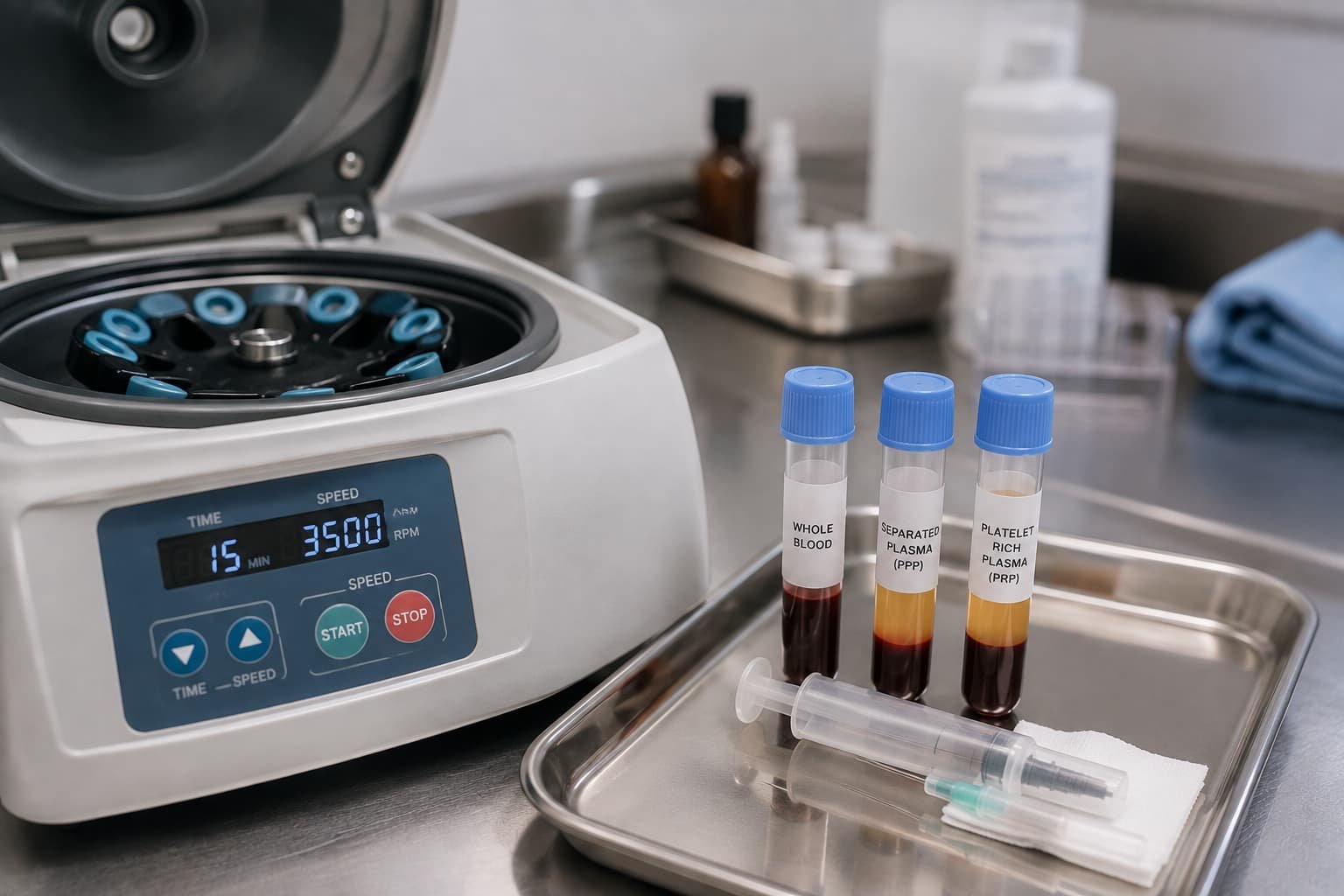
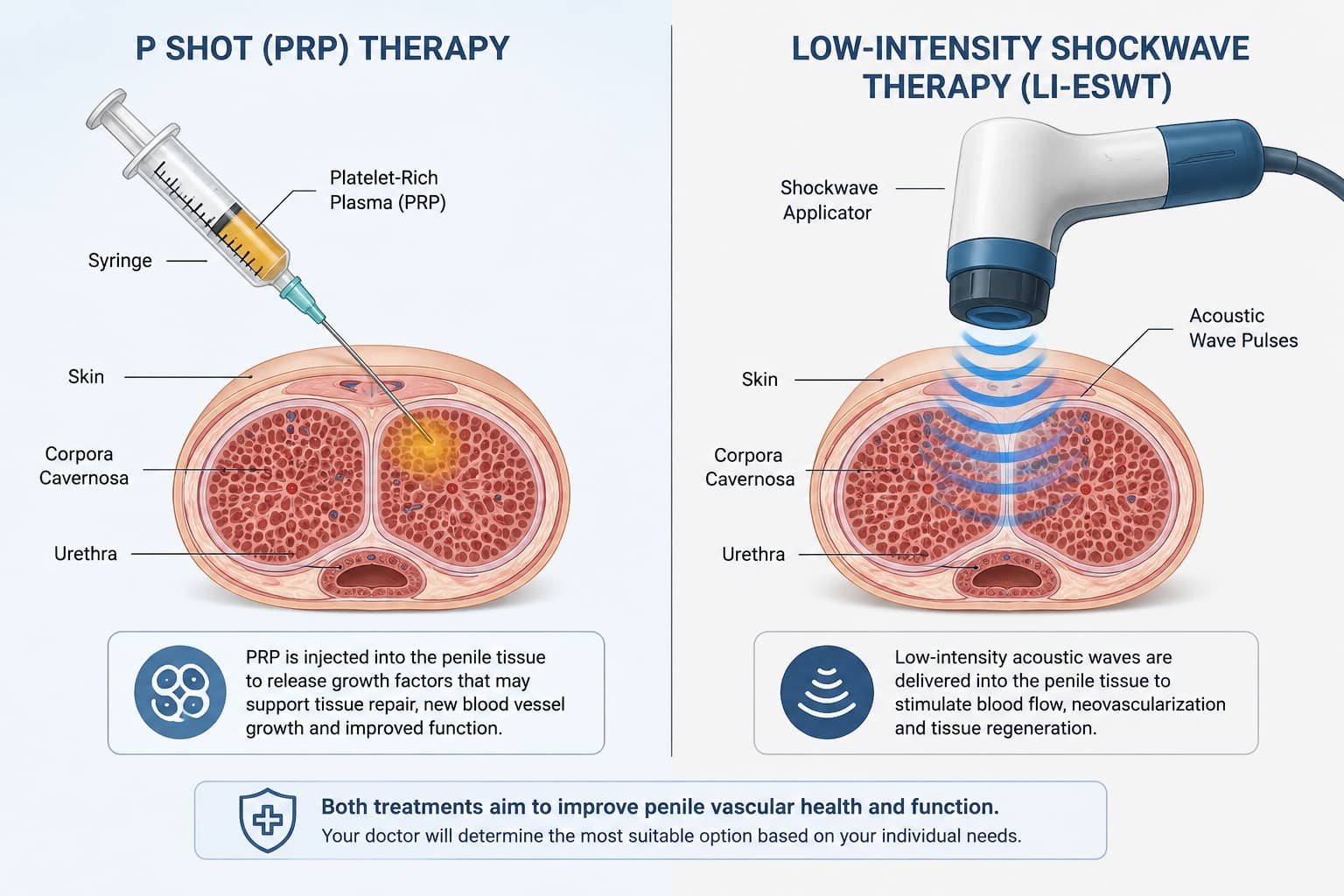
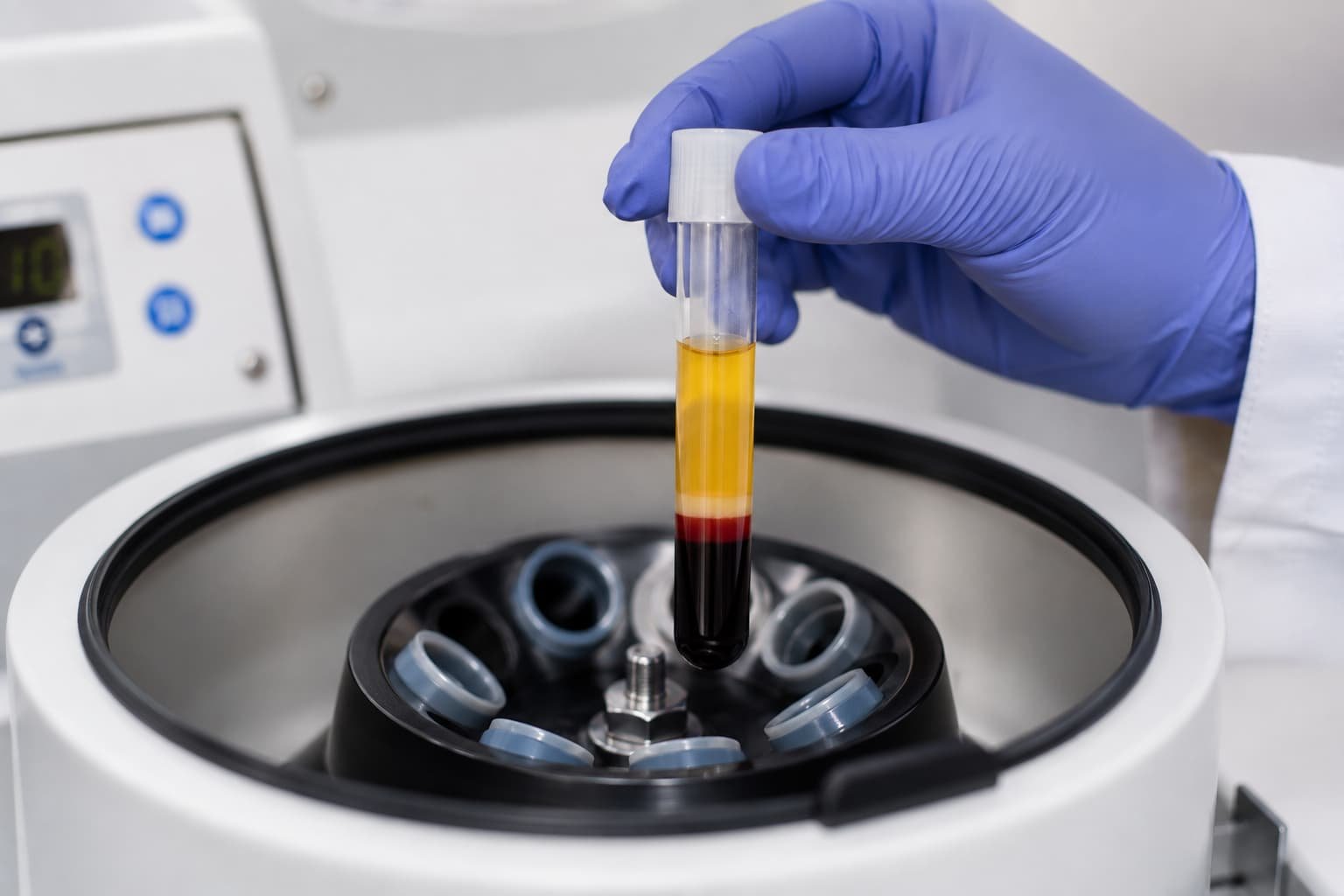
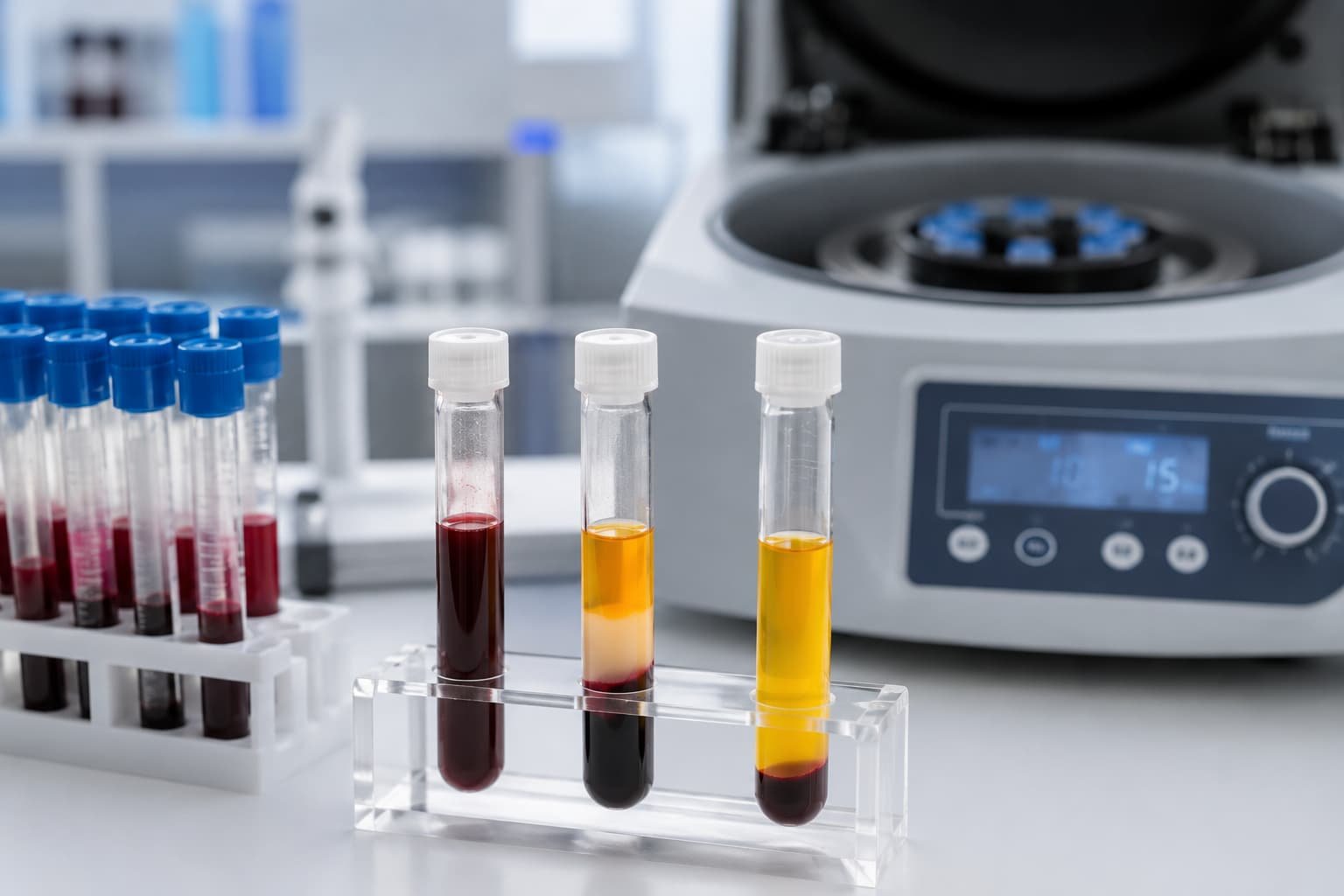
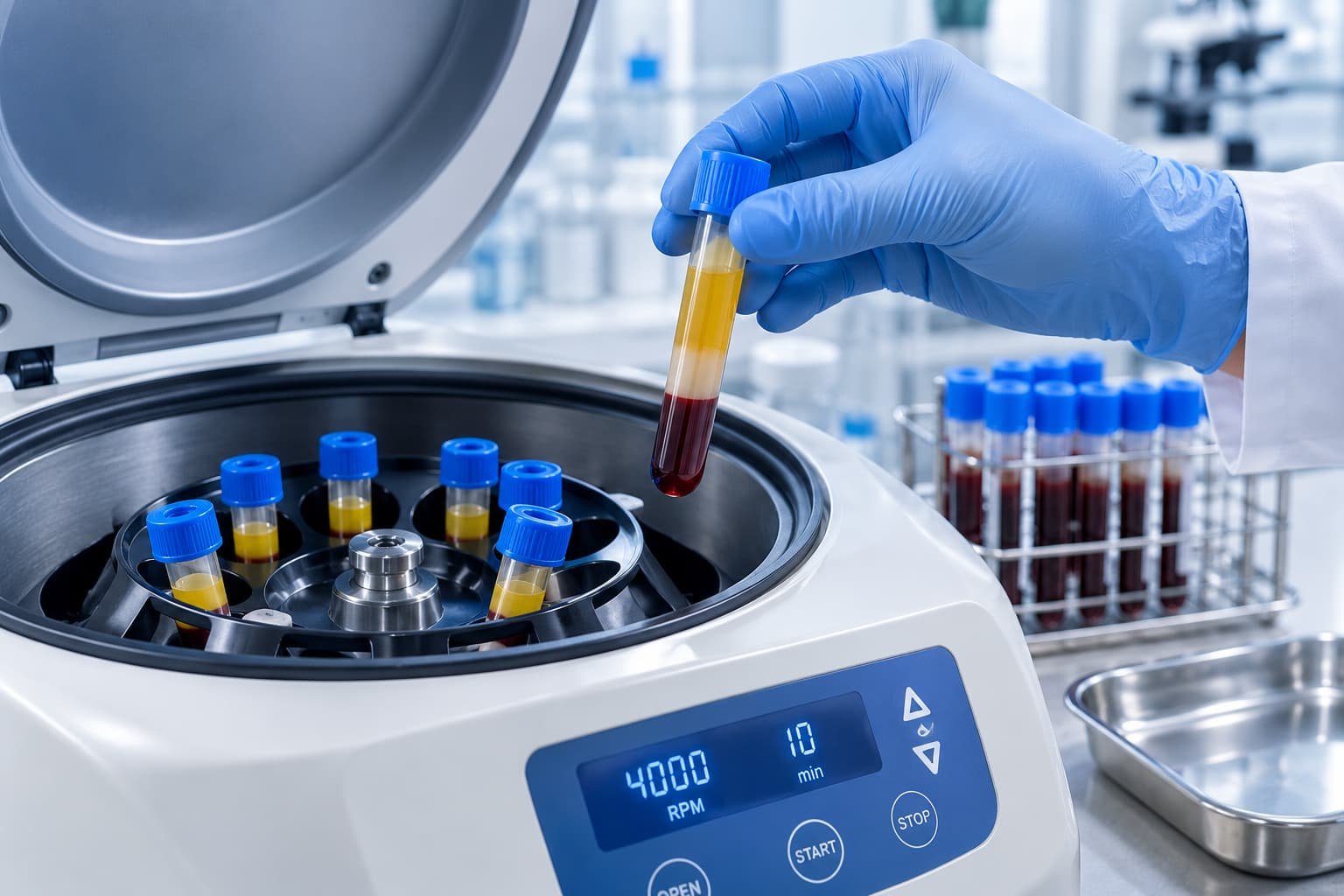
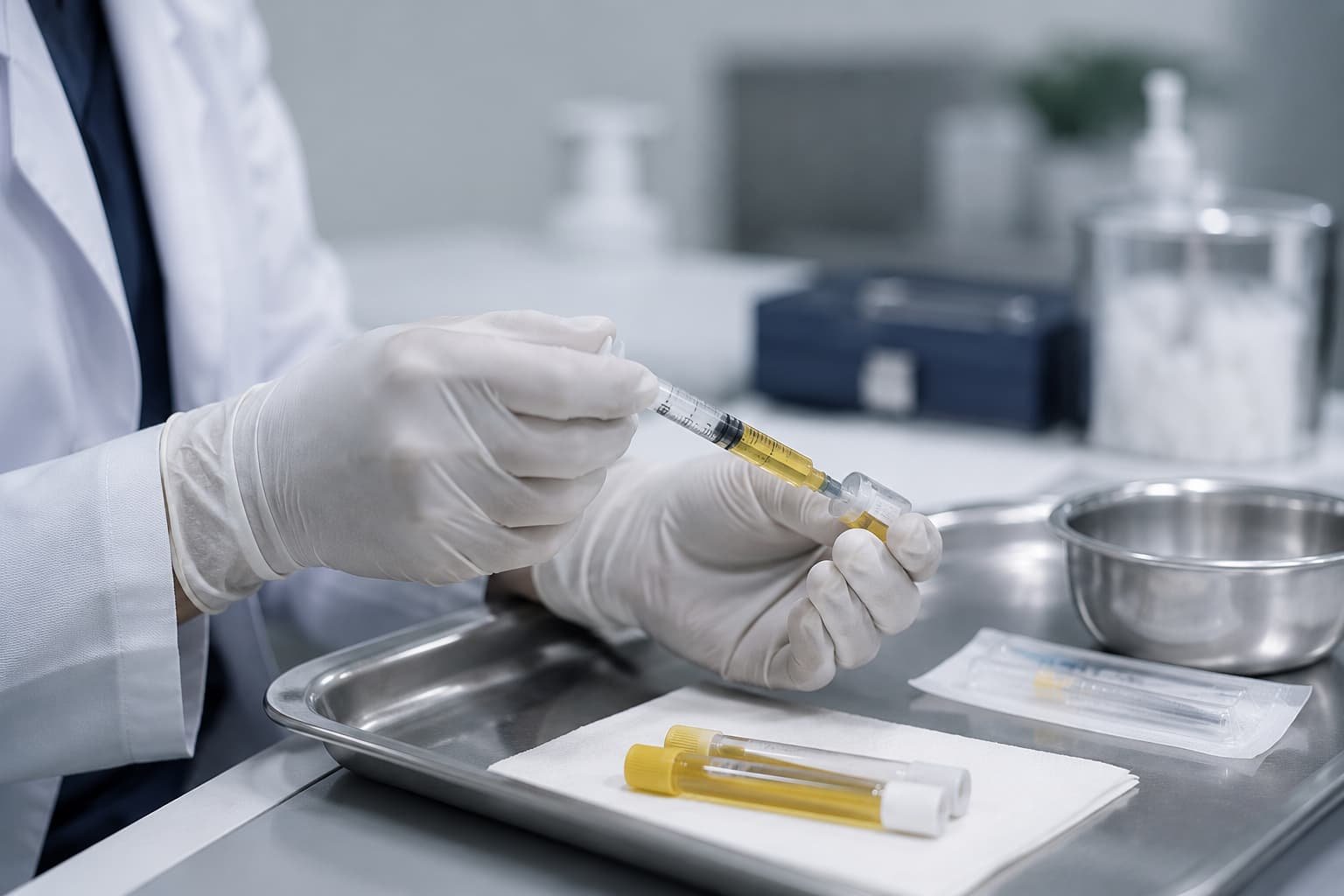
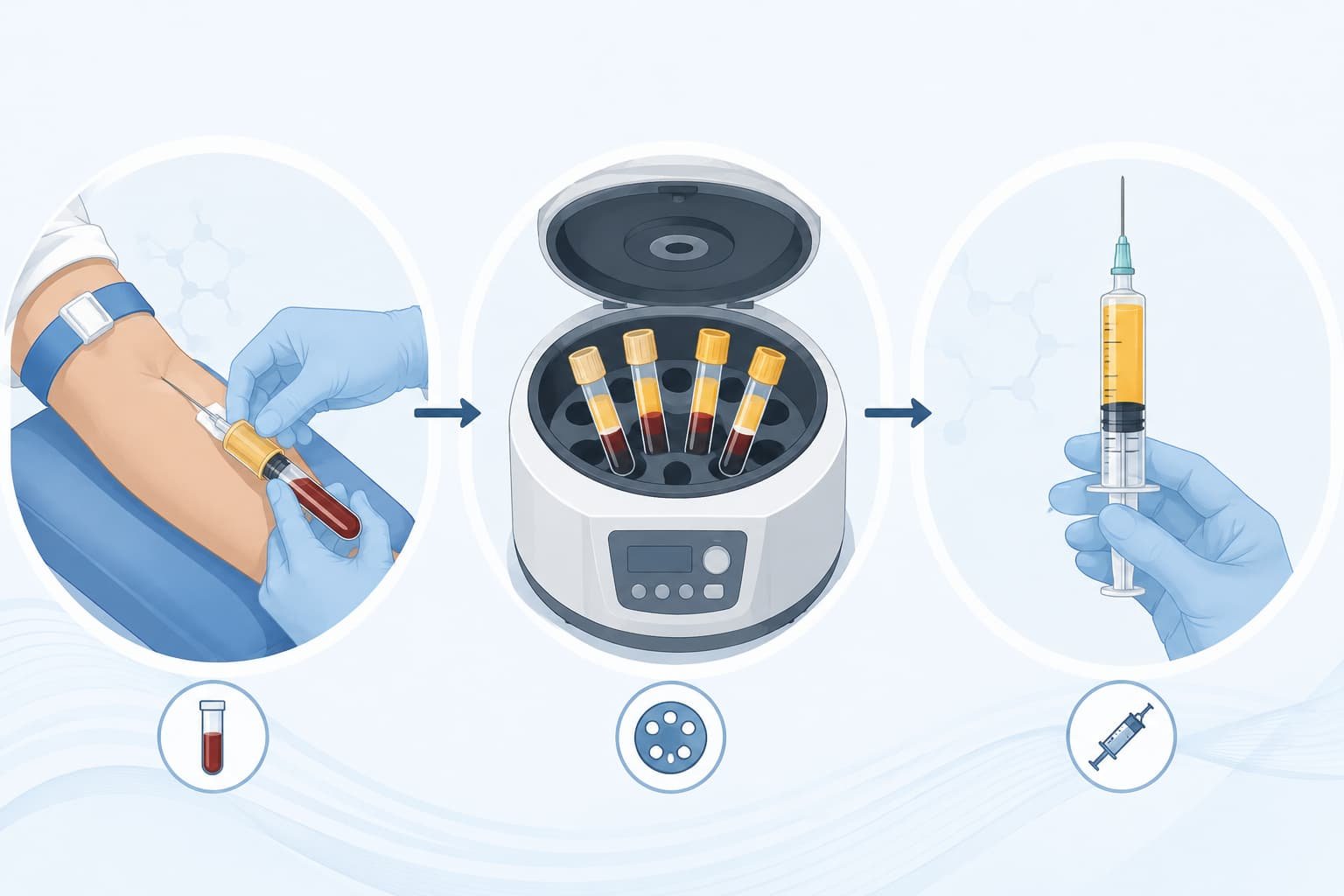
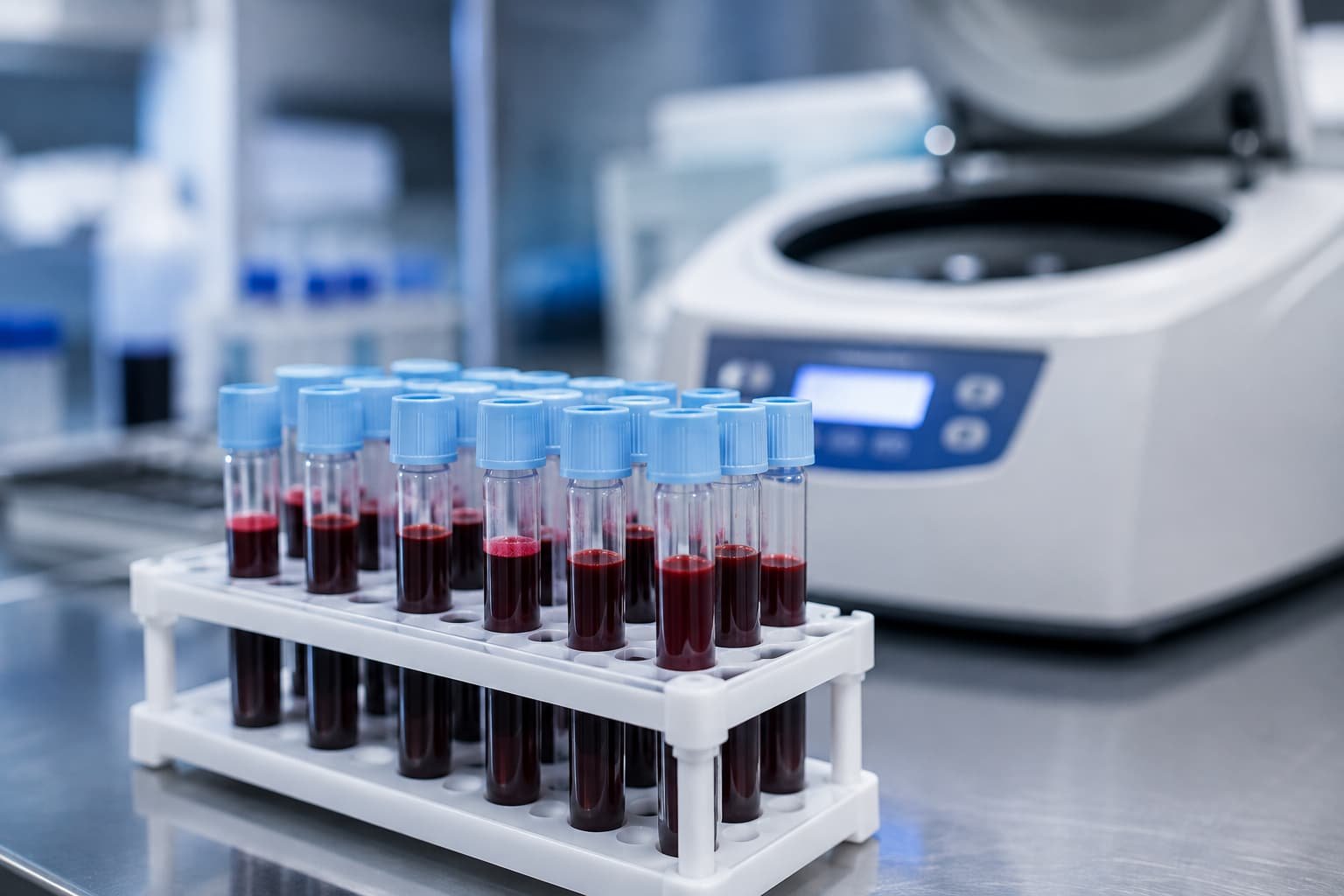
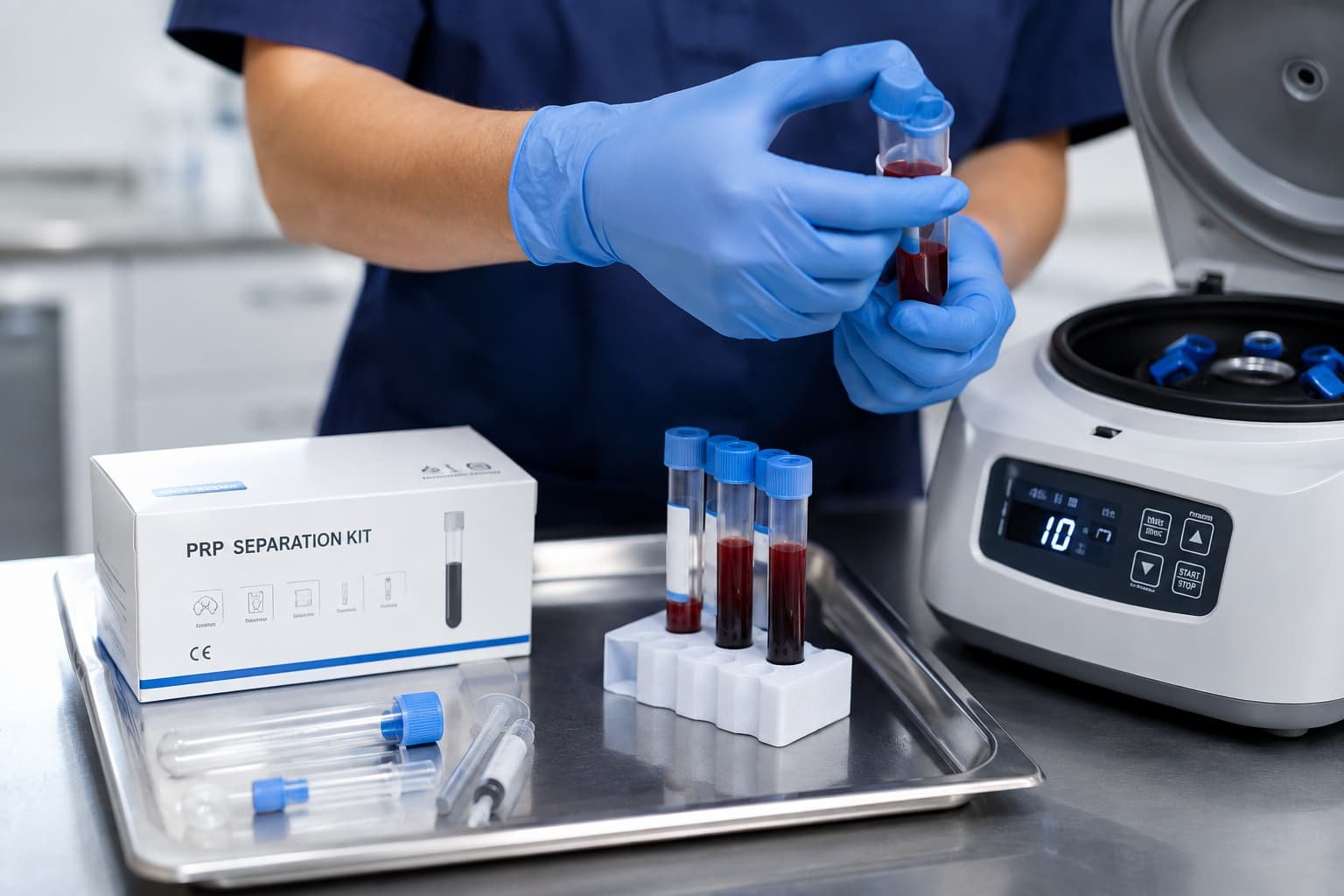
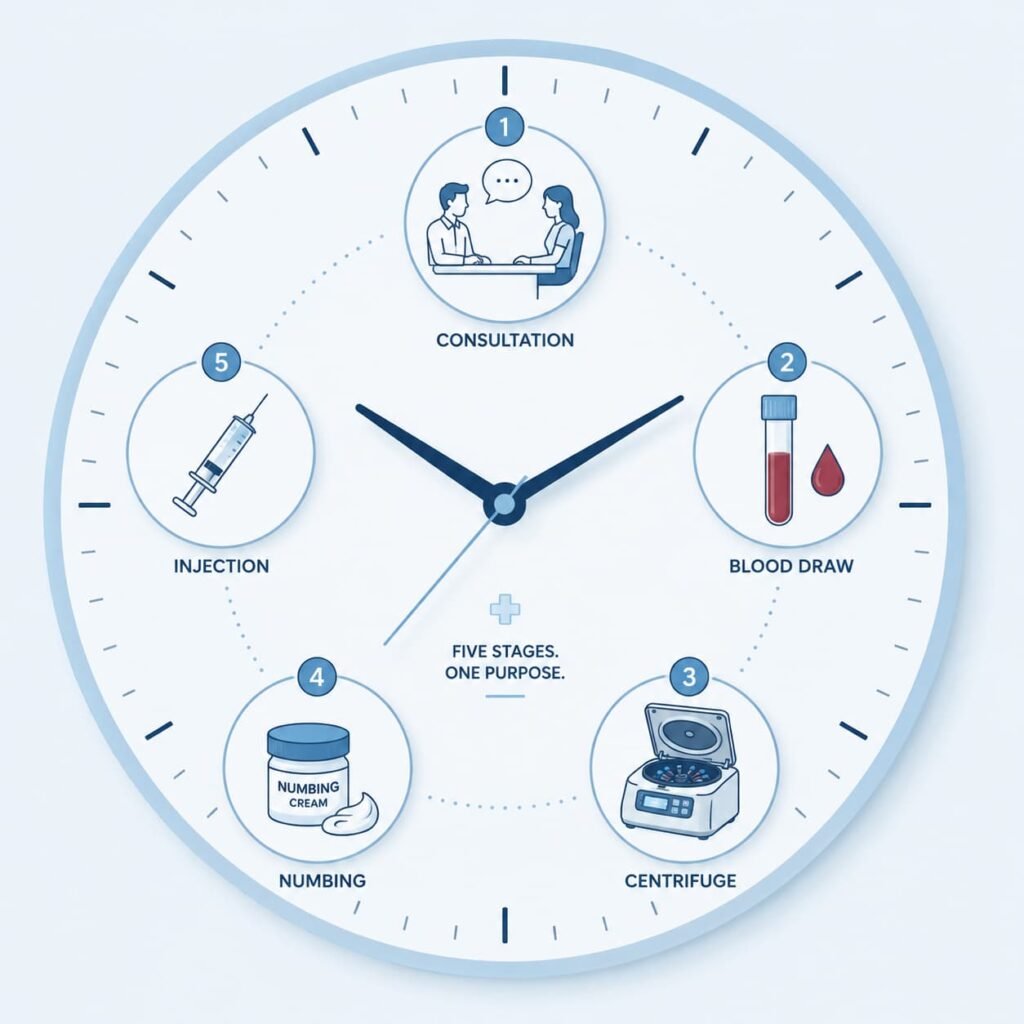
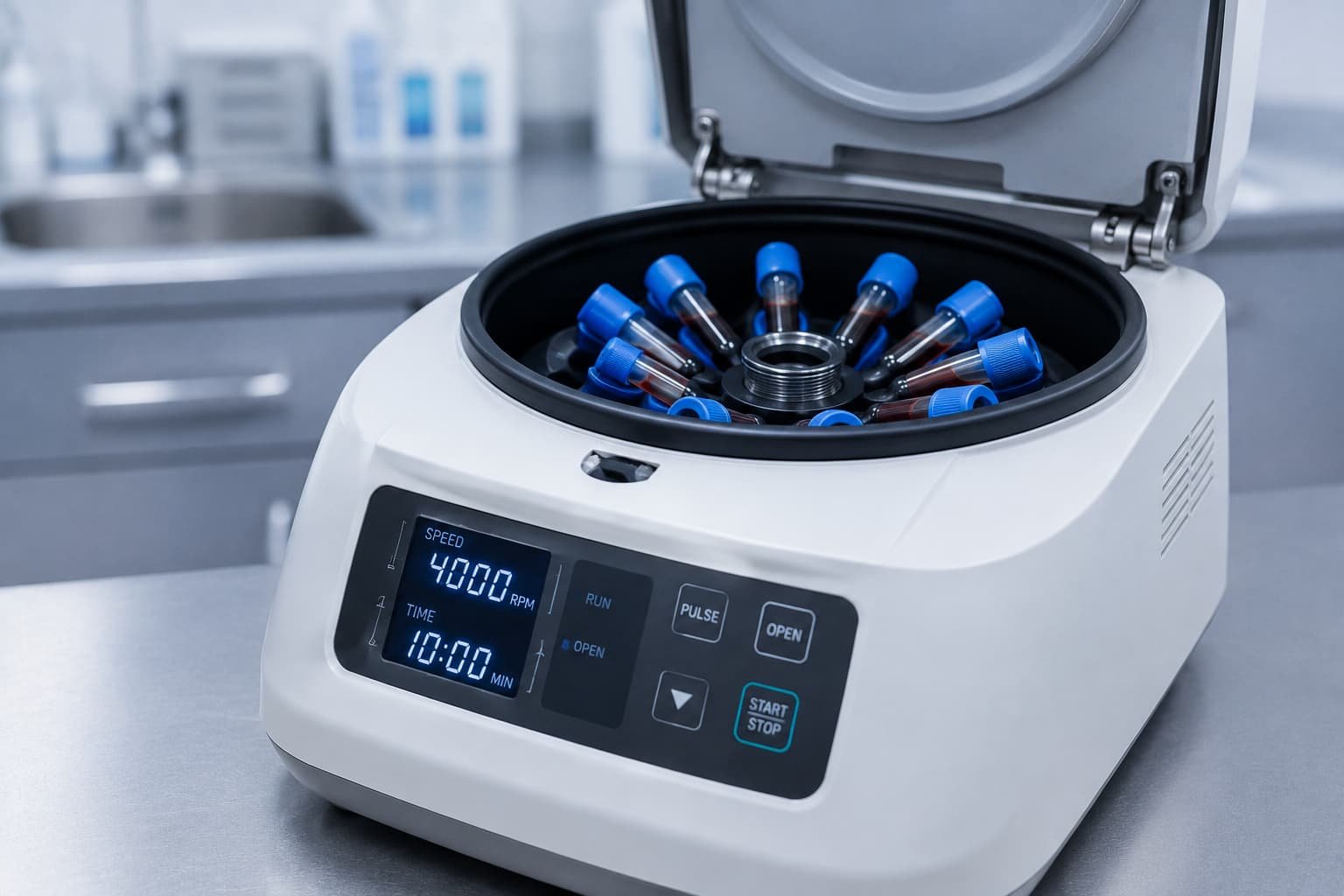
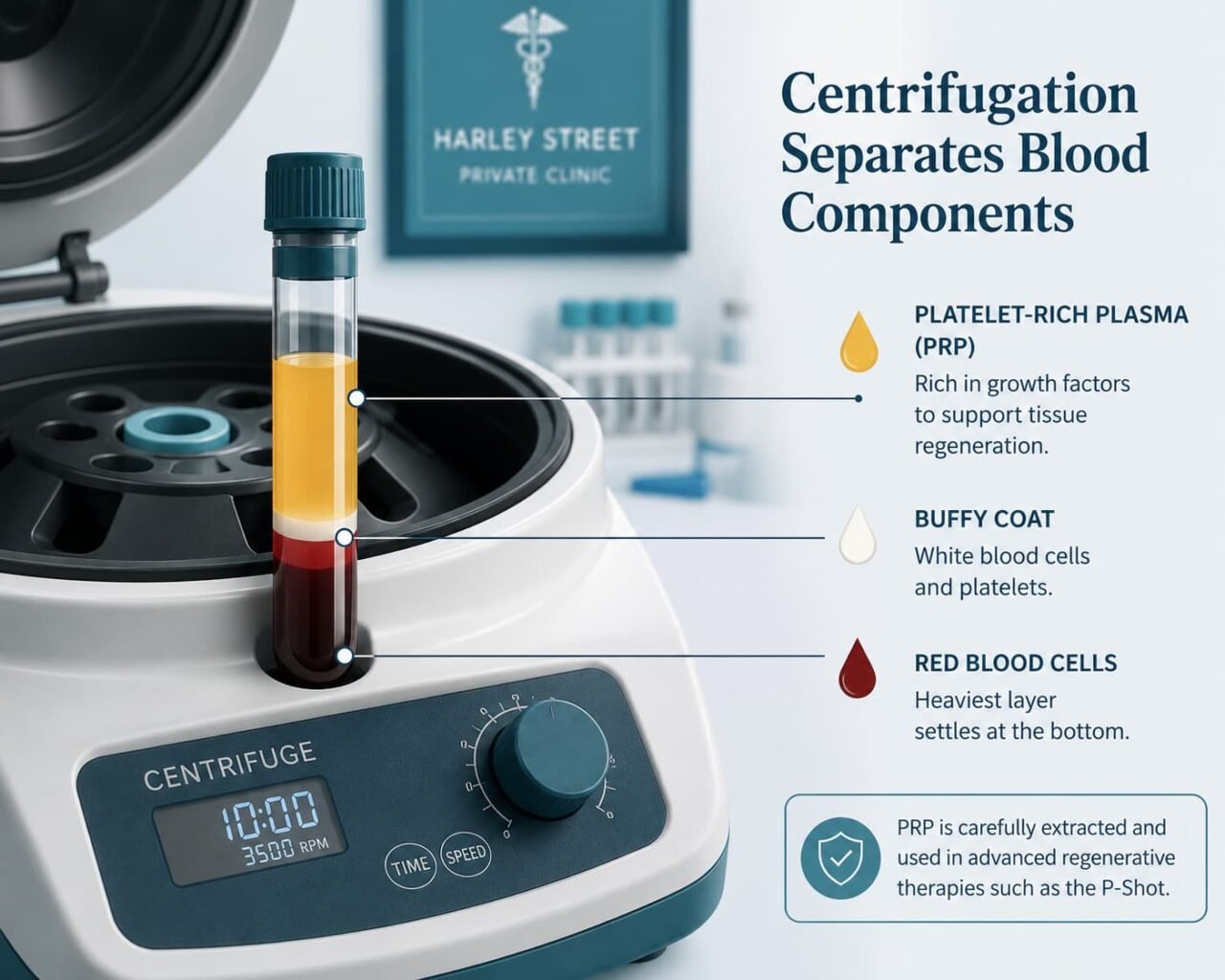
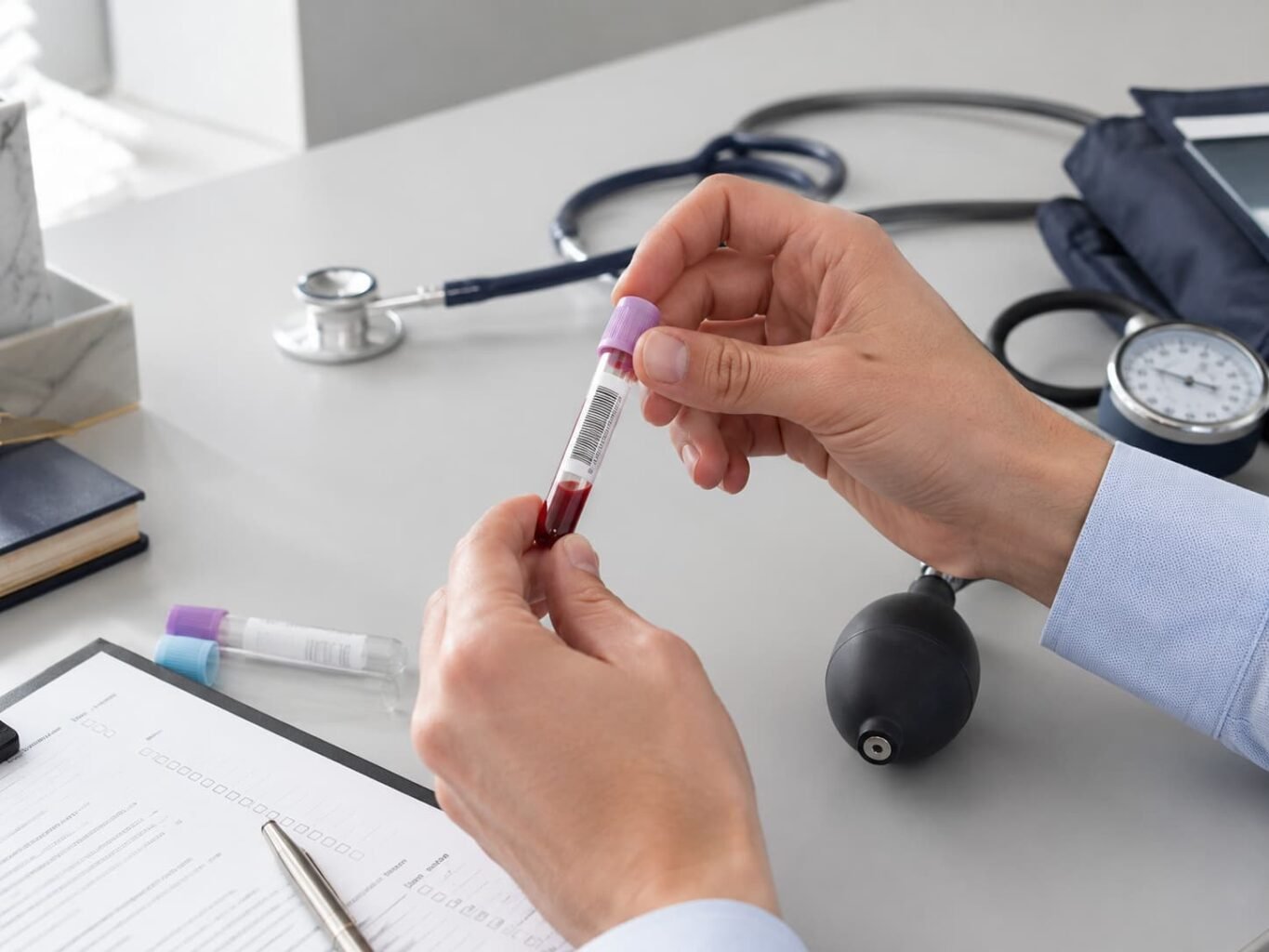
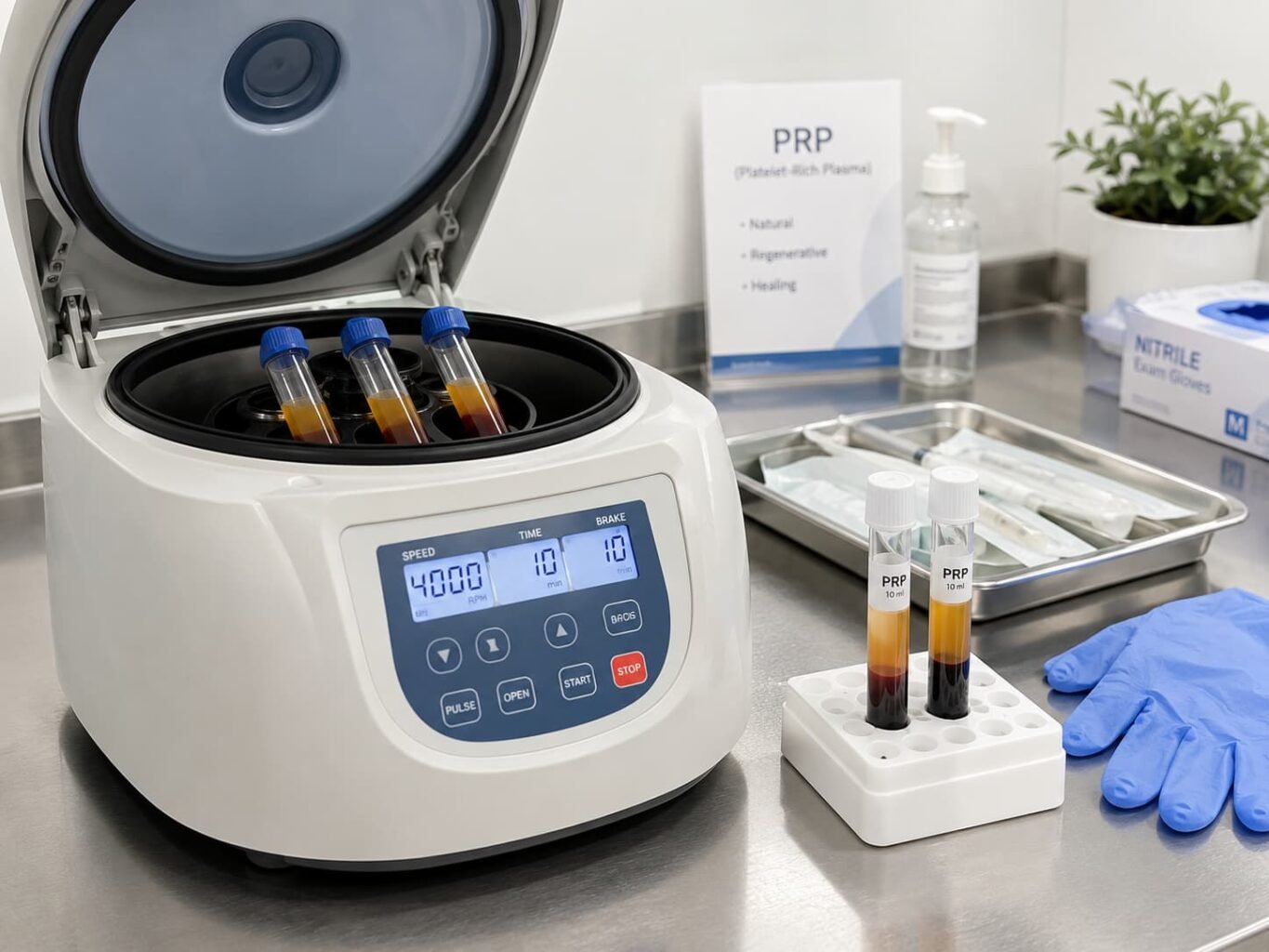
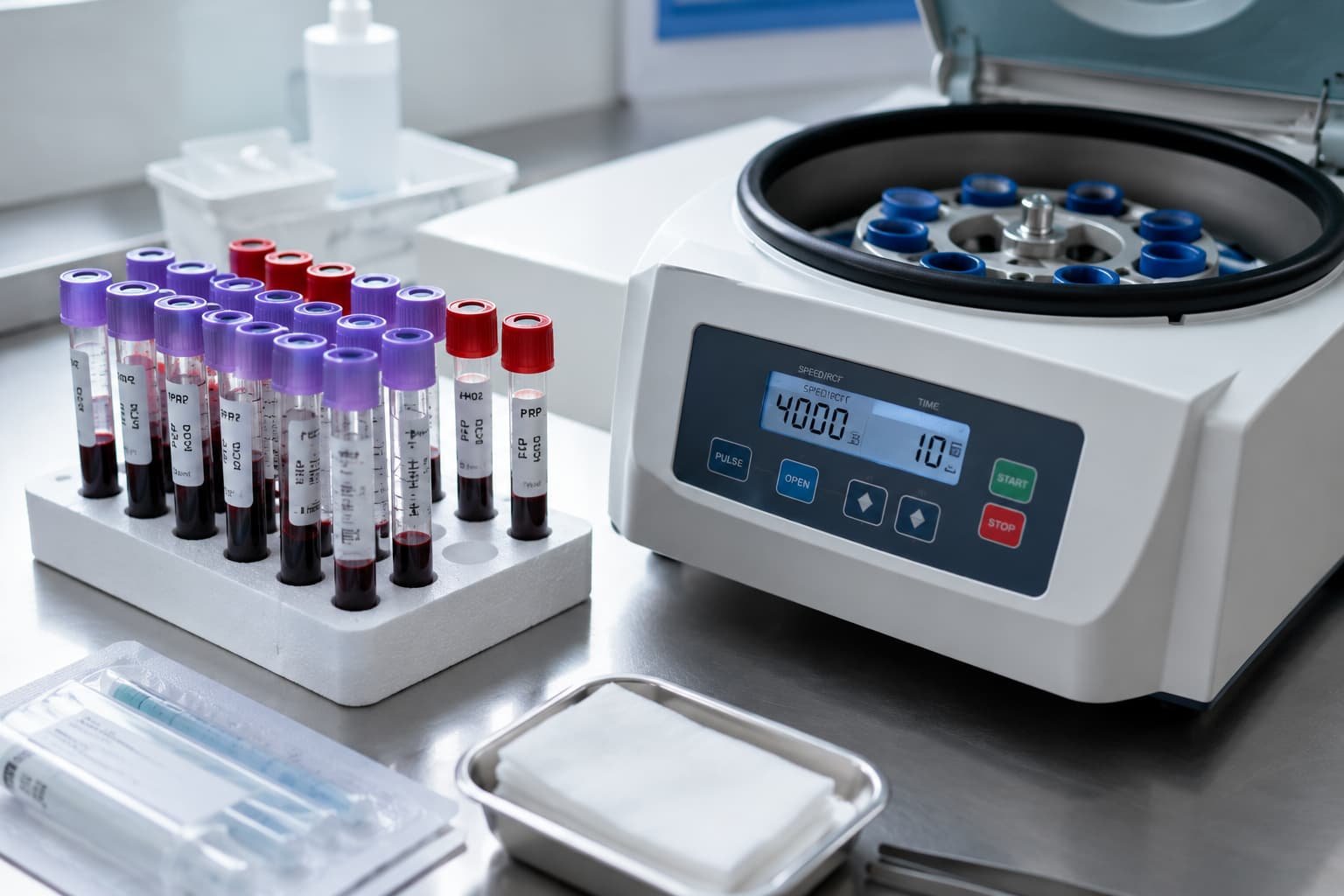
    The procedure follows a straightforward process. A small amount of blood is drawn, typically from the arm. That blood is spun in a centrifuge to separate the plasma from red blood cells. The resulting PRP is rich in growth factors — naturally occurring proteins that play a role in tissue repair and regeneration. This concentrated plasma is then injected into the penile tissue.

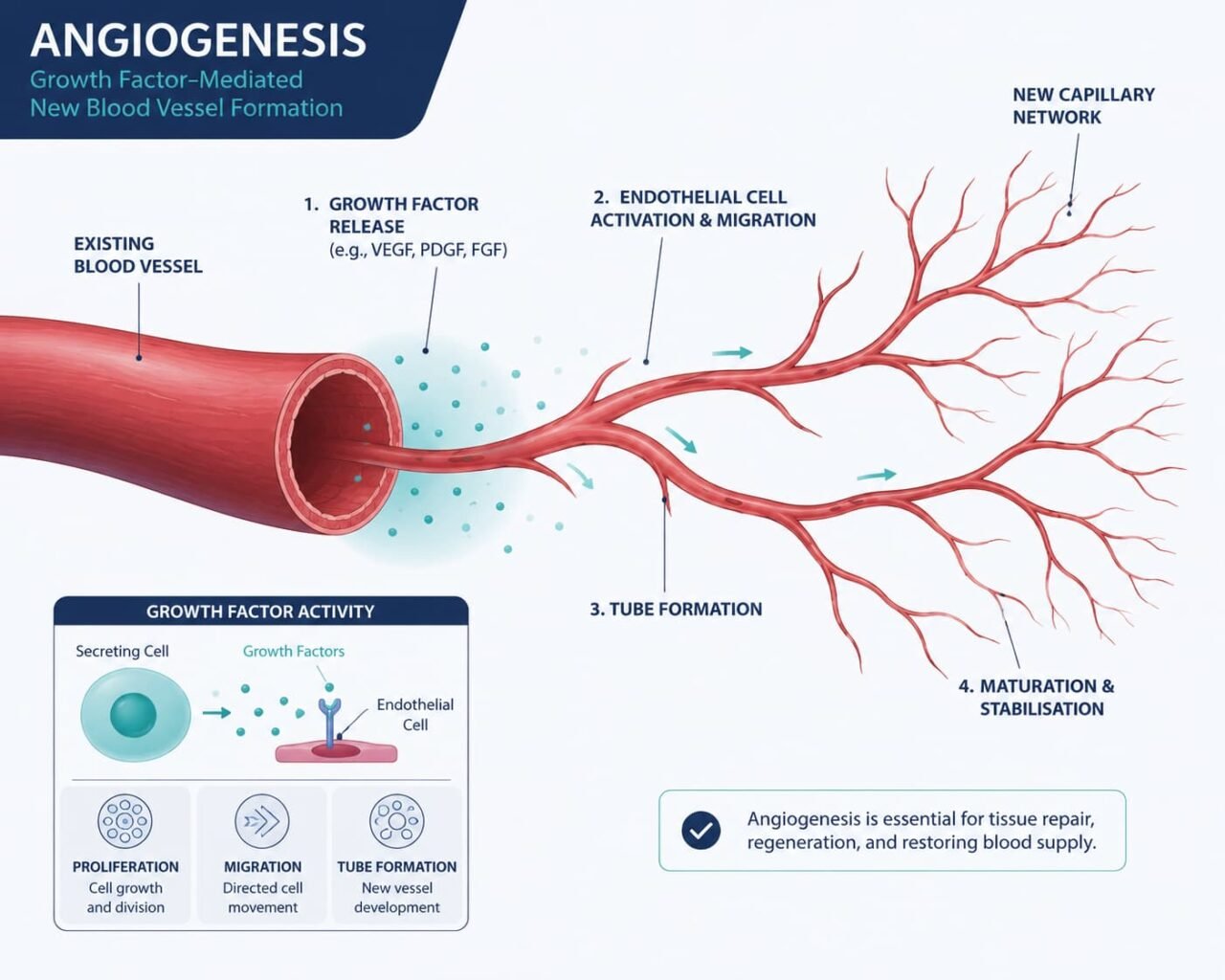
    The goal is not to create an immediate chemical response the way Viagra does. The P Shot works by stimulating the body’s own repair mechanisms. Growth factors from PRP encourage the formation of new blood vessels (a process called angiogenesis) and promote the regeneration of smooth muscle tissue. Over weeks and months, this can improve the underlying vascular health of the penis.

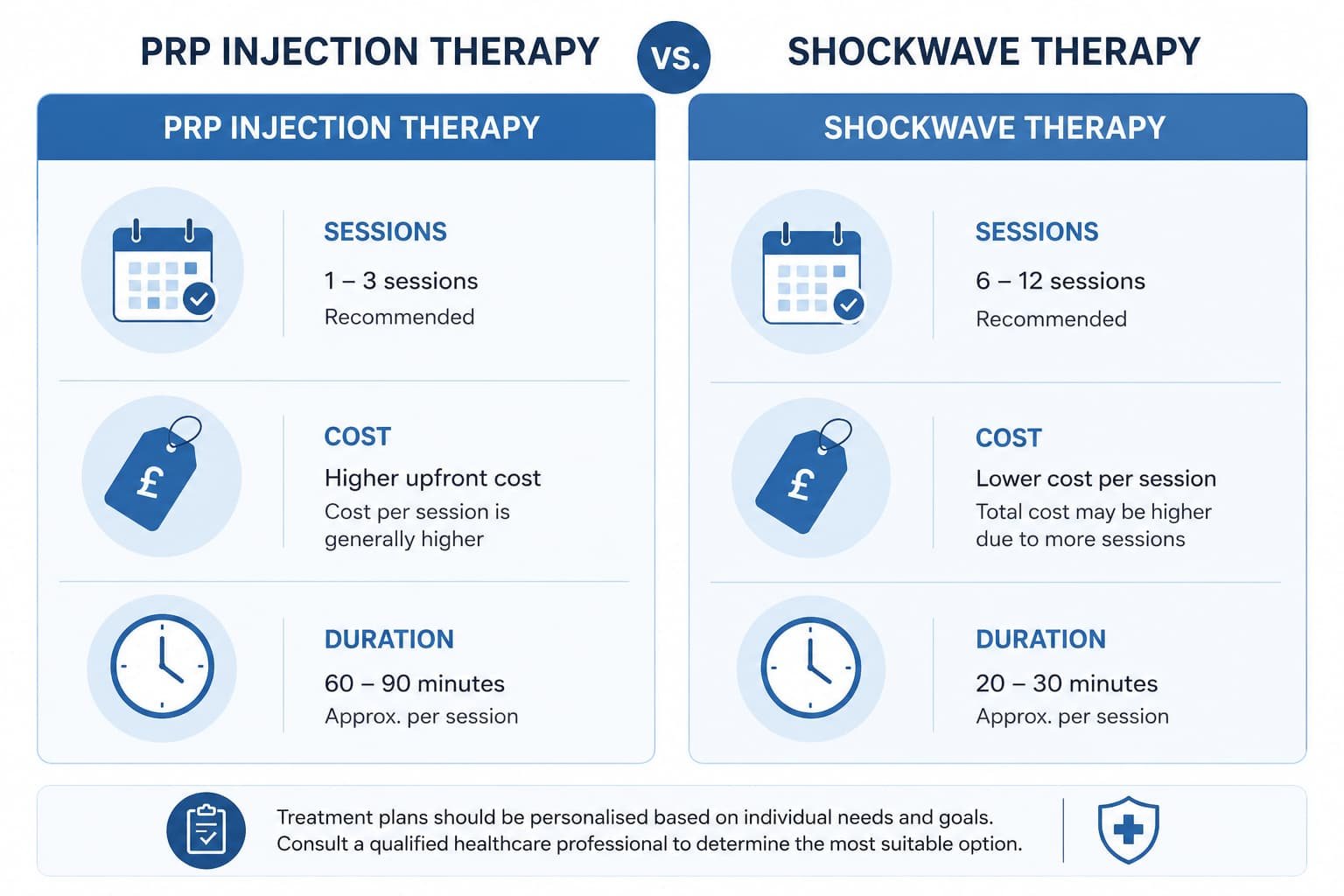
    The treatment takes roughly 45 minutes from start to finish. A topical anaesthetic is applied beforehand, so discomfort is minimal. There is no general anaesthetic, no incision, and no significant downtime.

    P Shot London: What the Evidence Says

    The scientific literature on PRP for erectile dysfunction is growing. A 2021 systematic review published in Sexual Medicine Reviews examined multiple studies on PRP for ED and found evidence of improvements in erectile function scores, particularly in men with mild to moderate dysfunction. The researchers concluded that PRP showed promise as a regenerative option, though they called for larger randomised controlled trials.

    A 2020 study in Andrology found that PRP injection led to statistically significant improvements in the International Index of Erectile Function (IIEF) scores in men who had not responded adequately to oral medication. This is important: the P Shot may offer benefit precisely in the group that finds Viagra insufficient or unsuitable.

    Research published by institutions including the Cleveland Clinic and various European urology departments has also noted improvements in penile sensitivity, sexual confidence, and In some cases, modest gains in girth due to tissue regeneration. These changes are not cosmetic additions — they reflect genuine tissue-level improvement.

    The evidence base is not yet as deep as that for sildenafil, which has decades of large-scale trial data behind it. But the trajectory is positive, and the mechanism is well understood from PRP’s established use in orthopaedics, dermatology, and wound healing.

    How Does P Shot Treatment Compare to Viagra in Practice?

    P shot London
    P shot London

    The honest answer is that they do different things.

    Viagra produces a reliable, predictable effect on demand. If you need a result tonight, sildenafil is still the most dependable option for most men.

    The P Shot does not produce an immediate effect after a single session. Most men notice gradual improvements over four to twelve weeks. Some report meaningful changes after a second or third treatment. The improvement, when it comes, reflects an actual change in tissue and vascular function — not a pharmacological override of the body’s current state.

    This distinction matters. Men who respond well to the P Shot often report:

    • Erections that feel more natural and less dependent on planning
    • Improved sensitivity
    • Greater confidence in sexual situations
    • Reduced reliance on, or complete discontinuation of, oral medication

    For men with vascular or neurological causes of erectile dysfunction, the P Shot addresses the root issue rather than masking it. For men whose ED is entirely psychological in origin, the results may be less predictable.

    Who Is a Good Candidate for the Priapus Shot?

    The P Shot tends to produce the best outcomes in men who:

    • Have mild to moderate erectile dysfunction with a vascular component
    • Find oral medication unreliable, inconvenient, or poorly tolerated
    • Cannot take PDE5 inhibitors due to cardiac medication or other contraindications
    • Want to reduce or stop their dependence on tablets
    • Are interested in a longer-term approach rather than an on-demand fix

    Men with severe erectile dysfunction linked to significant nerve damage — such as after radical prostatectomy — may see more limited results, though some studies have shown benefit even in this group.

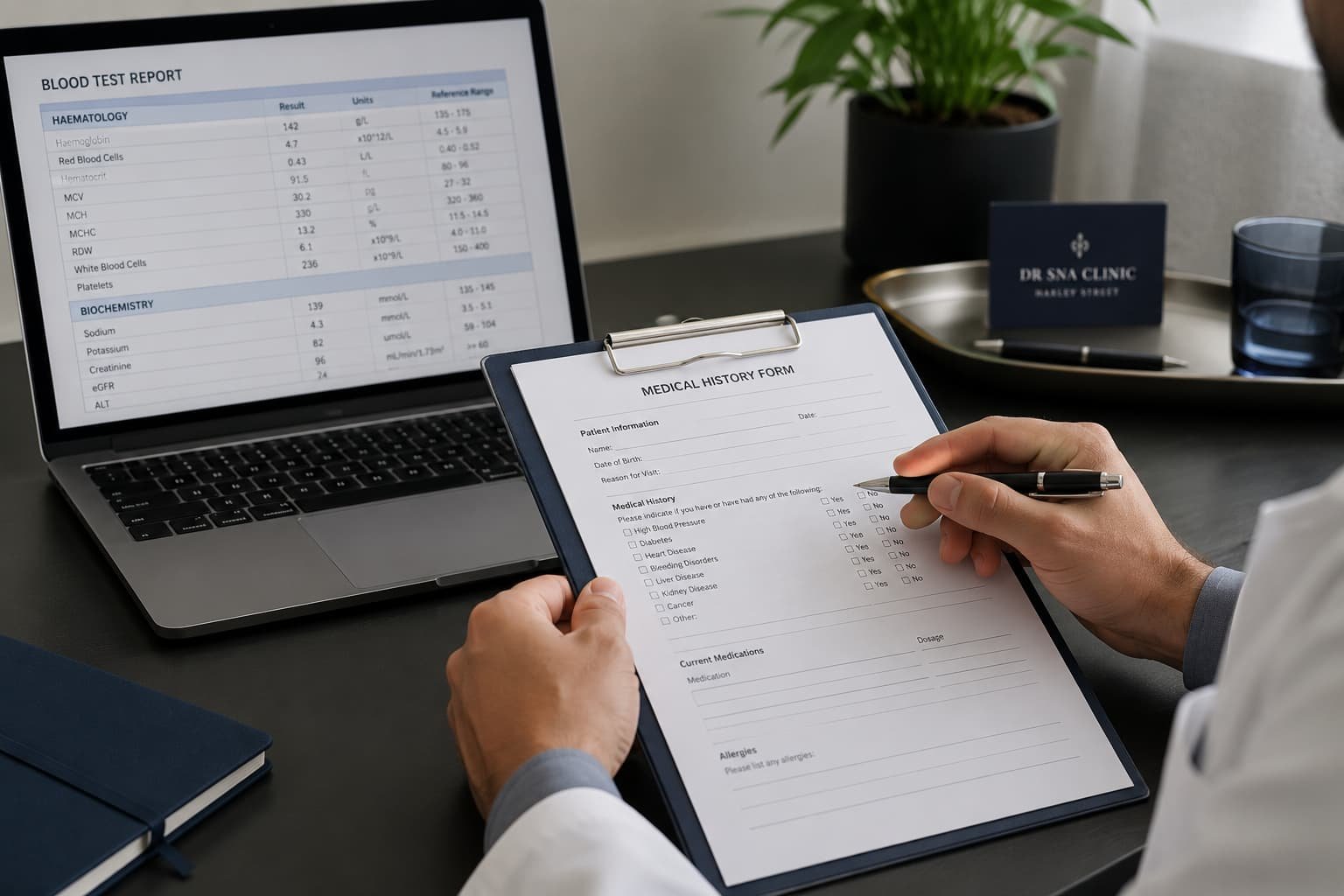
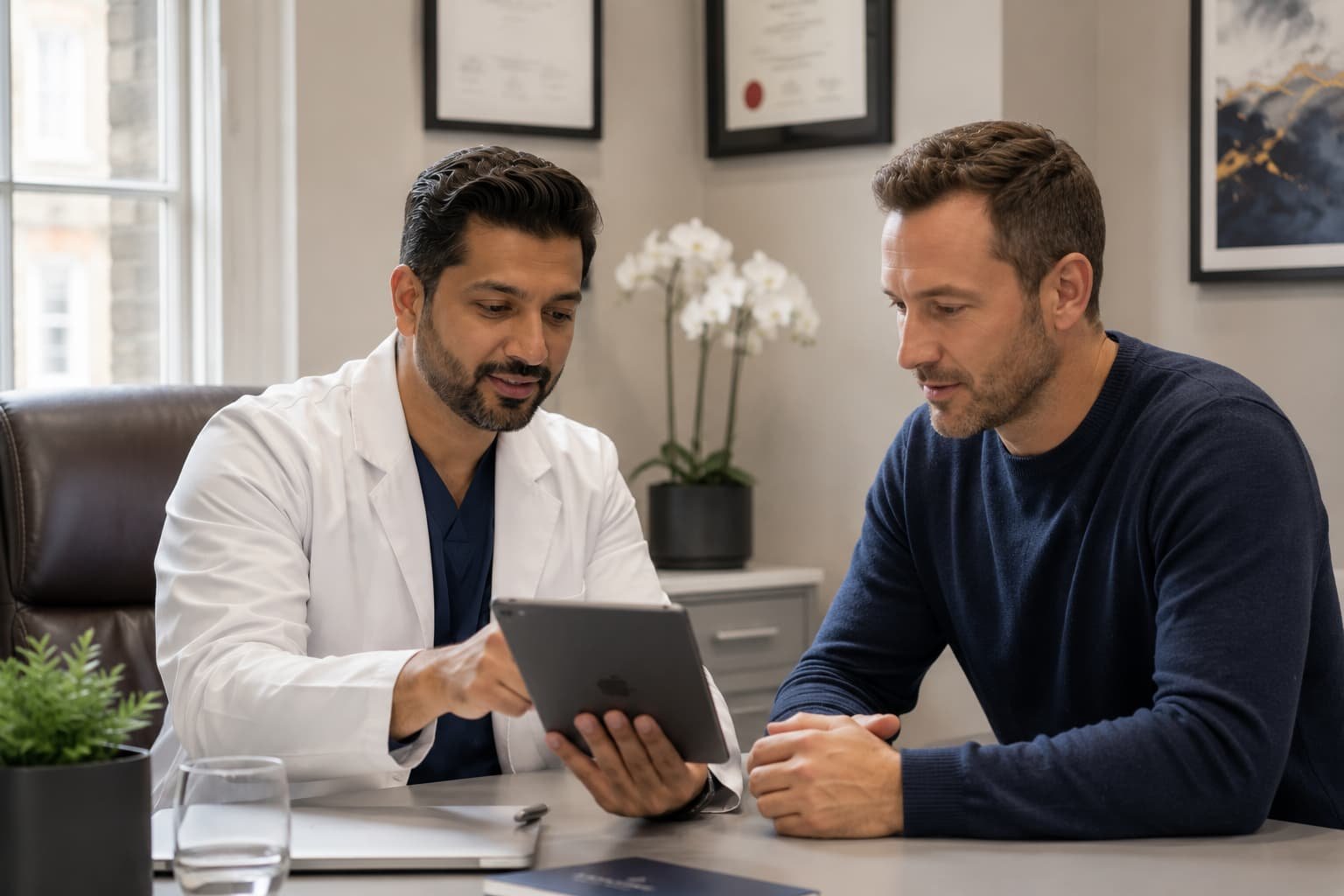
    A full medical consultation is essential before any P Shot treatment. Erectile dysfunction can be an early sign of cardiovascular disease, diabetes, or hormonal imbalance. Any reputable clinic will ensure these are properly assessed first.

    Priapus Shot Price and Cost Considerations in the UK

    The priapus shot price in the UK varies depending on the provider, the number of sessions, and whether additional treatments such as low-intensity shockwave therapy are included in a combination protocol.

    In London, a single P Shot session typically ranges from £1500 to £2,500. Clinics offering male enlargement injections cost UK-wide vary considerably, so it pays to compare experience, qualifications, and what is included in the price.

    Sildenafil on prescription costs very little — sometimes as little as £1.50 per tablet on the NHS. The financial comparison is stark. But Viagra is a recurring cost with no endpoint. Men who use the tablet regularly for years spend more over time than a course of PRP treatment. And Viagra does not improve the underlying condition.

    What to Expect: P Shot Before and After

    P shot before and after outcomes vary between individuals, but the pattern reported most consistently includes improved erectile firmness, increased sensitivity, and a reduction in the time needed to achieve an erection. Some men also note an improvement in the quality of their orgasms.

    In terms of size, P shot before and after comparisons sometimes show modest gains in girth as new tissue develops. These changes are not dramatic and should not be the primary reason for choosing the treatment. The main therapeutic goal is improved erectile function and sexual health.

    Realistic expectations matter. The P Shot is not a guaranteed cure, and results depend on individual biology, the severity of the underlying condition, and general health. Most practitioners recommend a course of two to three treatments for optimal results, spaced several weeks apart.

    Is the P Shot Safe?

    Because the treatment uses the patient’s own blood, the risk of allergic reaction or immune rejection is effectively zero. There is no foreign substance being introduced to the body.

    The most common side effects are mild and temporary: slight bruising or swelling at the injection site, occasional tenderness lasting a few days. Serious complications are rare when the procedure is performed by a qualified medical professional in a clinical setting.

    This is why practitioner qualification matters significantly when seeking P Shot London treatment. PRP therapy requires proper blood handling, sterile technique, and an understanding of penile anatomy. This is not a treatment to seek from a non-medical aesthetics provider.

    P shot London
    P shot London

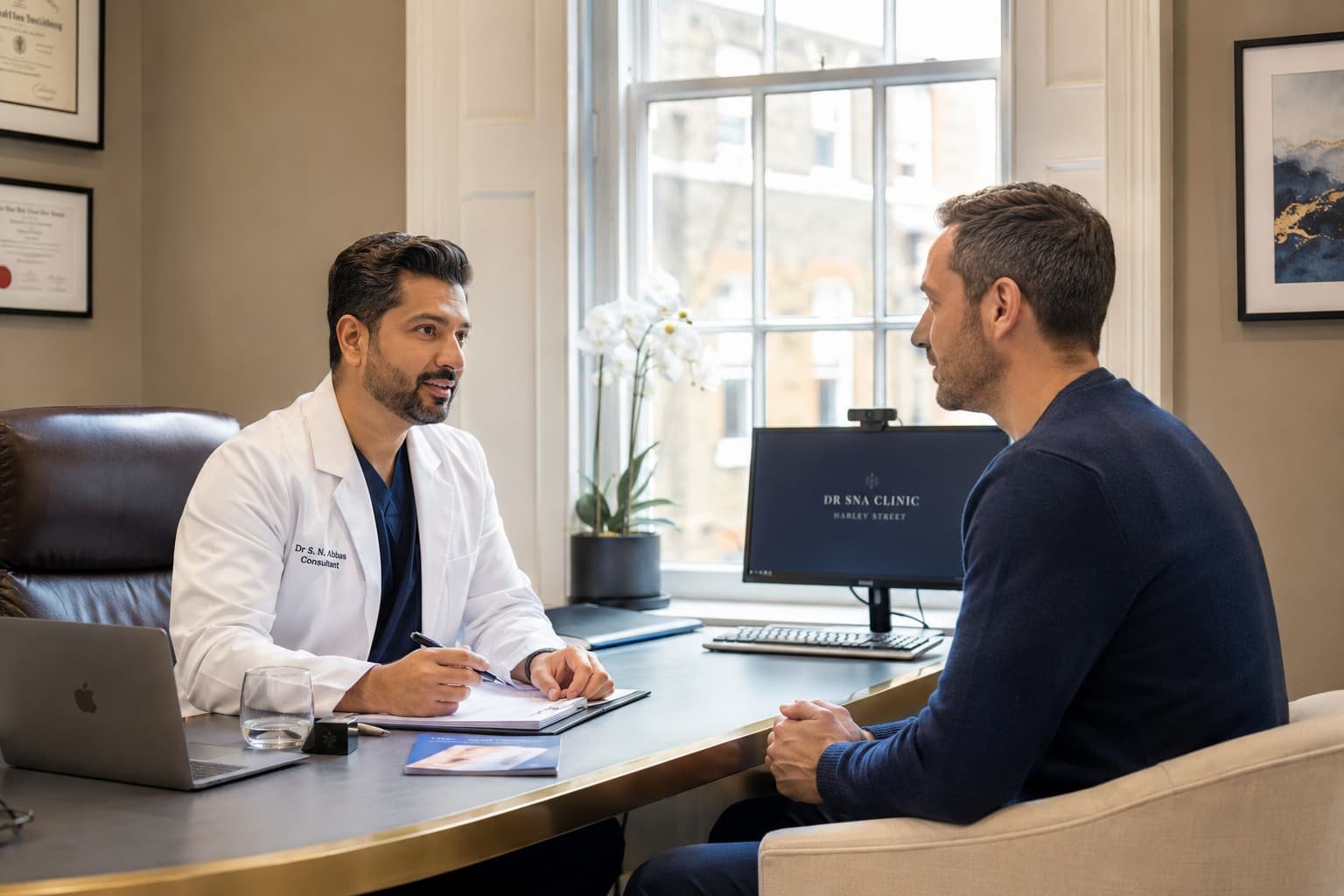
    At pshots.co.uk, treatments are led by Dr Syed Nadeem Abbas — MBBS, MRCS (RCS Edinburgh), MRCGP, and MSc in Aesthetic Plastic Surgery with Distinction from Queen Mary University London, with clinical training at Cambridge, Oxford, and the Royal London Hospital — operating from a Harley Street clinic.

    Combining Treatments: A Note on Protocols

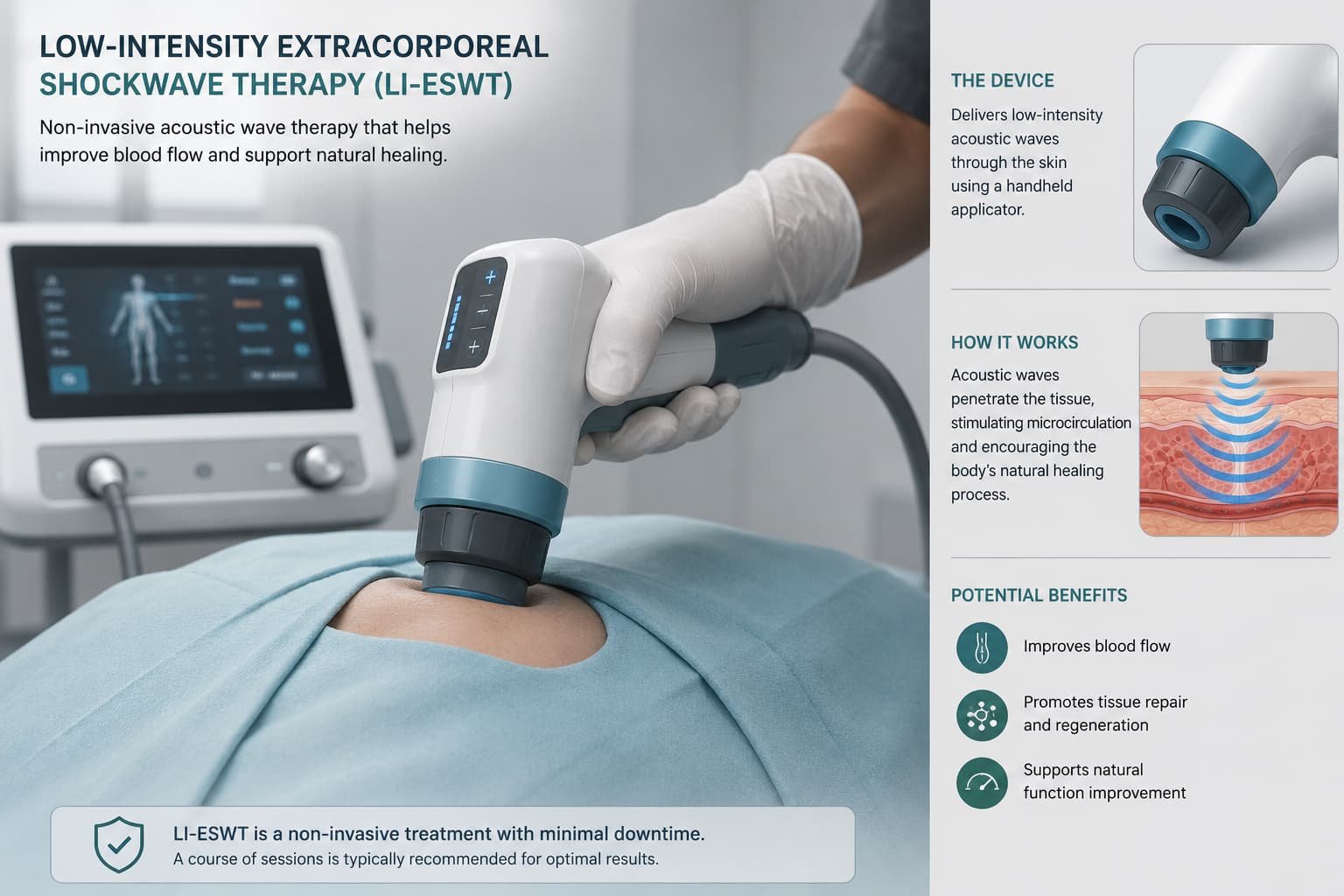
    Some clinics now use the P Shot in combination with low-intensity extracorporeal shockwave therapy (Li-ESWT) or vacuum erection devices as part of a broader penile rejuvenation protocol. Early data suggest that combination approaches may outperform either treatment used in isolation.

    The penile injection growth seen with PRP may also be enhanced when the treatment is paired with appropriate lifestyle changes — addressing weight, blood pressure, smoking, and alcohol intake. Erectile function is closely linked to cardiovascular health. No injection or tablet compensates fully for poor vascular health upstream.

    The Verdict: Which Works Better?

    Viagra works faster and more predictably in the short term. For men who need reliable, on-demand support, it remains a highly effective option and carries decades of clinical backing.

    The P Shot works differently. It does not produce an immediate pharmaceutical effect. It works by improving tissue health over time. Men who want to address the underlying issue — not just manage the symptom — and who commit to a gradual process gain something from the P Shot that Viagra cannot: it improves natural function and sustains it without continued medication.

    They are not mutually exclusive. Some men use oral medication during the weeks following a P Shot session, then find they need it less or not at all as the tissue-level improvements take hold.

    The right choice depends on the individual — their health history, their goals, how their current treatment is working, and what they want from their sexual health long-term.

    A Final Thought

    NHS estimates show erectile dysfunction affects roughly one in five men in the UK, and experts believe the true figure runs higher because men rarely seek help. The conversation around treatment is slowly becoming more open, and the options available have expanded meaningfully in recent years.

    Viagra was a revolution when it arrived. PRP therapy may represent the next step — a move from symptom management to genuine regeneration.

    P shot London
    P shot London

    So the question worth asking is this: are you looking for a tablet that helps tonight, or a treatment that might mean you no longer need the tablet at all?

    Read more: The P Shot UK: An Effective Treatment for Erectile Dysfunction and Cardiovascular Health

    P Shot London: What Men with Diabetes Need to Know About Erectile Dysfunction Treatment

    P shot London

  • P Shot London: What Men with Diabetes Need to Know About Erectile Dysfunction Treatment

    P Shot London: What Men with Diabetes Need to Know About Erectile Dysfunction Treatment

    Mark had managed his type 2 diabetes reasonably well for eleven years. His HbA1c sat at acceptable levels. He walked daily, watched his diet, and took his medication without fail. But there was one problem he never mentioned to his GP — and it had quietly worsened over the same eleven years. Erectile dysfunction. Not occasionally. Persistently.

    He tried the standard tablets. They helped at first, then less so. His urologist explained the likely cause: years of high blood sugar had damaged the small blood vessels and nerves that supply the penis. The underlying tissue itself had changed. A tablet could only do so much when the infrastructure was compromised.

    It was his wife who found the term “P shot” during a late-night internet search. Mark had never heard of it. A month later, he was sitting in a consultation room asking questions he had been too embarrassed to ask for years.

    His story is not unusual. Among men with diabetes in the United Kingdom, erectile dysfunction is one of the most common and least discussed complications. And the P Shot — also known as the Priapus Shot — is increasingly part of the conversation about how to address it.

    Why Diabetes and Erectile Dysfunction Are So Closely Linked

    P shot London
    P shot London

    The NHS estimates that around half of all men with diabetes will experience erectile dysfunction at some point. That figure rises with age and with how long a man has lived with the condition.

    The connection is not simply hormonal or psychological, though both can play a role. Sustained elevated blood glucose damages the endothelium — the inner lining of blood vessels. It also injures peripheral nerves, including those in the pelvic region. The result is a double blow: impaired blood flow to the penis, and reduced nerve sensitivity.

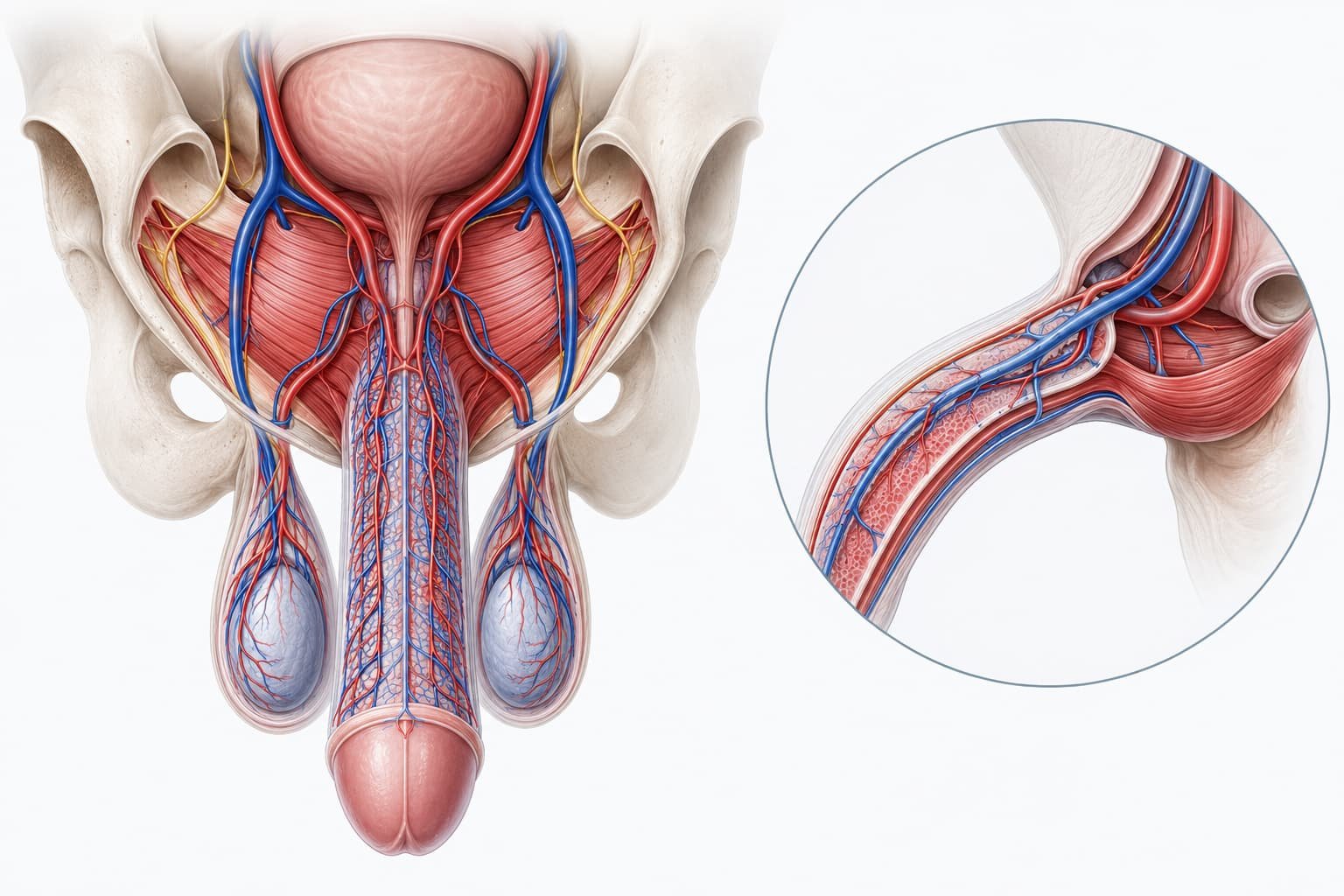
    Over time, the smooth muscle tissue inside the corpora cavernosa — the chambers that fill with blood during an erection — can become fibrous. Once fibrosis sets in, the tissue physically cannot expand in the same way. PDE5 inhibitors like sildenafil work by amplifying the signal that tells those chambers to relax and fill. But if the tissue itself is damaged, the signal has less to work with.

    This is the specific challenge that makes diabetes-related erectile dysfunction harder to treat than psychogenic or even vascular erectile dysfunction in men without metabolic disease. And it is the context in which the P shot treatment has attracted genuine clinical interest.

    What the P Shot Actually Is

    The P Shot — or Priapus Shot — is a penile injection procedure. It uses platelet-rich plasma, or PRP, drawn from the patient’s own blood.

    The process begins with a standard blood draw. The sample is placed in a centrifuge, which separates the blood into its components. Platelet-rich plasma rises to the top. This concentrated plasma carries a high density of growth factors — proteins that play a key role in tissue repair, new blood vessel formation, and cellular regeneration.

    That PRP is then injected directly into specific anatomical sites within the penis, including the shaft and the area around the glans. The procedure is performed under topical anaesthetic. Most men describe minimal discomfort.

    P shot London
    P shot London

    The mechanism of action is not fully settled in the literature, but the prevailing hypothesis is that growth factors within the PRP stimulate neovascularisation — the formation of new capillary networks — and may support the regeneration of smooth muscle tissue. In a diabetic patient whose penile vasculature has been damaged over years, this represents a fundamentally different approach from symptomatic management. Rather than amplifying a compromised signal, it attempts to restore some of the tissue itself.

    What the Evidence Shows So Far

    It is important to be clear: the P Shot is not yet backed by large-scale randomised controlled trials. NICE has not issued formal guidance on PRP for erectile dysfunction at the time of writing. The evidence base is still developing.

    That said, several peer-reviewed studies have produced encouraging results — particularly for men whose erectile dysfunction has a physiological, rather than purely psychological, cause.

    A 2019 study published in the Journal of Sexual Medicine found that men with mild to moderate erectile dysfunction who received PRP injections reported significant improvements in erectile function scores, with effects maintained at six-month follow-up. Other small trials have reported improvements in penile rigidity and spontaneous erections.

    For diabetic patients specifically, a pilot study published in Andrologia in 2021 found that men with diabetes-related erectile dysfunction who had not responded adequately to PDE5 inhibitors showed measurable improvements following PRP treatment. The researchers noted that improvements in vascular markers alongside subjective improvements in function suggested a possible regenerative mechanism.

    None of this is conclusive. But it is substantive enough that several leading sexual medicine clinics in the UK now offer the treatment as part of a managed protocol for men who have not responded to first-line therapies.

    Who Is the P Shot Suitable For?

    The Priapus Shot is not appropriate for every man with erectile dysfunction. It is most commonly considered for men who:

    • Have a physiological or vascular cause for their erectile dysfunction
    • Have not responded adequately to oral medication
    • Live with type 2 diabetes and have evidence of diabetic vasculopathy
    • Have Peyronie’s disease, where scar tissue causes penile curvature and often accompanies dysfunction
    • Are seeking an option that works with the body’s own biology rather than ongoing pharmaceutical management

    Men with active blood cancers, platelet disorders, or active infections are generally not suitable candidates. A full medical assessment is essential before any decision is made.

    The treatment is not a cure for diabetes itself, and it does not reverse systemic vascular disease. Good glycaemic control remains the single most important factor in preventing further deterioration.

    What to Expect: Before, During, and After

    Before Treatment

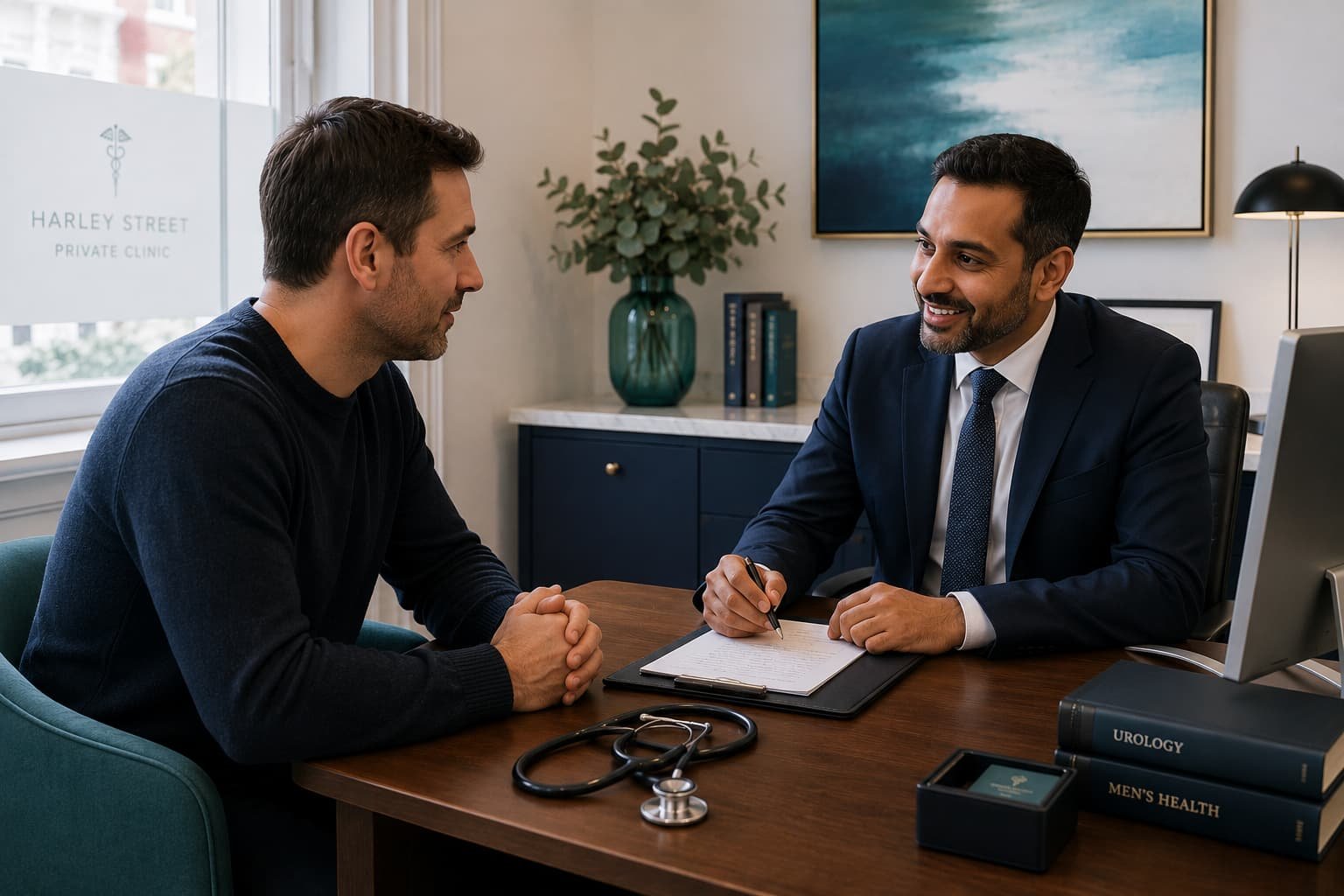
    A thorough consultation should precede any P shot procedure. This means a detailed sexual health history, a review of diabetes management and current HbA1c, a cardiovascular assessment, and a discussion of realistic expectations.

    Reputable clinics will not proceed without this groundwork. Any provider who offers the treatment without a structured medical consultation is not operating to a clinical standard.

    During the Procedure

    On the day, a topical anaesthetic cream is applied to the treatment area and left for approximately thirty minutes. Blood is drawn — usually from the arm — and spun in the centrifuge. The PRP is prepared and drawn into syringes. The injections are then carried out at pre-mapped points. The entire procedure usually takes under an hour.

    After Treatment

    Some men notice mild swelling or bruising for a day or two. Most return to normal activity immediately. Sexual activity can typically resume within 24 to 48 hours, though clinics often recommend a specific protocol to support tissue remodelling.

    Results, where they occur, are not usually immediate. Many men report gradual improvement over six to twelve weeks as the growth factors do their work. A second session is often offered at three months if the initial response is partial.

    P Shot Before and After: Realistic Expectations

    P shot London
    P shot London

    The phrase P shot before and after appears frequently in searches, and it reflects an understandable desire for concrete evidence of outcomes.

    Clinically, improvements are typically measured using validated tools such as the International Index of Erectile Function (IIEF) questionnaire. Men report improvements in the ability to achieve and maintain erections, improved sensitivity, and in some cases improved spontaneous function.

    What the P shot is not: it is not a guaranteed solution, it does not always produce dramatic transformations, and outcomes vary significantly between patients. Men with more severe fibrotic change or longstanding severe diabetic neuropathy are likely to see more modest results than those with milder vascular damage.

    Any clinic that promises specific P shot before and after outcomes without first assessing the individual patient is making a claim that cannot be ethically supported.

    Understanding the Cost: Priapus Shot Price in the UK

    The priapus shot price in the UK varies depending on the clinic, the practitioner’s qualifications, and the specific protocol used. At the time of writing, male enlargement injections cost in the UK — a category that often includes PRP-based procedures — typically ranges from £1500 to £2500 per session, depending on provider and location.

    Harley Street clinics in London, where practitioners often hold advanced surgical and aesthetic qualifications, tend to sit at the higher end of this range. This reflects the cost of operating in a regulated medical environment with full pre-treatment assessment, clinical-grade centrifuge equipment, and qualified medical oversight.

    The procedure is not available on the NHS and is self-funded. This is worth factoring into planning, particularly if multiple sessions are likely.

    Choosing a Provider for a P Shot in London

    The P shot UK landscape has expanded rapidly. That brings benefits — wider access, more clinical experience accumulating — but also risk. The treatment requires medical judgement, sterile technique, and an understanding of penile anatomy that goes beyond cosmetic training.

    When choosing a provider for a P shot in London, look for:

    • A practitioner with a full medical qualification (MBBS or equivalent)
    • Postgraduate training relevant to men’s health, urology, or aesthetic medicine
    • A structured pre-treatment consultation process
    • Clinical-grade laboratory equipment for PRP preparation
    • Transparent communication about evidence, outcomes, and suitability

    Priapus shot London providers who meet these criteria are operating to a level that protects patient safety. Those who do not warrant caution.

    Dr Syed Nadeem Abbas at pshots.co.uk holds qualifications in surgical and aesthetic medicine from Cambridge, Oxford, Queen Mary University London, and the Royal London Hospital, and offers the P Shot as part of a structured men’s health programme at his Harley Street clinic.

    The Broader Picture: Erectile Dysfunction and Diabetes Management

    Treating erectile dysfunction in a man with diabetes is not a single-intervention matter. The P Shot, where appropriate, is one component of a broader clinical picture.

    Good diabetic management — stable blood glucose, controlled blood pressure, no smoking, regular physical activity — protects penile vasculature and improves response to any treatment. Testosterone levels should be checked, as low testosterone is common in men with metabolic syndrome and worsens erectile function independently. Psychological support is relevant for many men, given the emotional weight that prolonged dysfunction carries.

    The NICE guideline NG28 on type 2 diabetes does not address erectile dysfunction in detail, but it acknowledges that sexual dysfunction is a recognised complication warranting clinical attention. Men with diabetes who experience this complication should feel entitled to raise it with their GP or specialist rather than accepting it as an inevitable consequence of their diagnosis.

    Penile Injection Growth: Separating Clinical Use from Cosmetic Framing

    The term penile injection growth reflects a cultural framing that sometimes surrounds PRP penile treatments. In the clinical context, growth refers to the regenerative process — the growth of new capillary networks, the potential regeneration of smooth muscle, the stimulation of tissue repair.

    The P shot was not originally designed as a size enhancement procedure. Its documented applications are in erectile function, Peyronie’s disease treatment, and penile sensitivity. Some practitioners and marketing materials have extended its presentation into cosmetic enhancement territory. Men seeking treatment for diabetes-related erectile dysfunction should understand that the clinical evidence base relates to function, not form.

    Key takeaways

    Diabetes-related erectile dysfunction is one of the most prevalent and undertreated complications of a condition already placing enormous demand on men’s health services in the UK. The physiological damage it causes goes deeper than most first-line treatments can reach.

    The P Shot represents a genuinely different approach — not a quick fix, not a miracle, but a biologically grounded attempt to address the tissue-level damage that underlies the problem. The evidence is promising rather than definitive, and it works best as part of a managed clinical approach rather than a standalone procedure chosen from a website.

    For men like Mark, who have exhausted conventional options and live with a condition that has quietly narrowed their quality of life, having an informed conversation with a qualified clinician is the right starting point.

    P shot London
    P shot London

    Is the P Shot the future of diabetes-related erectile dysfunction treatment, or will larger trials ultimately point us somewhere else entirely?

    Read more: P Shot London: A Patient’s Guide to the Priapus Shot

    How the Priapus Shot in London Can Improve Your Relationship and Quality of Life

    P shot London

  • P Shot UK After Prostate Surgery – Can PRP Help Recovery?

    P Shot UK After Prostate Surgery – Can PRP Help Recovery?

    Martin was 61 when his urologist gave him the all-clear after the radical prostatectomy. The surgery had gone well. The cancer was gone. His family was relieved. He was relieved. But six months later, he sat in his GP’s office with a different kind of problem. He could not achieve a reliable erection. Sensation was dulled. Urinary leakage was still a daily frustration. A friend had mentioned the P shot UK clinics were beginning to offer as part of post-surgical recovery — and Martin wanted to know whether it was worth taking seriously. His GP had no strong answer. So he started looking for one himself.

    That question — and the honest answer to it — is what this article is about.

    What Prostate Surgery Actually Does to Sexual Function

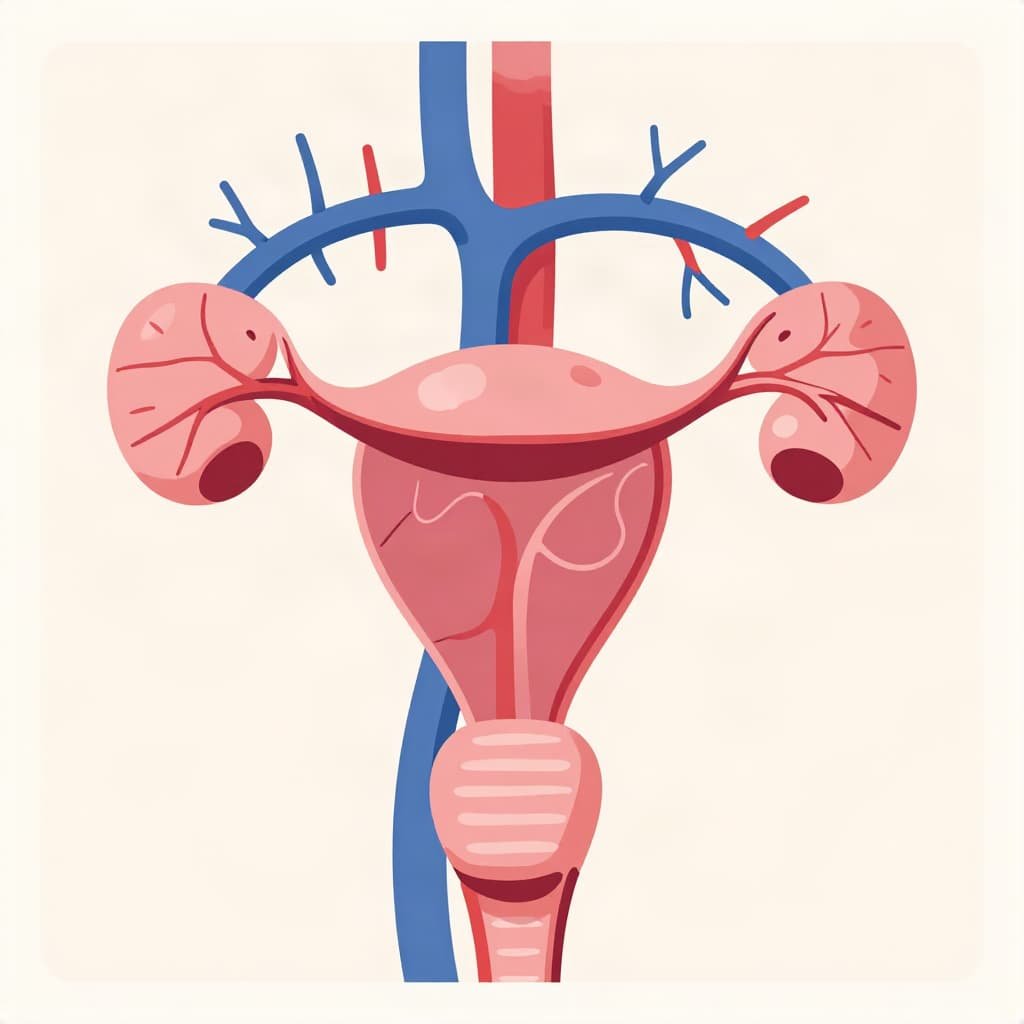
    Radical prostatectomy removes the prostate gland entirely. Surgeons today work hard to spare the neurovascular bundles that run alongside the prostate. These are the tiny nerve clusters responsible for erection. Even with nerve-sparing techniques, the nerves are stretched, bruised, and under significant stress during the procedure.

    The NHS acknowledges that erectile dysfunction is one of the most common complications of prostate cancer treatment. According to guidance from the National Institute for Health and Care Excellence (NICE), up to 85% of men experience erectile dysfunction following radical prostatectomy. Recovery — where it happens at all — can take two to three years.

    That is a long time.

    Urinary leakage, reduced penile sensitivity, altered penis shape, and loss of orgasm intensity are all reported side effects. Many men also notice some degree of penile shrinkage in the months following surgery. This likely results from reduced oxygenated blood flow to penile tissue during the period when erections are absent.

    The conventional rehabilitation path includes phosphodiesterase-5 inhibitors such as sildenafil, vacuum erection devices, penile injections of vasoactive agents, and psychological support. All of these have merit. But none of them address tissue repair at a cellular level.

    This is where PRP — and by extension the priapus shot — enters the conversation.

    What Is the P Shot?

    P shot UK
    P shot UK

    The P-shot, also written as Pshot or priapus shot, is an injectable treatment that uses platelet-rich plasma (PRP) drawn from the patient’s own blood. PRP has been used in orthopaedics, wound healing, and dermatology for decades. Its application to male sexual health is more recent but growing in clinical interest.

    The procedure works as follows. A small volume of blood is drawn from the patient’s arm. It is placed in a centrifuge, which separates the plasma — the portion richest in platelets and growth factors. This concentrated plasma is then injected into specific structures of the penis.

    Growth factors in PRP include platelet-derived growth factor, vascular endothelial growth factor, and transforming growth factor, among others. In tissue that has been damaged — whether from surgery, age, or poor circulation — these signalling molecules encourage new blood vessel formation, collagen remodelling, and nerve tissue repair.

    The P shot treatment is regenerative, not pharmaceutical. It works with the body’s own biology rather than overriding it.

    The Clinical Rationale After Prostatectomy

    Post-prostatectomy penile rehabilitation is an active area of research. The premise is straightforward. If you do not use penile tissue — particularly the cavernous smooth muscle — it begins to deteriorate. Fibrosis, the replacement of healthy erectile tissue with scar-like collagen, is a well-documented process following prolonged absence of erections.

    Early rehabilitation protocols aim to maintain tissue health while the nerves recover. This is why urologists often recommend starting PDE5 inhibitors or vacuum devices soon after surgery. Not because these produce satisfying erections in the short term, but because they push blood into the tissue and limit fibrous change.

    PRP injections add a further dimension to this approach. They directly stimulate angiogenesis and cellular repair inside the corpora cavernosa — the cylindrical chambers that fill with blood during erection.

    A study published in the Journal of Sexual Medicine found that men who received intracavernous PRP injections following prostatectomy showed improvement in erectile function scores compared to controls. Improvements in the International Index of Erectile Function (IIEF) were recorded at both three and six months post-treatment.

    A further review published in Sexual Medicine Reviews assessed multiple small studies on PRP for erectile dysfunction. The reviewers concluded there was sufficient preliminary evidence to support continued investigation. The signal was consistent enough to take seriously.

    Major academic urology centres in the United States and Europe are currently running trials on PRP for post-prostatectomy rehabilitation. This is not a fringe intervention.

    What a P Shot Session Involves

    P shot UK

    For men considering this approach, understanding the procedure matters.

    The p injection process takes approximately 45 to 60 minutes. A topical anaesthetic is applied to the penile tissue before any injection, so discomfort is generally minimal. Blood is drawn, centrifuged, and the resulting PRP is prepared carefully. Injections are placed in precise anatomical locations — typically the corpora cavernosa and the glans — to deliver growth factors directly to the tissues most affected by surgery and post-surgical atrophy.

    There is no systemic medication involved. Because the PRP comes from the patient’s own blood, the risk of allergic reaction is very low. Bruising, temporary discomfort, or mild swelling at injection sites can occur, but these typically resolve within a few days.

    Most patients who pursue the penis shot after prostate surgery do so as part of a broader rehabilitation plan rather than as a standalone treatment. It works best when combined with oral PDE5 inhibitors if prescribed, a vacuum erection device protocol, and pelvic floor physiotherapy.

    Realistic Expectations: What Can and Cannot Be Fixed

    Honesty matters here.

    The P shot is not a reversal of prostatectomy damage. If nerve bundles were not spared during surgery, or if significant nerve damage has already occurred, PRP cannot regenerate those structures. It can support existing nerve tissue, improve vascular supply, and reduce fibrous change in the corpora — but it is not a substitute for intact neurological pathways.

    Men who tend to see the most benefit from P shot treatment after prostatectomy are those who had nerve-sparing surgery, began rehabilitation early within the first year, still have some baseline erectile response even if poor, and are otherwise healthy with well-managed cardiovascular risk factors.

    Men with complete nerve resection, poorly controlled diabetes, or severe cardiovascular disease are less likely to see dramatic results. A thorough consultation and full medical history review should always come before any decision to proceed.

    For men looking at P shot before and after accounts online, patient experience varies considerably. Some report noticeable improvements in firmness, sensation, and confidence within three months. Others notice more modest changes. The research, while promising, does not yet allow clinicians to make strong predictive claims about individual outcomes. P-shot before and after results are encouraging in aggregate — but individual responses differ.

    What About Penile Shrinkage After Prostate Surgery?

    This side effect is real and under-discussed.

    Post-prostatectomy penile shortening is well documented in the urology literature. It results from smooth muscle fibrosis during the prolonged absence of regular erections. Some studies suggest average shortening of 1 to 2 cm, though individual variation is wide.

    Penile injection growth protocols — including PRP-based approaches — are being explored as a way to counteract this change. The aim is to maintain or partially restore cavernous smooth muscle health rather than allow progressive atrophy to take hold. Some patients report improved penile size or reduced shrinkage compared to those who did not pursue active rehabilitation.

    This is distinct from cosmetic male enlargement. Post-surgical rehabilitation is a medical priority.

    Priapus Shot Price and Access in the UK

    The Priapus shot is not available on the NHS. It is offered through private medical clinics only. The priapus shot price varies depending on the provider, the number of sessions recommended, and whether the treatment is combined with other rehabilitation tools.

    Men researching male enlargement injections cost UK should be aware that costs for therapeutic PRP — used in a post-surgical or medical context — are generally assessed differently from purely cosmetic applications. A credible clinic will make this distinction clearly during the consultation.

    Priapus shot London and wider UK providers vary considerably in their level of medical training and clinical governance. The procedure must be performed by a qualified doctor with relevant experience in men’s health and post-surgical care.

    P shot London
    P shot UK

    Choosing a Clinic for P Shot UK Treatment

    Because this procedure involves injections into sensitive anatomy — and because it is used in the context of post-surgical recovery — clinical standards carry real weight.

    A credible P shot London clinic will offer a thorough consultation covering full sexual health history, review of surgical notes where possible, current medications, and honest expectation-setting. The clinic should be registered with the Care Quality Commission and able to explain the evidence base without overstating it.

    Dr Syed Nadeem Abbas at pshots.co.uk, based on Harley Street, holds a postgraduate degree in aesthetic plastic surgery from Queen Mary University London and has trained at Cambridge, Oxford, and the Royal London Hospital. His clinical approach to P shot treatment is built around men’s health outcomes. The quality of the practitioner and the depth of the consultation should weigh as heavily as the treatment cost.

    What the Evidence Currently Says

    PRP therapy for erectile dysfunction — including post-prostatectomy erectile dysfunction — shows consistent preliminary positive signals across small to moderate-sized studies. It has a strong theoretical foundation in regenerative medicine. Urologists and men’s health specialists across the UK, US, and Europe use it clinically.
    It is not yet endorsed as a first-line treatment by NICE or the British Association of Urological Surgeons (BAUS). Randomised controlled trials are ongoing. For men who have partially responded to or exhausted conventional rehabilitation, it represents a reasonable next step in the hands of a qualified clinician.

    It is not a miracle. But it is not experimental wishful thinking either. The evidence places it between those two points — a biologically grounded, low-risk adjunct with a growing body of support.

    Key Takeaways

    P shot London
    P shot UK

    Prostate surgery saves lives. That is the starting point and it should not be forgotten. But for many men, the months and years after surgery carry a quiet, private cost — one that affects relationships, confidence, and daily quality of life in ways that are rarely discussed openly.

    The P shot UK men are increasingly turning to offers a coherent biological mechanism and a growing evidence base. It works with the body’s own repair systems. It does not replace what surgery may have taken, but it may meaningfully support what remains.

    For any man exploring this route after prostatectomy, the decision deserves careful thought, a thorough clinical consultation, and realistic expectations. The research is moving quickly. The clinical community is paying attention.

    And for Martin — who did go on to pursue a course of treatment — the answer turned out to be yes. Not a complete reversal. But a meaningful improvement. Enough to matter.

    If you have had prostate surgery and are still managing erectile dysfunction, have you discussed penile rehabilitation options beyond medication with a men’s health specialist?

    read more: Understanding the Priapus Shot in London: A Game-Changer for Men’s Sexual Health

    How the Priapus Shot in London Can Improve Your Relationship and Quality of Life

    P shot London

  • P Shot London for Reduced Sensitivity – Restoring What Age Takes Away

    P Shot London for Reduced Sensitivity – Restoring What Age Takes Away

    Marcus is 54. He is fit, healthy, and in a stable relationship. But over the past three years, something has quietly changed. Sex feels different. Not painful. Not broken. Just… muted. Like trying to listen to music through a wall. His partner notices too. He runs a quick Google search, shuts the tab, and forgets about it. Months later, curiosity strikes again, and he reopens the very same page.

    This is not an unusual story. Thousands of men in the UK experience reduced penile sensitivity as they age, yet very few talk about it — and fewer still seek help. The conversation around men’s sexual health lags far behind women’s. Fortunately, that gap is narrowing, partly because treatments like the P shot London are now more widely available, better understood, and backed by growing clinical evidence.

    What Is the P Shot?

    The P shot — short for Priapus shot, named after the Greek god of fertility — is a non-surgical treatment that uses platelet-rich plasma (PRP) to stimulate tissue regeneration in the penis. The procedure involves drawing a small amount of the patient’s own blood, processing it to concentrate the growth factors, and injecting the resulting plasma directly into specific areas of the penile tissue.

    PRP therapy is not new. Doctors have used it in orthopaedics, dermatology, and wound healing for decades. Its application to male sexual health, particularly through the Priapus shot, has gained traction over the past ten years as both research and clinical outcomes have improved.

    The treatment is minimally invasive, uses the body’s own biology, and carries no risk of allergic reaction because the material comes from the patient himself. Together, these qualities make it one of the more tolerable options available to men dealing with sensitivity loss.

    Why Does Sensitivity Decline With Age?

    Reduced penile sensitivity is a recognised medical issue, not just a complaint. It results from several overlapping causes that typically develop gradually and reinforce one another.

    Nerve Changes

    Peripheral nerves lose density and efficiency with age. The dorsal nerve of the penis, responsible for much of the sensation during sexual activity, becomes less responsive over time. Research published in the Journal of Urology has confirmed age-related changes in penile nerve function in men over 40.

    Reduced Blood Flow

    Healthy sexual sensation depends on adequate blood circulation. As men age, microvascular changes reduce blood flow to the erectile and sensory tissues, which affects not just erections but tactile sensitivity too. The NHS acknowledges that circulatory changes are a primary driver of sexual dysfunction in older men.

    Hormonal Shifts

    Testosterone declines gradually after 30 at roughly 1% per year, according to figures referenced by the British Society for Sexual Medicine. Lower testosterone affects nerve sensitivity, tissue health, and libido simultaneously. Consequently, these three factors combine to produce the muffled, diminished experience that men like Marcus describe.

    Tissue Changes

    Collagen in penile tissue degrades over time, making the connective and erectile tissues less elastic, less vascularised, and less responsive. As a result, this physical deterioration directly disrupts how the brain receives sensation.

    How Does the P Shot Treatment Address This?

    The P Shot works by delivering concentrated growth factors — such as PDGF, VEGF, and TGF-beta — directly into areas where sensitivity has diminished. These bioactive proteins set off multiple restorative processes at once. Through angiogenesis, new blood vessels develop, enhancing circulation. At the same time, nerve endings regenerate, gradually reestablishing sensory pathways. Collagen synthesis also increases, strengthening the erectile tissue’s structure.

    In practice, this means improved blood flow, heightened sensitivity, greater elasticity, and more responsive tissue — all of which can contribute to stronger, longer-lasting erections. Clinical studies on platelet-rich plasma injections have shown meaningful gains in sensitivity and sexual satisfaction among men experiencing age-related decline. Supporting this, a 2020 Journal of Sexual Medicine study reported statistically significant improvements in erectile function and patient-reported sensitivity following PRP-based penile injections.

    What the Evidence Says

    PRP therapy broadly has strong support in regenerative medicine. Its specific application to the penis — through the P shot or Pshot — is more recent, and researchers continue to build the evidence base.

    NICE (the National Institute for Health and Care Excellence) does not yet have formal guidance specific to penile PRP therapy. However, NICE has acknowledged PRP as a legitimate regenerative treatment across a range of musculoskeletal and tissue repair applications. Therefore, clinicians applying this to penile rejuvenation are working within a well-established biological framework.

    A 2021 systematic review in Sexual Medicine Reviews examined multiple studies on PRP for erectile and sensitivity disorders. The review concluded that PRP showed a consistently favourable safety profile and promising efficacy signals, while calling for larger randomised controlled trials to establish definitive clinical protocols. That kind of evidence trajectory — early positive signals, safety confirmed, larger trials underway — is typical of how newer regenerative treatments mature before formal institutional endorsement catches up.

    Moreover, the treatment uses autologous material — the patient’s own blood — which eliminates the safety concerns associated with synthetic fillers or pharmaceutical agents. This is precisely why clinicians interested in low-risk, high-tolerability options have gravitated toward the P shot UK market.

    Risks and Side Effects

    Every medical procedure carries some risk. The P shot is low-risk, but informed patients should understand what is possible before they commit.

    Common and mild: Mild bruising or swelling at the injection sites typically resolves within two to three days. Some men also report temporary tenderness in the treated area.

    Less common: Minor bleeding at the injection point can occur. This is self-limiting and expected given that a needle enters the tissue.

    Rare: Infection is possible with any injection procedure, though the risk stays very low when a medically trained practitioner works in a sterile clinical environment.

    Not a risk: Because a patient’s own blood provides the PRP, there is no risk of allergic reaction, tissue rejection, or transmission of bloodborne disease.

    Men on anticoagulant medication should discuss this with their doctor before proceeding. Similarly, the priapus shot is not appropriate for men with active haematological conditions, and no reputable clinic should proceed without a full medical history review.

    P Shot Before and After — What Men Actually Report

    P shot before and after accounts vary. This is important to state clearly, because results are not uniform and any practitioner claiming guaranteed outcomes is not being honest with you.

    That said, consistently reported experiences from published case series and patient surveys include the following.

    Sensitivity improvements: Many men describe a return of sensation that had felt absent for years. The effect is generally gradual rather than immediate, with peak results appearing over eight to twelve weeks.

    Erection quality: Men with mild to moderate erectile dysfunction frequently report firmer, more reliable erections following a P-shot before and after cycle. This aligns with the vascular and nerve-regeneration mechanisms of the treatment.

    Confidence: Less measurable but equally real. Men report feeling more present during intimacy, less distracted by performance anxiety, and more connected to their partners.

    Penile appearance: Some men note modest changes in penile fullness or length following p-shot treatment, particularly when combined with a vacuum erection device protocol. However, this is a secondary outcome rather than a primary purpose of the treatment.

    What men do not consistently report is dramatic overnight transformation. The priapus shot is not a pharmaceutical intervention — instead, it works with the body’s own repair mechanisms, which move at biological pace.

    Who Is a Suitable Candidate?

    The P shot suits men who are experiencing age-related reduction in penile sensitivity, mild to moderate erectile dysfunction not caused by severe vascular disease, reduced sexual confidence linked to physical changes, lichen sclerosus (a dermatological condition affecting penile tissue), or early Peyronie’s disease (where scar tissue causes penile curvature).

    By contrast, it is not appropriate for men with active blood disorders, those on blood thinners without medical clearance, or those expecting results equivalent to surgical intervention.

    A thorough consultation with an appropriately qualified practitioner is essential before any p injection proceeds.

    How Is the Procedure Performed?

    Reputable clinics offering the Priapus shot London service follow a consistent five-step protocol.

    Step 1: Blood Draw

    A clinician draws a small volume of blood — typically 30 to 60ml — from the patient’s arm, in the same manner as a standard blood test.

    Step 2: Centrifugation

    A centrifuge then spins the blood at high speed to separate the platelet-rich plasma from red blood cells and other components. The resulting PRP carries roughly four to seven times more concentrated growth factors than standard blood.

    Step 3: Topical Anaesthetic

    A clinician applies numbing cream to the penis approximately 30 minutes before injection, which minimises discomfort during the procedure.

    Step 4: Injection

    The practitioner then injects the PRP into specific areas of the penis, typically including the corpus cavernosum (the erectile tissue) and the glans. The clinical aim determines exactly how many injection sites the practitioner uses.

    Step 5: Recovery

    Most men return to normal activities the same day, and practitioners typically advise resuming sexual activity after 48 to 72 hours. The entire appointment takes approximately 60 to 90 minutes.

    Priapus Shot Price — What to Expect in the UK

    The Priapus shot price in the UK varies between clinics, but patients in London typically see costs ranging from £1500 to £2500 per session. Male enlargement injections cost UK-wide tends to fall within a similar band, with London clinics at the higher end reflecting overheads and practitioner seniority.

    Price, however, should not be the primary factor in choosing a provider. The credentials of the practitioner, the quality of the PRP processing equipment, and the clinical environment all matter significantly more, because PRP therapy requires precise centrifugation protocols to produce effective concentrations of growth factors. Cheap equipment produces inferior plasma and weaker clinical results.

    Additionally, some clinics offer package pricing across multiple sessions. Evidence suggests that two to three treatments, spaced four to six weeks apart, produce better outcomes than a single session — particularly for sensitivity restoration.

    Choosing a Clinic for P Shot London

    This decision matters. PRP therapy on the penis is an intimate, specialist procedure, so the practitioner’s qualifications, clinical environment, and track record are all directly relevant.

    Look for a medically qualified doctor (not a nurse or aesthetician operating independently), specific training in PRP therapy and male sexual health, a clinical setting regulated by the Care Quality Commission (CQC), and a transparent pre-treatment consultation with full informed consent.

    Combining the P Shot With Other Approaches

    The P shot works best as part of a considered approach to male sexual health, rather than a standalone fix applied in isolation.

    Men who achieve the strongest results typically combine the treatment with lifestyle improvements, because cardiovascular fitness improves penile blood flow significantly, and smoking cessation, reduced alcohol intake, and weight management all affect erectile and sensory function.

    Vacuum erection device (VED): Using a VED post-treatment encourages blood flow into the newly treated tissue, which may enhance the effects of the p injection by promoting vascular growth during the recovery period.

    Testosterone optimisation: Where testosterone is clinically low, addressing this medically creates a better physiological environment for the PRP to work in. A practitioner who only offers PRP without assessing hormonal status is therefore missing part of the picture.

    Psychological support: Performance anxiety is both a cause and a consequence of reduced sexual satisfaction. In some men, addressing the psychological dimension alongside the physical produces disproportionately better outcomes overall.

    What to Ask During Your Consultation

    Before committing to any P shot treatment, ask your practitioner these questions directly:

    1. What centrifuge system do you use, and what PRP concentration does it produce?
    2. How many P shot procedures have you personally performed?
    3. What outcomes have your patients reported, and over what timeframe?
    4. Are you CQC registered, and can I see your clinical credentials?
    5. What happens if I do not see improvement after one session?

    A practitioner who answers these questions clearly and without defensiveness is worth trusting. One who deflects or rushes the consultation is not.

    Key Takeaways

    Reduced penile sensitivity is a real, medically recognised consequence of ageing. It affects quality of life, relationships, and self-confidence. Yet it is not something most men discuss with their GP, their partner, or their friends — and that silence means many men endure it unnecessarily.

    The P shot does not reverse the clock entirely, and it does not replace cardiovascular health or hormonal balance. However, for men experiencing sensitivity loss caused by reduced vascularity, nerve changes, or tissue degradation, it offers a biologically plausible, clinically supported route back toward what they have lost. The treatment is minimally invasive, carries low risk when a properly qualified practitioner performs it, and works through a mechanism that science supports. Crucially, men who have had it done tend to wish they had done it sooner.

    Marcus, for what it is worth, eventually booked the consultation. He describes the change as subtle at first — then, about ten weeks later, unmistakable.

    If you have noticed a gradual reduction in penile sensitivity and wondered whether it is just something you have to accept — is it time to find out whether it actually is?

    Read more: Breaking the Silence: How the P Shot in London Can Help Men Overcome Erectile Dysfunction

    Understanding the Priapus Shot in London: A Game-Changer for Men’s Sexual Health

    P shot London

  • Can the P Shot London Treat Premature Ejaculation?

    Can the P Shot London Treat Premature Ejaculation?

    Marcus had lived with premature ejaculation for eleven years. He tried sprays, pills, and therapy. Some things helped for a short while. Nothing worked for long. Then his GP mentioned platelet-rich plasma treatment. Marcus went home and searched online. He found the P Shot. He booked a consultation. For the first time in over a decade, he felt genuinely hopeful.

    His story is not rare. Premature ejaculation affects a large number of men at some point in their lives. Many try the standard treatments first. However, when those fall short, they start looking for other options. The P Shot — also called the Priapus Shot — sits outside NHS care. Even so, more men are asking about it every year. The science behind it is worth taking seriously.

    What Is the P Shot?

    How the Treatment Works

    The P shot uses platelet-rich plasma, known as PRP. First, a doctor draws a small amount of blood from the patient. Then, they spin it in a centrifuge to separate and concentrate the platelets. Finally, they inject the resulting plasma into targeted areas of the penis.

    Priapus Shot Treatment
    Priapus Shot Treatment

    Why Platelets Matter

    Platelets carry growth factors. These are proteins that trigger cell repair, build new blood vessels, and support nerve health. As a result, introducing PRP into penile tissue aims to activate natural repair processes. The goal is to improve both tissue structure and nerve function over time.

    The P-shot first appeared in the United States. Since then, it has become available at private clinics across the UK. Priapus Shot London Clinics typically offer it as part of a full men’s health assessment. Good clinics do not treat it as a quick fix.

    How Does Premature Ejaculation Work?

    The Two Main Types

    It helps to understand premature ejaculation before looking at treatment. The International Society for Sexual Medicine defines it as ejaculation that happens within about one minute of penetration. It must also follow a regular pattern and cause real distress to the person.

    There are two main types. First, lifelong premature ejaculation begins from the very first sexual experience. Researchers link it to high penile sensitivity or disrupted chemical signals in the brain. Second, acquired premature ejaculation develops later, after a period of normal function. Stress, inflammation, or physical health conditions often play a role.

    Why the Difference Matters

    These two types respond to different treatments. Therefore, knowing which type a man has is an important first step. It shapes the entire treatment plan.

    How the P Shot May Help with Nerve Sensitivity

    The Nerve Connection

    One key idea behind P shot treatment is nerve regulation. The tip of the penis holds a large number of sensory nerve endings. In men with lifelong premature ejaculation, these nerve endings react too fast. They respond to stimulation before the man can control what happens next. As a result, ejaculation occurs sooner than intended.

    What PRP Does in the Tissue

    PRP contains several growth factors. These include platelet-derived growth factor and vascular endothelial growth factor. Both support tissue repair and nerve health. The idea is that targeted injections help calm overactive nerve pathways. Importantly, this does not work by reducing feeling. Instead, it works by improving the tissue that surrounds those nerves.

    How This Differs from Sprays and Creams

    This is very different from topical desensitising sprays. Sprays reduce sensitivity in a chemical and temporary way. PRP, on the other hand, works directly on the tissue. If the science holds up, the changes it produces last much longer. That is a key advantage for men seeking a longer-term solution.

    What Does the Evidence Show?

    P Shot Treatment
    P Shot Treatment

    The Current State of Research

    The evidence for P shot before and after results in premature ejaculation is still growing. Most clinical studies so far are small. Furthermore, many focus on erectile dysfunction rather than ejaculation problems. Even so, the available research supports the biological case for PRP in penile tissue.

    What Studies Have Found

    A 2021 review in Sexual Medicine Reviews looked at PRP across male sexual problems. Researchers found improvements in blood flow to tissue and sensory nerve function across several patient groups. In addition, smaller trials examining p-shot before and after results in men with both erectile dysfunction and premature ejaculation reported longer time before ejaculation. Many of those men also saw better erections.

    The NHS and NICE Position

    The NHS does not fund PRP treatment for premature ejaculation. Similarly, NICE — the National Institute for Health and Care Excellence — has not yet issued specific guidance on this use. However, NICE does review new procedures through a clear framework. PRP therapies in other areas have already gone through that process. Therefore, the lack of an NHS pathway reflects a gap in large-scale trial data. It is not a statement that the treatment fails.

    Men considering penile injection growth therapy should speak with a clinician who understands both the evidence and its current limits.

    What Conditions Can the P Shot Address?

    Beyond Erectile Dysfunction

    Most P shot London conversations focus on erectile dysfunction. That is where the strongest research currently sits. However, the scope of conditions being studied is much wider.

    Other Areas Being Studied

    Clinicians have examined PRP therapy for erectile dysfunction after prostate surgery, Peyronie’s disease, reduced penile sensitivity, and premature ejaculation. The biological processes involved are similar across these conditions. That is partly why one treatment can address several different problems at once.

    Targeting the Right Areas

    For premature ejaculation specifically, clinicians using the Priapus shot tend to focus on the tip of the penis and the main penile nerve regions. The aim is to improve nerve health and tissue quality in the exact areas involved in ejaculatory control. Because of this, a proper consultation is essential to decide whether a patient is likely to respond well.

    Who Is a Suitable Candidate?

    Happy Client after taking P-shot Treatment
    Happy Client after taking P-shot Treatment

    Not a One-Size-Fits-All Treatment

    Not every man with premature ejaculation will benefit from P shot UK treatment. A full clinical check-up comes first.

    Strongest Candidates

    Men with lifelong premature ejaculation and a clear sensitivity issue tend to be the best candidates. In contrast, men whose problem is mainly linked to anxiety, relationship stress, or mental health are more likely to benefit from talking therapy, cognitive behavioural support, or medication used under medical supervision.

    The Value of a Combined Approach

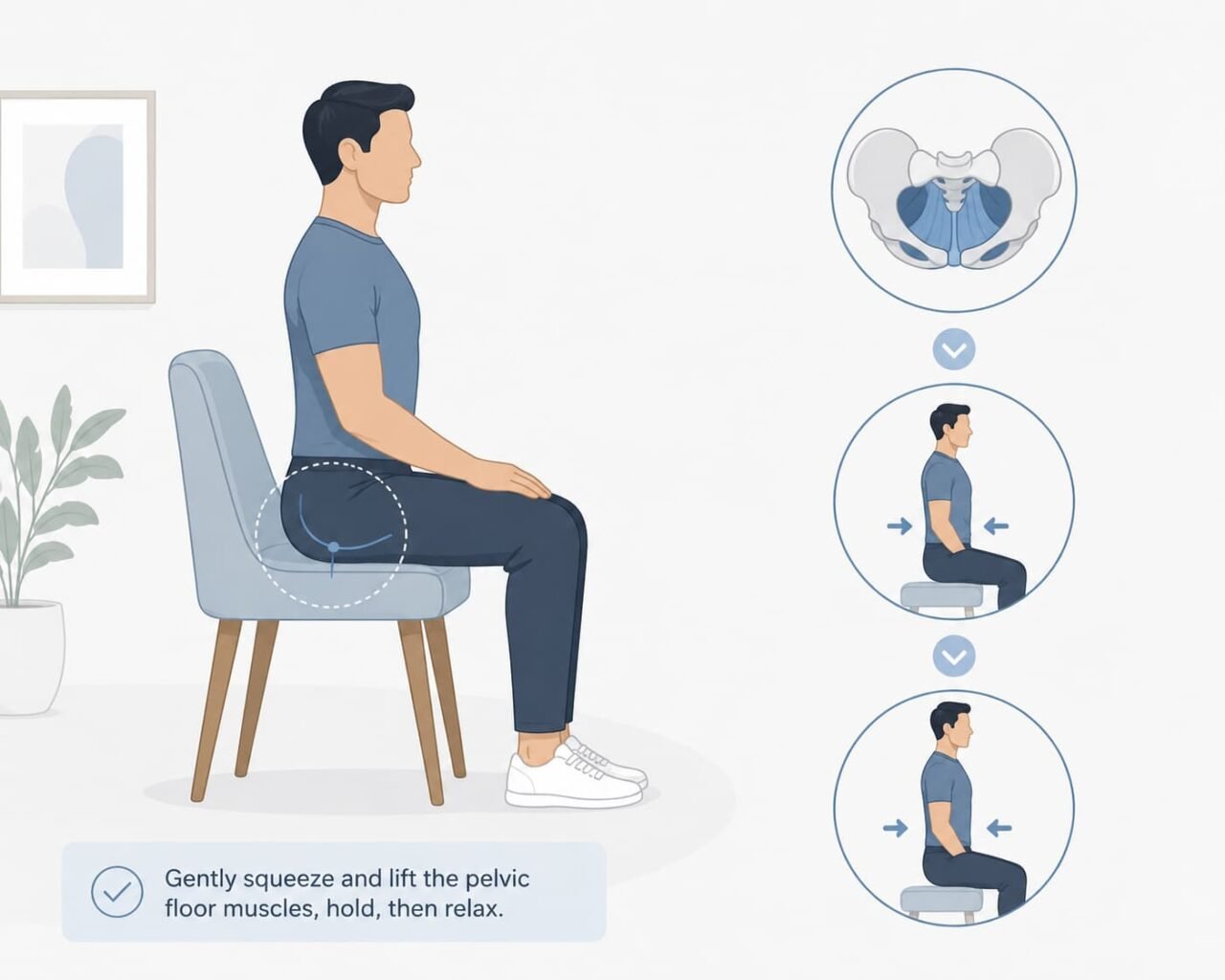
    A good clinician looks at all of these factors before recommending penile injection growth therapy. This treatment does not suit everyone as a first step. Moreover, combining it with psychological support or pelvic floor exercises often produces better results than using any one approach alone.

    Understanding the Cost

    This is a private procedure. Men researching priapus shot price or male enlargement injections cost UK will find that figures vary between clinics. Priapus shot price depends on the provider’s qualifications, the number of sessions needed, and what aftercare is included. Any trustworthy clinic will be clear about costs and honest about what to expect.

    Why Clinic Quality Matters

    Standards You Should Expect

    PRP therapy involves drawing blood, processing it, and injecting it into sensitive tissue. Technique, equipment, and the clinician’s knowledge all affect the result. Because of this, standards cannot be allowed to slip.

    What to Look For

    Clinics offering the P shot should work within a fully regulated medical setting. Qualified clinicians should lead or closely supervise all procedures. pshots.co.uk is a Harley Street clinic led by Dr Syed Nadeem Abbas (MBBS, MRCS RCS Edinburgh, MRCGP, MSc Aesthetic Plastic Surgery with Distinction — Queen Mary University London), who trained at Cambridge, Oxford, and the Royal London Hospital.

    Red Flags to Avoid

    When searching for P shot London Clinic, choose clinics that offer a proper consultation and explain the evidence clearly. Furthermore, be cautious of any clinic that makes big promises or guarantees results. Honest communication is the mark of a trustworthy provider. If a clinic promises certainty, that is a warning sign.

    What to Expect from the Procedure

    P Shot
    P Shot

    Before and During

    The p injection process takes under an hour from start to finish. Most clinics apply a numbing cream first. As a result, the procedure is far more comfortable than most men expect. Any discomfort afterwards is usually mild and settles quickly.

    After the Treatment

    There is no recovery period needed. However, most practitioners advise avoiding sexual activity for a few days. Results develop gradually after that. The repair processes triggered by PRP take time to produce visible change. Some men notice a difference within four to six weeks. Others may need a second session.

    Ongoing Support

    Following up with the treating clinician is important. Progress varies between patients. Therefore, monitoring outcomes helps the clinician adjust the plan if needed. A pshot is part of a continuing clinical relationship, not a one-off event.

    Managing Expectations

    What the P Shot Can Do

    The P Shot shows real biological promise for premature ejaculation. This is especially true in cases with a nerve-based or tissue-based cause. The mechanism is well-reasoned. Early clinical data is encouraging. In addition, the safety record of PRP from a patient’s own blood is well established.
    What It Cannot Do

    The P shot is not a guaranteed cure. It works well for some men and less well for others. It may improve one part of the problem while other factors remain. As a result, men who use it as part of a wider plan tend to do better. That plan might include talking therapy, lifestyle changes, or medication.

    Putting NHS Guidance in Context

    The lack of NHS coverage reflects a gap in large-scale trial data. However, it does not mean the treatment is ineffective. For men who have tried standard routes and found them lacking, private treatment at a regulated clinic is a fair and well-reasoned choice.

    Key Takeaway

    Premature ejaculation is under-reported and often poorly treated. It puts real pressure on a man’s confidence and relationships. Standard options such as SSRIs, topical sprays, and behavioural therapy help many men. But they do not help everyone.

    The P Shot offers a credible additional option. The evidence base is still growing. Nevertheless, the biological reasoning is solid, the safety data is reassuring, and clinical experience continues to build. Men whose premature ejaculation has a nerve-based or tissue-based element have a clear reason to explore this treatment further.

    The right approach is open-minded but realistic. Find a clinician with proper medical training. Ask about the evidence. Expect straight, honest answers. Above all, treat the P Shot as one part of a broader plan rather than a standalone solution.

    For men who have worked through the usual options without success, the priapus shot may not be the final answer. However, it may well be the most important next step to consider.

    Is premature ejaculation something you have spoken about openly with a doctor, or does stigma still stop men from getting the help they need?

    Read more: From Embarrassment to Empowerment: The P Shot London Treatment Before and After

    P Shot London: How to Choose a Safe Clinic and What to Expect at Your Consultation

    P Shot London

  • P Shot London for Peyronie’s Disease – Does It Actually Work?

    P Shot London for Peyronie’s Disease – Does It Actually Work?

    Mark, in his late forties sits in a consultation room. He has had Peyronie’s disease for three years. The curvature started mildly. Then it worsened. Intercourse became painful. His confidence dropped. His GP referred him onward, but the waiting times stretched. He began searching online, and eventually, the words P Shot London appeared on his screen.

    This article examines what the P Shot actually is, what the evidence says about its use for Peyronie’s disease, and whether it is worth considering.

    What Is Peyronie’s Disease?

    Peyronie’s disease is a condition in which scar tissue — called a plaque — forms inside the penis. This plaque causes the penis to curve or bend during an erection. The curve can be mild or severe. Some men experience pain. Others notice a shortening of the penis. In addition, some men develop erectile dysfunction as a secondary problem.

    The NHS recognises Peyronie’s disease as a real and distressing condition. It can significantly affect a man’s quality of life and his relationships. It is also not rare. Studies estimate that it affects roughly 3 to 9 per cent of men, though under-reporting is likely common given the personal nature of the condition.

    The cause is not entirely clear. However, many cases appear to follow minor or repeated trauma to the penis. The body tries to repair the injury, but instead of healing cleanly, it lays down disorganised collagen. That collagen then becomes the plaque.

    What Is the P Shot?

    PRP Science
    Priapus Shot

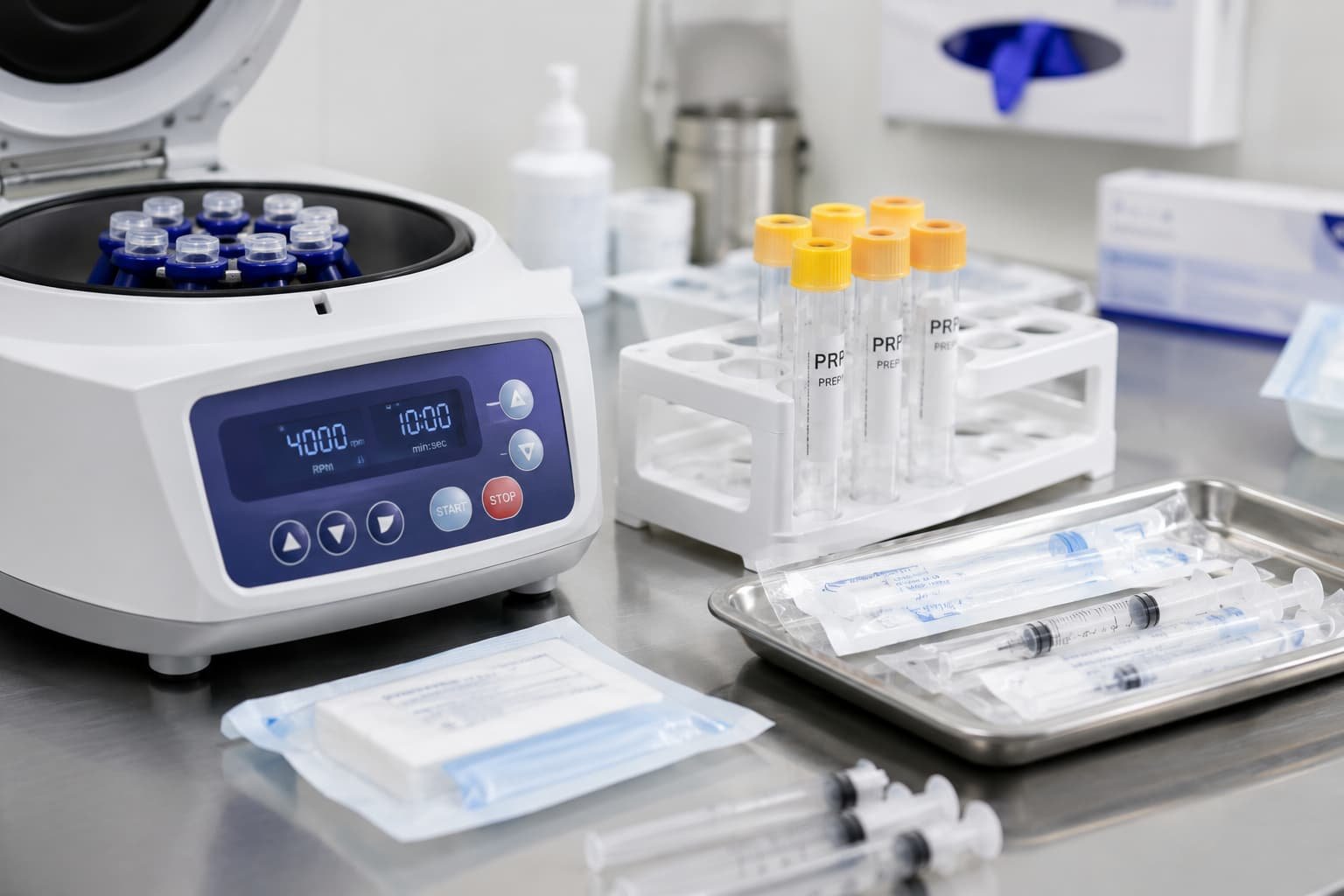
    The P Shot — also called the Priapus Shot or P-shot — is an injection-based treatment. It draws platelet-rich plasma, or PRP, from the patient’s own blood and delivers it directly into penile tissue.

    Here is how the process works. A clinician draws a small amount of blood from the arm. That blood then goes into a centrifuge. The machine spins it at high speed and separates it into its components. The clinician then extracts the portion with the highest concentration of platelets and growth factors. Finally, they inject that concentrated plasma into targeted areas of the penis.

    Platelets play a well-known role in healing. They carry growth factors that stimulate tissue repair, collagen remodelling, and the formation of new blood vessels. As a result, the idea behind P shot treatment is that delivering these growth factors directly into penile tissue may help reduce the fibrous plaque of Peyronie’s disease and improve vascular function.

    A clinician performs the procedure under local anaesthetic. It takes around thirty minutes. Most patients return to normal activity the same day.

    How Does PRP Relate to Peyronie’s Disease?

    The plaque in Peyronie’s disease consists of disorganised collagen. PRP carries growth factors — including transforming growth factor beta (TGF-β) and platelet-derived growth factor (PDGF) — that directly influence how the body handles collagen.

    In theory, therefore, injecting PRP into or near the plaque may help break down that scar tissue. It may also reduce inflammation in the early stages of the condition and support the growth of healthier tissue in its place.

    Importantly, this is not entirely speculative. A growing body of research has examined P shot before and after outcomes in men with Peyronie’s disease. For example, a 2015 study in the Journal of Sexual Medicine found that intralesional PRP injections reduced plaque size and pain in a significant proportion of participants. Furthermore, other smaller studies have reported improvements in penile curvature and erectile function following penile injection growth treatment with PRP.

    It is also worth noting that NICE — the National Institute for Health and Care Excellence — has issued guidance on PRP use across various musculoskeletal conditions. While specific NICE guidance on PRP for Peyronie’s disease continues to develop, the broader regulatory and clinical landscape for PRP therapies across the UK is moving in a positive direction. Indeed, several academic centres in London and beyond now run active studies in this area.

    What Does the Evidence Actually Show?

    Research Journal
    P shot treatment

    It is important to be honest here. The evidence for the priapus shot as a standalone treatment for Peyronie’s disease is promising but not yet definitive. Most studies remain relatively small. Consequently, researchers still need randomised controlled trials with large sample sizes.

    That said, what currently exists is encouraging.

    A systematic review of PRP for erectile dysfunction and Peyronie’s disease — published in Sexual Medicine Reviews — found consistent signals that PRP injections improve both conditions, often with minimal side effects. Moreover, the P shot before and after data in those studies showed measurable reductions in curvature angles across several participants. Pain scores also dropped.

    PRP is furthermore not a new idea in medicine. Clinicians have used it for years in orthopaedic surgery, wound healing, and dermatology. The safety profile is strong precisely because the treatment uses the patient’s own blood. There is no risk of allergic reaction to a foreign substance. Additionally, infection risk stays low when a qualified clinician performs the procedure in a proper clinical setting.

    The P injection approach for Peyronie’s disease generally works best in the early or active phase — usually within the first twelve to eighteen months — when inflammation is still present and the plaque has not yet fully hardened. In more established cases, however, results tend to vary more widely.

    P Shot Versus Other Treatments for Peyronie’s Disease

    Doctor and Patient Consultation
    P shot Consultancy

    Men with Peyronie’s disease have several options available. Understanding where the p-shot sits among them helps form a clearer picture.

    Conservative and Medical Options

    Some men try oral supplements such as vitamin E or pentoxifylline. However, the evidence for these remains modest. Collagenase clostridium histolyticum (Xiaflex or Xiapex) is an injectable enzyme treatment that regulators have approved in several countries, including the UK, for men with moderate-to-severe Peyronie’s disease. It works by breaking down collagen directly. Nevertheless, it carries a meaningful risk of side effects, including penile fracture in rare cases.

    Surgical Options

    Surgery offers the most definitive treatment for established Peyronie’s disease with significant curvature. Options include plication (shortening the unaffected side), incision and grafting (lengthening the affected side), and penile implants. Surgeons generally reserve these procedures for men whose condition has remained stable for at least twelve months.

    Where the P Shot Fits

    Priapus Shot London practitioners position PRP as a middle-ground option — less invasive than surgery, yet more targeted than oral medication. It does not carry the systemic side effects of some pharmaceuticals. It is also a day procedure. Furthermore, for men in the early phase of Peyronie’s disease, it may offer a meaningful reduction in symptoms.

    Clinicians increasingly discuss it alongside other treatments rather than as a straight replacement. For instance, some combine PRP with shockwave therapy or traction devices to create a multi-modal approach.

    What to Expect from the Procedure

    For men considering this treatment, the process broadly follows these steps.

    A consultation always comes first. The doctor takes a thorough medical history. They may also review any existing imaging, such as an ultrasound of the penile plaque. They then assess whether the patient sits in the active or stable phase of the condition, as this directly influences likely outcomes.

    On the day of the procedure, the clinician draws and processes blood. They apply a topical anaesthetic cream to the treatment area. Once the area is numb, they inject the PRP. The number of injections and the exact sites depend on where the plaque sits and how extensive it is.

    Most men describe the procedure as manageable. There may be mild swelling or bruising for a few days. However, there is no prolonged downtime.

    Most practitioners recommend a series of sessions rather than a single treatment. Typically, they suggest three to six sessions spaced several weeks apart, followed by a clinical review.

    Priapus Shot Price and Accessibility in the UK

    Cost is always a practical consideration. The priapus shot price in the UK varies depending on the clinic and the practitioner’s level of expertise. Generally, individual sessions reflect the clinical setting, the seniority of the doctor, and the quality of the PRP preparation equipment. Male enlargement injections cost UK-wide also varies depending on whether the clinic combines PRP with other treatments.

    As with all private medical procedures, it pays to prioritise clinical credentials over cost. PRP preparation quality differs significantly between systems. A more concentrated, purer PRP tends to produce better outcomes. Moreover, clinics that use validated centrifuge systems and maintain strict sterile technique consistently deliver stronger results.

    The P shot UK market has expanded considerably over the past five years. On one hand, this has brought more options for patients. On the other hand, it has also introduced more variation in quality. Therefore, choosing a clinic that a medically qualified practitioner leads — rather than an aesthetics technician — matters greatly.

    What Makes a Good Candidate?

    After P shot Treatment
    Happy Man After P shot Treatmen

    Not every man with Peyronie’s disease makes an ideal candidate for the P Shot. However, the following factors tend to predict better outcomes.

    The condition sits in its active phase — with pain, ongoing curvature change, or recent onset. The curvature is moderate rather than severe. The man has no significant clotting disorders or anticoagulant use. His general health is reasonable. Crucially, his expectations are realistic — the Pshot is not a guaranteed cure, but rather a tool that can meaningfully reduce symptoms in the right patient.

    Men with very severe curvature, or those in the chronic stable phase with dense calcified plaques, may find that PRP alone offers limited benefit. In those cases, a surgical opinion is likely more appropriate.

    A Note on Credentials and Clinical Setting

    The P Shot is a medical procedure. It involves needles, blood processing, and injections into sensitive anatomy. Only a qualified medical practitioner working in a proper clinical environment should carry it out.

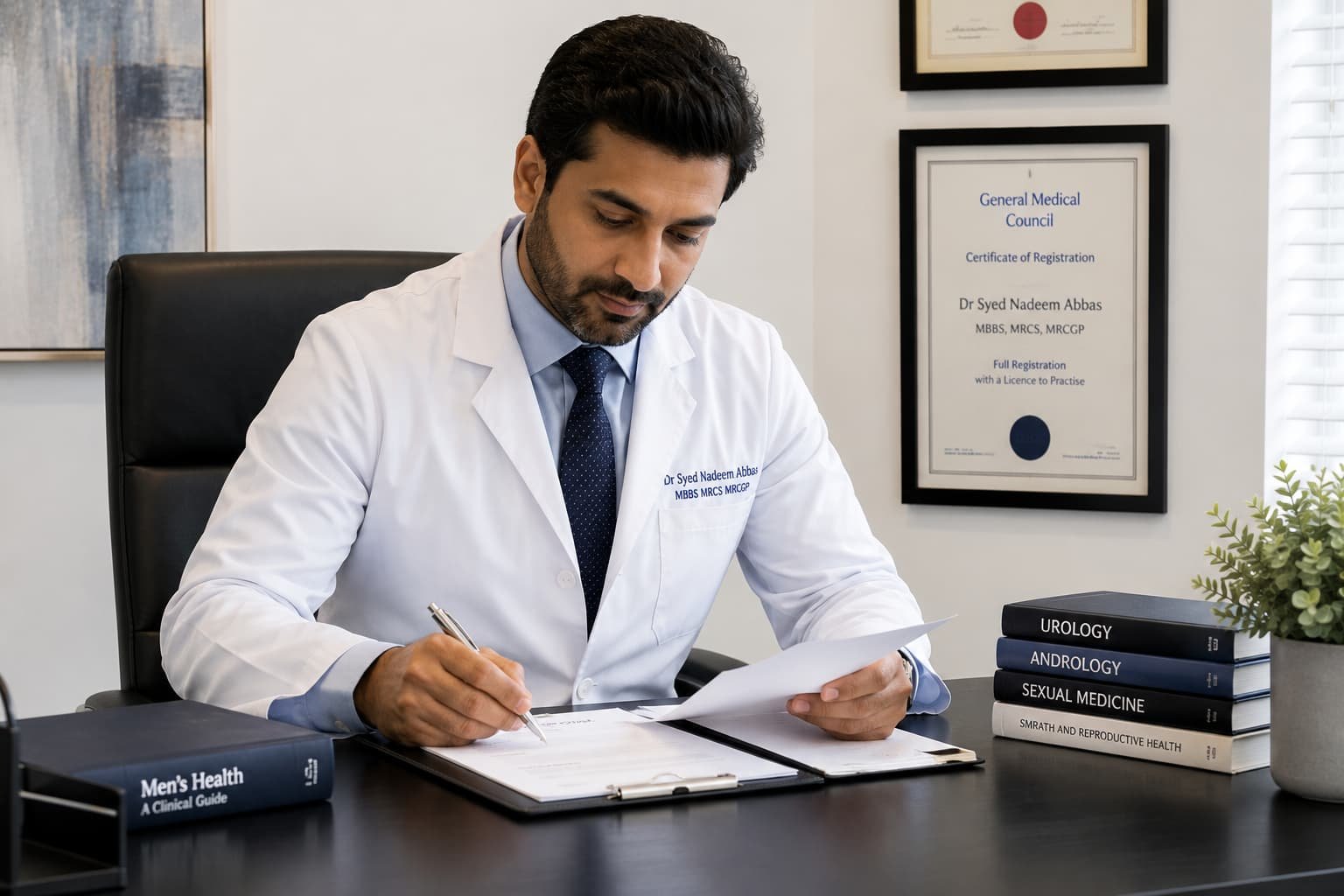
    In the UK, pshots.co.uk operates under Dr Syed Nadeem Abbas, who holds postgraduate training from Cambridge, Oxford, and the Royal London Hospital, alongside an MSc in Aesthetic Plastic Surgery with Distinction from Queen Mary University London. His background spans general practice and surgical training — directly relevant credentials for a procedure that sits at the intersection of urology, sexual medicine, and regenerative aesthetics.

    Not every provider offering a penis shot or p injection holds that level of training. Patients should therefore ask direct questions about qualifications, equipment, and aftercare before they proceed.

    Clinical Verdict

    Peyronie’s disease causes real harm to men’s lives. It affects intimacy, self-image, and mental health. It remains under-discussed, under-researched relative to its prevalence, and under-treated in many primary care settings.

    P Shot London offers a reasonable, evidence-supported option for men in the earlier phases of the condition. The mechanism is biologically sound. The safety profile is strong. Early clinical data is encouraging. It is not a magic solution, and it does not replace the need for proper diagnosis and a full clinical assessment. However, it deserves serious consideration as part of a thoughtful management plan.

    For men who have been told to simply “wait and see” — or who cannot access NHS specialist services quickly — PRP therapy represents a proactive step with a credible rationale behind it.

    The question worth sitting with is this: if a treatment is safe, minimally invasive, and supported by growing clinical evidence, at what point does waiting become its own risk?

    Read more:

    Understanding the Priapus Shot in London: A Game-Changer for Men’s Sexual Health

    How the Priapus Shot in London Can Improve Your Relationship and Quality of Life

    P Shot London

  • Priapus Shot London – The Science Behind Platelet-Rich Plasma Therapy

    Priapus Shot London – The Science Behind Platelet-Rich Plasma Therapy

    Mark was 47 when he first noticed the changes. Not dramatic ones. Just a gradual erosion of confidence. Erections that were less reliable. Sensation that felt duller than it once did. He had no underlying illness. His blood pressure was fine. Moreover, his testosterone levels sat within normal range. Yet something had clearly shifted.

    His GP referred him for general health checks. Everything came back unremarkable. And that, in many ways, made things harder. There was no diagnosis to treat. No pill to prescribe. His GP simply told him that some decline was normal with age.

    It was only when Mark started researching that he came across a term he had not heard before: the Priapus Shot London clinics were offering. More specifically, he found articles about platelet-rich plasma therapy applied to penile tissue. He was sceptical at first. But he was curious enough to keep reading.

    What the Priapus Shot Actually Is

    Priapus shot
    P shot treatment Process

    The Priapus Shot — often abbreviated as the P-shot or Pshot — is a procedure that uses a patient’s own blood to stimulate tissue repair and regeneration. Furthermore, it belongs to a broader category of regenerative medicine that has gained significant traction across multiple specialities over the past two decades.

    The name comes from Priapus, the Greek god associated with male fertility. Dr Charles Runels developed and trademarked the procedure in the United States. It involves drawing a small amount of the patient’s blood, processing it in a centrifuge to isolate platelet-rich plasma (PRP), and then injecting that concentrated plasma into specific areas of the penis.

    The theory is straightforward. Platelets contain growth factors — chemical signals that trigger cellular repair and new blood vessel formation. When a clinician delivers concentrated PRP directly into erectile tissues, those growth factors act locally. As a result, they stimulate angiogenesis (the formation of new blood vessels), encourage collagen remodelling, and potentially support nerve sensitivity.

    Crucially, this is not a synthetic drug. It is the patient’s own biology, redirected.

    The Biology of PRP: Why It Works in Other Tissues

    P shot lonodn
    P shot

    To understand why P-shot treatment has attracted medical interest, it helps to look at the broader evidence for PRP in regenerative medicine.

    Surgeons have used PRP in orthopaedics since the 1980s, applying it to bone grafts and wound healing. Over time, its use expanded to tendon injuries, osteoarthritis, and hair loss treatment. In addition, research published in peer-reviewed journals has consistently demonstrated that concentrated platelets accelerate tissue healing and promote angiogenesis in damaged or poorly vascularised areas.

    The mechanism relies largely on growth factors held within alpha granules inside platelets. These include platelet-derived growth factor (PDGF), vascular endothelial growth factor (VEGF), transforming growth factor-beta (TGF-β), and insulin-like growth factor (IGF-1). Each one plays a role in stimulating cell proliferation and tissue remodelling.

    When a clinician injects PRP into the corpus cavernosum — the erectile tissue that fills with blood during arousal — these same mechanisms follow. The tissue responds to the growth factors. New capillaries form. Consequently, existing tissue quality may improve.

    What the Research Says About Penile Injection Growth

    The clinical evidence for the P injection in sexual medicine is still building. It has not yet reached the level of large randomised controlled trials, which is the gold standard framework that NICE (the National Institute for Health and Care Excellence) outlines for evaluating new interventions in the UK. That is an honest and important point to make.

    However, several smaller peer-reviewed studies have produced encouraging findings. A 2019 study published in the Journal of Sexual Medicine examined PRP therapy in men with erectile dysfunction and reported statistically significant improvements in erectile function scores at 12 months post-treatment. Similarly, another study looked at men who had experienced erectile changes following prostate cancer treatment — a group that often responds poorly to conventional pharmacological options.

    Across these studies, researchers consistently highlight a few key findings. First, the procedure appears well-tolerated with a low adverse event profile. Second, clinicians recorded improvements in erectile function, penile sensitivity, and patient-reported satisfaction. Third, effects tend to appear gradually over six to twelve weeks, which aligns with the biological timeline of angiogenesis and tissue remodelling.

    In other words, this is not a quick fix. It is a biological process that unfolds over time.

    P-Shot Before and After: What Patients Report

    Clinical trial data tells one part of the story. Patient accounts tell another. Neither is sufficient alone, but together they form a more complete picture.

    Men who have undergone the P shot before and after comparison often describe changes in three areas. The first is erectile quality — they report firmer, more reliable erections. The second is sensitivity — some describe a return of sensation they felt had diminished over the years. The third is confidence — which, while not a measurable clinical endpoint, has a real impact on sexual function and relationship quality.

    Beyond these core changes, a proportion of men also report modest changes in girth and, to a lesser extent, length. These P-shot before and after reports are the most variable and also the most commercially exploited claims online. Therefore, it is worth being clear about this. The primary mechanism of PRP is tissue health and vascular function. Any structural changes are secondary and not guaranteed.

    Furthermore, men with organic erectile dysfunction — where the cause is genuinely vascular or nerve-related — may respond differently from men whose difficulties are largely psychogenic. A proper clinical assessment before treatment is essential.

    Who Is a Suitable Candidate?

    Not every man is an ideal candidate for the P shot UK clinics offer. A thorough assessment must come before any treatment decision.

    Men who tend to respond well include those with mild to moderate erectile dysfunction, those experiencing reduced penile sensitivity with age, men who have completed treatment for prostate cancer and still carry residual erectile difficulties, and men who have not responded adequately to PDE5 inhibitors such as sildenafil or tadalafil.

    By contrast, men with active blood disorders, those on anticoagulant therapy, or those with certain platelet function abnormalities may not be suitable. A clinician should review full medical history, current medications, and relevant blood work before proceeding.

    Importantly, age alone is not a contraindication. Men in their 40s, 50s, 60s, and beyond have all taken part in clinical studies with positive outcomes.

    The Procedure Itself: What to Expect

    A clinician performs the procedure under local anaesthetic, and it typically takes under an hour in total. The clinician draws a blood sample from the patient’s arm — usually around 20 to 30 millilitres. A dedicated centrifuge then processes this sample for approximately 10 to 15 minutes. The centrifugation separates the blood into its components. Next, the clinician extracts the platelet-rich layer and prepares it for injection.

    Before the injection, the clinician applies a topical and injectable local anaesthetic to the treatment area. The clinician then injects the PRP into the corpus cavernosum and, in some protocols, into the glans. As a result, patients typically report minimal discomfort during the procedure itself.

    There is no significant downtime after treatment. Most men return to normal activity the same day. The treating clinician generally advises resuming sexual activity after a short period — typically a few days.

    The full effect of the treatment builds over weeks. A single session is the starting point. Some men benefit from a second treatment three to six months later, though protocol varies by clinic and individual response.

    Priapus Shot Price and What Drives the Cost

    P shot treatment
    P shot London

    Priapus shot price varies across the UK, and it is worth understanding what goes into that cost. Male enlargement injections cost UK-wide typically range from £1,500 to £2,500 per session, depending on the clinic, the practitioner’s qualifications, and the equipment used.

    Several components drive the cost. First, there is the laboratory processing — a dedicated centrifuge validated for PRP preparation is not cheap, and its maintenance directly affects quality control. Second, the clinical time involved includes consultation, assessment, the procedure itself, and follow-up. Third, the practitioner’s level of training and credentialing directly affects safety and outcome.

    A low price point is not necessarily a reassurance. In fact, it may indicate corners being cut — in centrifuge quality, processing time, or clinical oversight. Equally, a high price is not automatically a mark of superior care. Instead, patients should look at practitioner qualifications, clinic governance, and whether a proper consultation precedes treatment.

    The P shot UK market has grown rapidly. With that growth comes variation in quality. Therefore, due diligence matters.

    How to Evaluate a Clinic

    Choosing where to undergo this treatment deserves the same rigour anyone would apply to any medical procedure. Several questions are worth asking before booking.

    Is the practitioner a licensed medical doctor? What is their specific training in sexual medicine or aesthetic plastic surgery? Does the clinic perform a full consultation and medical history review before treatment? Is the centrifuge CE-marked and validated for PRP preparation? Does the practitioner explain realistic outcomes — including the absence of guarantees?

    At Pshots, Dr Syed Nadeem Abbas — holding MBBS, MRCS, MRCGP, and an MSc in Aesthetic Plastic Surgery with Distinction from Queen Mary University London — leads the clinical approach with training backgrounds from Cambridge, Oxford, and the Royal London Hospital. That level of credentials matters in a field where unregulated practitioners have unfortunately set up practice.

    Ultimately, the priapus shot is a medical procedure. A medically qualified professional should deliver it in a proper medical setting.

    Limitations and What the Evidence Does Not Yet Show

    It would be misleading to present this treatment as a proven cure-all. The evidence base, while promising, has real limitations.

    Most studies to date have been small — ranging from a few dozen to a few hundred participants. Moreover, few have used sham-injection control groups, which makes it harder to separate the placebo effect from genuine biological response. Long-term follow-up data beyond 18 months remains limited. Additionally, no standardised PRP preparation protocol exists, meaning the platelet concentrations that researchers use across different studies and clinics vary considerably.

    NICE has not issued formal guidance specifically on PRP for erectile dysfunction. The NHS does not offer this procedure. That does not make it invalid — many effective interventions exist outside NHS provision — but it does mean patients are operating in a less regulated environment.

    As a result, a responsible clinician will acknowledge these limitations openly. Anyone presentingpenile injection growth as certain, or quoting dramatic P shot before and after outcomes as standard, is overpromising.

    A Final Word on Realistic Expectations

    P shot
    Priapus shot

    The science behind PRP therapy is sound. The biological rationale for its application in erectile tissue is coherent and early clinical data supports it. The safety profile is favourable. These are meaningful statements.

    Nevertheless, the P Shot London patients seek is not a replacement for cardiovascular health, healthy weight, adequate sleep, and managing the conditions — diabetes, hypertension, high cholesterol — that most commonly underlie erectile dysfunction. Rather, it is a tool within a broader approach to male sexual health. Used appropriately, in the right patients, by the right clinicians, it offers genuine benefit.

    Mark, from the opening of this article, went ahead with the treatment. He reported improvements in erectile quality at around eight weeks. Sensitivity improved. His confidence returned. He also lost a small amount of weight, stopped smoking, and started sleeping better. He attributes the change to all of it, not the injection alone. That is probably the most honest framing available.

    Platelet-rich plasma therapy for sexual health sits at the intersection of established regenerative biology and an evolving evidence base — so given what we now understand about how PRP influences vascular tissue, how do you think the next decade of research will reshape how we approach age-related sexual decline in men?

    read more: Understanding the Priapus Shot in London: A Game-Changer for Men’s Sexual Health

    How the Priapus Shot in London Can Improve Your Relationship and Quality of Life

    P Shot London

  • P Shot London – What You Need to Know Before Treatment

    P Shot London – What You Need to Know Before Treatment

    Mark is 47. He runs a small business in Islington. He exercises regularly and eats well. By most measures, he is in good health. But over the past two years, he noticed something shifting. Erections became less reliable. Sensation dulled. Confidence in the bedroom quietly eroded. Late one evening, he searched online and stumbled across something called the P Shot. The discovery sparked curiosity, leaving him with plenty of questions. Doubts lingered too, as he wondered whether the treatment was truly effective or just another passing trend.

    His story is not unusual. Thousands of men in the UK find themselves in the same position — curious about treatments like the P-shot but uncertain where to start, what to believe, or who to trust.

    This article sets out to answer the most important questions clearly and honestly.

    What Is the P Shot?

    The P shot — short for Priapus shot — is a non-surgical medical treatment that uses platelet-rich plasma (PRP) drawn from the patient’s own blood. A clinician processes the plasma and injects it directly into specific areas of the penis.

    PRP therapy is not new. Surgeons and dermatologists have used it for decades in orthopaedics, dermatology, and wound healing. The application to male sexual health is more recent, but the underlying science is well-established.

    The treatment aims to stimulate tissue regeneration, improve blood flow, and enhance nerve sensitivity. It does not involve synthetic chemicals or foreign substances. The patient’s own body produces every material the clinician injects.

    How Does the Treatment Work?

    Step One: Blood Draw

    A clinician takes a small amount of blood from the arm, just as they would for a routine blood test.

    Step Two: Centrifugation

    A centrifuge machine spins the blood at high speed. This separates the platelet-rich plasma from the rest of the blood.

    Step Three: Preparation

    The clinician draws the concentrated PRP into a syringe. A nurse applies a topical numbing cream to the treatment area beforehand.

    Step Four: Injection

    The clinician injects the PRP into targeted points. The procedure typically takes under 45 minutes in total.

    Most men report mild discomfort at most. The numbing cream makes the injections far more tolerable than many men expect.

    What Conditions Does the P Shot Address?

    The P shot treatment addresses a range of male sexual health concerns. These include:

    • Erectile dysfunction (ED)
    • Reduced penile sensitivity
    • Peyronie’s disease — a condition where scar tissue causes curved, painful erections
    • General loss of sexual function related to ageing
    • Sexual function changes following surgery or radiotherapy

    It is important to state that the P shot does not cure all forms of erectile dysfunction. ED can have vascular, hormonal, neurological, or psychological causes. A proper clinical assessment must come first.

    The NHS recognises that erectile dysfunction affects approximately 50% of men aged between 40 and 70 to varying degrees. NICE guidelines recommend a thorough assessment before a clinician initiates any treatment, including consideration of lifestyle factors and underlying conditions.

    P Shot Before and After: What Can Men Realistically Expect?

    Managing expectations is essential. The P-shot before and after experience varies between individuals.

    Many men report improvements within four to six weeks. Some notice changes sooner. Clinicians generally make a full assessment of results at the three-month mark.

    Reported outcomes include:

    • Stronger, more reliable erections
    • Increased penile sensitivity
    • Improved sexual confidence
    • In some cases, a modest increase in girth or length

    It is worth being precise here. Penile injection growth, in the context of PRP, tends to be subtle rather than dramatic. Men who approach treatment with realistic expectations tend to be far more satisfied with their results.

    The P shot before and after photos that clinics share online vary widely in quality and credibility. Always verify that any such material comes from a regulated clinic and that genuine patient consent covers its use.

    Is There Evidence Behind PRP for Male Sexual Health?

    The evidence base is growing. Several peer-reviewed studies have examined PRP for erectile dysfunction and Peyronie’s disease with positive findings.

    A 2019 study published in the Journal of Sexual Medicine found that intracavernosal PRP injections showed promise for men with mild to moderate ED. A 2021 systematic review noted that while researchers need larger randomised controlled trials, existing data is encouraging.

    NICE has not yet endorsed PRP for penile treatment as a first-line treatment. However, qualified clinicians practise it legally and ethically in the UK. The medical community considers it an advanced aesthetic and regenerative treatment rather than a standard NHS pathway.

    For men who have tried or been unsuitable for first-line treatments such as PDE5 inhibitors like sildenafil, the p injection represents a legitimate next step worth exploring with a qualified doctor.

    Priapus Shot Price: What Does It Cost in the UK?

    Cost is often the first practical question men ask. The Priapus shot price in the UK varies depending on the clinic, the clinician’s qualifications, and the treatment protocol they use.

    As a general guide, male enlargement injections cost UK varies considerably. Budget options may raise concerns about clinical standards, while premium Harley Street clinics reflect the expertise and environment they offer.

    When evaluating priapus shot price, consider:

    • The qualifications of the treating clinician
    • Whether a full medical consultation is included
    • The quality of the centrifuge equipment the clinic uses
    • Whether follow-up appointments form part of the package
    • The clinical setting and safety standards

    Paying less does not always mean getting less. But in a field where regulation and clinical oversight matter enormously, the cheapest option is rarely the wisest one.

    P Shot UK: How Does Regulation Work?

    This is a question every man should ask before booking.

    In the UK, medical professionals must classify PRP injections as a medical procedure and perform them accordingly. Unlike many cosmetic treatments, non-medically trained practitioners cannot legally administer injections of any kind in a clinical context.

    The Care Quality Commission (CQC) regulates clinics that offer certain medical procedures. If you consider p shot UK treatment, ask whether the CQC has registered the clinic. Check the clinician’s registration with the General Medical Council (GMC).

    A legitimate provider will not hesitate to share this information. One that avoids the question should raise concern.

    What to Ask Before You Book

    Before you commit to any p shot london clinic, ask the following:

    Meet the Clinician:

    • What medical qualifications do they hold?
    • Do they have specific training in PRP therapy and male sexual health?
    • Does the GMC register them?

    Inside the Clinic:

    • Does the CQC register this clinic?
    • Does the clinic take a full medical history before treatment?
    • What aftercare does the clinic provide?

    Understanding the Treatment:

    • Which centrifuge system does the clinic use and does a certification body approve it?
    • How many treatments might you need?
    • What realistic outcomes can you expect for your specific concern?

    These are not unreasonable questions. A good clinician will welcome them.

    Who Is Suitable for the P Shot?

    The p shot does not suit everyone.

    Men with active infections, blood disorders, or certain autoimmune conditions may not qualify. Men who take anticoagulant medication need careful assessment before a clinician proceeds.

    A thorough consultation with a qualified doctor must precede any treatment. At pshots.co.uk, Dr Syed Nadeem Abbas — an MRCS, MRCGP, and MSc Aesthetic Plastic Surgery graduate trained at Cambridge, Oxford, and the Royal London Hospital — conducts consultations with full clinical rigour before he discusses any treatment plan.

    He assesses suitability , individually for every patient. No reputable clinic offers a one-size approach to P shot treatment.

    Are There Side Effects?

    Because PRP comes from the patient’s own blood, the risk of allergic reaction is very low.

    Common side effects include:

    • Temporary bruising at the injection site
    • Mild swelling that resolves within a day or two
    • Temporary sensitivity at the treatment area

    Serious complications are rare when a qualified practitioner carries out the procedure correctly. Proper sterile technique and medical-grade equipment significantly reduce risk.

    Recovery and Aftercare

    Most men return to normal activity the same day. Men should avoid sexual activity for 24 to 48 hours after treatment.

    Some clinics pair the P shot with a vacuum erection device protocol to support blood flow into the treated tissue during the healing period. Not every practitioner uses this approach, but some consider it beneficial.

    Results build gradually. Men generally see the full benefit of the priapus shot at three months, though many notice changes earlier.

    Priapus Shot London: Why Location and Expertise Matter

    London has a high concentration of aesthetic and private medical clinics. Not all are equal.

    When you seek a Priapus shot London provider, proximity alone should not drive the decision. Clinical credentials, oversight, and the quality of the consultation matter far more than convenience.

    Harley Street has long been synonymous with specialist private medical care in the UK. Clinics in that area operate under substantial professional and regulatory expectations. That environment attracts clinicians with serious academic and clinical backgrounds.

    The decision to pursue a p injection is a personal and medical one. It deserves the same level of careful consideration as any other medical procedure.

    Erectile dysfunction and reduced sexual function affect millions of men in the UK. Many suffer in silence. The rise of treatments like the Pshot has given men a legitimate, non-surgical option — one that draws on established regenerative medicine principles.

    The key is approaching it with clear information, realistic expectations, and the right clinical guidance. The P shot is not a miracle treatment. It is a medical procedure with a credible evidence base, a strong safety profile when a trained clinician administers it properly, and meaningful outcomes for the right candidates.

    Men who do the research, ask the right questions, and choose a properly qualified clinician tend to be the most satisfied with what follows.

    The conversation around male sexual health has changed significantly in recent years. Men no longer need to accept decline as inevitable.

    The question is not whether treatments like the P shot London deserve consideration. The real question is: are you approaching that consideration with the same rigour you would apply to any other medical decision?

    Read more:P Shot London: How to Choose a Safe Clinic and What to Expect at Your Consultation

    P Shot UK: What Impacts Price, What Should Be Included in a Quote, and Questions to Ask

    P shot London

  • How the Priapus Shot in London Can Improve Your Relationship and Quality of Life

    How the Priapus Shot in London Can Improve Your Relationship and Quality of Life

    Mark is 48. He has a good job, a supportive partner, and two teenage children. By most measures, his life is going well. But for the past two years, he has been quietly withdrawing. He avoids physical intimacy, often pulling away when closeness is expected. At bedtime, excuses surface—work stress, fatigue, or simply not being in the mood. In his mind, he rationalises it all as the natural effects of stress, tiredness, and age. His partner notices the distance but says nothing. The silence between them grows.

    Mark is not alone. Millions of men in the UK live with erectile dysfunction (ED), and most never speak about it — not to their partners, not to their GP, and not to themselves. Yet the consequences reach far beyond the bedroom. ED affects self-esteem, emotional intimacy, mental health, and the long-term stability of relationships.

    This article looks at how ED damages more than just sexual function, and how the P Shot London — a clinically administered treatment using platelet-rich plasma — is helping men restore confidence, rebuild intimacy, and reclaim their quality of life.

    The Hidden Weight of Erectile Dysfunction

    ED is far more common than most men realise. According to the NHS, approximately 50% of men between 40 and 70 experience some degree of erectile dysfunction. Yet clinical surveys suggest that fewer than 25% of those affected seek any form of treatment.

    The reasons are familiar: embarrassment, a sense of failure, and the mistaken belief that ED is simply a natural consequence of getting older. These beliefs keep men silent and suffering, often for years.

    But ED is not merely a physical inconvenience. Research published in the Journal of Sexual Medicine consistently links erectile dysfunction with elevated levels of depression, anxiety, and reduced overall life satisfaction. Men with untreated ED report lower self-worth, heightened irritability, and a tendency to disengage from social and romantic life.

    The burden is invisible to others, yet heavy for the man carrying it.

    How ED Damages Relationships

    Priapus shot London
    Priapus shot London

    Sexual intimacy is one of several ways that couples maintain emotional connection. When it disappears — or becomes inconsistent and anxiety-laden — it rarely stays contained to the physical side of a relationship.

    The Cycle of Avoidance

    Many men with ED begin to avoid situations that might lead to sexual activity. They stay up later, pick arguments, or create emotional distance. This avoidance, though unintentional, sends signals to a partner that can be easily misread as rejection, loss of attraction, or emotional disconnection.

    Partners frequently internalise these signals. They may believe they are no longer desirable, or that something is fundamentally wrong with the relationship. Without open communication — which is itself made harder by shame — the misunderstanding compounds.

    The Mental Health Dimension

    NICE (National Institute for Health and Care Excellence) guidelines recognise the strong bidirectional relationship between erectile dysfunction and mental health conditions. Depression can cause ED. ED can cause or worsen depression. The two conditions feed each other in a cycle that is difficult to break without addressing both sides.

    Men with untreated ED are more likely to withdraw from exercise, hobbies, and social activities — all of which are known protective factors for mental health. The knock-on effects touch every area of daily life.

    What Is the P Shot?

    The P shot — formally known as the Priapus Shot — is a non-surgical treatment that uses platelet-rich plasma (PRP) derived from the patient’s own blood. PRP is rich in growth factors that promote tissue regeneration, improve blood flow, and support nerve function.

    The procedure involves drawing a small amount of blood, processing it to concentrate the platelets, and then administering the resulting plasma via a precise penile injection. The growth factors in the PRP stimulate cellular repair in the erectile tissue, particularly in the corpus cavernosum — the sponge-like chambers responsible for erections.

    The Pshot is not a pharmaceutical drug. It carries no risk of systemic side effects, no drug interactions, and no dependency. Because the plasma comes from the patient’s own body, the risk of allergic reaction is negligible.

    Men who undergo P shot treatment typically report improvements in erectile firmness, sensitivity, and sexual stamina over the weeks following the procedure. Some also notice changes in penile appearance through what is sometimes called penile injection growth — a gradual increase in girth or length attributed to improved vascular tissue health.

    The Evidence Base for PRP in Sexual Medicine

    Priapus shot London
    Priapus shot London

    The use of PRP in regenerative medicine is well-established across orthopaedics, dermatology, and wound healing. Its application in treating erectile dysfunction is a more recent development, but the early clinical data are encouraging.

    A 2021 systematic review published in Sexual Medicine Reviews examined multiple studies on PRP for ED and found consistent improvements in erectile function scores compared to baseline, with a favourable safety profile across all studies reviewed. Researchers noted that PRP appeared to work through angiogenesis — the growth of new blood vessels — and through direct stimulation of smooth muscle repair in erectile tissue.

    This matters because the underlying cause of most ED in older men is vascular. Poor blood flow into the penile chambers is the primary mechanical failure. Treatments that address the vascular tissue itself — rather than simply bypassing the problem with oral medication — offer the potential for lasting improvement rather than temporary relief.

    For men who have not responded well to PDE5 inhibitors such as sildenafil or tadalafil, or those who prefer not to use them, the priapus shot represents a meaningful clinical alternative.

    P Shot Before and After — What Men Actually Experience

    One of the most important aspects of any medical treatment is the lived experience of patients. Clinical trial data captures measurable outcomes, but P shot before and after accounts from real men tell a different story — one about confidence, relationships, and everyday life.

    Men who document their P-shot before and after journeys commonly describe the same themes. Before the procedure: anxiety around intimacy, avoidance behaviours, low self-esteem, and a growing sense of disconnection from their partners. After the procedure: a gradual return of spontaneous erections, reduced performance anxiety, and a renewed willingness to be physically present with their partner.

    Several men describe the psychological shift as more significant than the physical one. When the fear of failure is removed, the emotional weight lifts. Conversations become easier. Affection returns. The relationship dynamic changes in ways that extend well beyond sex.

    This aligns with what we know about the psychology of sexual confidence. Self-efficacy — a person’s belief in their ability to perform — is itself a driver of physiological response. Breaking the cycle of anticipated failure has a measurable effect on erectile function even before any tissue regeneration occurs.

    Rebuilding Intimacy After ED

    Priapus shot London
    Priapus shot London

    Restoring sexual function is one part of a larger process. For men whose relationships have been strained by ED over months or years, physical improvement alone is not always sufficient. The emotional repair requires intention from both partners.

    Many clinicians recommend that men undergoing P shot treatment also consider speaking with a psychosexual therapist, either individually or with their partner. This is not because the treatment is insufficient on its own — for many men it works extremely well — but because the psychological damage caused by long-term ED sometimes needs direct attention.

    The Sexual Advice Association in the UK provides guidance for couples navigating ED, and recommends a combined approach that addresses physical, psychological, and relational factors. The P shot fits naturally within this kind of integrated care model.

    For further reading on how sexual health connects to overall wellbeing and relationship quality, pshots.co.uk provides a useful starting point for understanding the wider context of male sexual medicine.

    What to Expect from P Shot Treatment in London

    For men considering the Priapus shot London, the process is straightforward and takes place in a clinical setting. A topical anaesthetic is applied prior to the injection, making the procedure well-tolerated by the vast majority of patients. The entire appointment typically takes under an hour.

    There is no recovery period. Most men return to normal activities, including sexual activity, within a day or two. Results are not instant — the regenerative process takes time — but many men notice improvements within four to six weeks, with continued progress over the following months.

    For those asking about Priapus shot price or male enlargement injections cost UK, pricing varies by clinic and by whether a series of treatments is recommended. A single p injection session in London typically sits within a range that reflects the specialist clinical environment, the qualifications of the practitioner, and the cost of processing PRP to medical-grade standards. It is worth requesting a full consultation before committing to any treatment plan, so that pricing is discussed clearly alongside clinical suitability.

    At Dr SNA Clinic , the P shot is performed by Dr Syed Nadeem Abbas — a clinician with postgraduate training in aesthetic plastic surgery from Queen Mary University London, and clinical experience across Cambridge, Oxford, and the Royal London Hospital. His background reflects the level of medical expertise that a procedure of this nature warrants.

    Is the P Shot Right for You?

    Priapus shot London
    Priapus shot London

    The P shot UK is not a universal solution, and a responsible clinic will always assess suitability before treatment. Ideal candidates are men experiencing mild to moderate ED with a vascular or age-related component, men who have not achieved satisfactory results with oral medication, and men who want a non-pharmaceutical, minimally invasive option.

    It is less suitable for men with certain haematological conditions, active infections, or ED caused primarily by severe psychological factors alone — though in that case, combined therapy with psychosexual support may still be appropriate.

    The most important step is an honest conversation with a qualified clinician. ED is a medical condition. It deserves a proper clinical assessment, not a self-prescribed solution bought online.

    Breaking the Silence: A Note on Seeking Help

    For many men, the hardest part of addressing ED is the first step. Shame is a powerful barrier to healthcare. But ED is not a moral failing, a sign of weakness, or an inevitable feature of ageing. It is a physiological condition with identifiable causes and effective treatments.

    The NHS recommends that men experiencing ED for more than a few weeks should speak to a GP, as ED can sometimes be an early indicator of cardiovascular disease, diabetes, or hormonal imbalance. Getting assessed is not just about sexual health — it is about overall health.

    For men who prefer a private route, or who want a treatment that goes beyond what the NHS typically offers, clinics providing the priapus shot in London offer a confidential, medically supervised alternative. Seeking help is not an admission of failure. It is an act of care — for yourself and for the people who matter most to you.

    Erectile Dysfunction: More Than a Bedroom Issue — Why Regenerative Solutions Matter

    Erectile dysfunction is rarely just a bedroom problem. It is a condition that erodes confidence, strains relationships, and quietly diminishes quality of life. The emotional and relational damage it causes often outlasts the physical symptoms — and it deserves to be taken seriously as a clinical and human issue.

    The P shot London offers something that many conventional treatments do not: a regenerative approach that works with the body’s own biology to restore function at the tissue level. It does not mask the problem. It addresses the underlying vascular and cellular changes that contribute to ED — and for many men, it does so with lasting results.

    Beyond the clinical outcomes, the real value of effective ED treatment is what happens next. The conversations that become possible again. The physical closeness that returns. The sense of being fully present in a relationship, rather than quietly retreating from it.

    For men like Mark — and there are many of them — the Priapus Shot is not about optimising performance. It is about coming back to themselves.

    If you have been living with erectile dysfunction for longer than feels acceptable, what is it actually costing you — and what might change if you addressed it?

    Read more: P Shot London: How to Choose a Safe Clinic and What to Expect at Your Consultation

    P Shot UK: What Impacts Price, What Should Be Included in a Quote, and Questions to Ask

    P Shot London

  • From Embarrassment to Empowerment: The P Shot London Treatment Before and After

    From Embarrassment to Empowerment: The P Shot London Treatment Before and After

    Mark is 47, a small business owner in North London who keeps himself fit with regular gym sessions. By most measures, his health is good. Yet for two years, intimacy with his partner slipped away. He stayed late at work, leaned on excuses, and convinced himself stress was to blame. Deep down, he recognised the truth — erectile dysfunction — but saying it aloud felt impossible. Seeking help seemed even harder.

    Mark is not unusual. He represents millions of men across the UK who live with ED in silence. The NHS estimates that around half of all men between 40 and 70 experience some degree of erectile difficulty. Yet fewer than a quarter ever seek medical advice. The gap between the problem and the solution is not clinical. It is psychological. It is shame.

    This article looks at one treatment that has helped men like Mark move from silence to confidence: the P-Shot. It explains what the treatment involves, what to expect before and after, and why men who were once too embarrassed to ask for help are now talking openly about results that changed their lives.

    What Is the P Shot?

    The P Shot — short for the Priapus Shot — is a non-surgical medical procedure. It uses platelet-rich plasma (PRP) drawn from the patient’s own blood and injects it directly into specific areas of the penis. The goal is to stimulate tissue regeneration, improve blood flow, and enhance both function and sensitivity.

    PRP therapy is not new. It has been used in orthopaedics, dermatology, and sports medicine for decades. The application to sexual health is more recent, but the science behind it is established. When PRP is introduced into tissue, it releases growth factors that encourage cell repair and the formation of new blood vessels — a process called angiogenesis.

    In the context of erectile dysfunction, improved vascular health in penile tissue means better, more reliable erections. For men dealing with reduced sensitivity or dissatisfaction with size and firmness, the penile injection growth response can produce meaningful physical change.

    Why Men Avoid Getting Help

    P Shot London
    P Shot London

    Before looking at the before and after results, it is worth understanding why so many men delay or avoid treatment altogether.

    The British Medical Journal has noted that erectile dysfunction carries a significant psychological burden. Men associate sexual performance with identity, masculinity, and self-worth. When that function is compromised, the emotional fallout can be as debilitating as the physical symptom itself.

    Common fears include being judged by a doctor, being offered only pills, having a partner find out, or simply having to speak about something that feels deeply private. For many men, the idea of a P-shot — an injection in that area — adds another layer of anxiety.

    These fears are understandable. They are also, in most cases, unfounded. The consultation process at a reputable private clinic is confidential, clinical, and free of judgement. The procedure itself uses topical anaesthetic cream, making discomfort minimal. Most men describe the experience as far less daunting than they anticipated.

    Before the P Shot Treatment — What to Expect

    P Shot London
    P Shot London

    The Initial Consultation

    The process begins with a thorough medical consultation. A qualified doctor takes a full health history, discusses symptoms, and rules out any underlying conditions that may be contributing to ED. According to NICE (the National Institute for Health and Care Excellence), erectile dysfunction can be a marker for cardiovascular disease and should always be medically assessed before treatment.

    Learn more: The P Shot UK: An Effective Treatment for Erectile Dysfunction and Cardiovascular Health

    This first appointment is also the point where the patient can ask every question he has been too embarrassed to ask before. Good clinicians encourage this. The more informed the patient, the better the outcome.

    The Day of the Procedure

    On the day of the Pshot procedure, a small amount of blood is drawn — typically from the arm, just like a standard blood test. The blood is placed in a centrifuge, which separates the platelet-rich plasma from the red blood cells. This takes around ten minutes.

    A numbing cream is applied to the treatment area and left for around 20 to 30 minutes. Once the area is sufficiently anaesthetised, the PRP is injected using a fine needle into specific points. The entire procedure takes under an hour. Most men return to normal activity the same day.

    After the P Shot — Real Results and What Changes

    P Shot London
    P Shot London

    The P shot before and after picture is different for every man. Results depend on the underlying cause of ED, overall health, age, and lifestyle. That said, there are consistent patterns that emerge from clinical experience.

    Short-Term Changes (Weeks 1 to 4)

    In the first few weeks, most men notice improved sensitivity. Some report stronger morning erections. There may be mild swelling or bruising directly after the procedure, but this settles quickly. The growth factors in PRP begin activating tissue repair almost immediately, though the visible and functional changes develop over time.

    Medium-Term Changes (Weeks 4 to 12)

    This is where most men see the clearest P-shot before and after difference. Erections become firmer and more reliable. Men who previously relied heavily on oral medication like sildenafil report needing lower doses or finding that the medication works more effectively. Some men with mild to moderate ED find they no longer need medication at all.

    Those who sought the priapus shot for enhancement rather than dysfunction report improved girth during erection, improved longevity, and heightened pleasure. These outcomes relate to the improved blood flow and tissue response that the PRP stimulates over several weeks.

    Long-Term Outcomes (Three to Twelve Months)

    Many men maintain improvements for six to twelve months following a single treatment. A second or third session — often spaced three to six months apart — can deepen and extend results. For men with Peyronie’s disease (a condition involving scar tissue and penile curvature), PRP has shown particular promise, with studies suggesting reduced plaque and improved straightening over time.

    Real-Life Accounts — Men Who Took the Step

    P Shot London
    P Shot London

    The following accounts reflect the kinds of outcomes men regularly report after Pshot treatment. Names have been changed to protect privacy.

    James, 52 — Post-Prostate Treatment

    James had prostate surgery two years before seeking the P shot London treatment. His erectile function never fully recovered. He tried oral medication, but the results were inconsistent. After two sessions of the priapus shot, he reported returning to a level of function he had not experienced since before his surgery. “It was not just physical,” he said. “It changed how I felt about myself.”

    David, 38 — Psychological ED and Anxiety

    David’s ED had a large psychological component. He was physically healthy but experienced severe performance anxiety. The improvement in sensation and reliability after the p injection broke the anxiety cycle. When his body responded well, his confidence returned. The physical improvement created the psychological shift he needed.

    Robert, 61 — Diabetes-Related ED

    Diabetes is one of the most common underlying causes of erectile dysfunction, often linked to nerve damage and poor circulation. Robert had managed Type 2 diabetes for fifteen years. After three sessions of the Priapus shot London treatment, he described the results as “a genuine second chance.” His results took longer to develop than younger men without vascular compromise, but they were sustained.

    Is the P Shot Right for Every Man?

    The P Shot UK landscape has grown significantly in the past five years. More clinics offer it, more men know about it, and more are asking questions. But it is not a universal solution.

    Men with severe vascular disease, active blood disorders, or certain cancers may not be suitable candidates. A proper medical assessment is essential before any treatment proceeds. The NHS itself recommends that all men with ED seek medical evaluation before pursuing any intervention, given the potential link to wider cardiovascular health.

    The p shot works best as part of a broader approach. Lifestyle factors — weight, exercise, alcohol intake, sleep quality, and stress levels — all affect erectile function. Men who combine the treatment with healthier habits tend to see stronger and longer-lasting results.

    Understanding the Cost

    Men researching this treatment often ask about the priapus shot price and male enlargement injections cost UK. The figures vary depending on the clinic, the number of sessions required, and whether any additional treatments are combined.

    In the UK, a single session typically ranges from £1500 to £2,500. This reflects the use of medical-grade equipment, specialist oversight, and the cost of the PRP preparation process. Many men choose packages of two or three treatments, which are often available at a reduced combined cost.

    When weighing the priapus shot price against the ongoing cost of oral medication, the psychological burden of untreated ED, and the impact on relationships and quality of life, many men find the investment straightforward to justify.

    Choosing a Clinic — What Matters Most

    Not all providers of the P shot London treatment are equal. The most important factor is the qualifications and clinical experience of the practitioner. PRP treatment involves blood processing and injections into sensitive tissue. It must be performed by a medically qualified professional — not an aesthetician or beauty therapist.

    Look for a doctor with specific training in men’s health and aesthetics. Verify their registration with the General Medical Council. Ask whether they conduct full medical assessments before treatment, not just online consultations. Ask what happens if something goes wrong. A good clinic will have clear answers to all of these questions.

    For those seeking treatment in London, pshots.co.uk offers a useful reference point for understanding how a clinical-grade priapus shot London service should operate. Practices like pshots.co.uk, led by Dr Syed Nadeem Abbas — a surgeon trained at Cambridge, Oxford, and the Royal London Hospital, holding an MSc in Aesthetic Plastic Surgery with Distinction from Queen Mary University London — represent the standard of care men should look for when choosing a provider.

    The Psychological Shift — From Shame to Agency

    P Shot London
    P Shot London

    What the before and after accounts consistently show is that the treatment’s impact extends far beyond the physical. Men describe a restored sense of identity. Partners describe a change in the relationship dynamic. The act of seeking help — of saying “this matters and I am going to do something about it” — is itself transformative.

    The NHS Mental Health Foundation has written extensively on the connection between sexual health and mental wellbeing. Men who address sexual dysfunction report lower rates of depression, better relationship satisfaction, and higher overall quality of life. The p shot is not just a penis shot in the clinical sense. It is, for many men, the first step out of a cycle of avoidance.

    Back to Mark. After his treatment, he described the results not primarily in terms of the physical change — though he noted that — but in terms of how he related to his partner again. “I stopped avoiding,” he said. “That was the real change.”

    A Note on Realistic Expectations

    The P shot is not a miracle cure. It will not reverse severe vascular damage overnight. It will not replace the need to address lifestyle factors that contribute to ED. And it will not work identically for every man.

    What it does offer is a clinically grounded, non-surgical option for men who want to address the root issue rather than simply managing symptoms. The PRP mechanism stimulates genuine tissue regeneration. The outcomes, when reviewed across published studies and clinical experience, are consistently positive for appropriately selected patients.

    The key is proper assessment, proper technique, and realistic expectations set by a qualified clinician during a thorough consultation.

    Erectile dysfunction affects men across every age group, background, and level of health. The barrier to treatment has rarely been medical. It has been cultural — built from years of silence, shame, and the mistaken belief that nothing can really be done.

    The P shot offers a legitimate, evidence-informed path for men who want to take back control. The P shot before and after experience is, above all, a story of men choosing to act. The physical results follow. The confidence follows. The relationships follow.

    Men who have had the treatment do not typically describe it as a medical procedure. They describe it as a turning point. The technology has advanced. The evidence has grown. The only thing standing between a man and the help he needs is the decision to walk through the door.

    If silence has been the barrier for too long, is now the moment to change that?

    Read more: P Shot Treatment: Procedure Steps, Recovery, Aftercare, and Results Timeline

    Understanding the Priapus Shot in London: A Game-Changer for Men’s Sexual Health

    P Shot London