Tag: Priapus Shot

  • Erectile Dysfunction After Heart Surgery: Can PRP Help?

    Erectile Dysfunction After Heart Surgery: Can PRP Help?

    UK cardiac rehabilitation programmes focus heavily on exercise capacity, blood pressure control, and medication adherence. Sexual health rarely appears on the recovery checklist. Erectile dysfunction after heart surgery affects the majority of male patients, yet most never raise it with their care team. This silence leaves many men without clear, evidence-based guidance during recovery.

    This article examines erectile dysfunction after heart surgery in detail. It covers prevalence, underlying causes, and the wider relationship between sexual health and heart disease. It also reviews current evidence for platelet-rich plasma (PRP) therapy, known as the Priapus Shot or P-Shot, as a possible regenerative treatment option.

    How Common Is Erectile Dysfunction After Heart Surgery?

    Erectile dysfunction after heart surgery is a well-documented clinical issue. Research consistently shows high rates of ED among men with cardiovascular disease, both before and after surgical treatment.

    One study found erectile dysfunction affects between 46% and 84% of men with coronary artery disease, depending on disease severity and the presence of heart failure.

    A separate study followed 279 men who underwent coronary artery bypass graft surgery, valve replacement, or other cardiac procedures. Before surgery, 20.1% reported sexual dysfunction. Twelve weeks after surgery, this figure rose to 76.4%. Reported problems included erectile difficulties, premature ejaculation, and reduced libido.

    These figures confirm that ED post cardiac surgery is common, not exceptional. It is a recognised clinical pattern, supported by multiple independent studies.

    NHS Pathways: Why Sexual Health Is Often Overlooked

    NHS cardiac rehabilitation focuses on measurable outcomes, such as blood pressure, cholesterol, and exercise tolerance. Sexual health questions are not always included in standard follow-up assessments. As a result, many men experiencing erectile dysfunction after heart surgery do not receive any specific advice on this topic.

    This does not mean the issue is unimportant. NHS guidance recognises erectile dysfunction as a relevant factor in overall cardiovascular risk assessment. Men are encouraged to raise sexual health concerns with their GP, particularly when ED appears alongside other cardiovascular symptoms. Early discussion allows clinicians to review medication, assess vascular risk, and rule out other contributing conditions, such as low testosterone or diabetes.

    Patients should not feel that raising this issue is a minor or separate concern. It often provides useful information about how well the cardiovascular system is recovering.

    Why Does Erectile Dysfunction Develop After Heart Surgery?

    Several factors contribute to ED following cardiac surgery. These factors often overlap and reinforce one another, making the condition multifactorial rather than a single, isolated problem.

    Diagram showing the link between cardiovascular blood flow and erectile dysfunction after heart surgery
    Reduced blood flow linked to cardiovascular disease affects both heart function and erectile function.

    Reduced Blood Flow to the Penis

    Erections depend on healthy blood flow into small penile arteries. Atherosclerosis, the process that narrows coronary arteries and often leads to heart surgery, also affects blood vessels elsewhere in the body. Reduced blood flow to the penis is therefore common in men with significant cardiovascular disease.

    Physical Recovery After Major Surgery

    Cardiac surgery places considerable strain on the body. Recovery involves fatigue, reduced stamina, and restricted physical activity for several weeks. These factors can temporarily reduce sexual function and confidence, independent of any vascular damage.

    Medication Effects

    Many medications prescribed after cardiac surgery affect erectile function. Beta-blockers and certain lipid-lowering medications have been linked to increased rates of sexual dysfunction. Patients should discuss medication side effects with their GP or cardiologist rather than adjusting treatment independently.

    Psychological Factors

    Anxiety about resuming physical activity, including sexual activity, is common after major surgery. Depression following a significant cardiac event can also reduce libido and sexual confidence. These psychological factors often interact closely with physical causes.

    Sexual Health and Heart Disease: A Shared Vascular System

    The relationship between sexual health and heart disease runs in both directions. Small blood vessels in the penis are often affected by atherosclerosis before larger coronary arteries show measurable narrowing. For this reason, erectile dysfunction can appear years before a diagnosed cardiac event.

    This connection means erectile dysfunction after heart surgery should not be viewed in isolation. It reflects the same underlying vascular condition affecting the heart. Men experiencing new or worsening erectile dysfunction, particularly alongside cardiovascular risk factors such as high blood pressure, diabetes, or high cholesterol, should seek a full cardiovascular health assessment from their GP.

    Current Treatment Options for ED Post Cardiac Surgery

    PDE5 Inhibitors

    Medications such as sildenafil and tadalafil are commonly prescribed for erectile dysfunction. These medications work by improving blood flow to the penis. However, they are contraindicated for men taking nitrate-based medications, which are often prescribed after cardiac events. A cardiologist must review suitability before these medications are prescribed.

    Cardiac Rehabilitation Programmes

    Structured cardiac rehabilitation improves overall fitness, blood pressure, and cholesterol levels. However, research shows that sexual dysfunction often persists despite participation in rehabilitation programmes. Age, diabetes, hypertension, and prior bypass surgery have been identified as independent predictors of continued sexual dysfunction after rehabilitation.

    Counselling and Lifestyle Support

    Psychological support addresses anxiety and confidence issues linked to ED post cardiac surgery. Lifestyle changes, including smoking cessation, weight management, and reduced alcohol intake, support both cardiovascular health and erectile function over time.

    Comparing Approaches to ED Post Cardiac Recovery

    The table below summarises common approaches. It is intended as a general overview, not a personalised recommendation.

    ApproachCardiac Safety ConsiderationsEvidence Base
    PDE5 inhibitorsUnsuitable with nitrate medication; requires cardiologist reviewStrong, widely established
    Cardiac rehabilitationGenerally safe and recommended for all patientsStrong for overall recovery; limited effect on ED alone
    Counselling and lifestyle changesSafe for all patientsSupportive evidence, gradual benefit
    PRP / P-ShotRequires medication review and cardiologist clearanceEmerging, classified as experimental for ED

    PRP Therapy for Erectile Dysfunction: What Does the Research Show?

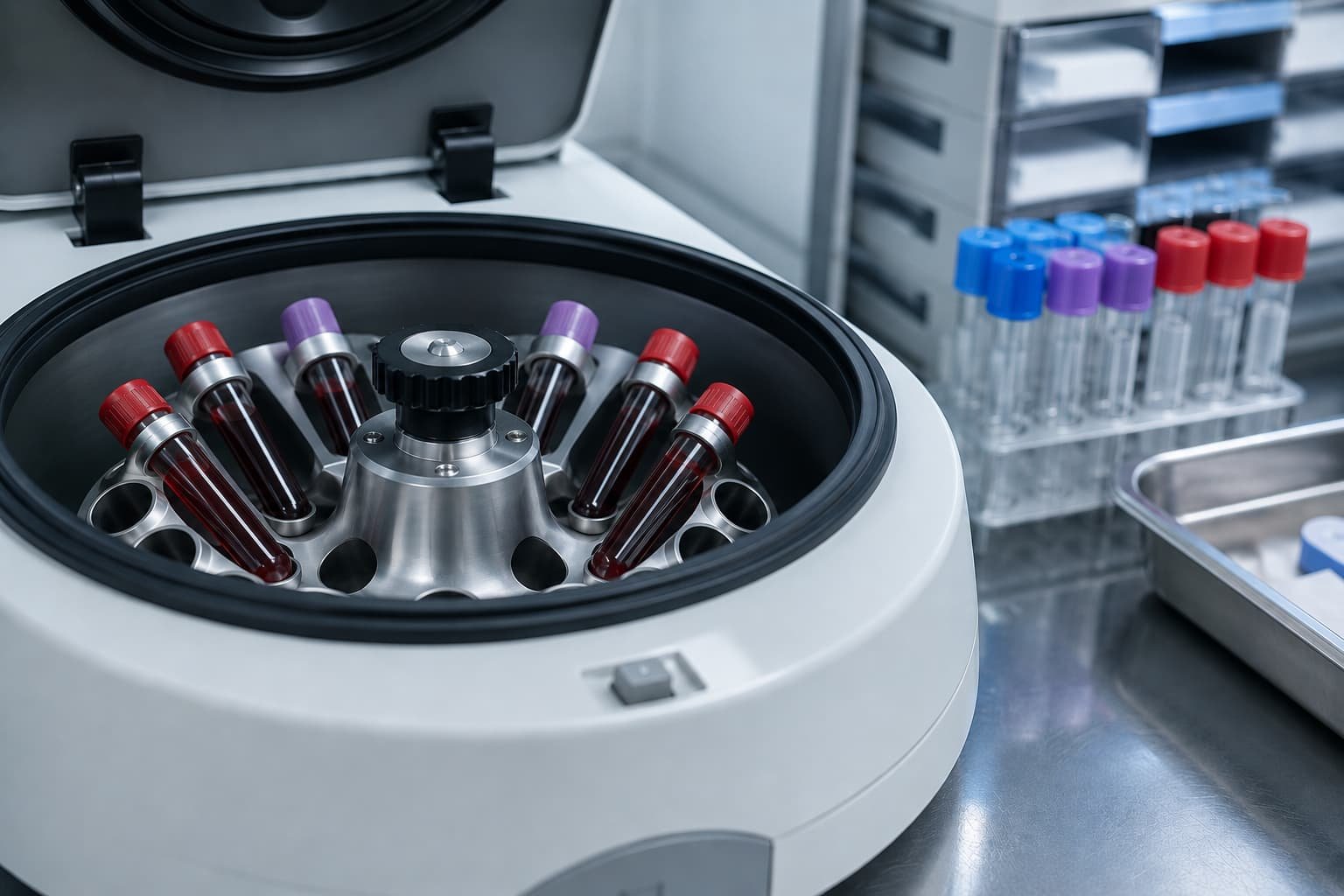
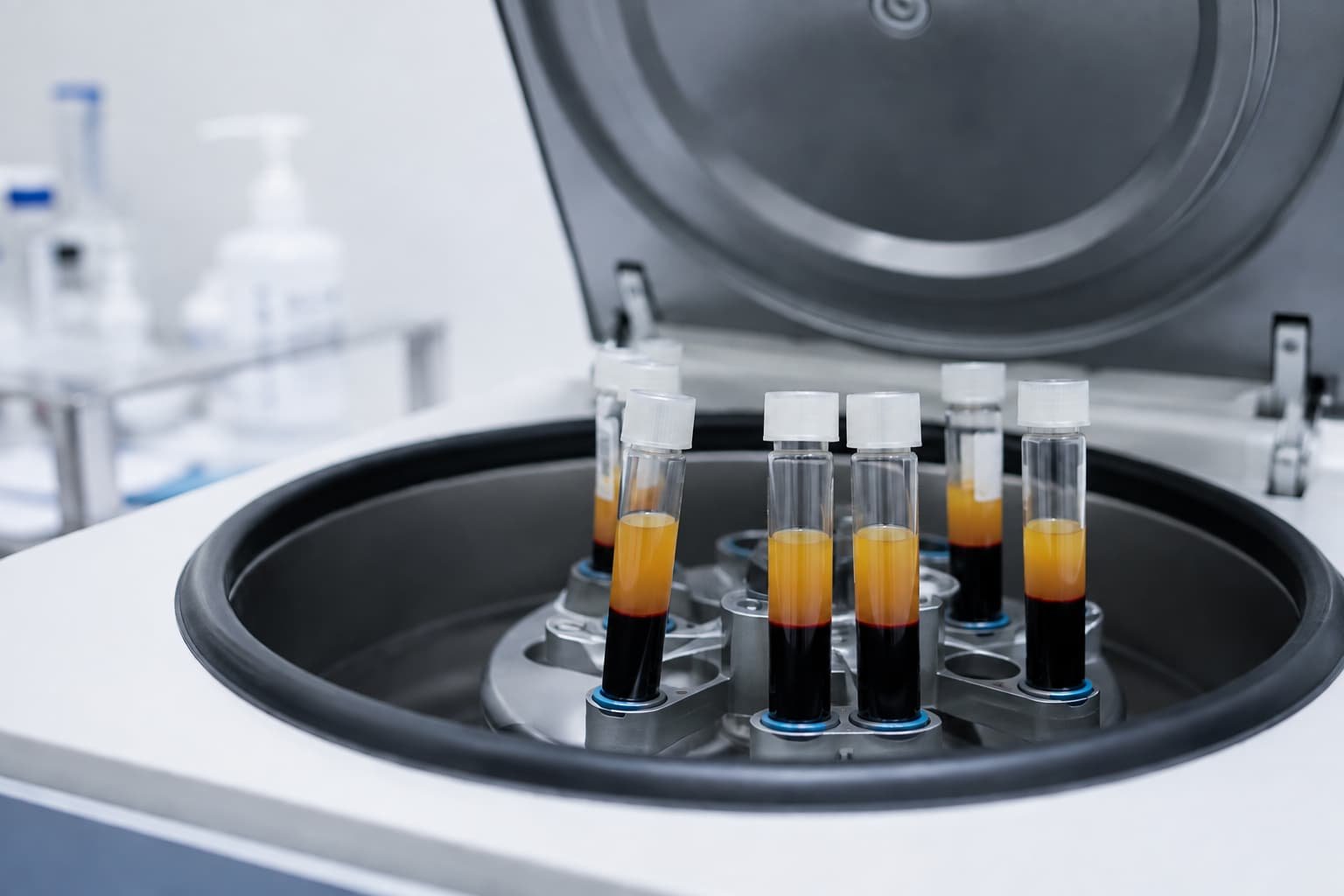
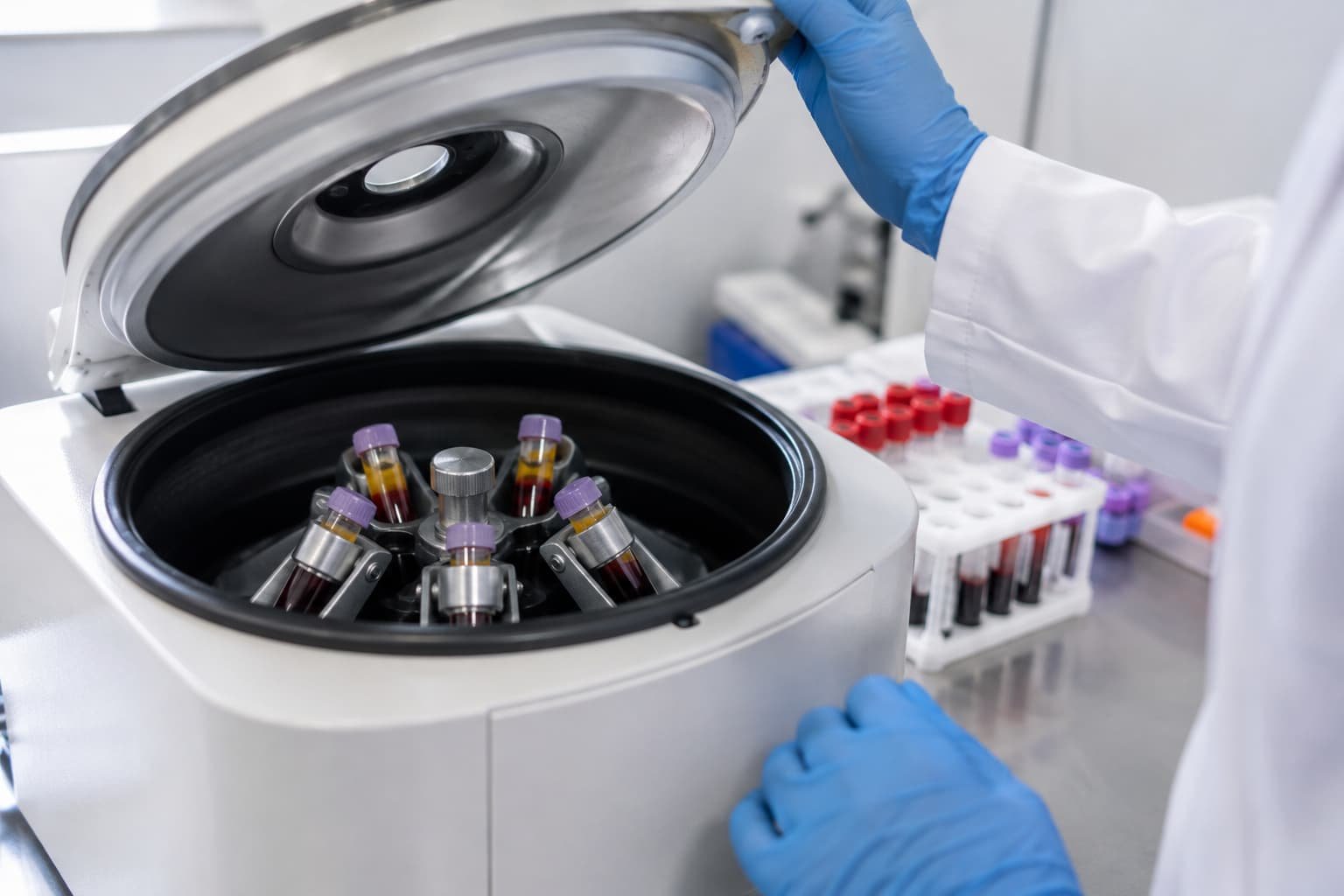
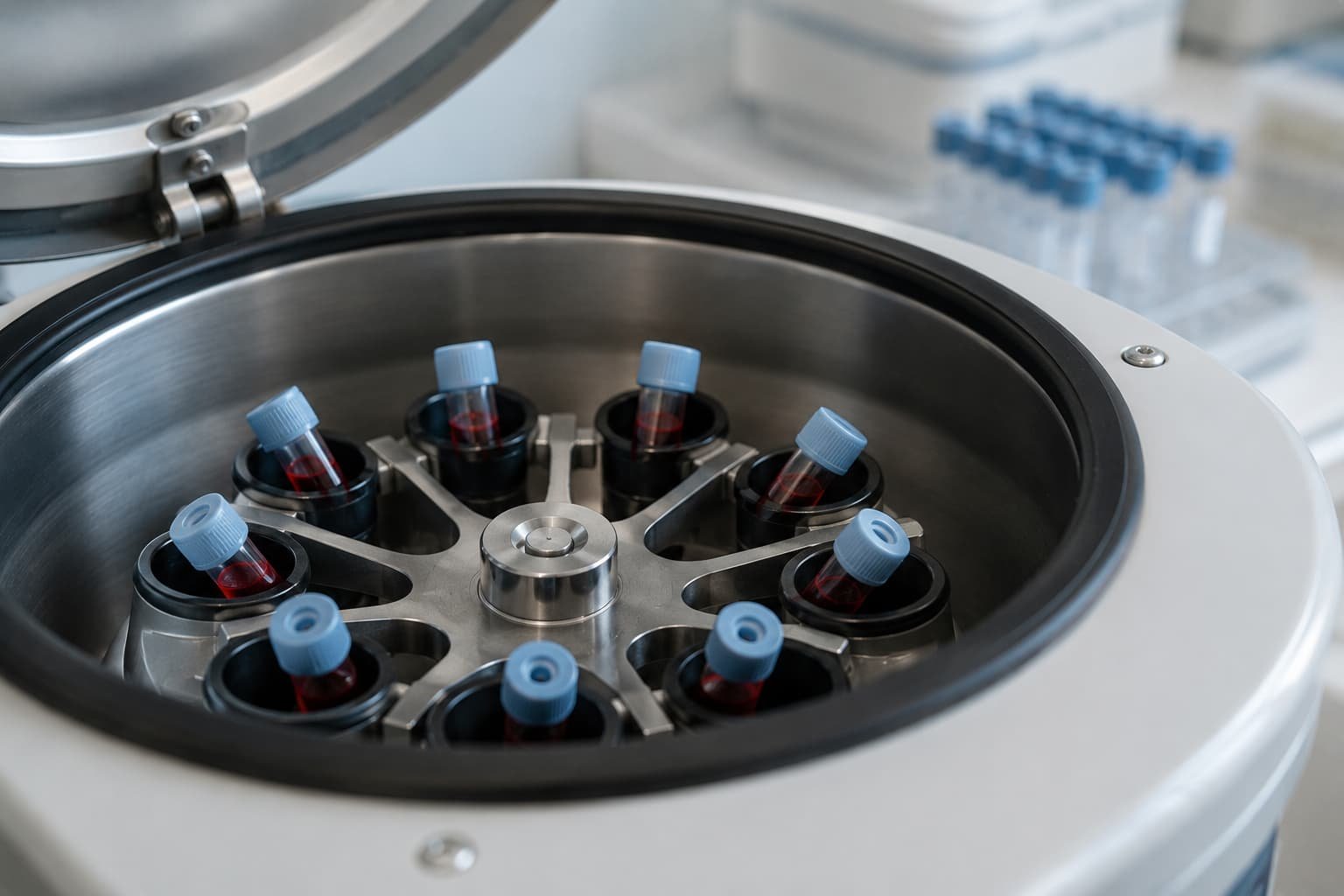
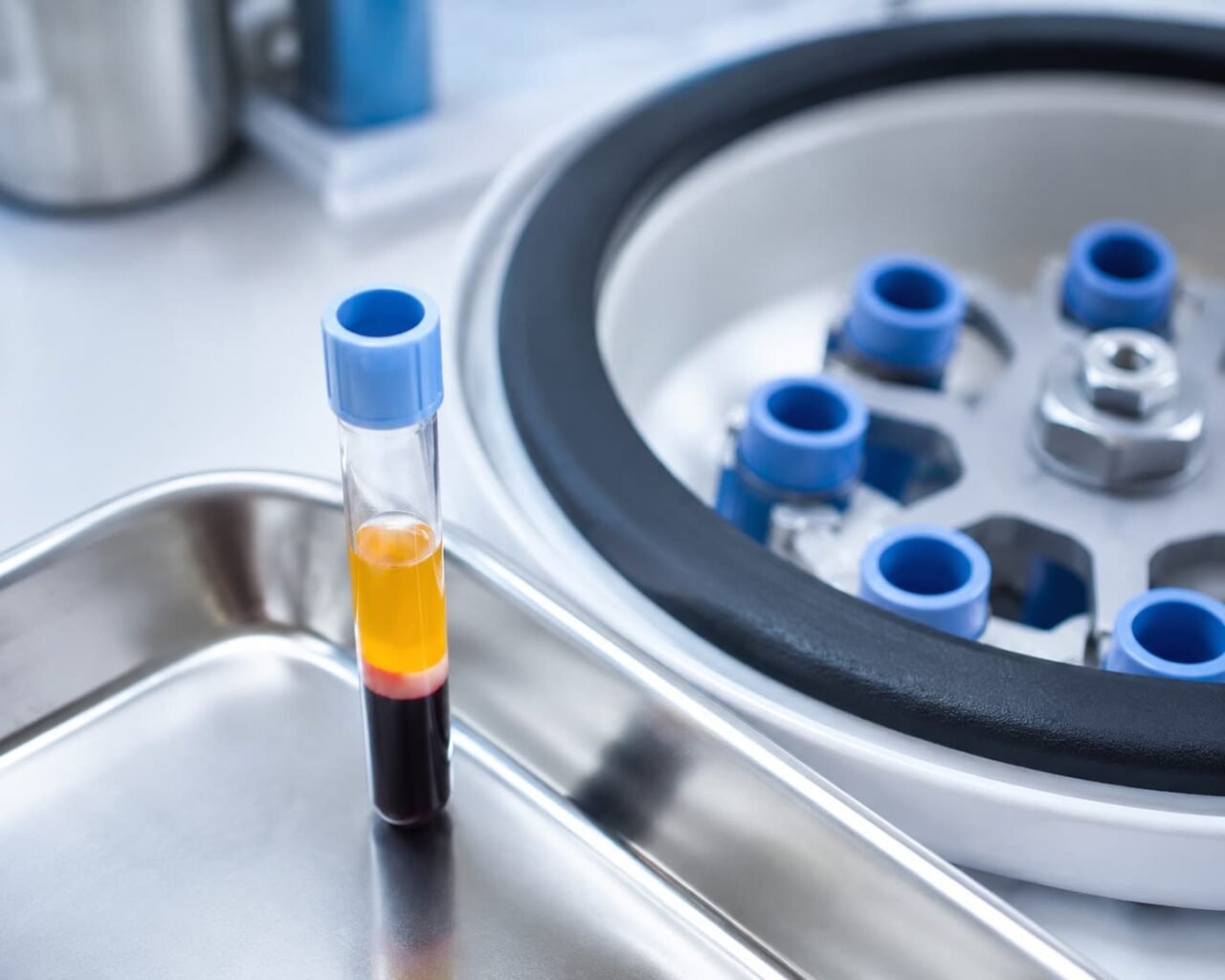
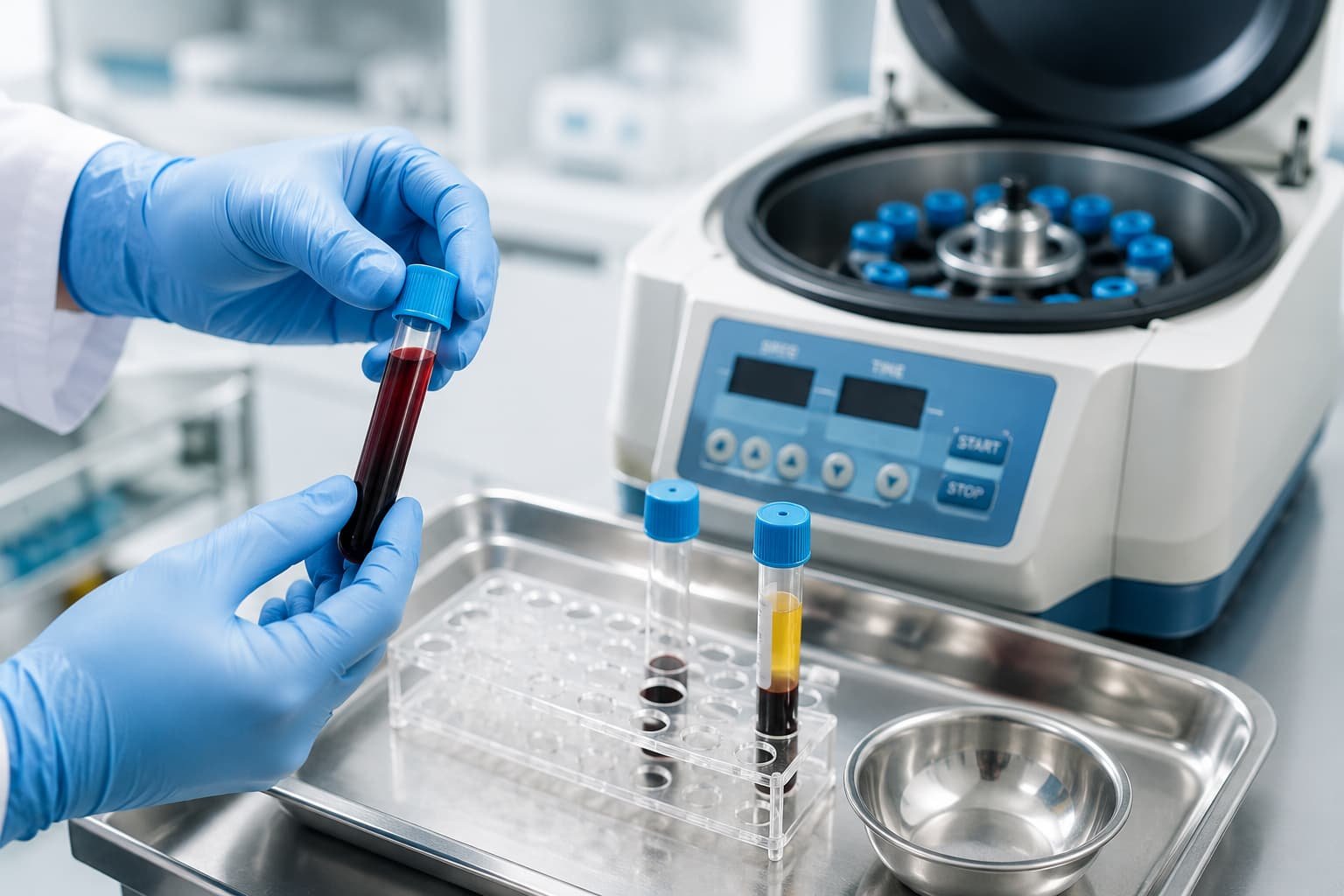
    PRP preparation process using a centrifuge for platelet-rich plasma therapy
    PRP therapy uses the patient’s own blood, processed to concentrate platelets and growth factors before injection.

    Platelet-rich plasma therapy has attracted growing interest as a regenerative treatment for male health in the UK. PRP is prepared from a small sample of the patient’s own blood. The sample is processed in a centrifuge to concentrate platelets and growth factors, which are then injected into penile tissue.

    A systematic review of 17 studies involving 1,099 patients examined PRP for erectile dysfunction and Peyronie’s disease. The review found small to moderate benefits, with mild and transient side effects. No major adverse events were reported.

    Animal studies suggest PRP has neurotrophic effects on damaged nerves. PRP may support axon myelination, reduce cell death, and encourage nerve fibre regeneration. These findings provide a theoretical basis for PRP cardiovascular ED applications, where vascular damage and nerve damage often coexist following cardiac disease.

    A meta-analysis of four randomised controlled trials, including 413 patients, found PRP produced a statistically significant improvement over placebo at one month and at six months. No significant difference was found at the three-month mark.

    Despite these findings, major urological bodies remain cautious. The European Association of Urology and the American Urological Association classify PRP for erectile dysfunction as experimental. Further large-scale, controlled trials are needed before PRP therapy for men’s performance issues becomes a routine recommendation.

    It is important to note that no published studies have specifically examined an advanced PRP solution for erectile dysfunction in men recovering from cardiac surgery. Existing evidence comes from general populations with vasculogenic erectile dysfunction. This represents a clear gap in current research, and one that patients should understand before considering treatment.

    The Priapus Shot (P-Shot): How the Treatment Works

    The Priapus Shot, often shortened to P-Shot or Pshot, is a specific PRP protocol developed for men’s intimate health. The P shot treatment uses platelet-rich plasma injected into targeted areas of the penis, aiming to support tissue repair and improved sensitivity.

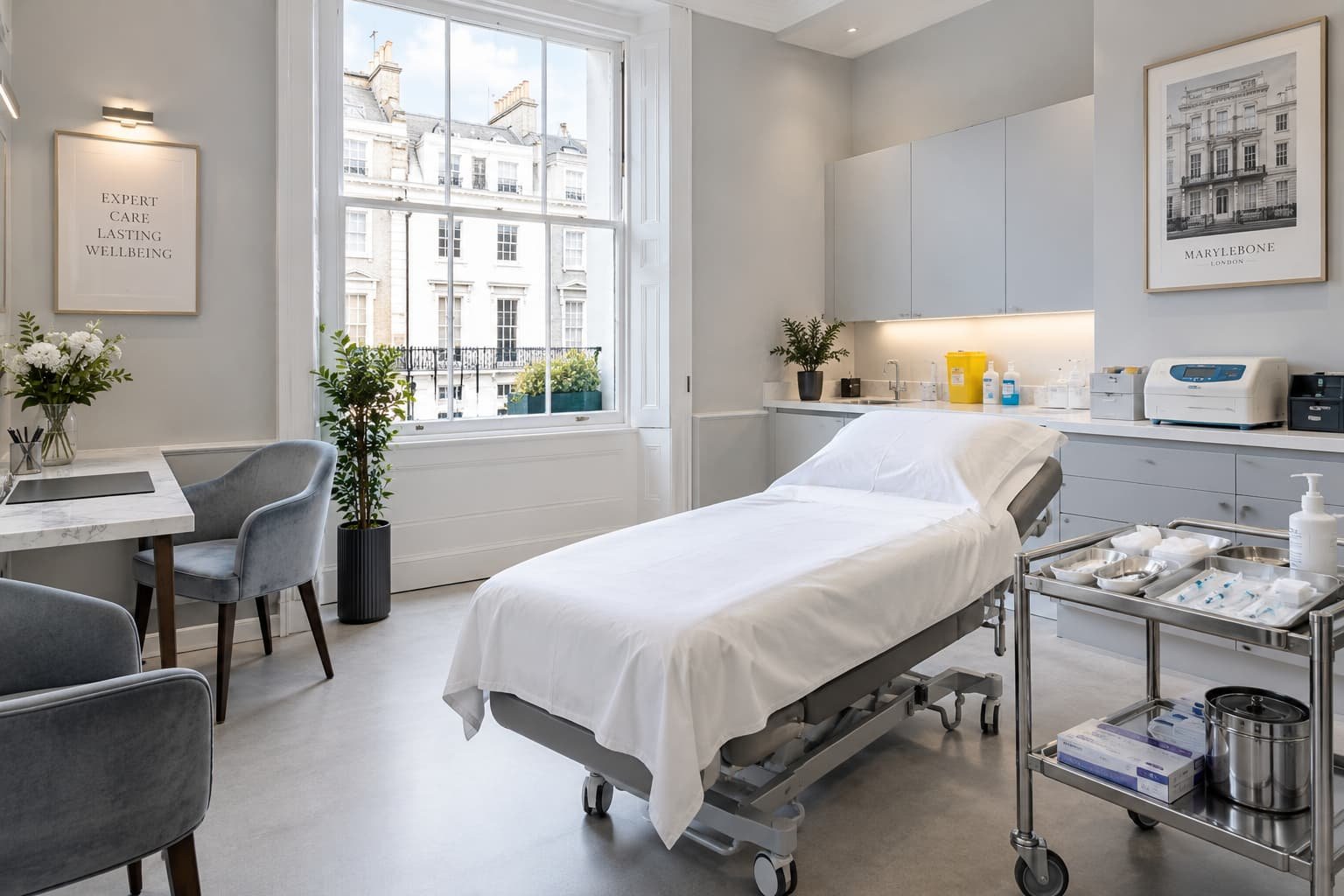
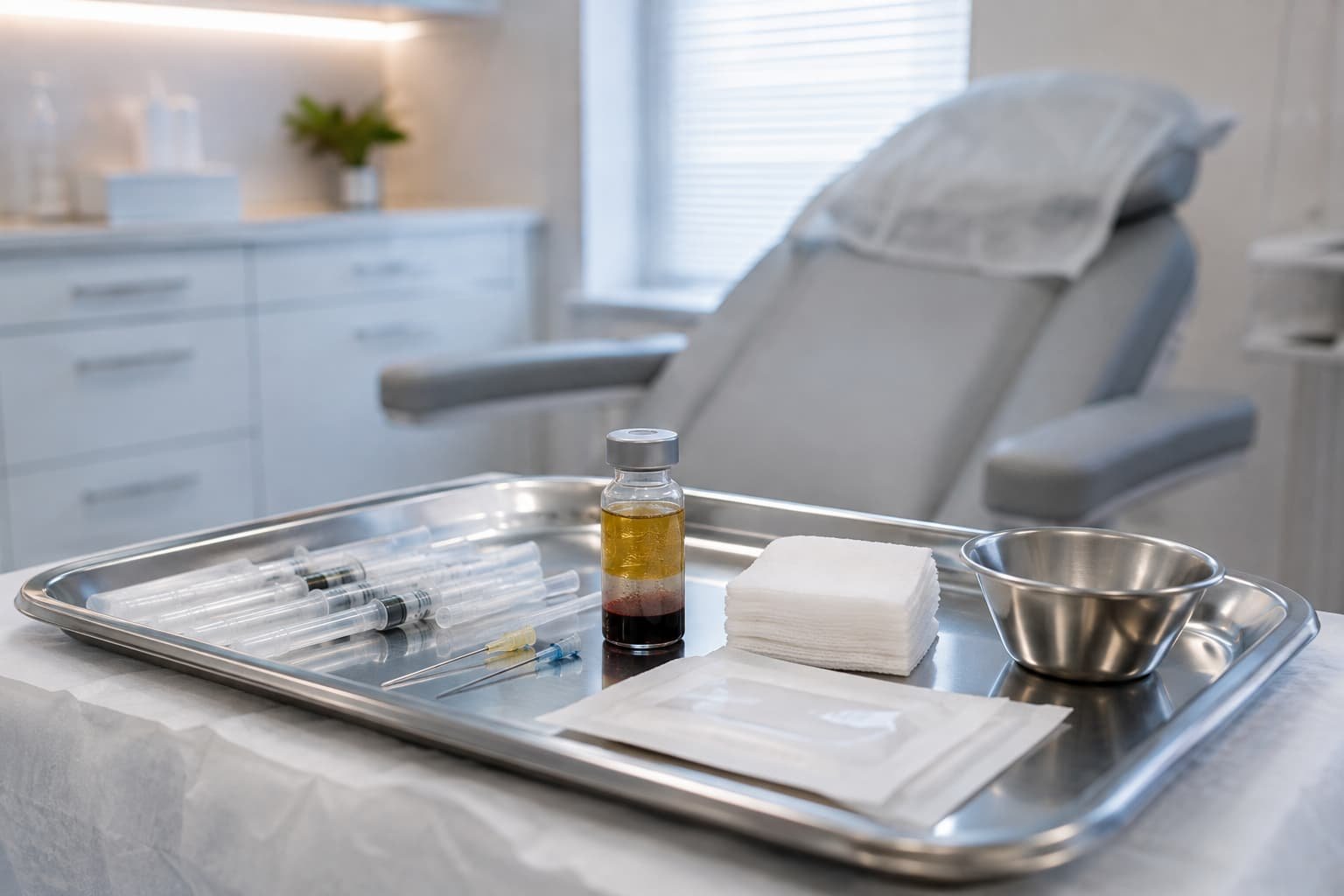
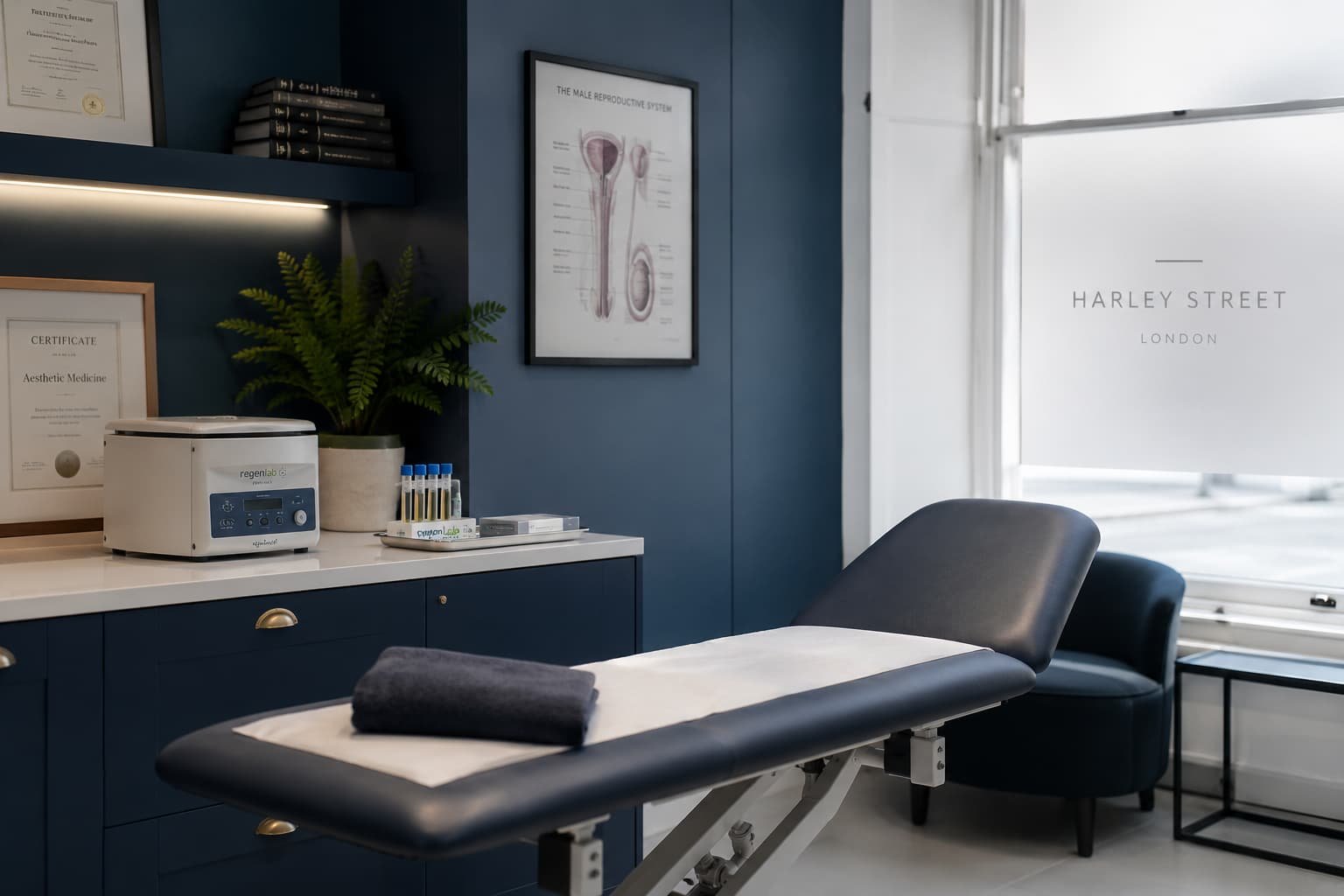
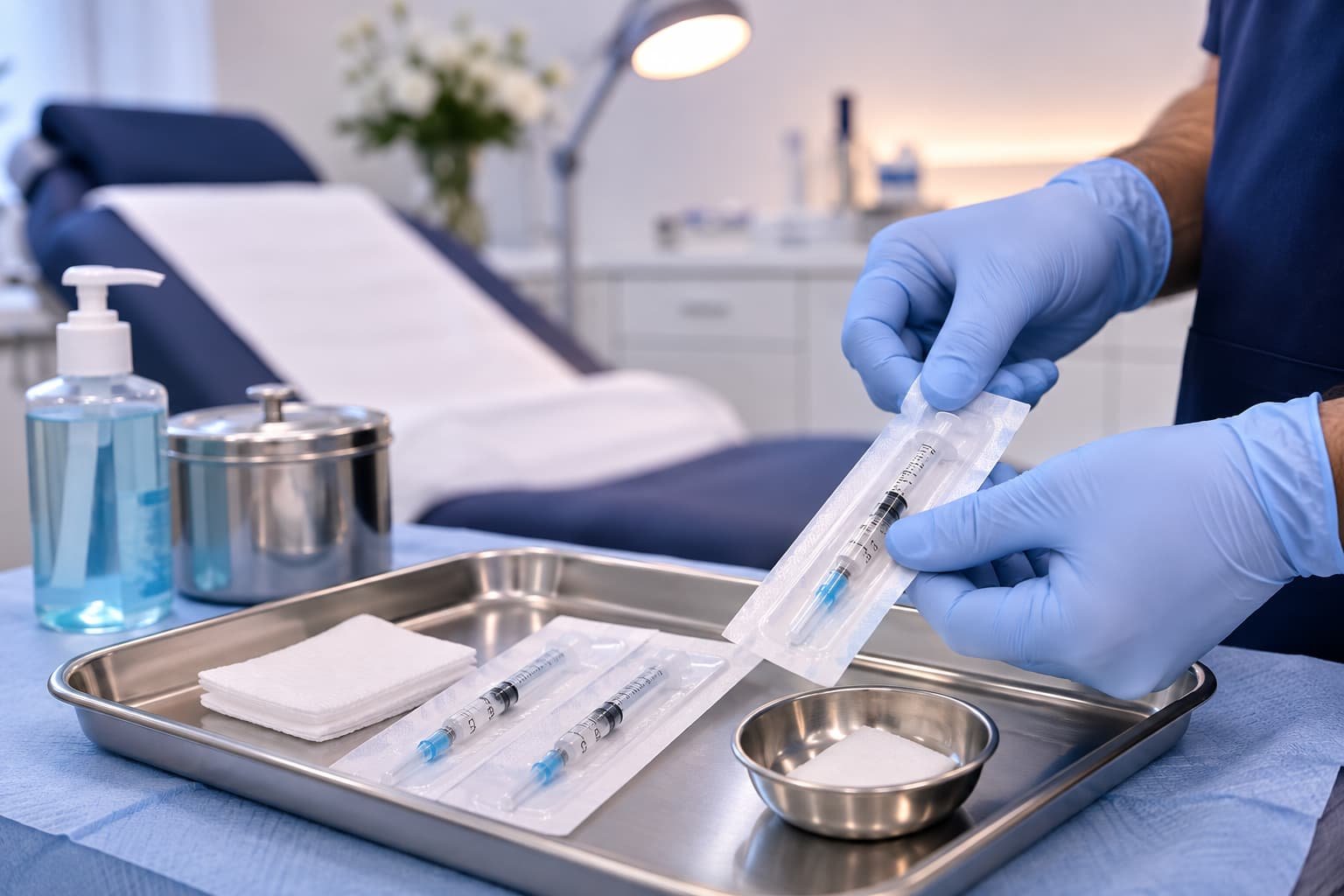
    Clinical setup for a P-Shot treatment using PRP injections in London
    The P-Shot procedure is performed as a short outpatient treatment using a fine-needle injection technique.

    The procedure begins with a blood draw, similar to a routine blood test. The sample is processed in a centrifuge to separate platelet-rich plasma from other blood components. A topical anaesthetic is applied to the treatment area. The PRP is then injected using a fine needle, a technique sometimes referred to as a P injection or penis shot.

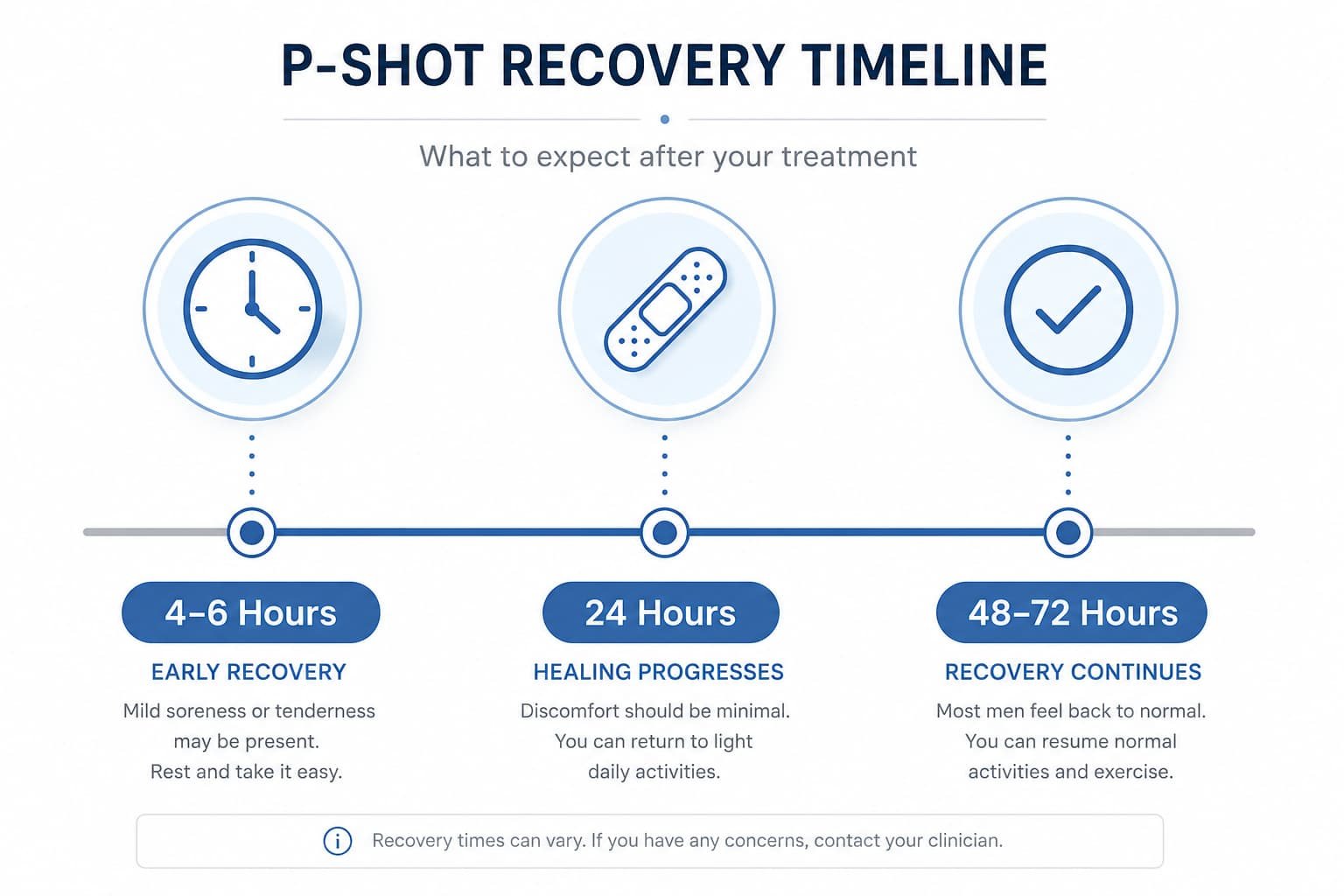
    The P-shot is performed as an outpatient procedure. It does not require general anaesthesia. The full appointment typically takes around 30 to 45 minutes. Recovery time is minimal, and most men resume normal daily activities within a day.

    P-Shot Before and After: Realistic Expectations

    Patients researching P shot before and after results, or P-shot before and after comparisons online, should approach marketing claims with caution. Clinical evidence describes outcomes as small to moderate, not dramatic or guaranteed.

    Any changes typically develop gradually over several weeks, as growth factors stimulate tissue repair. Some men may require repeat treatments to maintain results. Claims relating to penile injection growth and girth enhancement use different techniques and should not be confused with the P-Shot’s primary focus on erectile function.

    Priapus Shot Price and Cost Considerations in the UK

    Priapus shot price varies between clinics across the UK, depending on the protocol used and the experience of the practitioner. Patients researching P shot UK options, including Priapus shot London providers, should request a detailed consultation before committing to treatment.

    It is worth noting that male enlargement injections cost uk searches often combine different procedures. Dermal filler injections aimed at girth enhancement differ significantly from PRP injections aimed at improving erectile function. Patients should clarify which procedure they are researching before comparing prices.

    Is PRP Suitable for Men Recovering From Erectile Dysfunction After Heart Surgery?

    Men considering PRP for erectile dysfunction following cardiac surgery should discuss several safety factors with their medical team before proceeding.

    Man recovering from heart surgery during light exercise as part of cardiac rehabilitation
    Confirming cardiac stability through rehabilitation and medical review is essential before considering PRP treatment.

    Many cardiac patients take antiplatelet or anticoagulant medications, such as aspirin or clopidogrel. These medications increase bleeding risk during any injection procedure. A full medication review is essential before treatment is considered.

    Full cardiac recovery should be confirmed before any elective procedure, including PRP, is considered. This typically requires clearance from a cardiologist or GP, alongside a review of overall fitness for minor procedures.

    Clinics offering non-surgical treatment for erectile dysfunction in London, such as pshots clinic uk on Harley Street, led by Dr Syed Nadeem Abbas, conduct medical assessments before any PRP-based regenerative therapy for ED is considered. This assessment identifies whether a patient’s cardiac history affects their suitability for treatment.

    Men seeking erectile dysfunction treatment London should ensure any clinic offers thorough pre-treatment screening, particularly when a cardiac history is involved. Men’s intimate health treatment in London should always begin with a medical assessment, not a cosmetic consultation.

    Frequently Asked Questions

    Is erectile dysfunction common after heart surgery?

    Yes. Studies report erectile dysfunction in 46% to 84% of men with cardiovascular disease, and rates increase further in the months following cardiac surgery. It is one of the most common, and most under-reported, effects of cardiac recovery.

    Do heart problems cause erectile dysfunction?

    In many cases, yes. Heart disease and erectile dysfunction share the same underlying vascular damage. Reduced blood flow affects the penis and the heart, often with erectile dysfunction appearing first.

    What can a heart patient take for erectile dysfunction?

    Options include PDE5 inhibitors, where suitable, cardiac rehabilitation, counselling, and lifestyle changes. PDE5 inhibitors are unsuitable for men taking nitrate medication. All options should be reviewed by a cardiologist or GP before starting.

    Is PRP safe for heart patients?

    PRP can be appropriate for some cardiac patients once cardiologist clearance is confirmed and medication risks are reviewed. It is not automatically safe for every man recovering from heart surgery, particularly during early recovery or while taking blood-thinning medication.

    Are there any side effects of PRP injections?

    Reported side effects are generally mild and temporary, including bruising, swelling, and discomfort at the injection site. Serious adverse events are rare in published studies. Cardiac patients on blood-thinning medication face a higher bleeding and bruising risk.

    Who should avoid PRP?

    Men in early cardiac recovery, those on antiplatelet or anticoagulant medication without medical clearance, and those with active infections or untreated bleeding disorders should avoid PRP. Anyone expecting guaranteed results should also reconsider, given the current evidence base.

    Key takeaways

    Erectile dysfunction after heart surgery is common, well-documented, and closely linked to underlying cardiovascular health. PRP therapy, including the P-Shot, shows some promising early evidence but remains classified as experimental for this specific use.

    Men experiencing this condition should prioritise cardiovascular health, discuss medication effects with their care team, and seek a thorough medical assessment before considering any regenerative treatment.

    Given the current state of evidence, how should patients and clinicians weigh early promise against the need for more robust, cardiac-specific research?

    Read more: The P Shot UK: An Effective Treatment for Erectile Dysfunction and Cardiovascular Health

    How Lifestyle Affects P Shot UK Results – Diet, Exercise, and Sleep

    P shot treatment London

  • P-Shot for Performance Anxiety: Can It Restore Confidence?

    P-Shot for Performance Anxiety: Can It Restore Confidence?

    Performance anxiety erectile dysfunction does not always originate in damaged tissue or restricted blood flow. In a significant proportion of men, the underlying disruption is neuropsychological. The brain suppresses the erectile response before any physical stimulus reaches the genitals. Standard phosphodiesterase-5 (PDE5) inhibitors address vascular mechanics. They do not recalibrate the hypothalamic-pituitary-adrenal (HPA) axis that drives anxiety-induced vasoconstriction.

    This distinction matters clinically. A man whose performance anxiety erectile dysfunction stems from conditioned fear responses may show no vascular abnormality on penile Doppler imaging yet still fail to achieve or sustain an erection under real-world conditions. Treating the vascular system alone will not resolve the problem.

    PRP-based regenerative therapy — delivered via the P-Shot — approaches this problem differently. By stimulating neovascularisation, neural regeneration, and local tissue repair, the treatment introduces a structural change that may interrupt the anxiety-erection feedback loop at a physiological level. This article examines the evidence, the mechanism, and the realistic outcomes.

    Understanding Performance Anxiety and Erectile Dysfunction

    The Psychogenic and Physiological Overlap

    The NHS classifies erectile dysfunction (ED) as either organic (physical) or psychogenic (psychological), though the two categories frequently coexist. Performance anxiety erectile dysfunction describes a specific psychogenic subtype in which anticipatory anxiety triggers sympathetic nervous system activation. This releases noradrenaline, which causes smooth muscle contraction in the corpus cavernosum and reduces penile blood inflow.

    A 2021 systematic review published in the Journal of Sexual Medicine found that psychogenic factors contribute to ED in up to 40% of men under 40. Anxiety-driven suppression of erectile function can subsequently cause real vascular changes over time — converting what begins as a psychological ED pattern into a mixed-aetiology condition.

    Why Conventional Treatments Fall Short

    PDE5 inhibitors such as sildenafil remain a first-line recommendation per NICE Clinical Guideline CG97. They are effective in organic ED. However, in men with anxiety erection dysfunction driven by conditioned fear, the cortical suppression occurs upstream of where these drugs act.

    Cognitive behavioural therapy (CBT) addresses the psychological component effectively. The British Association for Sexual Health and HIV (BASHH) supports psychosexual counselling as a first-line option in psychogenic ED. Yet many men prefer a physiological intervention, particularly when psychological distress is compounded by tissue changes from ageing or prior injury.

    What Is the P-Shot?

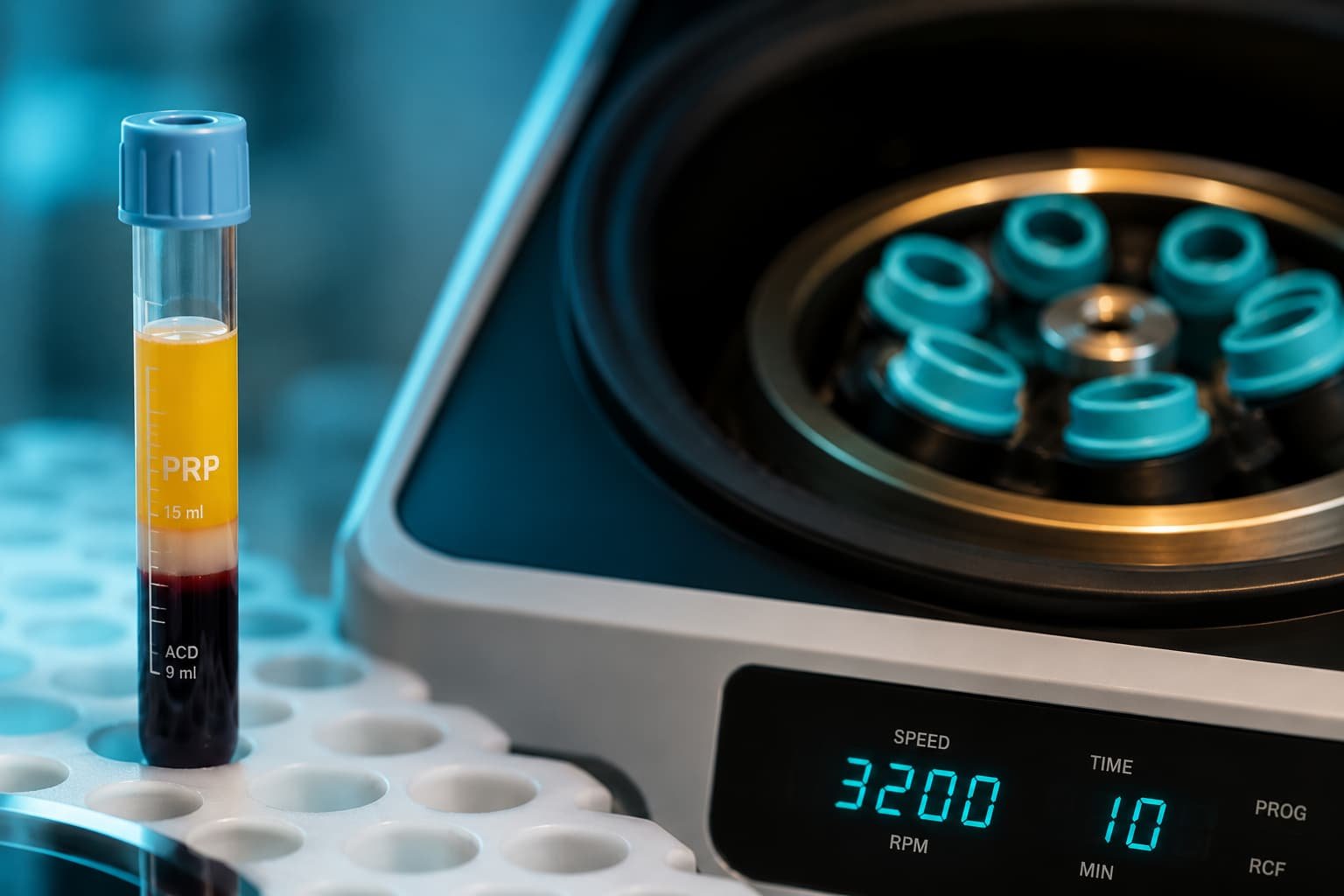
    Centrifuge machine producing platelet-rich plasma PRP for P-Shot erectile dysfunction treatment
    PRP is isolated through centrifugation, concentrating platelets to three to five times their baseline level before injection.

    Definition and Mechanism

    The P-Shot — formally termed the Priapus shot — is a non-surgical treatment that uses platelet-rich plasma (PRP) derived from the patient’s own blood. The clinician centrifuges a blood sample to isolate plasma with a concentrated platelet count, typically three to five times that of baseline blood.

    The priapus shot delivers growth factors — including platelet-derived growth factor (PDGF), vascular endothelial growth factor (VEGF), and transforming growth factor-beta (TGF-β) — directly into penile tissue. These factors stimulate angiogenesis (new blood vessel formation), nerve regeneration, and smooth muscle repair.

    This classifies the P shot treatment as a regenerative treatment for male health in the UK, aimed at restoring the underlying tissue environment rather than providing a temporary pharmacological effect.

    How PRP Interacts with the Anxiety-ED Cycle

    Tissue fibrosis and endothelial dysfunction are known sequelae of chronic sympathetic overactivation. When performance anxiety erectile dysfunction persists over months or years, it can produce measurable structural changes in penile vasculature. PRP therapy targets these secondary changes.

    Improved vascular perfusion and cavernosal smooth muscle health allow for a stronger, more reliable erectile response. This structural improvement may reduce the physiological threshold needed to achieve erection, which in turn reduces the anticipatory anxiety associated with potential failure. The cycle — fear of failure leading to failure reinforcing fear — can be interrupted when the physiological foundation becomes more robust.

    This is not a psychological intervention. The P shot confidence that men report following treatment is, in clinical terms, a secondary outcome of measurably improved erectile function — not a direct effect of the injection on mood or cognition.

    The Evidence Base for PRP-Based Regenerative Therapy in ED

    Clinical assessment form used to evaluate erectile function outcomes after P-Shot PRP therapy
    Standardised tools such as the International Index of Erectile Function (IIEF) measure treatment outcomes in published PRP studies.

    Clinical Studies on PRP and Erectile Function

    A 2020 randomised controlled trial published in Sexual Medicine (Matz et al.) evaluated intracavernosal PRP injections in men with mild-to-moderate ED. The authors reported statistically significant improvements in International Index of Erectile Function (IIEF) scores at three and six months post-treatment.

    A 2017 pilot study by Epifanova et al., published in European Urology Supplements, assessed PRP therapy for men’s performance issues following radical prostatectomy — a population with known nerve damage. Results showed improved erectile response in a proportion of participants, supporting the nerve regeneration hypothesis.

    Research into advanced PRP solution for erectile dysfunction continues. The current evidence classifies PRP as a promising but not yet definitively proven treatment. Larger randomised controlled trials with standardised protocols are required before NICE or the MHRA can issue formal guidance on its use.

    What P-Shot Before and After Data Suggests

    Published P-shot before and after outcomes — both in the peer-reviewed literature and in clinic-reported data — indicate improvements across multiple domains. These include erectile rigidity, duration of erection, sensitivity, and patient-reported sexual confidence.

    A retrospective cohort analysis published in The Aging Male (2019) documented improved IIEF-5 scores in men with mixed-aetiology ED after two PRP sessions. Notably, improvements in psychometric measures of sexual confidence correlated with the physiological improvements — reinforcing the view that p shot before and after outcomes operate through structural, not psychological, mechanisms.

    It is important to note that individual results vary. Not every man who undergoes a penis shot will achieve the same degree of improvement. Outcomes depend on the severity and duration of ED, the patient’s vascular health, age, and the presence of comorbidities such as diabetes or hypertension.

    Who Is a Suitable Candidate?

    Doctor and male patient in private medical consultation discussing non-surgical erectile dysfunction treatment London
    A thorough clinical consultation is essential before any P-shot treatment to assess suitability and manage expectations.

    Clinical Indications

    The Pshot is most likely to benefit men whose performance anxiety erectile dysfunction has a confirmed psychogenic component with secondary vascular changes, or a mixed organic-psychogenic aetiology. Suitable candidates typically include:

    • Candidates include those with mild-to-moderate erectile dysfunction who have not responded to PDE5 inhibitors.
    • Post-prostatectomy patients experiencing erectile difficulties may also benefit.
    • Individuals in London seeking a non-surgical option without systemic pharmacological exposure are considered suitable.
    • Anxiety-related avoidance linked to Peyronie’s disease is another indication.
    • Psychogenic erectile dysfunction accompanied by confirmed cavernosal tissue changes rounds out the group.

    Contraindications and Limitations

    The P-shot is not appropriate for all patients. Clinicians should conduct a thorough medical assessment prior to any penile injection growth treatment. Contraindications include active platelet disorders, anticoagulant therapy that cannot be temporarily discontinued, active penile infection, or platelet dysfunction syndromes.

    Men with purely psychological ED, where no physiological changes are present, may derive limited structural benefit from PRP alone. In these cases, psychosexual therapy should be the primary intervention, with P-shot treatment considered as an adjunct if physiological dysfunction subsequently develops.

    All men should understand that this is a natural ED treatment using PRP therapy — not a cure. It does not address the underlying cognitive patterns that sustain performance anxiety. For optimal outcomes, clinicians in the UK recommend combining PRP therapy with psychological support where psychogenic factors dominate.

    The P-Shot Procedure: What to Expect

    The Clinical Process

    The P injection procedure takes approximately 60 to 90 minutes in a clinical setting. The process involves the following steps:

    • Venepuncture is performed to collect 20–60ml of the patient’s blood.
    • The sample is then centrifuged to yield platelet-rich plasma (PRP) with a concentration 3–5× above baseline.
    • Before injection, a topical anaesthetic cream is applied to the penis.
    • Using ultrasound guidance, the PRP is injected into the corpus cavernosum and glans.
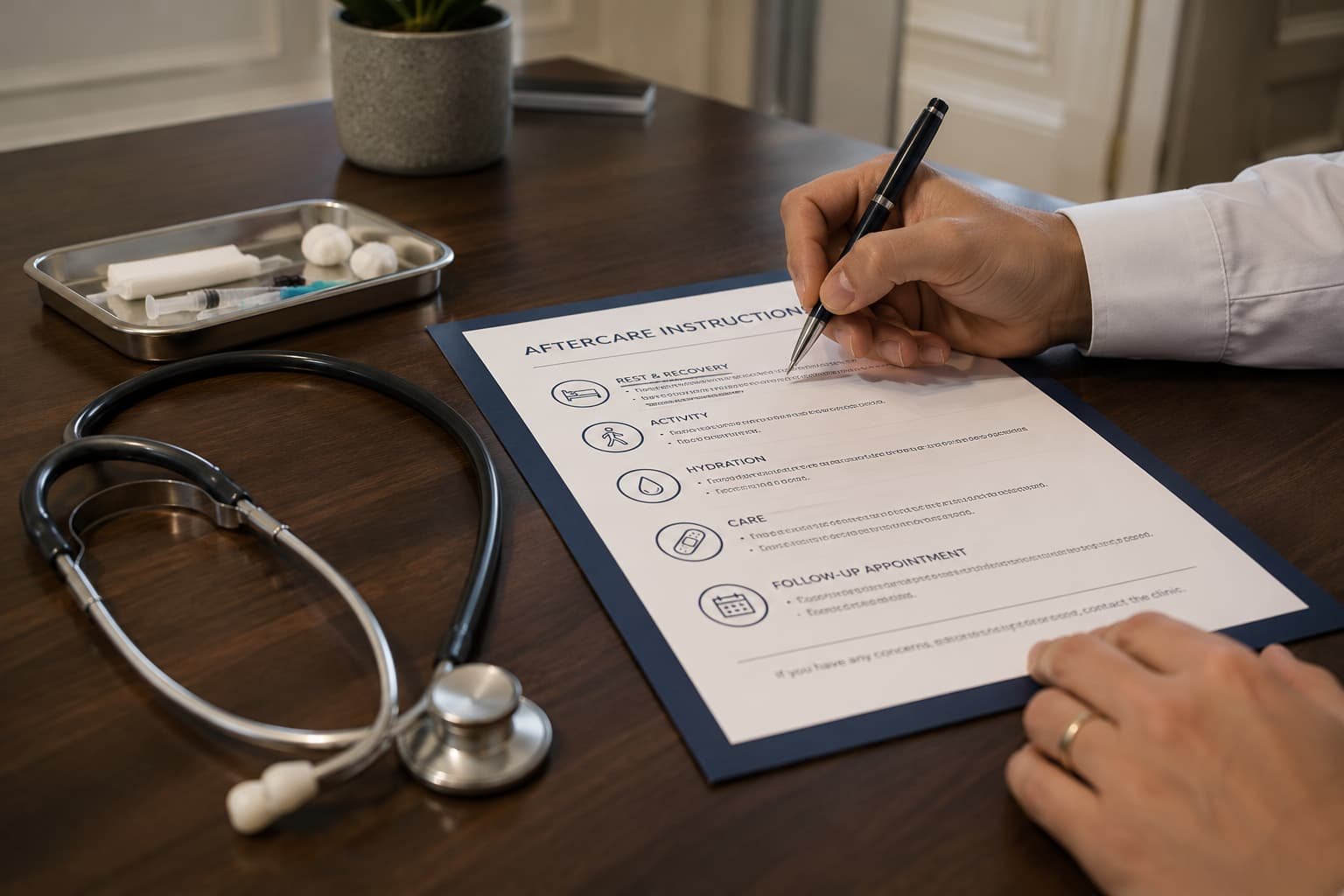
    • Finally, the patient undergoes post-procedure observation and receives detailed instructions for aftercare.

    Clinics offering Priapus shot London services should use ultrasound guidance to ensure accurate placement. Freehand injection increases the risk of haematoma and reduces the precision of growth factor delivery.

    Recovery and Results Timeline

    Most men resume normal activity within 24 hours. Erectile response may initially be variable as the tissue undergoes remodelling. Clinically meaningful improvements typically appear at four to eight weeks, with optimal results at three to six months.

    A minority of men require a second session. Clinics offering erectile dysfunction treatment London should provide a follow-up consultation at six weeks to assess early response and determine whether additional treatment is appropriate.

    P-Shot UK: Cost, Access, and Regulation

    Priapus Shot Price and Male Enlargement Injections Cost UK

    In the United Kingdom, the Priapus shot price varies between clinics and practitioners. Based on current market rates, men can expect to pay between £800 and £2,000 per session depending on the practitioner’s qualifications, the technology used, and the geographic location of the clinic.

    When researching male enlargement injections cost UK, patients should note that cheaper providers may not use ultrasound guidance, may use non-standardised PRP preparation protocols, or may lack sufficient clinical oversight. Cost should not be the primary determinant of provider selection.

    Regulation in the UK

    The P-shot is not currently regulated as a licensed medical device by the MHRA. PRP procedures in the UK operate within a non-surgical aesthetic and regenerative medicine framework. Practitioners should hold relevant medical qualifications and carry appropriate indemnity insurance.

    The Care Quality Commission (CQC) registers medical clinics in England. Men seeking P shot UK services should verify that the clinic is CQC-registered and that the administering practitioner is on the GMC register.

    Harley Street private clinic London offering P-Shot Priapus shot treatment for erectile dysfunction
    Men seeking P-shot treatment in London should verify that their chosen clinic is CQC-registered and led by a GMC-registered practitioner.

    Dr Syed Nadeem Abbas at pshots clinic uk offers this procedure at his Harley Street clinic, with assessments conducted in accordance with established clinical protocols.

    Addressing Performance Anxiety Alongside PRP Therapy

    The Role of Combined Approaches

    No regenerative treatment corrects conditioned psychological responses in isolation. Men seeking men’s intimate health treatment in London for performance-anxiety-driven ED achieve the best outcomes when PRP therapy is delivered as part of a broader management plan.

    Evidence-based psychological approaches used alongside PRP-based regenerative therapy for ED include:

    • Cognitive behavioural therapy (CBT) is used to challenge catastrophising thoughts and reduce avoidance behaviours.
    • Within psychosexual therapy, sensate focus exercises help couples rebuild intimacy and comfort.
    • To lower baseline sympathetic activation, mindfulness-based stress reduction techniques are introduced.
    • When relationship dynamics contribute to anxiety, couples therapy provides a structured space to address those patterns.

    The British Society for Sexual Medicine (BSSM) recommends addressing both biological and psychological factors in men with mixed-aetiology ED. This integrated model is consistent with NICE Guideline CG97, which emphasises a holistic assessment before any treatment pathway is initiated.

    Managing Expectations

    Men undergoing P shot treatment should receive clear pre-treatment counselling. PRP therapy for men’s performance issues does not produce immediate results. The tissue remodelling process takes weeks. Men who expect instant improvement are likely to experience renewed anxiety in the interval before benefits become apparent.

    Clinicians should explain that the goal of treatment is to reduce the physiological vulnerability that sustains performance anxiety erectile dysfunction — not to eliminate anxiety itself. Managing this distinction clearly reduces unrealistic expectations and supports better psychological engagement with the recovery process.

    Frequently Asked Questions

    Is the P-Shot painful?

    Topical anaesthetic cream is applied to the treatment area before the procedure. Most men report minimal discomfort. Some experience mild bruising or swelling for 24–48 hours post-injection, which resolves without intervention.

    How many sessions are required?

    Many men see meaningful improvement after a single session. A second session may be recommended at three to six months if the response is partial. The treating clinician should reassess at follow-up before recommending further treatment.

    Is PRP therapy safe?

    PRP uses the patient’s own blood, which eliminates the risk of immune rejection or blood-borne pathogen transmission from exogenous material. Adverse events are uncommon but include haematoma at the injection site, temporary penile discomfort, and, rarely, infection. These risks are minimised by adherence to sterile technique and ultrasound guidance.

    Does the P-Shot work for purely psychological ED?

    The psychological ED subtype with no physiological component is best addressed through psychosexual therapy. The P-shot targets tissue-level changes. Men with no vascular or structural pathology are unlikely to derive significant benefit from PRP alone and should be directed to appropriate psychological support.

    How does the P-Shot differ from other erectile dysfunction treatments?

    PDE5 inhibitors provide a temporary pharmacological effect lasting four to 36 hours depending on the compound. Penile prostheses are surgical and irreversible. The P-shot aims for durable structural improvement through tissue regeneration. It does not interact with most medications, carries no systemic pharmacological burden, and requires no surgery.

    What results are realistic?

    Published clinical data shows improvements in IIEF scores, erectile rigidity, and sexual satisfaction in a significant proportion of men. However, not all men respond. Results depend on baseline tissue health, age, comorbidities, and adherence to any concurrent psychological or lifestyle interventions.

    Can I combine the P-Shot with PDE5 inhibitors?

    Yes. Many clinicians recommend continuing PDE5 inhibitors during the initial post-treatment period while the tissue remodelling process develops. This combination is considered safe. The long-term goal may be to reduce dependence on pharmacological support as tissue health improves.

    Conclusion

    Performance anxiety erectile dysfunction sits at the intersection of neurobiology, vascular physiology, and conditioned behaviour. No single treatment addresses all three layers simultaneously.

    The P-Shot — as a form of PRP-based regenerative therapy for ED — addresses the physiological layer. It supports neovascularisation, smooth muscle repair, and neural recovery in penile tissue. This structural improvement can reduce the physical threshold for erectile response and, consequently, lower the anxiety associated with anticipated failure.

    The evidence base is growing but not yet sufficient for NICE-level endorsement. Men considering this treatment should approach it with informed expectations: it is a promising, evidence-supported option within a wider clinical framework — not a standalone solution.

    For men whose anxiety erection cycle has persisted for years, the physiological damage may be real and measurable. Addressing it with regenerative medicine whilst concurrently engaging in psychological support represents the most defensible clinical strategy available in the UK today.

    The deeper question facing clinicians and researchers alike remains: how much of what men call ‘lost confidence’ is a psychological state, and how much is a biological signal waiting to be treated?

    Read more: When Will I See Results from P Shot in London? A Realistic Timeline

    How Lifestyle Affects P Shot UK Results – Diet, Exercise, and Sleep

    P shot Treatment London

  • Exosomes vs PRP: What Is the Difference for Male Sexual Health?

    Exosomes vs PRP: What Is the Difference for Male Sexual Health?

    Regenerative medicine is changing how clinicians approach male sexual dysfunction. Two treatments have attracted significant clinical attention: platelet-rich plasma (PRP) therapy and exosome therapy. Both target tissue repair at a cellular level. Both deliver active biological signals into penile tissue. Yet they differ considerably in their origin, mechanism, and evidence base.

    This article provides a structured, evidence-based comparison of exosomes vs PRP for male sexual health. It covers how each therapy works, what the current research shows, and what men in the UK should understand before considering either option.

    The Biological Basis of Both Treatments

    Sexual dysfunction in men often involves compromised vascular supply, reduced smooth muscle function, and impaired nerve signalling within penile tissue. Standard pharmacological interventions, such as phosphodiesterase-5 inhibitors, address symptoms rather than underlying tissue pathology.

    Regenerative approaches aim to restore cellular function. They do this by delivering growth factors or intercellular signals directly to damaged tissue. Both PRP and exosome therapy operate on this principle, though through distinct biological pathways.

    What Is PRP and How Does It Work?

    Platelet-rich plasma is an autologous preparation derived from the patient’s own blood. A clinician draws a blood sample, processes it through centrifugation, and extracts the plasma fraction. This fraction is rich in platelets.

     Medical centrifuge separating platelet-rich plasma from whole blood for PRP therapy preparation
    PRP is prepared by centrifuging the patient’s own blood to isolate the platelet-rich plasma fraction, which contains the concentrated growth factors used in the Priapus shot protocol.

    Platelets contain alpha granules. These granules store several growth factors, including platelet-derived growth factor (PDGF), vascular endothelial growth factor (VEGF), transforming growth factor-beta (TGF-β), and insulin-like growth factor (IGF). When activated, platelets release these factors into surrounding tissue.

    In the context of male sexual health, PRP therapy for men’s performance issues is delivered via penile injection. This method is widely referred to as the Priapus Shot, the P-shot, or the P shot treatment. The term Priapus shot originates from the work of American physician Dr Charles Runels, who developed the protocol. In the UK, the P shot London and wider P shot UK offerings have grown substantially over the past decade.

    The growth factors released from PRP stimulate local tissue repair, encourage neovascularisation, and may support nerve regeneration. Clinical interest in natural ED treatment using PRP therapy has grown as a result.

    What Are Exosomes and How Do They Differ?

    Exosomes are small extracellular vesicles. They measure approximately 30 to 150 nanometres in diameter. Cells across the body produce and release exosomes as part of normal intercellular communication.

    Exosomes carry a complex cargo. This includes proteins, lipids, messenger RNA (mRNA), and microRNA. When exosomes reach target cells, they transfer this cargo across cell membranes. This process modulates gene expression and influences cellular behaviour.

     Scientific illustration of an exosome vesicle transferring mRNA and microRNA cargo to a target cell in regenerative therapy
    Exosomes transfer biological cargo — including mRNA and microRNA — across cell membranes, modulating gene expression and promoting tissue repair at a molecular level.

    In regenerative medicine, exosomes derived from mesenchymal stem cells (MSCs) carry particularly potent signalling capacity. Research suggests MSC-derived exosomes can suppress inflammation, support angiogenesis, and promote tissue repair. Unlike PRP, exosome therapy uses cell-derived vesicles rather than blood components. Some formulations use autologous exosomes, derived from the patient’s own cells. Others use allogeneic preparations from donor cell lines.

    The exosome vs PRP distinction is therefore not only biological but also logistical. PRP is always autologous and produced at the point of care. Exosome preparations may be standardised, manufactured in advance, and applied with more consistent dosing.

    Exosomes vs PRP: A Structured Comparison

    The table below summarises the key differences between the two therapies in the context of male sexual health.

    FeaturePRP (Priapus Shot / P-Shot)Exosome Therapy
    SourcePatient’s own blood (autologous)Cell-derived extracellular vesicles
    Key mechanismGrowth factors from plateletsSignalling molecules, mRNA, microRNA
    Preparation time30–45 minutesReady-to-use (processed in lab)
    Concentration variabilityVaries by individual platelet countStandardised dosing possible
    Evidence baseModerate — growing peer-reviewed dataEmerging — promising early-phase trials
    Regulatory status (UK)Established autologous therapyRegulated under advanced therapy rules
    Typical applicationPenile injection for ED and functionPenile injection; sometimes combined with PRP
    Suitable forMost adult menSelected cases; often combined therapy

    This comparison highlights that exosomes vs PRP is not a straightforward better or worse argument.

    Each has distinct advantages and limitations. The appropriate choice depends on individual clinical circumstances.

    The Evidence Base

    Both therapies remain active areas of clinical research.

    Neither has yet received a specific indication from the NHS or NICE for the treatment of erectile dysfunction. This does not render them ineffective, but it does mean that current use occurs largely within private clinical practice.

    Evidence for PRP in Male Sexual Health

    PRP has the longer clinical record of the two.

    Several peer-reviewed studies have evaluated PRP-based regenerative therapy for ED in recent years.

    A systematic review published in Sexual Medicine Reviews (2019) found early but promising evidence for the use of intracavernosal PRP injections in men with erectile dysfunction. The authors noted improvements in erectile function scores and patient-reported outcomes, though they called for larger randomised controlled trials.

    A more recent study in the Journal of Sexual Medicine (2021) reported statistically significant improvements in the International Index of Erectile Function (IIEF) scores following PRP injection in men with mild to moderate ED. Improvements were observed at 3-month and 6-month follow-up points.

    The advanced PRP solution for erectile dysfunction has also been studied alongside low-intensity shockwave therapy (LI-ESWT), with combined protocols showing enhanced outcomes compared to either treatment alone.

    NICE does not currently recommend PRP therapy as a standard treatment for erectile dysfunction in the UK. However, it does not explicitly prohibit its use in the private sector. Practitioners must ensure patients receive appropriate counselling on the evidence base before proceeding.

    Evidence for Exosome Therapy in Male Sexual Health

    Exosome therapy has a shorter clinical history in male sexual health. Most evidence comes from preclinical studies or early-phase human trials. However, findings are scientifically compelling.

    Animal model studies have demonstrated that MSC-derived exosomes can improve erectile function in diabetic and cavernous nerve injury models. A study published in Stem Cells Translational Medicine (2018) showed restoration of erectile function in a rat model following exosome injection, associated with increased smooth muscle content and reduced oxidative stress.

    In human studies, early results are encouraging but limited by small sample sizes. A 2022 pilot study assessed exosome therapy in men with post-prostatectomy ED. Participants showed modest improvements in erectile function. The authors concluded that further research is necessary before recommending exosome therapy as a routine intervention.

    The regulatory framework for exosome products in the UK is also more complex. Exosome preparations may be classified as Advanced Therapy Medicinal Products (ATMPs) under UK Medicines and Healthcare products Regulatory Agency (MHRA) guidance. This classification imposes additional scrutiny on manufacturing, quality control, and clinical application.

    The P-Shot in Detail

    The P-shot (Priapus shot) is the most established PRP-based protocol for male sexual health.

    It is a non-surgical treatment for erectile dysfunction that has been administered at private clinics in the UK and internationally since the early 2010s.

    What Does the P-Shot Involve?

    Private medical consultation room at a Harley Street clinic in London offering P-shot and regenerative sexual health treatments
    The P-shot procedure is carried out in a sterile private clinic environment. The process takes approximately 45 to 60 minutes and requires no general anaesthetic.

    The procedure begins with a blood draw from the patient. The blood is centrifuged to produce a concentrated PRP fraction. A topical anaesthetic cream is applied to the treatment area. The PRP is then injected into specific areas of the penis, including the corpus cavernosum and the glans.

    The entire process takes approximately 45 to 60 minutes. Most men tolerate the procedure well.

    Downtime is minimal. Side effects are generally mild and transient, including minor bruising or swelling at the injection site.

    What Can the P-Shot Treat?

    Anatomical diagram of penile vascular tissue showing corpus cavernosum, smooth muscle, and nerve structures relevant to erectile dysfunction treatment
    Erectile function depends on healthy vascular supply, smooth muscle integrity, and nerve signalling within penile tissue. Regenerative therapies such as the P-shot target these structures directly.

    Clinicians offering this PRP-based regenerative therapy for ED typically assess patients for the following indications:

    • Cases of mild to moderate erectile dysfunction
    • Situations involving reduced penile sensitivity
    • When addressing Peyronie’s disease alongside other therapies
    • Sexual difficulties that may arise after prostate surgery
    • Broader concerns related to overall sexual performance

    Men interested in a penis shot or penile injection growth procedure should undergo a thorough medical assessment. This includes reviewing cardiovascular risk factors, hormonal status, and psychological factors that contribute to ED. An isolated biological intervention is unlikely to address all contributing factors.

    P-Shot Before and After: Realistic Expectations

    P-shot before and after outcomes vary between individuals.

    Published data generally show improvements in erectile function, sensitivity, and patient satisfaction. However, effects are not uniform. Some men report significant benefit after one treatment. Others require multiple sessions before noticing a change. A proportion of patients may not respond at all.

    Clinicians should discuss P-shot before and after expectations candidly. Overstating results does a disservice to patients and undermines the credibility of the therapy. The current evidence supports cautious optimism, not guaranteed outcomes.

    Male Enlargement Injections Cost UK and Priapus Shot Price

    Cost is a practical consideration for many patients.

    Male enlargement injections cost UK varies between clinics and depends on the protocol used. Priapus shot price in the UK typically ranges from £600 to £1,500 per session at private clinics, depending on location, clinic credentials, and the experience of the practitioner. Some clinics offer combination packages that include multiple sessions or complementary treatments.

    Men seeking non-surgical treatment for erectile dysfunction in London should request a detailed breakdown of costs, including consultation fees, before committing to a treatment plan.

    Exosome Therapy in Male Sexual Health

    Exosome therapy in male sexual health is an emerging field. It is not yet as widely available as PRP. However, interest is growing among clinicians and patients who are seeking more advanced regenerative options.

    How Is Exosome Therapy Administered?

    In most clinical protocols for male sexual health, exosomes are delivered via direct injection into penile tissue, analogous to the P-shot. Some clinics combine exosomes with PRP in a single session, aiming to exploit the complementary mechanisms of both therapies. The addition of exosomes to PRP may enhance the signalling environment, though this combination requires further validation.

    Autologous Exosomes vs Allogeneic Preparations

    A key distinction within exosome therapy is between autologous exosomes (derived from the patient’s own cells) and allogeneic preparations (derived from donor cell lines, typically MSCs).

    Autologous exosomes carry no risk of immune reaction. However, harvesting them requires cell culture infrastructure and is logistically complex. Allogeneic preparations are more practical but carry a small theoretical risk of immune response. MHRA guidance applies to both, and practitioners must ensure they use only compliant products.

    Who Might Benefit from Exosome Therapy?

    Current evidence suggests exosome therapy may be most beneficial in cases where conventional PRP has produced insufficient results, where the underlying tissue damage is more severe, or where neurogenic ED is a factor. Men with diabetic ED may also represent a target population, based on preclinical data. However, clinical protocols for these groups require further development.

    Exosomes vs PRP: How Clinicians Make the Decision

    In clinical practice, the choice between exosomes vs PRP is rarely absolute.

    Experienced practitioners assess each patient individually.

    Several factors inform the clinical decision:

    • The severity and underlying cause of erectile dysfunction
    • Overall health status and platelet count, which are relevant for PRP effectiveness
    • A record of prior treatments and interventions
    • Preferences regarding autologous versus manufactured therapeutic products
    • Strength of the available evidence in specific clinical scenarios
    • Compliance of the chosen exosome product with regulatory standards

    Men seeking men’s intimate health treatment in London or elsewhere in the UK should expect a detailed consultation before any treatment is recommended. A reputable clinic will not offer a fixed protocol without a thorough assessment.

    Dr Syed Nadeem Abbas at pshots clinic uk offers consultations for men considering regenerative treatments for sexual health, using evidence-based protocols aligned with current UK guidance.

    Safety Considerations

    Safety of PRP

    Because PRP uses the patient’s own blood, the risk of infection or immune reaction is very low.

    The main risks are those associated with any injection procedure: haematoma, bruising, and localised discomfort. Serious adverse events are rare in published literature.

    The NHS does not provide PRP for erectile dysfunction. However, the autologous nature of the therapy means it is generally accepted as safe within private clinical practice, provided sterile technique and proper preparation protocols are followed.

    Safety of Exosome Therapy

    Exosome therapy carries a favourable safety profile in early studies. However, the longer-term safety data are limited. Products classified as ATMPs are subject to more rigorous regulatory oversight. Patients should confirm that any exosome product used in their treatment complies with MHRA requirements.

    Purchasing exosome products outside regulated supply chains poses a significant risk.

    Clinicians and patients alike should exercise caution regarding unverified or unlicensed preparations.

    The Role of PRP Combination Therapy

    Advanced regenerative protocols increasingly combine PRP with other interventions. Low-intensity shockwave therapy is the most studied adjunct. The combination of shockwave therapy with PRP-based regenerative therapy for ED has shown synergistic effects in several small trials. Shockwave therapy promotes neovascularisation and may enhance the uptake of growth factors delivered via PRP.

    Some clinics are now trialling exosome and PRP combination protocols. Early reports suggest this approach may amplify tissue repair signals. However, robust randomised controlled trial data for this combined approach are not yet available.

    Frequently Asked Questions

    Male doctor and patient in a private clinic consultation discussing regenerative treatment options for erectile dysfunction in London
    A thorough clinical consultation is essential before any regenerative treatment. The choice between exosomes vs PRP should be guided by individual patient assessment, not a fixed protocol.

    1. What is the main difference between exosomes vs PRP for erectile dysfunction?

    PRP uses growth factors extracted from the patient’s own blood to stimulate tissue repair. Exosomes use nano-sized vesicles carrying signalling molecules to modulate cellular behaviour. PRP has a longer evidence base. Exosome therapy is newer and may offer more targeted signalling capacity.

    2. Is the P-shot (Priapus shot) available in London?

    Yes. The P shot London is available at several private clinics, including those on Harley Street and in Marylebone. Patients should verify the credentials of the practitioner and confirm the protocol used.

    3. How much does the Priapus shot cost in the UK?

    Priapus shot price in the UK typically ranges from £600 to £1,500 per session. Male enlargement injections cost UK varies by clinic, location, and protocol. A detailed cost breakdown should be provided at consultation.

    4. Is the P-shot safe?

    The P-shot uses autologous PRP, which carries a low risk of adverse reaction. Side effects are generally mild and include temporary bruising or swelling. Serious complications are uncommon in clinical literature. Patients should have the procedure performed only by trained medical professionals.

    5. Does exosome therapy require regulatory approval in the UK?

    Certain exosome preparations may fall under the MHRA’s classification of Advanced Therapy Medicinal Products (ATMPs). This imposes specific manufacturing and quality standards. Patients should confirm that any exosome product used in their treatment meets MHRA requirements.

    6. Can PRP and exosomes be used together?

    Some clinics offer combination protocols. Early evidence suggests combining the two may enhance regenerative outcomes. However, this remains an emerging area, and definitive clinical trial data are not yet available.

    7. Are these treatments available on the NHS?

    Neither PRP therapy for men’s performance issues nor exosome therapy is currently recommended by NICE or available on the NHS for erectile dysfunction. Both are offered within the private sector, subject to appropriate clinical assessment.

    8. What results should I expect from a P-shot before and after treatment?

    P-shot before and after outcomes vary. Results are not guaranteed. Some men report meaningful improvements in erectile function and sensitivity within 4 to 8 weeks. Others may require multiple sessions. Results depend on the underlying cause of dysfunction, overall health, and individual biological response.

    Key Takeaways 

    The exosomes vs PRP debate in male sexual health does not produce a definitive winner.

    PRP, delivered as the Priapus shot or P-shot treatment, carries the stronger evidence base and a well-established safety record. It remains the most accessible non-surgical treatment for erectile dysfunction in London and across the UK.

    Exosome therapy offers a scientifically compelling but less clinically mature alternative. It may ultimately prove superior in specific populations, particularly where neurogenic or vascular damage is more severe. The development of standardised exosome preparations and the completion of larger randomised controlled trials will be decisive.

    For men considering regenerative treatment for male health in the UK, the priority should be an honest consultation with a qualified clinician. Both therapies demand careful patient selection, informed consent, and realistic expectation-setting. No regenerative treatment should be presented as a guaranteed solution.

    The science of cellular repair in sexual medicine is advancing rapidly.

    As it does, the distinction between exosomes and PRP may become less important than understanding precisely which biological signals a given patient’s tissue needs to recover. The real question may not be which therapy is better — but which one is right for you, and why.

    read more: Platelet-Derived Growth Factor in PRP: How It Helps Repair Penile Tissue

    Priapus Shot London – The Science Behind Platelet-Rich Plasma Therapy

    P shot treatment London

  • Does Alcohol Affect P Shot Results? What Men Should Know

    Does Alcohol Affect P Shot Results? What Men Should Know

    Autologous platelet-rich plasma treatments depend entirely on the cellular quality of the patient’s blood. Ultimately, cellular health directly determines tissue regeneration outcomes. For instance, cellular health determines long-term vascular repair. Furthermore, systemic physiological factors influence the baseline concentration of essential growth factors. These factors include standard metabolic profiles, systemic inflammation levels, and cellular hydration states. Consequently, lifestyle choices modify these metabolic and inflammatory variables significantly.

    Chronic consumption of toxins creates persistent cellular stress. As a result, this stress decreases the therapeutic potential of autologous plasma fractions. Therefore, patients must maintain a healthy vascular baseline. This baseline successfully supports the physiological cascade required for tissue biostimulation. Moreover, medical evidence shows that specific systemic inhibitors impair cellular migration. These inhibitors also stop cellular proliferation and tissue remodeling. By understanding these biological factors, patients can easily achieve optimal clinical outcomes from regenerative medical interventions.

    Introduction to Platelet-Rich Plasma Therapy

    Platelet-rich plasma therapy uses the patient’s own blood components to stimulate healing. Specifically, the process isolates concentrated platelets from a whole blood sample. These platelets contain heavy stores of vital growth factors. In turn, these proteins initiate natural tissue repair mechanisms inside human bodies. The clinical treatment effectively helps regenerate damaged blood vessels. In addition, it encourages the growth of new healthy tissues. Therefore, this therapy provides an advanced PRP solution for erectile dysfunction.

    Currently, doctors use this treatment widely across the United Kingdom. For example, it offers an innovative, non-surgical treatment for erectile dysfunction in London. The medical procedure focuses entirely on natural tissue healing. Thus, it completely bypasses the need for daily synthetic drug options. Because the treatment process relies heavily on healthy biological reactions, patient health habits directly impact the final success rates.

    Understanding the Mechanism of the P Shot London

    3D medical graphic illustrating platelets releasing growth factors to stimulate angiogenesis and cellular repair.
    Platelets releasing vital growth factors to initiate natural vascular tissue repair mechanisms.

    The P shot in London treatment process begins with a standard blood draw. First, the practitioner places this blood sample inside a specialised centrifuge machine. Next, the machine spins the blood sample at very high speeds. This mechanical process isolates the platelet-rich plasma layer effectively. Because the concentrated plasma contains high numbers of growth factors, the medical clinician carefully prepares this autologous fluid for target area delivery.

    Subsequently, the practitioner extracts the concentrated fluid into specific syringes. The clinician then administers the P shot directly into the penile tissues. Specifically, the injection targets the corpus cavernosum chambers. Additionally, the clinician treats the corpus spongiosum tissues. This precise delivery ensures optimal coverage of the vascular network. However, the process requires precise clinical skills to achieve targeted placement.

    Cellular Signaling and Tissue Regeneration

    In terms of operation, the P-shot functions via localized cellular signaling. The injected platelets release key growth factors almost immediately. These include vascular endothelial growth factor and fibroblast growth factor. Consequently, these compounds trigger the formation of new blood vessels. The biological term for this vascular process is angiogenesis. Therefore, the procedure serves as an advanced P shot treatment option.

    Ultimately, the medical procedure relies entirely on the natural healing response. The priapus shot successfully stimulates the migration of local stem cells. Over time, these stem cells transform into healthy functional tissues. This tissue change improves local blood flow dynamics significantly. As a result, the penis shot approach addresses the root structural causes of erectile issues. It stands to reason that it avoids the short-term symptom mask of oral drugs.

    Broad Therapeutic Applications in the UK

    Furthermore, clinicians utilize the P shot UK wide protocol for multiple sexual conditions. While the primary therapeutic indication remains organic erectile dysfunction, the treatment also addresses specific symptoms of Peyronie’s disease. For instance, it helps break down internal fibrous plaques effectively. Thus, the procedure is an established regenerative treatment for male health in the UK market.

    In conclusion, the clinical results depend on healthy tissue growth over several months. Patients gradually experience improvements in structural firmness and sensitivity. For this reason, the treatment offers a dependable natural ED treatment using PRP therapy methods. However, patients should view the intervention as a multi-stage biological building process. Each treatment session relies heavily on the patient’s internal healing capacity.

    The Short-Term Physiological Effects of Alcohol

    Alcohol consumption changes human cardiovascular function within minutes. Specifically, ethanol acts as a direct vasodilator on peripheral blood vessels. This action causes immediate widening of the superficial vascular network. Consequently, this widening drops central blood pressure levels rapidly. The body then responds by increasing the resting heart rate. Unfortunately, this reaction puts unnecessary stress on the circulatory system.

    Split-screen medical diagram comparing smooth, hydrated blood flow with sluggish, dehydrated micro-circulation.
    Alcohol-induced diuresis reduces total blood volume and impairs optimal micro-circulation.

    Meanwhile, ethanol inhibits the release of anti-diuretic hormone inside the brain. This hormonal suppression causes rapid fluid loss through the kidneys. The resulting dehydration reduces total blood volume levels quickly. Simultaneously, it increases the viscosity of the remaining blood components. Dehydrated blood moves much less efficiently through small capillaries. Therefore, this state severely alters the micro-circulation required for proper tissue recovery.

    In addition, acute alcohol intake alters normal blood clotting mechanisms. For example, ethanol reduces the production of thromboxane A2 inside platelets. This change decreases the natural aggregation capacity of blood cells. As a result, it increases individual bleeding times after needle punctures. This effect directly raises the risk of localized bruising around injection areas. Furthermore, dehydration lowers the total fluid volume available during plasma extraction.

    The Long-Term Impact of Chronic Alcohol Consumption

    Chronic alcohol use damages the delicate vascular endothelial lining permanently. Normally, the endothelium controls the relaxation and contraction of arteries. However, ethanol abuse reduces the synthesis of endothelial nitric oxide synthase. This enzyme produces the nitric oxide needed for healthy erections. Without nitric oxide, blood vessels cannot dilate properly. Eventually, this structural failure leads to persistent erectile dysfunction over time.

    In addition to vascular damage, long-term alcohol abuse alters regular hormone production pathways. It significantly increases the conversion of testosterone into oestrogen. This conversion takes place inside fat tissues via aromatase enzymes. The resulting hormone imbalance reduces male libido levels significantly. Moreover, it slows down the tissue regeneration processes. Lower testosterone levels directly weaken the penile tissue repair cycle.

    Finally, persistent alcohol intake induces systemic oxidative stress throughout the body. It rapidly depletes natural antioxidant reserves like glutathione. This depletion leads to high levels of free radical damage. Consequently, free radicals damage cell membranes within the male reproductive organs. This ongoing damage severely impairs the long-term effectiveness of PRP therapy for men’s performance issues.

    How Alcohol Directly Undermines P Shot Results

    This section addresses the direct ways alcohol disrupts treatment outcomes, broken down into key physiological barriers.

    Platelet Deactivation and Receptor Blockage

    First and foremost, alcohol consumption blocks the biological benefits of the P shot London treatment. Platelet activation requires an undamaged cellular environment. However, alcohol alters the structural integrity of platelet membranes. This alteration effectively stops the proper release of growth factors. The treatment fails when platelets cannot secrete these healing signals. Clearly, this undermines the men’s intimate health treatment in London.

    Secondly, the presence of ethanol decreases local cell signaling efficiency. Growth factors must bind to specific cell receptors to work properly. But alcohol interferes with these receptor sites on target tissues. This interference stops the activation of localized stem cells. Because the body cannot build new blood vessels without stem cell activation, the PRP-based regenerative therapy for ED loses its primary mechanism.

    Collagen Inhibition and Hypoxia

    Furthermore, alcohol slows down the synthesis of new structural collagen fibers. Collagen provides the physical framework for new blood vessels. Ethanol inhibits the function of fibroblasts in the penile tissues. This inhibition leads to weak tissue repair and poor structural outcomes. As a result, the expected penile injection growth benefits fail to develop properly. Thus, patients experience reduced improvements in structural firmness.

    Similarly, dehydration from alcohol restricts nutrient delivery to the healing zones. Tissues always require a steady supply of oxygen to regenerate. Thick, dehydrated blood cannot access the microscopic capillaries easily. This restriction causes localized tissue hypoxia in treated areas. Consequently, hypoxia forces the newly injected cells into premature cell death. This destructive process heavily limits the results of the p injection therapy.

    Lastly, alcohol elevates systemic inflammatory markers like C-reactive protein. Chronic inflammation destroys healthy growth factors prematurely. This destruction cuts short the therapeutic window of the plasma injection. Therefore, the body clears the helpful proteins before tissue repair completes. This negative dynamic completely compromises the final efficacy of the Priapus shot London procedure.

    Summary of Pathological Alcohol Interference

    • Platelet Suppression: Suppresses thromboxane A2 synthesis, leading to inadequate growth factor release.
    • Nitric Oxide Reduction: Inhibits endothelial relaxation, compounding erectile dysfunction treatment London clinic baseline resistance.
    • Systemic Diuresis: Drives severe acute dehydration, reducing extractable autologous plasma volume.
    • Hormonal Overdrive: Elevates oestrogen conversion pathways, depressing standard tissue repair speed.
    • Fibroblast Inhibition: Shuts down structural collagen construction inside the corpus cavernosum.

    Clinical Preparation: Guidelines Before Treatment

    Healthy lifestyle flat-lay with a large glass of water and nutrient-dense foods rich in vitamin C and zinc.
    Maintaining strict hydration and a nutrient-dense baseline diet 72 hours prior to treatment optimizes plasma quality.

    Patients must follow strict rules before undergoing the P shot London procedure. For this reason, medical clinicians advise stopping all alcohol intake before the appointment. Specifically, patients should avoid alcohol for at least seventy-two hours prior. This abstinence ensures proper hydration levels in the blood. Additionally, it allows platelet aggregation characteristics to return to a normal baseline level.

    Meanwhile, proper hydration is vital during the pre-treatment phase. Patients should drink at least two litres of water daily. This fluid intake increases the total volume of extractable plasma. Consequently, it makes the blood separation process much more efficient. For the same reason, patients must also avoid anti-inflammatory medicines like ibuprofen. These drugs block platelet function in a similar way to alcohol.

    Furthermore, maintaining a balanced diet supports the quality of the blood plasma. Patients should eat nutrient-dense foods rich in vitamin C and zinc. These nutrients assist with subsequent collagen production. Moreover, patients should get adequate sleep before the medical session. Rested bodies maintain stable hormone levels. In turn, stable hormones support better cellular responses to the erectile dysfunction treatment London clinic provides.

    Post-Treatment Care and Recovery Protocols

    The post-treatment window requires careful attention to lifestyle habits. First, patients must not consume alcohol for forty-eight hours after the injection. This restriction prevents excess bleeding at the puncture sites. Alternatively, it reduces the likelihood of developing significant penile bruising. Most importantly, avoiding alcohol preserves the initial wave of growth factor release.

    Secondly, patients must maintain high hydration levels after the therapy. Clean water helps flush metabolic waste products from tissues. It also supports the active transport of nutrients to the healing areas. Therefore, patients should continue drinking clear fluids throughout the first week. This habit successfully ensures a stable environment for new blood vessel growth.

    Physical and Sexual Restrictions

    A man resting in a calm, modern room, emphasizing a relaxed recovery routine and hydration.
    Prioritizing physical rest and zero alcohol intake during the critical 48-hour post-treatment window preserves cellular signaling.

    In addition, patients must avoid strenuous exercise for twenty-four hours post-treatment. However, light walking is acceptable as it promotes healthy systemic circulation. Conversely, patients should avoid hot baths, saunas, and steam rooms. High heat can increase local swelling in the treated areas. Meanwhile, keeping the area clean prevents secondary bacterial infections from developing.

    Finally, patients should avoid sexual activity for three days after the procedure. This pause allows the internal injection tracks to close completely. Furthermore, it prevents mechanical stress from disrupting the freshly placed plasma. Patients must report any unusual pain or rapid swelling immediately. By following these guidelines, patients ensure an uninterrupted tissue recovery phase.

    Comparing P Shot Outcomes: Alcohol Users vs. Abstainers

    Clinical observations show clear differences in P shot before and after assessments. For example, patients who abstain from alcohol show rapid symptom improvement. They report better tissue sensitivity within the first few weeks. Moreover, their tracking scans demonstrate increased vascular density in the treated chambers. Ultimately, these men achieve the maximum potential of the regenerative treatment.

    On the other hand, patients with high alcohol intake show slower response rates. Their P-shot before and after metrics remain suboptimal for months. Consequently, they often require extra injection sessions to achieve standard outcomes. Because the chronic vascular damage from alcohol slows down tissue repair, these individuals often experience disappointing results from their medical investment.

    Financial Considerations and Pricing Dynamics

    The total cost of treatment represents a significant financial commitment. However, the average priapus shot price varies across different UK medical providers. Premium clinics reflect the use of regulated medical equipment. They also reflect the advanced training levels of the clinical team. Therefore, patients should avoid cheap offers from unregulated provider locations.

    To understand the full male enlargement injections cost uk, one requires looking at long-term value. A single injection session may not satisfy complex medical needs. Instead, most patients require a structured protocol of multiple treatments. Protecting this financial investment means following all clinical advice. In contrast, alcohol use significantly reduces the value of the money spent on treatments.

    Clinic Spotlight: Premium Care in Marylebone

    Exterior or interior view of a premium, high-end medical clinic office located in Marylebone, London.
    Advanced regenerative male health treatments delivered in a world-class, premium clinical environment.

    The medical team at pshot clinic uk provides expert regenerative treatments. Specifically, the London clinic operates from the prestigious Marylebone medical district. The clinical lead is Dr Syed Nadeem Abbas. Regarding his qualifications, they include an MBBS and MRCS from the Royal College of Surgeons of Edinburgh. He also holds an MRCGP and an MSc in Aesthetic Plastic Surgery with Distinction from Queen Mary University, London.

    Furthermore, he completed his medical training at Cambridge, Oxford, and the Royal London Hospital. This extensive background successfully ensures high standards of clinical care. Consequently, patients receive premium attention during every non-surgical treatment for erectile dysfunction in London.

    Realistic Expectations and Scientific Limitations

    The treatment does not provide immediate structural changes. Generally, tissue regeneration takes between eight and twelve weeks to manifest. Furthermore, the therapy cannot fix severe mechanical nerve damage. It is also less effective for advanced arterial disease caused by long-term smoking. Therefore, patients must have realistic expectations about biological timelines.

    Ultimately, individual medical outcomes depend heavily on baseline health status. For instance, younger men with mild vascular issues respond fastest. On the contrary, older patients with complex metabolic diseases require more time. The treatment does not guarantee permanent results for every person. Because of this, maintenance sessions are often required every twelve to eighteen months. Lifestyle optimization remains mandatory for long-term clinical success.

    Frequently Asked Questions

    Can I drink a single glass of wine after my treatment?

    Medical clinicians strongly advise against drinking any alcohol for forty-eight hours post-treatment. Even small amounts of ethanol cause peripheral vasodilation. Consequently, this effect increases the risk of bleeding and bruising. Alcohol also alters immediate cellular signaling between platelets and stem cells.

    How many days before the procedure must I stop drinking?

    You must stop drinking alcohol at least seventy-two hours before your appointment. This timeline allows your liver to clear metabolic toxins completely. Additionally, it ensures proper hydration levels in your bloodstream. It also allows platelet aggregation behaviors to return to normal.

    Does alcohol completely destroy the results of the injection?

    Alcohol does not completely destroy the injection, but it reduces the overall effectiveness. Ethanol impairs growth factor release and restricts localized collagen synthesis. This leads to substandard tissue repair and fewer new blood vessels. Therefore, it compromises your final clinical outcome.

    What are the signs that alcohol has affected my recovery?

    Increased bruising around the injection sites is a common sign. Alternatively, persistent swelling or a lack of sensitivity changes can also indicate poor recovery. Slow tissue healing over the first month suggests cellular inhibition. This is often caused by dehydration or systemic inflammation.

    Will stopping alcohol permanently improve my treatment outcomes?

    Yes, stopping alcohol significantly improves the internal biological environment for tissue repair. It allows your body to maximize the growth factors from the plasma. It also restores natural nitric oxide production in blood vessels. This positive change leads to better and longer-lasting structural results.

    Conclusion and Final Medical Summary

    Autologous platelet therapy offers an advanced route for male vascular recovery. However, the clinical success of the treatment depends on personal lifestyle choices. Alcohol acts as a direct physiological barrier to tissue regeneration. It impairs platelet activation, reduces hydration, and stops collagen synthesis. Therefore, men must commit to the required pre-treatment and post-treatment protocols. This commitment protects both their health and their financial investment. Making informed decisions regarding lifestyle habits directly decides the final efficacy of the medical procedure.

    The biological evidence clearly shows that lifestyle choices shape regenerative outcomes. Consequently, patients must choose between temporary social habits and long-term vascular health. Maximizing cellular repair requires full cooperation with medical guidelines. Are you ready to optimize your vascular health by committing to an alcohol-free recovery period?

    Read more: What Qualifications Should a P Shot London Clinician Have?

    When Will I See Results from P Shot in London? A Realistic Timeline

    P shot Treatment London

  • Talking to Your Partner About the P Shot – A Practical Guide

    Talking to Your Partner About the P Shot – A Practical Guide

    Erectile dysfunction affects the relationship dynamic, not the individual one. Research published in the Journal of Sexual Medicine confirms that untreated ED reduces relationship satisfaction in both partners, regardless of who experiences the physical symptom. This is a clinically relevant finding. It reframes the treatment decision as a shared health matter rather than a private one.

    Men who consider P shot UK treatment often do so without involving their partner. They research the procedure, assess the Priapus shot price, weigh up the evidence and arrive at a decision alone. That approach is understandable. Men’s intimate health carries significant social stigma in the UK. However, clinical guidance from the British Association of Urological Surgeons (BAUS) consistently places partner communication as a component of effective sexual dysfunction management.

    This article provides a structured, medically grounded framework for discussing P shot treatment with a partner. It covers what the treatment involves, what the evidence supports, how to set realistic expectations, and how to approach the conversation in a way that is informed and productive.

    What Is the P Shot UK? A Brief Clinical Summary

    PRP syringe preparation for P shot treatment at a private UK clinic
    Platelet-rich plasma is prepared from the patient’s own blood before injection.

    The P shot — formally known as the Priapus Shot — is a non-surgical treatment for erectile dysfunction in London and across the UK. It uses platelet-rich plasma (PRP) derived from the patient’s own blood. A clinician draws a small blood sample, processes it in a centrifuge, and injects the concentrated platelet fraction into penile tissue.

    PRP contains growth factors including VEGF (vascular endothelial growth factor), PDGF (platelet-derived growth factor), and TGF-β (transforming growth factor beta). These growth factors stimulate angiogenesis — the formation of new blood vessels — and support tissue regeneration. The mechanism is regenerative, not pharmacological.

    This distinction matters when talking to a partner. The P shot does not function in the way that PDE5 inhibitors such as sildenafil or tadalafil do. It does not produce an on-demand effect. It targets the underlying tissue and vascular architecture associated with erectile function. Results, if they occur, develop over weeks rather than hours.

    The P-shot is currently classified as an experimental procedure. Cleveland Clinic notes that there is insufficient clinical trial data to confirm its efficacy for erectile dysfunction with statistical certainty. However, several peer-reviewed studies — including a randomised controlled trial published in the Journal of Sexual Medicine (2016) by Matz et al. — report measurable improvements in erectile function scores in treated cohorts.

    Presenting this information to a partner with accuracy is the first step toward an informed, shared discussion.

    Why Partner Involvement Matters Clinically

    A couple having an informed conversation about erectile dysfunction treatment options at home
    Open communication between partners improves treatment outcomes and shared understanding.

    The NHS recognises that sexual dysfunction has a biopsychosocial dimension. The NICE clinical guideline CG167 on erectile dysfunction notes that psychological factors — including relationship stress, communication difficulty and performance anxiety — amplify the physiological components of the condition.

    When one partner pursues P shot treatment without informing or involving the other, several clinical risks arise:

    • Unrealistic expectations in the untreated partner. P shot before and after outcomes vary significantly. Without preparation, a partner may expect rapid, dramatic change that the treatment cannot reliably deliver.
    • Exacerbated performance anxiety. If the treated partner does not disclose that they have undergone a PRP-based regenerative treatment for male health in the UK, the pressure surrounding intimacy may intensify rather than reduce.
    • Reduced treatment adherence. Studies in couples therapy consistently find that shared understanding of a treatment plan improves follow-through, use of complementary strategies, and overall outcome satisfaction.

    The decision to pursue advanced PRP solution for erectile dysfunction becomes more clinically effective when both partners understand the mechanism, timeline and limitations of the intervention.

    How to Approach the Conversation: A Structured Framework

    Organised notes and resources for preparing a partner conversation about P shot UK treatment
    Preparing key facts in advance helps structure a productive and accurate discussion.

    Step 1 — Choose the Right Setting and Time

    Timing and environment directly influence conversational outcomes. The NHS recommends that sensitive health discussions occur in a calm, private environment, free from distraction or time pressure.

    Select a moment when neither partner is stressed, tired or preoccupied. Avoid initiating the conversation immediately before or after sexual activity. A neutral domestic setting — a quiet evening at home, for example — provides the right conditions.

    Step 2 — Establish the Medical Context First

    Begin by framing the conversation around health rather than sexual performance. Erectile dysfunction is a medical condition. It frequently signals underlying cardiovascular or metabolic concerns. Research from the European Heart Journal demonstrates that ED precedes cardiovascular events by three to five years in a significant proportion of affected men.

    Introducing the topic as a health issue normalises it. It removes the implication of personal failing and situates the treatment decision within the broader context of long-term wellbeing.

    A factually grounded opening might address:

    • The physiological basis of erectile dysfunction
    • The vascular mechanism involved
    • The recognised association between ED and cardiovascular risk
    • The range of non-surgical treatment for erectile dysfunction in London and the UK

    Step 3 — Explain the P Shot Treatment Accurately

    Provide a factual account of what the pshot involves. Use accessible language without oversimplifying the clinical detail.

    Key points to convey include:

    What it is.

    A PRP-based regenerative therapy for ED that uses the patient’s own blood. No synthetic substances are introduced into the body.

    How it works.

    The PRP contains growth factors that stimulate blood vessel formation and tissue repair in the penile corpus cavernosum. This is the mechanism behind PRP therapy for men’s performance issues in clinical practice.

    What the evidence shows.

    Results are variable. Some men report improvements in erectile rigidity, sensitivity, and function within four to eight weeks. P shot before and after outcomes documented in published literature show improvements on validated scoring tools such as the IIEF-5. However, the treatment does not work for all men, and effect size varies.

    What it does not do.

    It is not a guaranteed enlargement procedure. Claims surrounding penile injection growth should be understood in the context of limited and inconsistent data. Some men report modest girth changes; others do not. This should not be the primary indication for treatment.

    What the P-shot before and after period involves.

    There is no significant downtime. Men can return to daily activity immediately. Sexual activity is generally permissible within 24 to 48 hours, though clinicians vary in their specific post-procedure guidance.

    Step 4 — Discuss the Priapus Shot Price and Practical Considerations

    Cost is a practical factor in the joint decision-making process. The priapus shot price in the UK typically ranges between £800 and £2,000 per session, depending on the clinic, the PRP system used, the clinician’s qualifications, and whether a course of treatment is indicated. Male enlargement injections cost UK comparisons suggest this is broadly consistent with other private PRP-based procedures.

    A course of treatment — typically two to three sessions spaced four to six weeks apart — is often recommended for optimal outcomes. This represents a significant financial commitment. A partner has a legitimate interest in understanding this.

    The conversation should also cover:

    • The number of sessions recommended
    • Whether any complementary approaches are advised (such as a vacuum erection device post-procedure)
    • The follow-up schedule
    • What happens if results are not achieved

    Step 5 — Address Concerns Without Minimising Them

    A partner may express scepticism about the evidence base for P injection therapy. This scepticism is clinically reasonable. The Cleveland Clinic’s published overview of the P-shot states clearly that current clinical trials have not established definitive proof of efficacy. Acknowledging this is more effective than dismissing it.

    Conversely, a partner may have concerns about safety. Reassurance here is well-founded. The P shot uses autologous material — the patient’s own blood. The risk of allergic reaction is negligible. The principal risks include localised bruising, temporary swelling, and minor discomfort at the injection site. Serious complications are rare when the procedure is performed by a qualified clinician.

    Both perspectives — clinical uncertainty about efficacy and established safety — should be presented together.

    What Partners Often Ask: A Clinical Response Guide

    Is This Different from Viagra?

    Yes. Sildenafil and tadalafil are phosphodiesterase type 5 inhibitors. They temporarily increase blood flow to penile tissue by blocking the enzyme that constricts blood vessels. They work acutely and require dosing before sexual activity.

    The P shot is not an acute intervention. It is a regenerative treatment for male health in the UK that aims to address vascular and tissue-level changes over time. The two approaches are not mutually exclusive. Some men use PRP therapy for men’s performance issues alongside pharmacological treatment during the recovery period.

    How Long Will Results Last?

    Published data on durability is limited. Clinical observation and patient-reported outcomes suggest that effects may persist for 12 to 18 months in men who respond to treatment. Repeat sessions — sometimes referred to as maintenance injections — are used to sustain results. This is consistent with how PRP is used in other medical specialties, such as orthopaedics.

    Will This Fix the Problem Completely?

    Not necessarily. ED is multifactorial. Vascular disease, diabetes, neurological conditions, hormonal imbalance, and psychological factors all contribute. Natural ED treatment using PRP therapy addresses the vascular and tissue component. It does not modify hormone levels, resolve diabetic neuropathy, or address performance anxiety.

    Men with complex or longstanding ED often benefit from a combined approach. This may include lifestyle modification, psychological support, pharmacological management, and PRP-based regenerative therapy for ED.

    Should We See Anyone Together?

    This is a clinically sound suggestion. Psychosexual counselling is a recognised adjunct to the medical management of ED. NHS guidance and BAUS recommendations both acknowledge the value of couples-based sexual health support. Pursuing both a physical treatment and couples communication support simultaneously is evidence-consistent practice.

    The Role of Shared Decision-Making in ED Treatment

    Shared decision-making is a formal framework in UK clinical practice, endorsed by NICE and embedded within NHS England’s patient-centred care model. It requires that clinicians ensure patients understand the benefits, risks, and alternatives to any proposed treatment. It also requires that patients actively participate in the decision, rather than passively accept recommendations.

    Applying this framework at home — between partners — reflects the same principle. A partner who understands what men’s intimate health treatment in London involves, what the evidence supports, what the realistic P shot before and after outcomes are, and what the financial and practical implications look like, is able to participate meaningfully in the decision.

    At pshots clinic uk, Dr Syed Nadeem Abbas (MBBS, MRCS, MRCGP, MSc Aesthetic Plastic Surgery) offers structured consultations that include a full clinical assessment and detailed explanation of expected outcomes — a process designed to support this kind of informed, shared approach.

    Limitations and Realistic Expectations

    It is clinically important to state these clearly before any treatment decision is made.

    • The P shot UK is not a first-line treatment for ED. NICE guideline CG167 recommends lifestyle intervention and PDE5 inhibitors as initial management.
    • It is not available on the NHS and is not covered by most private health insurance policies.
    • Evidence quality remains limited. Most studies are small, uncontrolled, or short-term. Larger, randomised controlled trials are needed.
    • Results are not guaranteed. A proportion of men who undergo erectile dysfunction treatment London experience little to no measurable improvement.
    • It is not a weight-loss intervention, a testosterone therapy, or a psychological treatment. Men with ED primarily driven by psychogenic factors may benefit more from therapy than from PRP injection.

    Communicating these limitations to a partner honestly is not a deterrent to treatment. It is the foundation of a treatment decision that both partners can commit to and evaluate fairly.

    Frequently Asked Questions

    A GMC-registered doctor reviewing P shot UK patient information at a private London clinic
    Clinical expertise and GMC registration are essential markers of a qualified P shot provider in the UK.

    Q: Does the P shot affect a partner’s experience?

    A: The treatment uses the patient’s own blood. No synthetic material remains in penile tissue. There is no documented risk to a partner during sexual activity following the procedure.

    Q: How soon after treatment can a couple resume sexual activity?

    A: Most clinicians recommend a period of 24 to 48 hours before resuming intercourse. Post-procedure guidance varies by clinic. Patients receive specific instructions at their appointment.

    Q: Is it normal to see no change immediately?

    A: Yes. The P shot works through gradual tissue regeneration. Improvements, when they occur, typically develop over four to twelve weeks. Immediate results are not expected.

    Q: Can the P shot be combined with other treatments?

    A: Yes. Non-surgical treatment for erectile dysfunction in London frequently involves combining approaches. PRP therapy may be used alongside pharmacological treatment, shockwave therapy, or lifestyle modification. A clinician will advise on the most appropriate combination for an individual’s clinical profile.

    Q: How do we know which clinic to choose?

    A: Patients should verify that the treating clinician holds full GMC registration, that the clinic operates within a regulated clinical governance framework, and that the PRP system used meets professional standards. Harley Street and Marylebone-based clinics with board-certified clinicians provide a higher level of accountability.

    Key Takeaways

    Erectile dysfunction is a health condition. Treating it with evidence-informed options — including PRP-based regenerative therapy for ED — is a reasonable clinical choice when first-line therapies are insufficient or unsuitable. The decision to pursue this path is strengthened when both partners understand the procedure, the evidence, the limitations, and the expected timeline.

    The conversation itself — approached with clinical accuracy, mutual respect, and realistic expectations — is not separate from the treatment process. It is part of it. A partner who understands what P shot UK treatment involves is a partner who can support recovery, participate in shared decision-making, and interpret outcomes accurately.

    The question that follows naturally from this is not whether to have the conversation, but whether the quality of information shared in it will be sufficient to make the decision a genuinely informed one.

    Read more: What Qualifications Should a P Shot London Clinician Have?

    Your First P Shot London Consultation – What Happens Step by Step

    P shot Treatment London

  • P Shot London and Mental Health: How Treating Erectile Dysfunction Improves Overall Wellbeing

    P Shot London and Mental Health: How Treating Erectile Dysfunction Improves Overall Wellbeing

    Erectile dysfunction is not solely a vascular or hormonal issue. It sits at the intersection of physical health and mental wellbeing. When men seek non-surgical treatment for erectile dysfunction in London, they frequently report improvements not only in sexual function but also in confidence, relationship satisfaction, and overall quality of life.

    This article examines the evidence linking ED to psychological distress, explains the mechanism of PRP-based regenerative therapy for ED, and outlines what patients can realistically expect from a P shot treatment in a UK clinical setting.

    The Psychological Burden of Erectile Dysfunction: What the Evidence Shows

    Prevalence and Under-Reporting in UK Men

    The NHS estimates that erectile dysfunction affects approximately half of all men between the ages of 40 and 70 in the United Kingdom. Despite this prevalence, the condition remains significantly under-reported. Men often delay seeking help for two to three years after first noticing symptoms.

    Under-reporting is partly driven by stigma. Many men feel shame or embarrassment when discussing sexual health concerns with a GP. This delay worsens both the physical condition and its psychological effects.

    ED and Depression: A Bidirectional Relationship

    Man attending a private consultation for erectile dysfunction at a London clinic
    Early consultation reduces both the physical and psychological burden of ED.

    The link between ED and depression is bidirectional. ED can cause depression, and depression can worsen ED. A systematic review in BJU International confirmed this cycle. Low self-esteem, withdrawal from intimacy, and reduced sense of masculine identity are commonly reported consequences.

    Key psychological impacts documented in peer-reviewed literature include:

    • Around 35–40% of men with chronic erectile dysfunction experience clinically significant depressive episodes.
    • Generalised anxiety disorder often develops, with performance anxiety being a common feature.
    • Relationship satisfaction tends to decline, raising the risk of breakdowns in partnerships.
    • Many individuals withdraw socially, which erodes self-confidence in both professional and personal spheres.
    • Sleep disturbances frequently arise, driven by rumination about sexual performance

    The Role of Relationship Distress

    Partners of men with ED also report elevated rates of anxiety and reduced relationship quality. A study in Archive of Sexual behavior found that couples where one partner had untreated ED showed significantly lower reported relationship satisfaction. Effective treatment therefore benefits both individuals.

    What Is the P Shot? A Clinically Grounded Overview

    Definition and Origin

    The P shot — formally known as the Priapus Shot, or priapus shot — is an advanced PRP solution for erectile dysfunction that uses the patient’s own platelet-rich plasma (PRP). The treatment was developed by Dr Charles Runels in the United States and draws on the same regenerative principles used in orthopaedic and dermatological medicine for decades.

    PRP therapy for men’s performance issues works by concentrating growth factors found naturally in the blood and injecting them into targeted penile tissue. These growth factors stimulate neovascularisation (new blood vessel formation), collagen remodelling, and neurological repair.

    The Mechanism of Action

    Platelet-rich plasma prepared for P shot treatment at a UK regenerative medicine clinic
    PRP is derived entirely from the patient’s own blood, eliminating the risk of allergic reaction.

    A small volume of blood is drawn from the patient’s arm. It is then centrifuged to separate the platelet-rich plasma from red blood cells. The resulting PRP contains a concentration of growth factors — including platelet-derived growth factor (PDGF), vascular endothelial growth factor (VEGF), and transforming growth factor beta (TGF-β).

    When injected into the corpus cavernosum and the glans, these growth factors initiate a cascade of tissue repair. Over four to twelve weeks, patients typically report:

    • Erectile rigidity and duration often show noticeable improvement.
    • Penile sensitivity can become heightened, contributing to greater satisfaction.
    • Recovery time between erections is typically shortened.
    • In certain cases, men also report modest increases in girth — a factor that has driven online interest in male enlargement injection costs in the UK.

    How It Differs from Pharmacological ED Treatments

    PDE5 inhibitors (such as sildenafil or tadalafil) address ED symptomatically. They work for four to 36 hours depending on the formulation and do nothing to repair underlying tissue damage.

    Natural ED treatment using PRP therapy, by contrast, targets the underlying pathology. It promotes tissue regeneration rather than temporarily altering haemodynamics. For men whose ED has a vascular component — the most common aetiology — penile injection growth through PRP stimulates the growth of new capillaries, addressing the cause rather than the symptom.

    Clinical Evidence for PRP Therapy in Erectile Dysfunction

    Published Research

    Evidence for PRP-based regenerative therapy for ED is growing, though the field is still maturing. A 2020 systematic review in Sexual Medicine Reviews analysed seven clinical studies and concluded that PRP injection therapy produced statistically significant improvements in IIEF (International Index of Erectile Function) scores in five of the seven studies reviewed.

    A randomised controlled trial published in Andrologia (2021) found that men receiving PRP injections showed meaningful improvement in erectile function at 12 weeks compared to placebo, with effects sustained at 24-week follow-up.

    Limitations of Current Evidence

    It is important to present a balanced view. The evidence base is not yet at the level required for a NICE-approved guideline. Studies are often small, lack long-term follow-up beyond 12 months, and use variable PRP preparation protocols.

    The treatment is therefore classified as an emerging regenerative intervention rather than a first-line NHS-recommended therapy. Patients should be counselled about this distinction during their consultation.

    Patient Selection and Suitability

    Not all men with ED are suitable candidates. Penile injection growth via PRP works best in men with vasculogenic or mild to moderate psychogenic ED. It is less effective when ED is caused by significant hormonal imbalance, severe arterial disease, or when it is purely psychogenic without any organic component.

    A thorough medical history, including cardiovascular risk assessment, testosterone levels, and psychological screening, is essential before offering P shot treatment.

    Mental Health Recovery Following P Shot Treatment: What Patients Report

    Couple experiencing improved relationship quality following successful ED treatment in London
    Successful ED treatment consistently improves reported relationship satisfaction for both partners.

    The Confidence Recovery Pathway

    When erectile function improves, a well-documented psychological recovery follows. This is sometimes called the confidence recovery pathway. As men regain reliable erectile function, the anticipatory anxiety that worsened their ED begins to diminish. The cycle of failure, shame, and avoidance is interrupted.

    Clinicians offering men’s intimate health treatment in London frequently document improvements in:

    • Confidence in intimate settings is often self‑reported as improved.
    • Many individuals express a greater willingness to initiate and engage in sexual activity.
    • Open communication with partners about sexual health becomes more common.
    • Overall mood tends to lift, with a noticeable reduction in depressive symptoms.

    Impact on Relationship Quality

    A 2019 study in the Journal of Men’s Health found that successful ED treatment — regardless of the modality — was associated with significant improvements in relationship satisfaction for both partners. The restoration of physical intimacy removed a significant source of interpersonal tension.

    Men’s intimate health treatment in London increasingly incorporates psychosexual counselling alongside physical treatments. This integrated approach delivers better outcomes than either intervention alone.

    Psychosexual Wellbeing Scores

    In clinical practice, validated tools such as the IIEF (International Index of Erectile Function) and the GAD-7 (Generalised Anxiety Disorder scale) can track both physical and psychological outcomes. Centres offering advanced PRP solutions for erectile dysfunction that also record mental health outcomes consistently show that improvements in erectile function correlate with meaningful reductions in anxiety scores at 12-week follow-up.

    What to Expect from a P Shot Procedure in London

    The Consultation

    A thorough consultation precedes any P injection procedure. This includes a full medical history, assessment of cardiovascular health, testosterone profiling if indicated, and a discussion of realistic outcomes. Psychological screening may also be conducted to identify comorbid depression or anxiety that warrants parallel treatment.

    The Procedure

    Blood draw for PRP preparation as part of P shot procedure at a London private clinic
    The P shot procedure begins with a simple blood draw, processed on-site to produce platelet-rich plasma.

    The procedure itself follows a standardised protocol:

    • The process begins with a blood draw of approximately 20–30 ml from the arm.
    • Preparing the platelet-rich plasma requires centrifugation for 10–15 minutes.
    • A topical anaesthetic is then applied to the penile skin, usually 20–30 minutes before injection.
    • Administration of PRP follows, delivered via fine-gauge needles into the corpus cavernosum and glans.
    • Altogether, the procedure takes about 60–90 minutes in the clinic.

    Topical anaesthetic cream is applied before injection. Discomfort is reported as mild to moderate by most patients. The procedure does not require sedation or general anaesthesia.

    Recovery and Timeline

    There is no significant downtime following a P shot procedure. Most men return to normal activities the same day. Sexual activity may be resumed after 48–72 hours.

    Results are not immediate. The regenerative process unfolds over four to twelve weeks. Most patients report noticeable improvement by week six to eight. Optimal results are typically observed at three months.

    P Shot Before and After: What Changes Are Realistic?

    P shot before and after comparisons — when documented with validated outcome measures — typically show:

    • Responders typically show an improvement of 4–8 points in IIEF scores.
    • Many clinical series note that patients report heightened penile sensitivity.
    • Some studies have observed modest girth increases of 0.2–0.5 cm, though this is not considered a primary indication.
    • Gains are not limited to physical outcomes — psychological benefits such as greater confidence and reduced performance anxiety are also frequently described.

    P-shot before and after outcomes vary significantly between individuals. Age, overall vascular health, severity of ED, and adherence to lifestyle modifications all influence the result. Clinicians should set realistic expectations at the outset.

    Priapus Shot Price in the UK: Access and Considerations

    Cost in a UK Context

    Priapus shot price across the UK varies according to the clinical setting, the qualifications of the practitioner, and the number of sessions included. In London, the cost of a single P shot treatment typically ranges from £800 to £1,800. This reflects the cost of the blood processing consumables, the clinical time, and the expertise of the administering clinician.

    Male enlargement injections cost UK searches often capture men looking both for erectile function restoration and cosmetic penile enhancement. It is important to note that these are distinct goals with different evidence bases and should be discussed separately during consultation.

    Choosing a Qualified Practitioner

    The P shot should only be performed by a medically qualified clinician — ideally one with training in regenerative medicine, urology, or aesthetic medicine with specialist knowledge of male intimate anatomy.

    At pshots clinic uk, the Priapus shot London service is led by Dr Syed Nadeem Abbas (MBBS, MRCS RCS Edinburgh, MRCGP, MSc Aesthetic Plastic Surgery with Distinction — Queen Mary University London), who trained at Cambridge, Oxford, and the Royal London Hospital and brings specialist expertise in regenerative and aesthetic medicine to this field.

    Patients should verify that their practitioner holds appropriate GMC registration, carries clinical indemnity insurance, and performs the procedure in a regulated clinical environment.

    Integrating Physical and Psychological Treatment for Optimal Outcomes

    The Case for Combination Therapy

    No single treatment for ED should be considered in isolation. The British Society for Sexual Medicine (BSSM) recommends that ED management addresses both organic and psychogenic components simultaneously.

    For men with moderate ED and comorbid anxiety or depression, combining PRP therapy with psychosexual counselling produces better outcomes than either intervention alone. GP involvement is important to rule out cardiovascular disease, diabetes, and hypogonadism — all conditions that require concurrent management.

    Lifestyle Factors That Enhance P Shot Outcomes

    Regenerative treatment for male health in the UK is most effective when supported by appropriate lifestyle modifications. Evidence from cardiovascular medicine shows that the same risk factors driving vascular ED — obesity, smoking, hypertension, dyslipidaemia — also impair vascular endothelial function and reduce the response to regenerative therapies.

    Clinicians should advise patients to:

    • Smoking cessation is essential, as tobacco use damages the endothelium and reduces nitric oxide production.
    • Keeping body weight within a healthy BMI range (20–25) supports vascular health.
    • NHS guidelines recommend at least 150 minutes of moderate aerobic exercise each week.
    • Blood pressure and cholesterol should be managed appropriately, including pharmacotherapy when indicated.

    Alcohol intake ought to remain within UK safe limits, capped at 14 units per week.

    When to Seek Additional Mental Health Support

    Some men presenting for erectile dysfunction treatment London will have mental health needs that require direct intervention, independent of the P shot outcome. Referral to a GP or psychosexual therapist is appropriate when:

    • A PHQ-9 score points to moderate to severe depression.
    • Moderate to severe anxiety is also evident from the GAD-7 assessment.
    • The patient describes experiences such as relationship breakdown, social isolation, or even thoughts of self-harm.
    • A background of trauma, abuse, or other significant psychological stressors further complicates the clinical picture.

    Frequently Asked Questions

    Q1. Is the P shot approved by NICE or the NHS?

     No. The Priapus shot is not currently approved by NICE or commissioned by the NHS. It is available as a private medical procedure. The evidence base is promising but requires larger randomised controlled trials before it can be considered for NHS guidance. 

    Q2. How many Pshot sessions will I need?

    Most patients receive one to two sessions initially. Some require a third session at six months if the response is partial. Your clinician will assess your response using validated outcome measures and advise accordingly.

    Q3. Does the P shot work for all types of ED?

    No. PRP therapy works best for vasculogenic and mild to moderate organic ED. It is less effective for severe arterial disease or purely psychogenic ED. A thorough assessment is needed to determine suitability.

    Q4. What is the P shot before and after difference in psychological outcomes?

    Studies using validated psychological tools report meaningful reductions in performance anxiety and improvements in self-confidence at 12 weeks. These gains are typically sustained at six months in men who respond physically to the treatment.

    Q5. How does the Priapus shot price compare to long-term pharmacological treatment?

    The upfront cost of a P shot in the UK (typically £800–£1,800) is higher than a single prescription. However, over a 12–18 month period, the cumulative cost of PDE5 inhibitors — plus the limitations of a symptom-only approach — makes PRP therapy cost-competitive for appropriate candidates.

    Q6. Can I take ED medication alongside the P shot?

    Yes, in many cases. PDE5 inhibitors and PRP therapy have different mechanisms and are not contraindicated together. Your clinician will advise based on your individual cardiovascular profile and medication history.

    Q7. Are there any side effects?

    Because PRP is autologous (derived from the patient’s own blood), the risk of allergic reaction or immune rejection is negligible. Common side effects include mild swelling, bruising at the injection site, and temporary discomfort. Serious complications are rare when the procedure is performed by a trained clinician.

     Q8. Is the P shot available for men with Peyronie’s disease?

    PRP therapy has been studied in Peyronie’s disease — a condition characterised by fibrous scar tissue in the penis causing painful, curved erections. Some evidence supports its use as an adjunct to standard treatment. This should be discussed with a specialist in a dedicated consultation.

    Key Takeaways

    Erectile dysfunction is a complex condition with clear psychological consequences. The evidence base demonstrates a strong bidirectional relationship between ED and mental health disorders, particularly depression and anxiety. Effective physical treatment disrupts this cycle and produces measurable psychological benefit.

    The P shot London — as a form of advanced PRP solution for erectile dysfunction — represents a credible, non-surgical regenerative option for appropriately selected men. It does not offer a universal cure. Results vary, the evidence base is still developing, and realistic expectations must be established during consultation.

    What is clear, however, is that when men with ED seek and receive appropriate treatment — whether pharmacological, regenerative, or psychological — both their physical function and their mental wellbeing improve. The two are inseparable.

     Informed decision-making is fundamental to good outcomes. Men considering P shot UK treatment should seek a full medical evaluation, review the evidence with their clinician, and consider both physical and psychological components of their health before proceeding. The decision to pursue any form of erectile dysfunction treatment London should be driven by clinical need, informed consent, and realistic expectation — not by marketing or social pressure. 

    Read more: Platelet-Derived Growth Factor in PRP: How It Helps Repair Penile Tissue

    Does Private Insurance Cover the P Shot UK? What Patients Need to Know

    P shot Treatment London

  • What Is Angiogenesis and Why Does It Matter for P Shot London Results?

    What Is Angiogenesis and Why Does It Matter for P Shot London Results?

    Platelet-rich plasma (PRP) activates several distinct biological cascades when injected into penile tissue. Most clinical commentary focuses on cellular regeneration or collagen remodelling. However, the vascular component — specifically angiogenesis — is the mechanism most directly linked to sustained erectile improvement after a P shot London procedure. Understanding this process helps patients set realistic expectations and make genuinely informed decisions.

    What Is Angiogenesis?

    Angiogenesis is the formation of new blood vessels from pre-existing vasculature. It is a normal physiological process. The body uses it during wound healing, tissue repair, and adaptation to physical demands. Under pathological conditions — such as chronic ischaemia or tissue injury — angiogenic signals become upregulated to restore oxygen and nutrient supply.

    The process involves several steps:

    1. Destabilisation of vessel walls : Chemical signals trigger changes that weaken the stability of existing blood vessel walls, preparing them for remodelling.
    2. Migration of endothelial cells: Endothelial cells respond to the angiogenic stimulus by moving toward the source, guided by molecular cues.
    3. Formation of new sprouts : As the cells advance, tiny capillary sprouts begin to emerge and extend outward, laying the foundation for new pathways.
    4. Maturation of vessel loops: These sprouts connect into loops that gradually mature, allowing blood to start flowing through the newly formed channels.
    5. Stabilisation by pericytes: Finally, pericytes surround the fresh microvasculature, reinforcing and stabilising the network so it can function reliably.

    The Difference Between Vasodilation and Angiogenesis

    These two terms are frequently confused. Vasodilation is a temporary widening of existing vessels. Phosphodiesterase-5 (PDE5) inhibitors such as sildenafil (Viagra) work primarily through vasodilation. The effect ends when the drug is cleared.

    Angiogenesis is structural. It produces new vessels that persist beyond the treatment period. This distinction matters clinically. A PRP-based approach targets the underlying vascular architecture of erectile tissue, not simply the immediate haemodynamic response.

    How Does the P Shot Trigger Angiogenesis?

    Platelet-rich plasma PRP drawn into a syringe for P Shot treatment
    Autologous PRP contains a concentrated mix of growth factors — including VEGF, PDGF, and FGF — that trigger angiogenesis at the injection site.

    The Priapus shot uses autologous PRP — plasma derived from the patient’s own blood, concentrated to contain a high density of platelets and associated growth factors.

    Growth Factors Released by PRP

    When activated platelets degranulate at the injection site, they release a complex mixture of signalling proteins. The following are most relevant to angiogenesis:

    Vascular Endothelial Growth Factor (VEGF)

    VEGF is the primary driver of angiogenesis. It binds to receptors on endothelial cells and initiates the sprouting cascade. Multiple peer-reviewed studies have identified elevated VEGF as a key mediator of PRP’s regenerative effect in soft tissue. A 2021 review published in Frontiers in Physiology confirmed that VEGF release from platelets is integral to PRP-driven neovascularisation.

    Platelet-Derived Growth Factor (PDGF)

    PDGF stabilises new vessel walls by recruiting pericytes. Without adequate pericyte coverage, newly formed capillaries remain fragile and functionally impaired. PDGF ensures the vessels formed through angiogenesis are structurally durable.

    Fibroblast Growth Factor (FGF)

    FGF supports both endothelial proliferation and smooth muscle cell activity within vessel walls. In erectile tissue, smooth muscle tone directly governs the capacity for engorgement. FGF therefore acts as a secondary angiogenic signal and a direct contributor to tissue compliance.

    Transforming Growth Factor-Beta (TGF-β)

    TGF-β modulates the maturation phase of angiogenesis. It limits excessive vessel formation while supporting tissue remodelling. In Peyronie’s disease — a condition involving fibrotic plaque in penile tissue — TGF-β dysregulation contributes to pathology. Correcting this imbalance via PRP injection is one proposed mechanism for the treatment’s effect on curvature.

    Erectile Dysfunction and Vascular Insufficiency

    Anatomical cross-section illustration of the corpus cavernosum showing vascular sinusoidal spaces
    The corpus cavernosum relies on a dense microvasculature — microangiopathy in these capillaries is a key driver of vasculogenic erectile dysfunction.

    The NHS recognises vascular disease as the most common organic cause of erectile dysfunction (ED) in men over 40. Atherosclerosis, hypertension, diabetes mellitus, and hyperlipidaemia all compromise penile blood flow. NICE guidance on ED (CG190, updated 2021) identifies cardiovascular risk factor management as a first-line intervention.

    However, even when systemic risk factors receive treatment, localised microvascular damage in the corpus cavernosum can persist. This is where angiogenic therapies become relevant. They target the capillary bed within erectile tissue directly, rather than acting through systemic pathways.

    The Corpus Cavernosum and Its Vascular Requirements

    The corpus cavernosum contains a network of sinusoidal spaces lined with endothelial cells. Erectile function depends on:

    1.     Adequate arterial inflow through cavernosal arteries

    2.     Relaxation of smooth muscle to allow sinusoidal filling

    3.     Venous occlusion to maintain intracavernous pressure

    Microangiopathy — small vessel disease — impairs all three stages. New capillary formation through angiogenesis can partially restore functional inflow capacity, particularly in men with early to moderate vasculogenic ED.

    Clinical Evidence for PRP and Angiogenesis in Erectile Tissue

    The evidence base for P shot treatment remains at an early stage. The majority of published studies involve small cohorts, short follow-up periods, and variable PRP preparation protocols. Patients should approach claimed outcomes with appropriate caution.

    What the Evidence Suggests

    A 2020 systematic review in Sexual Medicine Reviews examined PRP injections for ED. The authors noted improvements in International Index of Erectile Function (IIEF) scores across multiple small trials. They attributed these improvements partly to angiogenic mechanisms, citing histological evidence of new vessel formation in animal models treated with penile PRP.

    A 2022 randomised pilot study published in the Journal of Sexual Medicine found statistically significant improvements in IIEF scores at 12 weeks following PRP injection compared to placebo. The authors noted that larger randomised controlled trials are still required before definitive conclusions can be drawn.

    Research published in Translational Andrology and Urology demonstrated that PRP increased nitric oxide bioavailability in cavernosal tissue. Nitric oxide is the primary endothelial mediator of smooth muscle relaxation in the penis. Its restoration represents a convergence between angiogenic repair and functional erectile response.

    What the Evidence Does Not Yet Confirm

    No large-scale, double-blind, placebo-controlled trial has established PRP injection as a proven first-line treatment for ED. The mechanism of angiogenesis in human penile tissue following PRP has been inferred from animal models and indirect clinical markers rather than direct histological confirmation in human subjects. Clinicians operating within evidence-based frameworks must acknowledge this limitation.

    P Shot Before and After: What Angiogenesis Means for Timelines

    Timeline infographic showing the four stages of angiogenesis after P Shot treatment from week one to twelve weeks and beyond
    Angiogenesis unfolds over weeks, not days — understanding this biological timeline helps patients set realistic expectations after their P Shot procedure.

    Patients seeking P shot before and after comparisons frequently expect immediate results. Angiogenesis does not produce instant change. New vessel formation takes time. The clinical timeline reflects the underlying biology:

    Week 1–2: Acute Growth Factor Activity

    Initial PRP activation triggers the release of VEGF, PDGF, and FGF. The angiogenic signal is present. There may be mild local swelling as a normal tissue response. No functional improvement is expected at this stage.

    Week 3–6: Endothelial Proliferation

    Endothelial cells begin to migrate and form capillary sprouts. Tissue oxygen delivery starts to improve. Some patients report early changes in sensitivity or nocturnal erections during this period.

    Week 6–12: Vessel Maturation

    New capillaries stabilise with pericyte coverage. Smooth muscle function begins to benefit from improved nitric oxide availability. The majority of clinical studies record their outcome measures at 12 weeks. This corresponds to the period of functional vessel maturation.

    Week 12 and Beyond

    Sustained angiogenic effects may continue beyond 12 weeks. PRP-induced growth factor activity has a biological half-life, but structural vessel changes persist. Many practitioners offering penile injection growth procedures recommend repeat sessions at 3–6 month intervals based on early clinical data.

    Factors That Influence Angiogenic Response After P Shot Treatment

    Not all patients respond equally. Several variables modulate the angiogenic outcome of a P shot UK procedure:

    •        Baseline Vascular Health: Men with advanced atherosclerosis or poorly controlled diabetes may have reduced endothelial cell responsiveness. The target tissue must retain sufficient viable endothelium for VEGF to act upon.

    •        PRP Preparation Quality: The platelet concentration in the final PRP product significantly affects growth factor yield. Preparation protocols vary between clinics. Standardisation across UK providers is currently lacking.

    •        Injection Technique and Distribution: Angiogenesis is a localised phenomenon. Growth factors act at the site of deposition. Precise injection requires detailed anatomical knowledge and technical precision.

    •        Age and Hormonal Status: Testosterone facilitates nitric oxide synthesis and endothelial function. Hypogonadism reduces cellular responsiveness to angiogenic signals. Men with low testosterone may achieve a suboptimal response to PRP.

    •        Lifestyle Factors: Smoking causes direct endothelial damage and suppresses VEGF receptor expression. Physical inactivity, obesity, and poor glycaemic control exert similar effects.

    P Shot UK: Regulatory and Safety Considerations

    Private clinic doctor consulting a patient about P Shot treatment for erectile dysfunction in London
    P Shot London procedures should always be performed by a qualified medical practitioner following a full clinical assessment and cardiovascular risk review.

    PRP therapy in the UK operates within a framework governed by the Medicines and Healthcare products Regulatory Agency (MHRA) and the Care Quality Commission (CQC). PRP used autologously does not fall within the definition of a medicinal product under current MHRA guidance. However, the procedure itself is classified as a medical treatment and requires appropriate clinical oversight.

    Potential adverse effects include:

    • Localised bruising or haematoma may occur at the injection site.
    • Temporary swelling or discomfort can follow the procedure, usually resolving quickly.
    • The risk of infection is present, though careful sterile technique helps minimise it.
    • In rare cases, repeated injections may lead to fibrotic changes in the tissue.

    No systemic adverse effects have been attributed to autologous PRP in published literature, consistent with its endogenous origin.

    PRP Therapy for Men’s Performance Issues: Setting Realistic Expectations

    PRP-based regenerative therapy for ED is best understood as a biological intervention with a plausible mechanism and an emerging evidence base. It is not a guaranteed cure. The following clinical realities apply:

    • Individual responses can differ greatly, with outcomes varying from person to person.
    • When psychogenic erectile dysfunction occurs without underlying organic pathology, treatment results may be less predictable.
    • Cases of severe vasculogenic ED complicated by extensive cavernosal fibrosis often show limited regenerative capacity.
    • Therapy tends to be additive, working most effectively when combined with lifestyle changes, PDE5 inhibitors, or low‑intensity shockwave therapy.
    • Evidence beyond 12 months remains scarce, highlighting the need for longer‑term data.

    Men seeking a non-surgical treatment for erectile dysfunction in London benefit most when they receive a thorough clinical assessment before any procedure. This should include a sexual health history, cardiovascular risk stratification, and an honest discussion of realistic outcomes.

    Dr Syed Nadeem Abbas and the Clinical Approach at pshots.co.uk

    At pshots clinic uk, a Harley Street-based private medical clinic in London, P shot London procedures are performed by Dr Syed Nadeem Abbas (MBBS, MRCS RCS Edinburgh, MRCGP, MSc Aesthetic Plastic Surgery with Distinction — Queen Mary University London), whose training background encompasses Cambridge, Oxford, and the Royal London Hospital. The clinic’s approach emphasises patient selection, standardised PRP preparation, and evidence-aligned practice.

    Frequently Asked Questions (FAQ)

    How many P shot sessions are typically required?

    Most practitioners recommend an initial series of 1–3 sessions, spaced 4–6 weeks apart. The angiogenic cascade takes time to produce structural change. Repeat sessions may reinforce the growth factor stimulus before full vascular maturation has occurred. Maintenance sessions every 6–12 months are sometimes advised based on individual response.

    Is the P shot painful?

    A topical anaesthetic cream is applied before the procedure. Most patients report mild discomfort rather than pain during injection. Post-procedure soreness typically resolves within 24–48 hours. The angiogenic and cellular responses that follow are asymptomatic.

    How does the P shot differ from penile injection therapy for ED?

    Pharmacological penile injections (such as alprostadil) act acutely on smooth muscle to produce erection. They do not alter vascular architecture. The P shot is a regenerative treatment. It aims to improve baseline erectile function through angiogenesis and tissue repair, not to produce an immediate erection on injection.

    Can the P shot be combined with other ED treatments?

    Yes. PRP is biologically compatible with low-intensity shockwave therapy (Li-ESWT), which also targets angiogenesis through mechanotransduction. The two modalities may act synergistically. Concurrent use of PDE`5 inhibitors does not contraindicate PRP injection. A treating clinician should advise on the optimal combination.

    Is the Priapus shot available on the NHS?

    No. The priapus shot is a private medical treatment. It is not currently recommended by NICE for erectile dysfunction, as the evidence base does not yet meet the threshold for NHS commissioning.

    What is the typical priapus shot price in the UK?

    The priapus shot price varies between clinics depending on practitioner qualifications, PRP preparation methods, and the number of sessions included. Patients should request a detailed breakdown of what each quoted cost includes and verify the clinical credentials of the provider.

    Are P shot before and after results consistent across patients?

    No. P-shot before and after outcomes reflect individual variability in baseline vascular health, tissue responsiveness, lifestyle factors, and PRP preparation quality. Published studies report a proportion of non-responders in every cohort. Clinics that present universal success claims are not aligned with the published evidence.

    Key Takeaways

    Angiogenesis sits at the biological core of why PRP-based treatment can produce lasting improvements in erectile function beyond the effect of conventional pharmacotherapy. The growth factors released by activated platelets — VEGF, PDGF, FGF, and TGF-β — initiate a cascade of endothelial proliferation, capillary formation, and vessel maturation within the corpus cavernosum. This structural vascular change, rather than any immediate chemical effect, is what distinguishes the P shot as a regenerative treatment.

    The evidence base is promising but incomplete. Larger randomised controlled trials are needed before the treatment can be positioned alongside established therapies in clinical guidelines. Patients considering a P shot treatment procedure deserve a clear account of what the biology does and does not guarantee. Angiogenesis is a real mechanism. It operates on a biological timescale. It is modifiable by the patient’s vascular health, lifestyle, and the technical quality of the procedure itself.

    Informed decision-making in men’s intimate health requires the same standard of critical evaluation applied to any other medical intervention. The question worth considering is not simply whether a treatment works, but whether the evidence available is sufficient to determine for whom, under what conditions, and for how long.

    read more:P Shot Treatment: Procedure Steps, Recovery, Aftercare, and Results Timeline

    Your First P Shot London Consultation – What Happens Step by Step

    P shot treatment in London

  • Does Private Insurance Cover the P Shot UK? What Patients Need to Know

    Does Private Insurance Cover the P Shot UK? What Patients Need to Know

    Private health insurance in the United Kingdom operates on a clearly defined set of coverage principles. Insurers reimburse treatment that meets two core criteria: clinical necessity and established evidence of efficacy. The P shot London — a platelet-rich plasma (PRP) injection delivered into penile tissue — currently meets neither criterion in the eyes of UK private insurers. Understanding why requires an examination of how insurers classify experimental treatment, how PRP is regulated in the UK, and what this means in practical financial terms for men considering this procedure.

    This article explains the insurance position clearly, outlines the regulatory context, breaks down realistic costs, and identifies what patients should verify before attending a consultation.

    What Is the P Shot and How Does It Work?

    A medical centrifuge processing a blood sample in a clinical laboratory setting for P shot
    Platelet-rich plasma is produced by processing a patient’s own blood in a centrifuge. The resulting PRP concentrate contains growth factors that support tissue repair and vascular regeneration.

    The P shot — also written as P-shot, pshot, or Priapus shot — is a non-surgical treatment for erectile dysfunction in London and across the UK. It uses platelet-rich plasma derived from a patient’s own blood. A clinician draws a blood sample, processes it in a centrifuge to concentrate the platelets, and injects the resulting PRP directly into specific areas of penile tissue.

    Platelets contain growth factors — including platelet-derived growth factor (PDGF), vascular endothelial growth factor (VEGF), and transforming growth factor beta (TGF-β). These proteins stimulate tissue repair, promote angiogenesis (new blood vessel formation), and support cellular regeneration. In orthopaedics, PRP has been used for over two decades in tendons, joints, and muscles. The priapus shot applies the same biological principle to male intimate health tissue.

    The procedure takes approximately 30 minutes. It is performed under topical anaesthesia. There is no incision, no general anaesthetic, and no hospital admission. Men undergoing P shot treatment return to normal daily activity on the same day.

    Reported applications include erectile dysfunction, reduced penile sensitivity, Peyronie’s disease, lichen sclerosus, post-prostatectomy recovery, and — in some cases — penile injection growth through targeted volumetric PRP placement. Clinical evidence for these indications varies in quality and scope.

    Why Private Insurers Do Not Cover the P Shot UK

    A private health insurance policy document with a stamp reading 'Not Covered P shot' on a clinical desk
    UK private health insurers apply explicit policy exclusions to treatments lacking NICE approval or NHS adoption. The P shot meets several exclusion criteria simultaneously.

    The Experimental Classification Problem

    UK private health insurers — including Bupa, AXA Health, Aviva, Vitality, and WPA — base coverage decisions on clinical guidance from bodies such as the National Institute for Health and Care Excellence (NICE) and the NHS. NICE evaluates treatments using a structured evidence-review process before issuing guidance on clinical and cost effectiveness.

    As of 2025, NICE has not issued a technology appraisal or interventional procedures guidance specifically endorsing PRP injection for erectile dysfunction. The NHS does not currently offer P shot treatment on the NHS. Without NICE guidance or NHS adoption, insurers classify the procedure as investigational or experimental. Experimental treatments fall outside standard policy terms in almost all UK private health insurance products.

    This is not unique to the P shot. Other regenerative therapies — including some applications of shockwave therapy and stem cell treatment — face identical classification barriers in the UK insurance system.

    Clinical Evidence Thresholds

    Insurers require a body of peer-reviewed evidence demonstrating that a treatment produces consistent, measurable clinical outcomes. The research base for PRP-based regenerative therapy for ED is growing but remains limited by the standards applied in UK health technology assessment.

    Published systematic reviews and randomised controlled trials show promising outcomes for PRP in erectile function. A 2021 systematic review published in the Journal of Sexual Medicine identified improvements in erectile function scores following PRP injection in men with vasculogenic ED. However, the review also noted methodological heterogeneity, small sample sizes, and variable PRP preparation protocols as significant limitations.

    Insurers and health technology assessment bodies such as NICE require large-scale, well-designed randomised controlled trials before moving a treatment from investigational to standard care. That evidence threshold has not yet been reached for PRP therapy for men’s performance issues specifically.

    Policy Exclusions: What the Small Print Says

    Standard UK private health insurance policies contain explicit exclusions for:

    • Experimental or unproven treatments
    • Treatments not supported by peer-reviewed evidence accepted by the insurer’s medical committee
    • Cosmetic or elective procedures not directly addressing a covered medical condition
    • Treatments not available through or endorsed by the NHS

    The P shot falls under several of these exclusions simultaneously. Even where a patient has a covered diagnosis — such as erectile dysfunction — the insurer will cover only those treatment modalities it recognises as standard. That currently includes phosphodiesterase-5 inhibitors (such as sildenafil or tadalafil), vacuum erection devices, and — in specific clinical circumstances — penile prosthesis implantation.

    Advanced PRP solution for erectile dysfunction and PRP-based regenerative therapy for ED remain outside this list in all major UK insurer formularies reviewed at the time of writing.

    Does the NHS Offer the P Shot?

    The NHS does not fund priapus shot London treatment or equivalent PRP injections for erectile dysfunction. NHS management of ED follows NICE clinical guideline CG97 (updated 2013, with subsequent amendments), which recommends phosphodiesterase-5 inhibitors as first-line pharmacological treatment and refers to specialist urology services for refractory cases.

    PRP injection for ED does not appear in NICE CG97 or in subsequent NICE evidence reviews. Patients wishing to pursue natural ED treatment using PRP therapy must do so privately, at their own cost.

    What Does the P Shot Cost in the UK?

    A private clinic reception desk in London with a consultation booking screen and a fee schedule for P shot
    P shot treatment in London is funded entirely by the patient. Costs range from £800 to £3,000 per session. A transparent, itemised fee breakdown is a marker of a regulated clinic.

    Priapus Shot Price Range

    Priapus shot price in the UK by clinic, clinician qualification, geographic location, and what the quoted fee includes. In London, costs typically range from £800 to £3,000 per treatment session. Some clinics quote lower figures but exclude consultation fees, PRP processing, follow-up appointments, or use of a vacuum erection device (which is sometimes incorporated into post-injection protocols).

    Male enlargement injections cost UK is a term patients use when researching penile enhancement specifically. This category of P shot treatment — where PRP is injected into the penile shaft or glans to support tissue volume — is typically priced at the higher end of the range, reflecting the additional preparation and injection technique involved.

    What a Fee Should Include

    A properly quoted P shot London fee at a regulated private clinic should include:

    • An initial consultation with a GMC-registered clinician
    • Full medical history review and physical assessment
    • Blood draw and dual-spin centrifuge PRP processing
    • Topical anaesthesia and, where indicated, penile nerve block
    • The injection procedure itself
    • A post-procedure protocol, including aftercare guidance
    • At least one follow-up appointment to assess clinical response

    Patients should request a full fee breakdown in writing before committing to treatment. A fee that does not include consultation and follow-up may appear lower but carries hidden additional costs.

    Finance Options

    Because insurers do not cover the priapus shot, many private clinics offer regulated finance arrangements. Some offer 0% interest payment plans over 12 months. Patients considering finance should check that the provider is authorised and regulated by the Financial Conduct Authority (FCA). Interest-bearing credit agreements must comply with the Consumer Credit Act 1974.

    Can Any Part of the Treatment Be Claimed?

    Pre-Treatment Diagnostics

    In some cases, the investigations performed before P shot treatment — such as hormone blood panels, cardiovascular risk assessment, or specialist urology consultation — may be claimable under private health insurance if the insurer covers the diagnostic workup for erectile dysfunction specifically.

    Patients should contact their insurer before attending any appointment and ask specifically whether diagnostic investigations for ED are covered. This requires a referral from a GP and pre-authorisation from the insurer in most cases. The treatment itself will not be covered, but a portion of the workup cost may be.

    Health Cash Plans

    Health cash plans — offered by providers such as Westfield Health and Simplyhealth — are not private medical insurance. They reimburse a fixed amount toward a range of health costs each year. Some cash plans include a general “specialist consultation” benefit. If a consultation fee is charged separately, a cash plan may partially offset this specific cost. Patients should check their individual cash plan schedule of benefits.

    Critical Illness and Income Protection Policies

    These policy types pay lump sums or income replacement on diagnosis of specified conditions. They do not reimburse the cost of treatment procedures and are not relevant to P shot cost recovery.

    What to Verify Before Attending a Clinic

    Men considering non-surgical treatment for erectile dysfunction in London should verify the following before booking:

    1. Clinician Registration

    The treating clinician should be registered with the General Medical Council (GMC). GMC registration can be verified at no cost via the GMC’s online register at gmc-uk.org. Specialist credentials — such as MRCS or MRCGP — indicate postgraduate surgical or general practice training. A clinician with academic training in aesthetic plastic surgery or regenerative medicine is preferable for this procedure.

    2. CQC Registration

    Any clinic delivering an invasive procedure in England must be registered with the Care Quality Commission (CQC). CQC registration means the clinic has passed inspections covering patient safety, infection control, record-keeping, and clinical governance. Patients can check a clinic’s CQC status at cqc.org.uk.

    3. PRP Preparation Standards

    Not all PRP is equivalent. The platelet concentration, preparation method, and centrifuge protocol directly affect the growth factor yield of the final injection. A dual-spin centrifuge protocol produces a higher platelet concentration than a single-spin process. Clinics should be able to describe their PRP preparation methodology clearly.

    4. Informed Consent Process

    A regulated clinic provides written information on the procedure, evidence base, potential risks, alternatives, and realistic outcomes before a patient signs a consent form. Informed consent is a legal and ethical requirement under GMC guidance. Patients should not be asked to consent and proceed on the same day as their initial consultation.

    5. Transparent Pricing

    A reputable clinic states its priapus shot price clearly, including all components of the fee. Hidden charges identified only at point of booking are a governance concern.

    P Shot Before and After: Setting Realistic Expectations

    A male patient in consultation with a male doctor about P shot at a private clinic in London
    An informed consultation allows patients to assess the evidence base, understand realistic outcomes, and confirm that the treatment is clinically appropriate for their specific condition.

    P shot before and after outcomes vary between patients. Clinical studies report improvements in erectile function scores, penile sensitivity, and — in some cases — Peyronie’s disease symptom severity. However, the treatment does not produce uniform results across all patients.

    P-shot before and after results depend on:

    • The underlying cause of erectile dysfunction (vasculogenic, neurogenic, hormonal, or psychogenic)
    • The patient’s age and cardiovascular health
    • The quality of PRP preparation
    • Whether the patient follows post-procedure protocols, including the use of a vacuum erection device where indicated
    • Lifestyle factors including smoking status, exercise, alcohol consumption, and sleep quality

    Men with severe vascular disease, uncontrolled diabetes, or significant hormonal deficiencies may see limited response. The P shot does not replace appropriate management of underlying medical conditions. PRP therapy for men’s performance issues works best as part of a broader men’s intimate health treatment in London strategy that addresses root causes.

    Frequently Asked Questions

    Will my private health insurer ever cover the P shot?

    Coverage depends on evidence. If large-scale randomised controlled trials establish consistent clinical efficacy and NICE issues positive guidance, insurers may review their position. This has not yet occurred. Patients should not assume future coverage and plan accordingly.

    Can I get a referral from my GP for the P shot on the NHS?

    No. The NHS does not fund P shot treatment. A GP can refer patients to NHS urology services for erectile dysfunction management under NICE CG97, but this referral pathway does not include PRP injection.

    Is the P shot the same as a penis shot?

    Yes. Penis shot and P injection are informal terms used to describe the same procedure — platelet-rich plasma injection into penile tissue. The clinical term is priapus shot or Priapus Shot London when referring to treatment delivered in a London clinic context.

    Are there any circumstances where insurance might contribute?

    Pre-treatment diagnostics for erectile dysfunction — blood tests, specialist consultations — may be partially covered if a patient has appropriate insurance and obtains pre-authorisation. The injection procedure itself is not covered by any major UK private health insurer at this time.

    How many sessions are typically required?

    There is no standardised treatment protocol. Some clinicians recommend a single session followed by reassessment at 12 weeks. Others recommend two sessions spaced 4 to 6 weeks apart. Repeat treatment is sometimes advised after 12 to 18 months. Patients should receive a clearly documented treatment rationale rather than a standard package.

    Is PRP regulated by the MHRA?

    PRP prepared from a patient’s own blood for autologous use falls under the MHRA’s biological medicines regulatory framework. It is not a licensed medicinal product, but clinics must comply with MHRA guidance on autologous cell therapy. This regulatory distinction is important: the procedure carries clinical risk, and clinician and clinic qualifications matter significantly.

    Key Takeaways

    The P shot London is a clinically rational, regeneratively grounded treatment for erectile dysfunction and related male intimate health conditions. However, it remains outside the scope of UK private health insurance coverage because it has not yet met the evidence standards required by NICE or the major UK insurers. Patients must fund the procedure privately. This makes cost transparency, clinician qualification, and clinic governance more important, not less.

    Patients considering erectile dysfunction treatment in London should approach the financial decision in the same way they approach the clinical one: with accurate information, realistic expectations, and independent verification of the credentials involved. At pshot clinic UK, all treatment is delivered by Dr Syed Nadeem Abbas (MBBS, MRCS RCS Edinburgh, MRCGP, MSc Aesthetic Plastic Surgery with Distinction — Queen Mary University London) at a CQC-registered facility in Marylebone, London.

    The question that remains — and one every informed patient should consider before proceeding — is not simply whether insurance covers the treatment, but whether the clinician, the clinic, and the evidence base together justify the investment in their specific case.

    Read more: P Shot London – What You Need to Know Before Treatment

    Priapus Shot Price UK – What You Actually Pay and Why

    P shot London

  • What Qualifications Should a P Shot London Clinician Have?

    What Qualifications Should a P Shot London Clinician Have?

    In the UK, the private aesthetics and regenerative medicine sector remains largely unregulated at the point of entry. Unlike NHS employment, NHS roles require formal credentialling at every level. By contrast, private clinics can legally employ a wide range of practitioners to perform injectable procedures. This regulatory gap creates a direct patient safety concern. It matters most for intimate procedures such as the P shot, where anatomical precision, sterile technique, and medical risk assessment are all essential.

    This article sets out the specific qualifications, regulatory registrations, and clinical competencies that a clinician offering P shot London treatments should hold. It draws on guidance from the General Medical Council (GMC), the Care Quality Commission (CQC), and peer-reviewed literature on platelet-rich plasma (PRP) therapy in male sexual health.

    Understanding the P Shot and Why Clinician Competence Matters

    What Is the P Shot?

    The P shot — also referred to as the Priapus shot, P-shot, or p injection — is a PRP-based regenerative treatment for men. A clinician draws a small blood sample from the patient. The clinician then spins the sample in a centrifuge to isolate platelet-rich plasma. Finally, they inject that concentrated plasma into specific anatomical regions of the penis using fine-gauge needles.

    The biological rationale is well established in the regenerative medicine literature. Platelets carry growth factors including platelet-derived growth factor (PDGF) and vascular endothelial growth factor (VEGF). These proteins stimulate angiogenesis, nerve repair, and tissue remodelling. Specifically, research published in Sexual Medicine Reviews (2021) examined PRP-based regenerative therapy for ED. Researchers reported measurable improvements in haemodynamic parameters across several patient groups.

    Clinicians most commonly offer the P-shot treatment as a non-surgical treatment for erectile dysfunction in London. Additionally, they use it in the management of Peyronie’s disease, reduced penile sensitivity, and as part of broader men’s intimate health treatment protocols.

    PRP blood preparation centrifuge process for P shot treatment in London
    PRP preparation involves centrifuging a patient’s blood sample to isolate platelet-rich plasma — a step that demands strict sterile technique and clinical training.

    Why the Procedure Demands Medical-Level Competence

    The penis contains a dense network of arterial, venous, and neural structures within a confined anatomical space. These include the dorsal artery and nerve, the corpus cavernosum, and the corpus spongiosum. Incorrect injection depth, faulty technique, or inadequate patient assessment can cause haematoma, fibrosis, infection, vascular injury, or an inadequate therapeutic response.

    Furthermore, these are not theoretical risks. A 2019 systematic review in the Journal of Sexual Medicine found that PRP injection outcomes vary significantly across providers. Researchers attributed part of this variance to differences in technique consistency and patient selection methodology. In short, the clinician’s qualifications directly affect both clinical safety and treatment efficacy.

    The Regulatory Framework for P Shot London Providers

    GMC registration and medical qualifications required for P shot treatment in the UK
    GMC registration and recognised postgraduate qualifications form the regulatory baseline for any clinician offering the P shot in the UK.

    GMC Registration — A Non-Negotiable Baseline

    Any clinician performing the P shot in London must hold full registration with the General Medical Council. GMC registration confirms that the clinician holds a recognised medical degree, has completed required foundation training, and faces ongoing fitness-to-practise oversight.

    Patients can verify any doctor’s status through the publicly searchable GMC register at gmc-uk.org. This check takes under two minutes. It confirms registration status, licence to practise, and any conditions, warnings, or undertakings on the clinician’s record.

    Moreover, the GMC’s Good Medical Practice framework (2024) requires registered doctors to work within their competence, obtain valid consent, and maintain up-to-date clinical knowledge. All of these obligations apply directly to PRP therapy for men’s performance issues. Therefore, GMC registration is not optional — it is the baseline standard.

    CQC Registration for Clinical Premises

    In England, clinics performing certain medical procedures must register with the Care Quality Commission under the Health and Social Care Act 2008. The regulated activity of “treatment of disease, disorder or injury” covers the administration of injectable treatments in a clinical setting.

    Consequently, patients seeking P shot London treatment should confirm that the clinic holds current CQC registration. The CQC register is publicly searchable at cqc.org.uk. A CQC-registered clinic operates under regulated standards covering infection prevention, clinical governance, record-keeping, staff competence, and patient safety. In contrast, a clinic that lacks CQC registration and yet offers injectable medical procedures presents a significant governance concern.

    The Cellular Medicine Association — Procedural Certification

    The Priapus Shot® is a trademarked procedure. Dr Charles Runels developed it, and the Cellular Medicine Association (CMA) administers its training programmes. CMA certification confirms familiarity with the specific injection protocol, blood preparation technique, and consent framework the Priapus shot requires.

    However, CMA certification is a procedural overlay — not a substitute for medical qualification. A clinician who holds only CMA certification, without an underlying medical licence, is not an appropriate P shot provider in the UK. In every case, the GMC and CQC frameworks take precedence over procedural certification in terms of patient protection.

    Core Medical Qualifications a P Shot London Clinician Should Hold

    Primary Medical Degree (MBBS or Equivalent)

    A recognised primary medical degree forms the foundational requirement. In the UK context, this typically means MBBS, MBChB, or an equivalent degree the GMC recognises. This training gives the clinician the anatomical knowledge, pharmacological understanding, and clinical reasoning skills that safe procedural practice demands.

    Postgraduate Medical Training

    A primary degree alone does not confirm clinical competence for advanced injectable procedures. Instead, relevant postgraduate qualifications strengthen a clinician’s suitability to offer PRP-based regenerative therapy for ED and related conditions. The following qualifications are directly relevant.

    Surgical or Procedural Fellowships

    Membership of the Royal College of Surgeons (MRCS) indicates training in surgical anatomy, sterile technique, wound management, and procedural risk assessment. Clinicians who hold MRCS or an equivalent surgical qualification have formal exposure to the anatomical structures relevant to penile injection therapy. As a result, they approach the procedure with greater technical precision.

    General Practice Registration (MRCGP)

    Membership of the Royal College of General Practitioners confirms competence in holistic patient assessment and chronic disease management. It also confirms the ability to recognise systemic conditions that may underlie erectile dysfunction. This qualification is clinically important because erectile dysfunction treatment in London requires proper exclusion of cardiovascular disease, diabetes, hypogonadism, and medication-induced causes before any PRP-based approach begins.

    According to NICE guidelines on erectile dysfunction (NG226, 2023), ED is a recognised marker for cardiovascular disease and metabolic syndrome. Therefore, a clinician without the training to identify these associations should not serve as a patient’s first point of contact for erectile dysfunction management.

    Postgraduate Training in Aesthetic or Regenerative Medicine

    An MSc or comparable postgraduate qualification in aesthetic medicine or plastic surgery from a recognised UK university confirms academic-level understanding of tissue science, wound healing, injectable biomaterials, and regenerative mechanisms. This is the scientific foundation from which PRP therapy derives its rationale. Specifically, a qualification achieved with distinction demonstrates that the clinician met the highest academic standards in this field.

    Demonstrated Experience in Male Sexual Health

    Formal qualifications establish a clinician’s foundation. Nevertheless, direct clinical experience in treating men’s intimate health concerns also matters considerably. A clinician who has assessed large numbers of men with erectile dysfunction, Peyronie’s disease, or other male sexual health conditions develops strong pattern recognition, risk assessment skill, and procedural fluency over time.

    Patients asking about P shot before and after outcomes should also ask about the range of cases the clinician has managed. This is a legitimate clinical question. It helps patients assess whether the clinician’s experience matches the complexity of their individual case.

    What a Proper Pre-Treatment Assessment Should Include

    Qualifications alone do not ensure safe treatment. A qualified clinician must also conduct a structured pre-treatment assessment. Patients considering P shot treatment should expect the following steps before any procedure takes place.

    Full Medical History and Symptom Review

    The clinician should take a detailed account of the presenting symptoms. This includes onset, duration, severity, and any associated conditions. Relevant comorbidities include hypertension, type 2 diabetes, hyperlipidaemia, cardiovascular disease, hypogonadism, depression, and neurological conditions. Equally, the clinician should ask about lifestyle factors such as smoking, alcohol use, and physical activity levels.

    Medication Review

    Several common medications impair erectile function. These include antihypertensives, SSRIs, antipsychotics, and androgen deprivation agents. A qualified clinician reviews current medications before offering advanced PRP solution for erectile dysfunction. Failure to do so risks treating a drug-induced problem as if it were a tissue-level deficiency — and that leads to avoidable treatment failure.

    Discussion of Evidence-Based Alternatives

    NICE guidelines recommend that first-line management of erectile dysfunction includes lifestyle modification, phosphodiesterase-5 inhibitors (PDE5i), and treatment of any underlying conditions. Therefore, a clinician who does not discuss these options — or who positions the P shot as the first and only logical step — is not following recognised UK clinical guidance. Patients deserve a full picture of their options before they decide.

    Informed Consent

    Informed consent for the P shot must cover the evidence base and its current limitations. It must also cover the procedural steps, associated discomfort, and realistic outcomes. Furthermore, it must cover the risk of adverse events, the variability of P-shot before and after results, and the absence of NHS reimbursement. The clinician must document and sign this consent before any blood draw or injection takes place.

    Red Flags When Evaluating a P Shot London Provider

    Patient safety checklist for evaluating a P shot London provider
    Patients should use a structured checklist to evaluate any P shot London provider before booking a procedure.

    Non-Medically Qualified Practitioners

    Some providers offering penile injection growth therapy or consultations on male enlargement injections cost UK are not medically qualified. Aesthetic nurses, beauty therapists, and non-clinical health coaches do not hold the medical training that a proper P shot consultation requires. Specifically, they cannot conduct adequate systemic assessments or manage procedural complications safely.

    Absence of a Clinical Consultation

    Any clinic that offers the Priapus shot London without a pre-procedure consultation is not operating within safe clinical practice. The consultation is not a formality. Instead, it is the step at which the clinician establishes candidate suitability, excludes contraindications, and obtains consent. Without it, the risk of harm rises significantly.

    Guaranteed or Exaggerated Outcome Claims

    No PRP-based therapy produces guaranteed or uniform results. A clinician who promises specific P-shot before and after outcomes — such as a defined increase in length, girth, or erection frequency — makes claims that the current evidence does not support. Additionally, NICE’s framework for interventional procedures requires that patients receive balanced information about known limitations. Guarantees directly contradict this requirement.

    Opaque Pricing Without Clinical Justification

    The priapus shot price and male enlargement injections cost UK figures vary between providers. Cost variation alone is not a warning sign. However, clinics that advertise unusually low prices without explaining what the fee covers — number of sessions, PRP preparation protocol, aftercare — may reduce clinical quality to lower their costs. Transparent fee structures, by contrast, reflect sound clinical governance.

    The Current Evidence Base for the P Shot in Erectile Dysfunction

    Peer-reviewed medical research supporting PRP therapy for erectile dysfunction treatment in London
    The evidence base for PRP-based regenerative therapy for ED continues to grow, though large-scale randomised controlled trials remain limited at present.

    The evidence base for P shot UK treatment continues to develop. It has not yet reached the stage of large-scale, double-blinded randomised controlled trials. Currently, the available literature consists primarily of smaller prospective studies and case series.

    For example, a 2020 study in Translational Andrology and Urology examined PRP therapy for men’s performance issues in patients with post-prostatectomy ED. Researchers found improvements in erectile function scores (IIEF) in a subset of patients. Similarly, a 2021 review in Sexual Medicine Reviews reported favourable vascular and sensory outcomes across several PRP protocols for male sexual health.

    At present, the NHS does not fund the P shot as part of standard erectile dysfunction treatment in London pathways. Moreover, NICE has not issued procedural guidance specific to penile PRP injection at the time of writing. This reflects the current state of trial data. It does not mean the treatment is ineffective or unsafe when a qualified clinician properly administers it.

    Men considering this treatment should receive this context directly from their clinician. A provider who dismisses the evidence gap does not give balanced information. Equally, a provider who refuses all discussion of the treatment because of the gap may be applying excessive caution given the emerging literature.

    About This Clinic

    pshots.co.uk is a Harley Street, Marylebone clinic led by Dr Syed Nadeem Abbas (MBBS, MRCS RCS Edinburgh, MRCGP, MSc Aesthetic Plastic Surgery with Distinction — Queen Mary University London), who trained at Cambridge, Oxford, and the Royal London Hospital.

    Frequently Asked Questions

    Male patient reviewing information about P shot treatment at a private London clinic
    Informed patients ask about clinician qualifications, procedural evidence, and realistic P shot before and after outcomes before committing to treatment.

    What is the minimum qualification a P shot London clinician should hold?

    The clinician must hold a primary medical degree the GMC recognises, hold full GMC registration with a licence to practise, and have relevant postgraduate experience in surgical, general practice, or aesthetic medicine. Furthermore, the clinical premises must hold CQC registration for regulated clinical activity in England.

    Can a nurse or aesthetician perform the P shot in the UK?

    UK law does not expressly prohibit non-medically qualified practitioners from performing PRP injections in non-regulated settings. However, the clinical complexity of penile injection, the need for systemic medical assessment, and the management of potential complications all require a medically qualified clinician to lead the procedure. Patients should ask directly whether the person performing their treatment holds GMC registration.

    How do I verify a clinician’s qualifications before my P shot treatment?

    First, use the GMC public register at gmc-uk.org to confirm registration and licence status. Next, confirm CQC registration of the clinic at cqc.org.uk. Additionally, ask the clinician directly about their postgraduate training, their specific experience with PRP therapy for men’s performance issues, and the number of P shot treatments they have personally administered.

    Does the NHS offer the P shot?

    No. The Priapus shot is a private procedure. The NHS offers evidence-based first-line treatments for erectile dysfunction, including PDE5 inhibitors, lifestyle counselling, and vacuum devices. Men with ED should seek NHS assessment before pursuing private options. This step ensures that any underlying medical cause receives identification and appropriate management.

    What is a realistic P shot before and after outcome?

    Clinical outcomes vary between patients. Some men report improved erection quality, increased sensitivity, and greater confidence within four to six weeks. Others notice less pronounced change. P-shot before and after results depend on age, baseline erectile function, the presence of comorbidities, the PRP preparation technique, and injection accuracy. Clinicians should not promise specific outcomes to any patient.

    Is priapus shot price an indicator of quality?

    Not directly. Priapus shot price reflects the clinic’s location, the clinician’s experience, the PRP preparation method, and the number of sessions included. A higher price does not guarantee superior clinical care. Equally, a lower price may reflect reduced clinical standards. Patients should therefore evaluate qualifications and governance standards rather than price alone.

    What is the difference between the P shot and other male enlargement injections?

    The P shot uses PRP from the patient’s own blood. It does not involve synthetic fillers or chemical compounds. By contrast, other male enlargement injections cost UK comparisons often include hyaluronic acid penile filler injections, which use synthetic gel. These are distinct procedures with different risk profiles, mechanisms, and evidence bases. Patients should not treat them as equivalent options.

    Key Takeaways

    The regulatory framework governing P shot London providers contains genuine gaps. GMC registration and CQC registration provide important safeguards. However, neither framework automatically enforces standards at the point of clinical contact. Consequently, the patient carries responsibility for verifying credentials — and that places a real burden on men seeking private treatment for sensitive conditions.

    The qualifications a clinician should hold are not arbitrary criteria. Instead, they reflect the medical complexity of male sexual health assessment, the anatomical demands of penile injection therapy, and the clinical governance requirements of a responsible UK practice. Together, a primary medical degree, GMC registration, relevant postgraduate training, CMA procedural certification, and CQC-regulated premises form a credible qualification framework for any clinician offering natural ED treatment using PRP therapy in London.

    The evidence base for the P-shot continues to develop. It has not yet reached the level NICE requires for NHS commissioning. That is a meaningful distinction. It means that men pursuing this treatment do so in an evidence-informed but evidence-incomplete landscape. As a result, the quality of the clinician making shared decisions with them matters considerably more than it would in a well-trialled, protocol-driven pathway.

    Men considering PRP-based regenerative therapy for ED deserve factual information, balanced expectations, and a qualified clinician with genuine medical training. The question worth considering before booking is not only whether a clinic offers this treatment — but whether the clinician behind it is truly qualified to decide if you need it at all.

    Read more: P Shot London: How to Choose a Safe Clinic and What to Expect at Your Consultation

    P Shot UK: What Impacts Price, What Should Be Included in a Quote, and Questions to Ask

    P shot London

  • When Will I See Results from P Shot in London? A Realistic Timeline

    When Will I See Results from P Shot in London? A Realistic Timeline

    The P shot London—clinically referred to as the Priapus Shot—uses platelet-rich plasma (PRP) derived from a patient’s own blood. It delivers concentrated growth factors directly into penile tissue. The mechanism is regenerative, not pharmacological. This distinction shapes every aspect of the treatment’s timeline.

    Unlike phosphodiesterase-5 inhibitors such as sildenafil, which act within 30 to 60 minutes, PRP-based regenerative therapy for ED initiates a biological repair process. That process unfolds over weeks and months—not hours. Patients who approach the P shot treatment with pharmacological expectations will consistently experience disappointment. Those who understand the biology of tissue regeneration will hold more accurate expectations.

    This article sets out what the published evidence says about the P shot timeline, what variables influence outcomes, and what constitutes a realistic result. It does not advocate for the treatment. It presents available data with clinical transparency.

    What Is the P Shot and How Does PRP Work?

    Medical centrifuge with blood sample tube showing separated platelet-rich plasma layer used in P shot London PRP therapy
    Blood is processed in a centrifuge to isolate the platelet-rich plasma. This solution contains the growth factors central to PRP-based regenerative therapy for ED.

    The term P shot—also written as P-shot, Pshot, or priapus shot—refers to an intracavernosal injection of autologous platelet-rich plasma. The procedure was developed by Dr Charles Runels in the United States and trademarked as the Priapus Shot.

    Blood is drawn from the patient’s arm and placed in a centrifuge. The centrifuge separates the blood into its components. The platelet-rich layer is extracted and drawn into a syringe. This solution is then injected into specified regions of the penis following application of a local anaesthetic cream.

    How Does PRP Stimulate Tissue Change?

    Platelets contain alpha granules. These granules release growth factors upon activation. The relevant growth factors in penile regeneration include:

    Platelet-derived growth factor (PDGF): Encourages the growth and multiplication of smooth muscle cells.

    Vascular endothelial growth factor (VEGF): Plays a central role in forming new blood vessels, improving circulation.

    Transforming growth factor-beta (TGF-β): Contributes to tissue remodeling and repair processes.

    Insulin-like growth factor (IGF): Helps maintain cell survival while promoting overall cellular growth.

    Erectile function depends substantially on vascular integrity and smooth muscle health within the corpora cavernosa. PRP therapy for men’s performance issues targets precisely these tissue types. The hypothesis is that releasing growth factors into penile tissue activates neovascularisation and smooth muscle repair—both of which are implicated in vasculogenic erectile dysfunction.

    The P Shot London Timeline: Phase by Phase

    Five-phase clinical timeline illustration showing the progressive stages of P shot London results from days one through six months
    P shot results develop in phases. Meaningful functional improvement, where it occurs, is typically reported between one and three months post-injection.

    No single universal timeline exists for the P shot treatment. The available evidence—including randomised controlled trials—suggests a phased response that unfolds over one to six months following injection. The following phases reflect what current published data indicate.

    Phase 1: Days 1–7 (Acute Inflammatory Response)

    Immediately after the P shot injection, the tissue enters an acute inflammatory phase. This is a normal biological response to injection, not an adverse event.

    During this phase, patients may observe:

    –       Localised swelling and temporary firmness

    –       Minor bruising at the injection sites

    –       Mild sensitivity or discomfort

    There are no functional benefits during this week. Any perceived changes in sensation at this stage relate to local tissue response rather than regenerative activity. Patients should not interpret the absence of improvement as treatment failure.

    Phase 2: Weeks 2–4 (Early Cellular Activation)

    Growth factor release from activated platelets occurs within the first 24 to 72 hours. However, the downstream cellular effects take time to emerge. Between weeks two and four, early neovascularisation may begin.

    Some patients report mild improvements in:

    –       Sensitivity to stimulation

    –       Quality of morning erections

    –       Overall engorgement

    These early changes are not universally reported. The 2021 double-blind randomised controlled trial published in the Journal of Sexual Medicine (Poulios et al.) evaluated patients at one, three, and six months post-treatment. One-month outcomes showed modest improvements in International Index of Erectile Function (IIEF) scores in the PRP group compared to placebo.

    Phase 3: Weeks 4–12 (Progressive Functional Improvement)

    The period between one and three months represents the most clinically significant window for observable change. Tissue remodelling and new vessel formation accumulate during this phase.

    Published evidence points to this period as the likely peak of initial response. The 2024 meta-analysis published in PLOS ONE (Cochrane methodology, 12 controlled trials, 991 patients) found that the PRP group demonstrated statistically significantly better outcomes in IIEF scores compared to controls during this window.

    Summary Timeline Table

    TimeframeWhat May OccurEvidence Status
    Days 1–7Acute inflammation; swelling and minor bruising normalWell-established (injection physiology)
    Weeks 2–4Growth factor activation; early sensitivity changes possibleEmerging evidence (small trials)
    Weeks 4–12Progressive IIEF score improvements; peak early responseModerate evidence (RCTs and meta-analyses)
    Months 3–6Sustained or plateauing functional gains; optimal assessment pointConsistent across multiple studies
    Month 6+Maintenance phase; re-treatment may be consideredLimited long-term data available

    Phase 4: Months 3–6 (Sustained Response and Assessment)

    Clinical assessment of the P shot outcome is most meaningful at the three-to-six-month mark. The regenerative process does not produce immediate or linear improvement. Results accumulate as tissue remodelling continues.

    A 2024 systematic review and meta-analysis published in Translational Andrology and Urology (Huang et al.) found that PRP showed clinical effectiveness in ED with a low incidence of adverse effects. The review searched PubMed, EMBASE, Web of Science, and Cochrane databases through November 2023. The authors noted that while results were promising, further large-sample, long-term trials remain necessary.

    Factors That Alter the P Shot Timeline

    Male doctor consulting a male patient in a private clinic room discussing non-surgical treatment for erectile dysfunction in London

    Two patients with the same diagnosis may experience meaningfully different timelines. The following variables influence both the pace and extent of response to the priapus shot.

    Severity and Aetiology of Erectile Dysfunction

    Men with mild to moderate vasculogenic ED appear more likely to respond than those with severe organic ED or neurogenic dysfunction. A 2023 randomised controlled study published in Urology (Shaher et al.) confirmed that vasculogenic aetiology was associated with better outcomes from PRP intracavernosal injection. Men with psychogenic ED may not derive specific benefit from the penile injection growth approach, as the pathology is not vascular.

    Age and Baseline Vascular Health

    Platelet activity and growth factor release decline with age. Men with good cardiovascular health, controlled blood pressure, and non-smoking status tend to show earlier and more consistent responses. Comorbidities such as diabetes mellitus and dyslipidaemia reduce peripheral vascular responsiveness and may attenuate results.

    PRP Preparation and Concentration

    Not all PRP preparations are equivalent. The concentration of platelets, the presence or absence of leucocytes, and the activation method used all affect growth factor yield. Clinics using validated, FDA-cleared or CE-marked centrifuge systems produce more consistent PRP compositions. Variations in preparation between providers affect both the timeline and magnitude of outcomes.

    Number of Treatment Sessions

    A single P shot injection may not be sufficient for all patients. Some clinical protocols deliver two sessions spaced four to eight weeks apart. The 2021 Poulios et al. RCT used two PRP injections one month apart and found measurable IIEF score improvement at the three-month assessment point. Men who receive only one session may see partial results before a plateau.

    Adjunct Therapies

    Low-intensity extracorporeal shockwave therapy (Li-ESWT) is sometimes combined with PRP injection for erectile dysfunction. Some studies have examined this combination as a non-surgical treatment for erectile dysfunction in London and internationally. Combined protocols may accelerate the tissue response compared to PRP alone, though evidence specific to the combination remains limited.

    P Shot Before and After: What the Evidence Shows

    The phrase P shot before and after commonly appears in patient-facing content. It is important to contextualise what published studies report, rather than rely on anecdotal accounts.

    Erectile Function Scores

    The IIEF-5 (a validated five-item questionnaire) is the standard clinical tool for measuring erectile function. Published RCTs using this measure report the following patterns in P-shot before and after comparisons:

    following The text contains 2 instances where 3 or more consecutive sentences start with the same word. Try to mix things up!

    Penile Size and Morphology

    Claims regarding penile enlargement from the male enlargement injections cost UK searches are widespread in patient-facing content. The clinical evidence does not support significant or predictable changes in penile length or girth from PRP alone. The priapus shot is not a validated penile enlargement procedure. Modest improvements in erectile engorgement may create a subjective sense of increased size, but this is not equivalent to structural enlargement.

    The Cleveland Clinic states explicitly that claims about P shot increasing penis size are not supported by scientific evidence.

    Peyronie’s Disease

    Several small trials have examined PRP in Peyronie’s disease. Results are inconsistent. PRP does not reliably reduce plaque size or penile curvature when used as a monotherapy. It may have a supportive role in multimodal management, but clinicians should not present it as a definitive treatment for this condition.

    How Long Do P Shot Results Last?

    Duration of effect is one of the least well-evidenced aspects of PRP therapy for men’s performance issues. Most clinical trials have a follow-up period of six months or less. Long-term data beyond twelve months are sparse.

    The available evidence suggests:

    Three to six months after treatment is typically when the most noticeable improvements occur.

    By the six-month mark, many patients continue to experience functional benefits, though what happens beyond this point hasn’t been clearly defined.

    Because underlying conditions such as vascular disease, diabetes, or age-related changes continue to progress, the regenerative effects of therapy don’t stop the original pathology from advancing.

    Many providers of the P shot UK recommend re-treatment at twelve-month intervals. This interval is based on clinical convention rather than controlled trial data. Patients should understand that duration of effect varies by individual and lacks rigorous evidence.

    The advanced PRP solution for erectile dysfunction does not cure erectile dysfunction. It may temporarily improve the vascular and tissue environment within which erectile function occurs. This distinction is clinically important for setting realistic patient expectations.

    Evidence Limitations: What We Do Not Yet Know

    Open peer-reviewed medical journal and pen on a desk representing clinical evidence base for P shot and PRP therapy for erectile dysfunction
    The current evidence base includes multiple randomised controlled trials and two recent meta-analyses. Limitations in follow-up duration and sample size remain.

    Clinicians and patients considering the P shot London treatment must be aware of the following limitations in the current evidence base.

    Small Sample Sizes

    Most RCTs to date have enrolled fewer than 100 participants. The 2024 PLOS ONE meta-analysis included 991 patients across 12 controlled trials, which is a meaningful pooled sample. However, individual study power remains limited.

    Short Follow-Up Periods

    Twelve-month outcomes are rarely reported. Six-month data represent the current evidence ceiling in most published trials.

    Heterogeneous PRP Protocols

    Differences in centrifuge speed, blood volume, activation method, and injection technique between studies make direct comparison difficult. Standardisation of the P-shot protocol has not been established internationally.

    Placebo Effects

    Sexual function outcomes include significant placebo response rates. Some trials have not adequately accounted for this. The double-blind design in trials such as Poulios et al. (2021) and Masterson et al. (2023) provides stronger evidence than open-label studies.

    No NICE Guidance

    NICE has not issued guidance on PRP for erectile dysfunction. The NHS does not fund this treatment. Patients pay privately. This places greater responsibility on clinicians and patients to appraise evidence carefully before proceeding.

    Frequently Asked Questions

    Hand holding a card with a question mark symbol representing frequently asked questions about P shot London treatment and timeline
    Common questions about the P shot — including cost, candidacy, and expected timeline — are addressed below using currently available clinical evidence.

    Q1. How soon after a P shot will I notice a change?

    Most patients do not notice functional changes within the first week. Early improvements in sensitivity or erection quality may emerge between weeks two and four. Measurable improvement in erectile function, as assessed by validated scores, is most commonly reported between one and three months post-injection.

    Q2. Is the P shot painful?

    A topical anaesthetic cream is applied to the penis before injection. Most patients report mild pressure or discomfort rather than significant pain during the procedure. Discomfort typically resolves within 24 to 48 hours.

    Q3. How much does the P shot cost in the UK?

    The priapus shot price varies by clinic and protocol. Private clinics in London typically charge between £800 and £2,000 per session, with some multi-session protocols priced higher. Male enlargement injections cost UK searches will return a wide range of figures. Patients should obtain a detailed itemised quote before proceeding. The NHS does not fund this treatment.

    Q4. Is the P shot available on the NHS?

    No. The P shot UK is not available on the NHS. NICE has not approved PRP injection for erectile dysfunction as a standard treatment. It is available only through private clinics.

    Q5. How many sessions are needed?

    Clinical protocols vary. Some practitioners deliver a single session. Others recommend two sessions spaced four to eight weeks apart. Published RCTs using two sessions have shown measurable outcomes at three-month assessment. The optimal number of injections has not been established through large-scale controlled trials.

    Q6. Can the P shot be combined with other erectile dysfunction treatments?

    Some men use the P shot alongside phosphodiesterase-5 inhibitors, shockwave therapy, or vacuum devices. Combination approaches have been studied in small trials. There is no consensus protocol. Clinicians should assess each patient individually and consider potential interactions or overlapping mechanisms.

    Q7. Who is not a good candidate for the P shot?

    Men with blood clotting disorders, active infections, or certain haematological conditions are generally not suitable candidates. Men with psychogenic rather than vasculogenic ED are less likely to benefit, as PRP targets vascular and tissue pathology. A thorough clinical assessment is necessary before proceeding.

    Q8. What is the difference between the P shot and penile fillers?

    The P shot uses autologous PRP—the patient’s own processed blood. Penile fillers use synthetic hyaluronic acid or other substances to physically add volume. They are mechanistically different procedures. The P shot targets regenerative function; fillers target morphology. They carry different risk profiles and have different evidence bases.

    Q9. Where can I receive a P shot London?

    Several private clinics in London offer the priapus shot London, concentrated in areas such as Harley Street and Marylebone. Dr Syed Nadeem Abbas at pshots.co.uk provides the P shot London in a medically supervised private clinic setting in Marylebone, led by a clinician with postgraduate training in aesthetic plastic surgery and general practice.

    Q10. Is PRP-based regenerative therapy for ED safe?

    The available evidence indicates a low incidence of serious adverse events. Minor risks include bruising, temporary swelling, discomfort, and rarely infection. As an autologous treatment using the patient’s own blood, systemic allergic reactions do not typically occur. Serious complications are rare in published literature but remain possible, particularly if the procedure is performed in an unregulated or non-clinical environment.

    Final Thought

    The P shot London treatment follows a biological timeline, not a pharmacological one. Results do not appear overnight. The current evidence base—drawn from multiple randomised controlled trials and two recent meta-analyses—suggests that meaningful functional improvement, where it occurs, becomes detectable between one and three months and may continue to develop up to six months post-injection.

    Several variables affect this timeline: the severity and cause of erectile dysfunction, the patient’s cardiovascular health, the quality of PRP preparation, and the number of sessions delivered. No single protocol guarantees results. The evidence, while increasingly robust in scope, remains limited by short follow-up periods and heterogeneous study designs.

    Men considering the P shot treatment should approach it as one option within a broader landscape of erectile dysfunction treatment London. First-line NHS-recommended treatments—oral medication, lifestyle modification, psychosexual therapy—carry a stronger evidence base. For men who have not responded to these or who seek a non-surgical, regenerative approach, PRP-based therapy for ED represents an option worthy of informed consideration.

    Clinicians expert practitioners across the UK have an ethical obligation to present this evidence faithfully—neither overstating the promise of PRP nor dismissing an evolving therapeutic approach that has demonstrated statistically significant results in controlled trials.

    As the evidence base for PRP therapy in men’s health continues to develop, the question that remains most clinically relevant is not whether patients see results—but which patients, at what stage of disease, and with what protocol, are most likely to derive genuine clinical benefit. That question is still being answered.

    Read more: Your First P Shot London Consultation – What Happens Step by Step

    P Shot London for Reduced Sensitivity – Restoring What Age Takes Away

    P shot London