Tag: Priapus Shot

  • Cycling Erectile Dysfunction: Is Bike Riding Risky?

    Cycling Erectile Dysfunction: Is Bike Riding Risky?

    Medically reviewed | Updated July 2026

    Cycling ranks among the most popular forms of exercise in the United Kingdom. It supports cardiovascular fitness, weight management and mental wellbeing. Yet persistent reports link prolonged bike riding with genital numbness. Some riders also report erectile difficulties. This raises genuine concern about cycling erectile dysfunction among regular riders.

    Current medical literature does not confirm that cycling directly causes erectile dysfunction. Certain riding patterns and equipment choices still carry measurable risk. This article examines the neurovascular mechanisms involved. It reviews the strength of existing evidence. It also outlines practical prevention strategies. The article explores an established non-surgical treatment for erectile dysfunction in London, including PRP-based regenerative therapy for ED. Men who continue to experience symptoms may find this useful, regardless of the underlying cause. Men researching treatment options will find both perspectives addressed below.

    Understanding the Cycling Erectile Dysfunction Connection

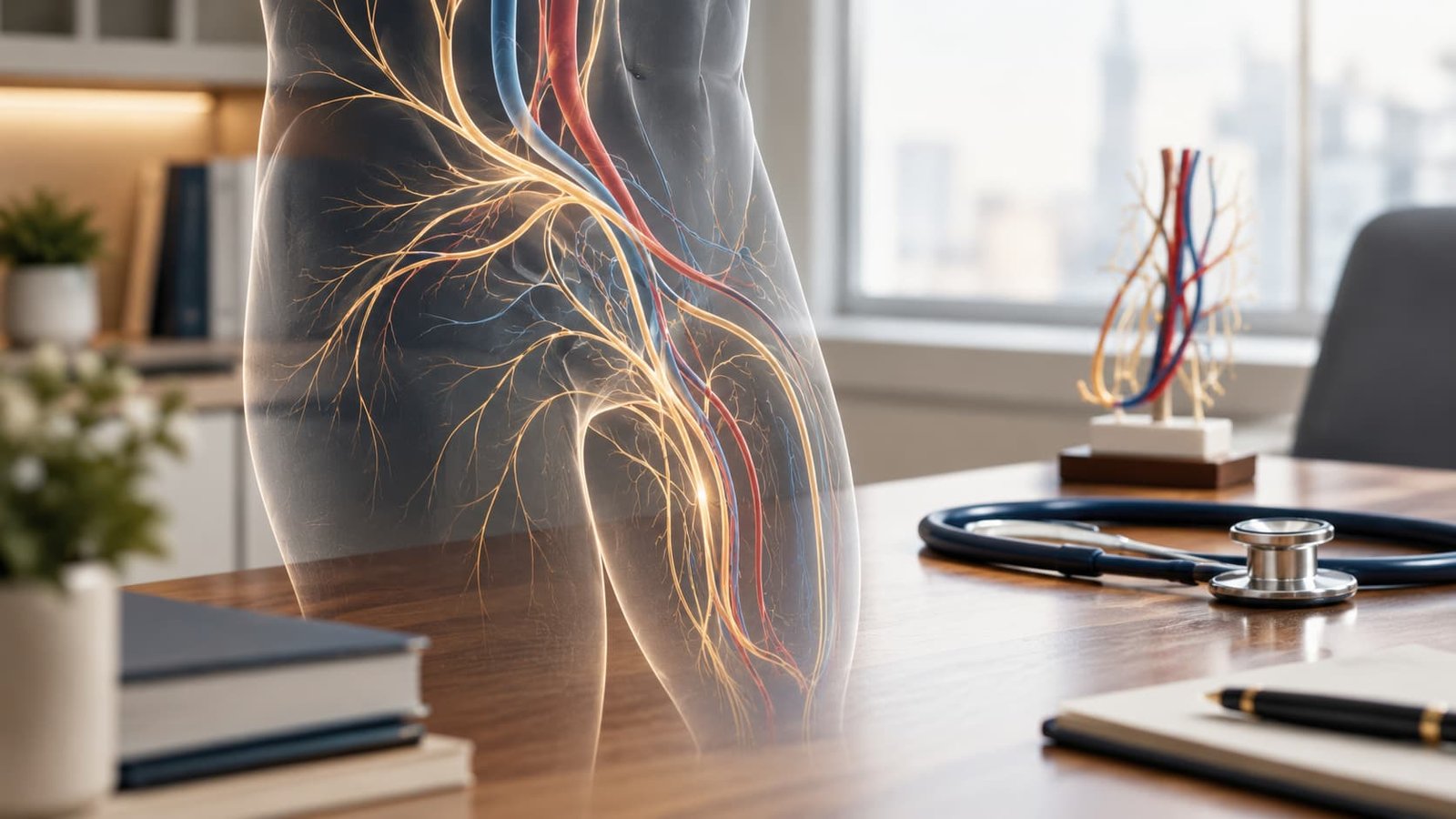
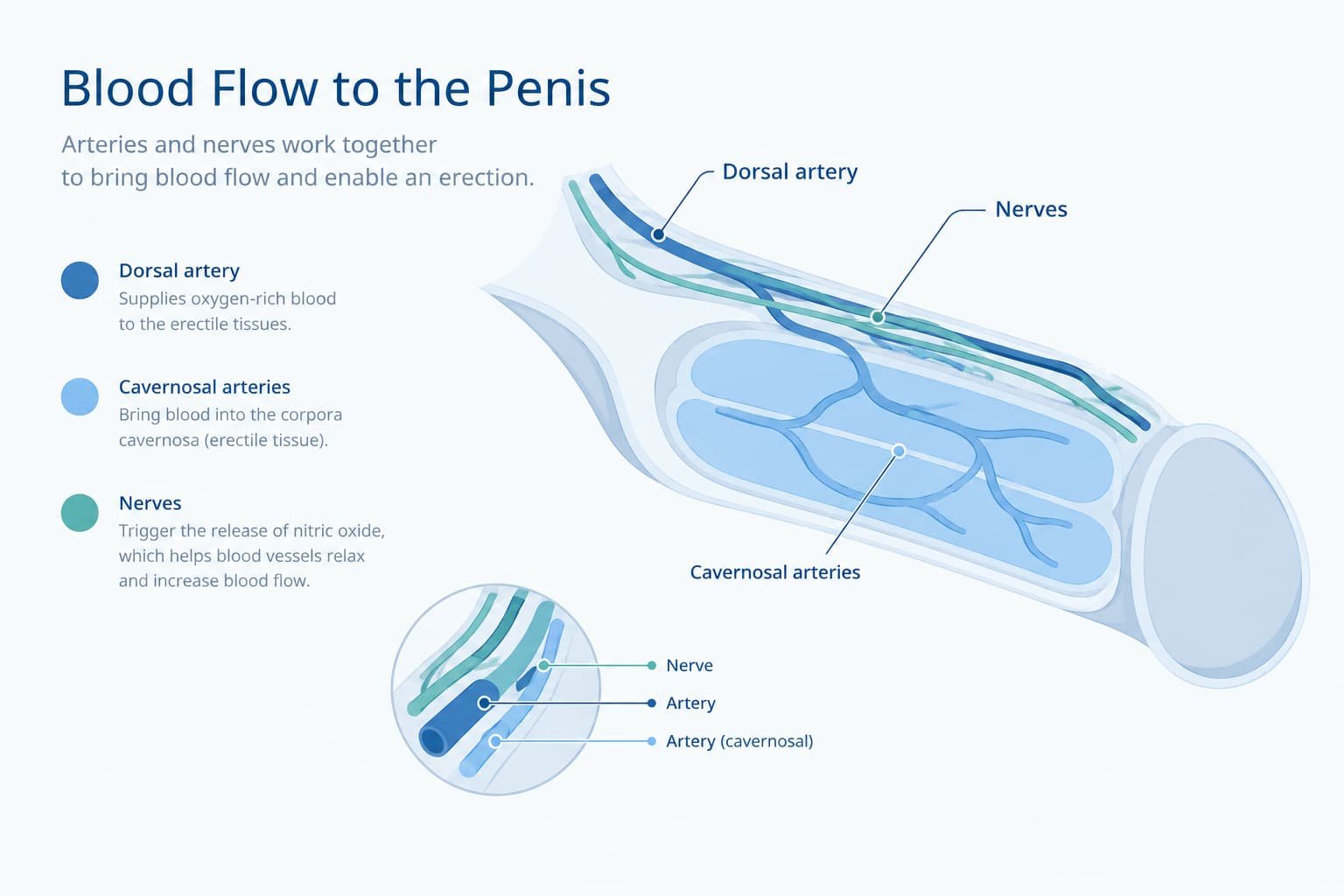
    The perineum sits between the base of the penis and the anus. It carries a dense network of blood vessels and nerves. During cycling, body weight rests largely on this narrow region. The sit bones are designed for weight-bearing instead. Traditional saddle shapes concentrate pressure directly onto the perineal area. This compresses structures that supply blood and sensation to the penis.

    How Saddle Pressure Affects Blood Flow and Nerves

    Sustained compression reduces oxygen delivery to penile tissue during longer rides. Early clinical studies measured penile blood pressure after saddle sitting. Reductions to around 60 per cent of baseline appeared within five minutes.

    Blood flow typically returns to normal within ten minutes of recovery. This indicates the effect is usually transient rather than permanent.

    The Role of the Pudendal Nerve and Artery

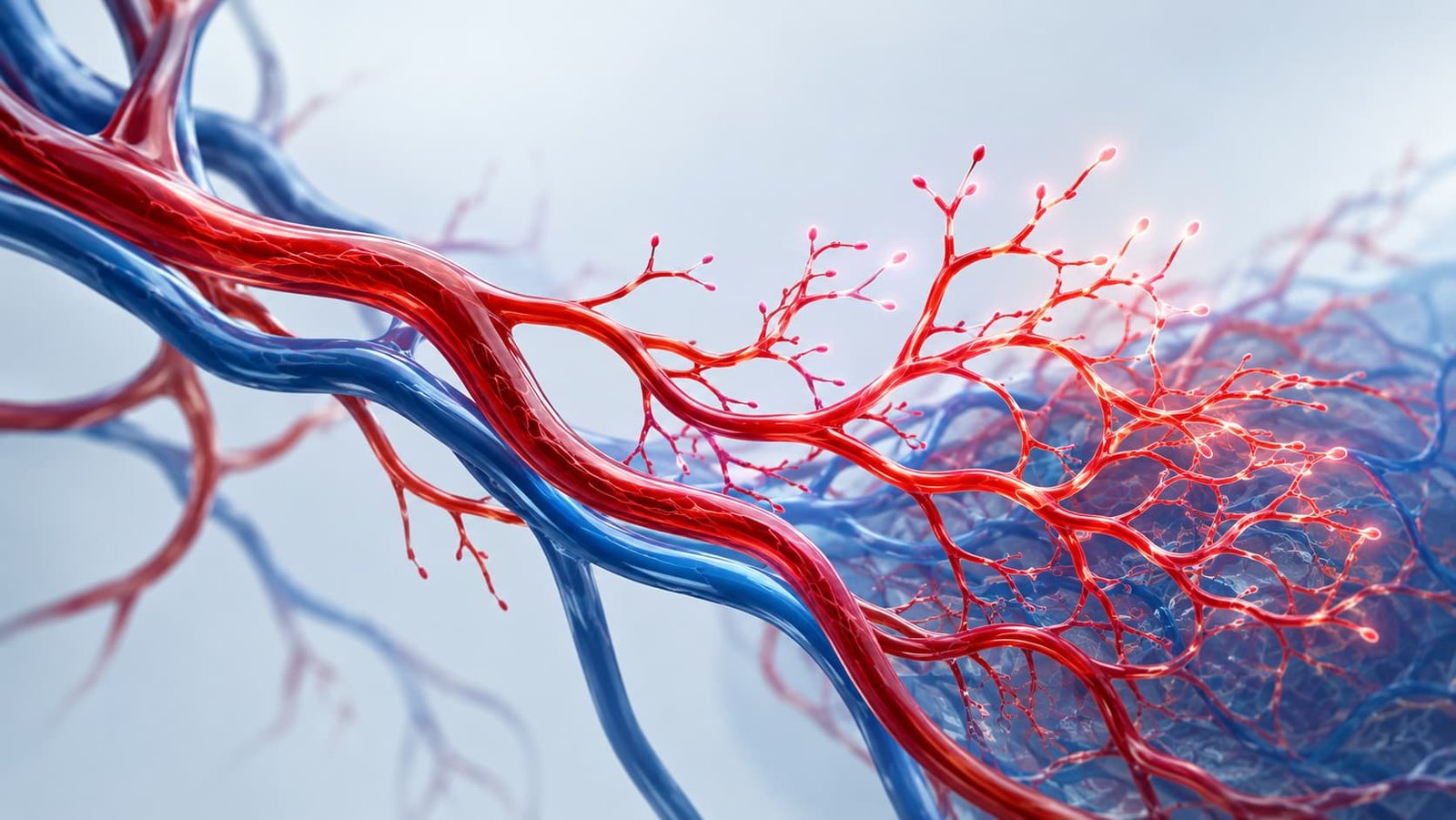
    The pudendal nerve and pudendal artery both pass beneath the pubic bone. They travel through a narrow channel known as Alcock’s canal. Prolonged saddle pressure compresses these structures. This produces numbness, tingling or reduced sensitivity. Repeated compression over months or years has been linked to pudendal nerve injury. These links come from isolated case reports. Direct causation across the general cycling population remains unproven.

    Types of Cycling and Relative Risk

    Not all forms of cycling carry equal risk to penile blood flow and nerve function. Road cycling over long distances generates the highest recorded perineal pressures. Drop handlebars increase forward pelvic tilt and add to this risk. Upright commuter cycling and short recreational rides produce lower pressure. These shorter rides also involve shorter periods of compression.

    Indoor Spin Classes and Static Bikes

    Indoor spin classes often involve a fixed, forward-leaning position. This position is sustained for 45 minutes or longer. Road surface variation normally offers natural pressure relief outdoors. Static bikes indoors do not provide this relief. Static bike setups in gyms are rarely fitted individually. This can increase saddle pressure when bike geometry does not match a rider’s proportions.

    Mountain Biking and Off-Road Cycling

    Off-road cycling introduces frequent shifts in body position. Standing climbs and variable terrain interrupt sustained perineal pressure. This intermittent loading pattern may reduce cumulative compression. Continuous road riding does not offer the same relief. Rougher terrain also increases vibration transmitted through the saddle.

    Electric Bicycles

    Electric bicycles reduce the physical effort required per mile. This can shorten time spent under load for a given journey. Riders using e-bikes for daily commuting accumulate less total saddle time. This lowers overall exposure to perineal compression compared with endurance training.

    What the Evidence Actually Shows

    Cycling Duration and Cumulative Risk

    Elevated cycling erectile dysfunction risk appears concentrated among high-mileage cyclists. Casual or moderate riders show lower risk levels. One frequently cited study reported genital numbness in 61 per cent of male cyclists. The same study found erectile dysfunction in 24 per cent of these men. Their weekly training exceeded 400 kilometres.

    Recreational cyclists covering shorter, less frequent distances show substantially lower rates of reported symptoms.

    Cycling Versus Other Forms of Exercise

    Comparative studies show similar erectile function scores across different exercise groups. Recreational cyclists, swimmers and runners scored closely in these studies. Cyclists did report more genital numbness than other groups. This pattern suggests cycling alone does not universally cause erectile dysfunction. Cumulative saddle pressure, riding position and bicycle fit appear more influential than the activity itself.

    Recognising the Warning Signs

    Genital Numbness

    Numbness lasting only during or shortly after a ride is common. This is generally not a cause for concern.

    Numbness persisting beyond 24 hours after dismounting warrants medical assessment. It may indicate more significant nerve compression.

    Persistent Erectile Difficulties

    Erectile difficulties unrelated to specific rides deserve proper investigation. The same applies to symptoms that worsen despite equipment adjustments. Erectile dysfunction frequently signals underlying cardiovascular disease. Penile and coronary arteries share similar blood vessel pathways. Men presenting with new erectile difficulties should undergo cardiovascular risk assessment. This should sit alongside urological review. NICE guidance recognises erectile dysfunction as a potential early marker of vascular disease.

    Reducing the Risk of Cycling Erectile Dysfunction

    Saddle Design and Bike Fit

    Cutout cycling saddle designed to reduce pressure linked to cycling erectile dysfunction
    Saddles with a central cutout redistribute pressure away from the perineum and toward the sit bones.

    Saddles featuring a central cutout redistribute pressure away from the perineum. This shifts weight toward the sit bones instead. Professional bike fitting adjusts saddle height, tilt and handlebar reach. These adjustments reduce forward pelvic tilt. Forward pelvic tilt is known to increase perineal loading.

    Standing and Positional Changes

    Cyclist standing on pedals to relieve saddle pressure during a ride
    Taking regular standing breaks during longer cycling sessions is a simple, cost-free strategy to improve blood flow to compressed tissues.

    Standing on the pedals every ten minutes restores blood flow to compressed tissue. This applies especially during longer rides. This simple habit is supported by available evidence. It offers a low-cost, practical prevention strategy for regular cyclists.

    Riding Frequency and Recovery

    Rest days between long rides allow perineal tissue to recover fully. Gradual increases in distance reduce cumulative strain on nerves and blood vessels. Sudden jumps in weekly mileage do not allow the same recovery. Padded cycling shorts distribute pressure across a wider surface area. They also reduce friction during longer rides. Padding alone does not replace correct saddle selection. Bike fit remains the primary preventive measure.

    When Cycling Habits Are Not the Only Factor

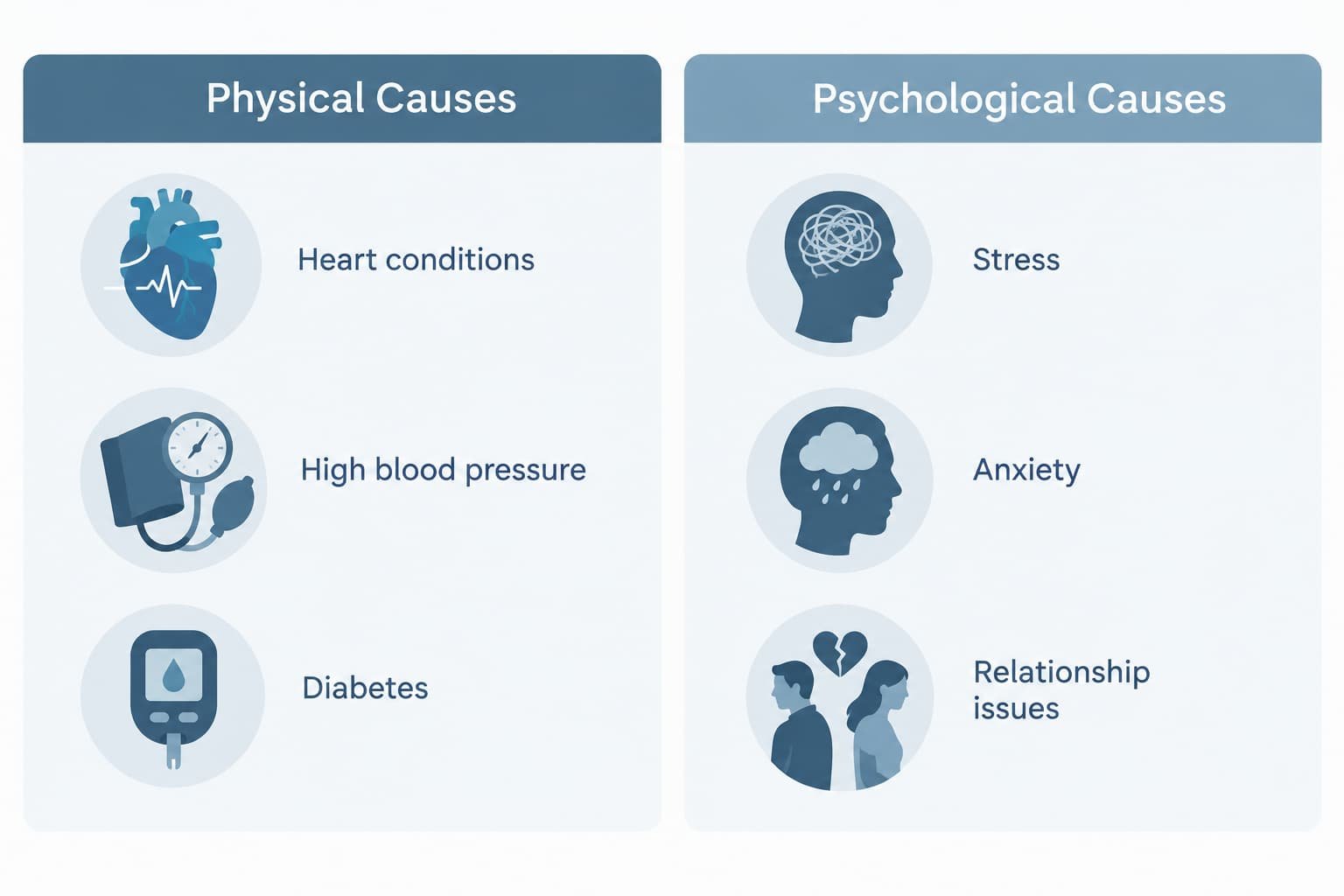
    Erectile dysfunction rarely stems from a single cause. Cardiovascular disease, type 2 diabetes, smoking and obesity all raise risk. Psychological stress remains a factor too. These causes are typically stronger than cycling for most men.

    NICE guidance recognises erectile dysfunction as an early marker of cardiovascular disease, particularly in men under 60. Addressing modifiable risk factors forms the foundation of NHS management pathways. These factors include blood pressure, cholesterol and blood glucose control. This groundwork comes before any procedural intervention is considered.

    Standard NHS Assessment Steps

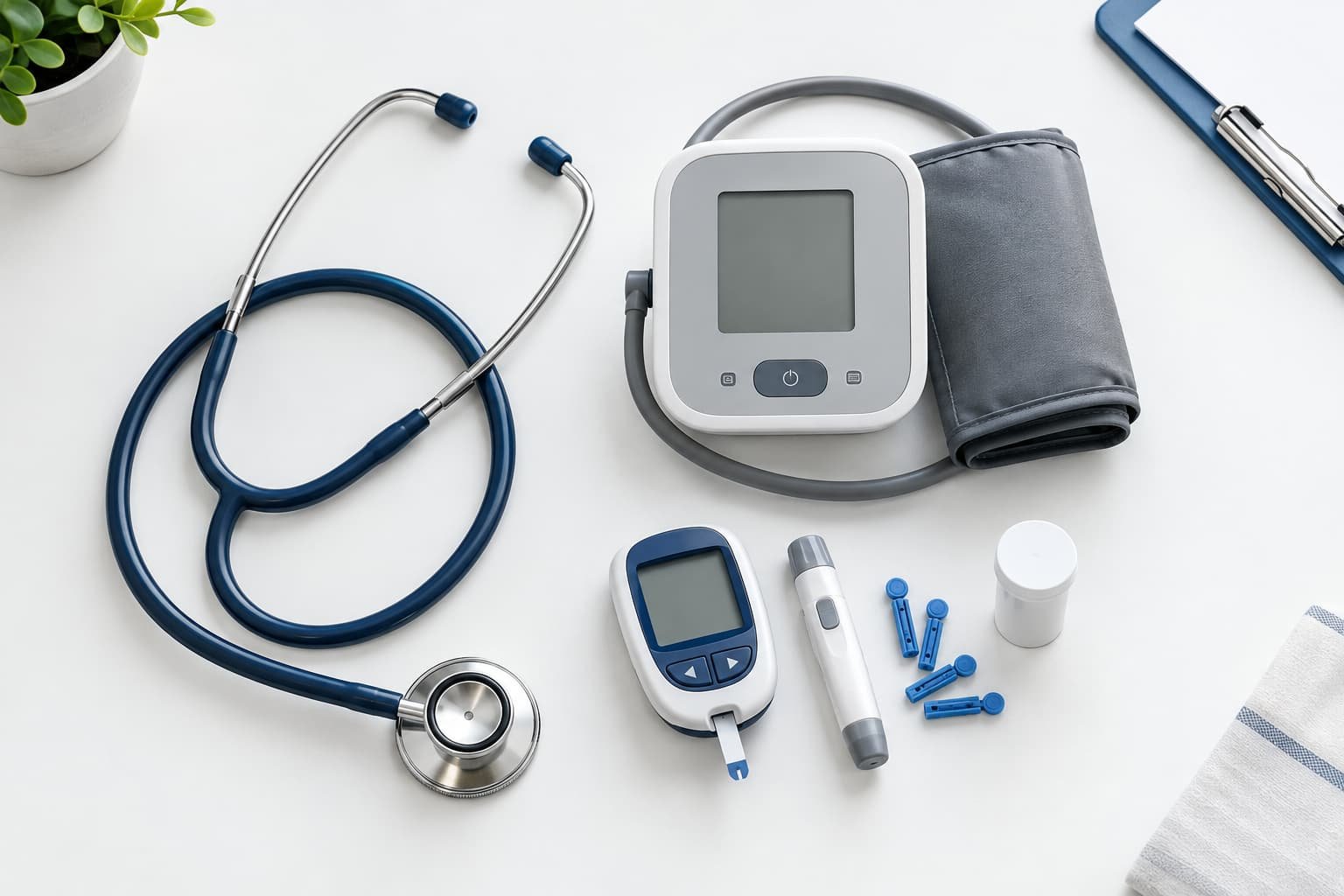
    A GP consultation for erectile dysfunction typically includes blood pressure measurement. Blood tests for glucose and cholesterol usually follow. A review of current medication also forms part of this process. Testosterone levels may be checked where low libido accompanies erectile symptoms. These steps identify or exclude systemic causes. This happens before cycling habits are considered a primary factor.

    First-Line NHS Treatment Options

    First-line management usually involves oral phosphodiesterase type 5 inhibitors. Lifestyle modification supports this approach. This includes reduced alcohol intake, smoking cessation and increased activity. Cycling itself remains part of a cardiovascular-protective exercise routine. It is not typically discouraged outright, even when saddle-related symptoms are present.

    Non-Surgical Treatment for Erectile Dysfunction in London

    Doctor and patient consultation for non-surgical treatment for erectile dysfunction in London
    A full clinical assessment, including cardiovascular review, precedes any discussion of treatment options.

    Men experiencing persistent erectile difficulties may explore other options. This applies whether symptoms link to cycling, vascular disease or age-related decline. Regenerative treatment for male health in the UK offers an alternative approach. It differs from oral medication or surgical intervention. PRP therapy for men’s performance issues has attracted growing clinical interest. It works through tissue repair mechanisms rather than temporary symptom masking. This positions it as a non-surgical treatment for erectile dysfunction in London.

    PRP-Based Regenerative Therapy for ED

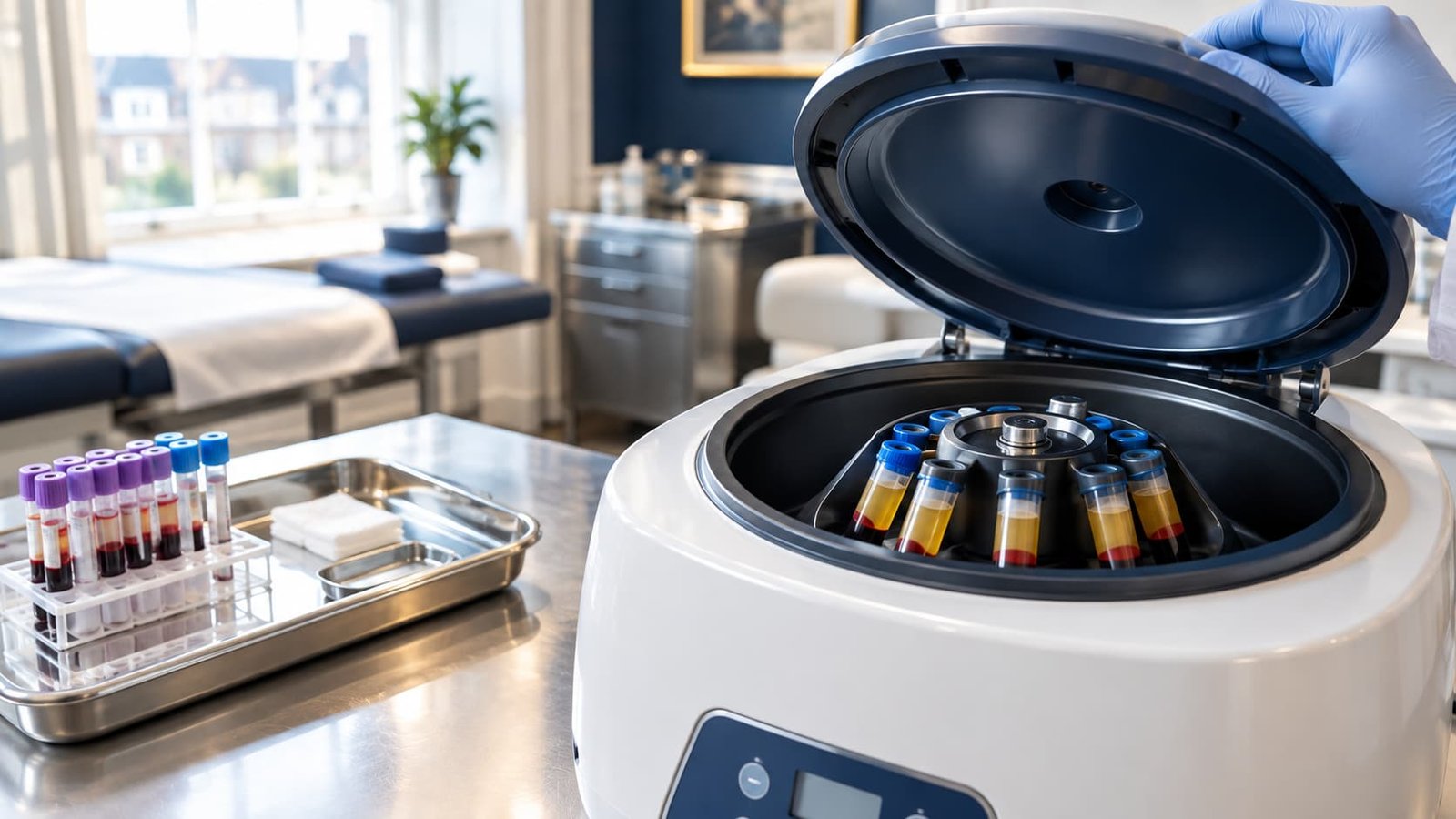
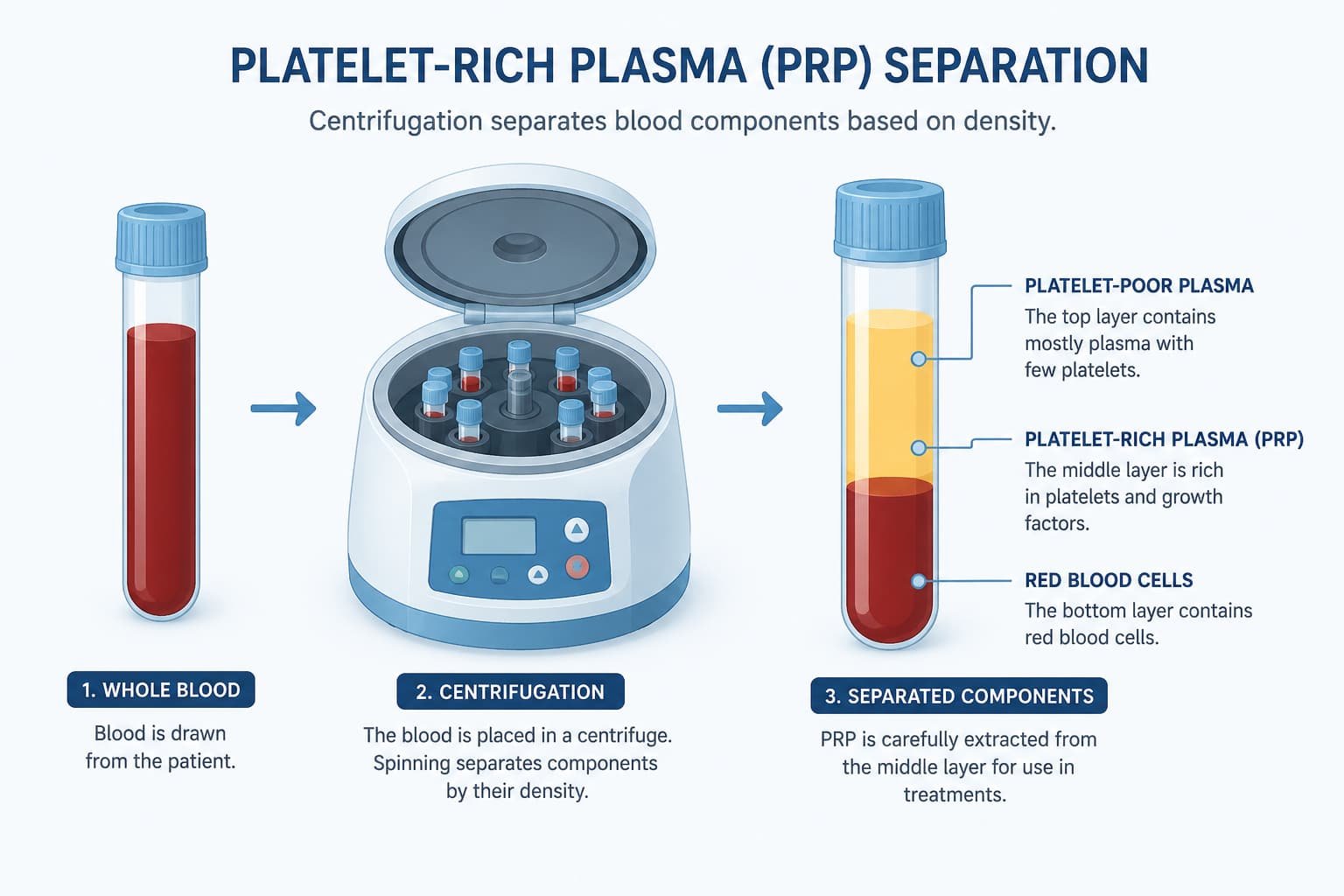
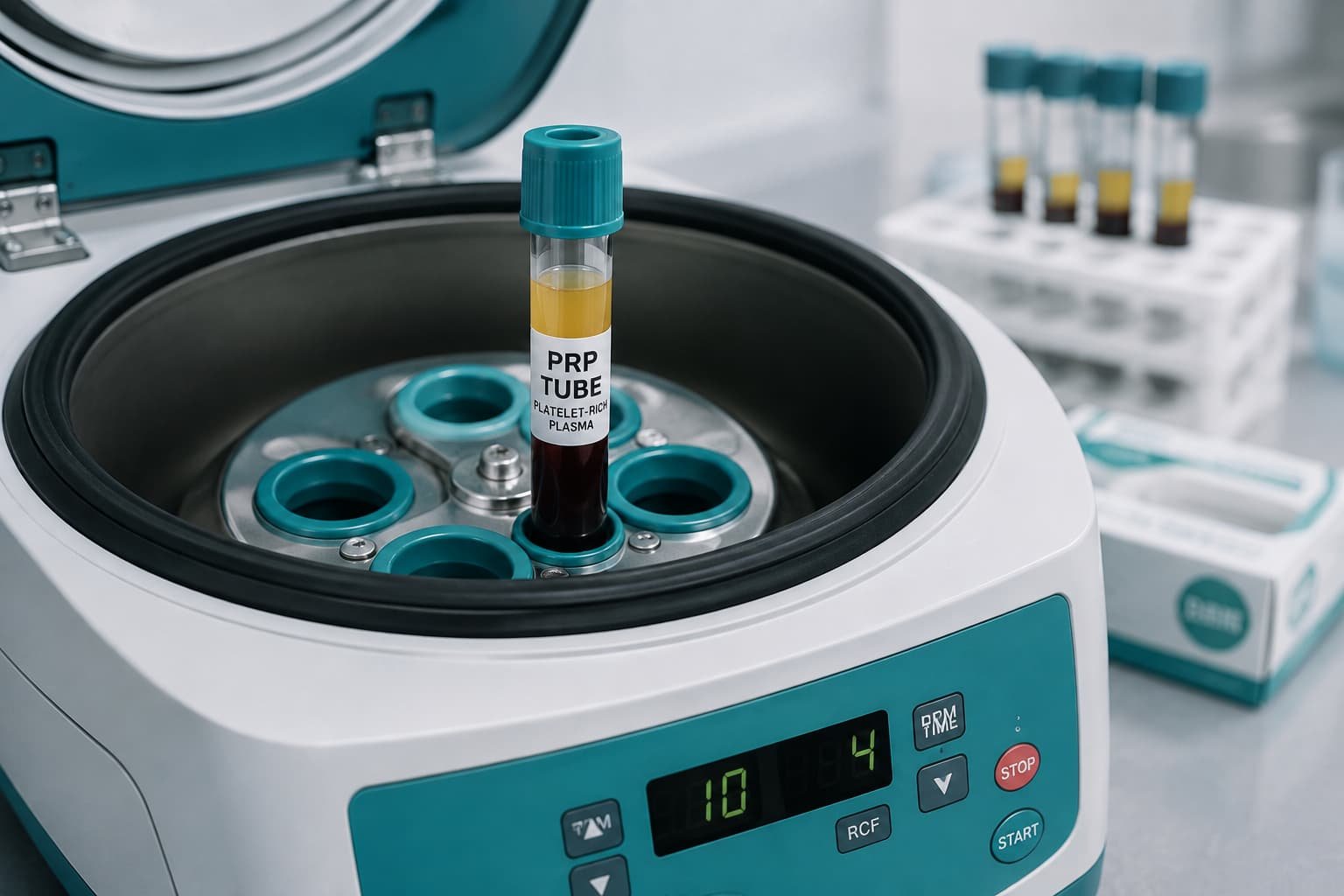
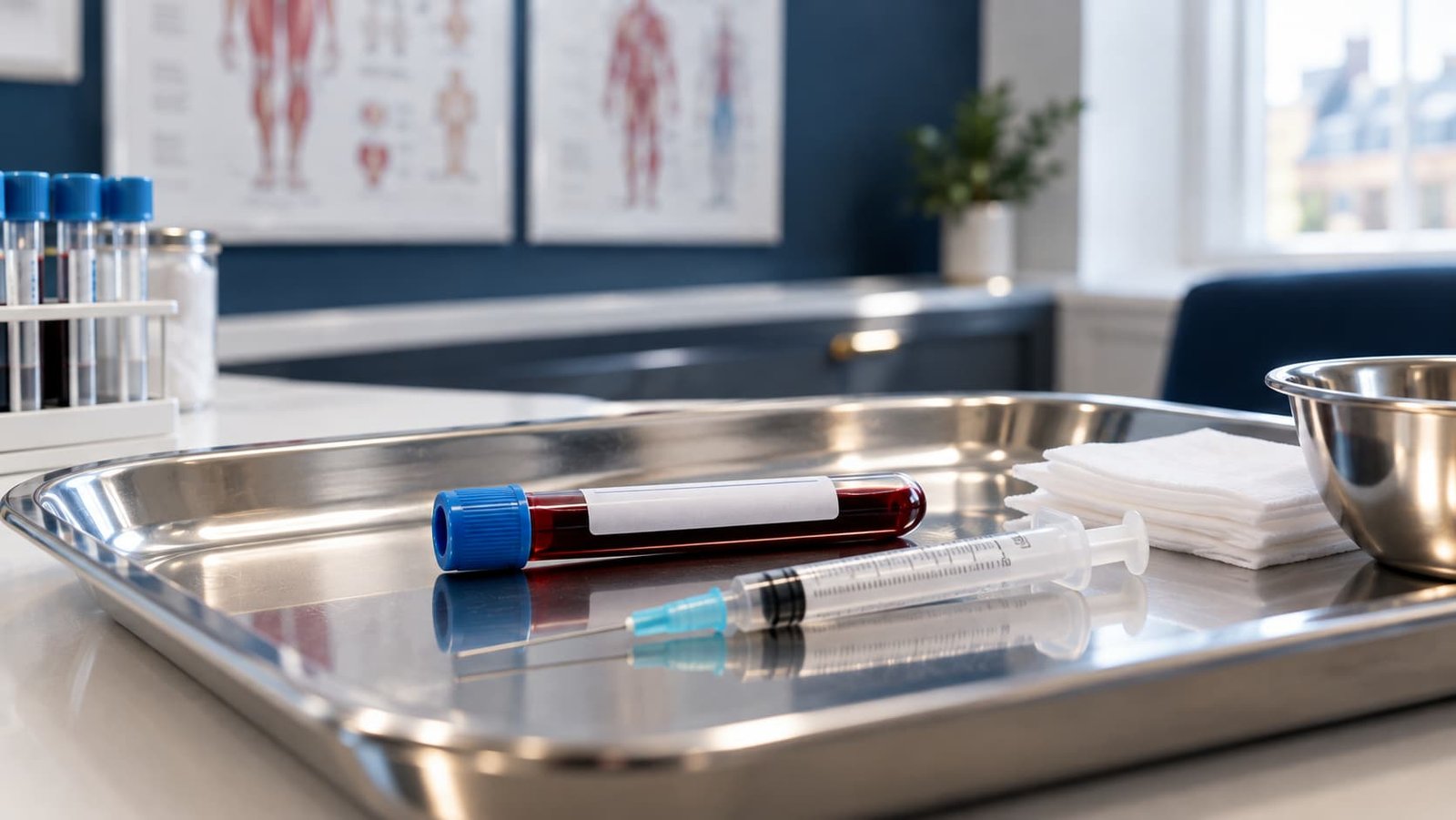
    PRP separation process used in PRP-based regenerative therapy for ED
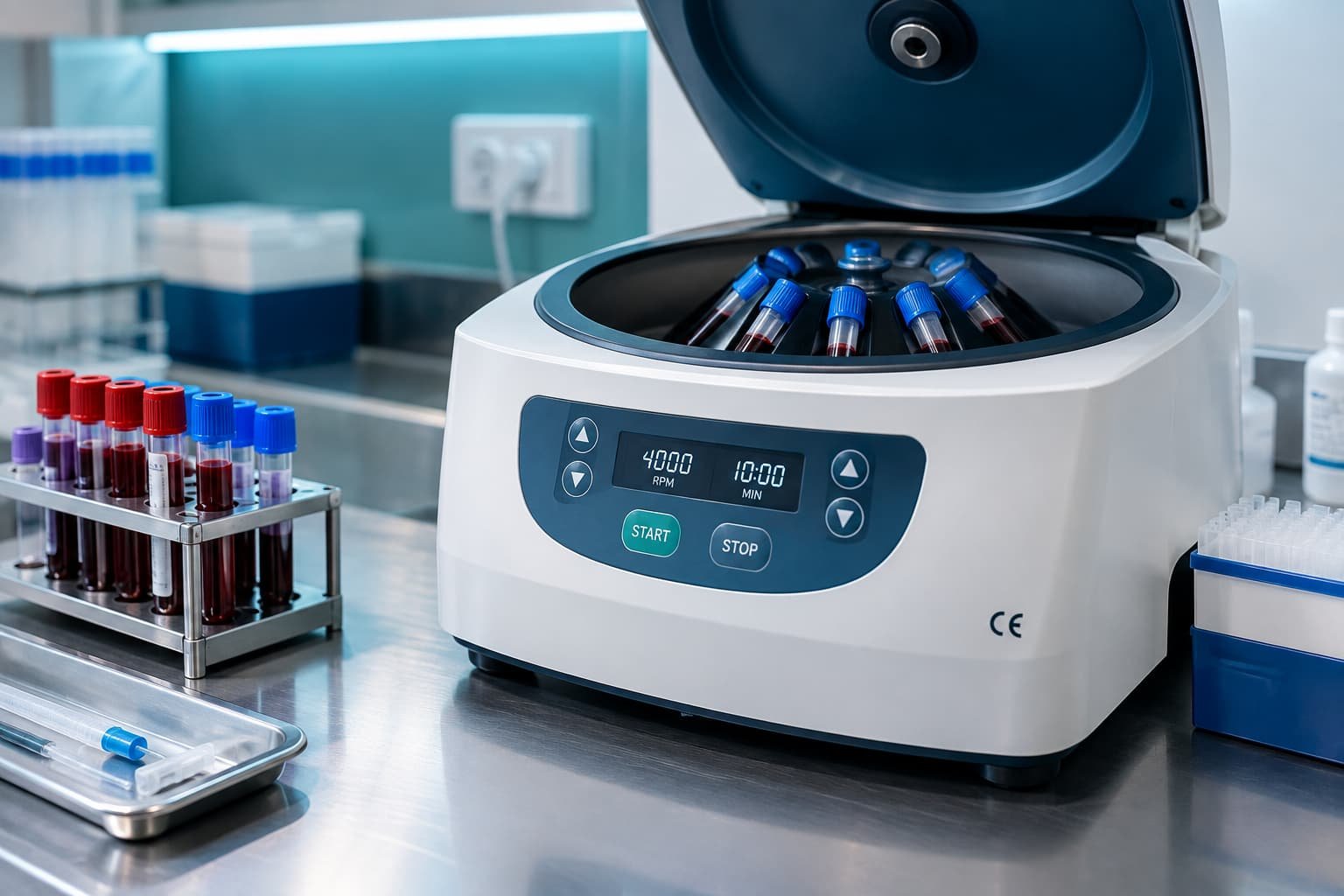
    PRP therapy uses a concentrated platelet fraction taken from the patient’s own blood.

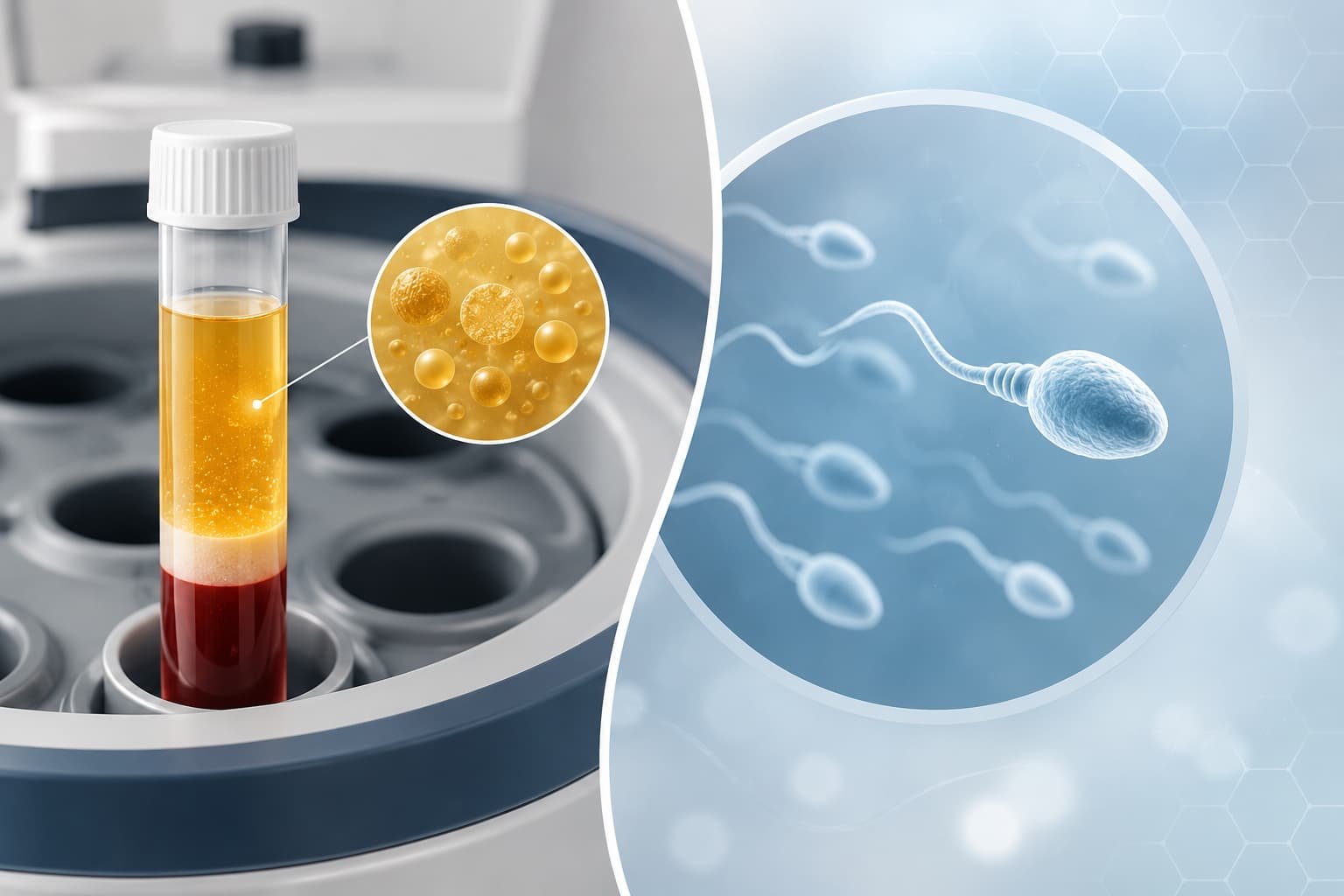
    PRP-based regenerative therapy for ED uses a concentrated fraction of blood platelets. These platelets come from the patient’s own blood. They are rich in growth factors that support tissue repair. This natural ED treatment using PRP therapy aims to stimulate new blood vessel formation. It also supports nerve tissue within penile tissue.

    Platelets contain growth factors including platelet-derived growth factor and vascular endothelial growth factor. Both factors play a role in tissue healing across regenerative medicine. Applying this platelet fraction into penile tissue theoretically supports repair of affected neurovascular structures. These are the same structures affected by prolonged saddle compression. Robust, large-scale clinical trial data specific to erectile dysfunction remains limited.

    The approach forms the basis of men’s intimate health treatment in London. It sits under the trademarked name Priapus Shot, commonly known as the P shot or Pshot. Men researching this option frequently search for P shot London providers. These providers offer the regenerative technique alongside standard erectile dysfunction treatment London pathways.

    The P Shot Procedure Explained

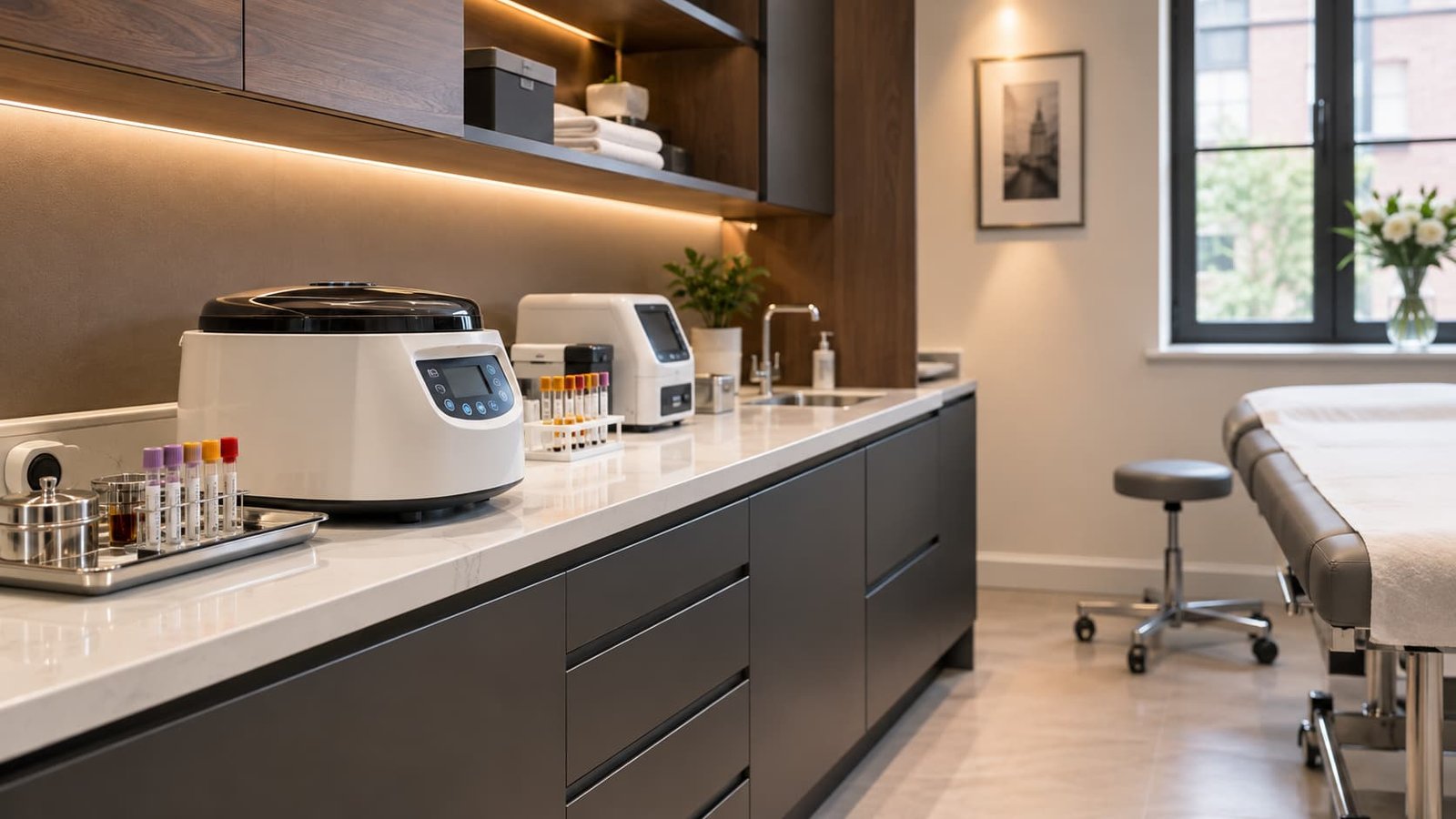
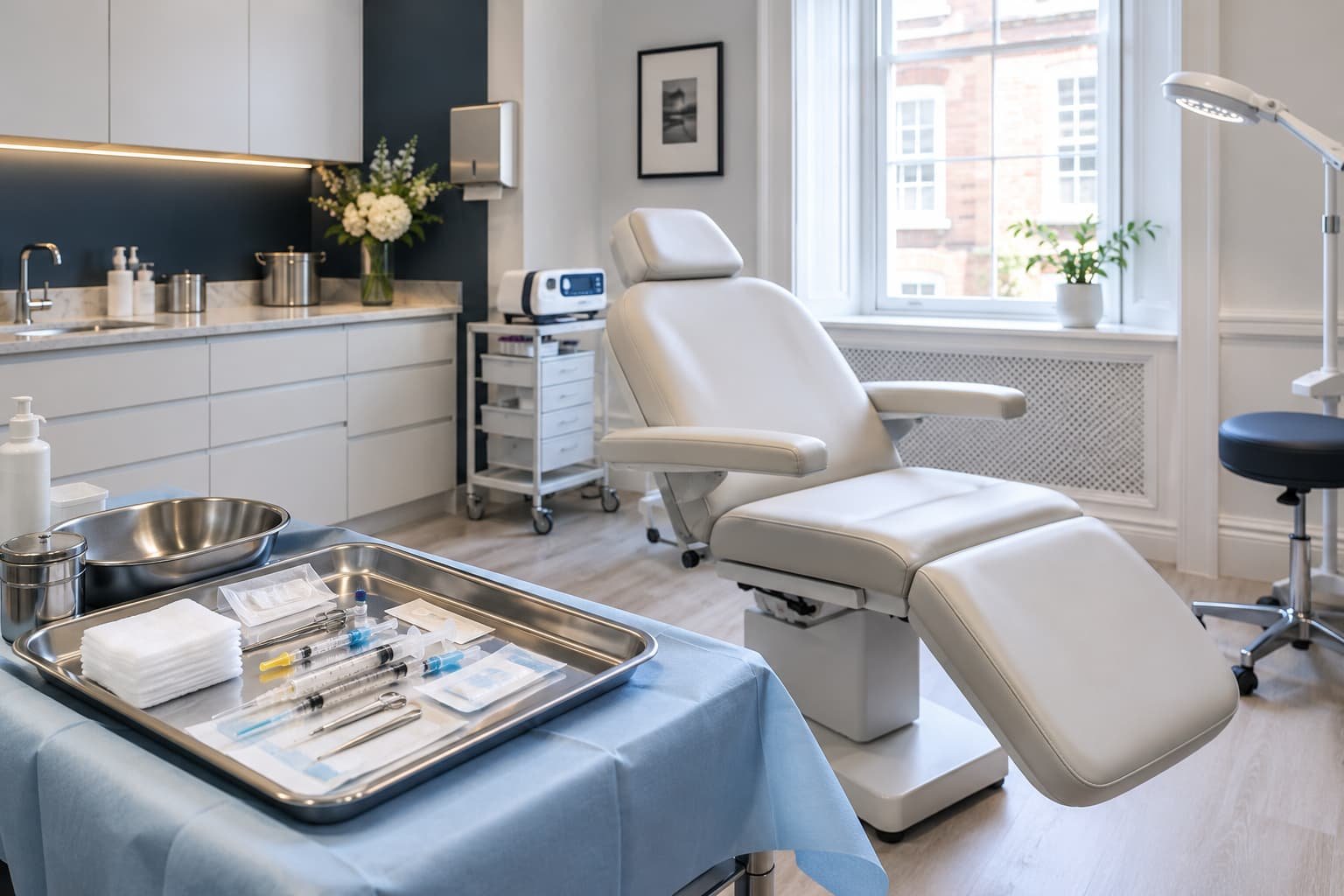
    The P shot treatment is also referred to as the P injection. It involves injecting processed platelet-rich plasma into specific areas of the penis. A P shot London clinic typically extracts blood first. The clinic then processes it to isolate platelets. The P injection is administered under local anaesthetic. The priapus shot procedure usually takes under an hour. It requires minimal downtime.

    P shot London providers position this penis shot as a regenerative option. This applies to men seeking improved erectile firmness and sensitivity. It is not a guaranteed cure for underlying vascular or nerve damage. Suitability depends on individual clinical assessment.

    P Shot Before and After: Realistic Expectations

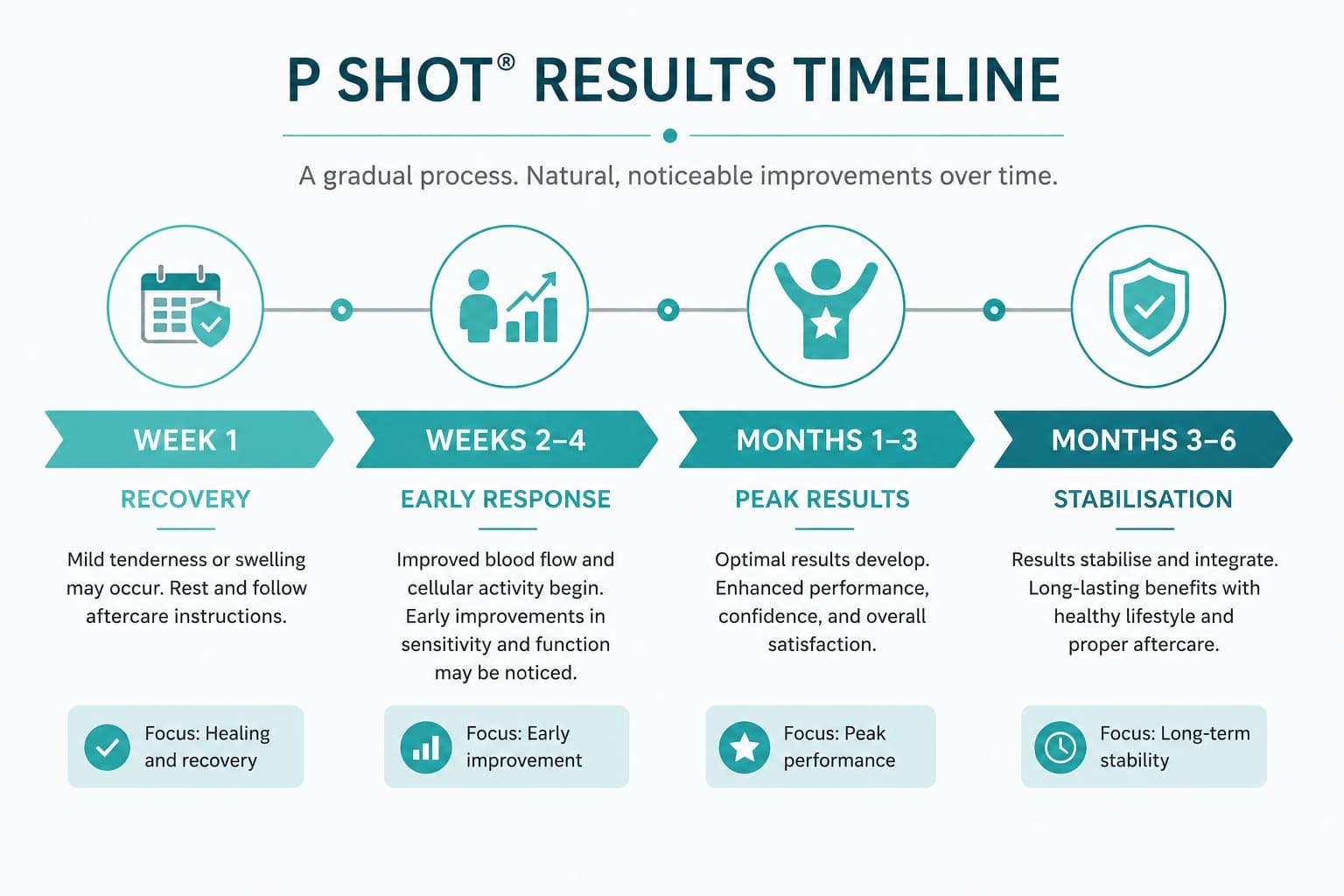
    P shot before and after outcomes vary between patients. Results depend heavily on the underlying cause of erectile difficulty. P-shot before and after results are not immediate. Visible changes typically develop over several weeks as tissue repair progresses.

    Penile injection growth claims associated with the P shot remain limited by available clinical evidence. Results should not be equated with surgical enlargement techniques. Men considering P shot UK treatment should discuss realistic expectations first. This discussion should happen with a qualified practitioner before proceeding. Men should also review documented P shot London before and after cases. This forms part of an informed decision.

    Priapus Shot Price and Considerations in the UK

    Priapus shot price varies across P shot London clinics. Practitioner experience, technique and aftercare provision all affect cost.

    Male enlargement injections cost UK figures should always be weighed against practitioner qualifications. Price alone should not guide this decision. A reputable Priapus shot London clinic provides thorough consultation. The clinic confirms suitability and outlines evidence limitations before treatment begins.

    Pshots clinic in UK , is led by Dr Syed Nadeem Abbas. The clinic offers P shot treatment alongside broader erectile dysfunction assessment. This includes cardiovascular and lifestyle review where clinically appropriate.

    Frequently Asked Questions

    Is cycling erectile dysfunction a confirmed medical diagnosis?

    This is not a formally confirmed, universal diagnosis. Risk appears linked to prolonged duration, high saddle pressure and poor bike fit.

    How long should genital numbness last after cycling?

    Numbness should resolve within minutes to hours after a ride ends. Numbness persisting beyond 24 hours requires medical review.

    Can changing the saddle prevent erectile problems?

    Saddles with a central cutout reduce perineal pressure in several studies. They also lower symptom rates for many riders. Saddle change alone does not guarantee complete symptom resolution for every rider.

    Is a P shot suitable for cycling erectile dysfunction?

    Suitability depends on the underlying cause and severity of symptoms. A P shot London consultation determines whether PRP-based regenerative therapy for ED is appropriate.

    When should a GP be consulted about erectile dysfunction?

    New, persistent or worsening erectile difficulties warrant GP assessment. This matters particularly given the established links to cardiovascular disease.

    Does stopping cycling reverse erectile dysfunction?

    Symptoms caused by temporary compression typically improve once saddle pressure is removed. Adjusting riding habits also supports recovery. Erectile dysfunction with a vascular or systemic cause requires separate medical management. This applies regardless of cycling habits.

    What is the difference between the P shot and standard ED medication?

    Oral medication temporarily improves blood flow for a single sexual event. The P shot uses PRP to target tissue repair over time. It works through a different mechanism with a separate evidence base.

    Key takeaways

    Cycling offers substantial cardiovascular and metabolic benefits for most riders. These benefits generally outweigh the sexual health risks involved.

    Current evidence indicates cycling erectile dysfunction is usually temporary rather than permanent. This applies provided saddle pressure and riding duration remain within reasonable limits. Persistent symptoms deserve proper medical investigation rather than assumption or self-diagnosis.

    Men experiencing ongoing erectile difficulties benefit from informed discussion of all available options. This applies whether difficulties stem from cycling, vascular disease or other causes. Options include P shot London treatment as one non-surgical treatment for erectile dysfunction in London. Several evidence-based pathways exist alongside this option.

    What steps might reduce cumulative saddle pressure without losing cycling’s health benefits?

    Read more: How Lifestyle Affects P Shot UK Results – Diet, Exercise, and Sleep

    Platelet-Derived Growth Factor in PRP: How It Helps Repair Penile Tissue

    P shot London

  • P Shot Lichen Sclerosus: Can PRP Treat This Penile Condition?

    P Shot Lichen Sclerosus: Can PRP Treat This Penile Condition?

    Medically reviewed | Updated July 2026

    Lichen sclerosus is a chronic inflammatory skin condition affecting the genital area in men. Standard treatment relies on potent topical steroids, yet many men experience incomplete symptom control and long-term scarring. Regenerative medicine has introduced platelet-rich plasma therapy, commercially known as the P-Shot or Priapus Shot, as a possible adjunct for penile tissue repair. This article examines whether P shot lichen sclerosus treatment offers genuine clinical benefit, reviews the published evidence, and outlines realistic outcomes for men considering this regenerative option. Regenerative treatments cannot replace dermatological diagnosis and steroid-based first-line care. The following sections separate established medical guidance from experimental applications of PRP therapy for men’s performance issues and intimate skin health.

    What Is Lichen Sclerosus?

    Skin layer diagram explaining lichen sclerosus tissue changes
    Lichen sclerosus affects the outer skin layers, causing thickening and reduced elasticity.

    Lichen sclerosus is a long-term inflammatory skin disorder. NHS guidance describes lichen sclerosus as a condition causing white, thickened, itchy patches on genital skin. Men typically develop lichen sclerosus on the foreskin and glans, where clinicians also call it balanitis xerotica obliterans. The condition often causes tightening of the foreskin, pain during erections, and skin fragility. NICE and NHS clinicians note that untreated lichen sclerosus can progress to scarring, phimosis, and, rarely, an increased skin cancer risk. Early diagnosis by a dermatologist or urologist remains essential before considering any additional therapy, including a P shot treatment.

    The exact cause of lichen sclerosus remains unclear, though researchers link it to autoimmune activity, genetic factors, and localised inflammation. The condition can affect men of any age, though diagnosis most commonly occurs in adulthood. Uncircumcised men appear to face a higher likelihood of developing penile lichen sclerosus, possibly due to chronic moisture and friction beneath the foreskin. Dermatologists confirm diagnosis through visual examination and, in some cases, a skin biopsy to rule out other conditions with a similar appearance.

    Recognising Symptoms in Men

    Symptoms include itching, soreness, white patches, and skin that appears shiny or crinkled. Some men notice difficulty retracting the foreskin. Pain during intercourse or urination can also develop as the skin loses elasticity. Reduced sensation and small skin tears sometimes accompany advanced cases. Persistent white patches on the glans or foreskin always warrant medical assessment rather than self-treatment.

    Standard NHS-Recommended Treatments for Lichen Sclerosus

    Topical corticosteroids remain the first-line treatment for lichen sclerosus in the UK. Clobetasol propionate 0.05% is the most researched option, supported by Cochrane review evidence. Doctors typically prescribe daily application for several weeks, followed by a lower-strength maintenance regime. Mometasone furoate offers a further evidence-backed alternative for penile presentations. Circumcision is sometimes recommended for men with recurrent foreskin tightening or phimosis that fails to respond to steroid cream. Despite these options, corticosteroids can thin the skin further with prolonged use, and some men experience persistent symptoms even after months of steroid therapy. This treatment gap has prompted clinical interest in regenerative approaches such as PRP-based regenerative therapy for ED and related genital skin conditions.

    What Is the P-Shot (Priapus Shot)?

    PRP preparation process used in P shot treatment
    Platelet-rich plasma is separated by centrifuge before use in p shot.

    The P-Shot, also written P shot or Pshot, is a trademarked platelet-rich plasma injection technique developed originally for erectile dysfunction. Clinics offering the Priapus shot draw a small blood sample, process it via centrifuge, and re-inject concentrated platelets into penile tissue. Practitioners designed the P shot treatment as a non-surgical treatment for erectile dysfunction in London and other UK cities, drawing on regenerative medicine principles used in orthopaedics and aesthetic medicine. Because PRP releases growth factors that support tissue repair, some practitioners have extended penis shot techniques to other penile skin conditions. This application, often marketed as P shot lichen sclerosus treatment, remains off-label and outside formal treatment guidelines.

    How PRP Growth Factors Work

    Platelet-rich plasma contains concentrated growth factors, including platelet-derived growth factor and vascular endothelial growth factor. These proteins are thought to stimulate angiogenesis, collagen production, and localised tissue regeneration. Researchers have proposed that this mechanism could support skin repair in lichen sclerosus, similar to its studied effect in penile PRP therapy for erectile dysfunction. The biological rationale is plausible, but plausibility alone does not confirm clinical benefit.

    Can the P-Shot Treat Lichen Sclerosus? Reviewing the Evidence

    Interest in P shot lichen sclerosus stems from a small number of published studies. A 2017 study by Casabona and colleagues, published in the International Urology and Nephrology journal, examined PRP injections in men with chronic penile lichen sclerosus. Researchers reported improvements in tissue quality and patient-reported quality of life among participants receiving autologous PRP injections. The study describes PRP as supporting tissue repair in chronic penile lichen sclerosus cases that had resisted standard therapy.

    However, the wider body of research on P shot lichen sclerosus carries significant limitations. A comprehensive review covering both male and female lichen sclerosus patients identified only eight relevant studies, most with small sample sizes and uncontrolled designs. Only one randomised controlled trial has examined PRP in genital lichen sclerosus, and that trial focused on vulvar rather than penile presentation. Reviewers concluded that PRP preparation protocols vary considerably between studies, which makes direct comparison difficult.

    What the Research Actually Shows

    Current evidence for P shot lichen sclerosus suggests PRP may help some men manage symptoms such as itching and skin fragility. Reported adverse events remain mild, typically limited to temporary swelling or discomfort at the injection site. Despite these encouraging signals, published reviewers consistently call for larger, double-blind, placebo-controlled trials before PRP becomes a standardised treatment. No professional dermatology body currently lists PRP as a first-line or guideline-recommended treatment for lichen sclerosus. Men considering a P shot for this condition should view it as an adjunct under specialist supervision, not a replacement for corticosteroid therapy.

    P-Shot Before and After: Realistic Expectations

    Clinics presenting P-shot before and after results should offer balanced, evidence-based expectations rather than guaranteed outcomes. For lichen sclerosus specifically, reported improvements relate to symptom relief, skin texture, and reduced steroid dependency, not visible penile enlargement. P shot before and after imagery commonly associated with sexual performance marketing does not apply to lichen sclerosus treatment, where the goal is tissue repair rather than penile injection growth for size. Setting appropriate expectations protects patients from disappointment and supports properly informed consent.

    The P-Shot Procedure at a Private Clinic in London

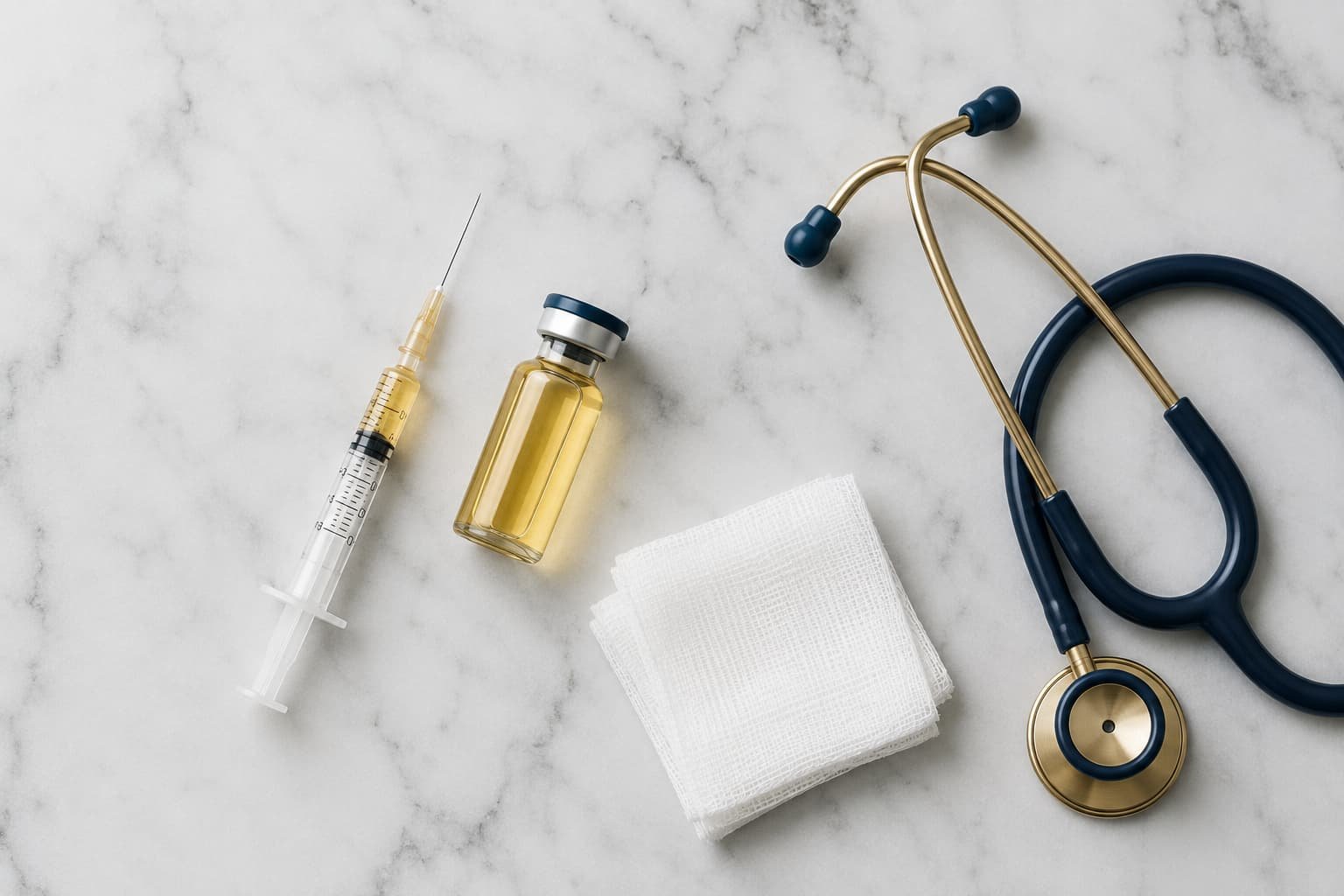
    Sterile treatment tray prepared for P-shot  lichen sclerosus  injection
    Treatment is carried out under sterile clinical conditions by a qualified practitioner.

    A private consultation typically begins with a full medical history and physical examination to confirm a lichen sclerosus diagnosis, often supported by prior dermatological assessment. Clinics offering a P shot lichen sclerosus procedure typically require this confirmed diagnosis before treatment proceeds. A phlebotomist draws blood and processes it using a centrifuge to separate platelet-rich plasma from other blood components. A topical or local anaesthetic numbs the treatment area before the P injection is administered into affected penile tissue. The full appointment at a P shot London clinic usually takes under an hour, with minimal reported downtime afterwards.

    Aftercare and Follow-Up

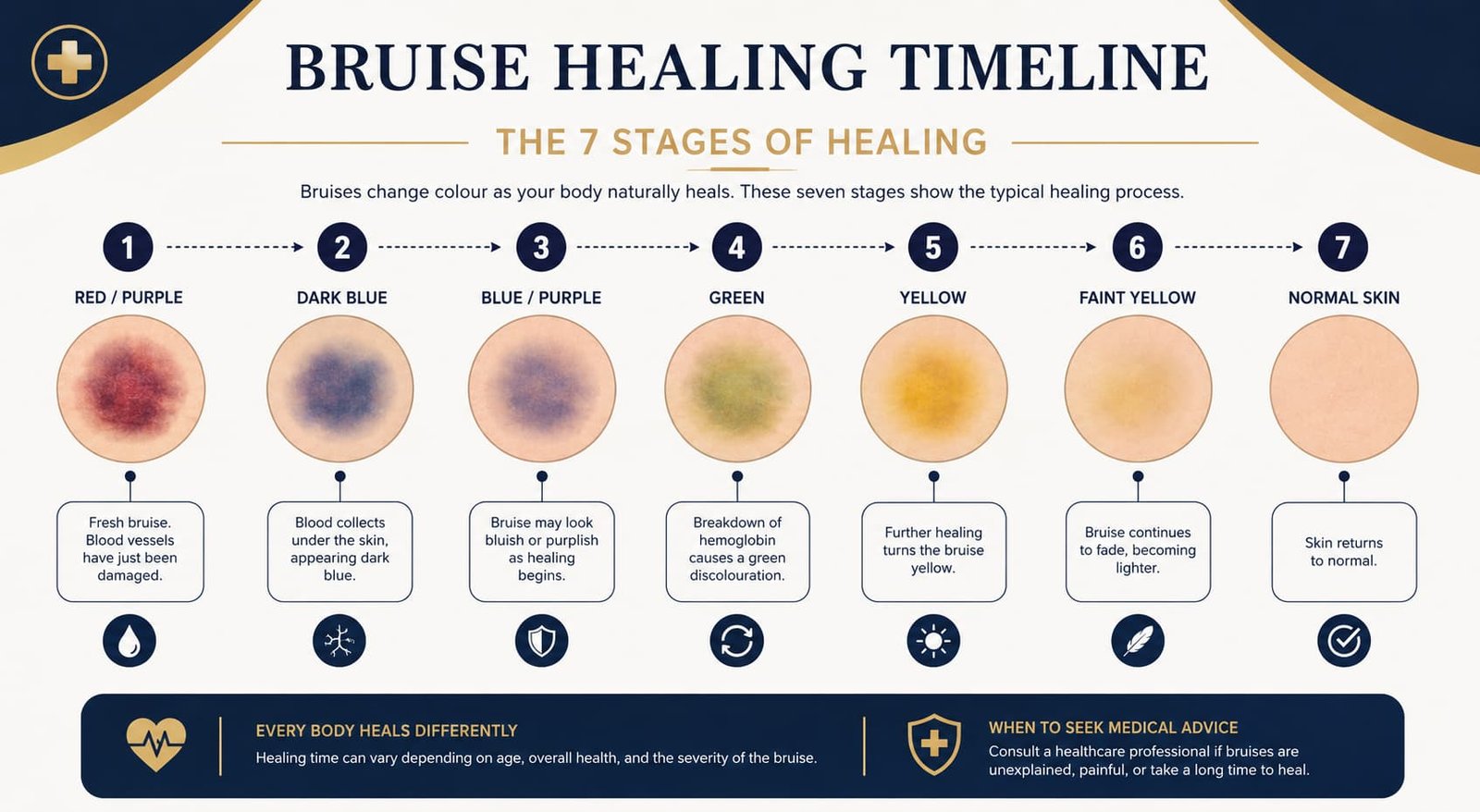
    Mild swelling or bruising can occur after a Priapus shot London procedure and typically resolves within a few days. Clinics generally recommend avoiding sexual activity for a short period following treatment. A follow-up review allows clinicians to assess skin response and determine whether repeat sessions suit ongoing lichen sclerosus management.

    PRP Preparation Systems Used in Clinic

    Clinics use closed-system centrifuge kits to separate platelet-rich plasma from red blood cells and plasma. These systems concentrate platelets several times above baseline blood levels before the P injection is prepared for use. Standardisation of PRP preparation remains an ongoing challenge across the wider PRP for lichen sclerosus literature, since concentration and injection technique both vary by clinic. A qualified practitioner selects injection sites based on the distribution of affected penile skin, following the diagnosis confirmed during consultation.

    Priapus Shot Price and Cost Considerations in the UK

    Priapus shot price varies between private clinics, depending on the PRP preparation system, clinician expertise, and number of sessions required. Costs for a P shot UK consultation and treatment typically sit within the broader male enlargement injections cost UK bracket, though pricing for lichen sclerosus-specific PRP protocols may differ from standard erectile dysfunction packages. Patients should request a detailed, itemised quote before committing to treatment, including any recommended follow-up sessions or dermatology co-management fees.

    Risks, Limitations and Who Should Avoid PRP Therapy

    PRP therapy carries a generally favourable safety profile, since the procedure uses a patient’s own blood, reducing allergic reaction risk. Reported side effects remain mostly mild, including temporary pain, swelling, or bruising at the injection site. Men with active skin infection, bleeding disorders, or certain blood conditions should avoid PRP injections. Lichen sclerosus carries a small increased risk of penile skin cancer, so any new lesion, lump, or non-healing area requires prompt medical review rather than PRP treatment. PRP therapy does not remove the need for ongoing dermatological monitoring in lichen sclerosus. Anticoagulant medication, active malignancy, and untreated infection at the injection site are further reasons a clinician may decline treatment. A thorough pre-treatment consultation identifies these factors before any PRP for lichen sclerosus procedure is booked.

    P-Shot vs Other Regenerative Treatments for Male Health

    Regenerative treatment for male health in the UK includes several approaches beyond PRP, such as shockwave therapy and hormonal assessment. Compared with surgical options like circumcision, a natural ED treatment using PRP therapy involves less downtime, though its evidence base for lichen sclerosus remains smaller than for corticosteroid treatment. Clinicians offering men’s intimate health treatment in London typically combine PRP with dermatological co-management rather than positioning it as a standalone lichen sclerosus therapy. Erectile dysfunction treatment London providers increasingly discuss PRP therapy for men’s performance issues alongside established options such as PDE5 inhibitors and vacuum erection devices. This comparison allows patients to weigh a non-surgical treatment for erectile dysfunction in London against more established, guideline-backed interventions before deciding on a course of care.

    Doctor discussing P shot lichen sclerosus treatment options with patient
    Informed decision-making starts with an open discussion of evidence, risks, and realistic outcomes.

    Frequently Asked Questions

    Is the P-Shot a proven treatment for lichen sclerosus?

    Current evidence remains limited. Small studies report symptom improvement, but larger controlled trials have not yet confirmed the value of P shot lichen sclerosus as a standard treatment. Dermatology guidelines do not currently endorse it as a first-line option.

    Can PRP replace steroid cream for lichen sclerosus?

    No. Topical corticosteroids remain the NHS first-line treatment for lichen sclerosus. PRP functions as a possible adjunct, used alongside or after steroid therapy under specialist guidance, rather than as a replacement.

    How much does a P shot cost in London?

    Priapus shot price depends on the clinic, the PRP system used, and the treatment plan required. A detailed, written quote should be obtained during an initial consultation before any treatment begins.

    Are there risks specific to using PRP for lichen sclerosus?

    Risks are generally mild and include temporary swelling and bruising. Lichen sclerosus itself carries a small skin cancer risk, so ongoing dermatological review remains essential regardless of any PRP treatment received.

    Who performs P-Shot treatment in London?

    Regulated private clinics staffed by qualified medical practitioners provide P-Shot treatment across London. Pshots clinic UK, a Harley Street-based provider led by Dr Syed Nadeem Abbas, offers PRP-based procedures for men under clinical supervision.

    How many PRP sessions are needed for lichen sclerosus?

    Published studies vary in protocol, with some using a single injection and others repeating treatment over several months. A clinician determines session frequency based on symptom severity, skin response, and ongoing dermatological review.

    Does the P-Shot help with erectile dysfunction as well as lichen sclerosus?

    The P-Shot was originally developed for erectile dysfunction rather than lichen sclerosus. Some men explore both applications together, though each requires separate clinical assessment and separate evidence review before treatment.

    Key Takeaways

    Lichen sclerosus remains a manageable but chronic condition requiring accurate diagnosis and consistent dermatological care. Evidence for P shot lichen sclerosus is encouraging in small studies, yet it has not reached the strength needed to replace corticosteroid treatment. Men considering PRP therapy should discuss realistic outcomes, associated costs, and potential risks with a qualified clinician before proceeding. Informed decision-making, grounded in published evidence rather than promotional claims, remains the safest path forward. Given the current gap between preliminary research and guideline-level recommendation, what additional evidence would justify PRP becoming a standard part of lichen sclerosus care?

    Read more:P Shot London for Peyronie’s Disease – Does It Actually Work?

    P-Shot Side Effects: What Are the Real Risks?

    P shot Treatment London

  • P Shot vs Penis Pump: Is a Pump Still Required After Treatment?

    P Shot vs Penis Pump: Is a Pump Still Required After Treatment?

    Medically reviewed | Updated July 2026

    Men researching non-surgical options for sexual health often come across two distinct approaches: injectable regenerative therapy and mechanical vacuum devices. The comparison between P shot vs penis pump treatment has become increasingly common as interest grows in non-surgical solutions for erectile function and penile wellbeing. Both approaches aim to influence blood flow and tissue response, yet both work through fundamentally different mechanisms. One introduces platelet-rich plasma directly into penile tissue. The other applies negative pressure to draw blood into the shaft. Understanding how each method functions, and whether one still requires the other afterwards, matters for anyone weighing treatment options. Interest in this comparison has grown alongside wider public awareness of regenerative medicine and non-surgical procedures across the United Kingdom. This article sets out the clinical basis for the comparison, reviews the available evidence, and clarifies whether a pump remains necessary once P shot treatment has taken place.

    Understanding the P-Shot: Mechanism and Purpose

    Clinician preparing blood sample for PRP processing
    PRP therapy begins with a small blood draw, which is processed to concentrate platelets before use.

    What the P Shot Involves

    The P shot, widely known as the Priapus shot, is a non-surgical injectable treatment. It uses platelet-rich plasma (PRP) extracted from a patient’s own blood. A clinician draws a small blood sample, then processes it in a centrifuge to concentrate platelets. The resulting PRP solution contains growth factors associated with tissue repair. During a P shot treatment session, the clinician injects this solution into specific areas of the penis. Providers commonly use the term p injection to describe this delivery method. Clinics marketing the procedure sometimes shorten the name to Pshot, though the underlying protocol remains the same. The term penis shot also appears in patient enquiries and refers to the same PRP-based procedure.

    Penile Injection Growth and Tissue Response

    Platelet-rich plasma contains proteins that trigger cellular signalling pathways. This process, described in clinical marketing as penile injection growth, aims to encourage new blood vessel formation and collagen production. Growth factors within PRP include platelet-derived growth factor and vascular endothelial growth factor. Peer-reviewed literature suggests these factors support tissue regeneration in several clinical contexts, including orthopaedic and dermatological applications. Evidence specific to penile tissue remains limited in scale, and larger controlled trials are needed before firm conclusions can be drawn about long-term efficacy.

    Understanding Penis Pumps: Mechanism and Purpose

    Medical-grade vacuum erection device used in clinical practice
    Vacuum erection devices remain a recognised NHS and NICE-supported option for certain forms of erectile dysfunction.

    Vacuum Erection Devices Explained

    A penis pump, formally known as a vacuum erection device, works through negative pressure rather than injection. The device consists of a cylinder placed over the penis and a manual or battery-operated pump mechanism. Air is withdrawn from the cylinder, creating a vacuum. This vacuum draws blood into penile tissue, producing an erection. A constriction ring is then placed at the base of the penis to maintain blood flow temporarily.

    Clinical Uses of Penis Pumps

    NHS guidance recognises vacuum erection devices as a recognised treatment option for erectile dysfunction. Clinicians often prescribe pumps alongside, or instead of, oral medication. A pump does not alter the underlying structure of penile tissue. It provides a temporary mechanical erection rather than a lasting physiological change. Urology guidance referenced by NICE also supports pump use for penile rehabilitation following prostate surgery, where blood flow to the area is temporarily reduced.

    P Shot vs Penis Pump: Key Differences

    Mechanism of Action

    The central distinction in the P shot vs penis pump comparison lies in mechanism. The P shot introduces biological material intended to encourage tissue-level change over several weeks. A penis pump produces an immediate but temporary mechanical erection through vacuum pressure. One approach works internally, at a cellular level. The other works externally, through applied physical force.

    Duration of Effect

    Effects from a P shot treatment develop gradually rather than immediately. Clinics typically report visible changes over four to six weeks as tissue responds to growth factors contained in PRP. A penis pump produces an erection that lasts only as long as the constriction ring remains in place, usually around thirty minutes. This makes the P shot vs penis pump timeline fundamentally different in both onset and duration.

    Evidence Base

    Vacuum erection devices have a longer clinical history and a more established body of supporting data for erectile dysfunction. The P shot, although increasingly popular, has a smaller volume of peer-reviewed evidence behind it. Existing studies are often small in scale or lack placebo-controlled design. Clinicians should present this evidence gap clearly when discussing either option with a patient, so that any decision reflects the current strength of clinical data rather than promotional interest.

    Do Patients Still Need a Pump After the P Shot?

    Patient during recovery period following clinical treatment
    Gentle aftercare guidance during the healing window supports comfort and recovery after treatment.

    Combined Use in Clinical Practice

    Some clinics recommend short-term use of a vacuum erection device alongside P shot treatment during the initial recovery period. This recommendation is unrelated to correcting a failed procedure. Mild swelling can occur after injection, and gentle pump use may support local circulation during early healing. This is not a universal protocol across all providers, and individual clinical guidance should always take priority.

    When a Pump May Still Be Recommended

    Men with underlying vascular erectile dysfunction may continue to benefit from pump use regardless of P shot treatment. The P shot primarily addresses tissue quality and sensation rather than the vascular disease that often underlies erectile dysfunction. For this reason, the P shot vs penis pump question is not always an either-or decision in clinical practice. Underlying health conditions, including diabetes and cardiovascular disease, continue to influence long-term erectile function independently of either treatment chosen.

    Practical Considerations for Combined Use

    Patients using both approaches should follow clinician guidance on timing and frequency. Pump use immediately after injection should remain gentle, avoiding excessive suction pressure. A structured aftercare plan reduces the likelihood of bruising or discomfort during the healing window. Clinics typically advise avoiding strenuous sexual activity for a short period following injection, allowing the injected area time to settle before mechanical devices are reintroduced. Written aftercare instructions, provided at the time of treatment, remain the most reliable source of guidance for individual recovery timelines.

    Cost Considerations: P Shot Price vs Pump Devices

    Priapus shot price varies between clinics across the UK, reflecting differences in PRP preparation methods, clinician experience, and aftercare provision. Male enlargement injections cost UK-wide typically sit within a defined private treatment bracket, though exact figures should always be confirmed directly with a registered clinic rather than estimated from general advertising. Vacuum erection devices represent a lower one-off cost compared with injectable treatment, although pumps may require replacement over time and do not address tissue-level concerns. When comparing P shot vs penis pump costs, patients should weigh the difference between an occasional injectable procedure and an ongoing device-based approach with recurring use.

    Safety and Limitations

    Both approaches carry safety considerations that should be discussed before treatment begins. A P shot treatment uses autologous blood products, which lowers the risk of allergic reaction compared with synthetic fillers. Bruising, swelling, and temporary discomfort can occur at the injection site. A penis pump carries a risk of bruising, numbness, or petechiae if used incorrectly or for extended periods beyond recommended guidance. Neither treatment is licensed as a permanent enlargement solution, and clinics should avoid presenting either option as guaranteed or universally effective. Any discussion of these two treatments should always include a clear, balanced explanation of these limitations rather than an emphasis on potential benefits alone. Patients with bleeding disorders, active infection at the injection site, or uncontrolled cardiovascular disease should be assessed carefully before either treatment proceeds.

    Realistic Outcomes and Expectations

    P shot before and after documentation, where available, typically shows subtle changes in girth, skin texture, or sensation rather than dramatic transformation. P-shot before and after comparisons should be interpreted cautiously, since individual response varies considerably between patients. Photographic evidence provided by clinics should be viewed as illustrative rather than a guarantee of outcome. Setting realistic expectations remains essential when evaluating P shot vs penis pump options. No regenerative or mechanical treatment eliminates underlying medical causes of erectile dysfunction, and both should be positioned as supportive rather than curative measures.

    Regulatory Standards and Clinical Governance in the UK

    Private clinics offering injectable regenerative treatments in the UK operate under a framework of professional regulation. Registered medical practitioners performing these procedures should hold relevant qualifications and remain accountable to the General Medical Council. Clinics providing PRP-based treatment should follow infection control standards consistent with wider NHS clinical governance principles, including sterile preparation of blood products and appropriate storage of PRP kits. Vacuum erection devices supplied for medical use should meet UK medical device regulations, and patients should avoid unregulated devices purchased without clinical guidance.

    Why Regulation Matters for Patients

    Regulatory oversight reduces the risk of substandard practice in a treatment area that remains loosely defined by marketing terminology rather than strict clinical classification. Patients comparing providers should ask about training, insurance cover, and whether PRP preparation takes place on-site under appropriate clinical conditions. This is particularly relevant given the range of providers now advertising P shot treatment across the UK, with variable levels of clinical experience.

    Choosing Between the Two Approaches

    Harley Street clinician reviewing treatment planning notes
    Individual anatomy, medical history, and realistic goals should guide any treatment decision, not promotional claims.

    Factors Influencing Suitability

    Suitability depends on the underlying concern being addressed. Vascular-related erectile difficulty may respond more consistently to a vacuum erection device, supported by established clinical data. Concerns related to tissue quality, sensation, or minor curvature may prompt greater interest in P shot treatment, despite its smaller evidence base. A thorough medical history, including cardiovascular risk factors and previous surgery, should guide any recommendation.

    Role of Professional Consultation

    A consultation with a qualified clinician remains the appropriate first step before choosing between these treatments. Mr Syed Nadeem Abbas, a Harley Street clinician in London, has noted that treatment planning should reflect individual anatomy, medical history, and realistic goals rather than promotional claims. Patients researching P shot London or wider P shot UK options should verify practitioner qualifications and clinical registration before proceeding. A P shot London provider registered with the Care Quality Commission, or an equivalent regulatory body, offers an added layer of accountability. For further information on treatment protocols, visit the official website.

    Frequently Asked Questions

    Is a penis pump necessary after a P shot?

    Not routinely. Some clinicians recommend short-term pump use for circulation support, but this depends on individual healing and clinical judgement rather than a fixed rule.

    Which is more effective, P shot or penis pump?

    Effectiveness depends on the underlying concern. Vascular erectile dysfunction may respond more predictably to a pump, while tissue-related concerns may suit P shot treatment. Neither option suits every presentation.

    How long do P shot results last?

    Clinics generally report effects lasting several months, though duration varies between individuals and is not considered permanent. Repeat sessions are sometimes recommended to maintain results.

    Is the Priapus shot available on the NHS?

    No. The P shot is a private, non-surgical treatment and is not currently funded by the NHS. It is offered exclusively through private clinics.

    What is the average P shot price in the UK?

    Priapus shot price varies by clinic, region, and the specific protocol used. Direct consultation with a registered provider is recommended for accurate, current figures.

    Can a P shot and a penis pump be used together safely?

    Combined use is sometimes recommended under clinical supervision, particularly during early recovery. Any combined approach should follow individual guidance from the treating clinician.

    Key takeaway

    The P shot vs penis pump comparison highlights two distinct mechanisms rather than a simple hierarchy of effectiveness. One approach uses biological injection therapy; the other uses mechanical vacuum pressure. Neither replaces a proper medical evaluation of underlying erectile or vascular health. Patients benefit most from an individualised assessment rather than a decision based on marketing terminology alone. Evidence supporting the P shot continues to develop, while vacuum erection devices retain a well-established clinical role in specific circumstances. Given the differences in mechanism, cost, and evidence base, which combination of treatment and lifestyle factors might best support long-term sexual health for a given individual?

    Read more: How to Prepare for a P-Shot: Full Pre-Treatment Checklist

    P-Shot Aftercare: The Complete Pre and Post Treatment Guide

    P shot London

  • How to Prepare for a P-Shot: Full Pre-Treatment Checklist

    How to Prepare for a P-Shot: Full Pre-Treatment Checklist

    ✅ Medically reviewed | Updated July 2026

    Correct P shot preparation shapes both the safety and the outcome of the procedure. The P-Shot, also known as the Priapus Shot, uses platelet-rich plasma (PRP) from a patient’s own blood. Clinicians inject this plasma into penile tissue to support natural repair processes. Preparation forms a clinical requirement, not a formality. It lowers risk and improves the quality of the plasma sample used during treatment. Many men focus only on results. Yet the steps taken before P shot treatment often determine those results. This article sets out a full pre-treatment checklist. It explains the clinical reasoning behind each step. It also covers preparing for PRP, realistic outcomes, and common questions about the P shot pre-appointment process.

    Understanding P Shot Preparation

    P shot preparation covers the physical, medical, and lifestyle steps a patient completes before treatment. These steps support two main clinical goals. First, they reduce the risk of complications. Second, they help optimise the platelet yield from the blood draw. The P-shot relies entirely on the patient’s own biological material. Because of this, preparation directly affects the concentration and activity of growth factors delivered into the tissue.

    Preparing for PRP differs from preparing for many aesthetic procedures. Most cosmetic treatments use synthetic products. PRP therapy uses a live blood sample instead. Medication, circulation, and general health can all alter that sample. Clinics offering P shot treatment in London therefore issue a structured checklist rather than general advice.

    Who Should Consider a P Shot

    Men experiencing mild-to-moderate erectile dysfunction often ask about the P-shot first. Some men seek it after oral medications stop producing adequate results. Others want improvements in sensitivity or sexual satisfaction alongside better erections. Clinicians also see men who have tried shockwave therapy and want to combine approaches.

    The treatment does not suit everyone. Men with active infections need treatment for those infections first. Men with certain autoimmune conditions or bleeding disorders may not qualify. A qualified clinician assesses each case individually before recommending the P-shot. No responsible clinic offers a one-size-fits-all protocol for this procedure.

    Why Preparation Matters Before P Shot Treatment

    Preparation before P shot treatment serves three clear purposes. First, it reduces bruising, infection risk, and prolonged healing. Second, it improves platelet concentration, since some medications suppress platelet activity. Third, it lets the clinician confirm suitability before the procedure begins.

    The NHS explains that platelet-rich plasma techniques concentrate a patient’s own platelets to support healing. This means a patient’s baseline health influences the outcome directly. NICE guidance on regenerative injection techniques also stresses careful patient selection. Pre-procedure assessment remains central to safe practice, even where evidence for specific applications continues to develop.

    Full Pre-Treatment Checklist for P Shot Preparation

    The checklist below reflects standard clinical practice for PRP-based penile treatment. The clinician confirms each stage during consultation. Staff review it again at the P shot pre-appointment stage.

    Medical History and Consultation

    Clinician recording patient medical history before P shot treatment
    A thorough medical history review forms the foundation of safe P shot treatment.

    A detailed medical history review comes first in any structured P shot preparation plan. The clinician records prior surgeries, current health conditions, allergies, and any bleeding or clotting history. Men with uncontrolled diabetes may need better glucose control before treatment. A thorough medical history forms the foundation of safe P shot treatment.

    Blood-borne conditions and clotting abnormalities also need assessment. These factors directly affect PRP quality and injection safety. The clinician may request recent blood test results. In some cases, the clinic arranges new screening before booking the procedure.

    Medication and Supplement Review

    Certain medications interfere with platelet function. Patients must review these before treatment. Anticoagulants, such as warfarin or aspirin, increase bleeding risk and reduce platelet activity. Doctors typically ask patients to pause non-steroidal anti-inflammatory drugs (NSAIDs), including ibuprofen, for several days beforehand.

    Fish oil, vitamin E, and certain herbal supplements also thin the blood. Patients may need to stop these temporarily. Patients should never stop a prescribed medication without medical advice first. Some conditions require continuous treatment regardless of the procedure planned. This step forms a core part of preparing for PRP, since platelet function drives the treatment’s biological effect.

    Lifestyle Adjustments Before Treatment

    Lifestyle choices influence platelet count and blood quality in the days before treatment. Clinics generally advise avoiding alcohol for 24 to 48 hours beforehand. Alcohol affects both clotting and hydration levels. Smoking reduces circulation and slows healing, so a temporary pause helps. Full cessation offers the greatest benefit long term.

    Doctors generally discourage strenuous exercise immediately before the procedure. Intense exercise can affect blood pressure and platelet behaviour. A good night of sleep beforehand also supports a more stable blood draw. It reduces stress-related changes in the body too.

    Hydration and Nutrition

    Hydration plays a direct role in the quality of the blood sample. Dehydration thickens the blood. It can also make venous access more difficult during the draw. Poor hydration affects the centrifugation process as well. Patients should drink water steadily during the 24 hours before the appointment. Over-hydrating immediately beforehand does not help and may cause discomfort.

    Clinicians generally recommend a light, balanced meal before the appointment. Fasting can cause light-headedness during the blood draw. Nutrition and hydration remain two of the most underestimated steps in P shot preparation, despite their clear effect on plasma quality.

    On the Day of Treatment

    Clinician preparing to carry out a P shot treatment appointment
    A qualified clinician confirms suitability before every P shot treatment.

    Patients should wear comfortable, loose clothing on the day of treatment. Clean genital skin on arrival reduces infection risk. Staff allow time for a short pre-procedure consultation. The clinician reconfirms suitability during this meeting. The clinician answers any outstanding questions and obtains informed consent.

    Clinics generally advise patients to arrange transport home. Local anaesthetic makes driving possible for most men. Even so, many prefer to avoid it immediately afterwards. Staff typically issue a written aftercare plan at this stage. This plan includes guidance on activity restrictions for the following days.

    What Happens During the P Shot Pre-Appointment

    The P shot pre-appointment usually combines consultation with clinical assessment. The clinician reviews relevant medical history during this visit. Discussion of expectations forms a major part of the appointment too. Expectations vary significantly between patients, so this step matters.

    The clinician explains the injection sites clearly during this stage. The clinician outlines how many sessions the case is likely to need, and also discusses combination approaches, such as pairing PRP with shockwave therapy. This combination often suits men with a vascular cause behind their erectile dysfunction. The pre-appointment stage exists to confirm clinical suitability, not simply to fill a diary slot.

    Preparing for PRP: The Science Behind the Process

    Laboratory technician preparing PRP samples for P shot treatment
    A trained clinical team prepares the plasma sample used in PRP therapy.

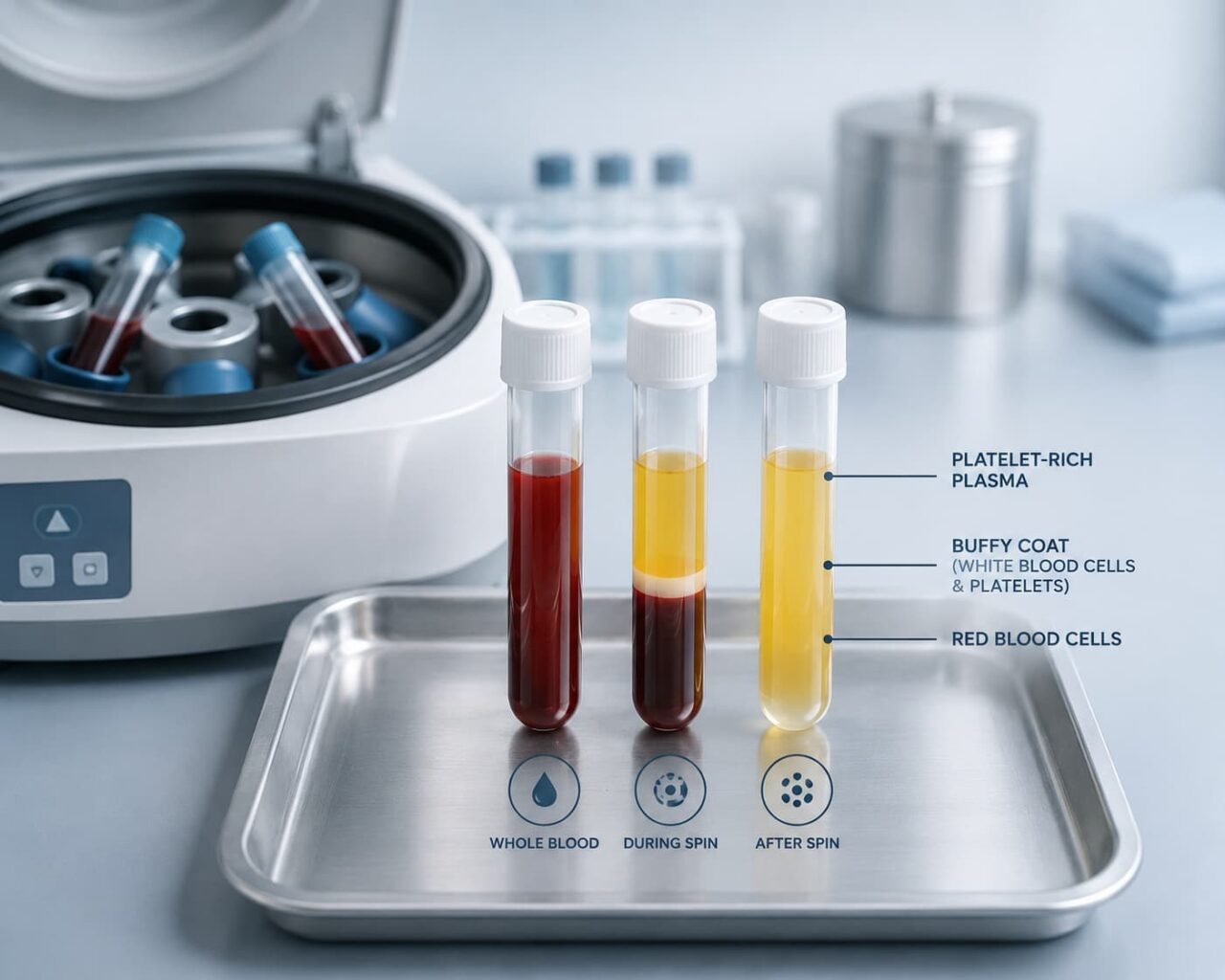
    Preparing for PRP starts with understanding what the procedure does at a biological level. A clinician draws a small blood sample and places it in a centrifuge. This machine separates platelets and growth factors from other blood components. The concentrated plasma then goes into specific zones of the penis through injection.

    Platelets release growth factors that support angiogenesis, the formation of new blood vessels. These growth factors also encourage tissue repair through pathways involving vascular endothelial growth factor (VEGF). A 2020 pilot randomised controlled trial in the Journal of Sexual Medicine reported improved erectile function scores among men who received PRP. Researchers compared these men against a placebo group. The trial sample stayed small, but the results pointed in a positive direction. This evidence supports the biological reasoning behind the P-shot. It also highlights the need for larger studies going forward.

    Every checklist item discussed above connects back to this biology. Medication, hydration, alcohol intake, and sleep all shape the plasma quality on the day. Better preparation produces a better starting sample, which supports a better clinical outcome.

    Cost Considerations: Priapus Shot Price and What to Expect

    Priapus shot price in the UK typically falls between £1,500 and £2,500 per session. Several factors drive this range. The clinic’s location, the clinician’s qualifications, and the package contents all affect price. Men researching male enlargement injections cost UK figures should look beyond the headline number. Price alone rarely indicates quality or safety.

    Regulatory oversight matters more than cost comparisons suggest. The Care Quality Commission regulates clinics that offer certain medical procedures in England. UK law classifies PRP injections as a medical procedure. Non-medically trained practitioners cannot legally administer this type of injection. A fair cost comparison always accounts for clinical governance, not just the price on a website.

    Choosing a Qualified Clinic for P Shot Treatment

    Patient waiting area in a regulated London clinic offering P shot treatment
    Choosing a regulated clinic with qualified oversight matters more than price alone.

    Clinical credentials matter more than location when choosing a provider. Harley Street has long attracted specialist private clinicians in London. That reputation stems from strict professional standards in the area. Patients should still verify a clinician’s individual qualifications directly. GMC registration, relevant surgical training, and experience with PRP techniques all matter.

    pshots clinic uk, a Harley Street clinic, offers P shot treatment under the clinical leadership of Dr Syed Nadeem Abbas. The clinic assesses individual suitability at consultation before agreeing any treatment protocol.

    Realistic Outcomes and Limitations

    Results after the P-shot vary between individuals. No clinic can guarantee a specific outcome for any patient. Reported benefits include improved erectile function and increased sensitivity. Some men also notice modest changes in girth. Evidence for length gains remains limited. Most clinical sources describe length change as an uncommon outcome.

    Men reviewing P shot before and after material online should treat it with caution. Individual results depend on underlying health and the cause of the original problem. Adherence to aftercare guidance also plays a role in outcomes. The P-shot before and after response often depends on whether a patient has one session or a full course. Penile injection growth findings in published literature remain preliminary at this stage. Researchers need further controlled studies before drawing firm conclusions about a p injection’s long-term effects.

    Frequently Asked Questions

    How long before treatment should medication changes begin?

    Patients should begin medication review at least seven to ten days before the appointment. This timeframe allows clinicians to adjust anticoagulants or NSAIDs safely.

    Can a patient drink alcohol the night before a P shot appointment?

    Clinicians generally advise against alcohol for 24 to 48 hours before treatment. Alcohol affects both clotting and hydration levels.

    Does P shot preparation differ for men with diabetes?

    Yes. Men with diabetes need closer monitoring of blood glucose control before treatment. Poor glucose control affects healing and raises infection risk.

    Is fasting necessary before the procedure?

    No. Clinicians generally recommend a light meal beforehand instead. This helps prevent light-headedness during the blood draw.

    How soon can normal activity resume after treatment?

    Most men resume light activity within 24 to 48 hours. Clinicians typically restrict strenuous exercise and sexual activity for a short period afterwards.

    Does smoking affect P shot preparation and results?

    Yes. Smoking reduces circulation and slows tissue healing. Clinicians recommend a temporary pause before treatment, and cessation offers the best long-term benefit.

    Key Takeaways

    Thorough P shot preparation supports both safety and treatment quality. The procedure relies entirely on the patient’s own blood, so preparation carries real clinical weight. A structured pre-treatment checklist covers medical history, medication review, lifestyle adjustments, and hydration. Each step reduces risk and improves the biological quality of the plasma used. Realistic expectations remain essential throughout this process. Outcomes vary between patients, and current evidence, while promising, continues to develop. Men considering this treatment should prioritise clinical governance and qualified oversight over price alone. What role should regulatory standards play in guiding a patient’s choice of clinic for regenerative treatments such as the P-shot?

    Read more:

    Your First P Shot London Consultation – What Happens Step by Step

    When Will I See Results from P Shot in London? A Realistic Timeline

    P shot London

  • How Many P-Shot Sessions Do You Need? One vs a Series of Treatments

    How Many P-Shot Sessions Do You Need? One vs a Series of Treatments

    Medically reviewed | Updated July 2026

    The Priapus Shot, widely known as the P-Shot, ranks among the most searched non-surgical treatments for male sexual health in London. Men across the UK increasingly search for regenerative alternatives to surgery or long-term medication. This raises one central question in most consultations: how many sessions actually deliver a meaningful result? This article sets out the clinical evidence, session planning, cost structure, and realistic expectations behind P shot treatment. It avoids exaggeration and marketing language throughout. The answer rarely comes down to a single fixed number. It depends on baseline health, treatment goals, and how the body responds to platelet-rich plasma.

    Demand for Pshot procedures across private clinics now outpaces the volume of robust clinical research supporting them. Clinics in London frequently offer men a range of packages for P-Shot treatment, from a single trial injection to a structured course spanning several months. Understanding the clinical reasoning behind session planning matters more than simply following a clinic’s default package. This approach supports a more informed treatment decision. The sections below outline what current evidence supports, what remains uncertain, and how clinicians typically determine session numbers in UK practice.

    What Is the P-Shot?

    Centrifuge used to prepare platelet-rich plasma for P-Shot treatment
    Blood is processed in a centrifuge to isolate the platelet-rich plasma used in P-Shot treatment.

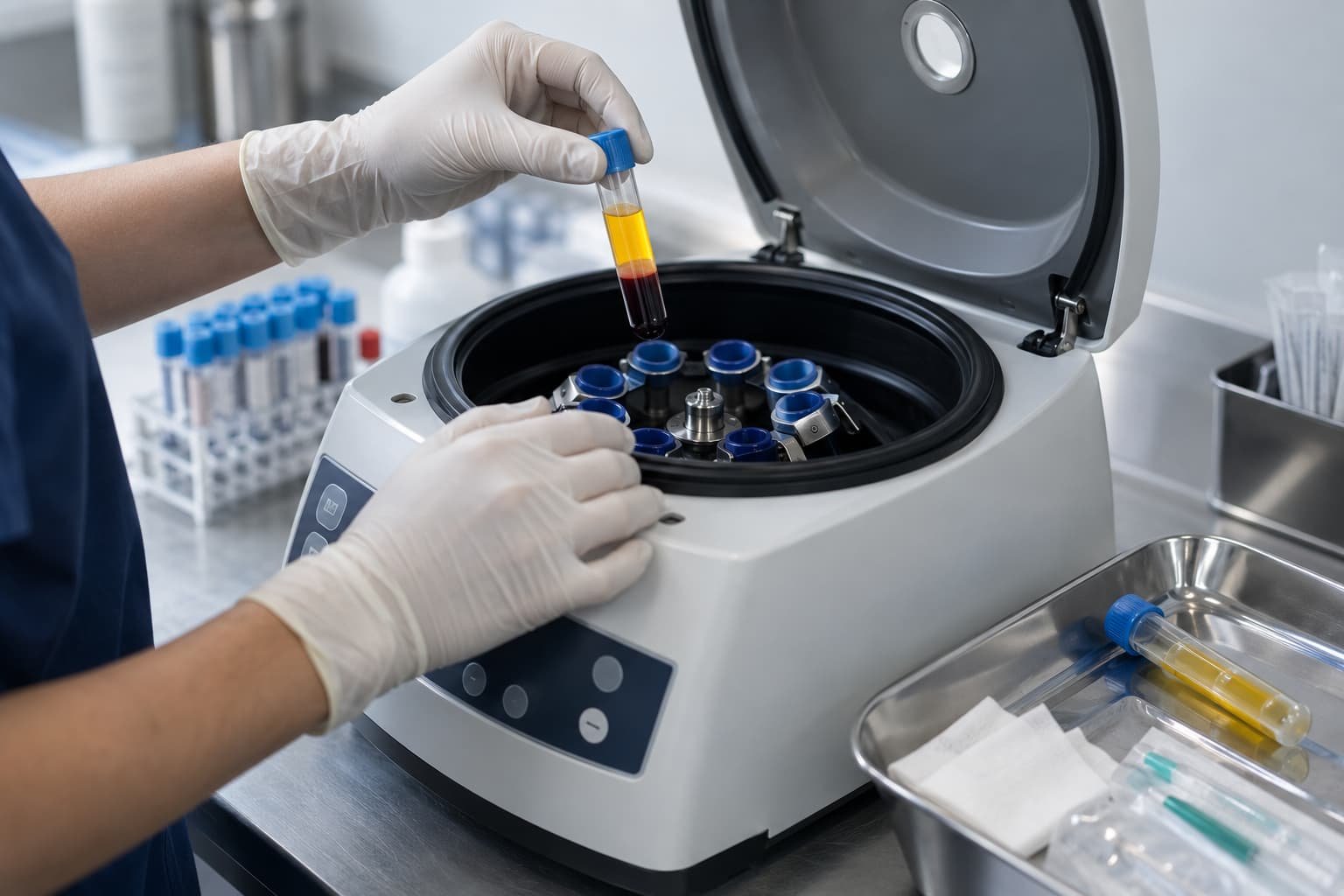
    The P-Shot, or Priapus Shot, delivers a platelet-rich plasma (PRP) injection into specific areas of the penis. Clinicians draw blood from the patient and process it in a centrifuge. This separates the sample into a concentrated platelet fraction. The clinician then injects this fraction into penile tissue using a fine needle, after applying topical or local anaesthetic. Providers market the procedure for erectile function support, sensitivity, and tissue health. It does not involve surgery, implants, or permanent alteration of anatomy. Pshot treatments run as outpatient procedures and usually last under an hour.

    Platelets contain growth factors that drive tissue repair, angiogenesis, and wound healing. Regenerative medicine has used PRP in orthopaedics, dermatology, and hair restoration for several decades. Its application to penile tissue arrived more recently, and clinical evidence remains under active review.

    How Many P-Shot Sessions Are Typically Needed?

    The clinical objective, baseline erectile function, and individual response to PRP all determine the number of sessions required.

    Single P-Shot Session

    Clinicians may offer a single treatment to men seeking a preliminary trial of PRP therapy, particularly those with mild symptoms or no diagnosed erectile dysfunction. Some clinics present a single P-Shot as sufficient for short-term subjective improvements in sensitivity or confidence. However, a single session does not allow for a structured evaluation of response over time. Any effect observed can be difficult to separate from the placebo response, which PRP research for erectile dysfunction documents well.

    Series of P-Shot Sessions

    Clinicians more commonly recommend a course of multiple PRP sessions for men with diagnosed mild to moderate erectile dysfunction. Peer-reviewed trials have generally tested two to three injections, spaced roughly one month apart, rather than a single administration. This staged approach allows platelet-derived growth factors to act cumulatively on penile tissue. It also gives clinicians a clearer picture of individual response before recommending further p shot repeat treatment.

    Clinics offering a structured course typically build in a reassessment appointment between injections. This appointment lets the clinician record any change in erectile function score and discuss tolerability. It also confirms whether the course should continue. A course-based approach reduces the likelihood of unnecessary repeat injections in men who show no measurable response after the first two treatments.

    Factors That Influence P-Shot Frequency

    Several clinical factors affect how many sessions a person may need.

    Severity of Erectile Dysfunction

    Clinicians tend to recommend fewer sessions for men with mild ED, as defined by validated scoring tools such as the International Index of Erectile Function (IIEF). Severe organic ED, often linked to vascular disease or diabetes, responds less readily to PRP alone.

    Underlying Health Conditions

    Diabetes, cardiovascular disease, smoking status, and hormonal imbalance can all influence P shot frequency decisions. Some studies suggest smoking status and baseline IIEF score may predict which patients respond better to PRP.

    Treatment Goals

    Some men pursue the P-Shot for erectile function. Others raise general male enlargement injections cost uk enquiries related to girth or sensitivity. Aesthetic and functional goals may follow different session patterns, though robust comparative data remains limited.

    Response to Initial Treatment

    Clinics typically reassess patients after each session. If measurable improvement fails to appear after the first two treatments, continuing with further injections without reassessing the underlying cause is not advisable.

    What Happens During Each Session

    Sterile injection tray prepared for a P-Shot session
    Each of the P-Shot sessions follows a standardised, sterile clinical procedure.

    Each appointment follows a standardised clinical sequence, whether it forms part of a single visit or a longer course. The clinician draws blood and processes it in a centrifuge to isolate the platelet-rich fraction, a step that typically takes fifteen to twenty minutes. Topical or local anaesthetic reduces discomfort before the clinician injects the PRP into predetermined areas of penile tissue using a fine needle. The full appointment, including preparation and recovery time, usually lasts under one hour. Clinicians generally advise patients to avoid strenuous activity and sexual intercourse for a short period after each session. This guidance follows standard post-injection aftercare for minor procedures.

    Clinics that document baseline erectile function before the first session, using a validated tool such as the IIEF questionnaire, follow good clinical practice. This baseline allows direct comparison at each subsequent session, rather than relying on subjective impression alone. Clinics that skip this step lose the ability to determine whether a course of treatment has produced any measurable change.

    What the Clinical Evidence Shows

    Peer-reviewed research supporting evidence on P-Shot sessions
    Clinical trial data on P-Shot sessions remains mixed, with outcomes varying across studies.

    Evidence for PRP in erectile dysfunction remains mixed and continues to develop. A 2021 double-blind, randomised, placebo-controlled trial tested two intracavernosal PRP injections one month apart. Researchers found the injections safe, but recorded no statistically significant difference compared with placebo at one month. A separate randomised controlled study compared three PRP injections against saline. It found no significant difference in IIEF scores between groups at one, three, or six months. By contrast, a 2024 systematic review and meta-analysis pooled multiple trials and reported a significant increase in erectile function domain scores at one month after PRP intracavernous injection.

    This inconsistency means no clinic can guarantee outcomes from any number of P-Shot Sessions. The Cleveland Clinic has stated publicly that clinical trials do not consistently demonstrate that the P-Shot improves erections, and it notes that further research is still needed. The NHS and NICE have not issued formal clinical guidance recommending PRP penile injections for erectile dysfunction. Established first-line NHS treatments for ED still include oral PDE5 inhibitors, vacuum erection devices, and, where appropriate, psychosexual therapy or vascular investigation.

    Patients considering this treatment should regard it as an adjunct or elective option. It does not replace medically established ED treatment pathways.

    P Shot Repeat Treatment: When Is It Recommended?

    Clinicians generally consider p shot repeat treatment when an initial course produces partial improvement but symptoms have not fully resolved. Clinics may space repeat courses six to twelve months apart, allowing time to assess whether initial gains hold. Repeat treatment should not follow automatically just because effects from a previous course have faded. Any recommendation for further P-Shot Sessions should follow a documented clinical reassessment, including a review of erectile function scoring where relevant.

    Unregulated or excessive repetition of PRP injections without clinical reassessment offers no proven added benefit. It can also increase exposure to injection-related risks, including bruising, swelling, infection, and localised pain.

    Priapus Shot Price and Cost Considerations in the UK

    Priapus shot price varies across UK clinics depending on location, practitioner qualifications, and whether treatment runs as a single session or a structured course. London clinics, including those based on Harley Street, typically charge more per session than clinics outside major cities, reflecting overheads and clinician experience. A course of P-Shot Sessions often carries a discount compared with booking sessions individually. Patients researching male enlargement injections cost uk should treat significantly lower prices with caution, since this may signal reduced clinical oversight or non-medical administration.

    Cost should not drive the decision on how many sessions to undergo. Clinical suitability and realistic outcome expectations should guide that decision instead. Patients should only weigh cost once a qualified clinician has confirmed appropriateness.

    What to Expect: P-Shot Before and After

    Peer-reviewed literature offers limited reliable P-Shot before and after documentation, since most published trials rely on standardised questionnaire scores rather than photographic outcome measures. Patients should treat any P shot before and after material from clinics with caution. Individual results vary, and photographic comparisons cannot control for lighting, angle, or arousal state. Patients should request outcome data based on validated clinical scoring rather than visual comparisons alone.

    Trials that discuss penile injection growth generally report modest effects, including improved erectile rigidity scores rather than confirmed anatomical enlargement. No high-quality peer-reviewed evidence currently supports a significant permanent size increase from p injection treatment.

    Safety and Realistic Outcomes

    PRP comes from the patient’s own blood, which lowers the risk of allergic reaction or disease transmission compared with injectable fillers from external sources. Trials generally report mild side effects, including temporary bruising, swelling, and localised discomfort at the injection site. Serious complications appear rare in published data, though most trials use small sample sizes.

    Clinicians should set realistic expectations before any course of treatment begins. Evidence does not currently support the penis shot as a guaranteed treatment for erectile dysfunction. Clinicians should discuss outcomes transparently, including the possibility of no measurable benefit. Clinicians should also screen men for underlying vascular, endocrine, or psychological contributors to erectile dysfunction before proceeding.

    Choosing a Provider for P-Shot Treatment in the UK

    London clinic offering P-Shot sessions under medical supervision
    Choosing a registered medical provider is essential when considering a course of P-Shot sessions.

    Selecting a provider for P shot London treatment involves verifying medical qualifications, injection technique training, and access to sterile clinical facilities. Regulatory oversight in the UK medical aesthetics sector remains limited. Prospective patients should confirm that the administering clinician holds relevant medical registration. Injections administered outside a clinical setting, or by non-medically trained practitioners, carry increased risk without additional benefit.

    Pshots Clinic UK, based on Harley Street in Marylebone, London, offers P-Shot treatment under the clinical oversight of Dr Syed Nadeem Abbas, a practitioner who holds an MSc in Aesthetic Plastic Surgery with Distinction from Queen Mary University London.

    Frequently Asked Questions

    How many P-Shot Sessions are usually recommended?

    Most clinical trials use two to three sessions, spaced roughly one month apart, though recommendations vary by clinician assessment.

    Can a single P-Shot session produce results?

    Clinics may offer a single session, but published trials have not consistently confirmed benefit from one injection compared with placebo.

    Is P-shot repeat treatment necessary for everyone?

    No. Repeat treatment should follow reassessment of response rather than an automatic schedule after an initial course.

    Does the Priapus shot price change with a course of sessions?

    Many clinics reduce per-session pricing when patients book multiple sessions as a course rather than individually.

    Is the P-Shot approved by the NHS or NICE?

    Neither the NHS nor NICE currently issues formal guidance recommending PRP penile injections for erectile dysfunction. Established NHS treatments remain the recommended first-line option.

    Are the effects of P-Shot treatment permanent?

    Evidence does not currently support permanent structural change from PRP injection. Trials have generally assessed functional improvement over months, not years.

    What are the risks of multiple PRP sessions?

    Reported risks include bruising, swelling, and localised discomfort. Excessive repetition without clinical reassessment offers no proven added benefit.

    keytakeaways

    Documented clinical assessment, not fixed marketing packages, should determine how many P-Shot Sessions a patient undergoes. Published trials remain divided: some report measurable improvement in erectile function scores, while others show no significant difference from placebo. A single injection rarely provides the same evaluative value as a properly spaced, monitored course of treatment. Patients should seek consultation with a suitably qualified medical practitioner and request outcome data based on validated scoring rather than photographic comparisons. Patients should also treat PRP as an adjunct to, not a replacement for, established NHS-recognised ED treatments. Given the current state of evidence, what level of proof should patients expect before committing to a repeated course of P-Shot Sessions?

    Read more:

    P-Shot Aftercare: The Complete Pre and Post Treatment Guide

    When Will I See Results from P Shot in London? A Realistic Timeline

    P shot treatment London

  • Low Libido vs Erectile Dysfunction: What Is the Difference?

    Low Libido vs Erectile Dysfunction: What Is the Difference?

    Sexual health problems in men are common, clinically significant, and frequently misunderstood. Many men use the terms low libido and erectile dysfunction interchangeably, yet these are distinct clinical conditions with different physiological mechanisms, causes, and treatment pathways. Misidentifying one for the other leads to delays in appropriate diagnosis and, in some cases, missed opportunities to detect serious underlying conditions such as cardiovascular disease, hypogonadism, or diabetes mellitus.

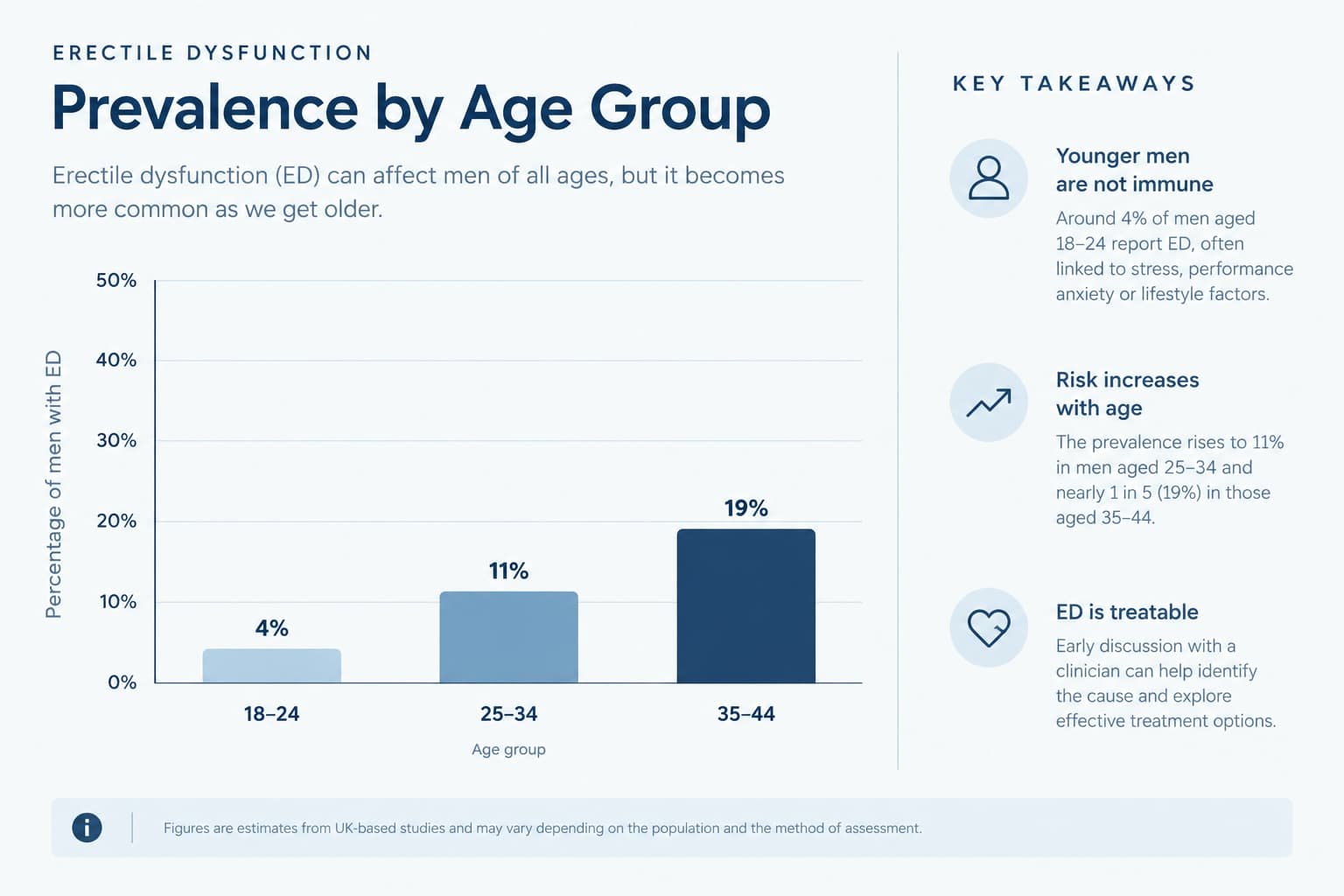
    According to the NHS, erectile dysfunction affects approximately one in five men over the age of 40 in the United Kingdom. Estimates from NICE indicate that reduced sexual desire is similarly prevalent, particularly among men aged 40 to 70. Despite this, a large proportion of men do not seek medical advice, often due to embarrassment or the assumption that such changes are an inevitable part of ageing.

    The clinical distinction between low libido vs erectile dysfunction is not merely academic. It determines which investigations are appropriate, which hormonal or vascular pathways require assessment, and which treatment strategies are likely to be effective. This article examines both conditions in detail — covering definitions, causes, diagnostic criteria, and treatment options including regenerative approaches such as the P-Shot — and explains how a structured clinical assessment can distinguish between them.

    Defining the Two Conditions

    What Is Erectile Dysfunction?

    Erectile dysfunction (ED) is the consistent inability to achieve or maintain an erection of sufficient rigidity for satisfactory sexual intercourse. The word ‘consistent’ is important here. Occasional difficulty is common and does not constitute ED. Clinically, a diagnosis requires the problem to persist over several weeks to months.

    The International Society of Sexual Medicine (ISSM) and NICE both define ED in functional rather than psychological terms. Consequently, the underlying mechanism involves impaired blood flow to the corpora cavernosa, disrupted nitric oxide signalling, nerve damage, or hormonal insufficiency — or a combination of these factors.

    Key clinical signs of erectile dysfunction include:

    • Some men notice erections that feel softer or fade more quickly than they once did.
    • A lack of morning or nocturnal erections can also be a sign of change.
    • Achieving an erection during partnered sexual activity may become difficult.
    • In certain cases, erections occur during masturbation but not with a partner, which can point toward a psychological factor.
    • Despite these challenges, sexual desire and arousal are usually preserved.

    What Is Low Libido?

    Low libido — clinically described as hypoactive sexual desire disorder (HSDD) in male patients — refers to a persistent reduction in sexual interest, drive, or motivation. The problem lies in the desire phase of the sexual response cycle, not in the physical capacity to achieve erection.

    A man with low libido may have entirely normal erectile function when sexual desire is present. However, that desire surfaces rarely or not at all. This distinction is central to the low libido vs erectile dysfunction assessment.

    Key clinical signs of low libido include:

    • Sexual thoughts and fantasies may be absent or greatly diminished.
    • Many individuals report little interest in initiating or participating in sexual activity.
    • Spontaneous arousal tends to be reduced, even in situations that would normally be stimulating.
    • When arousal does occur, erections are typically normal.
    • Additional symptoms can include fatigue, low mood, decreased muscle mass, and cognitive difficulties.

    Low Libido vs Erectile Dysfunction: A Clinical Comparison

    The table below summarises the core clinical differences. Both conditions can coexist, which is why a structured diagnostic assessment — rather than self-diagnosis — is essential.

    FeatureErectile DysfunctionLow Libido
    Core problemImpaired erection quality or durationReduced sexual desire or motivation
    Sexual desireUsually present and normalAbsent or significantly reduced
    Erectile functionImpaired — soft, brief, or absentNormal when arousal is present
    Primary driversVascular, neurological, hormonal, psychologicalHormonal (low testosterone), psychological, lifestyle
    Key red flagMay signal cardiovascular disease or diabetesMay signal hypogonadism or depression
    Recommended first testBlood pressure, fasting glucose, lipids, testosteroneMorning total testosterone, LH, prolactin, thyroid
    First-line treatmentPDE5 inhibitors, lifestyle, regenerative therapiesTestosterone optimisation, lifestyle, psychological support

    Causes of Erectile Dysfunction

    Anatomical diagram showing penile vasculature and cardiovascular connections relevant to erectile dysfunction
    Penile arteries are among the smallest in the body — endothelial dysfunction here often precedes coronary disease.

    ED is predominantly a vascular and neurological condition. The physiological sequence for erection depends on adequate arterial inflow, venous occlusion, intact nerve signalling, and sufficient nitric oxide release from endothelial cells. Disruption of any single component can cause or worsen ED.

    Cardiovascular and Metabolic Causes

    Erectile dysfunction is now recognised as an early marker of cardiovascular disease. The penile arteries are narrow — approximately 1 to 2 millimetres in diameter — and endothelial dysfunction manifests in these vessels years before it becomes apparent in larger coronary arteries. Research published in the European Heart Journal demonstrated that men with new-onset ED carry an approximately 1.6-fold increased risk of coronary heart disease, independent of other risk factors.

    Established vascular risk factors associated with ED include:

    • Hypertension can impair endothelial function and reduce arterial flexibility.
    • Elevated lipid levels contribute to atherosclerotic plaque buildup within penile blood vessels.
    • Type 2 diabetes mellitus often leads to both microvascular and macrovascular injury, with peripheral neuropathy as a common complication.
    • Excess body weight is linked to lower testosterone levels and heightened systemic inflammation.
    • Smoking further accelerates endothelial damage while diminishing nitric oxide availability.

    Hormonal Causes

    Low testosterone contributes to both reduced libido and impaired erectile function. Nevertheless, testosterone alone does not drive the erectile mechanism. The majority of the vasodilatory response depends on nitric oxide, which is why testosterone-only treatment does not reliably resolve ED in men with normal levels.

    Neurological Causes

    Nerve damage from radical prostatectomy, spinal cord injury, or multiple sclerosis can disrupt the autonomic signals required for erection. Furthermore, this form of ED is typically unresponsive to PDE5 inhibitors alone, and regenerative treatments carry particular relevance in these cases.

    Psychological and Situational Causes

    Performance anxiety, depression, and relationship discord can trigger or perpetuate ED. Psychogenic ED is more common in younger men and typically presents with intact nocturnal erections but absent or inconsistent erections during partnered activity.

    Medication-Induced ED

    Several commonly prescribed drugs reduce erectile function, including beta-blockers, thiazide diuretics, selective serotonin reuptake inhibitors (SSRIs), antipsychotics, and finasteride. Accordingly, a medication review forms part of any complete ED assessment.

    Causes of Low Libido in Men

    Low libido rarely exists in isolation. Most cases reflect an underlying physiological or psychological imbalance. Identifying the root cause is therefore essential before selecting treatment.

    Low Testosterone (Hypogonadism)

    Testosterone is the primary androgen driving male sexual desire. NICE guideline NG234 recommends testing morning serum testosterone in men presenting with reduced libido, fatigue, and loss of spontaneous erections. Total testosterone below 8 nmol/L, or between 8 and 12 nmol/L with persistent symptoms, indicates probable hypogonadism requiring further assessment.

    Notably, testosterone levels fluctuate diurnally and between laboratories. A single result is consequently insufficient. NICE recommends repeating the test on a second occasion before reaching a diagnosis.

    Depression and Psychological Factors

    Depression reduces dopaminergic activity in the reward pathways that mediate sexual motivation. Paradoxically, SSRIs prescribed for depression also suppress libido, creating a clinical dilemma. For this reason, any assessment of low libido should include validated mood screening tools such as the PHQ-9.

    Chronic Stress and Sleep Disruption

    Elevated cortisol from chronic stress suppresses the hypothalamic-pituitary-gonadal axis, thereby reducing testosterone secretion. Poor sleep independently lowers testosterone — research from the University of Chicago demonstrated that one week of restricted sleep reduced daytime testosterone levels in young men by 10 to 15 per cent.

    Other Hormonal Imbalances

    Hyperprolactinaemia (elevated prolactin) suppresses gonadotropin-releasing hormone, reducing testosterone and libido. Similarly, hypothyroidism reduces sexual drive. Both conditions require specific blood tests for detection.

    Can Low Libido and Erectile Dysfunction Coexist?

    Venn diagram comparing the overlapping causes of low libido and erectile dysfunction in men
    Low testosterone and cardiovascular disease frequently drive both conditions simultaneously.

    Yes — and coexistence is common, particularly in men over 50. The most frequent underlying cause of combined presentation is low testosterone, which impairs both sexual motivation and the androgenic support for nitric oxide synthesis.

    Depression, obesity, and chronic cardiovascular disease also drive both conditions simultaneously. In clinical practice, therefore, the low libido vs erectile dysfunction distinction does not always yield a clean binary. Many men present on a spectrum requiring assessment of desire, function, hormonal status, and vascular health together.

    A structured blood panel — including morning total testosterone, LH, FSH, prolactin, fasting glucose, HbA1c, and lipids — is the most efficient single investigation for separating the contributory factors.

    Diagnosis: What a Clinical Assessment Involves

    A rigorous assessment of low libido vs erectile dysfunction follows a consistent framework regardless of the presenting symptom.

    Step 1: Structured History

    A clinician takes a detailed history covering: onset and duration of symptoms; presence or absence of morning erections; relationship context; medication history; alcohol and tobacco use; cardiovascular risk factors; and psychological symptoms including mood, anxiety, and sleep quality.

    Step 2: Validated Questionnaires

    The International Index of Erectile Function (IIEF-5) quantifies erectile function severity on a validated scale. In addition, the PHQ-9 screens for depression. Together, these tools guide the diagnostic pathway objectively.

    Step 3: Physical Examination and Blood Pressure

    Testicular volume, secondary sexual characteristics, and blood pressure are assessed. Elevated blood pressure is both a cause and consequence of ED, and its detection has direct management implications.

    Step 4: Blood Panel

    Core investigations include morning total testosterone (repeat if low), LH, FSH, prolactin, fasting glucose, HbA1c, full lipid profile, and thyroid function. Collectively, these tests screen for hypogonadism, diabetes, cardiovascular risk, and secondary hormonal dysfunction.

    Step 5: Penile Doppler Ultrasound

    In selected cases of ED where vascular pathology is suspected, a colour duplex Doppler ultrasound of the penile arteries quantifies arterial peak systolic velocity and end-diastolic velocity. This investigation guides decisions on regenerative treatments such as shockwave therapy and the P-Shot.

    Treatment Options for Erectile Dysfunction

    Lifestyle Modification

    Lifestyle intervention is first-line in all international guidelines. Weight loss, aerobic exercise, smoking cessation, and alcohol reduction demonstrably improve erectile function by improving endothelial health, testosterone levels, and cardiovascular fitness. A 2019 systematic review in the Journal of Sexual Medicine found that exercise-based intervention significantly improved IIEF-5 scores in men with mild to moderate ED.

    PDE5 Inhibitor Medications

    Phosphodiesterase type 5 inhibitors — including sildenafil, tadalafil, vardenafil, and avanafil — are the established pharmacological first-line for ED. These agents inhibit the enzyme responsible for degrading cyclic GMP, sustaining the smooth muscle relaxation and arterial inflow required for erection. Crucially, they require sexual stimulation to work and do not address the underlying cause of ED. In the UK, all PDE5 inhibitors require a valid prescription.

    Regenerative Treatments: The P-Shot

    Clinical preparation of platelet-rich plasma (PRP) for P-Shot erectile dysfunction treatment in a UK private clinic
    The P-Shot uses the patient’s own blood, centrifuged to concentrate growth factors before injection.

    The Priapus Shot — commonly referred to as the P-Shot or P Shot — represents a regenerative approach to erectile dysfunction that addresses underlying tissue damage rather than masking symptoms.

    The procedure uses platelet-rich plasma (PRP) derived from the patient’s own blood. Autologous blood is drawn, centrifuged to concentrate growth factors, and injected into the corpora cavernosa and glans penis under local anaesthetic. The growth factors contained in PRP — including platelet-derived growth factor (PDGF), vascular endothelial growth factor (VEGF), and transforming growth factor-beta (TGF-β) — stimulate angiogenesis, collagen remodelling, and smooth muscle regeneration.

    Published evidence for PRP therapy for men’s performance issues is growing. A 2021 study in the Sexual Medicine journal reported significant improvement in IIEF scores following P-Shot treatment in men with mild to moderate ED. Moreover, a 2020 placebo-controlled trial published in the Journal of Sexual Medicine found that PRP injection improved erectile rigidity and patient-reported satisfaction versus placebo at 6-month follow-up.

    What to Expect from P-Shot Treatment

    The Priapus Shot (P-Shot) is a platelet-rich plasma (PRP)–based regenerative therapy designed to improve erectile function. It is not a universal cure for erectile dysfunction (ED), and outcomes depend on factors such as age, vascular health, and coexisting medical conditions. Patients typically notice gradual improvements over 8 to 12 weeks as tissue repair and regeneration occur. The procedure is non-surgical, carries a low risk of adverse events when performed by a trained clinician, and is distinct from synthetic fillers or mechanical devices.

    Clinical data suggests that appropriately selected patients may experience measurable gains in erectile rigidity and penile sensitivity. However, results vary, and before-and-after assessments should be interpreted within structured medical reviews rather than anecdotal accounts. In practice, the P-Shot is often combined with vacuum erection device protocols to enhance tissue response. Importantly, it is not a cosmetic enlargement injection but a therapy aimed at restoring erectile function through vascular and tissue regeneration.

    Men considering treatment in London may undergo a comprehensive diagnostic workup to determine suitability. Clinics such as those led by Dr. Syed Nadeem Abbas at pshots clinic uk offer consultations that include eligibility assessment and discussion of treatment costs. The therapy uses autologous biological material, reducing the risk of immune reaction compared to other injectable agents. For patients comparing ED treatments, it is important to note that the P-Shot works differently from PDE5 inhibitors, vacuum devices, or pharmacological injections like alprostadil. Those exploring natural, regenerative approaches should seek guidance from a qualified clinician to understand the evidence and determine the most appropriate option for their individual case.

    This rewritten version is under 300 words and maintains clarity, balance, and clinical accuracy. Would you like me to also condense it into a patient-friendly summary, perhaps in a brochure-style format?

    Other Treatment Modalities

    Additional evidence-based options for ED include:

    • Low-intensity extracorporeal shockwave therapy (Li-ESWT) encourages new blood vessel growth in penile tissue, and NICE has issued guidance highlighting its potential role.
    • For men who do not respond to PDE5 inhibitors, intracavernosal alprostadil can be used to directly relax smooth muscle.
    • Non-pharmacological options such as vacuum erection devices are particularly valuable for penile rehabilitation following surgery.
    • In cases of refractory erectile dysfunction, surgical implantation of a penile prosthesis may be considered, though it is not a first-line treatment.

    Treatment Options for Low Libido

    Testosterone Replacement Therapy (TRT)

    Where confirmed hypogonadism is the cause of low libido, testosterone replacement therapy is the evidence-based treatment. NICE guideline NG234 (2022) supports TRT for men with total testosterone consistently below 8 nmol/L, or below 12 nmol/L with symptomatic hypogonadism. Available forms include intramuscular injections, transdermal gels, and buccal tablets. TRT requires ongoing monitoring of haematocrit, PSA, and cardiovascular parameters.

    TRT is not without risk. It can suppress spermatogenesis, raise haematocrit, and affect lipid profiles. As a result, shared decision-making and informed consent are essential components of initiation.

    Psychological Therapies

    Where low libido is driven by depression, anxiety, or relationship conflict, cognitive behavioural therapy (CBT) and psychosexual counselling are appropriate first-line options. The British Association for Sexual and Relationship Therapy (BASRT) provides accreditation for UK practitioners.

    Lifestyle Interventions

    Sleep quality improvement, stress management, alcohol reduction, and regular exercise produce measurable improvements in testosterone levels and sexual motivation. These interventions are low-risk and applicable to virtually all men with low libido, regardless of the primary cause.

    Peptide Therapies

    PT-141 (bremelanotide), a melanocortin receptor agonist, acts centrally on arousal pathways rather than peripherally on vascular mechanisms. Although it is licensed in the United States for female HSDD and is under investigation for male sexual desire disorders, evidence remains limited and it is not currently approved for routine use in the UK.

    NHS Pathway Versus Private Men’s Health Clinics in the UK

    Comparison of NHS GP waiting room versus private men's health clinic environment in the UK
    Private clinics offer same-day assessment and a wider treatment range — including regenerative options not routinely available on the NHS.

    The NHS offers GP assessment, basic blood testing, and referral to urology or endocrinology for ED and hormonal disorders. PDE5 inhibitors are available on NHS prescription under defined criteria. However, waiting times for specialist referral can extend to several months, and not all diagnostic investigations — such as penile Doppler ultrasound — are routinely available in primary care.

    By contrast, private men’s health clinics offer same-day consultation, comprehensive blood panels, and access to men’s intimate health treatment in London including regenerative procedures such as the P Shot UK — within a single clinical visit. This accelerated pathway is clinically relevant where ED may signal early cardiovascular disease requiring prompt investigation.

    Men exploring P Shot London or male enlargement injections cost UK should confirm that any private clinic offers a full diagnostic assessment before proceeding to treatment. Regenerative procedures performed without adequate screening are inappropriate and potentially unsafe.

    Age-Related Considerations

    Men Under 40

    ED in younger men is more frequently psychogenic or drug-induced. Nevertheless, metabolic factors — obesity, insulin resistance, and subclinical hypertension — are increasingly prevalent in this age group. Testosterone deficiency is less common but should not be excluded without testing. Low libido in men under 40 should prompt screening for depression and thyroid dysfunction.

    Men Aged 40 to 60

    This age group sees the highest convergence of vascular risk and hormonal decline. The low libido vs erectile dysfunction distinction becomes most clinically complex here, as both conditions often coexist. Full metabolic and hormonal screening is therefore essential. Cardiovascular risk stratification — using validated tools such as QRISK3 — is appropriate before initiating any treatment.

    Men Over 60

    Age-related decline in testosterone (late-onset hypogonadism) and accelerated vascular disease are primary drivers in this group. Treatment decisions must account for cardiovascular status, medication polypharmacy, and comorbidities. Furthermore, TRT in this age group requires careful monitoring.

    Frequently Asked Questions

    1. How does a clinician distinguish low libido from erectile dysfunction?

    A structured history identifies whether the problem is primarily one of desire (low libido) or physical function (ED). Validated questionnaires, hormonal blood panels, and in selected cases a penile Doppler ultrasound confirm the diagnosis.

    2. Can low testosterone cause both low libido and erectile dysfunction?

    Yes. Testosterone supports both sexual motivation and the androgenic contribution to nitric oxide synthesis. Confirmed hypogonadism may consequently present with reduced libido, softer erections, loss of morning erections, fatigue, and low mood simultaneously.

    3. Is the P-Shot suitable for all men with erectile dysfunction?

    No. The P-Shot treatment is most appropriate for men with mild to moderate ED, particularly where vascular damage is the contributing factor. It is not recommended as first-line for severe ED or for ED caused by complete nerve damage. A full clinical assessment is required before the procedure is offered.

    4. What does the P-Shot procedure involve?

    A small volume of blood is drawn from the patient and centrifuged to produce PRP. Under local anaesthetic, the PRP is subsequently injected into specific areas of the penis using a fine needle. The procedure takes approximately 45 to 60 minutes in a clinical setting. Most men return to normal activities the same day.

    5. Is testosterone replacement therapy available on the NHS for low libido?

    NICE guideline NG234 supports NHS provision of TRT for men with confirmed hypogonadism (testosterone consistently below 8 nmol/L or symptomatic with levels below 12 nmol/L). Access to NHS-funded TRT depends on local commissioning and the prescribing clinician’s assessment.

    6. How long does it take to see results from regenerative ED treatments?

    Results from PRP-based regenerative therapy for ED typically emerge over 8 to 12 weeks as tissue remodelling progresses. Some patients report improvement in erectile quality within 4 to 6 weeks. Outcomes depend on baseline erectile function, age, and comorbidity burden.

    7. When should a man seek urgent medical advice for sexual health problems?

    New-onset ED, particularly in men under 60 without an obvious lifestyle explanation, warrants prompt medical review to exclude cardiovascular disease and diabetes. Sudden loss of libido accompanied by fatigue, weight change, or visual disturbance should additionally prompt urgent endocrine assessment.

    Conclusion

    The low libido vs erectile dysfunction distinction represents one of the most clinically important assessments in men’s sexual health. These conditions share overlapping presentations but differ fundamentally in mechanism, cause, and treatment. Approaching either condition without a structured diagnostic workup risks misdiagnosis, inappropriate treatment, and — in cases where ED signals early vascular disease — a missed opportunity for cardiovascular risk reduction.

    Evidence-based management integrates lifestyle intervention, hormonal assessment, pharmacological treatment, and — where appropriate — regenerative approaches such as PRP therapy for men’s performance issues. The P-Shot, alongside shockwave therapy and PDE5 inhibitors, forms part of a tiered treatment strategy for men with ED who require more than symptomatic management.

    Men experiencing either condition in the UK can access NHS assessment through a GP or seek a comprehensive private evaluation at a specialist men’s health clinic, where same-day diagnostics and a broader range of treatment options are available.

    The key question every clinician and patient should ask is not simply whether an erection is achievable — but what the inability or unwillingness to achieve one is telling the body about its broader health.

    read more:

    The Psychological Impact of ED on Relationships

    P-Shot for Performance Anxiety: Can It Restore Confidence?

    P shot London

  • The Psychological Impact of ED on Relationships

    The Psychological Impact of ED on Relationships

    Erectile dysfunction (ED) extends far beyond the individual. It reaches into the intimate fabric of a partnership. Research consistently shows that ED and relationships are inseparable — when one suffers, so does the other.

    Approximately 4.3 million men in the United Kingdom experience erectile dysfunction. The British Society for Sexual Medicine (BSSM) recognises ED as a major contributor to male psychological distress. Yet the relational consequences remain under-discussed in clinical settings.

    This article examines the bidirectional psychological burden that ED places on partnerships. It addresses how emotional withdrawal, communication breakdown, misattribution of blame, and loss of intimacy manifest in affected couples. It also contextualises the emerging role of regenerative treatments — including the P-Shot — within a broader, evidence-informed therapeutic framework.

    Clinicians and patients both benefit from understanding one central truth: ED is not a personal failing. It is a medical condition with documented psychological sequelae that extend well beyond the bedroom.

    Understanding the Psychological Burden of Erectile Dysfunction

    Erectile dysfunction triggers a cascade of emotional responses. These responses affect both the man experiencing the condition and the partner involved. The NHS acknowledges that psychological factors — including depression, anxiety, and relationship stress — both cause and worsen ED.

    A widely cited biopsychosocial model frames ED as a condition where physical, psychological, and relational variables interact continuously. This model, endorsed by the European Association of Urology (EAU), underpins modern clinical assessment.

    The Psychological Profile of Men with ED

    Men with ED commonly report: shame, reduced self-worth, diminished masculine identity, and anticipatory anxiety about sexual encounters.

    A 2021 review published in Sexual Medicine Reviews found that men with ED scored significantly higher on measures of generalised anxiety and depression compared to sexually functional peers. Notably, the psychological burden persisted even after successful physiological treatment — suggesting that emotional recovery requires its own therapeutic pathway.

    Performance anxiety creates a self-perpetuating cycle. The fear of failure inhibits the parasympathetic nervous system response required for erection. This cycle is not resolved simply by addressing vascular or hormonal pathology. It requires simultaneous attention to the man’s psychological state.

    Neurological Pathways: How Anxiety Suppresses Erectile Function

    The hypothalamic-pituitary-adrenal (HPA) axis governs the stress response. When activated chronically — as occurs during sustained performance anxiety — it elevates cortisol and suppresses testosterone. Both outcomes directly impair erectile function.

    Simultaneously, the sympathetic nervous system dominates. Penile smooth muscle remains contracted. Blood cannot engorge the corpora cavernosa. The result is physiological ED driven by a psychological trigger.

    This neurological mechanism explains why ED and relationships deteriorate even in couples where both partners are emotionally committed. The condition is not a reflection of desire or attraction.

    How Erectile Dysfunction Affects Intimate Partnerships

    Couple sitting apart on a sofa illustrating emotional distance caused by erectile dysfunction in relationships
    Partners of men with ED frequently experience emotional withdrawal, self-blame, and reduced physical closeness — even without full awareness of the clinical cause.

    Partner Emotional Responses

    The Female Experience of Men’s Attitudes to Life Events and Sexuality (FEMALES) study — published in The Aging Male — found that partners of men with ED report significant emotional distress independent of the affected individual’s own experience. Partners frequently internalise the condition.

    Common partner responses include:

    • Feelings of self-blame often arise, with erectile difficulties interpreted as a sign of diminished attraction or emotional distance.
    • The prospect of initiating intimacy can trigger anxiety, rooted in fear of rejection.
    • To shield themselves from further distress, some individuals begin to avoid physical closeness.
    • Over time, silent frustration builds, gradually leading to emotional withdrawal.

    These responses compound the man’s existing shame. A destructive loop emerges: avoidance leads to reduced intimacy, which worsens emotional distance, which heightens performance anxiety.

    Communication Breakdown as a Primary Consequence

    NICE guidelines on sexual dysfunction highlight that open communication between partners is a core therapeutic target — not merely a desirable outcome. Yet ED systematically erodes this communication.

    Men often delay disclosure for months or years. Help-seeking behaviour remains low. A 2022 survey by the British Journal of General Practice found that fewer than 40% of men with ED had discussed the condition with a GP. This silence is rarely due to indifference. It reflects the depth of stigma associated with sexual dysfunction in male populations.

    When communication does break down, partners misinterpret symptoms. The unspoken nature of ED and relationships damage becomes self-reinforcing.

    Misattribution of Blame and Infidelity Suspicion

    A particularly damaging consequence involves misattribution. Partners — uninformed about the medical basis of ED — sometimes suspect infidelity as an explanation for reduced sexual interest. This misattribution introduces significant relational distrust.

    Research from the Journal of Sexual Medicine indicates that a notable proportion of partners initially interpret ED as a sign of emotional disengagement or external romantic interest. Without clinical education about the neurobiological and vascular basis of the condition, this misinterpretation persists.

    The Bidirectional Nature of ED and Relationship Distress

    ED does not simply affect an existing relationship. Relationship distress itself can precipitate and sustain ED. This bidirectional dynamic is well established in the psychosexual literature.

    A landmark study published in the Journal of Urology found that relationship dissatisfaction predicted ED onset in men with no prior history of physiological dysfunction. The psychological stressor of a conflicted or emotionally distant relationship activated the same HPA-axis pathways that suppress erectile function in performance anxiety.

    Clinical diagram showing the bidirectional relationship between psychogenic and vasculogenic erectile dysfunction
    Psychogenic and vasculogenic ED are not mutually exclusive. In most clinical cases, both pathways interact and reinforce one another.

    Psychogenic vs. Vasculogenic ED in Relationship Contexts

    It is clinically important to distinguish psychogenic ED — arising primarily from psychological causes — from vasculogenic ED, which results from compromised blood flow. The clinical reality is that many cases involve both components simultaneously.

    Nocturnal penile tumescence testing helps distinguish these. Men with preserved nocturnal erections but situational ED in partnered contexts likely have a predominantly psychogenic component. Treatment planning must account for both pathways.

    Relationship Quality as a Predictor of Treatment Response

    Clinical data suggest that relationship quality moderates treatment outcomes in ED. Men in supportive, communicative partnerships show better responses to both pharmacological and regenerative interventions. Conversely, unresolved relational conflict limits treatment efficacy — regardless of the physiological mechanism addressed.

    This finding carries a direct clinical implication: treatment for ED and relationships must be considered in parallel, not in sequence.

    Long-Term Relational Consequences of Untreated ED

    Declining Frequency of Sexual Activity

    The FEMALES study reported that partners of men with ED engage in significantly less sexual activity — not only penetrative intercourse but all forms of physical intimacy. Avoidance generalises beyond the specific act that triggers anxiety. Couples progressively reduce all physical contact to manage anticipated distress.

    Emotional Detachment and Reduced Relationship Satisfaction

    A 2020 meta-analysis in the Archives of Sexual Behaviour confirmed that ED is independently associated with reduced relationship satisfaction in both affected men and their partners. The magnitude of this association was comparable to that seen in couples with diagnosed depression.

    Critically, emotional detachment preceded relationship dissolution in many cases. ED did not cause separation directly. The untreated psychological burden — shame, silence, withdrawal — corroded relational bonds over time.

    Impact on New Relationship Formation

    Men without established partnerships face distinct challenges. Performance anxiety compounds the social anxiety of dating. Research cited by the BSSM indicates that 63% of men with ED report significant apprehension about forming new sexual relationships. Disclosure timing — when and whether to inform a new partner — generates sustained psychological distress.

    Clinical Approaches: Integrating Psychological and Physical Treatment

    Psychosexual Therapy

    NICE recommends psychosexual therapy as a first-line or adjunctive intervention for ED with a confirmed psychological component. Cognitive behavioural therapy (CBT) targeting performance anxiety, and couples-focused therapy addressing communication deficits, demonstrate measurable efficacy in the peer-reviewed literature.

    Sex therapists registered with the College of Sexual and Relationship Therapists (COSRT) offer structured programmes specifically designed for psychogenic and mixed-aetiology ED.

    PDE5 Inhibitors: Efficacy and Relational Limitations

    Phosphodiesterase-5 (PDE5) inhibitors such as sildenafil and tadalafil remain first-line pharmacological treatment for vasculogenic ED. They address the physiological deficit in cGMP signalling that prevents smooth muscle relaxation.

    However, PDE5 inhibitors do not restore spontaneity. The Journal of Clinical Urology reported in 2022 that timed intercourse — necessitated by oral ED medications — independently increased the risk of sexual dysfunction in both partners. A planned sexual encounter imposes a performance expectation that perpetuates the anxiety cycle these medications are intended to interrupt.

    Furthermore, survey data indicate that 34–38% of men using PDE5 inhibitors remain dissatisfied with their sexual lives. The pharmacological address of vascular mechanics does not resolve the psychological sequelae of ED and relationships damage.

    Regenerative Treatment: The Role of PRP Therapy

    Platelet-rich plasma (PRP) therapy represents an emerging category of non-surgical treatment for erectile dysfunction in London. PRP is derived from the patient’s own blood. It undergoes centrifugation to concentrate growth factors including platelet-derived growth factor (PDGF), vascular endothelial growth factor (VEGF), and transforming growth factor-beta (TGF-β).

    When injected into the corpus cavernosum, these growth factors stimulate neovascularisation — the formation of new blood vessels — and facilitate repair of endothelial tissue. The biological rationale is sound. PRP-based regenerative therapy for ED targets the vascular substrate of the condition rather than simply compensating for it pharmacologically.

    A 2020 systematic review published in Sexual Medicine Reviews examined PRP application in erectile dysfunction across multiple studies. Researchers identified improvements in International Index of Erectile Function (IIEF) scores alongside favourable safety profiles. Authors acknowledged that larger randomised controlled trials remain necessary before definitive clinical conclusions can be drawn.

    The P-Shot: Clinical Overview

    The P-Shot, also known as the Priapus Shot, is a growth-focused penile injection procedure that delivers concentrated platelet-rich plasma (PRP) directly into erectile tissue. By using the patient’s own platelets, the treatment aims to stimulate natural healing and regeneration within the targeted area. This approach is designed to enhance function by harnessing the body’s own biological resources. This approach distinguishes it fundamentally from cosmetic penile filler, which uses synthetic material and carries distinct risk profiles.

    Men considering P-shot before and after outcomes should approach the evidence carefully. P-shot before and after data from published studies shows modest but clinically relevant improvements in erectile function scores in appropriately selected patients. No procedure offers guaranteed outcomes. Individual results depend on baseline vascular health, PRP preparation quality, injection technique, and concurrent lifestyle factors.

    P shot treatment is available at specialist private clinics across the UK. Pshots.co.uk, led by Dr Syed Nadeem Abbas (MBBS, MRCS RCS Edinburgh, MRCGP, MSc Aesthetic Plastic Surgery with Distinction — Queen Mary University London), offers this procedure in Harley Street and Marylebone as part of an individualised men’s intimate health treatment pathway.

    Men seeking Priapus shot London or P shot UK options should ensure that the treating clinician holds appropriate GMC registration and demonstrates specific training in regenerative medicine. The procedure involves penile injection growth mechanisms that require precise anatomical knowledge.

    Cost and Access Considerations

    Priapus shot price and male enlargement injections cost UK vary across providers. Pricing reflects clinician experience, clinic setting, PRP preparation technology, and treatment protocols. Prospective patients should request itemised pricing and confirm what is included in any quoted fee.

    P injection procedures are not available through the NHS. Patients fund these privately. As a non-surgical treatment for erectile dysfunction in London, the P-shot may suit men who have not responded adequately to oral medication or who prefer an autologous, non-pharmacological option.

    The Psychological Benefits of Effective ED Treatment

    Addressing the physical substrate of ED produces measurable psychological benefits. A 2019 study in the European Urology journal confirmed that successful ED treatment — regardless of modality — improved self-reported quality of life, reduced depression scores, and enhanced relationship satisfaction in both affected men and their partners.

    Men who received effective treatment reported: improved sexual confidence, reduced anticipatory anxiety, re-engagement with physical intimacy, and restored sense of masculine identity. Partners reported increased emotional closeness and greater relationship stability.

    These findings confirm that addressing ED and relationships simultaneously — not sequentially — produces the most durable psychological outcomes.

    Male patient in private consultation with a clinician discussing erectile dysfunction treatment options in London
    A structured clinical consultation is the essential first step — helping men understand the full range of evidence-based options for managing ED and its relational impact.

    Frequently Asked Questions

    Can erectile dysfunction cause relationship breakdown?

    ED does not directly cause relationship breakdown. However, untreated ED — combined with communication avoidance, shame, and mutual withdrawal — creates conditions in which relationship satisfaction declines significantly. Early clinical intervention, including psychosexual therapy and appropriate medical treatment, reduces this risk.

    Should a partner attend a consultation for ED treatment?

    Many psychosexual clinicians recommend partner involvement in the assessment and treatment process where possible. Partner engagement improves communication, reduces misattribution of blame, and supports adherence to treatment protocols. This is a clinical recommendation, not a requirement.

    Is the P-Shot a suitable treatment for psychogenic ED?

    The P-Shot addresses vascular and tissue-level factors in erectile function. It does not directly target neuropsychological pathways. In men with mixed-aetiology ED — involving both vascular compromise and psychological components — the P shot may form part of a multimodal treatment plan alongside psychosexual therapy.

    How does PRP therapy differ from ED medications?

    PRP therapy for men’s performance issues aims to restore endogenous erectile capacity through tissue repair. PDE5 inhibitors compensate for existing dysfunction pharmacologically without addressing the underlying vascular deficit. These approaches are not mutually exclusive. Some clinicians use them in combination.

    What are realistic expectations for P-shot before and after outcomes?

    Published evidence indicates that some men experience improvements in IIEF scores, enhanced penile sensitivity, and improved erectile rigidity following P-shot treatment. Results are not universal. Outcomes depend on patient selection, baseline vascular health, and procedure quality. Patients should review evidence with a qualified clinician and set realistic expectations before proceeding.

    Is regenerative treatment for male health available across the UK?

    Regenerative treatment for male health in the UK is available through a limited number of specialist private clinics. Availability varies by region. London currently offers the highest concentration of trained practitioners offering P shot UK options. Patients outside London may need to travel for access to appropriately qualified providers.

    Conclusion

    Erectile dysfunction is a medical condition with profound psychological consequences — for the affected individual and the partner alike. The evidence is consistent: ED and relationships are mutually reinforcing systems. Psychological distress worsens physiological dysfunction. Physiological dysfunction intensifies psychological distress. Neither can be addressed in isolation.

    Effective clinical management requires a biopsychosocial approach. Psychosexual therapy addresses communication deficits and performance anxiety. Pharmacological treatment provides symptomatic relief for vascular ED. Emerging regenerative options — including natural ED treatment using PRP therapy — offer a tissue-level intervention for men who have not achieved satisfactory outcomes through conventional routes.

    Men should not delay seeking assessment. Partners deserve accurate clinical information. Both deserve access to an evidence-informed pathway that treats the whole relationship — not merely the symptom.

    Treatments such as the Priapus Shot and erectile dysfunction treatment London options continue to evolve within a rapidly advancing field. The obligation on patients and clinicians alike is to evaluate evidence critically, set realistic expectations, and build treatment plans that account for both the physical and the deeply human dimensions of male sexual health.

    If successful treatment restored erectile function tomorrow — would the psychological and relational scars that accumulated during the period of dysfunction heal on their own, or does recovery require an equally deliberate and structured approach to the relationship itself?

    Read more:

    P-Shot for Performance Anxiety: Can It Restore Confidence? 

    Talking to Your Partner About the P Shot – A Practical Guide

    P shot London

  • P-Shot Side Effects: What Are the Real Risks?

    P-Shot Side Effects: What Are the Real Risks?

    Men considering the P-Shot — also known as the Priapus Shot or P shot treatment — deserve clear, evidence-based information about potential risks. PRP therapy for men’s performance issues attracts growing interest across the UK. Yet discussions of P shot side effects remain far less prominent than the promotional content that dominates search results. This article corrects that imbalance.

    The P-Shot is not a cosmetic procedure. It is an intracavernosal injection of autologous platelet-rich plasma (PRP) — a concentrated fraction of the patient’s own blood — administered directly into the corpus cavernosum of the penis. As a regenerative treatment for male health in the UK, it sits within the broader category of advanced PRP solutions for erectile dysfunction. Like every clinical intervention, it carries a defined risk profile that every informed patient must understand before proceeding.

    This article examines the known P shot risks, the mechanisms behind each adverse event, the current state of clinical evidence, and the key questions to ask before any consultation. It does not advocate for or against the treatment. It presents what peer-reviewed literature and regulatory guidance currently support.

    Patients searching for non-surgical treatment for erectile dysfunction in London will find a growing number of clinics offering PRP-based regenerative therapy for ED. Understanding the risk-benefit balance is the essential first step.

    What Is the P-Shot and How Does It Work?

    The P-Shot is a form of penile injection growth therapy. Blood is drawn from the patient’s arm, processed in a centrifuge to isolate platelet-rich plasma, and then injected into targeted penile tissue under local anaesthetic.

    Platelets release growth factors — including platelet-derived growth factor (PDGF), vascular endothelial growth factor (VEGF), and transforming growth factor-beta (TGF-β). These growth factors theoretically stimulate neovascularisation, tissue remodelling, and smooth muscle regeneration within the corpus cavernosum.

    The mechanism is biologically plausible. Endothelial dysfunction drives the majority of organic erectile dysfunction (ED) presentations. Growth-factor delivery to cavernosal tissue may improve local blood flow. However, the clinical translation of this mechanism into reproducible patient outcomes remains under active investigation.

    Patients comparing P shot before and after experiences should note that self-reported outcomes vary considerably across published case series. No single P-shot before and after benchmark represents the expected response for an average patient.

    P Shot Side Effects: A Comprehensive Clinical Review

    The available evidence identifies a range of P shot side effects. These fall into two broad categories: immediate procedural effects and post-procedure complications.

    Immediate Post-Procedural Side Effects

    Bruising (Ecchymosis)

    Bruising is the most frequently reported P shot side effect. The penis receives injection at multiple sites during a standard P shot treatment session. Minor ecchymosis typically resolves within 7–14 days. This reflects superficial capillary disruption rather than deep tissue damage.

    Swelling (Oedema)

    Localised oedema following a penis shot procedure is common and expected. Tissue disruption from the needle and the volume of injected PRP solution both contribute to swelling. This usually resolves within 48–72 hours. Persistent oedema beyond five days warrants clinical review.

    Discomfort and Pain at the Injection Site

    Penile injection procedures carry inherent discomfort risks even with topical anaesthetic cream. Most practitioners apply a lidocaine-based topical numbing agent 20–30 minutes before the injection. Post-procedure soreness typically subsides within 24–48 hours. Severe or worsening pain is not expected and requires urgent assessment.

    Temporary Skin Discolouration

    Superficial skin discolouration at the injection site may accompany bruising. This is generally transient and resolves as the bruising fades. Persistent pigmentation changes are not well documented in the current literature.

    Less Common P Shot Complications

    Haematoma Formation

    A haematoma represents a collection of blood outside the vascular system within penile tissue. This is a clinically significant P shot complication that requires prompt evaluation. Risk increases in patients on anticoagulant or antiplatelet medications. Clinicians conducting P shot treatment should screen for medication use pre-procedure.

    Infection

    Infection risk exists with any invasive injection procedure. The use of autologous PRP — derived from the patient’s own blood — reduces the risk of immune-mediated rejection or foreign-body infection. However, injection-site skin flora, poor sterile technique, or compromised patient immunity can still introduce bacteria into penile tissue.

    Signs of infection include increasing pain, warmth, erythema, and discharge at the injection site beyond 48 hours. Any suspected infection following a P injection requires urgent medical review. NHS guidance on infection prevention applies to all invasive aesthetic and regenerative procedures.

    Nodule Formation

    A small number of case reports describe subcutaneous nodule formation following penile PRP injection. These nodules may reflect localised fibrotic tissue response to the injected material. The incidence is not well characterised in current literature. Palpable nodules that persist beyond four weeks should be assessed by a clinician with experience in PRP complications.

    Priapism

    Priapism — a prolonged, painful erection unrelated to sexual stimulation — is a rare but serious potential complication. Although rare in the P-Shot literature, any intracavernosal injection carries a theoretical risk of priapism. This is a urological emergency. Patients must receive clear verbal and written instructions on this risk before undergoing any penile injection growth therapy.

    Penile Fibrosis

    Repeated intracavernosal injections — particularly in the context of other concurrent treatments — carry a risk of penile fibrosis. Fibrosis refers to scar tissue formation within cavernosal tissue. This is better documented with pharmacological intracavernosal injections (prostaglandin E1) than with PRP specifically. However, practitioners should assess cumulative injection history before proceeding with a P shot UK consultation.

    PRP Side Effects: What the Evidence Actually Shows

    Medical centrifuge tubes showing separated platelet-rich plasma used in PRP therapy for erectile dysfunction
    Platelet-rich plasma (PRP) separation in a centrifuge: the golden upper layer contains concentrated platelets and growth factors used in the P-Shot.

    PRP side effects across all clinical applications share a common profile. A 2021 systematic review in the Journal of Clinical Medicine evaluated PRP injection outcomes across musculoskeletal, dermatological, and urological uses. The authors consistently identified bruising, swelling, and transient pain as the most common adverse events — typically self-limiting and resolving within two weeks.

    In the specific context of erectile dysfunction treatment London, a 2019 study published in Sexual Medicine (Matz et al.) examined intracavernosal PRP injections in men with ED. The study reported no serious adverse events. Minor side effects — predominantly bruising and temporary discomfort — occurred in a subset of participants and resolved without intervention.

    The overall PRP safety profile appears favourable when administered by a qualified clinician using appropriate sterile technique. This assessment is consistent with the European Association of Urology (EAU) position that regenerative treatments using autologous biologics carry low systemic risk when procedural standards are met.

    Importantly, this positive safety signal does not indicate that P shot risks are absent. It indicates that the risk profile is predominantly local, procedural, and time-limited — not systemic or irreversible — in the majority of reported cases.

    Who Faces the Highest P Shot Risk?

    Male doctor consulting a patient about P-Shot risks and eligibility at a private men's health clinic in London
    A thorough pre-treatment consultation is essential to assess individual risk factors before undergoing any PRP-based treatment.

    Not all patients present equal procedural risk. Clinicians offering men’s intimate health treatment in London should assess each patient’s individual risk profile before proceeding.

    Patients on Anticoagulant Medication

    Patients taking warfarin, rivaroxaban, apixaban, or antiplatelet agents such as aspirin and clopidogrel face elevated bleeding and haematoma risk. Temporary cessation of anticoagulation therapy may be advisable before a penile injection procedure. This decision requires coordination with the prescribing clinician. Patients must not self-discontinue anticoagulation without medical supervision.

    Patients with Active Genital Infection

    Any active skin or urogenital infection represents a contraindication to the P-Shot. Introducing a needle through infected or inflamed tissue dramatically increases the risk of deep-tissue infection. Standard clinical screening should include visual inspection and relevant microbiological history.

    Patients with Blood Disorders

    Platelet dysfunction disorders — including thrombocytopaenia and conditions requiring platelet inhibitors — affect PRP quality and procedural safety. Blood-borne infections such as HIV and hepatitis B or C do not represent absolute contraindications under current guidance, but require careful protocol adherence.

    Patients with Prior Penile Surgery or Peyronie’s Disease

    Altered penile anatomy from prior surgery, implants, or Peyronie’s disease changes the risk profile for intracavernosal injections. P shot complications in these patients may differ from those in men with no prior penile pathology. A detailed anatomical assessment is essential before treatment.

    What the Evidence Does Not Yet Support

    Beyond the known P shot side effects, clinicians and patients must recognise where the evidence base has clear limitations. Several claims associated with the P-Shot — including significant penile enlargement and permanent reversal of organic ED — lack robust RCT-level support.

    Penile Enlargement Claims

    No large-scale randomised controlled trial has validated the P-Shot as a reliable penile enlargement intervention. Anecdotal reports and small uncontrolled case series describe modest increases in penile girth or length in some patients. These outcomes are not reproducible across all patients and should not be presented as predictable results of male enlargement injections.

    Patients researching male enlargement injections cost UK should be cautious of providers who guarantee specific size outcomes. No ethical clinician can guarantee dimensional changes from a biological injection that relies on individual tissue response.

    Long-Term ED Reversal

    Natural ED treatment using PRP therapy has theoretical merit. However, current evidence does not support the claim that the P-Shot permanently reverses organic ED. Results from published studies are variable, and many trial designs lack placebo controls. A 2022 double-blind RCT published in European Urology Focus found no statistically significant difference between PRP injection and saline placebo in IIEF score improvements at 12 weeks.

    Men considering an advanced PRP solution for erectile dysfunction should discuss realistic expectations — including the possibility of non-response — with their clinician before treatment.

    Regulatory and Safety Standards in the UK

    The P-Shot is not licensed or regulated as a medical device or pharmaceutical product by the Medicines and Healthcare products Regulatory Agency (MHRA). It sits within the category of autologous cell therapies, which occupy a distinct regulatory space.

    NICE does not currently issue specific guidance on intracavernosal PRP for erectile dysfunction. This absence of NICE endorsement does not indicate prohibition, but it does indicate that the treatment falls outside the standard NHS pathway. P shot treatment in the UK is delivered exclusively within private medical settings.

    The Care Quality Commission (CQC) regulates private medical facilities in England. Patients seeking a Priapus shot London should verify that their chosen clinic holds current CQC registration and that the administering clinician holds appropriate specialist qualifications.

    Priapus shot price in the UK varies by clinic, location, and practitioner experience. Pricing alone should not guide treatment decisions. Clinician qualifications, procedural standards, and clinical environment are the primary determinants of safety.

    How to Minimise P Shot Risks

    Clinician preparing a sterile PRP syringe for a P-Shot procedure at a private medical clinic
    Strict sterile technique and single-use equipment are the primary safeguards against infection risk during PRP injection.

    Procedural risk is not fixed. Appropriate clinical protocols substantially reduce the frequency and severity of P shot side effects.

    • Select a clinician who has formal training in PRP therapy and intracavernosal injection techniques.
    • Before treatment, attend a comprehensive medical consultation that includes a full review of your medications.
    • The procedure should always be performed in a clinical environment using sterile, single‑use equipment.
    • Afterward, refrain from strenuous physical activity and sexual intercourse for at least 48–72 hours.
    • Make sure you receive written post‑procedure care instructions before leaving the clinic.
    • If you notice signs of infection or priapism, seek immediate medical attention without delay.

    P-Shot vs. Established ED Treatments: A Contextual Comparison

    Patients weighing PRP-based regenerative therapy for ED against established interventions benefit from a direct comparison of safety profiles.

    PDE5 Inhibitors (Sildenafil, Tadalafil)

    First-line oral pharmacotherapy for ED carries a well-characterised safety profile validated across decades of clinical use. Side effects include headache, flushing, dyspepsia, and — in rare cases — visual disturbance. PDE5 inhibitors are contraindicated in patients taking nitrate medications. NICE and the British Society for Sexual Medicine (BSSM) recommend these as first-line therapy for vasculogenic ED.

    Low-Intensity Extracorporeal Shockwave Therapy (Li-ESWT)

    Li-ESWT is a non-invasive regenerative treatment that targets the same neovascularisation mechanism as the P-Shot. The safety data for Li-ESWT is more extensive than for PRP injection, with EAU guidelines noting its applicability in carefully selected patients.

    Testosterone Replacement Therapy (TRT)

    TRT addresses hypogonadism-associated ED. Its risks — polycythaemia, lipid changes, testicular volume reduction, and cardiovascular implications — are systemic rather than local. TRT is appropriate only where biochemical hypogonadism is confirmed.

    The P-Shot’s risk profile differs from all of the above. Its risks are primarily local and procedural. Its clinical evidence base is more limited. It occupies a supplementary or adjunctive position rather than a first-line role in current clinical frameworks.

    Frequently Asked Questions: P Shot Side Effects

    Are P shot side effects permanent?

    The most commonly reported P shot side effects — bruising, swelling, and injection-site discomfort — are temporary. They typically resolve within one to two weeks. Serious complications such as haematoma, infection, or nodule formation are uncommon and, when they occur, generally respond to appropriate medical management. No large-scale study has documented permanent adverse events attributable solely to PRP injection into the corpus cavernosum.

    Is the P-Shot painful?

    Topical local anaesthetic cream is applied before the procedure to minimise discomfort. Most patients report that the injection itself causes minimal pain. Post-procedure soreness is common for 24–48 hours. Severe pain during or after the procedure is not expected and should be reported to the treating clinician immediately.

    Can the P-Shot cause erectile dysfunction?

    There are no well-documented cases in the published literature of the P-Shot directly causing or worsening erectile dysfunction in previously potent men. However, as with any intracavernosal injection, fibrosis risk exists with repeated procedures. Patients should discuss this with their clinician.

    How many P-Shot sessions are needed?

    Protocols vary by clinician and patient response. Some protocols recommend a single initial session with reassessment at 4–6 weeks. Others recommend two or three injections at monthly intervals. The evidence base does not currently support a universally agreed optimal protocol.

    Who should not have the P-Shot?

    Patients with active penile infection, platelet dysfunction disorders, certain blood-borne conditions, or significant bleeding disorders should not undergo this procedure without specialist assessment. Patients on anticoagulant medication require individual clinical evaluation before treatment.

    Does the Priapus shot price reflect clinical quality?

    Priapus shot London pricing varies widely and does not reliably reflect clinical quality or safety standards. Patients should evaluate clinician qualifications, clinical environment, and consultation quality rather than price alone.

    What is the difference between the P-Shot and penile filler?

    This distinction is clinically critical. The P-Shot involves autologous PRP injection to stimulate tissue regeneration and improve erectile function. Cosmetic penile filler involves the injection of synthetic hyaluronic acid to increase penile girth. These are distinct procedures with different risk profiles, mechanisms, and clinical applications. They must not be conflated.

    Conclusion: Informed Consent Is the Foundation of Safe Treatment

    Georgian-fronted private medical clinic in Harley Street London, offering P-Shot and PRP treatment for men
    P-Shot treatment in London should be sought from a CQC-registered private clinic with verified specialist credentials.

    The P-Shot occupies an evolving space within regenerative medicine. Its safety profile — based on available evidence — is broadly favourable for procedural adverse events. Serious P shot complications are uncommon when treatment is performed by a qualified clinician using appropriate technique.

    However, the absence of serious adverse events in small case series is not the same as confirmed long-term safety in large populations. The current evidence base for P shot side effects is largely derived from small, uncontrolled studies. Patients deserve transparent communication about what is known, what is uncertain, and what cannot yet be predicted.

    Men considering PRP therapy for men’s performance issues — particularly non-surgical treatment for erectile dysfunction in London — should undergo a thorough medical consultation, receive full written information on risks and expected outcomes, and ensure their treating clinician holds verifiable specialist qualifications.

    At pshots clinic uk, P shot treatment is led by Dr Syed Nadeem Abbas (MBBS, MRCS RCS Edinburgh, MRCGP, MSc Aesthetic Plastic Surgery with Distinction), whose clinical background spans Cambridge, Oxford, and the Royal London Hospital.

    Every credible regenerative treatment begins with an honest conversation about risk. The P-Shot is no exception. The question worth considering is not simply whether this treatment might work — but whether you have received the full clinical picture needed to decide if it is right for you.

    read more: When Will I See Results from P Shot in London? A Realistic Timeline

    P Shot London: How to Choose a Safe Clinic and What to Expect at Your Consultation

    P shot treatment London

  • Does the P-Shot Increase Size? What the Clinical Evidence Actually Shows

    Does the P-Shot Increase Size? What the Clinical Evidence Actually Shows

    Questions about whether P-shot increase size outcomes are real or marketing copy dominate online searches — and rightly so.

    Platelet-rich plasma (PRP) therapy applied to penile tissue sits at the intersection of regenerative medicine and men’s intimate health. Clinical promise and commercial hyperbole frequently collide in this space. An evidence-led examination of the biological mechanism, peer-reviewed data, and realistic patient outcomes cuts through that noise.

    The Priapus Shot — widely known as the P-Shot — was developed by Dr Charles Runels. Orthopaedic surgeons apply the same PRP science to accelerate joint recovery. Dermatologists deploy it in hair restoration. A qualified clinician extracts a small volume of the patient’s own blood, centrifuges it to concentrate growth factors within the platelets, then injects that platelet-rich plasma directly into specific zones of penile tissue. The procedure targets angiogenesis, collagen remodelling, and smooth muscle regeneration — processes that underpin erectile function and tissue volume.

    This article interrogates the peer-reviewed evidence base and provides a frank account of what patients seeking a P-shot size increase can realistically expect — including length, girth, erectile firmness, and the conditions under which results prove most pronounced.

    Understanding the Biological Basis of P-Shot Size Outcomes

    Platelet-rich plasma PRP preparation process for penile injection therapy
    Platelet-rich plasma is separated from whole blood via centrifugation, concentrating the growth factors that drive tissue regeneration in P-Shot treatment.

    Scepticism about penile PRP treatment often stems from a misunderstanding of what PRP does at tissue level. Growth factors concentrated in platelet-rich plasma — platelet-derived growth factor (PDGF), vascular endothelial growth factor (VEGF), and transforming growth factor-beta (TGF-β) — do not simply cause temporary swelling. Correct delivery triggers a sustained cascade of tissue remodelling that continues for weeks to months post-injection.

    VEGF promotes new capillary formation within the corpora cavernosa — the erectile chambers whose blood-filling capacity determines erection quality and, to a measurable degree, flaccid and erect dimensions. Research in Sexual Medicine Reviews confirms that neovascularisation correlates with improved cavernosal filling. Penile length and girth gains persist beyond the acute inflammatory phase. This mechanism distinguishes PRP injection penis therapy from cosmetic filler procedures, whose volume effects depend on the filler remaining in situ.

    Why Penile Shrinkage Creates a Baseline for Size Gains

    Competitor analyses frequently overlook P shot penile shrinkage reversal as a mechanism for apparent size increase. Peyronie’s disease, penile lichen sclerosus, vascular erectile dysfunction, post-surgical scarring, and chronic use of certain antidepressants or blood pressure medications all produce measurable penile shortening or narrowing. PRP therapy that addresses the underlying fibrosis or vascular compromise restores lost dimension — a genuine, clinically meaningful outcome rather than cosmetic enlargement.

    For men in this category, the P shot girth increase and length restoration documented in case series reflect genuine tissue recovery from a pathological baseline. The distinction matters for patient counselling and for accurate interpretation of clinical outcome data.

    What the Clinical Evidence Says About P-Shot Size Results

    Dismissing PRP for erectile dysfunction and size outcomes as placebo requires ignoring a growing body of peer-reviewed literature. A 2020 double-blind, placebo-controlled trial in The Journal of Sexual Medicine demonstrated statistically significant improvements in erectile function scores at the 12-week follow-up. Participants in the PRP arm reported subjective improvements in penile rigidity and size perception — findings absent in the saline control group.

    A systematic review of PRP applications in sexual medicine, published on PubMed Central, identified consistent signals across multiple studies. Patients with vasculogenic erectile dysfunction and Peyronie’s disease showed the most reliable gains in erectile function and penile dimensions following platelet rich plasma penis injection protocols. Patient selection, PRP preparation methodology, and injection technique varied significantly across studies — a key reason why outcomes data appears inconsistent and why practitioner expertise functions as a critical variable.

    How Much Does the P-Shot Increase Size — Realistic Figures

    Patients researching how much does p shot increase size deserve precise, honest answers rather than vague claims. Published case series and clinical audits place reported gains for eligible candidates within a defined range.

    Some clinical providers cite increases of approximately 10 to 20 per cent in penile girth and modest but measurable gains in erect length — typically between 0.5 cm and 2 cm — over a course of treatment. These figures apply to men with an identifiable vascular, fibrotic, or connective tissue deficit. Presenting them as universal outcomes for anatomically healthy men misrepresents the evidence.

    Equally important: p shot results are not immediate. The PRP-induced tissue remodelling process follows a biological timeline. Most patients notice initial improvements in erectile firmness within four to six weeks. Dimensional changes become more apparent between eight and twelve weeks. Clinicians conducting priapus shot results assessments should therefore schedule them at the three-month mark.

    P-Shot for Erectile Dysfunction: Addressing the Placebo Argument

    A recurring counter-argument against P shot for erectile dysfunction efficacy holds that reported improvements reflect placebo response rather than genuine physiological change. This argument carries limited explanatory power for several reasons.

    Erectile dysfunction from vascular insufficiency involves measurable haemodynamic parameters. Penile duplex Doppler ultrasound quantifies peak systolic velocity and resistive index before and after treatment. Studies incorporating objective vascular assessment — rather than relying solely on patient-reported outcome measures — document genuine improvements in arterial inflow to the corpora cavernosa post-PRP. These changes contradict a placebo mechanism. Beyond that, histological studies in animal models confirm new vessel formation and smooth muscle preservation under microscopy following PRP penile injection.

    Honesty matters here. PRP is not a first-line treatment for severe arteriogenic ED caused by extensive atherosclerosis. It does not replace phosphodiesterase-5 inhibitors, penile rehabilitation protocols, or surgical implants for end-stage vascular disease. Emerging evidence positions PRP as a meaningful adjunctive or early-intervention therapy — particularly for men with mild-to-moderate vasculogenic or psychogenic ED, post-prostatectomy penile rehabilitation, and p shot erectile dysfunction does it work candidates who present with Peyronie’s disease.

    The P-Shot and Peyronie’s Disease: A Specific Clinical Application

    Among the most evidence-supported applications of p shot for Peyronie’s disease is fibrous plaque reduction in the tunica albuginea. Collagen plaques cause penile curvature, pain, and shortening. Pilot studies show that intralesional PRP injection produces measurable reductions in plaque size and associated curvature correction.

    The mechanism matters for P shot Peyronie’s disease UK patients specifically. As the plaque remodels and curvature diminishes, functional length that the deformity had concealed becomes accessible again. This represents one of the clearest documented pathways through which PRP treatment delivers genuine penile length restoration — not enlargement beyond baseline anatomy, but recovery of anatomy that disease had compromised.

    The P-Shot Procedure: What Happens During Treatment

    Clinician preparing P-Shot PRP injection in a private men's health clinic
    P-Shot treatment takes approximately 60 to 90 minutes and follows a structured clinical protocol administered by a trained medical practitioner.

    Understanding P shot how does it work at a procedural level removes anxiety and supports informed consent. The treatment follows a consistent protocol:

    •        A clinician draws approximately 20–30 ml of venous blood from the patient’s arm.

    •        A centrifuge separates the platelet-rich plasma layer from red blood cells and platelet-poor plasma at a calibrated speed and duration.

    •        Topical anaesthetic cream applied to the penile skin acts for 20–30 minutes. A local anaesthetic block then ensures comfortable injection.

    •        The clinician injects prepared PRP into specific anatomical zones — typically the corpora cavernosa and the glans — using a fine-gauge needle.

    •        The entire appointment takes approximately 60 to 90 minutes. Patients resume normal activity the same day.

    Autologous blood use eliminates risks of allergic reaction and immune rejection. The most common P shot side effects are transient: mild bruising at the venepuncture site, temporary redness or swelling at the injection site, and occasional mild discomfort during the first 24 hours. Trained medical practitioners rarely encounter serious complications.

    P-Shot vs Non-Surgical Alternatives: Comparative Considerations

    Men exploring non surgical penis enlargement UK options frequently compare PRP therapy against hyaluronic acid dermal fillers, shockwave therapy, and vacuum erection devices. Each modality addresses a different physiological target, so a meaningful comparison requires understanding these distinctions.

    Dermal fillers deliver immediate volumisation through physical bulk injection. The effect becomes apparent within hours but depends entirely on the filler material remaining intact. Hyaluronic acid penile fillers resorb within 12 to 18 months, requiring repeat procedures. PRP works through biological regeneration rather than mechanical volume addition. The p shot increase size mechanism is gradual — but genuine tissue remodelling produces durable outcomes beyond the treatment period.

    Low-intensity shockwave therapy (Li-ESWT) targets vascular endothelial growth through acoustic energy rather than growth factor delivery. Evidence for Li-ESWT in mild-to-moderate vasculogenic ED is reasonably robust. Some clinicians combine PRP penis enlargement UK protocols with shockwave sessions. The two mechanisms are complementary: shockwave stimulates neovascularisation via mechanical signalling while PRP supplies the growth factor substrate to sustain that process. Standardised trial data on combination protocols remain limited.

    Is the P-Shot Worth It? Understanding Value and Candidacy

    Clinical candidacy determines whether the Priapus shot UK represents sound value. Men most likely to derive meaningful benefit include those with mild-to-moderate vasculogenic erectile dysfunction, documented Peyronie’s disease in the stable phase, post-prostatectomy penile changes, or penile shrinkage attributable to medical or physiological causes. For this group, is p shot worth it carries an increasingly evidence-supported affirmative answer.

    Men with healthy erectile function seeking enlargement beyond their natural anatomy represent a different clinical picture. Weighing p shot pros and cons for this group looks different: the procedure is unlikely to produce significant dimensional gains beyond restoration of optimal vascular function. Careful expectation calibration during consultation is essential.

    A thorough pre-treatment consultation forms the foundation of appropriate patient selection. This consultation includes a detailed medical history, erectile function assessment via validated tools such as the IIEF questionnaire, and an honest discussion of realistic outcomes. Reputable priapus shot therapy providers decline to treat patients whose expectations exceed what the evidence supports.

    P-Shot Results: Libido, Sensitivity, and Erection Quality

    Confident man experiencing improved wellbeing and sexual health after P-Shot treatment
    Patient-reported outcomes following P-Shot treatment consistently include improvements in erectile quality, sensitivity, and overall sexual confidence.

    Dimensional outcomes capture only part of the clinical picture for p shot results size data. Patient-reported outcome measures consistently highlight improvements in:

    •        Erectile rigidity and the ability to sustain erections — linked to improved cavernosal haemodynamics.

    •        Penile sensitivity and glans responsiveness — attributed to growth factor effects on nerve-adjacent tissue.

    •        Sexual confidence and reduced performance anxiety — partly secondary to the physiological improvements above.

    •        Improved libido in men whose reduced sex drive was secondary to erectile dysfunction rather than a primary hormonal deficit.

    The relationship between p shot improve libido and the underlying mechanism warrants clarity. PRP does not directly influence testosterone production or hypothalamic-pituitary-gonadal axis signalling. Libido improvements, where reported, most plausibly reflect relief of performance anxiety following restored erectile confidence. Resolution of Peyronie’s-related pain — which suppresses desire through psychological pathways — offers another explanatory route.

    Primary low libido attributable to testosterone deficiency requires hormonal assessment and, where clinically indicated, testosterone replacement therapy — a distinct intervention from penile PRP treatment.

    P-Shot Before and After: Setting Realistic Expectations

    Three lenses frame realistic P shot before and after expectations: the patient’s underlying condition, the clinician’s PRP preparation protocol, and the post-treatment period over which results are assessed. A patient with Peyronie’s-related shortening undergoing three PRP sessions with a validated preparation kit, under an experienced practitioner, will likely have a substantially different outcome profile from a healthy man with no identifiable pathology seeking enhancement.

    Durability also warrants clarity. Dermal fillers diminish predictably as the material resorbs. By contrast, genuine tissue remodelling underpins priapus shot size increase outcomes that prove durable beyond the treatment period — newly formed vasculature and remodelled smooth muscle do not disappear when the PRP metabolises. Progressive underlying conditions — cardiovascular disease, diabetes, or advancing Peyronie’s — can erode treatment gains over time. Maintenance sessions at 12 to 18-month intervals address this.

    Factors That Influence P-Shot Size and Efficacy Results

    Several variables modulate the degree to which does p shot increase size in a given patient:

    •        Platelet concentration: Higher platelet counts in the prepared PRP correlate with greater growth factor delivery. The centrifugation system the clinician uses therefore functions as a meaningful quality variable.

    •        Injection technique and anatomical precision: Accurate PRP deposition within the corpora cavernosa — rather than subcutaneous or peripenile tissue — determines whether growth factors reach the target tissue.

    •        Metabolic health: Diabetes, obesity, and smoking impair endothelial function and angiogenesis — the same pathways PRP seeks to stimulate. Optimising metabolic parameters before treatment improves outcomes.

    •        Number of treatment sessions: A single session of priapus shot therapy may produce detectable improvements. Clinical protocols, however, commonly recommend two to three sessions spaced six to eight weeks apart for optimal tissue saturation and remodelling depth.

    Choosing a P-Shot Provider in the UK: What to Look For

    Doctor and male patient in private consultation discussing P-Shot treatment options in UK clinic
    Selecting a qualified P-Shot provider in the UK requires verifying medical credentials, PRP preparation standards, and the rigour of the pre-treatment clinical assessment.

    Variation in p shot treatment UK outcomes across providers is not random. Practitioner training, PRP preparation quality, and the rigour of patient assessment closely determine results. Men seeking treatment should apply consistent evaluation criteria:

    •        The treating clinician should hold a recognised medical qualification (MBBS, MD, or equivalent) and carry specific training in PRP therapy and men’s intimate health.

    •        The clinic should conduct a thorough pr

    e-treatment medical history — not simply a questionnaire, but a genuine clinical assessment of erectile function, cardiovascular risk, and relevant co-morbidities.

    •        The PRP preparation protocol should deploy a validated, medical-grade centrifuge system. Clinicians should state the platelet concentration achieved and the activation method employed.

    •        Honest outcome conversations — including acknowledgement of where p shot increase size evidence does and does not apply — mark clinical credibility, not weakness.

    Frequently Asked Questions

    Can the P-Shot increase penis length as well as girth?

    In men with an identifiable deficit — such as Peyronie’s-related shortening or vascular compromise — the answer is yes. Whether can p shot increase penis length in anatomically normal men without pathology? The evidence is less consistent, and honest practitioners will reflect that uncertainty in the consultation.

    How long do P shot results last?

    Tissue remodelling outcomes from PRP therapy are generally durable — results sustain for 12 to 18 months or longer in suitable candidates. Maintenance sessions extend and reinforce outcomes, particularly in men with progressive underlying conditions.

    Is the P-Shot painful?

    Local anaesthesia makes the procedure comfortable for most patients. A topical numbing cream acts on the penile skin well in advance of the injection phase. Post-procedure sensitivity typically resolves within 24 to 48 hours.

    Does the P-Shot work for psychogenic erectile dysfunction?

    Psychogenic ED — where the primary cause is psychological rather than vascular — may respond partially. Improved penile health and tissue quality can reduce performance anxiety. Psychosexual therapy and cognitive-behavioural approaches address psychogenic ED most directly. PRP delivers the strongest impact where a physiological component is also present.

    How many P-Shot sessions are needed to see size results?

    Most clinical protocols for does P shot increase length and girth outcomes recommend a course of two to three sessions, spaced six to eight weeks apart. Single-session responses occur but are typically less pronounced than those from a full treatment course.

    Are there men for whom the P-Shot is not suitable?

    Men with active platelet disorders, those on anticoagulant therapy, patients with active penile infection or skin conditions at the injection site, and those whose unrealistic expectations remain uncorrected after counselling are generally not suitable candidates. A thorough clinical assessment identifies contraindications before treatment proceeds.

    Conclusion

    The clinical picture surrounding p shot increase size outcomes is neither the unconditional success story that some clinics promote nor the wholesale sham that critics describe when conflating high-quality PRP therapy with poorly administered injections in unregulated settings. A maturing evidence base consistently identifies specific patient populations in whom PRP-mediated penile tissue regeneration produces genuine, measurable, and durable improvements in erectile function and penile dimensions.

    Clinical candidacy, practitioner expertise, PRP preparation quality, and honest expectation-setting at the outset of care are the key discriminators. Men with vascular insufficiency, Peyronie’s disease, or medically attributable penile tissue compromise stand to benefit most. Men without identifiable pathology seeking enhancement beyond their anatomical baseline should approach the procedure with tempered expectations.

    The more instructive question, perhaps, is not simply whether the P-Shot increases size — but whether the specific biological deficit driving a patient’s concerns is one that regenerative growth factor therapy can address. A rigorous clinical consultation with a qualified practitioner answers that question — and the answer will determine everything.

    Read more: Your First P Shot London Consultation – What Happens Step by Step

    When Will I See Results from P Shot in London? A Realistic Timeline

    P shot London Treatment

  • Erectile Dysfunction and High Blood Pressure: Can the P-Shot Offer a Vascular Solution?

    Erectile Dysfunction and High Blood Pressure: Can the P-Shot Offer a Vascular Solution?

    Erectile dysfunction is rarely an isolated condition. In most cases, it signals an underlying vascular problem.

    High blood pressure ranks among the most significant drivers of that vascular compromise. Sustained hypertension damages blood vessel walls and restricts blood flow to penile tissue. This article examines erectile dysfunction and high blood pressure as a clinical pairing. It explains the mechanisms linking the two conditions. It also presents current evidence for the P-Shot — a PRP-based regenerative intervention — as a non-surgical option for men who have reached the limits of standard pharmacotherapy.

    The Vascular Link Between Hypertension and Erectile Dysfunction

    How High Blood Pressure Damages Erectile Function

    Erection depends on a precise sequence of vascular events. Sexual stimulation triggers the release of nitric oxide (NO) from endothelial cells lining the cavernous arteries. NO relaxes smooth muscle, increases arterial inflow, and fills the corpora cavernosa. Any process that impairs this chain undermines erectile capacity.

    Chronic hypertension disrupts this process at multiple levels. Sustained elevated pressure damages the endothelial lining of blood vessels, impairs NO synthesis, accelerates atherosclerosis, and causes arterial stiffening. The result is reduced arterial inflow to the penile tissue — the defining feature of vasculogenic ED.

    The penile arteries measure approximately 1–2 mm in diameter. They are among the smallest arteries in the body and among the first to reflect systemic endothelial damage. This is why erectile dysfunction and high blood pressure frequently co-presents, and why ED may serve as an early clinical marker of broader cardiovascular disease — often appearing two to five years before coronary symptoms manifest.

    NICE Clinical Knowledge Summary (CKS) guidance acknowledges this connection and recommends cardiovascular risk assessment for all men presenting with ED.

    The Role of Antihypertensive Medication

    Doctor reviewing antihypertensive medication with male patient experiencing erectile dysfunction and high blood pressure
    Antihypertensive drug class significantly affects erectile function — medication review is a key clinical step.

    The relationship between hypertension ED and pharmacological management is complex. The condition itself impairs erectile function, yet some treatments prescribed to control it may worsen the problem.

    • The highest documented risk of medication-related erectile dysfunction is linked to thiazide diuretics and older, non-selective beta-blockers.
    • In contrast, ACE inhibitors (such as ramipril or lisinopril) and angiotensin receptor blockers (ARBs) like losartan are generally viewed as neutral or even mildly beneficial for erectile function.
    • Calcium channel blockers, including amlodipine, tend to have little effect on sexual performance.
    • Interestingly, alpha-blockers such as doxazosin may offer a modest improvement in erectile function for some men.

    For men with controlled hypertension who continue to experience ED despite optimised antihypertensive regimens, the question becomes: what treatment options exist beyond PDE5 inhibitors?

    Standard Treatments for Erectile Dysfunction in Men with Hypertension

    PDE5 Inhibitors: First-Line but Not Universal

    Phosphodiesterase type-5 (PDE5) inhibitors — sildenafil, tadalafil, vardenafil — remain the first-line pharmacological treatment for ED according to British Society for Sexual Medicine (BSSM) guidelines. They act by augmenting the NO pathway, facilitating smooth muscle relaxation.

    However, PDE5 inhibitors carry an important contraindication in hypertensive men: they must never be combined with nitrate medications or nicorandil, due to the risk of a dangerous and potentially fatal drop in blood pressure. For men on such regimens, PDE5 inhibitors are contraindicated.

    Additionally, some men with severe endothelial damage respond inadequately to PDE5 inhibitors. The drugs enhance signalling through a pathway that is already compromised at source. Where the vascular infrastructure is sufficiently damaged, enhanced signalling produces limited effect.

    The Treatment Gap for Vasculogenic ED

    Men with erectile dysfunction high blood pressure who cannot tolerate PDE5 inhibitors, or who do not respond adequately to them, face a narrower set of options. Vacuum erection devices, intracavernosal injections of alprostadil, and penile prostheses represent the main alternatives — all of which carry practical or psychological barriers.

    This treatment gap has driven interest in regenerative approaches, of which platelet-rich plasma (PRP) therapy — delivered as the P-Shot — is the most widely studied non-surgical option.

    The P-Shot: Mechanism, Procedure, and Evidence Base

    What the P-Shot Is

    The P-Shot (Priapus Shot) is a non-surgical treatment for erectile dysfunction in which platelet-rich plasma is injected directly into the corpus cavernosum and, in some protocols, the glans penis. The procedure uses autologous PRP — that is, plasma derived from the patient’s own blood — making immunological rejection a non-issue.

    PRP contains a high concentration of platelets, which release growth factors including platelet-derived growth factor (PDGF), vascular endothelial growth factor (VEGF), transforming growth factor-beta (TGF-β), and insulin-like growth factor-1 (IGF-1). These growth factors promote angiogenesis, cellular repair, and tissue regeneration in the treated area.

    PRP preparation process showing centrifuged platelet-rich plasma vials used in P-Shot treatment for erectile dysfunction
    The P-Shot uses the patient’s own platelet-rich plasma, extracted by centrifugation and re-injected into penile tissue.

    Why PRP May Be Particularly Relevant in Hypertension-Related ED

    Standard treatments for ED address the functional end of the problem — they temporarily improve erectile haemodynamics but do not reverse the underlying vascular damage caused by hypertension.

    PRP-based regenerative therapy for ED targets the pathological substrate more directly. By delivering VEGF and PDGF to damaged cavernous tissue, the P-Shot aims to stimulate new blood vessel formation, improve endothelial function, and promote smooth muscle regeneration. In theory, this addresses the vascular damage that chronic hypertension produces — not merely its functional consequence.

    This is the mechanistic rationale that makes the P-Shot a clinically logical option for men with vasculogenic ED secondary to hypertension, particularly where PDE5 inhibitors are contraindicated or insufficient.

    Current Clinical Evidence

    The evidence base for PRP therapy in ED has grown substantially. A 2024 systematic review and meta-analysis published in Translational Andrology and Urology (Huang et al., 2024) searched databases including PubMed, EMBASE, Web of Science, and the Cochrane Register through November 2023. The review concluded that PRP shows clinical effectiveness and a low incidence of side effects in ED management.

    A 2024 meta-analysis published in PLOS ONE (NCT registered, PROSPERO: CRD42024547695) analysed 12 controlled trials involving 991 patients and 11 single-arm trials covering 377 patients. The PRP group demonstrated significantly better outcomes on the International Index of Erectile Function (IIEF) score compared to controls (SMD = 0.59; 95% CI: 0.34–0.84). Single-arm trials also showed significant pre- to post-treatment improvement (SMD = -0.99; 95% CI: -1.53 to -0.46).

    A systematic review published in Sexual Medicine Reviews (Oxford Academic, 2023) identified 16 clinical studies. Randomised placebo-controlled trials showed promising efficacy with no reported adverse events across the included studies.

    What to Expect from P-Shot Treatment

    The Procedure

    The P-shot procedure follows a standardised protocol. A clinician draws a blood sample — typically 20–30 ml — from the patient. The sample undergoes centrifugation to isolate the platelet-rich fraction. A topical anaesthetic is applied to the treatment site. The prepared PRP is then injected into the corpus cavernosum using a fine needle.

    The procedure takes approximately 30–45 minutes in total. No general anaesthetic is required. Most men return to normal activity the same day. Sexual activity may resume within 24–48 hours, subject to clinician guidance.

    P-Shot Before and After: Realistic Expectations

    Medical illustration showing P-Shot before and after effect on penile tissue vascular regeneration at cellular level
    PRP growth factors promote angiogenesis and endothelial repair — targeting the vascular cause of ED, not only its symptoms.

    Men considering a P-shot before and after evaluation should approach the process with realistic expectations. Published studies report improvements in IIEF scores, increased penile sensitivity, and improved erection quality in respondent patients. Some studies document modest gains in measurable penile dimensions, though evidence for this outcome specifically is more limited and variable.

    Important clinical realities to acknowledge:

    •        Not all men respond equally. Response varies based on the severity of underlying vascular damage, age, comorbidities, and adherence to cardiovascular health management.

    • Gradual effects usually appear over four to twelve weeks as tissue remodeling takes place.
    • To optimize results, some treatment protocols suggest two or three sessions.
    • Clinical studies comparing P-Shot outcomes before and after treatment report statistically significant improvements at the group level, though individual responses vary.
    • Importantly, the P-Shot is not a substitute for antihypertensive medication or lifestyle changes. It is a complementary intervention, not a substitute for cardiovascular risk management.

    Safety Profile

    PRP is autologous — it uses the patient’s own biological material. This eliminates the risk of allergic reaction or immunological rejection. Published clinical studies have reported no serious adverse events associated with intracavernosal PRP injection. Minor bruising or transient discomfort at the injection site is the most commonly documented side effect.

    Men with severe uncontrolled hypertension, bleeding disorders, or active haematological malignancy are not candidates for this procedure. A thorough medical consultation with blood pressure assessment is a prerequisite before any P-shot treatment.

    Limitations and Clinical Considerations

    Where the Evidence Falls Short

    Honesty about the limitations of the evidence base is essential. Several factors complicate interpretation of existing PRP studies:

    •        No universally standardised protocol exists for PRP preparation. Platelet concentration, activation method, and injection volume vary across studies and providers.

    •        Most trials have small sample sizes and short follow-up periods.

    •        Hypertensive men are often included in study populations but are rarely analysed as a discrete subgroup. Direct evidence on the P-Shot specifically in men with hypertension ED remains limited.

    •        Placebo effects are difficult to control for in injection-based studies.

    •        Large-scale randomised controlled trials with standardised protocols and longer follow-up are needed before PRP can be recommended as a first-line treatment.

    Clinical Candidacy

    The P-Shot is most appropriate for men who:

    • Men with vasculogenic or mixed‑aetiology erectile dysfunction, particularly when a cardiovascular component is suspected or confirmed, may be considered suitable candidates.
    • Those who have not responded adequately to PDE5 inhibitors—or for whom such medications are contraindicated—are another group often included.
    • Eligibility also requires that hypertension is controlled or medically managed at the time of treatment.
    • A full medical evaluation and cardiovascular risk stratification should be completed beforehand.
    • Finally, candidates need to hold realistic expectations and commit to lifestyle and cardiovascular health management alongside therapy.

    The P-Shot is not a treatment for uncontrolled hypertension. Blood pressure management remains the primary clinical priority. A P-shot treatment should only proceed following thorough medical assessment and with blood pressure under adequate control. 

    Seeking P-Shot Treatment in the UK

    Private men's health clinic in London offering P-Shot treatment for erectile dysfunction and high blood pressure

    P-Shot treatment for erectile dysfunction high blood pressure is available at regulated private medical clinics in London.

    Men seeking a non-surgical treatment for erectile dysfunction in London or elsewhere in the UK should ensure treatment is provided by a qualified medical practitioner with specific training in men’s intimate health and regenerative medicine. The procedure requires precise anatomical knowledge and must be performed in a clinical setting with full medical oversight.

    pshots clinic uk, based on Harley Street, Marylebone, London, offers P-shot treatment under the clinical direction of Dr Syed Nadeem Abbas (MBBS, MRCS RCS Edinburgh, MRCGP, MSc Aesthetic Plastic Surgery with Distinction — Queen Mary University London), who has completed advanced training at Cambridge, Oxford, and the Royal London Hospital.

    Men considering the Priapus Shot should arrive at any consultation with a full list of current medications — particularly antihypertensive agents — and recent blood pressure readings, to allow appropriate clinical assessment before treatment proceeds.

    Frequently Asked Questions

    Q: Can men with high blood pressure safely have the P-Shot?

    A: Men with well-controlled hypertension are generally suitable candidates. Those with poorly controlled or uncontrolled blood pressure require stabilisation of their condition before treatment. A full medical assessment is mandatory. The P-Shot itself does not affect systemic blood pressure.

    Q: What is the Priapus Shot price in the UK?

    A: Priapus shot price varies by clinic, geographic location, and whether a single session or a course of treatment is undertaken. In London, P-shot UK pricing typically ranges from £800 to £2,000 per session. Clinics offering structured consultations and medically supervised protocols tend to reflect higher baseline costs.

    Q: Can the P-Shot be used alongside antihypertensive medications?

    A: Yes. PRP therapy is not known to interact with antihypertensive medications. However, men taking nitrates or nicorandil — and who therefore cannot use PDE5 inhibitors — should disclose this at consultation. The P-Shot mechanism is independent of the NO/cGMP pathway targeted by PDE5 inhibitors.

    Q: How many P-Shot treatments are typically required?

    A: Most clinical protocols involve one to three sessions, with repeat treatments spaced four to six weeks apart if indicated. Some men report improvement after a single session; others require a course. The treating clinician determines the appropriate protocol based on individual clinical presentation.

    Q: Is the P-Shot approved by the NHS?

    A: The P-Shot is not currently part of NHS-provided ED treatment. It is available through regulated private medical clinics in the UK. Men seeking P-shot London treatment should confirm that their provider is a registered medical practitioner.

    Q: How long do P-shot before and after improvements last?

    A: Published studies report improvements lasting six to eighteen months in responding patients. Ongoing cardiovascular health management — including blood pressure control, exercise, and dietary modification — appears to support duration of effect.

    Q: Are penile injection growth claims associated with the P-Shot accurate?

    A: Some studies document modest measurable changes in penile dimensions as a secondary outcome. However, these findings are inconsistent across studies and should not be considered a primary indication for treatment. The primary clinical rationale for P-shot use is improvement in erectile function, not male enlargement injections.

    Conclusion

    Erectile dysfunction and high blood pressure are among the most prevalent comorbid conditions in adult men in the UK. Their co-occurrence is not coincidental — it is mechanistically explicable through shared pathways of endothelial dysfunction, impaired nitric oxide signalling, and progressive vascular damage. For many men, standard treatments address the symptom without reversing the pathology.

    The P-Shot — delivering PRP-based regenerative therapy for ED directly to damaged cavernous tissue — represents a scientifically coherent and clinically promising option for men in this category. Its safety profile is favourable, the evidence base is growing, and its mechanism addresses the vascular substrate rather than simply augmenting a compromised signalling pathway.

    That said, the evidence is still developing. PRP is not a first-line treatment. It is most appropriately considered for men who have exhausted or cannot access standard options, and only after full medical evaluation and cardiovascular risk assessment.

    Informed decision-making requires understanding both what PRP can achieve and what it cannot. Men with erectile dysfunction and high blood pressure face a complex clinical picture — one that warrants a structured, evidence-informed approach rather than a reactive search for quick solutions.

    If high blood pressure has already altered the function of the body’s smallest arteries, is it not time for treatment strategies to address the vessel wall itself — rather than simply compensating for the damage it has caused?

    Read more: P Shot London – What You Need to Know Before Treatment

    P Shot Treatment: Procedure Steps, Recovery, Aftercare, and Results Timeline

    P shot London treatment