Tag: Pshot

  • Natural Remedies vs P-Shot: Why Some Men Try Both for Erectile Dysfunction

    Natural Remedies vs P-Shot: Why Some Men Try Both for Erectile Dysfunction

    ✅Medically reviewed | Updated September 2026

    Erectile dysfunction affects a significant proportion of men across the United Kingdom, and treatment choices range from simple lifestyle changes to advanced regenerative injections. The comparison of Natural Remedies vs P-Shot has become one of the most searched topics among men researching erectile dysfunction treatment. Many men try herbal supplements and lifestyle changes first, then explore clinical procedures such as the P-Shot once natural methods fail to deliver consistent results. This article explains why Natural Remedies vs P-Shot forms such a common comparison in men’s sexual health, and sets out what current evidence actually supports for each approach. Structured, evidence-based information helps men make informed decisions rather than relying on marketing claims or anecdotal reports. The following sections examine the causes of erectile dysfunction, the evidence behind natural remedies, the P-Shot procedure itself, and the reasons some men choose to combine both strategies under medical supervision.

    Understanding Erectile Dysfunction in the UK

    Erectile dysfunction describes persistent difficulty achieving or maintaining an erection sufficient for satisfactory sexual activity. NHS Clinical Knowledge Summaries recognise erectile dysfunction as a common condition closely linked to cardiovascular health. Research indicates erectile dysfunction affects around half of men aged 40 to 70 to some degree. Prevalence rises steadily with age and increases further in men with diabetes, obesity or hypertension. Physical causes include reduced blood flow, nerve damage, hormonal imbalance and blood vessel disease. Psychological factors such as stress, anxiety and relationship difficulties also contribute significantly. Many cases involve a combination of physical and psychological triggers rather than one single cause. Accurate diagnosis requires a full medical history, physical examination and relevant blood tests. NHS guidance recommends cardiovascular risk assessment, since erectile dysfunction often precedes heart disease by several years. Men experiencing sudden onset erectile dysfunction should seek prompt medical review, since this pattern sometimes signals an underlying cardiovascular event. Gradual onset more often reflects age-related vascular change, hormonal decline or lifestyle factors accumulating over time. A GP consultation typically forms the first step, since primary care can rule out serious underlying conditions before recommending treatment. Referral to a specialist clinic may follow when initial management does not resolve symptoms adequately. Blood tests commonly assess glucose, cholesterol and testosterone levels, since abnormalities in any of these can contribute to erectile dysfunction. Blood pressure measurement forms a routine part of assessment, given the shared risk factors between erectile and cardiovascular health.

    Natural Remedies for Erectile Dysfunction

    Lifestyle Modification

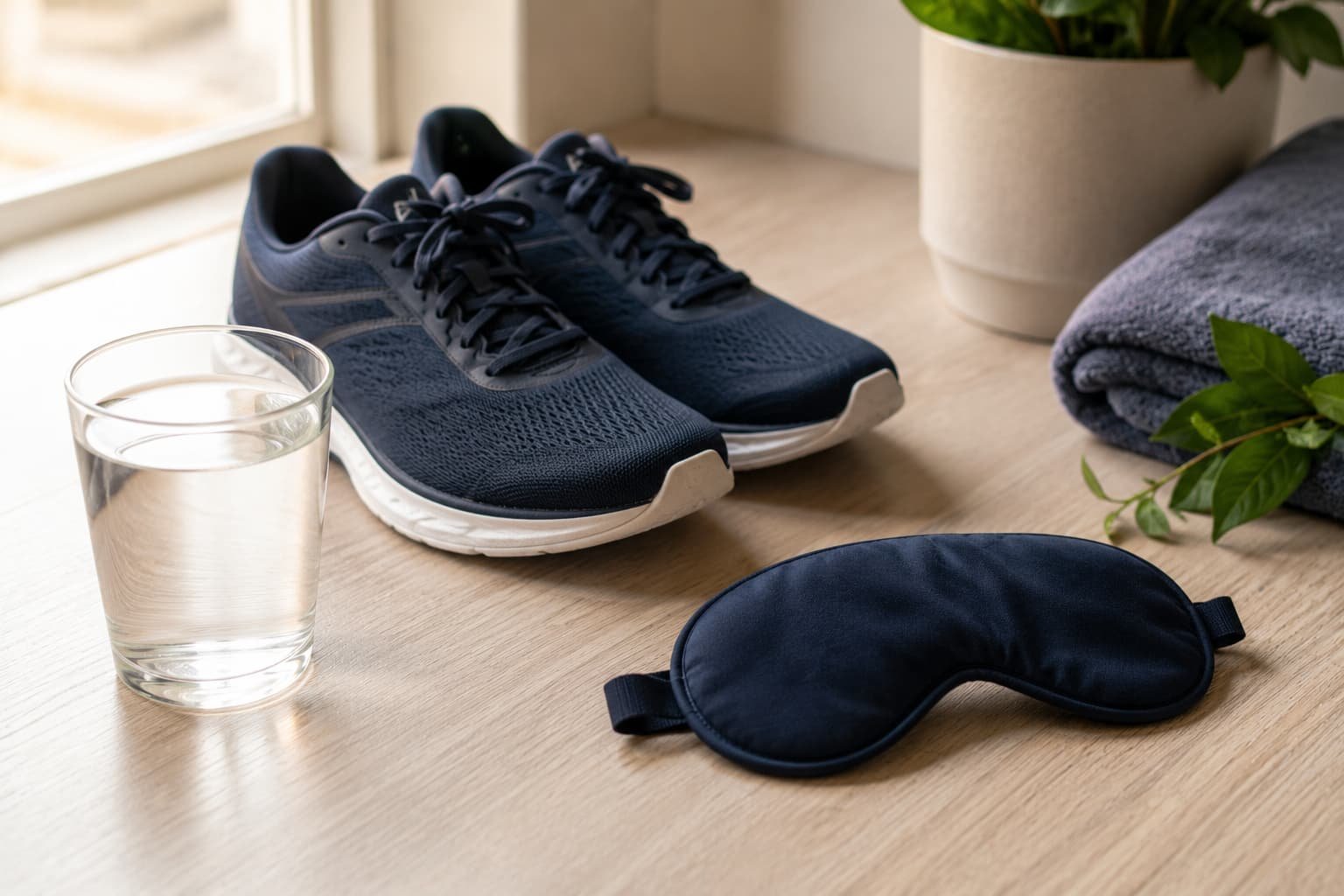
    Man exercising outdoors to support cardiovascular and erectile health
    Regular exercise and lifestyle change form the first step in NICE guidance for erectile dysfunction.

    Lifestyle change forms the first recommended step in NICE guidance for erectile dysfunction management. Regular exercise improves blood flow and supports healthy testosterone levels over time. Weight loss reduces strain on blood vessels and lowers cardiovascular risk factors linked to erectile dysfunction. Reducing alcohol intake and stopping smoking both measurably improve erectile function. Sleep quality affects hormone regulation, including testosterone production during deep sleep cycles. Stress management techniques, including counselling, help address psychological contributors to erectile dysfunction. These changes carry no direct financial cost and support general cardiovascular health regardless of erectile outcomes.

    Herbal and Nutraceutical Options

    Several herbal supplements are marketed as natural treatments for erectile dysfunction, including ginseng, Tribulus terrestris and L-arginine. A 2021 systematic review examined evidence for these compounds across multiple small trials. Findings showed modest improvements in some erectile function scores, though study quality varied considerably. Sample sizes remained small, and many trials lacked rigorous placebo control. Ginseng showed the most consistent signal for improved erectile function among the reviewed supplements. Tribulus terrestris evidence stayed mixed, with several trials showing no significant benefit over placebo. L-arginine, an amino acid involved in nitric oxide production, produced modest results in select studies. NICE Clinical Knowledge Summaries do not currently recommend herbal supplements as first-line erectile dysfunction treatment. Supplement regulation in the UK differs from pharmaceutical regulation, meaning quality control varies between manufacturers. Men considering supplements should discuss use with a GP, particularly alongside existing medication.

    Evidence and Limitations of Natural Approaches

    Natural remedies rarely undergo the same rigorous trial standards as licensed medication. Placebo response rates in erectile dysfunction studies often reach 30 percent or higher. This makes distinguishing genuine treatment effect from placebo response difficult in smaller trials. A natural ED treatment using PRP therapy differs fundamentally from herbal supplementation, since PRP relies on biological tissue repair rather than systemic circulation changes. Men should treat supplement marketing claims with appropriate scepticism until stronger trial data becomes available. Unregulated online retailers sometimes sell supplements with unverified ingredient concentrations, which adds further uncertainty to reported outcomes. Independent testing organisations occasionally flag inconsistencies between labelled and actual active ingredient content in over-the-counter products. This inconsistency makes standardised dosing difficult to achieve outside a clinical trial setting, further limiting how confidently natural remedies can be recommended.

    What Is the P-Shot?

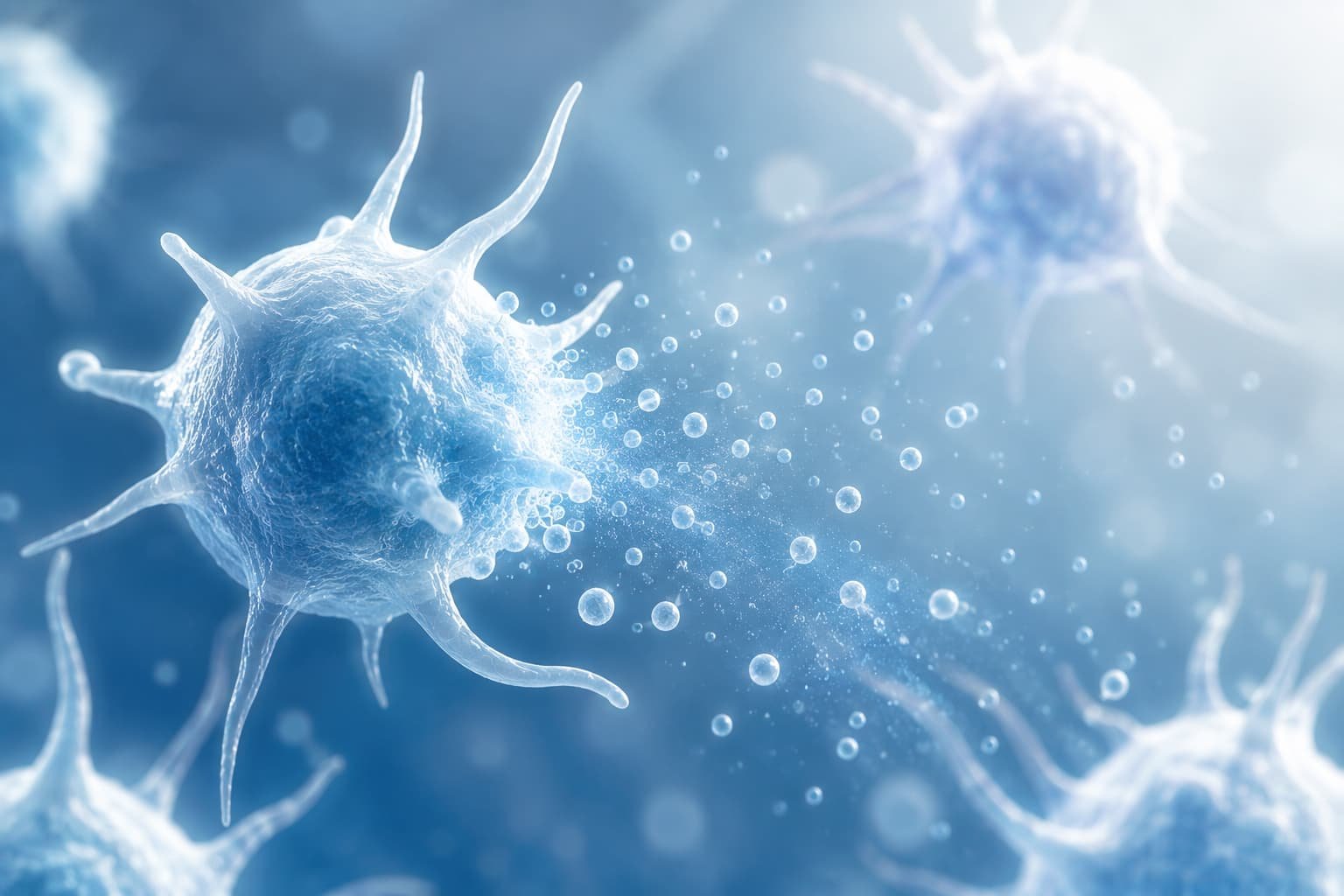
    The P-Shot, also known as the Priapus Shot, is a PRP-based regenerative therapy for ED that uses a man’s own blood. Priapus Shot London providers extract platelet-rich plasma from a small blood sample taken during consultation. PRP contains concentrated growth factors involved in tissue repair and blood vessel formation. Clinicians inject processed PRP directly into specific areas of penile tissue. The stated aim of P shot treatment is to stimulate tissue regeneration and support improved blood flow. This positions the P-Shot as a non-surgical treatment for erectile dysfunction in London clinics offering regenerative medicine services. Some men refer to the procedure informally as a p injection, though clinicians use the term P-Shot or Priapus Shot.

    PRP Mechanism and Preparation
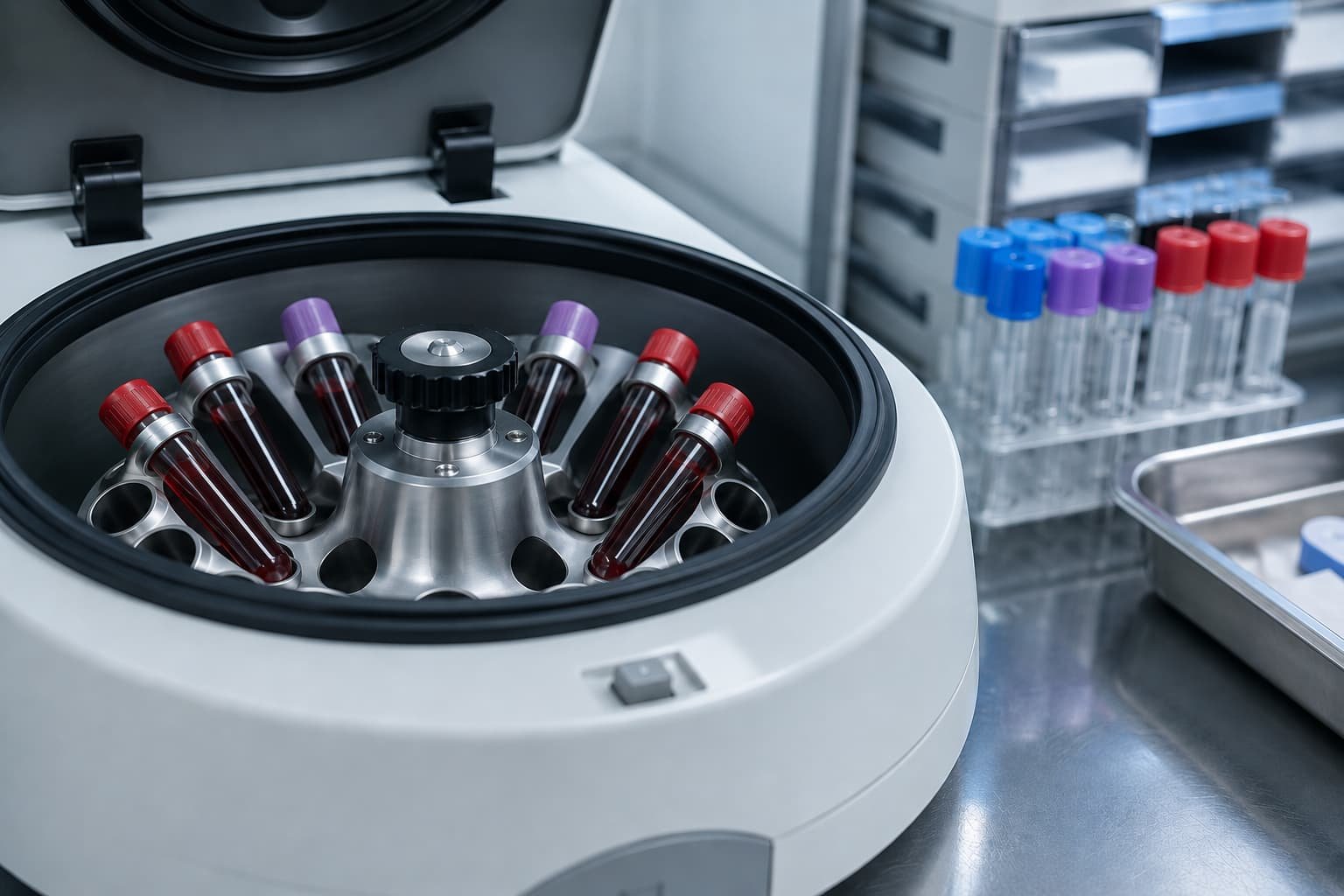
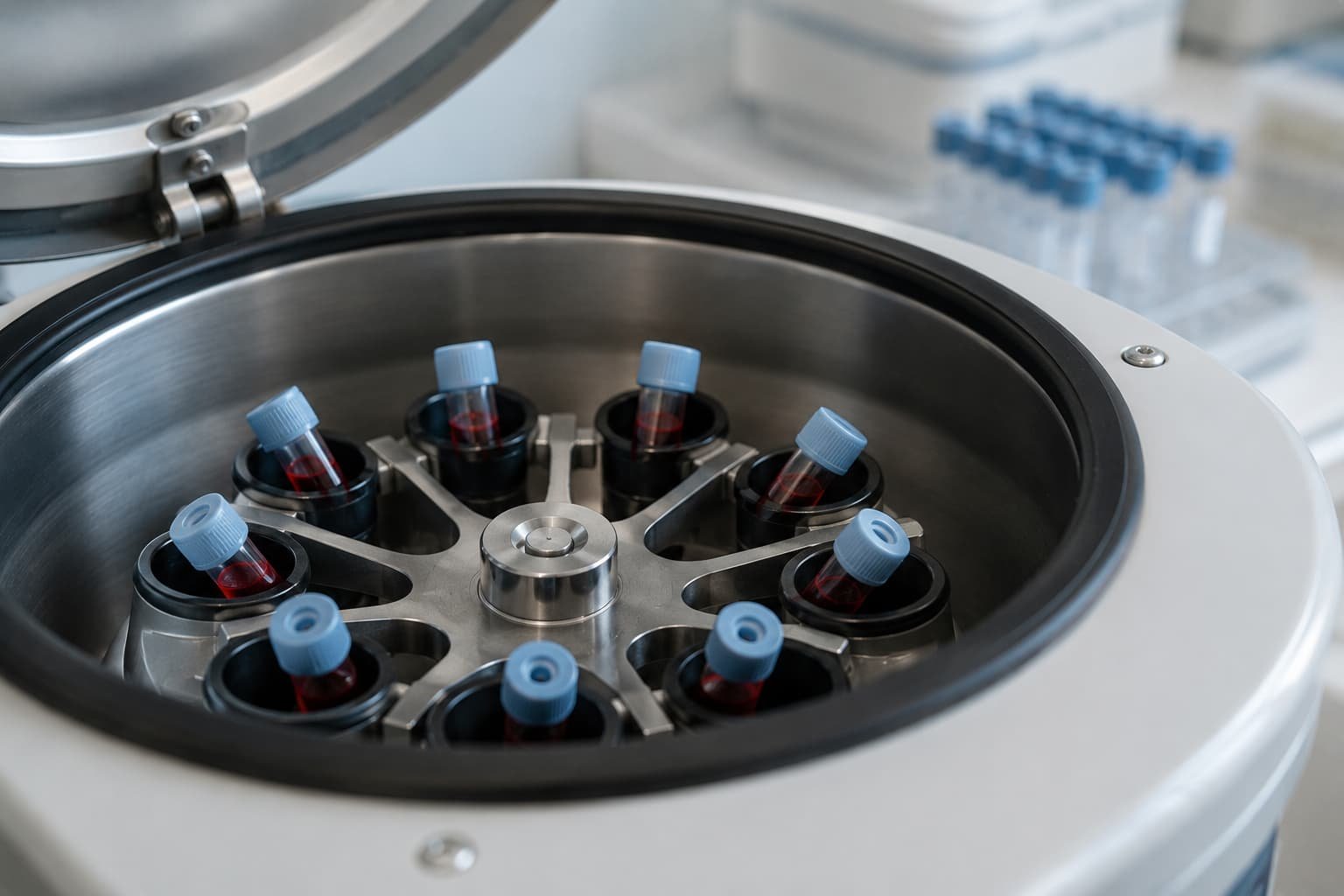
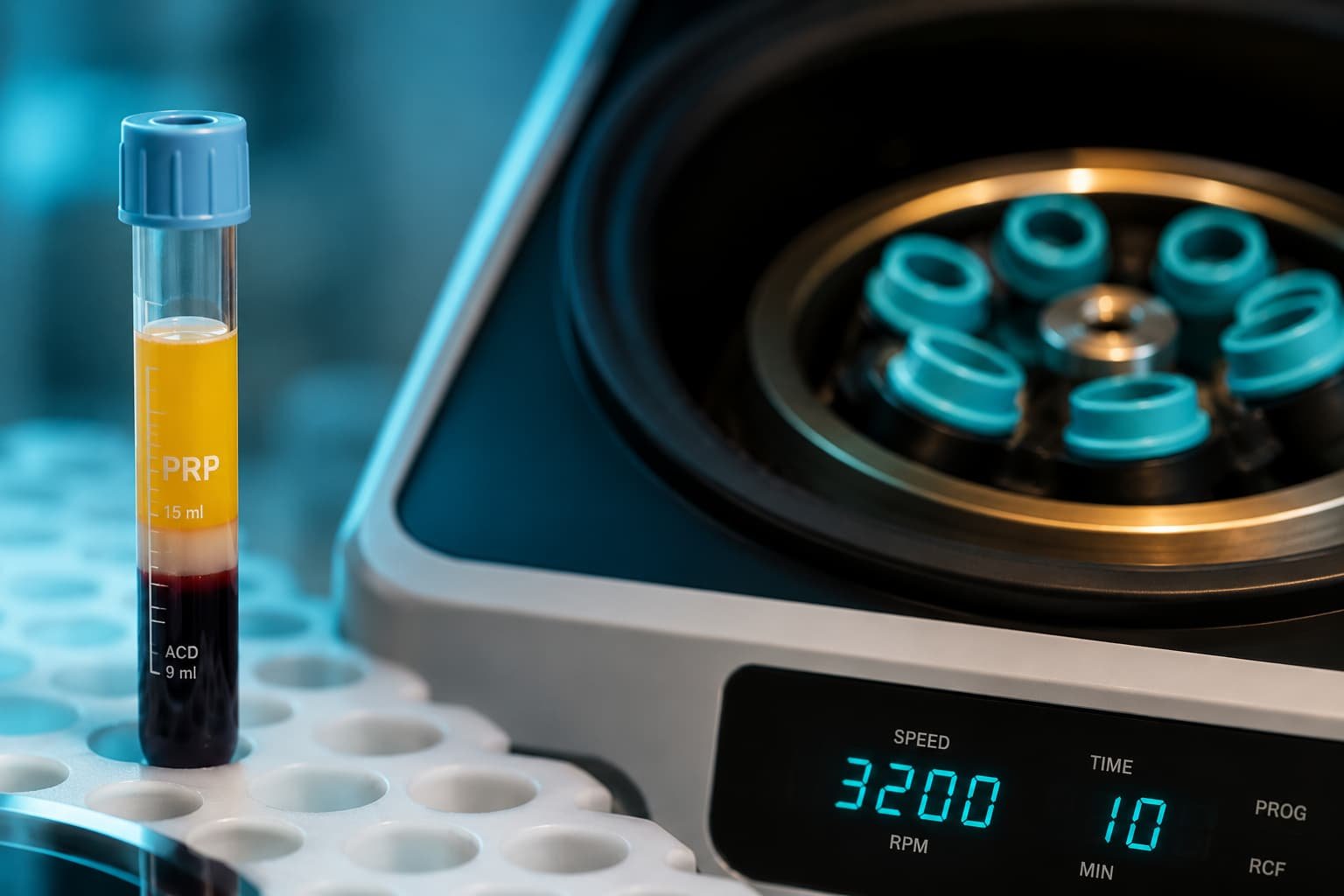
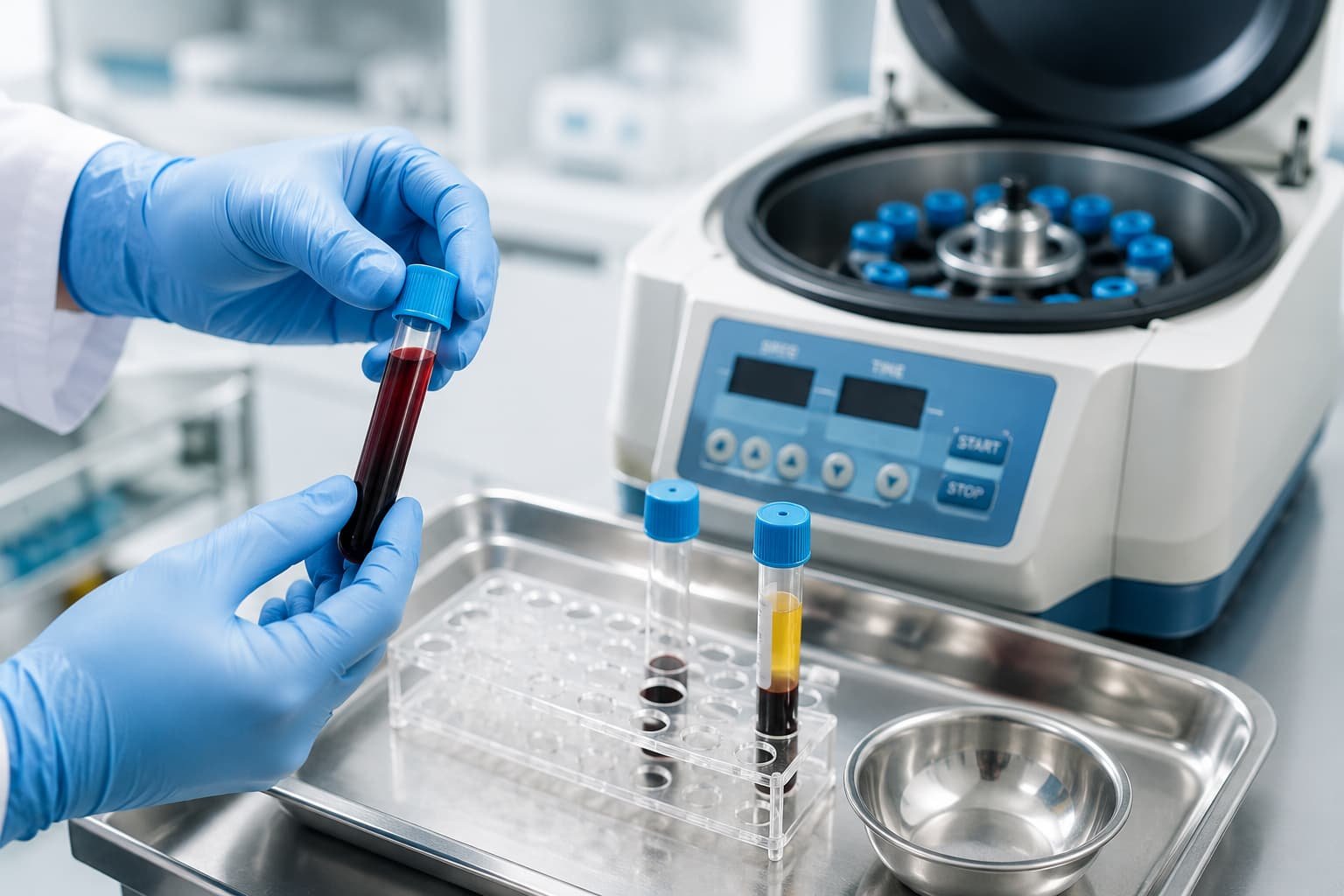
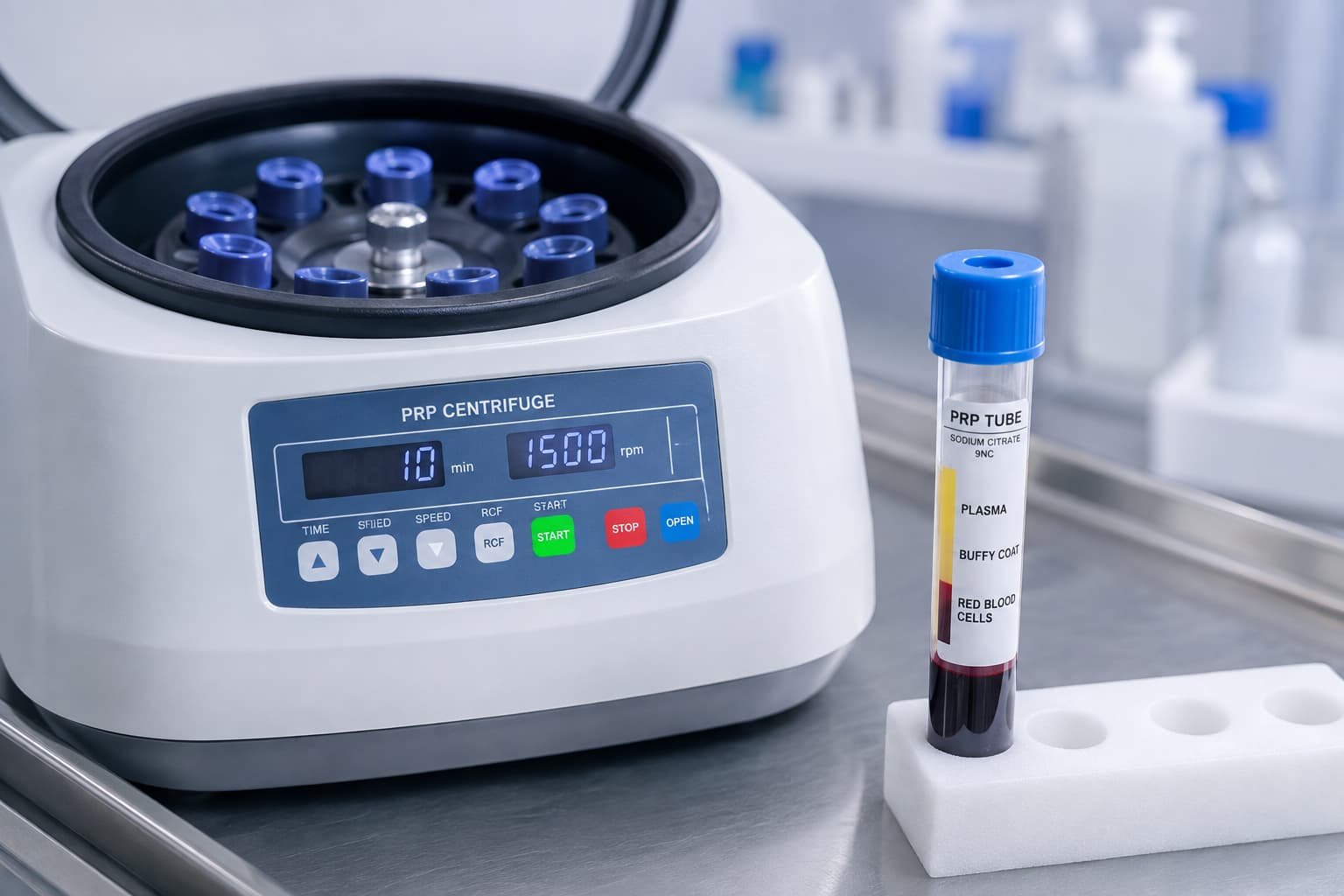
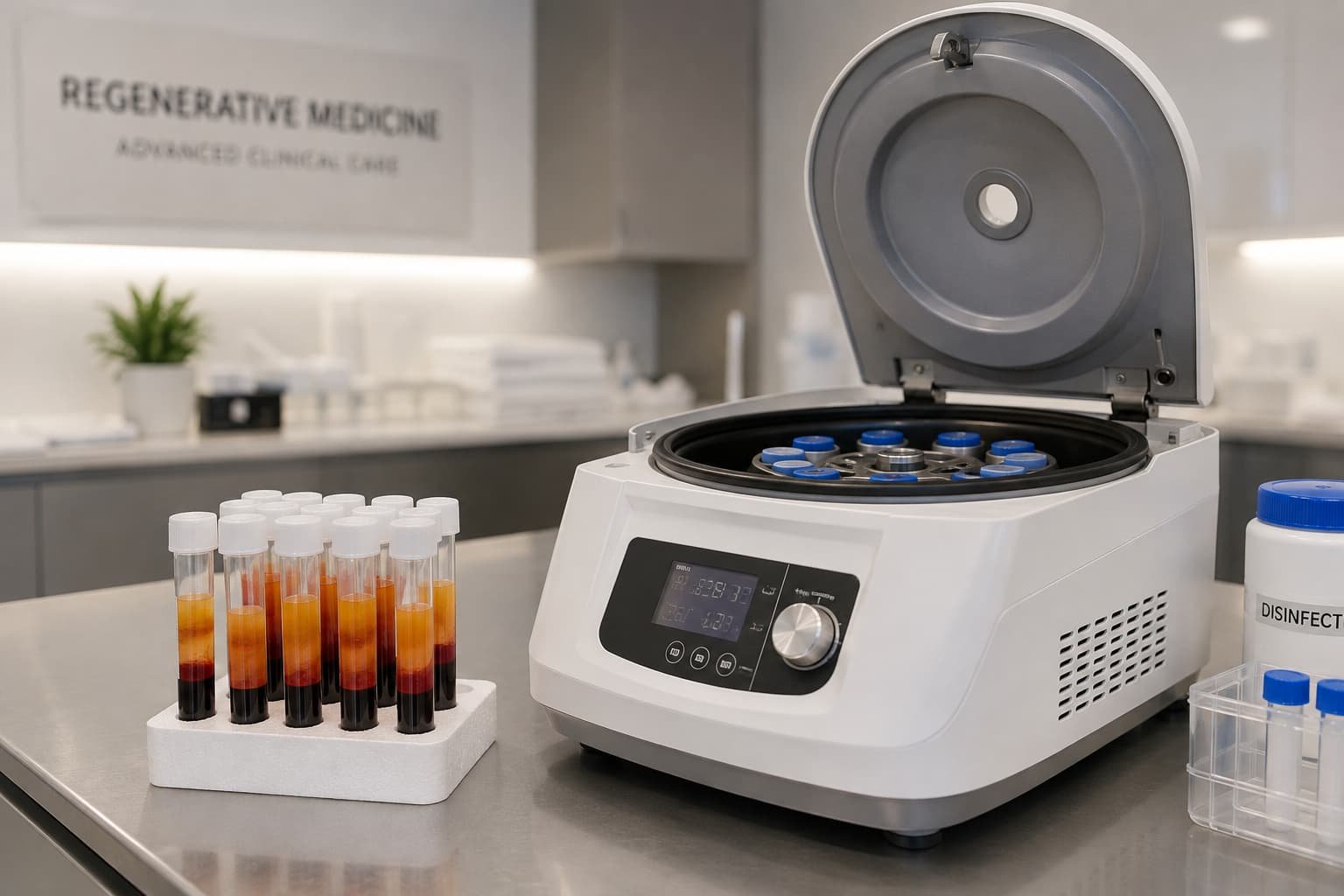
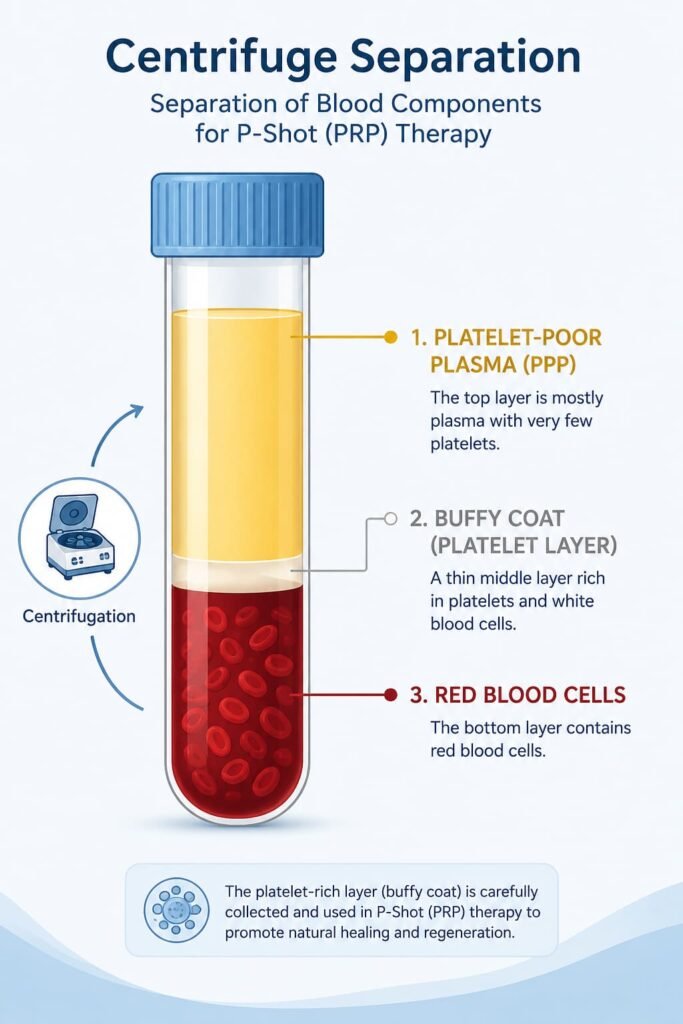
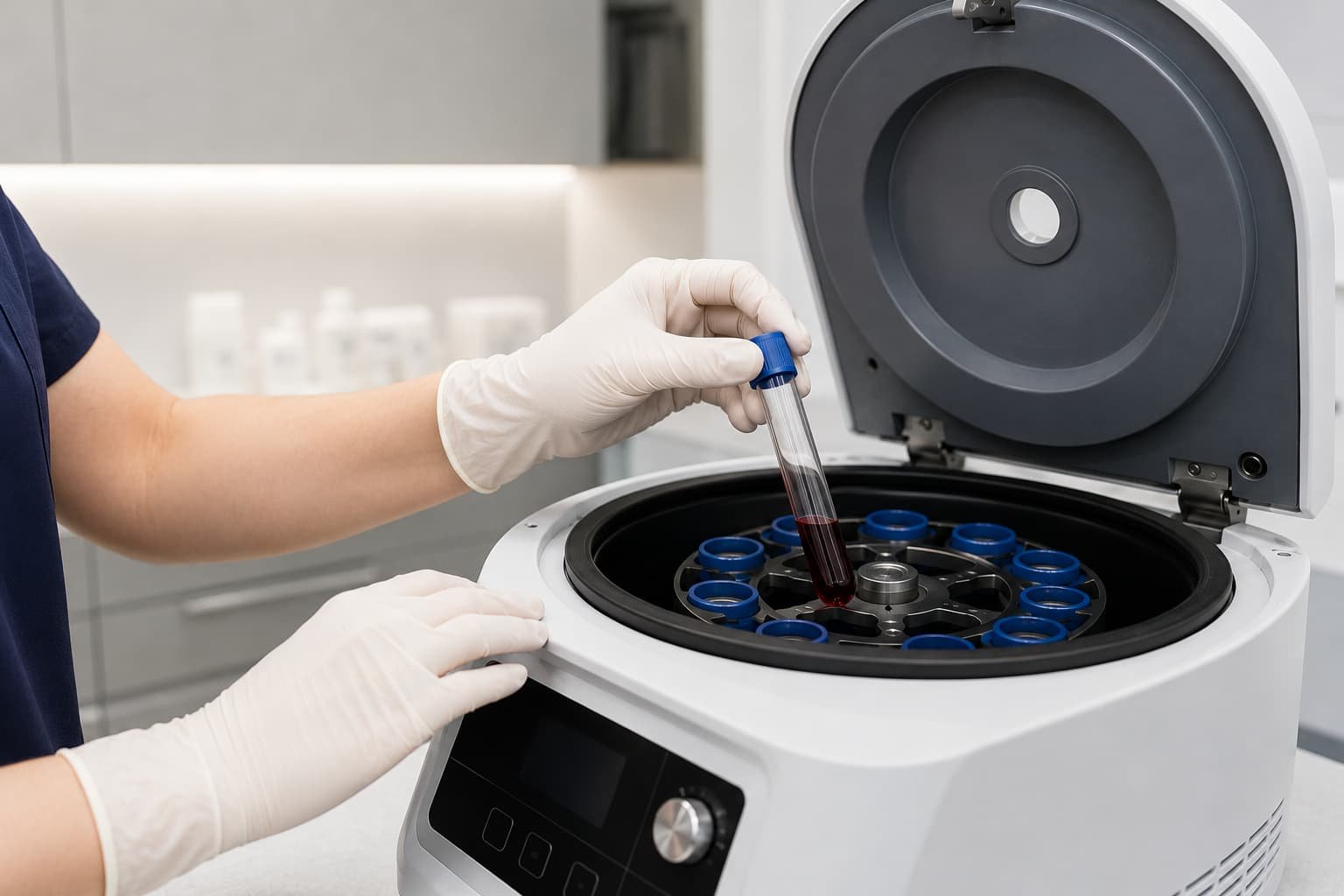
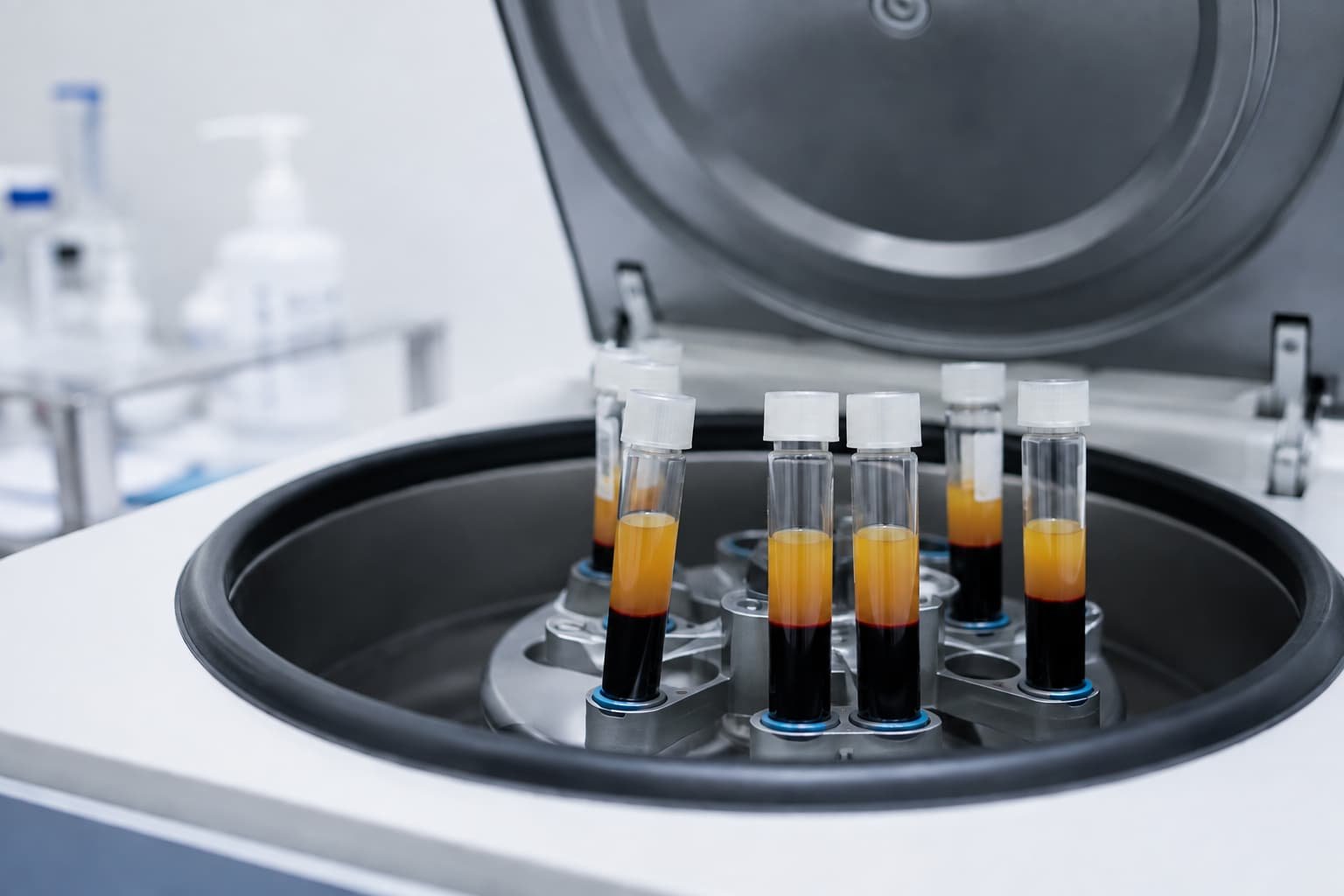
    Centrifuge used to prepare PRP for P-Shot treatment
    A centrifuge separates platelet-rich plasma before P shot treatment.

    Blood is drawn from the patient in a small sample, similar to a routine blood test. A centrifuge separates platelet-rich plasma from red blood cells and other components. This process concentrates platelets to several times normal whole-blood levels. Local anaesthetic numbs the treatment area before injection to reduce discomfort. The entire P shot treatment session typically takes under an hour from consultation to completion.

    P Shot Treatment Process

    Initial consultation includes medical history review and discussion of realistic expectations. Blood is drawn, processed in a centrifuge, then prepared for injection into targeted tissue. A trained clinician administers the penile injection growth solution across identified treatment areas. Most men resume normal activity within a day, though sexual activity is typically paused briefly. Follow-up appointments monitor progress and determine whether repeat sessions may help. P shot London clinics generally recommend an initial consultation before confirming suitability.

    Session Frequency and Success Factors

    Clinics typically recommend an initial course of treatment before assessing whether further sessions add benefit. Some providers space sessions several weeks apart to allow tissue response between treatments. Reported success appears linked to factors including baseline vascular health, age and adherence to any recommended lifestyle changes. Smoking status and underlying diabetes control also influence how tissue responds to PRP injection. Clinics should set expectations during consultation rather than promising a fixed number of sessions for every patient.

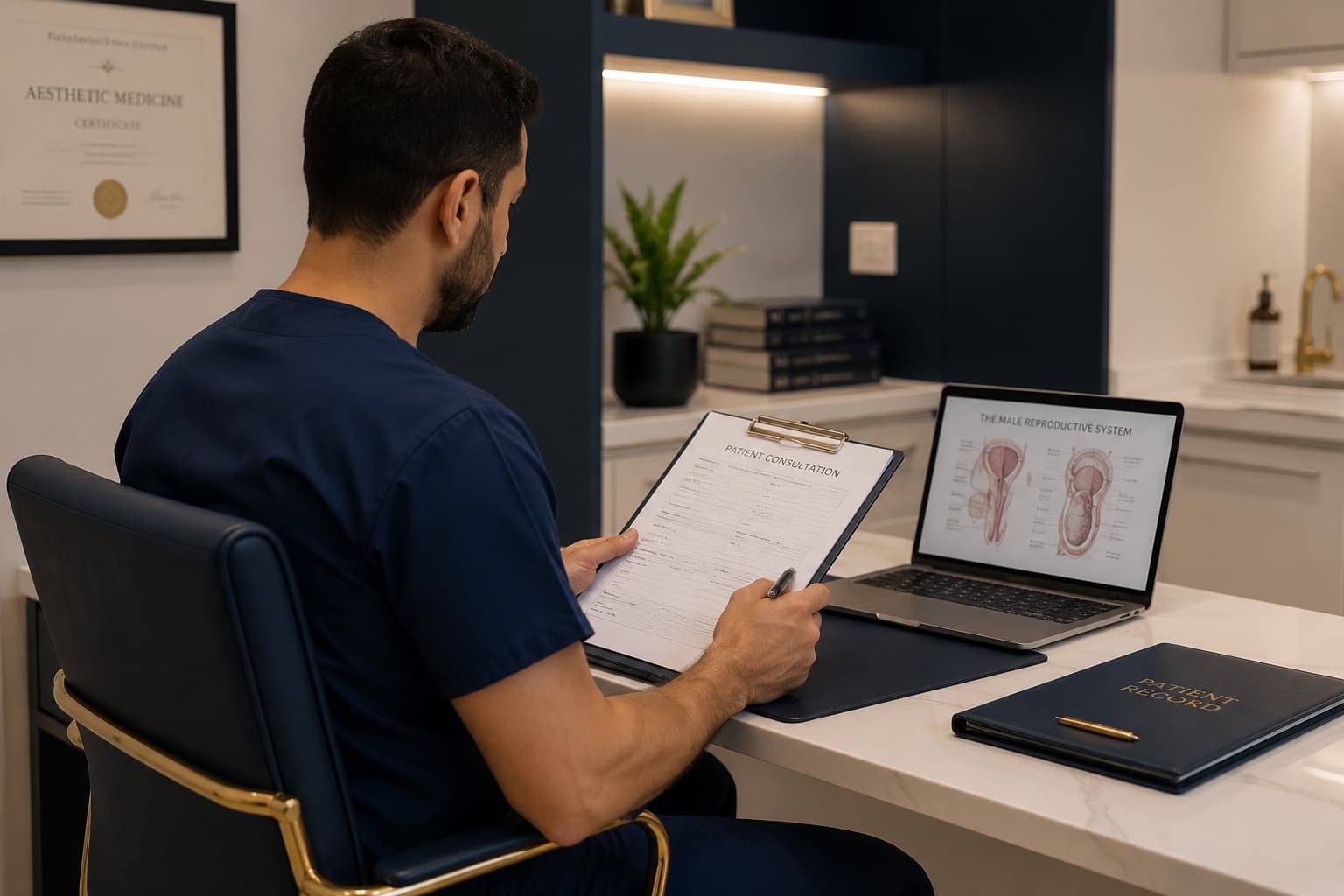
    Clinician reviewing a personalised P shot treatment plan
    Session frequency and pricing are agreed during an initial consultation.

    Priapus Shot Price

    Priapus shot price across UK clinics commonly ranges between £900 and £1,500 per session. Cost varies depending on clinic location, practitioner experience and the number of sessions recommended. Multiple sessions may be suggested, which increases total cost accordingly. P shot UK pricing generally reflects practitioner training, clinic overheads and aftercare provision. Private clinics do not currently receive NHS funding for this treatment category, so cost sits entirely with the patient. Prospective patients should request an itemised quote before committing to a treatment course.

    Natural Remedies vs P-Shot: Comparing the Evidence

    Clinical Trial Data

    Evidence quality differs substantially when comparing Natural Remedies vs P-Shot treatment options directly. A 2021 Journal of Sexual Medicine randomised controlled trial examined PRP injections for erectile dysfunction. Results suggested measurable improvement in erectile function scores among treated participants. A 2023 European Urology trial produced more mixed findings, with less consistent benefit across the treated group. This evidence gap means Natural Remedies vs P-Shot comparisons cannot rely on a single definitive trial. Both treatment categories require further large-scale, long-term research before firm conclusions can be drawn. Existing studies remain limited by small sample sizes and short follow-up periods. Longer-term data tracking durability of PRP results beyond twelve months remains particularly sparse across published literature. Researchers have called for standardised PRP preparation protocols, since concentration and injection technique vary between studies and clinics. Men should understand that current evidence supports cautious optimism, not guaranteed outcomes, on either side of the Natural Remedies vs P-Shot decision.

    Realistic Expectations and Before and After Results

    P shot before and after comparisons circulating online rarely reflect controlled clinical conditions. Photographic comparisons vary due to lighting, positioning and individual healing timelines. Genuine outcomes depend heavily on baseline erectile function, age and underlying vascular health. Clinics presenting P shot before and after images should note that individual results vary considerably. Overpromising specific measurements or outcomes contradicts current evidence standards and professional guidance.

    Why Some Men Try Both Natural Remedies and the P-Shot

    Some men adopt lifestyle changes and supplements before considering any clinical procedure. Others try natural remedies without significant improvement, then explore the P-Shot as an additional option. The Natural Remedies vs P-Shot question often becomes less about choosing one approach, and more about sequencing both appropriately. Lifestyle modification supports overall vascular health, which may complement PRP-based tissue repair mechanisms. Combining approaches allows men to address modifiable risk factors alongside a targeted clinical intervention. No published evidence currently confirms that combining natural remedies with the P-Shot produces superior outcomes compared with either approach alone. Clinicians should discuss this evidence gap openly during consultation rather than implying guaranteed synergy between approaches.

    PRP Research Beyond Erectile Dysfunction

    PRP-based treatment is not unique to men’s sexual health and has an established research history elsewhere in medicine. Orthopaedic specialists use PRP injections to support healing in certain tendon and joint conditions. Dermatology applications include PRP for hair restoration and skin rejuvenation, with variable evidence quality across indications. This wider research base helps explain the biological rationale behind PRP, though evidence for each specific application must be assessed separately. Erectile dysfunction PRP research remains at an earlier stage compared with some of these established orthopaedic applications, and conclusions should reflect that difference in maturity.

    Who Might Consider Each Option

    Men with mild erectile dysfunction linked primarily to lifestyle factors may benefit from natural remedy approaches first. Men with persistent symptoms despite lifestyle changes may discuss P shot treatment during a GP or specialist consultation. Those with anatomical abnormalities, active infection or certain blood disorders may not suit PRP injection. A thorough medical assessment determines suitability for either pathway before any treatment begins.

    Safety, Exclusion Criteria and Provider Selection

    PRP-based regenerative therapy for ED carries a generally favourable safety profile, since PRP originates from a patient’s own blood. Reported side effects include temporary swelling, bruising and mild discomfort at the injection site. Serious complications remain rare when procedures follow appropriate clinical protocols. Exclusion criteria include active infection, bleeding disorders and certain blood-related medical conditions. Men taking blood-thinning medication should disclose this during consultation before any penile injection growth procedure. Selecting a provider with appropriate medical qualifications reduces risk and supports appropriate patient selection. Verifying practitioner registration with the General Medical Council offers an additional safeguard for prospective patients. Clinics should also confirm consent procedures, allergy screening and a clear aftercare plan before any injection takes place. Written information covering expected recovery time and warning signs of complications supports informed consent. Patients should feel able to ask about a practitioner’s specific training in PRP-based procedures, not only general aesthetic experience.

    Non-Surgical Treatment for Erectile Dysfunction in London

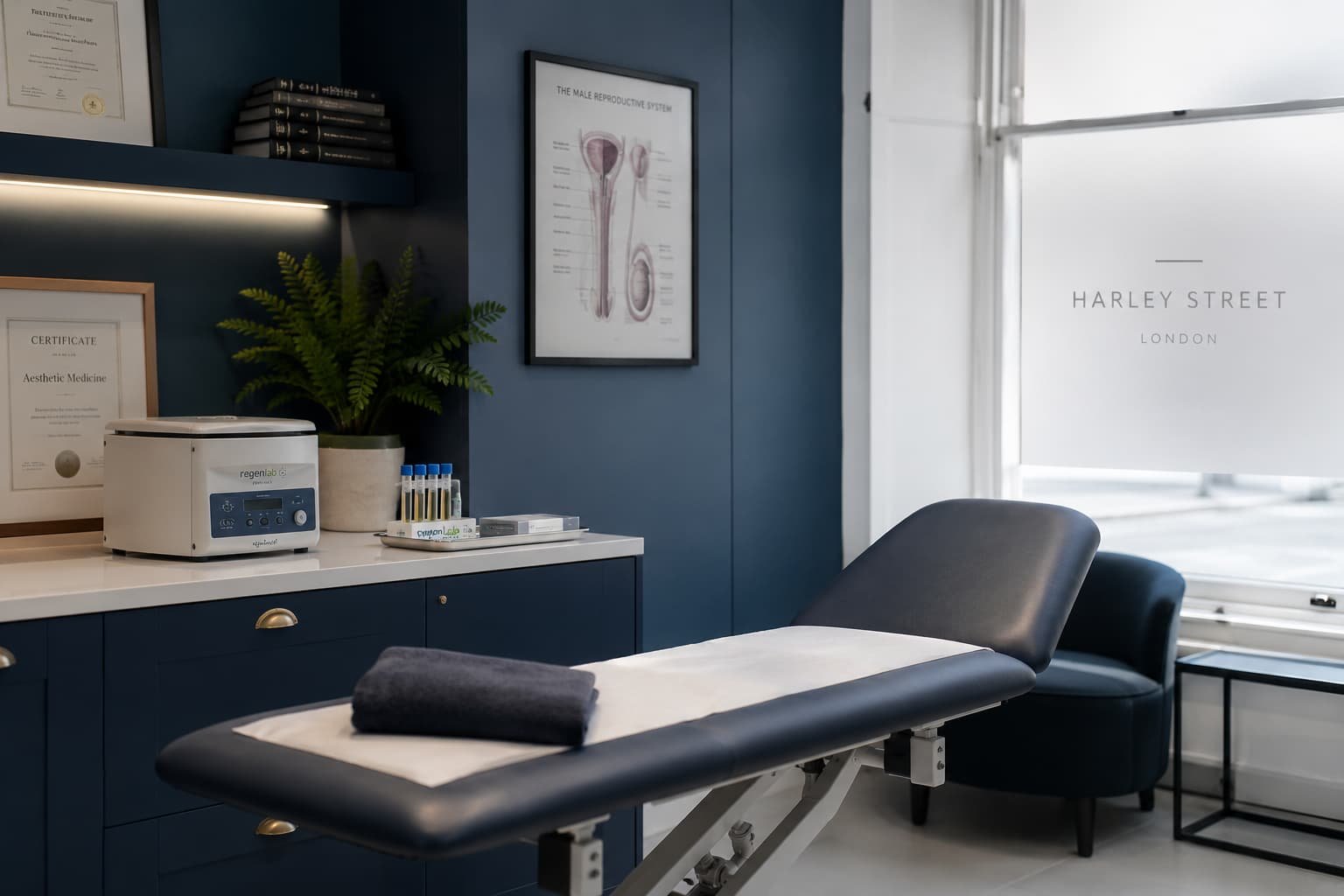
    Harley Street area, home to private non-surgical ED clinics in London
    London’s Harley Street area hosts several regenerative medicine clinics offering non-surgical ED treatment.

    London hosts numerous providers offering erectile dysfunction treatment London services, ranging from GP-prescribed medication to private regenerative clinics. Non-surgical treatment for erectile dysfunction in London includes PDE5 inhibitor medication, vacuum devices, and PRP-based injections such as the P-Shot. pshots clinic uk, a Harley Street clinic led by Dr Syed Nadeem Abbas, offers P shot treatment among its regenerative medicine services. Choosing a registered clinic with transparent pricing and clear safety information supports informed decision-making. Men comparing providers should check whether consultations are led by qualified medical practitioners rather than non-clinical staff. Clear communication about realistic outcomes distinguishes evidence-based clinics from those relying on promotional imagery alone.

    Frequently Asked Questions

    What is the core difference in the Natural Remedies vs P-Shot comparison?

    Natural remedies rely on lifestyle change and supplementation to support blood flow. The P-Shot uses PRP injected directly into penile tissue to stimulate tissue repair.

    Is the P-Shot more effective than natural remedies?

    Direct comparative trials remain limited. Current evidence shows modest benefit from selected natural remedies and mixed but promising evidence for PRP-based treatment.

    How much does the P-Shot cost in the UK?

    Priapus shot price typically ranges between £900 and £1,500 per session, depending on clinic and practitioner experience.

    Can natural remedies and the P-Shot be used together safely?

    Many lifestyle-based natural remedies pose no known interaction risk with PRP treatment. A GP or specialist should confirm suitability beforehand.

    Are P shot before and after results guaranteed?

    No treatment guarantees specific results. Individual outcomes depend on baseline health, age and underlying causes of erectile dysfunction.

    Who should avoid the P-Shot?

    Men with active infection, certain blood disorders or unrealistic expectations of outcomes may not suit this treatment. Medical assessment determines individual suitability.

    Key Takeaways

    Men researching Natural Remedies vs P-Shot options benefit most from evidence-based information rather than promotional claims. Natural remedies offer a low-risk starting point supported by modest evidence, particularly lifestyle modification. The P-Shot represents a regenerative, non-surgical treatment for erectile dysfunction in London and across the UK, supported by early but still developing clinical evidence. Neither approach guarantees specific outcomes, and realistic expectations remain essential throughout treatment planning. Informed decision-making depends on understanding the evidence, discussing individual health history with a qualified clinician, and avoiding reliance on marketing claims or unverified before and after images. Given the current evidence base, which factor matters more when choosing between these approaches: the strength of clinical trial data, or the practical experience of trying a lower-risk option first?

    Read more: Nutritional Support Alongside P Shot: What to Know Before Treatment

    How Lifestyle Affects P Shot UK Results – Diet, Exercise, and Sleep

    P Shot Treatment London

    Dr Syed Nadeem Abbas, MBBS, MRCSEd, MSc Aesthetic Plastic Surgery (Distinction) Medical Director, Pshot Clinic | CQC Regulated | Monday to Saturday 10:00–18:00 +44 7955 836986 

  • P Shot Results in Men Over 60: Evidence-Based Timelines and Realistic Outcomes

    P Shot Results in Men Over 60: Evidence-Based Timelines and Realistic Outcomes

    ✅Medically reviewed | Updated August 2026

    Men over sixty considering the Priapus Shot often search for one thing: proof. Marketing pages promise dramatic transformations, while online forums swing between glowing praise and outright dismissal. Neither extreme offers an accurate picture. P Shot results in men over sixty depend on measurable biological factors, not age alone. This article sets aside promotional language and examines current evidence, UK clinical guidance, and procedural mechanics relevant to this age group.

    Erectile function naturally declines with age, driven by reduced blood vessel elasticity, lower testosterone, and increased vascular risk factors such as hypertension and diabetes. Regenerative approaches using platelet-rich plasma have entered mainstream urology and orthopaedic practice over the past two decades. The P Shot represents an extension of that same science into men’s sexual health. Understanding what the procedure can realistically achieve after sixty requires separating established evidence from anecdote, alongside a clear review of safety considerations specific to an older patient population.

    What Happens to Erectile Function After Sixty

    Erectile dysfunction affects a substantial proportion of men over sixty, with prevalence rising sharply across each decade of life. NHS guidance identifies vascular disease, diabetes, and reduced testosterone as leading contributors to ED in older men. NICE Clinical Knowledge Summaries note that erectile dysfunction becomes markedly more common after age fifty, frequently coexisting with cardiovascular disease.

    Age-related decline stems primarily from reduced blood flow, not solely from testosterone changes. Blood vessels lose elasticity over time, smooth muscle within the corpora cavernosa weakens, and nerve sensitivity gradually diminishes. These physiological shifts explain why standard oral medications, which primarily enhance existing blood flow, sometimes lose effectiveness in older patients with more advanced vascular impairment. Understanding this underlying biology matters before evaluating any regenerative treatment option.

    Prevalence and Cardiovascular Overlap

    Cardiovascular disease and erectile dysfunction frequently share the same underlying vascular pathology, and NICE guidance recommends cardiovascular risk assessment for men presenting with new-onset ED. This overlap carries particular relevance for men over sixty, a group already at higher baseline cardiovascular risk. A thorough medical history therefore forms an essential first step before considering any regenerative or pharmaceutical treatment, including the P Shot.

    What Is the P Shot and How Does It Work

    The P Shot, known clinically as the Priapus Shot, offers a non-surgical treatment for erectile dysfunction in London and across the UK. The procedure uses platelet-rich plasma, a concentrate derived from a patient’s own blood, injected directly into penile tissue. A trained clinician draws a small blood sample, processes the sample through a centrifuge, and isolates the platelet-rich fraction before injecting the concentrate using fine syringes at targeted sites. The entire process typically forms part of a single outpatient appointment, with no general anaesthetic required.

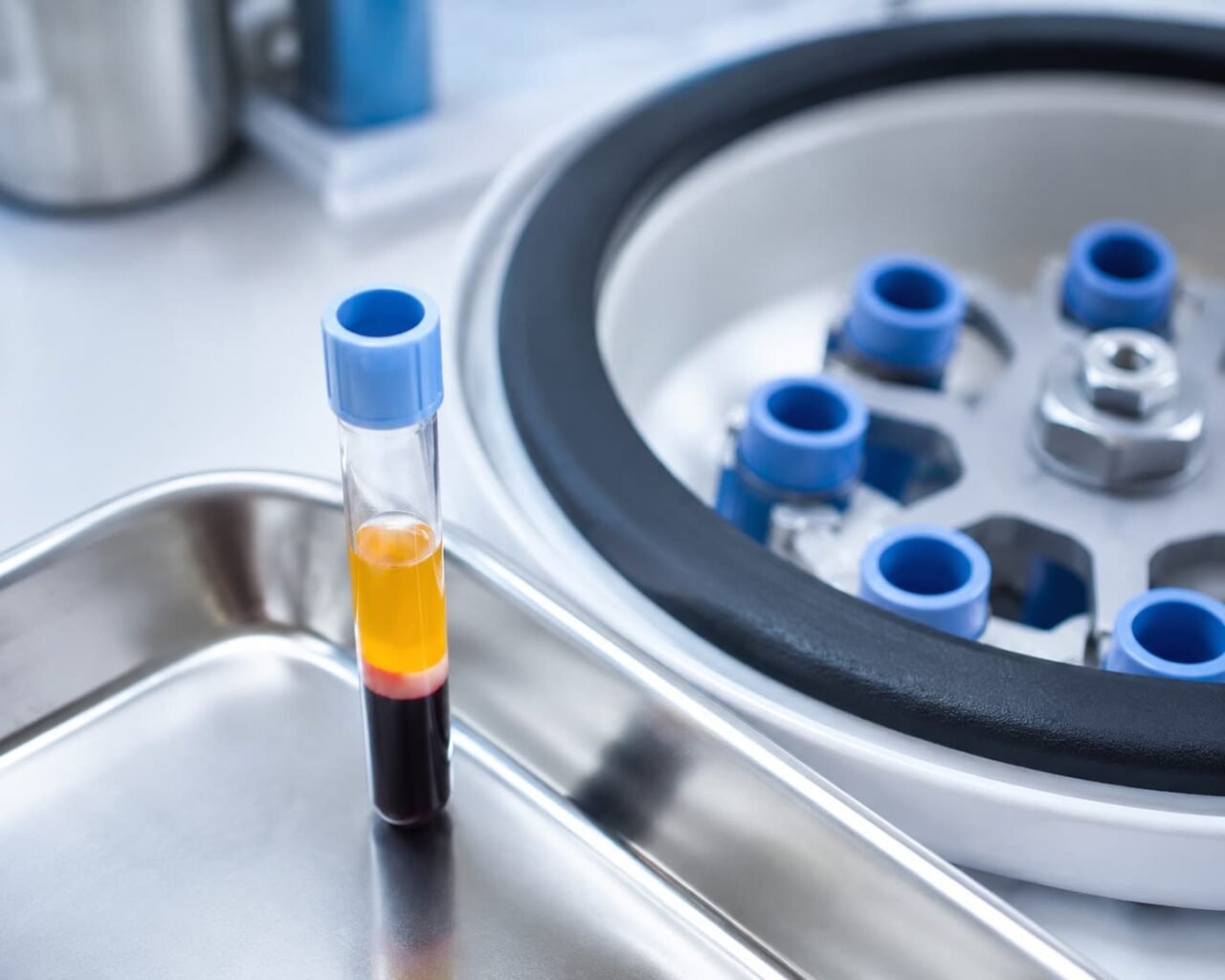
    Centrifuge separating platelet-rich plasma used in P Shot treatment
    PRP is processed from a small blood sample before penile injection growth begins.

    The Biology of Platelet-Rich Plasma

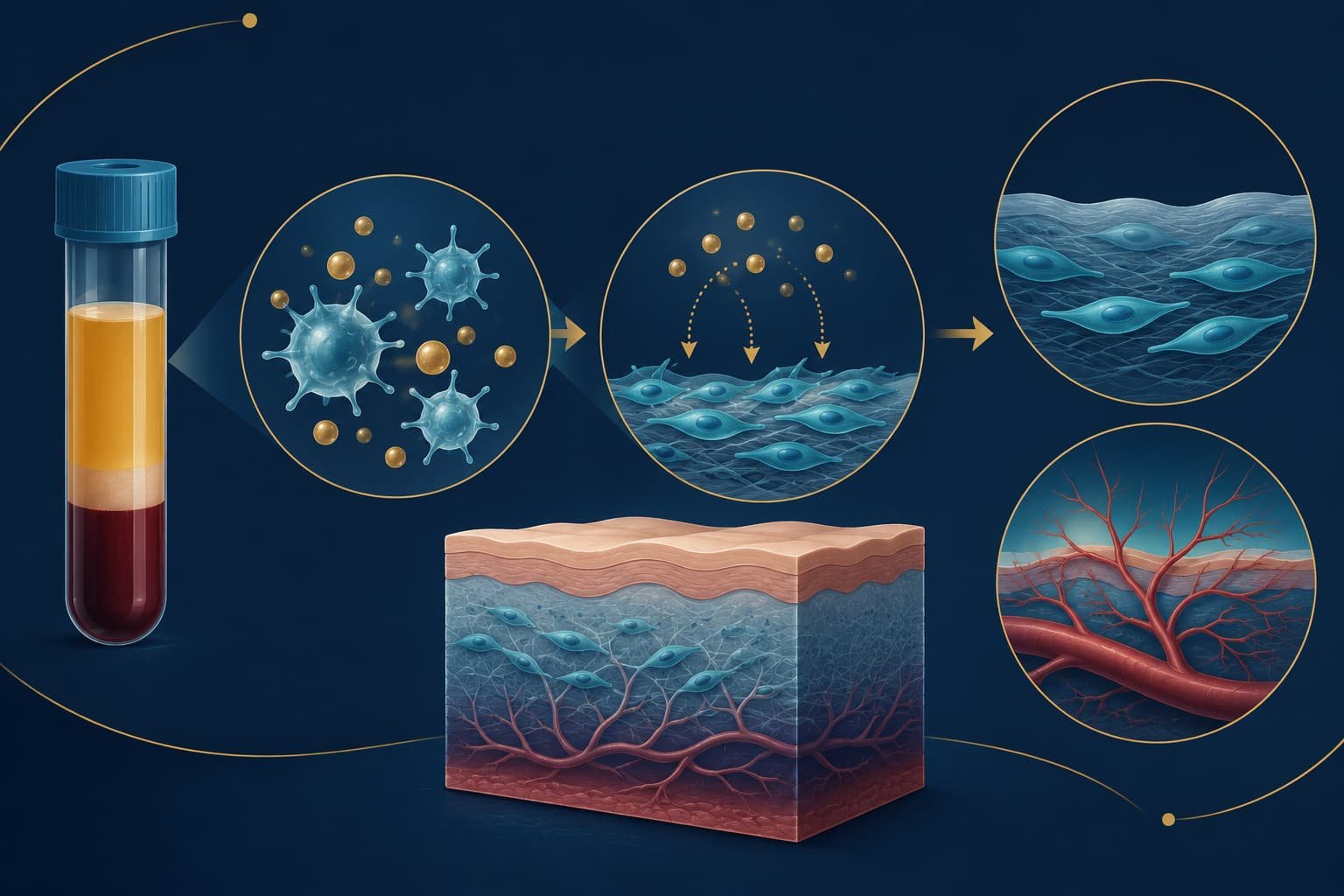
    PRP contains growth factors that stimulate angiogenesis, the formation of new blood vessels, alongside collagen production and localised tissue repair. This regenerative mechanism underpins natural ED treatment using PRP therapy across multiple specialities, from orthopaedic tendon repair to dermatology. The same growth factors responsible for wound healing elsewhere in the body drive the intended effect of penile injection growth in P Shot treatment. Peer-reviewed literature on PRP in musculoskeletal medicine supports its regenerative role, though sexual health applications remain a comparatively newer research area.

    Nerve fibre repair and reduced localised inflammation also feature among the proposed mechanisms, particularly relevant for men reporting reduced sensitivity alongside erectile difficulty. Processing quality varies between providers, and the concentration achieved during centrifugation directly affects how much growth factor activity reaches the treated tissue.

    P Shot Results in Men Over 60: What the Evidence Shows

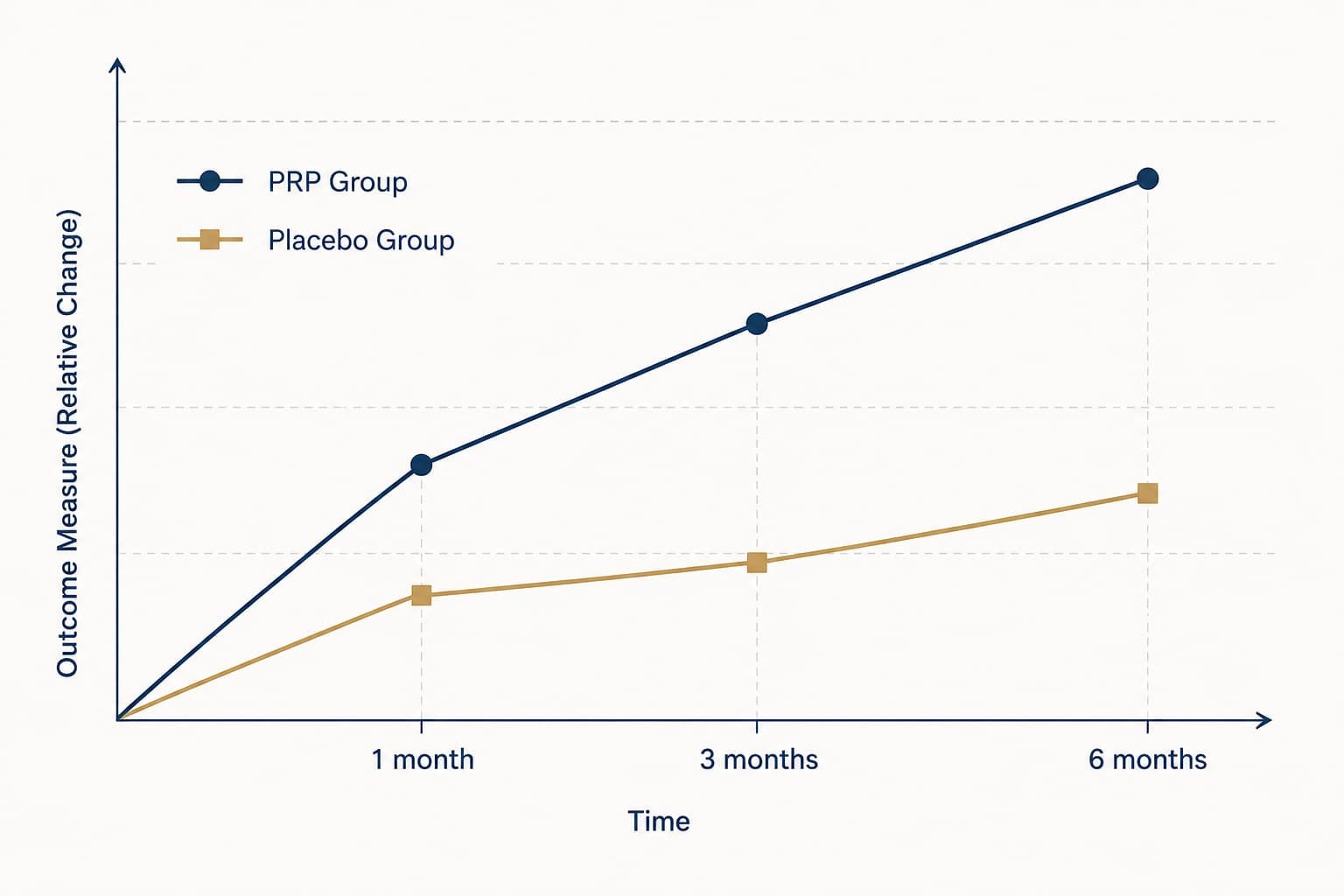
    Clinical data specific to men over sixty remains limited compared with broader ED research, though existing studies offer meaningful signals. A randomised, double-blind, placebo-controlled trial in the Journal of Sexual Medicine (Poulios et al., 2021) recorded significant improvement in erectile function scores among treated participants at six months, compared with placebo. P Shot results in this trial correlated more closely with baseline vascular health than with age category alone. Men with mild to moderate vascular-related ED demonstrated the most consistent improvement, a pattern echoed across most published PRP-for-ED research to date.

    Other trials, including work in European Urology, produced more mixed findings, underscoring that PRP-based regenerative therapy for ED remains an evolving field rather than a settled one. Study design, PRP processing method, and injection technique all vary between trials, which complicates direct comparison and reinforces the need for individualised clinical judgement rather than blanket claims.

    The Evidence Gap for This Age Group

    No large-scale UK trial has isolated men over sixty as a distinct study population. P Shot UK clinics therefore extrapolate from mixed-age cohorts and general vascular medicine principles when advising older patients. This evidence gap matters. Men reviewing p injection treatment options should understand that individual response varies considerably, and that published success rates describe averages across broader age ranges rather than guarantees for any single patient.

    Realistic Timeline for P Shot Results

    Understanding a realistic timeline helps set appropriate expectations. P Shot results typically develop gradually over several weeks rather than appearing immediately. In the first one to two weeks, treated tissue settles and mild swelling or bruising resolves. By week four, many patients report early changes in sensitivity or morning erection quality, correlating with early-stage angiogenesis.

    The most noticeable improvements generally emerge between weeks eight and twelve, as new blood vessel networks mature. Reported benefits commonly last between six and twelve months, with some patients experiencing effects beyond eighteen months depending on vascular health, lifestyle, and underlying risk factors. Age does not eliminate this trajectory, though slower baseline tissue repair in older patients may extend timelines modestly compared with younger cohorts.

    Who Responds Best After Sixty

    Response to PRP injection varies according to specific clinical factors rather than chronological age in isolation.

    Favourable Candidates

    Men with mild to moderate vascular-related erectile dysfunction, adequate baseline testosterone, and controlled blood pressure tend to respond most consistently. Non-smokers and men without poorly controlled diabetes generally show more predictable improvement, reflecting the treatment’s dependence on functioning vascular tissue for angiogenesis to occur. Men who have found PDE5 inhibitors partially effective, or who prefer to avoid ongoing medication, often explore P Shot treatment as a complementary or alternative option.

    Medical Exclusions and Cautions

    Certain conditions rule out treatment regardless of age. These include active genital infection, bleeding disorders, platelet dysfunction, and use of anticoagulant medication without medical clearance. Men undergoing active cancer treatment, particularly pelvic radiotherapy, require careful case-by-case assessment. A responsible clinic screens thoroughly before treatment rather than proceeding on request alone. Pre-existing severe vascular disease, uncontrolled diabetes, or advanced Peyronie’s disease may reduce the likelihood of meaningful improvement. An honest consultation should communicate this clearly rather than promising uniform outcomes.

    Lifestyle Factors That Influence Outcomes

    Lifestyle factors carry particular weight for men over sixty considering this treatment. Regular physical activity supports healthy vascular function and may improve overall treatment response. Smoking cessation ranks among the most impactful changes a patient can make, since tobacco use directly damages the small blood vessels that PRP aims to regenerate.

    Well-managed blood pressure and blood glucose levels also support better outcomes, reinforcing the close relationship between general cardiovascular health and sexual function. A pre-treatment consultation typically reviews these factors alongside standard medical history, allowing the treating clinician to set realistic, patient-specific expectations rather than relying on generic timelines.

    Comparing the P Shot With Other ED Options

    Placing P Shot treatment alongside established alternatives clarifies where it fits within erectile dysfunction treatment London options. PDE5 inhibitors such as sildenafil and tadalafil remain first-line options per NICE guidance, offering effects lasting four to thirty-six hours depending on the formulation. Injectable alprostadil, sold under the brand Caverject, works directly at the injection site but requires repeat dosing before each sexual encounter.

    Penile implants provide a permanent surgical solution but involve significant cost, invasive surgery, and extended recovery time. Vacuum erection devices offer a non-invasive mechanical option that requires no injection. The P Shot occupies a distinct category: a single autologous procedure using the patient’s own biological material, with minimal downtime and no synthetic substances introduced.

    Autologous Profile and Medication Considerations

    For men over sixty managing multiple medications, this autologous profile may reduce interaction concerns compared with additional pharmaceutical options. A prescribing GP should always confirm suitability alongside any existing treatment plan, particularly where anticoagulants, blood pressure medication, or nitrates form part of a current regimen.

    Combining the P Shot With Shockwave Therapy

    Some clinics offer low-intensity shockwave therapy alongside PRP injections, particularly where reduced blood flow forms the primary underlying issue. Shockwave therapy works through a separate mechanism, stimulating new vessel growth via mechanical pressure waves rather than injected growth factors. Combining both approaches targets vascular repair from two distinct biological angles. Evidence for combination protocols remains preliminary, and men should discuss whether this dual approach suits their individual clinical picture before proceeding.

    P Shot Treatment in London: What to Expect

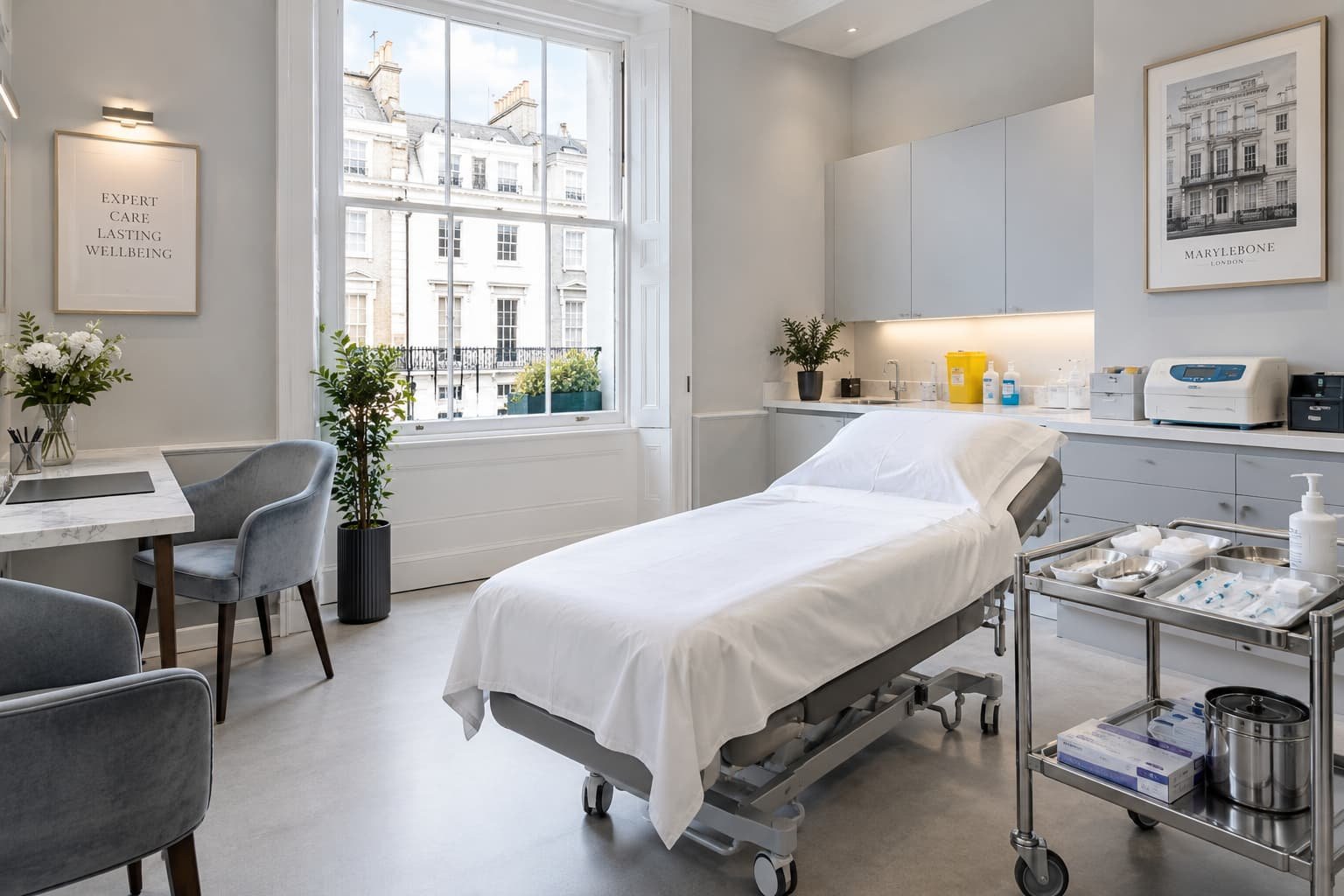
    Private treatment room used for Priapus Shot London appointments
    A typical P Shot London appointment takes place in a private, CQC-appropriate treatment room.

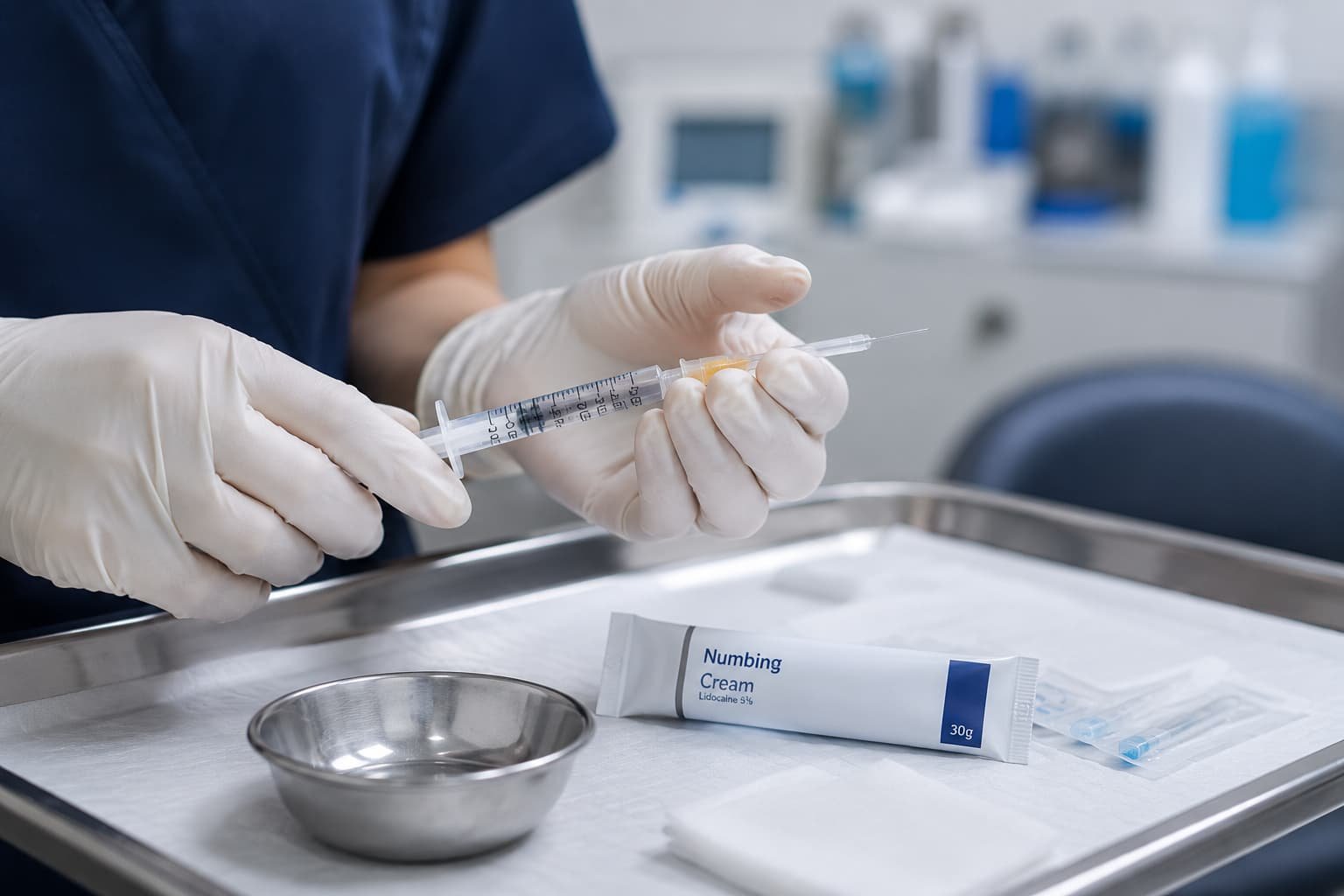
    A typical P Shot London appointment runs between thirty and forty-five minutes. Topical anaesthetic cream numbs the treatment area beforehand, and some clinics offer a nerve block for men with lower pain tolerance. The clinician draws blood from the arm in a manner similar to a routine test, then processes it in a centrifuge for approximately fifteen minutes.

    The clinician then administers PRP injections across several precise sites. Most patients resume normal daily activity within hours. Priapus Shot London clinics typically schedule follow-up reviews at six and twelve weeks to monitor progress. Private clinics offering this treatment include pshots clinic uk, a Harley Street practice led by Dr Syed Nadeem Abbas.

    A thorough initial consultation should precede any booking, covering full medical history, current medication, and relevant blood tests where indicated. Men over sixty benefit particularly from a cardiovascular health review at this stage, given the established overlap between vascular disease and erectile dysfunction. Clinics that skip this step in favour of same-day treatment warrant additional scrutiny.

    Priapus Shot Price in London

    Priapus shot price in London typically ranges from approximately £900 to £1,500 per session, varying by clinic, PRP processing protocol, and whether shockwave therapy or other adjuncts accompany treatment. Transparent, itemised pricing including consultation and follow-up reviews reflects good clinical practice. Men should approach clinics offering treatment without a prior medical assessment with caution.

    P Shot Before and After: Interpreting Results Responsibly

    P Shot before and after imagery circulates widely online, but photographs alone cannot convey functional change, sensation, or patient-reported satisfaction. Visual comparison photographs offer limited clinical value without accompanying functional assessment data. Reputable clinics rely on validated erectile function questionnaires and follow-up consultations, rather than photography alone, to track genuine progress.

    Men reviewing before-and-after material from any provider should treat it as illustrative rather than predictive of individual outcome. Lighting, positioning, and timing all influence how photographs appear, further limiting their value as standalone evidence of treatment success.

    Safety, Limitations and Managing Expectations

    PRP-based procedures carry a generally favourable safety profile, since the injected material originates from the patient’s own blood, reducing rejection or allergic reaction risk. Minor swelling, bruising, or localised tenderness for twenty-four to forty-eight hours represents the most commonly noted side effect. Serious complications remain rare when appropriately trained practitioners work within regulated clinical settings.

    No treatment guarantees results, and no reputable clinic should promise a fixed percentage improvement for every patient. Men with significant underlying vascular disease, advanced diabetes, or extensive prior pelvic surgery may see limited benefit. This possibility should form part of every pre-treatment discussion.

    Peyronie’s disease, involving fibrous scar tissue and penile curvature, sometimes affects older men alongside erectile dysfunction. Some clinical reports describe reduced curvature or discomfort following PRP treatment, though this application requires separate, cautious evaluation rather than routine assumption of benefit. Realistic expectations, grounded in individual health status rather than marketing claims, remain central to informed decision-making.

    Frequently Asked Questions

    Does the P Shot work for men over sixty?

    Evidence suggests P Shot results depend more on vascular health than on age. Men with mild to moderate ED-related blood flow issues tend to see the most consistent benefit, regardless of being over sixty.

    How soon do P Shot results appear?

    Early changes often emerge around week four, with the fullest improvement typically appearing between weeks eight and twelve.

    Is the P Shot painful?

    Topical numbing cream reduces most discomfort to a mild pressure sensation. A nerve block remains available for men with lower pain tolerance.

    How much does treatment cost in London?

    Priapus shot price commonly ranges from £900 to £1,500 per session, depending on clinic protocol and any combined therapies.

    Can older men with health conditions have the P Shot?

    Suitability depends on individual medical history. Bleeding disorders, uncontrolled diabetes, and certain cancer treatments may exclude candidacy. A full medical assessment should always precede any decision.

    Does PRP processing quality affect P Shot results?

    Processing protocol influences platelet concentration, and higher concentration generally supports stronger growth factor activity. Clinics using validated dual-spin centrifuge methods typically achieve more consistent P Shot results than those using basic single-spin processing.

    Key Takeaways

    P Shot results in men over sixty reflect a genuinely individual process rather than a fixed outcome tied to age. Evidence supports meaningful improvement for men with mild to moderate vascular-related erectile dysfunction, while men with more advanced vascular or metabolic conditions face a more uncertain prognosis.

    Understanding realistic timelines, safety profiles, and correct candidacy criteria supports informed decision-making, rather than reliance on marketing promises. Every man considering this treatment deserves an honest, evidence-based conversation about what his own body is likely to achieve. Given the wide variation in individual response, which specific health factors might most influence a favourable outcome for a particular patient at this stage of life?

    Read more: PRP Centrifuge Process: How Platelets Are Separated for P-Shot Treatment

    Best Age for P Shot: Is There an Ideal Time to Start Treatment?

    P shot treatment London

    Dr Syed Nadeem Abbas, MBBS, MRCSEd, MSc Aesthetic Plastic Surgery (Distinction) Medical Director, Pshot Clinic | CQC Regulated | Monday to Saturday 10:00–18:00 +44 7955 836986

  • P Shot for Premature Ejaculation: Is There a Link?

    P Shot for Premature Ejaculation: Is There a Link?

    ✅Medically reviewed | Updated August 2026

    Premature ejaculation affects a substantial share of men across the United Kingdom. Yet open discussion of the condition remains rare. Private clinics along Harley Street and in Marylebone now field growing enquiries about regenerative options. This includes the P Shot for Premature Ejaculation. Men search for alternatives beyond medication and behavioural exercises. Growing curiosity, however, does not equal proven benefit. This raises a central clinical question. Does robust evidence support platelet-rich plasma injections for ejaculatory control? Or does interest currently outpace the science?

    This article examines the biological rationale behind PRP injections. It reviews the current evidence base. It compares that evidence against NHS and NICE-endorsed treatments already established for premature ejaculation. The article also sets out realistic timelines, safety considerations, and pricing. Readers can then weigh the treatment against medical fact rather than promotional claims.

    What Is Premature Ejaculation?

    Definition and Prevalence

    NHS clinical knowledge summaries describe premature ejaculation as ejaculation sooner than a man or his partner would like. Clinicians typically define it as ejaculation within roughly one minute of penetration. An inability to delay it, alongside distress, forms part of the definition. Population studies suggest around one in three men experience premature ejaculation at some point. This makes it the most commonly reported male sexual dysfunction in general practice. Despite this prevalence, many affected men delay seeking help for months or years. Embarrassment, rather than lack of concern, usually explains the delay.

    Clinicians separate lifelong premature ejaculation from acquired premature ejaculation. Lifelong cases have been present since early sexual experience. Acquired cases develop later in life. Acquired cases more often link to an identifiable trigger. Lifelong cases tend to relate to neurobiological factors present from adolescence onward.

    Physical and Psychological Causes

    Premature ejaculation rarely stems from a single cause. Psychological contributors include performance anxiety, relationship stress, and early sexual conditioning. Physical contributors include heightened penile sensitivity and thyroid dysfunction. Chronic prostatitis and coexisting erectile dysfunction also contribute. Fear of losing an erection often drives men to rush toward ejaculation. NICE guidance advises clinicians to rule out thyroid disorders and prostate conditions first. Erectile dysfunction also warrants assessment before assuming a purely psychological cause. Identifying the correct underlying cause remains essential. Treatment for a physical trigger differs substantially from treatment for anxiety-driven premature ejaculation.

    What Is the P Shot?

    The PRP Process

    Medical-grade centrifuge preparing platelet-rich plasma for P shot treatment
    A centrifuge separates platelets from blood to prepare the PRP concentrate used in P shot treatment.

    The P Shot, formally known as the Priapus Shot, uses a patient’s own blood. A clinician prepares platelet-rich plasma from this sample. A small blood sample comes from the arm first. A medical-grade centrifuge then separates platelets from red blood cells. The resulting concentrate contains growth factors that support tissue repair. A clinician injects this concentrate into targeted penile tissue using fine needles. Topical anaesthetic application precedes the injections.

    Men researching penile injection growth therapy often ask a related question. Does the same P injection technique used for enlargement apply to ejaculatory concerns? Both procedures share equipment and general technique. Injection placement and clinical goal, however, differ considerably between the two applications.

    Mechanism of Action

    Platelet-rich plasma contains several key growth factors. These include platelet-derived growth factor and vascular endothelial growth factor. Transforming growth factor-beta also plays a role. These proteins support angiogenesis, the formation of new blood vessels. Collagen remodelling and nerve tissue maintenance follow a similar pathway. Proponents suggest this regenerative activity improves penile blood flow and tissue quality. This forms the theoretical basis for exploring PRP injections beyond erectile dysfunction alone.

    P Shot for Premature Ejaculation: Examining the Evidence

    The Proposed Link to Nerve Sensitivity

    Some clinicians propose that PRP injections influence premature ejaculation through nerve sensitivity. The theory involves moderating nerve response across the glans and shaft. Growth factors such as epidermal growth factor support nerve fibre maintenance. Improved tissue quality could, in theory, recalibrate the ejaculatory reflex gradually. This differs from simply numbing sensation, the approach used by topical anaesthetic sprays. This mechanism currently remains a plausible hypothesis rather than a confirmed clinical outcome.

    The Evidence Gap

    No dedicated, peer-reviewed randomised controlled trial currently evaluates the P Shot for Premature Ejaculation as its primary outcome. This gap matters considerably for anyone weighing the treatment seriously. Most published research concerns PRP injections for erectile dysfunction. Ejaculatory timing specifically remains under-studied.

    A 2021 randomised, double-blind, placebo-controlled trial appeared in the Journal of Sexual Medicine. It reported improved erectile function scores among men receiving PRP injections. Improvement held compared with placebo at six months. A 2023 randomised trial published in European Urology told a different story. It found smaller and less consistent benefits. This highlights inconsistency within the erectile dysfunction literature itself. Ejaculatory control and erectile function involve overlapping but distinct physiological pathways. Evidence for one condition cannot simply substitute for evidence regarding the other.

    Professional Body Positions

    Neither NICE nor the British Association of Urological Surgeons currently lists PRP among recommended treatments for premature ejaculation. European Association of Urology guidance on male sexual dysfunction likewise omits PRP. Both bodies cite insufficient trial data. This absence does not disprove a benefit. It does confirm, however, that the treatment remains an emerging, evidence-light option. Established clinical guidelines do not yet back it.

    Who Might Consider This Treatment

    Clinicians typically consider candidacy on a case-by-case basis rather than offering it universally. Certain men may represent a more suitable profile than others. Men who notice premature ejaculation worsening gradually fall into this group. Reduced penile sensitivity or mild erectile difficulty alongside this pattern strengthens candidacy. Men with lifelong premature ejaculation unrelated to tissue changes fit the profile less well. Age, general vascular health, and prior treatment history all factor into assessment. A candid pre-treatment discussion should always precede any decision to proceed.

    Men who prefer a drug-free approach sometimes express interest in PRP for this reason. Preference for a non-pharmacological option, however, does not indicate that PRP will work. Clinicians should assess underlying causes thoroughly before recommending any regenerative injection. Expectations should align with the current evidence base rather than anecdotal reports.

    Comparing Available Options

    Behavioural techniques carry minimal cost and no physical risk. They require sustained practice and partner cooperation to succeed, however. Dapoxetine offers a licensed, evidence-backed pharmacological option. Some men experience mild nausea or dizziness as side effects. Topical anaesthetic creams reduce sensitivity quickly. They can also reduce sensation for a partner unless timed carefully. PRP injections offer a regenerative approach targeting tissue biology directly. Current trial evidence, however, remains limited to erectile dysfunction rather than premature ejaculation.

    Cost also varies considerably across these options. Behavioural therapy and topical creams generally cost less per session than PRP. Dapoxetine requires an ongoing prescription cost over time. A single PRP session, by contrast, may last several months before repeat treatment becomes necessary. Weighing cost, evidence strength, and personal preference together produces a more informed decision.

    Established Treatments for Premature Ejaculation

    NHS and NICE Guidance

    NHS clinical knowledge summaries recommend behavioural techniques as first-line management. These include the stop-start method and the squeeze technique. Both techniques train men to recognise and manage arousal before ejaculation occurs. NICE guidance also supports topical anaesthetic creams containing lidocaine or prilocaine. These creams reduce penile sensitivity and delay ejaculation for many men.

    Dapoxetine and SSRIs

    Dapoxetine remains the only medication licensed in the UK specifically for premature ejaculation. This short-acting selective serotonin reuptake inhibitor delays ejaculation through serotonin signalling. It works within the central nervous system. NICE and the electronic Medicines Compendium list dapoxetine as appropriate where premature ejaculation causes significant distress. Other SSRIs, prescribed off-label on a daily basis, produce a similar delaying effect for some men.

    Behavioural and Psychosexual Therapy

    Psychosexual counselling addresses anxiety, relationship dynamics, and learned patterns. All three factors can contribute to premature ejaculation. NHS primary care offers referral pathways to psychosexual therapists across the UK. Combining behavioural therapy with medication often produces stronger outcomes than either approach alone. Established sexual health guidance supports this combined approach.

    Non-Surgical Treatment for Erectile Dysfunction in London

    Men researching the P Shot for Premature Ejaculation frequently present with overlapping erectile dysfunction. Addressing erectile function often forms a sensible starting point. Anxiety about maintaining an erection commonly accelerates ejaculation. PRP-based regenerative therapy for ED has attracted growing clinical attention. It offers a natural ED treatment using PRP therapy that avoids daily medication.

    Non-surgical treatment for erectile dysfunction in London now spans several approaches. PDE5 inhibitors such as sildenafil and tadalafil remain common first steps. Vacuum erection devices and low-intensity shockwave therapy offer additional options. PRP injections sit alongside these established choices. Erectile dysfunction treatment London providers increasingly combine these approaches. Each plan gets tailored to a man’s underlying cause. Where erectile dysfunction and premature ejaculation coexist, treating the erectile component may indirectly support ejaculatory confidence. Direct evidence that PRP independently changes ejaculatory timing, however, remains absent.

    P Shot Treatment: What to Expect

    The Procedure

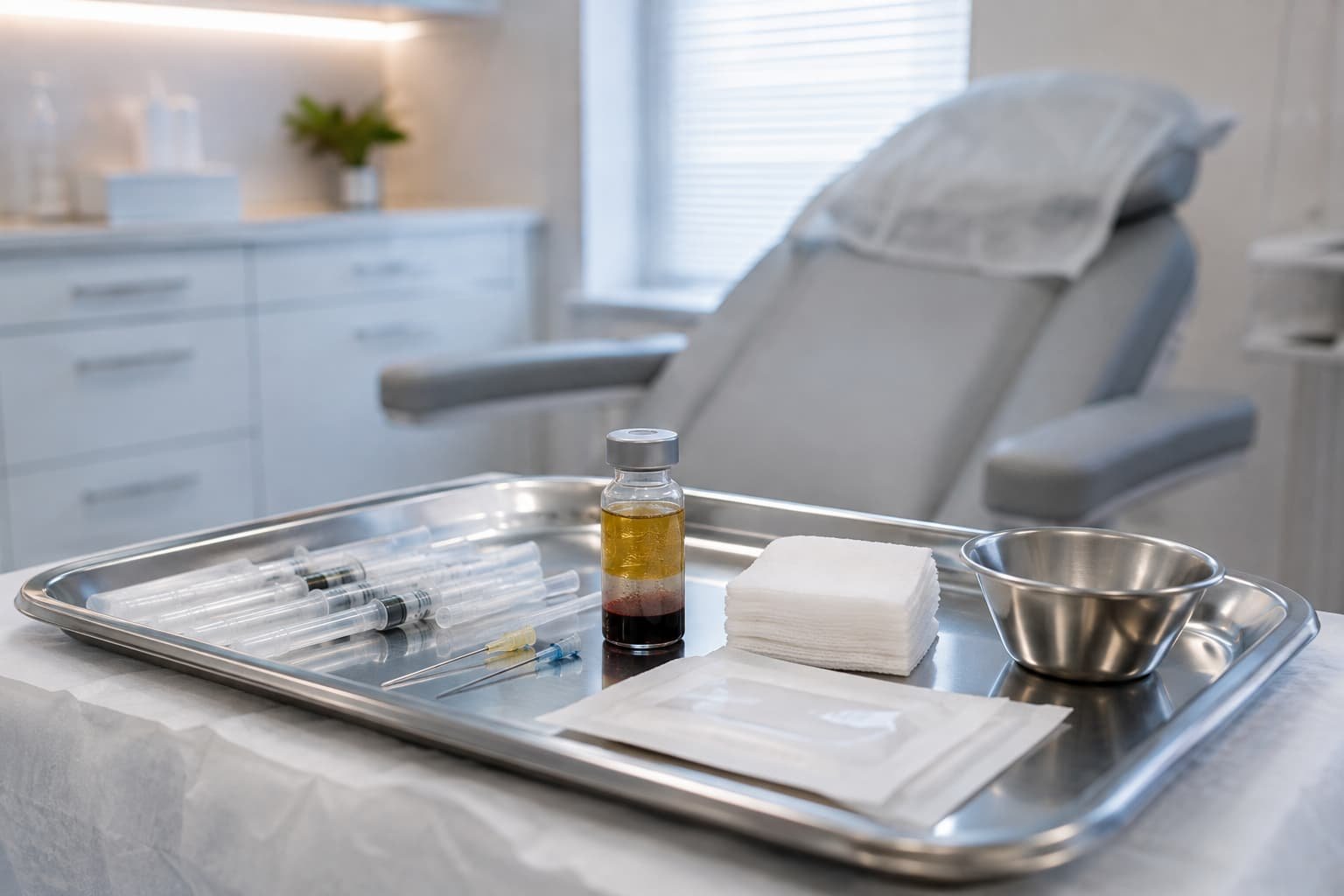
    Sterile treatment tray prepared for a P shot procedure in a London clinic
    Preparation for a P shot session typically takes place in a sterile, regulated treatment room.

    A P shot treatment session typically lasts between thirty and forty-five minutes. Clinicians apply topical anaesthetic cream first. Blood drawing and PRP processing follow next. Injections then use fine needles across several sites on the penile shaft and glans. Most men report mild pressure rather than significant pain. The treatment involves no general anaesthetic and no surgical incision.

    Recovery and P Shot Before and After Expectations

    Recovery from a P shot involves minimal downtime. Most men resume normal daily activities, including work and driving, on the same day. Clinics typically advise abstaining from sexual activity for four to five days. This allows injected tissue to settle properly. Regarding p shot before and after results, changes develop gradually over several weeks. Regenerative processes need this time to take effect. Results do not appear immediately after treatment. Photographs or testimonials claiming dramatic overnight transformation deserve scepticism. Biological tissue repair simply does not work that quickly.

    Priapus Shot Price

    Priapus shot price in the UK typically ranges from approximately £900 to £1,500 per session. The final figure depends on the clinic, practitioner experience, and any adjunct therapies. Shockwave treatment combined with PRP often sits at the higher end. Men comparing P shot UK options should request a detailed, itemised quote at consultation. Any follow-up appointments included in the price should be clarified upfront.

    Safety Considerations and Limitations

    Platelet-rich plasma therapy generally carries a favourable safety profile. It uses a patient’s own blood. This minimises the risk of allergic reaction or disease transmission associated with donor-derived products. Reported side effects include temporary bruising, swelling, and mild discomfort at injection sites. Serious complications remain rare when a trained, regulated clinician performs the procedure. Sterile technique remains essential throughout.

    Limitations, however, deserve equal attention. Evidence supporting the P Shot for Premature Ejaculation remains preliminary, and individual results vary considerably. Men with primarily psychological premature ejaculation should not expect PRP alone to resolve the condition. The treatment targets physical tissue rather than anxiety or learned behavioural patterns. Reputable clinics exclude men with bleeding disorders and active infection before proceeding. Contraindications also include current anticoagulant use without medical clearance. Unrealistic expectations that one session resolves a complex condition should also prompt caution. Regulatory bodies including the Care Quality Commission inspect clinics offering these treatments. Prospective patients should verify registration status before booking any appointment.

    Choosing a Provider for P Shot Treatment

    Provider selection significantly affects both safety and outcome quality. Prospective patients should confirm CQC registration first. Full GMC registration for the treating clinician matters equally. Medical-grade centrifuge equipment should replace uncontrolled processing methods. Selecting a regulated Priapus shot London provider matters as much as the treatment itself.

    A thorough consultation should include a candid discussion of the evidence gap. PRP should never appear as a guaranteed solution. Pshots clinic uk, a Harley Street clinic led by Dr Syed Nadeem Abbas, represents one example of a regulated London provider. It offers P shot London treatment alongside broader men’s sexual health assessment. Consultation-first approaches generally reflect sound clinical practice. A clinician should screen for underlying causes before recommending PRP.

    Frequently Asked Questions

    Does the P Shot for Premature Ejaculation guarantee results?

    No treatment guarantees a specific outcome. Individual response depends on the underlying cause, tissue response, and overall health.

    How does the P Shot for Premature Ejaculation differ from dapoxetine?

    Dapoxetine works through the central nervous system and takes effect on demand. PRP aims to alter tissue biology gradually over several weeks. NICE-approved medication currently carries a stronger evidence base for premature ejaculation specifically.

    Is the P Shot painful?

    Most men describe mild pressure rather than significant pain. Topical anaesthetic application reduces discomfort considerably.

    How much does the treatment cost?

    Priapus shot price in the UK generally ranges from £900 to £1,500 per session. Cost varies by clinic and any additional therapies included.

    How soon do results appear after a P shot?

    Meaningful changes typically develop over four to twelve weeks. This follows normal tissue repair timelines, according to reported p shot before and after case observations.

    Can premature ejaculation and erectile dysfunction be treated together?

    Yes. Many clinics assess both conditions simultaneously. Erectile difficulties frequently contribute to premature ejaculation.

    Key Takeaways

    Current evidence positions the P Shot for Premature Ejaculation as a biologically plausible but clinically unproven option. Growth factors within platelet-rich plasma support tissue repair and blood vessel formation. This offers a reasonable theoretical basis for exploring PRP in men with ejaculatory concerns. No dedicated randomised controlled trial has yet confirmed this specific benefit, however. Established NHS and NICE-endorsed treatments retain a considerably stronger evidence base. Dapoxetine and behavioural therapy remain the better-supported starting points for most men.

    Men considering this treatment deserve a transparent consultation that separates established science from emerging theory. A qualified clinician should discuss realistic outcomes, cost, and alternative options first. This discussion should happen before any injection takes place. Given the current evidence gap, a genuine question remains. Should men prioritise treatments already backed by trial data? Or does emerging regenerative science offer reason enough to consider this option now?

    Read more: PRP Centrifuge Process: How Platelets Are Separated for P-Shot Treatment

    Best Age for P Shot: Is There an Ideal Time to Start Treatment?

    P shot treatment London

    Dr Syed Nadeem Abbas, MBBS, MRCSEd, MSc Aesthetic Plastic Surgery (Distinction) Medical Director, Pshot Clinic | CQC Regulated | Monday to Saturday 10:00–18:00 +44 7955 836986 
  • Men’s Sexual Health in 2026: Trends, Treatments and Taboos

    Men’s Sexual Health in 2026: Trends, Treatments and Taboos

    ✅Medically reviewed | Updated August 2026

    Men’s sexual health has moved from a private worry to an open clinical conversation in 2026. National campaigns, digital health tools and expanding research have reshaped attitudes toward erections, libido and hormonal balance. Despite this shift, many men still delay seeking help for symptoms that a GP could investigate within weeks. Men’s sexual health affects far more than intimacy; it often reflects broader cardiovascular, metabolic and psychological wellbeing. This overview of sexual health for men sets out current trends in men’s sexual health 2026, explains the main evidence-based treatments, and examines the taboos that continue to prevent men from seeking timely care.

    What Is Changing in Men’s Sexual Health in 2026?

    Illustration representing emerging trends in men's sexual health for 2026
    Personalised care, digital health tools and earlier intervention are reshaping male sexual health.

    Several shifts define male sexual health this year. Public health messaging increasingly frames erectile difficulties as a possible early marker of cardiovascular disease rather than an isolated embarrassment. Men now search online before booking a GP appointment, often arriving at consultations with background knowledge from earlier generations. Clinics report more requests for personalised treatment plans instead of a single standard prescription. Interest in regenerative and minimally invasive treatments has grown, reflecting a wider preference for options with lower surgical risk. Wearable health trackers and digital symptom diaries also feature more often in consultations, giving clinicians objective data alongside a patient’s own account. These trends in men’s sexual health point toward earlier intervention and a more holistic view of male wellbeing.

    The Most Common Men’s Sexual Health Concerns

    Erectile Dysfunction

    Erectile dysfunction (ED) is the persistent inability to achieve or maintain an erection firm enough for satisfactory intercourse. Occasional difficulty is common and does not always indicate a medical problem, but ED becomes clinically significant once it persists for three months or longer. Up to 90 percent of cases involve an underlying physical cause, including cardiovascular disease, diabetes or nerve damage. Age raises the risk considerably; regular ED affects around a third of men aged 60 to 69 and roughly half of men aged over 70. Because the blood vessels supplying the penis are narrower than those supplying the heart, ED can appear years before a cardiovascular event, giving clinicians an early opportunity to investigate wider vascular health. GPs typically begin assessment with a medical history, a review of current medication, and basic blood tests to check cholesterol, glucose and testosterone levels.

    Low Libido

    Low libido in men describes a reduced interest in sexual activity that causes personal distress. Causes range from hormonal imbalance and chronic illness to medication side effects, stress and relationship difficulties. Certain prescription drugs, including some antidepressants and blood pressure medications, list reduced libido as a recognised side effect. A clinician can review current prescriptions before attributing reduced desire to hormonal or psychological causes alone. Persistent low libido in men warrants assessment rather than acceptance as an inevitable part of ageing.

    Premature Ejaculation

    Premature ejaculation ranks among the most common forms of male sexual dysfunction and affects men across all age groups. It involves ejaculation that occurs sooner than a man or his partner would prefer, often within one minute of penetration. Clinicians typically distinguish between lifelong premature ejaculation, present since first sexual experiences, and acquired premature ejaculation, which develops later. Both psychological and physiological factors contribute, including performance anxiety and heightened sensitivity. Behavioural techniques, topical anaesthetics and, in some cases, medication can improve control, and combining approaches often produces better results than any single method used alone.

    Testosterone and Hormonal Concerns

    Testosterone and sexual health are closely linked, since testosterone supports libido, erectile function and energy levels. Levels decline gradually with age, though a marked deficiency, known as hypogonadism, requires blood testing for accurate diagnosis. Symptoms alone cannot confirm low testosterone, and self-diagnosis based on online quizzes carries a real risk of error.

    Penile Curvature and Other Sexual Health Conditions

    Penile curvature, commonly associated with Peyronie’s disease, can cause pain and difficulty with intercourse. The condition develops when scar tissue forms within the penile shaft, causing the erect penis to bend rather than remain straight. Other structural or vascular conditions may also contribute to male sexual dysfunction and should prompt referral to a urologist or specialist clinic for assessment. Left unassessed, some structural conditions can worsen over time, making early referral more useful than a wait-and-see approach.

    How Lifestyle Affects Men’s Sexual Health

    Lifestyle factors including sleep, exercise and alcohol intake that influence men's sexual health
    Sleep, exercise and alcohol intake all play a measurable role in men’s sexual health.

    Sleep and Sexual Function

    Poor sleep disrupts overnight testosterone production and increases fatigue, both of which reduce sexual desire and performance. Consistent, adequate sleep supports hormonal balance.

    Exercise and Physical Health

    Regular aerobic exercise improves vascular function, a key factor in erectile capacity. Sedentary habits correlate with higher rates of erectile dysfunction across multiple population studies.

    Weight and Metabolic Health

    Excess weight raises the risk of diabetes and cardiovascular disease, two leading causes of erectile dysfunction. Weight management remains a first-line recommendation within NHS guidance on erectile problems.

    Alcohol, Smoking and Recreational Drugs

    Smoking damages the blood vessels supplying the penis, while excessive alcohol intake impairs both erectile function and libido. Recreational drug use carries similar vascular and hormonal risks.

    Stress, Anxiety and Mental Health

    Chronic stress and anxiety interfere with the nervous system’s role in achieving an erection. Sleep disruption linked to stress can compound the problem further. Mental health support often forms a necessary part of an effective treatment plan, alongside any physical intervention.

    Men’s Sexual Health Treatments in 2026

    Lifestyle Changes

    Clinicians typically recommend lifestyle changes as a first step, including weight loss, reduced alcohol intake, smoking cessation and increased physical activity. These changes support most other men’s sexual health treatments rather than acting as a replacement.

    PDE5 Inhibitors and Other Established Treatments

    PDE5 inhibitors, including sildenafil and tadalafil, remain the standard erectile dysfunction treatment for most men. GPs prescribe these medications after ruling out contraindications, such as certain heart conditions or interacting medicines such as nitrates.

    Testosterone Replacement Therapy

    Testosterone replacement therapy suits men with confirmed hypogonadism. Guidance from the Society for Endocrinology recommends accurate diagnosis through repeated blood testing before starting treatment, alongside regular monitoring for prostate and cardiovascular safety. Terms such as “late-onset” or “age-related” hypogonadism remain difficult to define precisely, and current guidelines advise clinicians against prescribing testosterone on symptoms alone. Ongoing monitoring typically includes repeat blood tests, prostate-specific antigen checks and blood pressure review during the first year of treatment.

    Psychological and Relationship Support

    Counselling and sex therapy address psychological contributors to male sexual dysfunction, including performance anxiety and relationship strain. NHS pathways often combine this support with medical treatment for a more complete outcome.

    Devices and Other Treatment Options

    Vacuum erection devices and, in select cases, penile implants offer additional pathways for men who do not respond to first-line treatment. Intracavernosal injections of licensed vasoactive drugs, such as alprostadil, provide a further option when tablets prove ineffective or unsuitable. Selection depends on individual health status and should follow specialist assessment. No single option suits every patient, and treatment decisions should always reflect individual circumstances and current evidence.

    Is Regenerative Medicine Changing Men’s Sexual Health?

    Centrifuge equipment used to prepare platelet-rich plasma for regenerative treatments
    PRP preparation relies on centrifugation to concentrate platelets and growth factors from a blood sample.

    What Is PRP?

    Platelet-rich plasma (PRP) is a concentration of platelets and growth factors derived from a patient’s own blood. Centrifugation separates platelets from other blood components before injection into target tissue, a process used across orthopaedics, dermatology and, more recently, men’s sexual health treatments.

    What Is the P-Shot?

    The P-Shot, or Priapus Shot, is a PRP injection technique applied to penile tissue. Proponents suggest the growth factors involved may support penile injection growth of vascular and connective tissue, though this mechanism remains under active study rather than settled fact. P shot London and Priapus shot London clinics vary in protocol, preparation method and follow-up, which affects how results should be interpreted.

    What Does the Evidence Say?

    Evidence for PRP in erectile dysfunction remains mixed. A 2024 meta-analysis published in PLOS ONE, covering 12 controlled trials and 991 patients, reported improved erectile function scores compared with control groups. A separate 2025 systematic review of seven randomised trials involving 660 patients found significant improvement at 12 and 24 weeks but not at four weeks. A further 2025 review in the journal UroPrecision identified only five randomised trials and two meta-analyses in total, noting significant variability in PRP preparation, dosage and follow-up protocols across studies. Reviewers consistently note that studies vary in PRP preparation and follow-up length, and call for larger, longer-term trials before firm conclusions can be drawn. The European Association of Urology continues to classify PRP-based penile injection as an investigational rather than an established erectile dysfunction treatment, and current evidence should be read as promising rather than conclusive.

    Why Are Men Interested in Regenerative Treatments?

    Interest in P-Shot treatment and similar regenerative approaches reflects a broader preference for options using a patient’s own biological material rather than synthetic drugs. Men considering P shot treatment should discuss realistic expectations, since outcomes vary and published evidence remains preliminary. A private consultation can clarify Priapus shot price, suitability and expected P shot before and after outcomes, based on individual health history. Providers offering p injection procedures under a P shot UK licence should hold appropriate medical qualifications and regulatory registration. Regulatory bodies such as the Care Quality Commission and the General Medical Council provide a useful starting point when checking a provider’s credentials before booking any regenerative procedure.

    The Biggest Taboos Around Men’s Sexual Health

    Embarrassment About Erectile Problems

    Many men associate ED with personal failure rather than a medical condition, delaying consultations that could identify treatable causes.

    Concerns About Masculinity

    Cultural narratives linking virility to masculinity discourage open discussion, even within established relationships.

    Reluctance to Discuss Low Libido

    Low libido in men is often dismissed as unimportant compared with erectile difficulties, despite its measurable impact on wellbeing and relationships.

    Mental Health and Sexual Performance

    Anxiety about performance can create a cycle where fear of dysfunction contributes directly to the dysfunction itself.

    Concerns About Seeking Treatment

    Some men worry that seeking treatment signals weakness or invites judgement, despite sexual health forming a routine part of general medical care. This taboo, more than any single symptom, explains much of the delay seen in clinical practice.

    Why Men Still Delay Seeking Help

    Common barriers include embarrassment, normalising symptoms as an inevitable part of ageing, fear of judgement and reliance on unverified online information. Concerns about medication side effects also contribute to delayed presentation. Some men wait until a partner raises the issue, rather than initiating the conversation themselves, which can add months or years to the delay. Earlier assessment generally leads to more treatment options and better long-term outcomes.

    Online Information and Misinformation About Male Sexual Health

    Social media platforms host frequent claims about “natural” ED cures and unregulated supplements, many lacking clinical evidence. Misleading before-and-after images circulate widely, creating unrealistic expectations among men researching treatment. Unregulated supplements marketed for libido or erection quality sometimes contain undisclosed pharmaceutical ingredients, which can interact dangerously with other medication. Medical evidence, drawn from peer-reviewed research and bodies such as NICE and the NHS, remains the most reliable basis for treatment decisions. Checking claims against recognised sources, and discussing any supplement with a GP before use, helps protect men from ineffective or unsafe products.

    What Does the Future of Male Sexual Health Look Like?

    Emerging themes include personalised care based on individual risk factors, digital tools supporting earlier symptom tracking, and closer integration between physical and psychological treatment. Research into regenerative medicine continues, though current evidence does not yet support any single regenerative treatment becoming standard care. Ongoing trials should clarify optimal PRP preparation methods and dosing, which may narrow some of the current inconsistency in results. Men’s sexual health trends for the coming years point toward earlier, more collaborative conversations between patients and clinicians, rather than any single breakthrough treatment.

    When Should a Man Speak to a Doctor?

    Stethoscope and appointment diary representing timely medical assessment for sexual health symptoms
    Persistent symptoms lasting three months or longer warrant a GP consultation.

    Persistent erectile difficulties, sudden changes in sexual function, or ongoing loss of libido warrant professional assessment. Pain during sex or ejaculation, penile curvature, and symptoms linked to medication also require evaluation. Sexual symptoms appearing alongside other health concerns, such as chest pain or unexplained fatigue, need prompt medical attention. Early assessment allows clinicians to rule out serious underlying conditions before further progression.

    Frequently Asked Questions About Men’s Sexual Health in 2026

    What are the most common men’s sexual health problems?

    Erectile dysfunction, low libido, premature ejaculation and hormonal concerns rank among the most frequently reported issues in general practice.

    What is the most effective treatment for erectile dysfunction?

    PDE5 inhibitors remain the first-line erectile dysfunction treatment for most men, though suitability depends on individual health history and current medication.

    Can lifestyle changes improve men’s sexual health?

    Weight management, exercise, reduced alcohol intake and smoking cessation all support better sexual function and often improve treatment outcomes.

    Does low testosterone affect sexual function?

    Confirmed low testosterone can reduce libido and erectile function, though blood testing remains necessary for accurate diagnosis.

    Can stress cause erectile dysfunction?

    Chronic stress and anxiety can interfere with the physiological processes needed to achieve and maintain an erection.

    Are regenerative treatments such as PRP proven for erectile dysfunction?

    Evidence remains mixed. Some trials report meaningful improvement, while systematic reviewers call for larger studies before PRP becomes standard treatment.

    When should men seek medical advice about sexual problems?

    Symptoms lasting three months or longer, or any sudden change in sexual function, warrant a GP consultation without delay.

    Key Takeaways

    Men’s sexual health sits firmly within general health, not separate from it. Erectile difficulties, low libido and hormonal changes often reflect cardiovascular, metabolic or psychological factors that benefit from early assessment. Evidence-based treatments range from lifestyle changes and PDE5 inhibitors to testosterone replacement therapy and emerging regenerative options, each suited to different circumstances rather than to every man. Dr Syed Nadeem Abbas, a Harley Street practitioner based at pshots.co.uk, is among the UK clinicians offering assessment across this field. Persistent sexual health problems deserve proper assessment, not dismissal as an unavoidable part of ageing. What would change if more men treated a conversation about sexual health as routinely as any other medical check-up?

    Read more: Low Libido vs Erectile Dysfunction: What Is the Difference?

    Exosomes vs PRP: What Is the Difference for Male Sexual Health?

    P shot Treatment London

    Dr Syed Nadeem Abbas, MBBS, MRCSEd, MSc Aesthetic Plastic Surgery (Distinction) Medical Director, Pshot Clinic | CQC Regulated | Monday to Saturday 10:00–18:00 +44 7955 836986 

  • Why Is the P Shot Becoming More Popular in 2026? What Men Should Know

    Why Is the P Shot Becoming More Popular in 2026? What Men Should Know

    ✅ Medically reviewed | Updated August 2026

    Interest in the P Shot has grown noticeably across the UK during 2026. Search activity around non-surgical treatment for erectile dysfunction in London continues to rise. This reflects a wider shift in how men approach sexual health concerns. Fewer men wait years before seeking information. More men compare pharmaceutical options against regenerative alternatives early on. This change did not appear overnight. Broader media coverage of platelet-rich plasma technology plays a part. Frustration with the limits of daily medication plays a part too. A cultural shift toward preventative male health adds further momentum. The P Shot, clinically known as the Priapus Shot, sits within this changing landscape. It offers one non-surgical option grounded in regenerative medicine principles.

    This article explains why interest in the treatment keeps growing. It reviews what current evidence shows and sets out what realistic outcomes look like. It does not present this treatment as proven or universally effective. Instead, it draws on NHS, NICE, and peer-reviewed sources.

    Growing Awareness of Non-Surgical Options for Male Sexual Health

    Public understanding of erectile dysfunction has changed considerably over the past decade. Men now discuss the condition more openly. NHS campaigns and mainstream health reporting have helped normalise the topic. NHS guidance confirms that erectile dysfunction affects a significant proportion of men over 40. Prevalence increases with age. This growing openness has created space for men to explore treatment routes beyond the prescription pad. Some men now research erectile dysfunction treatment London clinics offer alongside standard NHS care.

    Awareness of regenerative medicine has grown alongside this shift. Platelet-rich plasma therapy already features in orthopaedic medicine, dermatology, and sports injury treatment. The NHS and private sector both use it. Men researching sexual health options now recognise this same technology in the P shot treatment. This familiarity reduces hesitation. It also encourages more structured research before men make a decision. Online forums, patient leaflets, and clinic websites have improved in clarity too. Men now find clearer language to describe symptoms and treatment goals during consultation.

    Why Men Explore Alternatives to Traditional ED Treatments

    Traditional ED treatments centre on PDE5 inhibitors such as sildenafil and tadalafil. Other options include vacuum devices, alprostadil injections, and in some cases surgery. These options work well for many men. Limitations still exist. Side effects, drug interactions, and dosing timing frustrate some men. Others do not respond well to oral medication despite correct use. This gap has driven greater interest in PRP-based regenerative therapy for ED. Men see it as a complementary or alternative approach. It is important to note that this treatment does not replace first-line NHS-recommended treatments. Current evidence does not establish it as more effective than established options. Men weighing up options should discuss both pathways with a qualified clinician. Marketing claims alone should never guide this decision.

    What Is the P Shot? A Clinical Overview

    The P Shot is a non-surgical injection procedure. It uses a patient’s own blood plasma. A practitioner draws a small blood sample and processes it in a centrifuge. This process separates and concentrates the platelets. The practitioner then injects this concentrated solution into specific areas of penile tissue. The procedure falls under the broader category of PRP therapy. PRP therapy harnesses the body’s own healing signals rather than introducing external pharmaceutical agents.

    The injected material comes from the patient’s own blood. This lowers the risk of allergic reaction or rejection compared with synthetic alternatives. This autologous nature explains part of the appeal for men. Many seek a natural ED treatment using PRP therapy rather than a pharmaceutical route. Autologous origin alone does not guarantee clinical effectiveness though. Outcomes vary between individuals. A responsible clinic communicates this distinction clearly. It should never imply that natural origin automatically equals proven benefit. Patients deserve plain language, not inflated biological claims.

    How the Priapus Shot Treatment Works

    Centrifuge separating platelet-rich plasma used in P Shot treatment
    A centrifuge separates and concentrates platelets from a blood sample before P Shot treatment.

    The name Priapus Shot references Priapus, a figure from Greek mythology linked to fertility. Clinically, the procedure follows a defined sequence. A qualified practitioner draws blood and processes it through centrifugation. The practitioner then prepares the platelet-rich plasma. Local anaesthetic numbs the treatment area beforehand to reduce discomfort. The practitioner delivers the P injection into targeted zones of the penile shaft and glans. This process increases familiarity and curiosity about the P shot treatment among men researching regenerative options.

    The stated aim of treatment involves stimulating tissue repair and supporting blood vessel formation. Practitioners describe this as encouraging penile injection growth in tissue responsiveness. These proposed mechanisms remain under active investigation. Clinical trial data supporting long-term efficacy in erectile dysfunction remains limited compared with established pharmaceutical treatments. Men should treat mechanistic explanations as plausible theory rather than confirmed clinical fact.

    Why the P Shot Is Gaining Traction in 2026

    Several factors explain rising interest in the P shot London market this year. No single factor fully accounts for the trend. Together, these factors describe a meaningful shift in patient behaviour and expectation.

    Rising Interest in Regenerative Medicine

    Regenerative medicine has moved from a niche specialism into mainstream conversation. Stem cell research, tissue engineering, and PRP applications receive growing coverage in medical journals and general media. Men researching sexual health options now encounter this terminology more often. This raises familiarity and curiosity about the treatment specifically. Podcasts, men’s health publications, and clinic-led patient education have all contributed too. Together, these sources support a more informed and less embarrassed conversation.

    Demand for Privacy and Convenience

    Private clinics offer discretion that appeals to many men navigating sensitive health concerns. Appointments happen outside NHS waiting lists. Consultations remain confidential. Men can discuss symptoms without involving a wider care team unless clinically necessary. Convenience factors heavily into treatment choice too. Same-day procedures appeal to men balancing work and personal commitments. This mix of privacy and scheduling flexibility drives demand for private P shot UK providers. Harley Street clinics in central London sit within easy reach of most workplaces.

    Dissatisfaction With Long-Term Medication Reliance

    Some men prefer not to rely on regular tablets for sexual function. Common reasons include side effects such as headaches, flushing, or nasal congestion linked to PDE5 inhibitors. Others seek options that address underlying tissue health rather than temporarily increasing blood flow. This preference drives interest toward regenerative approaches. PDE5 inhibitors still remain the NICE-recommended first-line treatment for most men with erectile dysfunction though. Cardiovascular risk factors, mental health, and habits such as smoking or heavy drinking also influence erectile function. Addressing these areas matters regardless of which treatment pathway a man chooses. A holistic view of health often supports better outcomes overall.

    P Shot London: What the Treatment Process Involves

    Initial Consultation and Suitability Assessment

    A thorough consultation precedes any P shot procedure. Clinicians review medical history, current medication, and underlying conditions such as diabetes, cardiovascular disease, or bleeding disorders. Certain conditions may rule out treatment entirely. A responsible clinic always screens for contraindications before proceeding. Suitability assessment protects patient safety. Clinics should never skip this step, regardless of how straightforward the procedure appears. Men should expect direct questions about smoking, alcohol use, and existing medication. These factors influence both safety and likely response to treatment.

    The Procedure Itself

    Blood sample collection typically takes a few minutes. Centrifugation to separate platelet-rich plasma follows next. This step usually takes between eight and twenty minutes, depending on the equipment used. The practitioner applies local anaesthetic before injection to minimise discomfort. The full appointment, from arrival to discharge, generally lasts under an hour. Most men return to normal daily activities shortly afterwards. Clinics typically advise avoiding sexual activity for a short period following treatment.

    Priapus Shot Price and Cost Considerations

    Priapus shot price varies between UK clinics. Location, practitioner experience, and treatment plan all affect the final figure. Harley Street and central London clinics often sit toward the higher end of the private pricing scale. This reflects overhead costs and practitioner qualifications. Men considering treatment should request a transparent cost breakdown during consultation. This should include any follow-up sessions the clinician recommends. Cost alone should never determine provider choice. Practitioner qualification and clinic safety standards matter considerably more. An unusually low price compared with other regulated clinics warrants closer scrutiny. Some providers charge for a single session. Others recommend a short course spaced several weeks apart. Men should confirm total cost in writing before treatment begins.

    P Shot Before and After: Setting Realistic Expectations

    Interpreting P shot before and after material requires caution. Photographic comparisons online often lack standardised conditions, controlled lighting, or verified timelines. Individual results vary considerably. No clinic can guarantee a specific outcome from PRP injection treatment. Some men report subjective improvements in sensitivity or firmness within weeks. Others notice little change. Current published evidence does not support treating before-and-after imagery as proof of consistent efficacy.

    This treatment is not a size-enhancement procedure in the surgical sense. Marketing language sometimes conflates penile injection growth in tissue responsiveness with permanent enlargement. This misrepresents the treatment’s evidence base. Clinicians should communicate this distinction clearly during consultation. Clear consultation language should avoid overstating likely outcomes.

    What the Evidence Actually Shows

    NHS, NICE and the Current Clinical Picture

    NICE guidance on erectile dysfunction centres on lifestyle modification, PDE5 inhibitors, and vacuum erection devices. Surgical options apply in some cases too. PRP-based regenerative therapy for ED does not currently feature in NICE clinical guidelines. NICE does not recommend it as a first-line or routine treatment. This absence does not necessarily mean the treatment lacks value. It does mean the evidence base has not yet reached the threshold NICE applies to endorsed pathways.

    Limitations of Current Research

    Peer-reviewed studies examining PRP injections for erectile dysfunction remain relatively limited in scale. Some small trials report modest improvements in erectile function scores. Others show no statistically significant difference compared with placebo. Sample sizes across much of the published literature stay small. Long-term follow-up data remains sparse. Men should regard this treatment as an emerging regenerative option. It is not yet an established, guideline-endorsed cure. Ongoing research may clarify effectiveness further in coming years. Current evidence does not support claims of guaranteed results. Independent, well-powered randomised trials would help clarify the picture considerably.

    Who Might Consider the P Shot

    This treatment may interest men who tried first-line treatments without satisfactory results. It may also interest men seeking a non-hormonal, non-pharmaceutical option. Some men consider it as a complementary approach alongside existing treatment. It is not suitable for everyone though. Men with active infections, certain blood disorders, or untreated underlying conditions should address those issues first. A qualified clinician determines suitability on an individual basis after full assessment. Self-diagnosis should never replace a proper clinical consultation. Men managing diabetes, cardiovascular disease, or hormonal imbalances benefit from treating those conditions too. Regenerative treatment should support existing care, not replace it.

    Safety and Choosing a Qualified Provider

    Clinician reviewing suitability and safety checklist before P Shot treatment in London
    A thorough suitability assessment precedes every P Shot procedure at a regulated clinic.

    Regulatory oversight matters considerably when selecting a provider for any injectable procedure. The Care Quality Commission registers many reputable clinics. Practitioners should also hold recognised medical qualifications. This combination gives patients a higher standard of accountability. Men should verify practitioner credentials before booking treatment. Men should also ask about complication rates and confirm sterile procedure protocols before booking a Priapus shot London appointment. Pshots clinic uk, a Harley Street clinic led by Dr Syed Nadeem Abbas, is one example of a UK provider. It operates within this regulated private clinical framework.

    Choosing an unregulated or poorly trained provider raises the risk of infection. It also raises the risk of poor injection technique and inappropriate patient selection. Verification of qualifications remains a non-negotiable step in the decision-making process. Men should feel entitled to ask direct questions before consenting to any P shot treatment. A clinic willing to discuss limitations openly, rather than only promoting benefits, generally signals a more trustworthy environment.

    Frequently Asked Questions

    Is the P Shot proven to cure erectile dysfunction?

    No single treatment can claim to be a guaranteed cure. Current evidence suggests possible benefit for some men, but results are not universal. Men should consider it an emerging regenerative option rather than a definitive solution.

    How long does a P shot treatment session take?

    Most appointments take under an hour, including blood collection, processing, and injection. Recovery time stays minimal. Clinics typically recommend a short period of abstinence from sexual activity afterwards.

    What is the typical Priapus shot price in the UK?

    Pricing varies by clinic, location, and treatment plan. Men should request a detailed cost breakdown during consultation. Online estimates should never replace this step.

    Is the P Shot safe?

    A qualified, regulated practitioner using sterile technique keeps risk relatively low, given the treatment’s autologous nature. Risks still exist, including infection, bruising, and temporary discomfort. Suitability screening remains essential before any P injection.

    How does the P Shot compare with traditional ED medication?

    PDE5 inhibitors remain the NICE-recommended first-line treatment for most men. This treatment takes a different approach. It targets tissue regeneration rather than temporary blood flow increase. It is not currently classified as a first-line alternative.

    Can clinicians combine PRP therapy with other ED treatments?

    Some clinicians combine PRP therapy with existing treatments such as PDE5 inhibitors or shockwave therapy. Evidence for combined approaches remains preliminary. Any combination should only happen under qualified medical supervision after individual assessment.

    Key Takeaways

    Interest in the P Shot continues to grow throughout 2026. Wider awareness of regenerative medicine drives this trend. Demand for privacy plays a part too. Dissatisfaction with some limits of traditional ED treatments adds further momentum. The treatment offers a non-surgical option grounded in PRP technology. Current evidence does not establish it as a universally effective or guaranteed solution. Men considering treatment should seek consultation with a qualified, regulated practitioner. they should ask detailed questions about safety and realistic outcomes. Men should also approach before-and-after claims with appropriate scepticism. As regenerative medicine research develops, will evidence finally catch up with public interest in this treatment?

    Read more:

    How the P-Shot Transforms Lives for Men Battling Erectile Dysfunction in London

    P Shot London for Reduced Sensitivity – Restoring What Age Takes Away

    P Shot Treatment London

    Dr Syed Nadeem Abbas, MBBS, MRCSEd, MSc Aesthetic Plastic Surgery (Distinction) Medical Director, Pshot Clinic | CQC Regulated | Monday to Saturday 10:00–18:00 +44 7955 836986
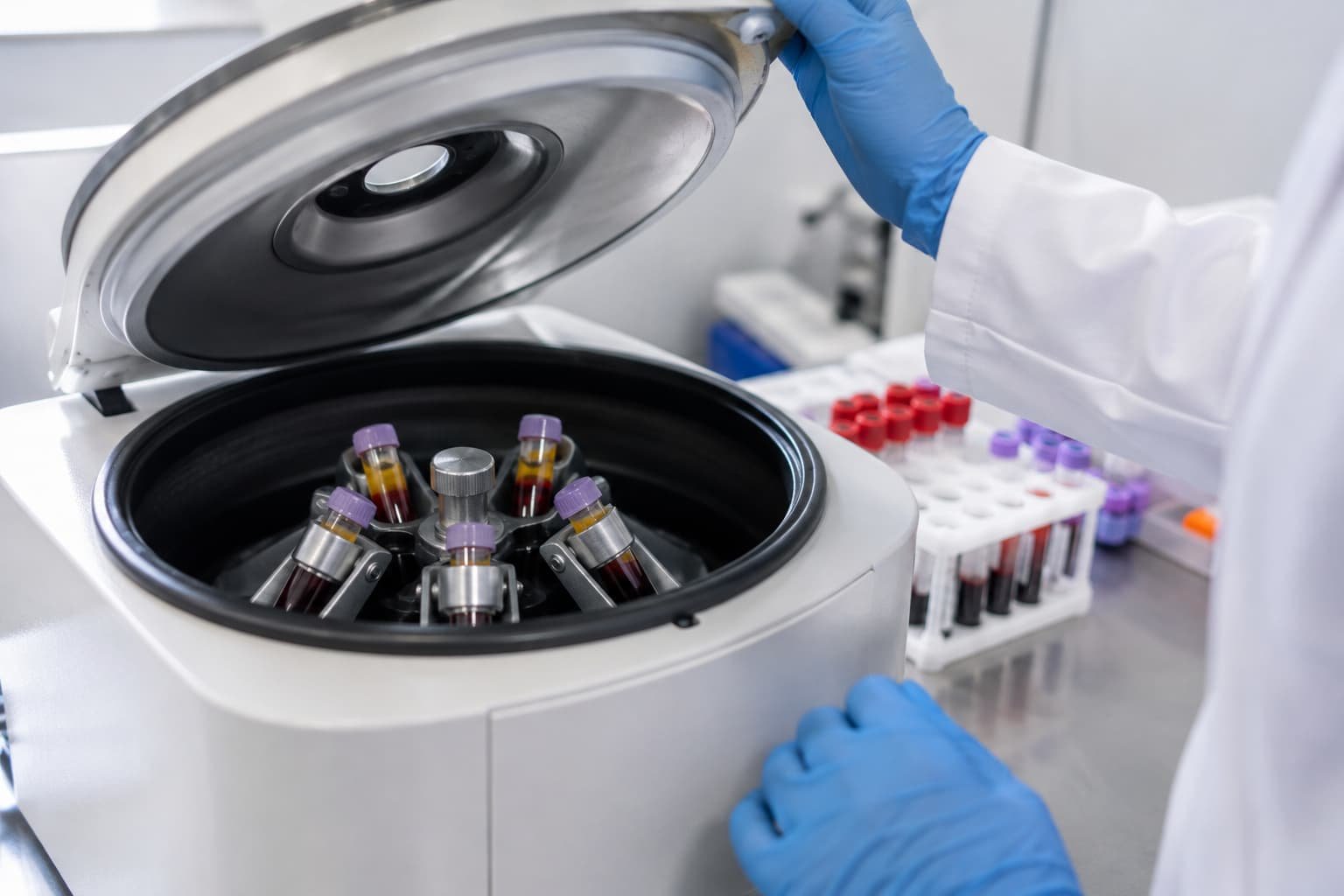
  • Can the P Shot Be Repeated for Better Results? What to Know

    Can the P Shot Be Repeated for Better Results? What to Know

    ✅MEDICALLY REVIEWED | UPDATED AUGUST 2026

    Men researching a non-surgical treatment for erectile dysfunction in London often ask one question. Can the P Shot be repeated, and does repetition improve results. The Priapus Shot has become a widely discussed option. Men seek it as a natural ED treatment using PRP therapy. Yet clear guidance on repeat sessions remains surprisingly limited across most clinic websites. Marketing pages frequently promise dramatic improvement without explaining what current research actually supports. This article sets out the clinical evidence behind repeat treatment. It covers safety considerations and realistic outcomes patients should expect. It also examines timing, cost, and regulatory context. The factors that determine whether a further session adds measurable benefit are explained throughout. The goal is balanced, evidence-based information rather than promotional reassurance.

    What Is the Priapus Shot?

    PRP centrifuge separating platelet-rich plasma for the P Shot procedure
    Platelet-rich plasma is separated from a blood sample before injection.

    The Priapus Shot is widely referred to as the P Shot. It is a form of PRP-based regenerative therapy for ED. Platelet-rich plasma is prepared from a small sample of a patient’s own blood. A clinician separates the plasma using a centrifuge. This process concentrates platelets and growth factors. The solution is then injected into targeted areas of the penis. The technique aims to stimulate tissue repair. It also aims to encourage new blood vessel formation and support erectile function gradually.

    The treatment is not classified as a licensed medicine. PRP is a blood-derived preparation, not a pharmaceutical product. It therefore does not carry manufacturer marketing authorisation in the way a licensed drug does. The National Institute for Health and Care Excellence has not published guidance specific to this injection for erectile dysfunction. Broader NICE evaluations of PRP therapy in other clinical areas note inconsistent evidence. Trial quality varies considerably across the wider PRP literature. This gap in dedicated guidance makes independent, evidence-based reporting particularly important for prospective patients.

    Why Men Consider Repeating the Treatment

    Some men notice improvement after a single session. Others report modest change, or effects that fade within months. This variation raises a reasonable clinical question. Does a second or third injection produce better or longer-lasting results than one procedure alone.

    Clinics offering a P shot London service frequently structure treatment as a short course. This is rarely presented as a single visit. The rationale rests on how PRP is understood to work biologically. Growth factors released from platelets act gradually over several weeks. An instant effect should not be expected. Repeated exposure may, in theory, reinforce or extend that biological signal. However, robust trial data confirming a clear dose-response relationship remains sparse in peer-reviewed literature. Interest in repeat treatment often outpaces the evidence available to support it.

    How the Treatment Works: The Science of PRP Therapy

    Diagram showing how PRP growth factors support tissue repair
    Growth factors within PRP are believed to support tissue repair and blood flow.

    Platelet-Rich Plasma and Tissue Repair

    Platelets contain growth factors involved in wound healing and tissue regeneration. When concentrated and injected into tissue, these factors are believed to encourage new blood vessel formation. Collagen production and cellular repair may also be supported. This mechanism underpins PRP use across several fields of regenerative medicine. These include orthopaedics, dermatology, and hair restoration, where larger evidence bases already exist. Platelet concentration achieved during preparation varies between devices and clinics. This variation may partly explain inconsistent results reported across the wider literature.

    Mechanism of Action in Penile Tissue

    Within penile tissue, PRP injections target the corpus cavernosum and the glans. The proposed mechanism involves improved blood flow and nerve tissue support. Mild structural remodelling of erectile tissue is also proposed. Peer-reviewed studies on PRP for erectile dysfunction remain small in scale and short in follow-up duration. A 2021 review published in Sexual Medicine Reviews reported promising early findings. It called explicitly for larger, placebo-controlled trials before firm conclusions could be drawn. This caution applies equally to single-session and repeated protocols.

    Is It Safe to Repeat the Injection?

    Evidence on Repeated PRP Treatment

    PRP is generally considered lower-risk than many injectable treatments. This is because it uses autologous material, meaning it originates from the patient’s own body. The approach reduces the likelihood of allergic reaction or disease transmission compared with donor-derived products. Repeated PRP injections across other medical specialties, including musculoskeletal medicine, have not shown cumulative toxicity in existing literature. Data specific to repeated penile injection protocols remains limited. The broader safety profile of autologous PRP still supports cautious repetition under proper clinical supervision. Long-term registries tracking outcomes across multiple sessions are not yet widely established in this specific field.

    Contraindications and Risk Factors

    Certain conditions affect suitability for any penile injection, whether first or later. These include active infection, bleeding disorders, and use of blood-thinning medication. Abnormally low platelet counts are also a relevant factor. A qualified clinician should review these before every appointment, not only the first one. Skipping reassessment before a repeat procedure increases avoidable clinical risk. Men with poorly controlled diabetes should discuss this with a GP first. The same applies to men with cardiovascular disease or significant hormonal imbalance.

    How Often Can the Treatment Be Repeated?

    Initial Treatment Protocol

    Many providers structure treatment as an initial course. This often involves one or two sessions spaced four to six weeks apart. This spacing allows time for the biological effects of the first injection to develop. Assessment should follow before deciding whether a further session is warranted. Objective measures should be used where possible, alongside patient-reported symptoms. Photographic documentation, when used, should be standardised for lighting and positioning.

    Maintenance and Booster Sessions

    Some men return for a booster injection roughly twelve to eighteen months later. The rationale is that regenerative effects may gradually diminish over time. This pattern has also been observed with PRP use in other tissues. No fixed interval is currently supported by strong, high-quality clinical evidence. Timing should reflect individual response and clinical judgement. It should not follow a rigid calendar applied uniformly to every patient. Clinicians should record outcomes at each visit to build an evidence trail specific to that individual.

    Factors That Influence Repeat Treatment

    Underlying Cause of Erectile Dysfunction

    Erectile dysfunction has multiple possible causes. These include vascular disease, nerve damage, psychological factors, and hormonal imbalance. PRP injections primarily target tissue-level and vascular mechanisms. This approach is unlikely to resolve dysfunction rooted mainly in psychological or hormonal causes. NHS guidance recommends identifying the underlying cause before selecting any treatment pathway. A treatment aimed at the wrong mechanism is unlikely to improve with repetition alone.

    Age and Baseline Vascular Health

    Vascular health tends to decline with age. This affects how tissue responds to regenerative treatment. Men with significant vascular disease may see less benefit from repeated sessions. Men with milder or reversible circulatory issues tend to respond more consistently. A thorough medical history helps clinicians set realistic expectations before further treatment. Smoking, uncontrolled blood pressure, and poor cholesterol control can all reduce tissue response.

    Response to the First Session

    The strongest predictor of whether repetition will help is the first response. Men who report no measurable change after an adequately spaced initial session are different. Simply repeating the same procedure is less likely to help. Further clinical assessment, or a change in approach, is usually more appropriate.

    Consultation and Assessment Before Further Treatment

    Clinical consultation before a repeat P Shot treatment session
    A thorough consultation should precede every repeat treatment session.

    A clinical consultation before any repeat session should be thorough. Blood pressure, relevant blood tests, and current medication should all be reviewed. Lifestyle factors such as smoking and alcohol use also influence outcomes. Clinicians should document baseline erectile function using a validated tool. The International Index of Erectile Function is one commonly used measure. The same measure should be used again before recommending further injections. This structured approach distinguishes genuine clinical improvement from short-term placebo response. Placebo response is common in sexual health research generally. Written consent should be obtained again before each repeat procedure.

    What to Expect from a Repeat Procedure

    A repeat session follows a similar process to the first appointment. Blood is drawn, processed into PRP, and injected using a fine needle. Topical numbing cream is applied beforehand to reduce discomfort. The appointment usually takes around thirty minutes from start to finish. Mild swelling, bruising, or tenderness at the injection site are common. These effects typically resolve within several days. Sexual activity is usually discouraged for around one week afterward. This allows initial tissue healing to take place. Aftercare instructions should be reissued at each visit, since healing patterns can vary.

    P Shot Before and After: Realistic Outcomes

    Photographic before and after comparisons are widely used in penile injection marketing. This includes the growth P injection some clinics promote for size-related concerns. Visual comparisons should always be interpreted with caution. Lighting, positioning, and selective reporting can distort perceived change significantly. Peer-reviewed evidence does not support guaranteed increases in size from PRP injections. Reported benefits relate more consistently to erectile firmness and sensation. Confidence is also frequently reported, more so than measurable size change. Patients should ask clinics whether displayed images represent typical outcomes.

    Cost Considerations for Repeat Sessions

    Priapus shot price varies between clinics across London. This generally reflects differences in PRP processing technology and clinician experience. Included aftercare provision also affects overall pricing. The cost of P shot treatment across a full course should form part of any pre-treatment discussion. A repeat P Shot procedure typically costs a similar amount to the initial session. Blood draw, processing, and injection do not change substantially between visits. Men considering a course should request a written breakdown of total cost. This should cover all planned sessions before proceeding with any booking. Clinics vary in whether multi-session packages carry a reduced combined price.

    Regulatory and Professional Standards in the UK

    Clinics offering Priapus shot London treatment should operate under recognised medical governance. Prescribing clinicians should hold General Medical Council registration. Premises carrying out invasive procedures may also fall under Care Quality Commission oversight. The Medicines and Healthcare products Regulatory Agency oversees the broader framework for injectable products. Independent verification of a clinician’s registration is a reasonable step. Checking a clinic’s regulatory status is equally reasonable before booking any appointment.

    Alternatives Worth Discussing First

    Erectile dysfunction treatment London options extend well beyond PRP-based injections. Oral medication, vacuum erection devices, and lifestyle modification all form part of NHS-recommended pathways. Psychological support is also frequently recommended for managing erectile dysfunction. Some men benefit from combining these approaches with a P shot UK protocol. This may work better than relying on repeated injections alone. A GP remains the appropriate first point of contact. Underlying causes should be investigated before pursuing private aesthetic or regenerative treatment. Combining medical and lifestyle approaches often produces more consistent results than any single intervention alone.

    Limitations and Realistic Expectations

    Current evidence for PRP-based penile injections has notable limitations. This applies to repeated protocols as much as single sessions. Most published studies involve small patient numbers and short follow-up periods. PRP preparation methods are also inconsistent across different clinics and countries. No large-scale, randomised controlled trial has established a definitive repeat treatment schedule. Regulatory bodies classify autologous PRP preparations differently from licensed medicines. This affects the strength of formal guidance currently available. Marketing claims should be approached with appropriate scepticism. Information grounded in peer-reviewed research remains more reliable than testimonials alone.

    Content on this topic is produced for pshots clinic uk. Consultations at this Harley Street clinic are led by Dr Syed Nadeem Abbas.

    Current Research and Future Evidence

    Interest in PRP-based sexual health treatments continues to grow across private clinics. Academic research has not kept pace with clinical uptake in this specific area. Most existing studies are observational rather than randomised and controlled. Sample sizes typically remain under one hundred participants across published papers. Larger, blinded trials would help clarify whether repeat sessions offer genuine additional benefit. Until such data exists, clinicians should rely on individual assessment rather than population-level assumptions. Patients are encouraged to ask providers directly about the evidence base behind any recommended treatment schedule. Transparent discussion of these limitations reflects good clinical practice, not a weakness in the treatment itself.

    Frequently Asked Questions

    Can the P Shot be repeated more than once?

    Yes. Many clinics offer an initial course followed by optional booster sessions. Suitability depends on individual response and a fresh assessment at each visit.

    How soon can a second session be given after the first?

    Providers commonly space an initial two-session course four to six weeks apart. This interval allows time to assess the biological response beforehand.

    Does repeating the treatment guarantee better results?

    No treatment can guarantee results. Repetition may extend effects for some men. Others see limited additional benefit beyond the first session.

    Is the procedure painful when repeated?

    Topical numbing cream is typically applied before each appointment. Most men report mild, manageable discomfort rather than significant pain.

    How long do the effects typically last?

    Duration varies considerably between individuals. Some men report benefits lasting twelve to eighteen months. A booster session may then be considered.

    Is Priapus Shot treatment suitable for every man with erectile dysfunction?

    No. Suitability depends on the underlying cause, general health, and specific contraindications. A full medical consultation should confirm eligibility.

    What happens if repeated sessions produce no improvement?

    Further assessment is warranted. A clinician should reconsider the underlying diagnosis. Repeating an identical procedure indefinitely is not appropriate.

    Should results be documented between sessions?

    Yes. Recording symptoms, function, and any side effects supports a more accurate assessment. This record helps determine whether further treatment is clinically justified.

    Key Takeaways

    Repeating the P Shot may extend benefits for some men. This rests on the biological rationale behind PRP-based regenerative therapy for ED. Evidence supporting a fixed repeat schedule remains limited, however. Outcomes vary considerably between individuals. Decisions about repeat treatment should rest on documented clinical assessment. Measured response to prior sessions matters more than marketing claims. Before and after photography alone should not drive the decision. Informed decisions depend on evidence, not on promises. Current clinical evidence still leaves gaps around repeat treatment. What should guide that decision instead: personal experience, structured clinical assessment, or a considered combination of both?

    Read more: How Many P-Shot Sessions Do You Need? One vs a Series of Treatments

    When Should You Book a P-Shot Booster? Signs It’s Time

    P shot treatment London

  • Do You Need a GP Referral for P-Shot Treatment in the UK?

    Do You Need a GP Referral for P-Shot Treatment in the UK?

    ✅ Medically reviewed | Updated August 2026

    Men researching erectile dysfunction options in London frequently ask a practical question before booking a consultation: does P-Shot treatment require a GP referral first? The question matters because UK healthcare runs on two separate systems: NHS-commissioned care, which depends on GP gatekeeping, and private medical services, which operate under different access rules entirely. Confusion between these two systems leads many men to delay treatment unnecessarily, wrongly assuming a GP appointment must happen before any injection procedure can begin.

    Search results and forum discussions add further confusion, mixing NHS terminology with private clinic marketing language until the underlying rules become genuinely difficult to identify. Clear, source-backed information matters here, since erectile dysfunction already carries enough uncertainty for many men without added confusion about basic access logistics.

    This article separates fact from assumption. It examines how NHS referral pathways work, explains where private regenerative treatments such as the P-Shot sit within UK healthcare regulation, and clarifies exactly what role, if any, a GP referral for P-Shot treatment plays in the process. The explanation draws on published NHS guidance, NICE clinical frameworks, and peer-reviewed research on platelet-rich plasma (PRP) therapy for erectile dysfunction, rather than generic claims repeated across competing clinic websites.

    What Is P-Shot Treatment?

    The P-Shot, also known as the Priapus Shot, is a PRP-based regenerative therapy for ED that uses a patient’s own blood plasma. Clinicians draw a small blood sample, process it in a centrifuge to concentrate platelets and growth factors, then deliver a p injection directly into penile tissue. Growth factors within the concentrated plasma aim to support new blood vessel formation, nerve tissue repair, and general tissue regeneration.

    Men explore this P shot treatment for mild to moderate erectile dysfunction, reduced sensitivity, or as supportive care following prostate surgery. Because the procedure uses autologous material rather than a licensed pharmaceutical drug, UK regulators classify it as a private regenerative medicine service rather than a standard NHS intervention.

    The treatment differs from oral medication and vacuum devices in mechanism rather than purpose. PDE5 inhibitors work pharmacologically, increasing blood flow at the point of use, while PRP aims to support longer-term tissue repair through concentrated growth factors. This mechanistic distinction explains why regulators and clinicians categorise the two approaches differently, even though both address the same underlying symptom.

    How NHS Referral Pathways Work in the UK

    The GP Gatekeeping Model

    NHS specialist care across England, Scotland, Wales and Northern Ireland generally requires a GP referral before a hospital consultant sees a patient. NHS guidance confirms that patients cannot usually self-refer to a hospital specialist, with limited exceptions such as sexual health clinics and emergency departments. A referral letter communicates medical history, current symptoms, and clinical reasoning to the receiving specialist, allowing NHS resources to prioritise cases fairly.

    This gatekeeping model exists to manage limited NHS capacity, not to restrict access to private treatment options.

    Why NHS Rules Differ from Private Healthcare Rules

    Private healthcare in the UK does not follow the same gatekeeping structure. Patients funding treatment privately can generally arrange a consultation directly with a private clinic or consultant. NHS guidance itself acknowledges that a private specialist can be approached with or without a GP referral, though a referral remains advisable for complex medical presentations.

    This distinction sits at the centre of the referral question facing men researching P-Shot treatment, since the procedure falls entirely within the private healthcare category rather than NHS-commissioned services. Recognising this structural difference early prevents wasted appointments and unrealistic expectations about how access actually works.

    Diagram comparing NHS referral pathway and private clinic access route in the UK
    NHS and private healthcare in the UK follow separate access routes, which explains why a GP referral for P-Shot treatment is optional rather than required.

    Does P-Shot Treatment Require a GP Referral?

    No GP Referral for P-Shot Is Required to Book a Consultation

    A GP referral for P-Shot treatment is not a legal or clinical requirement in the UK. Private clinics offering P shot London services generally accept direct self-referral, meaning a patient can contact a clinic, arrange a consultation, and proceed toward treatment without visiting a GP first. This reflects standard private healthcare practice across most elective and regenerative procedures, not a shortcut specific to PRP injections. Clinics carry out independent clinical assessment during consultation, reviewing medical history, current medication, and suitability for PRP therapy before any injection takes place.

    Why NHS Pathways Do Not Cover the P-Shot

    NHS commissioning decisions rest on large-scale, peer-reviewed clinical evidence assessed by NICE. Current NICE guidance on erectile dysfunction management centres on established options: oral PDE5 inhibitors such as sildenafil, vacuum erection devices, and investigation of underlying causes including cardiovascular disease, diabetes, and hormonal imbalance. PRP injections for erectile dysfunction do not currently appear within NICE-approved treatment pathways.

    Because no NHS commissioning framework exists for this procedure, GPs cannot arrange NHS-funded referral for P-Shot treatment, regardless of clinical presentation. This absence of an NHS pathway explains why formal GP involvement carries no functional role within NHS systems for this specific procedure, even though it remains an option worth considering within private care.

    Some men mistakenly assume that persistence with a GP, or requesting a second opinion, might eventually unlock NHS-funded PRP treatment. NICE guidance makes clear this is not the case: commissioning decisions apply nationally and consistently, so no individual GP practice can independently fund or approve treatment that sits outside approved NHS pathways.

    When a GP Referral for P-Shot Treatment Still Adds Value

    Although not compulsory, a GP referral for P-Shot treatment can still provide genuine clinical value in specific circumstances. Erectile dysfunction sometimes signals an underlying medical condition rather than an isolated symptom. A GP consultation before private treatment allows blood pressure checks, blood glucose testing, and cardiovascular risk assessment, since vascular disease frequently underlies erectile difficulty in men over 40.

    Men taking prescribed medication, particularly anticoagulants or blood thinners, benefit from GP input before considering any penile injection growth procedure. A referral letter also gives the treating clinician written context on relevant health history, supporting safer clinical decision-making even outside NHS-funded pathways.

    What Role Does a GP Play in Erectile Dysfunction Assessment?

    Ruling Out Underlying Causes

    Erectile dysfunction has multiple possible causes, spanning vascular, hormonal, neurological, and psychological factors. NHS guidance recommends investigating these causes before assuming a purely local or mechanical explanation. A GP can order blood tests to check testosterone, fasting glucose, and cholesterol levels, review current medication for contributing side effects, and assess mental health factors such as anxiety or low mood.

    Identifying a treatable underlying cause sometimes resolves erectile dysfunction without requiring any injectable intervention at all. Diabetes management, blood pressure control, or adjustment of a medication known to contribute to erectile difficulty can, in some cases, improve symptoms substantially before any consideration of PRP therapy becomes necessary.

    NICE Guidance on Erectile Dysfunction Management

    NICE clinical knowledge summaries frame erectile dysfunction assessment around cardiovascular risk stratification, since erectile dysfunction can precede diagnosed heart disease by several years. First-line management under NICE guidance typically includes lifestyle modification and oral PDE5 inhibitor therapy where appropriate. Second-line and specialist options include intracavernosal injections of licensed vasoactive drugs, vacuum devices, and, in select cases, surgical referral.

    PRP-based injections currently sit outside this NICE-recognised treatment hierarchy, classified instead as an emerging regenerative therapy still under clinical investigation.

    The Private P-Shot Consultation Process

    Clinician preparing a PRP blood sample for P-Shot treatment processing
    A private P-Shot consultation includes blood draw and PRP centrifuge processing, carried out independently of any GP referral.

    Initial Assessment Without a GP Referral

    A typical private consultation for P shot UK treatment begins with a detailed medical history review, current medication check, and physical assessment. Clinicians assess suitability for PRP injection, discuss realistic expectations, and screen for contraindications such as active infection, bleeding disorders, or current anticoagulant use.

    This structured private assessment functions independently of any formal referral letter, though patients remain free to bring existing GP correspondence or test results to support the consultation. Bringing recent blood pressure readings, cholesterol figures, or testosterone results, where available, allows the treating clinician to build a fuller clinical picture without requiring a separate GP appointment beforehand.

    Priapus Shot Price and Treatment Structure

    Priapus shot price varies across UK providers depending on PRP processing technology, practitioner qualifications, and included aftercare. Treatment packages commonly include an initial consultation, blood draw and centrifuge processing, the injection procedure itself, and structured follow-up appointments.

    Dual-spin centrifuge processing, which concentrates platelets to a higher degree than basic single-spin methods, typically commands a higher Priapus shot price than budget alternatives. Clinics offering genuinely transparent pricing publish costs openly rather than requiring an in-person consultation before disclosing figures. Providers of non-surgical treatment for erectile dysfunction in London should present pricing, included follow-up, and realistic outcome expectations clearly at the point of enquiry.

    Evidence Base for PRP-Based Regenerative Therapy for ED

    What Clinical Research Currently Shows

    Evidence on natural ED treatment using PRP therapy remains mixed and still developing. A 2023 randomised, double-blind, placebo-controlled trial published in the Journal of Urology found that men with mild to moderate erectile dysfunction receiving PRP injections reported measurable improvement in erectile function scores compared with placebo shortly after treatment, though differences narrowed at later follow-up points.

    A 2024 meta-analysis combining twelve controlled trials and close to one thousand patients reported measurable improvement in International Index of Erectile Function scores among PRP recipients, alongside acknowledgement that study quality and sample sizes remain limited across the existing literature. A subsequent systematic review published in Sexual Medicine Reviews concluded that PRP represents a promising but still-experimental option, calling for larger, standardised, multi-centre trials before firmer conclusions can be drawn.

    Clinical research and evidence review on PRP therapy for erectile dysfunction
    Published trials and systematic reviews continue to build a cautiously promising, though still developing, evidence base for PRP-based regenerative therapy for ED.

    Limitations and Realistic Outcomes

    Earlier PRP research produced more cautious findings. A widely cited critical review found insufficient evidence to support PRP as standard erectile dysfunction care, highlighting inconsistent injection protocols and limited placebo-controlled data across published studies at that time.

    This evolving evidence picture means providers of erectile dysfunction treatment London patients consult should present PRP therapy honestly, as a regenerative option with encouraging but not conclusive research support, rather than a guaranteed outcome. Individual results vary based on age, underlying vascular health, severity of erectile dysfunction, and lifestyle factors including smoking status and cardiovascular fitness.

    P Shot Before and After: Setting Realistic Expectations

    Growth factors act biologically rather than instantly, so P shot before and after changes tend to develop gradually rather than appearing immediately after injection. Mild swelling and tenderness typically settle within 48 hours.

    Early sensitivity changes sometimes appear within the first two weeks, with more noticeable functional changes reported by some patients between weeks four and twelve. Results duration varies considerably between individuals, and no clinic can ethically guarantee identical outcomes for every patient, given the current strength of published clinical evidence.

    Photographic before-and-after comparisons circulating online should be interpreted cautiously. Lighting, positioning, and selective case reporting can distort perceived outcomes. A clinically useful assessment relies on validated symptom scoring, such as the International Index of Erectile Function questionnaire, rather than visual comparison alone.

    Safety, Regulation, and Choosing a Private Provider

    Because a GP referral for P-Shot treatment is optional rather than required, provider selection becomes the primary safeguard for patient safety. UK regulation requires clinics offering injectable medical procedures to register with the Care Quality Commission and ensure treating clinicians hold current General Medical Council registration.

    Pshots clinic, a Harley Street, Marylebone practice led by Dr Syed Nadeem Abbas, operates as a CQC-regulated provider of Priapus shot London treatment, illustrating the regulatory structure patients should expect from any clinic offering this procedure.

    Holding a referral letter is not a substitute for this due diligence, since referral status alone says nothing about a specific clinic’s safety standards or clinical governance. Patients considering treatment should verify CQC registration status, confirm the treating clinician’s GMC number, and ask directly about PRP processing methodology and published outcome data before booking.

    Consultation questions worth raising include how many P-Shot procedures the clinician has personally performed, what proportion of patients report meaningful improvement, and what happens if symptoms fail to improve after treatment. A transparent, GMC-registered provider answers these questions directly rather than deflecting toward marketing testimonials.

    Frequently Asked Questions

    Is a GP referral for P-Shot treatment legally required in the UK?

    No. Private clinics generally accept direct self-referral for P-Shot consultations, since the procedure sits outside NHS commissioning frameworks entirely.

    Can a GP refer patients for P-Shot treatment on the NHS?

    No NHS pathway currently funds PRP injections for erectile dysfunction, so GPs cannot arrange NHS-funded referral for this specific procedure.

    Should men see a GP before booking private P-Shot treatment anyway?

    A GP consultation beforehand can rule out underlying causes such as cardiovascular disease, diabetes, or hormonal imbalance, adding clinical value even without a formal referral requirement.

    Does private medical insurance cover P-Shot treatment?

    Most UK private medical insurance policies exclude elective PRP-based sexual health treatments, applying similar necessity criteria to NHS commissioning standards.

    What determines Priapus shot price at UK clinics?

    Pricing depends on PRP processing technology, practitioner qualifications, included follow-up appointments, and whether treatment combines with adjunct therapies such as shockwave therapy.

    How soon do results appear after P-Shot treatment?

    Published patient reports suggest early changes within two to four weeks, with more noticeable improvement described by some patients between weeks eight and twelve, though individual timelines vary.

    Is PRP therapy scientifically proven for erectile dysfunction?

    Evidence remains mixed. Several controlled trials report measurable improvement, while systematic reviews continue calling for larger, more standardised research before PRP becomes established standard care.

    Key Takeaway

    Understanding UK referral rules removes unnecessary uncertainty around private regenerative treatment. A GP referral for P-Shot treatment offers genuine clinical value for identifying underlying health conditions, yet current NHS and private healthcare rules confirm it remains optional rather than mandatory for accessing private PRP therapy.

    NHS and NICE guidance make clear why no NHS-funded pathway exists for this specific procedure, while published clinical research continues to build a cautiously promising, though still incomplete, evidence base. Men considering P shot treatment benefit most from combining thorough GP-led health screening with careful, evidence-based private provider selection.

    Given how much individual health history influences both safety and outcome, does bypassing a GP conversation before treatment genuinely serve long-term interests, or does informed, cautious preparation deliver better results in the end?

    Read more: P Shot London – What You Need to Know Before Treatment

    Does Private Insurance Cover the P Shot UK? What Patients Need to Know

    P shot treatment London

  • P Shot vs Trimix: Which Treatment Is Better for Erectile Dysfunction?

    P Shot vs Trimix: Which Treatment Is Better for Erectile Dysfunction?

    ✅Medically reviewed | Updated August 2026

    Erectile dysfunction affects a significant proportion of men across the UK, and treatment options continue to expand each year. Two injectable approaches often appear in the same conversation: Trimix and the P Shot. Both involve injections directly into the penis, yet the similarities largely end there. The P Shot vs Trimix comparison sits at the centre of many consultations at private clinics across London, where men weigh immediate pharmacological results against a regenerative, blood-derived approach. This article examines the mechanism, evidence base, safety profile, and realistic outcomes of both treatments, drawing on NHS, NICE, and peer-reviewed sources rather than promotional claims.

    Men researching erectile dysfunction treatment London options frequently encounter marketing language that overstates results. This guide takes a different approach. It explains what Trimix contains, how the P shot treatment works, what current research shows, and which factors matter most before choosing between the two. Nothing here replaces individual medical assessment, but a clear, evidence-based comparison remains essential before committing to either option.

    Understanding Erectile Dysfunction and Treatment Pathways

    Erectile dysfunction describes a persistent difficulty achieving or maintaining an erection sufficient for satisfactory sexual activity. Causes range from vascular disease and diabetes to psychological factors, prostate surgery, and neurological conditions. NICE guidance places oral phosphodiesterase type 5 (PDE5) inhibitors, such as sildenafil or tadalafil, as first-line treatment for most men.

    When oral medication fails, causes intolerable side effects, or remains unsuitable due to interacting medication, second-line options come into play. NHS guidance confirms alprostadil, most often supplied as an intracavernosal injection, sits at this second-line stage. Trimix, a compounded variant containing alprostadil alongside two additional agents, extends this pharmacological pathway further. The P Shot represents a separate category entirely: a regenerative, PRP-based approach rather than a vasodilator medication.

    This distinction matters. The P Shot vs Trimix decision is not simply a choice between two similar injections. It is a choice between two fundamentally different treatment philosophies.

    What Is Trimix?

    Trimix combines three vasoactive medications — alprostadil, papaverine, and phentolamine — in a single compounded solution. Each ingredient relaxes smooth muscle tissue within the penis through a slightly different pathway, producing combined vasodilation that increases blood flow rapidly.

    How Trimix Produces an Erection

    Following injection into the corpus cavernosum, the three agents relax cavernosal smooth muscle and widen local blood vessels. Blood flow into the penis rises substantially within minutes. The mechanism does not depend on nerve stimulation, which explains why Trimix can work even after nerve damage from prostate surgery or spinal cord injury.

    Typical Onset and Duration

    An erection generally appears within five to twenty minutes and lasts roughly thirty minutes to an hour, sometimes longer depending on dose. NHS sources note that an erection lasting beyond four hours signals priapism, a medical emergency requiring immediate hospital treatment.

    Trimix’s Regulatory Status in the UK

    A critical distinction separates Trimix from the licensed alternative alprostadil. Trimix holds no UK marketing authorisation and is not routinely available on the NHS. A specials manufacturer must prepare it under MHRA regulations, and only a private prescription can authorise its use. NHS trusts typically dispense licensed alprostadil products, such as Caverject, instead. This unlicensed status does not necessarily indicate danger, but it does mean batch consistency and long-term safety data differ from those of a licensed medicine.

    Benefits and Limitations of Trimix

    Trimix produces a fast, reliable, on-demand erection for many men, including those who have not responded to oral PDE5 inhibitors. NHS advice from Newcastle Hospitals states injections should not exceed three times weekly, and never more than once daily, since frequent dosing raises the risk of tissue damage. Reported side effects include penile pain, bruising, and scarring at the injection site. Priapism remains a rare but serious risk requiring urgent attention.

    What Is the P Shot?

    The Priapus Shot, commonly abbreviated as the P Shot, uses platelet-rich plasma (PRP) extracted from a patient’s own blood. A blood sample undergoes centrifugation to concentrate platelets and growth factors, which are then injected into specific areas of penile tissue.

    How the P Shot Works

    Unlike Trimix, the P Shot treatment does not act as a vasodilator. Instead, platelet-rich plasma releases growth factors intended to stimulate tissue repair and improved microcirculation over time. This is why clinicians describe the P Shot as PRP-based regenerative therapy for ED, rather than a pharmacological therapy. This mechanism difference explains why timelines, risks, and expectations diverge sharply in any P Shot vs Trimix comparison.

    Growth Factors and Tissue Repair

    Concentrated platelets release growth factors associated with angiogenesis, collagen formation, and cellular repair in laboratory and animal studies. Translating these mechanisms into consistent human outcomes remains an active area of research, and results vary between individuals.

    Evidence Base for the P Shot

    Clinical evidence for a natural ED treatment using PRP therapy remains mixed. Some smaller randomised trials report modest improvements in erectile function scores, while a 2025 meta-analysis found no significant efficacy advantage over placebo across pooled data. The European Association of Urology and the American Urological Association both classify PRP-based ED treatment as investigational. This classification means the treatment is not yet established as a proven, first-line therapy, though it does not rule out benefit for carefully selected patients.

    Benefits and Limitations of the P Shot

    Because the injection uses autologous blood, allergic reactions risk stays minimal. Reported side effects generally involve only bruising, mild soreness, or transient swelling at the injection site. Unlike Trimix, the P Shot produces no immediate erection and requires no ongoing self-injection before intercourse. Results, where they occur, typically emerge gradually over several weeks. Maintenance sessions every six to twelve months commonly sustain any benefit gained.

    P Shot vs Trimix: Comparing Mechanism of Action

    Abstract illustration comparing vasodilation mechanism with regenerative PRP mechanism.
    Trimix works by widening blood vessels; the P Shot aims to support tissue repair over time.

    The central difference in any P Shot vs Trimix comparison is pharmacological action versus regenerative intent. Trimix forces an erection through direct vasodilation, working reliably within minutes regardless of underlying tissue health. The P Shot aims to improve tissue quality over time, targeting circulation and cellular repair rather than producing an immediate response.

    This distinction affects candidate selection. Men seeking dependable, on-demand performance for a specific occasion generally lean toward Trimix. Men interested in a non-surgical treatment for erectile dysfunction in London, without introducing external medication into penile tissue, often explore the P Shot instead.

    P Shot vs Trimix: Safety Profile and Risk Comparison

    Trimix carries a defined risk of priapism due to its potent vasodilatory action. NHS sources confirm this requires emergency treatment if an erection persists beyond four hours. Bruising, scarring, and localised pain are also documented with repeated use over time.

    The P Shot carries a comparatively lower acute risk profile, since it introduces no exogenous vasoactive drug. Bruising and soreness remain the most commonly reported effects. However, the regenerative claims attached to PRP therapy exceed what current peer-reviewed evidence confirms. Any responsible P Shot vs Trimix discussion must state clearly that PRP-based treatment for erectile dysfunction remains investigational.

    Onset, Duration and Frequency of Use

    Trimix works within five to twenty minutes and produces an erection lasting roughly thirty minutes to an hour. Repeat injections are required before each instance of planned sexual activity, up to the NHS-recommended maximum of three times weekly.

    The P Shot does not produce an immediate erection. A typical protocol involves periodic sessions spaced several weeks or months apart, with cumulative effects assessed over time rather than judged after a single treatment. Men considering penile injection growth claims associated with the P Shot should understand that anecdotal size-related reports lack robust clinical trial support.

    Cost Considerations Across London Clinics

    Cost varies between private clinics, and figures should always be confirmed directly with a provider before booking. Trimix pricing is typically charged per prescription and per follow-up review, with ongoing costs accumulating as vials require replacement. Priapus shot price at private clinics generally reflects a single session or a short course, often positioned as a higher upfront cost with fewer repeat prescriptions required afterwards. Neither Trimix nor the P Shot receives routine NHS funding, so private P shot price and Trimix costs both fall to the patient directly.

    Candidate Suitability for Each Treatment

    Suitability depends on medical history, severity of erectile dysfunction, and personal treatment goals. Trimix suits men who need a fast, reliable erection and who show no contraindications, such as severe cardiovascular instability or bleeding disorders. The P Shot may suit men seeking a gentler, non-pharmacological option, particularly those with mild to moderate symptoms and realistic expectations.

    Men with active infection, untreated bleeding disorders, or unrealistic expectations of guaranteed results generally remain unsuitable candidates for either treatment. Priapus shot London providers should discuss realistic timelines openly, rather than promising outcomes unsupported by current evidence. A thorough medical history, examination, and discussion of realistic outcomes should precede any p injection procedure, regardless of which option is under consideration.

    P Shot Before and After: Setting Realistic Expectations

    Photographs marketed as P shot before and after results deserve cautious interpretation. Lighting, positioning, and state of arousal can all exaggerate apparent change between images. Peer-reviewed evidence supports modest, variable improvements in erectile function scores for some patients, not universal or dramatic transformation. Clinics operating within the P Shot UK market should communicate this honestly rather than relying on selectively chosen imagery.

    Injection Technique and Aftercare Considerations

    Correct technique matters for both treatments. Trimix injections go into the corpora cavernosa at the side of the shaft, alternating sites to reduce scarring risk over repeated use. Firm pressure applied to the injection site for several minutes afterwards helps limit bruising, particularly for men taking blood-thinning medication. Poor technique with any intracavernosal injection can lead to nodules, curvature, or infection, so proper training from a qualified clinician remains essential before any self-administration begins.

    P Shot aftercare differs, since the treatment does not require repeat self-injection between sessions. Mild swelling or bruising typically settles within a few days. Clinicians commonly advise avoiding strenuous sexual activity for a short period following treatment, allowing injected tissue time to settle before resuming normal function.

    How Trimix and the P Shot Fit Within the Wider NHS Pathway

    NICE guidance places oral PDE5 inhibitors as first-line therapy, moving to intracavernosal alprostadil, vacuum devices, or penile prosthesis surgery when oral treatment fails. Trimix sits adjacent to this NHS pathway as a private, unlicensed alternative for men who need a stronger formulation than standard alprostadil provides. The P Shot sits outside conventional NICE-recognised pathways entirely, since regulatory bodies still classify PRP-based erectile dysfunction treatment as investigational rather than an established second-line option. Men exploring either route benefit from discussing NHS-recognised alternatives first, ensuring private treatment complements rather than replaces standard clinical assessment.

    The Consultation and Diagnostic Process

    Clinician preparing an injectable treatment in a sterile private clinic setting.
    Both treatments require careful preparation and administration by a trained clinician.

    A responsible pathway toward either treatment begins with a full medical history, relevant blood tests, and, where appropriate, psychosexual assessment. Underlying conditions such as diabetes, cardiovascular disease, or hormonal imbalance require investigation before injectable therapy proceeds. Men attending a P shot London consultation should expect discussion of alternative options, including oral medication, vacuum erection devices, and lifestyle modification, rather than an immediate recommendation for injection therapy.

    Pshots clinic uk, a Harley Street clinic led by Dr Syed Nadeem Abbas, offers consultations covering both regenerative and pharmacological pathways for erectile dysfunction, with recommendations based on individual assessment rather than a fixed protocol.

    Frequently Asked Questions

    Is the P Shot better than Trimix for erectile dysfunction?

    Neither treatment proves universally superior. Trimix delivers immediate, reliable erections through vasodilation, while the P Shot offers a regenerative approach with a slower, less predictable response. The right P Shot vs Trimix choice depends on individual goals and medical suitability.

    How much does a Priapus shot cost in the UK?

    Priapus shot price varies by clinic, treatment plan, and number of sessions required. A consultation provides an accurate, personalised quote based on individual needs.

    Is Trimix available on the NHS?

    Trimix is not routinely available on the NHS. Licensed alprostadil products, such as Caverject, remain the standard NHS injectable option for erectile dysfunction.

    Does the P Shot increase penile size?

    Current peer-reviewed evidence does not support reliable, permanent size increase. Reports of penile injection growth remain anecdotal rather than clinically established.

    How many P Shot sessions are usually needed?

    Protocols vary between clinics, but maintenance sessions every six to twelve months are commonly recommended to sustain any benefit observed after initial treatment.

    Can Trimix and the P Shot be combined?

    Some clinicians combine pharmacological and regenerative approaches, though evidence for combined protocols stays limited. Any combination should only proceed under specialist medical supervision.

    Key Takeaway

    Choosing between Trimix and the P Shot involves weighing immediate pharmacological reliability against a slower, regenerative approach with a more limited evidence base. Trimix offers a well-established, though UK-unlicensed, mechanism for producing an erection on demand. The P Shot offers a natural ED treatment using PRP therapy that avoids introducing vasoactive medication, though current research classifies it as investigational rather than proven.

    Neither option guarantees results, and the most responsible P Shot vs Trimix decision follows a thorough, individualised medical assessment rather than marketing claims. Speed of results, long-term tissue health, or comfort with an evidence base still under development: which factor matters most when weighing this decision?

    Read more: P Shot (Priapus Shot): What It Is, How It Works, Benefits, and Who It’s For

    P Shot Treatment: Procedure Steps, Recovery, Aftercare, and Results Timeline

    P shot Treatment London

  • P Shot for ED: Is It Suitable for Mild or Moderate Erectile Dysfunction?

    P Shot for ED: Is It Suitable for Mild or Moderate Erectile Dysfunction?

    ✅Medically reviewed | Updated August 2026

    Erectile dysfunction affects a large proportion of men at some point in adult life. Mild or moderate cases often raise the widest range of treatment questions. Standard pathways include tablets, vacuum devices and lifestyle change. Meanwhile, interest in regenerative alternatives keeps growing across London clinics. The P Shot for ED has become one of the most searched treatments among men exploring options beyond medication. This article examines what the procedure involves. It also reviews what published research shows for mild and moderate erectile dysfunction. Finally, it sets out where realistic expectations should sit. Overall, evidence, not marketing language, forms the basis of every statement below.

    What Is the P Shot for ED?

    Centrifuge separating platelet-rich plasma for P Shot for ED treatment
    A centrifuge separates platelets from blood to prepare PRP for injection.

    The P Shot, formally known as the Priapus Shot, uses platelet-rich plasma. Clinicians administer the injection directly into penile tissue. Platelet-rich plasma, or PRP, comes from a small sample of a patient’s own blood. First, a centrifuge separates platelets and growth factors from red blood cells and plasma. Next, the practitioner injects the concentrated platelet solution into specific areas of the penis using fine needles.

    Clinics describe the P Shot for ED as a non-surgical treatment for erectile dysfunction in London and across the UK. Providers frame it as a natural ED treatment using PRP therapy. Notably, the injected material comes entirely from a patient’s own blood rather than a synthetic drug. Regenerative medicine specialists therefore classify it as PRP-based regenerative therapy for ED. This approach borrows principles from orthopaedic and dermatological PRP applications.

    How the Injection Works

    Growth factors within platelets appear to stimulate tissue repair, according to current theory. These factors may also encourage new blood vessel formation and support nerve regeneration. As a result, this process may improve blood flow to erectile tissue. In turn, it could strengthen the physical mechanisms behind an erection. Preclinical animal studies support parts of this theory. However, translation into consistent human results remains under active research.

    Understanding Mild and Moderate Erectile Dysfunction

    Clinicians measure erectile dysfunction severity using the International Index of Erectile Function, or IIEF-EF. This validated tool scores function from 6 to 30 points. Scores between 17 and 25 typically indicate mild to moderate dysfunction, while scores below 11 indicate severe dysfunction. Men in the mild-to-moderate category usually retain some spontaneous erectile function. Difficulty tends to appear as inconsistent firmness or trouble maintaining an erection during intercourse.

    This distinction matters because most published research on this treatment has recruited men with mild or moderate scores. By contrast, researchers have not studied severe erectile dysfunction as thoroughly using penile PRP injection. This gap includes cases linked to nerve damage, advanced diabetes or post-surgical vascular injury. Severity level therefore directly shapes whether PRP therapy has any realistic role in an individual treatment plan.

    Clinical Evidence: Does the P Shot for ED Work in Mild-to-Moderate Cases?

    Chart illustrating mixed clinical trial evidence for P Shot for ED
    Published trials on the P Shot for ED show mixed, inconsistent results.

    Published evidence on the P Shot for ED remains limited and mixed. For example, a frequently cited randomised, double-blind, placebo-controlled trial recruited sixty sexually active men with mild and moderate erectile dysfunction. Researchers ran the study at Aristotle University of Thessaloniki. Participants received two PRP injections, one month apart. At six months, 69% of the PRP group achieved a minimal clinically important difference in IIEF-EF score. Only 27% of the placebo group reached that same threshold.

    Similarly, a separate randomised controlled trial in Urology reported comparable direction in 2023. Seventy-six per cent of the PRP group showed improvement at one month, against only 18% of the saline group. However, benefit only partially persisted at six months. These figures show a measurable early advantage over placebo, not a guaranteed or permanent cure.

    Conflicting and Null Results

    Not every trial agrees with these findings, however. A later randomised controlled study found no statistically significant difference in IIEF-EF scores. This null result applied to the PRP group and placebo group at both three and six months. Consequently, study authors concluded the data did not support PRP injections for mild-to-moderate erectile dysfunction. This contradiction between trials likely reflects small sample sizes. It also reflects differing PRP preparation methods and inconsistent injection protocols across research centres.

    In addition, a 2023 systematic review in Sexual Medicine Reviews reached a cautious conclusion. Clinical data remain limited, and researchers still cannot fully explain the biological mechanism restoring erectile function. As a result, the review called for larger, standardised trials before researchers draw firm conclusions.

    The 2025 Meta-Analysis

    More recently, a 2025 meta-analysis pooled seven randomised controlled trials, covering 660 patients. Researchers found a statistically significant improvement in IIEF scores at twelve and twenty-four weeks compared with control groups. This represents the largest pooled evidence available for penile PRP therapy to date. It also offers a more favourable signal than several individual trials. That said, meta-analyses combining varied protocols still carry limitations, and longer-term durability beyond six months requires further confirmation.

    Taken together, current literature suggests PRP injection may offer modest, time-limited benefit. This applies to some men with mild or moderate erectile dysfunction. Overall, no published trial demonstrates the P Shot reverses erectile dysfunction permanently or restores function to a healthy baseline level.

    Regulatory and Professional Body Position

    The American Urological Association and the Sexual Medicine Society of North America have both weighed in on this question. Both bodies classify PRP injection for erectile dysfunction as an investigational treatment. Joint guidance states that clinicians should offer patients proven treatment options first. Furthermore, providers should not routinely charge patients for investigational treatments outside a formal research setting. The European Association of Urology, meanwhile, has included low-intensity shockwave therapy in its sexual health guidelines. It has not, however, extended the same formal endorsement to PRP injection.

    In the UK, the National Institute for Health and Care Excellence has issued no specific guidance on this treatment. NHS pathways for erectile dysfunction instead prioritise PDE5 inhibitor tablets and vacuum erection devices first. Intracavernosal alprostadil injections and, in selected cases, penile prosthesis surgery, follow next. A P shot treatment therefore sits outside these established NHS pathways. Currently, only private, self-funded clinics offer this treatment.

    P Shot for ED Compared with Established Options

    PDE5 inhibitor tablets, such as sildenafil and tadalafil, remain the first-line treatment for most men. Decades of large-scale trial data support this position. Vacuum erection devices and intracavernosal alprostadil injections, meanwhile, offer alternatives when tablets prove unsuitable. In addition, low-intensity shockwave therapy has gained formal guideline recognition for vasculogenic erectile dysfunction.

    The Priapus Shot differs from these options because its evidence base remains smaller and less consistent. Men should therefore view PRP injection as a supplementary or exploratory option, not a replacement for first-line, guideline-backed treatments. A qualified clinician can explain where penile injection growth in confidence, rather than in physical function, might realistically occur. This distinction applies to any provider offering erectile dysfunction treatment London patients might consider. In every case, realistic sequencing of options matters more than the choice of any single procedure.

    Who May Be Suitable for P Shot Treatment?

    Suitable candidates for this treatment typically have mild or moderate erectile dysfunction. Clinical assessment should confirm this severity level first. Candidates should also have no untreated cardiovascular disease. Realistic expectations about modest, non-permanent improvement matter equally. Suitability assessment should therefore include a full medical history and relevant blood tests. Clinicians should also discuss previous ED treatments already tried. Beyond this, a clinician should rule out any reversible cause that remains unaddressed. Low testosterone and medication side effects offer two common examples worth ruling out before booking a P shot UK appointment.

    Who Should Consider Other Options First

    Some men are generally poor candidates for this treatment. For instance, this group includes those with severe erectile dysfunction, active bleeding disorders, or platelet dysfunction. Active penile infection and untreated vascular disease represent further exclusions. Similarly, erectile dysfunction caused mainly by psychological factors or hormonal imbalance usually needs a different pathway. In every case, a private consultation should rule out reversible causes first.

    What Happens During P Shot Treatment

    Clinician preparing an injection for P Shot treatment in London
    A short in-clinic procedure, typically completed within thirty to sixty minutes.

    A P shot treatment session begins with a small blood draw, similar to a routine blood test. Next, a centrifuge concentrates the platelets into PRP. A topical or local anaesthetic then numbs the treatment area first. The practitioner then injects the PRP into set points along the shaft and base of the penis. The full appointment typically takes thirty to sixty minutes, and most men resume normal activity the same day.

    Clinics offering P shot London appointments generally recommend an initial course of two to three sessions. Providers usually space sessions several weeks apart. Maintenance treatment may follow afterwards if the initial course shows benefit. Protocols vary between providers, reflecting the lack of one standardised injection technique in current research.

    P Shot Before and After: Realistic Expectations

    Interest in P shot before and after results runs high among prospective patients. However, photographic or subjective before-and-after comparisons cannot substitute for validated outcome measures such as IIEF-EF scores. Where genuine improvement occurs, trial data usually describe change in erection firmness and consistency rather than dramatic visual transformation. Men should therefore treat online before-and-after imagery with caution. Lighting, positioning and selective reporting can all distort perceived results.

    Realistic outcomes, where present, tend to appear within four to six weeks of the final injection. Men may notice firmer spontaneous erections or an improved response to sexual stimulation. Some also report reduced reliance on medication dosage. Even so, response varies significantly between individuals. A proportion of men in every published trial show no measurable benefit at all.

    Priapus Shot Price and Availability in London

    Priapus shot price varies between London providers. Relevant factors include the number of sessions included, the PRP preparation system used, and the practitioner’s qualifications. Clinics typically quote costs per session or as a package covering an initial course. Since the NHS does not fund this treatment, patients meet all costs privately. Anyone researching a Priapus Shot London provider should therefore confirm the practitioner’s medical registration. In addition, ask which PRP system the clinic uses. Confirm whether follow-up review forms part of the package before booking.

    Safety, Risks and Limitations

    Reported side effects across published trials are generally mild. These include temporary bruising, swelling, and localised discomfort at injection sites. No trial has reported serious adverse events directly linked to the PRP injection itself. However, safety data remain limited by small trial sizes and short follow-up periods. As a result, rare risks may not yet appear fully characterised in current literature.

    Even so, penile PRP injection carries some risk simply because it is an injection procedure, regardless of blood origin. Infection risk exists with any injection procedure. Outcomes therefore depend heavily on practitioner technique and sterile protocol. Choosing a registered medical practitioner with documented PRP training materially reduces procedural risk.

    Lifestyle Factors and Adjunct Considerations

    Erectile dysfunction rarely has a single cause. Consequently, PRP injection cannot correct underlying contributors such as smoking, uncontrolled diabetes or high blood pressure. NHS guidance consistently identifies cardiovascular risk factors as central to erectile dysfunction management. Blood vessel health directly affects erectile capacity. Weight management, smoking cessation, regular exercise and reduced alcohol intake remain evidence-based interventions. Indeed, these carry a far larger supporting trial base than PRP injection alone.

    Some clinicians instead position a P Shot for ED as one part of a broader plan. It rarely works well as a standalone fix. Pelvic floor exercise and cardiovascular risk reduction may contribute to long-term erectile health. Psychological support for performance-related anxiety can help too, where relevant. Overall, any clinic presenting PRP injection as a complete substitute for these underlying factors is overstating current evidence.

    Choosing a Provider for P Shot Treatment in London

    Harley Street clinic entrance offering P Shot treatment in London
    Choosing a registered, GMC-verified provider matters when considering treatment in London.

    London hosts a wide range of providers offering the Priapus Shot. Training, experience and clinical oversight vary considerably between clinics. Therefore, a registered medical practitioner should lead or directly supervise the procedure. The injection targets sensitive vascular and nerve-rich tissue. Verifying General Medical Council registration offers a reasonable minimum standard. Patients should also confirm documented PRP training before booking a P shot London consultation.

    A thorough initial consultation should include a physical examination and a review of cardiovascular risk factors. Clinicians should also apply validated symptom scoring using the IIEF-EF questionnaire before and after treatment. Otherwise, clinics that skip structured baseline assessment make outcomes hard to judge. Reported improvement may reflect a genuine treatment effect, or simply natural symptom variation over time.

    Frequently Asked Questions

    Is the P Shot for ED clinically proven to work?

    Evidence remains mixed. Several randomised trials show measurable short-term improvement over placebo, while at least one well-designed trial found no significant difference. However, a 2025 meta-analysis of 660 patients found significant improvement at twelve and twenty-four weeks, though long-term data remain limited.

    How many sessions does P shot treatment typically need?

    Most published protocols use two to three injections, spaced two to four weeks apart. Maintenance sessions every six months sometimes follow.

    Is a P injection painful?

    Clinicians apply local anaesthetic before injection. Most men describe the procedure as mildly uncomfortable rather than painful.

    Can clinicians combine P Shot treatment with ED medication?

    Some clinicians combine PRP injection with existing PDE5 inhibitor use. However, this decision should follow individual clinical assessment, not self-directed combination.

    Is the P Shot suitable for severe erectile dysfunction?

    Current trial evidence focuses almost entirely on mild-to-moderate cases. Researchers have not adequately studied severe erectile dysfunction using this treatment. Other pathways are usually more appropriate for that group.

    Key Takeaways

    The P Shot for ED occupies a genuinely uncertain position within erectile dysfunction treatment. Trial evidence shows a measurable, though inconsistent, short-term benefit for mild or moderate cases. Published studies also describe a broadly favourable safety profile. Even so, no trial has shown it can outperform or replace first-line, guideline-endorsed treatments such as PDE5 inhibitors. Regulatory bodies continue to classify it as investigational. The National Institute for Health and Care Excellence has issued no specific recommendation supporting its use.

    Overall, men considering treatment for erectile dysfunction in London benefit most from a full clinical assessment first. This assessment should review underlying causes before anyone chooses a procedure, whether the case is mild, moderate or otherwise. Content on pshots clinic UK, led by Dr Syed Nadeem Abbas, a Harley Street practitioner, aims to support informed decision-making. Promoting any single treatment is not the goal. A gap still separates marketing claims from confirmed clinical evidence. So, what would a genuinely evidence-led approach to choosing an erectile dysfunction treatment look like for any individual man?

    Read more: Understanding the Causes of Erectile Dysfunction: Psychological vs Physical Factors

    P Shot Treatment: Procedure Steps, Recovery, Aftercare, and Results Timeline

    P shot treatment London

  • PRP Centrifuge Process: How Platelets Are Separated for P-Shot Treatment

    PRP Centrifuge Process: How Platelets Are Separated for P-Shot Treatment

    ✅Medically reviewed | Updated August 2026

    A single tube of blood holds more regenerative potential than most patients realise. The PRP centrifuge process transforms ordinary blood into a concentrated platelet solution within minutes. This separation step forms the clinical foundation of P shot treatment, a procedure that has attracted growing interest among men researching non-surgical options for sexual health concerns. Understanding how a centrifuge actually separates platelets from whole blood helps patients evaluate the science behind the P Shot UK clinics offer, rather than relying on marketing claims alone. This article explains the mechanics, equipment, evidence, and limitations behind platelet separation, presenting the topic in clear, factual terms without exaggerating outcomes or promising results that current research cannot support.

    What Is Platelet-Rich Plasma?

    Platelet-rich plasma, commonly known as PRP, is a concentration of platelets suspended in a small volume of a patient’s own plasma. Platelets are small blood cells best known for their role in clotting. They also store growth factors within structures called alpha granules. These growth factors include platelet-derived growth factor, vascular endothelial growth factor, and transforming growth factor-beta. Researchers believe these proteins support tissue repair, blood vessel formation, and cell signalling. Standard whole blood does not contain enough platelets concentrated in one location to produce a meaningful regenerative effect when injected, which is why separation and concentration matter before any clinical use.

    Understanding the PRP Centrifuge Process

    Diagram showing blood layer separation during the PRP centrifuge process
    Centrifugal force separates whole blood into red blood cells, buffy coat, and plasma layers.

    The PRP centrifuge process refers to the mechanical separation of blood components using centrifugal force. A centrifuge spins blood samples at controlled speeds, measured in revolutions per minute or relative centrifugal force. This spinning action separates blood into distinct layers based on density. Red blood cells, being heaviest, settle at the bottom of the tube. Platelet-poor plasma, the lightest component, rises to the top. A concentrated platelet layer, along with white blood cells, forms a thin band in between, known as the buffy coat. Clinicians extract fluid from this middle zone to create the final platelet-rich plasma product.

    The entire process typically takes between fifteen and thirty minutes from blood draw to injection. This short processing window makes treatment practical within a single clinic visit. No laboratory culturing takes place, and no synthetic additives enter the solution. The clinic uses the patient’s own blood throughout, which classifies PRP as an autologous, or self-derived, biological product. This autologous nature is one reason clinicians consider the approach a comparatively low-risk option among regenerative techniques.

    Why Blood Separation Matters for the P Shot

    Concentration is the entire point of centrifugation. Injecting unprocessed whole blood would deliver very few platelets relative to the volume injected, alongside red blood cells that serve no regenerative purpose in this context and may increase inflammation. Careful separation isolates the platelet fraction and reduces unwanted cellular material. This distinction separates a clinically prepared PRP product from a simple blood draw, and it explains why equipment and technique quality matter throughout every stage of preparation.

    Step-by-Step Breakdown of Platelet Separation

    Clinics follow a structured sequence when preparing platelet-rich plasma for P shot treatment. Each step affects the quality and platelet yield of the final product.

    Step 1: Blood Collection

    A trained clinician draws a small venous blood sample, usually between eight and twenty millilitres. The sample goes into a sterile tube containing an anticoagulant such as sodium citrate. The anticoagulant prevents clotting during processing and preserves platelet structure. Clinics label each tube clearly to maintain traceability for the individual patient throughout preparation.

    Step 2: Loading the Centrifuge

    The tube goes into a calibrated centrifuge. Technicians balance the machine with an equal-weight tube on the opposite side. This balancing step prevents vibration and mechanical damage to the sample. The centrifuge lid closes and locks before spinning begins, and the machine runs for a pre-set duration at a controlled speed.

    Clinician loading blood sample into centrifuge during PRP preparation
    Balanced loading and controlled spin speed are essential for consistent platelet yield.

    Step 3: Single-Spin Versus Double-Spin Protocols

    Clinics use either a single-spin or double-spin method to separate blood components. A single spin separates blood into two layers in one cycle. It works faster but generally yields a lower platelet concentration. A double-spin protocol runs two separate centrifugation cycles at different speeds. The first spin separates red blood cells from plasma. The second spin concentrates platelets further within the plasma layer. Published laboratory research comparing these methods found that double centrifugation produced higher platelet quantity and yield with less contamination by red and white blood cells than single centrifugation. Many UK clinics select the double-spin method specifically to reduce leukocyte content, since research on hair and dermatology applications has noted that double-spin protocols concentrate platelets while reducing leukocyte content, which clinicians prefer for aesthetic and dermatologic applications to limit pro-inflammatory effects.

    Step 4: Separating Plasma Layers

    After centrifugation, the tube shows visible layers. Red blood cells form a dense layer at the bottom. A thin buffy coat containing white blood cells and platelets sits in the middle. Platelet-poor plasma occupies the top layer. This visible separation allows technicians to identify the correct extraction zone accurately, reducing the chance of drawing up unwanted cellular material.

    Step 5: Extracting the Platelet-Rich Layer

    A clinician withdraws the plasma layer closest to the buffy coat using a sterile syringe. This extraction avoids disturbing the red blood cell layer beneath it. The extracted fluid contains a platelet concentration several times higher than baseline whole blood. Some protocols activate the platelets at this stage using calcium chloride or mechanical agitation, which triggers growth factor release before injection into the tissue.

    The Science Behind Platelet Concentration

    Platelet concentration ratios vary depending on the exact spin protocol used. A published double-spin study using a closed-tube method reported a mean platelet concentration ratio of 3.47 compared with baseline blood. Other centrifugation research comparing multiple protocols found platelet concentrations ranging from just over one-fold to more than three-fold above baseline, depending on spin speed and duration. These figures confirm that centrifuge technique, rather than the injection step itself, determines how concentrated the final platelet solution becomes. Clinics that document their spin speed, duration, and yield consistently tend to produce a more reproducible product from one appointment to the next.

    Growth Factors Released During Activation

    Activated platelets release growth factors linked to tissue repair and vascular signalling.

    Once platelets activate, they release growth factors into the surrounding fluid. Laboratory research notes that these growth factors stimulate cell proliferation, blood vessel formation, and cell migration, processes linked to tissue repair. This mechanism underpins the rationale for PRP-based regenerative therapy for ED, though mechanism alone does not confirm clinical benefit in every patient. Growth factor release is a biological event that can be measured in a laboratory setting, but it does not automatically predict a specific clinical outcome for an individual patient.

    How the PRP Centrifuge Process Supports P Shot Treatment

    P shot treatment involves injecting the concentrated platelet solution directly into specific areas of penile tissue. Clinicians select injection sites based on individual anatomy and clinical assessment. The quality of the PRP centrifuge process directly influences the platelet concentration delivered during this injection. A poorly executed centrifuge cycle produces a weaker solution with fewer growth factors. A well-controlled centrifuge protocol produces a more consistent, concentrated product for clinical use, which is why practitioners treat this preparation stage as clinically significant rather than a routine administrative step.

    From Centrifuge to Penile Injection Growth

    Marketing materials sometimes describe penile injection growth in dramatic terms. Current clinical evidence does not support guaranteed size increases from PRP injections. The stated rationale for a p injection procedure centres on tissue support and vascular signalling rather than confirmed enlargement. Patients researching this treatment should distinguish between mechanistic theory, which describes plausible biological activity, and proven clinical outcomes, which require controlled trial data.

    Evidence on PRP-Based Regenerative Therapy for ED

    Clinical research into natural ED treatment using PRP therapy has expanded considerably over recent years, though findings remain mixed across the published literature.

    What Clinical Trials Show

    A 2024 meta-analysis of controlled and single-arm trials reported that PRP demonstrated better outcomes than control groups on erectile function scores and minimal clinically important difference measures. A separate double-blind, randomised, placebo-controlled trial using an FDA-approved separation system assessed sixty sexually active patients with mild and moderate erectile dysfunction, comparing PRP injections against placebo across two sessions. A systematic review covering PRP therapy in erectile dysfunction and Peyronie’s disease concluded that the reviewed studies generally showed small to moderate benefits with mild and transient side effects, and no major adverse events were reported.

    Limitations of Current Evidence

    Not every study reaches the same conclusion. A more recent meta-analysis of randomised controlled trials found that current evidence does not support a consistent, clinically meaningful improvement in erectile function with PRP monotherapy compared with placebo, citing heterogeneity, small sample sizes, and methodological limitations across existing trials. The same systematic review on PRP for ED and Peyronie’s disease also noted that professional urology bodies, including the European Association of Urology and the American Urological Association, currently classify PRP as experimental for these conditions. The NHS does not commission PRP injections for erectile dysfunction, and NICE has not issued interventional procedures guidance approving penile PRP as a standard treatment. Men considering a non-surgical treatment for erectile dysfunction in London should weigh this mixed evidence base against realistic expectations, rather than assuming guaranteed results.

    Priapus Shot Price and What Influences Cost in London

    Priapus shot price varies between London clinics depending on practitioner qualifications, centrifuge equipment, and the number of sessions included in a treatment plan. Clinics using validated, closed-system centrifuge protocols typically factor equipment calibration and quality control into their pricing structure. Patients researching priapus shot price should ask providers directly about their specific separation protocol, including spin speed, platelet yield testing, and session frequency, rather than comparing headline prices alone. Cost transparency at the consultation stage allows patients to make an informed comparison between clinics offering similar procedures under different names.

    P Shot Before and After: Realistic Expectations

    Patients frequently search for P shot before and after information to gauge realistic outcomes. Photographic comparisons carry limitations, since lighting, positioning, and individual anatomy affect visual results. Clinical improvement, where reported in trials, tends to relate to erectile function scores rather than dramatic visible size change. A responsible clinic explains that P shot before and after material should support informed discussion rather than serve as a guarantee of specific results. Patients benefit from asking how any published images were captured and whether they represent typical or best-case outcomes.

    Safety Considerations of the Preparation Process

    Because PRP uses the patient’s own blood, it carries a lower risk of allergic reaction or disease transmission compared with donor-derived products. Clinics must still follow strict sterile technique throughout the PRP centrifuge process to prevent contamination. Equipment calibration, tube sealing, and aseptic extraction all reduce infection risk. Reported side effects across published trials remain mild and transient, including temporary swelling, bruising, or discomfort at the injection site. Patients with bleeding disorders, active infection, or certain blood conditions may not qualify for treatment, and a thorough medical history review remains an essential step before any p injection procedure takes place.

    Choosing a Provider for P Shot Treatment in London

    Private clinic consultation room for P shot treatment in London
    Practitioner qualifications and documented centrifuge protocols are worth confirming before treatment.

    Practitioner training affects how consistently a clinic performs the PRP centrifuge process. Patients researching P shot London options should confirm that the treating clinician holds relevant medical qualifications and follows a documented, validated centrifuge protocol. Pshots clinic uk, a Harley Street clinic in Marylebone, London, is led by Dr Syed Nadeem Abbas, who holds an MSc in Aesthetic Plastic Surgery with Distinction from Queen Mary University London. This detail illustrates the type of qualification background patients can factor into their research when comparing providers offering Priapus shot London treatment or erectile dysfunction treatment London more broadly. A clear consultation process, transparent equipment standards, and honest discussion of evidence limitations together indicate a clinic that prioritises accuracy over promotion.

    Frequently Asked Questions

    How long does the PRP centrifuge process take?

    The full cycle, from blood draw to platelet extraction, generally takes between fifteen and thirty minutes, depending on whether the clinic uses a single-spin or double-spin protocol.

    Does a double-spin protocol always produce better results?

    Double-spin protocols generally concentrate platelets further and reduce contaminating cells, but higher concentration does not automatically translate into stronger clinical outcomes for every patient. Individual response varies considerably.

    Is the centrifuge preparation process painful?

    The preparation stage involves a standard blood draw, similar to a routine blood test. Discomfort during the subsequent injection varies by individual and injection site.

    Can PRP therapy cure erectile dysfunction permanently?

    No published evidence supports a permanent cure. Current trials report variable, sometimes modest, improvement in erectile function scores, and some meta-analyses find no significant benefit over placebo.

    Is natural ED treatment using PRP therapy regulated in the UK?

    PRP preparation and injection fall under general medical practice regulation. NICE has not issued specific interventional procedures guidance approving PRP for erectile dysfunction, and the treatment remains outside routine NHS commissioning.

    What determines Priapus shot price in London clinics?

    Cost depends on practitioner qualifications, centrifuge technology, session number, and aftercare provision. Prices vary considerably between providers, so direct comparison at consultation stage remains important.

    Key Takeaway

    The PRP centrifuge process sits at the centre of every P shot procedure, determining platelet concentration, growth factor content, and ultimately the quality of the injected solution. Evidence supporting PRP-based regenerative therapy for ED remains mixed, with some trials reporting measurable improvement and others finding no significant advantage over placebo. Patients researching this option should review the underlying science, ask providers detailed questions about their specific centrifuge protocol, and set realistic expectations grounded in published research rather than promotional claims. Given the current gaps in long-term data, what further evidence would need to exist before this treatment could move from experimental interest to established medical practice?

    Read more: P Shot Treatment: Procedure Steps, Recovery, Aftercare, and Results Timeline

    What Is a Dual-Spin Centrifuge and Why Does It Matter for P Shot UK?

    P shot treatment London