Tag: Pshot

  • P Shot and Blood Vessel Growth: How PRP Supports Penile Tissue Repair

    P Shot and Blood Vessel Growth: How PRP Supports Penile Tissue Repair

    ✅Medically reviewed | Updated August 2026

    Erectile function depends on healthy blood vessels. Blood vessels carry oxygen-rich blood into penile tissue during arousal. When vessel health declines, erections weaken. Ageing, diabetes, high blood pressure and smoking damage these vessels over time. Medical science has long searched for treatments that repair, rather than mask, this damage. The P shot has emerged as one such option within regenerative urology. It uses platelet-rich plasma drawn from a patient’s own blood. Clinicians inject this plasma directly into penile tissue. The goal is not to force an erection artificially. The goal is to encourage tissue repair and new blood vessel growth. This article explains the biological process behind PRP-based penile treatment. It examines how platelet-rich plasma supports angiogenesis, the medical term for new vessel formation. It reviews current evidence, realistic outcomes and safety considerations relevant to anyone researching a non-surgical treatment for erectile dysfunction in London.

    What Is the P Shot?
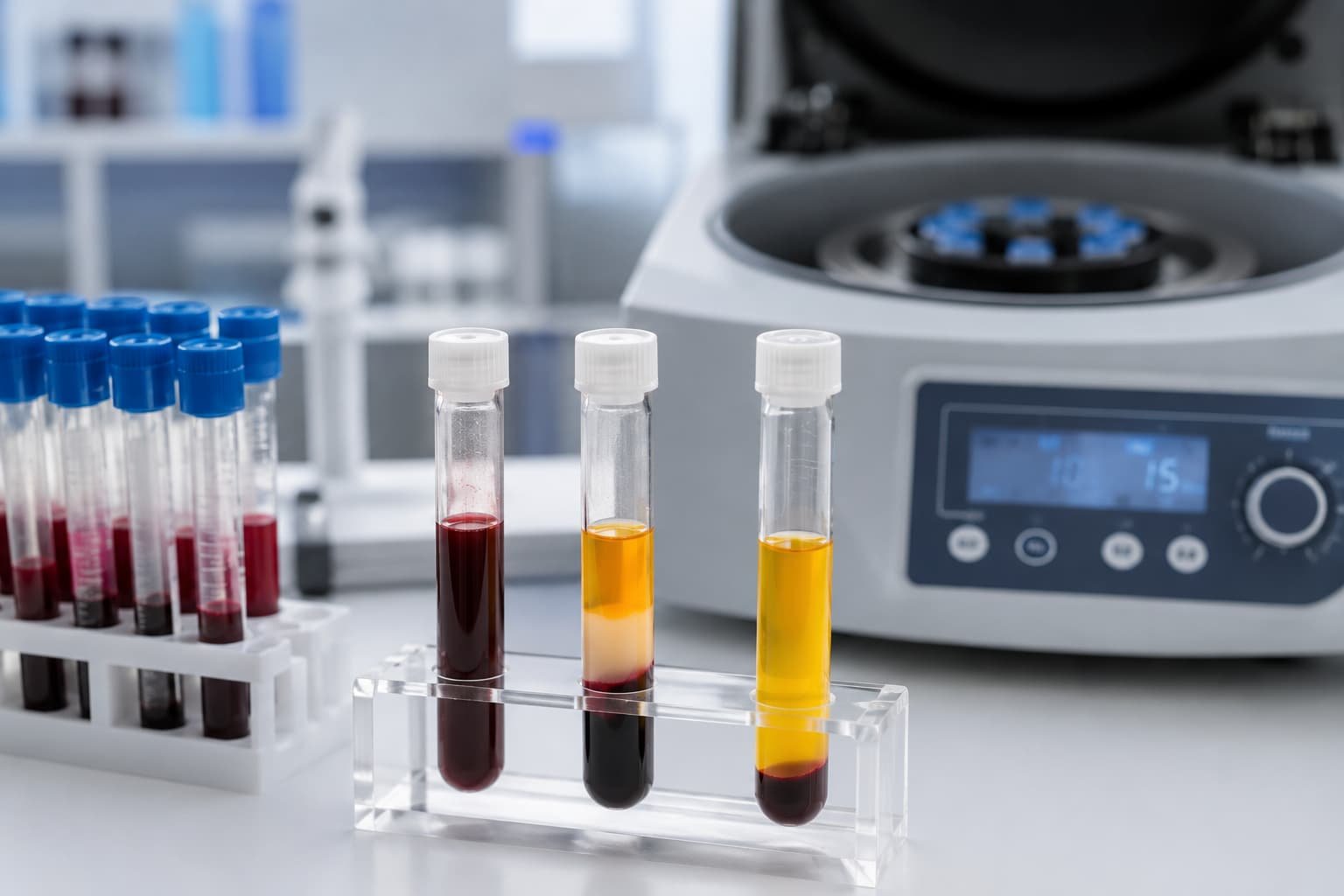
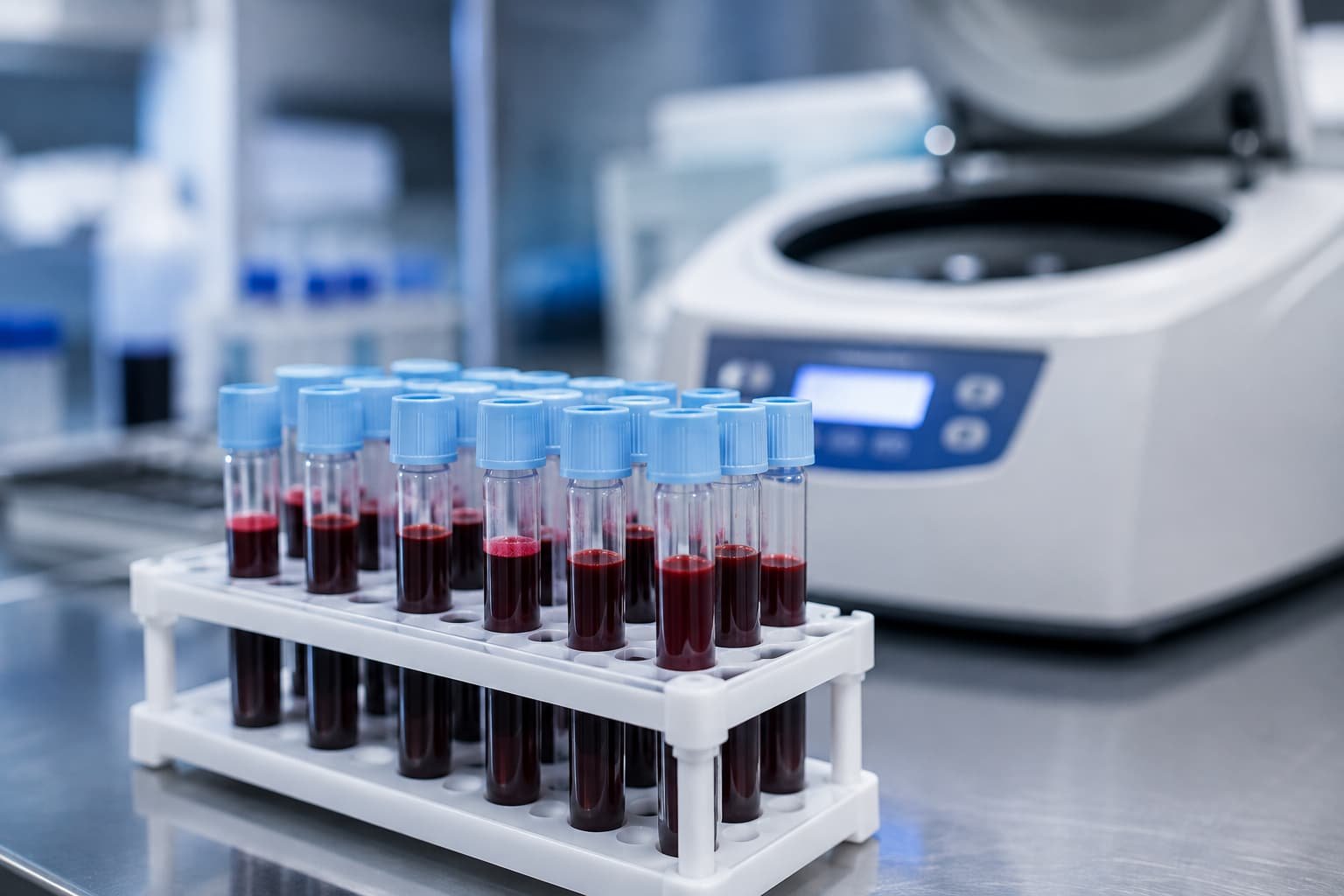
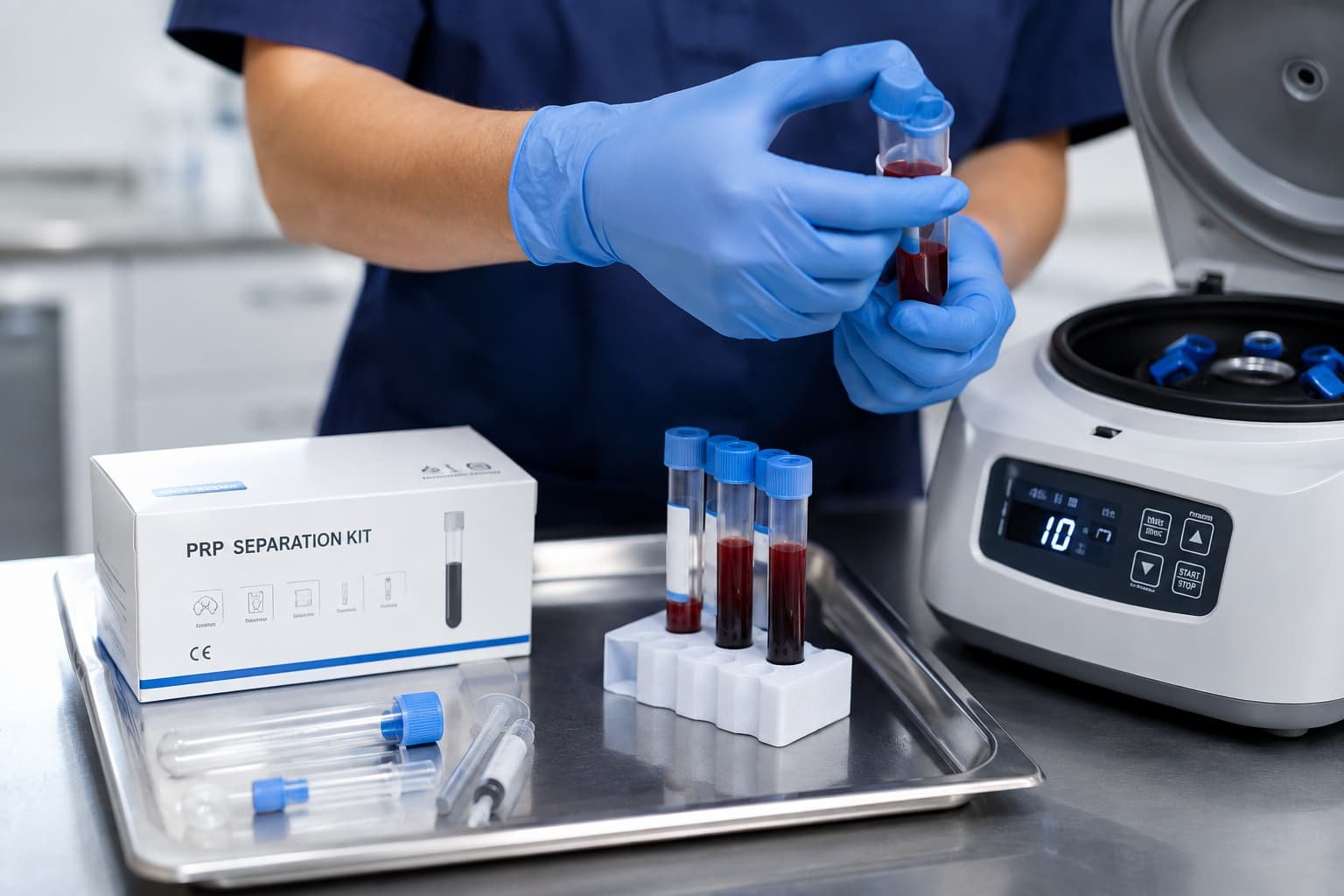
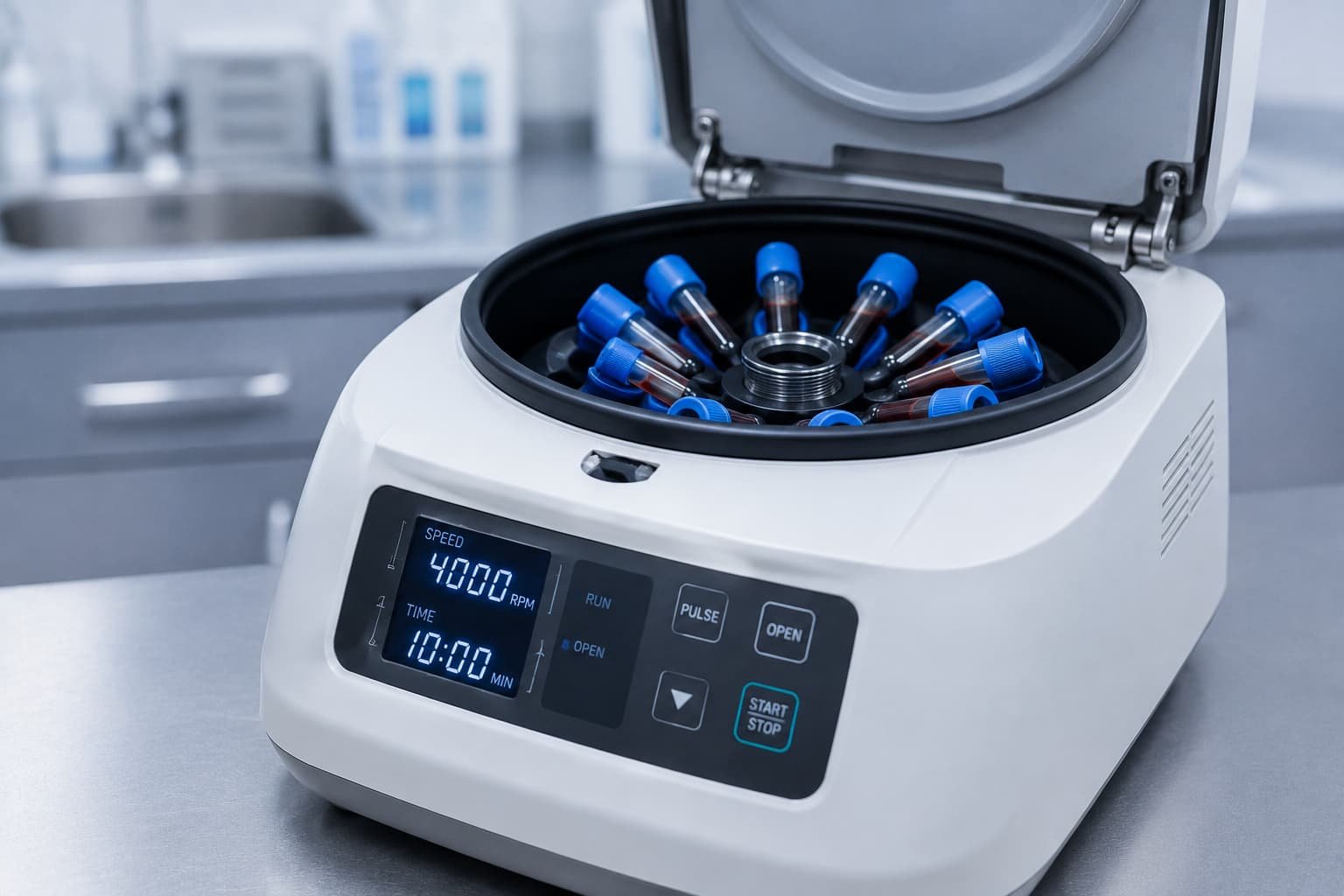
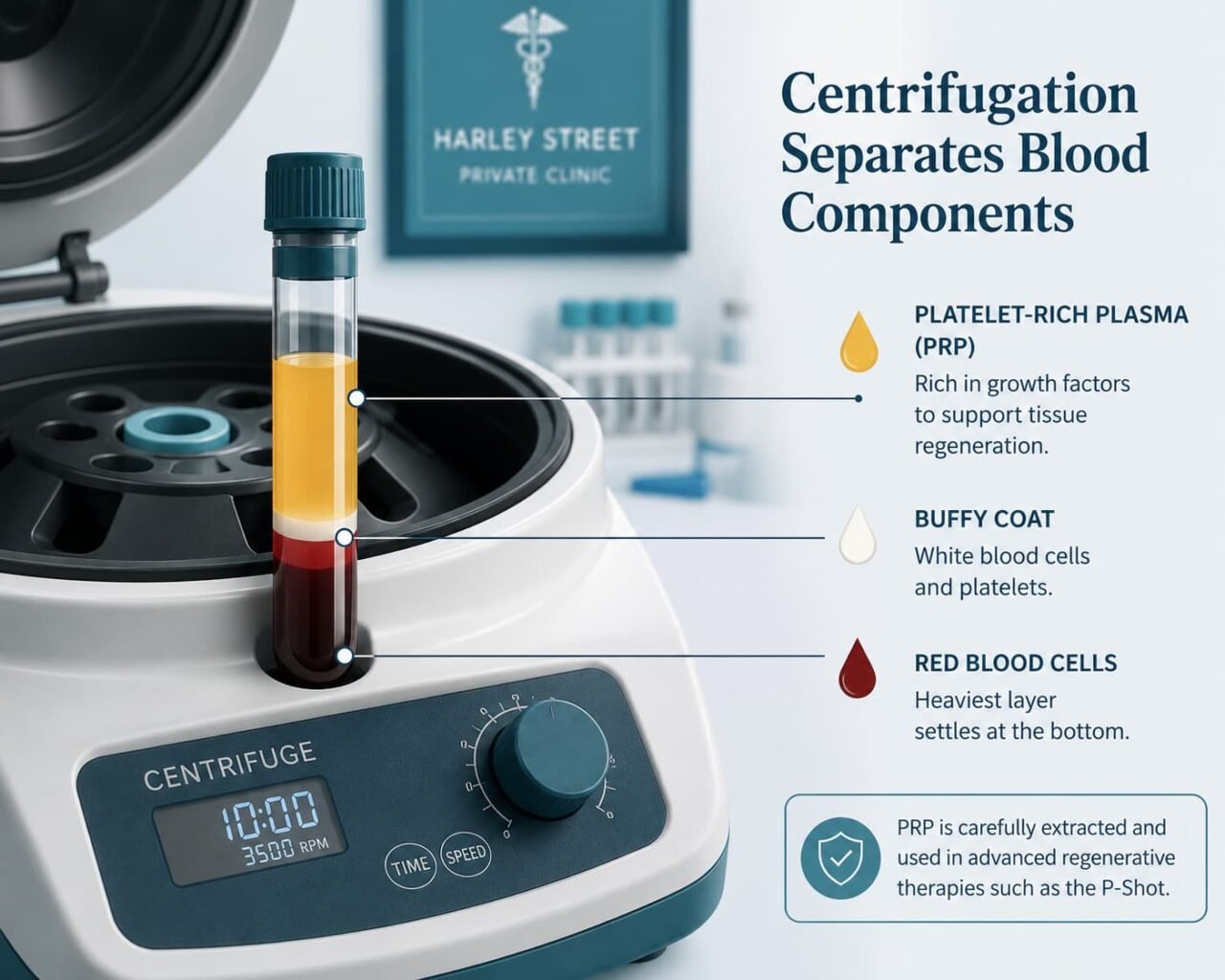
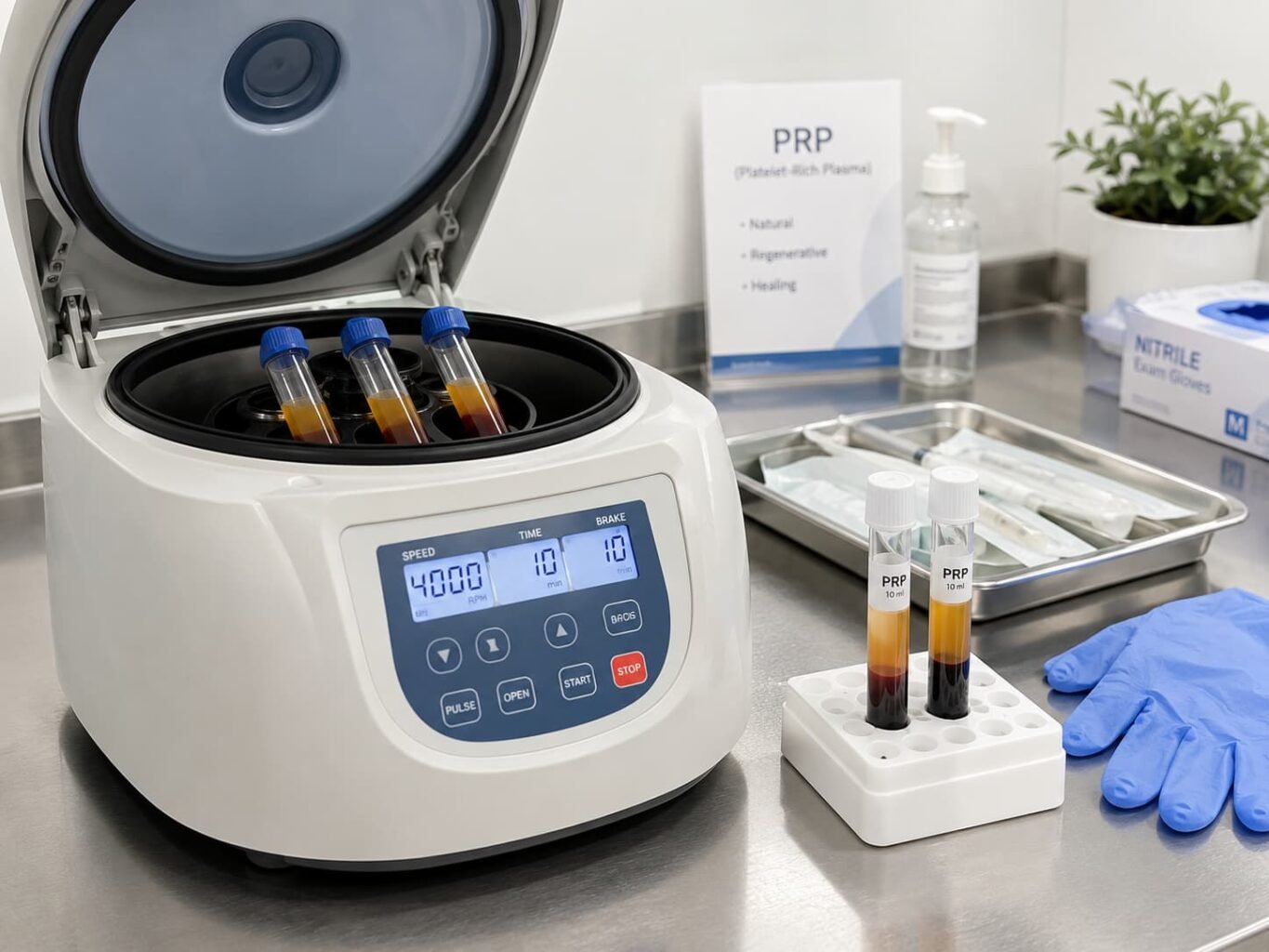
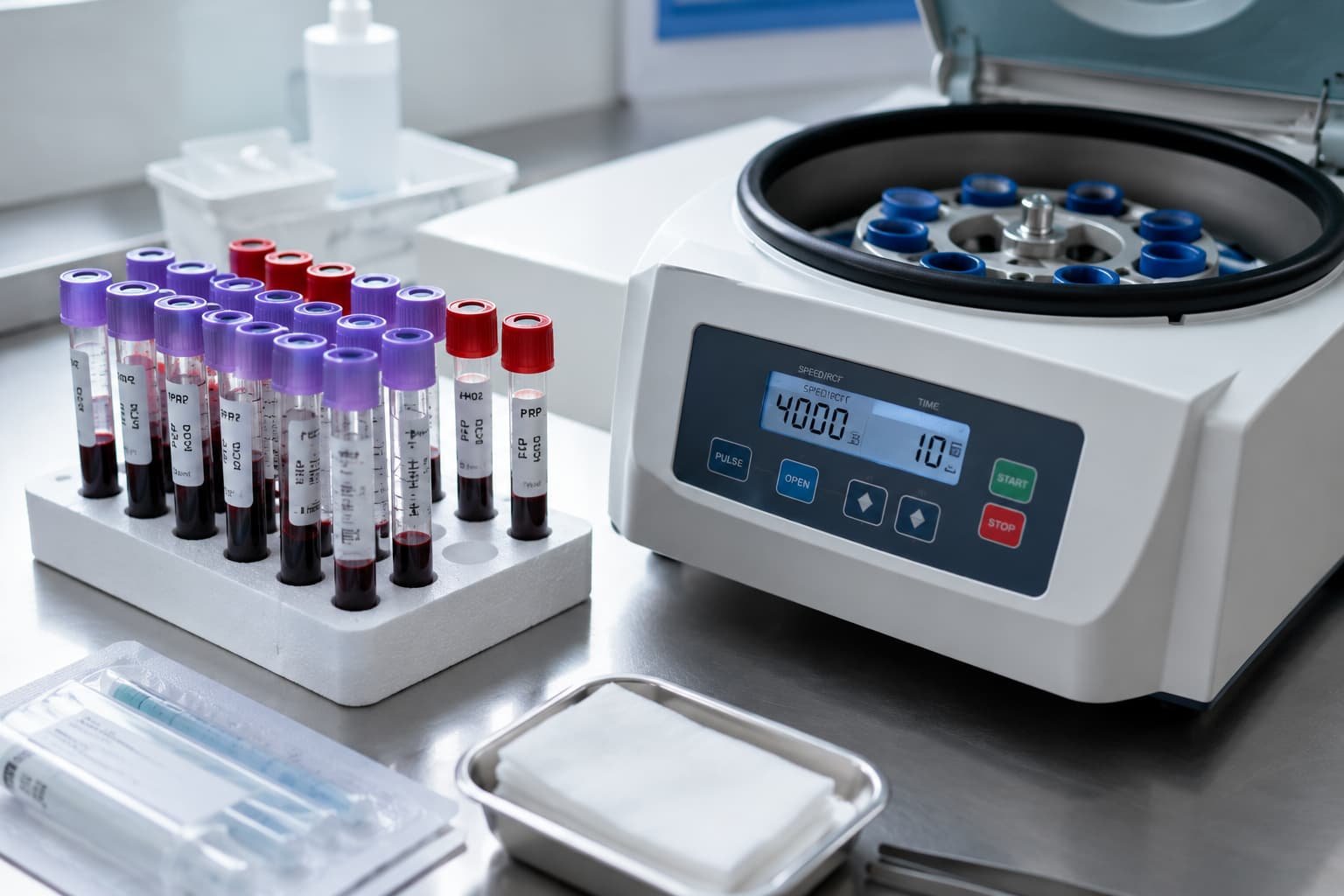
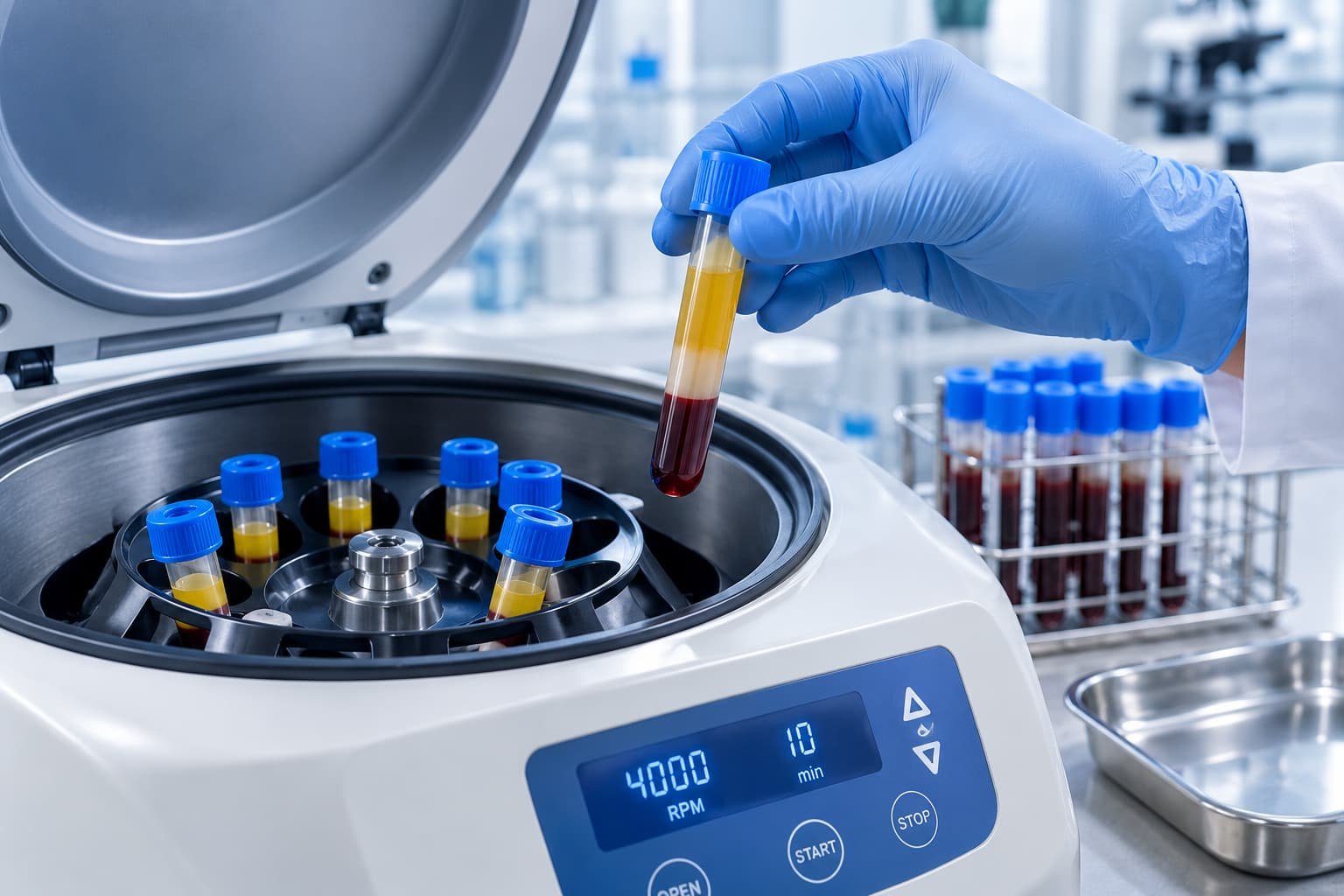
    Centrifuge separating platelet-rich plasma used in P shot treatment
    A centrifuge separates platelet-rich plasma from a small blood sample before injection.

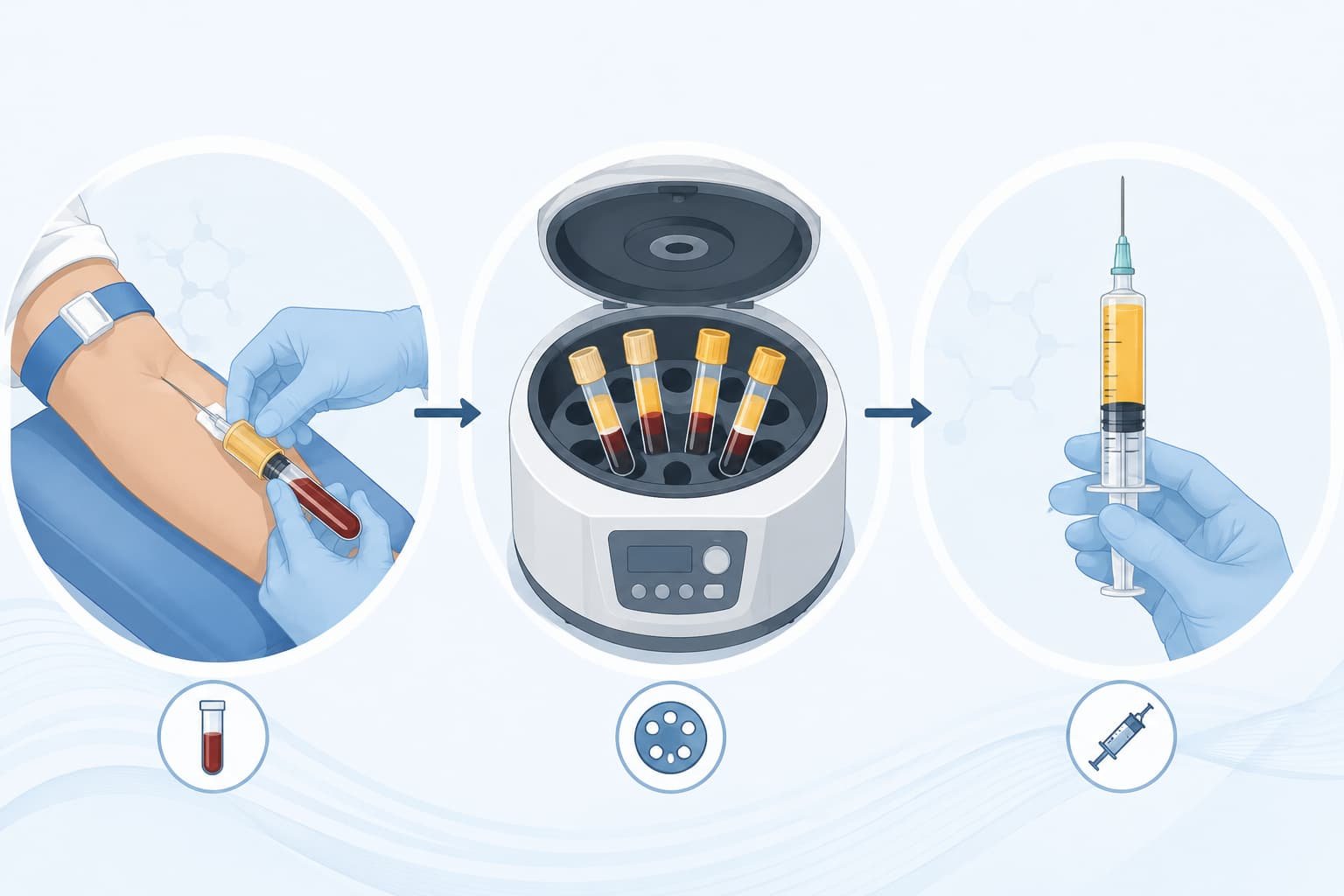
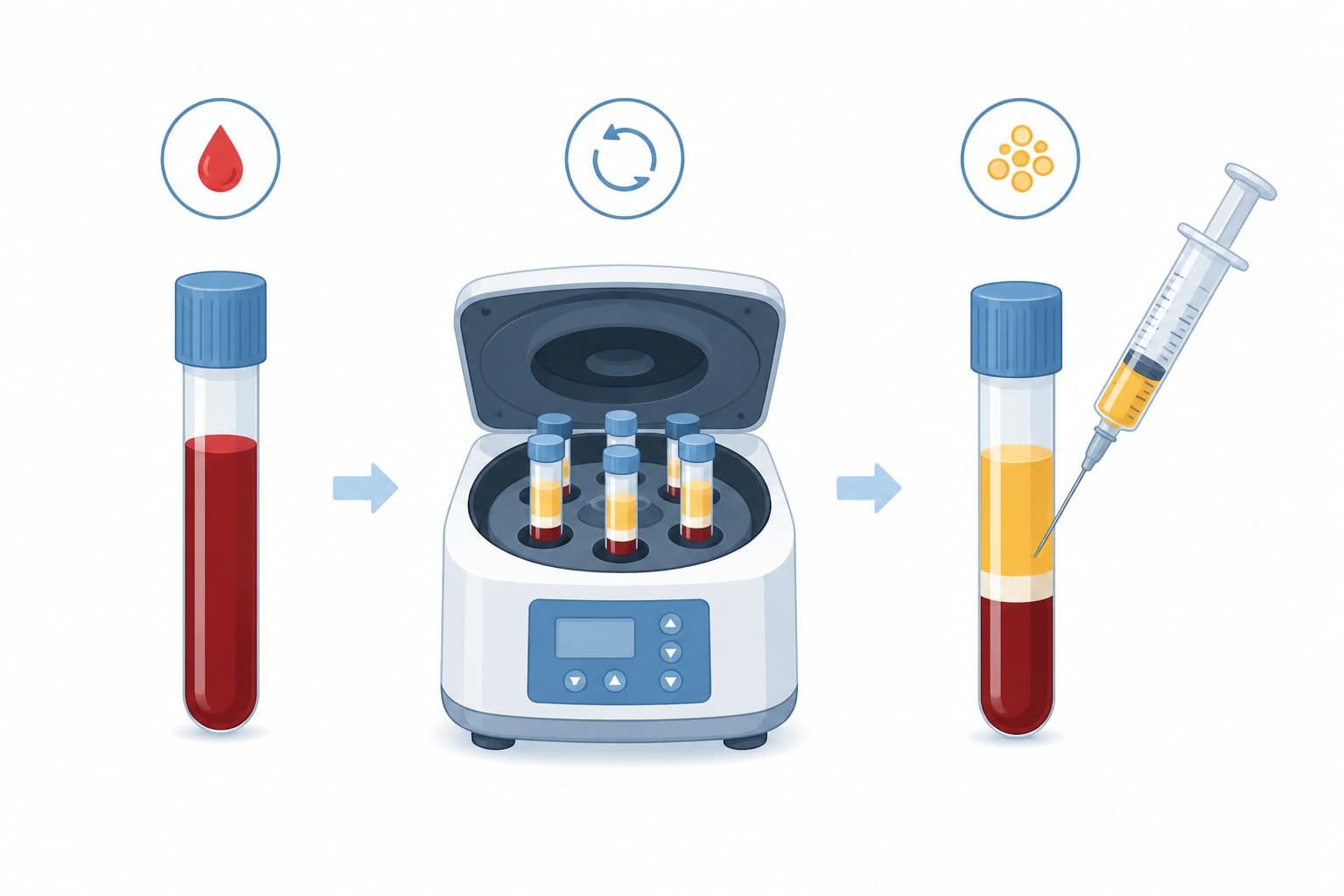
    The P shot, also known as the Priapus shot or P-shot, is a PRP-based regenerative therapy for ED. Clinicians extract a small blood sample from the patient, similar to a routine blood test. A centrifuge separates platelet-rich plasma from red blood cells. This plasma contains a concentrated mixture of growth factors. Clinicians then inject the plasma into specific areas of the penis. The Priapus shot name originates from Priapus, a figure from Greek mythology associated with fertility. P-shot treatment sits within regenerative medicine rather than pharmaceutical medicine. It does not involve synthetic drugs, hormone implants or surgical grafts. Instead, it relies on components the body already produces.

    The Biology of Erections: Why Blood Vessels Matter

    An erection begins with nerve signals travelling from the brain and spinal cord. These signals trigger blood vessel dilation within the penis. Small arteries called cavernosal arteries fill spongy erectile tissue with blood. This tissue, known as the corpus cavernosum, expands and creates firmness. Healthy, elastic blood vessels are essential for this process to work reliably. Damaged or narrowed vessels reduce blood flow into erectile tissue. Reduced blood flow is a leading cause of erectile dysfunction, according to NHS information on ED causes. Vascular disease, diabetes and smoking are well-established contributors. Age-related vessel stiffening also plays a significant role. Restoring vessel function is therefore a central goal of most modern ED treatments.

    Erection quality also depends on nerve sensitivity and smooth muscle relaxation within the corpus cavernosum. Nitric oxide release allows this smooth muscle to relax, letting blood flow inward. When blood vessels lose elasticity, this relaxation response weakens. Vascular ageing is now recognised as one of the most common underlying causes of erectile dysfunction in men over 40. Standard treatments such as PDE5 inhibitors work by supporting this nitric oxide pathway. They do not repair the underlying vessel wall. This distinction matters when comparing pharmaceutical options with regenerative approaches such as PRP-based penile injections.

    How PRP Triggers Blood Vessel Growth
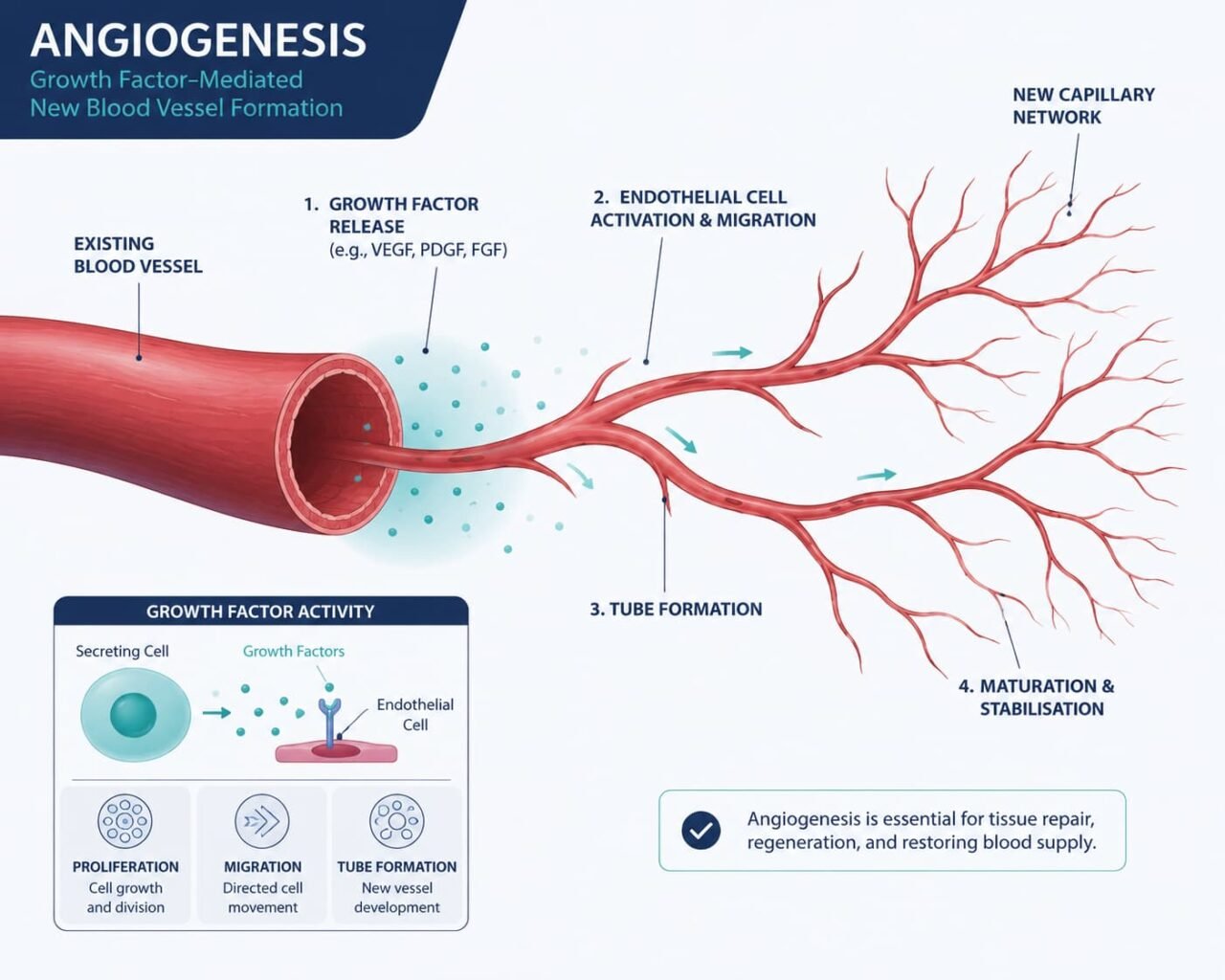
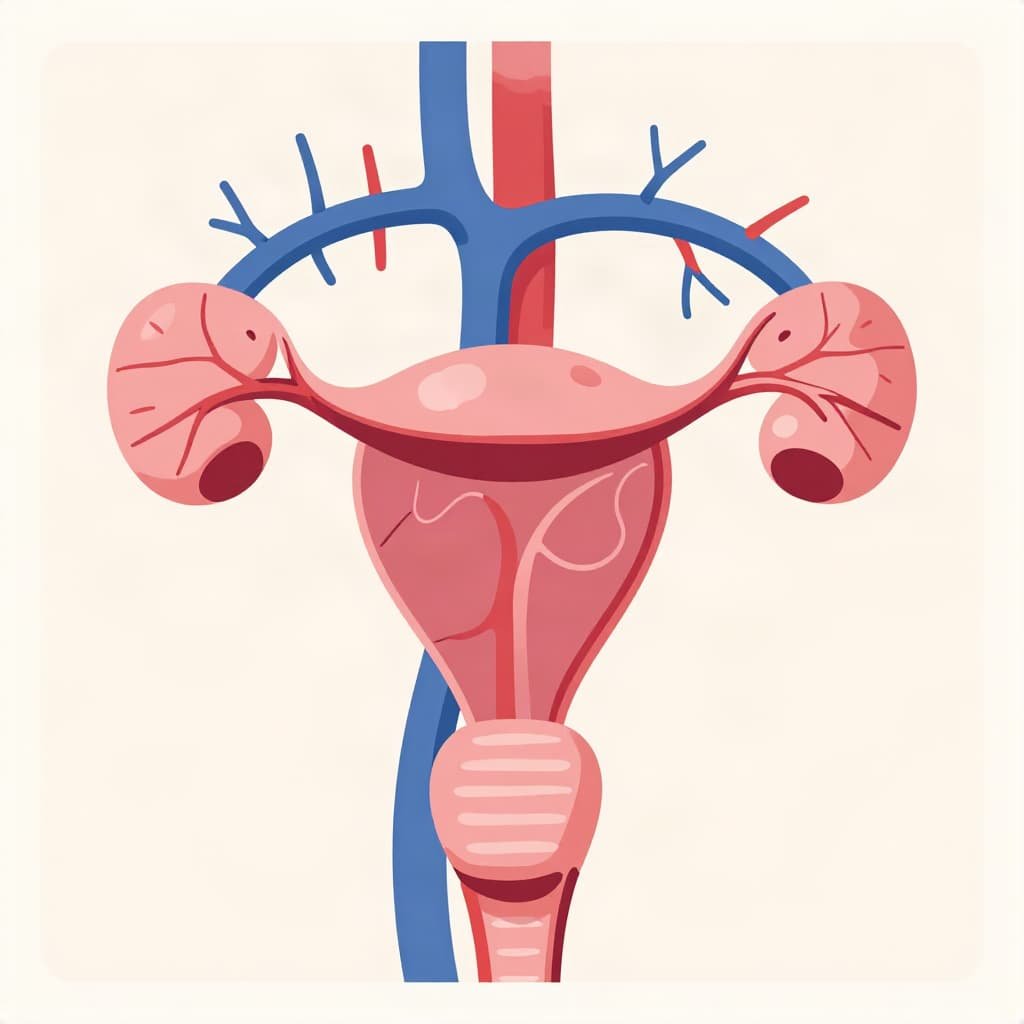
    Diagram of angiogenesis showing new capillary growth from PRP therapy
    Growth factors released from platelets stimulate the formation of new capillary networks

    Platelet-rich plasma influences penile tissue through several biological pathways. Each pathway relates directly to blood vessel health and repair.

    Platelet-Derived Growth Factors

    Platelets contain granules filled with growth factors. These include platelet-derived growth factor, transforming growth factor-beta and vascular endothelial growth factor. When clinicians inject PRP into penile tissue, platelets release these factors locally. Growth factors signal nearby cells to begin repair work. Fibroblasts multiply and produce new collagen. Endothelial cells, which line the interior of blood vessels, become activated.

    Vascular Endothelial Growth Factor and Angiogenesis

    Vascular endothelial growth factor is a key driver of angiogenesis. It stimulates endothelial cells to form new capillary networks within tissue. Peer-reviewed literature on PRP in wound healing and orthopaedic contexts supports this mechanism. Angiogenesis increases local blood supply over time. Increased blood supply may support firmer, more sustained erections. This mechanism explains why penile injection growth at a cellular level, rather than anatomical alteration, forms the basis of P-shot treatment.

    Collagen and Tissue Repair

    Beyond vessel growth, PRP supports collagen remodelling within erectile tissue. Collagen gives the corpus cavernosum its structural integrity. Ageing and chronic disease can degrade collagen fibres over time. PRP-based regenerative therapy for ED aims to counter this gradual degradation. Improved tissue elasticity may support better blood retention during an erection.

    The P Shot Procedure: What to Expect
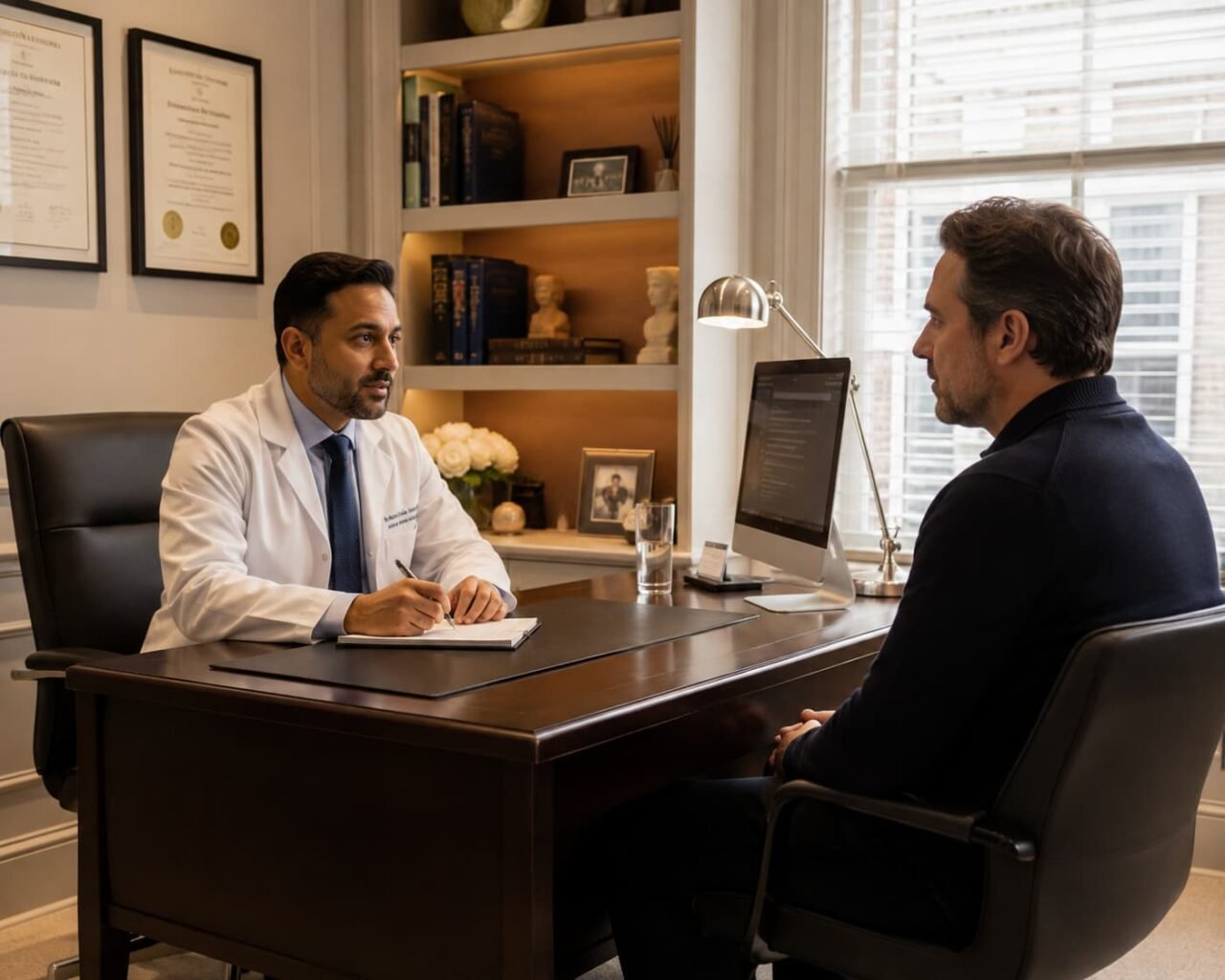
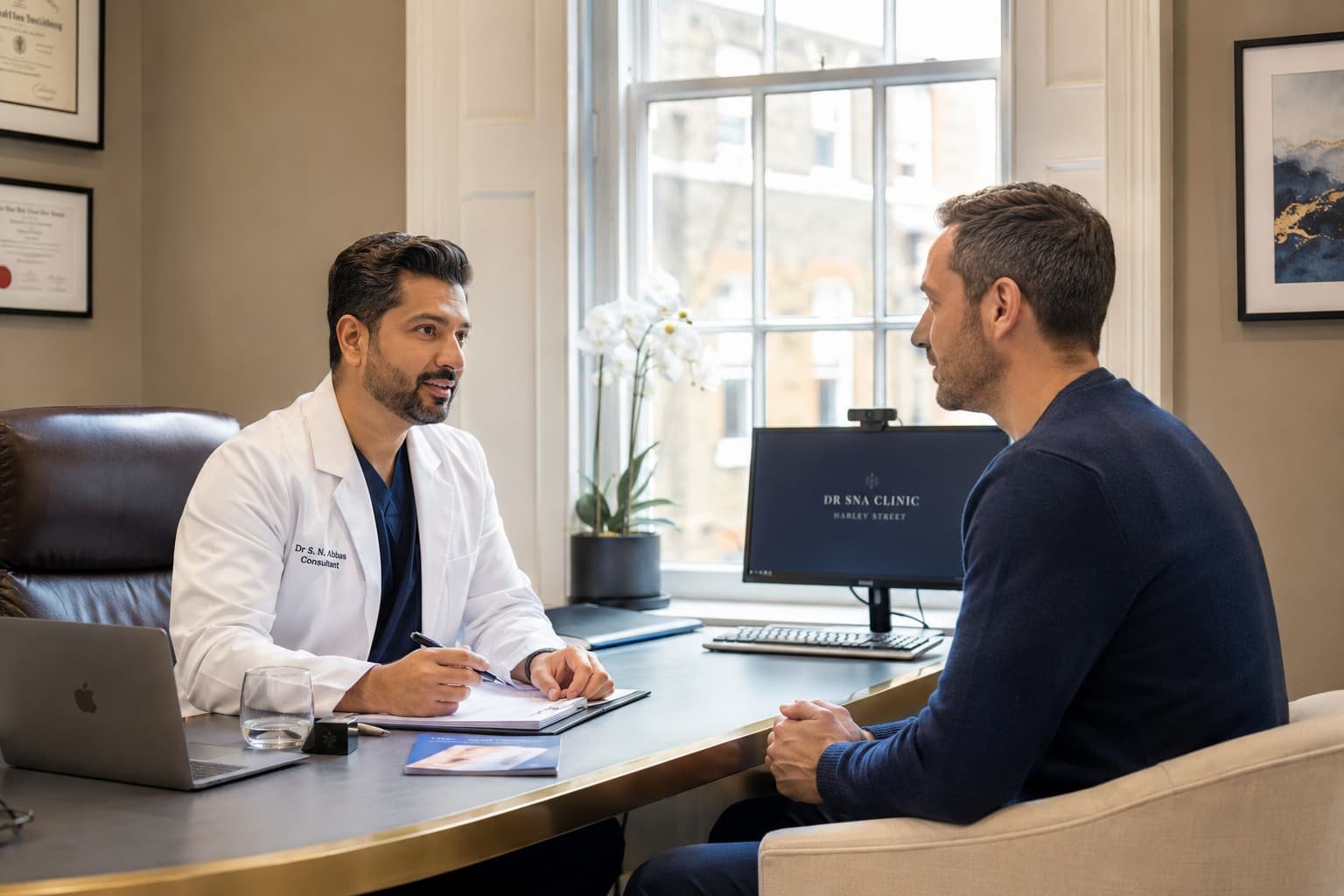
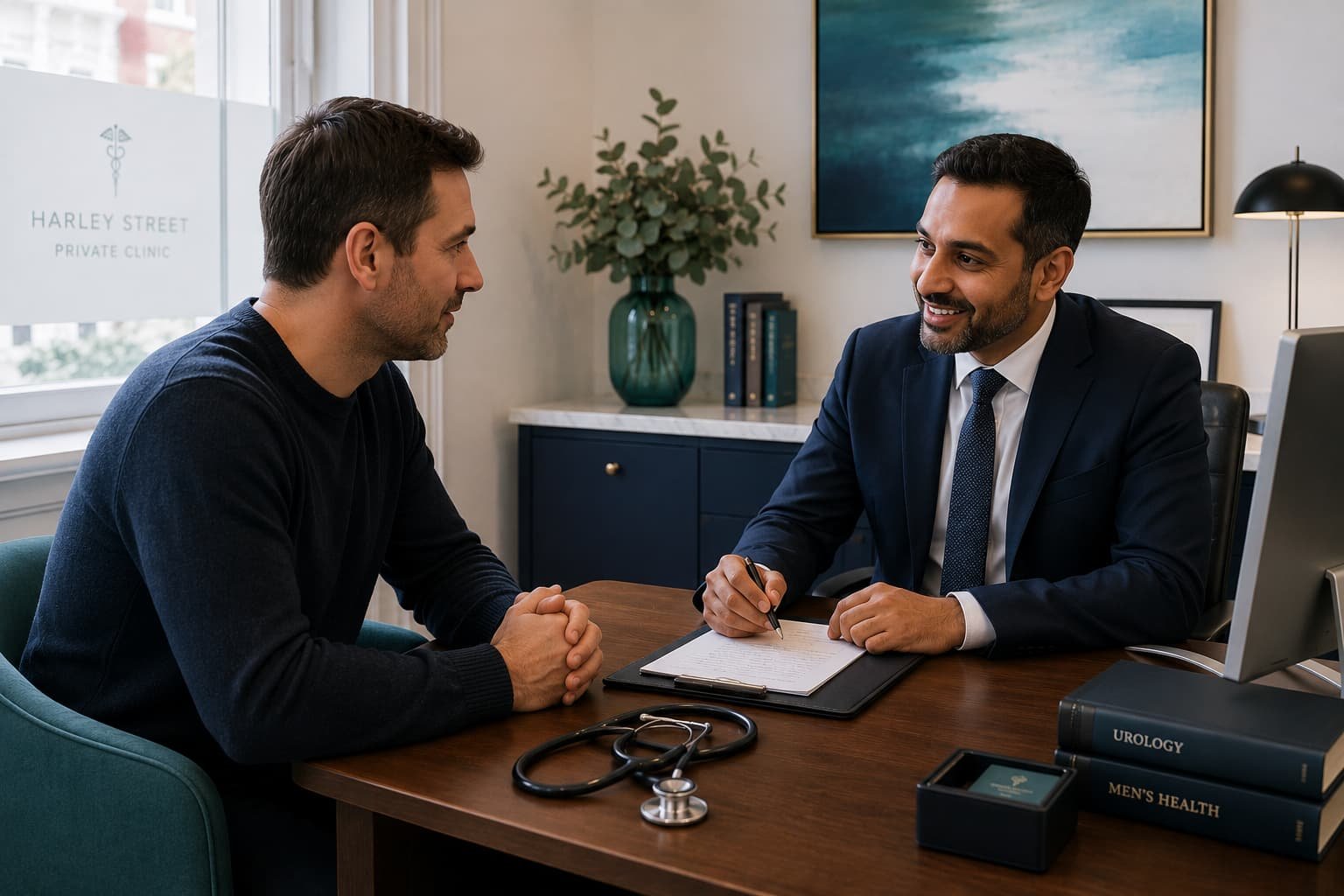
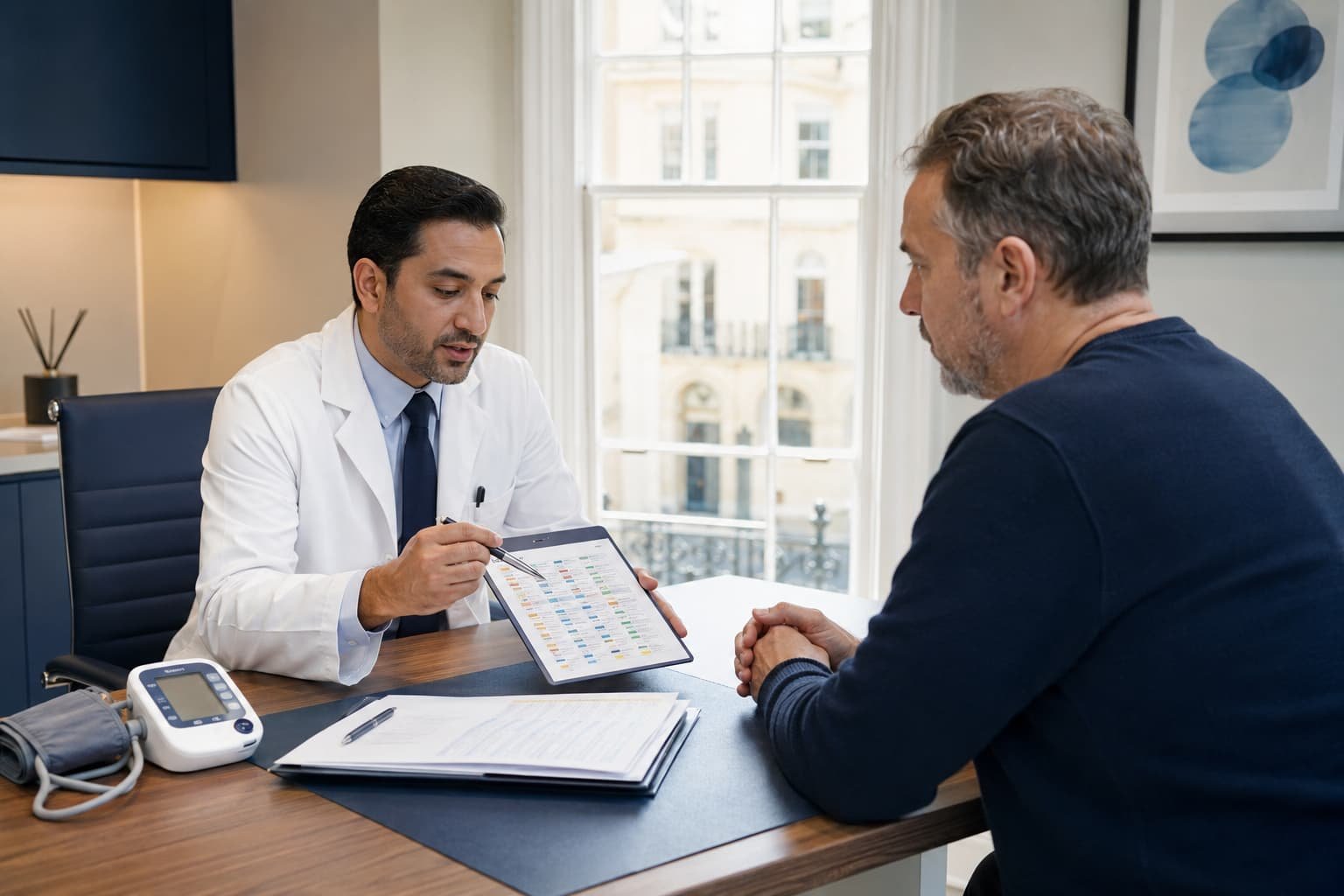
    Doctor discussing P shot treatment procedure with a patient during consultation
    A thorough consultation precedes every P shot appointment to confirm suitability.

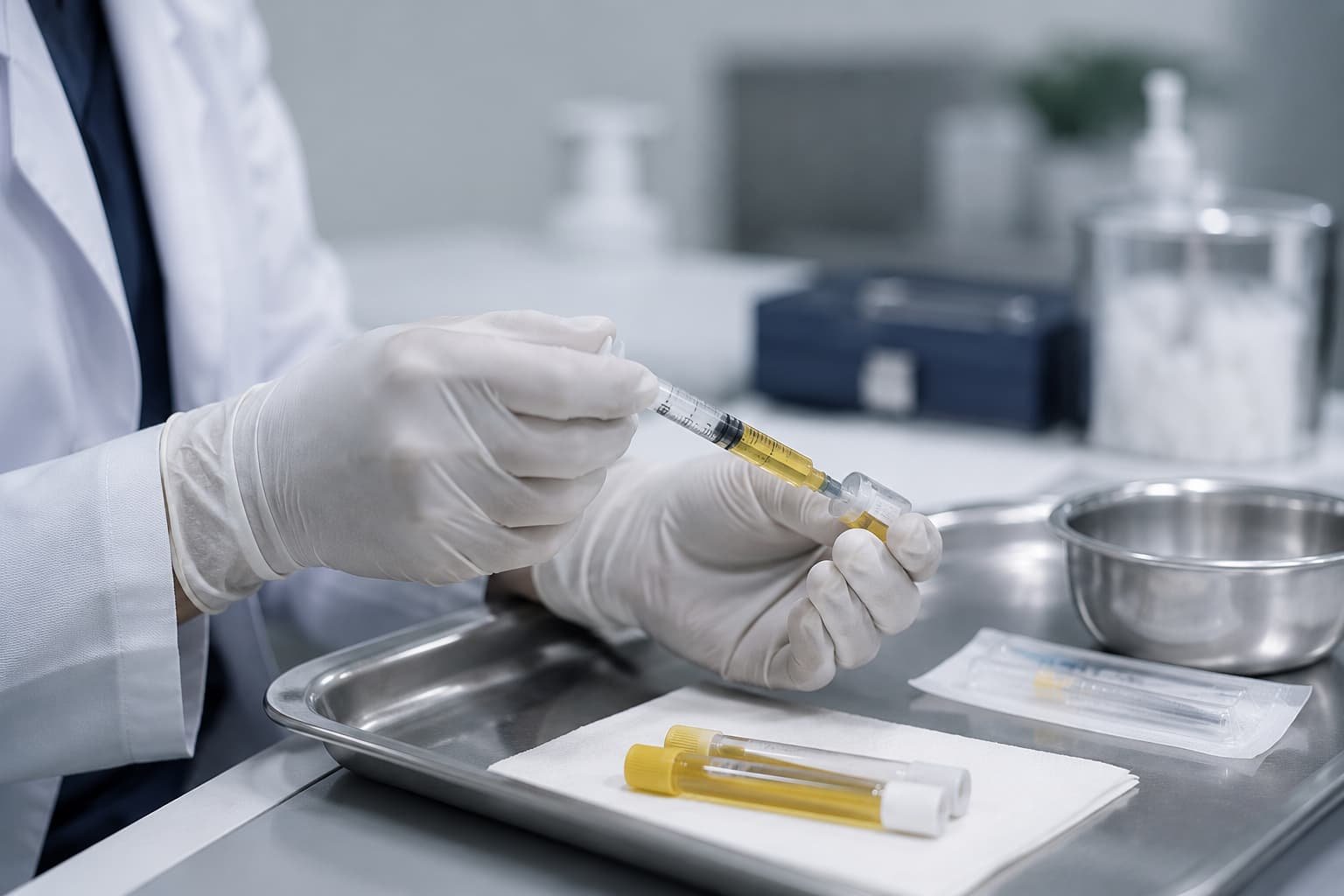
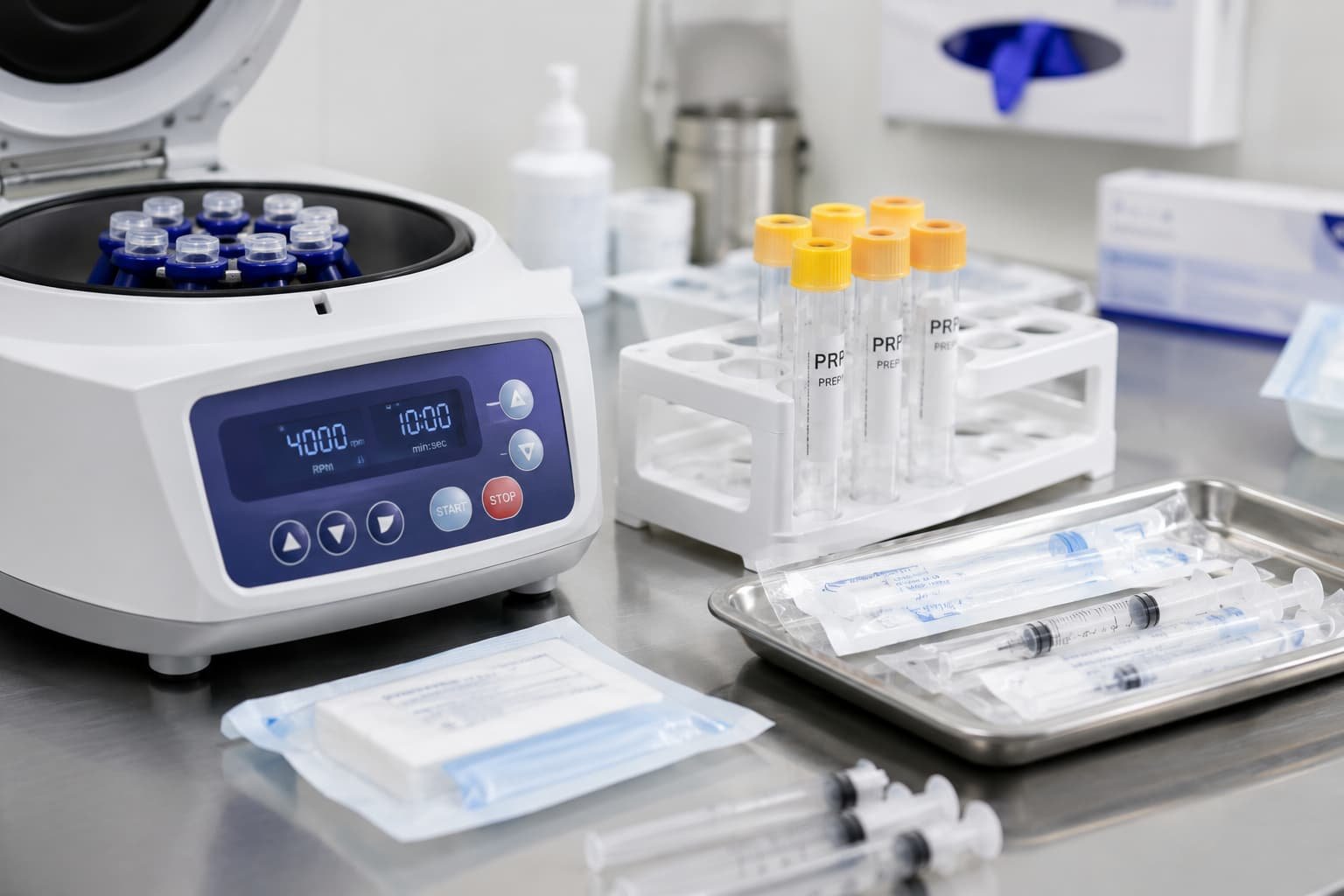
    A treatment appointment begins with a blood draw, comparable to a standard blood test. A centrifuge processes the sample for several minutes to isolate plasma. Clinicians apply topical numbing cream before injection to reduce discomfort. The p injection itself takes only a few minutes to complete. Most appointments last under one hour from start to finish. Patients typically resume normal daily activities the same day. Clinicians usually advise avoiding sexual activity for a short period afterwards, to reduce infection risk. Clinics offering Priapus shot London appointments generally schedule single-session visits, though some patients return for repeat sessions over several months.

    Evidence and Research on PRP and Vascular Repair

    PRP therapy is well established in orthopaedics, dermatology and wound care. Its use for erectile dysfunction remains a newer, evolving application. A 2020 review of ten PRP trials for male sexual function found the studies too small and inconsistently designed to draw firm conclusions. A 2022 review noted several studies showing improved erectile function scores after PRP treatment, though follow-up periods were short and control groups were often absent. A 2023 review of seven studies reported similar improvements in sexual function but called for larger, controlled trials before firm claims can be made. A more recent 2025 study involving men with Peyronie’s disease found that PRP injections reduced penile curvature and plaque size, though this relates to a different condition from standard erectile dysfunction. NICE has not issued specific guidance approving PRP injections for erectile dysfunction. The National Institute for Health and Care Excellence continues to prioritise established first-line options, including PDE5 inhibitor medication. Anyone considering treatment should understand that research in this field remains at an early stage. Most published trials involve small participant numbers, often fewer than one hundred men. Follow-up periods rarely extend beyond twelve months, limiting understanding of long-term durability. Researchers have called for standardised PRP preparation protocols, since platelet concentration varies between devices and clinics. Without a standard protocol, comparing results across different studies remains difficult. Larger, randomised, placebo-controlled trials would strengthen confidence in PRP as a vascular repair treatment. Until such trials exist, current evidence should be described as promising rather than conclusive.

    Who May Consider Treatment

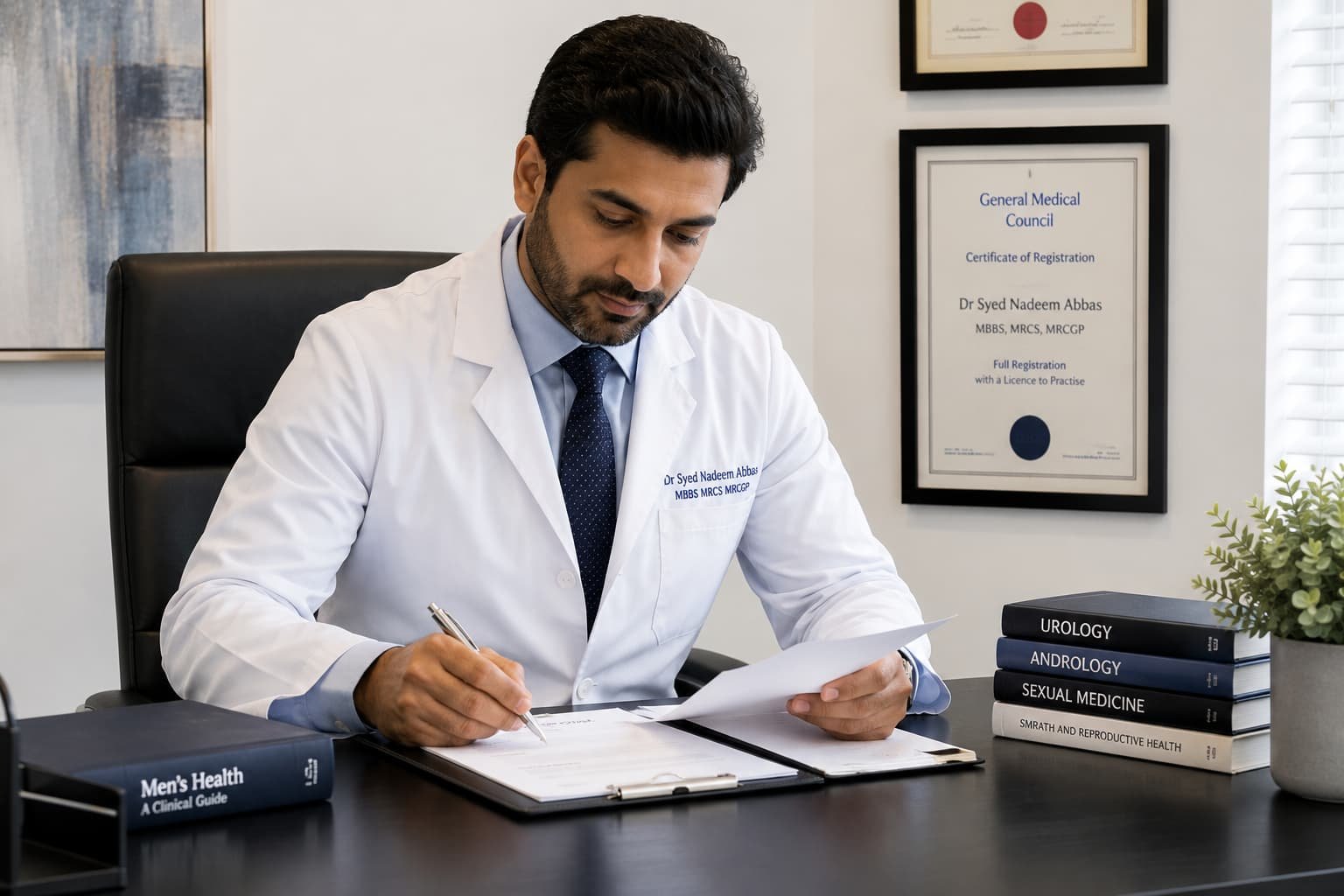
    Men with mild to moderate erectile dysfunction linked to vascular ageing sometimes explore this option. Some men use PRP therapy alongside other ED management strategies, including lifestyle changes and prescribed medication. Men with Peyronie’s disease have also been included in PRP-focused research, given the condition’s link to scar tissue and reduced elasticity. A full medical assessment should precede any treatment decision. A private clinic in Marylebone, led by Dr Syed Nadeem Abbas at pshots clinic uk, provides such consultations as part of standard clinical practice.

    Who Should Avoid PRP Injections

    Certain medical conditions may rule out PRP-based treatment. Men with active infection near the injection site should postpone treatment until resolved. Blood disorders that affect platelet function, including thrombocytopenia, may reduce treatment effectiveness. Men taking anticoagulant medication require careful assessment before proceeding, since bleeding risk increases. Active cancer, particularly in the pelvic region, generally excludes candidacy until oncology teams confirm suitability. Severe Peyronie’s disease with dense scar tissue may respond poorly to injection-based therapy alone. A thorough medical history, including current medications and prior surgery, forms part of any responsible pre-treatment assessment. Mental health factors also warrant consideration, since psychological causes of erectile dysfunction may not respond to vascular-focused treatment alone. A practitioner should distinguish between physical and psychological contributors before recommending PRP injections. Referral to a sexual health specialist or psychologist may form part of a wider treatment plan where appropriate.

    How PRP Compares With Other Regenerative Options

    Several regenerative and mechanical approaches exist alongside PRP for erectile dysfunction. Shockwave therapy uses acoustic waves to stimulate blood vessel growth through a different mechanical mechanism. Some clinics combine shockwave therapy with PRP injections to address vessel repair from two angles simultaneously. Penis pumps draw blood into tissue mechanically but do not address underlying vessel damage. Stem cell therapy remains largely experimental and is not widely available within regulated UK clinics. Testosterone therapy addresses hormonal causes of low libido rather than vascular causes of erectile dysfunction directly. Each approach carries distinct evidence levels, and combining treatments should only follow a qualified clinical assessment.

    Limitations and Realistic Outcomes

    PRP injection is not a cure for erectile dysfunction. Results vary considerably between individuals. Some men report improved firmness within weeks of treatment. Others require multiple sessions before noticing meaningful change. PRP-based regenerative therapy for ED does not guarantee permanent results. Underlying conditions, including diabetes, cardiovascular disease or hormonal imbalance, may limit overall effectiveness. Clinicians cannot promise specific outcomes for any individual patient. Independent, high-quality clinical trials remain limited in number and scale. Men should discuss expected results and limitations directly during consultation, rather than relying solely on P shot before and after images found online. P-shot before and after photographs do not represent guaranteed or typical results for every patient. Photographic evidence should be interpreted with caution, given variability in lighting, angle and individual anatomy.

    Priapus Shot Price in the UK

    Priapus shot price varies by clinic, location and the number of sessions required. Male enlargement injections cost UK figures differ across private clinics, reflecting differences in consultation depth, PRP processing method and aftercare provision. Costs in London, including Harley Street and Marylebone practices, often reflect the overheads associated with specialist regulated facilities. Patients should request a full, itemised cost breakdown during consultation, including any charges for follow-up sessions or additional PRP treatment.

    Accessing P Shot Treatment in the UK

    Demand for P shot UK appointments has grown alongside wider interest in regenerative medicine. Provision remains concentrated among a limited number of trained practitioners, rather than being widely available across general practice. Men searching for a P shot London clinic should verify practitioner qualifications, insurance cover and registration with an appropriate regulatory body before booking. Some marketing material still uses the informal term penis shot when referring to this procedure, though P shot treatment and Priapus shot remain the more accurate clinical descriptions. Regulatory oversight of PRP procedures in the UK sits within the Human Tissue Authority framework and general medical practice standards, rather than a dedicated licensing scheme specific to PRP. Verifying a clinic’s regulatory standing forms a reasonable first step for anyone researching this treatment. Consultation should always precede booking, allowing a practitioner to confirm suitability based on individual medical history.

    Safety Considerations

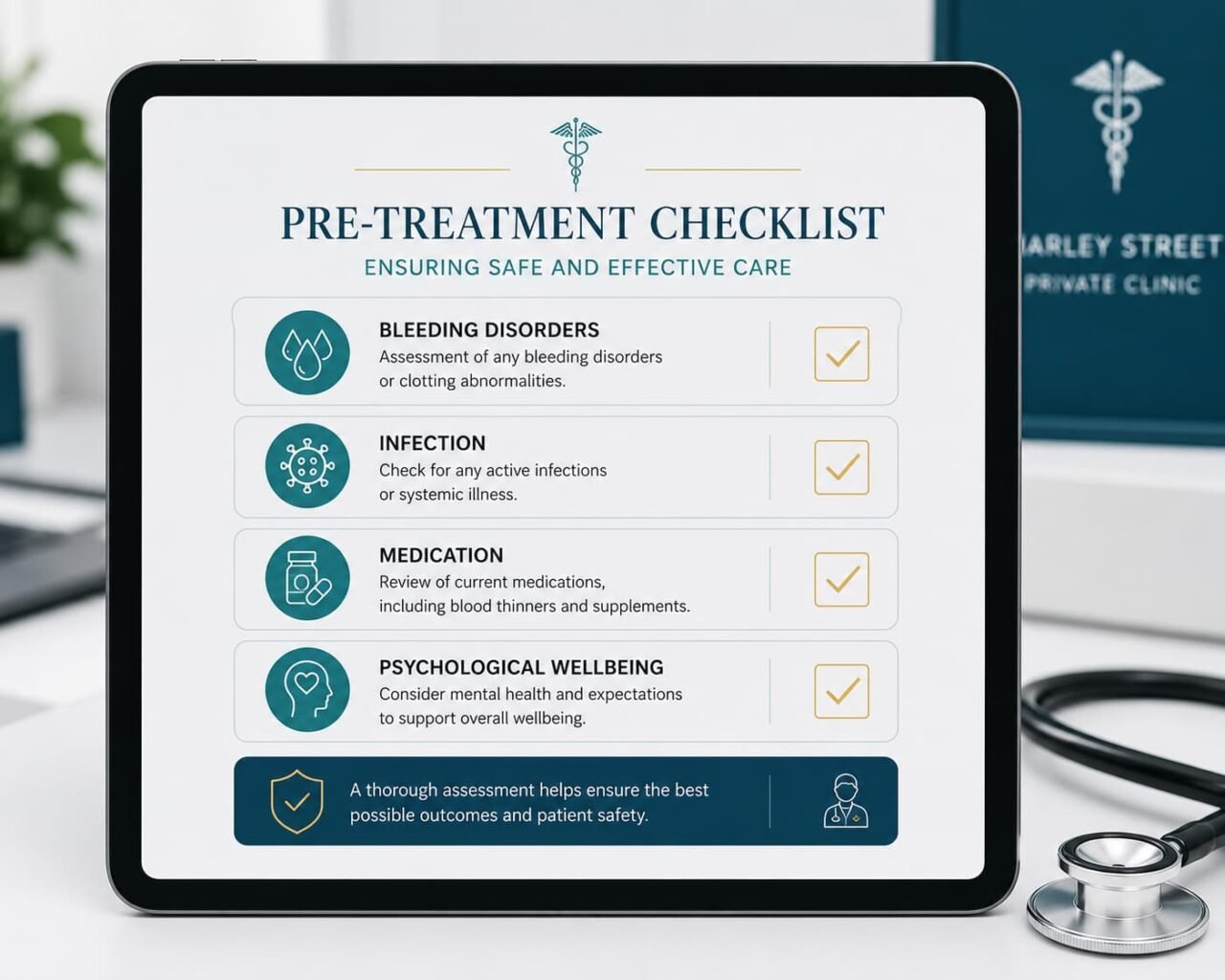
    PRP treatment uses the patient’s own blood, which reduces the risk of allergic rejection. Because the procedure is autologous, immune reaction risk remains low compared with synthetic fillers. Reported side effects include temporary swelling, bruising and mild discomfort at injection sites. Rare risks include infection or localised scarring. Clinicians should screen for bleeding disorders, active infection and certain medications before treatment begins. Patients taking blood-thinning medication should disclose this during consultation. Only qualified, appropriately trained medical practitioners should perform penile injections of any kind.

    Non-Surgical Treatment for Erectile Dysfunction in London

    Private London clinic offering non-surgical treatment for erectile dysfunction
    Specialist private clinics across London provide non-surgical, PRP-based treatment pathways.

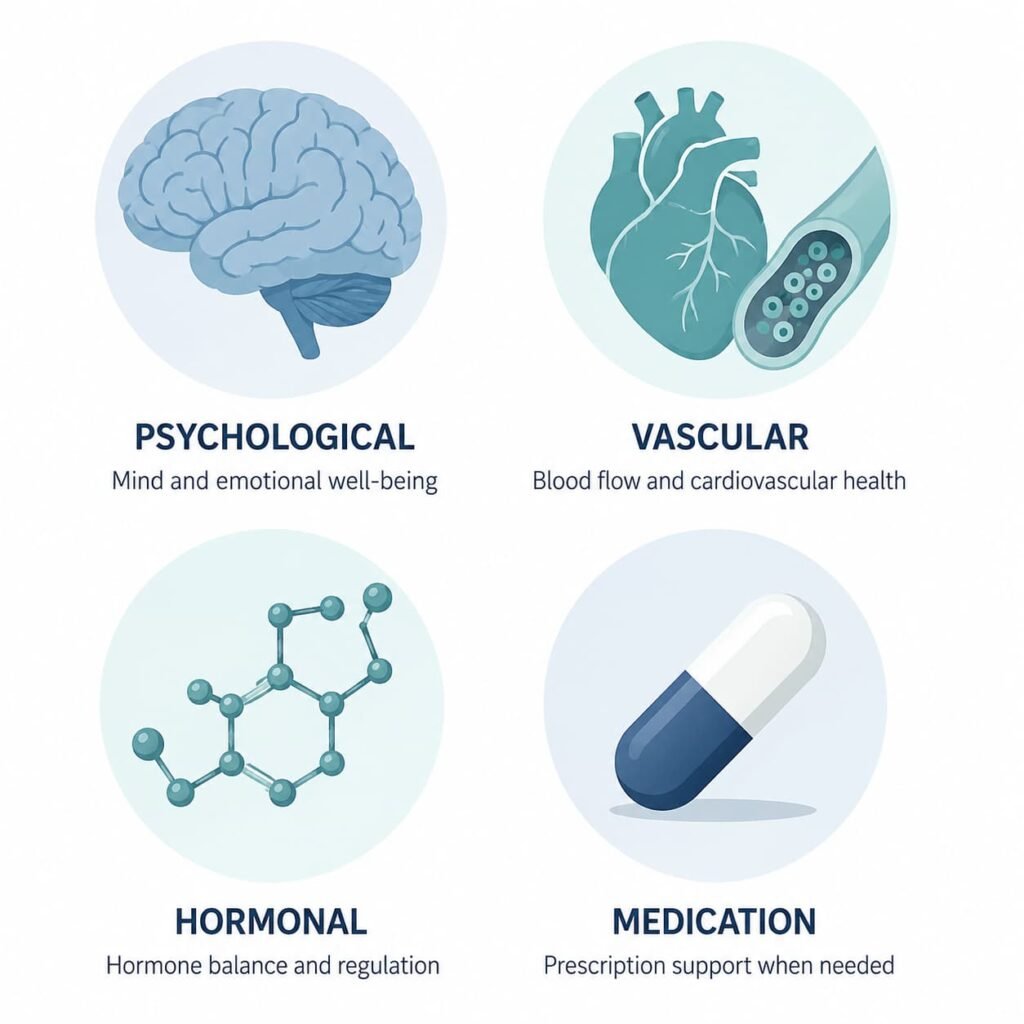
    London-based clinics offer several options for non-surgical treatment for erectile dysfunction in London, including PDE5 inhibitor tablets, shockwave therapy and PRP-based injections. This PRP-based injection fits within a broader non-surgical toolkit rather than replacing it entirely. Natural ED treatment using PRP therapy avoids synthetic hormones and permanent implants, which appeals to men seeking a regenerative rather than purely pharmaceutical approach. However, PRP therapy does not replace surgical solutions for severe structural or vascular erectile dysfunction. Erectile dysfunction treatment London providers should assess vascular, hormonal and psychological factors before recommending any PRP-based pathway.

    Frequently Asked Questions

    What does the P shot treat?

    This treatment targets mild to moderate erectile dysfunction linked to reduced blood vessel function and age-related tissue changes.

    How long does a P shot appointment take?

    Most appointments last under one hour, including blood processing and injection time.

    Is the P-shot painful?

    Clinicians apply numbing cream before injection to minimise discomfort during the procedure.

    How soon do results appear after treatment?

    Timelines vary between individuals. Some men notice change within weeks; others require multiple sessions over several months.

    Does the NHS offer the Priapus shot?

    NHS services do not currently offer this treatment. NICE has not issued specific approval guidance for PRP injections in erectile dysfunction.

    Is the Priapus shot the same as the P shot?

    Yes. Priapus shot is the original branded name for the P shot procedure, now also referred to as Pshot or P-shot.

    Can this treatment be combined with other ED treatments?

    Combination approaches, such as PRP alongside shockwave therapy, are used in some clinics. Suitability depends on individual assessment.

    Are P-shot results permanent?

    Effects are not guaranteed to be permanent. Ongoing vascular health and lifestyle factors influence how long benefits last.

    Key takeaway

    The P shot represents a regenerative approach to erectile dysfunction rooted in the body’s own healing biology. It relies on platelet-rich plasma to stimulate blood vessel growth and support tissue repair within the corpus cavernosum. Current evidence shows measurable promise but remains limited by small trial sizes and short follow-up periods. Individuals considering PRP-based regenerative therapy for ED should seek a full clinical consultation before proceeding. Realistic expectations, grounded in evidence rather than marketing claims, support better-informed decision-making. As research into PRP and vascular repair continues to expand, will future controlled trials confirm this treatment as a standard, evidence-based option for erectile dysfunction?

    Read more: Platelet-Derived Growth Factor in PRP: How It Helps Repair Penile Tissue

    Factors That Influence P Shot Success Rates

    P shot Treatment London

  • Factors That Influence P Shot Success Rates

    Factors That Influence P Shot Success Rates

    ✅Medically reviewed | Updated August 2026

    Men researching erectile dysfunction treatments often ask one direct question: does it actually work? P Shot Success Rates are not fixed figures that apply equally to every patient. Medical, procedural, and lifestyle variables shape how each man responds to platelet-rich plasma (PRP) therapy. Marketing materials sometimes present a single success percentage as though it applies universally, but clinical evidence does not support that approach. This article examines the specific factors that influence outcomes from the P-shot, also called the priapus shot. It presents them in structured, factual terms, drawing on NHS and NICE guidance and peer-reviewed literature to explain what genuinely affects results and what remains uncertain.

    What P Shot Success Rates Actually Measure

    No single, agreed definition of success exists across published research on the P-shot. Some studies measure erectile function using validated questionnaires. Others record patient-reported satisfaction, changes in sensitivity, or reduced penile curvature linked to Peyronie’s disease.

    This variation makes it misleading to quote one universal percentage as a guarantee of outcome. A clinically responsible discussion of treatment outcomes separates these different measures rather than combining them into a single marketing figure.

    Cleveland Clinic notes that clinical trials have not consistently demonstrated that the P-shot improves erectile function, and describes the treatment as experimental. This does not mean the treatment has no effect for every patient. It means current evidence remains limited in scale and consistency, and individual results vary considerably.

    Factor One: The Underlying Cause of Erectile Dysfunction

    The cause of erectile dysfunction strongly influences how a patient responds to PRP therapy. Men with mild to moderate vascular-related erectile dysfunction tend to report more consistent improvement than those with complex, multifactorial causes. NICE guidance identifies several underlying contributors to erectile dysfunction, including cardiovascular disease, diabetes, hormonal imbalance, and psychological factors. Where erectile dysfunction stems mainly from reduced blood flow, PRP’s proposed regenerative mechanism carries more biological plausibility than in cases driven by nerve damage, severe psychological distress, or advanced diabetic complications.

    Doctors generally advise men who have not investigated the underlying cause of their erectile dysfunction to undergo medical assessment before considering the P-shot. Treating a symptom without identifying its cause can delay diagnosis of a more serious condition, such as cardiovascular disease.

    Factor Two: Quality and Concentration of the PRP Used

    Centrifuge separating platelet-rich plasma used in P-shot treatment
    Platelet concentration achieved during processing directly affects treatment quality.

    Clinics do not prepare all platelet-rich plasma to the same standard. The platelet concentration achieved during processing directly affects the volume of growth factors delivered to treated tissue. A single-spin centrifuge process typically yields a lower platelet concentration than a validated dual-spin protocol. Clinics using unregulated or poorly maintained equipment may produce inconsistent PRP quality between sessions, which can affect P Shot Success Rates independently of any patient-related factor.

    Peer-reviewed literature on PRP therapy across multiple specialities, including orthopaedics, consistently highlights processing standardisation as a variable affecting outcomes. Patients considering P-shot treatment should ask a prospective clinic how it processes PRP and whether the equipment used is clinically validated.

    Factor Three: Practitioner Skill and Injection Technique

    Clinician preparing PRP injection equipment with sterile technique
    Precise technique and clinical experience shape both safety and outcome.

    Injection technique influences both safety and outcome. Accurate placement of PRP within specific anatomical structures of the penis sits at the centre of the treatment’s proposed mechanism. A clinician with limited experience in penile anatomy may distribute plasma less precisely, potentially reducing efficacy or increasing the risk of bruising and uneven results.

    Cleveland Clinic advises patients to ask about a practitioner’s specific experience and qualifications before proceeding with any P injection. In the UK, anyone comparing providers can reasonably check General Medical Council registration and relevant training in men’s sexual health.

    Factor Four: Number and Spacing of Sessions

    PRP works through a gradual biological process rather than an immediate pharmacological effect. This means P Shot Success Rates may differ depending on whether a patient receives a single session or a planned course of treatment. Some clinics recommend a single annual session. Others suggest an initial course plus a maintenance appointment. The industry has no standardised, universally agreed protocol, and current evidence does not clearly establish an optimal number of sessions for every patient.

    Patients should ask a prospective clinic how many sessions it typically recommends for a similar case, and why, rather than accepting a fixed package without explanation.

    Factor Five: Realistic Expectations and Psychological Factors

    Erectile function has a well-documented psychological component. Anxiety, performance-related stress, and unrealistic expectations can all affect how a man perceives treatment outcomes, independent of any physiological change. Exaggerated marketing claims, such as guaranteed permanent enlargement, shape expectations in ways that make disappointment more likely, regardless of how the tissue itself has responded to treatment.

    A thorough consultation addresses this directly. Clinicians who explain clearly what PRP therapy can and cannot achieve support more accurate patient expectations, which in turn shapes how patients perceive and report success.

    Factor Six: General Health and Lifestyle

    Healthy lifestyle habits that may support better P-shot outcomes
    Smoking, alcohol, and unmanaged health conditions all influence how the body responds to PRP therapy.

    General health measurably affects tissue healing and vascular function, both relevant to how the body responds to PRP therapy.

    ●       Smoking reduces blood flow and impairs tissue healing

    ●       Poorly controlled diabetes affects nerve and vascular function

    ●       Excess alcohol intake reduces erectile function

    ●       Low testosterone can independently affect sexual performance

    ●       Obesity raises cardiovascular risk factors relevant to erectile dysfunction

    NHS guidance on erectile dysfunction consistently highlights lifestyle modification as a first-line consideration. Men who address modifiable risk factors alongside PRP therapy may support more favourable outcomes, although large-scale controlled trials specific to the P-shot have not established this.

    Factor Seven: Adherence to Aftercare Guidance

    Aftercare has a direct bearing on healing and, by extension, on outcomes. Clinics typically advise patients to avoid strenuous activity and sexual intercourse for a short period after treatment, allowing the treated tissue to recover without additional mechanical stress.

    Ignoring aftercare advice may increase the risk of bruising, swelling, or uneven healing, which can in turn affect how a patient perceives P Shot Success Rates. Clear written aftercare instructions, rather than verbal guidance alone, help patients follow recommendations accurately once at home.

    Priapus Shot London: Non-Surgical Treatment for Erectile Dysfunction

    The Priapus shot London market has expanded alongside growing interest in non-surgical treatment for erectile dysfunction across London and the wider UK. As a natural ED treatment using PRP therapy, the P-shot appeals to men who prefer to avoid long-term medication or surgical intervention. Regulators classify it as a regenerative, PRP-based therapy for ED, not a licensed pharmaceutical or surgical treatment. This distinction matters for setting realistic expectations, since the evidence base for regenerative injectable therapies remains generally smaller than for established erectile dysfunction treatment London options, such as oral PDE5 inhibitors.

    Priapus Shot Price and Value Considerations

    Priapus shot price varies across UK clinics, and cost alone does not reliably indicate likely outcome. When comparing male enlargement injections cost UK-wide, patients should weigh price against processing standards, practitioner qualifications, and whether follow-up review appointments sit within the quoted fee.

    A lower P shot UK price may reflect reduced PRP processing quality or less experienced practitioners, both recognised factors affecting outcome. Patients should assess value on clinical governance, not price alone.

    P Shot Before and After: Interpreting Results Responsibly

    Interest in P shot before and after material is common among men researching this treatment. However, P-shot before and after images represent individual cases; patients cannot use them to predict outcomes for anyone else. Lighting, positioning, and selective presentation all influence photographic material, none of which reflect the biological factors that genuinely drive penile injection growth outcomes. A responsible clinic presents such material cautiously and encourages patients to base decisions on clinical assessment rather than imagery.

    How PRP Is Thought to Work Biologically

    Understanding the proposed biological mechanism helps explain why outcomes build gradually rather than appearing immediately after treatment. Researchers have described several overlapping processes associated with platelet-rich plasma therapy across multiple fields of medicine.

    ●       Angiogenesis: the formation of new small blood vessels, which may improve local blood supply

    ●       Collagen and connective tissue support: potentially relevant to tissue structure and firmness

    ●       Nerve fibre repair: proposed to support sensitivity in some patients

    ●       Anti-inflammatory activity: thought to reduce localised inflammation and scar tissue formation

    Orthopaedic and dermatological uses of PRP document these mechanisms well, drawing on a larger evidence base. Their relevance to penile tissue remains plausible, though large-scale clinical trials have established it less thoroughly. This distinction matters for understanding why treatment outcomes cannot yet carry the same certainty as therapies backed by extensive randomised trial data.

    Common Misconceptions About Treatment Outcomes

    Several misconceptions circulate online about this treatment, often because promotional material drives them rather than clinical evidence.

    ●       A single published percentage applies to every patient

    ●       The P-shot guarantees a permanent size increase

    ●       Results always appear within days of treatment

    ●       All PRP preparations carry equal concentration and effectiveness

    Each of these claims oversimplifies a treatment that current evidence describes as variable and still developing. A responsible clinic corrects these misconceptions during consultation rather than reinforcing them through marketing content.

    Factor Eight: Age and Baseline Vascular Health

    Age influences vascular health, tissue elasticity, and baseline erectile function, all of which affect how a man responds to PRP therapy. Older patients with established vascular changes may see more modest improvement than younger men with primarily lifestyle-driven erectile difficulties. This does not exclude older men from treatment, but clinicians should calibrate expectations to individual vascular health rather than age alone. A cardiovascular health check, in line with NHS guidance, is a reasonable precursor to any elective sexual health treatment in men over 40.

    What the Evidence Currently Shows

    Peer-reviewed literature on PRP for erectile dysfunction remains an emerging field. Some trials, including small randomised studies, have reported measurable improvement in erectile function scores at defined follow-up points. Other reviews highlight inconsistent methodology and small sample sizes across the existing research base.

    NHS and NICE resources do not currently list the P-shot as a recommended treatment pathway for erectile dysfunction. This does not mean the treatment lacks value for every patient, but it does mean the current weight of evidence does not support claims of guaranteed success.

    Researchers need larger, well-controlled trials before they can draw firm conclusions about which patients benefit most, and by how much. We encourage men to view the P-shot as an area of active clinical interest rather than a fully established treatment, and to make decisions accordingly, in discussion with a qualified clinician.

    Choosing a Clinic to Support Better Outcomes

    Since so many variables affecting P Shot Success Rates relate directly to clinic standards, choosing a provider carefully gives patients a practical way to influence their own outcome. Useful questions include:

    ●       What qualifications does the treating clinician hold?

    ●       How does the clinic process PRP, and using what equipment?

    ●       How many P-shot procedures has the clinic performed?

    ●       What follow-up review does the treatment price include?

    ●       What complication rates has the clinic recorded?

    Pshots clinic UK, a Harley Street clinic led by Dr Syed Nadeem Abbas, offers this treatment in London. Dr Abbas holds an MSc in Aesthetic Plastic Surgery with Distinction from Queen Mary University London. Verifying clinician credentials and asking direct questions about PRP processing remain practical steps for anyone comparing providers of P-shot treatment.

    Private clinic setting reflecting clinical governance and practitioner credentials
    Clinic standards and verified credentials are among the most controllable factors in treatment outcomes.

    Frequently Asked Questions

    What is considered a successful P-shot outcome?

    Success varies by patient and may include firmer erections, improved sensitivity, or reduced Peyronie’s disease curvature. No single measure applies to every case.

    Do P Shot Success Rates apply equally to all men?

    No. Outcomes depend on the underlying cause of erectile dysfunction, general health, PRP quality, and practitioner technique, among other factors.

    Can lifestyle changes improve P-shot outcomes?

    Addressing modifiable risk factors, such as smoking and poorly controlled diabetes, may support better tissue healing. Large-scale trials specific to the P-shot have not confirmed this.

    Is the P-shot more effective than PDE5 inhibitor medication?

    Current evidence does not establish the P-shot as more effective than licensed oral medication. NICE continues to recommend PDE5 inhibitors as a first-line treatment for most men.

    How many sessions are usually needed?

    No universally agreed protocol exists. Some clinics recommend a single annual session, while others suggest an initial course plus a maintenance session.

    Does the priapus shot price reflect treatment quality?

    Not necessarily. Patients should assess price alongside PRP processing standards, practitioner experience, and included follow-up care, rather than in isolation.

    Key Takeaways

    P Shot Success Rates depend on a combination of medical, procedural, and personal factors rather than a single fixed outcome. Understanding these variables supports more informed, realistic decision-making than relying on marketing claims alone. We encourage men considering this treatment to seek a thorough consultation, ask detailed questions about clinical standards, and weigh the P-shot against established NHS and NICE-recommended pathways for erectile dysfunction. Given how many of these factors sit within a patient’s own control, which of them matters most in an individual case?

    Read more: Platelet-Derived Growth Factor in PRP: How It Helps Repair Penile Tissue
    What Is the Corpus Cavernosum and How Does the P-Shot Target It?

    P shot treatment London

  • Medical Conditions That May Rule Out P Shot Treatment

    Medical Conditions That May Rule Out P Shot Treatment

    ✅Medically reviewed | Updated August 2026

    Erectile dysfunction affects a significant proportion of men across the United Kingdom, and interest in regenerative, non-surgical options continues to grow year on year. P shot treatment, widely known as the Priapus shot, uses platelet-rich plasma drawn from a patient’s own blood to support penile tissue and blood flow. Clinics across London, including several on Harley Street, now offer this injection alongside long-established medical therapies for sexual health. Not every man qualifies for this procedure, however, and this point receives far less attention than the treatment itself. Certain health conditions can rule out this treatment entirely, while others require careful medical management before any injection proceeds. This article sets out the medical conditions that affect eligibility, explains the screening process used ahead of treatment, and outlines the realistic outcomes patients should expect from PRP-based regenerative therapy for ED. The discussion also covers Priapus shot price considerations and where P shot UK regulation currently stands, since informed decision-making depends on both medical and practical context.
    What Is P Shot Treatment?

    Diagram showing how PRP is prepared for P shot treatment
    Platelet-rich plasma is separated from whole blood before injection.

    This procedure, sometimes written as P-shot or Pshot, is a non-surgical injection performed under local anaesthetic. A clinician draws a small blood sample from the arm, much like a routine blood test. This sample enters a centrifuge, which separates platelet-rich plasma (PRP) from red blood cells and other components. The concentrated PRP contains growth factors thought to support tissue repair and new blood vessel formation. A trained practitioner then injects this PRP into specific areas of the penis, targeting tissue associated with erectile function and sensation.

    Providers describe the Priapus shot as a form of PRP-based regenerative therapy for ED, distinct from oral medication or surgical intervention. The National Institute for Health and Care Excellence (NICE) has not issued formal guidance approving PRP injections for erectile dysfunction as standard care. NHS treatment pathways for ED prioritise oral medication, vacuum devices, and surgical options where appropriate. Clinics offering the penis shot in London typically position it as a complementary or second-line option, considered once standard investigations rule out serious underlying disease such as cardiovascular disease or uncontrolled diabetes.

    Evidence Base and Regulatory Status in the UK

    Peer-reviewed medical literature on PRP injection for erectile dysfunction remains at an early stage. Several small studies report improvement in erectile function scores, yet reviewers consistently note methodological limitations, including absent control groups and short follow-up. NICE has not published a technology appraisal specifically covering P shot UK use, and the treatment sits outside NHS-funded pathways as a result. Regulatory bodies classify PRP preparation devices as medical equipment, which means individual clinics bear responsibility for safe, appropriate use rather than a central licensing body approving the procedure itself for this indication. Patients researching P shot UK options should ask any prospective clinic which published studies inform its practice, rather than relying solely on marketing material or anecdotal testimonials.

    Who Typically Considers This Treatment?

    Men exploring non-surgical treatment for erectile dysfunction in London often turn to the P-shot after oral medications produce limited or inconsistent results. Others pursue treatment for reduced penile sensitivity, mild curvature, or broader sexual wellness concerns rather than erectile dysfunction alone. Some men research male enlargement injections cost UK figures out of curiosity about penile injection growth claims, though evidence supporting size increase remains limited. Searches for P shot London providers have increased steadily, reflecting broader interest in regenerative sexual health treatments across the capital, though rising search volume does not itself confirm clinical effectiveness. Suitability depends primarily on overall health rather than age, symptom severity, or personal motivation. A thorough medical history, focused physical examination, and relevant blood tests should always precede any injection appointment.

    Medical Conditions That May Rule Out P Shot Treatment

    Several recognised health conditions affect whether a man can safely receive this injection. Some conditions rule out the procedure completely on safety grounds. Others require treatment, stabilisation, or specialist clearance before a clinician reconsiders candidacy for a P injection.

    Bleeding and Clotting Disorders

    Men with haemophilia, von Willebrand disease, or other inherited bleeding disorders face elevated risk during any injection-based procedure. PRP preparation and the subsequent injection both carry a genuine, if small, bleeding risk at the puncture site and within penile tissue. A diagnosed bleeding disorder generally rules out P shot treatment unless a haematologist confirms the condition sits under stable, well-managed control. Excessive bruising or prolonged bleeding after minor injuries forms part of routine screening questions.

    Active Infection

    Local or systemic infection meaningfully increases the risk of complications following any injectable procedure. An active urinary tract infection, sexually transmitted infection, or skin infection near the intended injection site postpones treatment until resolution. Clinicians typically require documented infection clearance and a short follow-up review before proceeding with a P shot, since introducing PRP into infected tissue risks spreading bacteria further.

    Blood Cancers and Platelet Disorders

    Blood sample testing used to screen candidates for P shot treatment
    Blood tests help identify conditions that may rule out P shot treatment.

    Leukaemia, lymphoma, and other blood cancers alter platelet count and platelet function throughout the body. Thrombocytopenia, a condition involving abnormally low platelet counts, reduces the concentration and quality of the PRP sample itself. These conditions compromise both patient safety and the potential effectiveness of PRP-based regenerative therapy for ED. A full blood count typically forms a routine part of pre-treatment screening for this reason.

    Active Malignancy

    A current cancer diagnosis, particularly one involving the genitourinary system, generally excludes a patient from this procedure. Growth factors within platelet-rich plasma support cell proliferation and tissue growth, which raises theoretical concern regarding active malignant cells nearby. Oncology clearance represents standard practice before any regenerative injection in men with a recent or ongoing cancer history, including prostate cancer survivors.

    Severe Peyronie’s Disease With Advanced Fibrosis

    Peyronie’s disease involves abnormal scar tissue formation within the penis, causing curvature, indentation, or pain during erection. Mild, early-stage cases sometimes receive PRP as part of a broader, individualised management plan. Advanced fibrosis with significant plaque formation often responds poorly to injection therapy and may instead require surgical referral or established pharmacological treatment.

    Uncontrolled Diabetes

    Diabetes affects wound healing, immune response, and circulation throughout the body, including penile tissue. Poorly controlled blood glucose levels increase infection risk and slow tissue recovery following any injection procedure. Clinicians typically request a recent HbA1c result and may defer treatment until glucose control improves to a safer threshold.

    Autoimmune Conditions and Immunosuppression

    Autoimmune diseases and immunosuppressive medications alter how tissue heals and how it responds to concentrated growth factors. Men taking immunosuppressants following organ transplantation, or managing conditions such as lupus or rheumatoid arthritis, require careful, case-by-case assessment. A treating rheumatologist or transplant physician often needs to confirm suitability before a clinic proceeds with treatment.

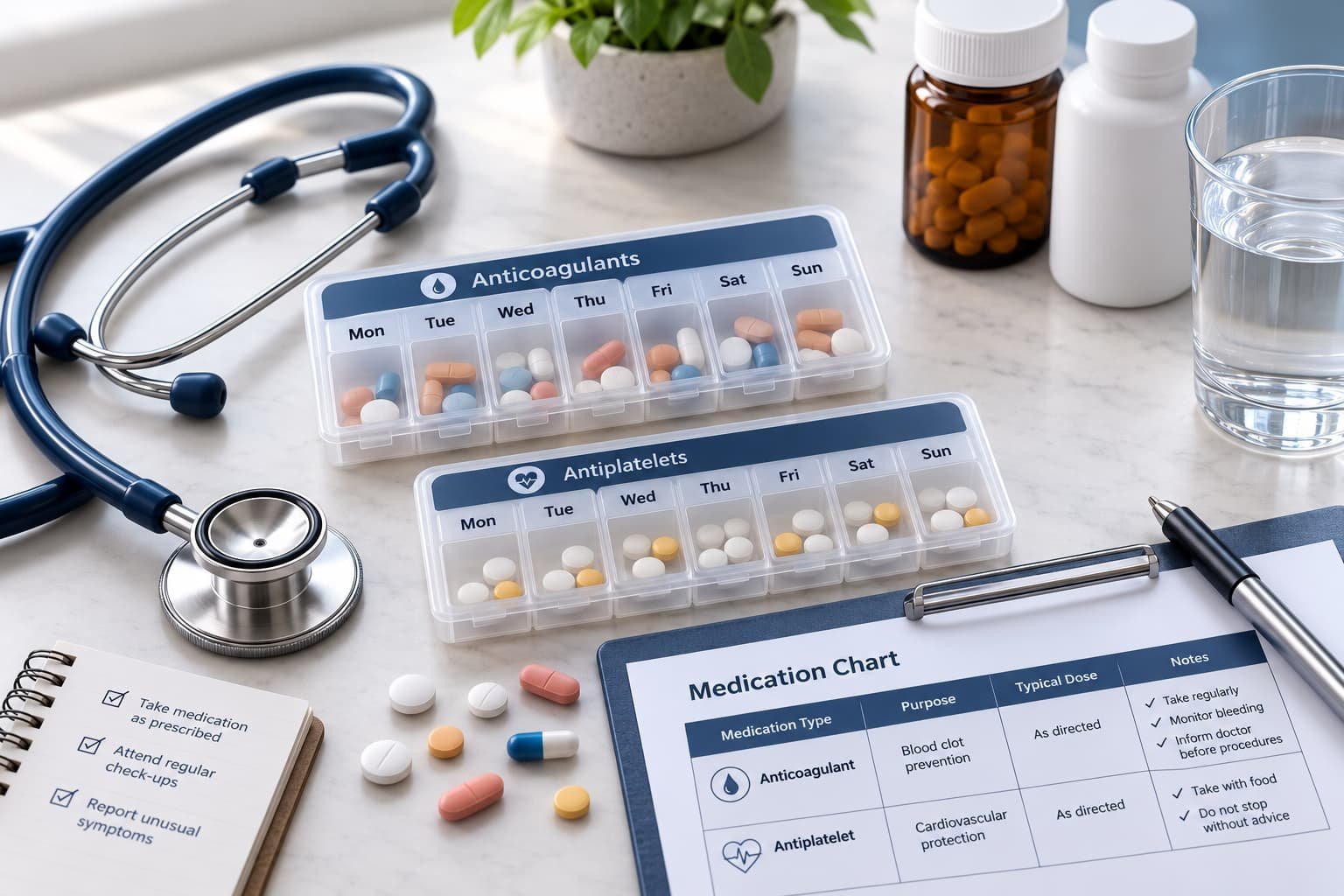
    Anticoagulant and Antiplatelet Medication

    Warfarin, direct oral anticoagulants, and antiplatelet drugs such as clopidogrel increase bruising and bleeding risk around any injection site. Men on long-term anticoagulant therapy require formal medical review before any P shot procedure, and some require temporary, specialist-supervised adjustment rather than independent cessation of prescribed medication.

    Psychiatric Conditions and Unrealistic Expectations

    Body dysmorphic disorder and unrealistic expectations around penile enlargement injections present a different, equally important type of contraindication. Clinicians assess psychological readiness alongside physical health during consultation. A patient expecting substantial, permanent size increase from penile injection growth procedures receives clear, honest counselling before treatment, and some patients receive a recommendation against proceeding altogether.

    Why Screening Matters Before Treatment

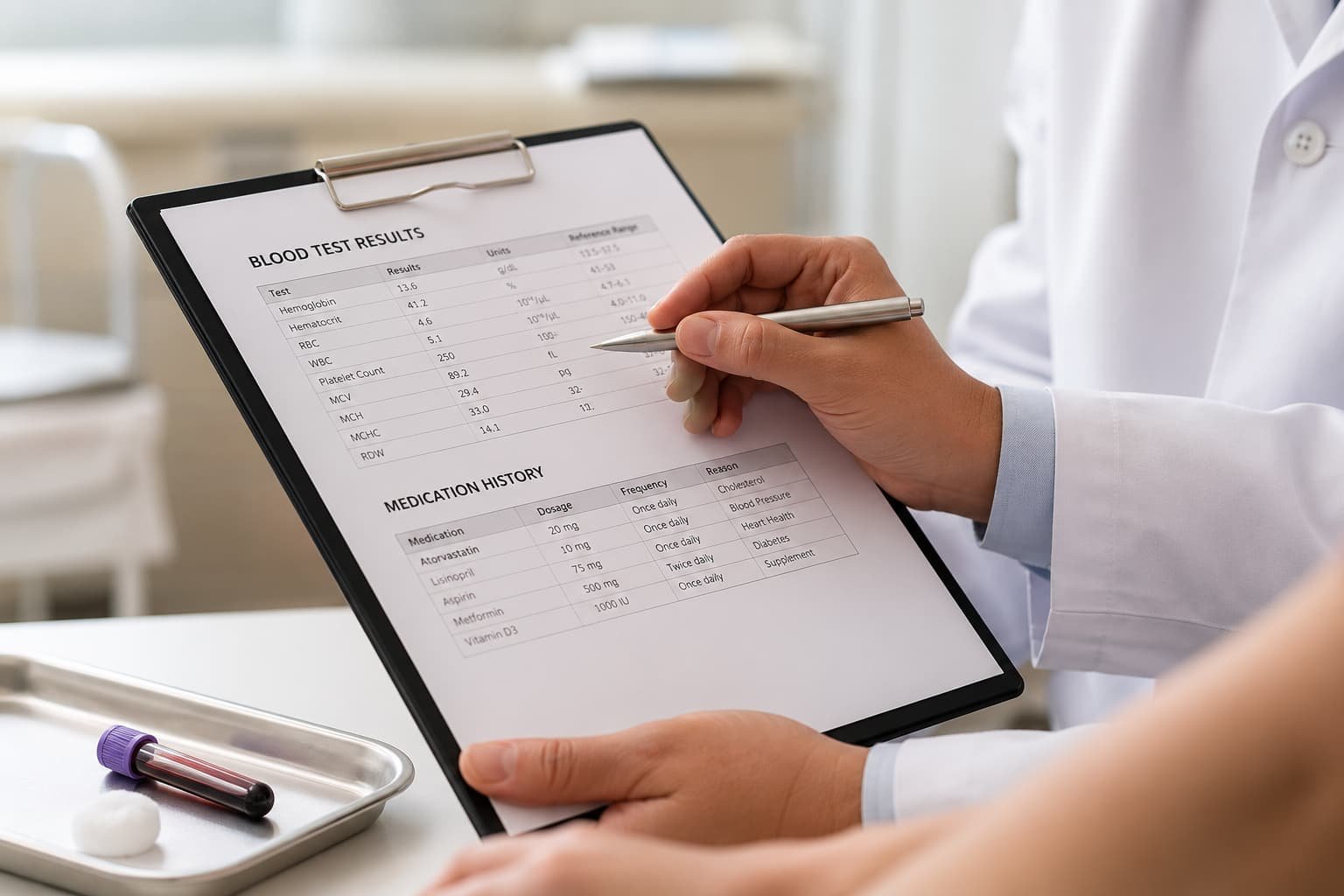
    Clinician reviewing medical history before P shot treatment screening
    A documented medical history and blood tests confirm suitability before treatment.

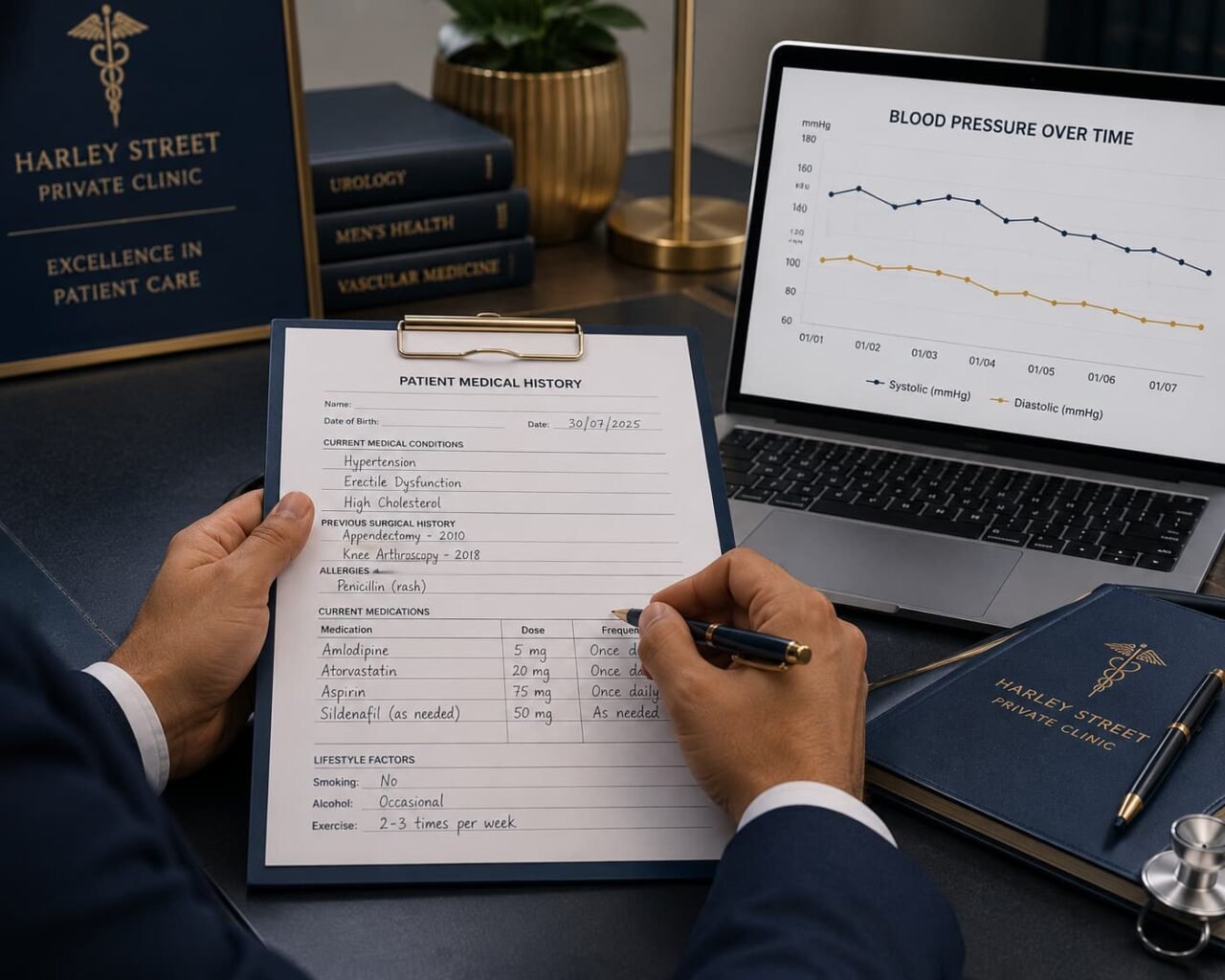
    Thorough screening protects patient safety and establishes realistic expectations from the outset. A responsible clinic never proceeds with P-shot treatment without a documented medical history and relevant investigations. Screening typically covers current medications, known allergies, previous surgeries, and any personal or family history of bleeding or clotting disorders. Blood tests may include a full blood count and, where clinically relevant, hormone panels to identify underlying causes of erectile dysfunction rather than treating symptoms in isolation.

    This screening process distinguishes established medical clinics from less rigorous providers operating in the same market. Reputable Priapus shot London clinics decline treatment when genuine contraindications exist, rather than proceeding regardless of individual risk factors.

    Non-Surgical Treatment for Erectile Dysfunction in London

    London offers a wide range of ED treatment pathways, spanning NHS-managed medication reviews and private regenerative medicine clinics. Erectile dysfunction treatment London services generally begin with investigation into underlying causes, including cardiovascular disease, diabetes, and hormonal imbalance, before any injectable intervention. This injection sits within a broader clinical toolkit rather than functioning as a standalone cure for erectile dysfunction. Many clinicians combine PRP injection with lifestyle modification, medication review, or complementary regenerative approaches such as shockwave therapy.

    Natural ED treatment using PRP therapy appeals to men seeking to avoid daily medication or invasive surgical intervention. Current clinical evidence remains limited in scale and quality, and responsible clinics communicate this openly rather than presenting PRP injections as a guaranteed solution for every patient.

    What Happens During a P Shot London Consultation

    A typical P shot London consultation lasts between thirty and sixty minutes, allowing time for a full medical history alongside physical examination. Clinicians discuss previous treatments for erectile dysfunction, including any prior use of oral medication or vacuum devices. Photographs may be taken for clinical records, with explicit consent, to allow objective comparison at follow-up. Patients receive written information covering risks, expected sensations during injection, and post-procedure care instructions. This structured approach reduces the likelihood of complications and supports informed consent throughout the process.

    How Priapus Shot London Clinics Assess Candidacy

    A structured consultation typically opens the process for any Priapus shot London appointment. This consultation includes a detailed review of erectile function history, relevant medical conditions, and current medication use, alongside relevant lifestyle factors such as smoking status. Clinicians examine the penis for signs of curvature, plaque, or infection before confirming candidacy. Blood tests confirm platelet function and help rule out the contraindications discussed throughout this article.

    Mr Syed Nadeem Abbas, who leads the Harley Street-based pshots clinic UK, clinic in Marylebone, London, follows this structured screening approach before any P shot procedure. This factual detail illustrates how one Harley Street practice integrates medical screening into candidacy assessment, without implying guaranteed treatment outcomes for any individual patient.

    Priapus Shot Price and Access Considerations

    Priapus shot price varies considerably between London clinics, depending on practitioner experience, PRP processing technology, and the number of sessions recommended for an individual case. Male enlargement injections cost UK figures typically span a broad range across the private sector, and patients should request a written cost breakdown before committing to any treatment plan. Cost alone should never override a thorough medical screening process when determining suitability for treatment involving PRP injection.

    P Shot Before and After: Realistic Expectations

    P shot before and after photographs circulate widely online, often shared without meaningful clinical context or standardised measurement. A single case does not represent a guaranteed or typical outcome for this treatment. Photographic comparisons vary considerably by lighting, camera angle, positioning, and the time elapsed since injection, all of which limit their reliability as clinical evidence.

    Published research on P injection procedures for erectile dysfunction remains limited in volume and methodological quality. Existing studies generally involve small sample sizes and relatively short follow-up periods, which restricts confident conclusions about long-term benefit. Men reviewing P-shot before and after comparisons should treat marketing images as illustrative rather than predictive of personal results. A realistic, evidence-based conversation about expected outcomes forms an essential part of informed consent before any Priapus shot proceeds.

    Alternatives When This Treatment Is Not Suitable

    Clinician discussing alternative ED treatment options with a patient
    Men who are not suitable for P shot treatment have several evidence-supported alternatives.

    Men who do not qualify for this treatment still have several evidence-supported alternatives available. Oral phosphodiesterase inhibitors remain a first-line, NHS-recommended treatment for many men presenting with erectile dysfunction. Vacuum erection devices offer a non-invasive mechanical alternative with an established safety record. Intracavernosal injections using licensed medications provide another established, well-studied treatment pathway. Surgical options, including penile implants, suit men with severe or treatment-resistant erectile dysfunction unresponsive to conservative measures. A qualified clinician reviews individual circumstances thoroughly before recommending any specific alternative pathway.

    Frequently Asked Questions

    Does high blood pressure rule out P shot treatment?

    Well-controlled hypertension does not automatically exclude a patient from treatment. Clinicians assess overall cardiovascular health and current medication before confirming suitability for the Priapus shot.

    Can men with Peyronie’s disease receive a P-shot?

    Mild, early-stage cases sometimes proceed with careful clinical monitoring. Advanced fibrosis or significant curvature typically requires alternative management instead of PRP injection.

    Is the Priapus shot available on the NHS?

    No. The NHS does not currently fund PRP injections for erectile dysfunction, since NICE has not approved this specific indication for routine use.

    How does a clinic confirm candidacy for the Priapus shot?

    A medical history review, focused physical examination, and relevant blood tests together confirm candidacy before any P shot procedure begins.

    Does age affect eligibility for treatment?

    Age alone does not determine eligibility for a P injection. Underlying health conditions carry considerably more weight than chronological age during medical screening.

    Key takeaways

    Careful medical screening determines whether P shot treatment represents a safe option for any individual patient. Bleeding disorders, active infection, certain cancers, uncontrolled diabetes, and specific medications each carry the potential to rule out this procedure entirely. Reputable clinics prioritise thorough assessment over rapid treatment uptake, placing patient safety above commercial interest at every stage. Evidence supporting PRP injection for erectile dysfunction continues to develop, and current data remains preliminary rather than conclusive across the wider medical literature.

    Men considering this treatment should seek a detailed medical consultation, ask direct questions about personal contraindications, and request full transparency around realistic, evidence-based outcomes. Given the current strength of the evidence base, how much weight should photographic testimonials really carry in a medical decision this personal?

    Read more: Who Is NOT a Good Candidate for the P-Shot? A Clinical Guide

    How to Prepare for a P-Shot: Full Pre-Treatment Checklist

    P shot treatment London

  • How Long Does a P-Shot Appointment Take?

    How Long Does a P-Shot Appointment Take?

    ✅Medically reviewed | Updated August 2026

    Men researching regenerative sexual health options in London often ask a practical question before booking: how long does a P-shot appointment take? Time matters when a busy professional schedules treatment around work commitments on Harley Street. This guide sets out the full treatment timeline, stage by stage, using current UK clinical standards rather than marketing estimates. The Priapus Shot, widely known as the P-shot, applies platelet-rich plasma (PRP) technology already established in sports medicine and dermatology to penile health. Understanding treatment length helps men plan the clinic visit accurately, prepare properly, and set realistic expectations about the process, the evidence base, and the associated cost.

    This article covers every stage of a typical clinic visit, the factors that extend or shorten treatment time, realistic recovery expectations, current pricing in the UK, and the wider evidence position for PRP as a non-surgical treatment for erectile dysfunction in London. Anyone comparing providers for a P shot in London booking will find this breakdown useful when planning a first visit.

    What Is a P-Shot?

    The P-shot is a non-surgical treatment that uses platelet-rich plasma extracted from a patient’s own blood. A trained practitioner injects this PRP-based regenerative therapy for ED into specific areas of the penis. The name “Priapus Shot” derives from Priapus, the Greek fertility god, and patients search for this treatment under several terms, including P shot treatment, priapus shot, Pshot, and simply penis shot. The procedure sits within the wider category of PRP medicine, a field already applied to joints, tendons, and skin rejuvenation across NHS and private practice settings in the UK.

    How PRP Works in This Context

    Platelets contain growth factors that support tissue repair and stimulate new blood vessel formation. A centrifuge concentrates these platelets from a standard blood draw. The concentrated plasma, once injected, aims to encourage a localised tissue response at the injection site. Peer-reviewed literature confirms this general mechanism for other body areas, such as tendons and joints, though evidence specific to penile tissue remains considerably less developed and requires further controlled research.

    How Common Is Erectile Dysfunction?

    NHS information estimates that erectile dysfunction affects a large proportion of men at some point, with prevalence rising with age. This context explains growing patient interest in regenerative options such as the P-shot, alongside established first-line therapies. Rising demand has increased the number of London clinics offering this treatment, which makes appointment transparency increasingly important for prospective patients.

    Conditions Practitioners Commonly Discuss Alongside the P-Shot

    Clinics offering the P shot treatment often discuss erectile difficulty, reduced sensation, and Peyronie’s disease during consultation. Each condition carries a distinct evidence base, and a responsible practitioner separates established medical fact from anecdotal patient report during this discussion.

    Preparing for a P-Shot Appointment

    Before the Visit

    Clinics generally ask patients to avoid alcohol and anti-inflammatory medication for 48 hours before treatment. Staying well hydrated supports an easier blood draw on the day. Loose, comfortable clothing helps during the preparation and injection stages of the visit.

    Medical Suitability Screening

    Practitioners assess suitability before confirming a booking. Screening covers current medication, bleeding disorders, active infection, and any previous penile surgery. This screening step protects patient safety and directly shapes how smoothly the appointment proceeds on the day of treatment.

    What to Bring

    Patients should bring a list of current medication and any relevant previous medical letters. Arriving slightly early allows time to complete consent paperwork without rushing the clinical stages that follow.

    Understanding the P-Shot Appointment Structure

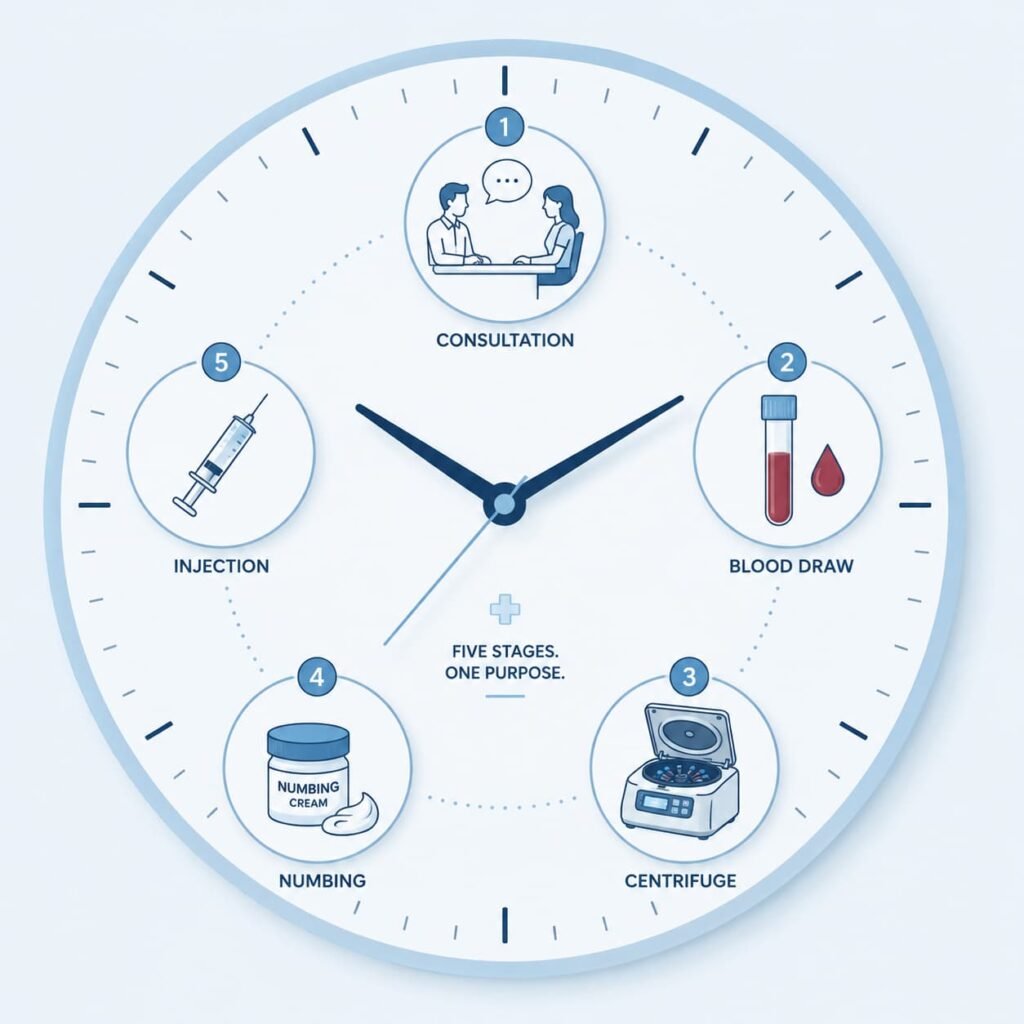
    The visit follows a defined clinical sequence. Clinics structure the appointment into five stages: consultation, blood draw, centrifugation, numbing, and injection. Each stage adds measurable time to the overall visit, and total duration depends on clinic protocol and individual patient needs.

    Initial Consultation

    The practitioner reviews medical history and treatment goals before beginning. This stage covers current medication, previous procedures, and realistic expectations for the treatment. A thorough consultation typically takes 10 to 15 minutes for returning patients and up to 30 minutes for a first attendance.

    Blood Draw and Centrifugation

    Blood sample preparation for PRP during a P-shot appointment
    A standard blood draw is the first clinical step in preparing platelet-rich plasma.

    The practitioner draws a small blood sample from the arm, similar to a routine blood test. A centrifuge then separates platelet-rich plasma from the remaining blood components. Centrifugation usually runs for 8 to 15 minutes, depending on the equipment and spin protocol used at the clinic.

    Numbing Phase

    Topical anaesthetic cream or a local nerve block reduces discomfort during injection. Numbing cream needs roughly 15 to 20 minutes to take full effect before the practitioner proceeds to the next stage.

    Injection Phase

    The practitioner injects the prepared PRP into targeted areas of the penis using a fine needle. Patients often refer to this stage informally as the “p injection” phase. This part of the visit generally lasts 5 to 10 minutes.

    Aftercare Discussion

    The practitioner explains aftercare instructions, expected sensations, and follow-up scheduling. This final stage typically takes 5 to 10 minutes and closes out the P-shot appointment.

    Total Duration of a P-Shot Appointment

    Timeline showing the stages of a typical P-shot appointment
    A full P-shot appointment typically runs between 45 and 90 minutes.

    Combining every stage, the full visit usually lasts between 45 and 90 minutes. First-time patients should expect the longer end of this range, due to consultation and consent requirements. Returning patients booked for a repeat P shot London session often complete treatment closer to 45 minutes.

    Most clinics recommend allowing a full hour for the visit, even when the clinical steps run faster than expected. This buffer accounts for administrative paperwork, photography for before-and-after records, and any questions raised during the visit.

    Factors That Influence P-Shot Appointment Length

    Several variables affect how long the treatment session takes in practice.

    First-Time Versus Follow-Up Visits

    Initial appointments require full medical screening, informed consent, and baseline photography. Follow-up visits move faster, since the practitioner already holds relevant patient information on file.

    Practitioner Experience and Technique

    Experienced clinicians complete the injection phase efficiently while maintaining precision and patient comfort throughout. Training and case volume influence how smoothly each stage of the p injection process proceeds.

    Combination Treatments

    Some patients combine the Priapus shot with adjunct therapies, such as shockwave treatment. Combination protocols extend total appointment time, sometimes to 90 minutes or beyond the standard slot.

    Centrifuge Technology

    Medical centrifuge separating platelet-rich plasma for a P-shot appointment
    Centrifugation concentrates platelet-rich plasma before injection.

    Clinics using dual-spin centrifugation systems may add processing time to improve platelet concentration. This additional step directly affects overall appointment duration and should factor into scheduling expectations.

    Individual Anatomy and Anxiety Levels

    Needle anxiety can extend the numbing and injection stages, since practitioners work at a pace that keeps the patient comfortable. Building in extra time for a calmer, unhurried visit supports both safety and patient experience.

    Comparing Appointment Times Across ED Treatment Options

    Men weighing several treatment routes often compare visit length alongside evidence and cost. A standard oral medication consultation with a GP or private clinician typically takes 10 to 20 minutes, since no procedural steps follow the discussion. Shockwave therapy sessions usually run 20 to 30 minutes per visit but require a course of several appointments across weeks. Vacuum erection device fitting and instruction generally takes 20 to 30 minutes on a single occasion. Set against these options, the P-shot treatment sits in the middle of the time spectrum, reflecting its procedural, injection-based nature.

    What Happens After the P-Shot Appointment?

    Immediate Recovery

    Most patients resume normal daily activity within hours of treatment. Mild swelling, bruising, or tenderness may develop at the injection site. Minor bruising after a fine-needle procedure is a recognised and generally self-limiting reaction, consistent with NHS guidance on injectable treatments generally.

    Activity Restrictions

    Clinics commonly advise avoiding sexual activity and strenuous exercise for a short period after injection. Specific timeframes vary between providers, so patients should confirm exact guidance during the aftercare discussion.

    Follow-Up Scheduling

    Clinics typically schedule a follow-up review several weeks after treatment. This appointment assesses response and determines whether additional sessions suit the individual. No fixed treatment number applies universally, and current NICE guidance does not specify a standard PRP protocol for penile conditions.

    P-Shot Before and After: Realistic Expectations

    Marketing materials frequently reference P-shot before and after photographs to illustrate outcomes. Photographic comparisons carry inherent limitations, since lighting, positioning, and arousal state all affect appearance significantly. Peer-reviewed literature addressing penile injection growth remains limited in scale and quality. Published reviews in regenerative medicine journals note that PRP-based approaches to erectile dysfunction require further controlled trials before firm conclusions on efficacy become possible.

    Claims of substantial penile injection growth currently lack support from robust randomised controlled trial data. Patients should treat such claims with appropriate caution and raise the question directly during consultation, rather than relying on promotional imagery. A responsible P shot UK provider presents before and after material as illustrative, not guaranteed, outcomes.

    Priapus Shot Price and Appointment Value in the UK

    Priapus Shot Price Ranges

    Priapus shot price in London typically ranges from £900 to £1,500 per session, depending on clinic protocol and centrifuge technology used. This positions treatment within the broader landscape of male enlargement injections cost UK comparisons, alongside other regenerative aesthetic procedures offered privately across the country.

    What the Fee Covers

    A Priapus shot London fee generally includes the consultation, blood draw, PRP preparation, numbing, injection, and a follow-up review appointment. Reputable clinics provide a written cost breakdown before treatment begins, consistent with standard consumer protection expectations for private healthcare in the UK.

    Why Prices Vary Between Clinics

    Centrifuge technology, practitioner qualification, and included aftercare all influence Priapus shot price. Clinics using validated dual-spin systems and doctor-led injection technique often charge more than lower-cost alternatives, reflecting the additional clinical governance involved.

    Assessing Value Beyond the Headline Price

    A lower quoted fee does not automatically represent better value. Patients should confirm whether the price includes the follow-up review appointment, or whether this incurs a separate charge. Checking practitioner qualifications against GMC or equivalent registers remains a sensible step before comparing male enlargement injections cost UK quotes across multiple clinics.

    Non-Surgical Treatment for Erectile Dysfunction in London: Where the P-Shot Fits

    Men searching for a non-surgical treatment for erectile dysfunction in London frequently encounter the P-shot alongside oral medication, vacuum erection devices, and shockwave therapy. NHS guidance identifies oral phosphodiesterase type 5 inhibitors as first-line treatment for most cases of erectile dysfunction. Natural ED treatment using PRP therapy remains an emerging option rather than a first-line recommended pathway within current UK clinical guidance.

    Current NICE Clinical Knowledge Summaries on erectile dysfunction do not list PRP injections among standard recommended interventions. Patients considering an erectile dysfunction treatment London option involving PRP should discuss this evidence position directly with the treating clinician before booking treatment.

    Pshots Clinic, a Harley Street practice led by Dr Syed Nadeem Abbas, structures each P-shot appointment around this consultation-led model, giving patients a documented explanation of current evidence before any injection takes place.

    Safety Considerations During a P-Shot Appointment

    PRP-based regenerative therapy for ED carries a generally favourable safety profile, since the injected material originates from the patient’s own blood. This autologous origin reduces the risk of allergic reaction or disease transmission compared with donor-derived products. Reported side effects include bruising, temporary swelling, and localised discomfort at the injection site. Serious complications remain rare but can include infection if aseptic technique falls short during preparation or injection.

    Patients on blood-thinning medication or with an active infection require careful medical assessment before scheduling treatment. Full disclosure of health history during consultation reduces this risk considerably and shapes a safer, better-planned treatment session.

    Who Should Avoid Treatment

    Men with active penile infection, untreated bleeding disorders, or platelet dysfunction should avoid the procedure until the underlying issue resolves. Pregnancy does not apply to this treatment, but partners trying to conceive should raise timing questions during consultation. A qualified clinician makes the final suitability decision after reviewing full medical history.

    Frequently Asked Questions

    How long does a P-shot appointment take?

    The standard visit takes between 45 and 90 minutes, covering consultation, blood draw, PRP preparation, numbing, and injection.

    Is the P-shot painful?

    Topical anaesthetic and local numbing reduce discomfort significantly. Most patients report pressure rather than sharp pain during the p injection phase.

    What is the Priapus shot price in the UK?

    Priapus shot price typically ranges from £900 to £1,500 per session in London clinics, though costs vary by provider and centrifuge technology used.

    How many P-shot appointments does treatment require?

    No fixed number applies to every patient. Some clinics recommend a single annual session; others suggest a short course guided by individual response.

    Does the P-shot increase penis size permanently?

    Current evidence does not confirm permanent size increase from PRP injections. Claims regarding penile injection growth require further peer-reviewed research before firm conclusions apply.

    Is the P-shot available through the NHS?

    The P-shot is not currently available through NHS erectile dysfunction pathways and remains a private clinic treatment only.

    Can driving happen straight after a P-shot appointment?

    Local anaesthetic rather than sedation is standard, so most patients can drive home after treatment. Confirming this directly with the clinic remains sensible practice.

    Key takeaways

    Booking a P-shot appointment requires realistic time planning and, more importantly, realistic expectations about outcomes. The procedure itself takes under two hours in most cases, but the decision to proceed deserves considerably more consideration than the appointment length suggests. Evidence supporting PRP-based regenerative therapy for ED continues to develop, and current NHS and NICE guidance still positions oral treatments as first-line care for erectile dysfunction. Men considering a P shot UK provider should request a transparent breakdown of appointment structure, pricing, and evidence limitations before committing to treatment.

    Given the current gap between promotional claims and peer-reviewed data, what standard of clinical evidence should patients reasonably expect before choosing a regenerative treatment for sexual health?

    Read more: How to Find the Best P-Shot Clinic in the UK: 8 Questions to Ask

    Is the P-Shot Safe? A Medical Perspective for UK Patients

    P shot treatment London

  • Who Is NOT a Good Candidate for the P-Shot? A Clinical Guide

    Who Is NOT a Good Candidate for the P-Shot? A Clinical Guide

    ✅Medically reviewed | Updated July 2026

    Interest in the P-shot has grown sharply across London’s private medical sector. Men increasingly search for a non-surgical treatment for erectile dysfunction in London that avoids daily medication or invasive surgery. The treatment, also written as the Pshot or the priapus shot, uses a man’s own platelet-rich plasma to support tissue repair in the penis. Many clinics promote this option enthusiastically, listing benefits and glowing outcomes. Far fewer explain, in clear clinical terms, who should not have it. This article addresses that gap directly. It sets out the specific health conditions, expectations, and personal circumstances that make this treatment unsuitable, premature, or inadvisable. Anyone researching a P shot treatment in London should read this before booking any consultation.

    What Is the P-Shot?

    Centrifuge separating platelet-rich plasma for P-shot treatment
    PRP is separated from a small blood sample before the P-shot injection.

    The P-shot is a non-surgical procedure built around platelet-rich plasma, commonly abbreviated to PRP. A clinician draws a small blood sample from the patient’s arm and processes it in a centrifuge. This separates the platelet-rich portion of the blood from red cells and plasma. The clinician then performs the p injection, delivering the concentrated platelets into specific areas of the penis. The stated aim is to stimulate tissue regeneration, support blood flow, and encourage nerve sensitivity.

    This falls within a wider category of PRP-based regenerative therapy for ED that has gained attention as an alternative to daily tablets or invasive surgery. The procedure also sits alongside other male enlargement injections now offered across Harley Street and Marylebone clinics. Demand for the priapus shot has increased steadily, particularly among men who have already tried oral medication without success. Rising popularity, however, is not the same as universal suitability. Every patient requires individual assessment before any injection takes place.

    Who Might Reasonably Consider Treatment?

    Before addressing unsuitable candidates, it helps to outline who a clinician might reasonably consider for this procedure. Men with mild to moderate erectile dysfunction, particularly where reduced blood flow plays a central role, sometimes respond well to PRP injection. Men seeking a natural ED treatment using PRP therapy, rather than pharmaceutical options, often ask about this pathway during consultation. Reported P-shot before and after results vary between patients, and no responsible clinician should promise a specific outcome in advance. This variability is precisely why careful screening matters before any treatment is agreed.

    Who Is Not a Good Candidate for This Treatment?

    Doctor reviewing medical history before P-shot suitability check
    A detailed medical history review determines suitability for a P-shot.

    Not every man is medically or psychologically ready for a P shot. NHS and NICE guidance on erectile dysfunction consistently emphasises assessing underlying causes before any intervention proceeds. The sections below outline the main groups for whom treatment is inappropriate, premature, or requires further investigation first.

    Men With Bleeding Disorders or on Blood-Thinning Medication

    This treatment depends entirely on the patient’s own blood. Any condition affecting normal clotting changes the risk profile of the injection considerably. Men with haemophilia, thrombocytopenia, or other diagnosed bleeding disorders face a higher risk of prolonged bruising or bleeding at the injection site. Men taking anticoagulant medication, such as warfarin or clopidogrel, fall into a similar category. Regular high-dose aspirin can also reduce platelet function and affect PRP quality. A responsible clinician reviews current medication carefully before proceeding and may decline treatment until the underlying issue has been addressed with a GP or haematologist.

    Men With Active Genital Infections or Skin Conditions

    Any active infection, inflammation, or open skin lesion in the genital area represents a contraindication. Injecting concentrated platelets through infected or compromised tissue increases the risk of spreading that infection further. Men experiencing an active outbreak of genital herpes should wait until all symptoms have resolved fully. The same caution applies to men with untreated sexually transmitted infections or unexplained genital lesions of any kind. A clinical assessment, including relevant swabs or blood tests where appropriate, should always precede this type of penis shot.

    Men With Unrealistic Expectations of Results

    A significant number of men approach this treatment expecting dramatic, guaranteed change. This remains one of the most common reasons a clinician advises against proceeding immediately. A regenerative injection is not a substitute for surgical penile enlargement, and it should never be marketed as one. Reported outcomes from penile injection growth studies remain modest, variable, and far from guaranteed for any individual patient. Some men notice improved sensitivity or firmness within weeks. Others notice comparatively little change. Anyone who views a single injection as a certain route to significant, permanent size increase should reconsider carefully before proceeding. Honest counselling on realistic outcomes protects the patient far more effectively than an optimistic sales pitch ever could.

    Men With Severe Vascular Disease or Major Nerve Damage

    Erectile dysfunction has many possible underlying causes. Some are mild and largely circulation-related. Others involve significant vascular disease or nerve injury following pelvic surgery, such as prostatectomy. Men with severe, longstanding vascular disease or extensive nerve damage typically see limited benefit from PRP injection alone. In these cases, the underlying mechanism driving erectile dysfunction is often too advanced for a regenerative injection to meaningfully reverse. A responsible clinician should discuss alternative or combined treatment pathways, which may include specialist urological referral, rather than presenting this injection as a standalone solution.

    Men With Active Cancer or Undergoing Cancer Treatment

    Men with a current cancer diagnosis, particularly prostate or wider genitourinary cancer, require careful specialist input before considering any regenerative injection therapy. Chemotherapy and radiotherapy can also affect platelet counts and general tissue healing capacity. This does not mean regenerative treatment is permanently ruled out for every man with a cancer history. It does mean that timing, oncology clearance, and clear communication between treating teams are essential before any procedure is considered.

    Men Who Have Not Investigated the Underlying Cause of ED

    Erectile dysfunction can signal wider health issues, including cardiovascular disease, diabetes, or low testosterone. This treatment should never replace a proper diagnostic workup. Men presenting with new-onset erectile dysfunction, particularly under the age of 40, should first undergo standard NHS or GP assessment. This should include blood pressure, blood glucose, and cardiovascular risk review, in line with NICE guidance on erectile dysfunction. Booking treatment without this groundwork risks masking a more serious underlying condition that requires separate management.

    Men in the Acute Inflammatory Phase of Peyronie’s Disease

    Peyronie’s disease involves fibrous scar tissue that causes penile curvature, sometimes with associated pain. Some men seek this treatment hoping to address the condition directly. During the acute, actively inflamed phase, injecting PRP may aggravate inflammation rather than resolve it. Clinicians typically prefer to wait until the condition stabilises, usually after around twelve months, before considering regenerative injection as one part of a broader management plan involving other specialists.

    Men Who Are Psychologically Unprepared or Under Significant Distress

    Sexual health concerns often carry considerable emotional weight. Men experiencing significant anxiety, depression, or relationship distress connected to their sexual function may benefit more from psychological support or psychosexual counselling first. A physical injection cannot resolve a primarily psychological cause of erectile difficulty. Proceeding with treatment in these circumstances risks disappointment and delays more appropriate care being sought elsewhere.

    Men Under 18 or Without Capacity to Consent

    This is an elective treatment intended for adult men who can give full, informed consent. It is not appropriate for minors or for any individual unable to understand and weigh the relevant information about risks, costs, and realistic outcomes before agreeing to proceed.

    Why Careful Screening Matters

    Patient screening checklist for P-shot candidacy assessment
    Structured screening covers medical, physical and psychological factors.

    A thorough consultation is not a formality; it is the safeguard that separates responsible clinical practice from opportunistic marketing. Screening protects patients from unnecessary risk and protects against wasted expenditure on a treatment unlikely to help their specific circumstances. It also ensures that more serious underlying conditions are not overlooked while attention remains fixed on a single injectable treatment.

    A responsible provider asks about medical history, current medication, previous surgery, and psychological wellbeing before agreeing to treat any patient. Blood tests may be requested where indicated. Questions about expectations should be raised directly and answered honestly, without exaggeration. Any clinic offering an injection of this kind without a structured screening process warrants real caution from prospective patients.

    What Happens During a Consultation

    Private Marylebone clinic offering P-shot consultations
    Thorough, honest consultation should precede every P-shot treatment decision.

    A proper consultation begins with a detailed medical history. The clinician reviews any bleeding disorders, current medication, previous pelvic surgery, and existing diagnoses relevant to sexual function. A physical examination follows, checking for active infection, skin conditions, or signs of Peyronie’s disease. The clinician then explains the mechanism of PRP therapy, realistic outcomes, and the current evidence base honestly and without embellishment. Only once suitability has been confirmed does discussion move toward scheduling and preparation. This structured approach reflects the standard expected across reputable Harley Street and Marylebone clinics offering regenerative treatments of this type.

    What Does the Current Evidence Show?

    The evidence base for PRP injection in sexual medicine is still developing. Small peer-reviewed studies suggest possible benefit for some men with mild to moderate erectile dysfunction, particularly regarding sensitivity and subjective satisfaction. Larger, well-controlled trials remain limited, and long-term outcome data are still comparatively sparse. NICE does not currently list PRP penile injection as a first-line treatment for erectile dysfunction within NHS pathways. This does not mean the treatment lacks value for carefully selected private patients. It does mean that any clinic should present the evidence honestly, rather than overstating certainty that peer-reviewed literature does not yet fully support. Patients deserve a balanced picture, including the limitations, before consenting to any injection.

    The Role of Follow-Up Care

    Suitability does not end once an injection has been given. Follow-up review allows a clinician to check healing, address any concerns, and record outcomes accurately. Men who experience unexpected swelling, pain, or signs of infection after treatment should contact their clinic promptly rather than waiting for a scheduled review. A clinic that offers structured follow-up, rather than a single appointment with no further contact, demonstrates a more complete standard of care. This matters as much as the initial screening process described above.

    Cost Considerations for Treatment in the UK

    Cost is a common question for men researching a P shot London provider. The priapus shot price varies between clinics, depending on location, clinician expertise, and the number of sessions recommended for a given case. Men researching male enlargement injections cost UK figures should treat any price significantly below the market average with caution. An unusually low fee may reflect reduced clinical oversight, rushed screening, or inadequate follow-up care. A transparent provider discusses pricing openly during consultation, alongside a clear explanation of what is and is not included, such as review appointments.

    Men researching a Priapus shot London clinic should prioritise thorough screening over speed of appointment or discounted pricing. A clinic that declines to treat an unsuitable candidate is demonstrating sound clinical judgement, not poor customer service. This principle applies equally to any wider erectile dysfunction treatment London search, where the range of available options can feel overwhelming without clear, independent guidance.

    Alternatives Worth Discussing First

    For men who are found unsuitable for this injection, several alternative or complementary pathways exist. Oral medication remains the first-line NHS option for many men with erectile dysfunction. Vacuum erection devices, lifestyle changes, and management of cardiovascular risk factors all form part of standard care. Psychosexual therapy can help where psychological factors dominate. For men with structural conditions such as advanced Peyronie’s disease, surgical referral may eventually be appropriate. A clinician should present these alternatives clearly, rather than steering every patient toward a single injectable product regardless of fit.

    Frequently Asked Questions

    Is the P-shot safe for every man?

    No. It is not suitable for men with bleeding disorders, active genital infections, unrealistic expectations, or unresolved underlying medical causes of erectile dysfunction.

    Can treatment proceed if a man takes blood-thinning medication?

    This requires careful discussion with a prescribing doctor first. Many clinicians will decline or postpone treatment until the medication question has been reviewed properly.

    Does this injection work for severe erectile dysfunction?

    Evidence for meaningful benefit in severe, longstanding vascular or nerve-related erectile dysfunction remains limited. A clinician may recommend alternative or combined approaches instead.

    Will treatment guarantee a visible size increase?

    No responsible clinician can guarantee this outcome. Reported before and after results vary considerably between individual patients.

    Should a GP be consulted before booking treatment?

    Yes, particularly for new-onset erectile dysfunction. A GP assessment helps rule out underlying cardiovascular, hormonal, or metabolic causes first.

    How is candidacy assessed at consultation?

    Candidacy is assessed through medical history, current medication review, physical examination, and an honest discussion of expectations and realistic outcomes.

    Is follow-up care included after treatment?

    Reputable clinics build follow-up review into the treatment plan, allowing any concerns to be checked and outcomes recorded properly.

    Conclusion

    A P-shot is not a treatment for every man, and no responsible clinic should present it as one. Bleeding disorders, active infection, unrealistic expectations, advanced vascular or nerve damage, unresolved diagnostic questions, acute Peyronie’s disease, and significant psychological distress all represent valid reasons to pause before proceeding. At pshots clinic uk in Marylebone, Dr Syed Nadeem Abbas emphasises thorough clinical assessment before any regenerative injection is considered for a patient. Sound decision-making begins with honest information, not persuasive marketing.

    Before booking any P-shot treatment, one question deserves careful thought: has the underlying cause of the difficulty actually been identified, or is a single injection being asked to treat a problem it was never designed to solve?

    Read more: Psychosexual Counselling for Erectile Dysfunction: Supporting P-Shot Treatment Outcomes

    P shot treatment London

  • Erectile Dysfunction Under 40: Causes and Modern Solutions

    Erectile Dysfunction Under 40: Causes and Modern Solutions

    ✅Medically reviewed | Updated July 2026

    Erectile dysfunction under 40 no longer sits quietly at the margins of men’s health. A condition once linked almost exclusively to ageing now affects a growing number of younger men across the UK. Clinics on Harley Street and beyond report rising numbers of men aged twenty to thirty-nine seeking answers. Some search for quick fixes. Others simply want clarity. This article sets out the medical causes behind ED in men under 40, explains why the condition demands proper attention at any age, and reviews the treatment landscape, including newer regenerative options gaining traction across London clinics.

    What Counts as Erectile Dysfunction in Younger Men?

    Erectile dysfunction describes a persistent difficulty achieving or maintaining an erection firm enough for satisfactory intercourse. Occasional difficulty rarely signals a problem. A pattern lasting beyond three months usually warrants medical review. Erectile dysfunction under 40 differs from the age-related form in one key respect: physical causes account for a smaller share of cases, while psychological and lifestyle factors carry more weight.

    Clinicians distinguish between situational and generalised erectile dysfunction. Situational cases occur only in specific circumstances, such as with a new partner or during stress. Generalised cases occur consistently, regardless of context. This distinction shapes both diagnosis and treatment. Severity also varies. Mild cases involve occasional difficulty maintaining firmness, while severe cases prevent penetrative intercourse altogether.

    How Common Is Erectile Dysfunction in Men Under 40?

    Research estimates vary, but published data suggest between one in ten and one in twenty men under 40 experience some form of erectile dysfunction. NHS guidance notes that erectile dysfunction can occur at any adult age, not only in later life. Erectile dysfunction under 40 remains under-reported, largely due to embarrassment and a lingering assumption that the condition belongs to older age groups.

    This under-reporting matters. Men delay seeking help, sometimes for years, while an underlying cause goes unaddressed. Cardiovascular disease, diabetes, and hormonal imbalance can all present with erectile dysfunction as an early warning sign. Survey data collected across UK general practices suggests that fewer than half of affected younger men raise the issue with a GP unprompted. Many instead search online for information, often encountering unregulated retailers rather than registered clinicians.

    Key Causes of Erectile Dysfunction Under 40

    Infographic showing psychological, vascular, hormonal, and medication-related causes of erectile dysfunction under 40
    Erectile dysfunction under 40 usually involves psychological, vascular, hormonal, or medication-related factors.

    Psychological and Lifestyle Factors

    Performance anxiety, relationship stress, and generalised anxiety disorder frequently underlie ED in men under 40. Depression also plays a substantial role, both directly and through associated medication. Excessive alcohol consumption, recreational drug use, and heavy smoking reduce erectile function through nerve and vascular pathways.

    Pornography-related expectations and chronic stress from work or study add further pressure. Sleep deprivation disrupts testosterone production and directly affects erectile capacity. Sedentary habits and prolonged screen use compound the problem for many younger men. Poor sleep quality, including undiagnosed sleep apnoea, reduces nocturnal erections and lowers daytime testosterone. Financial pressure and career-related stress feature increasingly in clinical histories taken from men in the late-twenties-to-thirties age bracket.

    Vascular and Metabolic Causes

    Blood flow underpins every erection. Early atherosclerosis, high blood pressure, and high cholesterol can restrict blood flow even in younger men, particularly those with a family history of cardiovascular disease. Obesity contributes directly by damaging blood vessel function and lowering testosterone levels.

    Type 2 diabetes increasingly appears in men under 40 and remains one of the strongest physical drivers of erectile dysfunction at any age. NICE guidance recommends cardiovascular risk assessment for men presenting with erectile dysfunction, since the two conditions frequently share root causes. Nerve damage from poorly controlled diabetes compounds vascular restriction further, producing erectile difficulty that responds less predictably to standard medication.

    Hormonal Factors

    Low testosterone, though less common than in older men, still occurs under 40. Thyroid dysfunction and elevated prolactin levels can also disrupt erectile function. Hormonal causes typically respond well once identified through blood testing. Pituitary conditions, though rare, can also present with erectile dysfunction alongside reduced libido and fatigue, making full hormonal screening a necessary step rather than an optional extra.

    Medication and Substance-Related Causes

    Certain antidepressants, blood pressure medications, and anti-androgen treatments list erectile dysfunction as a recognised side effect. Anabolic steroid use, increasingly common among younger gym-goers, frequently suppresses natural testosterone production and produces erectile dysfunction as a consequence. Recreational use of stimulant drugs, including cocaine, restricts blood vessels and can produce both short-term and lasting erectile difficulty. Restarting or switching medication should always occur under medical supervision, since abrupt changes carry inherent risks.

    Why Erectile Dysfunction Under 40 Should Not Be Ignored

    Erectile dysfunction in younger men often signals something beyond the bedroom. A younger man presenting with erectile difficulty may show early signs of cardiovascular disease years before a heart attack or stroke occurs. Peer-reviewed research published in urology journals consistently links erectile dysfunction to broader vascular health, making early assessment valuable well beyond sexual function alone.

    Ignoring the condition also carries a psychological cost. Anxiety about performance can create a self-reinforcing cycle, worsening the very problem it stems from. Early, honest assessment breaks this cycle far more effectively than avoidance. Relationship strain frequently follows unresolved erectile difficulty, with communication breakdown compounding the original problem. Addressing the issue openly, ideally alongside a partner, often improves outcomes alongside medical treatment.

    Diagnosis: What a Clinical Assessment Involves

    Clinician preparing blood tests to diagnose erectile dysfunction under 40 in a private London clinic
    A thorough assessment, including blood tests, helps identify the cause of erectile dysfunction under 40.

    A thorough assessment for ED in men under 40 typically includes a detailed medical history, a physical examination, and blood tests covering testosterone, blood sugar, cholesterol, and thyroid function. Clinicians also review current medications and lifestyle factors, including alcohol intake, smoking, and exercise habits.

    Psychological screening forms an equally important part of assessment, given the weight of psychological causes in this age group. A validated questionnaire, such as the International Index of Erectile Function, often supports diagnosis and helps track progress during treatment. Blood pressure measurement and body mass index calculation form part of most initial consultations. Where nocturnal erections continue during sleep but fail during intercourse, clinicians often suspect a psychological rather than physical cause.

    Modern Treatment Options

    Lifestyle and Psychological Interventions

    Weight loss, smoking cessation, and reduced alcohol intake improve erectile function in many younger men within months. Structured exercise programmes, particularly aerobic exercise, support vascular health and testosterone levels. Cognitive behavioural therapy addresses performance anxiety and depression-linked erectile dysfunction, often producing durable improvement. Couples counselling sometimes forms part of treatment where relationship stress plays a central role. These interventions carry no financial cost beyond time and consistency, making lifestyle change a reasonable first step before considering medication or injectable treatment.

    Oral Medications

    Phosphodiesterase-5 inhibitors, including sildenafil and tadalafil, remain first-line treatment for ED in men under 40 without contraindications. These medications work by increasing blood flow to the penis during sexual stimulation. Oral treatments do not address underlying causes and carry limitations for men with certain cardiovascular conditions. Nitrate medication use rules out safe combination with PDE5 inhibitors, and a clinician should always confirm suitability before any prescription. Generic versions have reduced cost considerably in recent years, improving accessibility for younger patients on NHS and private prescriptions alike.

    PRP-Based Regenerative Therapy for ED

    Platelet-rich plasma preparation for P-Shot treatment used in PRP-based regenerative therapy for ED
    The P-Shot uses platelet-rich plasma prepared from a patient’s own blood.

    Interest in natural ED treatment using PRP therapy has grown steadily across London in recent years. Platelet-rich plasma, prepared from a patient’s own blood, contains growth factors thought to support tissue repair and blood vessel formation. This regenerative approach has attracted attention as a non-surgical treatment for erectile dysfunction in London clinics seeking alternatives to medication-only pathways.

    What Is the P-Shot?

    The P-Shot, formally known as the Priapus Shot, involves injecting concentrated platelet-rich plasma into specific areas of the penis. The p injection aims to stimulate tissue regeneration and improve blood flow. Practitioners position the P shot treatment as a regenerative option rather than a replacement for standard medical care.

    P-Shot Treatment: What to Expect

    A P shot London appointment typically begins with a small blood draw. The sample undergoes processing to isolate platelet-rich plasma before the penis injection growth procedure takes place under local anaesthetic. The full appointment usually lasts under an hour. Recovery time remains minimal, with most men returning to normal activity the same day.

    Priapus Shot Price and Considerations

    Priapus shot price varies between clinics depending on preparation method, practitioner experience, and included aftercare. Male enlargement injections cost UK-wide sits within a wide range, and prospective patients should request a detailed, itemised quote before proceeding. Cost alone should never determine clinic choice; practitioner qualification and clinical safety standards matter considerably more.

    P-Shot Before and After: Realistic Outcomes

    Published evidence for the Priapus shot remains limited compared with established treatments such as PDE5 inhibitors. P-shot before and after results vary considerably between individuals, and no clinic can guarantee a specific outcome. Some men report subjective improvement in sensation and erectile firmness. Robust, large-scale clinical trials remain necessary before firm conclusions can be drawn. Men considering a Priapus shot London appointment should discuss realistic expectations openly with a qualified clinician beforehand.

    Non-Surgical Treatment for Erectile Dysfunction in London

    London offers a wide range of options for erectile dysfunction treatment, spanning NHS pathways, private urology clinics, and specialist men’s health practices. Non-surgical treatment for erectile dysfunction in London increasingly includes shockwave therapy alongside PRP-based regenerative therapy for ED, oral medication, and psychological support. Combination approaches, tailored to individual causes, tend to produce better outcomes than any single intervention alone.

    Pshots Clinic UK, a private medical practice based on Harley Street, forms part of this wider London landscape, with services led by Dr Syed Nadeem Abbas covering assessment and treatment pathways for erectile dysfunction.

    Choosing a Clinic for Erectile Dysfunction Treatment London

    Private Harley Street clinic exterior offering erectile dysfunction treatment London
    Choosing a registered, transparent clinic matters when considering erectile dysfunction treatment London.

    Selecting a provider for erectile dysfunction treatment London requires careful research. A reputable clinic conducts a full medical history and blood tests before recommending treatment. It explains all options, including limitations, rather than promoting a single procedure. Verified practitioner qualifications, transparent pricing, and clear aftercare information all indicate a responsible provider.

    Men should treat any promise of guaranteed results with caution. Regenerative treatments, including the P shot UK clinics offer, work best as part of a broader treatment plan rather than a standalone cure. A registered clinician should always confirm suitability through blood tests and a physical examination before recommending any injectable treatment, and should be willing to discuss alternatives, including established medication and psychological support, without pressure to proceed.

    Frequently Asked Questions

    Is erectile dysfunction under 40 normal?

    Occasional difficulty is common and rarely signals disease. Persistent erectile difficulty in men under 40 warrants medical assessment, since it can indicate cardiovascular, hormonal, or psychological factors requiring attention.

    Can ED in men under 40 reverse on its own?

    Mild cases linked to stress, alcohol, or short-term anxiety often improve once the trigger resolves. Cases linked to underlying medical conditions usually require targeted treatment.

    Does the P-Shot cure erectile dysfunction permanently?

    No treatment, including the P-Shot, offers a guaranteed permanent cure. Evidence remains limited, and outcomes vary between individuals. A qualified clinician can explain realistic expectations before treatment.

    How much does a P-Shot cost in the UK?

    Priapus shot price depends on the clinic, the practitioner’s experience, and the specific protocol used. Prospective patients should request a full written quote before committing to treatment.

    When should a man see a doctor about erectile dysfunction?

    Any man experiencing erectile difficulty lasting longer than three months should arrange an assessment, particularly where other symptoms, such as reduced libido or fatigue, also appear.

    Can lifestyle changes alone resolve erectile dysfunction under 40?

    Lifestyle changes resolve many mild cases linked to weight, alcohol, or inactivity. Cases involving diabetes, hormonal imbalance, or significant psychological distress usually need additional treatment alongside lifestyle change.

    Is the P-Shot safe?

    The P-Shot uses a patient’s own blood, which lowers the risk of allergic reaction compared with synthetic fillers. Standard injection risks, including infection, bruising, and discomfort, still apply, and a qualified practitioner should always perform the procedure.

    Key Takeaways

    Erectile dysfunction under 40 deserves the same clinical seriousness as erectile dysfunction at any other age. Psychological factors, vascular health, hormonal balance, and lifestyle habits all interact to shape erectile function in younger men. Modern treatment options range from established medication and psychological therapy to newer regenerative approaches such as PRP-based regenerative therapy for ED, each carrying distinct evidence, costs, and limitations. Delay rarely improves outcomes, and early assessment often uncovers a straightforward, treatable cause. Informed decision-making, grounded in proper assessment rather than assumption, remains the most reliable path towards resolution.

    What might a persistent case of erectile difficulty before the age of 40 be revealing about long-term health that has not yet been addressed?

    Read more: Psychosexual Counselling for Erectile Dysfunction: Supporting P-Shot Treatment Outcomes

    P-Shot Aftercare: The Complete Pre and Post Treatment Guide

    P shot treatment London

  • Can the P-Shot Help with Morning Erections?

    Can the P-Shot Help with Morning Erections?

    ✅Medically reviewed | Updated July 2026

    Morning erections are a familiar biological event, yet few men understand what they signal about health. A quiet loss of morning erections often causes worry long before it reaches a doctor’s consulting room. The P-shot has become a talking point across men’s health clinics in London, promoted as a natural option for erectile concerns. Search interest in P shot London clinics has grown steadily over recent years. This article, examines the evidence behind this treatment and its realistic relationship with morning erections. Balanced, fact-based information matters more than promotional claims when health decisions are at stake.

    What Are Morning Erections and Why Do They Matter?

    Morning erections happen during sleep, not only on waking. Doctors call this nocturnal penile tumescence. The phenomenon offers a simple, private window into vascular and hormonal health. Understanding this mechanism helps clarify why the P-shot draws attention from men who notice a change. Awareness of normal patterns helps men judge when a change is worth discussing with a doctor.

    The Science of Nocturnal Penile Tumescence

    Diagram showing vascular blood flow linked to nocturnal penile tumescence
    Blood vessel relaxation during REM sleep drives nocturnal penile tumescence.

    Nocturnal penile tumescence occurs mainly during REM sleep. The brainstem reduces noradrenaline output during this sleep stage. Reduced noradrenaline allows blood vessels in the penis to relax and fill. Testosterone levels also peak overnight and support this process. Healthy men typically experience three to five episodes each night. Each episode can last between ten and thirty minutes. Ageing, poor sleep, and certain medications can all reduce episode frequency. Doctors sometimes use overnight monitoring devices to record these episodes in clinical settings. These devices measure changes in penile circumference throughout the night. Sleep specialists occasionally combine this monitoring with wider polysomnography, particularly when painful nocturnal erections disrupt sleep. Most men never require this level of investigation, since a clear medical history usually provides enough information.

    Morning Erections as a Health Marker

    Doctors use morning erections to help distinguish between physical and psychological causes of erectile dysfunction. Persistent morning erections alongside daytime difficulty often point towards anxiety or stress. A complete absence of morning erections raises suspicion of vascular or nerve-related causes. NHS guidance recognises nocturnal erections as a useful diagnostic clue, though not a standalone test. Clinicians combine this history with blood tests, blood pressure checks, and cardiovascular risk assessment. Diabetes, high cholesterol, and hypertension frequently reduce nocturnal erection frequency over time. Reporting this change early allows a doctor to investigate broader health concerns. Men under forty who lose morning erections suddenly should seek medical review promptly. A sudden change often signals something more specific than gradual age-related decline. Early investigation can identify treatable causes before they progress further.

    What Is the P-Shot?

    The P-shot, short for Priapus shot, is a platelet-rich plasma injection. Clinics offering this Priapus shot London treatment position it as a non-surgical treatment for erectile dysfunction in London. The treatment uses a patient’s own blood, processed to concentrate platelets and growth factors. Marketing materials sometimes describe the P shot treatment as regenerative rather than pharmaceutical.

    How the Priapus Shot Works

    A clinician draws a small blood sample and places it in a centrifuge. Spinning separates platelet-rich plasma from red blood cells. The clinician then injects this PRP into specific areas of penile tissue. Growth factors within platelets are thought to stimulate tissue repair. Proponents describe this as a natural ED treatment using PRP therapy, since no synthetic drugs enter the body. The injection process itself is sometimes referred to informally as a p injection or penis shot by patients researching the topic online.

    PRP-Based Regenerative Therapy for ED

    PRP-based regenerative therapy for ED borrows techniques from orthopaedics and sports medicine. Surgeons have used PRP for tendon and joint injuries for over a decade. Applying similar science to erectile tissue is a newer, less established extension. Growth factors in PRP may support angiogenesis, the formation of new blood vessels. Improved blood vessel density could theoretically support firmer erections over time. Some practitioners also describe a secondary aim of penile injection growth, referring to modest increases in girth reported anecdotally. This secondary claim carries even less robust evidence than the primary ED-related use.

    Can the P-Shot Help with Morning Erections?

    This question sits at the centre of most enquiries about this treatment. A direct, evidence-based answer requires separating clinic testimonials from controlled research. Men researching a priapus shot online frequently encounter mixed and inconsistent claims.

    The Current Evidence Base

    Peer-reviewed research on this treatment remains limited in volume and scale. No large randomised controlled trials have specifically studied it alongside morning erections. Smaller studies and case series suggest possible improvements in some men. Clinical bodies have not endorsed the P-shot as a proven treatment for erectile dysfunction. Published clinical reviews note that current trials do not confirm reliable improvement in erections. NICE guidance does not currently include this therapy within standard ED treatment pathways. This gap does not mean the treatment lacks any effect. It means firm conclusions cannot yet be drawn from available data.

    What Clinics Report vs What Trials Show

    Some clinics report that patients notice stronger morning erections within weeks of treatment. These reports come from clinical observation rather than controlled trial data. Patient-reported outcomes carry value but cannot replace blinded, placebo-controlled research. A responsible clinic explains this distinction clearly before treatment begins. Men considering the P-shot should treat before-and-after testimonials as illustrative, not conclusive. Honest communication about uncertainty builds more trust than inflated promises.

    P-Shot Treatment: What to Expect

    Understanding the practical process helps set realistic expectations for anyone researching P shot treatment options.

    The Procedure Step by Step

    Sterile PRP preparation equipment used during a P-shot procedure
    Platelet-rich plasma is prepared using a centrifuge before injection.

    A consultation reviews medical history and rules out contraindications. Topical anaesthetic numbs the penile skin beforehand. A blood draw provides material for the PRP preparation. Centrifugation takes roughly ten to fifteen minutes to complete. The clinician then administers the injection across several points on the penile shaft. The full appointment usually lasts around thirty to forty-five minutes. Most men return to normal activity within a day, with mild restriction on sexual activity for about a week.

    P-Shot Before and After Timeline

    Early changes, such as mild sensitivity, may appear within the first two weeks. Some men report early signs by week four, including subjectively stronger morning erections. The most noticeable P-shot before and after changes typically emerge between weeks eight and twelve. This later timeframe reflects the pace of angiogenesis and tissue remodelling. A realistic P shot before and after expectation involves gradual, modest change rather than sudden transformation. Reported benefits often last twelve months, after which some men choose a repeat session. Individual results vary considerably, and not every patient experiences noticeable change.

    Priapus Shot Price and Costs in the UK

    Cost is a common practical question for men researching this treatment.

    P Shot Price Factors

    Priapus shot price varies between clinics and depends on several factors. Clinic location, practitioner experience, and PRP preparation method all affect pricing. Central London clinics, including Harley Street practices, often sit at the higher end nationally. A single session typically ranges from several hundred to over a thousand pounds. Additional consultation fees may apply before the first treatment session. Repeat sessions for maintenance add to the overall long-term cost.

    Male Enlargement Injections Cost UK Comparison

    Broader male enlargement injections cost uk figures show wide variation across providers. Hyaluronic acid filler injections for girth differ in purpose and pricing from PRP treatments. The P shot UK market remains largely private, since the NHS does not fund it. Men should request a written quote covering all sessions before committing to treatment. Comparing quotes across registered clinics helps avoid unexpected costs later.

    Who Might Consider the P-Shot?

    Suitability depends on individual health history and realistic goals.

    Realistic Candidates

    Men with mild erectile difficulty and no major vascular disease may consider this option. Some men explore the Pshot after limited success with first-line ED treatments. Men seeking a non-drug approach sometimes find the treatment’s premise appealing. A thorough medical assessment should always precede any injection-based therapy. Open discussion about expected outcomes helps set appropriate goals beforehand.

    Limitations and Who Should Avoid It

    Men with bleeding disorders or blood-clotting medication require careful specialist review. Active penile infection or untreated Peyronie’s disease may delay suitability. Partners’ expectations should be discussed openly before any treatment begins. The treatment does not cure underlying cardiovascular disease or diabetes-related nerve damage. Anyone expecting guaranteed results should reconsider before proceeding. A cautious approach protects both physical health and financial resources.

    Alternative and Complementary Approaches to ED

    A balanced article must place this therapy alongside established options for erectile dysfunction treatment London clinics already provide.

    NHS-Recognised First-Line Treatments

    NHS pathways typically begin with lifestyle review and cardiovascular risk checks. Oral PDE5 inhibitors, such as sildenafil, remain a first-line medical option. Vacuum erection devices and counselling support psychological contributors to ED. NICE guidance emphasises addressing modifiable risk factors before considering newer therapies. Men should discuss all options with a GP before pursuing private treatment. First-line options generally carry a stronger evidence base than newer regenerative approaches.

    Lifestyle Factors Affecting Morning Erections

    Regular exercise supports vascular health and erectile function
    Lifestyle factors such as exercise and sleep quality influence erectile health.

    Smoking narrows blood vessels and reduces nocturnal erection frequency over time. Poor sleep quality disrupts REM sleep and reduces nocturnal tumescence episodes. Excess alcohol intake and low physical activity also affect erectile blood flow. Weight management and regular exercise support vascular health broadly. These factors influence outcomes regardless of any additional treatment chosen. Addressing them alongside any private treatment often improves overall results.

    Risks and Safety Considerations

    Using a patient’s own blood lowers the risk of allergic reaction. Reported side effects include temporary bruising, swelling, and mild discomfort. Infection risk exists with any injection, though it remains low with sterile technique. Numbness or altered sensation has been reported in rare cases. Patients should choose a registered clinician with documented training in the procedure. Dr Syed Nadeem Abbas, who leads the Harley Street clinic pshots clinic uk, is one example of a UK practitioner offering this treatment within a regulated private setting. Checking a clinician’s registration and experience remains an essential step before booking any p injection procedure.

    Choosing a Registered Provider

    Doctor reviewing consent and safety documentation before a Priapus shot procedure
    Checking a clinician’s registration is an essential safety step.

    General Medical Council registration confirms a practitioner holds a recognised medical qualification. Specific training in PRP preparation and penile anatomy adds further reassurance. Clinics should provide clear written information about risks before any procedure begins. A reputable provider welcomes questions and never pressures a quick decision. Men should feel comfortable requesting evidence of training and insurance cover. Avoiding unregistered or unregulated providers reduces the risk of serious complications considerably.

    Setting Realistic Expectations

    Men researching this treatment often encounter confident, reassuring marketing language online. A responsible clinic presents outcomes honestly, even when the message is less exciting. Realistic expectations reduce disappointment and support better decision-making overall. Improvement, where it occurs, tends to be gradual and moderate rather than dramatic. Men should view this treatment as one option among several, not a guaranteed solution. Discussing goals openly with a qualified clinician remains the most reliable starting point.

    Frequently Asked Questions

    Does the P-shot guarantee stronger morning erections?

    No treatment can guarantee this outcome. Evidence remains limited, and individual response varies considerably between patients.

    How long does a Priapus shot session take?

    A typical session lasts thirty to forty-five minutes, including preparation and injection time.

    Is the injection painful?

    Topical anaesthetic reduces discomfort. Most men describe mild, brief sensations during the injection itself.

    How much does the Priapus shot cost in London?

    Pricing varies by clinic, though Harley Street practices often charge several hundred pounds or more per session.

    Can the P-shot replace medication for erectile dysfunction?

    No. Clinicians generally view it as a complementary option, not a replacement for established medical treatment.

    Should morning erection changes always be checked by a GP first?

    Yes. A GP assessment helps identify underlying causes before considering any private treatment option.

    Conclusion

    The P-shot remains an area of active clinical interest rather than settled medical consensus. Current evidence does not confirm it reliably restores morning erections. Some men report positive change, though controlled research has not yet matched these reports. A cautious, informed approach serves men better than optimistic marketing claims. Anyone considering this treatment should seek a full medical assessment first, weighing realistic outcomes against cost and available alternatives. Should treatment decisions rest on emerging evidence, or wait for stronger clinical proof?

    Read more: P-Shot Before and After: What Results Can You Realistically Expect?

    P Shot London: How to Choose a Safe Clinic and What to Expect at Your Consultation

    P shot treatment London

  • How to Find the Best P-Shot Clinic in the UK: 8 Questions to Ask

    How to Find the Best P-Shot Clinic in the UK: 8 Questions to Ask

    ✅Medically reviewed | Updated July 2026

    Choosing where to have a P-shot in the UK is not a decision to rush. The market for male sexual health treatments has grown quickly, and quality varies widely between providers. Some clinics offer thorough medical assessment and proper follow-up. Others offer little more than an injection and a receipt. For men researching a Priapus shot London provider, or comparing a P shot treatment against other options for erectile dysfunction, asking the right questions before booking matters as much as the treatment itself.

    This article sets out eight practical questions men should ask before choosing a clinic for a P shot. It also explains what the treatment involves, what evidence currently supports it, and where its limitations lie. The aim is balanced, factual guidance, not persuasion.

    What Is the P-Shot?

    The P-shot, sometimes called the Priapus shot, is a non-surgical treatment for erectile dysfunction in London and elsewhere that uses a patient’s own blood. Clinicians draw a small blood sample, spin it in a centrifuge, and extract the platelet-rich plasma (PRP). This concentrated plasma is then injected into specific areas of the penis.

    The theory behind PRP-based regenerative therapy for ED rests on the growth factors contained in platelets. These proteins are thought to stimulate tissue repair and encourage new blood vessel formation. Clinics offering this natural ED treatment using PRP therapy market it as an alternative to tablets, injections of vasodilator drugs, or surgical implants.

    It is worth noting that the P-shot is a trademarked term for a specific protocol, though many clinics use PRP-based penile injection growth treatments under similar or generic names. Patients should establish exactly which protocol a clinic follows before proceeding.

    Why the Right Clinic Matters More Than the Treatment Itself

    The same procedure performed by two different practitioners can produce very different outcomes. PRP preparation techniques vary. Injection technique varies. Aftercare varies. Because the P-shot involves an invasive procedure on sensitive tissue, the skill and training of the practitioner directly affects both safety and results.

    The National Institute for Health and Care Excellence (NICE) and the NHS have not issued specific clinical guidance endorsing PRP injections for erectile dysfunction as a standard treatment. This does not mean the treatment lacks value, but it does mean patients cannot rely on an official approval process to vet providers. The responsibility for due diligence sits with the patient.

    Checklist for evaluating a P-shot clinic before booking treatment
    A structured checklist helps patients compare clinics objectively.

    8 Questions to Ask Before Choosing a P-Shot Clinic

    1. Is the Practitioner a Registered Medical Professional?

    Confirm that the person performing the injection holds a recognised medical qualification. Ask whether the practitioner is a registered doctor, and check their registration number against the General Medical Council (GMC) register. A P shot UK provider should be transparent about who performs the procedure, not just who owns the clinic.

    Non-medical aesthetic practitioners may offer PRP treatments in some settings, but injections involving the penis carry specific anatomical risks. A doctor with relevant surgical or urological training reduces the risk of complications.

    2. What Specific Training Has the Practitioner Completed in PRP and Male Sexual Health?

    General cosmetic training does not automatically qualify someone to perform genital PRP injections. Ask about specific certification in PRP protocols and in male sexual health procedures. Clinics should be able to describe their practitioner’s training pathway clearly and without evasion.

    3. How Is the PRP Prepared, and What Equipment Is Used?

    The concentration and quality of platelet-rich plasma depends on the centrifuge system and protocol used. Ask which PRP preparation system the clinic uses and how platelet concentration is measured. Reputable clinics will explain this process in plain terms rather than treating it as a trade secret.

    4. What Results Can Realistically Be Expected?

    This is the most important question of all. Any clinic that guarantees dramatic or permanent enlargement should raise concern. Evidence for the P-shot remains limited. A small number of peer-reviewed studies suggest modest improvements in erectile function scores and some improvement in penile sensation for certain patients, but sample sizes are small and long-term data is lacking.

    Patients researching P-shot before and after results online should treat marketing images with caution. Photographic comparisons are not standardised, and outcomes vary considerably between individuals. A responsible clinic will discuss realistic, modest expectations rather than showing only the most favourable outcomes.

    5. What Does the Consultation Process Involve?

    A thorough medical history and physical assessment should precede any P shot treatment. This should include screening for underlying causes of erectile dysfunction, such as cardiovascular disease, diabetes, or hormonal imbalance. A clinic that skips this step and moves straight to injection is not practising good medicine.

    Erectile dysfunction can be a marker of broader cardiovascular risk. The NHS notes that erection problems sometimes signal underlying heart or blood vessel disease. A responsible provider will not treat symptoms in isolation without considering root causes.

    6. What Is Included in the Priapus Shot Price, and Are There Hidden Costs?

    Priapus shot price varies across the UK, and cost alone should never be the deciding factor. Ask whether the quoted price includes the consultation, the PRP preparation kit, the injection session, and any follow-up review. Some clinics separate these costs, which can make comparison difficult.

    Men comparing male enlargement injections cost UK figures across multiple providers should request an itemised breakdown rather than relying on headline prices. Unusually low prices can sometimes reflect corners cut in preparation quality or practitioner experience.

    7. What Aftercare and Follow-Up Is Provided?

    Ask what happens after the injection. Is there a follow-up appointment? Is there a clear point of contact if swelling, bruising, or discomfort persists beyond the expected recovery window? Aftercare planning is a strong indicator of a clinic’s overall standard of care.

    8. Is the Clinic Registered and Regulated?

    Check whether the clinic is registered with the Care Quality Commission (CQC), where applicable, or operates under appropriate medical governance. Ask about the clinic’s complaints procedure and insurance arrangements. Transparency about regulation reflects a clinic’s accountability.

    Understanding the Evidence Behind PRP for Erectile Dysfunction

    Centrifuge equipment used in PRP preparation for P-shot treatment
    PRP quality depends heavily on preparation equipment and technique.

    Peer-reviewed research into PRP for erectile dysfunction remains at an early stage. Some small clinical trials report improvements in International Index of Erectile Function (IIEF) scores following PRP injection, particularly in men with mild to moderate erectile dysfunction. Other studies show more limited or inconsistent benefit.

    There is currently no large-scale, long-term randomised controlled trial confirming consistent efficacy. NICE has not published a technology appraisal specifically endorsing PRP injection for erectile dysfunction. This does not mean the treatment is ineffective, but it does mean claims should be presented with appropriate caution.

    Men considering erectile dysfunction treatment in London clinics offer should discuss all available options with a doctor, including established treatments such as oral PDE5 inhibitors, vacuum erection devices, and, where appropriate, surgical options. PRP therapy may suit some patients as part of a broader treatment plan, but it is not a universal solution.

    Who Might Consider This Treatment

    The P-shot may be discussed as an option for men experiencing mild erectile difficulty, reduced sensation, or those seeking an alternative to standard pharmacological treatment. It is not typically recommended as a first-line treatment for severe erectile dysfunction, and it is not a treatment for conditions requiring urgent medical investigation.

    Men with untreated cardiovascular disease, bleeding disorders, or active infection in the treatment area should not proceed without full medical clearance. A qualified doctor should always make this assessment individually.

    Limitations to Understand Before Proceeding

    Patients should be aware of several limitations:

    • Evidence quality is still developing, with most studies involving small patient groups.
    • Results are not guaranteed and vary between individuals.
    • Effects, where present, are typically temporary and may require repeat sessions.
    • The treatment does not address underlying medical causes of erectile dysfunction, such as vascular disease or diabetes, which require separate management.

    A clinic that presents the P-shot as a guaranteed or permanent solution is not providing balanced information.

    The Role of Clinical Governance in London’s Private Sector

    London, particularly the Harley Street and Marylebone area, hosts a concentration of private clinics offering aesthetic and sexual health treatments. This concentration reflects strong demand but also means standards vary considerably between providers. Pshots Clinic, based in this area under the clinical leadership of Dr Syed Nadeem Abbas, is one example of a provider operating within this private healthcare landscape, illustrating the range of practitioner backgrounds patients may encounter when researching options.

    Patients should not assume that a Harley Street address alone signals a particular standard of care. Location is not a substitute for verified qualifications and transparent practice.

    Making an Informed Decision

    Choosing a provider for a P shot requires the same diligence as choosing a provider for any medical procedure. Verifying qualifications, understanding realistic outcomes, and asking direct questions about preparation and aftercare protects patient safety. A cautious, questioning approach benefits every patient, regardless of which clinic they eventually choose.

    Frequently Asked Questions

    Is the P-shot approved by the NHS?

     The P-shot is not currently offered on the NHS and is available only through private clinics. NHS guidance does not formally endorse PRP injection for erectile dysfunction as standard treatment.

    How long do P-shot results last? 

    Where benefits occur, they are generally reported as temporary. Some patients seek repeat sessions, though clinical data on optimal frequency remains limited.

    Is the procedure painful?

     Local anaesthetic is typically used to reduce discomfort during injection. Some soreness or bruising afterwards is commonly reported.

    Can the P-shot cure erectile dysfunction permanently? 

    No. Current evidence does not support claims of a permanent cure. It may help manage symptoms in some patients as part of a wider treatment approach.

    How much does a P-shot cost in the UK? 

    Pricing varies by clinic and by what is included in the package. Patients should request a full, itemised cost breakdown before booking.

    Conclusion

    Selecting a clinic for a P shot should never be based on price or convenience alone. The eight questions outlined above give patients a practical framework for assessing practitioner qualifications, treatment quality, and realistic expectations. Because clinical evidence on PRP for erectile dysfunction remains limited, informed, cautious decision-making protects both safety and outcomes.

    Given the current gaps in long-term evidence, how much weight should patients place on individual clinic testimonials when deciding whether this treatment is right for them?

    Read more: How to Prepare for a P-Shot: Full Pre-Treatment Checklist

    How Much Does the P Shot Cost in the UK? 2026 Price Guide

    P shot treatment London

  • Can Patients on Blood Thinners Have the P Shot? A Clinical Guide

    Can Patients on Blood Thinners Have the P Shot? A Clinical Guide

    ✅ Medically reviewed | Updated July 2026

    Men considering the P shot for erectile dysfunction often take regular medication for heart disease, stroke prevention or clotting disorders. A common question follows quickly: Can blood thinners and a penile injection be combined safely? This article sets out the clinical facts behind the P-shot, the role of anticoagulant and antiplatelet medication, and the precautions clinicians apply before treatment. The explanation draws on published evidence and standard UK clinical practice, without exaggeration or promotional claims.

    Understanding Priapus Shot Treatment and How It Works

    Diagram showing how platelet-rich plasma is prepared for P shot treatment
    Platelet-rich plasma is separated from whole blood using a centrifuge before injection.

    What Is the P Shot?

    The Priapus shot, also called a penis shot, is made from a patient’s own blood. Clinicians draw a small blood sample and spin it in a centrifuge. This process separates platelet-rich plasma from red blood cells. The resulting concentrate contains growth factors that support tissue repair. Practitioners then inject this plasma into specific areas of the penis using a fine needle.

    The treatment falls under regenerative medicine. It does not involve surgery, general anaesthetic or synthetic implants. P shot treatment sessions typically last under an hour, including numbing time and blood processing.

    The Science Behind PRP-Based Regenerative Therapy for ED

    Platelet-rich plasma contains growth factors including PDGF, VEGF and TGF-beta. Researchers link these proteins to new blood vessel formation and tissue regeneration. This mechanism underpins PRP-based regenerative therapy for ED across several specialities, including orthopaedics and dermatology.

    Natural ED treatment using PRP therapy appeals to patients seeking an alternative to daily tablets or invasive surgery. Peer-reviewed studies on PRP for erectile dysfunction remain limited in scale. Most published trials involve small patient groups and short follow-up periods. NICE has not issued a specific technology appraisal for this treatment, and it sits outside standard NHS urology pathways. Patients should

    treat it as an emerging option rather than a first-line, guideline-backed therapy.

    Step-by-Step: What Happens During Priapus Shot Treatment

    A standard P shot treatment appointment follows a consistent sequence. Clinicians first draw a small venous blood sample, similar in volume to a routine blood test. A centrifuge then spins the sample for several minutes, separating platelet-rich plasma from red blood cells and other components.

    Numbing cream applied to the treatment area takes effect over roughly twenty to thirty minutes. Clinicians then inject the concentrated plasma into predetermined sites, adjusting technique based on anatomy and treatment goals. The full appointment, from arrival to discharge, generally takes forty-five minutes to an hour.

    Patients receive aftercare guidance covering activity restriction, signs of infection and expected bruising timelines before leaving the clinic. Follow-up review appointments allow clinicians to assess healing and discuss further sessions where clinically appropriate.

    Evidence Base: What Research Says About PRP and Erectile Dysfunction

    Published research on platelet-rich plasma for erectile dysfunction remains at an early stage. Several small studies report improvement in erectile function scores among treated patients, though sample sizes rarely exceed a few dozen participants. Control groups, blinding and long-term follow-up appear inconsistently across the existing literature.

    Systematic reviews published in urology journals note methodological limitations, including variation in PRP preparation methods, injection protocols and outcome measures between studies. This variation makes direct comparison between trials difficult. NICE has not published a specific guideline covering PRP injection for erectile dysfunction, and the treatment does not currently form part of standard NHS urology pathways.

    Patients should weigh this evidence gap carefully. This treatment shows biological plausibility and an acceptable safety profile in most published case series, but large randomised controlled trials with long-term follow-up remain limited. Clinics offering this treatment should communicate this evidence gap clearly, rather than presenting outcomes as guaranteed.

    Why Blood Thinners Raise Questions Before Priapus Shot Treatment

    How Anticoagulants and Antiplatelet Drugs Affect Injections

    Blood thinners fall into two broad categories. Anticoagulants, such as warfarin, apixaban and rivaroxaban, slow the clotting cascade. Antiplatelet drugs, including aspirin and clopidogrel, stop platelets from clumping together. Both groups reduce the blood’s ability to form a stable clot after a needle puncture.

    Any injection carries a bleeding risk, and this treatment is no exception. Patients on blood thinners face a higher chance of bruising, prolonged oozing at injection sites, or small haematomas beneath the skin. The penis contains a dense network of small blood vessels, which increases visible bruising compared with injections into thicker tissue.

    Common Blood Thinners Patients Take

    Patients attending a priapus shot consultation commonly report use of the following:

    ●       Warfarin, prescribed for atrial fibrillation or mechanical heart valves

    ●       Direct oral anticoagulants, including apixaban, rivaroxaban and dabigatran

    ●       Low-dose aspirin, taken for cardiovascular protection

    ●       Clopidogrel or ticagrelor, often prescribed after a cardiac stent

    ●       Low-molecular-weight heparin injections, used in some clotting disorders

    Blood thinner tablets and medication chart relevant to P shot treatment safety
    Warfarin, DOACs and antiplatelet drugs each carry a different bleeding risk profile.

    Each drug carries a different bleeding profile. Clinicians assess the specific medication, dose and underlying reason for treatment before deciding on next steps.

    Can Blood Thinners and Priapus Shot Treatment Combine Safely?

    Clinical Considerations Before Treatment

    A qualified clinician reviews full medical history before booking a P injection appointment. This review covers the reason for anticoagulation, any history of clotting events, and the risk of stopping medication temporarily. Stopping warfarin or a DOAC without specialist input can raise stroke or clot risk substantially, particularly in patients with mechanical heart valves or a recent history of deep vein thrombosis.

    Clinician reviewing blood test results before priapus shot treatment for a patient on anticoagulants
    Platelet count and clotting function are checked where clinically indicated.

    Clinicians never advise patients to stop prescribed blood thinners without consulting the prescribing doctor first. The decision belongs to the cardiologist, haematologist or GP managing the underlying condition, not to the aesthetic or urology clinic performing the injection.

    Some patients on low-dose aspirin for primary prevention may discuss a short pause with their GP, weighing modest bleeding reduction against personal cardiovascular risk. Patients on warfarin, DOACs or dual antiplatelet therapy after a stent generally continue their medication, and the clinic adjusts technique instead.

    Bruising, Bleeding and Realistic Expectations

    Patients taking blood thinners should expect a higher likelihood of bruising after a priapus shot London appointment. Bruising typically resolves within one to two weeks. Firm pressure applied directly after each injection reduces swelling and haematoma formation. Ice application in short intervals during the first 24 hours limits further bruising.

    Realistic expectations matter more than reassurance. Patients on anticoagulation should plan for a longer visible bruising period and should avoid vigorous sexual activity or exercise for several days longer than patients not taking these medications.

    Aftercare icons showing ice application and follow-up timing after P shot treatment
    Bruising after treatment typically settles within one to two weeks.

    Who Should Avoid Priapus Shot Treatment?

    Certain groups face a higher risk profile and require careful discussion before proceeding:

    ●       Patients with an active bleeding disorder, such as haemophilia

    ●       Patients with an unstable INR on warfarin, outside the therapeutic range

    ●       Patients recently started on dual antiplatelet therapy after a cardiac event

    ●       Patients with a platelet count below normal range, identified through blood tests

    ●       Patients with an active penile infection or untreated Peyronie’s disease with acute inflammation

    A penis shot remains unsuitable for anyone in an unstable medical state. Clinicians postpone treatment until the underlying condition stabilises, and coordinate timing with the relevant specialist.

    Additional caution applies to patients with severe cardiovascular disease, uncontrolled diabetes affecting wound healing, or active malignancy. Smokers and patients with poorly controlled blood pressure may also experience slower healing and increased bruising risk. A thorough pre-treatment assessment identifies these factors before any needle touches the skin.

    Alternatives Worth Discussing First

    Patients concerned about combining blood thinners with an injection-based treatment may wish to discuss non-injection options first. Oral PDE5 inhibitors, vacuum erection devices and lifestyle modification carry a different risk profile and often serve as an appropriate starting point. A GP or urologist can advise on which pathway suits a specific medical history, before considering this option later.

    What Happens During a Consultation for P Shot London Clinics Offer

    A thorough consultation precedes every priapus shot London appointment. Clinicians take a full medical history, including current medication, allergies and previous surgery. Blood tests may confirm platelet count and clotting function where clinically indicated. Patients bring a full medication list, including over-the-counter supplements such as fish oil or high-dose vitamin E, both of which affect platelet function.

    Clinicians explain the procedure, expected recovery and realistic outcomes before obtaining informed consent. Patients receive written aftercare instructions covering activity restrictions, signs of excessive bleeding, and follow-up arrangements.

    Priapus Shot Price and Cost Considerations in the UK

    Priapus shot price varies between clinics, depending on the practitioner’s qualifications, equipment used and included follow-up care. Male enlargement injections cost UK clinics charge typically reflects single-session pricing, though some clinics offer package pricing across multiple sessions. Patients should confirm whether the quoted price includes blood testing, numbing cream, aftercare products and a follow-up review appointment.

    Cost alone should never guide the choice of clinic. Patients benefit from checking practitioner qualifications, hygiene standards and whether a registered medical professional performs the injection personally.

    P Shot Before and After: Realistic Outcomes

    P shot before and after photographs circulate widely online, though results vary between individuals. Reported outcomes include modest improvements in girth, sensitivity and erection firmness in some patients. P-shot before and after comparisons depend heavily on baseline anatomy, photography angle and lighting, which limits their value as objective evidence.

    Penile injection growth claims require careful interpretation. Peer-reviewed evidence does not support significant permanent enlargement from a single PRP session. Temporary swelling immediately after treatment can create a misleading before-and-after impression. Patients should treat marketing photographs with appropriate scepticism and focus on peer-reviewed data instead.

    Comparing Priapus Shot Treatment With Other ED Options

    Erectile dysfunction treatment London clinics offer spans oral medication, vacuum devices, injections and surgical implants. The priapus shot sits alongside these as a non-surgical treatment for erectile dysfunction in London patients may consider after discussing standard options with a GP or urologist first.

    NHS guidance recommends phosphodiesterase type 5 inhibitors, such as sildenafil or tadalafil, as first-line treatment for most men with erectile dysfunction. NICE Clinical Knowledge Summaries outline this stepped approach, alongside lifestyle modification and cardiovascular risk assessment. A priapus shot does not replace this stepped pathway. It may suit patients seeking an additional or alternative option after standard treatments prove unsuitable or insufficient.

    Frequently Asked Questions

    Can patients on aspirin have the P shot?

    Low-dose aspirin increases bruising risk after any injection. Clinicians discuss the specific cardiovascular reason for aspirin use before deciding whether a short pause is appropriate, always in consultation with the prescribing doctor.

    Does treatment effectiveness drop if blood thinners continue?

    Blood thinners do not appear to block the biological action of platelet-rich plasma once injected. The main concern relates to bruising and bleeding at the injection site, not treatment effectiveness.

    Is the priapus shot safe for patients with a heart stent?

    Patients with a recent stent typically take dual antiplatelet therapy, which cannot be paused without cardiology input. Treatment planning around a priapus shot appointment requires close coordination with the cardiology team managing the stent.

    How long does bruising last after this treatment for patients on blood thinners?

    Bruising can persist for one to two weeks in patients on anticoagulant or antiplatelet medication, longer than the typical few days seen in patients not taking these drugs.

    Does the NHS fund the Priapus shot?

    This treatment is not available on the NHS. Patients access it through private clinics offering P shot UK services, and costs are paid privately.

    Conclusion

    Blood thinners do not automatically rule out this treatment, but they change how a clinician plans and delivers care. Anticoagulant type, dose, underlying condition and stability all shape the final decision. Stopping prescribed medication without specialist advice carries genuine risk and falls outside the remit of any aesthetic or urology clinic offering this injection. Patients taking blood thinners should raise the topic openly during consultation, bring a full medication list, and expect a longer bruising period as a realistic trade-off rather than a reason for alarm.

    Pshots clinic UK, a Harley Street clinic led by Dr Syed Nadeem Abbas, is among the private providers offering consultation-led assessment for men exploring PRP-based options for erectile dysfunction. Informed decision-making rests on full disclosure of medication history and realistic expectations set before treatment begins.

    Should a man taking blood thinners weigh the modest, evidence-limited benefits of the Priapus shot against the practical realities of prolonged bruising and careful medical coordination?

    Read more:

    How to Prepare for a P-Shot: Full Pre-Treatment Checklist

    How Much Does the P Shot Cost in the UK? 2026 Price Guide

    P shot Treatment London

  • The Link Between Poor Sleep and Erectile Dysfunction

    The Link Between Poor Sleep and Erectile Dysfunction

    ✅ Medically reviewed | Updated July 2026

    Sleep occupies almost a third of adult life, yet clinics across the UK report growing numbers of men who treat it as optional. Late nights, screen exposure, shift work, and untreated sleep disorders have quietly become part of modern routine. Few men connect a poor night’s rest with what happens later in the bedroom. Yet a growing body of clinical evidence places poor sleep and erectile dysfunction firmly on the same physiological pathway. This article examines that link in detail, drawing on peer-reviewed research and UK health guidance, and sets out what men can realistically expect from assessment and treatment.

    Modern life rarely protects sleep as a health priority. Long commutes, demanding jobs, and constant screen exposure push bedtimes later each year. Many men accept fatigue as a normal cost of a busy schedule. Fewer recognise that the same fatigue may be quietly undermining hormonal balance, blood vessel health, and sexual function. Understanding this connection allows men to make informed decisions about both sleep habits and any treatment under consideration.

    Understanding the Sleep-Erection Relationship

    Erections depend on a precise sequence of nerve signals, healthy blood vessels, and adequate testosterone. Sleep supports every part of that sequence. Disrupt sleep for long enough, and the system starts to falter. Researchers now describe poor sleep and erectile dysfunction as interconnected conditions rather than isolated complaints. One influences the other, often creating a cycle that worsens without intervention.

    Men experiencing chronic sleep restriction show measurable changes in hormone levels within days. Vascular function also declines when sleep quality drops. These changes rarely occur in isolation, which explains why clinicians increasingly ask about sleep during erectile dysfunction consultations. A thorough medical history now routinely includes questions about snoring, night waking, and total sleep duration.

    The Physiology Behind the Link

    Three separate systems connect sleep and erectile function: the endocrine system, the vascular system, and the autonomic nervous system. Each system requires uninterrupted sleep cycles to reset and regulate normally. Damage or disruption to any single system can reduce erectile capacity, and disruption often affects more than one system at once.

    How Sleep Regulates Testosterone Production

    Diagram showing testosterone release during deep and REM sleep stages
    Testosterone release peaks during deep and REM sleep, making sleep quality central to hormonal balance.

    Testosterone follows a strict daily rhythm tied to the sleep cycle, and this rhythm underpins much of the discussion around poor sleep and erectile dysfunction in current research.

    The Overnight Hormone Surge

    Most testosterone release happens during deep and REM sleep stages. Levels rise through the night and peak around waking. Men who sleep fewer than six hours disrupt this rhythm before it completes. Shortened sleep cuts short the very phases responsible for peak hormone output.

    Evidence from Sleep Restriction Studies

    A widely cited study published in JAMA found that healthy young men who slept five hours a night for one week showed a marked drop in daytime testosterone levels. The reduction reached ten to fifteen per cent within days. Lower testosterone directly affects libido, arousal, and erectile rigidity. This finding remains one of the clearest experimental links between poor sleep and erectile dysfunction in the medical literature. Later studies using longer restriction periods reported similar hormonal declines, reinforcing the original findings.

    Why Testosterone Matters for Erectile Function

    Testosterone supports nitric oxide production within penile tissue, maintains libido, and preserves the sensitivity of nerve pathways involved in arousal. A sustained drop in testosterone reduces the strength and frequency of spontaneous erections, including those that normally occur during sleep.

    Obstructive Sleep Apnoea and Vascular Damage

    Man using CPAP therapy to treat obstructive sleep apnoea
    CPAP therapy is a standard NHS-recommended treatment for obstructive sleep apnoea.

    Obstructive sleep apnoea (OSA) causes repeated pauses in breathing throughout the night. Each pause drops blood oxygen levels and forces brief arousal from sleep, often dozens of times per hour in more severe cases.

    Oxygen Deprivation and Blood Vessel Function

    Erections rely on nitric oxide, a molecule that relaxes penile blood vessels and allows blood inflow. Repeated oxygen drops from OSA damage the endothelial lining of blood vessels. This damage reduces nitric oxide availability over time. Population studies report substantially higher rates of erectile dysfunction among men with untreated sleep apnoea compared with those who sleep normally, with some cohorts reporting an increased likelihood exceeding nine times that of unaffected men.

    Snoring, Body Weight, and Risk Factors

    Loud snoring, excess body weight, and a thick neck circumference all raise the likelihood of undiagnosed sleep apnoea. Many men live with the condition for years before a partner or family member raises concern. Screening earlier allows treatment before vascular damage becomes established.

    The NHS recognises sleep apnoea as a treatable condition, typically managed with continuous positive airway pressure (CPAP) therapy, weight management, and lifestyle changes. Treating the underlying sleep disorder often improves erectile function without further intervention, according to NICE clinical guidance on sleep and cardiovascular risk.

    Cortisol, Stress, and the Sleep Deprivation Cycle

    Sleep loss raises cortisol, the body’s primary stress hormone. Elevated cortisol suppresses testosterone production and heightens anxiety. Anxiety itself is a recognised contributor to erectile difficulty, independent of any physical cause.

    This creates a self-reinforcing loop. Poor sleep raises cortisol. Raised cortisol lowers testosterone and increases anxiety. Anxiety disrupts sleep further the following night. Breaking this cycle usually requires addressing sleep quality directly rather than treating erectile symptoms alone. Many men caught in this cycle focus entirely on sexual performance while overlooking the sleep disruption driving it.

    The Role of Mental Health

    Depression and chronic stress frequently accompany long-term sleep disruption. Both conditions independently reduce libido and erectile function. Treating sleep quality alongside mental health support tends to produce more durable improvement than addressing either factor alone.

    What the Evidence Shows

    Multiple large cohort studies support the connection between poor sleep and erectile dysfunction. A nationwide population-based study found that men diagnosed with sleep disorders faced a significantly higher subsequent risk of erectile dysfunction, even after adjusting for age and other health conditions. Separate research using overnight sleep laboratory testing found that men with erectile dysfunction showed altered sleep architecture, reduced oxygen saturation, and increased daytime sleepiness compared with men without the condition.

    These findings show a bidirectional relationship rather than a simple one-way cause. Poor sleep contributes to erectile dysfunction, and erectile dysfunction itself may disrupt sleep through anxiety and reduced quality of life. Clinicians treating one condition increasingly consider the other during assessment. Peer-reviewed literature indexed on NHS-linked research databases continues to expand on these mechanisms, and consensus around the association has strengthened considerably over the past decade.

    Limitations Within the Current Research

    Most available studies rely on observational data rather than controlled trials, which limits firm conclusions about cause and effect. Confounding factors such as age, obesity, and cardiovascular disease often overlap with both sleep quality and erectile function, making it difficult to isolate sleep as an independent cause in every case. Clinicians therefore interpret findings cautiously and assess each patient individually rather than applying blanket conclusions.

    Recognising the Signs Early

    Men rarely notice the early stages of this connection. Reduced morning erections, lower sexual desire, and daytime fatigue often appear before erectile difficulty becomes consistent. Shift workers, men with untreated snoring, and those working long or irregular hours face higher risk.

    A single poor night rarely causes lasting erectile difficulty. Occasional tiredness affects performance temporarily but resolves once normal sleep resumes. Chronic sleep restriction, lasting weeks or months, produces the hormonal and vascular changes linked to persistent erectile dysfunction. Recognising this distinction helps men avoid unnecessary worry over a single disrupted night while taking sustained sleep problems seriously.

    Treatment Approaches for Poor Sleep and Erectile Dysfunction

    Addressing poor sleep and erectile dysfunction together typically produces better outcomes than treating either condition in isolation. Treatment usually follows a staged approach, beginning with lifestyle measures before considering medical or procedural options.

    Lifestyle and Sleep Hygiene Measures

    Consistent bedtimes, reduced screen exposure before sleep, and limited late caffeine intake all support healthier sleep architecture. Regular exercise improves both sleep quality and vascular health, supporting erectile function indirectly. Reducing alcohol intake before bed also improves sleep continuity, since alcohol fragments later sleep stages despite an initial sedative effect.

    Medical Management of Underlying Conditions

    A general practitioner can assess for sleep apnoea, depression, diabetes, and cardiovascular disease, all of which affect both sleep and erectile function. NHS pathways typically begin with a GP consultation before referral to a sleep clinic or urology service where indicated. Blood tests can also identify low testosterone or other hormonal imbalances contributing to symptoms.

    Non-Surgical and Regenerative Treatment Options

    Doctor preparing PRP therapy equipment in a private clinic setting
    PRP-based treatments use a concentration of the patient’s own platelets, prepared under clinical conditions.

    Alongside addressing sleep and lifestyle factors, some men explore non-surgical treatment for erectile dysfunction in London to support tissue health directly. Platelet-rich plasma (PRP) therapy has become one such option, using a concentration of the patient’s own platelets to stimulate tissue repair.

    This approach, often referred to as the P-shot or Priapus shot, involves injecting PRP into specific areas of penile tissue. Clinics offering P shot treatment describe it as a natural ED treatment using PRP therapy, positioned as a regenerative option rather than a replacement for addressing underlying causes such as sleep disruption or vascular disease.

    Men researching P shot London options often ask about penile injection growth claims, priapus shot price, and P-shot before and after comparisons. Evidence for PRP-based regenerative therapy for ED remains limited, and results vary between individuals. No clinic can guarantee specific outcomes from a penis shot or any p injection, and reputable providers explain this clearly before treatment. Cost for a Pshot or similar procedure varies by clinic and by the number of sessions required. Men should always confirm pricing directly with a registered practitioner rather than relying on online searches for male enlargement injections cost uk.

    Men considering a P shot UK provider should seek a registered medical professional who explains realistic outcomes rather than promising specific results. A Priapus shot London consultation should include a full medical history, discussion of sleep quality, and an honest explanation of what the evidence does and does not support. Pshots clinic uk, a Harley Street clinic led by Dr Syed Nadeem Abbas, is one example of a UK provider offering PRP-based procedures alongside broader erectile dysfunction treatment London options, including assessment of contributing factors such as sleep quality.

    Setting Realistic Expectations

    Any procedure, including a P shot, works best as one part of a wider treatment plan. Men who address sleep quality, cardiovascular health, and psychological wellbeing alongside a procedure tend to report more consistent satisfaction than those relying on a single intervention. Reviewing published P-shot before and after data from clinical sources, rather than anecdotal claims, offers a more balanced picture of realistic outcomes. Clinics displaying P shot before and after images should present them alongside a clear explanation of individual variation, not as a guarantee of similar results.

    When to Seek Medical Advice

    Male patient consulting a doctor about persistent erectile dysfunction symptoms
    Persistent symptoms alongside poor sleep warrant assessment from a registered GP.

    Men experiencing persistent erectile difficulty, particularly alongside snoring, daytime fatigue, or low mood, should seek a GP assessment. Erectile dysfunction can also serve as an early warning sign of cardiovascular disease, making medical review important beyond sexual health alone. NICE guidance recommends assessing cardiovascular risk factors in men presenting with erectile dysfunction, given the shared vascular mechanisms involved. Early assessment also allows doctors to identify and treat sleep disorders such as apnoea before long-term vascular damage develops.

    Frequently Asked Questions

    Can poor sleep alone cause erectile dysfunction?

    Chronic sleep restriction can contribute significantly to erectile dysfunction through hormonal and vascular changes. It rarely acts as the sole cause, and other factors such as stress, underlying health conditions, and lifestyle also play a role.

    How much sleep does a man need for healthy testosterone levels?

    Most adult men require seven to nine hours of sleep per night to maintain normal testosterone rhythms, according to sleep medicine research.

    Does treating sleep apnoea improve erectile function?

    Treating obstructive sleep apnoea, typically with CPAP therapy, often improves erectile function over time by restoring oxygen levels and reducing vascular strain.

    Is the P-shot a cure for erectile dysfunction caused by poor sleep?

    The P-shot is not a cure for erectile dysfunction linked to sleep disruption. It may support tissue health as part of a broader treatment plan that also addresses sleep quality and underlying medical conditions.

    How long does it take to see the effects of improved sleep on erectile function?

    Some hormonal changes reverse within days of improved sleep, though full erectile function recovery depends on the duration and severity of prior sleep disruption.

    Should men try a P injection before addressing sleep quality?

    Clinicians generally recommend assessing and improving sleep quality alongside any procedural option, rather than viewing a P injection as a standalone solution for poor sleep and erectile dysfunction.

    Key takeaway

    The relationship between poor sleep and erectile dysfunction reflects a broader truth about male health: sexual function rarely exists in isolation from overall physical wellbeing. Hormonal balance, vascular health, and mental wellbeing all depend on adequate rest, and disruption to any one of these systems can affect erectile performance. Addressing sleep quality offers a starting point that supports overall health, not only sexual function. Men experiencing persistent symptoms should seek assessment from a registered healthcare professional rather than relying on assumptions or online information alone. What would change if sleep received the same clinical attention as diet or exercise in the assessment of erectile health?

    Read more: Does the P-Shot Increase Size? What the Clinical Evidence Actually Shows

    Can the P Shot London Treat Premature Ejaculation?

    P shot London