✅Medically reviewed | Updated July 2026
Erectile dysfunction rarely has a single cause, and treatment increasingly reflects this reality. Regenerative procedures such as the P-Shot restore physical function through platelet-rich plasma injection, while psychosexual counselling for erectile dysfunction addresses the anxiety, confidence, and relationship factors that often accompany the condition. Combining both approaches represents a growing area of interest across private andrology clinics in London.
This article examines the evidence behind psychosexual counselling for erectile dysfunction, its relationship with P-Shot treatment, and what patients can realistically expect from a combined approach. It sets out the clinical reasoning behind combination therapy for erectile dysfunction, without overstating outcomes for either intervention.
Erectile Dysfunction: A Biopsychosocial Approach

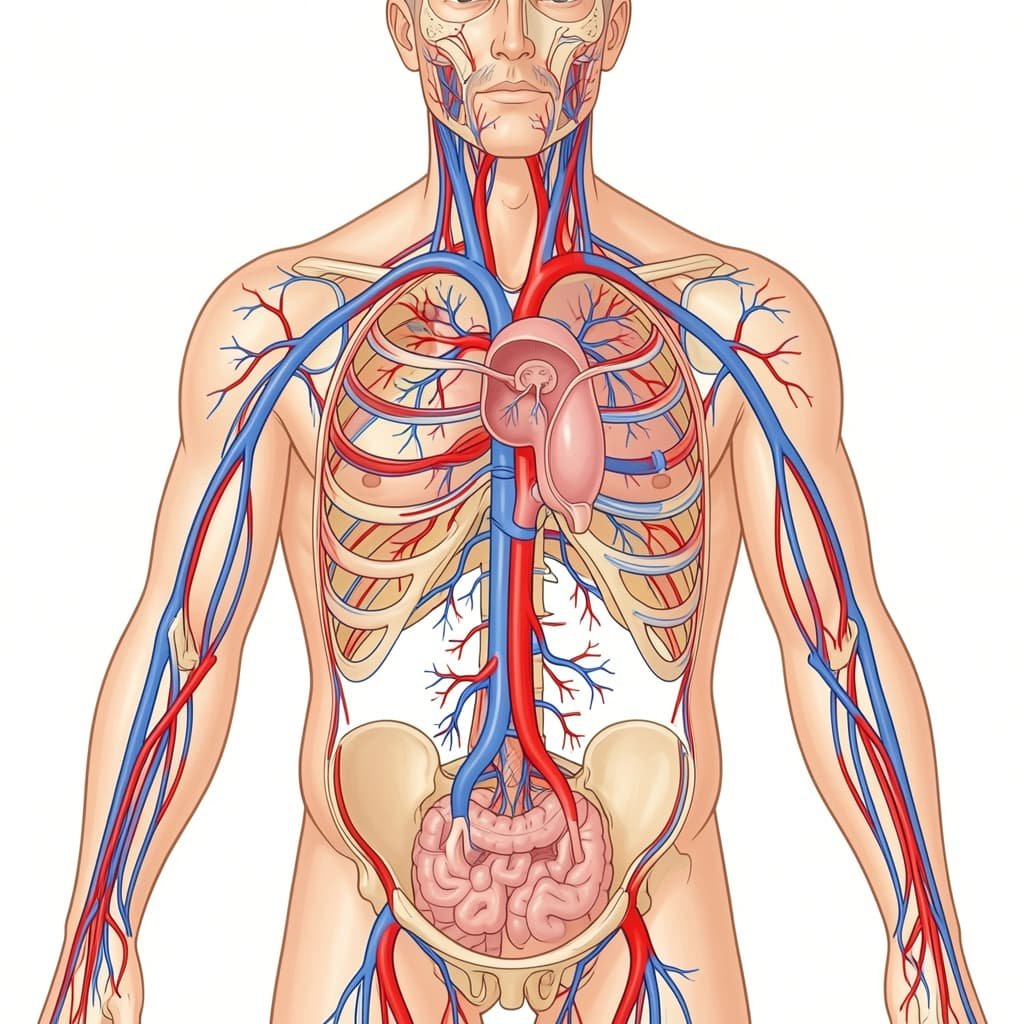
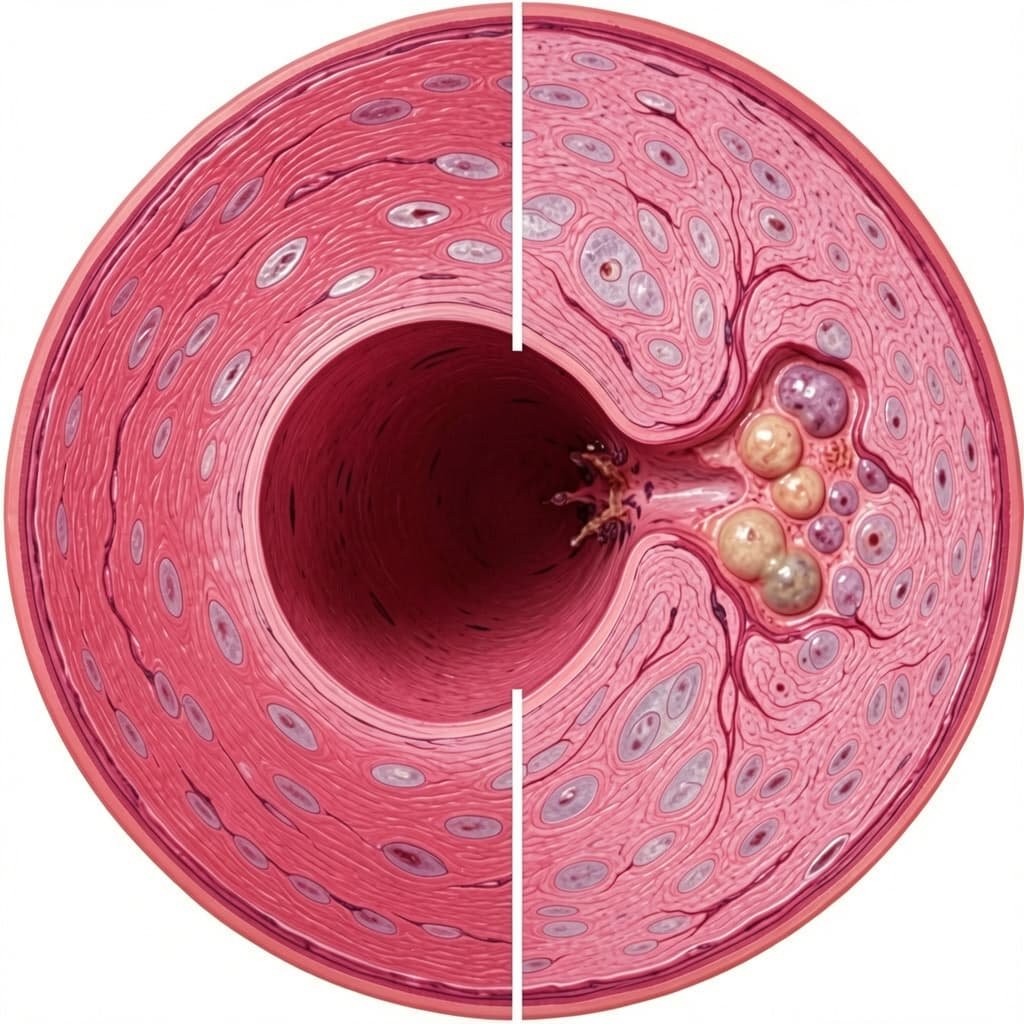
Erectile dysfunction results from an interaction of physical, psychological, and relational factors. The biopsychosocial approach to erectile dysfunction is now standard within NHS and NICE clinical frameworks, which recommend assessment of vascular health, mental health, and relationship context together, rather than in isolation.
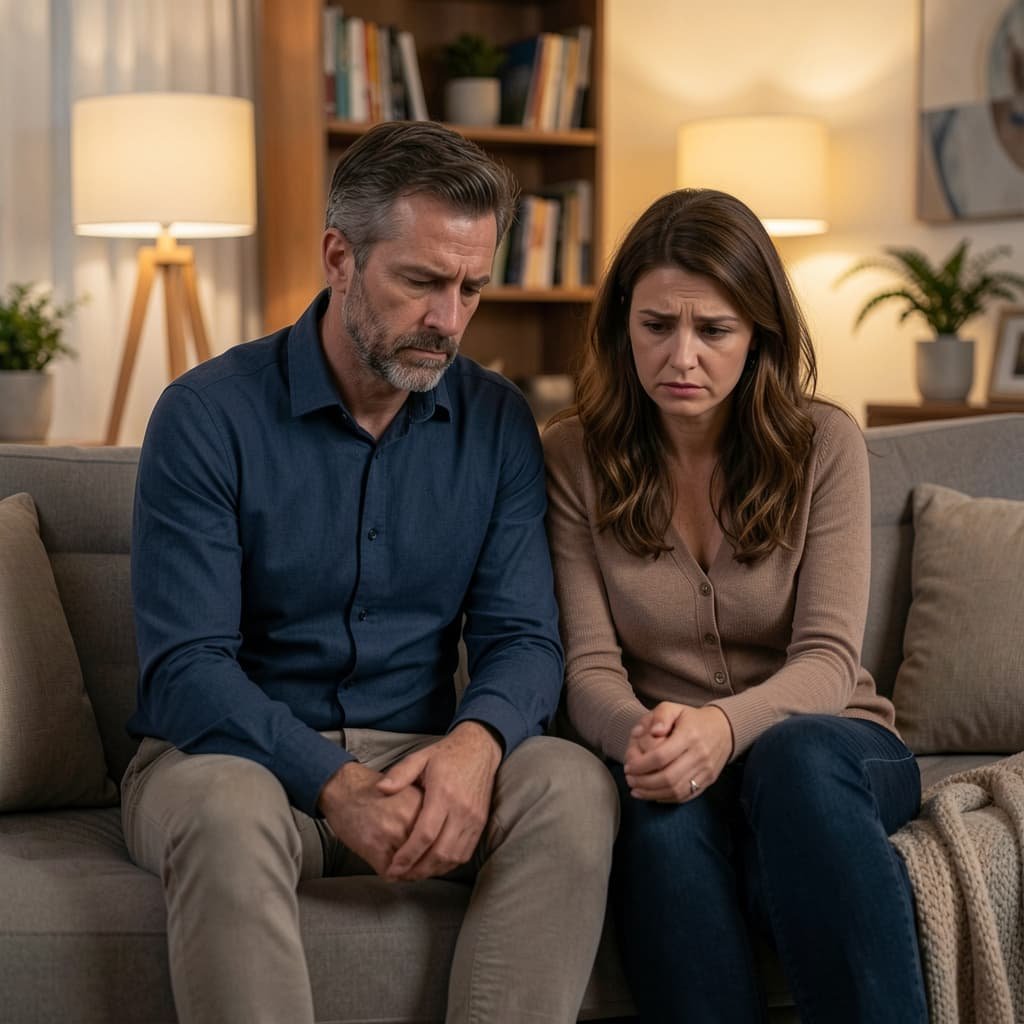
Vascular causes include diabetes, hypertension, and cardiovascular disease. Psychological causes include performance anxiety erectile dysfunction, depression, and stress. Relationship anxiety erectile dysfunction frequently compounds both, particularly when erectile difficulty has persisted for several months without open discussion between partners.
Clinical guidance from NICE (NG226) supports psychological screening alongside physical examination for all men presenting with erectile difficulty. This dual assessment underpins the case for combination therapy for erectile dysfunction rather than single-modality treatment.
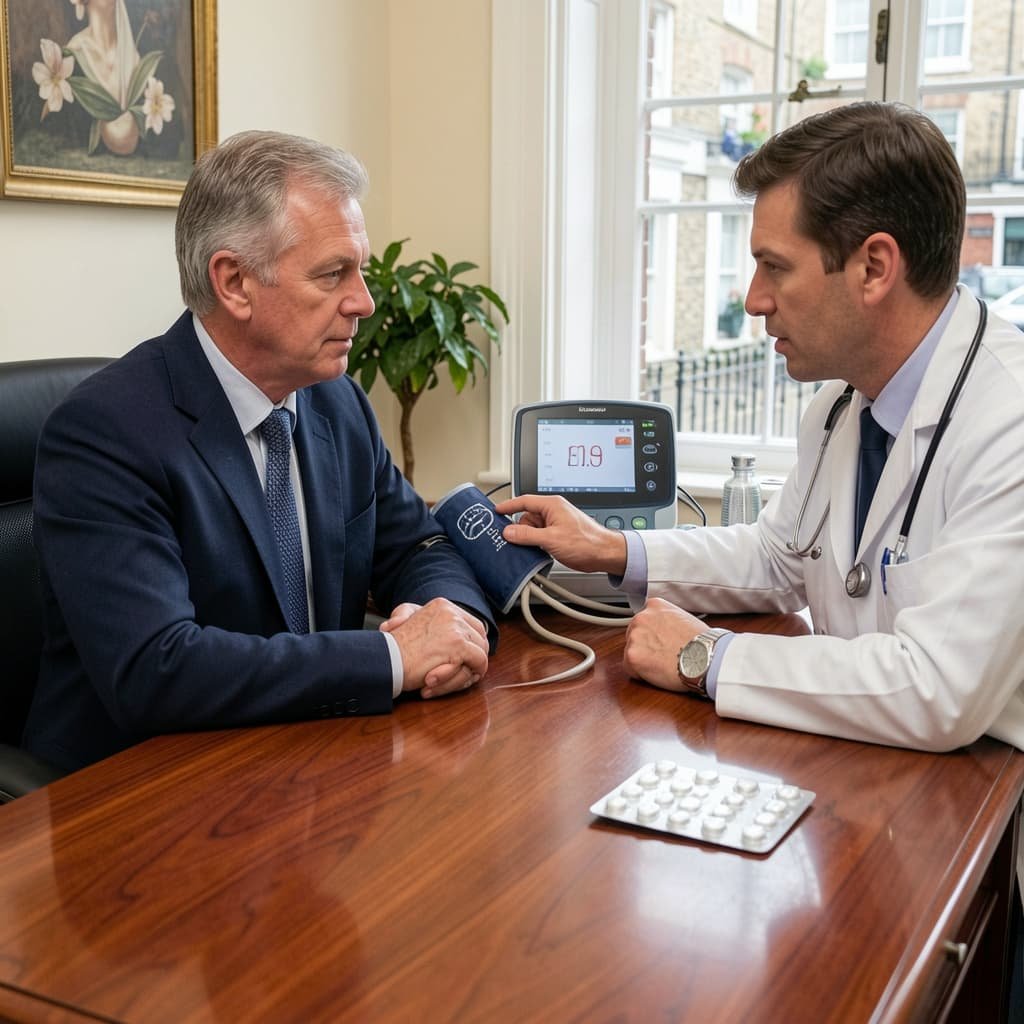
NHS clinical pathways generally begin with a physical review, including blood pressure, blood glucose, and hormone levels. Where results appear normal, or where erectile difficulty occurs only in specific situations, clinicians typically broaden assessment to include psychological and relationship factors. This staged approach reflects the layered nature of erectile dysfunction rather than a single diagnostic test.
Age, cardiovascular health, and mental health history all influence which factors dominate in an individual case. Younger men presenting with erectile dysfunction more frequently show a primarily psychological pattern, while older men more often present with a combined vascular and psychological picture. Accurate assessment therefore benefits from input across both physical and psychological domains.
What Is P-Shot (Priapus Shot) Treatment?
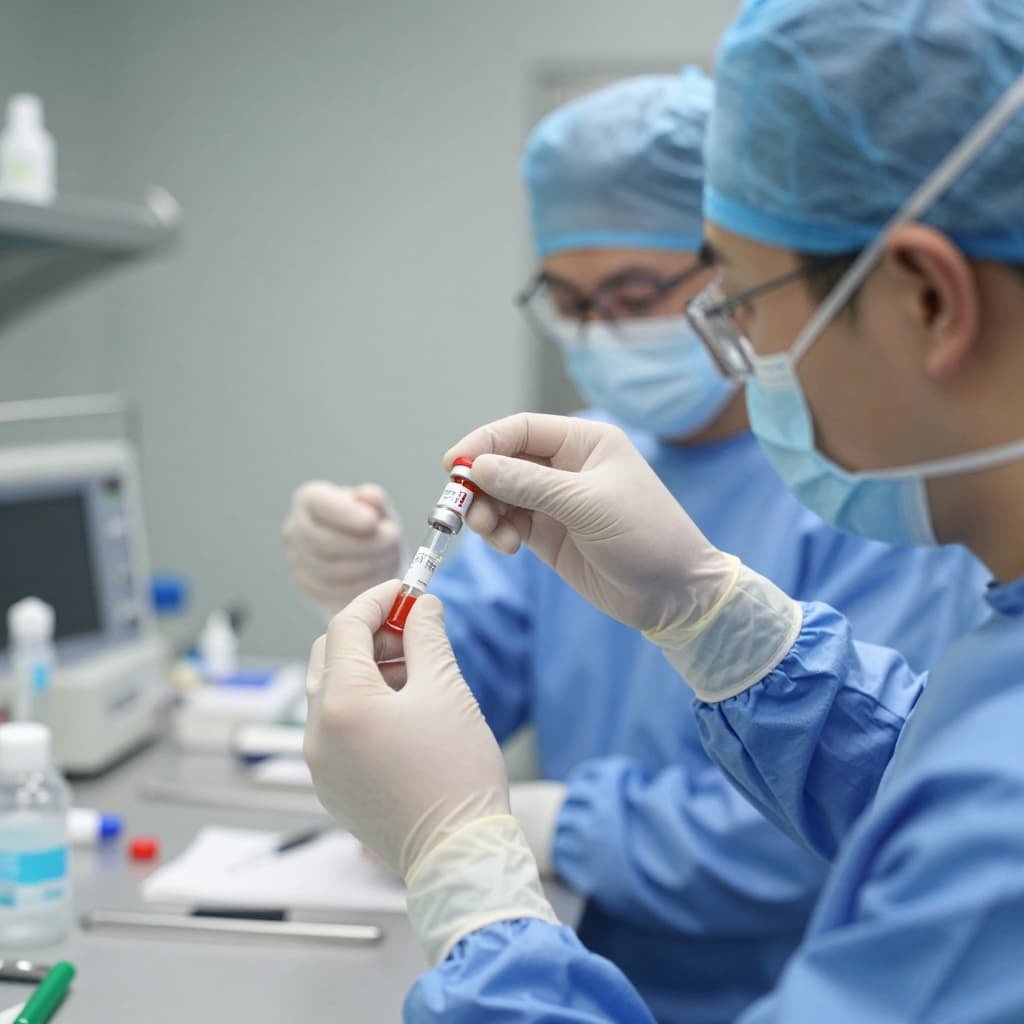
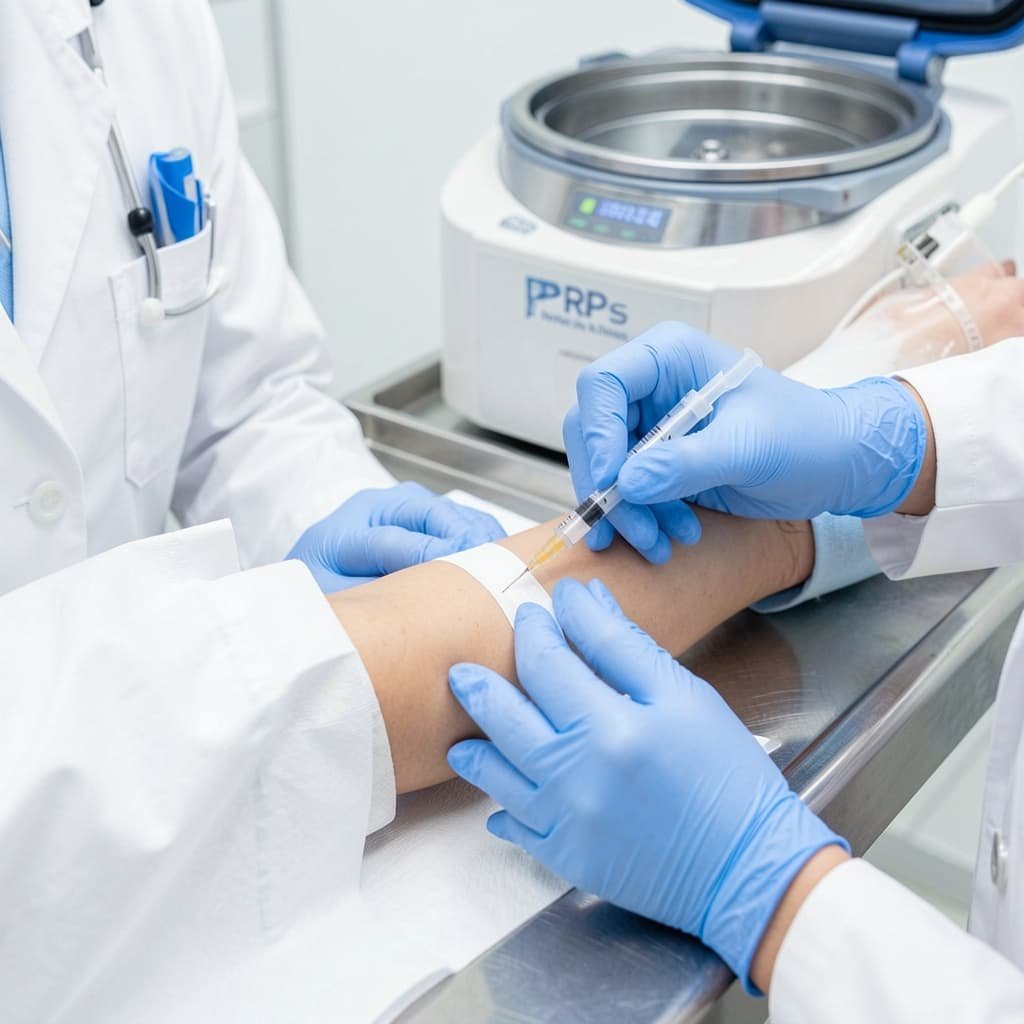
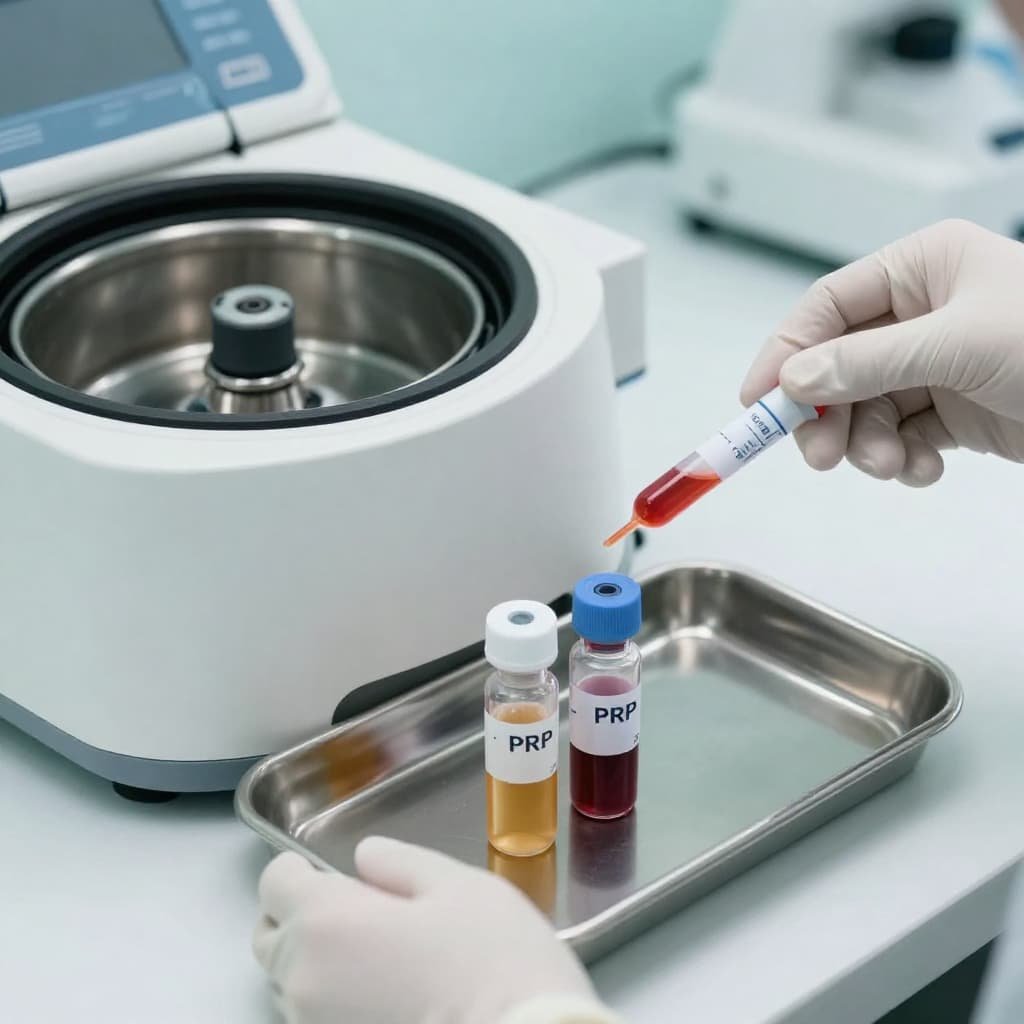
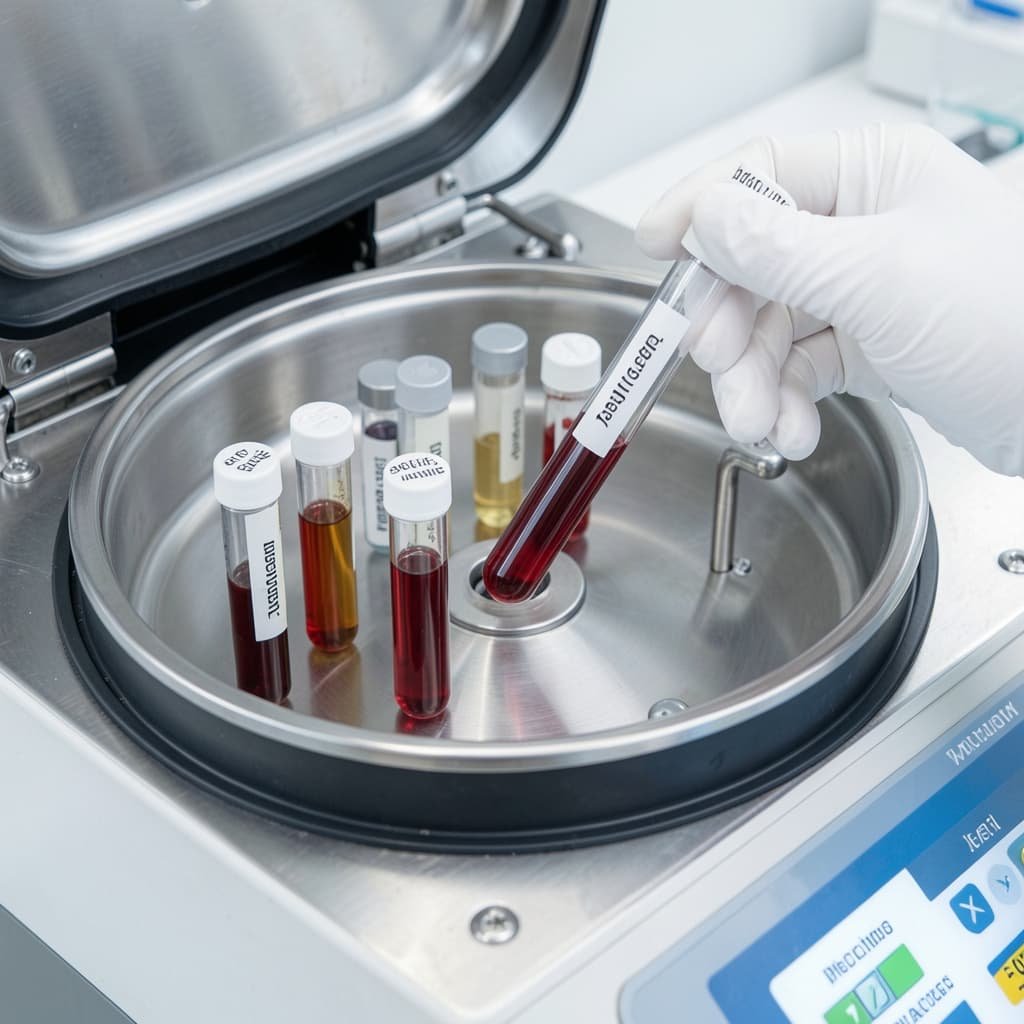
The P-Shot, also known as the Priapus Shot, uses platelet-rich plasma (PRP) derived from a patient’s own blood. The procedure involves a penile injection intended to stimulate tissue repair and improve blood flow. P-Shot treatment has grown in popularity across private clinics offering P-Shot London and P-Shot UK services.
How Penile Injection Growth Works
PRP contains growth factors that may support tissue regeneration and improved vascular response. Patient interest in penile injection growth and P-Shot before and after results remains high, though current peer-reviewed evidence on tissue and size changes is limited and inconsistent.
Clinicians should present penile injection growth claims cautiously. Existing studies focus primarily on erectile function and sensitivity rather than confirmed permanent enlargement, and results vary between individuals.
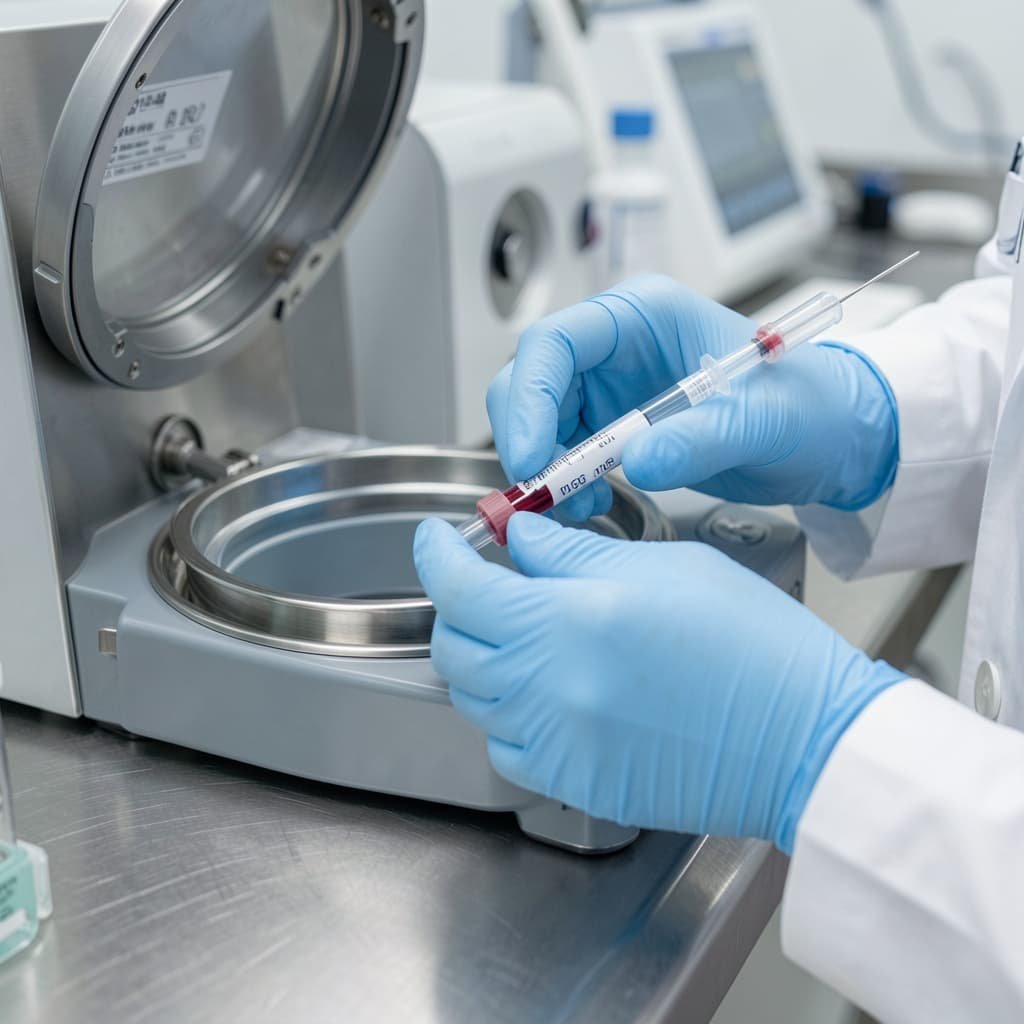
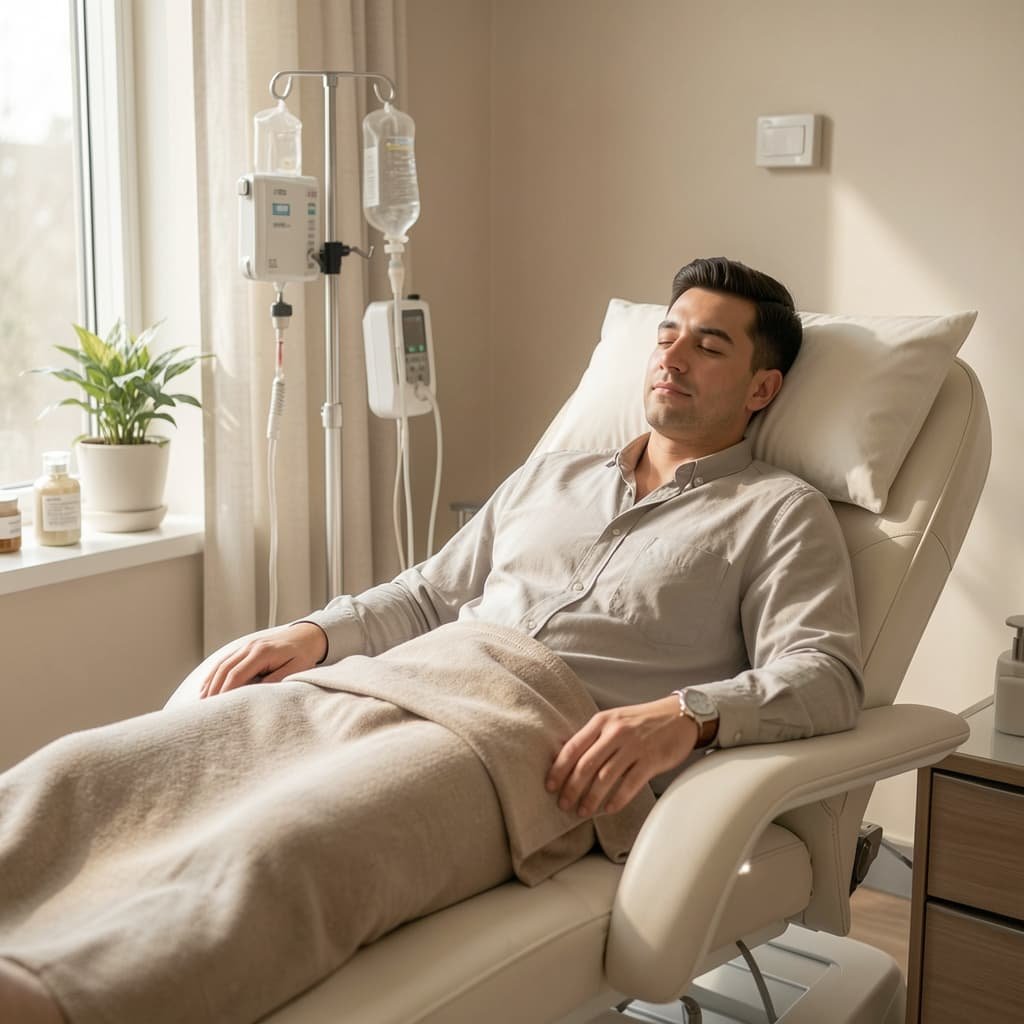
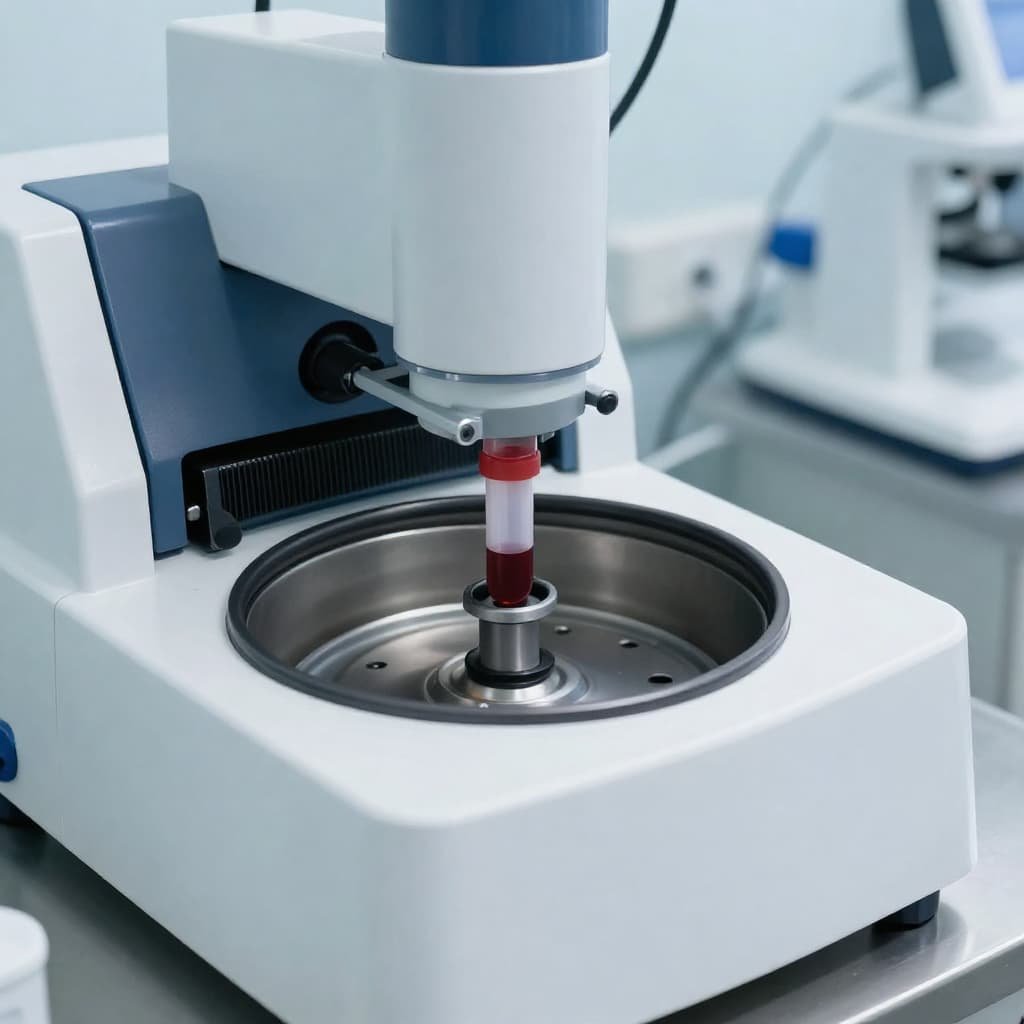
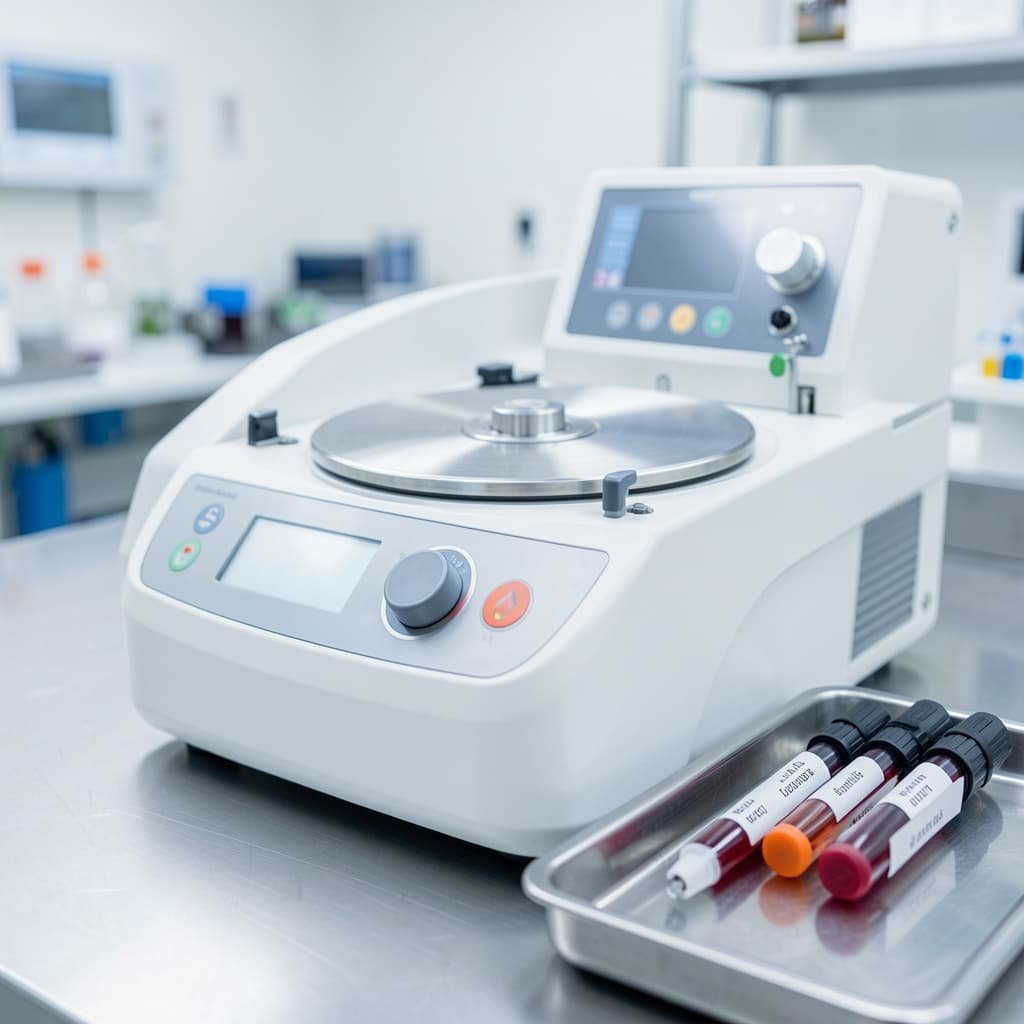
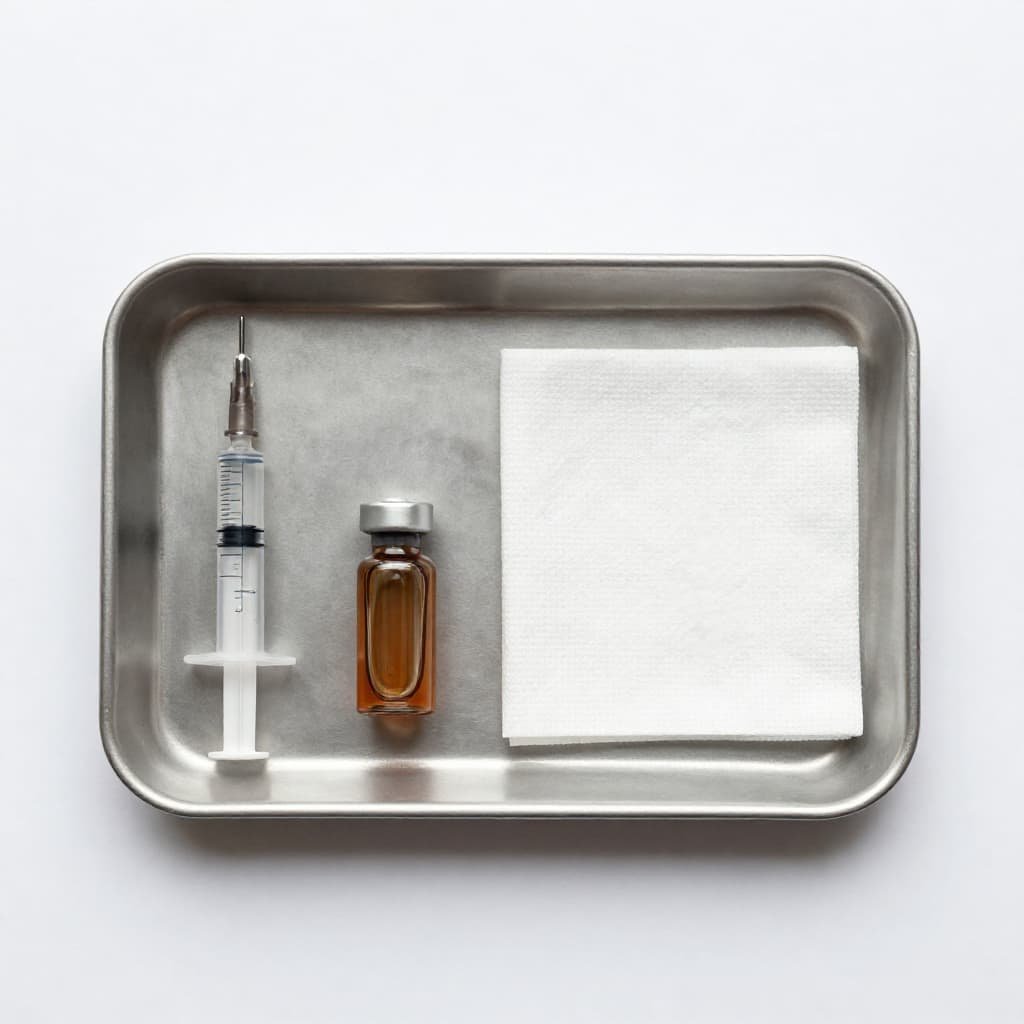
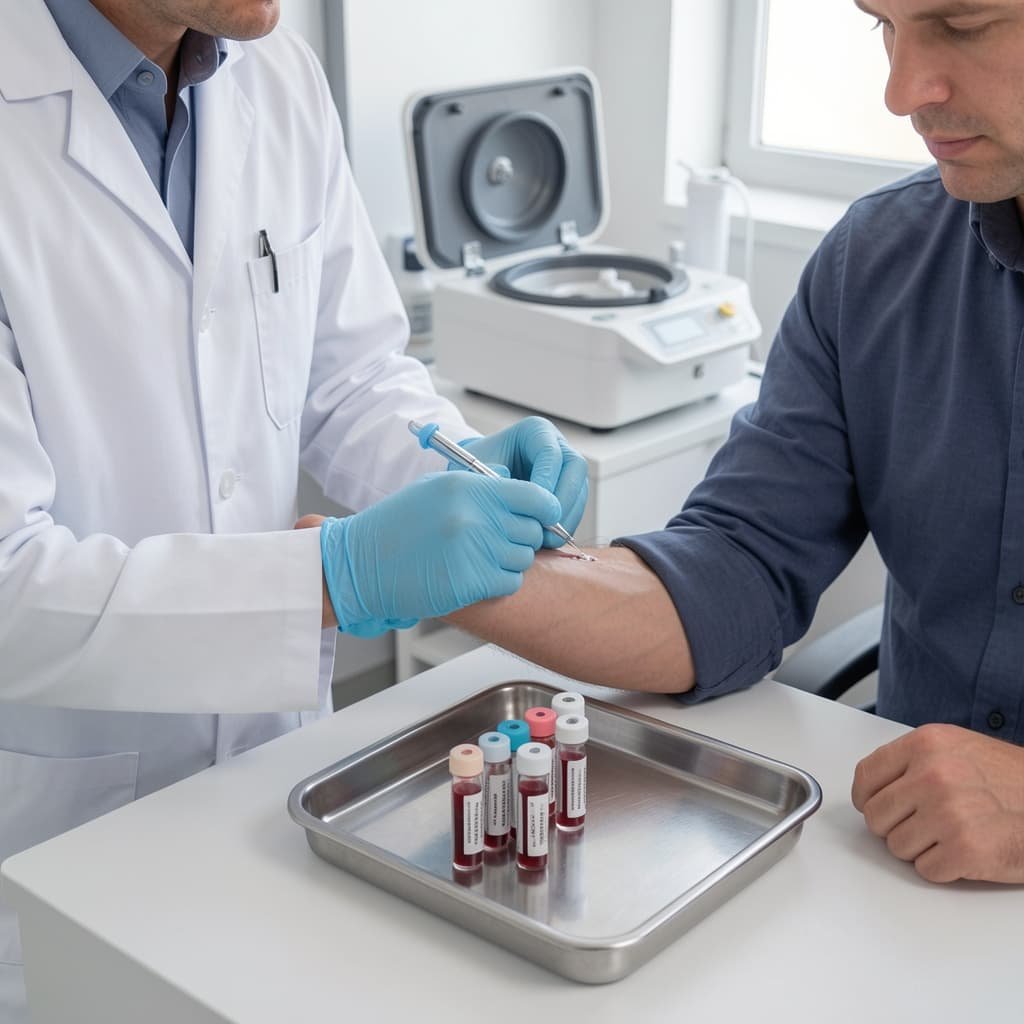
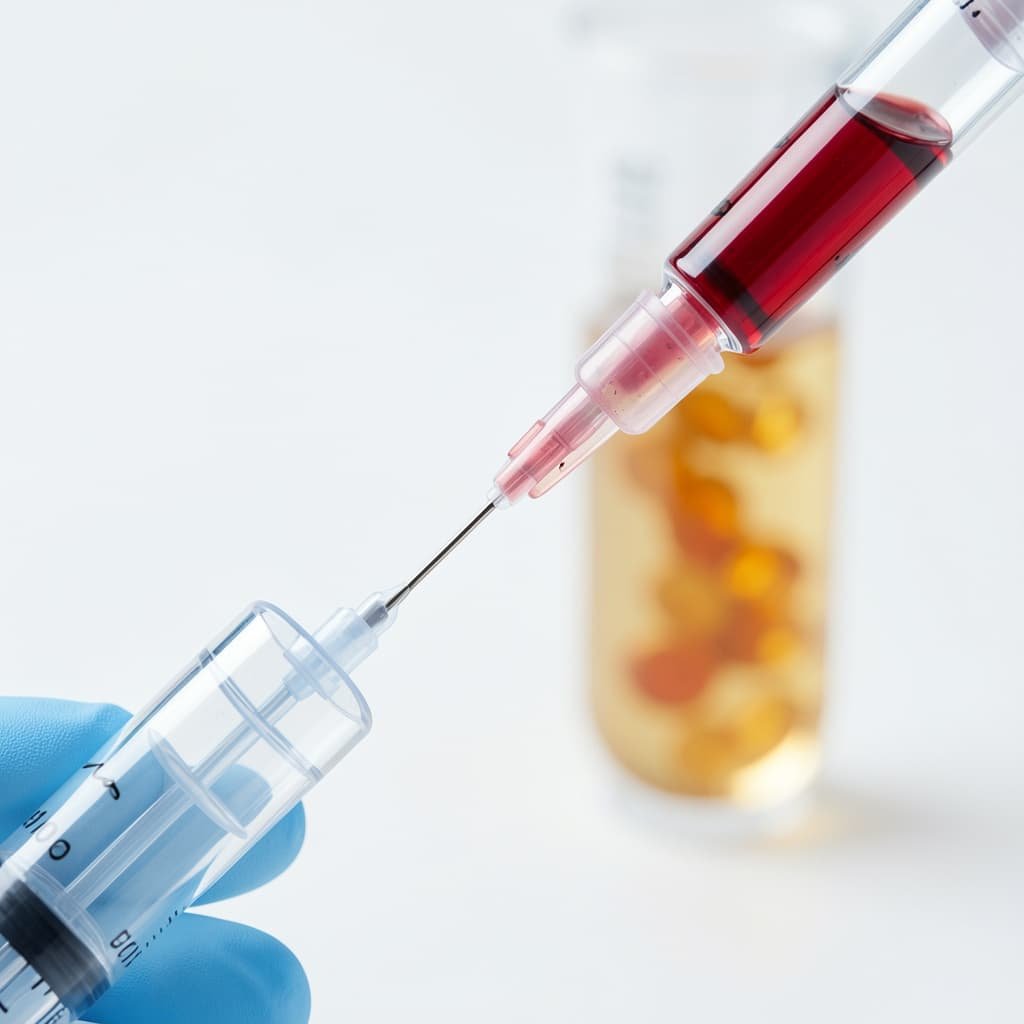
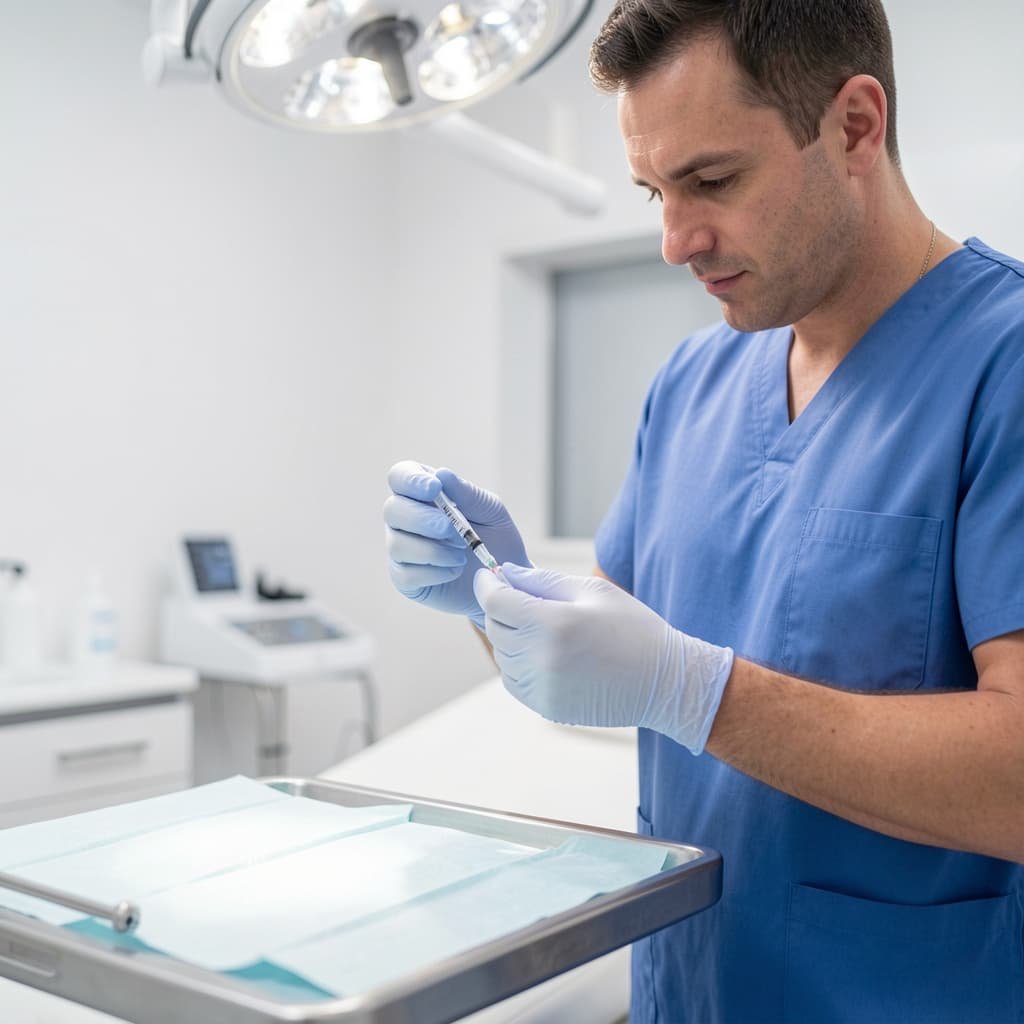
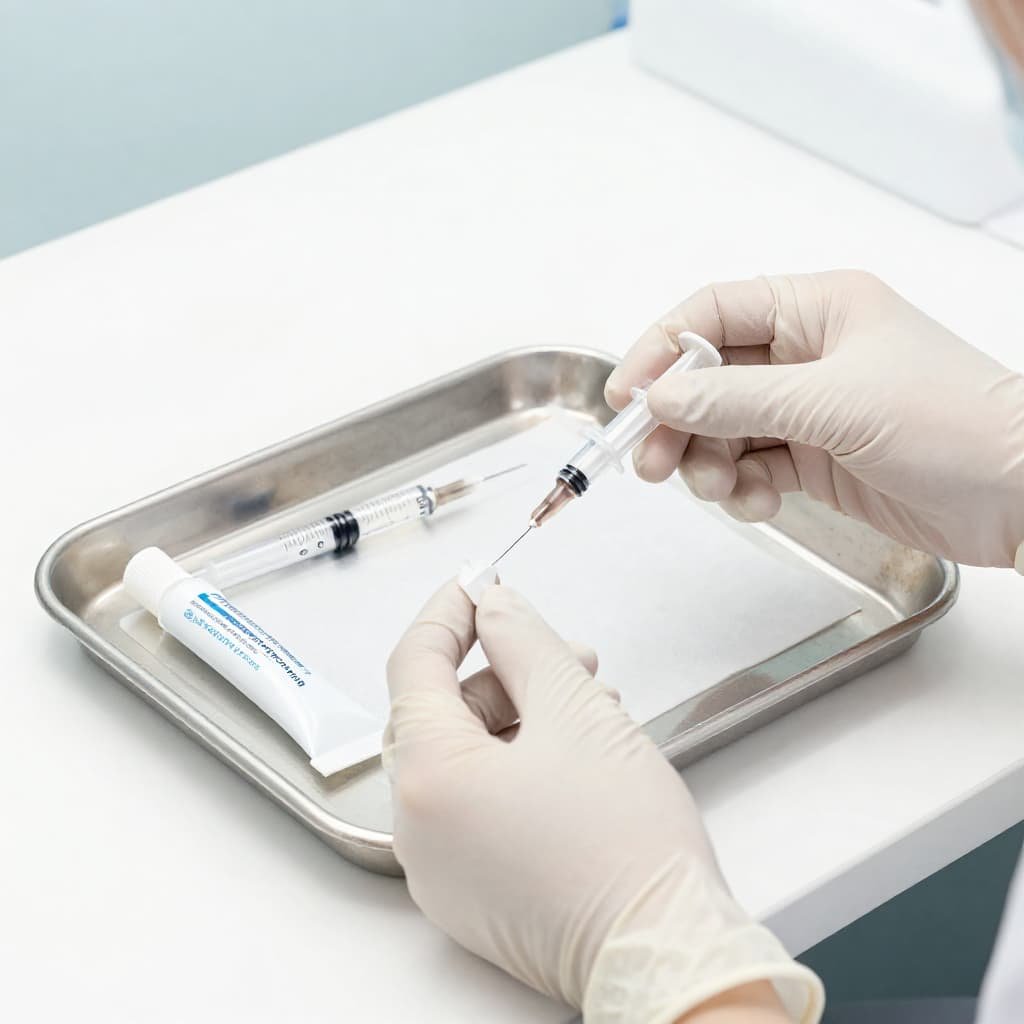
The P-Shot procedure typically takes under an hour, performed under local anaesthetic in an outpatient setting. Blood is drawn, processed to isolate platelet-rich plasma, then injected into specific areas of penile tissue. Recovery generally requires minimal downtime, though clinicians usually advise against sexual activity for a short period following treatment.
Patients considering P shot treatment should discuss medical history, current medication, and any bleeding disorders during initial consultation. Not every patient is a suitable candidate, and a qualified clinician should confirm suitability before proceeding with a Priapus shot or any similar penile injection procedure.
Realistic Outcomes and P-Shot and Confidence
Improved erectile rigidity following a P-Shot treatment often correlates with greater sexual confidence. This relationship between physical improvement and psychological state supports the case for pairing P-Shot and confidence-focused counselling rather than relying on the injection alone.
Performance Anxiety and the Psychological Layer of Erectile Dysfunction
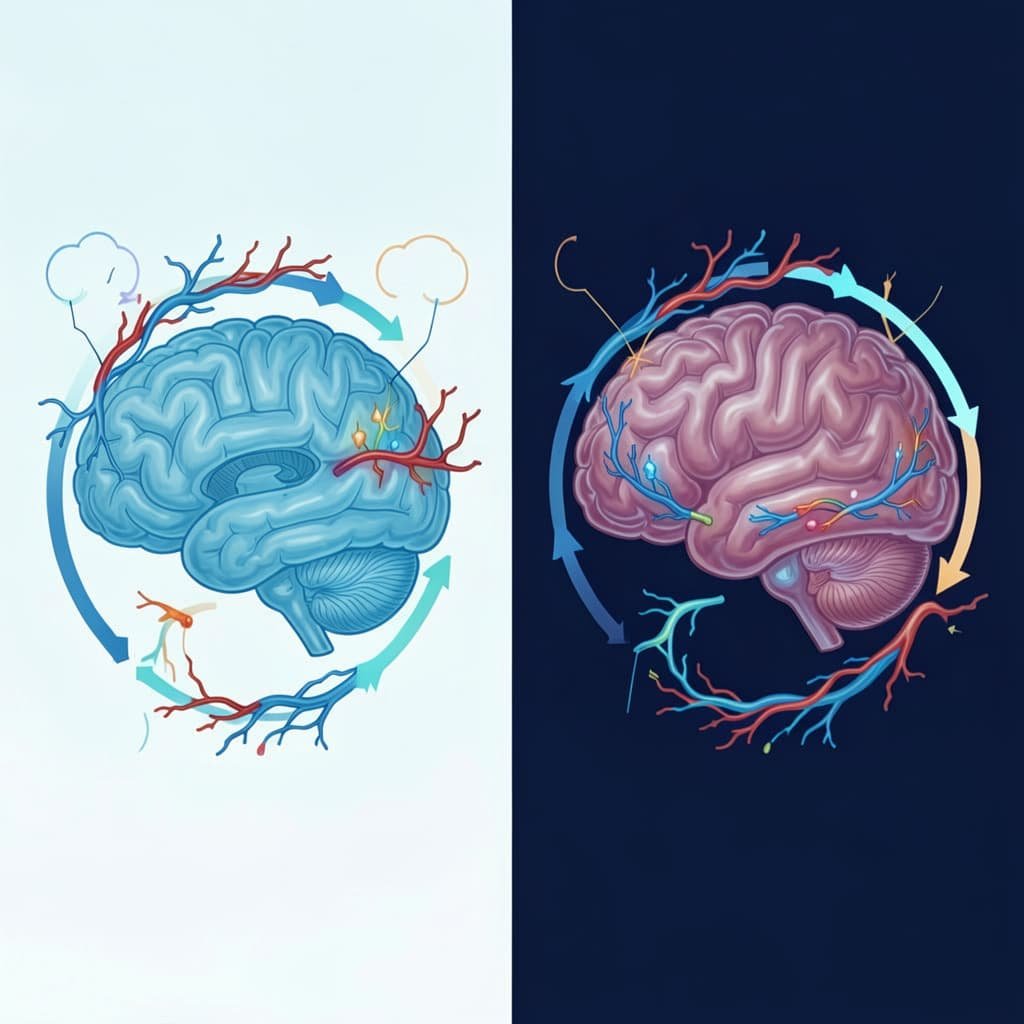
Performance anxiety erectile dysfunction commonly persists even after physical treatment succeeds. A single episode of erectile difficulty can create anticipatory anxiety before subsequent sexual activity. This anxiety triggers a sympathetic nervous system response, which directly inhibits the vascular relaxation required for an erection, independent of any underlying physical cause.
Rosen and colleagues describe this as a cognitive-interpersonal cycle, where distorted thinking and relationship strain sustain a difficulty that may have originated from an entirely physical trigger. Addressing this cycle typically requires structured psychological support rather than reassurance alone.
Psychosexual Counselling for Erectile Dysfunction Explained
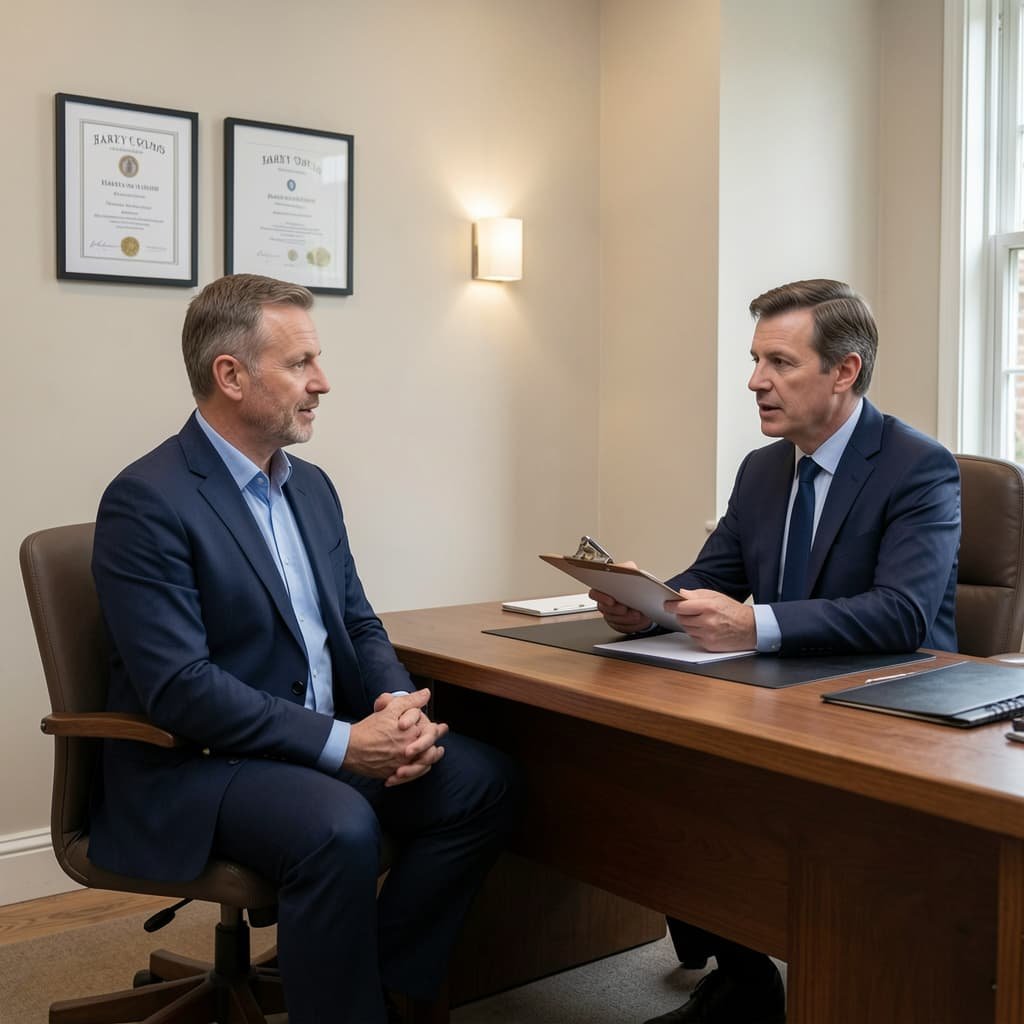
Psychosexual counselling for erectile dysfunction combines structured psychological techniques with sexual health education. Sessions typically begin with a detailed history covering onset, pattern, and context of erectile difficulty, distinguishing situational cases from generalised erectile dysfunction.
Psychosexual counselling erectile dysfunction programmes generally include cognitive, behavioural, and relational components. Each element addresses a different contributor to the presenting difficulty, reflecting the multi-factorial nature of the condition.
Initial sessions typically establish whether erectile difficulty occurs in all sexual situations or only specific ones, since this distinction guides the entire counselling approach. Situational difficulty often points toward anxiety or relationship factors, while generalised difficulty across all contexts more often suggests a physical contributor requiring separate medical assessment.
A course of psychosexual counselling for erectile dysfunction typically spans six to twelve sessions, though duration varies according to individual circumstances. Progress is usually reviewed at intervals, allowing adjustment of technique where initial approaches show limited benefit.
Cognitive Behavioural Techniques
Cognitive behavioural therapy forms a core part of most psychosexual counselling programmes. Patients learn to identify unhelpful thought patterns, such as catastrophic thinking about sexual performance, replacing them with realistic, less anxiety-provoking alternatives.
Sensate Focus and Communication Training
Sensate focus exercises remove performance pressure by shifting attention toward physical sensation rather than erection. Communication training supports partners in discussing sexual concerns without shame, improving both intimacy and treatment adherence.
PRP Therapy and Mental Health: What the Evidence Shows
Research exploring PRP therapy mental health links remains preliminary. Current evidence suggests psychological benefit arises indirectly, through improved erectile confidence following physical treatment, rather than through a direct biological effect of PRP on mood or anxiety.
Combination Therapy for Erectile Dysfunction: P-Shot and Counselling Together
Combination therapy for erectile dysfunction pairs physical treatment with psychological support, addressing both the tissue-level and cognitive-behavioural contributors to the condition. P-Shot treatment targets vascular and tissue factors directly. Psychosexual counselling for erectile dysfunction addresses the anxiety, avoidance, and relationship strain that frequently accompany chronic cases.
Mr Syed Nadeem Abbas, who leads regenerative men’s health treatment at a Harley Street clinic in Marylebone, notes growing patient interest in combining P-Shot treatment with psychosexual counselling for erectile dysfunction as part of a broader treatment plan. Further information on current protocols is available on the official website.
Sequencing between the two treatments varies by patient. Some clinicians recommend beginning counselling before physical treatment where anxiety appears to be the primary driver, allowing psychological groundwork to support later physical improvement. Others recommend starting P-Shot treatment first, particularly where a physical contributor is clearly established, with counselling introduced once initial physical response is assessed.
P-Shot Psychological Benefits
P-Shot psychological benefits appear closely tied to functional improvement rather than the injection itself. Restored erectile rigidity often reduces performance-related anxiety, though counselling remains necessary where anxiety or relationship strain predates the physical difficulty.
Sex Therapy vs P-Shot: Complementary, Not Competing
Sex therapy vs P-Shot is not an accurate framing of the choice facing most patients. The two approaches address different aspects of erectile dysfunction and function most effectively when combined rather than viewed as alternatives.
Psychosexual therapy vs pharmacotherapy comparisons in peer-reviewed literature consistently favour combined approaches over either intervention alone. Sex therapy addresses cognitive and relational factors; P-Shot treatment addresses vascular and tissue factors. Neither fully substitutes for the other in men with both physical and psychological contributors.
Who Benefits Most from Combination Care
Certain patient profiles respond particularly well to pairing physical treatment with psychosexual counselling for erectile dysfunction. These profiles typically share a persistent psychological or relational component alongside any physical cause.
- Situational erectile dysfunction may arise in men when linked to particular partners or circumstances.
- After a single episode of difficulty, some patients develop performance anxiety that persists.
- In couples, the condition can strain communication and lead to avoidance of intimacy.
- Others stop pharmacological treatment once symptoms return, leaving them without ongoing support.
- Recovery from psychogenic erectile dysfunction can also follow surgery, illness, or major stress.
Psychogenic erectile dysfunction treatment benefits substantially from this dual approach. Even where a physical cause is confirmed, unresolved anxiety increases the likelihood of relapse once physical treatment concludes.
Clinicians typically identify suitable candidates for combination care during initial consultation, using a combination of medical history, validated questionnaires, and direct discussion of psychological wellbeing. Referral to a psychosexual counsellor follows where indicated, rather than being offered as a default addition for every patient.
Cost Considerations: P-Shot Price and Access to Counselling
Priapus shot price varies between clinics and depends on individual assessment, treatment protocol, and any combined care recommended. Patients researching male enlargement injections cost UK figures should treat online estimates cautiously, since accurate pricing requires direct consultation with a registered clinic.
ED counselling London services vary in cost and availability, with NHS referral pathways typically requiring GP assessment first. Private clinics generally offer more immediate access, often coordinating psychosexual counselling for erectile dysfunction alongside physical treatment within a single care pathway.
What to Expect from Combination Treatment
Combination care typically begins with a clinical assessment establishing the balance of physical and psychological factors. Referral to a qualified psychosexual counsellor follows where appropriate, working alongside P-Shot treatment or pharmacotherapy rather than as a delayed afterthought.
Outcomes vary between patients, and psychosexual counselling for erectile dysfunction requires consistent engagement over several weeks to achieve meaningful change. No treatment guarantees complete resolution. Realistic expectations remain central to both P-Shot treatment and psychological support throughout the care pathway.
Frequently Asked Questions
Does psychosexual counselling for erectile dysfunction work?
Evidence from systematic reviews supports psychosexual counselling as an effective adjunct to physical treatment, particularly for psychogenic erectile dysfunction treatment. Outcomes improve further when partners participate in sessions.
Can a P-Shot alone resolve erectile dysfunction with a psychological cause?
A P-Shot addresses vascular and tissue factors but does not directly treat anxiety, relationship strain, or performance-related distress. Combination therapy for erectile dysfunction typically produces more consistent results in these cases.
How much does a Priapus shot cost in the UK?
Priapus shot price depends on the clinic, treatment plan, and any additional combined care. Exact costs are confirmed during an in-person consultation rather than through generic online estimates.
Is a partner required for psychosexual counselling sessions?
Partner involvement often improves outcomes, particularly where relationship anxiety erectile dysfunction has developed. Individual counselling remains available and effective for men without a current partner.
Is psychosexual counselling available through the NHS?
NHS access to psychosexual counselling varies by region and generally requires GP referral. Private clinics typically offer more immediate access alongside physical treatments such as the P-Shot.
What is the difference between psychosexual therapy vs pharmacotherapy?
Psychosexual therapy vs pharmacotherapy addresses two separate aspects of erectile dysfunction. Pharmacotherapy, such as PDE5 inhibitors, targets vascular response directly. Psychosexual therapy addresses cognitive, emotional, and relational contributors, and the two approaches are frequently used together rather than as alternatives.
Key takeaways
Erectile dysfunction management benefits from addressing physical and psychological factors together, rather than treating either in isolation. P-Shot treatment restores vascular and tissue function, while psychosexual counselling for erectile dysfunction addresses the anxiety, confidence, and relationship factors that physical treatment alone cannot resolve.
Informed decision-making requires clear information about what each treatment can and cannot achieve. Should erectile dysfunction assessment routinely include psychological evaluation from the outset, rather than adding it only once physical treatment alone proves insufficient?
Read more: The Psychological Impact of ED on Relationships