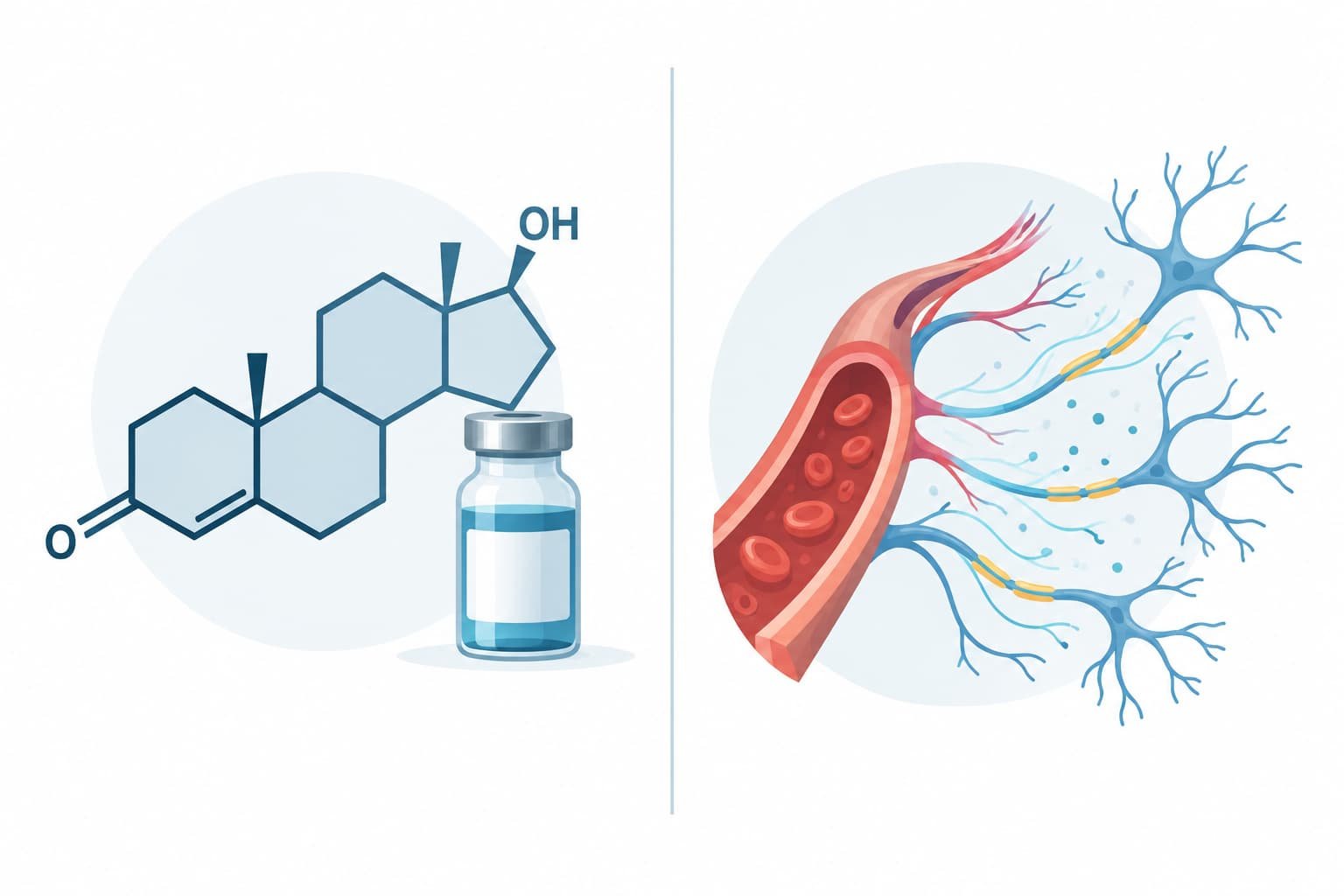
Tag: P shot UK

  • What Happens If the P-Shot Doesn’t Work? Next Steps to Consider

    What Happens If the P-Shot Doesn’t Work? Next Steps to Consider

    ✅Medically reviewed | Updated September 2026

    Interest in the P shot has grown steadily across London and the wider UK. Many men research the procedure carefully before booking. Far fewer research what follows a disappointing result. A weak response to P shot treatment does not close the door on effective care. It opens a structured review instead.

    Evidence explains why this matters. Research on platelet-rich plasma (PRP) for erectile dysfunction (ED) remains limited. Trials reach mixed conclusions. Some men report clear gains, while others notice no change. Sensible planning therefore covers both outcomes before the first injection.

    This article explains what happens if the P-Shot doesn’t work. A realistic timeline for judging results comes first. Common reasons for a limited response follow, together with the checks worth repeating. The article then compares alternatives recognised by the NHS and NICE. Every section draws on UK guidance and peer-reviewed research.

    The purpose is practical. Readers gain a framework for judging outcomes, a clear list of next steps, and a way to avoid repeat spending without a medical reason.

    What the P-Shot Involves and What the Evidence Shows

    How the Treatment Works

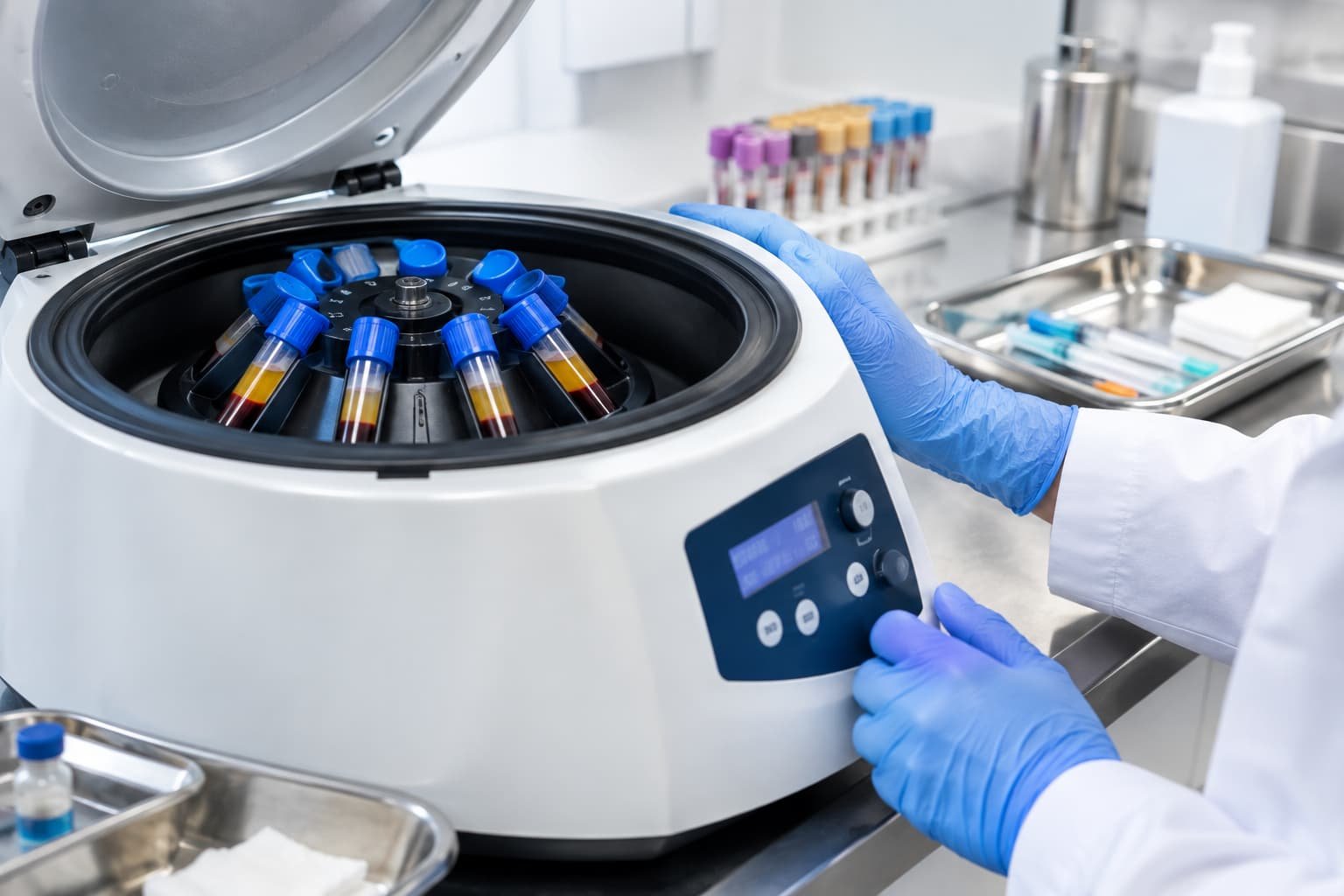
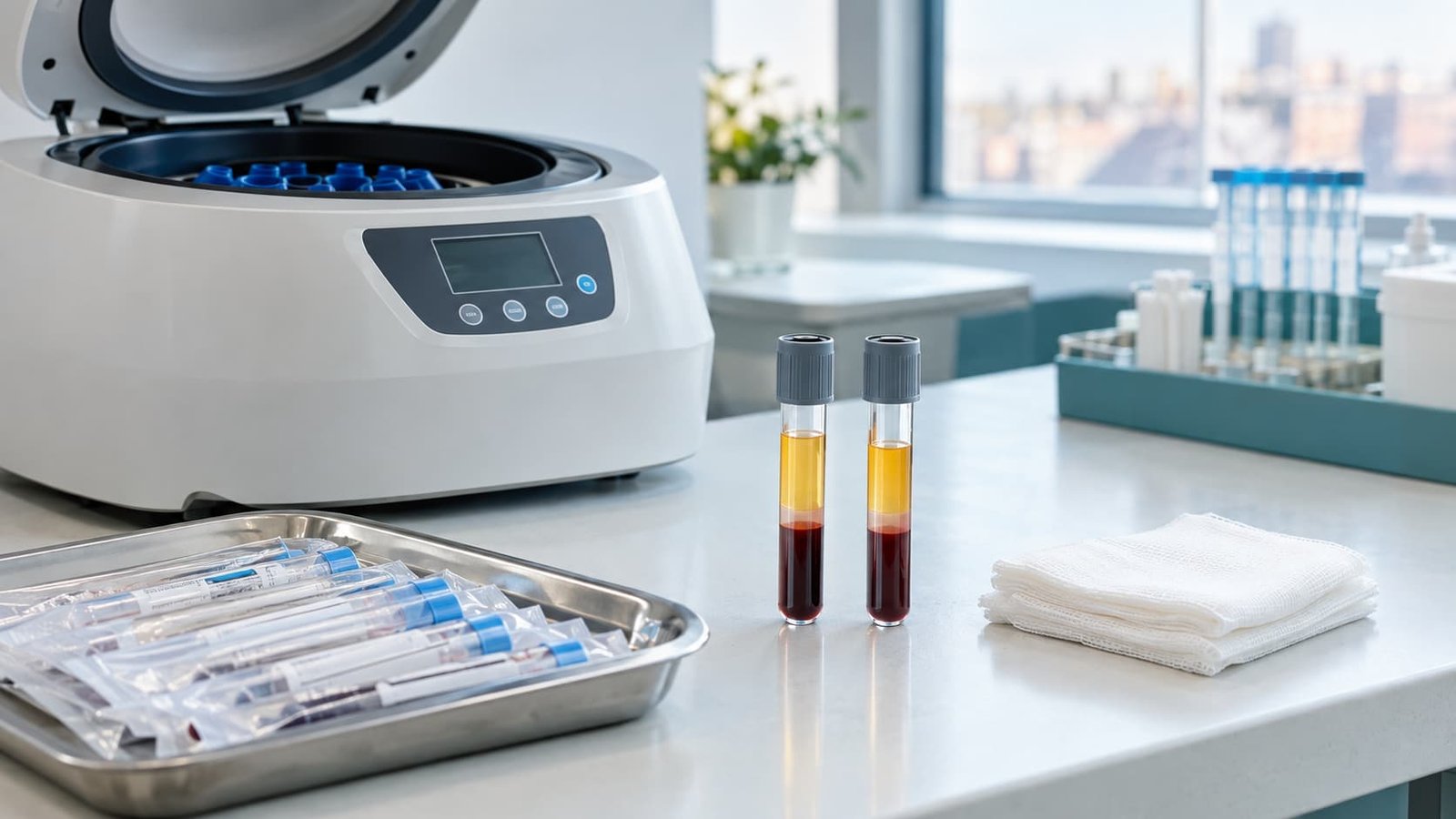
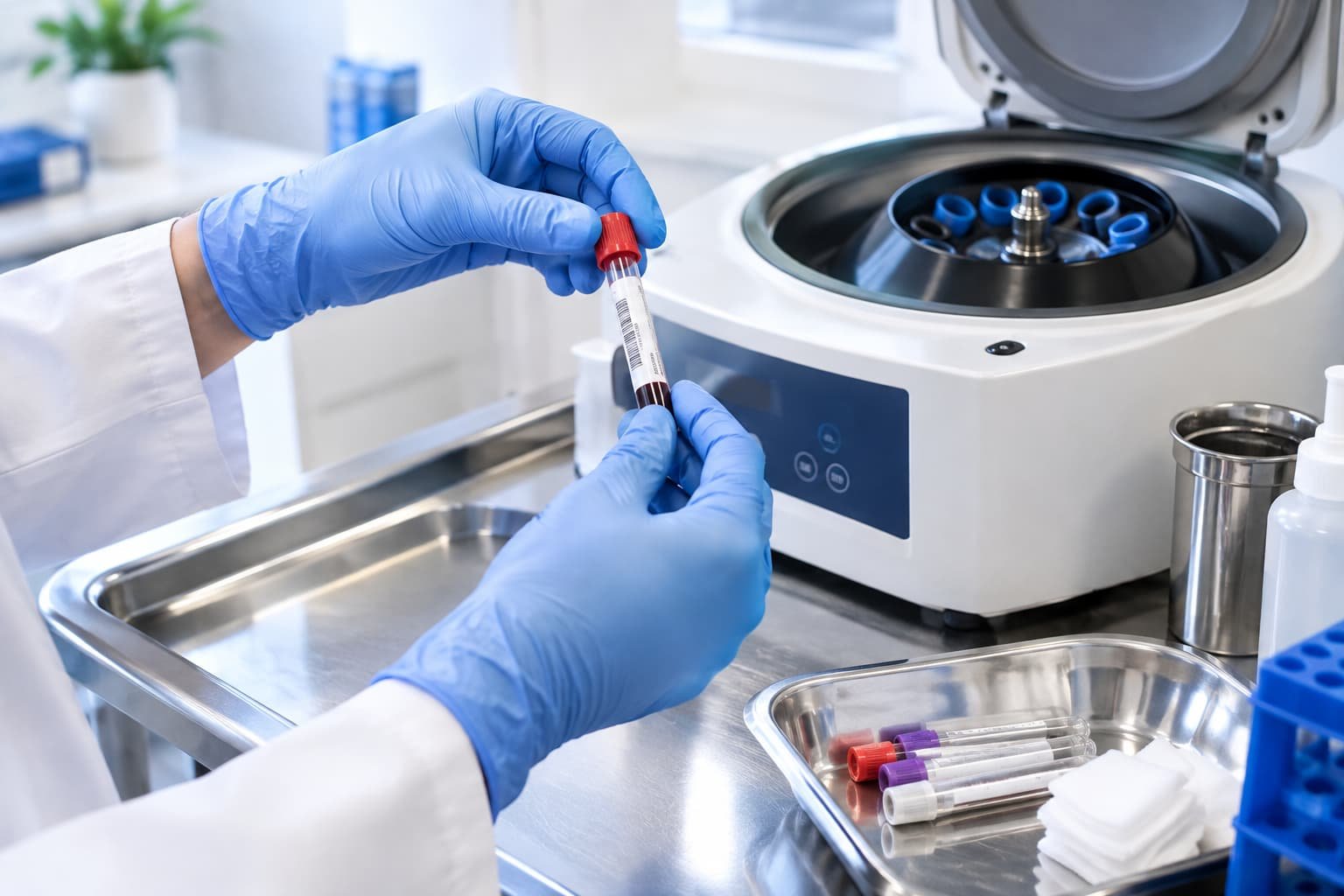
    Clinicians also call the P shot the priapus shot or penis shot. The treatment uses platelet-rich plasma. A clinician draws a small blood sample. A centrifuge then concentrates the platelets. After local anaesthetic, the clinician injects the concentrate into penile tissue. Platelets release growth factors. Laboratory studies suggest these factors may support blood vessel formation and tissue repair. Human evidence for this mechanism remains incomplete.

    What the Research Shows

    A 2021 randomised trial in the Journal of Sexual Medicine reported better erectile function scores after PRP than after placebo. A 2023 randomised trial in European Urology found no clear difference between PRP and placebo. European Association of Urology (EAU) guidelines describe the evidence as limited and classify PRP as investigational. The NHS and NICE Clinical Knowledge Summaries (CKS) list other treatments first.

    Mixed trial results explain why individual outcomes vary so widely.

    Placebo response adds further complexity. Erectile function scores often improve in placebo groups, because expectation and attention influence sexual performance. Careful measurement therefore matters more than first impressions.

    How Long to Wait Before Judging the Result

    The Usual Assessment Window

    Biological repair takes time. Some patients report early changes within two to four weeks. Most clinicians judge response at around three months. Others allow up to six months. A verdict before eight weeks usually lacks a fair basis.

    Measuring Progress Objectively

    Questionnaire form, notebook and calendar used to track erectile function scores over three months
    Dated scores and notes give a clearer picture than memory alone.

    A conclusion that the P-Shot doesn’t work needs measured evidence, not impressions. Clinicians therefore use the International Index of Erectile Function (IIEF) questionnaire. The short IIEF-5 form scores five questions from 5 to 25. Higher scores indicate better function. Patients complete the form before treatment and again at three months.

    A dated notebook adds useful detail. Entries can cover rigidity, morning erections, and successful intercourse attempts. Numbers and dated notes turn vague impressions into usable evidence.

    Why Photographs Mislead

    Clinic galleries often feature P shot before and after images. Photographs cannot measure blood flow, rigidity, or satisfaction. Lighting, arousal, and angle change appearance within minutes. P-shot before and after comparisons carry value only when supported by scores, dates, and consistent conditions.

    Signs the P-Shot Doesn’t Work

    Clinicians suspect limited benefit when several of these markers persist at three months:

    • IIEF-5 score unchanged, or within a few points of baseline
    • No change in rigidity or ability to sustain an erection
    • Continued need for the same medication at the same dose
    • No improvement in the ability to complete intercourse
    • Unchanged frequency of morning erections

    One missed marker does not confirm failure. The overall pattern matters more. Partial improvement also counts as a response, even when gains fall short of expectations.

    Symptoms That Need Prompt Medical Attention

    Some symptoms need review whatever the timeline. Pain, swelling, redness, warmth, fever, or discharge after injection may signal infection. New lumps or new curvature also need assessment. The NHS advises emergency care for an erection lasting four hours or more. Patients should call 111 or attend A&E in such cases.

    Why the Response May Be Limited

    Erectile function depends on blood vessels, nerves, hormones, and mood. A single injection addresses only part of that system. Several factors commonly reduce response.

    Vascular and Metabolic Disease

    ED often reflects blood vessel disease. Diabetes, hypertension, and high cholesterol damage vessels and nerves. NICE CKS advises cardiovascular risk assessment in men with ED. PRP alone cannot reverse advanced vascular damage. Untreated risk factors therefore limit any injection benefit.

    Hormonal Factors

    Low testosterone reduces libido and erectile quality. NICE CKS advises morning testosterone testing when symptoms suggest deficiency. Thyroid and prolactin disorders also affect sexual function. PRP does not correct these hormonal problems.

    Psychological Factors

    Performance anxiety, depression, and relationship stress often coexist with physical causes. The NHS lists psychological triggers alongside physical ones. Untreated anxiety can cancel out physical improvement. Talking therapy therefore deserves attention early.

    Medicines and Lifestyle

    Several medicines affect erections. Examples include thiazide diuretics, beta-blockers, some antidepressants, and finasteride. Patients should never stop prescribed medicines without medical advice. Smoking, heavy alcohol intake, obesity, and poor sleep add further harm. No injection can offset ongoing vascular and lifestyle damage.

    Patient Selection and Technique

    Severe or long-standing ED usually responds less well than mild disease. PRP preparation also varies. Clinics use different kits, platelet concentrations, injection volumes, and injection sites. No universal standard exists. This variation makes comparison between clinics difficult.

    A Simple Framework for Reviewing Results at Three Months

    Structured review turns uncertainty into action. Three broad outcomes emerge.

    • Clear improvement: Scores rise and function improves. Clinicians usually monitor progress and address lifestyle factors.
    • Partial improvement: Gains appear but remain inadequate. Adding an established therapy often makes sense.
    • No improvement: Scores stay flat. Repeat assessment and alternative treatments take priority.

    Adverse effects change the plan in every category. Prompt medical review comes first when complications appear.

    Next Steps When the P-Shot Doesn’t Work

    Book a Structured Review

    A review at around three months lets the clinician compare scores and symptom notes. The clinician also checks for complications and confirms the injection record. A current medication list and recent blood results make the visit more productive.

    Repeat the Medical Assessment

    NICE CKS outlines a basic ED assessment. It covers blood pressure, body mass index, blood glucose or HbA1c, lipid profile, and morning testosterone when indicated. A GP can arrange most of these tests through the NHS. Results often reveal treatable causes that an injection alone cannot fix.

    Strengthen the Lifestyle Foundations

    Lifestyle change carries strong supporting evidence. The NHS recommends regular exercise, weight loss for men who carry excess weight, smoking cessation, and moderate alcohol intake. Aerobic activity improves vascular function. Pelvic floor exercises may also help some men. Better sleep and stress control support hormone balance. These steps cost little and benefit overall cardiovascular health.

    Consider a Second Session Carefully

    Some clinics offer repeat sessions. Evidence for repeat dosing remains thin. A second injection makes sense only when the clinician identifies a specific reason, such as partial response with measured gains. Repeating an identical protocol after no measurable response lacks supporting evidence. A repeat injection needs a clinical reason, not simple hope.

    Compare Established Alternatives
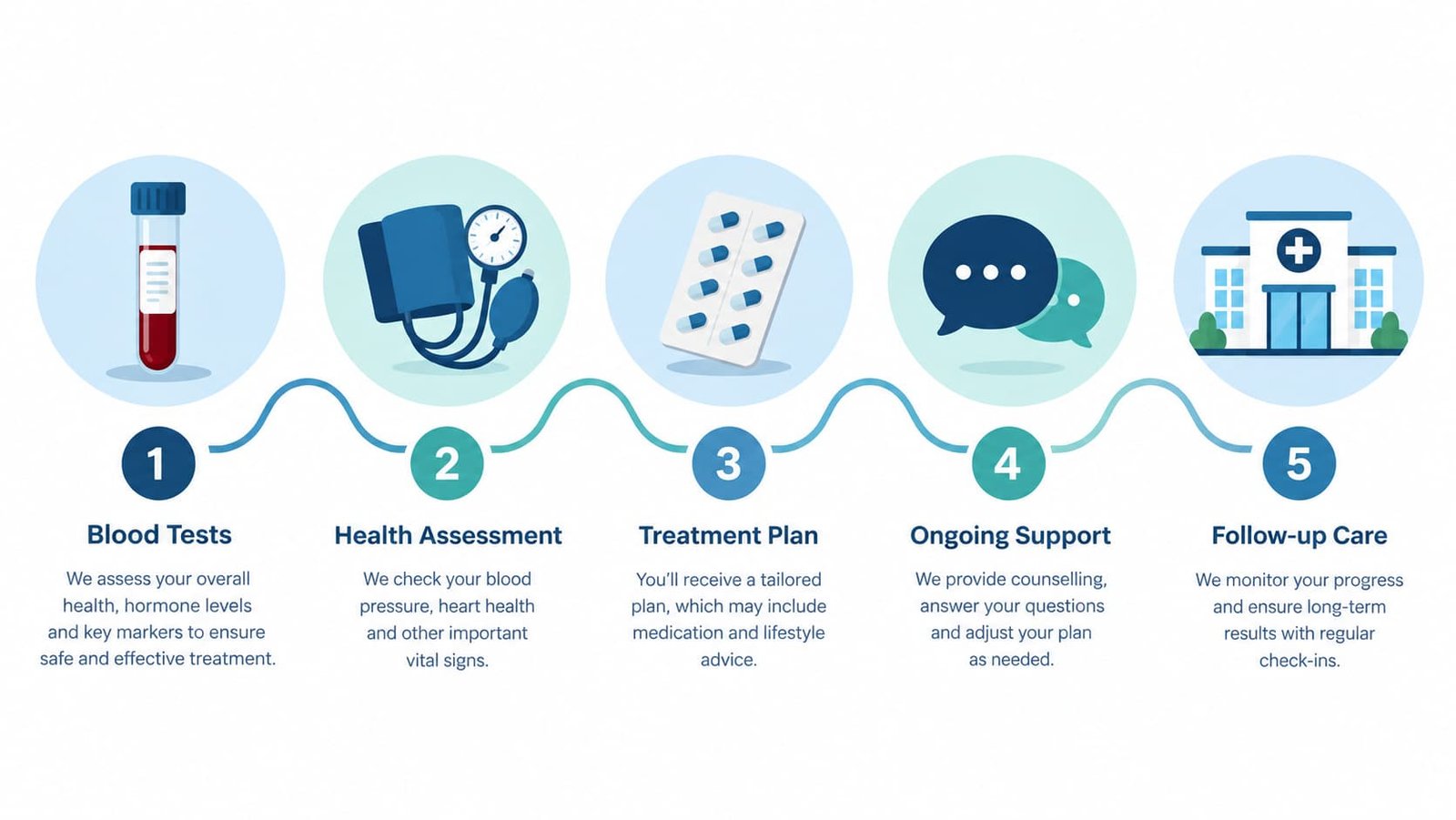
    Illustrated pathway of ED assessment and treatment options including tests, tablets and counselling
    NHS and NICE guidance places assessment and first-line therapies ahead of other options.

    Guidelines place proven therapies first. Each option carries distinct benefits and limits.

    PDE5 Inhibitors

    Sildenafil, tadalafil, vardenafil, and avanafil form first-line therapy in NHS and NICE CKS guidance. These tablets help many men. They need sexual stimulation to work. Nitrate medicines make them unsafe, so a GP or pharmacist review comes first.

    Vacuum Erection Devices

    A vacuum pump draws blood into the penis. A constriction ring then holds the erection. The NHS lists this device as a treatment option. Bruising and a cool penis occasionally occur.

    Alprostadil Injections and Pellets

    Alprostadil relaxes penile blood vessels. Men inject it into the side of the penis or insert a urethral pellet. Clinicians teach the technique before home use. Prolonged erection remains a rare risk. Some private clinics prescribe combination injections, often called Trimix. Evidence for these preparations comes mainly from smaller studies.

    Low-Intensity Shockwave Therapy

    EAU guidance discusses low-intensity shockwave therapy for selected men with mild vascular ED. Protocols differ between clinics. Evidence quality remains modest.

    Penile Prosthesis Surgery

    Urologists offer implants for severe ED that resists other treatments. Surgery carries infection and mechanical failure risks. Published series report high satisfaction among selected patients.

    Address Psychological and Relationship Factors

    NHS talking therapies and psychosexual counselling help men whose anxiety sustains ED. Counselling can run alongside any medical treatment. Partners often join sessions when appropriate.

    Common Misunderstandings About a Poor Response

    Poor Results Do Not Prove Poor Technique

    Biology varies between men. A disappointing outcome does not automatically point to an error. Equally, skilled technique cannot guarantee benefit.

    Early Verdicts Ignore Biology

    Declaring that the P-Shot doesn’t work at six weeks ignores the timeline of tissue repair. Clinicians rarely expect new gains long after six months. Structured reassessment at three to six months balances both risks.

    Realistic Expectations, Cost, and Size Claims

    Priapus Shot Price in the UK

    Priapus shot price commonly ranges from £900 to £1,500 per session in the UK. Fees vary by clinic, location, and protocol. Some clinics sell packages covering several sessions. Patients should confirm exactly what each fee includes. When the P-Shot doesn’t work, further spending needs a clear medical rationale. A higher fee does not guarantee a better result.

    Penile Injection Growth Claims

    Some marketing links the P shot to penis size gain. Evidence for penile injection growth remains weak. The P shot targets erectile function, not length or girth. Male enlargement injections cost UK figures vary widely, and results remain unproven. Penile fillers also carry risks of lumps, infection, and deformity. Any p injection offer promising size gain deserves close scrutiny.

    Setting Honest Expectations

    Realistic outcomes range from modest benefit to no benefit. Guarantees have no place in this field. Reputable clinicians explain the limits of the evidence before treatment starts.

    Reviewing Results With a Qualified Clinician

    Credentials deserve checking before any review, whether in London or elsewhere in the UK. The General Medical Council register confirms a doctor’s registration and specialist status. Care Quality Commission registration shows regulated status for English clinics. A sound clinic records baseline scores, explains evidence limits, and screens medical risks. Pshots clinic UK, a Harley Street practice led by Dr Syed Nadeem Abbas (MBBS, MRCS, MRCGP, MSc Aesthetic Plastic Surgery), offers one example of a doctor-led setting for such reviews. A GP remains the first contact for underlying health checks.

    Frequently Asked Questions

    How long should a patient wait before deciding the P-Shot doesn’t work?

    Most clinicians assess response at three months. Some allow up to six months. Earlier judgement usually lacks a fair basis. Baseline and follow-up scores give the clearest comparison.

    Can a second P shot treatment help?

    Sometimes. A repeat session makes sense when the first injection produced partial, measured gains and the clinician sees a clear rationale. Evidence for repeat dosing remains limited.

    Does a poor result mean ED cannot be treated?

    No. NHS and NICE pathways offer several established options. Tablets, devices, injections, counselling, and surgery each suit different patients. Underlying causes also respond to treatment.

    Are P-shot before and after photos reliable?

    Photographs show appearance only. They cannot measure rigidity, blood flow, or satisfaction. Reliable comparisons need validated scores, dates, and consistent conditions.

    Can a P shot combine with ED tablets?

    Many clinicians continue tablets during and after PRP treatment. Evidence on combined use remains limited. A prescribing clinician should review any combination.

    Does the P shot increase penis size?

    Robust evidence does not support size gain. The treatment targets erectile function. Claims of penile injection growth need caution.

    Does the NHS provide the P shot?

    The NHS does not routinely offer PRP for ED. Patients usually pay privately. GPs still arrange assessment and first-line treatments.

    Key Takeaways

    Disappointment after an injection is understandable, yet it carries useful information. A structured response protects health, time, and money. Three months of measured data, a repeat medical assessment, and a clear review usually reveal the next step.

    Evidence supports several established routes. Tablets, devices, injections, counselling, and surgery each help selected men. Lifestyle change and treatment of vascular or hormonal causes often matter most. When the P-Shot doesn’t work, the underlying cause of ED still deserves answers.

    Informed decisions rest on honest evidence, not marketing claims. Which question deserves an answer first: whether the injection failed, or why erections changed in the first place?

    Read more:

    What Is the P-Shot Success Rate? What the Research Really Shows

    P-Shot Success Rate by Age: Do Results Differ in Your 40s, 50s and 60s?

    P Shot Treatment London

    Dr Syed Nadeem Abbas, MBBS, MRCSEd, MSc Aesthetic Plastic Surgery (Distinction) Medical Director, Pshot Clinic | CQC Regulated | Monday to Saturday 10:00–18:00 +44 7955 836986 

  • P-Shot Success Rate by Age: Do Results Differ in Your 40s, 50s and 60s?

    P-Shot Success Rate by Age: Do Results Differ in Your 40s, 50s and 60s?

    ✅Medically reviewed | Updated September 2026

    A single question dominates searches from midlife men researching regenerative sexual health treatments: does the P-Shot success rate decline with age. The honest answer resists a simple percentage. Age contributes to erectile changes, yet vascular health, diabetes control, medication history and daily habits shape outcomes far more than a date of birth. A man in his sixties with well-managed blood pressure may respond better than a man in his forties carrying untreated cardiovascular risk factors. This article separates two questions that many competitor pages blur together: what genuinely changes with age, and what changes because of underlying health. Evidence from peer-reviewed trials, NHS and NICE-aligned guidance, and established clinical patterns forms the basis for the analysis below.

    Understanding P-Shot Outcomes: What the Evidence Actually Shows

    The Priapus Shot, widely shortened to the P-Shot or Pshot in patient searches, uses platelet-rich plasma drawn from a man’s own blood. Growth factors within the plasma target penile tissue after concentration through a centrifuge. Marketing materials sometimes quote a single success figure as though outcomes apply uniformly to every patient. Clinical evidence does not support that approach.

    A randomised, double-blind, placebo-controlled trial appeared in the Journal of Sexual Medicine (Poulios et al., 2021). It recorded a statistically significant improvement in erectile function scores at six months among men receiving PRP, compared with placebo. A separate trial published in European Urology in 2023 produced more modest, mixed findings. This underlines cautions from the National Institute for Health and Care Excellence (NICE). NICE still classes platelet-rich plasma as an emerging therapy, not a guideline-endorsed first-line treatment for erectile dysfunction.

    The P-Shot success rate, therefore, reflects a range of clinical responses rather than one fixed outcome, and age forms only one variable within that range. Trial populations also skew toward men with mild to moderate vascular-related dysfunction, a detail that limits how confidently results generalise to more complex cases.

    Erectile Dysfunction Across the Decades: 40s, 50s and 60s

    Erectile dysfunction prevalence rises with age at population level. Analysis of National Health and Nutrition Examination Survey data found erectile dysfunction affecting roughly 5 per cent of men aged 20 to 40. The same data found erectile dysfunction in around 70 per cent of men aged 70 and older. That trend does not mean the P-Shot success rate falls in a straight line alongside it. Prevalence measures how often erectile dysfunction occurs, not how well any single treatment performs once it does.

    Two men of identical age can present with entirely different erectile health. One may be shaped by decades of good cardiovascular care, the other by neglect. A decade-by-decade overview should therefore be read as general context, not individual prediction.

    Men in Their 40s

    Erectile difficulty during the forties frequently stems from early vascular changes, rising blood pressure, weight gain, and stress-related hormonal shifts. Many men in this decade retain strong baseline blood flow and healthy erectile tissue, conditions that typically support a favourable P-Shot success rate. Lifestyle-driven erectile dysfunction, rather than structural tissue damage, dominates this age group.

    Men in Their 50s

    The fifties often introduce measurable vascular decline, borderline cholesterol readings, and the first diagnosis of type 2 diabetes for some patients. Erectile dysfunction becomes more consistently physical rather than purely psychological. Many men in this decade have also spent years on antihypertensive or cholesterol-lowering medication, some of which carries a recognised link to reduced erectile function. Men in this decade show varied outcomes, and health status typically predicts response better than age itself.

    Men in Their 60s

    Vascular disease, established diabetes, prostate-related changes and long-term medication use become more common by the sixties. Blood vessel elasticity reduces with age, and nerve sensitivity can decline gradually. Some men in this decade are also recovering from prostate surgery or radiotherapy, which can affect nerve pathways separately from general age-related change.

    Despite these factors, well-managed men in their sixties frequently achieve meaningful improvement, and clinical experience across UK regenerative clinics does not support writing off older patients on age grounds alone.

    Why Age Alone Does Not Determine Outcome

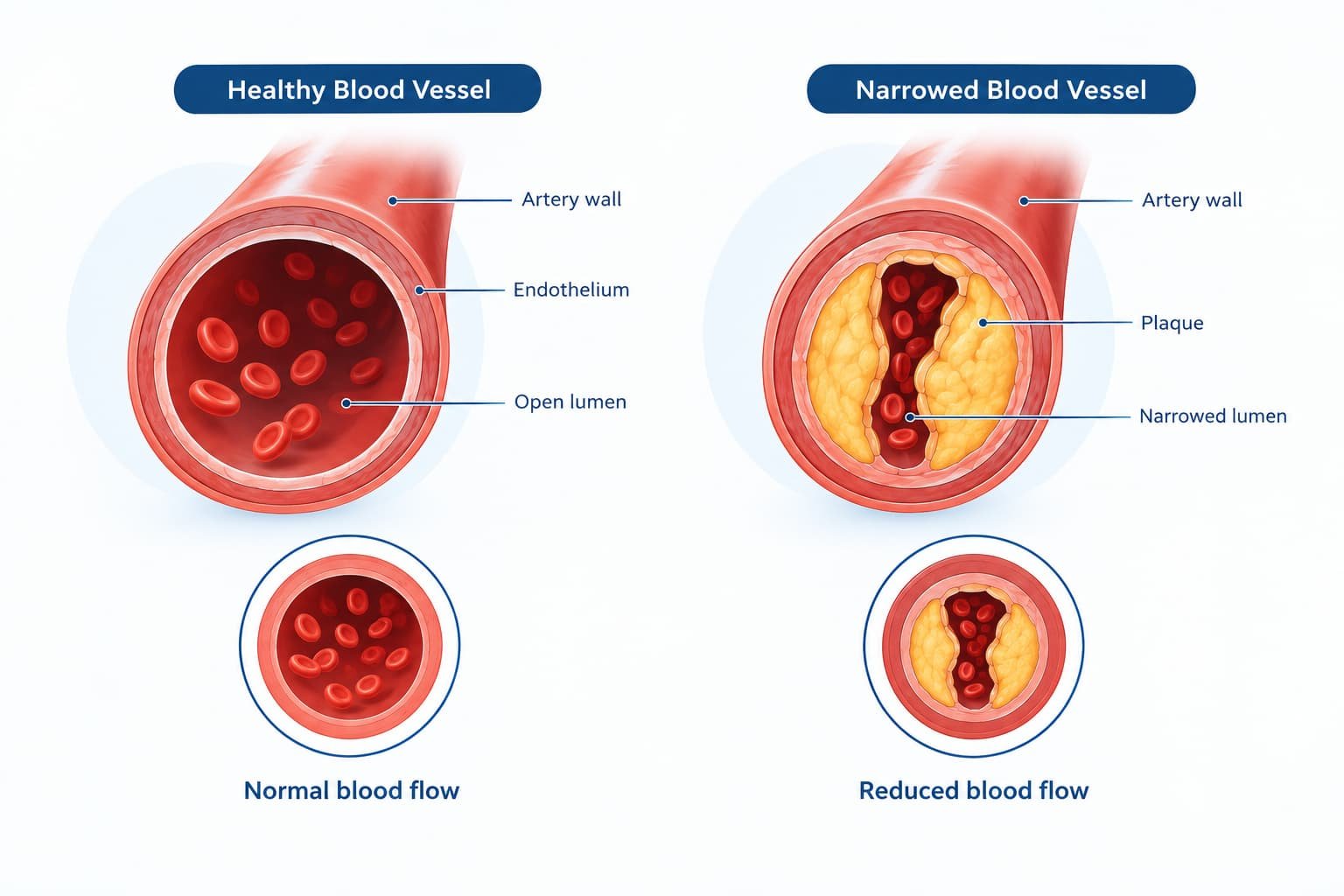
    Diagram comparing healthy blood flow with restricted blood flow from vascular disease
    Vascular health, not age alone, largely determines how tissue responds to PRP therapy.

    Chronological age correlates with several risk factors relevant to erectile function, yet correlation does not equal causation. The factors below influence individual outcomes more directly than age.

    Vascular Health and Blood Flow

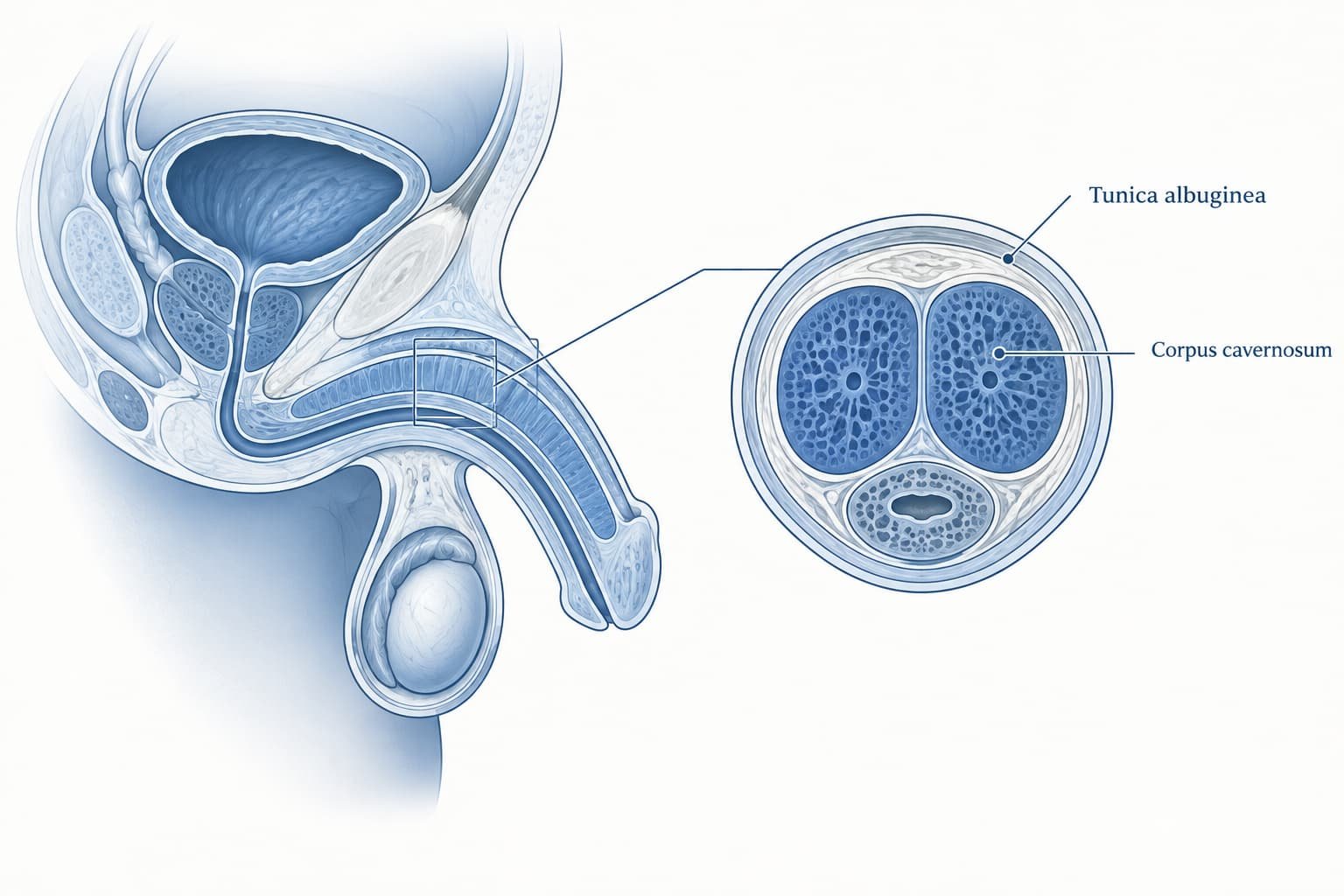
    Erections depend on healthy blood flow into the corpora cavernosa. Atherosclerosis, hypertension and elevated cholesterol restrict that flow regardless of a patient’s age band. A fit, active 65-year-old with clean arteries commonly outperforms an unfit, sedentary 45-year-old with early vascular disease. Angiogenesis, the formation of new blood vessels, drives much of the biological benefit attributed to platelet-rich plasma. Baseline vascular capacity therefore shapes the P-Shot success rate strongly for any individual patient.

    Diabetes and Metabolic Factors

    Diabetes stands among the strongest predictors of erectile dysfunction severity at any age. The Massachusetts Male Aging Study found diabetes tripled the age-adjusted risk of complete erectile dysfunction, while treated heart disease quadrupled that risk. NHANES data recorded erectile dysfunction prevalence above 51 per cent among men with diabetes, compared with roughly 18 per cent across the general male population. Poorly controlled blood sugar damages both blood vessels and nerves supplying the penis. This process, called diabetic neuropathy, can blunt the regenerative response that platelet-rich plasma aims to trigger.

    Medication Effects

    Certain medications reduce erectile function independently of age. Beta-blockers, some diuretics, and specific antidepressants carry recognised associations with erectile difficulty. Men managing these prescriptions alongside erectile dysfunction may see a more gradual improvement, since medication effects continue acting on the same vascular and nervous pathways that PRP targets.

    Lifestyle Factors

    Smoking damages blood vessel linings and directly reduces blood flow. Excess alcohol consumption, poor sleep and low physical activity compound vascular strain. Men who address these factors alongside treatment typically support a stronger, more durable outcome than those who continue high-risk habits unchanged. Weight management also matters, since excess abdominal fat is independently linked with lower testosterone and reduced vascular function.

    Underlying Cause of Erectile Dysfunction

    Vascular-driven erectile dysfunction generally responds most consistently to PRP therapy. Psychological, purely hormonal, or severe structural causes, including advanced Peyronie’s disease or extensive post-surgical nerve damage, often need a broader treatment plan. Identifying the underlying cause during consultation matters more than counting a patient’s age in years.

    The Clinical Evidence Behind the P-Shot

    Regenerative use of platelet-rich plasma originated in orthopaedic and wound-care medicine before extending into men’s sexual health. The 2021 Journal of Sexual Medicine trial remains the most frequently cited randomised evidence supporting a measurable P-Shot success rate at six months. The 2023 European Urology trial reported smaller average gains, a reminder that platelet-rich plasma research for erectile dysfunction continues developing rather than sitting fully settled. NICE clinical knowledge summaries on erectile dysfunction do not currently list PRP injections among first-line recommended treatments. Phosphodiesterase type 5 inhibitors, lifestyle modification and psychological support remain the established first steps. Patients considering the P-Shot benefit from viewing it as a complementary regenerative option rather than a guaranteed universal fix.

    What Happens During P Shot Treatment

    Blood sample and centrifuge used to prepare platelet-rich plasma for P-Shot treatment
    A dual-spin centrifuge protocol concentrates platelets before injection.

    A standard P shot treatment session lasts approximately 30 to 45 minutes. Blood is drawn from the arm and processed through a centrifuge to separate platelet-rich plasma from other blood components. Topical anaesthetic cream, sometimes combined with a nerve block, numbs the treatment area beforehand. The concentrated plasma is then injected across several precise sites within the penile shaft and glans. Patients typically resume normal activity the same day, with mild swelling or tenderness resolving within 48 hours. Clinics generally schedule a follow-up review around six to twelve weeks after the initial p injection to assess progress and discuss whether a repeat session would help.

    Does a Second Session Improve the P-Shot Success Rate?

    Some men see meaningful change after one session, while others benefit from a repeat treatment three to twelve months later. Clinical experience suggests that men with more established vascular disease sometimes need a second round to achieve the same relative improvement seen in healthier patients after a single visit. Annual maintenance sessions are common practice rather than a sign that the first treatment failed.

    Comparing the P-Shot to Other ED Treatment Options

    Phosphodiesterase type 5 inhibitors, including sildenafil and tadalafil, remain the NICE-recommended first-line option for most men. Each dose acts for roughly four to six hours. Alprostadil injections, such as Caverject, produce a more immediate mechanical erection but do not carry the same regenerative, tissue-repair aim as PRP. Vacuum erection devices offer a drug-free mechanical option with no injection involved. Penile implant surgery addresses severe cases but involves a hospital procedure and several weeks of recovery.

    The P-Shot occupies a distinct middle position. It is a single autologous injection aimed at gradual tissue and vascular improvement, without surgical downtime or the recurring cost of daily medication.

    Realistic P Shot Before and After Expectations

    Reviewing P shot before and after material helps set realistic expectations, though photographs cannot capture internal vascular change or sensitivity improvement. Early changes may appear within two to four weeks, while fuller results generally develop across eight to twelve weeks as new blood vessels form.

    Claims describing dramatic penile enlargement growth misrepresent the treatment’s actual mechanism. The P-Shot targets function, sensitivity and blood flow rather than delivering guaranteed size increase, and any penile injection growth claim should be treated with appropriate scepticism until supported by controlled clinical data.

    Priapus Shot Price in London

    Priapus shot price in the UK commonly ranges between £900 and £1,500 per session. The figure depends on clinic location, PRP processing method, and whether shockwave therapy or extra follow-up reviews are included. Male enlargement injections cost UK-wide varies for similar reasons, and transparent, itemised pricing remains a reasonable expectation before booking any p injection procedure.

    Who Responds Best Across Age Groups

    Favourable candidates across the 40s, 50s and 60s typically share several features rather than a shared birth decade. Mild to moderate vascular-related erectile dysfunction, controlled blood pressure, well-managed diabetes, and limited smoking history all support stronger outcomes. Men who have not responded fully to phosphodiesterase type 5 inhibitors, or who prefer to avoid ongoing medication, often explore this route across all three decades discussed here.

    Realistic expectations also matter as much as physical health. Men who understand the gradual, biologically driven nature of PRP tend to report higher satisfaction than those expecting an immediate, dramatic change comparable to oral medication.

    Safety, Limitations and When to Think Twice

    Platelet-rich plasma therapy is not appropriate for men with active genital infection, untreated bleeding disorders, or platelet dysfunction. Anticoagulant medication requires medical clearance beforehand. Advanced Peyronie’s disease, active pelvic cancer treatment, and known local anaesthetic allergy also warrant caution. Mild bruising, localised swelling and temporary tenderness represent the most commonly reported side effects, and these typically settle within a few days without further intervention.

    A thorough consultation, rather than an age cut-off, should guide suitability decisions. A responsible clinic should be willing to decline treatment where the underlying cause needs a different approach first.

    Choosing a Provider for P Shot London

    Provider experience influences outcomes as strongly as patient factors. PRP processing quality varies between a single-spin and a dual-spin centrifuge protocol, and platelet concentration affects how much growth factor activity reaches the treated tissue. Injection technique and precise site selection also differ between practitioners, which can influence both comfort and outcome. A properly regulated clinic performing the p shot london procedure should offer transparent pricing, a doctor-led consultation, and clear aftercare guidance. Registration with the Care Quality Commission applies where the clinic operates in England. Pshots clinic UK, led by Dr Syed Nadeem Abbas, is one example of a Harley Street-area practice offering this treatment within a broader men’s health framework.

    Frequently Asked Questions

    Does the P-Shot success rate fall sharply after 50?

    No single cut-off age determines outcome. Vascular health, diabetes control and lifestyle typically influence results more than reaching a particular birthday.

    What P-Shot results are realistic for men in their 60s?

    Well-managed men without significant diabetes or vascular disease frequently report meaningful improvement, though individual response still varies.

    Does diabetes reduce P-Shot success rate more than age does?

    Evidence suggests diabetes carries a stronger independent association with erectile dysfunction severity than age alone, making blood sugar control clinically relevant.

    How much does a P-Shot cost in the UK?

    Priapus shot price typically sits between £900 and £1,500 per session, varying by clinic and included aftercare.

    Can P shot before and after photographs be trusted?

    Photographs offer limited insight, since sensitivity and blood flow changes are not always visible externally.

    Is the P-Shot suitable for every man over 40?

    Suitability depends on underlying health, current medication and the cause of erectile difficulty rather than age category alone.

    Does the P-Shot cause penile injection growth?

    Evidence does not support guaranteed enlargement. The treatment targets blood flow, tissue repair and sensitivity rather than permanent size increase.

    Should men with diabetes avoid the P-Shot entirely?

    Diabetes does not automatically exclude a patient, though well-controlled blood sugar generally supports a better regenerative response and should be discussed at consultation.

    Key Takeaways

    The P-Shot success rate cannot be reduced to a single figure attached to a decade of life. Vascular health, diabetes management, medication history, lifestyle habits and the underlying cause of erectile dysfunction shape outcomes more precisely than chronological age. Men in their 40s, 50s and 60s can each achieve meaningful improvement, provided expectations remain realistic and modifiable health factors receive proper attention alongside treatment. A structured consultation remains the only reliable way to establish those expectations before proceeding.

    Given how much individual health status outweighs age in determining outcome, does chronological age deserve the weight it still receives in most public conversations about this treatment?

    Read more:

    What Is the P-Shot Success Rate? What the Research Really Shows

    P Shot and Testosterone Levels: Is There a Link?

    P Shot Treatment London

    Dr Syed Nadeem Abbas, MBBS, MRCSEd, MSc Aesthetic Plastic Surgery (Distinction) Medical Director, Pshot Clinic | CQC Regulated | Monday to Saturday 10:00–18:00 +44 7955 836986 

  • What Is the P-Shot Success Rate? What the Research Really Shows

    What Is the P-Shot Success Rate? What the Research Really Shows

    ✅Medically reviewed | Updated September 2026

    Men researching non-surgical options for erectile difficulties often encounter bold claims about regenerative injections. The P-Shot success rate is one of the most searched questions among men considering this treatment. Marketing pages frequently quote high percentages without context. This article separates promotional language from peer-reviewed evidence. It examines what clinical trials actually measured, how outcomes were defined, and why reported success figures vary so widely between sources. Readers will find a balanced, evidence-based explanation, not a sales pitch.

    What Is the P-Shot?

    The P-Shot, or Priapus Shot, is a trademarked injection technique. It uses platelet-rich plasma (PRP) prepared from a man’s own blood. A clinician draws a small blood sample and spins it in a centrifuge. This process concentrates platelets and growth factors. The concentrate is then injected into specific areas of the penis. Proponents suggest these growth factors encourage tissue repair and improved blood flow. The treatment is sometimes described using the terms P shot, Pshot, or penis shot. These names all refer to the same PRP-based procedure.

    The P shot treatment is not currently approved as a standard erectile dysfunction therapy by UK regulatory bodies. It falls into a category of regenerative or “restorative” therapies still under clinical investigation. NHS guidance on erectile dysfunction lists established options such as PDE5 inhibitors, vacuum devices, and injectable alprostadil. PRP-based injections do not currently appear in NICE clinical pathways for erectile dysfunction.

    Understanding “Success Rate” in P-Shot Research

    The phrase P-shot success rate sounds precise. In clinical research, however, success can mean several different things. Some studies define success as an improved score on the International Index of Erectile Function (IIEF) questionnaire. Other studies measure patient-reported satisfaction. A few report changes in penile blood flow using Doppler ultrasound. These are not interchangeable measures, and mixing them creates misleading headline statistics.

    A treatment showing a “70% success rate” in one study might refer to any improvement in questionnaire score. It does not necessarily mean 70% of men achieved normal erectile function. Readers should always check what outcome a percentage actually reflects.

    Clinical questionnaire and outcome graph illustrating how IIEF scores measure P-Shot success
    Success rates depend heavily on how outcomes are defined and measured.

    How Researchers Measure Outcomes

    Clinical researchers typically track these outcome types:

    • Change in IIEF-5 or IIEF-15 questionnaire scores
    • Patient-reported improvement in erection hardness
    • Partner-reported satisfaction
    • Objective vascular measurements
    • Adverse event rates

    Studies that rely only on subjective questionnaires are more vulnerable to placebo effects. Studies with objective vascular measurements provide stronger evidence, though these remain limited in number.

    What Does the Current Evidence Show?

    Published research on PRP injections for erectile dysfunction has grown since 2020. The overall picture remains mixed rather than conclusive.

    Small Studies Reporting Positive Results

    Several small, uncontrolled studies report improvement in erectile function scores after PRP injection. A 2022 review published in Frontiers in Reproductive Health summarised the existing evidence base. It noted that erectile dysfunction affects an estimated one in five men in the United Kingdom, around 4.3 million men in total. The same review highlighted growing clinical interest in PRP as a regenerative option, while stressing that robust trial data remained limited.

    These early studies typically involved fewer than fifty participants. Most lacked a control group. Without a placebo comparison, it becomes difficult to separate genuine biological effect from expectation bias. A percentage drawn from an uncontrolled study of thirty men cannot reliably predict outcomes for the wider population.

    Randomised Controlled Trial Findings

    Randomised controlled trials (RCTs) provide the strongest form of evidence. Findings from these trials have been less favourable than uncontrolled studies. One double-blind, placebo-controlled trial presented at the American Urological Association meeting compared PRP injections against a placebo in sixty-one men with mild to moderate erectile dysfunction. Researchers reported that the results did not demonstrate meaningful benefit over placebo, and noted that the therapy marketed as the Priapus shot lacked strong supporting evidence. This finding is significant. It suggests that some of the improvement reported in earlier open-label studies may reflect placebo response rather than a true treatment effect.

    A 2025 systematic review and meta-analysis of randomised controlled trials, following PRISMA guidance, was conducted to evaluate PRP monotherapy for erectile dysfunction more rigorously. Reviewers searched multiple databases, including PubMed, EMBASE, and Cochrane Library, to identify eligible trials. This type of pooled analysis carries more weight than any single small trial, because it combines data across studies to reduce the influence of chance findings.

    Systematic Reviews and Meta-Analyses

    A 2024 meta-analysis published in PLOS ONE pooled data from both controlled and single-arm trials investigating PRP for erectile dysfunction. The authors noted that evidence on PRP effectiveness for this condition remained inconclusive, despite a growing number of studies being conducted. This conclusion reflects the current scientific consensus. PRP shows biological plausibility and an encouraging safety profile. Proof of consistent, reproducible clinical benefit is still developing.

    A separate 2024 systematic review examined PRP therapy across both erectile dysfunction and Peyronie’s disease. Reviewers again identified substantial variation in injection protocols, PRP preparation methods, and follow-up periods across the available studies. This variation makes it difficult to calculate one universal success percentage that applies fairly across all clinics and techniques.

    Another 2023 narrative review identified four randomised clinical trials investigating intracavernosal PRP for erectile dysfunction. The review concluded that while PRP appears safe, its efficacy for managing erectile dysfunction remains unknown because of significant heterogeneity among the trial protocols.

    Why the P-Shot Success Rate Is Difficult to Pin Down

    Several factors explain the wide range of reported outcomes.

    Small Sample Sizes

    Most published studies include fewer than one hundred participants. Small samples produce results that can swing significantly with a handful of individual responses. A single study cannot establish a reliable, generalisable P-shot success rate.

    Lack of Standardisation

    PRP preparation varies between clinics. Centrifugation speed, platelet concentration, and injection volume all differ. Some practitioners use leukocyte-rich PRP. Others use leukocyte-poor preparations. These technical differences may influence outcomes, yet few studies control for them consistently.

    Placebo Effect

    Erectile dysfunction has a well-documented placebo response. Expectation, anxiety reduction, and increased attention from a clinician can all improve subjective erection scores temporarily. Placebo-controlled trials help account for this, but many marketing claims rely on uncontrolled data.

    Short Follow-Up Periods

    Many studies assess outcomes at only one, three, or six months. Long-term durability data beyond twelve months remains sparse. This gap limits understanding of whether reported benefits persist.

    Who Might Respond Better to the P Shot

    Individual response likely depends on several factors, based on patterns observed across the available literature:

    • Age and overall vascular health
    • Severity and underlying cause of erectile difficulty
    • Presence of diabetes or cardiovascular disease
    • Smoking status
    • Realistic expectations regarding degree of change

    Men with mild, early-stage erectile difficulty may report more noticeable change than men with severe, long-standing vascular disease. This pattern appears across several small studies, though it has not been confirmed in large controlled trials.

    Psychological factors also influence reported outcomes. Anxiety around sexual performance can worsen erectile difficulty independently of vascular health. A treatment that reduces anxiety through attention and reassurance may produce a measurable improvement in questionnaire scores, even without a direct physiological effect. Clinicians assessing suitability should consider psychological contributors alongside physical ones, and discuss non-injection options where appropriate before recommending PRP therapy.

    P Shot London: Availability and Practice Standards

    Demand for P shot London appointments has grown alongside broader interest in men’s regenerative health treatments. Clinics offering the P shot in the UK vary considerably in clinical background, PRP preparation equipment, and injection technique. Prospective patients should verify that any provider holds appropriate medical qualifications and follows recognised infection control standards. Regulatory oversight for PRP-based aesthetic and sexual health injections in the UK sits within a developing framework, so due diligence remains the patient’s responsibility.

    Pshots clinic uk, a Harley Street practice led by Dr Syed Nadeem Abbas, is among the UK providers offering PRP-based men’s health treatments within a regulated medical setting.

    Regulatory Status of the P Shot in the UK

    The P shot UK market operates within a regulatory environment still catching up with demand for regenerative injectables. Autologous PRP is classified differently from medicines and devices, since it derives from the patient’s own tissue rather than a manufactured product. This classification means oversight varies depending on how and where a clinic operates. Registered medical practitioners performing the P shot in the UK are still bound by General Medical Council standards, clinical governance requirements, and informed consent obligations. Patients should confirm that a prescribing clinician, rather than a non-medical technician, is responsible for assessment and injection. Checking professional registration, insurance, and clinic accreditation remains a practical safeguard, given that PRP-based sexual health treatments sit outside standard NHS and NICE-endorsed pathways.

    Priapus Shot Price and Cost Considerations

    Priapus shot price varies across UK clinics, generally reflecting differences in consultation depth, PRP kit quality, and aftercare provision. Costs typically range across several hundred pounds per session, with some protocols requiring more than one treatment for a full course. A lower price does not indicate a higher P-shot success rate, and cost alone should never be the deciding factor.

    For context, male enlargement injections cost UK figures can vary widely depending on the specific technique used, whether PRP, hyaluronic acid filler, or another injectable substance. Patients comparing options should ask providers directly how outcomes were measured in any published or clinic-reported success figures, rather than relying on marketing percentages alone.

    P-Shot Before and After: Realistic Expectations

    Searches for P shot before and after images are common among prospective patients. Photographic comparisons cannot substitute for controlled clinical data, and visual results are highly dependent on lighting, positioning, and selective presentation. Penile injection growth claims associated with the P shot are not consistently supported by rigorous trial evidence. Any size-related change reported anecdotally should be interpreted with caution rather than treated as an expected outcome.

    Men considering this treatment should approach P-shot before and after claims with the same scrutiny applied to the underlying research. Individual anatomy, baseline erectile function, and treatment protocol all influence any visible change.

    How the Procedure Works

    Centrifuge and blood sample used to prepare PRP for the P-Shot procedure in London
    PRP is prepared from a small blood sample before injection.

    A typical P injection appointment follows a structured process:

    1. Initial consultation and medical history review
    2. Blood draw, usually a small sample from the arm
    3. Centrifugation to separate and concentrate platelets
    4. Application of topical or local anaesthetic
    5. Injection of PRP into specific penile tissue areas
    6. Short observation period before discharge

    The full procedure typically takes under an hour. Recovery guidance usually includes avoiding sexual activity for a short period and monitoring for swelling or bruising.

    Clinics vary in how many sessions they recommend for a complete course. Some protocols involve a single injection appointment. Others space two or three sessions several weeks apart, based on the theory that repeated stimulation may support more sustained tissue response. There is no consensus in the published literature on optimal dosing intervals or total session number. Patients should ask any provider to explain the specific protocol being offered and the evidence supporting that particular schedule, rather than accepting a generic treatment plan without explanation.

    Risks and Limitations

    PRP injections carry a generally favourable safety profile because the plasma is autologous, meaning it originates from the patient’s own blood. Reported side effects include temporary bruising, swelling, and injection site discomfort. Serious complications appear rare in published safety data, though large-scale, long-term safety studies remain limited. Allergic reaction risk is low compared with treatments using non-autologous or synthetic materials, since the injected substance comes directly from the patient.

    The absence of major reported harm should not be interpreted as proof of benefit. Safety and efficacy are separate questions, and a treatment can be reasonably safe while still lacking strong evidence of meaningful clinical improvement.

    The P-shot success rate reported by any single clinic should not be assumed to reflect peer-reviewed outcomes. Clinic-reported figures often lack the methodological rigour of published trials and may not account for regression to the mean or placebo response.

    FAQ

    Is the P-Shot proven to work?

    Current evidence is mixed. Some uncontrolled studies report improvement, while a randomised placebo-controlled trial found no significant benefit over placebo. Larger, well-designed trials are needed before firm conclusions can be drawn.

    What is a realistic P-shot success rate based on current research?

    There is no single verified figure. Reported improvement rates in small uncontrolled studies range broadly, but methodological limitations mean these numbers cannot be generalised reliably.

    Is the P Shot available on the NHS?

    No. PRP-based injections for erectile dysfunction are not part of standard NHS treatment pathways. NHS-approved options include oral medication, vacuum devices, and other established interventions.

    How much does a Priapus shot price typically cost in the UK?

    Pricing varies by clinic and protocol. Patients should request a detailed breakdown of what is included and how many sessions a full course requires.

    Are P-shot before and after results guaranteed?

    No. Individual response varies, and photographic comparisons are not a substitute for controlled clinical evidence.

    Who should avoid this treatment?

    Men with bleeding disorders, active infection at the injection site, or unrealistic expectations of guaranteed results should discuss suitability carefully with a qualified clinician before proceeding.

    How long do P-Shot results typically last, according to research?

    Published follow-up periods are generally short, often between one and twelve months. Data on durability beyond one year is limited, so long-term persistence of any reported benefit remains uncertain.

    Key Takeaways

    The P-shot success rate cannot be reduced to a single reliable percentage. Evidence ranges from encouraging small studies to a placebo-controlled trial showing no significant benefit. Systematic reviews consistently describe the evidence base as promising but inconclusive. Prospective patients deserve information grounded in published research, not marketing language. Anyone considering PRP-based treatment should review the available trial data, ask providers direct questions about outcome measurement, and set realistic expectations before proceeding. Given how much the evidence still varies between studies, what would it take for research on the P-shot success rate to reach a genuine, reproducible consensus?

    Read more:

    P-Shot for Sensitivity vs ED: Does It Work Differently?

    P Shot and Testosterone Levels: Is There a Link?

    P Shot Treatment London

    Dr Syed Nadeem Abbas, MBBS, MRCSEd, MSc Aesthetic Plastic Surgery (Distinction) Medical Director, Pshot Clinic | CQC Regulated | Monday to Saturday 10:00–18:00 +44 7955 836986
  • P-Shot Pain: Does the P-Shot Hurt? Numbing and Comfort Options

    P-Shot Pain: Does the P-Shot Hurt? Numbing and Comfort Options

    ✅Medically reviewed | Updated September 2026

    A needle near the penis triggers an instant reaction. Almost every man who considers platelet-rich plasma (PRP) treatment asks one blunt question first. How much will this hurt?

    P-Shot pain worries men more than cost, results or recovery time. The concern makes sense. The penis holds a dense network of sensory nerves, and the glans reacts to the lightest touch. An injection in that region deserves a clear explanation, not a quick reassurance.

    The honest starting point is simple: the main randomised trials of this procedure do not report pain scores. Many websites answer with phrases such as “not really” or “just a pinch”. Those phrases sound comforting. They contain no measurable data.

    This article reviews the evidence on P-Shot pain. It describes what patients typically feel at each stage. It also explains the common numbing options. The sources include NHS guidance, NICE Clinical Knowledge Summaries, European Association of Urology (EAU) guidelines and peer-reviewed trials. The article also separates comfort from effectiveness. A comfortable procedure does not guarantee a useful result.

    Many men search for P Shot London options, P shot UK providers or a priapus shot price. Few ask the questions that matter most. What does the procedure feel like? Which anaesthetic does the clinic use? What happens if discomfort rises mid-treatment? The sections below answer each question.

    What Is the P-Shot?

    The P-Shot is a form of platelet-rich plasma therapy. Clinics also use the names priapus shot, Pshot, p injection and, informally, penis shot. Each term describes the same basic procedure.

    The procedure follows four steps. A clinician draws a small blood sample from the arm. A centrifuge spins the sample to concentrate platelets. The clinician then injects the resulting PRP into penile tissue. Platelets release growth factors, and researchers believe those factors support tissue repair.

    The repair mechanism remains a hypothesis in men, not a proven effect. A later section reviews the trial evidence in detail.

    Appointment length varies between clinics. Numbing and centrifugation usually take longer than the injection itself. A P shot treatment therefore involves waiting time, not continuous discomfort.

    Does the P-Shot Hurt? What Research Says About P-Shot Pain

    What Clinical Trials Report

    Randomised trials of PRP for erectile dysfunction report adverse events, not pain scores. Poulios and colleagues treated 60 men with two PRP injections in a 2021 Journal of Sexual Medicine trial. The authors reported no adverse events. Masterson and colleagues randomised 61 men in a 2023 Journal of Urology trial. That trial recorded no major adverse events and one minor event in each group.

    These findings suggest that serious complications are uncommon. They do not measure discomfort. The trials reviewed here do not report standard pain scores for the injection itself. Any precise claim about the percentage of men who feel nothing therefore lacks a scientific basis. Careful clinicians describe expected sensations and avoid promising a pain-free experience.

    Why the Penis Reacts Strongly to Injections

    The penis carries a rich supply of sensory nerve endings. The dorsal nerve of the penis relays sensation from the skin and glans to the spinal cord. Sensitivity peaks at the glans and stays high along the shaft.

    PRP injections usually target the erectile tissue of the shaft. Some protocols also include the glans. Injections near the glans may feel sharper because of that dense nerve supply. Individual anatomy, injection depth and needle technique also shape sensation.

    Where P-Shot Discomfort Arises

    Discomfort arises at three points. Each point has a different cause and a different remedy.

    The Blood Draw

    The blood draw resembles any standard venepuncture. A brief scratch occurs at the arm, and the sensation fades within seconds. The arm has far less dense sensory innervation than the glans, so this stage usually causes little concern.

    The Numbing Stage

    Where a clinic uses anaesthetic injections, this stage causes the sharpest moment. The solution stings or burns briefly as it enters tissue. NHS guidance notes that patients may feel some discomfort when a local anaesthetic injection goes in. A warm tingle then follows as numbness develops.

    The PRP Infusion

    Numbing removes pain signals but not every sensation. NHS guidance states that patients may still feel pressure or movement after a local anaesthetic. PRP infusion typically produces pressure, fullness or tightness as fluid enters tissue.

    Volumes vary between clinics. The 2021 Poulios trial used 10 mL of PRP per session, which can create noticeable fullness. Pressure differs from pain, and a well-numbed patient should report pressure rather than sharp pain. Patients who feel sharp pain during infusion should tell the clinician immediately. The clinician can pause, check the area and add anaesthetic.

    Numbing Options for the P-Shot

    Anaesthetic choice is the largest modifiable factor in P-Shot pain. Options range from surface creams to regional nerve blocks. Clinics select an approach according to protocol, training and patient preference.

    Topical Anaesthetic Cream

    Clinician applying topical anaesthetic cream before a P-Shot procedure
    Topical anaesthetic cream is one of several options clinics use to reduce discomfort.

    Lidocaine-prilocaine cream is a common example. A clinician applies the cream to penile skin and waits for the effect. Application times differ between products, so clinics follow the manufacturer’s instructions.

    Cream offers a needle-free first step. It suits men with mild anxiety or low pain sensitivity. However, cream acts mainly on surface nerve endings. Deeper tissue may still register the needle.

    Some paediatric circumcision studies support this limitation. Those studies found that a dorsal penile nerve block gave better pain relief than cream alone. Circumcision differs from PRP injection, so the findings offer only indirect guidance.

    Local Anaesthetic Injection

    A clinician injects lidocaine or a similar agent beneath the skin near the treatment area. The needle is small, yet the injection still stings for several seconds. Some clinics combine cream with a small-needle injection to reduce that sting.

    NHS guidance says numbness normally develops within a few minutes. Sensation returns a few hours later. Patients should move carefully until feeling returns.

    Dorsal Penile Nerve Block and Ring Block

    A dorsal penile nerve block places anaesthetic near the dorsal nerves at the base of the penis. A ring block places anaesthetic in a band around the base. Both techniques numb a wider area than cream or a single skin injection.

    Urologists use these techniques for circumcision and other penile procedures. The block itself requires a needle, and incomplete blocks occur. A 2024 trial paper cited incomplete blocks in up to 13% of earlier cases. Complete failures reached up to 7%. Nerve blocks also demand anatomical knowledge and training. Practice varies between clinics, so patients should ask which technique the clinic uses.

    Confirming Numbness Before the Injection

    Numbing needs time to work. Starting before the anaesthetic takes effect increases discomfort. NHS guidance states that the treating clinician checks the area is numb before starting treatment. Patients can ask the clinician to test sensation first. Patients can also request a pause if any sensation feels sharp.

    Additional Comfort Measures

    • Using a slower injection speed may reduce pressure sensations.
    • When lying flat, patients may have a lower chance of dizziness or fainting.
    • Controlled breathing or gentle distraction can help ease anxiety.
    • A warm, private room can create a more relaxed environment.
    • Before each step, a clear explanation can reduce uncertainty and help the patient feel more comfortable.

    Sedation exists as a separate option. NHS guidance describes sedation as leaving the patient awake but drowsy. Sedation adds risk and monitoring needs, so suitability depends on the clinical setting.

    Safety Checks Before Numbing

    A clinician should review allergy history before applying any anaesthetic. NHS guidance describes allergic reactions to local anaesthetic as very rare. Prilocaine also requires caution in patients with methaemoglobinaemia, a rare blood condition. Patients should disclose all allergies and medical conditions at consultation.

    What Patients Feel After the P-Shot

    Numbness fades within a few hours, according to NHS guidance. A tingling sensation often marks the return of feeling. Some patients then notice soreness, swelling or bruising at injection sites. NHS guidance lists minor bruising, bleeding and soreness as possible effects of local anaesthetic injections.

    Clinics usually advise simple analgesia, such as paracetamol, if soreness develops. Some clinicians also advise avoiding non-steroidal anti-inflammatory drugs (NSAIDs), such as ibuprofen, around treatment. Those drugs may affect platelet function and bruising. Patients should follow the written advice from the treating clinic.

    Clinicians expect mild soreness. Severe, worsening or unusual pain signals a problem. Patients should seek prompt medical advice for any of these signs:

    Severe or steadily worsening pain

    A fever or chills

    Redness, warmth, or discharge that begins to spread

    Swelling that increases rapidly in size

    A painful erection that lasts for more than four hours

    A painful erection lasting over four hours needs emergency care. NHS 111 or an emergency department can advise.

    P-Shot Pain Compared With Other Penile Injections

    Intracavernosal alprostadil offers a reference point. A 1996 New England Journal of Medicine study followed 683 men. Penile pain occurred in 50% of men at some point. Pain followed only 11% of injections, and the pain was usually mild.

    Alprostadil is a vasoactive drug that produces its own sensations, so the comparison has limits. The reviewed literature contains no direct comparison with PRP. Even so, penile injection pain in a well-studied treatment proved usually mild and intermittent.

    What Influences P-Shot Pain?

    Several factors explain why experiences differ between patients:

    • Individual pain sensitivity can vary considerably from person to person.
    • Anxiety and apprehension may increase perceived pain during medical procedures.
    • Previous experiences with needles can influence expectations and how sensations are perceived.
    • The injection site, depth, and volume can all affect the level of discomfort.
    • The type, dose, and timing of anaesthetic may influence the effectiveness and duration of numbness.
    • Clinician experience and injection technique can also affect how the surrounding tissue responds.

    Anxiety deserves particular attention. A thorough consultation reduces uncertainty, and reduced uncertainty often lowers anxiety.

    Realistic Outcomes: Comfort Does Not Equal Effectiveness

    A comfortable procedure still needs a worthwhile result. The evidence for PRP in erectile dysfunction remains mixed.

    Poulios and colleagues reported a clinically important improvement at six months in 69% of PRP recipients. The placebo group reached 27%. Masterson and colleagues found no difference. At one month, 58.3% with PRP and 53.6% with placebo reached that threshold (P = 0.730). A 2024 trial by Ragheb and colleagues studied 52 men. Erectile function scores showed no significant difference at one, three or six months.

    EAU guidelines describe PRP for erectile dysfunction as an investigational option. NICE Clinical Knowledge Summaries place phosphodiesterase type 5 (PDE5) inhibitors first in the treatment pathway. Mixed trial results mean patients should weigh the modest evidence against cost and effort, not comfort alone.

    P Shot Before and After Images

    P shot before and after photographs appear widely online. Photographs cannot separate treatment effect from lighting, arousal state, camera angle or placebo response. P-shot before and after claims therefore carry limited scientific weight.

    Size Claims and Cost

    PRP does not act as a size treatment. No reliable trial shows penile injection growth after PRP. Searches for male enlargement injections cost uk often return prices for unrelated filler procedures, which carry different risks.

    Published UK clinic listings commonly show a priapus shot price between £900 and £1,500 per session. Price varies with the clinic, the PRP kit, the depth of consultation and the anaesthetic approach.

    Choosing a Clinic and Preparing for the Appointment

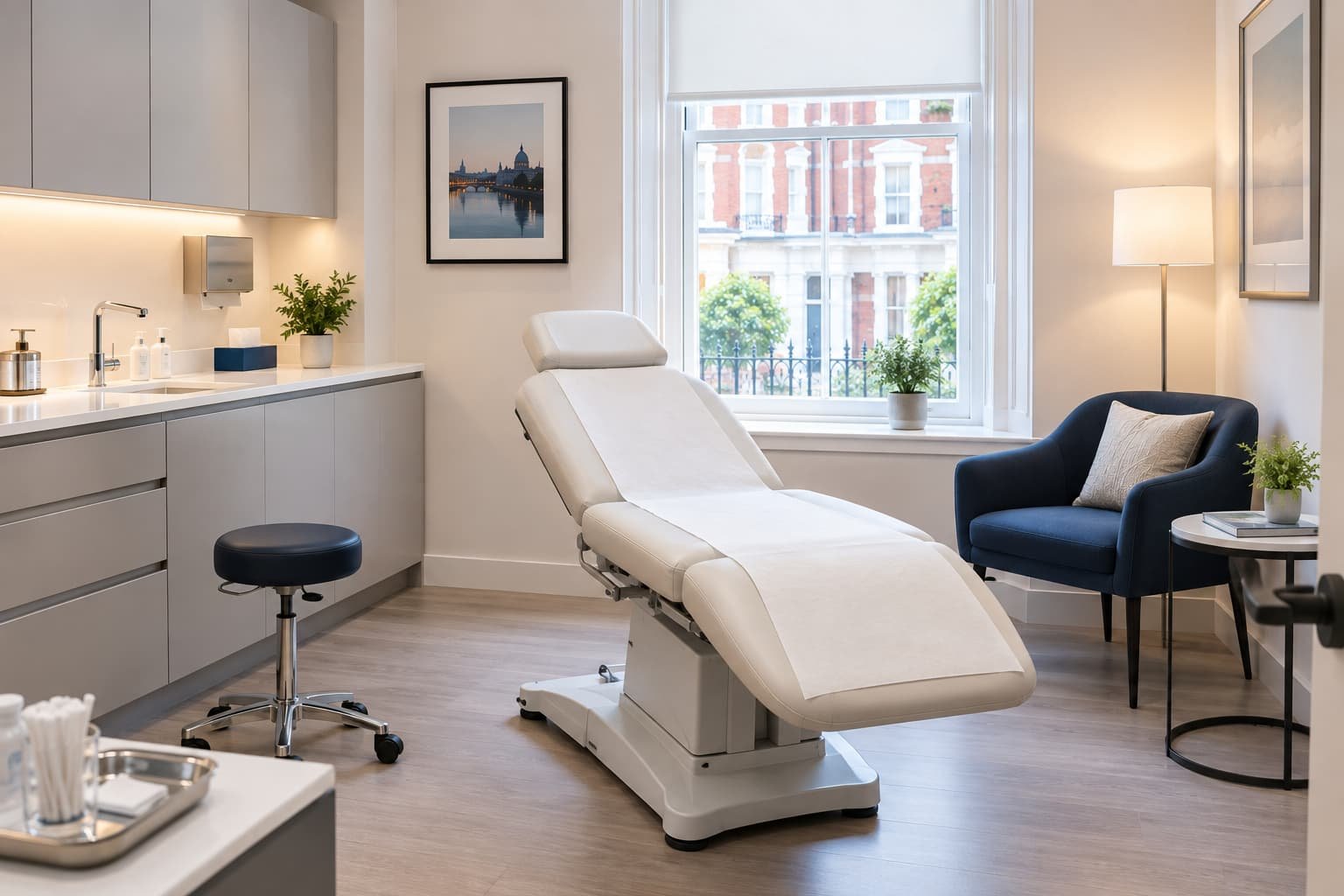
    Private, CQC-regulated clinic room where P-Shot treatments take place
    Choosing a regulated, doctor-led clinic supports both safety and comfort.

    Patients comparing P shot UK providers can verify several points before booking:

    • Whether the practitioner is registered with the General Medical Council (GMC).
    • Where applicable, confirm that the clinic is registered with the Care Quality Commission (CQC).
    • Ask about the written anaesthetic protocol and why it is used.
    • Find out which PRP preparation kit is used and how the centrifuge process is carried out.
    • Review the written consent process, including the potential risks and limitations.
    • Make sure an appropriate aftercare plan is provided, along with an out-of-hours contact route.

    Pshots clinic uk is a private clinic on Harley Street in Marylebone, London. Dr Syed Nadeem Abbas leads the clinic. Listed qualifications include MBBS, MRCS (RCS Edinburgh) and MRCGP. An MSc in Aesthetic Plastic Surgery with Distinction from Queen Mary University of London also appears. Training took place at Cambridge, Oxford and the Royal London Hospital. Patients can check any practitioner’s registration on the GMC register.

    Preparation is simple. Patients should disclose all medicines, including anticoagulants, anti-inflammatory drugs and supplements. Clinics commonly advise eating normally and staying hydrated beforehand. Patients should apply numbing cream only when the clinic gives specific instructions.

    Frequently Asked Questions About P-Shot Pain

    Does the P-Shot hurt more than a blood test?

    The sensations differ. A blood draw causes a brief scratch at the arm. The injection stage typically causes pressure or fullness once numbing takes effect. Individual pain sensitivity and the anaesthetic method decide the overall experience.

    How long does P-Shot pain last after treatment?

    Numbness fades within a few hours, according to NHS guidance on local anaesthesia. Mild soreness or tenderness typically settles within days. Persistent or worsening pain needs prompt medical review.

    Can the P-Shot take place without numbing?

    Some men decline anaesthesia, but clinical practice generally includes numbing. Without numbing, needle insertion and PRP infusion may cause significant pain and involuntary movement. A clinician can explain the safest approach after assessment.

    Are numbing creams and injections safe?

    NHS guidance describes local anaesthetics as generally safe, with very rare serious side effects. Patients with an anaesthetic allergy or methaemoglobinaemia must inform the clinician before any application.

    Does more pain mean better results?

    No evidence links pain intensity with treatment response. Outcomes depend on patient selection, the cause of erectile dysfunction and study design. Pain does not signal effectiveness.

    Does the NHS offer the P-Shot?

    The NHS does not routinely offer PRP for erectile dysfunction. NICE Clinical Knowledge Summaries direct clinicians to lifestyle measures, cause assessment and PDE5 inhibitors first. Patients can discuss options with a GP.

    Key Takeaways

    P-Shot pain is real but usually manageable. The procedure combines a blood draw, numbing and injections into a highly sensitive area. Sensations range from a brief sting to pressure and fullness. Cream, local injection and nerve block options each reduce discomfort in different ways. Effective numbing depends on the chosen technique, the operator’s skill and honest communication during treatment.

    Comfort remains only one part of the decision. Trial evidence for PRP in erectile dysfunction stays mixed, and guidelines treat the procedure as investigational. Cost adds a further consideration. Informed consent should cover evidence, limitations, anaesthetic plans and alternatives. Patients who understand these points decide with confidence, whichever direction the decision takes.

    If painless treatment were certain, would the current evidence alone justify choosing the procedure?

    Read more: Penile Numbness vs Erectile Dysfunction: What’s the Difference?

    P-Shot for Sensitivity vs ED: Does It Work Differently?

    P Shot Treatment London

    Dr Syed Nadeem Abbas, MBBS, MRCSEd, MSc Aesthetic Plastic Surgery (Distinction) Medical Director, Pshot Clinic | CQC Regulated | Monday to Saturday 10:00–18:00 +44 7955 836986 
  • Does Masturbation Cause ED? Understanding the Possible Link

    Does Masturbation Cause ED? Understanding the Possible Link

    ✅Medically reviewed | Updated September 2026

    Few sexual health questions attract as much private worry as this one. Men type it into search bars late at night. Many carry guilt. Many fear lasting damage. Rumours spread fast, while reliable answers arrive slowly.

    So, does masturbation cause ED? Current evidence says ordinary masturbation does not cause erectile dysfunction. The NHS lists physical and psychological causes of ED. Masturbation appears on neither list.

    The full picture holds more detail. Pornography use, forceful technique, shame and performance anxiety can each influence erections in some men. Persistent erection problems also signal conditions such as diabetes or heart disease. Separating myth from fact protects both sexual confidence and general health.

    This article reviews the research behind the question. It explains how erections work, which habits deserve attention and which conditions cause most cases. It also outlines evidence-based treatments, including the P shot, and states the limits of current evidence.

    Does Masturbation Cause ED? The Short Clinical Answer

    Current evidence does not link normal masturbation habits to erectile dysfunction. UK guidance supports this position. NICE Clinical Knowledge Summaries describe vascular, neurological, hormonal, medication-related and psychological causes of ED. The NHS gives a similar list. Neither source names masturbation.

    What ED Means

    Clinicians define erectile dysfunction as the persistent inability to get or keep an erection firm enough for satisfactory sex. Occasional difficulty does not qualify. Stress, tiredness, alcohol and illness all cause temporary lapses in healthy men.

    ED becomes more common with age. Population studies suggest that roughly half of men aged 40 to 70 experience some degree of ED. Age remains the strongest single predictor of erectile difficulty.

    What the Research Shows

    Researchers have tested the question directly. Rowland and colleagues studied pornography use and masturbation in men with and without ED. Masturbation frequency showed a weak association with erectile function, or none. Age, anxiety, depression, low sexual interest and low relationship satisfaction predicted ED far more consistently.

    This finding shifts attention from a harmless habit to measurable risk factors. The research answer to does masturbation cause ED therefore remains no. It also explains why clinicians rarely ask men to stop masturbating as a treatment for ED.

    Research limits deserve honest mention. Most studies rely on self-reported behaviour. Sexual habits are private, and reporting may lack accuracy. Few trials follow men over many years. Conclusions therefore stay probabilistic rather than absolute. Even so, no study has shown that ordinary masturbation damages erectile function.

    How Erections Work and Why Masturbation Does Not Wear Out Erectile Tissue

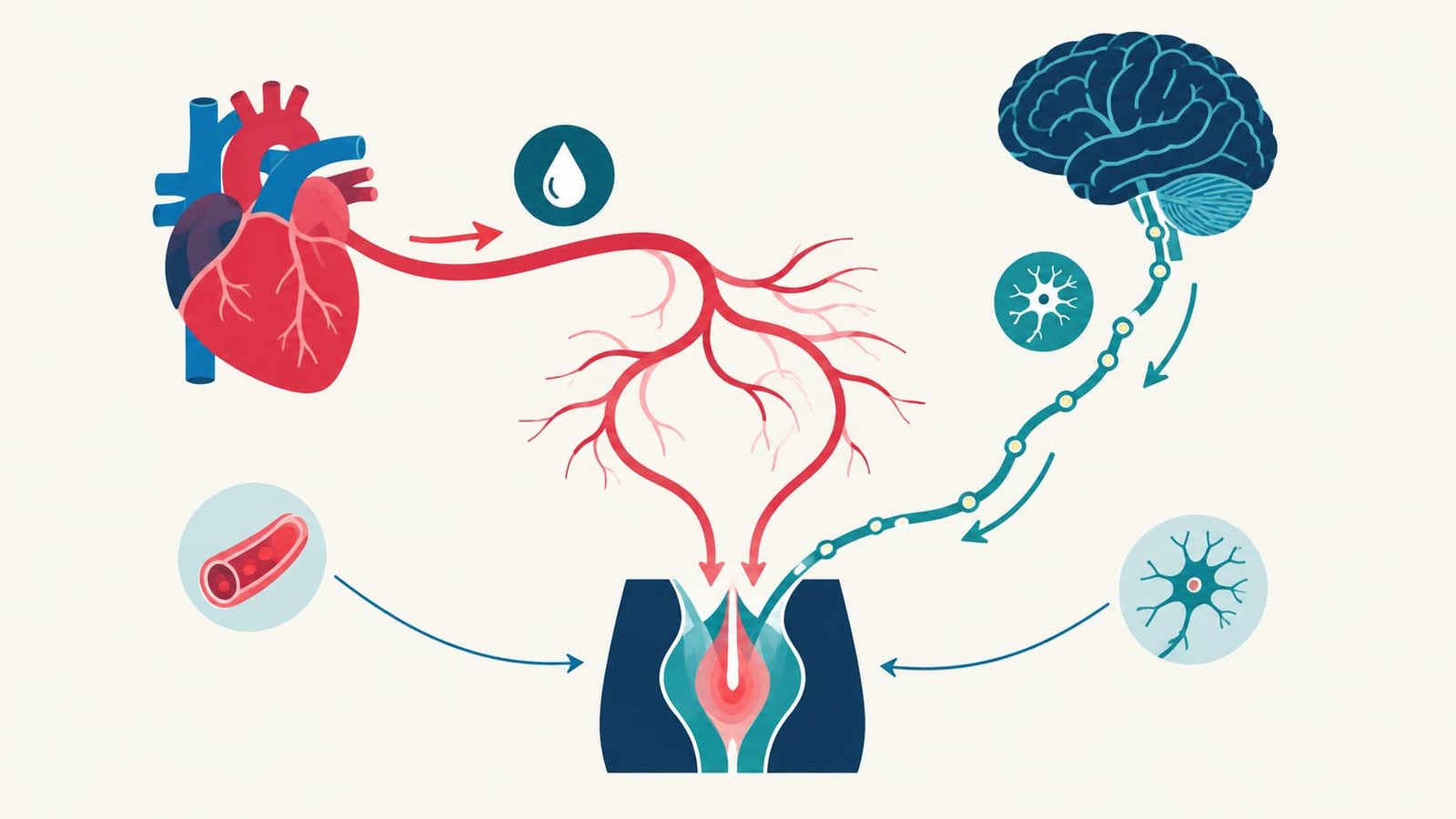
    Simple diagram showing blood vessels and nerve signals that control erections
    Erections depend on healthy blood flow and nerve signals, not on a limited supply of capacity.

    The Vascular Mechanism

    Erections depend on blood flow. Sexual arousal triggers nerve signals. Nerve endings release nitric oxide. Nitric oxide relaxes smooth muscle in the penile arteries. Blood then fills two erectile chambers, the corpora cavernosa. The expanding tissue compresses the veins and traps blood. The penis becomes firm.

    Masturbation uses the same pathway as partnered sex. Regular use does not deplete a finite supply of erectile capacity. Erectile tissue behaves like a blood vessel network, not like a battery. Researchers have proposed that regular erections support tissue oxygenation. Evidence for this idea remains limited.

    The Refractory Period Is Not ED

    Every man enters a refractory period after ejaculation. Arousal and erection become difficult or impossible during this phase. The length varies from minutes to a day or more. It often lengthens with age.

    A man who masturbates shortly before partnered sex may struggle to reach a second erection. That response reflects normal physiology. It does not indicate ED.

    When Masturbation Habits May Contribute to Erectile Difficulty

    Masturbation itself does not cause ED. Certain patterns around it may contribute in some men. Research remains limited, and cause and effect stay unproven.

    Pornography Use and Arousal Patterns

    A 2016 review in Behavioral Sciences by Park and colleagues discussed ED in men under 40. The review examined heavy internet pornography use. The authors proposed a possible link. The authors suggested that constant novelty and intense stimulation may raise arousal thresholds.

    The review relied on clinical reports. It cannot prove causation. Internet access and ED diagnoses in younger men rose during the same period, and timing overlap alone proves nothing. The Rowland study later found weak or no association between pornography use and ED severity.

    Performance anxiety offers a more plausible route. Men who compare partnered sex with pornography may worry about erection quality. That worry can trigger ED by itself. Anxiety, rather than pornography, may drive many of these cases.

    Forceful or Atypical Technique

    A 2023 matched case-control study by Can and colleagues compared young men with and without ED. Men with ED had a 2.2-fold higher risk of at least one atypical masturbatory behaviour. Examples included rubbing in a prone position, applying firm pressure and masturbating through clothing.

    Clinicians sometimes call this an idiosyncratic masturbatory style. The proposed mechanism involves conditioning the body to respond to intense, specific pressure. Partnered sex then feels less stimulating. The study shows association only. Clinicians commonly advise lighter pressure and varied positions, although evidence for this advice remains modest.

    Guilt and Shame

    Psychological distress matters. Case literature in the Journal of Sex & Marital Therapy describes guilt about masturbation coinciding with depression and ED. Strict religious or cultural teaching often played a part.

    Anxiety raises sympathetic nervous activity. That activity opposes the smooth muscle relaxation an erection needs. Guilt can affect erections even when the habit causes no physical harm.

    Frequency

    Does masturbation cause ED when frequent? No evidence identifies a frequency that causes ED. Clinicians consider frequency a concern only when it disrupts work, relationships or wellbeing. Compulsive patterns deserve a conversation with a GP or psychosexual therapist.

    Common Myths About Masturbation and Erectile Health

    Several myths shape the question does masturbation cause ED. Evidence contradicts each one. Clear facts reduce needless guilt, and guilt itself can worsen erections.

    Myth: Masturbation Damages the Penis

    Gentle masturbation does not injure erectile tissue. Injury can follow excessive force. Clinicians treat such injuries as trauma, not as ED caused by the habit itself.

    Myth: Masturbation Drains Testosterone

    No robust evidence shows that masturbation lowers testosterone enough to cause ED. Low testosterone remains a genuine cause of ED. A blood test, not guesswork, confirms it.

    Myth: Stopping Masturbation Restores Erections

    No reliable trial supports abstinence as ED treatment. Advice to stop may even raise guilt and anxiety, which worsen erections. Treatment works best when it targets the actual cause.

    More Likely Causes of ED

    Most cases trace back to health and lifestyle factors. NICE and European Association of Urology guidance both highlight vascular disease as a leading cause.

    Physical Causes

    Common physical causes include:

    • Cardiovascular disease and atherosclerosis
    • High blood pressure
    • Type 2 diabetes
    • Obesity and metabolic syndrome
    • Low testosterone
    • Chronic kidney disease
    • Multiple sclerosis, spinal injury and pelvic surgery
    • Peyronie’s disease

    ED often appears before other signs of heart disease. Urology literature describes ED as frequently the earliest manifestation of cardiovascular disease. Penile arteries are smaller than coronary arteries, so vascular damage can show there first. A GP visit for ED therefore protects long-term health.

    Psychological Causes

    Stress, anxiety, depression, relationship difficulty and low self-esteem all disrupt erections. Younger men show psychological causes more often. Across all ages, estimates place purely psychological ED at roughly 10 to 20 per cent of cases.

    ED and anxiety also feed each other. One failed erection raises worry. Worry then raises the chance of another failure. Clinicians call this the vicious circle of performance anxiety. Breaking the circle often restores erections without any physical treatment. Men with persistent low mood, loss of interest or sleep problems should also seek support. Depression and ED often coexist.

    Lifestyle and Medication Factors

    Smoking, heavy alcohol use, inactivity and recreational drug use all raise risk. Some prescribed medicines also affect erections. Examples include certain antidepressants, some blood pressure tablets, antiandrogens and some ulcer treatments. Nobody should stop a prescribed medicine without medical advice.

    Warning Signs: When to See a GP

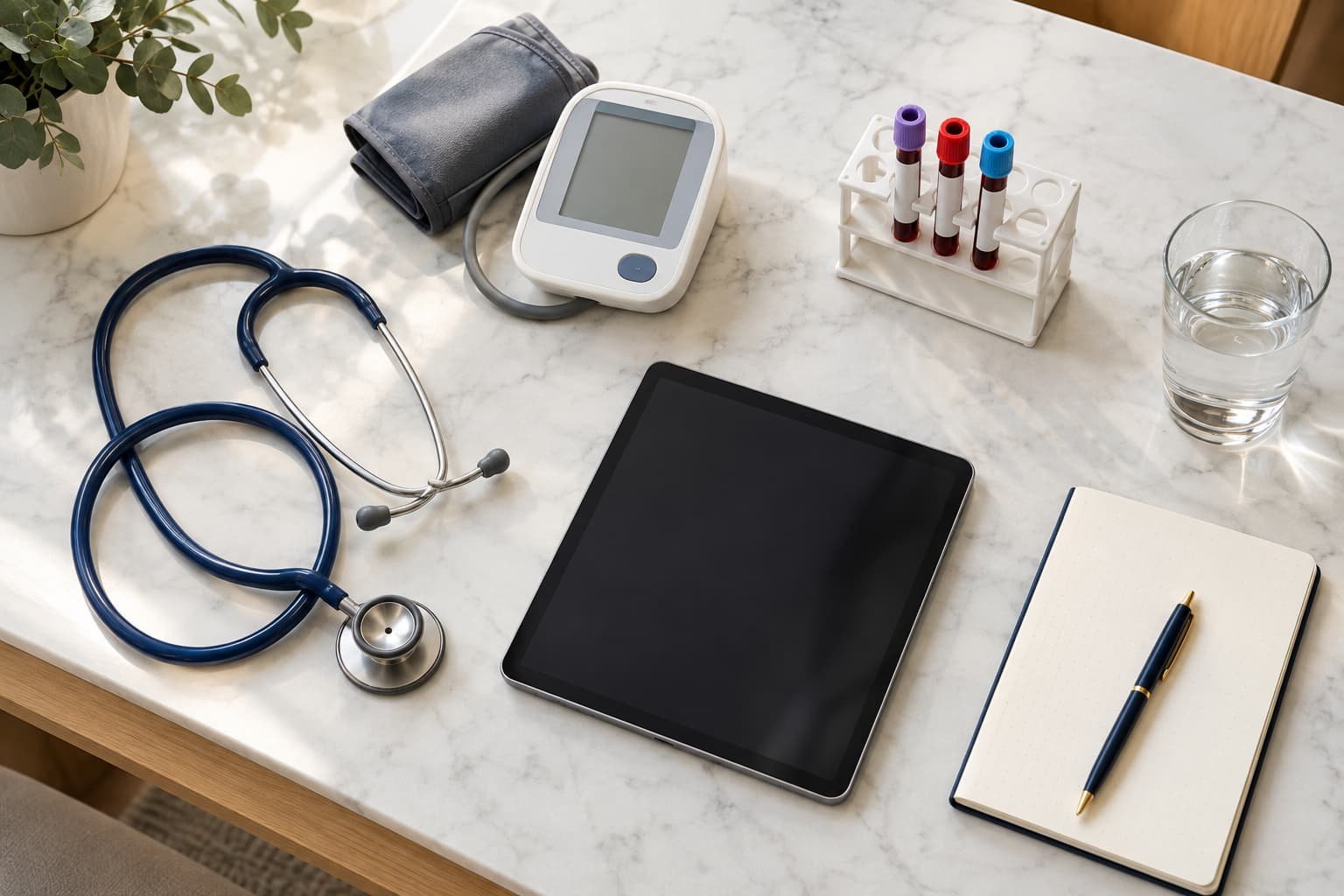
    Stethoscope, blood pressure monitor and blood test tubes on a doctor's desk during an erectile dysfunction check
    A GP assessment often includes blood pressure, blood glucose and cholesterol checks.

    The NHS advises seeing a GP when erection problems persist or cause distress. Early assessment matters because ED can reveal treatable disease.

    Erections in Different Situations

    Clinical guidance treats erections during masturbation or on waking as a useful clue. These erections suggest that blood vessels and nerves still function. Psychological factors then become more likely. A man who loses erections in every situation needs a fuller physical assessment.

    What a GP Assessment Involves

    NICE Clinical Knowledge Summaries outline a structured review. The GP takes a sexual and medical history. The GP reviews medicines, checks blood pressure and measures weight. Blood tests often include glucose or HbA1c, lipids and morning testosterone. Some clinicians also use the International Index of Erectile Function questionnaire.

    Evidence-Based Treatment Options

    NICE guidance advises treating underlying causes first. Treatment then matches the cause and the man’s preferences.

    Lifestyle Changes

    Stopping smoking, reducing alcohol, exercising and losing excess weight all improve vascular health. European and UK guidance both support lifestyle change alongside other treatment.

    Psychosexual Therapy and CBT

    Cognitive behavioural therapy helps men with performance anxiety, guilt or relationship stress. Studies show that combining sex therapy with medication can outperform medication alone.

    PDE5 Inhibitors

    Sildenafil, tadalafil, vardenafil and avanafil form the first-line drug group. These tablets enhance the nitric oxide pathway. The tablets need sexual stimulation to work. A GP or pharmacist checks suitability, especially for men who take nitrates. Men who take nitrates must avoid PDE5 inhibitors. An erection lasting longer than four hours needs urgent medical care.

    Devices, Injections and Surgery

    Vacuum devices, alprostadil (urethral or injected) and penile implants serve men who cannot use tablets. These options also suit men who find tablets ineffective. Specialist urology teams supervise these options.

    Where the P Shot Fits: Evidence and Limits

    What the P Shot Involves

    The P shot (P-shot or Pshot in some spellings) uses platelet-rich plasma (PRP). A clinician draws a small blood sample. A centrifuge concentrates the platelets. The clinician then injects the concentrate into penile tissue after local anaesthetic. Marketing terms include priapus shot, penis shot and p injection.

    Proponents suggest that growth factors in PRP support tissue repair and new blood vessel formation. Human evidence for this mechanism remains incomplete.

    What the Evidence Shows

    A 2021 randomised trial in the Journal of Sexual Medicine reported improved erectile function after PRP compared with placebo. A 2023 randomised trial in European Urology reported mixed findings. Sample sizes remain small and follow-up remains short.

    Current UK guidance does not list PRP among first-line ED treatments. European Association of Urology guidelines describe it as investigational. P shot treatment therefore suits selected men, after assessment, rather than every man with erection concerns.

    Relevance to Masturbation-Related Concerns

    The P shot does not address masturbation habits, guilt or performance anxiety. Men with those concerns need psychosexual assessment first. PRP targets tissue and vascular causes of ED. Clinicians exclude reversible causes before discussing any injection.

    Clinicians at pshots clinic UK assess erectile concerns at a Harley Street practice in Marylebone, London. Dr Syed Nadeem Abbas (MBBS, MRCS, MRCGP, MSc Aesthetic Plastic Surgery) leads the practice.

    Cost, Results and Realistic Expectations

    Priapus shot price at UK clinics generally ranges from £900 to £1,500 per session. Clinician experience, PRP preparation and package structure affect the figure. Higher price does not guarantee better results.

    Searches for male enlargement injections cost UK often confuse the P shot with cosmetic filler. PRP has no proven power to enlarge the penis. Reports of penile injection growth lack reliable clinical support. Filler injections for girth carry separate risks, including nodules and infection.

    P shot before and after images also need cautious reading. Lighting, arousal state and timing change how photographs look. P-shot before and after galleries cannot prove treatment effect. Individual response varies, and some men notice no change.

    Risks include bruising, pain, swelling and infection. Men who search for P Shot London or P shot UK providers should verify Care Quality Commission registration. A doctor should also carry out the assessment.

    Practical Steps for Men Worried About Masturbation and ED

    Men who ask does masturbation cause ED often need practical next steps rather than reassurance alone. These steps follow common clinical advice.

    1. Track erection quality across masturbation, partnered sex and waking.
    2. Reduce forceful pressure and vary technique.
    3. Limit pornography if arousal without it becomes difficult.
    4. Address stress, sleep, alcohol and smoking.
    5. Book a GP review for persistent problems.
    6. Ask about psychosexual therapy when anxiety or guilt dominates.

    Frequently Asked Questions

    Common Questions About Masturbation and ED

    Does masturbation cause ED in young men?

    Evidence does not show that it does. Young men with ED more often have psychological triggers such as anxiety, stress or performance worry. Atypical technique may contribute in some cases.

    Can daily masturbation cause ED?

    No study identifies a harmful frequency. Daily masturbation may lengthen the refractory period, which can reduce erections before partnered sex. That effect is temporary.

    Does stopping masturbation cure ED?

    No reliable evidence supports abstinence as an ED treatment. Treating the underlying cause works better.

    Can pornography cause ED?

    Evidence remains inconclusive. Some clinical reports suggest a link. Larger studies find weak or no association. Anxiety may explain the overlap.

    Can ED linked to anxiety or guilt reverse?

    Often, yes. CBT, sex therapy and stress reduction help many men. A GP can also exclude physical causes.

    Is the P shot suitable for ED linked to masturbation habits?

    Rarely as a first step. Habit-related and anxiety-related ED respond better to behavioural approaches. Clinicians consider the P shot only after full assessment.

    Key Takeaways

    Does masturbation cause ED? Research says ordinary masturbation does not. Forceful technique, pornography-related expectations and guilt may influence erections in some men. Age, vascular disease, diabetes, medication and anxiety explain far more cases.

    Informed decisions start with accurate information and a proper clinical assessment. A GP review can reveal treatable conditions. Psychosexual therapy, lifestyle change and PDE5 inhibitors form the evidence-based core of treatment. The P shot remains an emerging option with limits, not a first-line answer.

    If a harmless habit rarely explains erection problems, what might persistent changes reveal about overall health?

    Read more:

    Common Questions About Erectile Dysfunction: What Doctors Hear Most Often

    Drugs Causing Erectile Dysfunction: Which Medications Are Most Likely?

    P Shot Treatment London

    Dr Syed Nadeem Abbas, MBBS, MRCSEd, MSc Aesthetic Plastic Surgery (Distinction) Medical Director, Pshot Clinic | CQC Regulated | Monday to Saturday 10:00–18:00 +44 7955 836986

  • P Shot and Testosterone Levels: Is There a Link?

    P Shot and Testosterone Levels: Is There a Link?

    ✅Medically reviewed | Updated September 2026

    Men researching erectile difficulty often encounter two very different treatments side by side: testosterone therapy and the P-Shot. Search results rarely explain how P Shot and Testosterone Levels actually relate to one another, leaving many men uncertain which treatment addresses the real underlying problem. Confusion between hormonal deficiency and tissue-based dysfunction leads some men toward the wrong treatment entirely, at real financial and physical cost. Understanding the distinction between P Shot and Testosterone Levels matters more than most marketing pages admit.

    This article separates evidence from assumption, using NHS, NICE and peer-reviewed research to explain where testosterone and the Priapus Shot genuinely intersect, and where the two remain entirely separate. Accurate diagnosis, not assumption, determines which pathway actually fits a given case.

    Understanding Testosterone and Its Role in Male Sexual Health

    What Testosterone Does in the Body

    Testosterone regulates libido, muscle mass, mood, bone density and red blood cell production. Levels typically peak in early adulthood and decline gradually with age. NHS guidance on the so-called “male menopause” confirms testosterone naturally decreases after the age of 30, though the drop rarely causes noticeable symptoms before the 40s or 50s. Research from the European Male Ageing Study recorded an average annual decline in free testosterone of around 1.3% in men aged 40 to 79, rising to roughly 5.1% per year among men aged 70 to 79. This decline explains why testosterone assessment becomes more relevant with age, particularly when erectile symptoms accompany low mood or persistent fatigue. The overall prevalence of symptomatic hypogonadism across the general male population remains relatively low, at around 2%, according to the same European survey data. This figure matters because it shows testosterone deficiency, while genuine and treatable, explains only a minority of erectile complaints presenting in clinical practice. Age alone does not automatically indicate a hormonal cause, even when erectile symptoms coincide with advancing years.

    Recognising the Signs of Low Testosterone

    Common features of testosterone deficiency include reduced sexual desire, fatigue, low mood, reduced muscle mass and difficulty concentrating. Erectile difficulty can also occur alongside these symptoms. Erectile dysfunction more commonly results from vascular, neurological or psychological factors rather than hormone levels alone. NICE and NHS guidance note that testosterone deficiency rarely causes erectile dysfunction as an isolated factor. A formal diagnosis requires consistent symptoms plus confirmed low testosterone on morning blood testing, ideally repeated on a separate occasion. Fatigue, low mood and reduced muscle mass without any accompanying sexual symptom rarely point toward testosterone deficiency in isolation. Clinicians typically consider the full symptom pattern alongside laboratory values rather than treating a single low reading as conclusive proof of hormonal deficiency.

    What Is the P Shot?

    The P Shot, also known as the Priapus Shot, P-Shot or Pshot, is a platelet-rich plasma (PRP) injection procedure. Clinicians draw a small blood sample, process it through a centrifuge, and inject the concentrated plasma into penile tissue. Some patients refer to the procedure informally as a penis shot, though the correct clinical term remains Priapus Shot or P-Shot. The p injection uses only the patient’s own blood components, without synthetic hormones or dermal filler. Unlike testosterone replacement, the procedure involves no ongoing medication, no daily gel application and no ongoing hormonal monitoring, since it introduces nothing foreign into the body.

    The PRP Preparation Process

    Centrifuge separating platelet-rich plasma during P-Shot preparation
    Dual-spin processing concentrates platelets before injection.

    The centrifuge separates blood into layers, isolating platelets and growth factors from red blood cells and plasma. Clinicians draw the platelet-rich layer into a syringe for injection. A topical anaesthetic or penile nerve block typically precedes the procedure, reducing discomfort. The full appointment, including preparation and injection, generally takes between 30 and 45 minutes. Most patients resume normal daily activity the same day, though clinicians typically advise abstaining from sexual activity for four to five days afterward to allow initial tissue settling.

    How the P-Shot Works on Penile Tissue

    Growth factors released from platelets stimulate angiogenesis, or new blood vessel formation, alongside collagen production and nerve tissue repair. These effects target the physical structure of the penis rather than hormone production anywhere in the body. Some marketing material describes penile injection growth outcomes, though clinical evidence for measurable enlargement remains limited. Documented effects relate more consistently to blood flow, firmness and sensitivity than to size increase. Patients considering the Pshot for enlargement specifically, rather than function, should discuss realistic expectations with a qualified clinician beforehand, since results vary considerably between individuals.

    P Shot and Testosterone Levels: Examining the Evidence

    Despite frequent searches linking P Shot and Testosterone Levels, no peer-reviewed evidence indicates that PRP injected into penile tissue changes circulating testosterone. The P-Shot targets local tissue, not the hypothalamic-pituitary-testicular axis responsible for hormone production. Testosterone synthesis occurs in the testes; the pituitary gland and hypothalamus regulate this process through separate hormonal signals entirely unconnected to penile injection sites. Confusing local tissue treatment with systemic hormonal therapy remains one of the most common misconceptions surrounding P Shot and Testosterone Levels. Marketing language occasionally blurs this distinction, implying broader hormonal benefit that current research simply does not support.

    What the Research Actually Shows

    The Journal of Sexual Medicine published a 2021 randomised controlled trial reporting measurable improvement in erectile function scores among men receiving PRP injections compared with placebo. European Urology later published a 2023 trial that produced more mixed findings, with improvements not reaching statistical significance across every measured outcome. Neither trial measured or reported changes in serum testosterone following treatment. The existing P Shot and Testosterone Levels evidence base addresses erectile function only, not hormonal status. Because of this evidence gap, professional bodies including the European Association of Urology and NICE Clinical Knowledge Summaries do not currently list PRP therapy as a first-line or established treatment for erectile dysfunction. Both bodies classify PRP-based injections as an emerging therapy requiring further large-scale trial data before wider clinical endorsement becomes appropriate. This classification does not equate to a safety concern; it reflects an evidence gap rather than an established risk.

    P Shot and Testosterone Levels: Two Different Treatment Pathways

    Diagram comparing hormonal treatment and tissue-based P-Shot treatment pathways
    Two separate systems, two separate treatments.

    When Low Testosterone Causes Erectile Difficulty

    When blood testing confirms genuinely low testosterone alongside relevant symptoms, testosterone replacement therapy addresses the underlying hormonal cause directly. Delivery methods include gels, injections, patches and implanted pellets. Improvement in libido and energy often appears within weeks, though erectile function may take longer to respond and does not always fully resolve with hormone correction alone. A meta-analysis by Isidori and colleagues, reviewing 17 trials of testosterone therapy, found the strongest erectile function improvements occurred in men with the lowest baseline testosterone readings. Men with only borderline-low levels saw comparatively modest change, reinforcing why accurate testing before treatment carries real clinical weight.

    When the P Shot Treatment Is More Appropriate

    Men with normal testosterone levels experiencing erectile difficulty linked to reduced blood flow, nerve sensitivity changes or conditions such as Peyronie’s disease may find P shot treatment more relevant to the underlying issue. Testosterone therapy will not correct vascular or structural causes of erectile dysfunction, regardless of how low a starting hormone level might appear. Equally, the priapus shot does not correct a genuine hormone deficiency. Selecting the correct pathway depends entirely on accurate diagnosis rather than symptom overlap between the two conditions.

    Lifestyle Factors That Influence Both Conditions

    Certain lifestyle factors influence both testosterone production and erectile blood flow simultaneously, which partly explains why the two conditions so often coexist and cause confusion. Excess body weight, particularly abdominal fat, lowers circulating testosterone through increased conversion to oestrogen in fatty tissue. Poor sleep quality, chronic stress and excessive alcohol intake similarly reduce testosterone output over time. The same factors damage vascular health, restricting blood flow essential for erectile function. Addressing weight, sleep and alcohol intake often improves both hormonal status and erectile blood flow together, before any injectable treatment enters the discussion. NICE guidance consistently recommends addressing modifiable lifestyle factors as an early step in managing both testosterone deficiency and erectile dysfunction.

    Diagnosing Low Testosterone Before Considering Either Treatment

    NICE and NHS Guidance on Testing

    NICE guidance and NHS resources recommend confirming testosterone deficiency through morning blood tests, since levels fluctuate throughout the day and peak shortly after waking. A single low reading proves insufficient for diagnosis. Clinicians generally repeat testing and assess related hormones, such as luteinising hormone and sex hormone-binding globulin, where clinically indicated. The British Society for Sexual Medicine recommends weighing the whole clinical picture, not testosterone numbers in isolation. Free testosterone and sex hormone-binding globulin readings sometimes reveal deficiency even when total testosterone sits within a broadly normal range, so relying on a single figure risks missing genuine cases.

    Why Testing Matters Before Either Treatment

    Choosing a treatment without proper testing risks addressing entirely the wrong problem. A man with normal testosterone who receives hormone therapy gains no meaningful benefit and may face unnecessary side effects, including altered red blood cell count and suppressed natural hormone production. Equally, a man with genuinely low testosterone who receives only a P-Shot may see limited improvement in libido or fatigue-related symptoms, since PRP does not correct hormonal deficiency. A short consultation covering symptom history, relevant blood work and, where appropriate, referral for formal testosterone testing remains the safest starting point before either treatment proceeds.

    Priapus Shot Price and Cost Considerations Across the UK

    Priapus shot price in the UK commonly ranges from £900 to £1,500 per session, depending on clinic location, practitioner experience and package inclusions. Men researching male enlargement injections cost UK figures should note that pricing reflects consultation depth, PRP preparation method and follow-up provision, not the injection alone. The P Shot London market includes providers across Harley Street and Marylebone, with substantial variation in included aftercare. Testosterone therapy costs vary separately, depending on delivery method and treatment duration, since hormone replacement is typically an ongoing commitment rather than a single session. Men comparing P Shot UK providers should verify GMC registration and clinic regulation before booking any procedure.

    P Shot Before and After: Realistic Expectations

    Documented P Shot before and after accounts describe gradual changes over several weeks rather than immediate results. Early effects, including mild swelling, typically settle within the first fortnight. Noticeable changes in firmness and sensitivity commonly emerge by four to eight weeks, as angiogenic processes progress. Men should interpret P-Shot before and after comparisons realistically, since individual response varies according to age, circulation and baseline tissue health. Photographic comparisons circulating online do not represent guaranteed outcomes for every patient.

    Can Testosterone Therapy and the P Shot Be Combined?

    Some men present with both low testosterone and tissue-related erectile difficulty simultaneously. In these cases, a clinician may consider addressing both issues, since correcting one factor rarely resolves a problem rooted in another system entirely. Combination approaches require careful clinical oversight, given the differing monitoring requirements of hormone therapy compared with a single PRP procedure. No dedicated trial currently evaluates combined P-Shot and testosterone therapy outcomes, so recommendations rely on extrapolation from separate evidence for each treatment individually.

    Safety, Limitations and Professional Assessment

    Both treatments carry limitations worth stating plainly. Testosterone therapy requires ongoing blood monitoring, since incorrect dosing can suppress natural hormone production or raise red blood cell count beyond safe levels. Men with prostate cancer or severe untreated sleep apnoea generally should not receive testosterone therapy. The P-Shot carries risks including bruising, swelling, infection and, rarely, allergic reaction to anaesthetic. Men taking anticoagulant medication or with bleeding disorders require careful assessment beforehand. Neither treatment suits every man, and outcomes cannot be guaranteed for either approach. A qualified clinician should assess suitability before either procedure begins, including review of relevant blood tests, medical history and current medication.

    Pshots clinic UK, a Harley Street practice led by Dr Syed Nadeem Abbas, offers P-Shot treatment in London alongside broader men’s sexual health assessment.

    Frequently Asked Questions

    Does the P Shot increase testosterone levels?

    No peer-reviewed evidence supports this claim. The P-Shot targets penile tissue directly and has no established mechanism affecting hormone production in the testes.

    Can low testosterone cause erectile dysfunction?

    Low testosterone can contribute to erectile difficulty, particularly alongside reduced libido, though NICE and NHS sources note it rarely causes erectile dysfunction as an isolated factor.

    What is the average priapus shot price in the UK?

    Priapus shot price typically ranges from £900 to £1,500 per session, varying by clinic and included follow-up care.

    How soon do P Shot before and after changes appear?

    Initial changes often appear within two to four weeks, with more noticeable improvement reported between eight and twelve weeks post-treatment.

    Does testosterone therapy improve erectile function on its own?

    Testosterone therapy improves libido and energy reliably, though erectile function does not always fully resolve without addressing other contributing factors.

    Is the P Shot suitable for men with normal testosterone?

    Yes. The P-Shot does not depend on testosterone status and may suit men with normal hormone levels experiencing tissue-related erectile symptoms.

    Can penile injection growth be expected from the P Shot?

    Clinical evidence for measurable size increase remains limited. Documented effects relate more consistently to blood flow, firmness and sensitivity.

    Should testosterone be tested before booking a P Shot?

    Testing is not mandatory before the P-Shot, though it helps rule out an underlying hormonal cause that PRP alone will not address.

    Can lifestyle changes improve both conditions without treatment?

    Weight management, better sleep and reduced alcohol intake can improve testosterone levels and vascular health, though severe cases still require formal treatment.

    Key Takeaways

    P Shot and Testosterone Levels remain two separate clinical questions, not interchangeable explanations for the same symptom. Testosterone therapy corrects confirmed hormonal deficiency. The P-Shot addresses localised tissue, blood vessel and nerve factors within the penis itself. Neither treatment substitutes for the other, and neither deserves selection without proper diagnostic testing beforehand. Men experiencing erectile difficulty benefit most from accurate assessment rather than assumption. Blood testing, symptom review and an honest clinical conversation resolve far more uncertainty than searching for reassurance online ever will. Given how different these two treatments actually are beneath the surface, does treating a symptom ever make sense without first identifying its true cause?

    Read more:

    Drugs Causing Erectile Dysfunction: Which Medications Are Most Likely?

    P-Shot for Sensitivity vs ED: Does It Work Differently?

    P Shot Treatment London

    Dr Syed Nadeem Abbas, MBBS, MRCSEd, MSc Aesthetic Plastic Surgery (Distinction) Medical Director, Pshot Clinic | CQC Regulated | Monday to Saturday 10:00–18:00 +44 7955 836986 
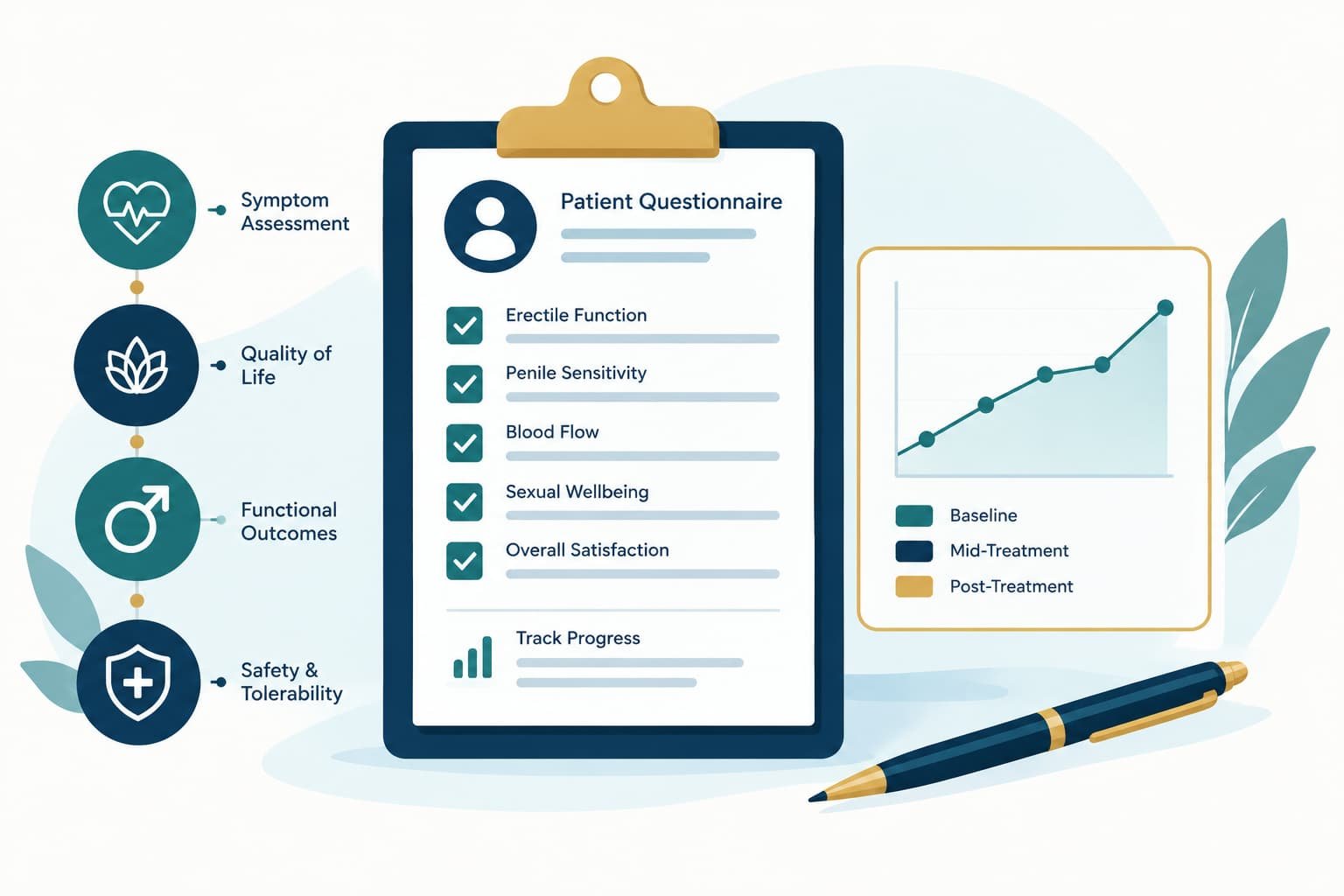
  • P-Shot for Peyronie’s Disease: Does PRP Therapy Help Penile Curvature?

    P-Shot for Peyronie’s Disease: Does PRP Therapy Help Penile Curvature?

    ✅Medically reviewed | Updated September 2026

    A penis that bends during erection can reshape intimacy, confidence and long-term health decisions. Peyronie’s disease affects roughly 1 in 16 men, and urologists suspect under-reporting. Meanwhile, private clinics increasingly promote platelet-rich plasma (PRP) injections as a regenerative solution. The P-Shot for Peyronie’s disease draws interest because it uses the patient’s own blood and avoids surgery. However, online summaries often promise more than the data deliver.

    This article examines what the research actually shows. In addition, it reviews trial data from Morocco, Italy, France and the United States. It also compares NHS and NICE material with European Association of Urology (EAU) and American Urological Association (AUA) guidance. Overall, each section separates established facts from early findings.

    PRP may reduce curvature modestly in some men, but no guideline recommends it as standard care. Readers will find realistic figures, safety data, study limitations and a comparison with other penile curvature treatment options.

    What Is Peyronie’s Disease?

    Peyronie’s disease develops when fibrous scar tissue, called plaque, forms in the tunica albuginea. This fibrous layer surrounds the erectile chambers of the penis. The plaque lacks elasticity. As a result, the penis bends, narrows or shortens during erection.

    The NHS states that the condition mainly affects men over 40, although younger men can develop it. Mild cases may need no treatment. However, pain, depression or difficulty with sex often justify medical help. A pronounced curve or a painful erection warrants a GP appointment.

    Prevalence and Causes

    NHS Hertfordshire and West Essex Integrated Care Board (ICB) policy estimates that about 6% of men have the condition. The same policy notes that the true figure may reach 10%. The cause remains unknown. Researchers favour a model of repeated micro-injury followed by an exaggerated fibrotic response. Inherited predisposition may also contribute.

    Acute and Chronic Phases

    Clinicians divide the disease into two phases. According to NHS Lothian, the acute phase lasts three to six months. ICB policy allows up to 12 months. Inflammation, pain and changing curvature characterise this stage. The chronic phase begins when pain settles and curvature stops changing. NHS Lothian reports that curvature stabilises in about 70% of men. It worsens again in 20% and improves in about 10%.

    For this reason, phase matters for treatment choice. NHS Lothian guidance recommends referral to secondary care once the chronic phase begins. Surgical options come into consideration only after that point.

    How the P-Shot Works

    The P-Shot, also called the Priapus Shot, is a branded term for PRP injection into penile tissue. First, a clinician draws a small blood sample from the arm. A centrifuge then spins the sample and concentrates the platelets. Finally, after local anaesthetic, the clinician injects the concentrate.

    Technique differs between conditions. Standard P-Shot protocols for erectile function target the erectile chambers. In contrast, Peyronie’s studies inject PRP directly into or around the plaque. Therefore, the P-Shot for Peyronie’s disease uses a different injection strategy from the P-Shot for erectile dysfunction.

    PRP Tissue Repair: The Biological Rationale

    Illustration of PRP tissue repair with platelets near collagen fibres in scar tissue
    Platelets release growth factors, but their net effect on Peyronie’s plaque remains unproven.

    Platelets store growth factors, including platelet-derived growth factor and vascular endothelial growth factor. These factors support PRP tissue repair by stimulating cell growth, new blood vessels and collagen remodelling. Furthermore, PRP already features in orthopaedic, wound-healing and dermatological practice.

    However, Peyronie’s plaque reflects dysregulated fibroblast activity and excess collagen. Transforming growth factor beta drives part of that process, and PRP also contains it. Consequently, the net effect of PRP on plaque biology remains unproven. A plausible mechanism does not prove a clinical benefit.

    What Does the Evidence Say About the P-Shot for Peyronie’s Disease?

    Research on PRP for Peyronie’s has expanded in recent years, yet most studies remain small. Randomised data are only now emerging.

    Early Cohort Studies

    A Moroccan prospective study enrolled 65 men with curvature between 25° and 45°. Participants received an average of 6.1 PRP injections. Curvature improved by about 17° in both severity groups. The share of men with painful intercourse fell from 70.7% to 34.25%. However, the study had no control group. Therefore, placebo effects and natural improvement could explain part of the change.

    An Italian cohort of 72 men received three injections two weeks apart. Median curvature fell from 50° to 40°. Similarly, median plaque size fell from 11.1 mm to 8.2 mm. A French pilot study of 17 men reported significant improvement in Peyronie’s Disease Questionnaire scores at three months. In addition, that study recorded no side effects.

    Findings in Chronic Peyronie’s Disease

    A 2026 Italian retrospective study offers a more cautious picture. Researchers treated 36 men with stable disease using three weekly injections. Mean curvature fell from 30.5° to 24.2°, a change of 6.3°. Only 25% of men achieved a reduction of 10° or more, a threshold often regarded as clinically relevant. Furthermore, erectile function scores rose by 1.1 points, which did not reach statistical significance. The authors concluded that PRP should stay investigational until randomised trials report.

    Randomised Trial Data

    The most rigorous data reviewed here come from a University of Miami trial. Researchers randomised 41 men to PRP or saline injections and crossed the groups after three months. An interim analysis of 28 men found no adverse events. At six months, the group that received PRP first reached a median curvature of 25° (p = 0.047). In contrast, the group that received saline first showed no significant change (p = 0.490). The authors described a delayed effect and warned that the small sample limits conclusions. The published report covers interim data only.

    Systematic Review Findings

    A 2024 World Journal of Urology systematic review searched for PRP studies in erectile dysfunction and Peyronie’s disease. It included 17 studies. Four used randomised designs. Together, the studies covered 1,099 patients. Most showed small to moderate benefits. Side effects stayed mild and transient, and no major adverse events emerged. Across the literature, benefits look small to moderate, and large randomised confirmation is still missing.

    Guideline Position: NHS, NICE, EAU and AUA

    No UK guideline recommends the P-Shot for Peyronie’s disease as a penile curvature treatment. ICB policy states that good evidence and UK guidance on conservative management remain lacking. The policy points clinicians to EAU guidance instead. The same policy declines to fund shockwave therapy because of inadequate evidence.

    NICE holds interventional procedures guidance on shockwave therapy for Peyronie’s disease, dating from 2003. That guidance also describes treatments as relieving symptoms rather than curing the disease. However, the NICE material reviewed for this article contains no recommendation on PRP.

    Specialist societies take a firmer line. A 2024 narrative review reports that the AUA and EAU classify PRP and stem cell therapy as experimental. This applies to Peyronie’s disease. Similarly, a 2025 Korean consensus statement reaches the same conclusion. The AUA also treats PRP as experimental for erectile dysfunction. In guideline terms, PRP remains an experimental penile curvature treatment.

    Who Might Consider PRP for Peyronie’s?

    Published studies mostly enrolled men with moderate curvature. For example, the Moroccan cohort included angles of 25° to 45°. The Italian cohorts reported baseline averages between about 30° and 50°. Data for severe curvature appear sparse. The three larger cohorts described above also enrolled men with stable disease. Therefore, evidence for the acute phase remains limited.

    Erectile dysfunction often coexists with Peyronie’s disease. Separate assessment matters because erectile difficulty can block intercourse independently of curvature. Sound practice includes the following steps before any injection:

    • A confirmed diagnosis, based on examination and, where indicated, ultrasound.
    • Objective curvature measurement, ideally by goniometer or standardised photographs.
    • Separate assessment of coexisting erectile dysfunction.
    • Screening for bleeding disorders and anticoagulant use.
    • A frank discussion of experimental status and realistic outcomes.

    Men with severe curvature that prevents intercourse should seek a urology opinion about surgical options. NHS Lothian lists inability to achieve penetrative intercourse as a referral indication.

    Realistic Outcomes and Study Limitations

    Cohort data show average curvature reductions between about 6° and 17°. Individual response varies widely. Measurement methods also differ. One reviewed study relied on patient-taken photographs and lacked validated questionnaires. In the Italian retrospective study, only one in four men reached a 10° reduction. ICB policy states that treatment cannot completely reverse the changes. Complete straightening is not a realistic expectation.

    Why Current Studies Need Caution

    Several limitations weaken the current evidence:

    • Most studies lack a control group, so placebo effects and natural fluctuation remain possible.
    • Sample sizes stay small, often below 100 men.
    • Injection numbers and intervals differ, from three injections to about six.
    • Follow-up periods range from four weeks to six months.
    • PRP preparation systems vary in platelet concentration.

    Because of these gaps, no study proves lasting benefit. Larger randomised trials with standard protocols and longer follow-up remain essential.

    Comparing Penile Curvature Treatment Options

    The P-Shot for Peyronie’s disease forms one of several penile curvature treatment routes. Each route suits a different stage and severity.

    Observation and Conservative Care

    The NHS advises that mild symptoms may need no treatment. However, ICB policy notes that good evidence for conservative measures remains lacking. Therefore, expectations should stay modest for oral and device-based approaches.

    Collagenase Injections

    Collagenase (Xiapex) once served as the main injectable option. ICB policy confirms that the manufacturer withdrew it from the European market. Consequently, the UK no longer has supply. French researchers link rising interest in PRP partly to that withdrawal.

    Shockwave Therapy

    NICE published guidance on shockwave therapy in 2003. According to a 2024 review, the AUA and EAU support shockwave therapy for pain control only. Local NHS policy does not fund it. Hence, shockwave therapy offers limited help for curvature.

    Surgery

    Surgery suits men with stable curvature that blocks intercourse. Surgery cannot usually restore the penis to its original shape, according to the NHS. Options include plication, grafting and prosthesis implantation. Surgery currently remains the most established route for severe, stable curvature.

    Safety, Side Effects and Costs

    Reported Safety Profile

    PRP uses the patient’s own blood, so allergic reaction is unlikely. Overall, reported adverse events remain mild. Safety data for the P-Shot for Peyronie’s disease come mainly from small cohorts and one interim randomised report. The Italian retrospective study recorded pain in 5.6% and haematoma in 2.8% of men. The Miami interim analysis and the French pilot study reported no adverse events. Rare risks include infection and bleeding, as with any injection. However, long-term safety data beyond six months remain scarce.

    Costs and Access

    Prices for a P shot London session typically range from £900 to £1,500, depending on the clinic. Study protocols used three to six injections. Therefore, a full course can cost several thousand pounds. Finally, men should request a written total cost before treatment.

    Choosing a Qualified Provider

    Peyronie’s disease needs accurate diagnosis before any injection. First, men should verify practitioner registration on the General Medical Council (GMC) register. In addition, clinics in England should hold Care Quality Commission (CQC) registration. Clinics that advertise a P shot London service differ in training, equipment and protocols. Written information should state clearly that PRP for Peyronie’s remains experimental.

    Questions to Raise at Consultation

    Consultation desk with notes and a tablet chart for penile curvature treatment review
    A written treatment plan should state the protocol, the evidence behind it and the total cost.

    Men can raise the following questions before agreeing to treatment:

    • Which protocol applies, and which published study supports it?
    • How will the clinic measure curvature before and after treatment?
    • What is the total cost, including follow-up?
    • What happens if curvature does not change?

    Clinic and Practitioner Background

    Pshots clinic UK operates a Harley Street practice in Marylebone under Dr Syed Nadeem Abbas (MBBS, MRCSEd, MRCGP). The lead clinician also holds an MSc in Aesthetic Plastic Surgery with Distinction from Queen Mary University of London. Postgraduate training took place at Cambridge, Oxford and the Royal London Hospital. Overall, the same checks apply to every provider.

    Frequently Asked Questions

    Treatment and Evidence

    Does the P-Shot for Peyronie’s disease straighten the penis?

    No study shows complete straightening. Cohort studies report average curvature reductions of roughly 6° to 17°. Individual results vary, and randomised evidence remains limited.

    Can PRP dissolve Peyronie’s plaque?

    Some studies report small reductions in plaque size, consistent with limited PRP tissue repair effects. One Italian cohort recorded a fall from 11.1 mm to 8.2 mm. However, the studies reviewed here did not show complete plaque resolution.

    Does PRP improve erectile function in Peyronie’s disease?

    Findings vary. In the Italian retrospective study, a 1.1-point erectile function score gain lacked statistical significance. In the Moroccan cohort, 55.5% of men reported easier intercourse.

    Does PRP work better than traction or surgery?

    The studies reviewed here contain no head-to-head comparisons. Surgery remains the most established route for stable, severe curvature. PRP remains experimental.

    Does PRP suit acute or chronic Peyronie’s disease?

    The three larger cohorts enrolled men with stable disease. Evidence for the acute phase remains limited. A urologist can stage the disease using history, examination and ultrasound.

    Safety and Practical Questions

    How many PRP sessions do studies use?

    Protocols ranged from three injections, one to two weeks apart, to 6.1 injections on average in the Moroccan cohort.

    What side effects follow PRP injection?

    Studies report mild, transient pain and occasional haematoma. Some trials recorded no adverse events.

    Should a GP appointment come first?

    Yes. The NHS advises seeking help for a pronounced curve or painful erections. A GP can examine the penis, arrange an ultrasound and discuss referral.

    Key Takeaways

    PRP for Peyronie’s holds an uncertain place in penile curvature care. Early studies report modest gains in curvature, plaque size and pain, alongside a mild safety profile. However, most studies lack control groups, and major guidelines classify PRP as experimental. Informed consent therefore means understanding both the promise and the gaps.

    Men considering the P-Shot for Peyronie’s disease should first secure a confirmed diagnosis, disease staging and objective curvature measurement. In addition, a urology opinion helps compare surgery, traction and other options. Written protocols, session numbers and realistic outcomes deserve discussion before any injection. This article informs and does not replace individual medical advice.

    If evidence for a treatment stays modest, how much uncertainty is acceptable when the decision affects intimacy and confidence?

    Read more:

    P-Shot for Sensitivity vs ED: Does It Work Differently?

    P-Shot Near Me: How to Find a Qualified Clinic in the UK

    P Shot Treatment London

    Dr Syed Nadeem Abbas, MBBS, MRCSEd, MSc Aesthetic Plastic Surgery (Distinction) Medical Director, Pshot Clinic | CQC Regulated | Monday to Saturday 10:00–18:00 +44 7955 836986 
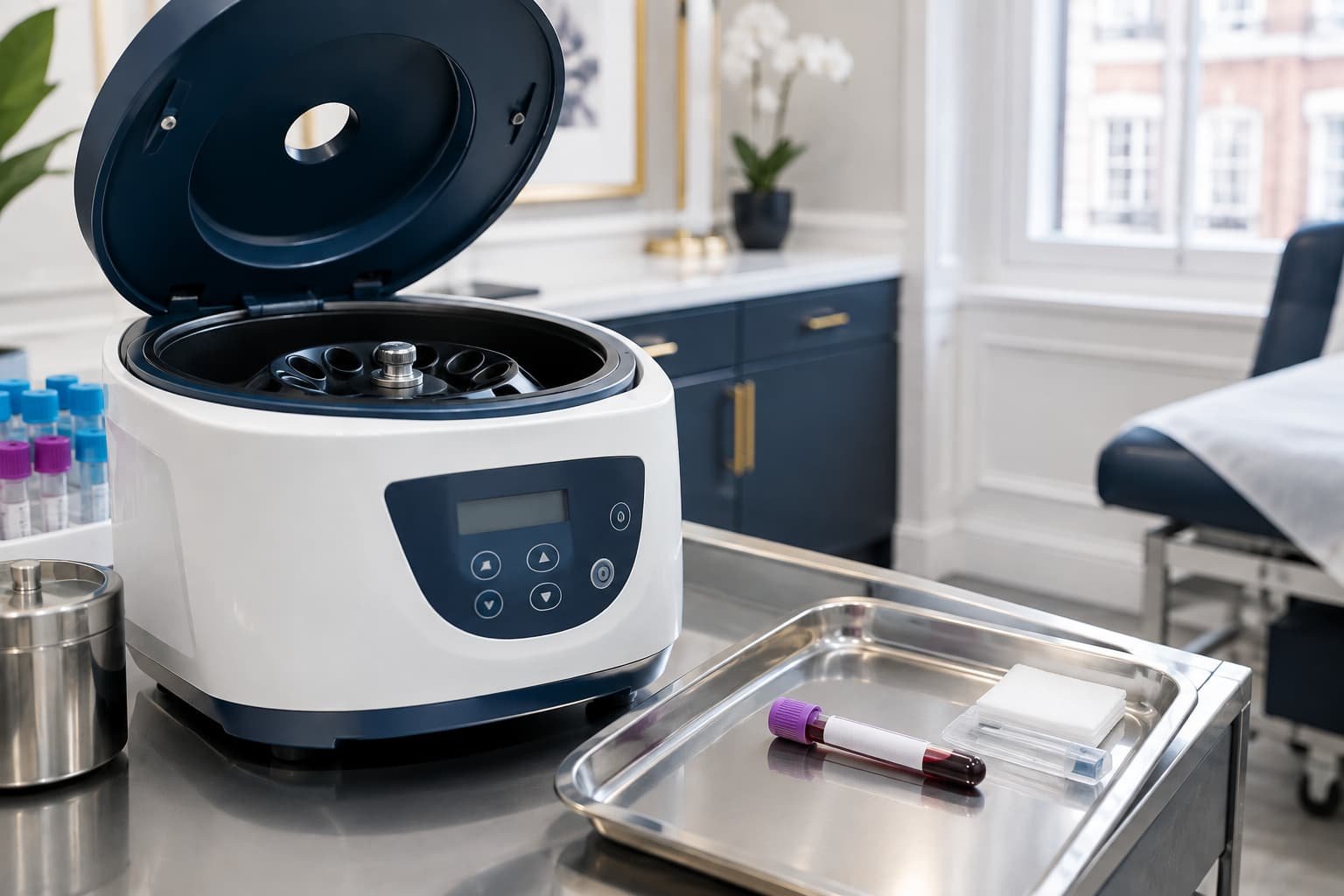
  • Peyronie’s Disease Treatment Options in London: A Complete Comparison

    Peyronie’s Disease Treatment Options in London: A Complete Comparison

    ✅Medically reviewed | Updated September 2026

    Peyronie’s disease affects a meaningful share of UK men, yet confusion often delays treatment. Medication, traction devices, injections, shockwave therapy and surgery each promise results. Each option suits a different stage of the condition, though. This guide compares every recognised Peyronie’s disease treatment available in London. The comparison weighs evidence, cost and realistic outcomes side by side. Private clinics across Harley Street now offer a full spectrum of care. Options range from conservative management in early disease to reconstructive surgery once curvature stabilises. Men researching treatment need clarity, not promotional claims. The following sections set out what current medical literature actually supports. NHS guidance, NICE recommendations and peer-reviewed research form the basis for every claim made here.

    Understanding Peyronie’s Disease

    Peyronie’s disease develops when fibrous scar tissue, called plaque, forms inside the tunica albuginea. NHS data show the condition mostly affects men over the age of 40. Younger men can develop it too, though less commonly. The plaque restricts normal tissue expansion during erection. This restriction produces curvature, indentation or shortening of the shaft. Pain often accompanies the early, acute phase of the disease. Erectile dysfunction can also develop as the condition progresses. Confidence and intimacy both suffer when curvature goes unaddressed for long periods.

    How the Underlying Fibrosis Develops

    Micro-injury during intercourse likely triggers much of the underlying process. Damaged tissue releases growth factors, including transforming growth factor beta. These growth factors drive fibroblast activity within the tunica albuginea. Excess collagen then accumulates, forming the rigid plaque itself. Genetic predisposition, including family history of Dupuytren’s contracture, may increase risk. Diabetes and smoking also appear to raise overall risk levels. Research into these pathways continues, though gaps in understanding remain.

    Symptoms and Diagnosis

    Common signs include a palpable lump, curvature during erection and pain. Some men notice a visible narrowing or hourglass-shaped deformity. NHS guidance confirms many men experience little or no pain at all. Diagnosis usually starts with a straightforward physical examination. Many private clinics also use penile duplex ultrasound scanning. This scan measures plaque size and blood flow accurately. Clinicians record the degree of curvature before recommending treatment. This measurement guides every later decision in the pathway.

    Acute Phase Versus Chronic Phase

    The acute phase lasts roughly six to twelve months. Active inflammation, evolving curvature and pain mark this stage. The chronic phase follows once curvature stabilises and pain settles. Correct staging determines which Peyronie’s disease treatment offers the best chance of success. Non-surgical options generally work best during the acute phase. Surgery becomes the primary route once the disease reaches the stable phase.

    Non-Surgical Peyronie’s Disease Treatment Options in London

    Most private clinics in London begin conservative management for the condition first. Surgery only becomes necessary once these measures fail or curvature stabilises. Non-surgical approaches suit men in the acute phase especially well. These approaches also suit men wishing to avoid an operation altogether.

    Oral and Topical Medication

    Vitamin E, pentoxifylline and potassium para-aminobenzoate rank among common oral agents. A 2023 network meta-analysis reviewed twenty-four randomised trials on these therapies. The trials included 1,643 participants across multiple countries. Frequentist analysis found several agents reduced curvature and plaque size significantly. Pentoxifylline, coenzyme Q10 and vitamin E all showed measurable benefit. Bayesian analysis, however, found no agent clearly beat placebo overall. This finding highlights genuine uncertainty still surrounding oral therapy. No single tablet cures Peyronie’s disease, and expectations should stay realistic.

    Penile Traction Therapy

    Traction devices apply gentle, sustained tension along the shaft. Clinical evidence suggests this approach can add length and reduce curvature. Few other conservative options achieve this combined effect. Typical protocols involve wearing a CE-marked device for several hours daily. Treatment usually continues across three to six months. Consistent daily use matters more than any specific device brand.

    Intralesional Injections

    Collagenase clostridium histolyticum, sold as Xiapex, breaks down plaque collagen directly. Two injections delivered forty-eight hours apart form one treatment cycle. Manual modelling of the penis follows each injection cycle in clinic. Multiple cycles produce measurable curvature reduction in many patients. Trial evidence supporting collagenase remains stronger than most oral therapies. Verapamil and hyaluronic acid injections offer gentler alternatives where needed. Supporting evidence for these alternatives remains more limited, though.

    Low-Intensity Shockwave Therapy

    Icons representing non-surgical Peyronie's disease treatment options in London
    Non-surgical routes range from oral medication to shockwave therapy and injections.

    Shockwave therapy delivers acoustic pulses to the affected tissue. Sessions typically run weekly across a structured treatment course. Research reviewed by the World Journal of Men’s Health noted mixed results. Combination protocols produced significant improvement in erectile function scores. Curvature change from shockwave alone remained comparatively modest, though. Most London clinics now position shockwave as an adjunct therapy. Pain relief typically exceeds structural correction with this approach.

    Platelet-Rich Plasma and the P Shot Approach

    Platelet-rich plasma injections have gained interest as a regenerative option. This sits within the wider field of non-surgical treatment for erectile dysfunction in London. The P Shot treatment, sometimes called the Priapus Shot, uses concentrated platelets. Clinicians draw these platelets from the patient’s own blood sample. The concentrate then goes back into targeted penile tissue. Clinics offering P Shot London treatment position it mainly as functional support. The procedure supports erectile tissue quality rather than curing existing plaque. Interest in P shot UK provision continues rising steadily. Demand for broader penile injection growth procedures has grown alongside this trend. Men researching P shot before and after results should stay realistic. Published evidence for PRP in Peyronie’s disease specifically remains preliminary. Collagenase and traction therapy currently carry stronger supporting evidence. Priapus shot price in London reflects consultation, preparation and technique used. Pricing varies noticeably between individual providers and clinics. The Priapus shot London market has grown alongside broader p injection interest. Patients should discuss expected outcomes candidly before booking any P shot treatment. Cost alone should never guide this decision; evidence and suitability matter more.

    Non-Surgical Treatment for Erectile Dysfunction in London

    Erectile dysfunction frequently accompanies Peyronie’s disease, particularly with reduced blood flow. Phosphodiesterase-5 inhibitors, such as tadalafil, remain first-line therapy for most men. Daily low-dose use may modestly limit further scarring over time. Vacuum erection devices provide a useful mechanical alternative for many patients. Clinicians often combine these devices with traction therapy for dual benefit. Effective non-surgical treatment for erectile dysfunction in London usually combines several approaches. NICE guidance supports stepped management starting with the least invasive suitable option. This approach fits the individual health profile and personal circumstances involved. Combination therapy often works better than any single option alone. Regular review allows clinicians to adjust the plan as symptoms change.

    Surgical Peyronie’s Disease Treatment Options

    Surgery becomes the recommended route once curvature stabilises for six months. Significant interference with intercourse also supports moving toward surgical correction. Three main techniques currently dominate UK surgical practice.

    Plication Surgery

    Plication, including the Nesbit procedure, shortens the longer, unaffected tunica side. This shortened side then matches the scarred, shorter side. The operation typically takes under one hour to complete. Surgeons often perform plication as straightforward day surgery. Success rates for achieving a straight erection sit between 85 and 90 percent. Some overall shortening of length should be expected as a direct trade-off.

    Plaque Incision and Grafting

    This technique incises the plaque directly and covers the defect with a graft. Length preservation makes this option attractive compared with plication alone. Surgeons generally reserve grafting for severe curvature exceeding 60 to 70 degrees. Complex hourglass deformities also often call for this approach. Temporary or permanent erectile weakness develops in a meaningful minority of cases. Pre-operative erectile function assessment therefore matters considerably beforehand.

    Penile Prosthesis Implantation

    Icons comparing plication, grafting and prosthesis as surgical Peyronie's disease treatment options
    Surgical correction becomes an option once curvature stabilises and non-surgical routes have been exhausted.

    Some men experience both curvature and persistent erectile dysfunction together. An inflatable or malleable prosthesis can restore both function and shape at once. Recovery involves a short hospital stay and device training afterward. Most men resume sexual activity within several weeks of the procedure. This option carries the highest cost among current surgical routes. It also delivers the most predictable combined outcome for severe disease.

    Treatment Options at a Glance

    A structured comparison helps clarify which option suits which stage of disease.

    OptionBest Suited ForTypical London CostEvidence Level
    Oral medicationEarly acute-phase disease£10–£150/monthMixed
    Penile traction therapyLength preservation, acute/chronic£150–£400Moderate
    Collagenase injectionsCurvature under ~60°£6,000–£8,000Strong
    PRP / P Shot treatmentErectile function support£900-£1500Preliminary
    Shockwave therapy Pain relief, adjunct useCourse £900–£2,500Limited for curvature
    Plication surgeryStable curvature under 60°£5,000–£8,000Strong
    Plaque incision & graftingSevere curvature, length preserved£7,000–£10,000Strong
    Penile prosthesisCombined ED and curvature£10,000–£15,000+Strong

    Comparing Costs and Realistic Outcomes

    London private clinics price care for Peyronie’s disease according to complexity. Consultant seniority and hospital overheads also affect final pricing. The following breakdown gives a general guide to current London pricing.

    • Initial consultation: £200–£400
    • Traction device or vacuum pump: £150–£400
    • Collagenase injection course: £6,000–£8,000
    • PRP injections: £900–£1500 per session
    • Plication surgery: £5,000–£8,000
    • Plaque incision and grafting: £7,000–£10,000
    • Penile prosthesis implantation: £10,000–£15,000+

    No treatment guarantees complete resolution, and realistic goal-setting should shape every consultation. Spontaneous partial improvement occurs in a small minority of men only. Most men still require some form of active management for meaningful change.

    Preparing for Peyronie’s Disease Treatment: What to Expect at Consultation

    Preparation helps every consultation run efficiently and productively. Men should bring a current list of medications and known allergies. Details of any previous penile trauma also help clinicians assess risk. Clear photographs of the erect penis, taken in good lighting, assist assessment. Many clinics also request a brief symptom and pain history beforehand. Duplex ultrasound scanning typically follows the initial physical examination. Hormone panels and cardiovascular screening sometimes accompany this initial workup. Follow-up reviews then track progress at regular intervals afterward. Non-surgical therapies generally require no significant time away from work. Surgical routes involve short recovery periods and staged follow-up visits.

    Living with Peyronie’s Disease During Treatment

    A diagnosis need not end sexual intimacy altogether. Simple pain management often helps couples remain active during treatment. Over-the-counter analgesia before intercourse can ease initial discomfort. Generous lubrication and side-lying positions also reduce strain on the area. Open communication between partners typically improves outcomes and reduces anxiety. Anxiety and low mood are common reactions to this diagnosis. UK support services, including Relate counselling, offer confidential guidance for couples. The Men’s Health Forum also provides a helpline for men seeking support. Quitting smoking and managing blood sugar levels may aid tissue recovery. Avoiding vigorous activity during the acute phase limits further micro-injury. Partner involvement in appointments often improves shared understanding of the condition. Patience matters, since most non-surgical therapies take several months to show measurable change.

    Choosing a Qualified Peyronie’s Disease Treatment Provider in London

    Credentials matter enormously given this field’s sensitive, technical nature. Men should seek consultants holding recognised urological or andrological qualifications. A transparent account of case volume and outcomes also helps. Pshots clinic, led by Dr Syed Nadeem Abbas, sits within London’s wider Harley Street network. This network offers assessment and management pathways for men’s sexual health concerns. These concerns include Peyronie’s disease and related erectile dysfunction. Membership of bodies such as BAUS Andrology adds a further reassurance marker. Published outcome audits and case volume figures indicate genuine sub-specialist experience. NHS pathways remain available at no cost throughout the UK. Waiting times for specialist input or surgery can extend considerably longer, though.

    Questions Worth Raising at the First Appointment

    Case volume for this specific condition deserves a direct question early on. Revision rates after previous surgical procedures also merit discussion beforehand. Clarifying which non-surgical tools a clinic actually offers helps set expectations. A second opinion remains a reasonable step before committing to surgery. Comparing NHS and private pathways side by side often clarifies genuine priorities. Private care generally offers faster scheduling and greater choice of surgeon. NHS care remains free at the point of use, though waiting lists vary.

    Frequently Asked Questions

    What is the most effective Peyronie’s disease treatment currently available?

    No universally superior option currently exists for every patient. Early acute-phase disease often responds well to traction therapy or oral agents. Collagenase injections also suit many men during this early stage. Stable, severe curvature usually requires surgical correction instead.

    Does the P Shot treat Peyronie’s disease directly?

    Current evidence positions PRP-based procedures mainly as functional support. These procedures support erectile tissue quality rather than curing existing plaque or curvature.

    How much does Peyronie’s disease treatment cost in London?

    Costs range from a few hundred pounds for consultations and devices. Complex surgical reconstruction can reach fifteen thousand pounds or more. Final cost depends heavily on severity and technique chosen.

    Can Peyronie’s disease resolve without any treatment?

    Spontaneous improvement occurs in a small minority of cases only. Most men require some form of active management for meaningful change.

    When should surgery replace non-surgical management?

    Surgery generally becomes appropriate once curvature stays stable for six months. Significant interference with intercourse also supports this decision.

    Does private insurance cover care for Peyronie’s disease in London?

    Some insurers cover diagnostics and surgical fees under certain policies. Traction devices, injections and pumps often fall outside standard coverage. Checking pre-authorisation requirements beforehand avoids unexpected costs later.

    Can lifestyle changes support recovery alongside medical care?

    Smoking cessation and good blood sugar control both support tissue healing. Avoiding vigorous activity during the acute phase may limit further injury.

    Is Peyronie’s disease common among UK men?

    NHS estimates suggest the condition affects a notable minority of adult men. Prevalence increases with age, particularly from the fifth decade onward.

    Key Takeaways

    Peyronie’s disease presents a genuinely varied treatment landscape today. Options range from oral medication and traction therapy through to reconstructive surgery. Selecting the right Peyronie’s disease treatment depends on accurate staging and realistic expectations. An honest discussion of evidence with a qualified specialist matters most. London’s private and NHS pathways together offer a full spectrum of care. Outcomes still vary between individuals, techniques and disease severity, though. Given how much staging and timing influence success, what deserves closer attention first?

    Read more:

    Penile Numbness vs Erectile Dysfunction: What’s the Difference?

    P-Shot Near Me: How to Find a Qualified Clinic in the UK

    P Shot Treatment London

    Dr Syed Nadeem Abbas, MBBS, MRCSEd, MSc Aesthetic Plastic Surgery (Distinction) Medical Director, Pshot Clinic | CQC Regulated | Monday to Saturday 10:00–18:00 +44 7955 836986 
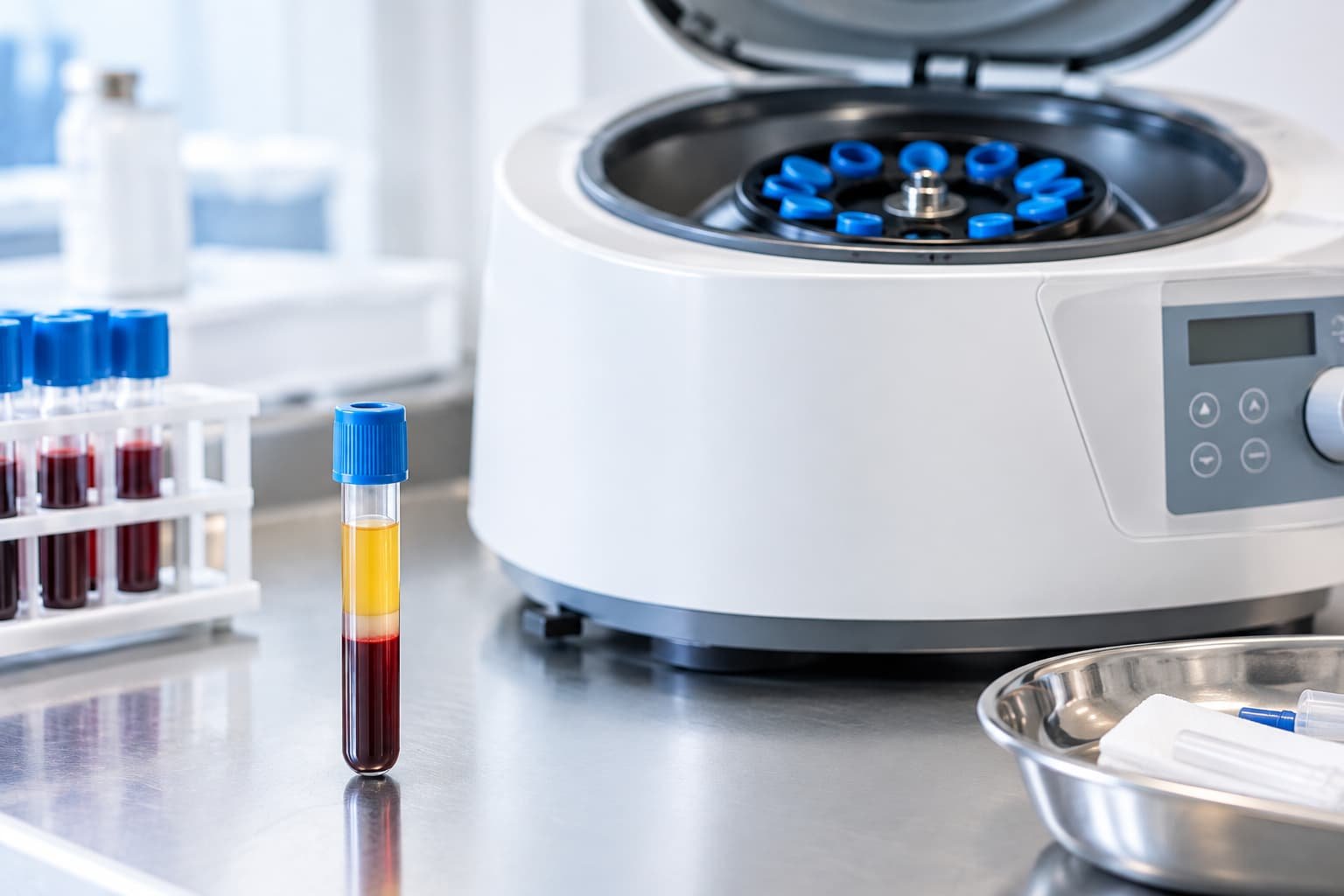
  • Early Signs of Lichen Sclerosus in Men: Symptoms Not to Ignore

    Early Signs of Lichen Sclerosus in Men: Symptoms Not to Ignore

    ✅Medically reviewed | Updated September 2026

    Lichen sclerosus is a chronic inflammatory skin condition affecting genital skin in men, often developing slowly and escaping notice until scarring has already begun. Recognising the early signs of lichen sclerosus allows men to seek treatment before the condition narrows the foreskin, tightens the tip of the penis, or restricts normal urination. Many men mistake the first symptoms for irritation, a minor infection, or simple dryness, and delay a medical review. This article sets out the early signs of lichen sclerosus clinicians look for, explains how the condition develops, and outlines evidence-based treatment pathways drawn from NHS and British Association of Dermatologists guidance. It also considers the wider effect of long-term scarring on erectile function and reviews non-surgical options available across London clinics for related sexual health concerns.

    What Is Lichen Sclerosus?

    Lichen sclerosus is a long-term inflammatory skin disorder. NHS guidance describes the condition as causing itchy white patches, most often on genital skin. The exact cause remains unclear, though clinicians link the condition to an overactive immune response affecting skin cells. Lichen sclerosus is not an infection and cannot pass between sexual partners. In men, the British Association of Dermatologists refers to genital lichen sclerosus by a second name: balanitis xerotica obliterans. The condition typically develops on the foreskin and glans, the tip of the penis, though patches occasionally appear elsewhere on the body.

    Why Early Signs of Lichen Sclerosus Deserve Attention

    Delayed diagnosis allows inflammation to progress unchecked. Untreated lichen sclerosus can scar the foreskin, narrow the urinary opening, and distort the shape of the glans. Identifying early signs supports long-term skin structure, sexual function, and urinary health. Peer-reviewed dermatology literature links delayed or inadequate treatment with a higher risk of secondary complications, including chronic discomfort and reduced tissue elasticity.

    How Common Is Lichen Sclerosus in Men?

    Lichen sclerosus occurs more often in women, particularly after menopause, though men and boys develop the condition too. Exact UK prevalence in men remains difficult to establish, since many cases go unreported or misdiagnosed as balanitis or a fungal infection. Clinical literature notes a strong association between lichen sclerosus and an intact, uncircumcised foreskin; the condition rarely develops in men circumcised in infancy. Men of any age can develop lichen sclerosus, including boys before puberty and men in later adulthood.

    Early Signs of Lichen Sclerosus in Men

    Infographic of five early lichen sclerosus symptoms in men
    Five key symptoms to watch for in the early stages of lichen sclerosus.

    Recognising the early signs of lichen sclerosus supports timely referral and treatment. Presentation varies between individuals, and some men notice mild changes only after several months.

    Changes in Skin Colour and Texture

    The foreskin and glans often develop pale, whitish patches. Affected skin may appear thickened, shiny, or crinkled compared with surrounding tissue. Some men notice a firm, waxy texture at the tip of the penis. These skin changes represent one of the clearest early signs of lichen sclerosus and often appear before pain or functional symptoms begin.

    Itching, Soreness and Irritation

    Persistent itching affects many men with early-stage disease. The skin may feel sore, tender, or easily irritated by clothing or contact. Some men describe a burning sensation after urination. Itching that does not resolve with standard hygiene changes warrants clinical review.

    Difficulty Retracting the Foreskin

    Progressive tightening of the foreskin, known clinically as phimosis, ranks among the most commonly reported symptoms. Men may notice the foreskin no longer retracts as easily as before, or that retraction causes small tears or bleeding. This symptom often prompts the first GP consultation.

    Urinary Symptoms

    Scarring near the urethral opening can narrow the urinary stream. A thin, split, or slow urine stream can signal early structural change caused by lichen sclerosus. Some men experience a sensation of incomplete bladder emptying or mild spraying during urination.

    Discomfort During Erections

    Tightened or scarred skin restricts normal stretching during an erection. Pain, tightness, or visible cracking of the skin during arousal can indicate progressing disease. Left unaddressed, this symptom often worsens over subsequent months.

    What Causes Lichen Sclerosus?

    The precise cause of lichen sclerosus remains unknown. Current dermatological understanding points toward an immune-mediated process, in which the immune system targets healthy skin tissue. Genetic predisposition, chronic irritation, and hormonal factors may all contribute, though no single trigger explains every case. Clinical evidence consistently shows very low incidence among men circumcised early in life, suggesting prolonged exposure of the glans to trapped moisture and friction plays a contributing role.

    Distinguishing Lichen Sclerosus From Similar Conditions

    Several genital skin conditions produce overlapping symptoms, which occasionally delays accurate diagnosis. Balanitis, a general term for inflammation of the glans, can cause redness, soreness, and discharge without the characteristic whitening seen in lichen sclerosus. Fungal infections such as candidal balanitis typically respond to antifungal treatment within days, whereas lichen sclerosus does not improve without steroid therapy. Psoriasis affecting genital skin tends to appear as well-defined red patches rather than pale, thickened tissue. Lichen planus, another inflammatory skin condition, can affect genital skin but usually produces purplish, flat-topped lesions rather than white plaques. Because these conditions require different management approaches, an accurate clinical diagnosis matters. Men unsure whether symptoms match the early signs of lichen sclerosus described above should avoid self-treating with over-the-counter antifungal creams and should arrange a GP review instead.

    Diagnosing Lichen Sclerosus in Men

    Clinical Examination

    A GP or dermatologist typically diagnoses lichen sclerosus through visual examination and a review of reported symptoms. Distinctive whitish, thickened skin, combined with the pattern of early signs described above, often allows a confident diagnosis without further testing.

    When a Biopsy Becomes Necessary

    A skin biopsy may confirm the diagnosis when presentation appears atypical or when a clinician needs to rule out other skin conditions. Biopsy also helps exclude precancerous change in longstanding or treatment-resistant cases. NICE guidance and dermatology literature support biopsy where a lesion shows irregular pigmentation, non-healing ulceration, or fails to respond to standard steroid treatment.

    Why These Early Signs Should Not Be Ignored

    Risk of Scarring and Phimosis

    Ongoing inflammation gradually replaces healthy elastic tissue with fibrous scar tissue. This scarring process can permanently narrow the foreskin opening, sometimes requiring surgical correction where topical treatment alone cannot restore normal retraction.

    Urethral Narrowing

    Long-standing lichen sclerosus occasionally extends into the urethral opening, producing a condition called meatal stenosis. Severe narrowing can restrict urinary flow and, in advanced cases, require surgical widening of the urethral opening.

    Association With Penile Cancer

    Peer-reviewed research, including studies indexed on PMC, associates a proportion of penile cancer cases with longstanding, poorly controlled lichen sclerosus. Overall risk remains low, and most men treated promptly never develop malignant change. Regular follow-up nonetheless forms an important part of long-term management, particularly for men with persistent or recurrent symptoms.

    Treatment Options for Lichen Sclerosus

    Topical steroid treatment used for managing lichen sclerosus
    Topical corticosteroids remain the first-line treatment for lichen sclerosus, per British Association of Dermatologists guidance.

    Topical Corticosteroids

    High-potency topical steroid ointment forms the first-line treatment recommended by the British Association of Dermatologists. Regular application over several months typically reduces inflammation, restores more normal skin texture, and controls itching. Lower-strength maintenance therapy often continues long term to prevent flare-ups.

    Circumcision

    Circumcision offers a definitive surgical option for men with persistent phimosis or repeated symptom flares despite steroid treatment. Removing affected foreskin tissue often resolves retraction difficulty and reduces the risk of further scarring, though lichen sclerosus can occasionally recur on remaining glans skin.

    Emollients and Second-Line Options

    Regular use of a plain, fragrance-free emollient supports the skin barrier alongside steroid treatment and during maintenance phases. Where topical steroids prove insufficient or produce side effects, dermatologists sometimes consider second-line options such as topical calcineurin inhibitors, though evidence for these remains less extensive than for corticosteroids. Referral to a specialist dermatology or urology clinic becomes appropriate when standard treatment fails to control symptoms within the expected timeframe.

    Ongoing Monitoring

    Because lichen sclerosus carries a small long-term cancer risk, clinicians typically recommend periodic skin review, even once symptoms settle. Long-term monitoring remains an essential part of managing lichen sclerosus safely. Men with a history of poorly controlled disease, or with previous atypical biopsy results, may need more frequent review than those with well-controlled, mild disease.

    Psychological Impact of Lichen Sclerosus

    A chronic genital skin condition can affect confidence and wellbeing, even when physical symptoms remain mild. Discomfort during intimacy, visible skin changes, and uncertainty about long-term outlook contribute to anxiety for some men. Clear information about diagnosis, treatment, and expected outcomes helps reduce this uncertainty. Support from a GP, dermatologist, or counsellor remains available for men finding the condition difficult to manage emotionally, and open discussion with a healthcare professional forms a normal part of ongoing care.

    Lichen Sclerosus, Erections and Sexual Health

    Long-standing scarring from lichen sclerosus can restrict normal tissue stretch, sometimes contributing to painful or reduced-quality erections. Erectile difficulty in this context stems from structural skin changes rather than vascular or hormonal causes, and dermatological treatment of the underlying condition remains the clinical priority.

    Separately, men experiencing erectile dysfunction from other, unrelated causes sometimes explore non-surgical treatment for erectile dysfunction in London, including PRP-based injectable treatment, marketed under the name P shot treatment or Priapus shot. A P shot treatment, sometimes called a p injection, uses platelet-rich plasma prepared from a patient’s own blood and injected into penile tissue. Clinics offering the Priapus shot London providers describe, including services researched under the term P shot London, position the treatment as a non-surgical treatment for erectile dysfunction in London, distinct from dermatological management of skin conditions such as lichen sclerosus. Some London clinics, including pshots clinic uk under the clinical direction of Dr Syed Nadeem Abbas, list P shot treatment among a wider range of men’s sexual health services.

    Priapus shot price in the UK commonly ranges between roughly £900 and £1,500 per session, and P shot UK providers generally recommend a full consultation before treatment. Marketing material describing penile injection growth and P shot before and after results should be interpreted cautiously; clinical evidence for the P shot remains limited, and outcomes vary between individuals. A P shot treatment does not treat lichen sclerosus and does not replace dermatological or urological care for scarring-related symptoms. Men with erectile difficulty linked to lichen sclerosus scarring should address the underlying skin condition with a dermatologist or urologist before considering a p injection or any elective treatment for sexual function.

    Choosing a Clinic for Related Sexual Health Concerns

    Men researching options for erectile difficulty linked to scarring, or considering an elective treatment such as the P shot, benefit from checking a provider’s clinical credentials before booking a consultation. A registered medical practitioner should lead any P shot London consultation, with a documented assessment of suitability and a clear explanation of realistic, evidence-based outcomes. Reputable Priapus shot London clinics provide a thorough medical history review and screen for conditions, including active lichen sclerosus, that may affect suitability for injectable treatment. Transparent pricing, a documented consent process, and realistic discussion of limitations distinguish a responsible provider from purely promotional marketing.

    Living With Lichen Sclerosus: Practical Management

    Simple daily measures support medical treatment. Avoiding soap, shower gel, and other irritant products on affected skin reduces flare frequency. A plain emollient can replace soap as a gentler cleansing alternative. Loose-fitting underwear reduces friction against sensitive skin. Attending scheduled follow-up appointments allows a clinician to adjust treatment and monitor for complications.

    When to See a Doctor

    Any man noticing persistent white patches, itching, tightening of the foreskin, or a change in urinary stream should arrange a GP appointment. Prompt review of these early signs reduces the risk of long-term scarring and supports better treatment outcomes. Sudden pain, bleeding, ulceration, or a rapidly changing lesion warrants urgent assessment.

    Frequently Asked Questions

    Is lichen sclerosus in men contagious?

    No. Lichen sclerosus is not an infection and cannot pass between sexual partners.

    Can lichen sclerosus be cured?

    No permanent cure currently exists. Topical steroid treatment controls symptoms effectively for most men, and long-term maintenance therapy helps prevent flare-ups.

    Does lichen sclerosus always require circumcision?

    No. Many men manage symptoms successfully with topical steroids alone. Circumcision becomes an option when phimosis persists or recurs despite medical treatment.

    Can lichen sclerosus affect fertility?

    Lichen sclerosus primarily affects skin structure rather than reproductive organs directly, though severe scarring can occasionally complicate intercourse. Specific fertility concerns should be discussed with a urologist.

    Is a P shot treatment a cure for lichen sclerosus?

    No. A P shot treatment addresses erectile dysfunction through PRP injection and does not treat the underlying skin inflammation or scarring caused by lichen sclerosus.

    How often should follow-up appointments happen?

    Follow-up frequency depends on symptom severity and treatment response. Many clinicians recommend annual review once symptoms stabilise, in line with general dermatology monitoring guidance.

    Can lichen sclerosus come back after circumcision?

    Recurrence on remaining glans skin is possible, though circumcision generally reduces the frequency and severity of symptoms for most men.

    Should erectile difficulty from lichen sclerosus scarring be treated with a P shot?

    Scarring-related erectile difficulty should first be assessed by a dermatologist or urologist. A P shot treatment addresses erectile function through PRP injection and does not resolve the underlying skin scarring.

    Outlook for Men Diagnosed With Lichen Sclerosus

    Most men diagnosed early and treated consistently achieve good long-term control of symptoms. Regular steroid application, avoidance of irritants, and scheduled monitoring together reduce the likelihood of significant scarring. Men who delay diagnosis, or who apply treatment inconsistently, face a higher chance of progressive tightening, urinary symptoms, and the need for surgical correction. Outcomes therefore depend heavily on how quickly the early signs of lichen sclerosus receive medical attention and how consistently treatment continues once prescribed. A realistic, well-informed approach to diagnosis and ongoing care supports the best achievable long-term result for most men.

    Key Takeaways

    Lichen sclerosus in men remains a manageable condition when identified and treated early. Recognising the early signs of lichen sclerosus protects skin structure, urinary function, and long-term sexual health. NHS and British Association of Dermatologists guidance both support prompt GP assessment and consistent long-term monitoring. Delayed diagnosis increases the risk of scarring, urethral narrowing, and, in rare cases, malignant change. Genital skin changes deserve attention rather than dismissal as minor irritation. What would change if more men recognised these signs before scarring became permanent?

    Read more:

    What Are the First Signs of Erectile Dysfunction?

    P-Shot Near Me: How to Find a Qualified Clinic in the UK

    P Shot Treatment London

    Dr Syed Nadeem Abbas, MBBS, MRCSEd, MSc Aesthetic Plastic Surgery (Distinction) Medical Director, Pshot Clinic | CQC Regulated | Monday to Saturday 10:00–18:00 +44 7955 836986 
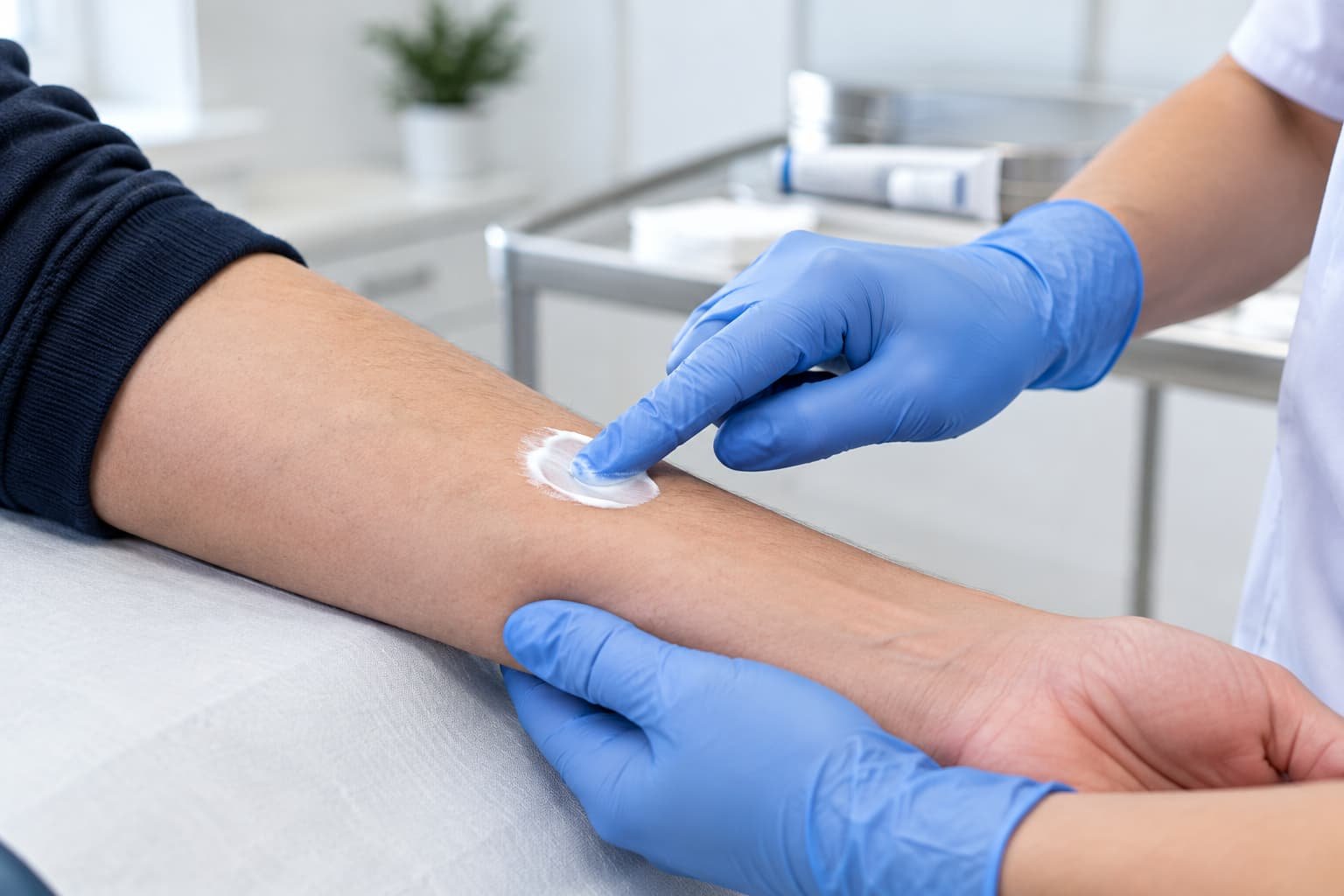
  • Penile Sensitivity After Circumcision: What Does the Evidence Say?

    Penile Sensitivity After Circumcision: What Does the Evidence Say?

    ✅Medically reviewed | Updated September 2026

    Circumcision remains one of the most debated procedures in men’s health. Parents weigh it for newborn sons. Adult men consider it for medical or personal reasons. At the centre of the debate sits one persistent question: does circumcision change penile sensitivity, and if so, by how much? Claims travel quickly online, ranging from dramatic warnings of permanent numbness to confident reassurances that nothing changes at all. Neither extreme reflects the actual evidence. This article sets out what peer-reviewed research actually shows about penile sensitivity after circumcision, why studies disagree, and what men can realistically expect.

    Circumcision removes the foreskin, a mobile fold of skin covering the glans. The foreskin carries specialised nerve endings. Removing it inevitably changes the penis physically. Whether that physical change translates into a meaningful loss of pleasure or function is a separate, more complicated question. Research on penile sensitivity after circumcision spans more than two decades, several countries, and thousands of participants. The findings are mixed, sometimes contradictory, and often shaped by how each study measured sensitivity in the first place.

    Understanding Penile Sensitivity and the Role of the Foreskin

    Nerve Supply of the Foreskin and Glans

    The foreskin contains a dense concentration of nerve endings, including specialised receptors that detect light touch and fine texture. The glans, by contrast, contains fewer of these fine-touch receptors and relies more on pressure and temperature sensation. This anatomical difference forms the basis of the argument that circumcision reduces penile sensitivity, because it removes tissue with a distinct nerve profile rather than simply exposing more of the glans.

    Keratinisation of the Glans After Circumcision

    After circumcision, the glans is no longer covered and protected by the foreskin. Continuous exposure to clothing and friction causes the outer skin layer to thicken slightly, a process called keratinisation. Some researchers argue this thickening blunts fine sensation over time. Others argue the change is minor and does not meaningfully affect sexual pleasure. This disagreement runs through much of the published literature on penile sensitivity after circumcision.

    What the Evidence Shows About Penile Sensitivity After Circumcision

    Diagram comparing research methods used to study reduced penile sensitivity
    Studies use different methods to measure sensitivity, which helps explain why findings vary.

    Studies Reporting Reduced Sensitivity

    A widely cited 2013 study published in BJU International by Bronselaer and colleagues surveyed a large cohort of men and asked them to rate sensitivity across different penile regions. The study concluded that the foreskin is more sensitive than the exposed glans in circumcised men, and it framed this finding as evidence of reduced penile sensitivity after circumcision. The authors argued that men considering circumcision without a medical indication should be informed of the foreskin’s role in sexual sensation before proceeding.

    This study attracted significant criticism. Reviewers pointed to its reliance on self-reported, retrospective recall rather than objective sensory testing. Men circumcised in infancy have no memory of an uncircumcised state to compare against, which limits the reliability of their self-assessment.

    Studies Finding No Significant Change

    A large systematic review by Morris and Krieger, published in 2013, analysed 36 studies covering more than 40,000 men. The review concluded that circumcision showed no overall adverse effect on penile sensitivity, sexual arousal, erectile function, or sexual satisfaction. This remains one of the most frequently referenced reviews on penile sensitivity after circumcision because of its scale and its inclusion of both circumcised and uncircumcised comparison groups.

    A separate 2016 study by Bossio and colleagues, published in the Journal of Urology, used quantitative sensory testing rather than self-report. Researchers applied calibrated touch and warmth stimuli to specific penile sites in circumcised and intact men. The results showed no significant differences in sensory thresholds between the two groups at most sites tested. This study is considered methodologically stronger than survey-based research because it removes recall bias from the equation.

    Randomised Controlled Trial Data

    Large randomised controlled trials conducted in Kenya and Uganda, originally designed to study HIV prevention, also gathered data on sexual function. Follow-up data from the Kenyan trial found that most circumcised men reported unchanged or increased penile sensitivity at 24 months, with only a small minority reporting reduced sensitivity. These trials carry particular weight because participants were randomised rather than self-selected, reducing bias linked to why a man chooses circumcision in the first place.

    A British probability survey, Natsal-3, examined circumcision status against a validated measure of sexual function in a nationally representative sample. The survey found no significant association between circumcision and sexual dysfunction among British men. This is one of the few large-scale UK-specific data sources addressing the topic directly.

    How Researchers Measure Sensitivity

    Self-Report Questionnaires

    Most early research relied on questionnaires asking men to rate sensation, pleasure, or satisfaction on a numerical scale. This approach is simple to administer and allows large sample sizes. It also carries clear weaknesses. Memory of pre-circumcision sensation fades over time, particularly for men circumcised decades earlier. Cultural attitudes toward circumcision can also shape how a man rates his own experience, independent of any actual physical change.

    Quantitative Sensory Testing

    Quantitative sensory testing (QST) applies calibrated stimuli, such as light touch, vibration, or warmth, to specific points on the penis and records the threshold at which a man detects each stimulus. This method removes much of the subjectivity found in questionnaire-based research. QST studies generally find smaller differences between circumcised and intact men than survey-based studies suggest, which has led some researchers to argue that self-report data overstates the true sensory impact of circumcision.

    Why Methodology Matters for the Debate

    The gap between questionnaire findings and QST findings explains much of the ongoing disagreement in this field. A study built on retrospective recall and one built on calibrated physical testing can reach different conclusions about the same underlying anatomy. Readers assessing claims about reduced penile sensitivity should note which method a given study used before drawing firm conclusions from it.

    Penile Numbness After Circumcision: Temporary or Permanent?

    Post-Surgical Healing and Nerve Adaptation

    Some degree of penile numbness after circumcision is common in the early weeks following surgery. Surgical trauma, swelling, and the healing of cut nerve fibres at the incision site all contribute to temporary altered sensation. NHS post-operative guidance for adult circumcision confirms that the glans typically feels highly sensitive immediately after surgery, then gradually settles as tissue heals and keratinisation stabilises.

    When Numbness Persists

    For most men, altered sensation resolves within weeks to a few months. Persistent numbness beyond this window is less common and warrants clinical assessment. Possible contributing factors include surgical technique, scar tissue formation, or nerve injury during the procedure. Men experiencing ongoing numbness should seek a formal urological review rather than assuming the change is permanent or untreatable.

    Factors That Influence Sensitivity Outcomes

    Age at Circumcision

    Evidence suggests men circumcised in adulthood report different outcomes compared with those circumcised in infancy. Adult men have a pre-circumcision baseline to compare against, which shapes how they interpret any change. Some adult cohort studies report modest decreases in reported sensitivity alongside improved satisfaction and hygiene, illustrating that sensitivity and satisfaction do not always move in the same direction.

    Surgical Technique

    The amount of tissue removed, the surgical method used, and the skill of the surgeon all influence healing and long-term sensation. A carefully performed procedure with appropriate tissue preservation is associated with better functional outcomes than a rushed or poorly executed one.

    Individual Nerve Distribution

    Nerve density varies between individuals. This natural variation means two men undergoing an identical procedure can report different sensory experiences afterwards. This variability partly explains why studies on reduced penile sensitivity produce inconsistent results across different populations.

    Underlying Medical Indication

    Men circumcised for a medical condition, such as phimosis, recurrent infection, or lichen sclerosus, often experienced pain or restricted function before surgery. For this group, any post-operative change in sensation sits alongside a broader improvement in comfort and hygiene, which can shift how satisfaction is reported regardless of sensory testing results.

    UK Clinical Guidance and Context

    NHS guidance typically reserves circumcision for specific medical indications in the UK, including phimosis unresponsive to conservative treatment, recurrent balanitis, and certain congenital conditions. NHS resources on post-operative recovery note that heightened glans sensitivity commonly follows surgery and settles with time. Neither NHS nor NICE guidance frames penile sensitivity after circumcision as a guaranteed or predictable outcome, reflecting the same uncertainty found in the wider academic literature. UK clinicians should counsel patients using balanced, evidence-based information rather than definitive promises about sensory outcomes.

    Sexual Function and Satisfaction After Circumcision

    Erectile Function

    Most large reviews find no consistent link between circumcision and erectile dysfunction. A small number of adult circumcision cohort studies report a statistically modest change in erectile function scores, though findings vary and are not replicated consistently across the wider literature.

    Ejaculatory Latency

    Several studies report that circumcision is associated with longer time to ejaculation in some men. Researchers have proposed this may relate to reduced fine-touch sensitivity at the glans, though the evidence for this mechanism remains preliminary.

    Partner-Reported Outcomes

    Some studies include partner-reported satisfaction alongside male self-report. These generally show no significant difference in partner-rated sexual satisfaction between circumcised and uncircumcised men, adding further weight to the argument that any sensory change does not necessarily translate into reduced sexual satisfaction for either partner.

    Psychological and Contextual Factors

    Sexual satisfaction depends on more than nerve signalling alone. Confidence, hygiene, relationship context, and expectations all shape how a man experiences intimacy after surgery. Some cohort studies report improved satisfaction following circumcision performed for medical reasons, driven largely by resolution of pain, infection, or restricted retraction rather than any change in raw sensory threshold. Separating the psychological contribution from the physical one remains a persistent challenge for researchers in this field, and it is one reason single-measure studies rarely tell the full story.

    Limitations of Current Research

    Research into penile sensitivity after circumcision faces several consistent limitations. Most studies rely on self-reported outcomes rather than objective, standardised sensory measurement. Recall bias affects men circumcised in infancy, who have no personal baseline for comparison. Study populations vary widely by age, circumcision indication, and cultural context, which limits how well findings generalise across different groups. Few studies use consistent, validated sensory testing tools, making direct comparison between studies difficult. These limitations mean the current evidence base, while extensive, does not provide a single definitive answer applicable to every man.

    Publication bias adds a further complication. Studies reporting a significant change, in either direction, are more likely to attract attention and citation than studies reporting no difference. This can create a misleading impression of how strong or consistent the evidence actually is when individual papers are read in isolation rather than as part of a wider systematic review.

    Practical Considerations for Men Weighing Circumcision

    Clinician discussing penile numbness after circumcision with a patient during consultation
    Individual assessment helps men understand realistic outcomes before or after circumcision.

    Men considering circumcision, whether for medical indications or personal reasons, benefit from a balanced view of the evidence rather than anecdote alone. Discussing individual risk factors, surgical technique, and realistic expectations with a qualified clinician supports informed decision-making. Pshots Clinic UK, a private clinic on Harley Street in London led by Dr Syed Nadeem Abbas, is one example of a setting where men can access individualised clinical assessment before undergoing urological or sexual health procedures. This mention is factual and not an endorsement of any specific outcome.

    Outcomes depend on individual anatomy, surgical technique, and the reason for the procedure. No clinician can guarantee a specific sensory result, and men should treat any such guarantee with caution.

    Frequently Asked Questions

    Does circumcision permanently reduce penile sensitivity?

    Evidence is mixed. Some studies report reduced sensitivity at the glans after circumcision. Larger systematic reviews and controlled trials generally report no significant long-term difference in sexual function or satisfaction.

    What causes penile numbness after circumcision?

    Early numbness usually results from surgical trauma, swelling, and nerve healing. It typically improves within weeks to months as tissue recovers and keratinisation of the glans stabilises.

    Can reduced penile sensitivity improve over time?

    Yes, in most cases. Initial heightened or reduced sensitivity tends to settle as healing completes. Some cohort data even show increased reported sensitivity at 24-month follow-up.

    Does circumcision affect erectile function?

    Most large reviews find no consistent link between circumcision and erectile dysfunction. Findings from smaller adult cohort studies vary and are not uniformly replicated.

    Is there an objective way to measure penile sensitivity?

    Quantitative sensory testing, using calibrated touch and temperature stimuli, offers a more objective measure than self-report. Studies using this method generally find fewer differences between circumcised and intact men than survey-based research suggests.

    Should penile sensitivity concerns influence the decision to have circumcision?

    For men without a medical indication, sensitivity outcomes are one factor among several worth discussing with a clinician, alongside hygiene, personal preference, and any underlying condition prompting consideration of the procedure.

    Do all men experience the same change in sensitivity?

    No. Individual nerve distribution, surgical technique, age at circumcision, and the underlying reason for surgery all shape outcomes. This variation is a key reason population-level studies produce averages that do not predict any single man’s individual result.

    How soon after circumcision does sensation typically stabilise?

    Most men notice sensation settling within six to twelve weeks as swelling resolves and the glans adjusts to being uncovered. Full stabilisation of surface keratinisation can take several months longer in some cases.

    Key Takeaways

    The evidence on penile sensitivity after circumcision does not point to one simple conclusion. Some studies report reduced sensation at the glans. Larger reviews and controlled trials generally report no significant long-term impact on sexual function or satisfaction. Both patterns appear across a genuinely mixed and evolving body of research. What stands out is the importance of objective measurement over anecdote, and of individualised clinical assessment over generalised online claims. Men weighing circumcision, or seeking to understand changes after having already undergone it, benefit most from evidence-based information rather than fear or reassurance alone. Given how much individual anatomy and technique shape outcomes, what would a genuinely personalised, evidence-based conversation about circumcision and its sensory effects look like for each man, rather than a one-size-fits-all answer?

    Read more:

    P Shot London for Reduced Sensitivity – Restoring What Age Takes Away

    Can the P Shot London Treat Premature Ejaculation?

    P Shot Treatment London

    Dr Syed Nadeem Abbas, MBBS, MRCSEd, MSc Aesthetic Plastic Surgery (Distinction) Medical Director, Pshot Clinic | CQC Regulated | Monday to Saturday 10:00–18:00 +44 7955 836986