Tag: P shot UK

  • Exercise After a P Shot: When Are Gym, Running and Cycling Safe Again?

    Exercise After a P Shot: When Are Gym, Running and Cycling Safe Again?

    ✅Medically reviewed

    A P shot takes under an hour, yet the choices that follow can shape recovery for weeks. Most men walk out of the clinic feeling normal. Few notice pain by the evening. That early comfort misleads many patients. Platelet-rich plasma (PRP) starts a repair sequence inside penile tissue, and physical stress can disturb that sequence.

    Exercise after P shot treatment raises a practical question for every active man. Gym sessions raise blood pressure. Running adds friction and repeated impact. Cycling presses a saddle against the perineum for long periods. Each activity loads the injection area differently, so no single date suits all training.

    Generic online advice often gives one blanket rule, such as 48 hours of rest. A blanket rule ignores the gap between a gentle walk, a heavy deadlift and a long ride. This guide separates each activity. It explains what research supports and where evidence ends. The guide also shows how UK clinicians usually stage a return to training.

    Honest guidance needs honest limits. No randomised trial has tested training schedules after a P shot. Published PRP studies measure erectile function scores, not gym habits. Clinical reasoning therefore fills the gap, and the article labels it as such. Written advice from the treating clinician always overrides general guidance.

    What Happens Inside the Tissue After a P Shot Treatment

    The PRP Healing Sequence

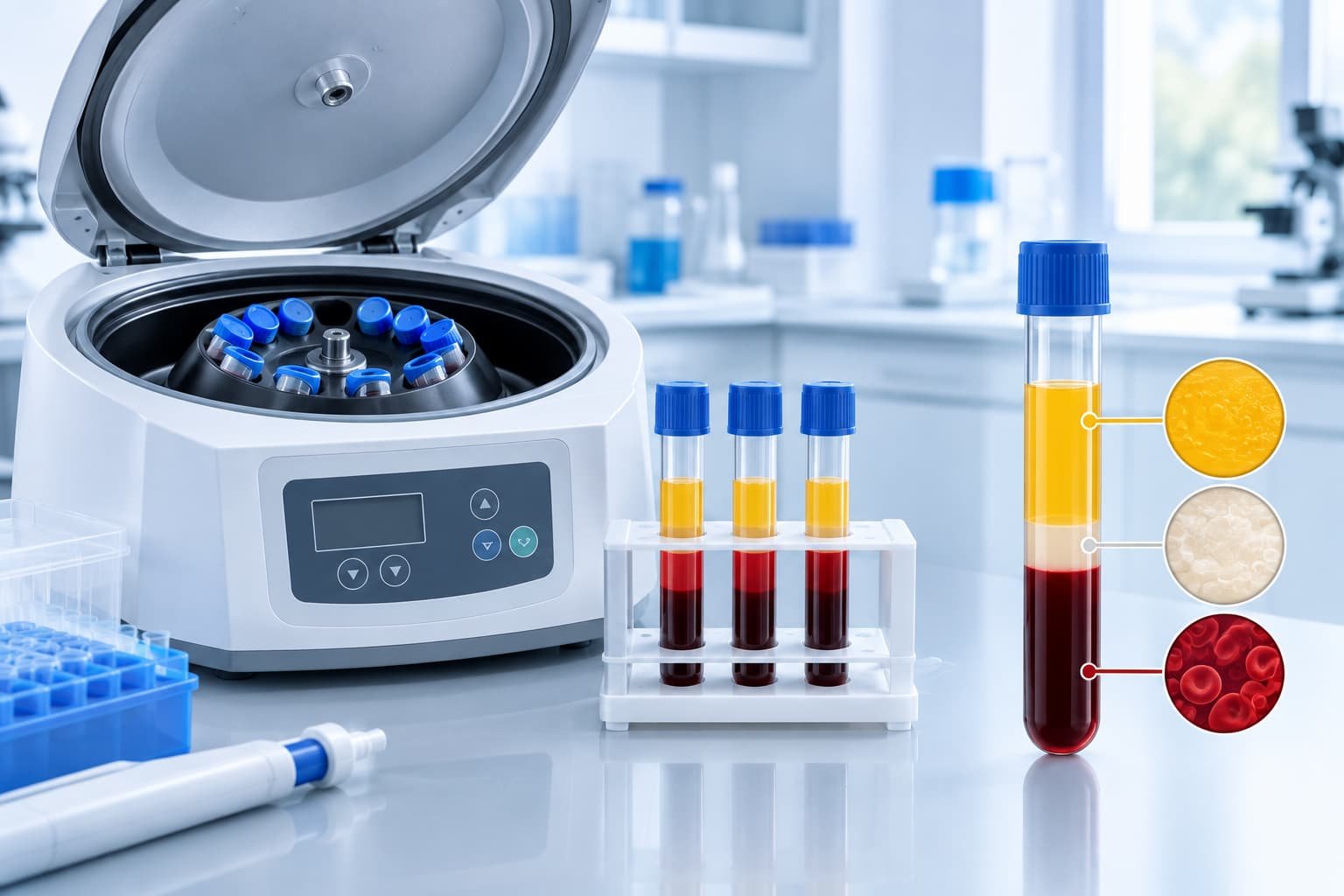
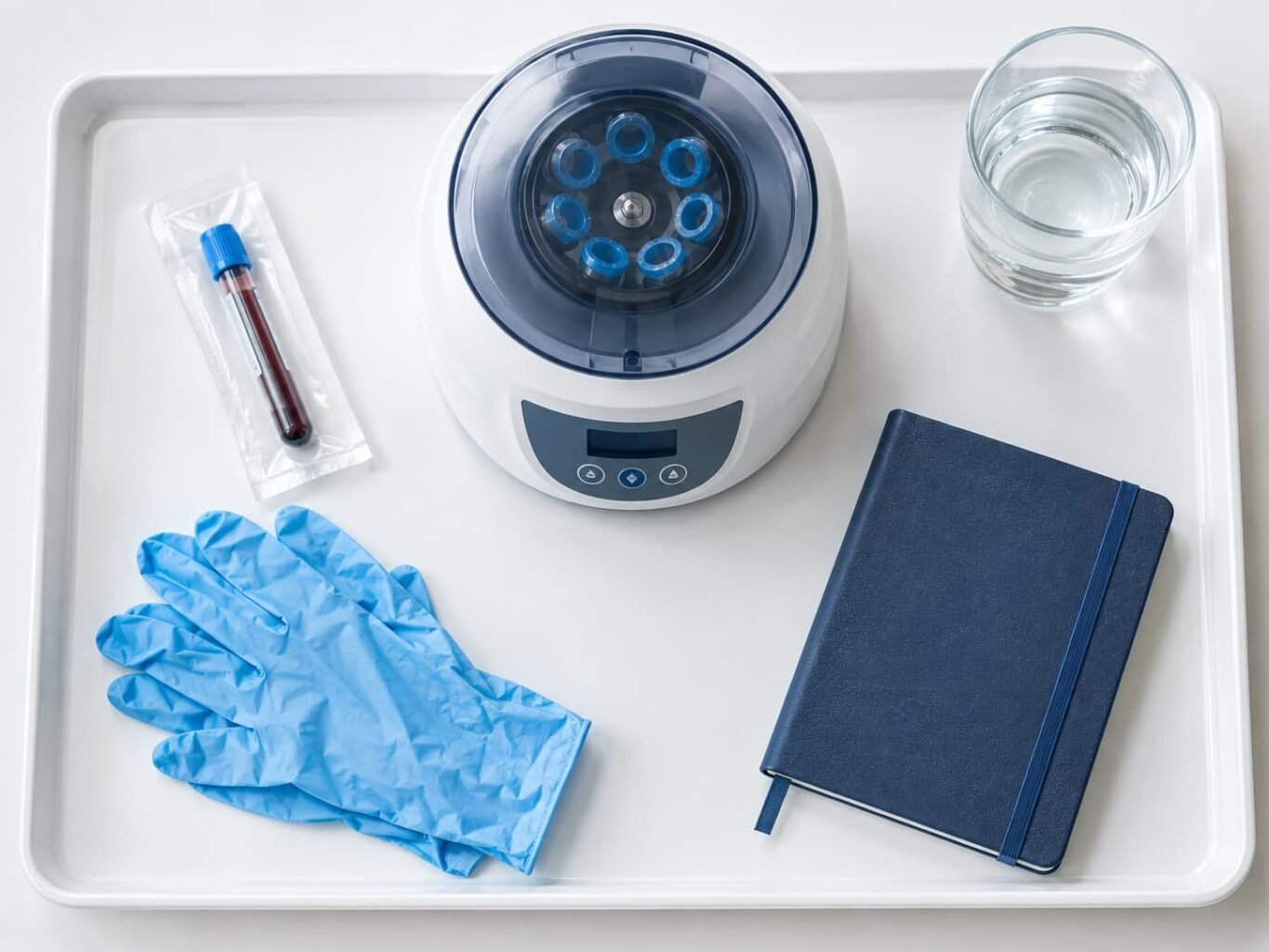
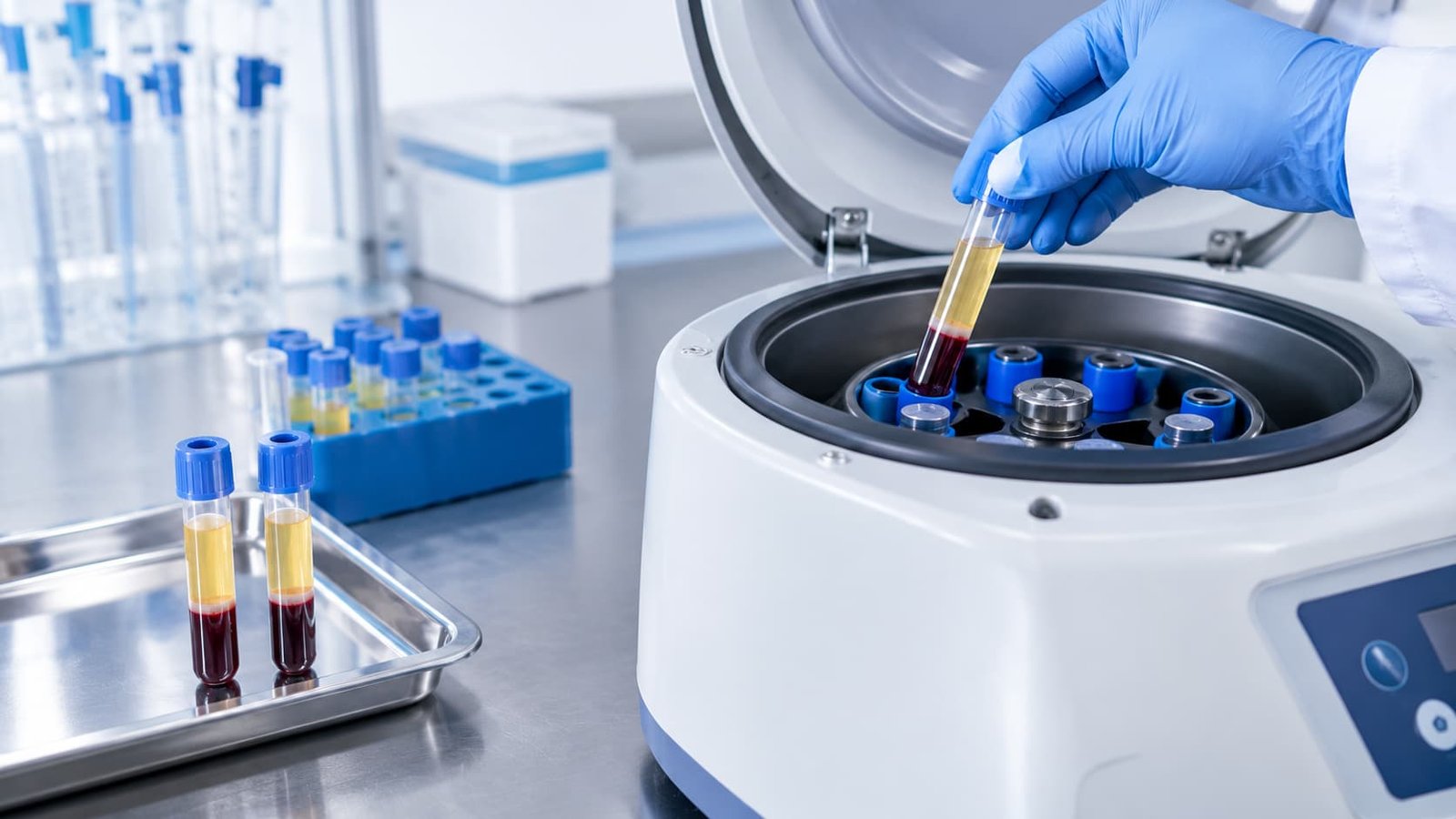
    A P shot treatment uses the patient’s own blood. Clinicians draw a small sample and spin it in a centrifuge. This process concentrates platelets in plasma. The clinician then injects the PRP into penile tissue, usually after topical anaesthetic.

    Platelets release growth factors after injection. Marx described this process in a widely cited review of PRP biology (Marx, 2004). Inflammation begins within hours. Repair signals then continue over several days. Tissue remodelling carries on for weeks. Researchers still debate the exact mechanism in penile tissue.

    Why Mechanical Stress Matters

    Early inflammation forms part of the intended healing process, not a fault. Excess pressure, heat or friction can amplify it. Raised blood pressure during hard exercise can increase bleeding at fine needle sites. Bruising or a small haematoma may follow. Repeated rubbing can also irritate puncture sites and raise infection risk.

    Clinicians therefore stage exercise in phases. The phases follow wound-healing logic rather than trial data. Light movement comes first. Compression, friction and heavy straining come last.

    Exercise After P Shot: What the Evidence Shows

    PRP for erectile dysfunction remains an emerging option. The NHS does not offer it as a standard treatment. NICE clinical guidance on erectile dysfunction centres on lifestyle change, PDE5 inhibitors and specialist referral instead (NICE CKS). Small trials show some benefit. Poulios and colleagues ran a double-blind, placebo-controlled trial. It reported improved erectile function scores after PRP injections (Poulios et al., 2021). Sample sizes remain small, and follow-up remains short.

    No published trial compares exercise schedules after PRP injection. Evidence on exercise after P shot treatment therefore comes from three indirect sources. These sources are PRP biology, general wound-healing principles and cycling research on perineal pressure. Each source supports caution, but none gives exact day counts.

    Exercise itself carries clear benefits for erectile health. The NHS lists regular exercise among lifestyle measures that help erectile dysfunction. UK Chief Medical Officers advise adults to complete 150 minutes of moderate activity weekly. A short pause for healing does not cancel those benefits. The aim is a temporary, planned pause, not long-term inactivity.

    A Phase-by-Phase Return to Training

    UK clinics set individual protocols, and ranges vary. The framework below covers exercise after P shot treatment in broad terms. It reflects commonly used staged guidance.

    Phase 1: The First 24 to 48 Hours

    Rest dominates this phase. Clinicians advise patients to skip gym sessions, running, cycling and sport. Short, gentle walks stay acceptable. Loose underwear reduces friction. Hot baths, saunas and alcohol add risk because heat dilates blood vessels and can increase swelling.

    Phase 2: Days 3 to 7         

    Light activity usually resumes in this phase. Brisk walking, gentle stretching and easy upper-body work often suit. Lower-body machines, heavy loads and high impact stay off the list. Bruising or tenderness signals a need to slow down. Comfort guides progress, and the calendar only sets the earliest limit.

    Phase 3: Weeks 2 to 4

    Most patients return to normal training in this window. Running and moderate lifting usually restart first. Cycling often restarts last because saddle pressure targets the treated region. Intensity then builds gradually over several sessions. Full performance training waits until swelling and tenderness settle completely.

    Factors That Change the Timeline

    Several factors shift the schedule. Extent of bruising matters most, because visible bruises signal tissue irritation. Anticoagulant and antiplatelet medicines raise bleeding risk. Physically demanding jobs, such as heavy manual work, load the groin like gym lifting. Diabetes and smoking slow general wound healing. Injection technique and the number of injection sites also vary between protocols.

    Typical Earliest Return by Activity

    ActivityTypical earliest returnMain concern
    Walking and gentle stretchingDay 2 to 3Straining
    Upper-body machine weightsDay 3 to 5Blood pressure rise
    Jogging and easy runningDay 5 to 7Friction and impact
    Squats, deadlifts and heavy liftingDay 7 to 10Straining and groin pressure
    Cycling, outdoors or indoorsDay 7 to 14Saddle pressure on the perineum
    Sauna, steam room and swimmingDay 7, after sites closeHeat and infection risk

    These ranges reflect clinical reasoning, not trial data. Written advice from the treating clinician overrides this table.
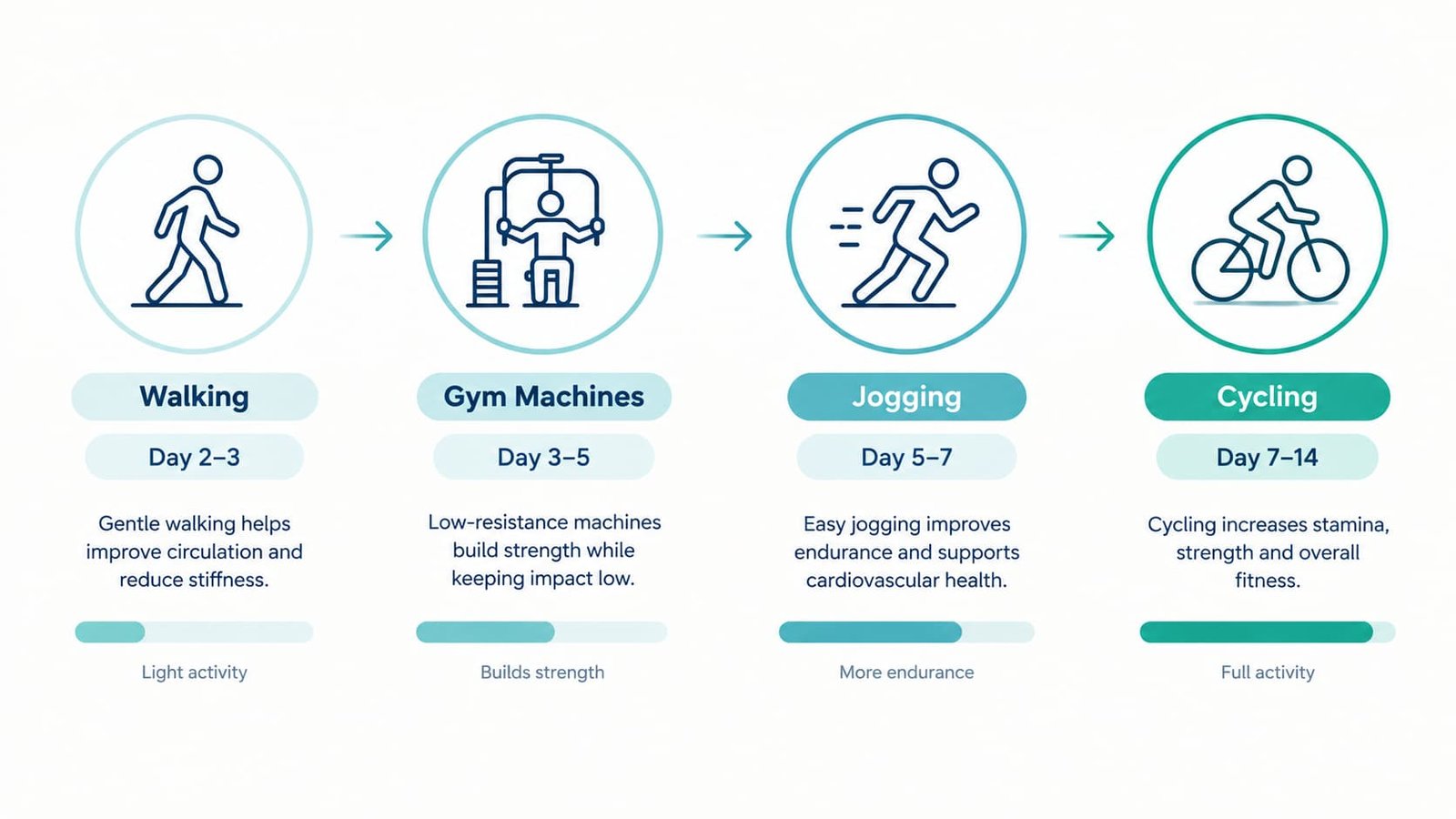
    Infographic timeline showing the typical return to walking, gym, running and cycling after a P shot
    Typical earliest return ranges for common activities. The treating clinician’s written advice takes priority.

    Gym After P Shot: Weights, Cardio and Core Work

    Many different movements fall under gym after P shot guidance. Each movement affects blood pressure and groin pressure differently. Separating the movements gives safer guidance than one blanket rule.

    Machine Work and Light Cardio

    Upper-body machines place little pressure on the groin. Seated chest presses, lat pulldowns and cable work usually return first. Moderate loads and slow, controlled repetitions reduce spikes in blood pressure. Treadmill walking and a gentle cross-trainer session also suit the first week, provided friction stays minimal. Core work needs careful selection. Planks and light crunches rarely load the groin. Hanging leg raises and weighted sit-ups strain the lower abdomen and hip flexors, so these wait.

    Heavy Lifting and Straining

    Squats, deadlifts and leg presses raise intra-abdominal pressure. The Valsalva manoeuvre, which means breath-holding during effort, lifts blood pressure sharply for a few seconds. Those spikes can stress fresh injection sites. Heavy compound lifts therefore sit near the end of the return schedule. Many clinicians advise waiting at least one week. Some extend the wait to two weeks after bruising. Squat and hip-hinge movements also load the groin and inner thigh directly.

    Heat, Sweat and Pool Hygiene

    Gym facilities add environmental risks. Saunas and steam rooms raise skin temperature and swelling risk. Shared changing rooms and pools increase infection exposure while puncture sites remain open. Clinicians usually advise waiting about a week, or until sites close fully. Clean, dry training clothes also lower irritation. Patients shower promptly after sweating and pat the area dry.

    Running After P Shot: Impact, Friction and Clothing

    Repeated impact and constant friction define running after P shot treatment. Each stride moves tissue against clothing. Sweat then increases rubbing. Both factors can irritate puncture sites and prolong swelling.

    Walking comes first, followed by gentle jogging, then normal running. A typical progression starts with 20 minutes of brisk walking around day three. Easy jogging on flat ground often follows between days five and seven. Longer or faster runs wait until the area feels completely comfortable.

    Clothing choice affects comfort and recovery. Supportive, breathable underwear holds tissue still and limits rubbing. Loose shorts without rough seams reduce friction. Soft anti-chafe products help once puncture sites close, but clinicians advise against using such products on open sites. Marathon training and race events need a separate discussion with the clinician. Long distances multiply friction for hours.

    Cycling After P Shot: The Highest-Risk Activity
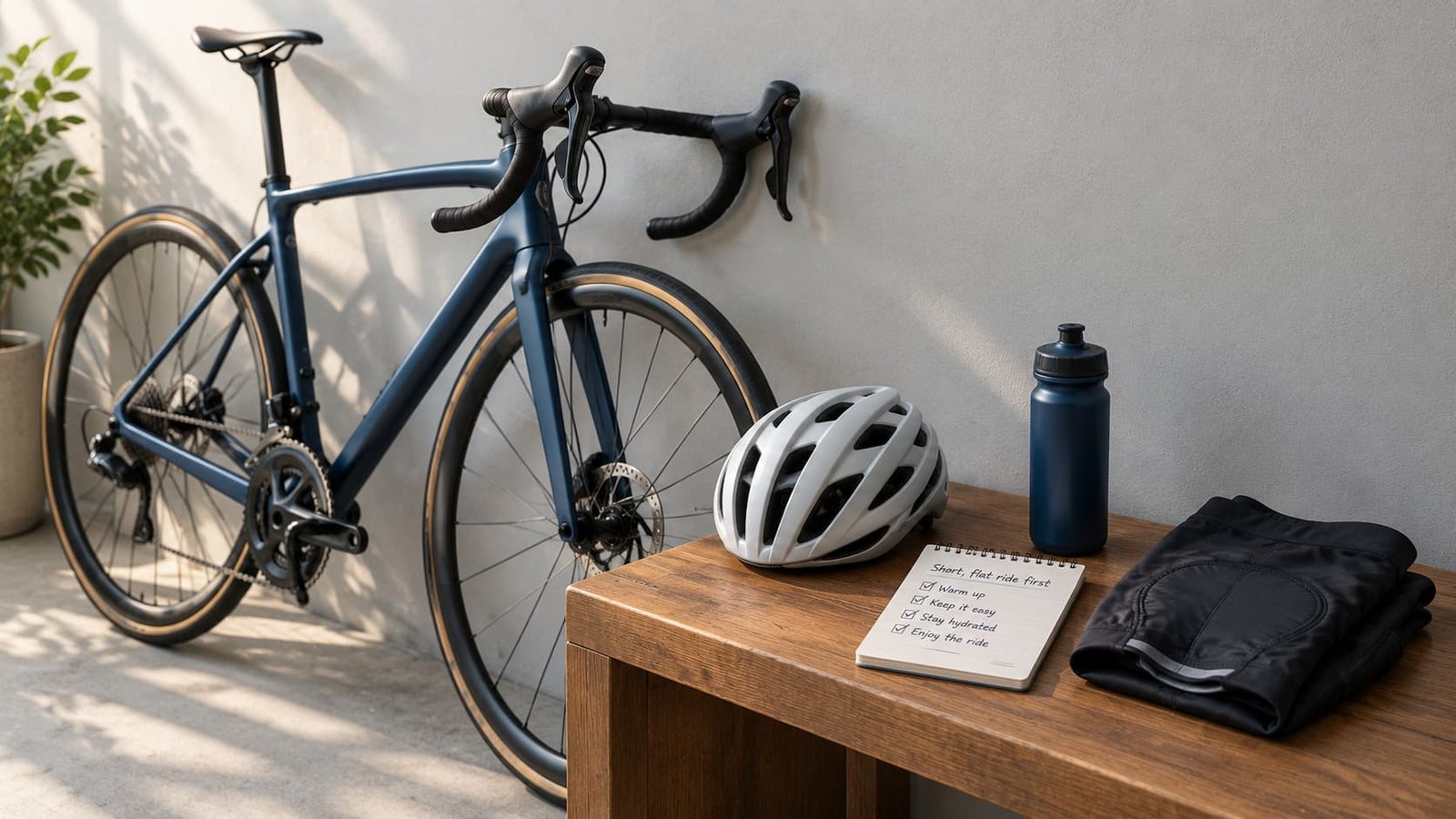
    Road bike, helmet, padded cycling shorts and notepad prepared for a gradual return to cycling after P shot
    A gradual return to cycling starts with short, flat rides on a well-fitted saddle.

    Of all common activities, cycling after P shot treatment needs the most caution. A standard saddle carries body weight through the perineum, the area between the scrotum and anus. That region contains nerves and vessels that supply the penis. Pressure there can reduce sensation and blood flow during long rides.

    What Research Says About Saddle Pressure

    Peer-reviewed research links saddle pressure with genital numbness. Studies of police bicycle patrol officers associated noseless saddles with less numbness (Schrader et al., 2008). Those studies involved healthy riders, not post-injection patients. The findings still show that saddle design changes perineal loading. Clinical reasoning suggests that healing tissue tolerates this loading less well.

    Outdoor Rides, Spin Classes and Commuting

    Short commuter rides, spin classes and long weekend rides all load the perineum. Spin classes add standing efforts and fast cadence, which raise friction. Mountain biking adds vibration. E-bikes reduce effort but not saddle contact. Clinicians commonly advise seven to fourteen days without cycling.

    A gradual return starts with short, flat rides on a well-fitted saddle. Riders increase duration only if numbness and tenderness stay absent. Saddle width, tilt and height all change perineal pressure. Padded shorts without rough seams help. Standing briefly on the pedals relieves pressure during longer rides.

    P Shot Aftercare Alongside Training

    Rules for exercise form only part of P shot aftercare. Sleep, nutrition, hygiene and medicines all influence P shot recovery. Small habits add up across the first fortnight.

    Hygiene and Clothing

    Clean hands and clean clothing protect puncture sites. Patients wash the area gently with mild soap and water. Rubbing and scented products irritate skin. Clinicians usually advise against swimming, hot tubs and baths until sites close fully.

    Medicines, Alcohol and Supplements

    Some medicines alter bleeding risk. Aspirin, ibuprofen and fish oil can increase bruising in some patients. Clinicians often discuss these before treatment, because anti-inflammatory medicines may affect platelet function. Patients must not stop prescribed medicines without medical advice. Alcohol dilates blood vessels, so clinicians usually advise avoiding it for the first 48 hours. The treating clinician decides which painkiller suits each patient.

    Hydration, Sleep and Nutrition

    Adequate hydration supports normal circulation. No evidence shows that extra water speeds PRP healing. Balanced meals, protein intake and sleep support general tissue repair. Evidence for recovery supplements after PRP treatment remains limited.

    Warning Signs During P Shot Recovery

    Mild swelling, tenderness and small bruises are common in the first days. Exercise after P shot treatment can aggravate these effects. Certain symptoms need medical review.

    Contact the Treating Clinic Promptly

    The treating clinic needs to hear about any of the following:

    • Swelling that grows after exercise instead of settling
    • Bruising that spreads or darkens
    • Pain that worsens after day three
    • Numbness or altered sensation that persists
    • Lumps or hard areas that develop

    Seek Urgent NHS Care

    Some signs need urgent help. Call NHS 111 or attend A&E for spreading redness, fever, pus or foul-smelling discharge. These signs suggest infection, and the NHS lists similar features for cellulitis. An erection lasting more than four hours needs emergency care. Severe swelling that blocks urination also needs emergency review. Dial 999 for severe or rapidly worsening symptoms.

    Realistic Expectations and Limitations

    Careful timing of exercise after P shot treatment supports comfort, but it does not guarantee a better result. No evidence shows that early or late training changes long-term outcomes. Responses to PRP vary widely between individuals. Trials report modest average improvements, not guaranteed ones. Underlying causes of erectile dysfunction, such as diabetes or vascular disease, influence response.

    PRP does not replace evidence-based first-line care. The NHS and NICE place lifestyle measures and PDE5 inhibitors ahead of PRP. Regular exercise, sleep, weight control and stopping smoking improve vascular health. These measures therefore support erectile function over the long term.

    Choosing Aftercare Advice in P Shot London and P Shot UK Practices

    Aftercare rules differ between practices, so written instructions matter. Patients benefit from asking about activity limits before treatment, not afterwards. Useful questions cover gym sessions, running, cycling, heat exposure and emergency contact numbers. The Care Quality Commission website shows clinic registration, and the GMC register confirms doctor registration.

    This article comes from pshots clinic uk, a Harley Street practice in Marylebone. Dr Syed Nadeem Abbas leads the practice and holds MBBS, MRCS RCS Edinburgh and MRCGP qualifications. The same clinician completed an MSc in Aesthetic Plastic Surgery with Distinction at Queen Mary University of London. Training took place at Cambridge, Oxford and the Royal London Hospital. Treating clinicians remain the authority on individual aftercare.

    Frequently Asked Questions

    How soon can exercise after P shot treatment begin?

    Gentle walking usually restarts within 24 to 48 hours. Structured exercise typically waits until day three to five, depending on the activity and clinical advice.

    Is gym training safe in the first week?

    Light machine work often suits from day three to five. Heavy lifting, squats and heat exposure usually wait at least one week.

    When does running restart?

    Easy jogging commonly returns between days five and seven if swelling stays minimal. Longer runs follow in weeks two to four.

    How long should cycling wait?

    Typical advice ranges from seven to fourteen days. Saddle pressure targets the perineum, so cycling restarts last.

    Can early exercise after P shot treatment reduce results?

    No trial answers this directly. Early strain can raise bruising and discomfort. Evidence for any effect on long-term outcomes remains absent.

    Does bruising change the timeline?

    Yes. Visible bruising signals tissue irritation. Clinicians usually extend the rest period until tenderness settles.

    Which painkillers suit recovery?

    The treating clinician advises on painkillers. Some anti-inflammatory medicines affect platelet function, so confirmation before use matters.

    Key Takeaways

    Exercise after P shot treatment follows a staged logic. Rest comes first, then gentle movement, controlled strength work, and finally impact and saddle activities. Walking returns first, cycling returns last, and symptoms outrank calendars. Evidence remains indirect, so clinician-specific advice carries the most weight.

    Informed decisions need three things. These are realistic expectations about PRP, clear written aftercare and honest symptom monitoring. Rushing back to training offers little benefit and adds avoidable risk. A planned pause costs only days.

    If one extra week of patience protects the treated tissue, which workout truly justifies the risk?

    read more:

    Priapus Shot London: A Complete Guide for Patients Considering Treatment

    Natural Male Enhancement in London: Real Benefits and Timeline of the Priapus Shot

    Dr Syed Nadeem Abbas, MBBS, MRCSEd, MSc Aesthetic Plastic Surgery (Distinction) Medical Director, Pshot Clinic | CQC Regulated | Monday to Saturday 10:00–18:00 +44 7955 836986
  • Tests to Take Before a P Shot: HbA1c, Testosterone, Lipids and Blood Pressure

    Tests to Take Before a P Shot: HbA1c, Testosterone, Lipids and Blood Pressure

    ✅Medically reviewed

    The most important part of a P shot happens before the needle appears. Blood tests and a blood pressure reading shape the decision long before treatment begins. Clinicians use these results to find the cause of sexual symptoms. The same data show whether platelet-rich plasma suits the patient at all.

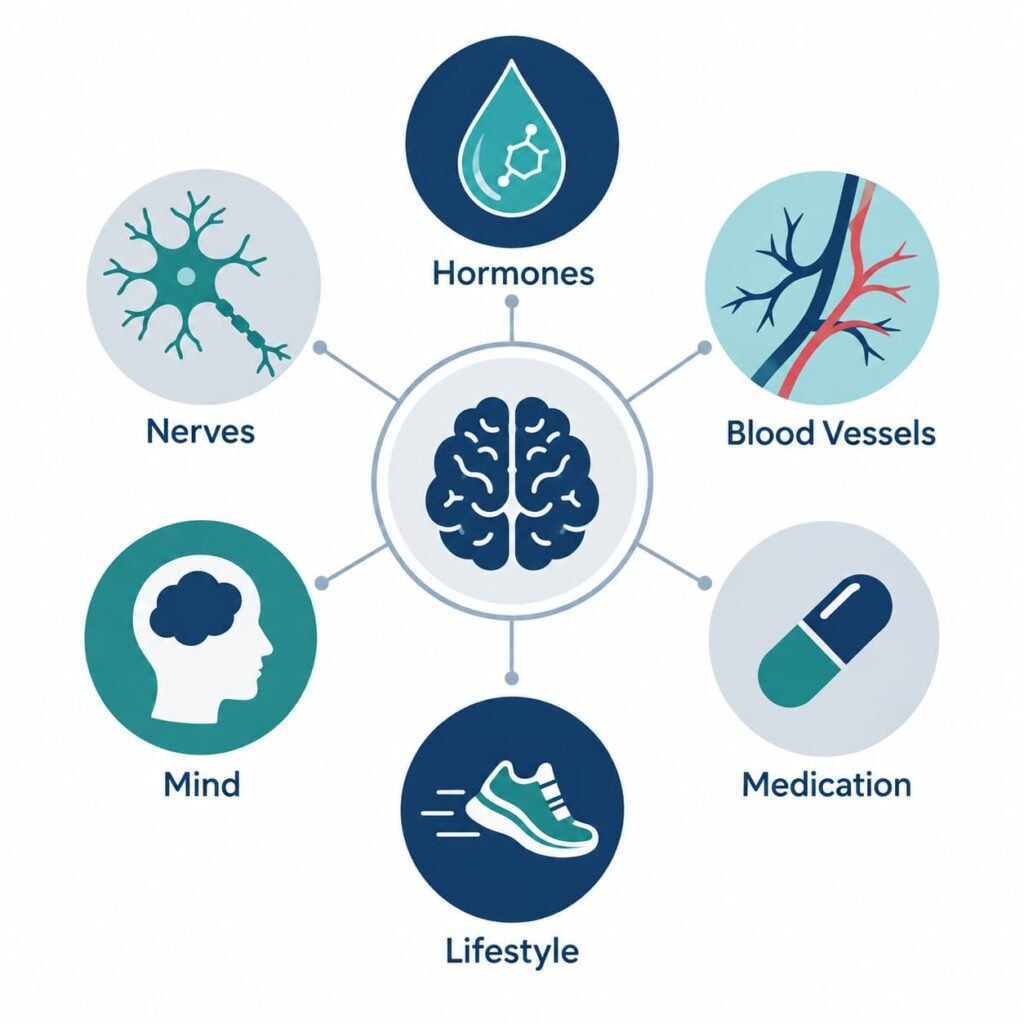
    Sexual symptoms rarely appear in isolation. Erectile difficulty, reduced sensation and weaker orgasms in men often share the same roots. Diabetes, low testosterone, raised cholesterol and high blood pressure sit behind many cases. Each condition alters blood flow, nerve function or hormone signalling. An injection of platelets cannot correct any of these conditions.

    This guide explains the tests before P shot treatment in plain clinical terms. The sections cover HbA1c, testosterone, lipids and blood pressure. Each one describes what the test measures, what the numbers mean and why the result matters. The guide also sets out the limits of current evidence. PRP therapy for sexual function remains an area of active research, not a settled NHS treatment.

    Clear numbers lead to safer decisions. The sections below explain what each number means.

    Why Clinicians Order Tests Before a P Shot

    Sexual function depends on healthy blood vessels, intact nerves and balanced hormones. Damage to any one of these can cause symptoms. A P shot injects platelet-rich plasma from the patient’s own blood into penile tissue. That procedure does not treat a hormone deficit. Neither does it repair diabetic nerve damage.

    Screening therefore serves three purposes. Tests before P shot treatment find reversible causes, set a baseline and protect safety.

    Finding Reversible Causes

    Many men with erectile or orgasm symptoms have an undiagnosed medical condition. Type 2 diabetes is a common example. Treating the condition often improves sexual function more than any local procedure. A clinician who skips testing risks treating the symptom while the cause progresses.

    Setting a Baseline

    Results give the clinic a starting point. Follow-up questionnaires and repeat blood tests then show real change. Without a baseline, any improvement stays difficult to interpret.

    Protecting Patient Safety

    Uncontrolled diabetes slows wound healing and raises infection risk. Very high blood pressure adds risk during any procedure. Testing flags these problems early.

    The Cardiovascular Warning Sign

    Penile arteries are narrow, often only one to two millimetres wide. Narrow vessels show damage earlier than the larger coronary arteries. Erectile dysfunction can therefore appear several years before heart disease. A sexual symptom can act as an early cardiovascular warning. Blood pressure and lipid results help clinicians act on that warning.

    HbA1c: Checking Long-Term Blood Sugar Control

    What HbA1c Measures

    HbA1c shows the share of haemoglobin that carries attached glucose. Red blood cells live for about three months. The result therefore reflects average blood sugar over the previous two to three months. Patients need no fasting. One blood sample is enough.

    NHS Thresholds

    The NHS and NICE classify results using fixed bands.

    HbA1c (mmol/mol)ClassificationUsual next step
    Below 42Normal rangeRoutine health advice
    42 to 47PrediabetesLifestyle support and yearly review
    48 or aboveDiabetes rangeConfirmation and clinical management

    Why Diabetes Matters for Sexual Function

    High glucose damages the lining of blood vessels and the peripheral nerves. Both effects impair erections and sensation. A 2017 meta-analysis in Diabetic Medicine found erectile dysfunction in roughly half of men with diabetes. Nerve damage can also contribute to reduced orgasm intensity. Poor glucose control can blunt sensation and contribute to weaker orgasms in men.

    Understanding Prediabetes

    A result between 42 and 47 mmol/mol does not mean diabetes. It does signal higher risk. NICE recommends structured lifestyle support at this stage. Men in this band often have early vascular changes before any diagnosis. Repeat testing each year tracks the trend.

    Limits of the HbA1c Test

    Anaemia, recent blood loss and some inherited haemoglobin variants distort results. Clinicians then choose other tests or interpret the figure with caution.

    How HbA1c Shapes Treatment Planning

    No UK guideline sets a single HbA1c cut-off for PRP. Clinicians judge each case individually. A high result usually prompts a GP referral before any procedure. Better glucose control often helps more than injections. Clinicians weigh HbA1c alongside the other tests before P shot planning begins.

    Testosterone: Hormone Levels and Sexual Function

    When to Take the Sample

    Testosterone follows a daily rhythm. Levels peak in the morning. NICE Clinical Knowledge Summaries advise sampling between 9 am and 11 am. Clinicians usually repeat a low result, because single readings vary. Acute illness, poor sleep and some medicines, including opioids, lower levels temporarily.

    Which Tests Clinicians Request

    Total testosterone forms the first-line test. Sex hormone-binding globulin (SHBG) shows how much testosterone stays bound and inactive. Clinicians calculate free testosterone from both values. Luteinising hormone (LH), follicle-stimulating hormone (FSH) and prolactin help locate the cause of a low result.

    Reading the Results

    UK specialist guidance uses broad bands. The British Society for Sexual Medicine and the Society for Endocrinology both publish such documents. Laboratory ranges differ, so clinicians interpret each report individually.

    Total testosteroneUsual interpretationTypical response
    Above 12 nmol/LDeficiency unlikelyLook for other causes
    8 to 12 nmol/LBorderlineRepeat; check SHBG and free testosterone
    Below 8 nmol/LLikely deficiencyFurther tests and specialist review

    Why Testosterone Matters Here

    Low testosterone reduces desire and arousal. It can also dull orgasm, although evidence for orgasm-specific effects remains modest. Hormone therapy does not suit every man, and it needs monitoring of haematocrit and PSA. No good evidence shows that PRP raises systemic testosterone. A P shot cannot replace a hormone assessment. The tests before P shot treatment therefore include testosterone whenever symptoms suggest deficiency.

    Lipid Profile: Cholesterol and Vascular Risk

    What the Lipid Profile Includes

    A lipid profile reports total cholesterol, HDL cholesterol, non-HDL cholesterol and triglycerides. NICE guideline NG238 allows a non-fasting sample. Fasting therefore rarely matters.

    Why Cholesterol Affects Erections

    Raised LDL cholesterol promotes plaque in arterial walls. Plaque narrows vessels and reduces blood flow. The small penile arteries react early to this process. Reduced inflow can weaken erections.

    From Results to Risk

    Clinicians combine lipid values with age, blood pressure, smoking status and diabetes in the QRISK3 calculator. The calculator estimates ten-year cardiovascular risk. NICE advises offering atorvastatin 20 mg when that risk reaches 10 percent. Very high readings or a strong family history prompt assessment for familial hypercholesterolaemia.

    Relevance Before PRP

    Lipid results do not stop a P shot. Abnormal values do reveal vascular disease that may limit any benefit. Blood vessels that carry plaque may respond less well to local treatment.

    Blood Pressure: The Simplest Check

    What Counts as Normal

    The NHS describes an ideal reading as between 90/60 mmHg and 120/80 mmHg. NICE guideline NG136 sets out the thresholds for high readings.

    SettingThreshold suggesting hypertension
    Clinic reading140/90 mmHg or higher
    Home or ambulatory average135/85 mmHg or higher
    Severe clinic reading180/120 mmHg or higher (urgent assessment)

    A raised clinic reading needs confirmation with home or ambulatory monitoring. Blood pressure remains the simplest of the tests before P shot, and it takes minutes.

    Why Blood Pressure Affects Sexual Function

    High pressure stiffens and damages arteries, which reduces flow into the penis. Some blood pressure medicines can also affect erections, notably beta-blockers and thiazide diuretics. Patients should never stop prescribed medicines without medical advice.

    Blood Pressure on the Day

    Clinicians record pressure before the procedure. Anxiety, pain and needle fear can raise readings or trigger fainting. A stable reading supports safe local anaesthesia.

    How the Four Tests Work Together

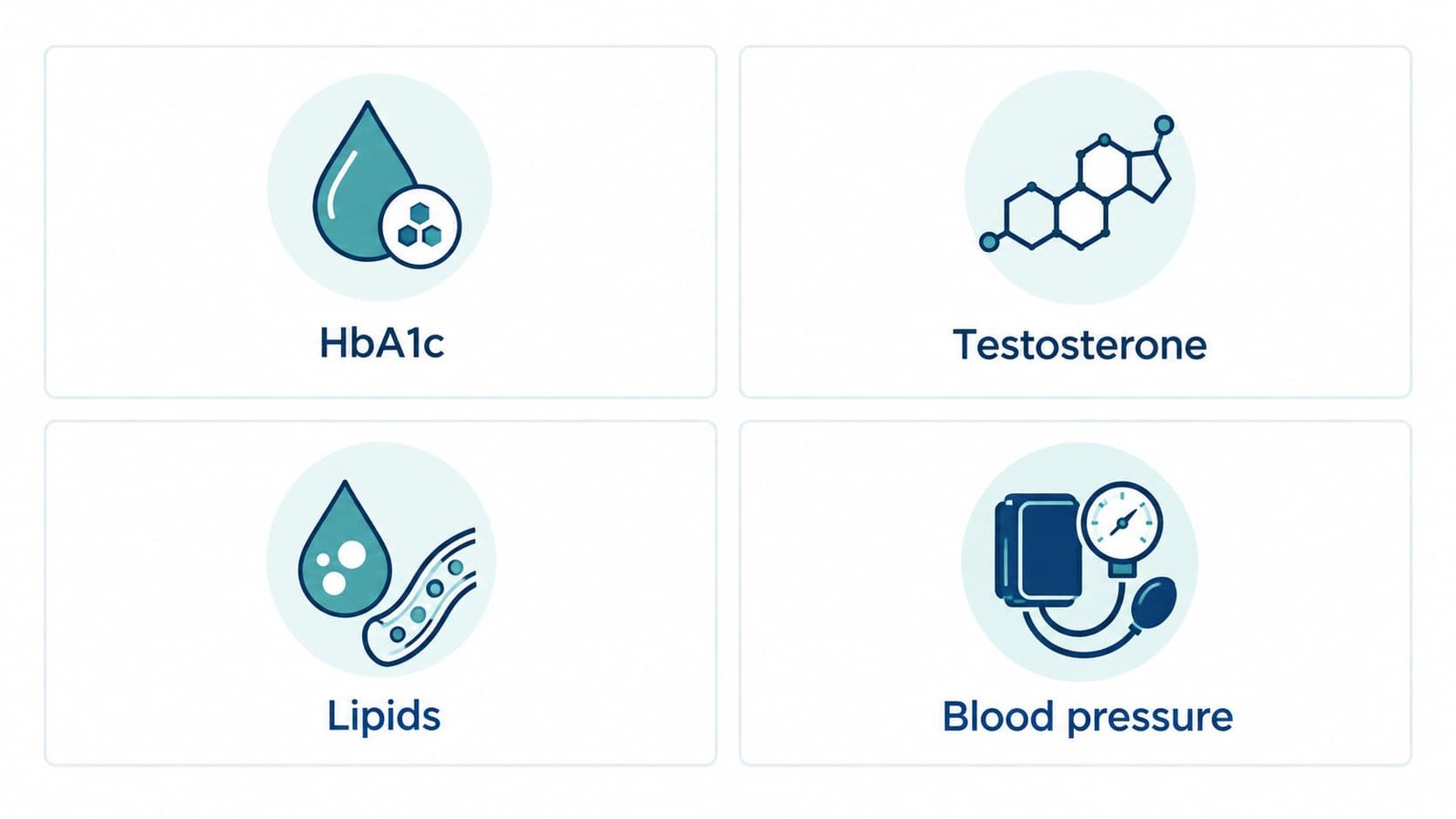
    Infographic of four pre-treatment tests: HbA1c, testosterone, lipids and blood pressure
    Each result adds one piece to the wider clinical picture.

    Each result adds one piece to a larger picture. Clinicians rarely read a single number alone.

    Common Result Patterns

    A high HbA1c with raised blood pressure points to metabolic and vascular disease. Low testosterone with obesity often reflects insulin resistance. Raised cholesterol with normal glucose may signal a lipid disorder. Normal results across all four tests shift attention to nerve injury, medicines or psychological factors.

    Causes of Reduced Orgasm Intensity

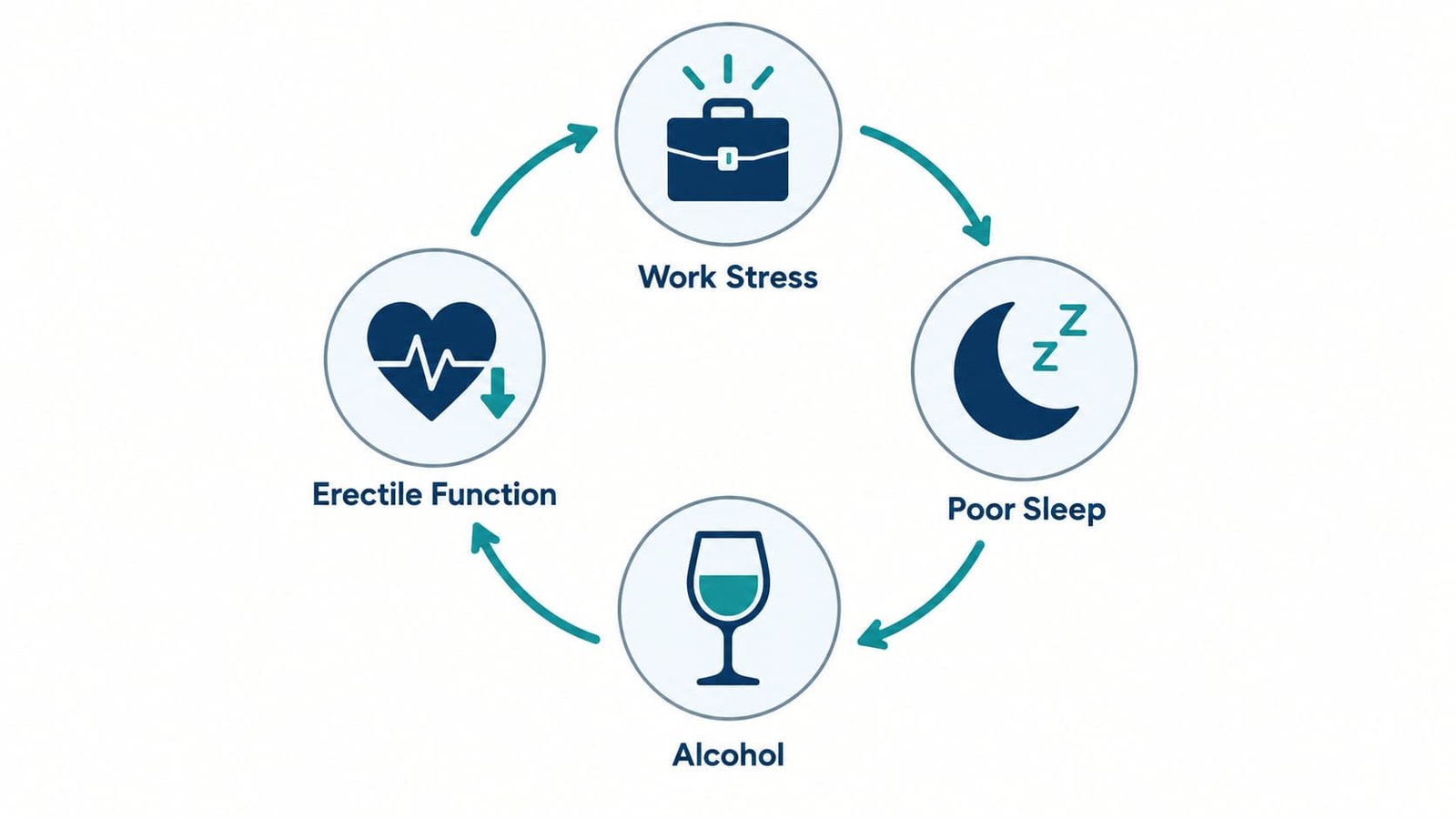
    Reduced orgasm intensity has several recognised causes. Low testosterone, diabetic neuropathy and vascular disease top the list. Antidepressants, especially SSRIs, commonly blunt orgasm. Prostate surgery and pelvic nerve injury can do the same. Stress, poor sleep and relationship strain add further layers. Blood tests identify only some of these causes. A clinical history identifies the rest.

    Red Flags That Need Prompt Review

    Some findings need medical attention before any elective procedure. These include readings of 180/120 mmHg or higher, chest pain on exertion and symptoms of high blood sugar. Excessive thirst, frequent urination and unexplained weight loss form that last group. Patients with these signs should contact an NHS GP or call NHS 111.

    Retesting and Reference Ranges

    Reference ranges vary slightly between laboratories. Clinicians therefore compare results against the range printed on each report. Repeat testing makes sense after medicine changes, weight loss or a new diagnosis. A result from several years ago no longer reflects current health. Recent figures give the safest starting point.

    Additional Tests Before P Shot Treatment

    Clinics may add further checks according to the patient’s history.

    • Full blood count: this measures platelets and haemoglobin. PRP depends on healthy platelets.
    • Kidney and liver function: these results guide medicine choices, especially in diabetes.
    • Thyroid function: thyroid disorders can alter libido and ejaculation.
    • PSA: men aged 50 and over can request an NHS PSA test after discussing benefits and risks.
    • Infection screening: clinicians order this only when the history justifies it.

    A medicine review matters just as much. Aspirin, anticoagulants and anti-inflammatory drugs can affect bleeding and platelet function. Patients should list every medicine and supplement at consultation.

    How to Prepare for Testing

    Doctor reviewing blood test and blood pressure results with a patient during a private consultation
    Clinicians review results with the patient before any treatment decision.

    Preparation differs by test.

    • HbA1c: no fasting is required.
    • Testosterone: book a morning appointment, ideally before 11 am.
    • Lipids: a non-fasting sample usually suffices.
    • Blood pressure: sit quietly for five minutes first. Avoid caffeine, smoking and exercise for 30 minutes beforehand.

    NHS GPs can arrange HbA1c, lipid and blood pressure checks when symptoms justify testing. The NHS Health Check offers cholesterol, blood pressure and diabetes risk assessment to adults aged 40 to 74. Private laboratories offer the same tests with faster turnaround. Some clinics review results during consultation. One example is pshots clinic UK on Harley Street. Dr Syed Nadeem Abbas leads that clinic (MBBS, MRCS RCS Edinburgh, MRCGP, MSc Aesthetic Plastic Surgery). Patients who arrange tests before P shot consultations save time and avoid repeat visits.

    What Results Mean for Realistic Outcomes

    Test results guide safety and suitability. Response remains unpredictable. A normal result does not guarantee benefit, and an abnormal result does not always rule out treatment.

    Lifestyle correction deserves attention first. Weight loss, exercise, smoking cessation and moderate alcohol intake improve all four measurements. Several trials also show direct gains in erectile function. Lifestyle change often delivers the largest, safest improvement in sexual health.

    Evidence for P shot treatment remains limited. Small randomised trials and systematic reviews report mixed, short-term improvements in erectile function scores. Larger trials with long follow-up remain scarce. NICE Clinical Knowledge Summaries list PDE5 inhibitors as first-line therapy for erectile dysfunction. NHS pathways do not currently list PRP as a standard option.

    Evidence for reduced orgasm intensity is weaker still. Few studies measure orgasm directly. Patients should treat any claim of improved orgasm with caution.

    Priapus shot London services use the same PRP technique, so the same testing logic applies. Standards differ between providers across P shot UK clinics. Patients should confirm Care Quality Commission registration and ask which tests the clinic requires. P shot London providers should also explain the evidence limits plainly.

    Frequently Asked Questions

    Which tests before P-shot treatment are standard?

    No UK law fixes a mandatory list. Each clinic sets its own protocol. Most request HbA1c, testosterone, a lipid profile and blood pressure, often with a full blood count.

    Does low testosterone prevent a P shot?

    Not necessarily. Clinicians usually investigate the cause first. Hormone treatment or specialist review may come before any PRP decision.

    Can diabetes affect the result of a P shot?

    Diabetes damages vessels and nerves, which may limit benefit. Poor control also slows healing. Clinicians therefore prefer stable glucose levels before treatment.

    How long do test results stay valid?

    Validity varies by clinic. Clinicians prefer recent results, particularly after medicine changes or new symptoms.

    Does the NHS offer the P shot?

    The NHS does not routinely offer PRP for erectile dysfunction. NHS clinicians do offer the underlying tests and proven first-line treatments.

    Are the tests the same for a priapus shot?

    Yes. Both names describe the same PRP procedure. The same safety checks apply.

    Can the tests explain weaker orgasms?

    Sometimes. Low testosterone, diabetes and vascular disease all contribute to weaker orgasms in men. Normal results do not exclude other causes, such as medicines, nerve injury or psychological factors. A full clinical history remains essential.

    Do clinicians check PSA before treatment?

    Not routinely for a P shot. PSA matters more before testosterone therapy and for men with urinary symptoms or a family history. The NHS provides written guidance on the benefits and risks.

    Key Takeaways

    Testing comes first because sexual health reflects general health. HbA1c exposes hidden diabetes. Testosterone reveals hormone deficits. Lipids and blood pressure show the state of the vessels that supply the penis. Together, these four checks often explain symptoms that no injection can fix.

    The evidence for PRP therapy for sexual function remains modest. Results vary, and no test predicts who will respond. Informed decisions rest on accurate data, realistic expectations and clear limits. Patients who complete the tests before P shot treatment gain a safer start and a clearer picture. Some discover a treatable condition that changes the plan entirely.

    If four simple checks can reveal the real cause of a symptom, where else should treatment decisions begin?

    read more:

    Can Type 2 Diabetes-Related Erectile Dysfunction Be Reversed? What Research Shows

    P Shot for Orgasm Intensity: What Does the Clinical Evidence Show?

    Dr Syed Nadeem Abbas, MBBS, MRCSEd, MSc Aesthetic Plastic Surgery (Distinction) Medical Director, Pshot Clinic | CQC Regulated | Monday to Saturday 10:00–18:00 +44 7955 836986

  • P Shot for Orgasm Intensity: What Does the Clinical Evidence Show?

    P Shot for Orgasm Intensity: What Does the Clinical Evidence Show?

    ✅Medically reviewed

    Orgasm sits at the centre of male sexual satisfaction. Yet most clinical research studies erections rather than climax. A man can keep a firm erection and still report a flat, delayed or distant orgasm. Climax involves the brain, hormones, spinal reflexes and pelvic muscles at the same moment. A fault in one part can quietly flatten the whole response. Clinicians recognise weaker orgasms in men as a real but under-studied complaint.

    Online clinics now promote the P shot for orgasm intensity as a possible solution. Marketing claims often run ahead of published data. This article tests each claim about P shot for orgasm intensity against randomised trials and recognised clinical guidance. The article first explains how male orgasm works. It then examines delayed and muted orgasms, hormonal causes, nerve-related causes and medication effects. Accurate answers sometimes disappoint, yet they protect patients from wasted cost and missed diagnoses.

    Key Points

    • Orgasm depends on brain signalling, hormones, spinal reflexes and pelvic nerves.
    • Low testosterone, diabetes, pelvic surgery and certain medicines can blunt orgasm.
    • No randomised trial has tested the P shot with orgasm intensity as the main outcome.
    • Existing PRP trials in erectile dysfunction show mixed results.
    • Medical assessment should come before any procedure.

    How Male Orgasm Works

    Orgasm combines sensation, muscle activity and brain processing. Ejaculation usually accompanies orgasm, but the two events differ. A man can ejaculate without climax, or reach climax without ejaculating.

    Brain and Hormonal Control

    The brain acts as the main sexual organ. Sensory input travels to the sensory cortex, while limbic regions process arousal and reward. Dopamine promotes drive and climax. Serotonin generally inhibits ejaculation. Oxytocin and prolactin rise around climax and contribute to the refractory period. Testosterone supports desire and sets the sensitivity of these pathways.

    Spinal Reflex and Pelvic Nerves

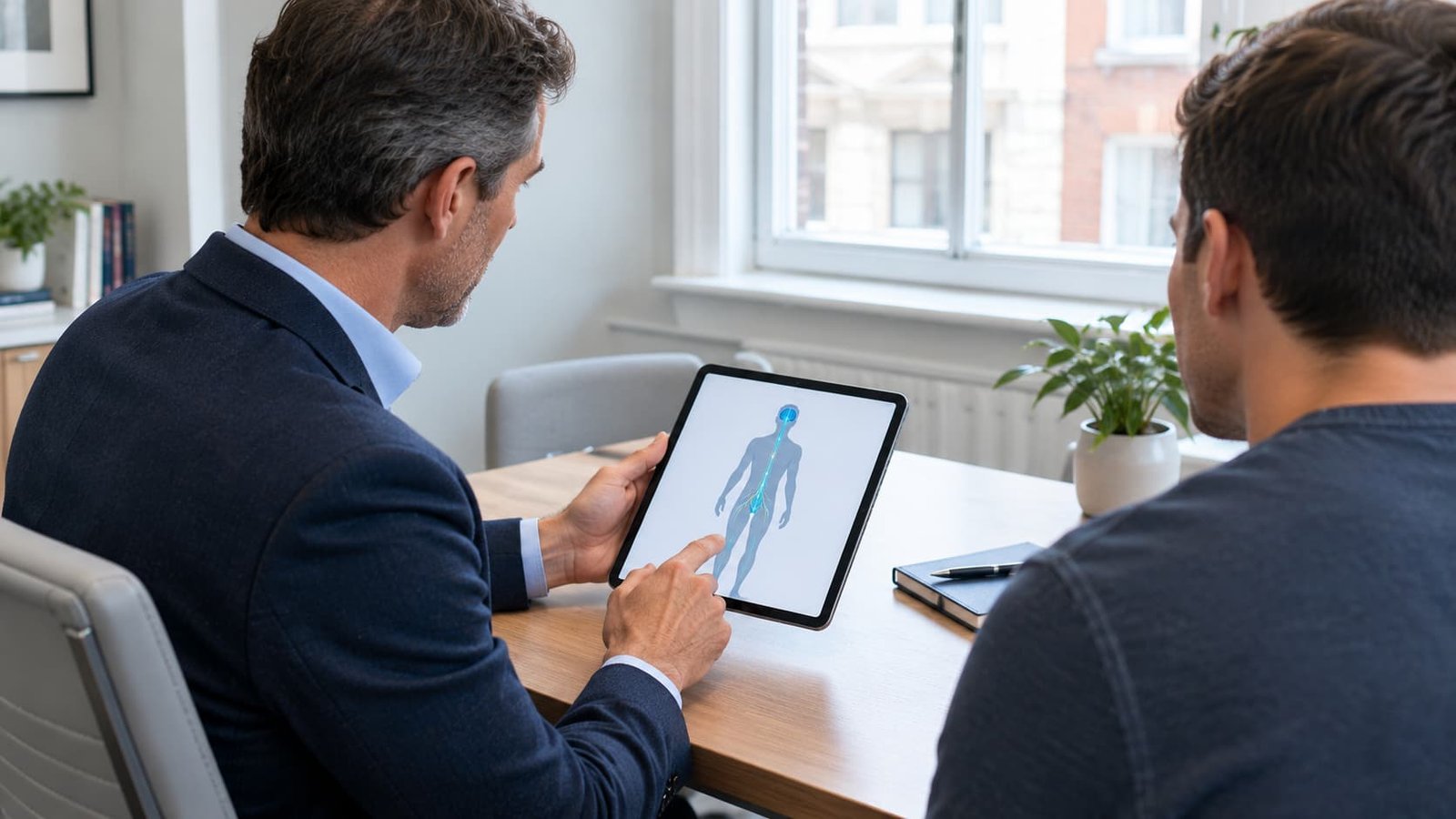
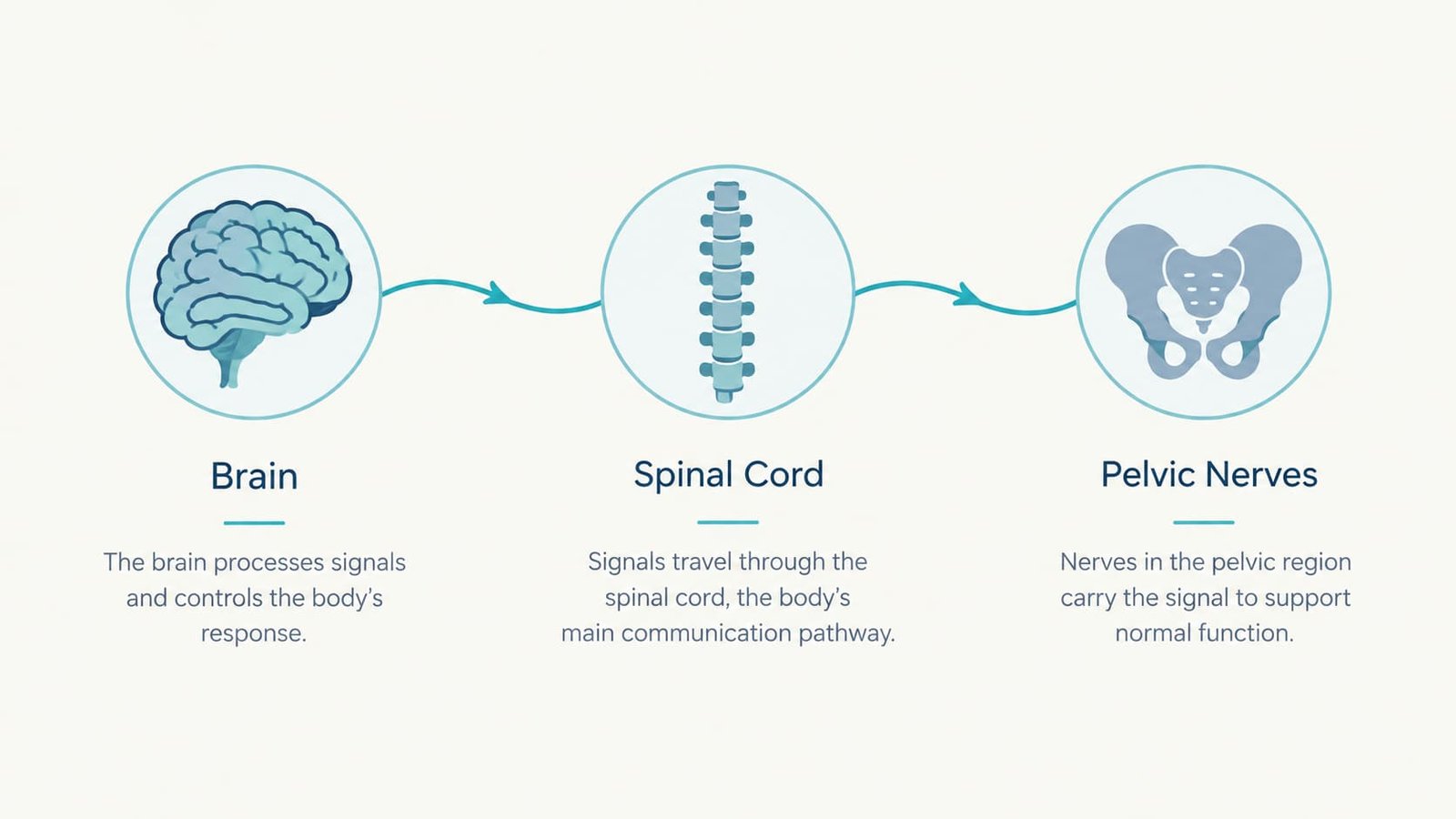
    Simple diagram showing the signal route from the brain through the spinal cord to the pelvic nerves during orgasm
    Orgasm depends on signals travelling from the brain through the spinal cord to the pelvic nerves.

    The dorsal nerve of the penis carries touch signals into the pudendal nerve. Those signals reach the sacral spinal cord. Sympathetic fibres from the lower thoracic and upper lumbar cord then trigger emission, when semen enters the urethra. Somatic fibres in the pudendal nerve trigger rhythmic contractions of the pelvic floor muscles. Those contractions drive expulsion and much of the physical pleasure.

    Why Intensity Varies

    Intensity reflects pelvic muscle contraction strength, nerve signalling speed and brain-level reward. Weakness at any point in this chain can blunt the whole experience. Age, stress, alcohol, fatigue and arousal level also change intensity from one occasion to the next. Repeated climaxes within a short time often feel weaker because of the refractory period.

    Delayed, Muted and Absent Orgasms

    Clinicians use several terms. Each describes a different problem and needs a different workup.

    Muted or Weaker Orgasms

    Reduced orgasm intensity describes a climax that feels shorter, flatter or less pleasurable than before. Some men also report fewer pelvic contractions or lower semen volume. No single diagnostic label covers weaker orgasms in men. Clinicians therefore rely on history-taking and validated questionnaires. The International Index of Erectile Function (IIEF) includes an orgasmic function domain for this purpose.

    Timing of onset matters. Lifelong problems suggest different causes from sudden changes. Acquired changes after a new medicine, injury or illness usually point to a specific trigger.

    Delayed Orgasm and Anorgasmia

    Delayed ejaculation means a marked delay or inability to reach climax despite adequate stimulation. Anorgasmia means no climax at all. Most estimates place delayed ejaculation at a low single-digit percentage of men. Rates rise with age and with certain medicines.

    Orgasm Versus Sensitivity

    Sensitivity describes how strongly touch registers. Orgasm describes the climax itself. The two overlap, yet each has separate causes. Reduced penile sensitivity during sex covers dulled touch. Penile sensitivity loss during sex covers gradual loss of feeling. Both articles address sensation. This article addresses climax.

    Hormonal Causes of Reduced Orgasm Intensity

    Hormones regulate desire, arousal and ejaculatory force. Several endocrine problems can weaken orgasm.

    Testosterone Deficiency

    Testosterone supports desire, erectile quality and semen volume. Low levels can reduce libido and flatten climax. Fatigue, low mood and reduced muscle mass often accompany the problem. Symptoms alone cannot confirm a diagnosis, but blood tests can. NICE Clinical Knowledge Summaries advise clinicians to confirm symptoms and repeat morning blood tests before diagnosing hypogonadism. The Testosterone Trials found modest gains in sexual function after treatment in older men with confirmed low levels (Snyder et al., 2016). Treating a confirmed deficiency addresses the cause, whereas injecting PRP does not.

    Thyroid and Prolactin Disorders

    Underactive thyroid function can delay ejaculation. Raised prolactin suppresses testosterone and libido. Simple blood tests identify both problems. Pituitary causes need specialist input.

    Ageing

    Testosterone falls gradually with age. Penile nerve conduction also slows. Ejaculatory force and volume decline in many older men. Clinicians therefore interpret changes against age-matched expectations.

    Nerve-Related Causes

    Pelvic nerves control both sensation and muscle contraction. Damage can blunt orgasm even when erections stay normal.

    Diabetes and Neuropathy

    Diabetic neuropathy damages small nerve fibres, including autonomic fibres that control ejaculation. Good glucose control slows that damage. Regular diabetes review therefore protects sexual function as well as general health.

    Surgery and Injury

    Radical prostatectomy, rectal surgery and other pelvic operations can injure cavernous or pudendal nerves. Many men report altered orgasm afterwards. Prostate removal also causes dry orgasm, because the gland and seminal vesicles no longer produce semen. Pelvic fractures and long-distance cycling can compress the pudendal nerve.

    Neurological Disease

    Spinal cord injury, multiple sclerosis and Parkinson’s disease alter reflex pathways. Orgasm may weaken, delay or disappear. Numbness elsewhere, bladder changes or bowel changes often accompany these causes. A neurologist or urologist should assess such cases.

    Medication Effects on Orgasm

    Medicines cause a large share of orgasm complaints. A prescription review often explains symptoms faster than any procedure.

    Antidepressants

    Selective serotonin reuptake inhibitors (SSRIs) frequently delay or block orgasm. Serotonin inhibits ejaculatory reflexes, so higher levels delay climax. Other antidepressant classes also cause sexual side effects, though rates differ. The NHS advises patients not to stop antidepressants suddenly. A GP or prescriber can adjust the dose or switch the drug.

    Alpha-Blockers and 5-Alpha Reductase Inhibitors

    Alpha-blockers such as tamsulosin treat urinary symptoms of prostate enlargement. These drugs can reduce semen volume or cause dry orgasm. Finasteride and dutasteride lower dihydrotestosterone. Libido and ejaculation can change during treatment.

    Other Medicines

    Opioids suppress testosterone and delay climax. Antipsychotics raise prolactin. Some blood pressure medicines and heavy alcohol use also dull orgasm. Symptoms often begin within weeks of starting a drug or raising a dose.

    Seeking Advice About Medicines

    Patients should discuss any suspected drug effect with a GP before changing a dose. Doctors can review timing, dose and alternatives.

    Psychological and Lifestyle Contributors

    Anxiety, depression and relationship stress can delay or mute climax. Some clinicians link a very firm masturbation grip with reduced response during partnered sex. Smoking, obesity and poor cardiovascular health also reduce sexual function. NICE guidance on erectile dysfunction advises assessing cardiovascular risk alongside sexual symptoms.

    Common Causes at a Glance

    CauseTypical clueSensible first step
    Low testosteroneLow libido, fatigueMorning blood tests
    AntidepressantsOnset after starting a drugPrescriber review
    Alpha-blockers, 5-alpha reductase inhibitorsLower semen volumeMedication review
    Diabetic neuropathyNumbness, other nerve symptomsGlucose control, GP review
    Pelvic surgeryChange after an operationUrology follow-up
    Anxiety or depressionStress, low moodPsychosexual support

    How PRP Therapy for Sexual Function Is Meant to Work

    PRP therapy for sexual function uses the patient’s own blood. A clinician draws blood, spins it in a centrifuge and concentrates the platelets. The clinician then injects the concentrate into penile tissue. Laboratory studies show that platelets release growth factors, which support tissue repair and new blood vessels. Animal models of cavernous nerve injury suggest possible nerve benefits. Clinics apply this logic to P shot treatment. Platelet concentration, spin method and injection technique vary between clinics. That variation complicates comparison across studies. Priapus Shot is a registered brand name. Animal data do not prove human benefit.

    P Shot for Orgasm Intensity: What Evidence Exists?

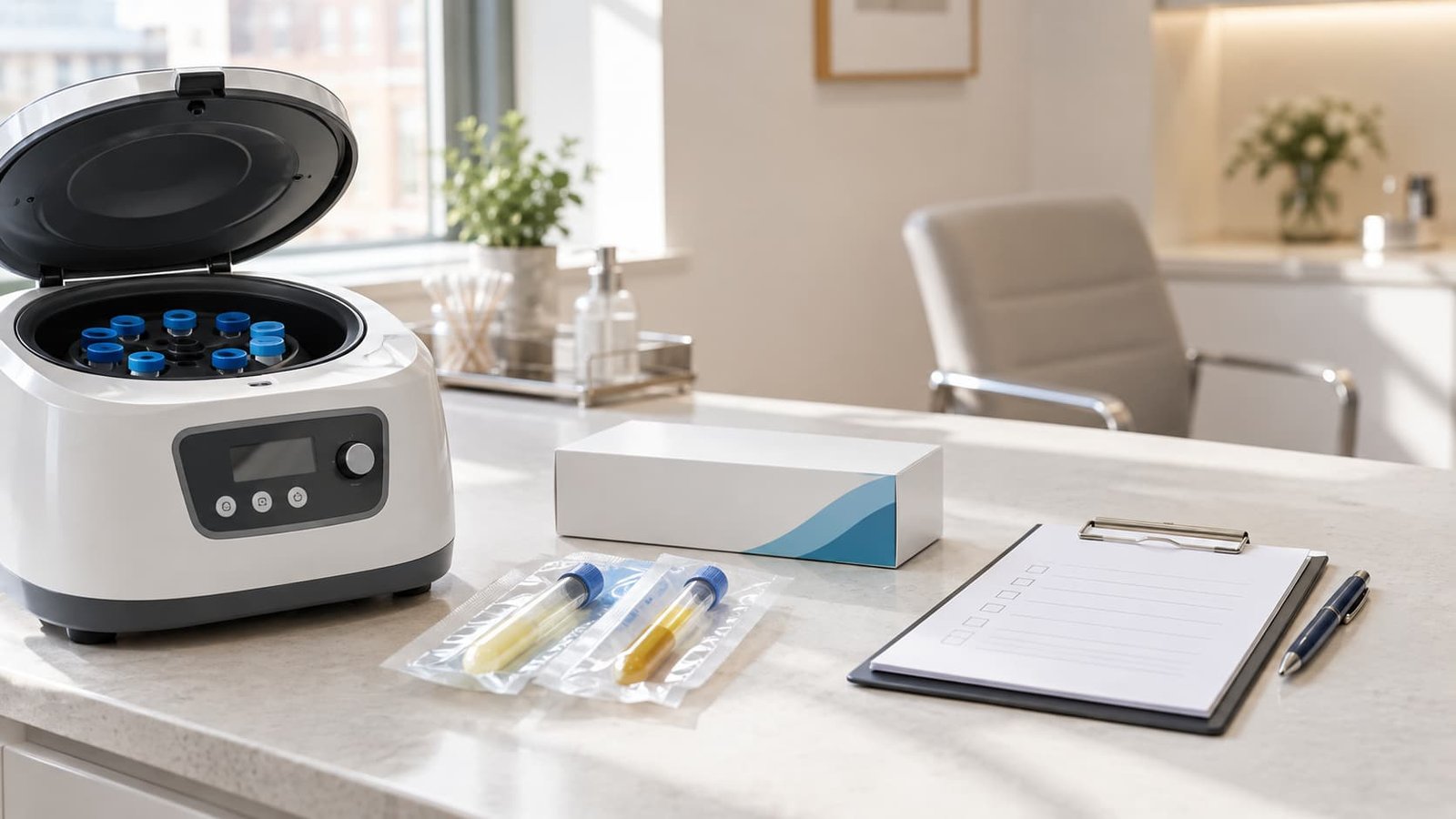
    PRP tube and centrifuge on a clinical bench representing research into PRP therapy for sexual function
    Clinical trials of PRP have focused on erectile function, not orgasm intensity.

    Direct Evidence

    Published randomised trials of PRP have not made orgasm intensity the primary outcome. That gap is the most important fact about the P shot for orgasm intensity. Claims about P shot for orgasm intensity therefore rest on indirect data.

    Indirect Evidence from Erectile Dysfunction Trials

    Several trials tested PRP for erectile dysfunction. Poulios and colleagues reported in the Journal of Sexual Medicine (2021) that more PRP recipients than placebo recipients reached a clinically meaningful gain in erectile function. Masterson and colleagues later ran a double-blind, placebo-controlled trial of 61 men. The Journal of Urology reported no significant difference between PRP and placebo (2023). Both groups improved. One man in the PRP group developed a new penile plaque. Placebo response runs high in sexual medicine, so blinded trials remain essential. Systematic reviews describe small studies, short follow-up and varied PRP preparation methods.

    What the Orgasm Data Show

    The IIEF includes an orgasmic function domain. Few trials report that domain separately. None designed the study to detect a change in orgasm intensity. Small uncontrolled case series describe subjective improvement. Expectation bias and placebo effects limit those reports.

    Reading the Evidence Critically

    Sexual outcomes depend heavily on expectation, mood and partner factors. Trials of 50 to 60 men can miss modest effects. Chance can also overstate benefit. Larger, longer trials with orgasm-specific outcomes would settle the question.

    Guidance and Safety

    Cleveland Clinic states that research has not verified P shot benefits. The clinic also notes that claims about sensation and ejaculation control lack scientific support. The European Association of Urology currently treats PRP for erectile dysfunction as investigational. NHS and NICE guidance on sexual dysfunction centres on assessing causes, reviewing medicines and using licensed treatments. Neither body recommends PRP for orgasm complaints. Reported minor risks include bruising, swelling, discolouration and infection.

    Realistic Outcomes and Limitations

    Realistic expectations for P shot for orgasm intensity include the following:

    • Benefit remains unproven, and some men notice no change.
    • Placebo response can account for early improvement.
    • Costs fall on the patient, because the NHS does not routinely fund the procedure. P shot UK pricing varies between clinics.
    • No evidence-based schedule exists for repeat sessions.
    • P shot treatment cannot reverse hormonal disease, medication effects or major nerve injury.
    • Men considering a P shot London appointment or a priapus shot London clinic should verify the practitioner’s qualifications. Written, balanced information should accompany any offer.

    Assessment Before Any Procedure

    A structured assessment should precede any PRP discussion. It usually includes:

    • A sexual, medical and medication history
    • Morning testosterone, HbA1c, thyroid and prolactin blood tests when indicated
    • Neurological and genital examination
    • Review of mood, stress and relationship factors
    • Cardiovascular risk assessment, in line with NICE guidance

    Pshots clinic UK, a Harley Street clinic in Marylebone, operates under Dr Syed Nadeem Abbas. Credentials include MBBS, MRCS (RCS Edinburgh), MRCGP and an MSc in Aesthetic Plastic Surgery with Distinction from Queen Mary University of London. Training took place at Cambridge, Oxford and the Royal London Hospital. Any clinician offering PRP should document the diagnosis, explain the evidence gap and obtain informed consent.

    Frequently Asked Questions

    Does the P shot for orgasm intensity work?

    Current evidence cannot confirm that it does. No trial has tested orgasm intensity as the main outcome. Trials in erectile dysfunction show mixed results.

    What causes weaker orgasms in men?

    Common causes include low testosterone, medicine side effects, diabetes-related nerve damage, pelvic surgery, anxiety and ageing. More than one factor often contributes.

    Can medication cause reduced orgasm intensity?

    Yes. SSRIs, alpha-blockers, 5-alpha reductase inhibitors and opioids commonly alter orgasm. Patients should speak to a prescriber before stopping any medicine.

    How do clinicians measure orgasm intensity?

    No objective test exists. Clinicians use history-taking and questionnaires such as the IIEF orgasmic function domain. Reports remain subjective.

    Does the NHS offer the P shot?

    The NHS does not routinely offer PRP injections for male sexual dysfunction. NHS services assess causes and offer licensed treatments.

    When should a man see a GP about orgasm changes?

    Any change lasting several weeks merits review. Sudden onset, new medicines, erection problems, pain, numbness or urinary symptoms need prompt assessment.

    Is PRP therapy for sexual function safe?

    Small trials report minor and uncommon adverse events. Long-term safety data remain limited.

    Key Takeaways

    Orgasm depends on coordinated brain, hormonal and nerve function. Reduced orgasm intensity usually has an identifiable cause. Testosterone deficiency, diabetes, pelvic surgery and medicines explain many cases. PRP therapy for sexual function remains experimental, and no trial directly supports P shot for orgasm intensity. Informed decisions start with a diagnosis, not a procedure. Patients weighing any private treatment should ask for evidence, costs and limits in writing. Which question deserves an answer first: whether a treatment exists, or why the change began?

    Read more:

    Weaker Orgasms in Men: Causes and Treatment Options

    Dual-Spin vs Single-Spin PRP: Does Platelet Concentration Matter for the P Shot?

    Dr Syed Nadeem Abbas, MBBS, MRCSEd, MSc Aesthetic Plastic Surgery (Distinction) Medical Director, Pshot Clinic | CQC Regulated | Monday to Saturday 10:00–18:00 +44 7955 836986 
  • Can Type 2 Diabetes-Related Erectile Dysfunction Be Reversed? What Research Shows

    Can Type 2 Diabetes-Related Erectile Dysfunction Be Reversed? What Research Shows

    ✅Medically reviewed 

    More than half of men with diabetes develop erectile problems at some point. A meta-analysis of 145 studies placed the pooled prevalence at 52.5 per cent. That figure explains why type 2 diabetes and erectile dysfunction appear together so often in UK clinics. The pairing also raises a pressing question. Does the damage last for life, or can erectile function recover?

    The honest answer sits between hope and caution. Research shows that some men regain normal erections after sustained weight loss, better glucose control and regular exercise. Others improve only partly. A third group needs ongoing treatment because long-standing nerve and blood vessel damage does not fully heal. Outcomes depend on the stage of damage, the duration of diabetes and the presence of other conditions.

    Early action offers the best chance of recovery. Erectile changes often appear before a diabetes diagnosis. They can also warn of heart disease years before cardiac symptoms start. Reversal therefore matters for sexual health and for long-term cardiovascular safety.

    This guide examines the biology, the trial evidence and the available treatments. Sources include NHS guidance, NICE recommendations and peer-reviewed studies. Each section states what research proves and what remains uncertain.

    What Does Erectile Dysfunction Reversal Really Mean?

    Clinicians define erectile dysfunction (ED) as persistent difficulty achieving or keeping an erection firm enough for sexual activity. Researchers often measure severity with the International Index of Erectile Function (IIEF-5). Scores of 22 to 25 indicate no ED. Lower scores indicate mild, moderate or severe ED.

    Reversal therefore carries three possible meanings.

    Full Recovery

    The patient returns to a normal IIEF-5 score without medication. Trials report this outcome in a minority of men, mostly after major lifestyle change.

    Partial Improvement

    Scores rise, but erections stay less reliable than before diabetes. Many men reach this outcome.

    Controlled Function with Treatment

    Medication or devices restore satisfactory erections while the underlying damage persists. This outcome is common and clinically valuable.

    Reversal is a spectrum, not a single result.

    How Diabetes Damages Erections

    An erection needs healthy arteries, working nerves, supple erectile tissue and balanced hormones. Type 2 diabetes and erectile dysfunction connect through all four.

    Blood Vessel Damage

    Persistently high glucose injures the endothelium, the inner lining of blood vessels. Damaged endothelium produces less nitric oxide. Nitric oxide relaxes penile arteries and allows blood to fill the erectile tissue. Diabetes also accelerates atherosclerosis, which narrows the small arteries of the penis.

    Nerve Damage

    Autonomic neuropathy disrupts the signals that start and sustain an erection. Neuropathy tends to appear after many years of raised glucose. Men with numb feet or bladder changes may also have nerve-related ED.

    Illustration comparing a healthy artery with a narrowed artery damaged by high blood glucose
    High glucose damages the blood vessel lining and nerves that an erection depends on.

    Hormones, Medicines and Mood

    Low testosterone affects a substantial share of men with type 2 diabetes. Obesity and insulin resistance both lower testosterone. Some antidepressants, beta-blockers and thiazide diuretics can worsen erections. Depression and performance anxiety add further strain.

    Why Timing Matters

    Early damage is functional. Blood vessels narrow, but the tissue stays healthy. Late damage is structural. Laboratory studies show smooth muscle loss and fibrosis in long-standing diabetic erectile tissue. Structural change responds poorly to lifestyle measures. The longer glucose stays high, the lower the prospect of full recovery.

    What Research Shows About Type 2 Diabetes and Erectile Dysfunction Reversal

    Evidence comes from randomised trials, observational cohorts and systematic reviews. Quality varies. Few trials enrol only men with diabetes.

    Weight Loss and Lifestyle Change

    The strongest trial evidence comes from Esposito and colleagues. Their 2004 JAMA study enrolled 110 obese men with ED. Most participants did not have diabetes. The intervention group received structured diet and exercise advice for two years. Some 31 per cent of the intervention group regained normal erectile function, compared with 5 per cent of controls. Men with diabetes may respond differently, so clinicians apply these findings with caution.

    A 2015 review by Maiorino and colleagues reached a similar conclusion. Weight loss, physical activity and Mediterranean-style eating improved erectile scores in many trials.

    Glucose Control

    NICE guideline NG28 sets individual HbA1c targets for adults with type 2 diabetes. Typical targets are 48 mmol/mol or 53 mmol/mol, depending on treatment and hypoglycaemia risk. Observational studies link higher HbA1c with more severe ED. However, trials testing glucose lowering alone for erectile outcomes remain limited. Good control clearly protects nerves and vessels. Evidence that it reverses established ED is weaker.

    Diabetes Remission and Bariatric Surgery

    The DiRECT trial showed that structured low-energy diets can induce remission. Remission occurred in 46 per cent of participants at 12 months and 36 per cent at 24 months. The NHS now runs a Type 2 Diabetes Path to Remission Programme in England. Direct evidence on erectile outcomes after remission is scarce. Reviews of bariatric surgery report higher IIEF scores afterwards. Most of those studies are small and observational.

    Exercise

    Aerobic and resistance training improve endothelial function and insulin sensitivity. The UK Chief Medical Officers recommend at least 150 minutes of moderate activity weekly. Trials in men with ED report modest but consistent gains in IIEF-5 scores. Exercise also lowers cardiovascular risk.

    Smoking, Alcohol and Medicines

    Smoking damages the endothelium and reduces nitric oxide. Stopping smoking can improve erections in some men. Heavy alcohol use worsens erectile function and glucose control. A medication review may also help. ACE inhibitors and angiotensin receptor blockers appear neutral for erections. Older thiazides and non-selective beta-blockers can contribute to ED. Patients should never stop prescribed medicines without medical advice.

    Newer Diabetes Medicines

    GLP-1 receptor agonists and SGLT2 inhibitors support weight loss and cardiovascular health. Observational data hint at possible erectile benefit. No trial currently proves that these drugs reverse ED. Prescribers choose these drugs for diabetes, not for erections.

    How Doctors Assess Type 2 Diabetes and Erectile Dysfunction

    Assessment starts with a detailed medical and sexual history. The clinician asks about onset, morning erections, libido, medicines and mood. Sudden onset suggests a psychological or medicine-related cause. Gradual onset suggests vascular or nerve disease.

    Examination and Blood Tests

    A physical check covers blood pressure, body mass index, the genitals and the peripheral pulses. Blood tests usually include HbA1c, a lipid profile and morning total testosterone. Doctors repeat a low testosterone result before diagnosing hypogonadism. Thyroid function and kidney tests follow when clinical findings justify further testing.

    Questionnaires and Risk Scores

    The IIEF-5 questionnaire records severity and tracks response to treatment. QRISK3 estimates ten-year cardiovascular risk. Both tools give structure to follow-up and help patients and clinicians judge real progress.

    The Role of Psychological Support

    Anxiety and depression occur more often in men with diabetes. Performance worry can then sustain ED after the physical trigger fades. Cognitive behavioural therapy and psychosexual counselling address this cycle. Partners often join sessions. Psychological support works alongside physical treatment, not instead of it.

    Medical Treatments When Lifestyle Change Is Not Enough

    Many men need medical treatment alongside lifestyle change. NICE Clinical Knowledge Summaries guide UK practice. Type 2 diabetes and erectile dysfunction often require a combined approach.

    Tablets: PDE5 Inhibitors

    Sildenafil, tadalafil, vardenafil and avanafil form first-line therapy. Men with diabetes can receive generic sildenafil on NHS prescription. Response rates run lower in diabetes than in the general population. Nitrate medicines make PDE5 inhibitors unsafe. Doctors must check cardiovascular status before prescribing.

    Testosterone Assessment

    Doctors diagnose low testosterone after two separate morning blood tests. Replacement therapy mainly improves libido. Benefit for erections themselves is less certain. Specialist supervision and monitoring of haematocrit and PSA remain essential.

    Second-Line Options

    Vacuum erection devices draw blood into the penis through negative pressure. Alprostadil, given by injection or urethral pellet, relaxes penile arteries directly. Penile implants suit men who fail other options. Urologists manage these pathways.

    Non-Surgical Treatment for Erectile Dysfunction Beyond Tablets

    Several options sit outside standard NHS pathways. Evidence for each remains under development. Any non-surgical treatment for erectile dysfunction needs an honest discussion of benefit and uncertainty.

    Low-Intensity Shockwave Therapy

    Low-intensity shockwave therapy aims to stimulate new blood vessel growth. Some trials report improved erectile scores in mild vascular ED. Reviews note inconsistent protocols and small samples. UK bodies have not endorsed routine NHS use.

    PRP and the P-Shot

    Platelet-rich plasma (PRP) comes from a sample of the patient’s own blood. Clinicians inject the concentrate into penile tissue. Laboratory work suggests that growth factors may support tissue repair. Small clinical studies report improved erectile scores. However, trials are few, short and often lack placebo control. Studies in men with diabetes are particularly limited. PRP therefore remains an experimental option, not a proven reversal treatment. Patients considering P Shot London services should ask clinics to explain this evidence gap openly.

    The Priapus Shot price varies between clinics, protocols and numbers of sessions. A written, itemised quote should state the cost per session and the proposed course length. Patients should weigh that figure against the evidence on expected benefit.

    Choosing Erectile Dysfunction Treatment London Services

    Men exploring erectile dysfunction treatment London clinics should verify General Medical Council registration and specialist training. The Care Quality Commission regulates private clinics in England. A responsible clinic checks cardiovascular and glucose status before treatment. Credible clinicians also document limitations and refer patients to a GP or diabetes team when needed.

    Dr Syed Nadeem Abbas leads pshots clinic uk, a private clinic on Harley Street, London. Qualifications include MBBS, MRCS, MRCGP and an MSc in Aesthetic Plastic Surgery.

    Why Erectile Dysfunction Matters for Heart Health

    Erectile dysfunction in men with diabetes often signals cardiovascular disease. Penile arteries are narrower than coronary arteries, so disease can appear there first. Gazzaruso and colleagues found that ED predicted silent coronary artery disease in men with diabetes. The Prostate Cancer Prevention Trial also linked ED to later cardiovascular events.

    NICE guidance therefore supports a cardiovascular risk assessment, often with the QRISK3 tool. A new erectile problem in diabetes deserves a heart check as well as a sexual health review. Type 2 diabetes and erectile dysfunction together justify a thorough cardiovascular review.

    Limits of the Current Evidence

    Honest reporting requires attention to what research cannot yet show. Four limits stand out.

    First, most trials of lifestyle change excluded men with established diabetes complications. Those findings may not transfer to every patient. Second, follow-up rarely exceeds two years. Long-term durability remains uncertain.

    Third, researchers measure erectile function with different questionnaires and thresholds. Direct comparison between studies therefore becomes difficult. Fourth, many studies of newer therapies lack placebo groups and independent replication.

    Strong claims of guaranteed reversal exceed the available evidence. Type 2 diabetes and erectile dysfunction vary widely between individuals, and published averages hide that variation. Responsible clinicians describe likely ranges of benefit and avoid promises.

    Realistic Expectations: What Predicts Recovery

    Several factors shape the likelihood of improvement.

    FactorMore favourableLess favourable
    Diabetes durationShortLong
    Glucose controlStable and near targetPersistently high
    Body weightSubstantial loss achievedPersistent severe obesity
    Nerve and vessel statusNo neuropathyEstablished neuropathy or vascular disease
    SmokingStoppedContinuing

    These patterns reflect clinical experience and observational data. They do not guarantee outcomes. Even favourable profiles may need medication.

    Practical Steps With the Strongest Support

    Healthy meal, running shoes and glucose monitor representing lifestyle steps for diabetes-related erectile dysfunction
    Weight loss, exercise and glucose control are the best-supported steps for recovery.

    The following measures carry the most consistent evidence and the lowest risk:

    • Book a review with a GP or diabetes nurse to discuss erectile symptoms
    • Agree an individual HbA1c target and a plan to reach it
    • Aim for gradual weight loss of 5 to 10 per cent of body weight
    • Build up to 150 minutes of moderate activity each week
    • Stop smoking with NHS support
    • Ask a pharmacist or GP to review current medicines
    • Seek psychosexual counselling when anxiety or relationship strain persists

    Type 2 diabetes and erectile dysfunction improve most often when several of these steps combine.

    When to Seek Medical Advice

    Men with diabetes should raise ED with a GP or diabetes nurse. Early assessment improves outcomes. Urgent care becomes necessary in these situations:

    • Chest pain or breathlessness during sexual activity
    • A painful erection lasting more than four hours
    • Sudden loss of erections alongside new leg weakness or numbness

    The NHS describes prolonged painful erection (priapism) as a medical emergency.

    Frequently Asked Questions

    Can erectile function return to normal in type 2 diabetes?

    Some men recover fully, especially after substantial weight loss and better glucose control. Others improve partly. Men with long-standing neuropathy or vascular disease recover less often. Medication can still restore satisfactory erections in many of these cases.

    How long does improvement take?

    Lifestyle trials followed men for one to two years. Gains often build gradually. Individual timelines vary widely, so clinicians review progress at regular intervals.

    Does tight blood sugar control cure erectile dysfunction?

    No evidence shows that glucose control alone cures established ED. Good control protects nerves and vessels and may slow further decline. Weight loss, exercise and smoking cessation add independent benefit.

    Is the P-shot a proven treatment for diabetic erectile dysfunction?

    No. Evidence remains limited, particularly in men with diabetes. NICE does not list PRP as a standard ED therapy. Patients should discuss risks, costs and uncertainty before any decision.

    Can the NHS prescribe tablets for erectile dysfunction in diabetes?

    Yes. Men with diabetes can receive generic sildenafil on NHS prescription. Local integrated care board policies may apply. A GP checks medicines and heart health first.

    Does erectile dysfunction always signal heart disease?

    No. Psychological, hormonal and medicine-related causes also exist. Even so, ED in diabetes justifies a cardiovascular risk review.

    Key Taakeaways

    Type 2 diabetes and erectile dysfunction rarely resolve through one measure alone. Reversal is possible for some men and unrealistic for others. Evidence supports weight loss, exercise, glucose control, smoking cessation and medication review as first steps. Tablets, devices and injections manage function when recovery stalls. Experimental options such as shockwave therapy and PRP need cautious, evidence-led discussion.

    Informed decision-making begins with a GP, an honest risk assessment and clear expectations. The earlier assessment starts, the more options remain open. Which single change could support both glucose control and erectile health over the coming month?

    Read more:

    P Shot London: What Men with Diabetes Need to Know About Erectile Dysfunction Treatment

    Erectile Dysfunction and High Blood Pressure: Can the P-Shot Offer a Vascular Solution?

    P shot Treatment London

    Dr Syed Nadeem Abbas, MBBS, MRCSEd, MSc Aesthetic Plastic Surgery (Distinction) Medical Director, Pshot Clinic | CQC Regulated | Monday to Saturday 10:00–18:00 +44 7955 836986
  • Priapus Shot Price: What Affects the Cost in 2026?

    Priapus Shot Price: What Affects the Cost in 2026?

    ✅Medically reviewed

    Priapus Shot Price varies more between London clinics than most patients expect. The reason rarely comes down to simple profit margin. Two clinics on the same street can quote figures hundreds of pounds apart. The treatments look identical on paper. The difference usually sits in what happens before, during, and after the injection itself. Clinician training, PRP preparation method, consultation depth, and aftercare provision all shape the final figure charged for a P Shot treatment. This article breaks down the individual cost components behind private clinic pricing in the UK. It explains why similar-sounding treatments carry different price tags. It also sets out practical questions worth asking before comparing quotes.

    The Priapus Shot, widely known as the P Shot treatment, uses platelet-rich plasma (PRP). The plasma is drawn from a patient’s own blood and injected into the penile shaft. NHS guidance on erectile dysfunction (ED) describes the condition as common. It affects a significant proportion of men at some point in life. Conventional NHS pathways include lifestyle changes, oral medication, and specialist referral where needed. PRP-based penile injection growth treatments sit outside these first-line pathways. Such treatments are offered privately, including through P Shot London providers such as pshots Clinic uk, a Harley Street clinic led by Dr Syed Nadeem Abbas. Understanding the components behind a quoted fee helps patients judge whether a price reflects appropriate clinical care, rather than an arbitrary figure.

    What Is Included in a Priapus Shot Price Quote?

    A quoted fee rarely reflects a single procedure charge. It usually bundles several distinct clinical steps, and knowing what sits inside the number makes the whole process far less confusing.

    The Core Clinical Steps Behind Every Quote

    Most quotes cover blood draw, PRP separation in a centrifuge, local anaesthetic, the injection itself, and a short observation period afterwards. Each step takes clinician time and clinical equipment, and each one carries a real cost that eventually lands somewhere in the final bill.

    Itemised vs Combined Pricing

    Some clinics itemise each stage separately on the published price list. Others present one combined figure covering the entire visit from arrival to discharge. Neither approach is wrong, but a combined figure can quietly exclude consultation or follow-up costs that only appear later. Patients researching P shot UK options should request a written, itemised breakdown before booking, simply to avoid any surprises further down the line.

    1. The Clinician Performing the Treatment

    Qualified clinician assessing a patient before P Shot treatment
    Clinician qualification and experience directly influence the overall price.

    Clinician qualification directly affects the overall cost, and this is one of the biggest variables between clinics.

    Training and Registration

    A P Shot treatment involves injecting PRP into sensitive penile tissue, so anatomical knowledge and precise injection technique carry real clinical weight. Practitioners with surgical or aesthetic medicine training, GMC registration, and documented experience in genital PRP procedures typically charge more. Providers with limited or unverified relevant training tend to charge less.

    Why Experience Costs More

    Higher fees in this category generally reflect accountability and reduced procedural risk, not simply added luxury or brand positioning. A more experienced clinician has usually seen a wider range of anatomy and complications. That translates into steadier hands and calmer decision-making on the day. Checking a practitioner’s registration and specific training forms a reasonable first step before comparing any quote.

    2. The Initial Consultation and Medical Assessment

    A thorough consultation forms part of responsible clinical practice, and it is easy to underestimate how much time this genuinely takes.

    What the Assessment Covers

    Medical history review takes clinical time to complete properly. So does screening for contraindications, such as bleeding disorders, anticoagulant medication, or active infection. A frank discussion of realistic outcomes adds further time on top of that. NICE Clinical Knowledge Summaries on erectile dysfunction recommend assessing cardiovascular risk factors before treatment. ED sometimes signals underlying vascular disease requiring separate medical attention.

    Why a Thorough Consultation Affects Price

    Clinics building this assessment into the treatment pathway, rather than treating it as optional, generally reflect that time within the quoted price. A rushed or superficial assessment should raise questions about the value behind a lower quoted fee. This holds true even when the headline number looks attractive at first glance.

    3. How the PRP Is Prepared

    Centrifuge separating platelet-rich plasma during PRP preparation
    PRP preparation method and equipment standard both affect the final cost.

    PRP preparation method influences cost meaningfully, and it is often the part patients overlook completely when comparing quotes.

    Centrifuge Technology and Spin Method

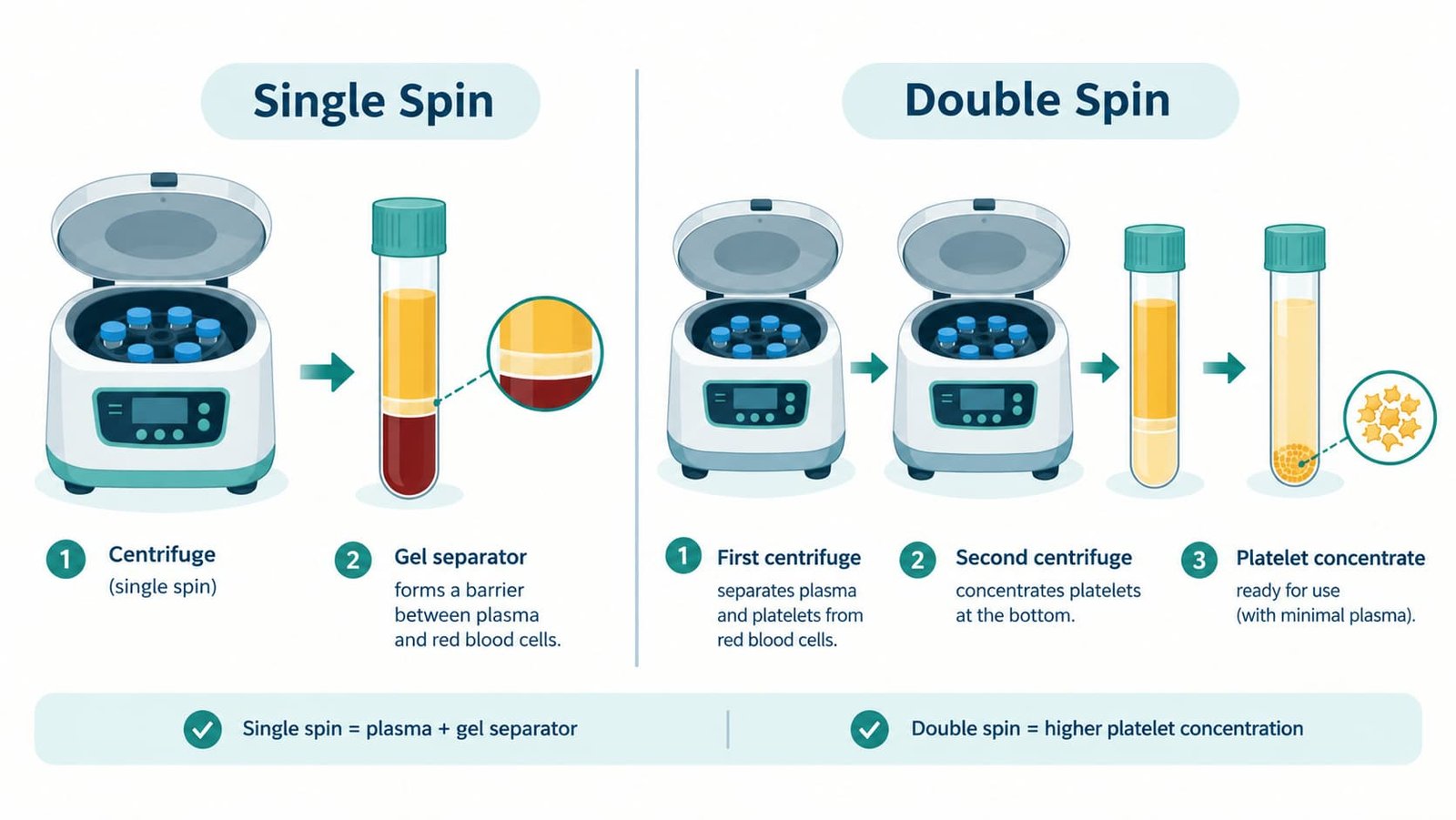
    Centrifuge technology, processing time, and platelet concentration protocols differ between clinics. Double-spin centrifugation produces a more concentrated platelet yield than single-spin methods, but it also requires additional laboratory time and calibrated equipment to do properly.

    Why Preparation Quality Matters

    Clinics using validated, higher-specification preparation systems typically position the p injection service above clinics relying on basic single-spin kits. This difference in laboratory standard rarely appears anywhere on a simple price list. It still meaningfully affects the biological quality of the plasma being injected, which is arguably the part that matters most clinically.

    4. The Amount of PRP Used

    The overall fee often scales with PRP volume used during treatment, and volume is rarely a fixed, one-size-fits-all number.

    Standard vs Tailored Volume

    A larger blood draw yields more plasma, which permits broader coverage across the shaft and glans. Some protocols use a fixed standard volume for every patient walking through the door. Others adjust the amount based on individual anatomy and the treatment goals discussed at consultation.

    How Volume Affects the Final Figure

    Clinics offering a tailored volume assessment, rather than a one-size-fits-all draw, factor that extra planning into the quoted Priapus Shot Price. It is a small detail on paper, but it often explains why two seemingly similar treatments end up costing noticeably different amounts.

    5. Single P-Shot vs Multiple Treatment Sessions

    Package structure changes the effective cost per session considerably, and this is where quotes can start to look very different from one another.

    Per-Session Cost vs Total Spend

    A single treatment carries one upfront cost. Multi-session packages often reduce the per-visit rate but raise the total amount spent over a full course of treatment. On paper, a package can look like better value, though that depends entirely on whether repeat sessions are clinically justified.

    When Multiple Sessions Are Recommended

    Evidence on optimal PRP session frequency for erectile dysfunction remains limited. No single protocol currently holds strong support from randomised trial data across all patient groups. Clinics recommending a multi-session package should explain the clinical rationale for repeat treatment clearly. It should never simply read as a discounted pricing tier designed to increase spend.

    6. Follow-Up Appointments and Aftercare

    Aftercare provision affects the total cost of care, even when it is excluded from the figure quoted at the first visit.

    What Aftercare Typically Involves

    Post-treatment review appointments allow clinicians to check healing progress and address bruising or swelling if it appears. Such reviews also help answer questions about realistic P shot before and after expectations. These questions tend to matter a great deal in the days afterwards.

    Included vs Separately Charged Follow-Up

    Clinics including a scheduled follow-up within the package price differ meaningfully from those charging separately for each visit. Confirming whether aftercare sits inside or outside the Priapus Shot Price, before treatment begins, avoids unexpected charges appearing weeks later.

    7. Clinic Location and Facilities

    Private clinic exterior in central London's Harley Street area
    Central London location and premises standards contribute to the quoted fee.

    Location contributes measurably to price, and this is often the most visible difference between a central London clinic and one further out.

    Central London Overheads

    This applies particularly to Priapus Shot London providers based in central areas such as Harley Street and Marylebone. Premises costs run considerably higher in these locations than in many regional settings across the UK. So do regulatory compliance standards and the clinical governance infrastructure needed to keep a private clinic running properly.

    Facility Standards and Safety

    Facilities meeting private hospital-standard hygiene, sterilisation, and equipment protocols typically carry higher overheads. These overheads feed directly into the quoted fee for non-surgical treatment for erectile dysfunction in London. Patients weighing convenience against cost should factor travel time alongside the headline number. A cheaper clinic further away is not automatically the better option.

    8. Additional Treatments Included in the Package

    Some providers combine P shot treatment with adjunctive therapies, and this can genuinely change what a quote is actually paying for.

    Common Combination Therapies

    Shockwave therapy and structured lifestyle advice are common examples of add-ons bundled into treatment. These elements get folded into a single package price rather than billed as separate line items.

    Checking What’s Actually Bundled

    Combination protocols raise the headline figure but may reduce the need for separate future appointments down the line. Confirming exactly which elements sit inside a package, rather than assuming automatic inclusion, avoids unexpected charges appearing at a later stage of treatment.

    What Should a Priapus Shot Quote Include?

    A transparent quote separates every stage of the procedure, rather than presenting a single opaque figure.

    A Sample Breakdown

    A complete quote should set out the consultation fee in writing. It should also list the PRP preparation method, the number of included sessions, and the follow-up appointment allowance. Any additional treatment costs discussed during consultation belong on that list too.

    Questions Worth Asking Before Booking

    Requesting this breakdown before booking allows direct, accurate comparison across providers offering treatment across the UK. Worthwhile questions include what exactly sits inside the headline figure and whether follow-up is covered. It is also worth asking what happens if an extra session turns out to be needed.

    How to Compare Priapus Shot Prices in London

    Comparing costs across London clinics requires matching like-for-like inclusions rather than simply lining up two numbers side by side.

    Matching Like-for-Like

    Headline numbers in isolation do not tell the full story. A lower quote excluding consultation and follow-up may ultimately cost more once every stage is added up. A higher quote covering the full pathway, from assessment through to aftercare, can represent better overall value.

    Red Flags When Comparing Quotes

    Checking clinician qualifications, PRP preparation standards, and aftercare provision alongside the number quoted gives a far more accurate basis for comparison. A quote that avoids answering direct questions about training or preparation method is worth treating with some caution.

    Does a Higher Priapus Shot Price Mean Better Results?

    A higher price does not automatically guarantee a better clinical outcome.

    What the Evidence Shows

    Evidence supporting PRP for erectile dysfunction remains mixed across available trials. A 2021 randomised trial in the Journal of Sexual Medicine reported functional improvement among some participants receiving PRP injections. A 2023 trial in European Urology, by contrast, found no statistically significant difference between PRP and placebo. NICE and the NHS do not currently list PRP penile injection among first-line ED treatments, which reflects this limited and inconsistent trial evidence.

    What Actually Predicts Outcome

    Treatment success depends on accurate patient selection and correct injection technique. Realistic expectations set during consultation matter just as much as the amount charged for the procedure itself. Patients considering a non-surgical treatment for erectile dysfunction in London should weigh this evidence gap carefully alongside price. Cost and quality do not automatically move together.

    Frequently Asked Questions

    How much does a Priapus Shot cost in 2026?

    UK pricing typically ranges between roughly £900 and £1,500 per session. The exact figure depends on clinic location, PRP preparation method, and package inclusions. Two genuine quotes for the same patient can still land at noticeably different points within that range.

    Why does the Priapus Shot price vary between clinics?

    Variation stems from clinician qualification, PRP preparation technology, consultation depth, aftercare provision, and clinic location. The core injection procedure alone explains very little of the difference, which is exactly why comparing headline prices without context can be misleading.

    Does the P-Shot price include consultation?

    Some clinics include the initial consultation within the headline figure, treating it as part of the overall package. Others charge for it separately as a standalone appointment. Confirming this detail before booking avoids an unwelcome extra cost appearing on the day.

    Is follow-up included in the P-Shot cost?

    Follow-up inclusion depends entirely on the individual provider and how the package has been structured. Requesting written confirmation of exactly which appointments are included forms part of obtaining a genuinely transparent quote from the outset.

    Does PRP preparation affect P-Shot price?

    Preparation method affects price directly, and the difference is not always obvious from the price list alone. Higher-specification centrifugation systems produce a more concentrated platelet yield. Such systems also cost more to run than a basic single-spin kit, and that cost tends to be passed on.

    Why is the P-Shot more expensive in London?

    Central London locations such as Harley Street carry higher premises, staffing, and regulatory compliance costs than many regional settings. These overheads typically raise the quoted figure compared with clinics based outside the capital, independent of clinical quality.

    Does a more expensive P-Shot work better?

    Price alone does not reliably predict outcome. Clinical evidence for PRP in erectile dysfunction remains mixed across the trials published so far. Results depend far more on patient selection and injection technique than on the amount charged for the treatment.

    What should be included in a P-Shot price?

    A complete quote should list the consultation, the PRP preparation method used, the procedure itself, any follow-up appointments, and any combination treatments recommended. Anything missing from that list is worth asking about directly before agreeing to book.

    Are P-Shot packages cheaper than a single treatment?

    Multi-session packages often lower the per-session rate but raise total spend across a full course of treatment. The clinical rationale for multiple sessions should be explained clearly before booking any package. It should never simply be taken on trust because it looks like a discount.

    Key Takeaways

    Price differences for the Priapus Shot across UK clinics rarely reflect arbitrary decisions. Clinician experience, PRP preparation standards, consultation depth, aftercare provision, and clinic location each shape the final figure in a distinct way. Comparing quotes on inclusions, rather than headline price alone, leads to a more informed treatment decision. The evidence base around PRP for erectile dysfunction remains limited, and that context matters just as much as any number on a price list. Does a lower or higher Priapus Shot Price reflect the quality of care behind it? Or does it simply reflect the overheads of the clinic charging it?

    Read more:

    P Shot UK: What Impacts Price, What Should Be Included in a Quote, and Questions to Ask

    Priapus Shot Price UK – What You Actually Pay and Why

    Dr Syed Nadeem Abbas, MBBS, MRCSEd, MSc Aesthetic Plastic Surgery (Distinction) Medical Director, Pshot Clinic | CQC Regulated | Monday to Saturday 10:00–18:00 +44 7955 836986
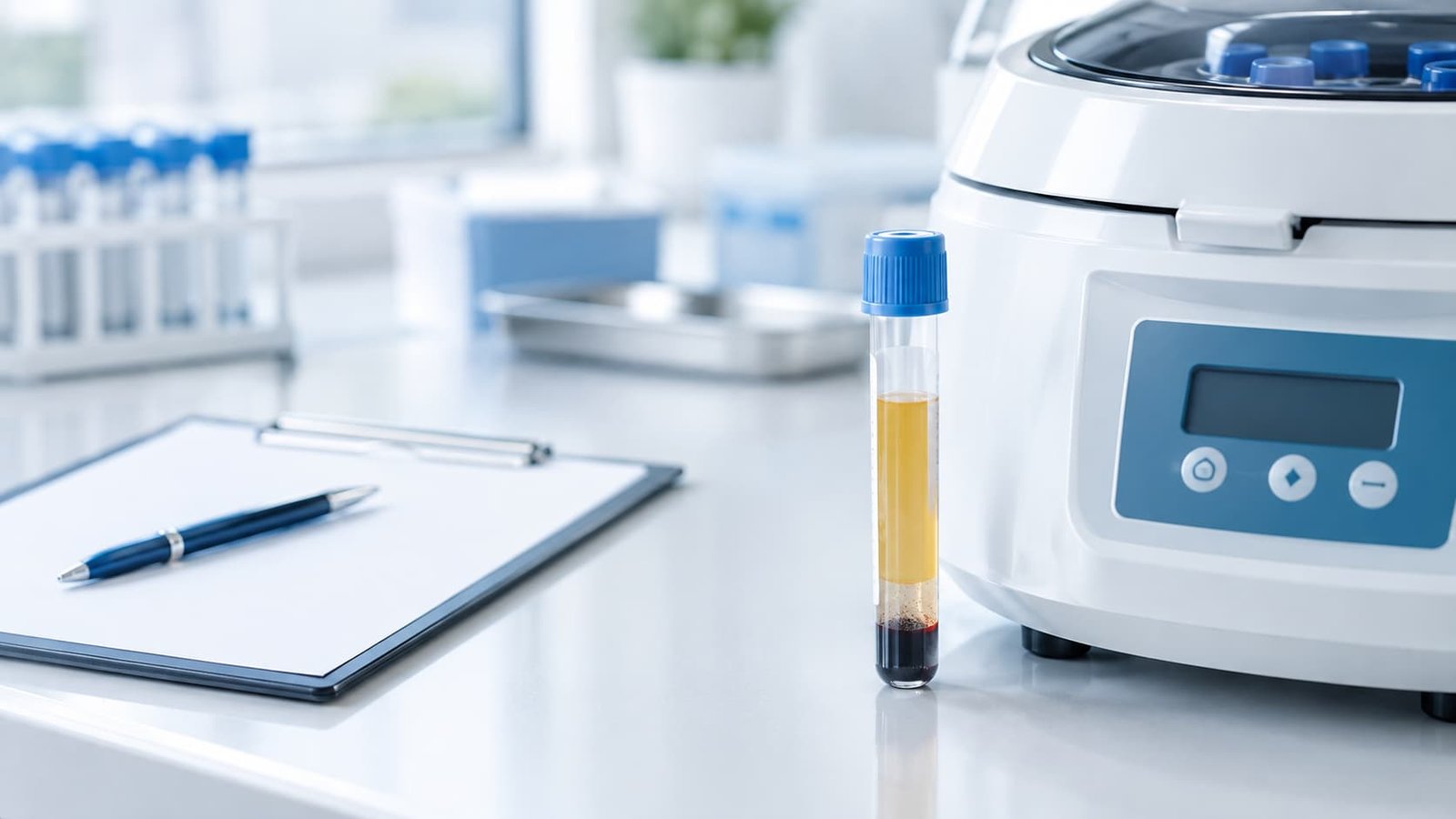
  • Stress and ED: How Work Stress, Poor Sleep and Alcohol Contribute to Erectile Dysfunction in Men

    Stress and ED: How Work Stress, Poor Sleep and Alcohol Contribute to Erectile Dysfunction in Men

    ✅Medically reviewed | Updated October 2026

    A demanding job rarely ends at the office door. Deadlines follow men home, late emails shorten sleep, and an evening drink often closes the day. Each habit looks harmless alone, yet together they can change how the body responds to arousal. Clinicians now see this pattern in men with no obvious disease.

    Erectile dysfunction (ED) means a persistent difficulty achieving or keeping an erection firm enough for sex. The NHS lists stress, anxiety, tiredness and heavy drinking among the common causes. Recent research adds detail. A 2026 study of 826 men aged 22 to 40 reported ED in 54% of the highest work-stress group. The design shows a link, not proof of cause, and the figure probably overstates the true gap.

    This guide examines stress and ED alongside sleep deprivation and alcohol. NHS guidance, NICE material and peer-reviewed studies underpin each section. Equal attention goes to limits and realistic outcomes, including where the P Shot sits within the evidence.

    Key Points at a Glance

    • Stress frequently coexists with ED, and psychological and physical causes often overlap.
    • Short sleep lowers testosterone and may reduce protective night-time erections.
    • Alcohol impairs erections on the night and may damage nerves and hormones with heavy use.
    • Persistent ED merits a GP review, because ED can signal heart disease or diabetes.
    • Evidence for PRP injections remains limited, and guidelines describe them as experimental.

    What Is Erectile Dysfunction?

    How an Erection Works

    An erection needs the brain, nerves and blood vessels to work together. Arousal triggers nerve signals. Those signals release nitric oxide in penile tissue. Smooth muscle then relaxes, arteries widen and blood fills the erectile chambers. Stress hormones interrupt several steps in this chain.

    How Common Is ED?

    ED is common. The Massachusetts Male Aging Study found that 52% of men aged 40 to 70 reported some degree of ED. Younger men report it too. A 2025 Cureus review cites a US cohort of 2,660 young men with a prevalence of 14.2%. Rates differ between studies because definitions vary.

    Stress and ED: What the Evidence Shows

    How Stress Affects the Erection

    Stress activates the sympathetic nervous system. This system drives the fight-or-flight response, which narrows blood vessels and diverts blood towards large muscles. An erection requires the opposite: relaxation and increased blood flow. Chronic stress also raises cortisol. Raised cortisol may suppress testosterone, a hormone that supports libido and erectile function. Stress therefore acts on the brain, nerves, hormones and blood vessels at once.

    The Performance Anxiety Cycle

    Psychological stress also works through behaviour. One failed attempt can create fear of the next. Fear raises adrenaline, and adrenaline blocks arousal. Performance then becomes less reliable, and anxiety grows. This loop explains why stress and ED can persist after the original pressure fades. Talking therapy often helps this psychogenic pattern, according to NHS guidance.

    What the 2026 Study Found

    Researchers published the study in the International Journal of Clinical Practice in September 2026. The study assessed 826 full-time working men aged 22 to 40. Investigators scored working hours, decision-making autonomy, supervisor support, colleague relationships and promotion pressure. ED affected 54.37% of the highest-stress group. Authors reported roughly ten times the odds of ED, compared with the lowest-stress group. Supervisor support appeared protective.

    Limits of the Evidence

    The study is observational, so it cannot prove that work stress caused ED. Odds ratios also exaggerate the gap when an outcome affects over half a group. Men with ED may feel more work pressure as a result, so causation may run both ways. Sleep, alcohol and weight may also confound the link. The authors proposed a sequence from cortisol to testosterone to erections. Observational data cannot confirm that timeline. Readers should treat the findings as preliminary.

    Work-Related Stress and ED in Professionals

    Erectile dysfunction in professionals follows a recognisable pattern. Long hours, high responsibility and low control over workload combine with irregular meals, caffeine and sedentary days. Frequent travel disrupts sleep and routine. Weak managerial support adds further strain. Work-related pressure therefore shares several modifiable drivers with ED.

    New ED in a man under 40 justifies checks of blood pressure, blood glucose and cholesterol. Young men often assume stress alone explains symptoms. That assumption can delay the diagnosis of treatable vascular or metabolic disease. The Health and Safety Executive expects employers to manage work-related stress, so workload discussions are legitimate.

    Sleep Deprivation and ED

    Bedside alarm clock at 3am representing sleep deprivation and ED in men
    Short or fragmented sleep lowers testosterone and may reduce protective night-time erections.

    Sleep, Testosterone and Cortisol

    Poor sleep can disrupt hormone production and increase cortisol, the body’s main stress hormone. Leproult and Van Cauter limited healthy young men to five hours of sleep nightly in a 2011 JAMA study. The restriction lasted one week, and daytime testosterone fell by 10 to 15%. Low testosterone may reduce libido and, in some men, erectile quality. Sleep loss also raises evening cortisol, according to sleep-restriction studies.

    Nocturnal Erections

    Healthy men have several erections during REM sleep. Researchers hypothesise that these episodes help oxygenate penile tissue. Fragmented sleep shortens REM time and may reduce these episodes. Chronic short sleep may therefore weaken a natural maintenance process.

    Obstructive Sleep Apnoea

    Obstructive sleep apnoea (OSA) deserves specific attention. Loud snoring, witnessed breathing pauses and daytime sleepiness suggest the condition. A 2018 systematic review and meta-analysis reported high rates of ED among men with OSA. Treatment with continuous positive airway pressure (CPAP) improves erectile function in some men. Any man with these symptoms should ask a GP about a sleep assessment.

    Alcohol and Erectile Dysfunction

    Short-Term Effects

    Alcohol depresses the central nervous system. It slows nerve signalling and blunts arousal. The NHS notes that drinking too much can make erections difficult. A heavy night can prevent an erection even in healthy men. Alcohol also fragments sleep, which compounds the effect.

    Long-Term Effects

    Chronic heavy drinking may damage peripheral nerves and lower testosterone. Liver disease further disrupts sex hormone metabolism. Studies of men with alcohol dependence report high rates of sexual dysfunction. Alcohol also raises blood pressure over time, and hypertension harms blood vessels. Reducing intake may improve function, although results vary between men.

    UK Drinking Guidance

    UK Chief Medical Officers advise no more than 14 units a week, spread over three or more days. A pint of 4% lager contains roughly two to three units. Many men use alcohol to unwind after stressful days. That habit feeds the cycle described below.

    How the Three Factors Combine

    Cycle diagram showing how work stress, poor sleep and alcohol interact to affect erectile function
    Work stress, short sleep and evening alcohol feed one another and can sustain erection difficulties.

    Work stress, short sleep and evening alcohol feed one another. Stress delays sleep onset. A drink may speed sleep onset but fragments the second half of the night. Poor sleep raises next-day cortisol and lowers resilience to pressure. Performance anxiety then encourages further drinking. This cycle explains why stress and ED often appear alongside fatigue, low mood and reduced desire. Smoking, weight gain and inactivity amplify the effect through vascular damage. Clinicians therefore assess all factors together.

    When to See a GP

    The NHS advises seeing a GP when erection problems persist. ED can be an early marker of cardiovascular disease and diabetes, sometimes years before other symptoms. A GP typically takes a history, measures blood pressure and checks blood glucose or HbA1c and lipids. NICE Clinical Knowledge Summaries also describe a morning testosterone test when symptoms suggest hypogonadism. A medication review matters too, because some antidepressants and blood pressure drugs affect erections. Men should never stop prescribed medication without medical advice.

    Evidence-Based Management

    First-line care targets cause and symptom together. Management of stress and ED starts with lifestyle change. Regular exercise, smoking cessation, alcohol within limits and steady sleep routines all help. Psychosexual counselling and cognitive behavioural therapy address performance anxiety. NHS Talking Therapies accepts self-referral in England. PDE5 inhibitors, including sildenafil and tadalafil, form the standard drug treatment. These drugs need sexual stimulation and carry contraindications, notably with nitrate medicines. A pharmacist or GP can advise on safe use.

    Practical Steps for Work, Sleep and Alcohol

    • Schedule breaks and set clear limits on out-of-hours email.
    • Fix consistent sleep and wake times, and avoid caffeine late in the day.
    • Keep several alcohol-free days each week and track weekly units.
    • Aim for 150 minutes of moderate activity weekly, as UK guidelines advise.

    Where the P Shot Fits

    What the P Shot Is

    The P Shot is a trade name for platelet-rich plasma (PRP) injection into penile tissue. Clinicians draw blood, concentrate platelets in a centrifuge and inject the plasma. Several clinics offer P Shot treatment in London, and some group it under sexual rejuvenation London services. Terms such as P Shot London, Priapus Shot London and P Shot UK describe the same PRP procedure.

    Evidence and Limits

    PRP for male sexual health remains investigational. Small randomised trials report mixed results. Studies differ in PRP preparation, dosing and follow-up, which limits comparison. The European Association of Urology describes PRP for ED as experimental. NICE does not list PRP among first-line options. The P Shot does not treat stress, sleep loss or alcohol misuse. Realistic outcomes range from no change to modest, temporary improvement. Risks include pain, bruising, infection and, rarely, haematoma. Any P Shot for male sexual health should follow medical assessment and proven treatments.

    Priapus Shot Price and Informed Consent

    Priapus Shot price varies between clinics, depending on PRP kit, protocol and session number. Clinics should publish fees and explain all costs before consent. Men should ask about evidence, risks, alternatives and expected outcomes. The General Medical Council expects doctors to obtain informed consent.

    Clinic Context

    Dr Syed Nadeem Abbas leads Pshots clinic UK, a private clinic on Harley Street, Marylebone, London. His qualifications include MBBS, MRCS (RCS Edinburgh) and MRCGP. He also holds an MSc in Aesthetic Plastic Surgery with Distinction from Queen Mary University of London. Training took place at Cambridge, Oxford and the Royal London Hospital.

    Frequently Asked Questions

    Can stress and ED improve without medication?

    Often, yes, when the stressor eases. Lifestyle change, better sleep and counselling help many men. Persistent symptoms still warrant a GP review.

    Can work stress alone cause erectile dysfunction?

    Work stress can trigger or worsen ED through anxiety, raised cortisol and poor sleep. Pressure rarely acts alone, however. Weight, blood pressure, diabetes and smoking often contribute. A GP assessment separates these causes.

    How can a man tell whether ED has a psychological or physical cause?

    Sudden onset and normal morning erections suggest a psychological cause. Gradual onset and lost morning erections suggest a physical cause. Many men have both. Only clinical assessment confirms the cause.

    Does one night of poor sleep cause ED?

    One night rarely causes lasting ED. Repeated short sleep over weeks matters more. Snoring or daytime sleepiness warrants a sleep apnoea check.

    How many hours of sleep protect erectile function?

    Research has set no ED-specific target. Consistent, uninterrupted sleep matters more than any single number. Persistent tiredness despite adequate time in bed justifies a sleep assessment.

    How much alcohol is safe for erections?

    No exact safe threshold exists. Staying within 14 units weekly lowers general health risks. Heavy drinking sessions impair erections on the night.

    Does alcohol affect erections only on the night?

    No. Short-term effects fade within hours. Chronic heavy drinking may also damage nerves, lower testosterone and raise blood pressure.

    Do professionals face a higher ED risk?

    Evidence does not show a distinct risk for any profession. Long hours, sedentary work, travel and pressure concentrate several risk factors, however. Erectile dysfunction in professionals therefore deserves the same checks as any other case.

    Which tests can a GP arrange?

    A GP usually checks blood pressure, weight, blood glucose or HbA1c and cholesterol. A morning testosterone test follows when symptoms suggest low levels. A medication review forms part of the assessment.

    Do ED tablets work when stress is the main cause?

    PDE5 inhibitors often help by supporting blood flow, but sexual stimulation remains necessary. Counselling treats the underlying anxiety. Many men use both approaches together. A GP or pharmacist advises on safe use, especially with nitrate medicines.

    Can ED return after improving?

    Symptoms may recur during periods of high pressure, short sleep or heavy drinking. Sustained habit changes reduce this risk.

    When should a young man seek help?

    Erection problems lasting more than a few weeks justify review. Checks of blood pressure, glucose and cholesterol come first.

    When does ED need urgent attention?

    Chest pain, breathlessness or sudden vision change needs urgent assessment. An erection lasting over four hours also needs emergency care.

    Can the P Shot treat stress-related or alcohol-related ED?

    The P Shot targets penile tissue, not the underlying cause. It does not reduce cortisol, restore sleep or limit drinking. Correcting these factors comes first.

    What determines Priapus Shot price?

    Priapus Shot price varies by clinic, PRP protocol and session number. Clinics offering P Shot treatment in London publish different fees. Reputable clinics state all costs before consent. Price does not indicate effectiveness.

    Do guidelines recommend the P Shot?

    No. Guidelines do not recommend PRP as standard ED treatment. Evidence remains limited, and trials continue.

    Conclusion

    Stress, short sleep and alcohol each affect erections through nerves, hormones and blood vessels. Alone, each factor rarely explains ED. Combined, the three factors form a cycle that sustains symptoms. Stress and ED deserve the same careful assessment as any other health concern.

    Informed decisions start with evidence: assess causes, correct habits, then weigh treatments with clear limits. A GP review remains the sensible first step. Specialist options, including the P Shot, belong after assessment and an honest discussion of uncertainty.

    If erections respond to the same signals as the heart, what might current habits reveal about long-term health?

    Read more:

    Priapus Shot London: A Complete Guide for Patients Considering Treatment

    How Do Doctors Measure P-Shot Success? Erections, Sensitivity and Other Outcomes

    P Shot Treatment London

    Dr Syed Nadeem Abbas, MBBS, MRCSEd, MSc Aesthetic Plastic Surgery (Distinction) Medical Director, Pshot Clinic | CQC Regulated | Monday to Saturday 10:00–18:00 +44 7955 836986 

  • Weaker Orgasms in Men: Causes and Treatment Options

    Weaker Orgasms in Men: Causes and Treatment Options

    ✅Medically reviewed | Updated October 2026

    An orgasm that feels duller than it once did can unsettle even the most confident man. Many men notice a quieter climax, a shorter peak or a muted sense of pleasure. Most delay the conversation for months. Silence rarely helps. Weaker orgasms in men have identifiable causes, and clinicians can investigate most of them with simple checks.

    Confusion adds to the delay. Online articles often treat weak ejaculation and weak orgasm as one problem. Medicine separates them. Ejaculation describes the release of semen. Orgasm describes the brain’s experience of peak pleasure. A man can have one without the other, and each follows a different pathway.

    This guide explains the physiology, lists the main causes and outlines the NHS and NICE approach to assessment. It then compares treatment options, from lifestyle change to specialist therapy. A dedicated section places the P Shot within the evidence base. Every section states limitations plainly, because realistic expectations support better decisions.

    What Are Weaker Orgasms in Men?

    Orgasm and Ejaculation Are Separate Events

    Orgasm happens in the brain. Ejaculation happens in the pelvis. The two usually occur together, which explains the common confusion.

    Ejaculation has two phases. Emission moves sperm and seminal fluid into the urethra. Expulsion then contracts the pelvic floor muscles and pushes semen out. Sympathetic nerves drive emission. Somatic nerves drive expulsion.

    Orgasm relies on a different chain. Sensory nerves in the penis send signals to the spinal cord. The brain then processes those signals and releases a surge of reward chemicals. Pleasure intensity depends on every link in that chain working together. A fault at any point can dull the experience.

    Why the Distinction Matters

    Ejaculation has measurable features. The World Health Organization sets a lower reference limit of 1.4 mL for semen volume. Orgasm has no such measure. Only the patient can describe it, so clinicians rely on careful questions and validated questionnaires.

    How Men Describe the Problem

    Clinicians classify weaker orgasms in men as a symptom, not a diagnosis. Men describe the change in several ways:

    • Lower intensity of pleasure at climax
    • A shorter peak or fewer pelvic contractions
    • Reduced semen volume or force
    • Delayed climax, or no climax (anorgasmia)
    • Flat sensation despite normal ejaculation (orgasmic anhedonia)

    Each pattern points towards different causes. Careful history therefore matters more than any single test.

    How Common Are Orgasm Difficulties?

    No UK figure exists for weaker orgasms alone. Wider data still help. Natsal-3, the British national sexual attitudes survey, found that sexual difficulties lasting three months or longer affect a meaningful minority of men. Difficulty reaching climax rises with age and with chronic illness. The NHS lists ejaculation problems among common male sexual concerns and advises a GP visit when the problem persists.

    Main Causes of Weaker Orgasms

    Infographic showing six common causes of orgasm changes: hormones, blood vessels, nerves, medicines, mind and lifestyle
    Several overlapping factors usually contribute, so assessment looks at the whole picture.

    Several overlapping factors can explain weaker orgasms in men. Most men have more than one contributor.

    Ageing

    Ageing changes every part of the orgasm pathway. Penile sensitivity falls. Nerve conduction slows. Semen volume tends to decline after the early thirties. The refractory period also lengthens. These shifts are normal. A sudden or severe change is not.

    Hormonal Causes

    Testosterone supports desire, erections and orgasm intensity. The European Male Ageing Study showed that testosterone falls slowly with age. Free testosterone falls faster than total testosterone. Obesity, type 2 diabetes and chronic illness lower levels further.

    Other hormones also matter. High prolactin suppresses testosterone and reduces drive. Underactive and overactive thyroid conditions both alter sexual response. UK clinical guidance advises a morning blood test when symptoms suggest deficiency. Clinicians repeat abnormal results before confirming a diagnosis.

    Vascular and Erectile Factors

    Erectile dysfunction often travels with weaker orgasms. Blood flow engorges the penis and sharpens sensation. Narrowed vessels reduce both. NICE CKS notes that erectile dysfunction can signal cardiovascular disease, so a new sensory change deserves a vascular check. Hypertension, high cholesterol, smoking and diabetes all damage penile blood vessels.

    Nerve and Pelvic Floor Factors

    Diabetes, multiple sclerosis, Parkinson’s disease and spinal cord injury can damage the nerves that carry sexual signals. Pelvic floor weakness reduces contraction strength at climax. Pelvic surgery can injure the nerves directly.

    Prostate treatment deserves special mention. Radical prostatectomy removes the prostate and seminal vesicles, so orgasm becomes dry. Pleasure often continues, but intensity may change. Radiotherapy can reduce semen volume and alter sensation. NICE guideline NG131 advises clinicians to discuss sexual function before prostate cancer treatment begins.

    Medication Effects

    Medicines cause many cases. Common culprits include:

    • SSRI and SNRI antidepressants
    • Antipsychotics
    • Alpha-blockers such as tamsulosin
    • 5-alpha-reductase inhibitors, including finasteride and dutasteride
    • Beta-blockers and thiazide diuretics
    • Opioid painkillers

    A patient should never stop a prescribed medicine without medical advice. A GP can adjust the dose, change the timing or switch to an alternative.

    Psychological and Relationship Factors

    The brain acts as the main sexual organ. Stress, anxiety and depression all dull orgasmic response. Performance anxiety pulls attention away from sensation. Relationship strain and unresolved trauma add further barriers. The NHS recognises psychological causes as a major driver of ejaculation and orgasm problems.

    Masturbation habits also matter. A very firm grip or rapid technique can condition the body to respond less during partnered sex. Clinicians term this idiosyncratic masturbatory style.

    Lifestyle Factors

    Heavy alcohol use depresses the central nervous system. Smoking damages blood vessels. Obesity lowers testosterone. Poor sleep disrupts hormone rhythms. Anabolic steroids and recreational drugs, including cocaine and cannabis, can blunt sexual response. These factors combine, and each one is modifiable.

    When to See a GP

    Seek medical advice when the change lasts longer than a few weeks or causes distress. Book an earlier appointment for any of these signs:

    • Sudden loss of orgasm or ejaculation
    • Pain during or after climax
    • Blood in semen
    • Cloudy urine after orgasm
    • New numbness, weakness or bladder changes
    • Erectile difficulty, low mood or reduced desire
    • Recent pelvic or prostate surgery

    Fertility plans add urgency. Reduced semen volume can affect conception, and a semen analysis provides clear answers.

    How Clinicians Assess Orgasm Changes

    History and Questionnaires

    The consultation starts with a detailed history. The clinician asks about onset, timing and context. Does the change occur with a partner, alone or both? The answer helps separate psychological from physical causes. A review of medicines, surgery, alcohol use and mood follows. Many clinics use the International Index of Erectile Function, which includes an orgasmic function domain, to track change over time.

    Examination and Tests

    Examination covers blood pressure, body mass index, genitals and neurological signs. Blood tests commonly include:

    • Morning total testosterone, repeated when low
    • Prolactin and thyroid function when indicated
    • HbA1c or fasting glucose
    • Cholesterol profile

    A post-orgasm urine sample can detect retrograde ejaculation. Semen analysis applies when fertility matters.

    Referral Pathways

    Persistent cases may need a urologist, endocrinologist or psychosexual therapist. The AUA and SMSNA 2022 guideline on ejaculatory disorders supports individualised assessment because causes overlap.

    Treatment Options for Weaker Orgasms in Men

    Treatment depends on cause. No single therapy suits every patient, and combination plans are common.

    Treat the Underlying Condition

    Better diabetes control, blood pressure management and thyroid correction often improve sensation. Treating the cause first prevents wasted effort on symptom-only options.

    Lifestyle Measures

    UK Chief Medical Officers advise 150 minutes of moderate activity weekly. Alcohol intake should stay within 14 units a week. NHS stop-smoking services improve quit rates. Weight loss raises testosterone in men with obesity. Seven hours of sleep supports hormone balance. Lifestyle change is the lowest-risk step and benefits every other treatment.

    Pelvic Floor Muscle Training

    Strong pelvic floor muscles contract harder at climax. A specialist pelvic health physiotherapist can teach correct technique. Trials show that training improves erectile function. Evidence for orgasm intensity specifically remains limited. Patients should therefore treat the method as supportive, not as a guaranteed fix.

    Medication Review

    A GP or prescribing specialist can reduce doses, change timing or switch agents. Some antidepressants carry fewer sexual side effects than others. Patients must discuss every change with the prescriber first.

    Hormone Treatment

    Testosterone therapy suits only men with confirmed deficiency and symptoms. Treatment needs monitoring of haematocrit, PSA and cardiovascular risk. Testosterone also suppresses sperm production, so men planning children need specialist advice. Specialists may prescribe cabergoline for raised prolactin.

    PDE5 Inhibitors

    Sildenafil and tadalafil improve erection quality. A firmer erection often restores sensation and confidence. These drugs do not directly strengthen orgasm, and evidence for that effect remains limited. NICE CKS lists them as first-line treatment for erectile dysfunction.

    Psychosexual Therapy

    Cognitive behavioural therapy, sensate focus and mindfulness-based approaches address anxiety and attention. NHS sexual health clinics offer psychosexual services in many areas. Couples therapy helps when relationship factors contribute.

    Specialist Options for Ejaculatory Disorders

    Retrograde ejaculation and anejaculation need urological assessment. Specialists sometimes use off-label medicines, such as pseudoephedrine or imipramine. Assisted sperm retrieval applies when fertility is the goal. The AUA and SMSNA guideline describes these options in detail.

    Where the P Shot Fits Within Sexual Rejuvenation

    What the P Shot Involves

    Sterile clinic tray with blood tube and centrifuge used to prepare platelet-rich plasma
    PRP preparation uses a small blood sample, though evidence for orgasm outcomes remains limited.

    The P Shot uses platelet-rich plasma, or PRP. A clinician draws a small blood sample and spins it in a centrifuge. The process concentrates platelets, which release growth factors. The clinician then injects the plasma into penile tissue after local anaesthetic. Clinics also use the name Priapus Shot. Sessions usually take under an hour.

    The proposed mechanism involves tissue repair, new blood vessel growth and nerve support. Researchers still debate how much of this effect occurs in human penile tissue.

    What the Evidence Shows

    No trial has tested the P Shot specifically for weaker orgasms in men. Existing research examined erectile function. A 2021 Journal of Sexual Medicine randomised trial reported improved erectile function scores after PRP. A 2023 European Urology randomised trial found less consistent results. NICE CKS does not list PRP among standard treatments for erectile dysfunction. European Association of Urology guidance treats PRP as investigational.

    The P Shot for male sexual health therefore remains an emerging option. Any change in orgasm sensation would likely follow improved erectile tissue health. Clinicians cannot promise that outcome.

    Who May Consider It

    Men usually try standard routes first. Hormonal, medication-related and psychological causes need exclusion before any procedure. Contraindications include blood disorders, active infection, penile cancer and certain anticoagulant use. Men with Peyronie’s disease need specialist advice before treatment.

    Access, Regulation and Cost in London

    Interest in sexual rejuvenation London services has grown. Searches for P Shot treatment London return many providers, and quality varies. P Shot London clinics differ in training, PRP preparation method and aftercare. Priapus Shot London procedures follow similar steps, but protocols differ between practices.

    Patients can verify a doctor on the General Medical Council register. Clinics providing regulated medical activity in England register with the Care Quality Commission. The pshots clinic UK in Harley Street, led by Dr Syed Nadeem Abbas (MBBS, MRCS RCS Edinburgh, MRCGP, MSc Aesthetic Plastic Surgery), provides PRP treatment in Marylebone.

    P Shot UK availability keeps expanding, yet no NHS pathway funds the procedure. Priapus Shot Price in London typically ranges from £900 to £1,500 per session. Price depends on clinician experience, PRP method and aftercare. Higher cost does not guarantee a better outcome.

    Useful questions before any treatment include:

    • Which qualifications and registrations does the practitioner hold?
    • Which PRP preparation system does the clinic use?
    • How does the clinic screen for contraindications?
    • What aftercare and follow-up come with the fee?
    • What does the evidence say about the specific goal?

    Realistic Outcomes and Limitations

    Effects, if any, appear gradually over weeks to about three months. Responses vary widely. Some men notice no change. Repeat sessions are common, and long-term data remain scarce. Placebo response is also high in sexual medicine trials, which complicates interpretation. Common side effects include bruising, swelling and temporary tenderness. Infection and altered sensation occur rarely.

    Frequently Asked Questions

    Are weaker orgasms in men a normal part of ageing?

    Mild change is common with age. Sudden or marked change deserves assessment, because treatable conditions often contribute.

    Can low testosterone cause weaker orgasms?

    Yes. Testosterone supports sexual function. A repeated morning blood test confirms deficiency, and treatment follows only confirmed results.

    Can antidepressants weaken orgasm?

    Yes. SSRIs commonly delay or blunt orgasm. A GP or psychiatrist can adjust treatment safely.

    Can pelvic floor exercises help?

    They may help some men. Benefits for erections are documented, while evidence for orgasm intensity remains limited.

    Does the P Shot treat weaker orgasms?

    Trials have not tested that outcome. Research focuses on erectile function, and results differ between studies.

    When should a man see a doctor?

    A visit suits any persistent change lasting several weeks. Pain, blood in semen or neurological symptoms need earlier review.

    Key Takeaways

    Orgasm quality reflects the combined health of blood vessels, nerves, hormones and mind. Weaker orgasms in men rarely have a single cause. Careful assessment therefore matters more than a quick fix. Lifestyle change, medication review, hormone testing and psychosexual support form the evidence-based foundation. Newer options, including the P Shot, remain emerging and need cautious consideration.

    Informed decisions rest on accurate information, qualified clinicians and realistic expectations. Patients gain most when a GP reviews the full picture before any specialist or procedural step. Early conversations also protect wider health, since sexual symptoms can reveal vascular, hormonal and neurological disease.

    If a change in orgasm quality can signal wider health problems, what stops a man from asking the question sooner?

    Read more:

    How Do Doctors Measure P-Shot Success? Erections, Sensitivity and Other Outcomes

    Men’s Sexual Health in 2026: Trends, Treatments and Taboos

    P Shot Treatment London

    Dr Syed Nadeem Abbas, MBBS, MRCSEd, MSc Aesthetic Plastic Surgery (Distinction) Medical Director, Pshot Clinic | CQC Regulated | Monday to Saturday 10:00–18:00 +44 7955 836986 
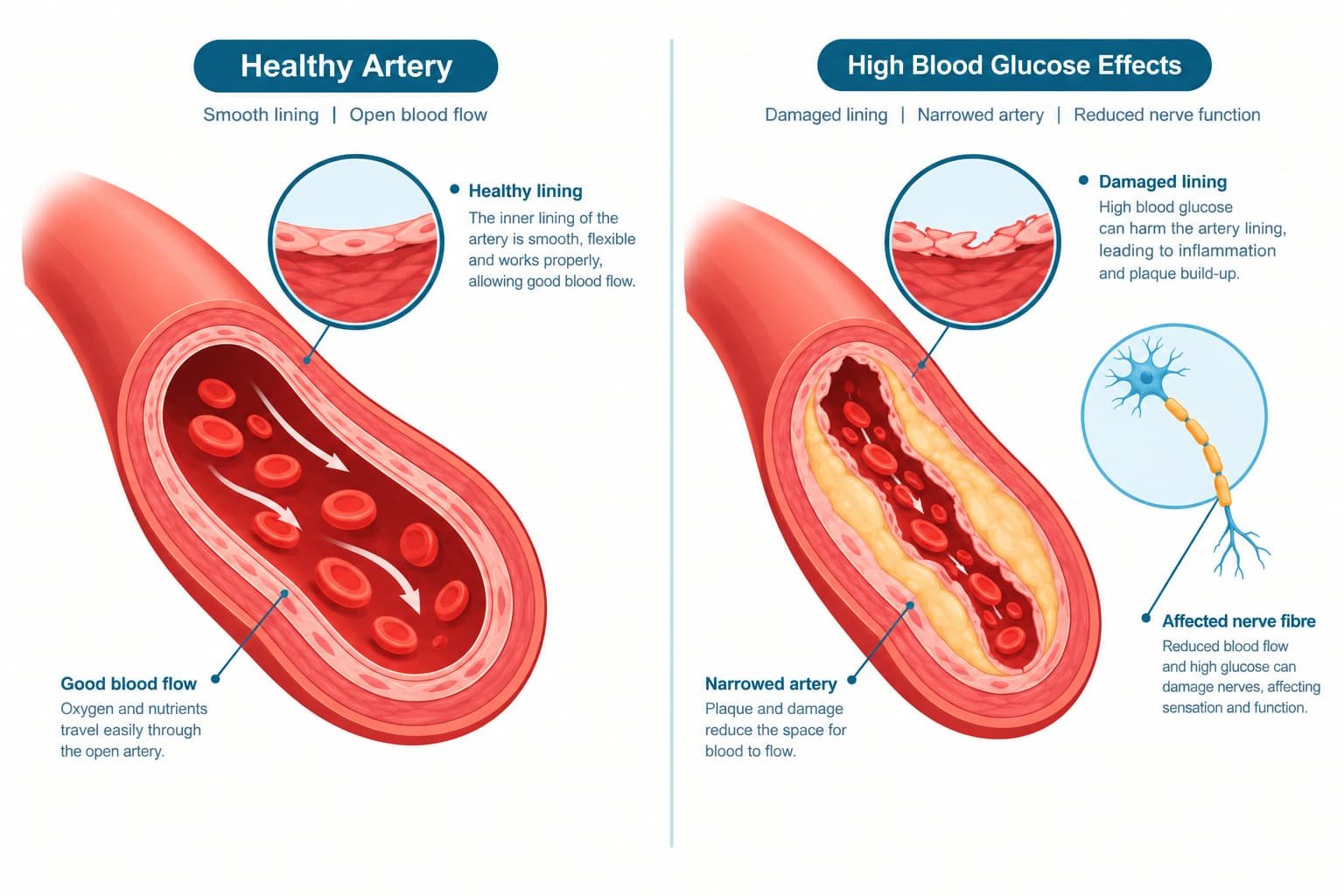
  • Dual-Spin vs Single-Spin PRP: Does Platelet Concentration Matter for the P Shot?

    Dual-Spin vs Single-Spin PRP: Does Platelet Concentration Matter for the P Shot?

      ✅Medically reviewed | Updated October 2026

    Two vials of platelet-rich plasma can look identical. Each shows the same straw-yellow colour. One arm may have supplied both. Yet the platelet content inside can differ several-fold. That hidden difference sits at the centre of the debate around dual-spin PRP.

    Men who research a P Shot London appointment meet the terms “single-spin” and “double-spin” early. Clinic websites often declare one method superior. Few explain the reasoning, and fewer cite evidence. Patients who want clear facts about the P Shot for male sexual health deserve better than slogans.

    The question has a precise answer. Spin count describes a laboratory workflow. Platelet concentration describes the product. Clinical benefit depends on the product, the target tissue and the patient. Searches for Priapus Shot London providers and sexual rejuvenation London services rarely surface that distinction.

    This article compares single-spin and double-spin methods using published laboratory and clinical data. It explains platelet concentration, total platelet dose and recovery rate. The text also states what the evidence cannot yet show. Published randomised trials have not shown that higher platelet concentration improves results after a P Shot. Readers can use the findings to ask sharper questions before any consultation.

    What PRP Contains and Why Preparation Matters

    Platelet-rich plasma is an autologous blood product. A clinician draws venous blood and spins it in a centrifuge. The spin separates components by density. Red cells sink, and a platelet-rich plasma layer rises above.

    Platelets store growth factors, including platelet-derived growth factor and vascular endothelial growth factor. Laboratory studies link these molecules to collagen production and new blood vessel formation. That biology explains the interest in PRP for erectile tissue.

    Preparation decides what reaches the syringe. Different methods yield different concentrations, volumes and cell mixtures. PRP is a family of products, not a single product.

    The One Million Platelet Benchmark

    Healthy adults carry roughly 150,000 to 450,000 platelets per microlitre of blood. Marx proposed in 2004 that therapeutic PRP should contain at least one million platelets per microlitre. That level equals about four times a typical baseline count. Marx drew the figure from bone graft research. No equivalent threshold exists for penile tissue.

    How Single-Spin PRP Works

    Single-spin systems use one centrifuge cycle. Red cells settle at the bottom of the tube. A plasma layer holding platelets rises above. The clinician collects that upper layer.

    Many commercial kits add a separator gel to the tube. The gel settles between red cells and plasma during the spin. This barrier reduces handling and limits red cell contamination.

    Single-spin protocols shorten preparation time and reduce transfer steps. They also leave plasma volume relatively large. Platelet concentration therefore often sits lower than in a well-run dual-spin protocol. Kit design changes this pattern, so published results vary widely.

    How Dual-Spin PRP Works

    Dual-spin PRP uses two sequential centrifuge cycles. The first spin separates red cells from plasma. The clinician moves the plasma into a second tube. The second spin packs platelets into a pellet at the bottom.

    The clinician then removes most of the platelet-poor plasma above the pellet. Resuspending the pellet in a small volume creates a concentrated product. Dual-spin PRP therefore separates platelet concentration from final volume. A clinic can choose a small volume with a high platelet concentration.

    The method carries trade-offs. Extra transfer steps can lose platelets. Pipetting errors can draw red cells into the product. Handling can trigger early platelet activation. Operator technique therefore influences dual-spin PRP quality more than it influences gel-based single-spin systems. Dhurat and Sukesh reviewed both approaches in 2014 and noted wide protocol variation between laboratories.

    Dual-Spin PRP vs Single-Spin PRP: Key Differences

    Illustration comparing single-spin PRP with one centrifuge cycle and dual-spin PRP with two centrifuge cycles
    Single-spin systems use one centrifuge cycle. Dual-spin systems add a second cycle to concentrate platelets.
    FeatureSingle-spinDual-spin
    Centrifuge cyclesOneTwo
    Handling stepsFewerMore, including plasma transfer
    Concentration potentialOften lowerOften higher
    Final volume controlLimited by kit designFlexible
    Contamination riskLow with gel tubesHigher if transfer is imprecise
    Operator dependenceLowerHigher
    Preparation timeShorterLonger

    Table values describe general tendencies. Individual kits and operators change each row.

    Does Platelet Concentration Matter for the P Shot?

    The evidence supports a cautious answer.The platelet concentration may be relevant, but no clinical trial has established that a higher concentration improves outcomes for erectile dysfunction.

    Concentration, Volume and Total Dose

    Concentration measures platelets per unit of volume. Total dose measures all platelets delivered. Three inputs set both: the baseline platelet count, the blood volume drawn and the system’s recovery rate. A small total volume, often a few millilitres across several sites, makes the concentration question practical.

    The next figures are illustrative only. A patient has a baseline count of 250,000 per microlitre. A clinician draws 20 mL of blood, which holds about 5 billion platelets. A system with 60 percent recovery captures 3 billion platelets. Suspending the platelets in 3 mL yields roughly one million per microlitre, or four times baseline.

    A system with 30 percent recovery captures 1.5 billion platelets. The same 3 mL then holds about 500,000 per microlitre. Recovery rate can change the product as much as spin count does. These numbers show arithmetic. They do not describe any specific clinic protocol.

    What Research Says About Spin Method

    Published comparisons give mixed results. Some laboratory studies report higher concentrations after double centrifugation. Others report higher yields from optimised single-spin protocols. Perez and colleagues showed in 2014 that centrifuge acceleration, time and volume changed platelet recovery markedly within one method. Spin count alone therefore predicts little about the final product.

    What Erectile Dysfunction Trials Show

    A 2021 Journal of Sexual Medicine randomised trial reported improved erectile function scores after PRP injection. A 2023 European Urology randomised trial found less consistent benefit. Neither trial compared preparation methods.

    Some orthopaedic analyses link higher platelet doses with better outcomes, mainly in knee osteoarthritis. Penile tissue differs in structure, blood supply and treatment goal. Extrapolation therefore carries uncertainty. Higher concentration remains a biological hypothesis for the penis, not a proven clinical advantage.

    The European Association of Urology guidelines treat intracavernosal PRP as investigational. NICE Clinical Knowledge Summaries recommend phosphodiesterase type 5 inhibitors first and do not list PRP as a routine option. The NHS erectile dysfunction pages likewise list tablets, devices, injections and surgery, not PRP.

    Other Variables That Shape the Final Product

    Spin method forms one variable among many. Four others deserve attention.

    Recovery Rate and Blood Volume

    Recovery rate measures the share of platelets captured from the original sample. Manufacturers publish average figures. Individual results vary with baseline count, haematocrit and technique. Larger draws raise the starting platelet total, while draw volumes differ between clinics.

    Leukocytes and Red Cells

    Leukocyte-poor PRP contains few white cells. Leukocyte-rich PRP retains them. Tissue models link red cell contamination with inflammation and oxidative stress. Careful aspiration lowers contamination in both single-spin and dual-spin PRP systems. No consensus defines the ideal leukocyte content for the P Shot.

    Anticoagulant and Activation

    Acid citrate dextrose solution A preserves platelet integrity well in comparative work. Heparin and EDTA can impair platelet function or trigger early activation. Some clinicians activate PRP with calcium chloride before injection. Others allow tissue contact to trigger growth factor release. No consensus favours either approach for the P Shot.

    Reporting Standards

    Chahla and colleagues reviewed orthopaedic PRP studies in 2017 and found that most omitted key composition data. Poor reporting blocks fair comparison between protocols. The DEPA classification, covering dose, efficiency, purity and activation, offers one framework for clearer description. Patients can ask whether a clinic reports preparation data in that format.

    Realistic Outcomes and Limits in Clinical Practice

    What Patients Can Realistically Expect

    Responses to PRP vary. Age, diabetes, vascular disease, smoking and medication all affect erectile tissue. Preparation cannot override these factors. Some men notice gradual change over weeks to months. Others notice no change.

    No P Shot treatment London clinic can guarantee an outcome. Honest consultations discuss the evidence gap, exclusion criteria and alternatives. Alternatives include lifestyle change, PDE5 inhibitors, vacuum devices and psychosexual therapy.

    Priapus Shot Price and Platelet Quality

    Priapus Shot Price in the UK varies by practitioner, protocol and inclusions. Published London prices span roughly £900 to £3,000. A higher price does not prove a higher platelet concentration. Patients should ask what the fee covers, including consultation, preparation system and follow-up reviews. P Shot UK providers differ widely on these points.

    One Clinic’s Approach

    The pshots clinic in Marylebone, London, uses a dual-spin PRP protocol. Dr Syed Nadeem Abbas leads the clinic. Dr Abbas holds MBBS, MRCS (RCS Edinburgh) and MRCGP qualifications. An MSc in Aesthetic Plastic Surgery with Distinction from Queen Mary University of London adds further training. Training also took place at Cambridge, Oxford and the Royal London Hospital. Method alone does not prove superior outcomes. The questions below apply to every provider.

    How to Assess a Clinic’s PRP Preparation

    PRP preparation area in a London clinic with a centrifuge, sterile tubes and a documentation checklist
    Patients can ask a P Shot London clinic which centrifuge, kit and records support its PRP preparation.

    Questions Worth Asking

    Patients can raise six practical questions at consultation:

    • Which centrifuge and PRP kit does the clinic use, and does the device carry UKCA or CE marking?
    • Does the clinic use single-spin or dual-spin PRP, and why?
    • Does the clinic measure platelet counts, or rely on manufacturer averages?
    • Which anticoagulant does the kit contain?
    • Does the practitioner activate the PRP before injection?
    • What does the fee include, and how many follow-up reviews occur?

    Regulation and Clinical Governance

    The Care Quality Commission regulates private clinics that provide regulated activities in England. The General Medical Council register allows the public to confirm a doctor’s licence to practise. The NHS does not fund the P Shot for erectile dysfunction. Patients should expect clear written consent that states the investigational status of the treatment.

    Frequently Asked Questions

    Questions About Preparation

    Is dual-spin PRP better than single-spin PRP?

    Neither method wins as a category. Dual-spin protocols often reach higher concentrations in smaller volumes. Single-spin kits often offer simpler, more consistent handling. Recovery rate, blood volume and operator skill decide the final product.

    What platelet concentration does the P Shot require?

    No validated target exists for erectile tissue. The one million per microlitre benchmark comes from bone graft research. Clinics set protocols using manufacturer guidance and clinical judgement, not trial-proven thresholds.

    Does a clinic need to measure platelet counts?

    Measurement gives the only direct confirmation of the delivered dose. Many protocols rely on manufacturer averages instead. Patients can ask which approach a clinic follows and how the clinic documents it.

    Questions About the Treatment

    How long does PRP preparation take?

    Processing often takes 15 to 30 minutes, depending on the system and spin method. Dual-spin protocols run longer than single-spin protocols. The full appointment, including consultation, anaesthesia and injection, takes longer.

    Is PRP safe because it uses the patient’s own blood?

    Autologous PRP carries a very low risk of allergic reaction. Injection-related risks remain, including bruising, swelling, infection and discomfort. Sterile technique and screening for bleeding disorders and anticoagulant use reduce the risk.

    Will a higher platelet concentration give better results?

    Evidence does not yet confirm that. Randomised trials in erectile dysfunction have not tested platelet dose directly. Outcomes also depend on the cause of erectile dysfunction, vascular health and patient selection.

    Key Takeaways

    Spin count describes how a clinic prepares PRP. It does not guarantee what the syringe contains. Platelet concentration, total dose, recovery rate and cell purity all shape the final product. For the P Shot, the link between those variables and clinical outcomes remains unproven.

    Informed decisions rest on evidence, not terminology. Patients can ask clinics to explain the preparation system, the measurement approach and the realistic outcomes. A GP or urologist can assess the causes of erectile dysfunction and discuss established treatments.

    If no trial yet links platelet concentration to better erections, what evidence should a clinic provide before a patient commits to a P Shot?

    Read more: How Do Doctors Measure P-Shot Success? Erections, Sensitivity and Other Outcomes

    P Shot in London: Complete Guide to Treatment, Suitability, Results, Risks and Costs

    P shot treatment London

    Dr Syed Nadeem Abbas, MBBS, MRCSEd, MSc Aesthetic Plastic Surgery (Distinction) Medical Director, Pshot Clinic | CQC Regulated | Monday to Saturday 10:00–18:00 +44 7955 836986 
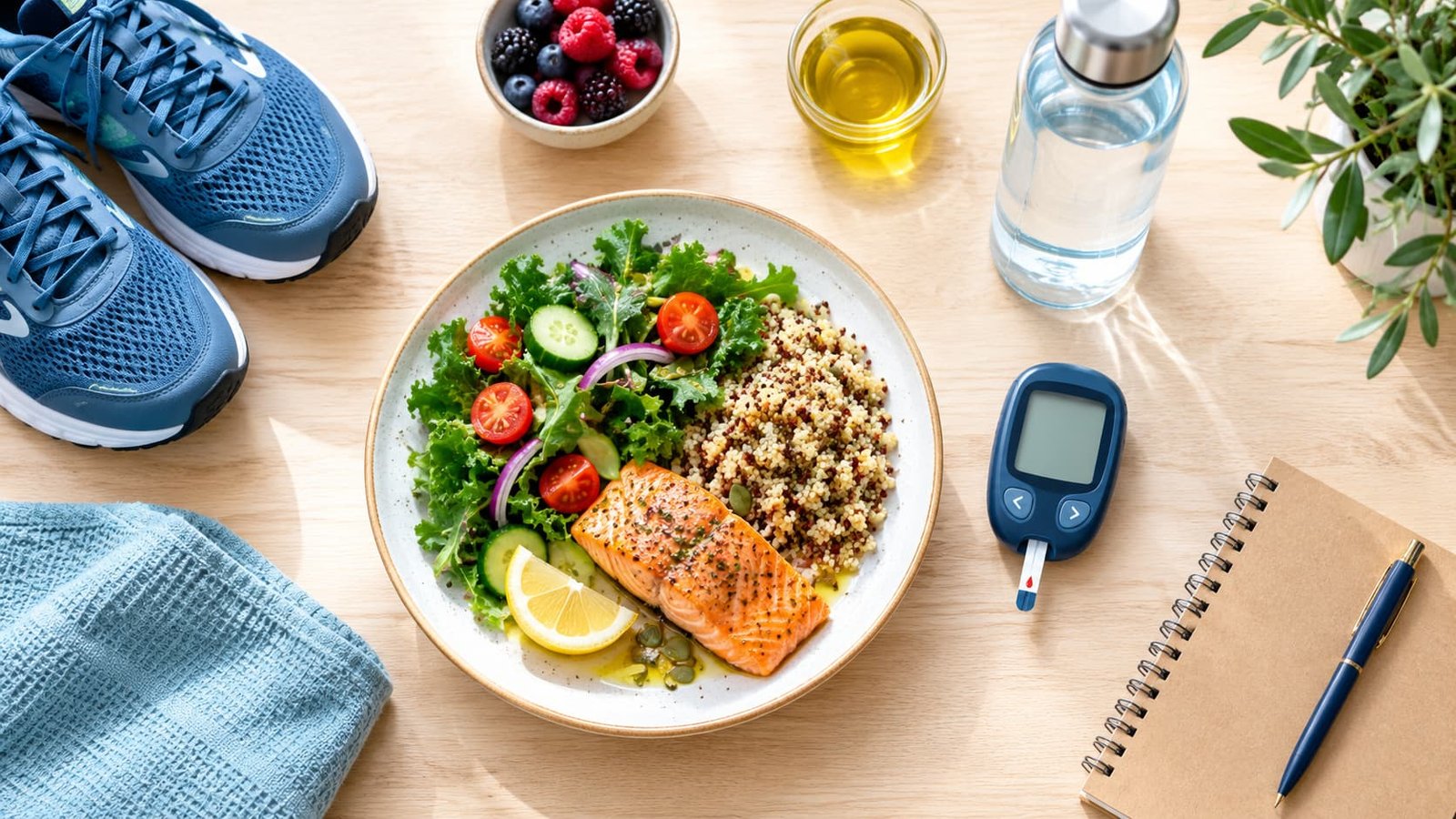
  • Natural Male Enhancement in London: Real Benefits and Timeline of the Priapus Shot

    Natural Male Enhancement in London: Real Benefits and Timeline of the Priapus Shot

    ✅Medically reviewed | Updated October 2026

    Few treatments attract as much curiosity, and as much confusion, as platelet-rich plasma injections for male sexual function. Clinics advertise the injections as the P-Shot or the Priapus Shot. Online claims range from modest to extraordinary. Clinical evidence sits somewhere far more cautious.

    A Priapus Shot London search returns dozens of clinic pages. Each page describes the treatment differently. Some promise stronger erections, greater sensitivity and even size gain. Others stay silent about limits, costs and unanswered research questions. Men weighing the procedure face a crowded and uneven information landscape.

    Careful reading matters more than enthusiasm. NHS guidance on erectile dysfunction (ED) lists established treatments, and PRP does not feature in that list. Published NICE guidance likewise does not recommend PRP as a standard ED treatment. European urology guidelines describe intracavernosal PRP as investigational. Small trials show promising signals, yet larger and longer studies remain scarce.

    This guide explains how PRP therapy works and what research currently shows. It outlines suitability, procedure steps, risks, UK fees and clinic selection. P Shot London services differ widely in quality and transparency, so context matters. Readers finish with a clear framework for an informed decision.

    What Is the Priapus Shot?

    The Priapus Shot, often shortened to P-Shot, is an injection of autologous platelet-rich plasma into penile tissue. Autologous means the plasma comes from the patient’s own blood. The name originated in the United States, where it carries trademark status. UK clinics now use it as a general label.

    Platelets are small blood cells. They help blood clot and release proteins that guide tissue repair. PRP contains platelets at concentrations above normal blood levels. Orthopaedic and sports medicine teams have used PRP for tendon and joint problems for years. Evidence in those fields varies by condition, and debate continues.

    PRP in the penis is a newer and far less studied application. P Shot UK providers offer it mainly for erectile difficulty, reduced sensitivity and general sexual rejuvenation. No UK clinical guideline lists it as a standard treatment for these purposes.

    Why Men Explore Regenerative Options

    ED is common, and the NHS notes that it becomes more frequent with age. Tablets help many men. Some men cannot take tablets, respond poorly or dislike relying on medication. Surgery and injections raise separate concerns.

    Regenerative medicine appeals because it aims to repair tissue rather than bypass a problem. That aim sounds logical. Logic alone does not prove clinical benefit. Careful evaluation separates a plausible idea from a proven treatment.

    How PRP Therapy Works

    The Biological Rationale

    Erections depend on healthy blood vessels, smooth muscle and nerves. Damage to any of these structures can weaken erectile response. Ageing, diabetes, smoking and vascular disease all contribute to such damage.

    Activated platelets release growth factors. These include platelet-derived growth factor, vascular endothelial growth factor and transforming growth factor beta. Laboratory and animal studies suggest these molecules promote new blood vessel formation. They may also support nerve and muscle repair. That finding forms the theoretical basis for treatment.

    Theory does not equal clinical proof. Cell and animal results often fail to translate into human benefit.

    What Human Studies Report

    Several small randomised trials have tested intracavernosal PRP in men with mild to moderate ED. One double-blind, placebo-controlled trial reported better erectile function scores after two PRP injections than after saline. Researchers measured the result at short follow-up (Poulios and colleagues, Journal of Sexual Medicine, 2021). Other studies report smaller or inconsistent effects.

    Systematic reviews describe the overall evidence as low quality. Common weaknesses include small samples, short follow-up and varied PRP preparation methods. Trials also use different injection schedules and outcome measures. A high placebo response in ED research complicates interpretation further.

    Current data support cautious interest, not confident claims. Larger, longer and independent trials must confirm durability and safety.

    Who May Consider PRP Therapy

    Medical Assessment Comes First

    The NHS advises men with persistent ED to see a GP. Causes include heart disease, diabetes, high blood pressure, hormonal imbalance, medication effects and psychological factors. ED can also signal early cardiovascular disease.

    A thorough assessment usually covers medical history, current medicines, blood pressure and blood tests. Clinicians often check glucose, cholesterol and testosterone where indicated. Treating an underlying cause matters more than any injection.

    Typical Candidates

    Trial populations mostly included men with mild to moderate ED. Priapus Shot London clinics usually apply similar criteria. Some clinicians consider PRP for men who respond poorly to tablets or cannot use tablets. Others consider it for men who want a regenerative option despite limited evidence. Data on severe ED remain minimal, and clinicians should say so plainly.

    Situations That Call for Caution

    Several conditions usually lead clinicians to defer or decline treatment:

    • Active genital or skin infection
    • Low platelet count or clotting disorders
    • Blood-thinning therapy that needs specialist review
    • Active cancer or recent cancer treatment
    • Poorly controlled diabetes or unstable cardiovascular disease

    Understanding the Procedure

    Priapus Shot London appointments follow a broadly similar sequence. Protocols still differ between clinics.

    Consultation and Consent

    Clinicians review medical history, examine the patient and discuss alternatives. Written consent should cover benefits, risks, costs and the experimental status of PRP. A patient should leave this stage with realistic goals. Written session plans should accompany those goals.

    Treatment Steps

    Step 1: Blood Collection

    A clinician draws a small blood sample from the arm. The process resembles a routine blood test.

    Step 2: Centrifugation

    Centrifuge and blood tubes separating platelet-rich plasma for PRP therapy
    A centrifuge separates platelet-rich plasma from the patient’s own blood sample.

    A centrifuge spins the sample to separate red cells from platelet-rich plasma. This stage usually takes around 10 to 15 minutes.

    Step 3: Anaesthesia

    Topical numbing cream reduces discomfort. Some clinicians add a local anaesthetic injection.

    Step 4: Injection

    The clinician injects the PRP into several areas of penile tissue. Injection sites and volumes vary by protocol. Some clinics add a vacuum device to increase blood flow during injection. A typical appointment finishes within an hour.

    Recovery and Aftercare

    Most men resume normal daily activity quickly. Mild swelling, tenderness and bruising commonly settle within a few days. Clinicians often advise a short pause from sexual activity and vigorous exercise. Instructions differ, so written aftercare advice matters. Patients should report fever, spreading redness, worsening pain or prolonged numbness promptly.

    Realistic Outcomes and Timelines

    No standard timeline exists. Some men report changes within days, while others notice nothing for several months. Trials typically assessed outcomes at one to six months. That window says little about long-term effect.

    A measurable outcome beats a vague impression. Validated tools such as the International Index of Erectile Function questionnaire allow objective comparison before and after treatment. Clinics that record baseline scores give patients a fairer picture of change. Subjective impressions alone invite placebo effects.

    Treatment may also fail to help. Honest Priapus Shot London providers acknowledge this possibility before the first injection. Patients should decide in advance what level of improvement justifies repeat sessions.

    Lifestyle and Psychological Factors

    Erectile function reflects general health. Regular exercise, a healthy weight, smoking cessation and moderate alcohol intake all improve vascular function. NHS guidance places these measures at the centre of ED care. No injection can offset ongoing risk factors.

    Psychological factors also matter. Anxiety, low mood, stress and relationship strain can cause or worsen ED. Psychosexual counselling addresses these causes directly. A clinic that skips this discussion offers an incomplete assessment.

    Claimed Benefits Versus Available Evidence

    ClaimCurrent evidence
    Improved erectionsLimited and mixed; small trials in mild to moderate ED
    Greater sensitivityNo robust human evidence
    Increased penis sizeNo credible clinical evidence
    Treatment of Peyronie’s diseaseInsufficient evidence; small studies only
    Long-lasting resultsDurability unproven beyond short follow-up

    Enhancement claims deserve the most scrutiny. PRP does not add tissue volume in any proven way. Marketing phrases such as sexual rejuvenation London carry no clinical definition. Men should ask which outcome a clinic targets and how it tracks progress.

    Risks, Side Effects and Limitations

    Common Effects

    Bruising, swelling, redness, tenderness and mild discomfort occur most often. These effects usually settle without treatment.

    Less Common Complications

    Infection, bleeding into tissue, injection-site lumps and temporary altered sensation can occur. Reports of serious harm remain rare. Systematic safety data remain limited, however.

    Limits of the Autologous Argument

    Autologous PRP lowers the chance of allergic reaction or rejection. It does not remove procedural risk. Claims of zero risk misrepresent the evidence. Long-term safety after repeated injections lacks proper study. Clinics that combine PRP with fillers or other products add further uncertainty.

    Priapus Shot Price in the UK

    The NHS does not routinely fund PRP for ED, and private insurers rarely cover it. Each clinic sets independent fees. Published UK quotes commonly range from £ 900 – £ 1500 per session. Location, clinician experience, session numbers and add-ons all influence the total.

    A Priapus Shot London quote should list every charge in writing. P Shot treatment London pricing often reflects central premises and overheads. Higher cost does not prove better outcomes.

    Questions to Ask About Cost

    • What does the quoted fee include?
    • How many sessions does the plan assume?
    • Do consultations, blood tests and follow-up carry separate charges?
    • What happens if the first session produces no change?

    Choosing a Clinic

    Standards matter more than convenience. Several checks help separate careful providers from promotional ones. A Priapus Shot London consultation should answer each question below before any procedure begins.

    Checklist, stethoscope and medical journals on a desk representing how to choose a Priapus Shot clinic in London
    Registration, evidence and transparent fees separate careful clinics from promotional ones.

    Questions to Ask a Clinician

    • Which qualifications and experience support this procedure?
    • What evidence supports PRP for this specific concern?
    • How many men has the clinic treated, and which outcomes did it record?
    • Which complications can occur, and how does the clinic respond?
    • Which alternatives exist, including NHS options?

    Credentials and Regulation

    The General Medical Council register confirms a doctor’s registration and licence to practise. Clinics providing regulated activities should hold Care Quality Commission registration. Training in urology, sexual medicine, plastic surgery or general practice adds relevant context.

    Transparent Communication

    A reputable provider states that PRP remains experimental. Guaranteed outcomes, size claims and pressure to book quickly signal poor practice. Clear providers explain alternatives, including NHS treatments. A P Shot for male sexual health should begin with diagnosis, not with a sales pitch.

    Advertising Standards

    UK advertising rules require health claims to stay truthful and rest on evidence. The Advertising Standards Authority enforces these rules and investigates misleading medical claims. Before-and-after photographs deserve particular caution. Lighting, angle, timing and editing all alter appearance. Photographs cannot replace measured clinical outcomes. Patients should treat dramatic claims as a warning sign rather than reassurance.

    A Factual Clinic Example

    Pshots clinic UK provides consultations for male sexual health on Harley Street in Marylebone, London. Dr Syed Nadeem Abbas leads the clinic. Qualifications of the lead doctor include MBBS, MRCS (RCS Edinburgh) and MRCGP. An MSc in Aesthetic Plastic Surgery with Distinction came from Queen Mary University of London. Training took place at Cambridge, Oxford and the Royal London Hospital.

    Evidence-Based Alternatives

    NHS and NICE guidance list established ED treatments:

    • Lifestyle change: regular exercise, weight management, stopping smoking and moderating alcohol
    • PDE5 inhibitors: sildenafil, tadalafil, vardenafil and avanafil
    • Vacuum erection devices
    • Intracavernosal alprostadil injections
    • Psychosexual counselling for psychological causes
    • Penile implant surgery in selected cases

    These options carry far larger bodies of evidence. PRP should not replace any of these without medical discussion. Some men choose PRP alongside standard care under clinical supervision. Doctors can then monitor response and adjust the plan.

    Frequently Asked Questions

    Is Priapus Shot London treatment painful?

    Numbing cream and local anaesthetic reduce discomfort. Patients commonly describe pressure or mild stinging. Discomfort can increase as the anaesthetic wears off. Pain lasting beyond a few days needs medical review.

    How long do the results last?

    No reliable data define the duration of effect. Trials followed men for weeks to months only. Clinic claims of 12 to 18 months lack strong supporting evidence. Benefit may fade, and repeat sessions remain poorly studied.

    Does the P-Shot increase penis size?

    No credible clinical evidence shows size increase. PRP aims to support tissue function, not volume. Men seeking size change should discuss realistic options with a urologist.

    How many sessions are typical?

    Protocols vary. Trials commonly used one to three injections spaced weeks apart. No standard schedule exists. A written plan with review points limits unnecessary repeat treatment.

    Does the NHS offer the P-Shot?

    NHS services do not routinely offer PRP for ED. A GP can arrange assessment and recommend established treatments.

    Who should perform the procedure?

    Registered clinicians with relevant training should assess suitability and inject the PRP. GMC or NMC registration confirms professional status. Penile injections demand anatomical knowledge, sterile technique and the ability to manage complications.

    Can PRP replace ED tablets?

    Evidence does not support replacement. Tablets such as tadalafil and sildenafil carry far stronger evidence. Any medication change needs discussion with a doctor.

    Conclusion

    Informed decisions begin with accurate expectations. Priapus Shot London services rest on a plausible biological idea, yet human evidence remains small, mixed and short term. Selected men with mild to moderate ED may gain some benefit. Size gain, lasting results and broad rejuvenation claims lack support.

    Safe decisions follow a clear order. Assessment of underlying health comes first. Established treatments with strong evidence come next. PRP, if chosen, requires a registered doctor, written consent, transparent fees and honest discussion of uncertainty. Careful questions protect health and money alike.

    Research will continue, and guidance may change as larger trials report. Until then, sceptical curiosity serves patients better than marketing language. Which questions on evidence, safety and cost deserve answers before any man agrees to an unsettled injection?

    Read more:

    What Is the P-Shot Success Rate? What the Research Really Shows

    P-Shot Pain: Does the P-Shot Hurt? Numbing and Comfort Options

    P Shot Treatment London

    Dr Syed Nadeem Abbas, MBBS, MRCSEd, MSc Aesthetic Plastic Surgery (Distinction) Medical Director, Pshot Clinic | CQC Regulated | Monday to Saturday 10:00–18:00 +44 7955 836986 
  • Priapus Shot London: What Happens During Your First Consultation?

    Priapus Shot London: What Happens During Your First Consultation?

    ✅Medically reviewed | Updated October 2026

    A thorough Priapus Shot London Consultation starts with questions, not needles. Before any platelet-rich plasma (PRP) reaches a syringe, the doctor needs a complete clinical picture. That picture covers erection quality, general health, medicines, relationships and expectations. Moreover, every answer shapes one decision: whether the treatment suits the patient at all.

    Men arrive with different goals. For example, some want firmer erections, while others seek better sensitivity or help with Peyronie’s disease. A few also ask about the sexual rejuvenation London clinics advertise. Therefore, clinical assessment must separate what the evidence supports from what marketing claims.

    The consultation also protects patients. A good doctor screens for conditions that need urgent attention. For example, heart disease, diabetes, low testosterone and depression can all present as erectile difficulty. Consequently, treating the symptom without finding the cause risks missing a serious diagnosis.

    Most online guides cover clinic selection or general benefits. This guide, however, covers the consultation itself and explains the questions doctors ask. Each question comes with the reason behind it. In addition, later sections cover examination, consent, risks and cost. NHS and NICE guidance and peer-reviewed research inform the content.

    What Is the Priapus Shot and Why Does the Consultation Matter?

    The Priapus Shot, also called the P Shot, is a PRP injection into penile tissue. First, a clinician draws a small blood sample. Next, a centrifuge concentrates the platelets. Finally, the clinician injects the plasma after applying local anaesthetic.

    Platelets release growth factors, and researchers study these factors for tissue repair and new blood vessel formation. Small studies report improved erectile scores in some men. However, large, long-term randomised trials remain scarce.

    The evidence gap makes the consultation the most important part of any P Shot treatment London patients receive. For instance, guidance from the European Association of Urology (EAU) describes PRP for erectile dysfunction as experimental. Likewise, NHS services do not routinely offer the treatment. A careful assessment therefore sets honest expectations from the first minute.

    Before the First Question: Intake and Privacy

    Medical Questionnaires

    Many clinics send a medical form before the appointment. Patients list medicines, allergies, past illnesses and operations. As a result, completing the form in advance leaves more time for discussion in the room.

    Confidentiality and Chaperones

    The General Medical Council (GMC) expects doctors to protect patient confidentiality. Moreover, a chaperone attends on request, although patients may also decline one. Clinics should therefore state these options clearly at the start.

    Questions the Doctor Asks During a Priapus Shot London Consultation

    The questions follow a logical order, and each group has a clinical purpose. Knowing the structure therefore helps patients prepare accurate answers.

    Questions About the Main Concern

    The doctor opens with broad questions. Typical examples include:

    • What is the main concern, and when did it begin?
    • Did the change start suddenly or gradually?
    • Does the problem occur with a partner, alone, or in both settings?
    • Do morning or night-time erections still happen?
    • Has the concern affected curvature, sensitivity or comfort?

    Timing carries clinical meaning. Sudden onset often points to psychological or situational causes. In contrast, gradual change more often reflects vascular disease, hormonal shifts or medicines. Furthermore, normal morning erections suggest that blood vessels and nerves still work reasonably well.

    Questions That Use a Validated Scoring Tool

    Many doctors use the International Index of Erectile Function, short form (IIEF-5). Researchers developed this five-item questionnaire in 1999. Each item scores from one to five, and a total of 21 or below therefore suggests erectile dysfunction.

    The score gives a baseline. Repeat scoring at follow-up then shows whether anything has changed. As a result, measurable data replaces vague impressions.

    Questions About General and Heart Health

    Erectile dysfunction can signal cardiovascular disease years before other symptoms appear. NICE Clinical Knowledge Summaries advise clinicians to assess cardiovascular risk in men with the condition. For this reason, the doctor asks about:

    • Chest pain, breathlessness or reduced exercise tolerance
    • High blood pressure, high cholesterol and diabetes
    • Smoking, alcohol intake and recreational drug use
    • Weight, physical activity and sleep quality
    • Family history of heart disease

    When a red flag appears, a referral to a GP or cardiologist may precede treatment.

    Blood pressure monitor, stethoscope and health questionnaire used in a Priapus Shot London consultation
    Heart health checks help the doctor decide whether treatment is safe and suitable.

    Questions About Medicines and Supplements

    Several medicines affect erections. Examples include some antidepressants, blood pressure tablets and finasteride. For that reason, the doctor reviews the full list, including supplements and over-the-counter products.

    Blood-Thinning Medicines

    Anticoagulants and antiplatelet drugs raise bruising and bleeding risk after injection. Therefore, the doctor asks about warfarin, apixaban, rivaroxaban, clopidogrel and regular aspirin. Patients should never stop these medicines without medical advice.

    Erectile Dysfunction Tablets

    The doctor asks whether sildenafil, tadalafil or similar tablets helped. According to the NHS, these PDE5 inhibitors form the standard first treatment. However, nitrate medicines for angina interact dangerously with PDE5 inhibitors. Clear answers therefore prevent unsafe prescribing.

    Questions About Mood, Stress and Relationships

    The NHS recognises stress, anxiety and depression as common causes of erectile dysfunction. Consequently, a doctor asks about mood, work pressure, performance anxiety and relationship quality. These questions are clinical, not intrusive.

    Honest answers also matter. Physical treatment alone rarely resolves a problem that has a psychological root. Where appropriate, the doctor therefore suggests psychosexual counselling before, or alongside, any injection.

    Questions About Past Conditions and Procedures

    The doctor also asks about:

    • Peyronie’s disease, penile curvature or palpable plaques
    • Previous penile, prostate or pelvic surgery
    • Pelvic radiotherapy or cancer treatment
    • Priapism, genital infections or skin conditions such as lichen sclerosus
    • Bleeding disorders, low platelet counts or blood-borne infections
    • Earlier PRP or other penile injections

    Questions About Goals and Expectations

    Goals shape the whole discussion. Therefore, the doctor asks what outcome the patient hopes for and how that outcome would be measured. For example, a realistic target might be firmer erections or improved sensitivity. An unrealistic target, in contrast, might be a permanent increase in size.

    Clear goals protect patients from disappointment. Some men also ask about broader sexual rejuvenation London clinics promote. In these cases, the doctor explains which claims have clinical support and which do not. Finally, a well-run Priapus Shot London Consultation records the agreed goals in writing.

    Examination and Tests After the Questions

    Physical Examination

    A genital and general examination usually follows. In addition, the doctor checks skin condition, testicular size and any palpable plaques. Blood pressure, weight and pulse also feature. Consequently, findings guide both safety decisions and treatment planning.

    Blood and Urine Tests

    The NHS notes that doctors may check blood glucose, cholesterol and testosterone in men with erectile dysfunction. Because testosterone fluctuates, a morning sample gives the most reliable reading. Some clinics arrange tests directly, while others ask the patient’s GP to arrange the tests.

    Results can change the plan. For example, low testosterone needs its own assessment, and undiagnosed diabetes needs treatment first. Either finding may therefore delay treatment.

    Who May Not Be Suitable for the Priapus Shot?

    Doctors apply exclusion criteria to every patient. Common reasons to defer or decline treatment include:

    • Active genital infection or skin infection at the injection site
    • Bleeding disorders or low platelet counts
    • Anticoagulant therapy without medical clearance
    • Pelvic cancer treatment that is still active
    • Known allergy to local anaesthetic
    • Untreated heart disease, diabetes or depression that needs assessment first
    • Expectations that treatment cannot meet

    A responsible clinic declines treatment when the risks outweigh the likely benefit. Indeed, that decision reflects good practice rather than a lost sale.

    Informed Consent, Risks and Realistic Outcomes

    What the Doctor Must Explain

    GMC guidance on decision making and consent sets the standard. Doctors must explain the purpose of treatment, the likely benefits and the material risks. In addition, alternatives, including no treatment, need explanation. Furthermore, the Supreme Court judgment in Montgomery v Lanarkshire Health Board (2015) reinforced this duty.

    A fair consent discussion for the P Shot includes the experimental status of PRP for erectile dysfunction. Likewise, the discussion covers the limited long-term data.

    Reported Risks

    Reported side effects include bruising, swelling, tenderness and temporary changes in sensation. Infection and bleeding, however, occur rarely. Because PRP uses the patient’s own blood, allergic reaction to the plasma itself is unlikely. Nevertheless, local anaesthetic can still trigger a reaction in sensitive patients.

    Realistic Outcomes

    No clinic can guarantee results from a P Shot. Published studies report modest gains in erectile scores for some men, while others notice little change. Moreover, evidence does not support claims that the treatment enlarges the penis.

    Where gains occur, effects usually develop over weeks rather than days. Response depends on the underlying cause, age, vascular health and lifestyle. Therefore, doctors avoid fixed promises and describe likely ranges instead.

    Alternatives the Doctor Should Discuss

    A balanced consultation compares options. NICE guidance and the NHS describe the main routes:

    • Lifestyle changes, including exercise, weight loss, smoking cessation and alcohol reduction
    • PDE5 inhibitors, the usual first-line medicines
    • Psychosexual therapy for psychological causes
    • Vacuum erection devices
    • Alprostadil injections or urethral pellets
    • Low-intensity shockwave therapy, where the evidence remains mixed
    • Penile implant surgery for severe, treatment-resistant cases

    The doctor explains how each option compares with the P Shot on evidence, cost and invasiveness. As a result, patients who understand these trade-offs choose with greater confidence.

    Priapus Shot Price and Costs Discussed at Consultation

    Cost forms part of every responsible consultation. Published UK prices for a single session commonly fall between about £900 and £1,500. However, each clinic sets its own fees, and prices vary with location, doctor experience and package contents.

    The Priapus Shot Price rarely tells the whole story. For that reason, patients should ask the clinic to confirm in writing:

    • Any credit of the consultation fee towards treatment
    • Extra charges for blood tests, aftercare and review appointments
    • How many sessions the clinic expects the patient to need
    • Inclusion of combination treatments such as shockwave therapy
    • The cancellation and refund policy

    Clear answers then allow fair comparison between clinics offering Priapus Shot London and P Shot UK treatment.

    How to Prepare for the Appointment

    • Write down all medicines, doses and supplements.
    • Note when the concern began and how it has changed.
    • Bring recent blood test results or a GP summary, if available.
    • Prepare questions about evidence, risks, aftercare and cost.
    • Avoid heavy alcohol in the 24 hours before the visit.

    Preparation makes a Priapus Shot London Consultation more productive. In addition, preparation reduces the pressure of recalling details in a sensitive setting.

    Notebook with questions and unlabelled medicine boxes prepared for a Priapus Shot London consultation
    Listing medicines and questions in advance makes the consultation more productive.

    Checking Credentials and Regulation

    Patients can verify several points before booking. First, the GMC register confirms a doctor’s registration and licence to practise. Second, registered providers appear on the Care Quality Commission (CQC) website. In addition, doctors should hold valid medical indemnity cover.

    Training matters as well. For example, Dr Syed Nadeem Abbas leads the pshots clinic uk on Harley Street, Marylebone. Dr Abbas holds MBBS, MRCS (RCS Edinburgh) and MRCGP qualifications. Further credentials include an MSc in Aesthetic Plastic Surgery with Distinction from Queen Mary University of London. Additionally, training took place at Cambridge, Oxford and the Royal London Hospital.

    A transparent clinic names the person who performs the injection. Furthermore, the clinic explains the centrifuge protocol and the sterile equipment used.

    What Happens If Treatment Goes Ahead?

    Patients who proceed after a Priapus Shot London Consultation follow a standard sequence. Understanding each step reduces anxiety on the day.

    • The clinician applies topical anaesthetic cream, and some clinics add a nerve block.
    • A nurse or doctor then draws a small blood sample from the arm.
    • Next, a centrifuge spins the sample for roughly 10 to 15 minutes to concentrate platelets.
    • Afterwards, the clinician injects the PRP into several points of penile tissue.
    • Finally, the doctor gives written aftercare advice before the patient leaves.

    Most men resume desk work the same day. Clinics usually advise a short pause in sexual activity while tissue settles. Mild swelling and bruising settle within days. However, any severe pain, fever or spreading redness needs urgent medical review. Patients should contact the clinic or NHS 111 without delay.

    What Happens After the Consultation?

    A thorough Priapus Shot London Consultation ends with a written summary. In this summary, the doctor lists findings and recommends a plan. That plan may include treatment, further tests, referral or a different approach. Patients also receive time to decide. A pressured same-day decision, by contrast, signals poor practice.

    Men who proceed with a P Shot for male sexual health usually return for a review. At that point, follow-up scoring with the IIEF-5 shows whether symptoms changed. Likewise, honest review appointments help the doctor decide whether further sessions add value.

    Frequently Asked Questions

    How Long Does a Priapus Shot London Consultation Last?

    Most consultations last 30 to 45 minutes. Longer appointments allow a fuller history and, as a result, a calmer discussion of options.

    Does the Doctor Examine the Patient at the First Visit?

    Usually, yes. A brief examination checks skin, plaques and general health. However, patients may decline any part of it and ask for a chaperone.

    Can a Man Have the Treatment on the Same Day?

    Some clinics offer same-day treatment after a complete assessment. Others, however, prefer a cooling-off period. Indeed, a pause supports better informed consent.

    Is the Priapus Shot Available on the NHS?

    No. The NHS does not routinely fund PRP for erectile dysfunction. Nevertheless, NHS services do offer assessment and first-line treatments such as PDE5 inhibitors and counselling.

    Should a GP Know About the Treatment?

    Informing the GP is sensible because the GP holds the full medical record and monitors long-term conditions. Furthermore, many clinics offer to send a summary letter with the patient’s consent.

    What Questions Should a Patient Ask the Doctor?

    Useful questions cover training and the number of P Shot London procedures performed. In addition, patients can ask about the evidence base, expected outcomes, risks, alternatives and total cost.

    Key Takeaways

    A Priapus Shot London Consultation does far more than book a procedure. Instead, the consultation tests whether the treatment fits the patient’s health, goals and circumstances. Detailed questions about symptoms, medicines, heart health and mood protect safety. Moreover, examination and tests add objective data.

    The evidence for PRP in erectile dysfunction remains limited. Therefore, honest doctors say so, explain the risks and describe alternatives. Clear clinics also quote the full Priapus Shot price before any commitment. As a result, patients who prepare, ask questions and verify credentials make stronger decisions.

    The route may lead to a P Shot, medication, counselling or lifestyle change. In every case, accurate information produces the best outcome. Indeed, a consultation that leaves a patient better informed has already delivered value. Which answers would help most in making that decision with confidence?

    Read more:

    How Do Doctors Measure P-Shot Success? Erections, Sensitivity and Other Outcomes

    P Shot in London: Complete Guide to Treatment, Suitability, Results, Risks and Costs

    P shot Treatment London

    Dr Syed Nadeem Abbas, MBBS, MRCSEd, MSc Aesthetic Plastic Surgery (Distinction) Medical Director, Pshot Clinic | CQC Regulated | Monday to Saturday 10:00–18:00 +44 7955 836986