Tag: P shot UK

  • Priapus Shot London: A Complete Guide for Patients Considering Treatment

    Priapus Shot London: A Complete Guide for Patients Considering Treatment

    ✅Medically reviewed | Updated October 2026

    Few men’s health treatments attract as much interest, and as much confusion, as the Priapus shot. Online listings promise dramatic change. Clinical research tells a more measured story. A treatment with limited long-term data deserves careful reading before any decision.

    The Priapus shot, also called the P-shot, uses platelet-rich plasma (PRP) from the patient’s own blood. A clinician injects the concentrate into penile tissue. The aim is to support blood flow, tissue repair and erectile function. Trials continue to report mixed results.

    Demand for Priapus Shot London services has grown as regenerative medicine gains attention. Clinics across Harley Street and Marylebone now list the procedure. Marketing claims often outpace the science. Patients also meet varied terminology, wide price ranges and inconsistent safety information. Reliable guidance needs evidence, not advertising. Patients need plain answers about what the treatment involves, who may benefit and what it costs.

    This guide explains the procedure step by step. Current trial evidence, including recent meta-analyses, forms the core of the discussion. Suitability, risks, realistic timelines and typical pricing follow. NHS and NICE guidance sets the clinical baseline for comparison. Informed patients make better decisions than hopeful ones.

    Key Points at a Glance

    • The Priapus shot injects autologous PRP into penile tissue.
    • Trial evidence ranges from supportive to inconclusive.
    • NHS and NICE pathways prioritise standard ED treatments first.
    • Session costs vary widely between London clinics.
    • Photographs do not measure clinical outcomes.

    What Is the Priapus Shot?

    Definition and Terminology

    The Priapus shot is a non-surgical procedure that uses autologous PRP. Autologous means the plasma comes from the patient. The name refers to Priapus, the Greek god of fertility. Clinics also use the terms P shot, P-shot and P shot treatment for the same procedure. P shot UK providers follow broadly similar protocols, although technique varies.

    How PRP Works in Theory
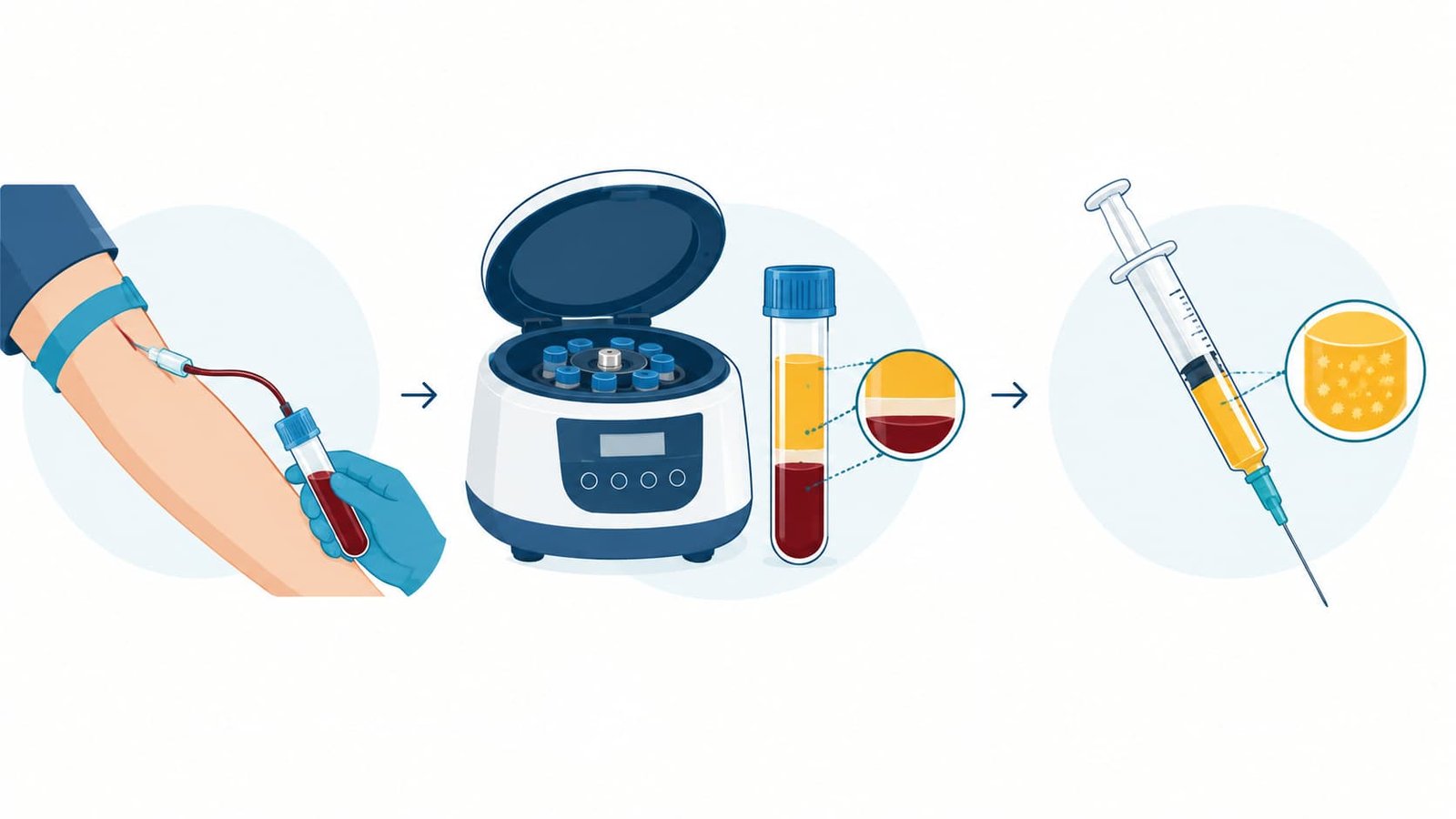
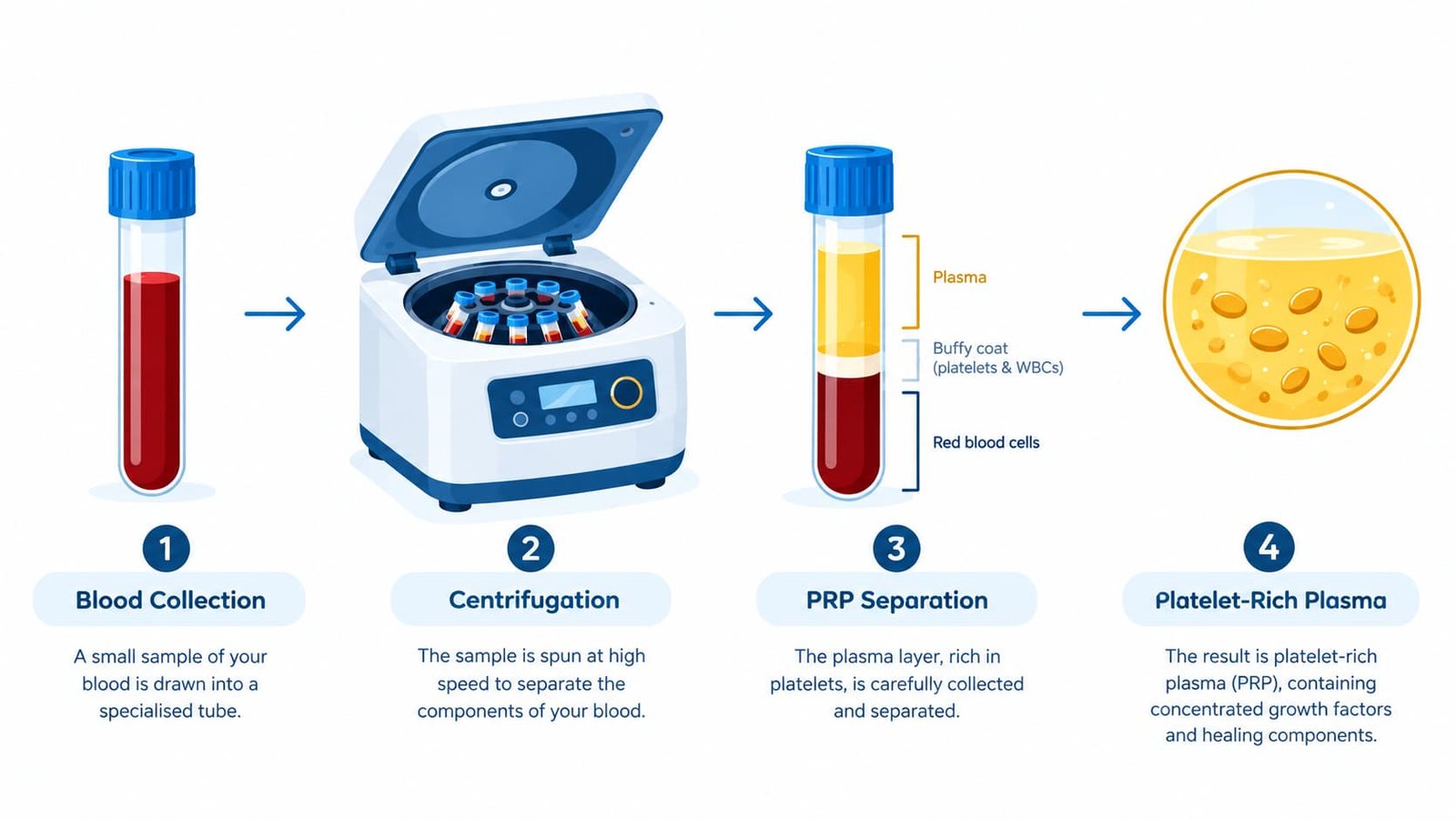
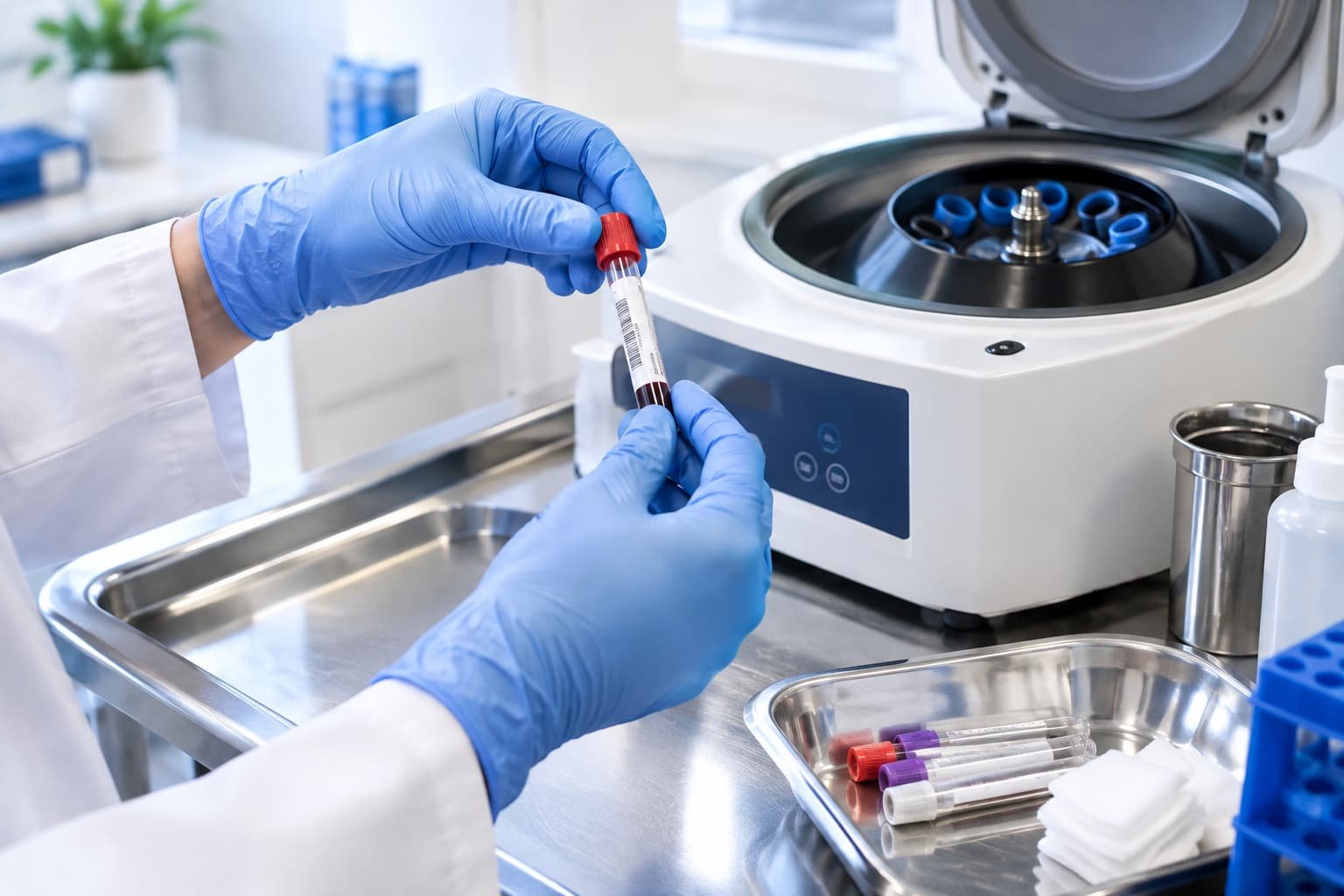
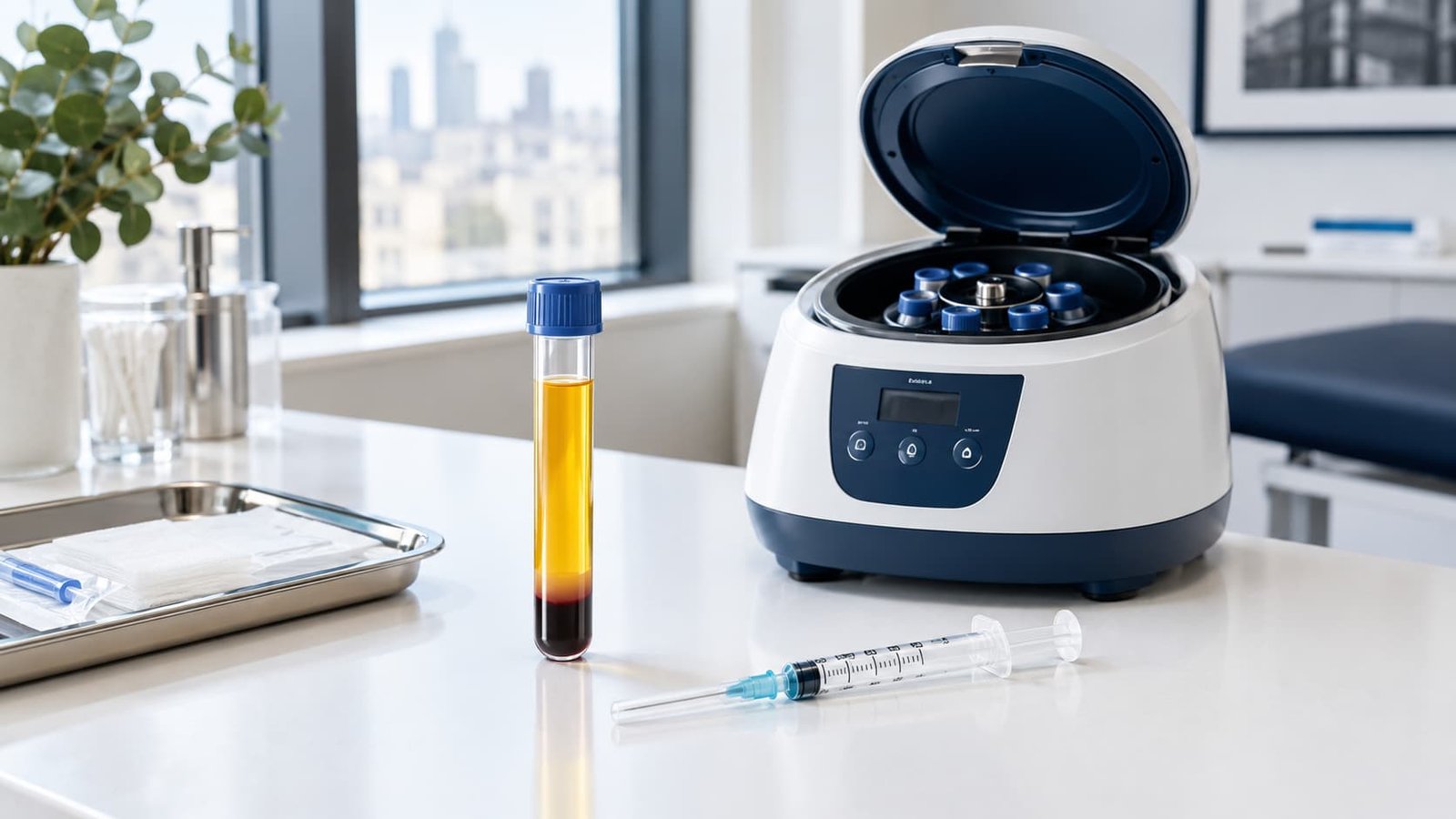
    Diagram of blood draw, centrifuge separation and platelet-rich plasma layers used in P shot treatment
    The PRP process: blood collection, centrifugation and preparation of the platelet concentrate.

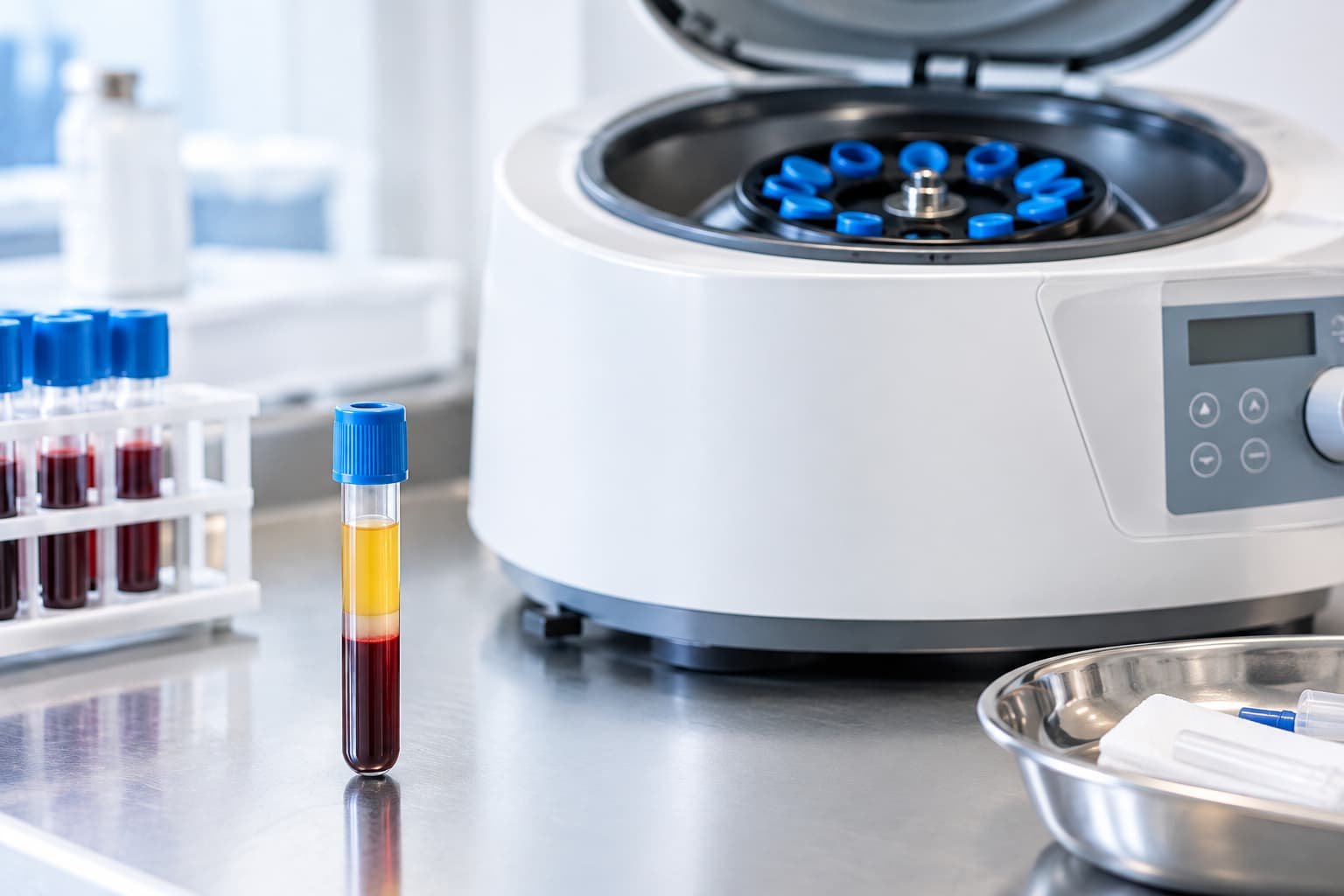
    Blood contains platelets that release growth factors during tissue repair. A centrifuge spins a small blood sample and concentrates these platelets. The clinician then injects the concentrate into the penis. Laboratory studies suggest that growth factors encourage new blood vessels and nerve repair. Human data remain limited. Biological plausibility does not equal proven clinical benefit.

    Why Patients Consider the P Shot

    Patients usually seek the P shot for erectile dysfunction (ED). ED affects many men, and prevalence rises with age. Cardiovascular disease, diabetes and obesity increase risk. Anxiety and low mood also contribute. The NHS describes ED as difficulty getting or keeping an erection. Causes include vascular disease, diabetes, hormonal change, medication effects and psychological factors. Some patients also ask about Peyronie’s disease, reduced sensitivity and sexual satisfaction.

    NICE Clinical Knowledge Summaries recommend a PDE5 inhibitor, such as sildenafil, as first-line therapy for most men. The NHS also lists vacuum pumps and psychological therapy. A P shot does not replace these options. Clinicians may discuss it when standard treatment fails or causes side effects. Treating the underlying cause matters more than any single injection.

    Clinical Evidence for Priapus Shot London Treatment

    What Recent Reviews Report

    Several systematic reviews have examined intracavernosal PRP for ED. A 2024 PLOS ONE meta-analysis pooled 12 controlled trials involving 991 patients. PRP groups scored better than control groups on the International Index of Erectile Function (IIEF). The authors also called for larger trials with longer follow-up.

    A 2024 review in Archivio Italiano di Urologia e Andrologia analysed three randomised trials. The trials enrolled 221 men with mild to moderate ED. Pooled data suggested short-term improvement lasting up to six months. A 2025 meta-analysis of vasculogenic ED reported a mean difference of 3.28 in erectile function scores against placebo.

    Findings still conflict. A separate 2025 meta-analysis pooled seven randomised trials with 512 participants. It found no consistent, clinically meaningful improvement over placebo. Injection volumes, session numbers and PRP preparation methods differ between trials. These differences may explain part of the disagreement.

    Why Evidence Quality Matters

    Randomised, placebo-controlled trials separate true treatment effect from expectation. Uncontrolled case series often overstate benefit. Standardised outcomes such as the IIEF allow comparison between studies. Reviewers also grade the certainty of evidence. Low certainty means future trials may change current conclusions.

    Limits of the Current Evidence

    Most trials enrol small numbers of men. Follow-up rarely exceeds twelve months. Placebo responses in ED research can be substantial. Few studies examine the P-shot for penile enlargement or sensitivity. Researchers also debate platelet concentration, activation methods and injection depth. No consensus protocol exists. NICE guidance does not list PRP injection among recommended ED treatments. Clinics therefore use PRP for this purpose as a non-standard, off-label application. Promising early data justify cautious interest, not confident promises.

    How the P Shot Compares With Other ED Treatments

    PDE5 inhibitors remain the best-evidenced option. NICE Clinical Knowledge Summaries endorse PDE5 inhibitors as first-line therapy. Low-intensity shockwave therapy has some randomised data, although routine use remains debated. Vacuum devices and psychological therapy suit selected patients. Lifestyle change also improves vascular health. Stopping smoking, reducing alcohol, exercising and managing weight all help.

    Combination approaches attract research interest. A 2025 meta-analysis pooled seven randomised trials with 660 patients. Adding PRP to shockwave therapy improved IIEF scores more than shockwave therapy alone. Larger confirmatory trials remain necessary. No single treatment suits every man with ED.

    Preparing for a Consultation

    Preparation improves the quality of a consultation. Patients should list current medications, supplements and medical conditions. A note of erectile symptoms, including onset, severity and morning erections, helps the clinician. Recent blood results from a GP add useful context. Patients should ask which outcome measures the clinic uses. Questions about complication rates also matter. Patients should ask what happens if treatment does not work. A clear plan for non-response signals responsible practice.

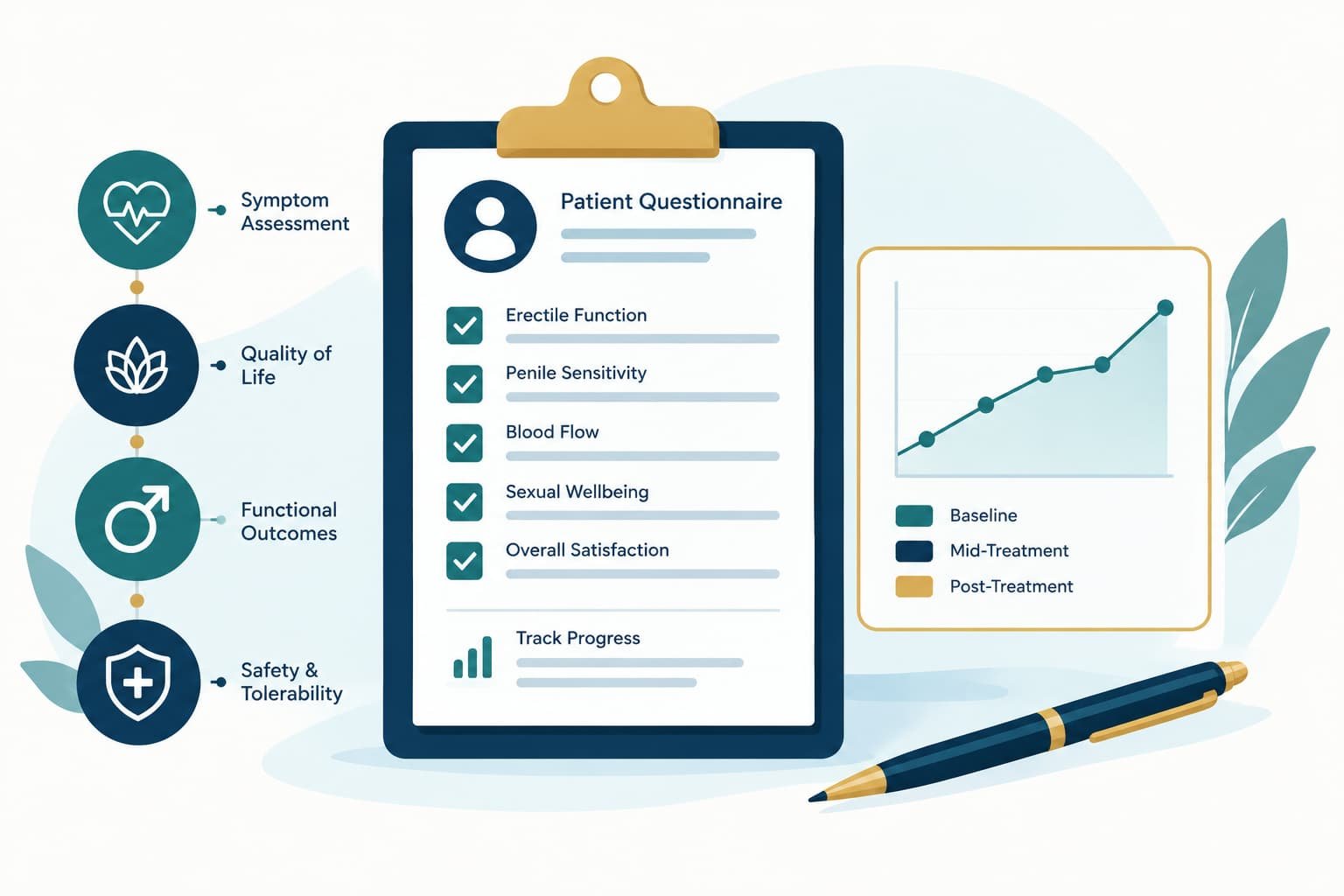
    Doctor and patient discussing treatment options and an erectile function questionnaire during a private consultation
    A full consultation covers medical history, outcome measures, risks and alternatives before any treatment decision.

    Who May Be Suitable for the P Shot

    Patients Clinicians May Consider

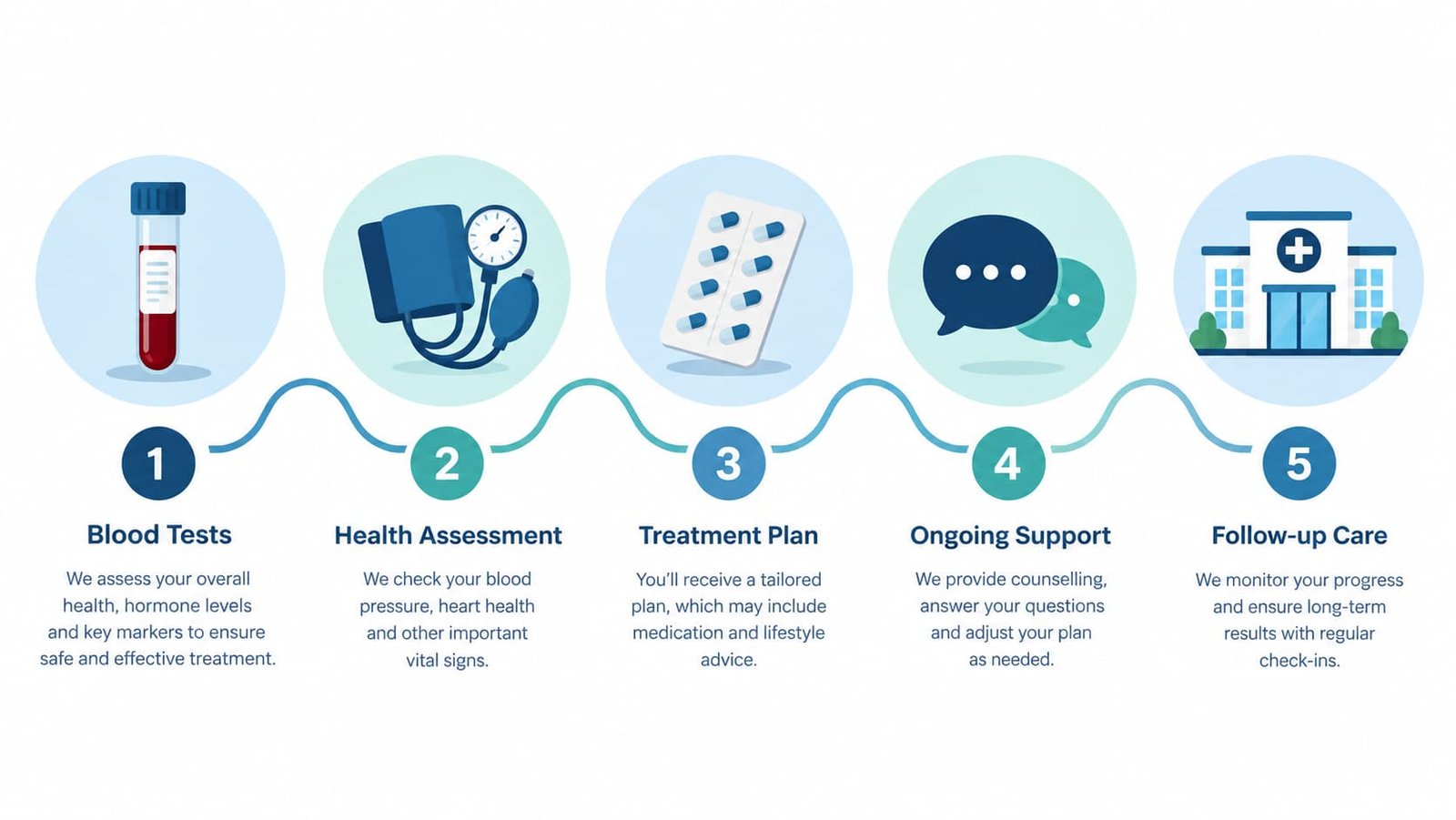
    Suitability for Priapus Shot London treatment depends on a full medical assessment. Trials mainly enrol men with mild to moderate ED. Clinicians may also consider patients who respond poorly to PDE5 inhibitors or wish to avoid daily tablets. A clinician must first exclude reversible causes. Blood tests may check glucose, lipids and testosterone.

    Patients Who Need Extra Caution

    Some conditions raise risk or require specialist input first. Examples include active infection, blood disorders, low platelet counts and anticoagulant therapy. Active cancer, uncontrolled diabetes and unexplained penile symptoms also need review. Men with heart disease should discuss sexual activity with a GP or cardiologist. The NHS advises seeing a GP about any new erectile difficulty, because ED can signal heart disease or diabetes.

    What Happens During a Priapus Shot London Appointment

    Consultation and Consent

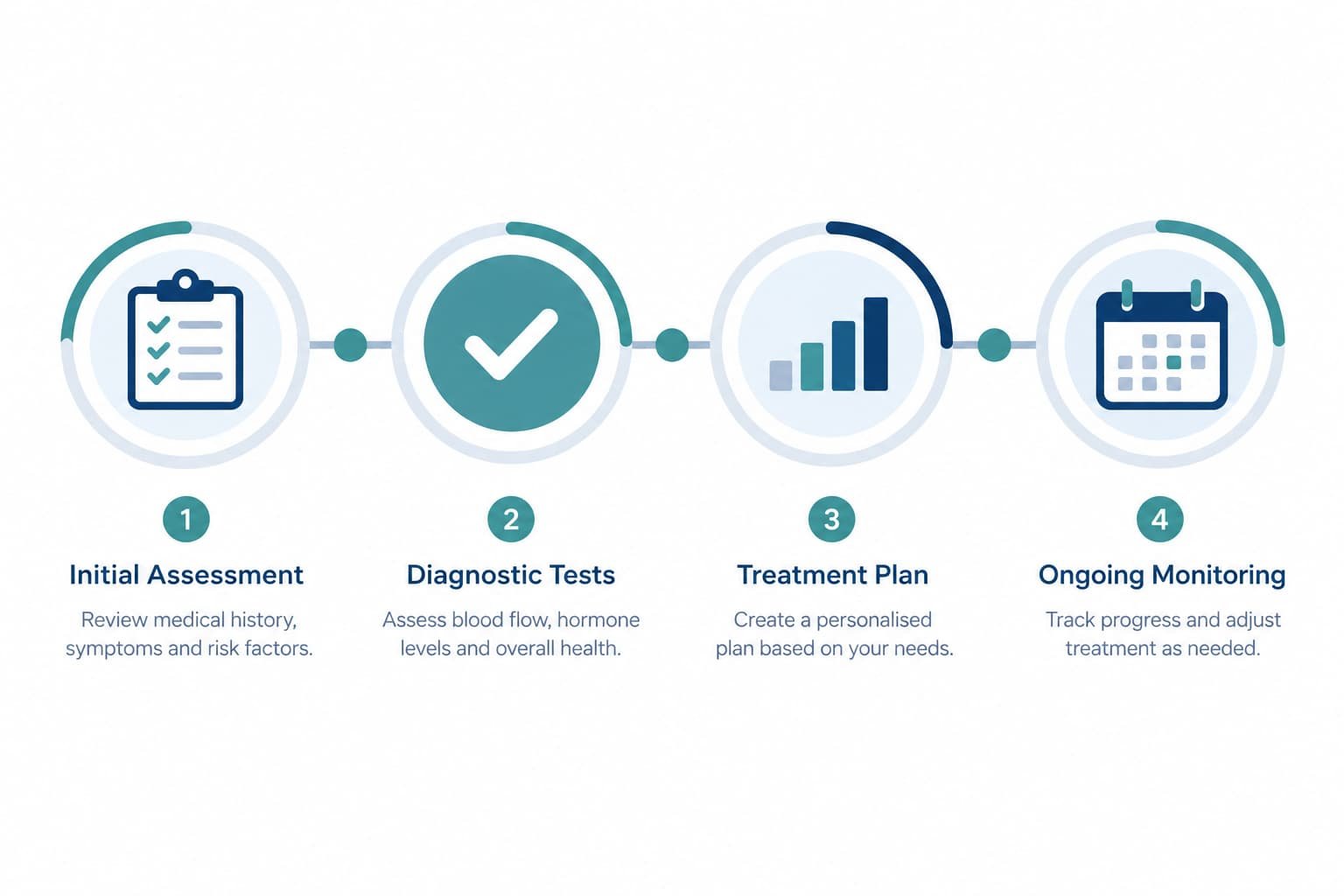
    A clinician takes a medical and sexual history. Examination and blood tests may follow. The doctor explains expected benefits, uncertainty, risks and alternatives. Written informed consent precedes treatment. Honest discussion of limits forms part of good consent.

    Blood Collection, Preparation and Injection

    Good hydration beforehand eases blood collection. A nurse or doctor draws a small volume of blood, usually from the arm. Centrifugation then separates the plasma and concentrates the platelets. This step takes around 15 to 20 minutes. Topical anaesthetic cream numbs the skin, and some clinics add a local nerve block. The clinician then injects the PRP into several sites along the penile shaft. Protocols vary in sites, volumes and technique. A typical visit lasts around one hour.

    Immediate Aftercare

    Patients usually resume normal activity the same day. Clinics commonly advise avoiding strenuous exercise and sexual activity for 24 to 48 hours. Mild tenderness settles with simple measures such as paracetamol. Clinicians often ask patients to avoid anti-inflammatory tablets, which may affect platelet function. Mild swelling may last one or two days. Each clinic issues written aftercare instructions. A follow-up review at three months allows symptom tracking with the IIEF questionnaire.

    Risks and Side Effects of the P Shot

    Because PRP comes from the patient’s own blood, allergic reaction risk is low. Common effects include bruising, swelling, redness and tenderness at injection sites. These effects usually settle within days. Rarer risks include infection, bleeding, nerve irritation and persistent pain. Poor injection technique may cause haematoma or lumps. Fainting during blood collection occurs occasionally, so clinics should offer a reclined position. Sterile single-use equipment keeps infection risk minimal.

    Patients should seek urgent medical advice for fever, spreading redness or severe pain. NHS guidance treats an erection lasting over four hours as an emergency. Unregulated settings and non-medical operators add avoidable risk. Long-term safety data remain limited.

    Results Timeline and P Shot Before and After Images

    Realistic Timelines

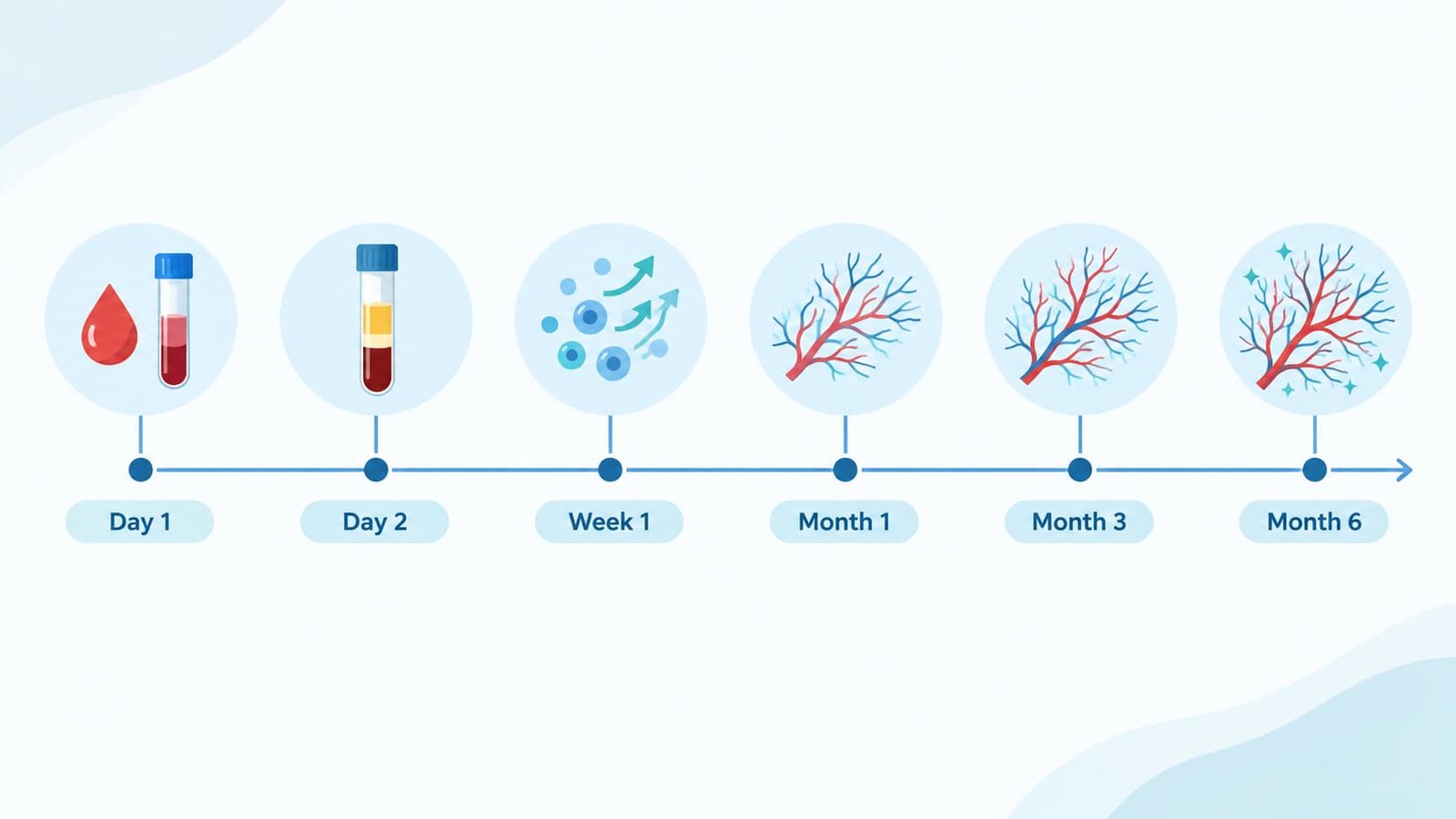
    Studies report variable timing. Some trials measure change at one, three and six months. Clinics often describe gradual change over several weeks. No guarantee exists for any individual. Where benefit occurs, some studies show it diminishing after about six months. Some protocols therefore plan repeat sessions. Evidence for repeat dosing remains limited.

    Factors That Influence Outcomes

    Age, ED severity, diabetes, smoking and vascular health all influence response. Men with severe vascular damage may respond less. Lifestyle change alongside treatment supports vascular health. Realistic goals centre on modest functional improvement, not restoration of youthful function. Modest, well-defined goals protect patients from disappointment.

    Reading P Shot Before and After Material

    A P shot before and after gallery can mislead. Photographs show lighting, angle and arousal state rather than erectile function. Standardised questionnaires such as the IIEF measure outcomes more reliably. Patients should ask clinics for audited outcome data, not selected images. Claims of penile enlargement lack robust trial support. A photograph cannot prove that a treatment works.

    Priapus Shot Price in London

    The Priapus shot price varies by clinic, location and protocol. A Priapus Shot London session typically costs between about £900 and £1,500. Some clinics quote course packages. Fees may cover consultation, PRP kit, anaesthetic and one review. Others charge these items separately. Repeat sessions add cost, and some clinics discount courses. Patients should compare the total cost of a full treatment plan, not only the headline fee for one session.

    Insurers may not cover PRP for ED, and the NHS does not routinely fund it. Patients should request a written, itemised quote and ask about repeat-session costs. Unusually low prices warrant questions about equipment, staffing and regulation.

    How to Choose a Qualified Clinic for P Shot London Treatment

    Searching for Priapus Shot London providers returns many listings. Search ranking does not measure clinical quality. Standards among P shot UK providers differ widely. Safe care starts with regulation and medical oversight. A clinic offering regulated treatment in England should hold Care Quality Commission (CQC) registration. The treating clinician should hold current General Medical Council (GMC) registration.

    PRP preparation involves blood handling, so infection control standards matter. The clinic should explain how it prevents cross-contamination. Other markers include documented PRP preparation methods, transparent pricing and written aftercare. Ethical clinics discuss alternatives, including PDE5 inhibitors, and decline treatment when risks outweigh benefit. A gap between consultation and treatment also supports considered consent.

    As one factual example, Pshots Clinic UK operates on Harley Street in Marylebone. Dr Syed Nadeem Abbas leads the clinic. The lead clinician holds MBBS, MRCS (RCS Edinburgh) and MRCGP qualifications. Further qualifications include an MSc in Aesthetic Plastic Surgery with Distinction from Queen Mary University of London. Training took place at Cambridge, Oxford and the Royal London Hospital. Patients can verify any clinician’s credentials through the GMC online register.

    Regulation and Standards in the UK

    UK regulation of independent clinics focuses on the provider and the clinician. The CQC inspects registered services in England against safety and quality standards. GMC regulation covers doctors, and a searchable register shows current status. Professional bodies set conduct standards for nurses and other clinicians. No single rulebook governs the P-shot itself. Patients therefore carry responsibility for checking registration, training and consent practice before booking. Verification takes minutes and removes much avoidable risk.

    Frequently Asked Questions

    Is Priapus Shot London treatment available on the NHS?

    The NHS does not routinely fund PRP injections for ED. NHS services offer tablets, devices and psychological therapy instead. A GP can assess symptoms and refer patients to a specialist.

    Does the P shot work for everyone?

    No. Trials report average group improvements, and individual responses vary. Some men gain little or nothing. Evidence in severe ED is thinner, because trials mainly enrol men with mild to moderate disease.

    How many sessions does P shot treatment involve?

    Protocols vary widely. One meta-analysis reviewed trials that used 5 to 10 mL of PRP across 2 to 4 sessions. Clinics may offer one initial session followed by a review at three months.

    Does the P-shot cause permanent penile enlargement?

    Robust evidence does not support lasting enlargement. Reports from clinics lack controlled trial confirmation. Patients seeking size change should discuss realistic expectations with a urologist.

    Can the P shot combine with ED tablets?

    Clinicians may advise patients to continue prescribed PDE5 inhibitors during treatment. A full medication review should precede any combination.

    When can patients resume sexual activity?

    Clinics commonly advise waiting 24 to 48 hours. Individual instructions vary, so patients should follow written advice from the treating clinician.

    Is the P-shot safe?

    Autologous PRP carries a low reaction risk. Minor bruising and soreness occur most often. Infection and tissue injury remain possible with poor technique. Long-term safety data remain limited.

    Key Takeaways

    The Priapus shot offers a regenerative option with biological logic and early supportive data. Evidence remains inconsistent, short-term and dependent on technique. Standard treatments recommended by NICE still lead care for most men with ED. A GP review should come first to identify heart, hormonal or metabolic causes. Anyone considering Priapus Shot London treatment should weigh realistic outcomes, risks, price and clinician qualifications together. Questions about evidence, outcome data and alternatives belong in every consultation. Informed consent protects patients better than any promise of results. How much evidence should a patient require before accepting a treatment that science has not yet settled?

    Read more:

    What Is the P-Shot Success Rate? What the Research Really Shows

    How Long Does It Take to See P-Shot Results? A Week-by-Week Guide

    P Shot Treatment London

    Dr Syed Nadeem Abbas, MBBS, MRCSEd, MSc Aesthetic Plastic Surgery (Distinction) Medical Director, Pshot Clinic | CQC Regulated | Monday to Saturday 10:00–18:00 +44 7955 836986 

  • P Shot for Men: Penile Enhancement, Sexual Rejuvenation and What to Expect

    P Shot for Men: Penile Enhancement, Sexual Rejuvenation and What to Expect

    ✅Medically reviewed | Updated October 2026

    Few topics in men’s health attract as much curiosity and confusion as the P Shot, a platelet-rich plasma injection. Online adverts promise firmer erections, greater sensitivity and renewed confidence. Medical bodies urge caution. The gap between those messages leaves many men unsure what to believe.

    Erectile difficulties are common. The NHS describes erectile dysfunction as a frequent condition, particularly in older men. Causes range from vascular disease and diabetes to stress and medication effects. Many men therefore search for options beyond tablets, and regenerative medicine has entered that conversation.

    P Shot for Men sits where regenerative medicine meets a sensitive personal concern. Clinicians draw blood, concentrate the platelets and inject the plasma into penile tissue. The stated aim is better blood flow, nerve function and tissue quality. Evidence for those aims remains mixed, and several trials disagree.

    This guide examines the treatment in clinical terms. The sections below explain the science, the procedure, realistic outcomes and the limits of current research. Suitability, risks and cost receive equal attention. Readers should finish with accurate information and a clear list of questions for a qualified doctor.

    What Is the P Shot for Men?

    The P Shot is a form of platelet-rich plasma (PRP) therapy. Clinicians also call it the Priapus Shot, after the Greek god of fertility. P Shot for Men is an experimental procedure, not a standard NHS treatment. Cleveland Clinic describes the injection as experimental and notes that no standard protocol exists. UK clinics offer the service privately. The Care Quality Commission regulates those clinics, and the General Medical Council registers the doctors.

    How Clinicians Prepare Platelet-Rich Plasma

    A clinician draws a small blood sample from the arm. Next, a centrifuge spins the sample and separates its components. The process concentrates platelets in a small volume of plasma. Platelets release growth factors during normal wound healing. Orthopaedic teams already use PRP for tendon and joint problems. Clinicians then inject the concentrate into penile tissue after applying local anaesthetic.

    The Proposed Biological Mechanism

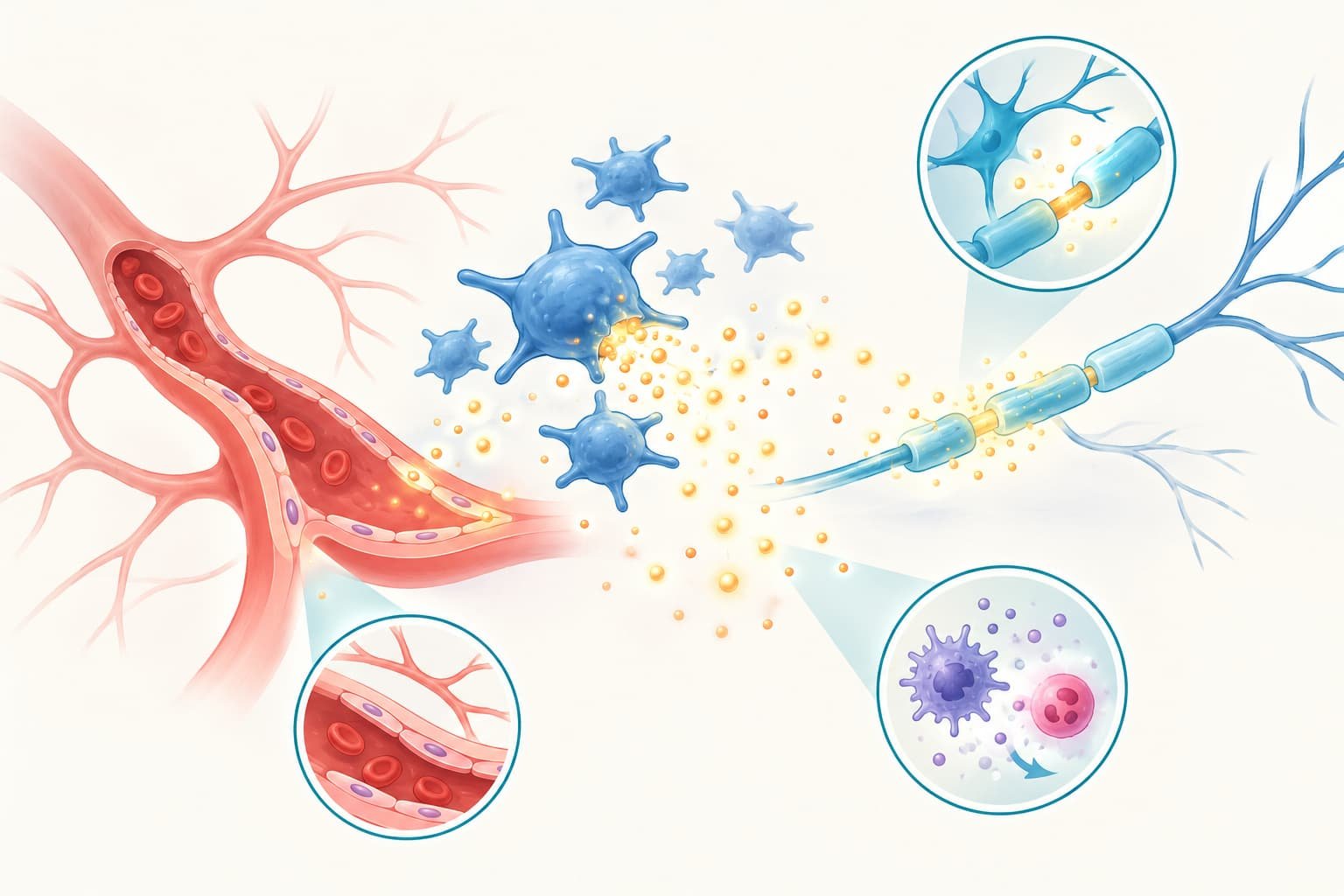
    Diagram of platelets releasing growth factors near penile blood vessels and nerves
    Researchers propose that platelet growth factors support blood vessels, nerves and tissue repair. Human evidence remains mixed.

    Laboratory and animal studies suggest platelet growth factors influence tissue repair. Researchers propose three main effects.

    Blood Vessel Support

    Growth factors such as vascular endothelial growth factor may encourage new capillary formation. Improved blood supply could, in theory, support erectile rigidity.

    Nerve and Tissue Repair

    Pelvic surgery and diabetes can damage penile nerves and reduce sensation. Researchers hypothesise that growth factors may support nerve recovery. Human data remain sparse.

    Reduced Inflammation

    PRP may also dampen local inflammation. This idea drives interest in Peyronie’s disease and lichen sclerosus. Clinical proof remains absent for both conditions.

    Each proposed mechanism remains a hypothesis in men rather than a proven pathway.

    What the Evidence Shows

    Published research on PRP for male sexual function has grown quickly since 2019. Quality and consistency vary, and many studies enrolled small groups. The sections below separate what trials measured from what advertising claims.

    Erectile Function

    Most trials measure erectile function with the International Index of Erectile Function (IIEF). A 2021 randomised, placebo-controlled trial in the Journal of Sexual Medicine reported improved IIEF scores after PRP injections. Later pooled analyses reached different conclusions.

    Mao and colleagues pooled four randomised trials with 413 patients in The Aging Male in 2024. PRP outperformed placebo on IIEF scores at one, three and six months. A separate 2024 review of three trials covered 221 men with mild to moderate erectile dysfunction. That review found short-term improvement for up to six months and recorded no major adverse events.

    Not every analysis agrees. A more recent systematic review pooled seven randomised trials with 512 participants. It concluded that current evidence does not support a consistent, clinically meaningful gain from PRP alone compared with placebo. A further review of seven trials covered about 480 patients. It found no significant difference at one, three or six months.

    Differences in protocol explain part of the conflict. Trials used PRP volumes between 5 and 10 mL across two to four sessions. Platelet concentration, patient age and baseline severity also differed. Placebo arms in erectile function trials often show improvement as well, which complicates interpretation.

    Official guidance remains cautious. NICE Clinical Knowledge Summaries on erectile dysfunction centre on lifestyle change, underlying causes, PDE5 inhibitors and psychological support. As far as published guidance shows, NICE does not list PRP among recommended options. European Association of Urology guidance treats intracavernosal PRP as investigational. Cleveland Clinic’s page, last updated in April 2024, states that trials had not shown improved erections.

    Realistic Outcomes

    A realistic outcome means a modest change in erectile function scores, not a return to youthful function. Reviews that found benefit reported mean IIEF gains of roughly two to three points. Such a change can matter to some men. It falls well short of a cure.

    Sensitivity, Sexual Confidence and Satisfaction

    Few trials treat penile sensitivity as a primary outcome. Cleveland Clinic reports no scientific evidence that the injection improves sensation or ejaculatory control. Claims in this area therefore rest mainly on clinic reports and small observational studies.

    Sexual confidence depends on more than tissue health. Performance anxiety, relationship factors, mood and sleep all contribute. The NHS lists talking therapies among treatments for psychological causes of erectile dysfunction. A tissue injection cannot replace assessment of those factors.

    Penile Enhancement and Size Claims

    Some marketing links the P Shot with increased length or girth. No credible clinical evidence supports that claim. Cleveland Clinic states the same. UK advertising rules require health claims to hold up to evidence. Men seeking size change should treat such promises with scepticism.

    Who May Be Suitable for the P Shot

    Possible Candidates

    Suitability for P Shot for Men depends on diagnosis, medical history and realistic goals. Trials mostly enrolled men with mild to moderate erectile dysfunction of vascular origin. Doctors may consider the treatment for men who cannot take PDE5 inhibitors such as sildenafil or tadalafil. Others may wish to explore regenerative options after tablets failed.

    A man should first complete a full assessment for erectile dysfunction. The NHS notes that erectile dysfunction can signal heart disease or diabetes. A GP review of blood pressure, cholesterol, blood glucose and medication therefore comes first.

    Evidence for Peyronie’s disease, lichen sclerosus, ejaculatory problems and low libido remains minimal. Clinicians should describe use in those conditions as exploratory.

    Who Should Avoid or Delay Treatment

    • Bleeding disorders or low platelet counts may require additional medical assessment before treatment.
    • Patients taking anticoagulant medication should have their treatment reviewed by a qualified clinician beforehand.
    • Those currently receiving treatment for pelvic cancer may not be suitable candidates.
    • Uncontrolled diabetes or untreated cardiovascular disease should be medically managed before considering treatment

    Doctors should explain why a man falls outside suitability criteria. A clinician who declines treatment on safety grounds acts correctly.

    What to Expect: Procedure, Recovery and Timeline

    Consultation and Assessment

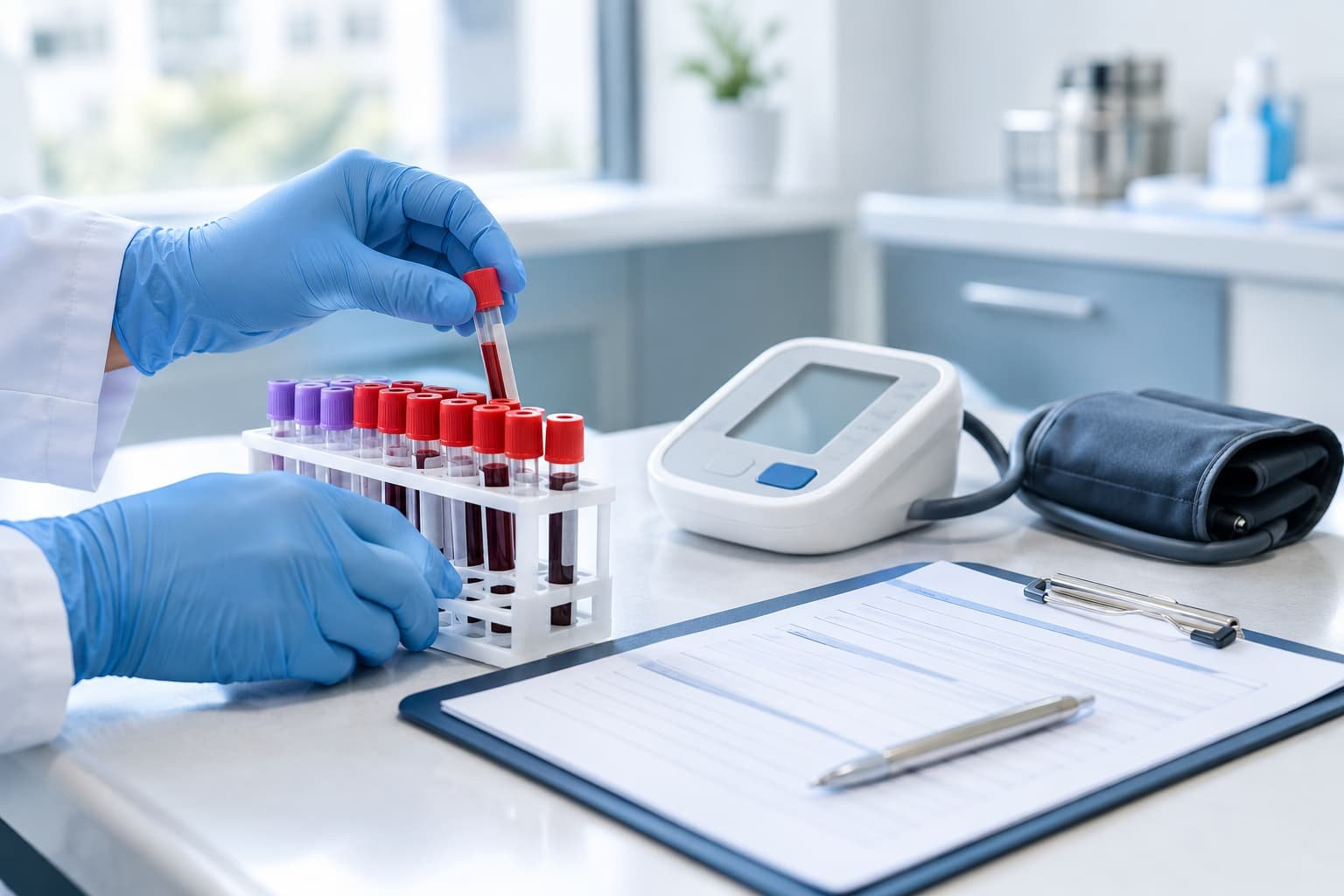
    Blood test tubes and blood pressure monitor used in a pre-treatment health assessment
    Blood pressure and blood tests for testosterone, HbA1c and lipids help clinicians assess cardiovascular and hormonal health first.

    A responsible consultation covers medical history, medication, cardiovascular risk and sexual history. The clinician may record a baseline IIEF score. Blood tests for testosterone, HbA1c and lipids often add useful information. The doctor should explain the evidence, the alternatives and the uncertainty before seeking written consent.

    The Procedure

    Cleveland Clinic reports that the procedure usually takes under 30 minutes. Clinics often allow longer for preparation. The steps follow a consistent order:

    • First, a small blood sample is collected from a vein in the arm.
    • The sample then undergoes centrifugation to concentrate the platelets.
    • Before the procedure, numbing cream or a local anaesthetic injection may be used to improve comfort.
    • Finally, the concentrated PRP is injected into several selected areas of the penis.

    Patients usually report pressure or discomfort rather than sharp pain. Discomfort can rise as the anaesthetic wears off.

    Recovery and Timeline

    Most men return to normal activity soon after treatment. Clinics commonly advise a short break from sexual activity, often several days. Mild swelling and bruising usually settle within days.

    Clinics often describe gradual change over weeks to months, but trials give a narrower picture. Studies measured outcomes at one, three and six months. Evidence on benefit beyond six months remains thin. No agreed schedule exists for repeat sessions. Some clinics suggest yearly treatment, and others suggest more frequent sessions.

    Cleveland Clinic advises continued treatment only when a man perceives benefit and holds realistic expectations. Men should seek urgent review after signs of infection, worsening pain or numbness lasting several hours.

    Risks and Limitations

    Known Risks

    P Shot for Men carries a low procedural risk, but low risk does not prove benefit. Autologous PRP carries a low chance of allergic reaction because the sample comes from the patient. Cleveland Clinic lists bruising, discolouration, swelling and infection as minor risks. Rarer events include haematoma, injury to local tissue, fainting during the blood draw and reaction to local anaesthetic. Long-term safety data remain limited.

    Some clinics combine PRP with other injectables or devices. Add-ons carry separate risks and weaker evidence. Patients should ask for each component by name.

    Limitations of Current Evidence

    • Most available studies are small, with relatively short follow-up periods.
    • PRP protocols also vary, including differences in preparation methods, injection volume and number of sessions.
    • Meta-analyses have produced conflicting pooled results, making the overall evidence difficult to interpret.
    • Important patient-centred outcomes remain under-researched, particularly sensitivity, satisfaction and changes in penile size.
    • Long-term evidence is still limited, with few data available beyond approximately six months.

    These limits mean no clinician can promise a result. Some men may gain meaningful improvement, and others may notice nothing.

    Established Alternatives to the P Shot

    Several treatments carry stronger evidence. NHS and NICE sources describe these options:

    • Making lifestyle changes can include regular exercise, weight management, stopping smoking and reducing alcohol intake.
    • For some men, PDE5 inhibitors such as sildenafil and tadalafil may be prescribed.
    • Vacuum erection devices provide a non-surgical option that can help support an erection.
    • Another treatment option is alprostadil, which may be administered by injection or as a urethral pellet.
    • Psychosexual therapy and counselling can be helpful when psychological or relationship factors contribute to erectile difficulties.
    • In selected cases, penile implant surgery may be considered when other treatment options have not provided satisfactory results.

    Low-intensity shockwave therapy has separate trial evidence. One meta-analysis found shockwave therapy improved IIEF scores at three months, whereas PRP reached significance at six months. The authors judged the evidence for both treatments limited.

    Priapus Shot Price in the UK

    The NHS does not fund the P Shot, so patients pay privately. Clinic location, PRP system, anaesthesia and follow-up care all influence the Priapus Shot Price. Published UK fees commonly fall between about £800 and £1,500 per session.

    The total cost of P Shot for Men also depends on how many sessions a clinic recommends. Private medical insurers rarely cover experimental procedures. Patients should request a written quote before booking. The quote should state the number of sessions, the follow-up appointments and any add-on treatments. A low headline fee can hide extra charges, so itemised pricing matters.

    Choosing a Clinic for P Shot Treatment in London

    Interest in P Shot London services has grown, and standards vary. Men comparing P Shot treatment London options can apply several checks:

    Check that the treating doctor is GMC-registered by verifying their details on the public register.

    The clinic should also hold appropriate CQC registration, which can be confirmed through the CQC website.

    Ideally, a qualified doctor should perform the injection and be able to manage any complications that may arise.

    Before treatment, patients should receive written consent information covering the available evidence, potential risks and alternative options.

    Details of the PRP system and proposed number of sessions should be clearly disclosed before treatment begins.

    A reputable provider should not guarantee results or promise penile size gains, as outcomes can vary between patients.

    Men searching for Priapus Shot London providers should also ask about complication handling and follow-up access. Those considering P Shot UK options outside the capital should apply the same checks. Clinics marketing sexual rejuvenation London packages should itemise each component. A sound approach to P Shot for male sexual health begins with diagnosis, not with a product.

    The Marylebone clinic pshots clinic uk operates under the medical direction of Dr Syed Nadeem Abbas. Qualifications include MBBS, MRCS (RCS Edinburgh) and MRCGP. An MSc in Aesthetic Plastic Surgery with Distinction from Queen Mary University of London adds to that record. The doctor trained at Cambridge, Oxford and the Royal London Hospital.

    Frequently Asked Questions

    Does the NHS offer the P Shot?

    No. The NHS does not provide PRP injections for erectile dysfunction. NHS services offer lifestyle advice, PDE5 inhibitors, vacuum devices, talking therapy and other established options.

    Is P Shot for Men safe?

    Procedural risks are low. Bruising, swelling and infection are the main concerns. Long-term data remain limited, and benefit remains unproven for many uses.

    Does the P Shot increase penis size?

    No reliable evidence supports size increase. Cleveland Clinic states that the claim lacks scientific support.

    How long do results last?

    Trials followed patients for up to six months. Evidence beyond that point remains limited. Claims of results lasting 12 months or longer lack robust trial support.

    Can the P Shot replace tablets such as sildenafil or tadalafil?

    Current evidence does not support replacement. PDE5 inhibitors have far stronger trial evidence. Men should not stop prescribed medication without medical advice.

    Should a GP assess erectile dysfunction first?

    Yes. Erectile dysfunction can signal cardiovascular disease, diabetes or hormonal disorders. A GP assessment screens for those conditions before any private procedure.

    Key Takeaways

    P Shot for Men occupies an uncertain place in modern sexual medicine. Some randomised trials and meta-analyses report short-term gains in erectile function scores. Other pooled analyses find no consistent benefit. Claims about sensitivity and size lack support.

    Informed decision-making begins with diagnosis, not with a procedure. A man should complete a GP or urology assessment, review proven treatments and understand the experimental status of PRP. Costs, risks and limits deserve equal weight alongside hopes. A qualified, regulated doctor should answer every question plainly and promise nothing.

    Sexual health improves most reliably when physical, psychological and relationship factors receive attention together. If evidence remains unsettled, how much uncertainty should a man accept for a result nobody can guarantee?

    Read more:

    P Shot in London: Complete Guide to Treatment, Suitability, Results, Risks and Costs

    What Is the P-Shot Success Rate? What the Research Really Shows

    P shot Treatment London

    Dr Syed Nadeem Abbas, MBBS, MRCSEd, MSc Aesthetic Plastic Surgery (Distinction) Medical Director, Pshot Clinic | CQC Regulated | Monday to Saturday 10:00–18:00 +44 7955 836986

  • How Many P Shot Sessions Are Usually Needed? A Guide to Treatment Planning

    How Many P Shot Sessions Are Usually Needed? A Guide to Treatment Planning

    ✅Medically reviewed | Updated October 2026

    No two men respond to a P shot in exactly the same way. Some patients expect one appointment to settle the matter. Others expect a course of three. Neither expectation rests on firm evidence, and that gap fuels confusion across the sector.

    The question of how many P shot sessions a man needs dominates most first consultations. Clinics give different answers. One practice advertises a single visit. Another recommends a series with fixed intervals. Patients then compare numbers without understanding the reasoning behind each figure.

    This guide examines the logic of P shot treatment planning. It reviews the published research, the clinical factors that shape a schedule, and the limits of current knowledge. Readers gain a practical tool for judging a proposed plan, rather than accepting a number at face value.

    The P shot, also named the Priapus shot, uses platelet-rich plasma (PRP) taken from the patient’s own blood. No national standard protocol exists for it in the UK. That single fact explains why session numbers differ so widely between clinics.

    Readers also need clarity on cost, timing, and realistic outcomes. Each section below separates established facts from unproven claims. Recognised UK sources and peer-reviewed studies support the key points.

    What Is the P Shot and How Does It Work?

    The PRP Process

    Sterile PRP tube, syringe and centrifuge prepared for a P shot treatment
    Platelet-rich plasma comes from the patient’s own blood sample.

    A clinician draws a small blood sample, usually from the arm. Next, a centrifuge separates the platelets from the other blood components. The resulting plasma holds a higher platelet concentration than normal blood. Injection into penile tissue follows, often after a topical anaesthetic.

    Platelets release growth factors. Laboratory studies suggest these factors may support blood vessel growth and tissue repair. Human evidence for this mechanism remains incomplete. A 2023 systematic review in Sexual Medicine Reviews noted that the mechanism in erectile tissue stays undetermined.

    Where P Shot Treatment Sits in UK Care

    The NHS lists tablets, vacuum devices, and psychosexual therapy among established treatments for erectile dysfunction. NICE Clinical Knowledge Summaries follow a stepwise approach, starting with lifestyle review and medication. Neither source currently lists PRP injection among routine first-line options.

    Erectile dysfunction can signal diabetes, cardiovascular disease, or hormonal problems. The NHS advises a GP assessment for persistent symptoms. A sound P shot treatment plan always begins with a medical assessment of the underlying cause.

    How Many P Shot Sessions Do Most Men Need?

    No agreed answer exists. Published protocols and clinic schedules vary considerably. A 2023 narrative review of four randomised trials found major differences in PRP collection, dosing, and follow-up. That variation makes direct comparison between studies difficult.

    What the Research Shows

    Several systematic reviews now summarise the trial data. Three findings stand out.

    • A 2024 meta-analysis in Archivio Italiano di Urologia e Andrologia pooled three randomised trials. The trials enrolled 221 men with mild to moderate erectile dysfunction. Erectile function improved in the short term, for up to six months. No major adverse events appeared in either group.
    • A 2025 meta-analysis in The Aging Male analysed seven randomised trials with 660 patients. The authors graded the overall evidence as low to moderate quality.
    • A further meta-analysis of vasculogenic erectile dysfunction reported a 3.28-point average gain on validated function scores. The comparison group received placebo.

    Research cannot yet answer how many P shot sessions deliver the best balance of benefit and risk. These results support cautious interest, not certainty. Current reviews do not identify an optimal number of sessions. Trials tested PRP against placebo and did not compare one session directly with several.

    Common Clinical Approaches

    Clinic literature usually describes one of three patterns. Each pattern reflects clinical judgement rather than proven superiority.

    Single-Session Approach

    Some clinicians offer one session for mild concerns. Review follows at roughly six to twelve weeks. The clinician adds a session only if measured progress stalls.

    Short-Course Approach

    Other clinicians propose two or three Priapus Shot sessions spaced several weeks apart. This pattern appears more often with moderate erectile dysfunction. The reasoning is cumulative benefit. Direct trial proof of that benefit remains lacking.

    Maintenance Approach

    A few men return for one repeat session after six to twelve months. Trials report benefit for up to six months. Data beyond that point stay scarce. An annual repeat therefore rests on clinical judgement, not trial evidence.

    Factors That Shape a P Shot Treatment Plan

    Several patient-specific factors change how many P shot sessions suit an individual. A responsible clinician weighs each factor before proposing a schedule.

    Underlying Cause

    Vascular, diabetic, hormonal, neurological, and psychological causes all produce erectile problems. Trial evidence focuses mainly on vascular causes. Psychological erectile dysfunction responds better to psychosexual therapy. Extra injections add nothing in that setting.

    Severity and Duration

    Mild, recent symptoms usually carry a better outlook than severe, long-standing symptoms. Most trials enrolled men with mild to moderate disease. Evidence for severe erectile dysfunction remains thin. Realistic planning reflects that gap.

    Age and General Health

    Diabetes, smoking, high blood pressure, and raised cholesterol damage blood vessels. Damaged vessels may limit tissue response. Evidence that age alone changes the number of sessions stays limited. Overall vascular health appears more relevant.

    Medication and Lifestyle

    Anticoagulant and antiplatelet drugs affect bleeding risk and require clinical review. Many men also take PDE5 inhibitors. The clinician decides whether the patient continues PDE5 inhibitors during treatment. Stopping smoking, exercising, and managing weight support any treatment plan.

    Treatment Goals

    Erectile function holds the strongest evidence base. Goals such as sensitivity or Peyronie’s disease have weaker support. Claims of permanent enlargement lack support from controlled trials. Clear goals help the clinician choose measurable targets.

    How a P Shot Treatment Plan Takes Shape

    Initial Assessment

    The assessment covers medical history, medication, and current symptoms. A validated questionnaire such as the IIEF-5 records a baseline score. NICE Clinical Knowledge Summaries advise assessing cardiovascular risk and considering blood tests, including glucose and testosterone. These steps establish whether PRP suits the patient at all.

    One Appointment in Detail

    A typical appointment lasts under an hour. The clinician applies anaesthetic, collects blood, and prepares the plasma. Injections follow at several points in penile tissue. The number of injection points differs between clinics. A higher number of injections does not prove a better result.

    Measuring Progress

    Objective measures keep the plan honest. The IIEF-5 questionnaire scores erectile function out of 25. Another tool, the Erection Hardness Score, grades rigidity on a four-point scale. Repeating both measures at each review shows real change. Memory and mood alone distort recollection of results. A written record also helps the patient and the clinician agree when to stop.

    Spacing and Review Points

    Timeline graphic showing baseline, six-week and twelve-week review points in a P shot treatment plan
    Fixed review points help decide whether a repeat session is needed.

    Spacing interacts directly with the total session count. No evidence-based interval exists for repeat sessions. Clinics schedule repeat sessions from several weeks to several months apart. Many clinics review progress at six and twelve weeks. A fixed review date protects patients from open-ended treatment. The review compares new scores against the baseline.

    Combining P Shot Treatment with Other Therapies

    Some clinics pair PRP with low-intensity shockwave therapy. The 2025 meta-analysis noted that PRP showed promise, particularly alongside shockwave therapy. Evidence quality stayed low to moderate. Combined protocols also complicate session counts, because two therapies act at once. Lifestyle change and standard medication still form the foundation. Any combined plan needs separate review of each component.

    P Shot Repeat Treatment: When Does It Make Sense?

    A P shot repeat treatment makes clinical sense in specific situations. Measured improvement after the first session supports a second. Fading benefit after several months may justify a repeat. Controlled risk factors improve the odds of lasting benefit.

    Repeat treatment makes little sense in other situations. No measurable change after a fair review period suggests a different cause. Newly discovered conditions, such as untreated diabetes, need attention first. Psychological causes need a different approach.

    A second session should follow measured progress, not a calendar. Each repeat adds cost and small procedural risks. The decision belongs to the patient after a clear discussion of expected gain.

    Priapus Shot Price and Session Numbers

    Cost often shapes decisions as strongly as evidence. The NHS does not routinely fund PRP for erectile dysfunction, so patients pay privately. Published UK prices range from several hundred pounds to above £1,000 per session. Clinic, equipment, and add-ons explain most of the gap.

    The headline Priapus shot price rarely tells the full story. Patients should confirm what the fee covers:

    • consultation and baseline assessment
    • PRP preparation and anaesthetic
    • follow-up reviews at six and twelve weeks
    • any extra therapy, such as shockwave

    Multiple sessions multiply the total. Package pricing may lower the cost per session. It also commits the patient before progress is known. Paying per session keeps the decision flexible.

    P Shot Before and After: Realistic Outcomes

    A P shot before and after photograph measures appearance. Erectile function is a measure of performance. Photographs therefore reveal little about success. Validated tools give better evidence. The IIEF-5 score and the Erection Hardness Score track change over time.

    Trial improvements were modest and short-term. Benefit lasted up to six months in the reviewed studies. Men with mild to moderate vascular erectile dysfunction have the strongest evidence. PRP does not cure underlying vascular disease, and no clinic can guarantee a result.

    Realistic outcomes also depend on baseline function. Some men gain a small improvement. Others notice no change. Honest clinics explain this range before the first injection.

    Safety, Limitations, and Who Should Avoid Treatment

    Safety data look reassuring so far. The 2024 meta-analysis reported no major adverse events across its three trials. Because the plasma comes from the patient, allergic reaction risk stays low. Minor effects include bruising, swelling, and temporary discomfort. Infection and bleeding remain rare but possible.

    Some patients need extra caution or an alternative plan:

    • men with active infection in the treatment area
    • patients with blood or platelet disorders
    • men taking anticoagulant medication without specialist review
    • patients with active cancer in the pelvic region

    Important limitations remain. Trials were small and short. Protocols differed. Long-term safety data stay limited. The NHS and NICE do not yet position PRP as a standard treatment. These facts belong in every consent discussion.

    P Shot London and P Shot UK: Choosing a Provider

    Anyone considering P shot London or P shot UK providers should check regulation first. The Care Quality Commission regulates independent clinics in England. Doctors’ registration and specialist status appear on the General Medical Council register.

    Dr Syed Nadeem Abbas leads Pshots clinic UK, a Harley Street practice. His qualifications include MBBS, MRCS Ed, MRCGP, and an MSc in Aesthetic Plastic Surgery. The practice assesses suitability before proposing any schedule.

    Patients can ask five questions before agreeing to a plan:

    • Which evidence supports the proposed number of sessions?
    • How does the clinic measure progress?
    • What follow-up does the fee include?
    • If no improvement appears, what happens next?
    • Which risks apply to this specific patient?

    Clear answers signal a transparent practice. Vague answers or pressure to prepay signal the opposite.

    A Practical Framework for Treatment Decisions

    Four steps turn the evidence into a workable plan.

    Step One: Confirm the Cause

    A GP or specialist should identify vascular, hormonal, or psychological contributors first.

    Step Two: Record a Baseline

    Validated scores taken before treatment give every later review a fixed reference point.

    Step Three: Agree Review Dates

    Review dates and stopping rules should appear in writing before the first injection.

    Step Four: Decide on Repeat Treatment

    Measured results, not marketing schedules, should settle how many P shot sessions follow.

    Frequently Asked Questions

    How many P shot sessions suit mild erectile dysfunction?

    Many clinics start with one session and review at six to twelve weeks. Evidence cannot confirm an ideal number. The clinician adds a session only when measured progress justifies it.

    How many P shot sessions do men with severe erectile dysfunction need?

    No evidence defines a number for severe disease. Most trials excluded or under-represented this group. A specialist assessment should come before any decision, and established treatments often take priority.

    How long do P-shot results last?

    Trials report improvement for up to six months. Longer data remain limited. Individual results vary with age, cause, and vascular health.

    How far apart should Priapus shot sessions be?

    No evidence-based interval exists. Clinics typically space sessions several weeks to several months apart. Review results, not a fixed script, should guide spacing.

    Does the NHS offer the P shot?

    The NHS does not routinely offer PRP injections for erectile dysfunction. NHS services offer established treatments, such as tablets and vacuum devices. A GP can explain these options.

    Can a P shot repeat treatment cause harm?

    Each procedure carries small risks, including bruising and infection. Repeat sessions repeat those risks. Long-term safety data remain limited, so repeat treatment needs a clear clinical reason.

    What does a P shot treatment plan cost?

    UK prices vary widely. Patients should compare what each fee covers, including follow-up reviews and any added therapies.

    Key Takeaways

    The honest answer to how many P shot sessions are needed is that no fixed number exists. Evidence supports cautious interest in PRP for mild to moderate vascular erectile dysfunction. Trials show short-term gains and few serious adverse events. No trial proves an ideal schedule.

    An informed decision rests on four pillars: a proper diagnosis, measurable goals, a defined review point, and transparent pricing. A plan that includes all four protects patients from both disappointment and overspending. Skipping any pillar deserves further questions.

    Patients should also remember established options. NHS and NICE guidance supports tablets, devices, and psychosexual therapy as first steps. PRP remains an additional option, not a replacement.

    If no clinic can prove an ideal number of sessions, which evidence should guide the final decision?

    Read more: How Do Doctors Measure P-Shot Success? Erections, Sensitivity and Other Outcomes

    How Long Does It Take to See P-Shot Results? A Week-by-Week Guide

    P Shot Treatment London

    Dr Syed Nadeem Abbas, MBBS, MRCSEd, MSc Aesthetic Plastic Surgery (Distinction) Medical Director, Pshot Clinic | CQC Regulated | Monday to Saturday 10:00–18:00 +44 7955 836986 
  • P Shot in London: Complete Guide to Treatment, Suitability, Results, Risks and Costs

    P Shot in London: Complete Guide to Treatment, Suitability, Results, Risks and Costs

    ✅Medically reviewed | Updated October 2026

    Few men’s health treatments attract as much curiosity, and as much confusion, as the P shot. Online pages mix clinical language with bold claims. Many promise outcomes that current research cannot confirm. Demand for P Shot London appointments keeps rising, yet reliable guidance remains scarce.

    Erectile dysfunction affects a large share of men. The NHS describes the condition as common and links it to both physical and psychological causes. Tablets help many men, but not all. Some men experience side effects, while others see little benefit. That gap explains the growing interest in regenerative options such as platelet-rich plasma.

    This guide separates evidence from assumption. The sections below explain how the treatment works and who may qualify. Risks, costs, and the limits of current knowledge follow. Every claim rests on published research or recognised UK health sources.

    Clinicians also call the P shot the Priapus shot. Some websites use the labels penis shot or p injection. All three terms describe one procedure: an injection of platelet-rich plasma into penile tissue. The NHS does not offer it for erectile dysfunction. Private clinics provide it instead, and professional standards apply to those clinics.

    An informed decision starts with realistic expectations. Plain language below covers the science, the process, the evidence, and the price.

    What Is the P Shot?

    The P shot is a regenerative injection treatment. A clinician draws a small blood sample and spins it in a centrifuge. The process concentrates platelets into platelet-rich plasma, or PRP. Next, the clinician injects the PRP into penile tissue.

    A US physician popularised the P-Shot name. UK clinics now use the term widely, including variants such as Pshot and P shot treatment. The technique itself has older roots. Orthopaedic and sports medicine services have used PRP for joint and tendon problems for years.

    Why Interest Keeps Growing

    Several factors drive attention. Men now discuss sexual health more openly. Tablets do not suit everyone, and some men prefer treatments based on natural biological processes. Social media and clinic websites also amplify interest, sometimes without scientific support. Popularity does not equal proof of effectiveness.

    How PRP May Work

    Platelets store growth factors, including vascular endothelial growth factor and platelet-derived growth factor. Laboratory studies show these proteins support new blood vessel formation and nerve repair. Researchers therefore propose that PRP may improve blood flow in penile tissue. This mechanism remains a hypothesis, not a proven fact in human erectile tissue.

    What the P Shot Does Not Do

    The P shot does not replace surgery for structural problems. It carries no UK licence as a medicine for erectile dysfunction. Clinicians cannot promise permanent change. Underlying heart disease, diabetes, and hormonal conditions also remain untreated by the injection.

    Who May Be Suitable for P Shot London Treatment?

    Conditions Clinicians Discuss

    Erectile dysfunction means persistent difficulty achieving or keeping an erection. Clinicians most often consider PRP for mild to moderate cases. Men who respond poorly to tablets, or who suffer side effects, often seek alternatives. Some clinics also discuss PRP for Peyronie’s disease, although evidence there remains thin.

    Who Should Avoid the Treatment

    Clinicians usually advise against PRP in several situations:

    • Active infection of the skin or genital area
    • Low platelet counts or other blood disorders
    • Current or recent cancer treatment, without specialist agreement
    • Anticoagulant therapy without a medication review
    • Uncontrolled diabetes or high blood pressure
    • Unrealistic expectations about outcomes

    Why Assessment Comes First

    Erectile dysfunction often signals other conditions. The NHS advises a GP visit, because the problem can reflect heart disease, diabetes, or high blood pressure. NICE Clinical Knowledge Summaries describe a similar stepwise assessment. A P shot should never delay assessment of these conditions.

    A responsible clinician checks blood pressure, blood glucose, cholesterol, and testosterone before offering any injection. Lifestyle factors matter too. Smoking, heavy alcohol use, inactivity, and excess weight all impair erectile function. The NHS lists these among the first areas to address.

    How the P Shot London Procedure Works

    A standard P shot treatment takes under an hour in most clinics. The process follows four stages.

    Preparing for the Appointment

    Preparation is simple. Clinics often advise good hydration and a normal meal beforehand. The clinician asks for a list of current medicines. Anti-inflammatory tablets such as ibuprofen may affect platelet function, so clinics often advise a pause. Patients should follow the written instructions and raise medication questions early.

    Four-step diagram of a P shot appointment from consultation to injection
    A standard P shot appointment follows four stages and takes under an hour in most clinics.

    The Four Stages of the Appointment

    Consultation and Consent

    The clinician reviews medical history, medication, and symptoms. An examination follows. The clinician then explains benefits, limits, and risks, and records written consent.

    Blood Collection and PRP Preparation

    A nurse or doctor draws a small blood sample, often 10 to 20 millilitres. The sample spins in a centrifuge for several minutes. Afterwards, the clinician extracts the concentrated plasma.

    Numbing and Injection

    Topical anaesthetic cream numbs the skin. Some clinics add a local anaesthetic. The clinician then injects PRP into erectile tissue with a fine needle. Discomfort varies between men.

    Aftercare

    Clinics usually advise a short rest from sexual activity, often 24 to 48 hours. Mild swelling and bruising may appear. Normal daily activity typically resumes the same day.

    What Does the Evidence Say About P Shot Results?

    Findings From Clinical Studies

    Research on PRP for erectile dysfunction has grown in recent years. A 2021 double-blind trial by Poulios and colleagues, published in the Journal of Sexual Medicine, enrolled 60 men. Men who received PRP reported higher erectile function scores than men who received saline. The trial used the International Index of Erectile Function (IIEF), a validated questionnaire. Early trials like this one show promise, but the studies remain small and short.

    Systematic reviews reach a consistent conclusion. Most trials involve small groups and follow men for only weeks or months. Protocols differ in PRP preparation, dose, and injection schedule. Reviewers generally describe the certainty of evidence as low. At the time of writing, NICE has not published guidance recommending PRP for erectile dysfunction.

    The Placebo Effect in Erectile Function

    Erectile function responds strongly to expectation and anxiety. Placebo groups in erectile dysfunction trials often improve. Randomised, placebo-controlled designs therefore matter. Uncontrolled clinic reports tend to overstate benefit.

    Typical Timeline Reported

    Clinics describe gradual change over four to twelve weeks. Trials usually assess outcomes between one and six months after injection. Some clinics quote benefits lasting 12 to 18 months. No robust trial currently confirms benefits at that length. Maintenance sessions remain a matter of clinic protocol, not proven necessity.

    P Shot Before and After: How to Read the Images

    P shot before and after galleries attract many readers. Photographs carry clear limits, though. Lighting, room temperature, arousal level, and camera angle all alter appearance. Images also show nothing about firmness, stamina, or satisfaction.

    Validated questionnaires such as the IIEF give stronger evidence than photographs. Patients reviewing P-shot before and after material should check for consent, consistent conditions, and dated records. The Advertising Standards Authority also requires marketing claims to carry evidence.

    Does the P Shot Cause Penile Growth?

    Some clinics describe improved girth after PRP. No high-quality trial shows lasting enlargement. Claims about penile injection growth therefore need caution.

    Searches for male enlargement injections cost UK often mix PRP with filler procedures. The two differ. PRP aims to support tissue function. Filler adds volume and carries separate risks, including lumps, infection, and uneven shape.

    Risks and Side Effects of the P Shot

    Common Short-Term Effects

    Minor effects follow many injections. These include:

    • Bruising or small bleeding at the injection site
    • Swelling and tenderness
    • Temporary numbness or altered sensation

    These effects usually settle within days.

    Less Common and Theoretical Risks

    Infection remains the main procedural risk. Poor hygiene or equipment errors raise that risk. Injury to nerves or blood vessels may cause altered sensation or lasting bruising. Scarring and penile curvature remain theoretical concerns, because large safety studies do not exist.

    PRP comes from the patient’s own blood, so allergic reactions appear rare. Any new lump, curvature, fever, or severe pain needs urgent medical review.

    UK Regulation and Oversight

    No UK regulator licenses PRP specifically for erectile dysfunction. Clinics therefore offer it outside licensed indications. Private clinics in England must register with the Care Quality Commission when providing regulated activities. Patients can verify a doctor’s registration on the General Medical Council online register. A registration check takes minutes and forms the first safety step.

    P Shot Compared With Standard Treatments

    Doctor reviewing clinical evidence comparing P shot with standard erectile dysfunction treatments
    Established NHS treatments carry stronger evidence than PRP at present.

    NHS guidance places lifestyle change first, then tablets called PDE5 inhibitors, such as sildenafil. NICE Clinical Knowledge Summaries follow a similar pathway. The table below sets the P shot beside established options.

    TreatmentEvidence baseNHS availability
    Lifestyle change and risk-factor controlStrongYes
    PDE5 inhibitor tabletsStrongYes
    Vacuum erection devicesEstablishedVaries by area
    Psychosexual therapyEstablished for psychological causesVaries by area
    P shot (PRP)Early and limitedNo

    Established options carry far stronger evidence than PRP. Clinicians therefore tend to discuss the P shot after standard options.

    P Shot UK Cost and Pricing

    Typical Price Range

    Priapus shot price varies widely across London. P Shot London fees currently range from about £900 to £2,400 per session. Many clinics list starting prices between £995 and £1,350. Quotes rise further when filler, shockwave therapy, or extra sessions enter the package. Clinics that bundle consultation, PRP preparation, and follow-up usually quote higher fees. Published prices change often, so patients should request a written quote.

    The NHS does not fund the treatment for erectile dysfunction. Insurers seldom cover it either. Patients therefore pay privately.

    What Affects the Price

    • Practitioner qualifications and experience
    • PRP preparation system and consumables
    • Number of sessions in the protocol
    • Follow-up care and complication management
    • Add-on treatments, such as shockwave therapy

    Questions Worth Asking Before Payment

    • Which doctor performs the injection?
    • Does the quote cover one session or a course?
    • Which PRP system does the clinic use, and does it carry a UKCA or CE mark?
    • What happens if a complication develops?
    • Does the clinic provide written consent and aftercare instructions?

    A low price signals little on its own, and a high price guarantees nothing. Value depends on qualifications, safety systems, and honest counselling.

    How to Choose a Clinic

    Several features mark a safe provider. A GMC-registered doctor leads the assessment. The clinic holds CQC registration where required. Written protocols describe PRP preparation and infection control. The consultation covers limits and alternatives, not only benefits. Patients comparing P Shot London providers should check each point.

    Several warning signs deserve attention:

    • Guaranteed or permanent results
    • Pressure to pay on the day
    • No named, registered doctor
    • No written consent or aftercare plan

    One example of a doctor-led structure is Pshots Clinic UK, a private clinic on Harley Street in Marylebone. Dr Syed Nadeem Abbas leads the clinic. The lead doctor holds MBBS, MRCS (RCS Edinburgh), and MRCGP qualifications. An MSc in Aesthetic Plastic Surgery from Queen Mary University of London, awarded with Distinction, adds further training. Clinical training took place at Cambridge, Oxford, and the Royal London Hospital.

    Realistic Outcomes and Limitations

    Realistic expectations protect patients from disappointment and overspending. Current evidence supports several cautious statements.

    • Response varies, and some men notice no change.
    • Benefits may fade, and no trial defines a standard repeat schedule.
    • Severe vascular or nerve damage may limit response.
    • Standard treatments still outperform PRP on proven evidence.
    • Cosmetic size changes lack reliable support.

    Honest clinicians describe the P shot as promising but unproven. P Shot London results therefore differ between men. Any clinic that promises certainty deserves scepticism.

    Lifestyle Measures That Support Any Treatment

    Lifestyle change improves erectile function in many men and carries no procedural risk. The NHS recommends regular exercise, a healthy weight, less alcohol, and stopping smoking. Better sleep and stress management also help. These measures work alongside any medical treatment, including PRP. Clinics that skip lifestyle advice miss a core part of care.

    Frequently Asked Questions About P Shot London

    Does the NHS offer the P shot?

    No. The NHS does not routinely offer PRP for erectile dysfunction. NHS services provide lifestyle advice, tablets, devices, and psychosexual therapy instead.

    How long does the P shot take to work?

    Clinics report gradual change over four to twelve weeks. Trials mostly measure outcomes within six months. Individual response varies.

    Does the treatment hurt?

    Numbing cream reduces pain. Discomfort during injection varies between men. Mild soreness may follow for a few days.

    How many sessions does a patient need?

    Protocols differ. Some trials use two injections spaced weeks apart. Others use one. No standard schedule exists.

    Is the P shot safe?

    Short-term effects are usually minor. Serious complications appear uncommon but remain poorly measured. Qualified clinicians and sterile technique reduce risk.

    Can PRP treat Peyronie’s disease?

    Evidence remains limited. Some clinics offer PRP for Peyronie’s disease, but trials are small. Specialist urological assessment should come first.

    Can patients combine the P shot with tablets?

    Clinicians often advise continuing prescribed tablets during assessment. Stopping medication without advice may worsen symptoms. Any combined plan needs medical agreement.

    Key Takeaways

    The P shot sits between promise and proof. Early trials suggest benefit for some men with erectile dysfunction. Larger, longer studies still need to confirm those findings. Meanwhile, standard NHS treatments carry stronger evidence and lower cost.

    Informed decisions follow a clear sequence. First, a GP or specialist assesses the causes of erectile dysfunction. Next, established options receive fair consideration. Finally, any P Shot London appointment should follow a thorough consultation, written consent, and a transparent price. Evidence, safety, and cost deserve equal weight.

    Reliable clinics explain limits as clearly as benefits. Patients who ask hard questions protect both health and money. If the research remains early, what level of uncertainty feels acceptable before committing to treatment?

     Read more:

    P-Shot Pain: Does the P-Shot Hurt? Numbing and Comfort Options

    What Is the P-Shot Success Rate? What the Research Really Shows

    P Shot Treatment London

    Dr Syed Nadeem Abbas, MBBS, MRCSEd, MSc Aesthetic Plastic Surgery (Distinction) Medical Director, Pshot Clinic | CQC Regulated | Monday to Saturday 10:00–18:00 +44 7955 836986
  • How Long Does It Take to See P-Shot Results? A Week-by-Week Guide

    How Long Does It Take to See P-Shot Results? A Week-by-Week Guide

    ✅Medically reviewed | Updated September 2026

    Few questions in men’s sexual health create more impatience than this one: when does the treatment start to work? The P shot uses platelet-rich plasma (PRP), and PRP works slowly. Biology sets the pace, not the calendar.

    Some men expect a change within hours. Others expect nothing for half a year. Neither expectation matches the published evidence. Realistic P-Shot results build across weeks and months, and the pattern varies from man to man.

    Uncertainty drives much of the anxiety after treatment. Early swelling can mislead. A quiet first month can mislead too. Both reactions stem from the same gap: clear timelines rarely reach patients.

    This guide follows a week-by-week structure. Each stage explains which tissue changes occur, which sensations are normal, and which signs need medical review. The guide draws on NHS information, NICE guidance, European Association of Urology (EAU) recommendations and peer-reviewed trials. It also flags where the evidence remains thin.

    One point deserves clarity from the start. PRP therapy for erectile dysfunction (ED) remains an emerging treatment, not a first-line NHS option. Small studies and clinical experience shape the timelines below. No universal schedule exists.

    What Is the P Shot and Why Does Timing Matter?

    How the Procedure Works

    The P shot is a form of PRP therapy. A clinician draws a small blood sample from the arm. Next, a centrifuge separates platelets from other blood components. After local anaesthetic, the clinician injects the concentrated plasma into penile tissue.

    Platelets release growth factors, including vascular endothelial growth factor (VEGF). Laboratory research links these factors with new blood vessel formation and tissue repair. Clinicians therefore describe P shot treatment as a regenerative approach. Human evidence for that mechanism remains limited.

    The mechanism explains the timeline. Tablets such as sildenafil act within an hour. PRP does not override a symptom. Instead, PRP prompts gradual biological repair, and repair takes time.

    Why Response Takes Weeks

    Diagram of a centrifuge separating platelet-rich plasma from a blood sample
    A centrifuge concentrates platelets before injection.

    Laboratory studies show platelets release most growth factors within days. Growth factors then signal nearby cells to divide, form new capillaries and lay down new tissue. Capillary formation takes weeks. Nerve and smooth muscle repair takes longer still.

    Early days therefore carry no diagnostic value for treatment success. Animal and laboratory models supply most mechanistic data. Human confirmation of these steps in penile tissue remains incomplete.

    Common Names for the Same Procedure

    Search terms vary widely. The procedure appears as the priapus shot, Pshot, penis shot and p injection. All four labels describe the same PRP injection. The name comes from Priapus, the Greek god associated with fertility. Clinical papers usually use the term PRP injection for erectile dysfunction.

    P-Shot Results Timeline at a Glance

    The table below summarises a typical pattern, not a guarantee. Individual response varies with age, vascular health and baseline erectile function.

    StageTypical experienceEvidence strength
    Day 0 to 2Swelling, tenderness, local numbnessClinical experience
    Days 3 to 7Swelling fades; bruising possibleClinical experience
    Weeks 2 to 4Early change in some men; none in othersLimited trial data
    Weeks 4 to 8Main window for reported improvementSmall randomised trials
    Weeks 8 to 12Common assessment point in trialsSmall randomised trials
    Months 3 to 6Effect stabilises or starts to fadeLimited follow-up
    Months 6 to 12Durability uncertainVery limited data

    Week-by-Week Guide to P-Shot Results

    Timelines below combine trial follow-up points with common clinical practice. Trials rarely track men week by week. Clinical experience fills the gaps, so evidence strength varies by stage.

    Day of Treatment and the First 48 Hours

    The appointment usually lasts under an hour. Blood collection, PRP preparation and injection make up the visit. Local anaesthetic reduces discomfort during injection.

    Immediate changes reflect the procedure itself. Fluid volume causes temporary fullness, and anaesthetic alters sensation. Neither effect counts as a treatment outcome. Both fade within hours to two days.

    Clinicians commonly advise avoiding sexual activity for 24 to 48 hours. Injection sites need time to settle. Mild tenderness and swelling fall within normal expectations.

    Days 3 to 7: The Settling Phase

    Swelling usually reduces by day three. Small bruises may appear at injection sites. NHS advice describes the usual bruise colour sequence, with most bruises clearing within about two weeks.

    Some men report reduced sensitivity for several days. This effect typically resolves within one to two weeks. Functional improvement rarely appears at this stage. Tissue repair has only begun.

    Infection is rare but possible after any injection. Fever, spreading redness, discharge or worsening pain need same-day medical review.

    Weeks 2 to 4: Early Signals

    Some men report change from about two weeks. Morning or spontaneous erections may feel firmer. Others notice nothing. Both patterns sit within normal variation.

    A lack of change at week four does not indicate treatment failure. Blood vessel remodelling proceeds slowly. New capillary formation, where it occurs, needs weeks to mature.

    A 2021 randomised trial in the Journal of Sexual Medicine reported improved erectile function scores at early follow-up. Small sample sizes limit certainty. Larger trials remain necessary.

    Weeks 4 to 8: The Main Response Window

    Reported improvement clusters in this window. P-Shot results at this stage may include firmer erections, longer duration and better responsiveness to natural stimulation. Individual timing still varies considerably.

    Many clinics schedule a second session in this period. Protocols differ widely. Trials have used between one and three injections, spaced weeks apart. No consensus defines the ideal number.

    Objective tracking helps at this stage. The International Index of Erectile Function (IIEF-5) questionnaire scores five items on a 25-point scale. Baseline and follow-up scores show change more reliably than memory.

    Weeks 8 to 12: The Assessment Point

    Three months serves as the standard assessment point in most trials. Tissue remodelling has had time to mature by then. Clinicians therefore judge treatment response at roughly twelve weeks.

    A fair review compares baseline and follow-up scores, not impressions. Men who report no change at twelve weeks should discuss next steps with the treating doctor. Several factors can blunt response, including unaddressed vascular disease, low testosterone, poorly controlled diabetes and medication effects. An honest review may also conclude that PRP offers no benefit for that individual.

    Months 3 to 6: The Plateau Phase

    Improvement, where present, tends to stabilise. Some men maintain gains. Others notice gradual fade. Follow-up data beyond six months remain limited in the literature. Photographs and self-reports at this stage add little without baseline scores.

    Months 6 to 12 and Beyond: Durability

    Clinics often quote 12 to 18 months of benefit. Published controlled data rarely extend that far. Honest counselling therefore describes durability as uncertain. Some clinicians offer repeat sessions. No trial has established an optimal maintenance schedule. Men should treat quoted durations as estimates, not promises.

    Why Published Timelines Differ Between Clinics

    Clinic websites quote different timelines. Some cite two to six weeks. Others cite four to eight weeks or three months. Differences reflect protocol variation, not new biology.

    Clinics use different PRP preparation methods, injection volumes and outcome measures. Trial populations also differ in age, ED severity and other health conditions.

    Confident timelines without cited trial data deserve scepticism. Peer-reviewed studies remain the safest anchor.

    Factors That Change P-Shot Results

    Underlying health probably influences response more than age alone. Several medical and lifestyle factors deserve attention.

    Medical Factors

    Vascular Disease and Diabetes

    ED often signals underlying cardiovascular disease, according to NHS and NICE advice. Narrowed arteries and poorly controlled diabetes reduce blood flow and slow tissue healing. These conditions may limit any regenerative response. NICE guidance advises assessing cardiovascular risk in men with ED.

    Hormones and Medicines

    Low testosterone can cause or worsen ED. NICE guidance supports testosterone testing when symptoms suggest deficiency. Some antidepressants and blood pressure medicines also affect erections. Medication review therefore forms part of a sound assessment.

    Lifestyle Factors

    Habits With Established Benefit

    Smoking, heavy alcohol intake, inactivity and poor sleep all harm vascular health. NHS advice for ED includes regular exercise, weight management, stopping smoking and moderating alcohol. These measures carry established benefit at low cost. Such measures also support any ED treatment, including P shot treatment.

    Adjunct Treatments

    Some clinics add vacuum devices or shockwave therapy to PRP. Evidence for these combinations remains limited. Claims that a device is essential to success lack strong trial support. Vacuum devices do have a place in NHS-listed ED care, independent of PRP.

    What Research Says About P-Shot Results

    Evidence Suggesting Benefit

    A 2021 randomised, placebo-controlled trial appeared in the Journal of Sexual Medicine. PRP recipients showed better erectile function scores than placebo recipients. Participants had mild to moderate ED, and the sample was small.

    Evidence Urging Caution

    A 2023 randomised trial in European Urology reported mixed findings. Placebo response complicates interpretation in ED research. Small samples, varied protocols and short follow-up limit both trials. Systematic reviews reach similar conclusions about study quality.

    Guideline Positions

    EAU guidance describes evidence for PRP in ED as insufficient. NICE guidance lists PDE5 inhibitors as first-line treatment and does not list PRP. The NHS ED pages likewise omit PRP from standard options. NHS advice names a GP appointment as the starting point for ED.

    No guideline defines an approved P shot schedule. Timelines in this guide therefore describe reported patterns, not standards.

    P Shot Before and After: How to Judge Progress

    Clinician's desk with a questionnaire used to track treatment progress
    Validated questionnaires track progress better than photographs.

    Online galleries show P-shot before and after images. Such images carry major limits. Lighting, angle, arousal level and timing all change appearance. Selective galleries also hide non-responders. Photographs cannot measure erectile function.

    Validated questionnaires and clinical assessment provide far stronger evidence. A practical tracking plan includes:

    • Record IIEF-5 scores at baseline and again at weeks 4, 8 and 12.
    • After each sexual activity attempt, note the Erection Hardness Score.
    • Keep track of medication use, sleep quality, alcohol consumption and stress levels throughout the follow-up period.

    Regular notes help the treating doctor judge response objectively.

    Size Claims: What the Evidence Supports

    Some web pages quote length gains of one inch or more. Controlled trials have not shown reliable increases in penile length or girth. Searches for penile injection growth and male enlargement injections cost UK reflect widespread belief in such gains.

    The P shot targets erectile function, not enlargement. Marketing PRP as an enlargement product misleads patients. Any change in apparent size more likely reflects better erection quality.

    Who May Consider the P Shot

    Clinicians usually consider PRP after a standard ED assessment. Candidates typically have mild to moderate ED. Some cannot take PDE5 inhibitors because of nitrate medication. Others gain little benefit or dislike side effects from tablets.

    NHS and NICE pathways place standard treatments first. Clinicians usually exclude men with active infection, bleeding disorders, low platelet counts or blood cancers. Recent anticoagulant use requires specialist advice. Psychological contributors such as performance anxiety can cause ED. PRP does not address those causes, and counselling may help.

    Suitability depends on individual assessment, not on age alone.

    Preparation Before Treatment

    Preparation improves the quality of any later assessment. A GP or specialist review should come first. Relevant tests may include blood glucose or HbA1c, lipids and morning testosterone. A full medication list allows interaction checks. Baseline IIEF-5 scoring creates a fair comparison point. Anti-inflammatory drugs and supplements may affect bruising, so clinicians usually ask about both.

    Priapus Shot Price and Cost Planning

    Priapus shot price in London typically ranges from £900 to £1,500 per session. Costs vary with clinic, protocol and number of sessions. The NHS does not fund PRP for ED. Repeat sessions raise total cost. Men should confirm what each fee includes before booking. Written pricing prevents later surprises.

    Safety and Warning Signs

    PRP uses the patient’s own blood, so allergic reaction risk stays low. Common effects include bruising, tenderness and temporary swelling. Rare risks include infection, haematoma, scarring and altered sensation.

    Clinicians screen for bleeding disorders, anticoagulant use, low platelet counts and active infection. Men taking blood thinners should not stop them without medical advice. Urgent care applies to fever, spreading redness, discharge or severe pain. The NHS also advises emergency help for a painful erection lasting over four hours.

    Choosing a Provider for P Shot UK Care

    Sound provider standards apply to any P shot treatment. A registered doctor should assess ED causes first. Independent clinics in England register with the Care Quality Commission (CQC) for regulated activities. Consent discussions should state the evidence limits plainly. Written aftercare and follow-up plans should accompany treatment. No ethical provider guarantees an outcome.

    Pshots Clinic UK on Harley Street, led by Dr Syed Nadeem Abbas, offers P shot London consultations. The lead doctor holds MBBS, MRCS, MRCGP and an MSc in Aesthetic Plastic Surgery.

    Frequently Asked Questions

    How long until P-Shot results appear?

    Early changes may appear from two to four weeks. Most trials assess response at around three months. Timing varies with age, vascular health and baseline function.

    Can changes appear within days?

    Immediate fullness and altered sensation reflect the injection itself. Regenerative changes need weeks. Early swelling does not signal improvement.

    How many sessions do men need?

    Published protocols range from one to three injections. Some clinics recommend more. No evidence-based standard exists.

    How long do results last?

    Clinics quote 12 to 18 months. Controlled data beyond six months remain scarce. Durability therefore stays uncertain.

    Do results differ between men?

    Yes. Age, vascular health, diabetes and ED severity all influence response. Trials report wide individual variation.

    Can lifestyle changes improve response?

    Evidence supports exercise, weight management and smoking cessation for ED generally. Direct evidence for PRP response remains limited.

    Does the P shot enlarge the penis?

    No reliable evidence shows enlargement. Treatment aims to improve erectile function.

    Is the P shot available on the NHS?

    The NHS does not routinely offer PRP for ED. NHS treatment starts with a GP assessment, lifestyle advice and medicines such as tablets.

    What if no change appears by 12 weeks?

    A doctor should review baseline scores, health conditions and medicines. Established options, including PDE5 inhibitors, may suit some men better.

    Conclusion

    Biology sets the timeline for P-Shot results. Injection-day fullness passes within days. Early signals may emerge from two to four weeks. The main response window spans weeks four to twelve, and durability beyond six months remains uncertain.

    Informed decision-making rests on three habits: measure baseline function, track progress objectively and question every guaranteed outcome. Underlying health, medication and lifestyle deserve attention before any injection. NHS and NICE pathways remain the proven starting point. PRP remains an emerging option that some men may consider after that assessment.

    Men who weigh P shot treatment should ask for evidence, written pricing and a clear review date. If a treatment needs three months to judge, what should count as success before the first injection?

    Read more: What Is the P-Shot Success Rate? What the Research Really Shows

    How Do Doctors Measure P-Shot Success? Erections, Sensitivity and Other Outcomes

    P shot Treatment London

    Dr Syed Nadeem Abbas, MBBS, MRCSEd, MSc Aesthetic Plastic Surgery (Distinction) Medical Director, Pshot Clinic | CQC Regulated | Monday to Saturday 10:00–18:00 +44 7955 836986 
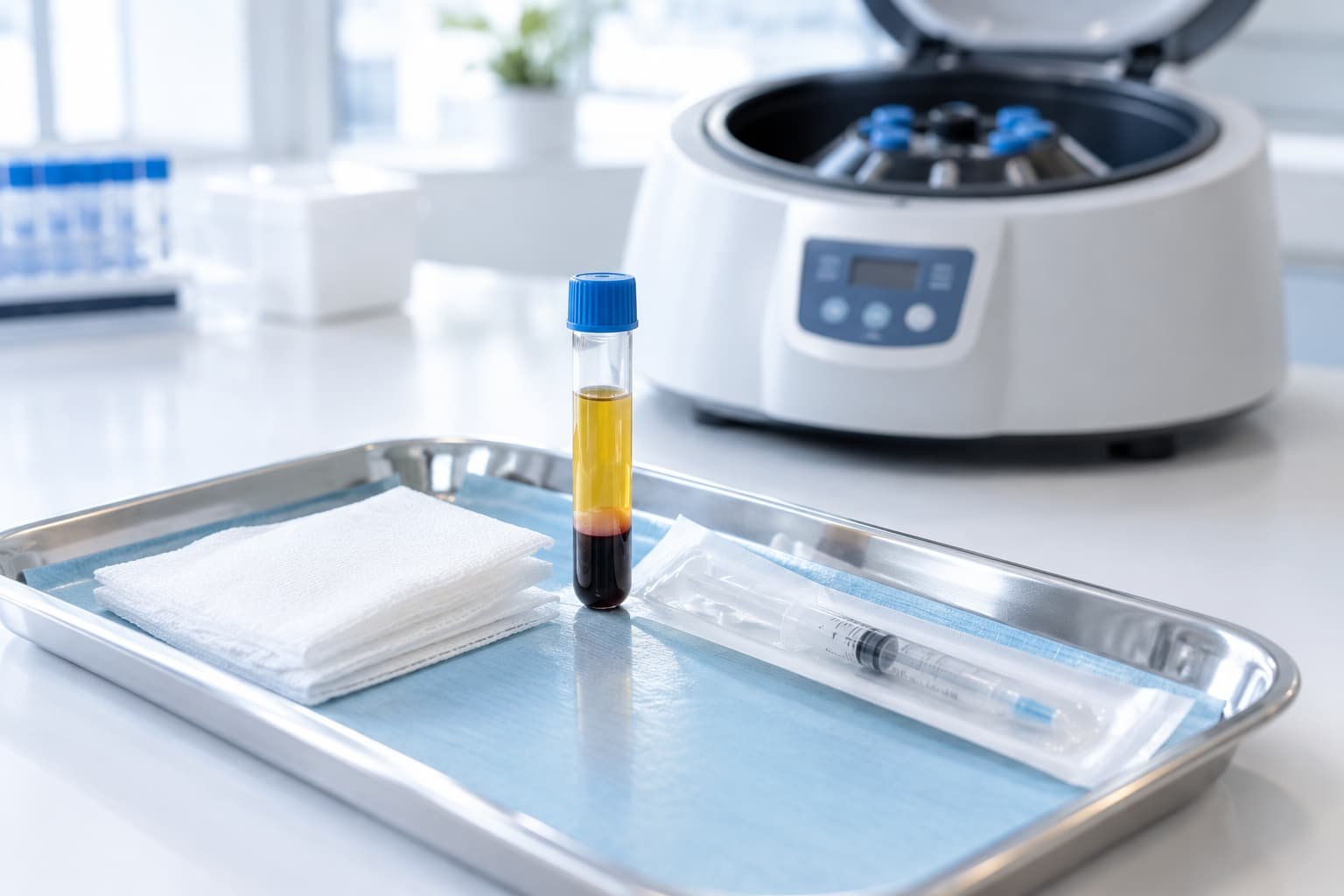
  • How Do Doctors Measure P-Shot Success? Erections, Sensitivity and Other Outcomes

    How Do Doctors Measure P-Shot Success? Erections, Sensitivity and Other Outcomes

    ✅Medically reviewed | Updated September 2026

    Men across the UK search for information about the P shot. Few find a clear explanation of how doctors judge the results. Clinic websites describe firmer erections and greater sensitivity. Cleveland Clinic states that clinical trials have not shown improved erections and calls the procedure experimental. Both positions leave one practical question. What counts as evidence?

    That question sits at the centre of P-Shot success. A man may feel improvement while a scan shows no change. Another man may score higher on a questionnaire yet notice no difference during sex. Clinicians therefore use several tools rather than one number.

    This article explains those tools in plain terms. Later sections cover erection scores, hardness grading, Doppler ultrasound, sensitivity testing, curvature measurement and safety review. Each section also explains what the research shows and where limits remain. The P shot, also called the Priapus shot, uses platelet-rich plasma (PRP). Clinicians draw PRP from the patient’s own blood and inject penile tissue. Understanding the measurements protects every patient from unrealistic expectations.

    What Does P-Shot Success Mean in Clinical Terms?

    Doctors define success against a stated goal. The goal must exist before treatment starts. Without a baseline, no clinician can judge change.

    Different Goals Need Different Measures

    Men seek the P shot for several reasons. Some want firmer erections. Others want greater sensitivity, less penile curvature or renewed confidence. Each goal needs a separate outcome measure. A questionnaire about erections cannot capture sensitivity. One success rate cannot describe every outcome.

    Efficacy, Effectiveness and Satisfaction

    Researchers separate three ideas. Efficacy describes change under trial conditions. Effectiveness describes change in routine care. Satisfaction describes how the patient feels about the change. A treatment can score well on one and poorly on another. Strong P-Shot success therefore requires agreement across several measures, not one positive result.

    How Doctors Measure Erectile Outcomes

    Erectile dysfunction (ED) is the most studied target of the P shot treatment. Clinicians measure erectile change with validated questionnaires first, then add objective tests where needed. NICE Clinical Knowledge Summaries describe a structured ED assessment. That assessment covers sexual history, cardiovascular risk and blood tests. NHS guidance advises men to see a GP first, because ED can signal heart disease or diabetes.

    The IIEF-5 and IIEF-EF Questionnaires

    The International Index of Erectile Function (IIEF) is the standard research questionnaire. The full version contains 15 questions across five domains. The erectile function domain (IIEF-EF) scores from 1 to 30. The short version, IIEF-5, scores from 5 to 25. Many clinicians use the short version in routine practice.

    Scores place men into severity bands. An IIEF-5 score of 22 to 25 suggests no ED. A score of 5 to 7 suggests severe ED. Repeating the same questionnaire before and after treatment shows the direction of change.

    What Counts as a Meaningful Change

    A statistical change does not always matter to a patient. Researchers therefore use the minimal clinically important difference (MCID). Published IIEF-EF estimates are 2 points for mild ED, 5 for moderate ED and 7 for severe ED. Smaller changes may reflect normal variation between test days.

    The Erection Hardness Score

    The Erection Hardness Score (EHS) grades rigidity from 0 to 4. An enlarged penis that remains soft is classified as Grade 1. With Grade 2, the erection is too soft to allow penetration. Penetration is possible at Grade 3, although the erection does not reach full rigidity. A completely hard and fully rigid erection is classified as Grade 4. Grades 3 and 4 usually allow satisfactory intercourse. The scale takes seconds to complete, so clinics use it at every review.

    Sexual Encounter Profile Diaries

    Sexual Encounter Profile (SEP) diaries record each attempt at intercourse. Question SEP2 asks whether penetration succeeded. Question SEP3 asks whether the erection lasted until completion. Drug trials commonly use these questions as primary endpoints. Diaries reduce recall bias because men log events soon after each attempt.

    Penile Doppler Ultrasound

    Doppler ultrasound serves as the main objective test. A clinician injects a vasoactive drug, then measures blood flow in the penile arteries. A peak systolic velocity above 30 cm/s usually indicates healthy arterial inflow. An end-diastolic velocity above 5 cm/s suggests venous leakage.

    Specialist urology units use this test when the cause remains unclear. Most private clinics do not offer it routinely. Fewer P shot studies report Doppler findings than questionnaire scores. Objective vascular proof therefore remains limited.

    Clinical tools used to measure P-Shot success, including questionnaire, tablet and Doppler ultrasound
    Questionnaires, hardness grades and Doppler ultrasound each measure a different part of erectile function.

    How Doctors Assess Sensitivity

    Sensitivity claims appear often in P shot marketing. Measurement of sensitivity remains far less standard. No universally accepted questionnaire exists for glans sensitivity. Cleveland Clinic states that no scientific evidence supports sensitivity claims.

    Subjective Sensitivity Scales

    Researchers commonly use a visual analogue scale from 0 to 10. Patients rate sensation before treatment and at each review. The IIEF orgasmic function domain adds a second perspective. Patient-reported scales capture what matters to the patient, but these scales also carry bias.

    Objective Sensory Testing

    Biothesiometry measures the vibration perception threshold on the shaft and glans. Neurologists use similar quantitative sensory testing to assess nerve damage. Results vary with arousal, anxiety, skin temperature and examiner technique. These tests appear mainly in research settings. Routine clinics rarely use such tests.

    Other Outcomes Doctors Track

    Penile Curvature and Plaque

    Peyronie’s disease causes scar tissue that bends the penis. NHS information advises men with new curvature or pain to see a GP. Clinicians measure curvature with a goniometer, usually after an induced erection. Ultrasound records plaque size. The Peyronie’s Disease Questionnaire (PDQ) records bother and function. Cleveland Clinic reports no good scientific evidence for the P shot in Peyronie’s disease.

    Penile Length and Girth

    Some websites use terms such as penis shot and male enlargement injections. Research on penile size uses stretched length, measured from the pubic bone to the glans tip. Measurements differ by several millimetres between examiners. Small changes therefore fall within measurement error.

    No trial shows that PRP produces lasting penile injection growth. Cleveland Clinic states that scientific evidence does not support size claims. Fillers and PRP also work differently. Fillers add volume, whereas PRP delivers growth factors from platelets.

    Ejaculatory Control and Orgasm

    Researchers time ejaculation with a stopwatch, called the intravaginal ejaculatory latency time (IELT). The Premature Ejaculation Diagnostic Tool (PEDT) adds a five-question screen. No large trial has tested the P shot against these measures. Claims about ejaculatory control therefore rest on weak evidence.

    Satisfaction and Global Impression

    The IIEF includes domains for intercourse satisfaction and overall satisfaction. Many studies also ask one global question: has treatment improved erections? The question is simple but blunt. A yes or no answer cannot show the degree of change.

    Safety and Adverse Events

    Safety counts as an outcome. Clinicians record bruising, swelling, discolouration, pain, numbness and infection. Cleveland Clinic lists bruising, discolouration, swelling and infection as minor risks. Signs of infection, worsening pain or numbness lasting more than a few hours need prompt medical review.

    When Doctors Measure Results

    Timing shapes every measurement. PRP triggers a gradual tissue response, so early checks can mislead. Trials commonly review outcomes at one, three and six months. Cleveland Clinic notes that some men report changes within days, while others wait months.

    A practical schedule includes four points:

    • Baseline: questionnaire scores, hardness grade, medical history and goals.
    • Four to six weeks: early review and safety check.
    • Three months: main outcome review with the same questionnaires.
    • Six to twelve months: durability check and decision on further sessions.
    Timeline of P-Shot follow-up reviews from baseline to twelve months
    Reviews at baseline, four to six weeks, three months and twelve months keep comparisons fair.

    Using the same tools at each visit keeps comparison fair.

    Why Measuring P-Shot Success Is Difficult

    Placebo Response

    Sexual function responds strongly to expectation. Placebo groups in ED trials often improve, even without active treatment. An injection procedure can raise expectation further. Placebo-controlled trials separate real effect from expectation. Uncontrolled reports cannot.

    Regression to the Mean

    Men often seek treatment when symptoms peak. Symptoms then fluctuate naturally, and scores may improve without any treatment. Repeated measurement and control groups reduce this error.

    Lifestyle Changes and Other Treatments

    Men often change habits around the time of treatment. NHS advice lists regular exercise, healthy eating, stopping smoking and reducing alcohol as helpful for ED. Some men also start counselling or medication. Each change can raise scores and blur the effect of PRP.

    P Shot Before and After Photos

    A P shot before and after photo shows appearance, not function. Lighting, camera angle, room temperature and arousal level all alter appearance. Photos cannot show hardness, sensation or sexual performance. P-shot before and after images rarely qualify as clinical evidence. Serious clinics pair photos with recorded scores taken under consistent conditions.

    What the Research Currently Shows

    Cleveland Clinic classes the P shot as experimental and reports no good evidence of benefit for ED. The European Association of Urology treats PRP as investigational. Its guidance supports use within research settings. NICE Clinical Knowledge Summaries continue to recommend PDE5 inhibitors as first-line ED treatment. NHS services do not routinely offer the P shot.

    A small 2021 placebo-controlled trial in the Journal of Sexual Medicine reported clinically meaningful gains in erectile scores after PRP. A later double-blind trial in European Urology in 2023 found less consistent benefit. Trial sizes remain small. Protocols differ in PRP preparation, injection number and follow-up length. Few studies follow patients beyond twelve months.

    P-Shot success in research therefore means meaningful change against placebo, on validated scales, over a defined period. Current evidence supports cautious interest, not confident promises.

    Setting Realistic Outcome Expectations

    Realistic expectations depend on the starting point. Men with mild vascular ED may respond differently from men with nerve damage after pelvic surgery. Diabetes, smoking, medication and low testosterone also change the likely response. NICE Clinical Knowledge Summaries list these factors as common causes of ED. Treating these causes first often improves scores.

    What a Reasonable Goal Looks Like

    A reasonable goal names one measure and one target. For example, a patient may aim to move from EHS grade 2 to grade 3. Another patient may aim to raise an IIEF-EF score by the MCID for the current severity band. Specific goals turn vague hope into a testable outcome.

    When to Reassess

    Clinicians reassess if scores fail to change by the three-month review. Options then include further investigation, another treatment or stopping. Cleveland Clinic advises men to continue only when a benefit appears and expectations stay realistic. Repeating injections without measurable gain adds cost without evidence.

    Cost and Access in the UK

    Private clinics set P shot UK prices individually. The typical priapus shot price in London ranges from £900 to £1,500 per session. Price depends on PRP preparation, practitioner experience and included follow-up. Searches for male enlargement injections cost uk often mix PRP with unrelated products. Patients should compare what each fee includes.

    A useful question costs nothing. Which measurement tools does the clinic use at baseline and follow-up? A clinic that defines P-Shot success in advance gives patients a factual basis for later decisions.

    Choosing a Practitioner for P Shot London Care

    NHS guidance advises a GP visit before any private ED treatment. A GP can check cardiovascular risk, diabetes, hormone levels and medication effects. Cleveland Clinic advises patients to ask about practitioner qualifications and experience. Patients should also confirm GMC registration and CQC registration for the clinic.

    Some clinics label the procedure a p injection or Pshot. The name matters less than the method. Patients should ask how the clinic prepares PRP, which sites receive injection and how the clinic measures outcomes. Patients should also ask what happens if no change occurs.

    Pshots clinic UK is a Harley Street, Marylebone practice led by Dr Syed Nadeem Abbas. Dr Abbas holds an MBBS, MRCS (RCS Edinburgh) and MRCGP. He also holds an MSc in Aesthetic Plastic Surgery, with Distinction, from Queen Mary University of London. Training took place at Cambridge, Oxford and the Royal London Hospital. The practice offers the P shot treatment discussed in this article.

    Frequently Asked Questions

    How Do Doctors Define P-Shot Success?

    Doctors define success against goals set before treatment. Common measures include IIEF scores, hardness grades, sensitivity ratings and safety records. Meaningful change means exceeding the minimal clinically important difference, not any small rise.

    Which Questionnaire Measures Erections?

    The IIEF-5 and IIEF-EF measure erectile function. Many clinicians use the IIEF-5 in routine care. Researchers use the longer IIEF in trials.

    Can the P Shot Increase Penis Size?

    No reliable evidence shows this. Cleveland Clinic states that scientific evidence does not support size claims. Measurement error can also mimic small changes.

    When Do Results Appear?

    Timing varies. Cleveland Clinic notes that some men report changes within days, while others wait several months or see none. Trials commonly assess outcomes at one, three and six months.

    Is the P Shot Safe?

    Cleveland Clinic describes the procedure as relatively safe. Minor risks include bruising, discolouration, swelling and infection. Any signs of infection need prompt medical review.

    Does the NHS Offer the P Shot?

    NHS services do not routinely offer it. NHS and NICE guidance places PDE5 inhibitors, lifestyle change and psychological support ahead of PRP.

    Conclusion: Measure First, Decide Second

    Good decisions start with good measurement. Doctors track erections with IIEF scores, hardness grades and diaries. Doppler ultrasound adds objective vascular data. Sensitivity, curvature, ejaculatory control and safety each need separate tools. No single number can describe every outcome.

    Evidence for PRP remains mixed. Cleveland Clinic calls the procedure experimental. A 2021 trial reported gains, yet a 2023 trial found less consistent benefit. Placebo response, natural fluctuation and photo limits complicate every result. Clear definitions of P-Shot success, set before treatment, protect patients from disappointment.

    Anyone considering the P shot should see a GP first, compare fees and ask how outcomes get measured. Informed decisions rest on evidence, not on marketing. If no measurement existed, how could any man judge whether treatment truly worked?

    Read more:

    What Is the P-Shot Success Rate? What the Research Really Shows

    P-Shot Success Rate by Age: Do Results Differ in Your 40s, 50s and 60s?

    P Shot Treatment London

    Dr Syed Nadeem Abbas, MBBS, MRCSEd, MSc Aesthetic Plastic Surgery (Distinction) Medical Director, Pshot Clinic | CQC Regulated | Monday to Saturday 10:00–18:00 +44 7955 836986 
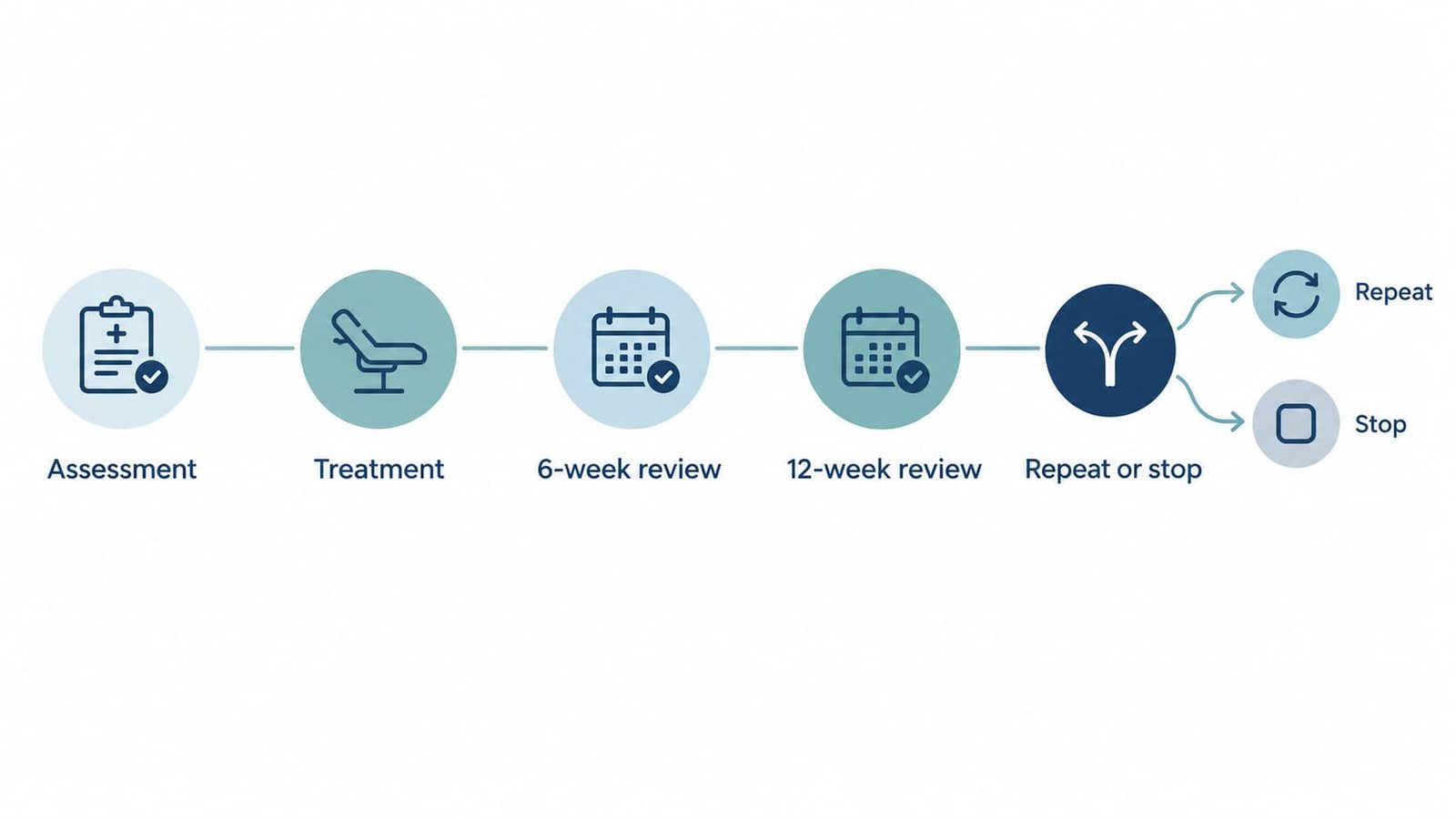
  • What Happens If the P-Shot Doesn’t Work? Next Steps to Consider

    What Happens If the P-Shot Doesn’t Work? Next Steps to Consider

    ✅Medically reviewed | Updated September 2026

    Interest in the P shot has grown steadily across London and the wider UK. Many men research the procedure carefully before booking. Far fewer research what follows a disappointing result. A weak response to P shot treatment does not close the door on effective care. It opens a structured review instead.

    Evidence explains why this matters. Research on platelet-rich plasma (PRP) for erectile dysfunction (ED) remains limited. Trials reach mixed conclusions. Some men report clear gains, while others notice no change. Sensible planning therefore covers both outcomes before the first injection.

    This article explains what happens if the P-Shot doesn’t work. A realistic timeline for judging results comes first. Common reasons for a limited response follow, together with the checks worth repeating. The article then compares alternatives recognised by the NHS and NICE. Every section draws on UK guidance and peer-reviewed research.

    The purpose is practical. Readers gain a framework for judging outcomes, a clear list of next steps, and a way to avoid repeat spending without a medical reason.

    What the P-Shot Involves and What the Evidence Shows

    How the Treatment Works

    Clinicians also call the P shot the priapus shot or penis shot. The treatment uses platelet-rich plasma. A clinician draws a small blood sample. A centrifuge then concentrates the platelets. After local anaesthetic, the clinician injects the concentrate into penile tissue. Platelets release growth factors. Laboratory studies suggest these factors may support blood vessel formation and tissue repair. Human evidence for this mechanism remains incomplete.

    What the Research Shows

    A 2021 randomised trial in the Journal of Sexual Medicine reported better erectile function scores after PRP than after placebo. A 2023 randomised trial in European Urology found no clear difference between PRP and placebo. European Association of Urology (EAU) guidelines describe the evidence as limited and classify PRP as investigational. The NHS and NICE Clinical Knowledge Summaries (CKS) list other treatments first.

    Mixed trial results explain why individual outcomes vary so widely.

    Placebo response adds further complexity. Erectile function scores often improve in placebo groups, because expectation and attention influence sexual performance. Careful measurement therefore matters more than first impressions.

    How Long to Wait Before Judging the Result

    The Usual Assessment Window

    Biological repair takes time. Some patients report early changes within two to four weeks. Most clinicians judge response at around three months. Others allow up to six months. A verdict before eight weeks usually lacks a fair basis.

    Measuring Progress Objectively

    Questionnaire form, notebook and calendar used to track erectile function scores over three months
    Dated scores and notes give a clearer picture than memory alone.

    A conclusion that the P-Shot doesn’t work needs measured evidence, not impressions. Clinicians therefore use the International Index of Erectile Function (IIEF) questionnaire. The short IIEF-5 form scores five questions from 5 to 25. Higher scores indicate better function. Patients complete the form before treatment and again at three months.

    A dated notebook adds useful detail. Entries can cover rigidity, morning erections, and successful intercourse attempts. Numbers and dated notes turn vague impressions into usable evidence.

    Why Photographs Mislead

    Clinic galleries often feature P shot before and after images. Photographs cannot measure blood flow, rigidity, or satisfaction. Lighting, arousal, and angle change appearance within minutes. P-shot before and after comparisons carry value only when supported by scores, dates, and consistent conditions.

    Signs the P-Shot Doesn’t Work

    Clinicians suspect limited benefit when several of these markers persist at three months:

    • IIEF-5 score unchanged, or within a few points of baseline
    • No change in rigidity or ability to sustain an erection
    • Continued need for the same medication at the same dose
    • No improvement in the ability to complete intercourse
    • Unchanged frequency of morning erections

    One missed marker does not confirm failure. The overall pattern matters more. Partial improvement also counts as a response, even when gains fall short of expectations.

    Symptoms That Need Prompt Medical Attention

    Some symptoms need review whatever the timeline. Pain, swelling, redness, warmth, fever, or discharge after injection may signal infection. New lumps or new curvature also need assessment. The NHS advises emergency care for an erection lasting four hours or more. Patients should call 111 or attend A&E in such cases.

    Why the Response May Be Limited

    Erectile function depends on blood vessels, nerves, hormones, and mood. A single injection addresses only part of that system. Several factors commonly reduce response.

    Vascular and Metabolic Disease

    ED often reflects blood vessel disease. Diabetes, hypertension, and high cholesterol damage vessels and nerves. NICE CKS advises cardiovascular risk assessment in men with ED. PRP alone cannot reverse advanced vascular damage. Untreated risk factors therefore limit any injection benefit.

    Hormonal Factors

    Low testosterone reduces libido and erectile quality. NICE CKS advises morning testosterone testing when symptoms suggest deficiency. Thyroid and prolactin disorders also affect sexual function. PRP does not correct these hormonal problems.

    Psychological Factors

    Performance anxiety, depression, and relationship stress often coexist with physical causes. The NHS lists psychological triggers alongside physical ones. Untreated anxiety can cancel out physical improvement. Talking therapy therefore deserves attention early.

    Medicines and Lifestyle

    Several medicines affect erections. Examples include thiazide diuretics, beta-blockers, some antidepressants, and finasteride. Patients should never stop prescribed medicines without medical advice. Smoking, heavy alcohol intake, obesity, and poor sleep add further harm. No injection can offset ongoing vascular and lifestyle damage.

    Patient Selection and Technique

    Severe or long-standing ED usually responds less well than mild disease. PRP preparation also varies. Clinics use different kits, platelet concentrations, injection volumes, and injection sites. No universal standard exists. This variation makes comparison between clinics difficult.

    A Simple Framework for Reviewing Results at Three Months

    Structured review turns uncertainty into action. Three broad outcomes emerge.

    • Clear improvement: Scores rise and function improves. Clinicians usually monitor progress and address lifestyle factors.
    • Partial improvement: Gains appear but remain inadequate. Adding an established therapy often makes sense.
    • No improvement: Scores stay flat. Repeat assessment and alternative treatments take priority.

    Adverse effects change the plan in every category. Prompt medical review comes first when complications appear.

    Next Steps When the P-Shot Doesn’t Work

    Book a Structured Review

    A review at around three months lets the clinician compare scores and symptom notes. The clinician also checks for complications and confirms the injection record. A current medication list and recent blood results make the visit more productive.

    Repeat the Medical Assessment

    NICE CKS outlines a basic ED assessment. It covers blood pressure, body mass index, blood glucose or HbA1c, lipid profile, and morning testosterone when indicated. A GP can arrange most of these tests through the NHS. Results often reveal treatable causes that an injection alone cannot fix.

    Strengthen the Lifestyle Foundations

    Lifestyle change carries strong supporting evidence. The NHS recommends regular exercise, weight loss for men who carry excess weight, smoking cessation, and moderate alcohol intake. Aerobic activity improves vascular function. Pelvic floor exercises may also help some men. Better sleep and stress control support hormone balance. These steps cost little and benefit overall cardiovascular health.

    Consider a Second Session Carefully

    Some clinics offer repeat sessions. Evidence for repeat dosing remains thin. A second injection makes sense only when the clinician identifies a specific reason, such as partial response with measured gains. Repeating an identical protocol after no measurable response lacks supporting evidence. A repeat injection needs a clinical reason, not simple hope.

    Compare Established Alternatives

    Illustrated pathway of ED assessment and treatment options including tests, tablets and counselling
    NHS and NICE guidance places assessment and first-line therapies ahead of other options.

    Guidelines place proven therapies first. Each option carries distinct benefits and limits.

    PDE5 Inhibitors

    Sildenafil, tadalafil, vardenafil, and avanafil form first-line therapy in NHS and NICE CKS guidance. These tablets help many men. They need sexual stimulation to work. Nitrate medicines make them unsafe, so a GP or pharmacist review comes first.

    Vacuum Erection Devices

    A vacuum pump draws blood into the penis. A constriction ring then holds the erection. The NHS lists this device as a treatment option. Bruising and a cool penis occasionally occur.

    Alprostadil Injections and Pellets

    Alprostadil relaxes penile blood vessels. Men inject it into the side of the penis or insert a urethral pellet. Clinicians teach the technique before home use. Prolonged erection remains a rare risk. Some private clinics prescribe combination injections, often called Trimix. Evidence for these preparations comes mainly from smaller studies.

    Low-Intensity Shockwave Therapy

    EAU guidance discusses low-intensity shockwave therapy for selected men with mild vascular ED. Protocols differ between clinics. Evidence quality remains modest.

    Penile Prosthesis Surgery

    Urologists offer implants for severe ED that resists other treatments. Surgery carries infection and mechanical failure risks. Published series report high satisfaction among selected patients.

    Address Psychological and Relationship Factors

    NHS talking therapies and psychosexual counselling help men whose anxiety sustains ED. Counselling can run alongside any medical treatment. Partners often join sessions when appropriate.

    Common Misunderstandings About a Poor Response

    Poor Results Do Not Prove Poor Technique

    Biology varies between men. A disappointing outcome does not automatically point to an error. Equally, skilled technique cannot guarantee benefit.

    Early Verdicts Ignore Biology

    Declaring that the P-Shot doesn’t work at six weeks ignores the timeline of tissue repair. Clinicians rarely expect new gains long after six months. Structured reassessment at three to six months balances both risks.

    Realistic Expectations, Cost, and Size Claims

    Priapus Shot Price in the UK

    Priapus shot price commonly ranges from £900 to £1,500 per session in the UK. Fees vary by clinic, location, and protocol. Some clinics sell packages covering several sessions. Patients should confirm exactly what each fee includes. When the P-Shot doesn’t work, further spending needs a clear medical rationale. A higher fee does not guarantee a better result.

    Penile Injection Growth Claims

    Some marketing links the P shot to penis size gain. Evidence for penile injection growth remains weak. The P shot targets erectile function, not length or girth. Male enlargement injections cost UK figures vary widely, and results remain unproven. Penile fillers also carry risks of lumps, infection, and deformity. Any p injection offer promising size gain deserves close scrutiny.

    Setting Honest Expectations

    Realistic outcomes range from modest benefit to no benefit. Guarantees have no place in this field. Reputable clinicians explain the limits of the evidence before treatment starts.

    Reviewing Results With a Qualified Clinician

    Credentials deserve checking before any review, whether in London or elsewhere in the UK. The General Medical Council register confirms a doctor’s registration and specialist status. Care Quality Commission registration shows regulated status for English clinics. A sound clinic records baseline scores, explains evidence limits, and screens medical risks. Pshots clinic UK, a Harley Street practice led by Dr Syed Nadeem Abbas (MBBS, MRCS, MRCGP, MSc Aesthetic Plastic Surgery), offers one example of a doctor-led setting for such reviews. A GP remains the first contact for underlying health checks.

    Frequently Asked Questions

    How long should a patient wait before deciding the P-Shot doesn’t work?

    Most clinicians assess response at three months. Some allow up to six months. Earlier judgement usually lacks a fair basis. Baseline and follow-up scores give the clearest comparison.

    Can a second P shot treatment help?

    Sometimes. A repeat session makes sense when the first injection produced partial, measured gains and the clinician sees a clear rationale. Evidence for repeat dosing remains limited.

    Does a poor result mean ED cannot be treated?

    No. NHS and NICE pathways offer several established options. Tablets, devices, injections, counselling, and surgery each suit different patients. Underlying causes also respond to treatment.

    Are P-shot before and after photos reliable?

    Photographs show appearance only. They cannot measure rigidity, blood flow, or satisfaction. Reliable comparisons need validated scores, dates, and consistent conditions.

    Can a P shot combine with ED tablets?

    Many clinicians continue tablets during and after PRP treatment. Evidence on combined use remains limited. A prescribing clinician should review any combination.

    Does the P shot increase penis size?

    Robust evidence does not support size gain. The treatment targets erectile function. Claims of penile injection growth need caution.

    Does the NHS provide the P shot?

    The NHS does not routinely offer PRP for ED. Patients usually pay privately. GPs still arrange assessment and first-line treatments.

    Key Takeaways

    Disappointment after an injection is understandable, yet it carries useful information. A structured response protects health, time, and money. Three months of measured data, a repeat medical assessment, and a clear review usually reveal the next step.

    Evidence supports several established routes. Tablets, devices, injections, counselling, and surgery each help selected men. Lifestyle change and treatment of vascular or hormonal causes often matter most. When the P-Shot doesn’t work, the underlying cause of ED still deserves answers.

    Informed decisions rest on honest evidence, not marketing claims. Which question deserves an answer first: whether the injection failed, or why erections changed in the first place?

    Read more:

    What Is the P-Shot Success Rate? What the Research Really Shows

    P-Shot Success Rate by Age: Do Results Differ in Your 40s, 50s and 60s?

    P Shot Treatment London

    Dr Syed Nadeem Abbas, MBBS, MRCSEd, MSc Aesthetic Plastic Surgery (Distinction) Medical Director, Pshot Clinic | CQC Regulated | Monday to Saturday 10:00–18:00 +44 7955 836986 
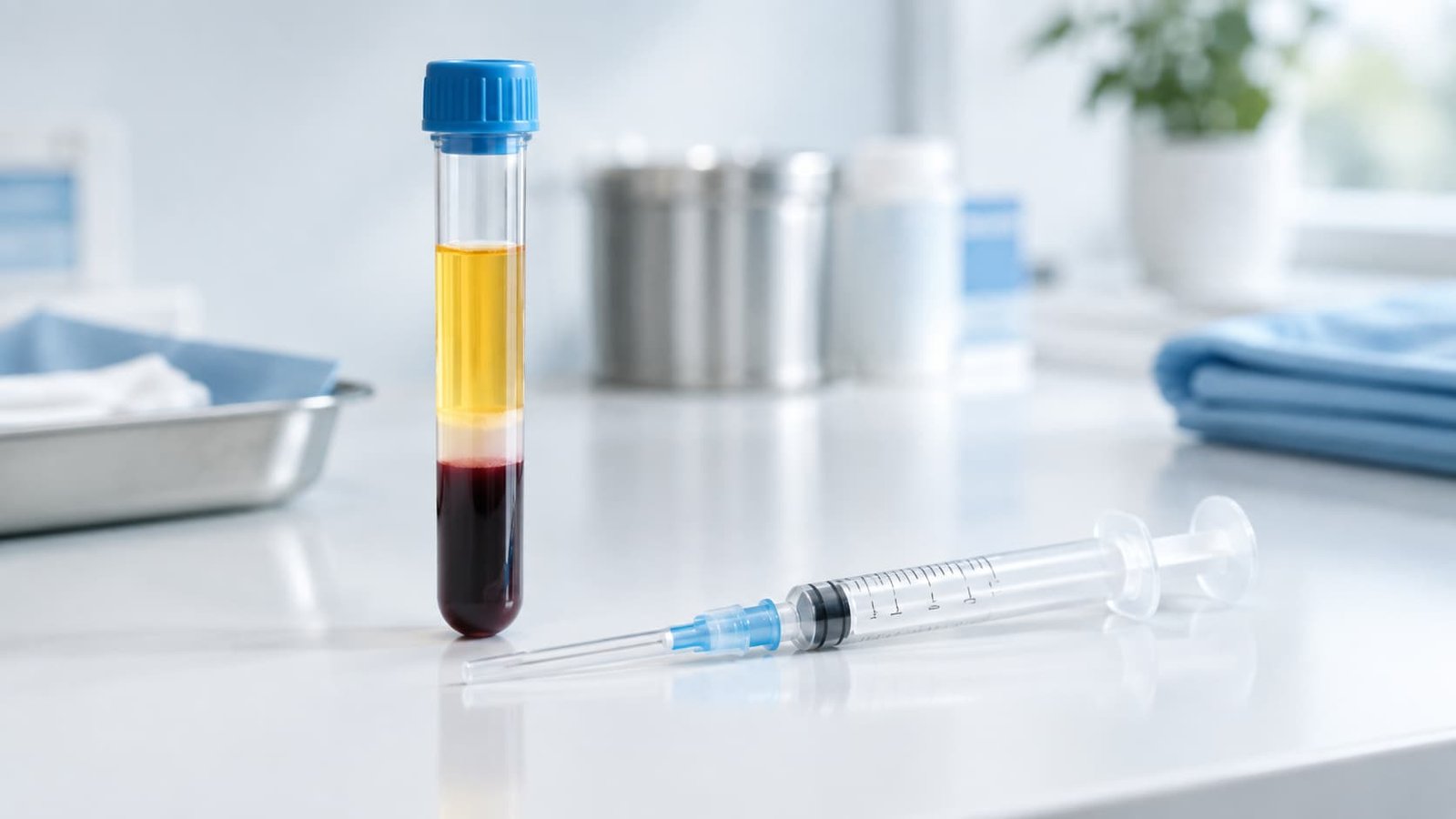
  • P-Shot Success Rate by Age: Do Results Differ in Your 40s, 50s and 60s?

    P-Shot Success Rate by Age: Do Results Differ in Your 40s, 50s and 60s?

    ✅Medically reviewed | Updated September 2026

    A single question dominates searches from midlife men researching regenerative sexual health treatments: does the P-Shot success rate decline with age. The honest answer resists a simple percentage. Age contributes to erectile changes, yet vascular health, diabetes control, medication history and daily habits shape outcomes far more than a date of birth. A man in his sixties with well-managed blood pressure may respond better than a man in his forties carrying untreated cardiovascular risk factors. This article separates two questions that many competitor pages blur together: what genuinely changes with age, and what changes because of underlying health. Evidence from peer-reviewed trials, NHS and NICE-aligned guidance, and established clinical patterns forms the basis for the analysis below.

    Understanding P-Shot Outcomes: What the Evidence Actually Shows

    The Priapus Shot, widely shortened to the P-Shot or Pshot in patient searches, uses platelet-rich plasma drawn from a man’s own blood. Growth factors within the plasma target penile tissue after concentration through a centrifuge. Marketing materials sometimes quote a single success figure as though outcomes apply uniformly to every patient. Clinical evidence does not support that approach.

    A randomised, double-blind, placebo-controlled trial appeared in the Journal of Sexual Medicine (Poulios et al., 2021). It recorded a statistically significant improvement in erectile function scores at six months among men receiving PRP, compared with placebo. A separate trial published in European Urology in 2023 produced more modest, mixed findings. This underlines cautions from the National Institute for Health and Care Excellence (NICE). NICE still classes platelet-rich plasma as an emerging therapy, not a guideline-endorsed first-line treatment for erectile dysfunction.

    The P-Shot success rate, therefore, reflects a range of clinical responses rather than one fixed outcome, and age forms only one variable within that range. Trial populations also skew toward men with mild to moderate vascular-related dysfunction, a detail that limits how confidently results generalise to more complex cases.

    Erectile Dysfunction Across the Decades: 40s, 50s and 60s

    Erectile dysfunction prevalence rises with age at population level. Analysis of National Health and Nutrition Examination Survey data found erectile dysfunction affecting roughly 5 per cent of men aged 20 to 40. The same data found erectile dysfunction in around 70 per cent of men aged 70 and older. That trend does not mean the P-Shot success rate falls in a straight line alongside it. Prevalence measures how often erectile dysfunction occurs, not how well any single treatment performs once it does.

    Two men of identical age can present with entirely different erectile health. One may be shaped by decades of good cardiovascular care, the other by neglect. A decade-by-decade overview should therefore be read as general context, not individual prediction.

    Men in Their 40s

    Erectile difficulty during the forties frequently stems from early vascular changes, rising blood pressure, weight gain, and stress-related hormonal shifts. Many men in this decade retain strong baseline blood flow and healthy erectile tissue, conditions that typically support a favourable P-Shot success rate. Lifestyle-driven erectile dysfunction, rather than structural tissue damage, dominates this age group.

    Men in Their 50s

    The fifties often introduce measurable vascular decline, borderline cholesterol readings, and the first diagnosis of type 2 diabetes for some patients. Erectile dysfunction becomes more consistently physical rather than purely psychological. Many men in this decade have also spent years on antihypertensive or cholesterol-lowering medication, some of which carries a recognised link to reduced erectile function. Men in this decade show varied outcomes, and health status typically predicts response better than age itself.

    Men in Their 60s

    Vascular disease, established diabetes, prostate-related changes and long-term medication use become more common by the sixties. Blood vessel elasticity reduces with age, and nerve sensitivity can decline gradually. Some men in this decade are also recovering from prostate surgery or radiotherapy, which can affect nerve pathways separately from general age-related change.

    Despite these factors, well-managed men in their sixties frequently achieve meaningful improvement, and clinical experience across UK regenerative clinics does not support writing off older patients on age grounds alone.

    Why Age Alone Does Not Determine Outcome

    Diagram comparing healthy blood flow with restricted blood flow from vascular disease
    Vascular health, not age alone, largely determines how tissue responds to PRP therapy.

    Chronological age correlates with several risk factors relevant to erectile function, yet correlation does not equal causation. The factors below influence individual outcomes more directly than age.

    Vascular Health and Blood Flow

    Erections depend on healthy blood flow into the corpora cavernosa. Atherosclerosis, hypertension and elevated cholesterol restrict that flow regardless of a patient’s age band. A fit, active 65-year-old with clean arteries commonly outperforms an unfit, sedentary 45-year-old with early vascular disease. Angiogenesis, the formation of new blood vessels, drives much of the biological benefit attributed to platelet-rich plasma. Baseline vascular capacity therefore shapes the P-Shot success rate strongly for any individual patient.

    Diabetes and Metabolic Factors

    Diabetes stands among the strongest predictors of erectile dysfunction severity at any age. The Massachusetts Male Aging Study found diabetes tripled the age-adjusted risk of complete erectile dysfunction, while treated heart disease quadrupled that risk. NHANES data recorded erectile dysfunction prevalence above 51 per cent among men with diabetes, compared with roughly 18 per cent across the general male population. Poorly controlled blood sugar damages both blood vessels and nerves supplying the penis. This process, called diabetic neuropathy, can blunt the regenerative response that platelet-rich plasma aims to trigger.

    Medication Effects

    Certain medications reduce erectile function independently of age. Beta-blockers, some diuretics, and specific antidepressants carry recognised associations with erectile difficulty. Men managing these prescriptions alongside erectile dysfunction may see a more gradual improvement, since medication effects continue acting on the same vascular and nervous pathways that PRP targets.

    Lifestyle Factors

    Smoking damages blood vessel linings and directly reduces blood flow. Excess alcohol consumption, poor sleep and low physical activity compound vascular strain. Men who address these factors alongside treatment typically support a stronger, more durable outcome than those who continue high-risk habits unchanged. Weight management also matters, since excess abdominal fat is independently linked with lower testosterone and reduced vascular function.

    Underlying Cause of Erectile Dysfunction

    Vascular-driven erectile dysfunction generally responds most consistently to PRP therapy. Psychological, purely hormonal, or severe structural causes, including advanced Peyronie’s disease or extensive post-surgical nerve damage, often need a broader treatment plan. Identifying the underlying cause during consultation matters more than counting a patient’s age in years.

    The Clinical Evidence Behind the P-Shot

    Regenerative use of platelet-rich plasma originated in orthopaedic and wound-care medicine before extending into men’s sexual health. The 2021 Journal of Sexual Medicine trial remains the most frequently cited randomised evidence supporting a measurable P-Shot success rate at six months. The 2023 European Urology trial reported smaller average gains, a reminder that platelet-rich plasma research for erectile dysfunction continues developing rather than sitting fully settled. NICE clinical knowledge summaries on erectile dysfunction do not currently list PRP injections among first-line recommended treatments. Phosphodiesterase type 5 inhibitors, lifestyle modification and psychological support remain the established first steps. Patients considering the P-Shot benefit from viewing it as a complementary regenerative option rather than a guaranteed universal fix.

    What Happens During P Shot Treatment

    Blood sample and centrifuge used to prepare platelet-rich plasma for P-Shot treatment
    A dual-spin centrifuge protocol concentrates platelets before injection.

    A standard P shot treatment session lasts approximately 30 to 45 minutes. Blood is drawn from the arm and processed through a centrifuge to separate platelet-rich plasma from other blood components. Topical anaesthetic cream, sometimes combined with a nerve block, numbs the treatment area beforehand. The concentrated plasma is then injected across several precise sites within the penile shaft and glans. Patients typically resume normal activity the same day, with mild swelling or tenderness resolving within 48 hours. Clinics generally schedule a follow-up review around six to twelve weeks after the initial p injection to assess progress and discuss whether a repeat session would help.

    Does a Second Session Improve the P-Shot Success Rate?

    Some men see meaningful change after one session, while others benefit from a repeat treatment three to twelve months later. Clinical experience suggests that men with more established vascular disease sometimes need a second round to achieve the same relative improvement seen in healthier patients after a single visit. Annual maintenance sessions are common practice rather than a sign that the first treatment failed.

    Comparing the P-Shot to Other ED Treatment Options

    Phosphodiesterase type 5 inhibitors, including sildenafil and tadalafil, remain the NICE-recommended first-line option for most men. Each dose acts for roughly four to six hours. Alprostadil injections, such as Caverject, produce a more immediate mechanical erection but do not carry the same regenerative, tissue-repair aim as PRP. Vacuum erection devices offer a drug-free mechanical option with no injection involved. Penile implant surgery addresses severe cases but involves a hospital procedure and several weeks of recovery.

    The P-Shot occupies a distinct middle position. It is a single autologous injection aimed at gradual tissue and vascular improvement, without surgical downtime or the recurring cost of daily medication.

    Realistic P Shot Before and After Expectations

    Reviewing P shot before and after material helps set realistic expectations, though photographs cannot capture internal vascular change or sensitivity improvement. Early changes may appear within two to four weeks, while fuller results generally develop across eight to twelve weeks as new blood vessels form.

    Claims describing dramatic penile enlargement growth misrepresent the treatment’s actual mechanism. The P-Shot targets function, sensitivity and blood flow rather than delivering guaranteed size increase, and any penile injection growth claim should be treated with appropriate scepticism until supported by controlled clinical data.

    Priapus Shot Price in London

    Priapus shot price in the UK commonly ranges between £900 and £1,500 per session. The figure depends on clinic location, PRP processing method, and whether shockwave therapy or extra follow-up reviews are included. Male enlargement injections cost UK-wide varies for similar reasons, and transparent, itemised pricing remains a reasonable expectation before booking any p injection procedure.

    Who Responds Best Across Age Groups

    Favourable candidates across the 40s, 50s and 60s typically share several features rather than a shared birth decade. Mild to moderate vascular-related erectile dysfunction, controlled blood pressure, well-managed diabetes, and limited smoking history all support stronger outcomes. Men who have not responded fully to phosphodiesterase type 5 inhibitors, or who prefer to avoid ongoing medication, often explore this route across all three decades discussed here.

    Realistic expectations also matter as much as physical health. Men who understand the gradual, biologically driven nature of PRP tend to report higher satisfaction than those expecting an immediate, dramatic change comparable to oral medication.

    Safety, Limitations and When to Think Twice

    Platelet-rich plasma therapy is not appropriate for men with active genital infection, untreated bleeding disorders, or platelet dysfunction. Anticoagulant medication requires medical clearance beforehand. Advanced Peyronie’s disease, active pelvic cancer treatment, and known local anaesthetic allergy also warrant caution. Mild bruising, localised swelling and temporary tenderness represent the most commonly reported side effects, and these typically settle within a few days without further intervention.

    A thorough consultation, rather than an age cut-off, should guide suitability decisions. A responsible clinic should be willing to decline treatment where the underlying cause needs a different approach first.

    Choosing a Provider for P Shot London

    Provider experience influences outcomes as strongly as patient factors. PRP processing quality varies between a single-spin and a dual-spin centrifuge protocol, and platelet concentration affects how much growth factor activity reaches the treated tissue. Injection technique and precise site selection also differ between practitioners, which can influence both comfort and outcome. A properly regulated clinic performing the p shot london procedure should offer transparent pricing, a doctor-led consultation, and clear aftercare guidance. Registration with the Care Quality Commission applies where the clinic operates in England. Pshots clinic UK, led by Dr Syed Nadeem Abbas, is one example of a Harley Street-area practice offering this treatment within a broader men’s health framework.

    Frequently Asked Questions

    Does the P-Shot success rate fall sharply after 50?

    No single cut-off age determines outcome. Vascular health, diabetes control and lifestyle typically influence results more than reaching a particular birthday.

    What P-Shot results are realistic for men in their 60s?

    Well-managed men without significant diabetes or vascular disease frequently report meaningful improvement, though individual response still varies.

    Does diabetes reduce P-Shot success rate more than age does?

    Evidence suggests diabetes carries a stronger independent association with erectile dysfunction severity than age alone, making blood sugar control clinically relevant.

    How much does a P-Shot cost in the UK?

    Priapus shot price typically sits between £900 and £1,500 per session, varying by clinic and included aftercare.

    Can P shot before and after photographs be trusted?

    Photographs offer limited insight, since sensitivity and blood flow changes are not always visible externally.

    Is the P-Shot suitable for every man over 40?

    Suitability depends on underlying health, current medication and the cause of erectile difficulty rather than age category alone.

    Does the P-Shot cause penile injection growth?

    Evidence does not support guaranteed enlargement. The treatment targets blood flow, tissue repair and sensitivity rather than permanent size increase.

    Should men with diabetes avoid the P-Shot entirely?

    Diabetes does not automatically exclude a patient, though well-controlled blood sugar generally supports a better regenerative response and should be discussed at consultation.

    Key Takeaways

    The P-Shot success rate cannot be reduced to a single figure attached to a decade of life. Vascular health, diabetes management, medication history, lifestyle habits and the underlying cause of erectile dysfunction shape outcomes more precisely than chronological age. Men in their 40s, 50s and 60s can each achieve meaningful improvement, provided expectations remain realistic and modifiable health factors receive proper attention alongside treatment. A structured consultation remains the only reliable way to establish those expectations before proceeding.

    Given how much individual health status outweighs age in determining outcome, does chronological age deserve the weight it still receives in most public conversations about this treatment?

    Read more:

    What Is the P-Shot Success Rate? What the Research Really Shows

    P Shot and Testosterone Levels: Is There a Link?

    P Shot Treatment London

    Dr Syed Nadeem Abbas, MBBS, MRCSEd, MSc Aesthetic Plastic Surgery (Distinction) Medical Director, Pshot Clinic | CQC Regulated | Monday to Saturday 10:00–18:00 +44 7955 836986 
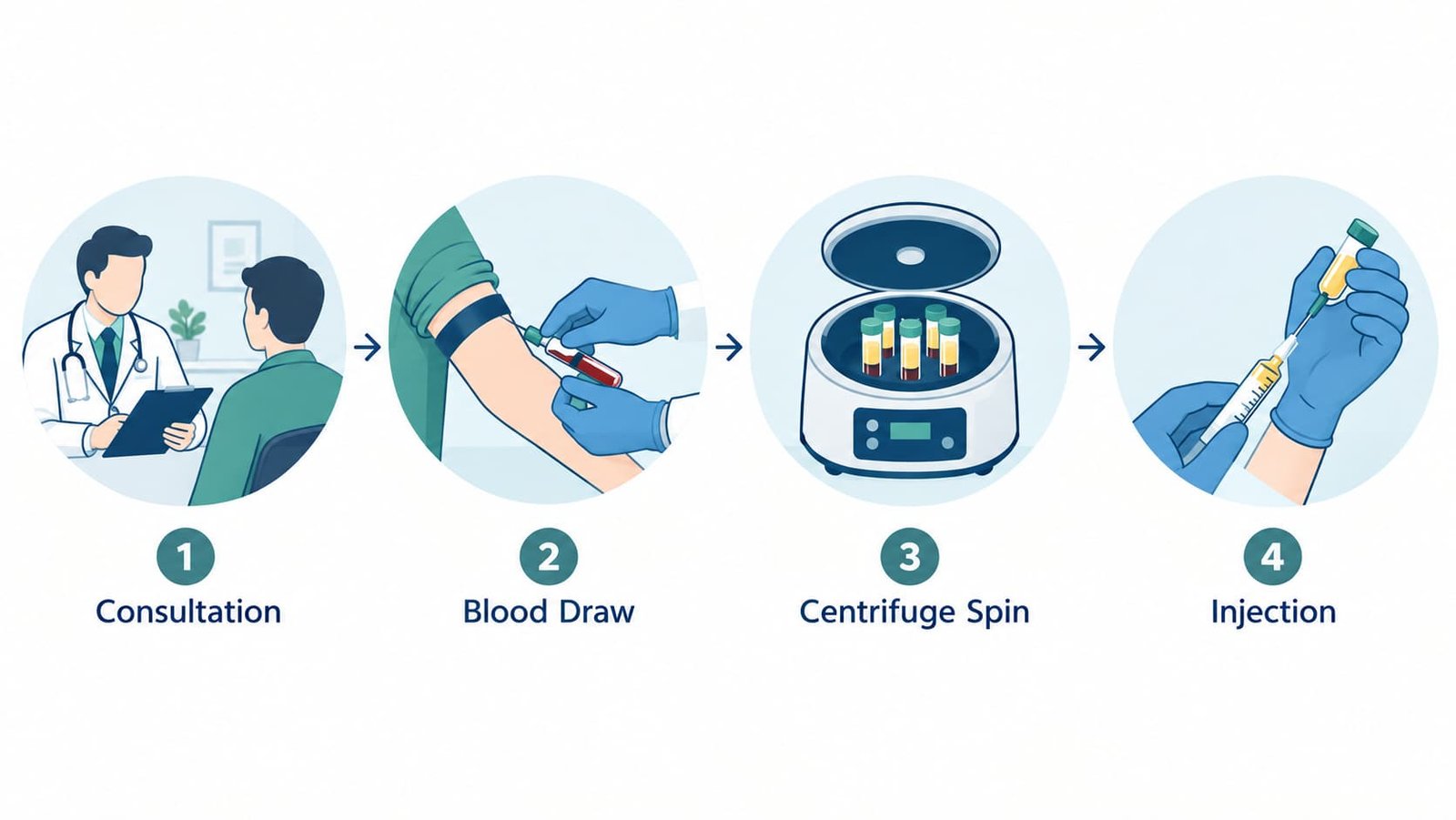
  • What Is the P-Shot Success Rate? What the Research Really Shows

    What Is the P-Shot Success Rate? What the Research Really Shows

    ✅Medically reviewed | Updated September 2026

    Men researching non-surgical options for erectile difficulties often encounter bold claims about regenerative injections. The P-Shot success rate is one of the most searched questions among men considering this treatment. Marketing pages frequently quote high percentages without context. This article separates promotional language from peer-reviewed evidence. It examines what clinical trials actually measured, how outcomes were defined, and why reported success figures vary so widely between sources. Readers will find a balanced, evidence-based explanation, not a sales pitch.

    What Is the P-Shot?

    The P-Shot, or Priapus Shot, is a trademarked injection technique. It uses platelet-rich plasma (PRP) prepared from a man’s own blood. A clinician draws a small blood sample and spins it in a centrifuge. This process concentrates platelets and growth factors. The concentrate is then injected into specific areas of the penis. Proponents suggest these growth factors encourage tissue repair and improved blood flow. The treatment is sometimes described using the terms P shot, Pshot, or penis shot. These names all refer to the same PRP-based procedure.

    The P shot treatment is not currently approved as a standard erectile dysfunction therapy by UK regulatory bodies. It falls into a category of regenerative or “restorative” therapies still under clinical investigation. NHS guidance on erectile dysfunction lists established options such as PDE5 inhibitors, vacuum devices, and injectable alprostadil. PRP-based injections do not currently appear in NICE clinical pathways for erectile dysfunction.

    Understanding “Success Rate” in P-Shot Research

    The phrase P-shot success rate sounds precise. In clinical research, however, success can mean several different things. Some studies define success as an improved score on the International Index of Erectile Function (IIEF) questionnaire. Other studies measure patient-reported satisfaction. A few report changes in penile blood flow using Doppler ultrasound. These are not interchangeable measures, and mixing them creates misleading headline statistics.

    A treatment showing a “70% success rate” in one study might refer to any improvement in questionnaire score. It does not necessarily mean 70% of men achieved normal erectile function. Readers should always check what outcome a percentage actually reflects.

    Clinical questionnaire and outcome graph illustrating how IIEF scores measure P-Shot success
    Success rates depend heavily on how outcomes are defined and measured.

    How Researchers Measure Outcomes

    Clinical researchers typically track these outcome types:

    • Change in IIEF-5 or IIEF-15 questionnaire scores
    • Patient-reported improvement in erection hardness
    • Partner-reported satisfaction
    • Objective vascular measurements
    • Adverse event rates

    Studies that rely only on subjective questionnaires are more vulnerable to placebo effects. Studies with objective vascular measurements provide stronger evidence, though these remain limited in number.

    What Does the Current Evidence Show?

    Published research on PRP injections for erectile dysfunction has grown since 2020. The overall picture remains mixed rather than conclusive.

    Small Studies Reporting Positive Results

    Several small, uncontrolled studies report improvement in erectile function scores after PRP injection. A 2022 review published in Frontiers in Reproductive Health summarised the existing evidence base. It noted that erectile dysfunction affects an estimated one in five men in the United Kingdom, around 4.3 million men in total. The same review highlighted growing clinical interest in PRP as a regenerative option, while stressing that robust trial data remained limited.

    These early studies typically involved fewer than fifty participants. Most lacked a control group. Without a placebo comparison, it becomes difficult to separate genuine biological effect from expectation bias. A percentage drawn from an uncontrolled study of thirty men cannot reliably predict outcomes for the wider population.

    Randomised Controlled Trial Findings

    Randomised controlled trials (RCTs) provide the strongest form of evidence. Findings from these trials have been less favourable than uncontrolled studies. One double-blind, placebo-controlled trial presented at the American Urological Association meeting compared PRP injections against a placebo in sixty-one men with mild to moderate erectile dysfunction. Researchers reported that the results did not demonstrate meaningful benefit over placebo, and noted that the therapy marketed as the Priapus shot lacked strong supporting evidence. This finding is significant. It suggests that some of the improvement reported in earlier open-label studies may reflect placebo response rather than a true treatment effect.

    A 2025 systematic review and meta-analysis of randomised controlled trials, following PRISMA guidance, was conducted to evaluate PRP monotherapy for erectile dysfunction more rigorously. Reviewers searched multiple databases, including PubMed, EMBASE, and Cochrane Library, to identify eligible trials. This type of pooled analysis carries more weight than any single small trial, because it combines data across studies to reduce the influence of chance findings.

    Systematic Reviews and Meta-Analyses

    A 2024 meta-analysis published in PLOS ONE pooled data from both controlled and single-arm trials investigating PRP for erectile dysfunction. The authors noted that evidence on PRP effectiveness for this condition remained inconclusive, despite a growing number of studies being conducted. This conclusion reflects the current scientific consensus. PRP shows biological plausibility and an encouraging safety profile. Proof of consistent, reproducible clinical benefit is still developing.

    A separate 2024 systematic review examined PRP therapy across both erectile dysfunction and Peyronie’s disease. Reviewers again identified substantial variation in injection protocols, PRP preparation methods, and follow-up periods across the available studies. This variation makes it difficult to calculate one universal success percentage that applies fairly across all clinics and techniques.

    Another 2023 narrative review identified four randomised clinical trials investigating intracavernosal PRP for erectile dysfunction. The review concluded that while PRP appears safe, its efficacy for managing erectile dysfunction remains unknown because of significant heterogeneity among the trial protocols.

    Why the P-Shot Success Rate Is Difficult to Pin Down

    Several factors explain the wide range of reported outcomes.

    Small Sample Sizes

    Most published studies include fewer than one hundred participants. Small samples produce results that can swing significantly with a handful of individual responses. A single study cannot establish a reliable, generalisable P-shot success rate.

    Lack of Standardisation

    PRP preparation varies between clinics. Centrifugation speed, platelet concentration, and injection volume all differ. Some practitioners use leukocyte-rich PRP. Others use leukocyte-poor preparations. These technical differences may influence outcomes, yet few studies control for them consistently.

    Placebo Effect

    Erectile dysfunction has a well-documented placebo response. Expectation, anxiety reduction, and increased attention from a clinician can all improve subjective erection scores temporarily. Placebo-controlled trials help account for this, but many marketing claims rely on uncontrolled data.

    Short Follow-Up Periods

    Many studies assess outcomes at only one, three, or six months. Long-term durability data beyond twelve months remains sparse. This gap limits understanding of whether reported benefits persist.

    Who Might Respond Better to the P Shot

    Individual response likely depends on several factors, based on patterns observed across the available literature:

    • Age and overall vascular health
    • Severity and underlying cause of erectile difficulty
    • Presence of diabetes or cardiovascular disease
    • Smoking status
    • Realistic expectations regarding degree of change

    Men with mild, early-stage erectile difficulty may report more noticeable change than men with severe, long-standing vascular disease. This pattern appears across several small studies, though it has not been confirmed in large controlled trials.

    Psychological factors also influence reported outcomes. Anxiety around sexual performance can worsen erectile difficulty independently of vascular health. A treatment that reduces anxiety through attention and reassurance may produce a measurable improvement in questionnaire scores, even without a direct physiological effect. Clinicians assessing suitability should consider psychological contributors alongside physical ones, and discuss non-injection options where appropriate before recommending PRP therapy.

    P Shot London: Availability and Practice Standards

    Demand for P shot London appointments has grown alongside broader interest in men’s regenerative health treatments. Clinics offering the P shot in the UK vary considerably in clinical background, PRP preparation equipment, and injection technique. Prospective patients should verify that any provider holds appropriate medical qualifications and follows recognised infection control standards. Regulatory oversight for PRP-based aesthetic and sexual health injections in the UK sits within a developing framework, so due diligence remains the patient’s responsibility.

    Pshots clinic uk, a Harley Street practice led by Dr Syed Nadeem Abbas, is among the UK providers offering PRP-based men’s health treatments within a regulated medical setting.

    Regulatory Status of the P Shot in the UK

    The P shot UK market operates within a regulatory environment still catching up with demand for regenerative injectables. Autologous PRP is classified differently from medicines and devices, since it derives from the patient’s own tissue rather than a manufactured product. This classification means oversight varies depending on how and where a clinic operates. Registered medical practitioners performing the P shot in the UK are still bound by General Medical Council standards, clinical governance requirements, and informed consent obligations. Patients should confirm that a prescribing clinician, rather than a non-medical technician, is responsible for assessment and injection. Checking professional registration, insurance, and clinic accreditation remains a practical safeguard, given that PRP-based sexual health treatments sit outside standard NHS and NICE-endorsed pathways.

    Priapus Shot Price and Cost Considerations

    Priapus shot price varies across UK clinics, generally reflecting differences in consultation depth, PRP kit quality, and aftercare provision. Costs typically range across several hundred pounds per session, with some protocols requiring more than one treatment for a full course. A lower price does not indicate a higher P-shot success rate, and cost alone should never be the deciding factor.

    For context, male enlargement injections cost UK figures can vary widely depending on the specific technique used, whether PRP, hyaluronic acid filler, or another injectable substance. Patients comparing options should ask providers directly how outcomes were measured in any published or clinic-reported success figures, rather than relying on marketing percentages alone.

    P-Shot Before and After: Realistic Expectations

    Searches for P shot before and after images are common among prospective patients. Photographic comparisons cannot substitute for controlled clinical data, and visual results are highly dependent on lighting, positioning, and selective presentation. Penile injection growth claims associated with the P shot are not consistently supported by rigorous trial evidence. Any size-related change reported anecdotally should be interpreted with caution rather than treated as an expected outcome.

    Men considering this treatment should approach P-shot before and after claims with the same scrutiny applied to the underlying research. Individual anatomy, baseline erectile function, and treatment protocol all influence any visible change.

    How the Procedure Works

    Centrifuge and blood sample used to prepare PRP for the P-Shot procedure in London
    PRP is prepared from a small blood sample before injection.

    A typical P injection appointment follows a structured process:

    1. Initial consultation and medical history review
    2. Blood draw, usually a small sample from the arm
    3. Centrifugation to separate and concentrate platelets
    4. Application of topical or local anaesthetic
    5. Injection of PRP into specific penile tissue areas
    6. Short observation period before discharge

    The full procedure typically takes under an hour. Recovery guidance usually includes avoiding sexual activity for a short period and monitoring for swelling or bruising.

    Clinics vary in how many sessions they recommend for a complete course. Some protocols involve a single injection appointment. Others space two or three sessions several weeks apart, based on the theory that repeated stimulation may support more sustained tissue response. There is no consensus in the published literature on optimal dosing intervals or total session number. Patients should ask any provider to explain the specific protocol being offered and the evidence supporting that particular schedule, rather than accepting a generic treatment plan without explanation.

    Risks and Limitations

    PRP injections carry a generally favourable safety profile because the plasma is autologous, meaning it originates from the patient’s own blood. Reported side effects include temporary bruising, swelling, and injection site discomfort. Serious complications appear rare in published safety data, though large-scale, long-term safety studies remain limited. Allergic reaction risk is low compared with treatments using non-autologous or synthetic materials, since the injected substance comes directly from the patient.

    The absence of major reported harm should not be interpreted as proof of benefit. Safety and efficacy are separate questions, and a treatment can be reasonably safe while still lacking strong evidence of meaningful clinical improvement.

    The P-shot success rate reported by any single clinic should not be assumed to reflect peer-reviewed outcomes. Clinic-reported figures often lack the methodological rigour of published trials and may not account for regression to the mean or placebo response.

    FAQ

    Is the P-Shot proven to work?

    Current evidence is mixed. Some uncontrolled studies report improvement, while a randomised placebo-controlled trial found no significant benefit over placebo. Larger, well-designed trials are needed before firm conclusions can be drawn.

    What is a realistic P-shot success rate based on current research?

    There is no single verified figure. Reported improvement rates in small uncontrolled studies range broadly, but methodological limitations mean these numbers cannot be generalised reliably.

    Is the P Shot available on the NHS?

    No. PRP-based injections for erectile dysfunction are not part of standard NHS treatment pathways. NHS-approved options include oral medication, vacuum devices, and other established interventions.

    How much does a Priapus shot price typically cost in the UK?

    Pricing varies by clinic and protocol. Patients should request a detailed breakdown of what is included and how many sessions a full course requires.

    Are P-shot before and after results guaranteed?

    No. Individual response varies, and photographic comparisons are not a substitute for controlled clinical evidence.

    Who should avoid this treatment?

    Men with bleeding disorders, active infection at the injection site, or unrealistic expectations of guaranteed results should discuss suitability carefully with a qualified clinician before proceeding.

    How long do P-Shot results typically last, according to research?

    Published follow-up periods are generally short, often between one and twelve months. Data on durability beyond one year is limited, so long-term persistence of any reported benefit remains uncertain.

    Key Takeaways

    The P-shot success rate cannot be reduced to a single reliable percentage. Evidence ranges from encouraging small studies to a placebo-controlled trial showing no significant benefit. Systematic reviews consistently describe the evidence base as promising but inconclusive. Prospective patients deserve information grounded in published research, not marketing language. Anyone considering PRP-based treatment should review the available trial data, ask providers direct questions about outcome measurement, and set realistic expectations before proceeding. Given how much the evidence still varies between studies, what would it take for research on the P-shot success rate to reach a genuine, reproducible consensus?

    Read more:

    P-Shot for Sensitivity vs ED: Does It Work Differently?

    P Shot and Testosterone Levels: Is There a Link?

    P Shot Treatment London

    Dr Syed Nadeem Abbas, MBBS, MRCSEd, MSc Aesthetic Plastic Surgery (Distinction) Medical Director, Pshot Clinic | CQC Regulated | Monday to Saturday 10:00–18:00 +44 7955 836986

  • P-Shot Pain: Does the P-Shot Hurt? Numbing and Comfort Options

    P-Shot Pain: Does the P-Shot Hurt? Numbing and Comfort Options

    ✅Medically reviewed | Updated September 2026

    A needle near the penis triggers an instant reaction. Almost every man who considers platelet-rich plasma (PRP) treatment asks one blunt question first. How much will this hurt?

    P-Shot pain worries men more than cost, results or recovery time. The concern makes sense. The penis holds a dense network of sensory nerves, and the glans reacts to the lightest touch. An injection in that region deserves a clear explanation, not a quick reassurance.

    The honest starting point is simple: the main randomised trials of this procedure do not report pain scores. Many websites answer with phrases such as “not really” or “just a pinch”. Those phrases sound comforting. They contain no measurable data.

    This article reviews the evidence on P-Shot pain. It describes what patients typically feel at each stage. It also explains the common numbing options. The sources include NHS guidance, NICE Clinical Knowledge Summaries, European Association of Urology (EAU) guidelines and peer-reviewed trials. The article also separates comfort from effectiveness. A comfortable procedure does not guarantee a useful result.

    Many men search for P Shot London options, P shot UK providers or a priapus shot price. Few ask the questions that matter most. What does the procedure feel like? Which anaesthetic does the clinic use? What happens if discomfort rises mid-treatment? The sections below answer each question.

    What Is the P-Shot?

    The P-Shot is a form of platelet-rich plasma therapy. Clinics also use the names priapus shot, Pshot, p injection and, informally, penis shot. Each term describes the same basic procedure.

    The procedure follows four steps. A clinician draws a small blood sample from the arm. A centrifuge spins the sample to concentrate platelets. The clinician then injects the resulting PRP into penile tissue. Platelets release growth factors, and researchers believe those factors support tissue repair.

    The repair mechanism remains a hypothesis in men, not a proven effect. A later section reviews the trial evidence in detail.

    Appointment length varies between clinics. Numbing and centrifugation usually take longer than the injection itself. A P shot treatment therefore involves waiting time, not continuous discomfort.

    Does the P-Shot Hurt? What Research Says About P-Shot Pain

    What Clinical Trials Report

    Randomised trials of PRP for erectile dysfunction report adverse events, not pain scores. Poulios and colleagues treated 60 men with two PRP injections in a 2021 Journal of Sexual Medicine trial. The authors reported no adverse events. Masterson and colleagues randomised 61 men in a 2023 Journal of Urology trial. That trial recorded no major adverse events and one minor event in each group.

    These findings suggest that serious complications are uncommon. They do not measure discomfort. The trials reviewed here do not report standard pain scores for the injection itself. Any precise claim about the percentage of men who feel nothing therefore lacks a scientific basis. Careful clinicians describe expected sensations and avoid promising a pain-free experience.

    Why the Penis Reacts Strongly to Injections

    The penis carries a rich supply of sensory nerve endings. The dorsal nerve of the penis relays sensation from the skin and glans to the spinal cord. Sensitivity peaks at the glans and stays high along the shaft.

    PRP injections usually target the erectile tissue of the shaft. Some protocols also include the glans. Injections near the glans may feel sharper because of that dense nerve supply. Individual anatomy, injection depth and needle technique also shape sensation.

    Where P-Shot Discomfort Arises

    Discomfort arises at three points. Each point has a different cause and a different remedy.

    The Blood Draw

    The blood draw resembles any standard venepuncture. A brief scratch occurs at the arm, and the sensation fades within seconds. The arm has far less dense sensory innervation than the glans, so this stage usually causes little concern.

    The Numbing Stage

    Where a clinic uses anaesthetic injections, this stage causes the sharpest moment. The solution stings or burns briefly as it enters tissue. NHS guidance notes that patients may feel some discomfort when a local anaesthetic injection goes in. A warm tingle then follows as numbness develops.

    The PRP Infusion

    Numbing removes pain signals but not every sensation. NHS guidance states that patients may still feel pressure or movement after a local anaesthetic. PRP infusion typically produces pressure, fullness or tightness as fluid enters tissue.

    Volumes vary between clinics. The 2021 Poulios trial used 10 mL of PRP per session, which can create noticeable fullness. Pressure differs from pain, and a well-numbed patient should report pressure rather than sharp pain. Patients who feel sharp pain during infusion should tell the clinician immediately. The clinician can pause, check the area and add anaesthetic.

    Numbing Options for the P-Shot

    Anaesthetic choice is the largest modifiable factor in P-Shot pain. Options range from surface creams to regional nerve blocks. Clinics select an approach according to protocol, training and patient preference.

    Topical Anaesthetic Cream

    Clinician applying topical anaesthetic cream before a P-Shot procedure
    Topical anaesthetic cream is one of several options clinics use to reduce discomfort.

    Lidocaine-prilocaine cream is a common example. A clinician applies the cream to penile skin and waits for the effect. Application times differ between products, so clinics follow the manufacturer’s instructions.

    Cream offers a needle-free first step. It suits men with mild anxiety or low pain sensitivity. However, cream acts mainly on surface nerve endings. Deeper tissue may still register the needle.

    Some paediatric circumcision studies support this limitation. Those studies found that a dorsal penile nerve block gave better pain relief than cream alone. Circumcision differs from PRP injection, so the findings offer only indirect guidance.

    Local Anaesthetic Injection

    A clinician injects lidocaine or a similar agent beneath the skin near the treatment area. The needle is small, yet the injection still stings for several seconds. Some clinics combine cream with a small-needle injection to reduce that sting.

    NHS guidance says numbness normally develops within a few minutes. Sensation returns a few hours later. Patients should move carefully until feeling returns.

    Dorsal Penile Nerve Block and Ring Block

    A dorsal penile nerve block places anaesthetic near the dorsal nerves at the base of the penis. A ring block places anaesthetic in a band around the base. Both techniques numb a wider area than cream or a single skin injection.

    Urologists use these techniques for circumcision and other penile procedures. The block itself requires a needle, and incomplete blocks occur. A 2024 trial paper cited incomplete blocks in up to 13% of earlier cases. Complete failures reached up to 7%. Nerve blocks also demand anatomical knowledge and training. Practice varies between clinics, so patients should ask which technique the clinic uses.

    Confirming Numbness Before the Injection

    Numbing needs time to work. Starting before the anaesthetic takes effect increases discomfort. NHS guidance states that the treating clinician checks the area is numb before starting treatment. Patients can ask the clinician to test sensation first. Patients can also request a pause if any sensation feels sharp.

    Additional Comfort Measures

    • Using a slower injection speed may reduce pressure sensations.
    • When lying flat, patients may have a lower chance of dizziness or fainting.
    • Controlled breathing or gentle distraction can help ease anxiety.
    • A warm, private room can create a more relaxed environment.
    • Before each step, a clear explanation can reduce uncertainty and help the patient feel more comfortable.

    Sedation exists as a separate option. NHS guidance describes sedation as leaving the patient awake but drowsy. Sedation adds risk and monitoring needs, so suitability depends on the clinical setting.

    Safety Checks Before Numbing

    A clinician should review allergy history before applying any anaesthetic. NHS guidance describes allergic reactions to local anaesthetic as very rare. Prilocaine also requires caution in patients with methaemoglobinaemia, a rare blood condition. Patients should disclose all allergies and medical conditions at consultation.

    What Patients Feel After the P-Shot

    Numbness fades within a few hours, according to NHS guidance. A tingling sensation often marks the return of feeling. Some patients then notice soreness, swelling or bruising at injection sites. NHS guidance lists minor bruising, bleeding and soreness as possible effects of local anaesthetic injections.

    Clinics usually advise simple analgesia, such as paracetamol, if soreness develops. Some clinicians also advise avoiding non-steroidal anti-inflammatory drugs (NSAIDs), such as ibuprofen, around treatment. Those drugs may affect platelet function and bruising. Patients should follow the written advice from the treating clinic.

    Clinicians expect mild soreness. Severe, worsening or unusual pain signals a problem. Patients should seek prompt medical advice for any of these signs:

    Severe or steadily worsening pain

    A fever or chills

    Redness, warmth, or discharge that begins to spread

    Swelling that increases rapidly in size

    A painful erection that lasts for more than four hours

    A painful erection lasting over four hours needs emergency care. NHS 111 or an emergency department can advise.

    P-Shot Pain Compared With Other Penile Injections

    Intracavernosal alprostadil offers a reference point. A 1996 New England Journal of Medicine study followed 683 men. Penile pain occurred in 50% of men at some point. Pain followed only 11% of injections, and the pain was usually mild.

    Alprostadil is a vasoactive drug that produces its own sensations, so the comparison has limits. The reviewed literature contains no direct comparison with PRP. Even so, penile injection pain in a well-studied treatment proved usually mild and intermittent.

    What Influences P-Shot Pain?

    Several factors explain why experiences differ between patients:

    • Individual pain sensitivity can vary considerably from person to person.
    • Anxiety and apprehension may increase perceived pain during medical procedures.
    • Previous experiences with needles can influence expectations and how sensations are perceived.
    • The injection site, depth, and volume can all affect the level of discomfort.
    • The type, dose, and timing of anaesthetic may influence the effectiveness and duration of numbness.
    • Clinician experience and injection technique can also affect how the surrounding tissue responds.

    Anxiety deserves particular attention. A thorough consultation reduces uncertainty, and reduced uncertainty often lowers anxiety.

    Realistic Outcomes: Comfort Does Not Equal Effectiveness

    A comfortable procedure still needs a worthwhile result. The evidence for PRP in erectile dysfunction remains mixed.

    Poulios and colleagues reported a clinically important improvement at six months in 69% of PRP recipients. The placebo group reached 27%. Masterson and colleagues found no difference. At one month, 58.3% with PRP and 53.6% with placebo reached that threshold (P = 0.730). A 2024 trial by Ragheb and colleagues studied 52 men. Erectile function scores showed no significant difference at one, three or six months.

    EAU guidelines describe PRP for erectile dysfunction as an investigational option. NICE Clinical Knowledge Summaries place phosphodiesterase type 5 (PDE5) inhibitors first in the treatment pathway. Mixed trial results mean patients should weigh the modest evidence against cost and effort, not comfort alone.

    P Shot Before and After Images

    P shot before and after photographs appear widely online. Photographs cannot separate treatment effect from lighting, arousal state, camera angle or placebo response. P-shot before and after claims therefore carry limited scientific weight.

    Size Claims and Cost

    PRP does not act as a size treatment. No reliable trial shows penile injection growth after PRP. Searches for male enlargement injections cost uk often return prices for unrelated filler procedures, which carry different risks.

    Published UK clinic listings commonly show a priapus shot price between £900 and £1,500 per session. Price varies with the clinic, the PRP kit, the depth of consultation and the anaesthetic approach.

    Choosing a Clinic and Preparing for the Appointment

    Private, CQC-regulated clinic room where P-Shot treatments take place
    Choosing a regulated, doctor-led clinic supports both safety and comfort.

    Patients comparing P shot UK providers can verify several points before booking:

    • Whether the practitioner is registered with the General Medical Council (GMC).
    • Where applicable, confirm that the clinic is registered with the Care Quality Commission (CQC).
    • Ask about the written anaesthetic protocol and why it is used.
    • Find out which PRP preparation kit is used and how the centrifuge process is carried out.
    • Review the written consent process, including the potential risks and limitations.
    • Make sure an appropriate aftercare plan is provided, along with an out-of-hours contact route.

    Pshots clinic uk is a private clinic on Harley Street in Marylebone, London. Dr Syed Nadeem Abbas leads the clinic. Listed qualifications include MBBS, MRCS (RCS Edinburgh) and MRCGP. An MSc in Aesthetic Plastic Surgery with Distinction from Queen Mary University of London also appears. Training took place at Cambridge, Oxford and the Royal London Hospital. Patients can check any practitioner’s registration on the GMC register.

    Preparation is simple. Patients should disclose all medicines, including anticoagulants, anti-inflammatory drugs and supplements. Clinics commonly advise eating normally and staying hydrated beforehand. Patients should apply numbing cream only when the clinic gives specific instructions.

    Frequently Asked Questions About P-Shot Pain

    Does the P-Shot hurt more than a blood test?

    The sensations differ. A blood draw causes a brief scratch at the arm. The injection stage typically causes pressure or fullness once numbing takes effect. Individual pain sensitivity and the anaesthetic method decide the overall experience.

    How long does P-Shot pain last after treatment?

    Numbness fades within a few hours, according to NHS guidance on local anaesthesia. Mild soreness or tenderness typically settles within days. Persistent or worsening pain needs prompt medical review.

    Can the P-Shot take place without numbing?

    Some men decline anaesthesia, but clinical practice generally includes numbing. Without numbing, needle insertion and PRP infusion may cause significant pain and involuntary movement. A clinician can explain the safest approach after assessment.

    Are numbing creams and injections safe?

    NHS guidance describes local anaesthetics as generally safe, with very rare serious side effects. Patients with an anaesthetic allergy or methaemoglobinaemia must inform the clinician before any application.

    Does more pain mean better results?

    No evidence links pain intensity with treatment response. Outcomes depend on patient selection, the cause of erectile dysfunction and study design. Pain does not signal effectiveness.

    Does the NHS offer the P-Shot?

    The NHS does not routinely offer PRP for erectile dysfunction. NICE Clinical Knowledge Summaries direct clinicians to lifestyle measures, cause assessment and PDE5 inhibitors first. Patients can discuss options with a GP.

    Key Takeaways

    P-Shot pain is real but usually manageable. The procedure combines a blood draw, numbing and injections into a highly sensitive area. Sensations range from a brief sting to pressure and fullness. Cream, local injection and nerve block options each reduce discomfort in different ways. Effective numbing depends on the chosen technique, the operator’s skill and honest communication during treatment.

    Comfort remains only one part of the decision. Trial evidence for PRP in erectile dysfunction stays mixed, and guidelines treat the procedure as investigational. Cost adds a further consideration. Informed consent should cover evidence, limitations, anaesthetic plans and alternatives. Patients who understand these points decide with confidence, whichever direction the decision takes.

    If painless treatment were certain, would the current evidence alone justify choosing the procedure?

    Read more: Penile Numbness vs Erectile Dysfunction: What’s the Difference?

    P-Shot for Sensitivity vs ED: Does It Work Differently?

    P Shot Treatment London

    Dr Syed Nadeem Abbas, MBBS, MRCSEd, MSc Aesthetic Plastic Surgery (Distinction) Medical Director, Pshot Clinic | CQC Regulated | Monday to Saturday 10:00–18:00 +44 7955 836986